


Gulls & Terns in Texas
Our list for Texas has 16 gulls & terns recorded regularly there: 1 resident, 4 summer visitors, 7 winter visitors, 3 passage migrants and 1 scarce visitor
Most likely in October
GBIF · OctShare of all bird records in Texas in October, 2019–2024. Each month links to that month’s page.
All 16, most common first
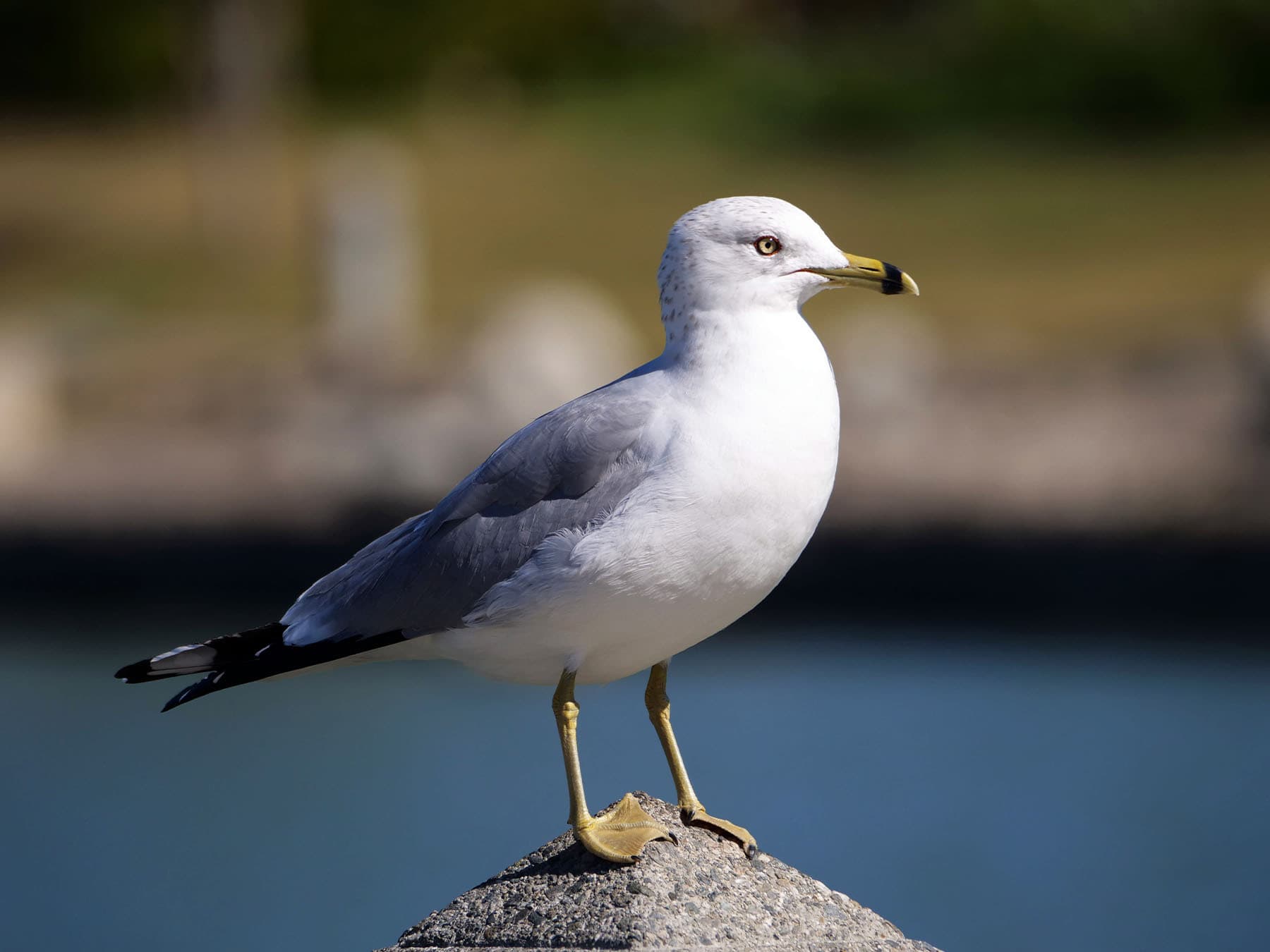 Ring-billed GullLarus delawarensisWinter visitorCommon43–54 cmRegularly Aug–May
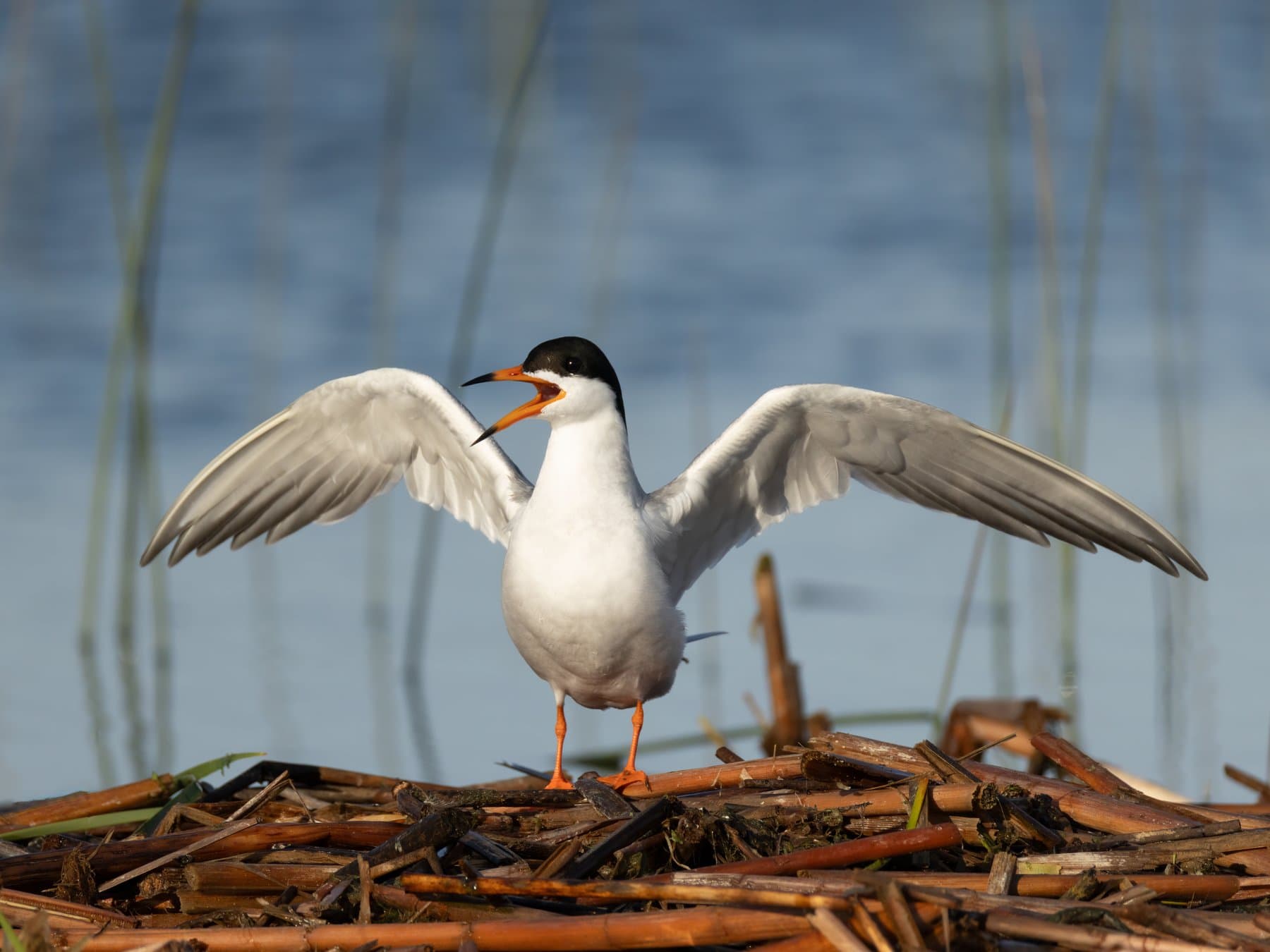 Forster's TernSterna forsteriResidentUncommon33–36 cmRecorded all year
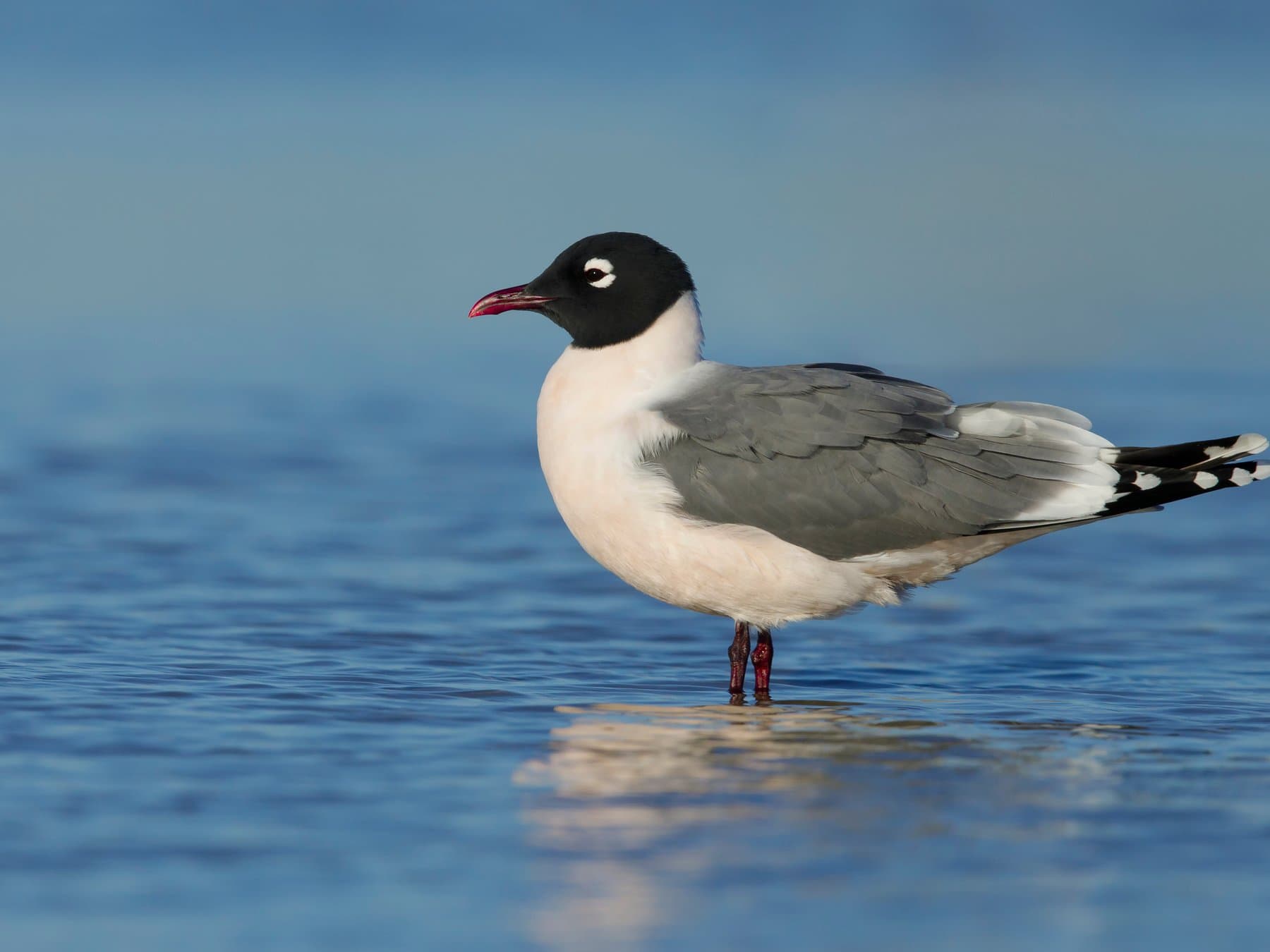 Franklin's GullLeucophaeus pipixcanPassage migrantUncommon32–36 cmRegularly Oct–May
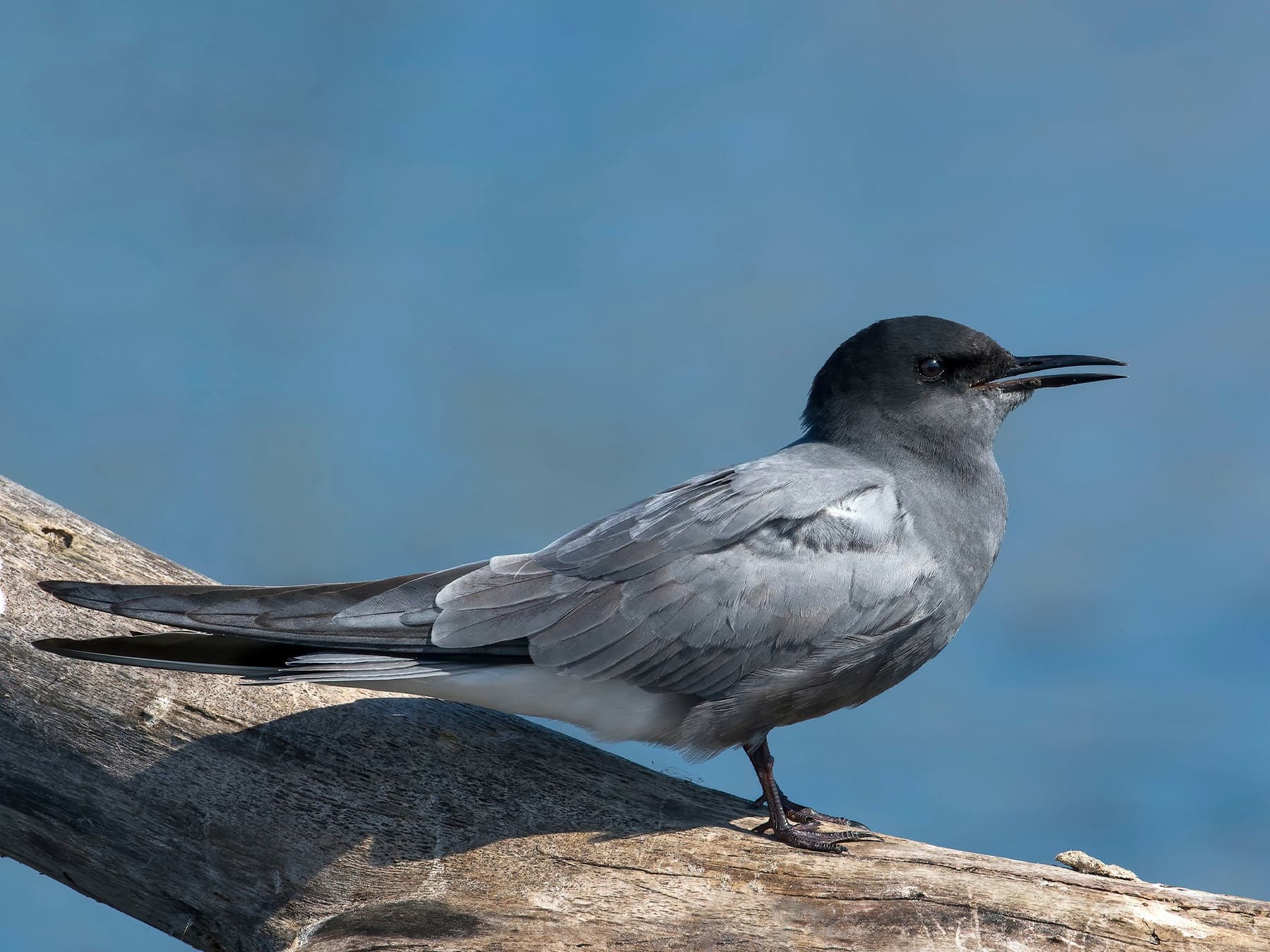 Black TernChlidonias nigerSummer visitorUncommon22–26 cmRegularly Apr–Oct
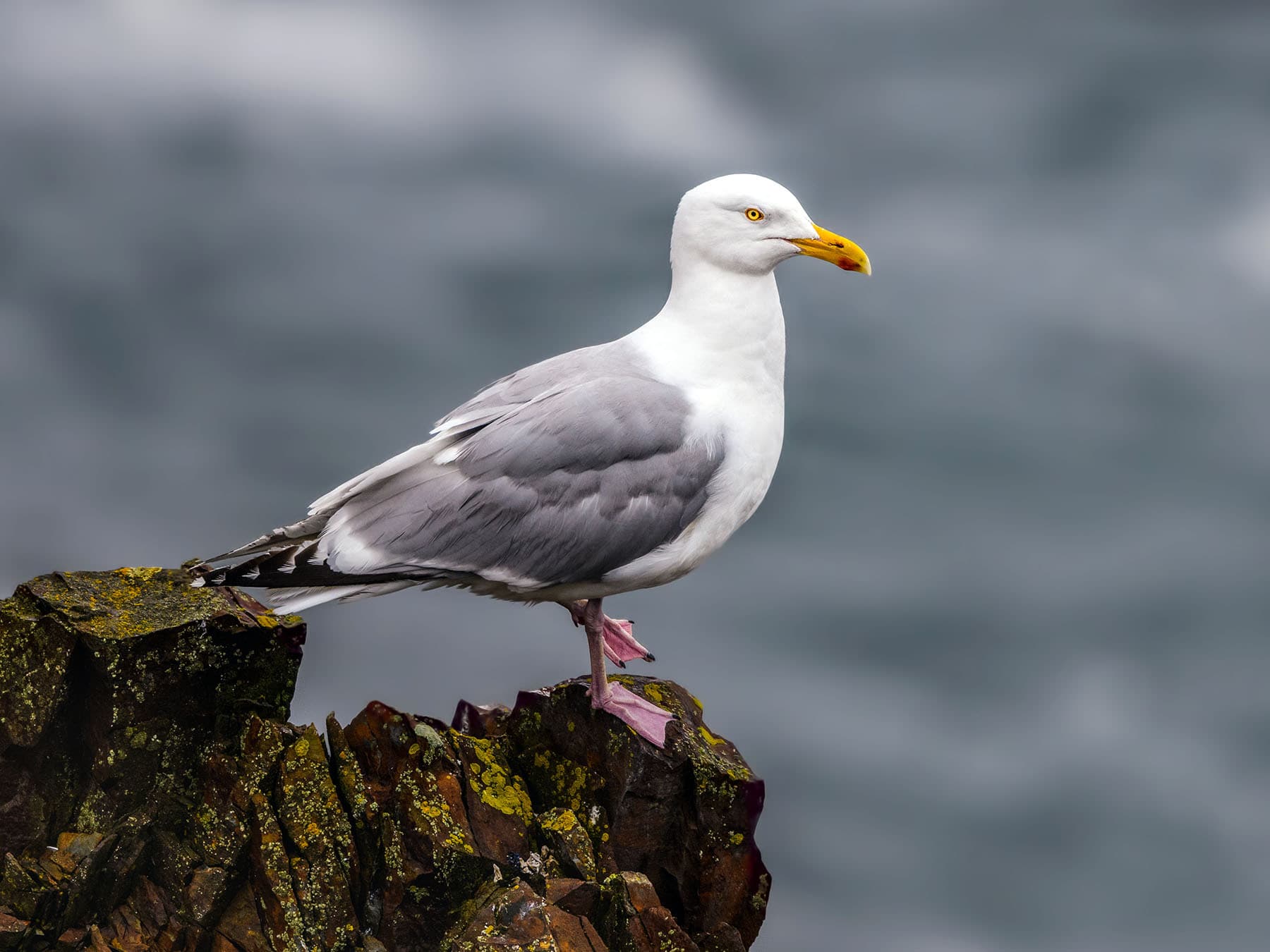 American Herring GullLarus smithsonianusWinter visitorUncommon53–65 cmRecorded all year
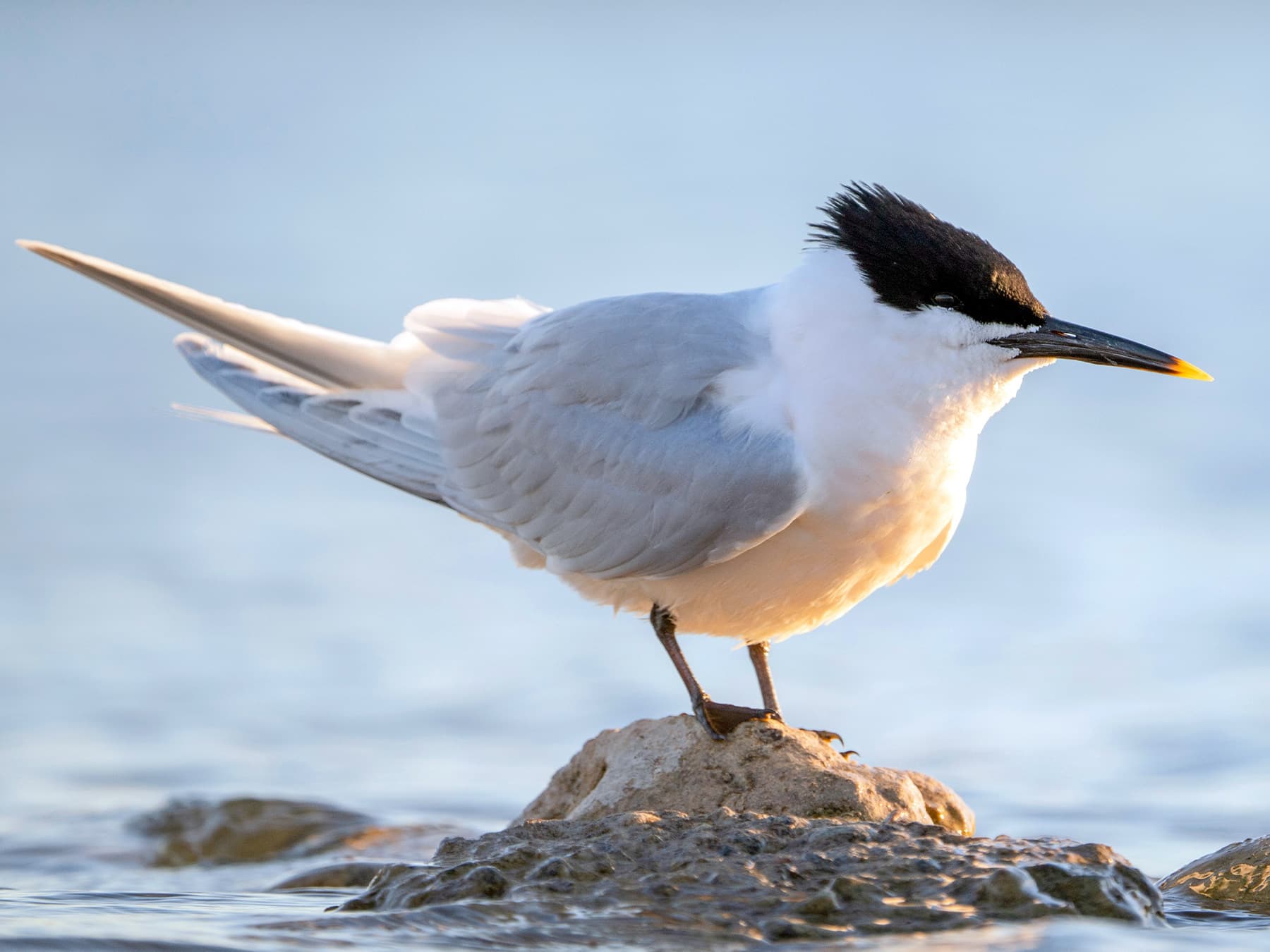 Sandwich TernThalasseus sandvicensisSummer visitorUncommon36–41 cmRegularly Mar–Dec
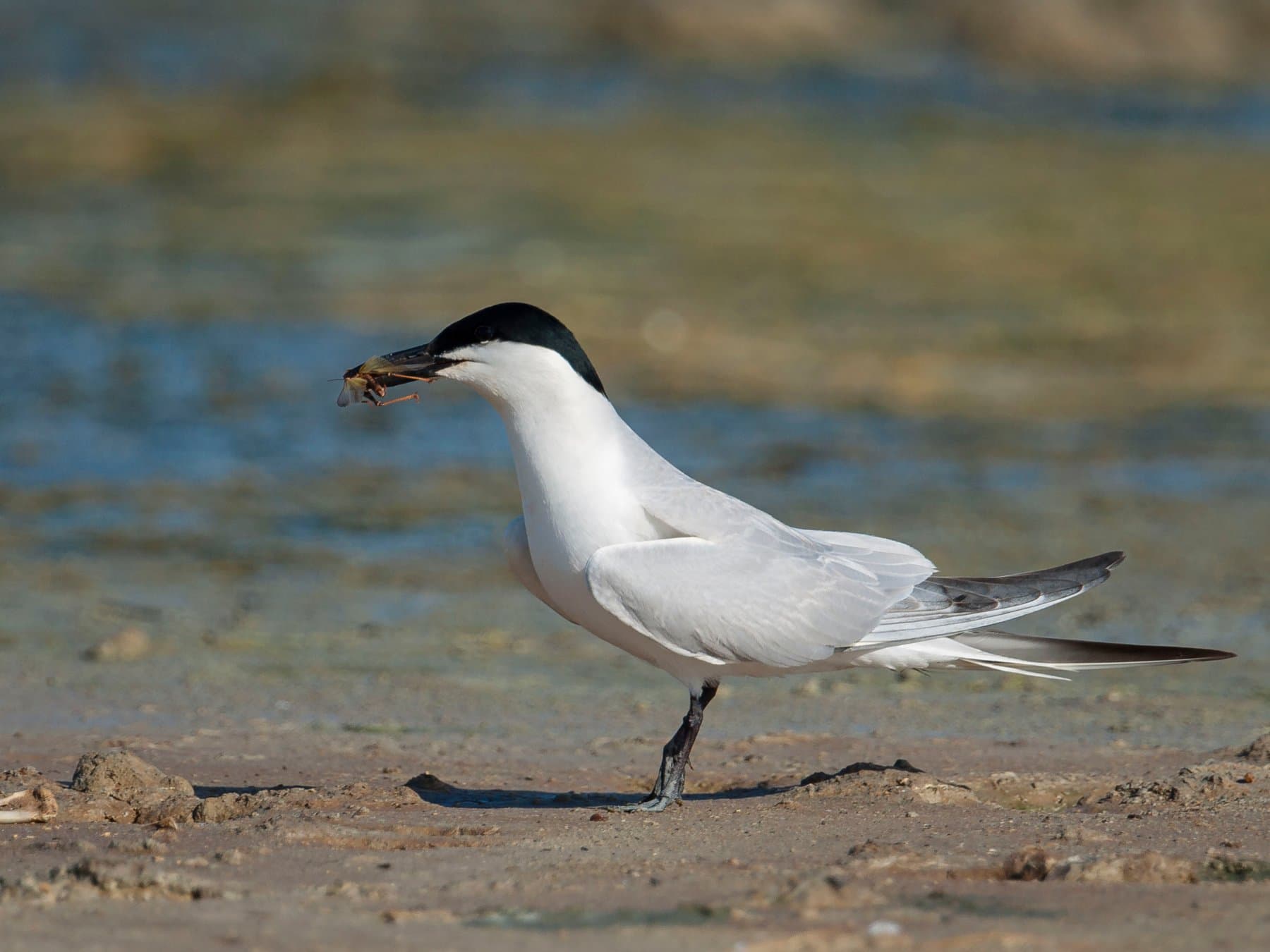 Gull-billed TernGelochelidon niloticaSummer visitorUncommon33–42 cmRecorded all year
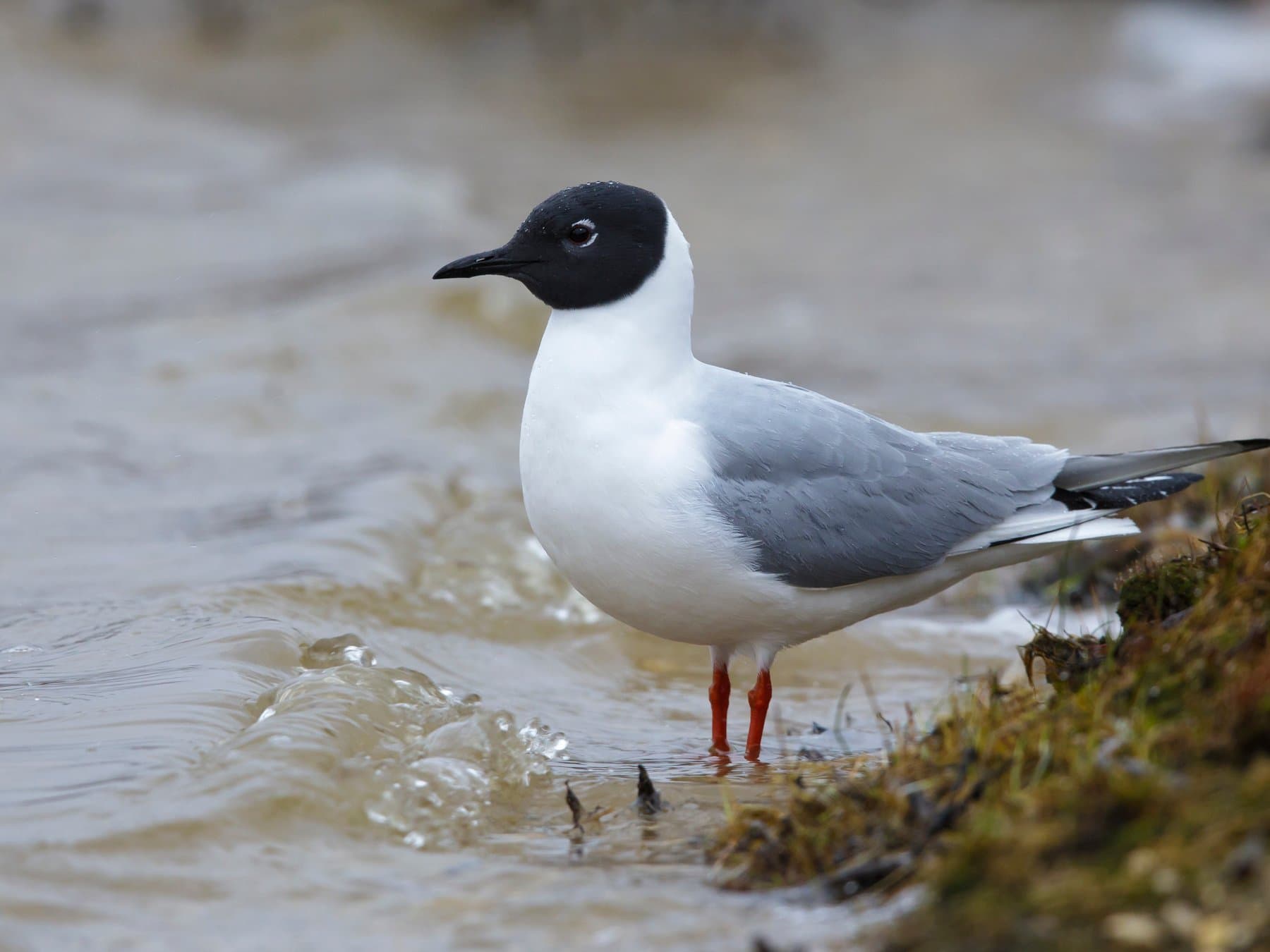 Bonaparte's GullChroicocephalus philadelphiaWinter visitorUncommon28–38 cmRegularly Nov–Apr
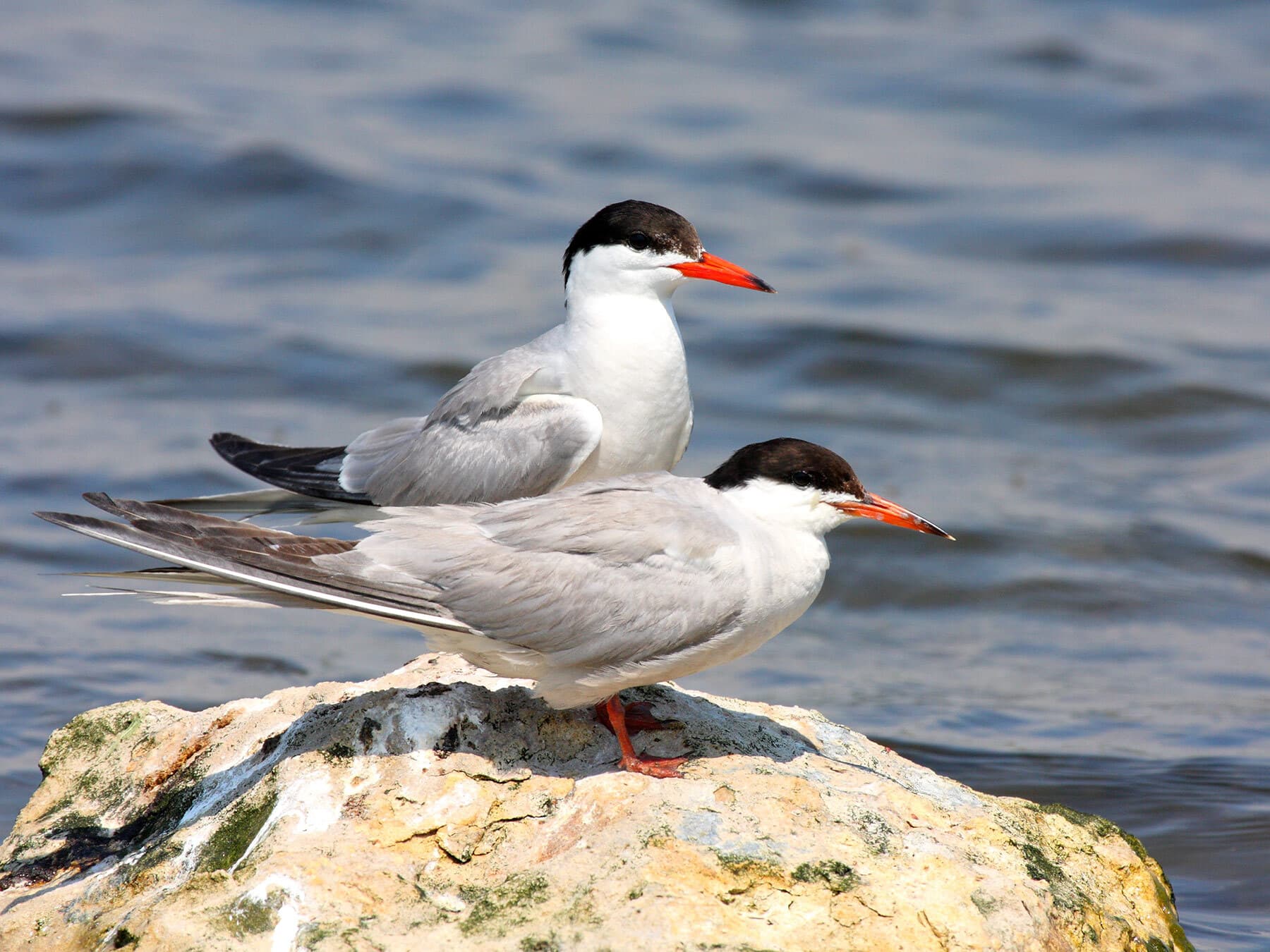 Common TernSterna hirundoSummer visitorUncommon31–35 cmRecorded all year
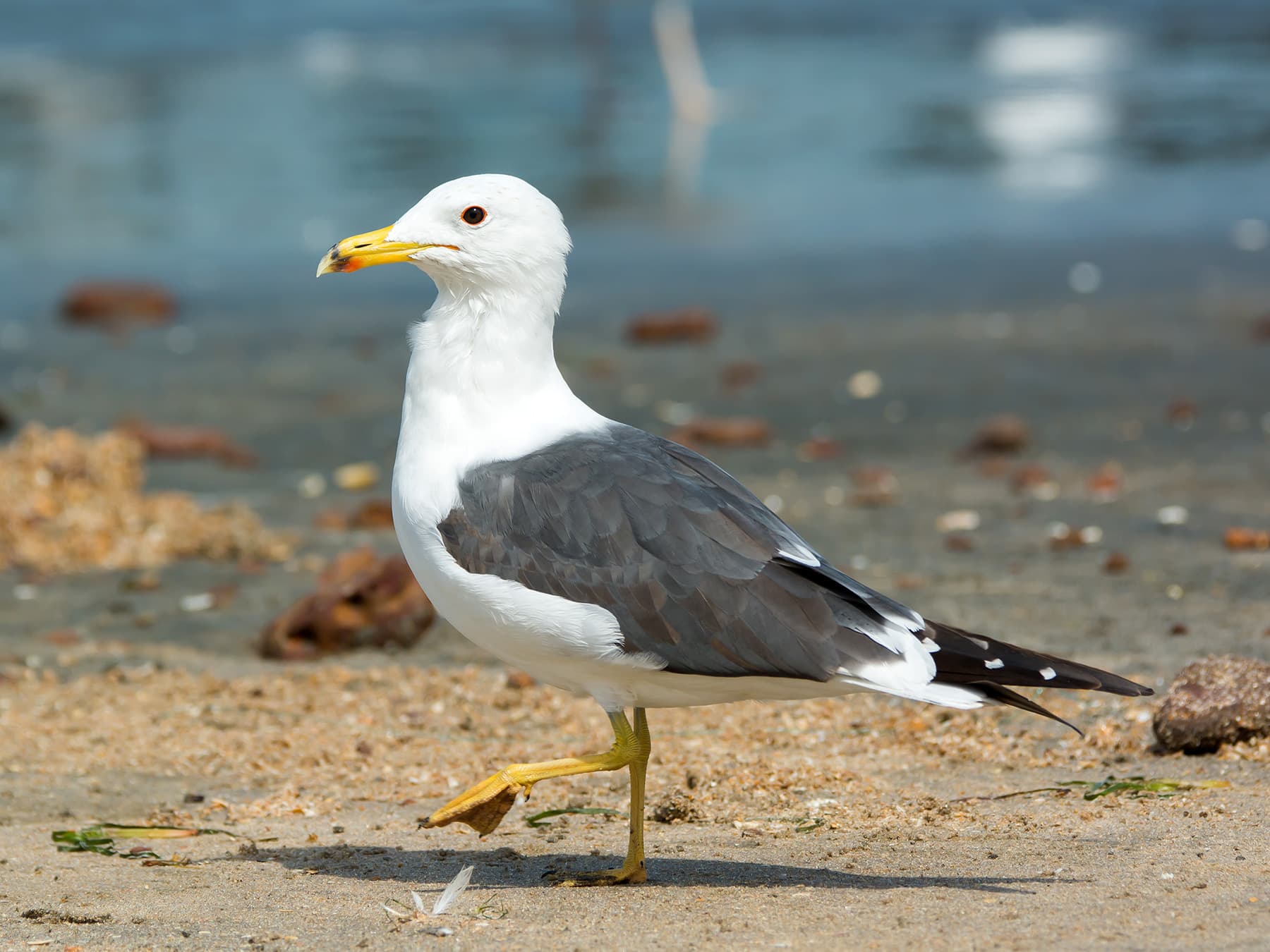 Lesser Black-backed GullLarus fuscusWinter visitorUncommon52–64 cmRecorded all year
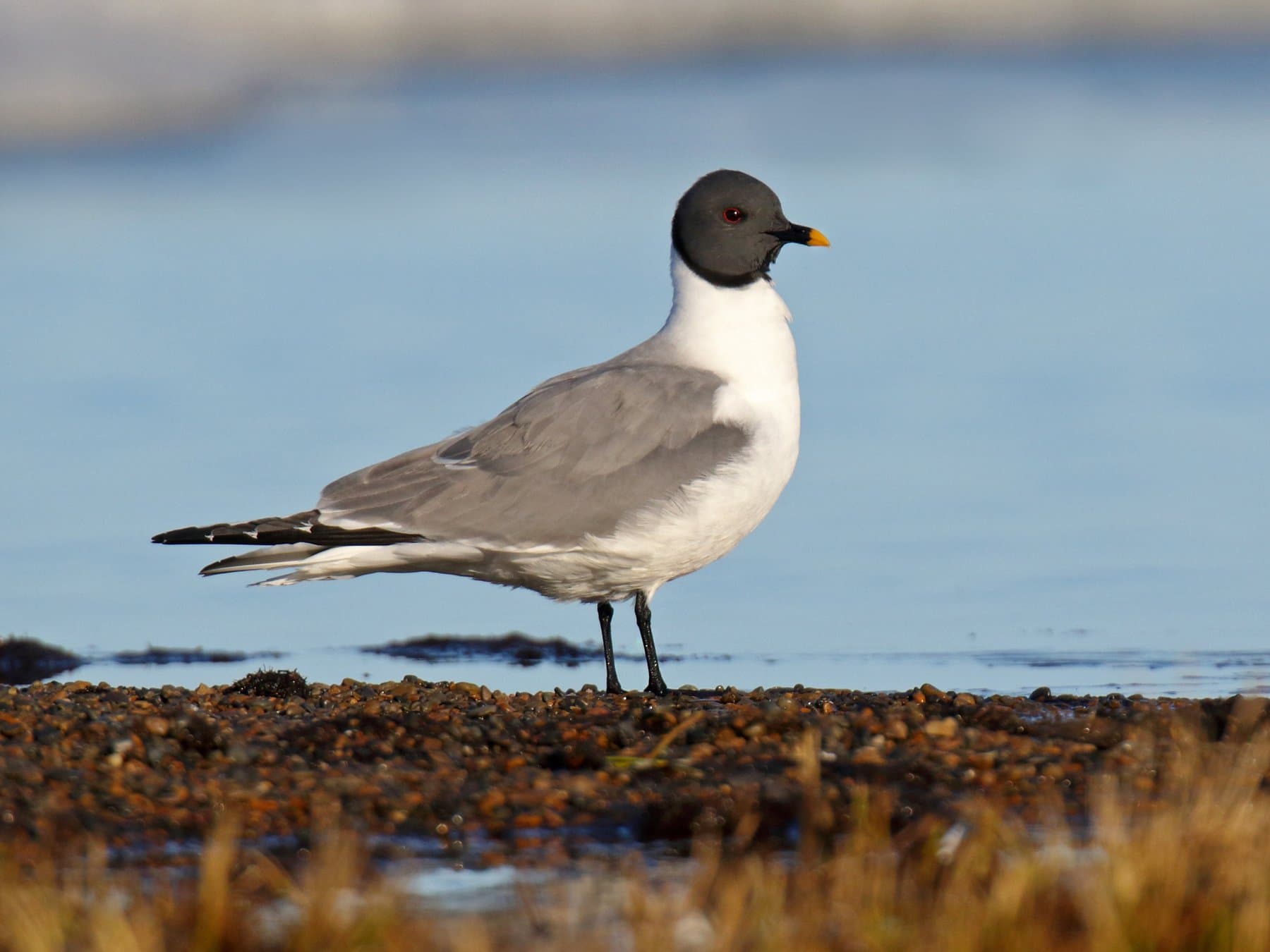 Sabine's GullXema sabiniPassage migrantRare27–33 cmRegularly Sep–Nov
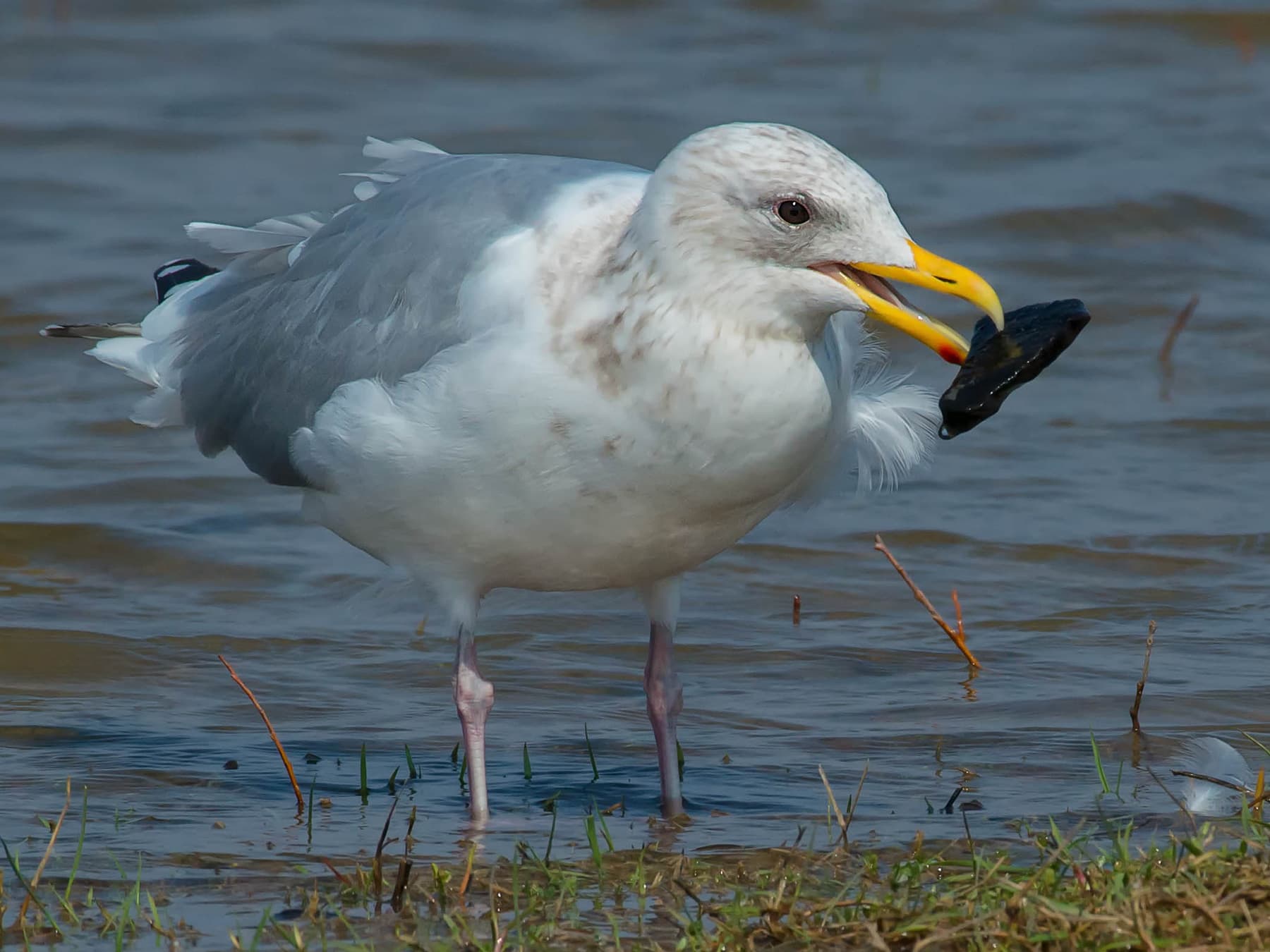 Iceland GullLarus glaucoidesWinter visitorRare52–60 cmRegularly Nov–Apr
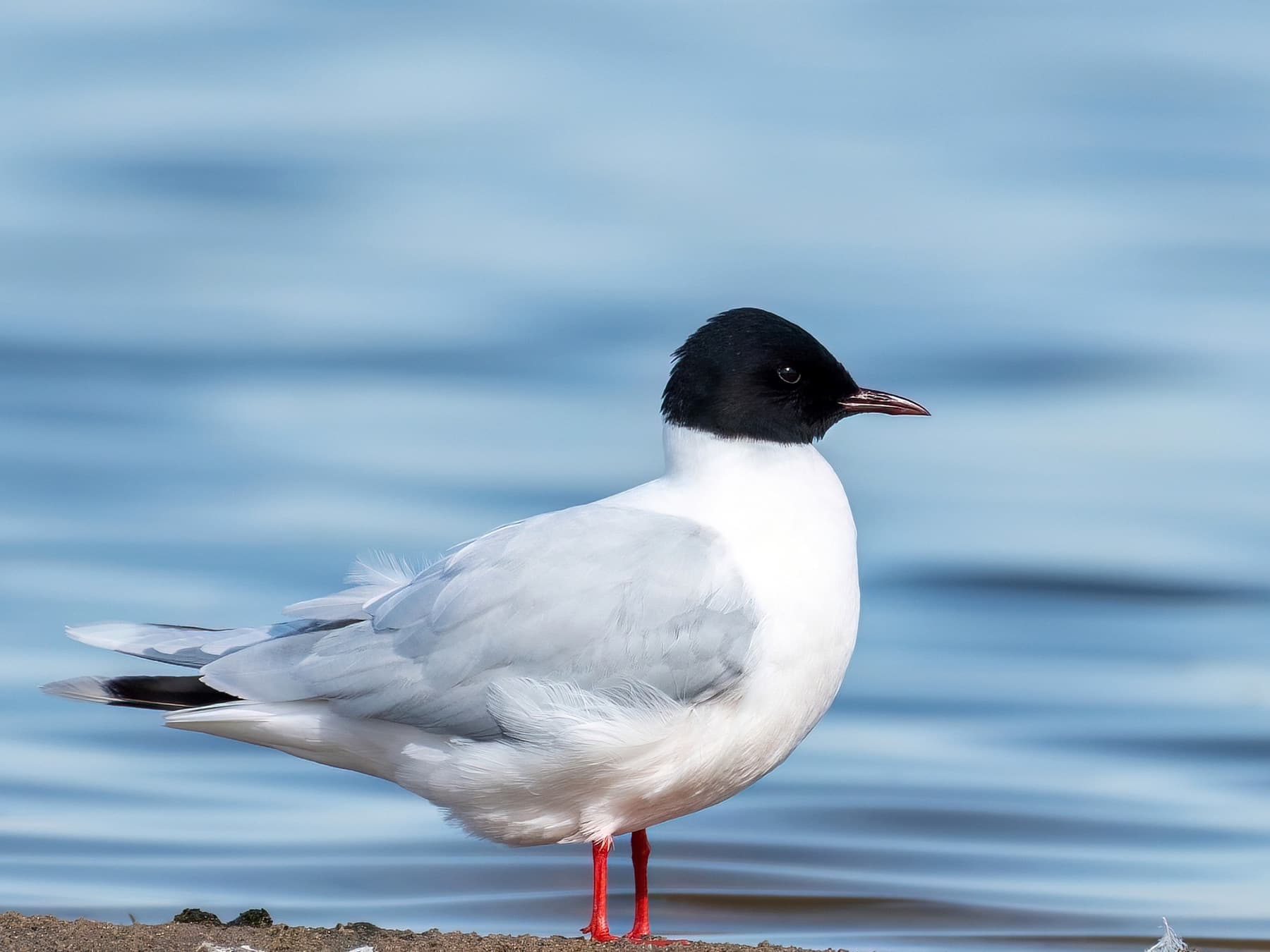 Little GullHydrocoloeus minutusWinter visitorRare25–30 cmRegularly Dec–Mar
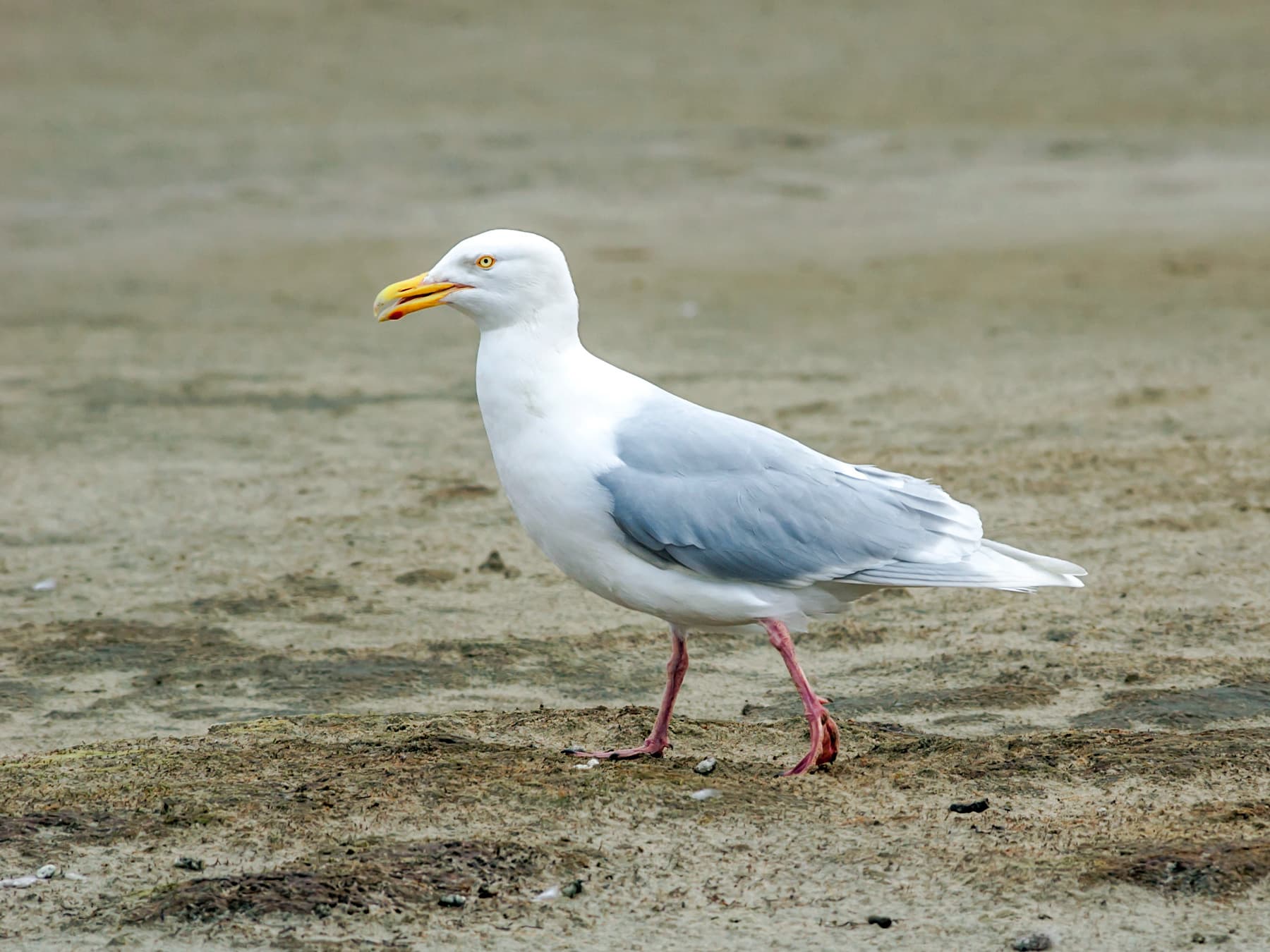 Glaucous GullLarus hyperboreusWinter visitorRare62–68 cmRegularly Dec–Apr
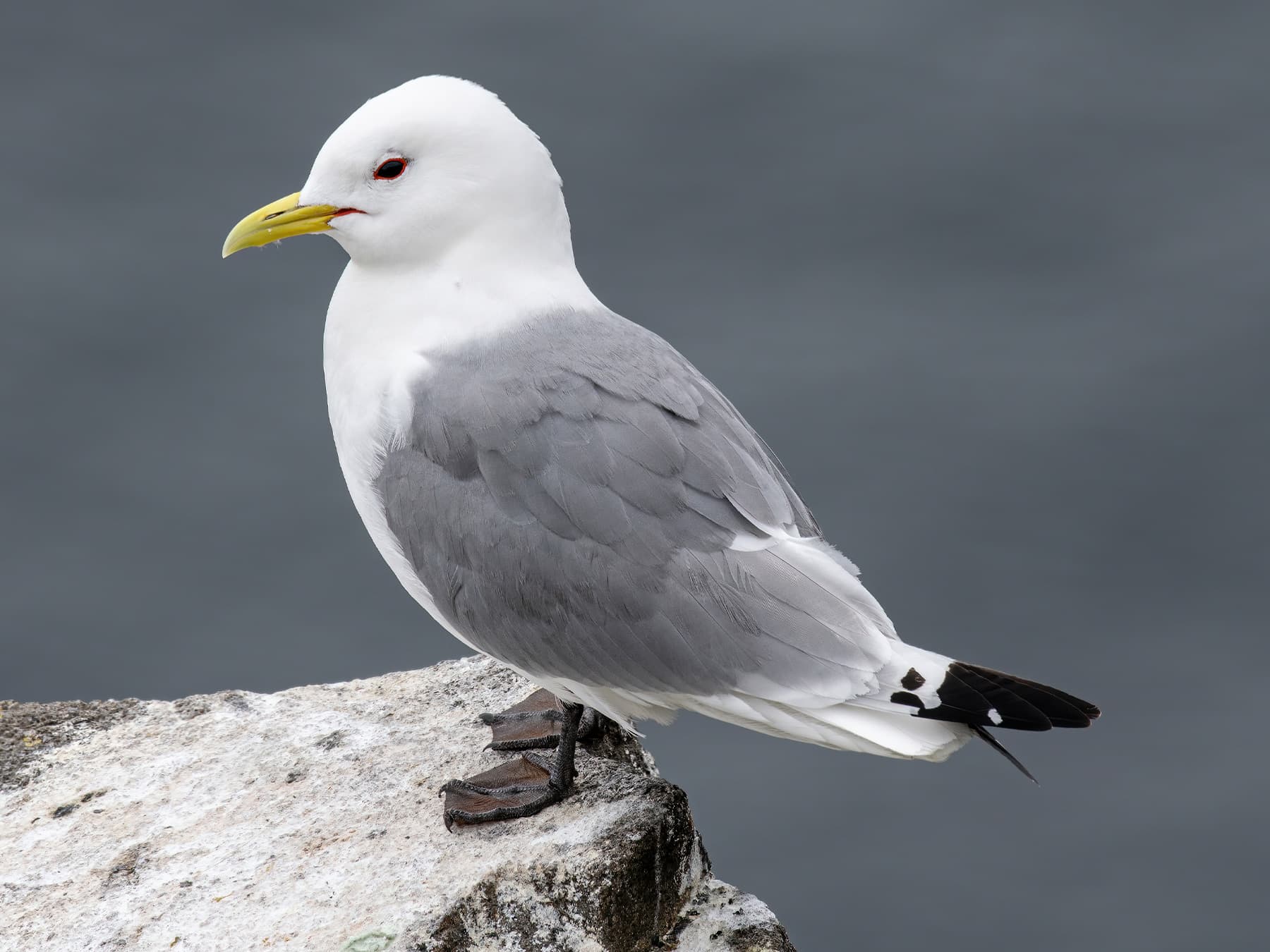 KittiwakeRissa tridactylaPassage migrantRare37–41 cmRegularly Nov–Dec
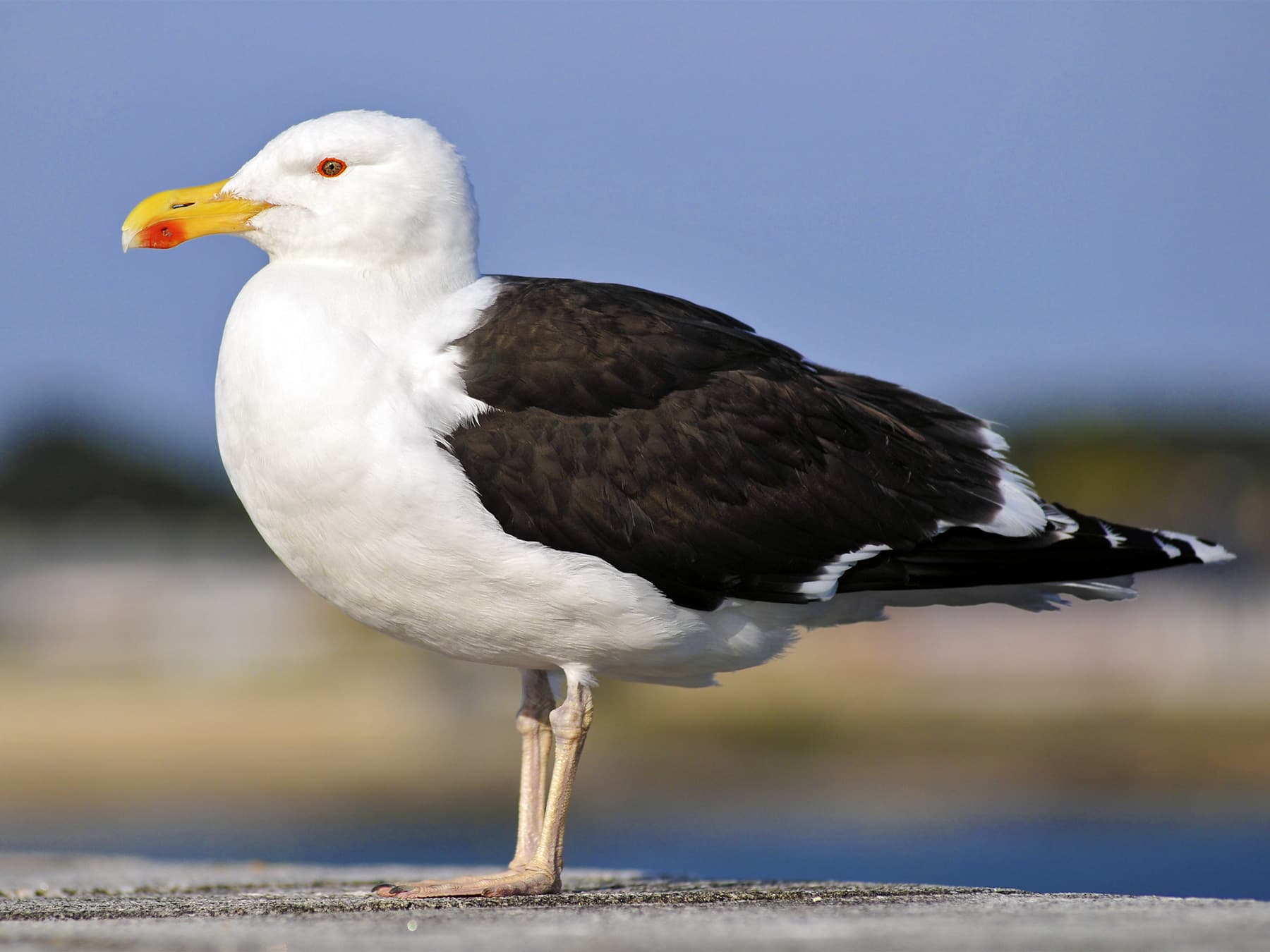 Great Black-backed GullLarus marinusScarceRare64–79 cm
Smallest to largest
Length, cm- Black Tern 22–26 cm
- Little Gull 25–30 cm
- Sabine's Gull 27–33 cm
- Bonaparte's Gull 28–38 cm
- Common Tern 31–35 cm
- Franklin's Gull 32–36 cm
- Forster's Tern 33–36 cm
- Gull-billed Tern 33–42 cm
- Sandwich Tern 36–41 cm
- Kittiwake 37–41 cm
- Ring-billed Gull 43–54 cm
- Iceland Gull 52–60 cm
- Lesser Black-backed Gull 52–64 cm
- American Herring Gull 53–65 cm
- Glaucous Gull 62–68 cm
- Great Black-backed Gull 64–79 cm
Body length, bill to tail. Rare birds in grey.
Data: EOD – eBird Observation Dataset (Cornell Lab of Ornithology), accessed via GBIF.org, CC BY 4.0. Records from 2019–2024, aggregated and filtered by Birdfact. How these lists are made