Sandpipers & Snipes in Manchester
17 species matching this filter.
Manchester's diverse wetland habitats, including reservoirs, river valleys, and moorland edges, support an impressive 17 species from the Sandpipers & Snipes family. Notable species such as the Curlew, Common Snipe, and Eurasian Woodcock can be found across the county, while passage migrants like Bar-tailed Godwit, Greenshank, and Green Sandpiper visit during spring and autumn migration periods. The county's mosses, sewage works, and upland fringes provide vital feeding and breeding grounds for these wading birds.


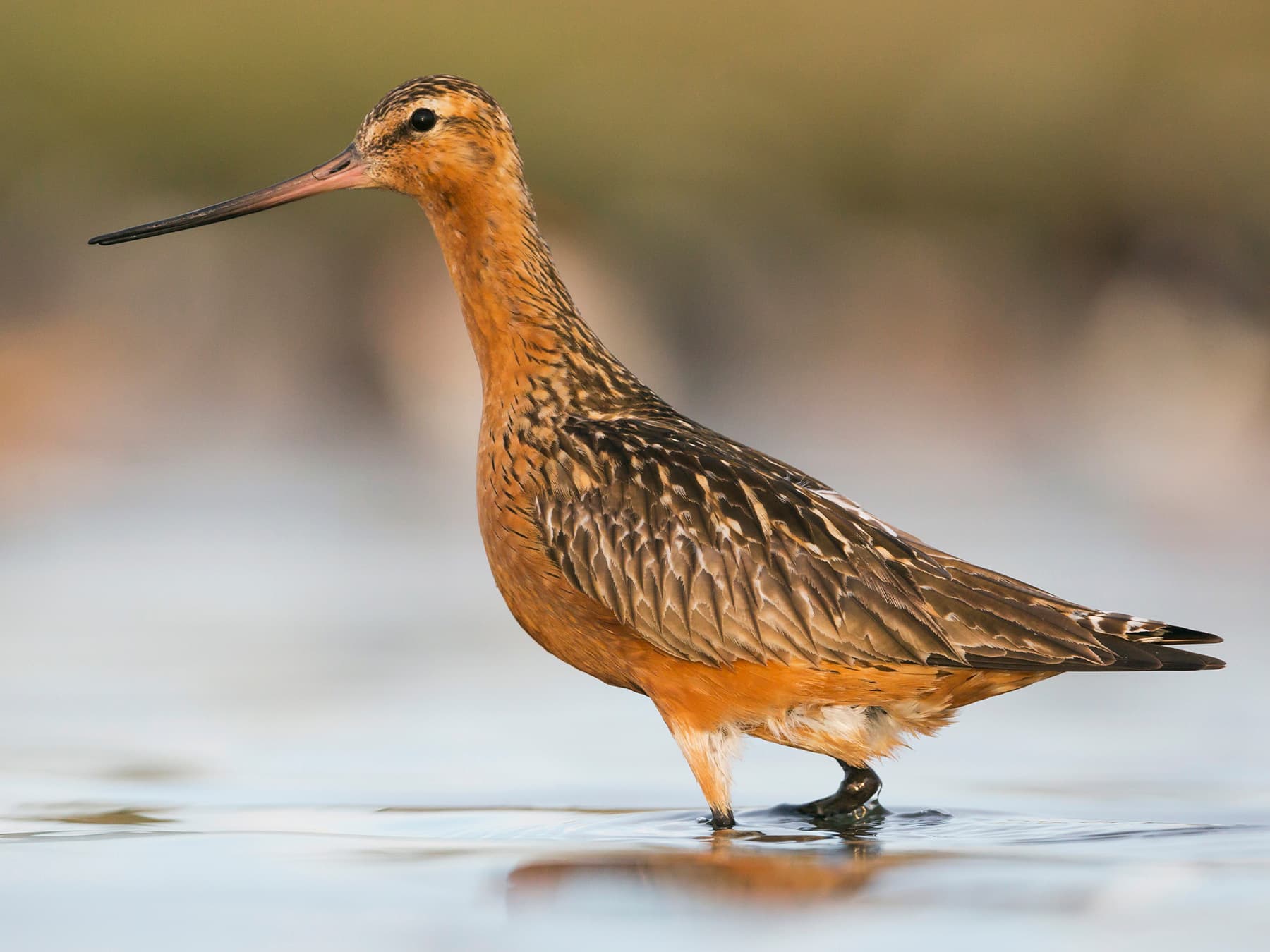
Bar-tailed Godwit
Limosa lapponicaNT
A rare autumn passage migrant, occasionally dropping into reservoirs during October storms. Primarily a coastal species.
Oct
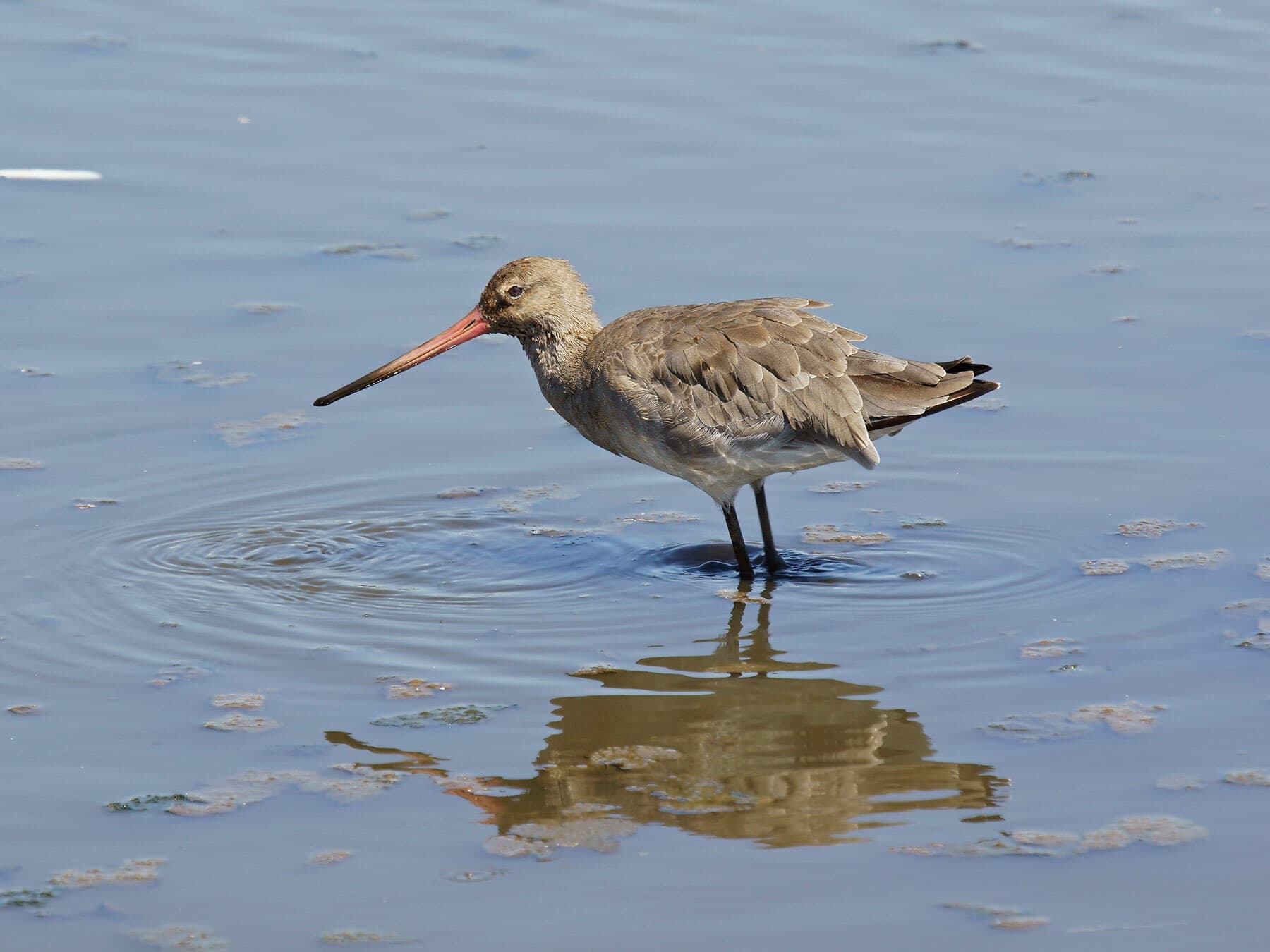
Black-tailed Godwit
Limosa limosaNT
A rare passage wader appearing at wetland sites in spring and late summer, favouring shallow scrapes and flooded fields.
Apr–Sep
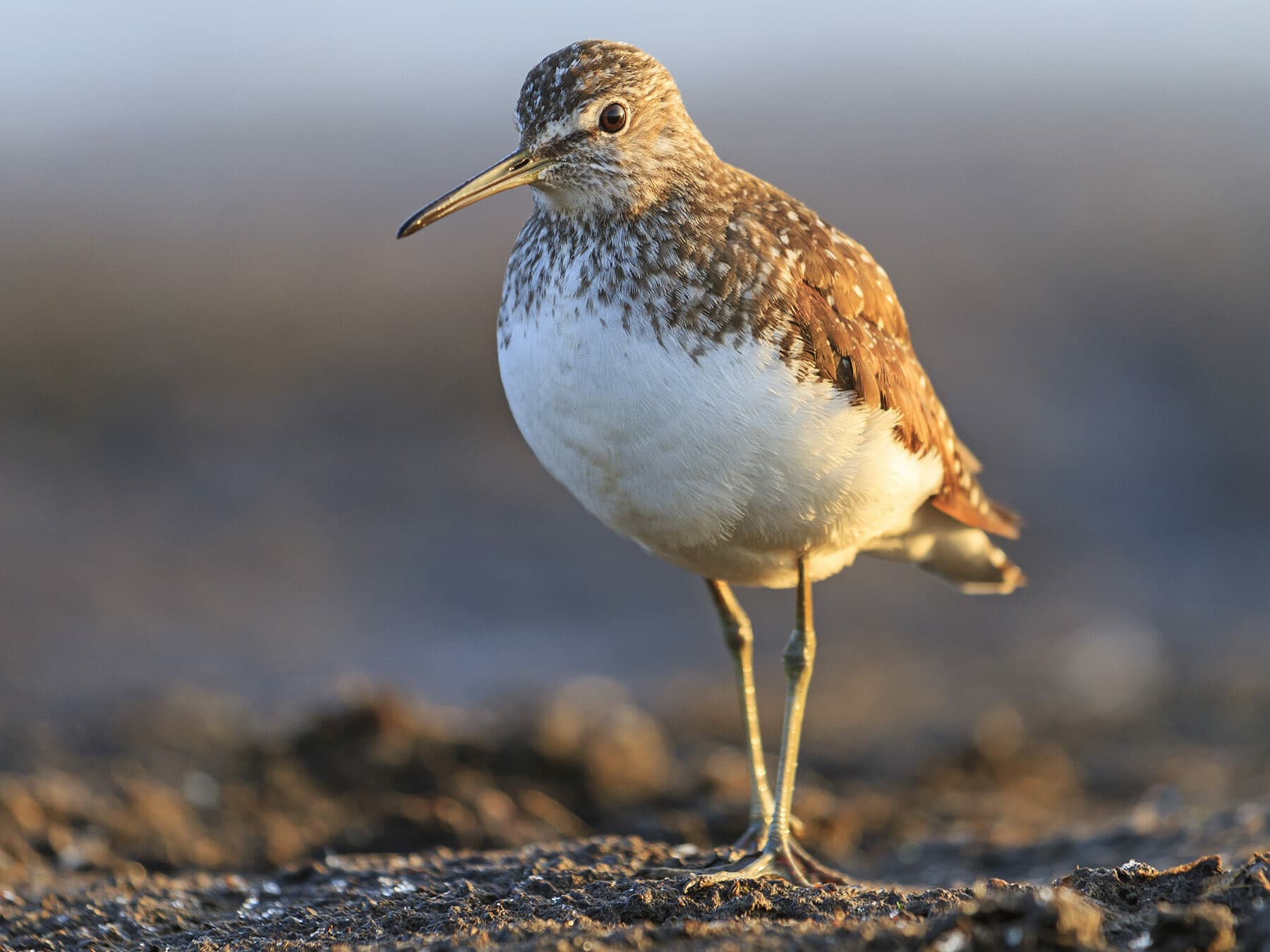
Common Sandpiper
Actitis hypoleucosLC
An uncommon breeding visitor from April to September, bobbing along stony riverbanks and reservoir edges across the region.
Apr–Sep
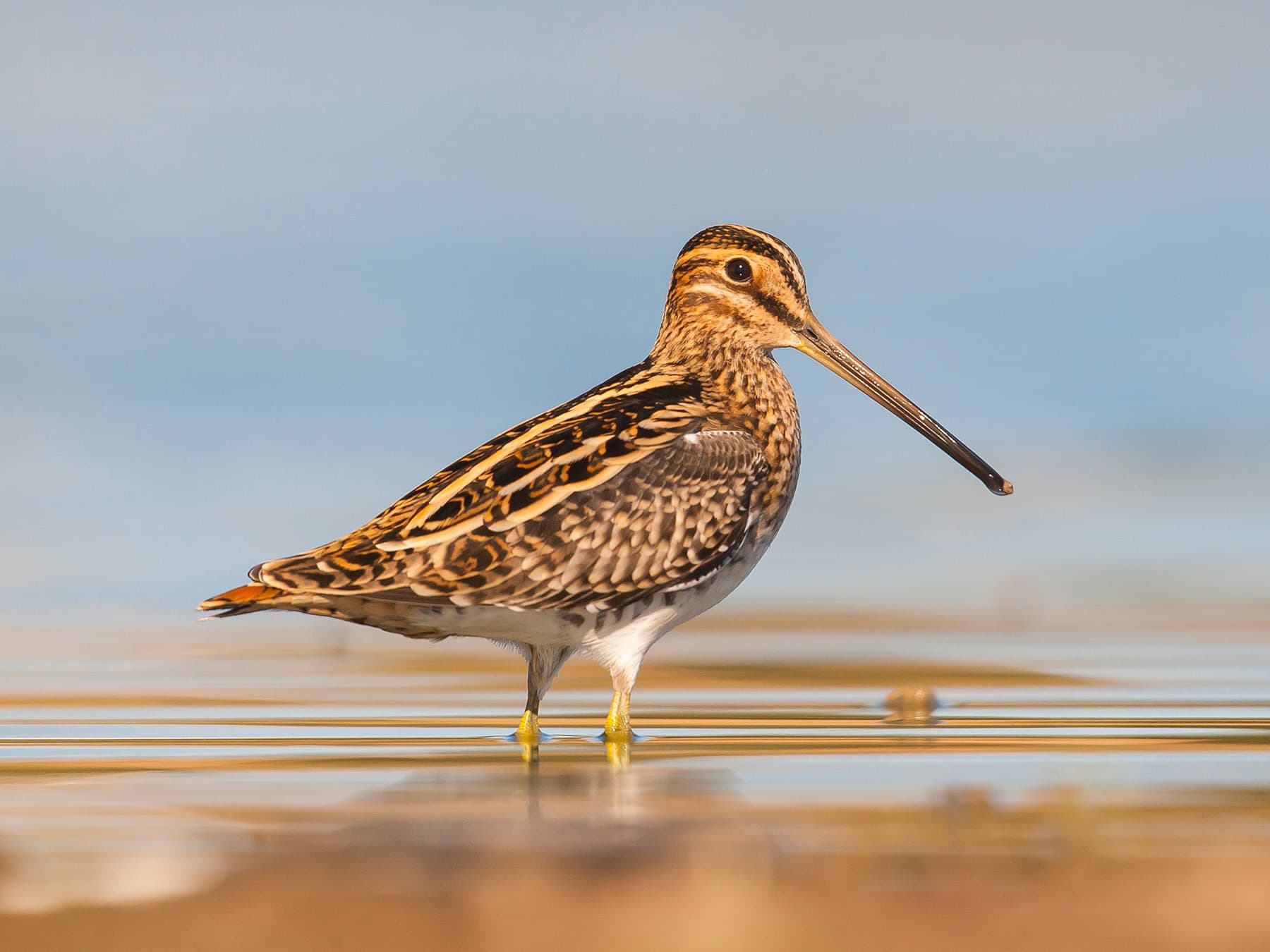
Common Snipe
Gallinago gallinagoLC
An uncommon resident of boggy moorland edges and marshy fields, more conspicuous in winter when birds gather at lowland wetlands.
Year-round
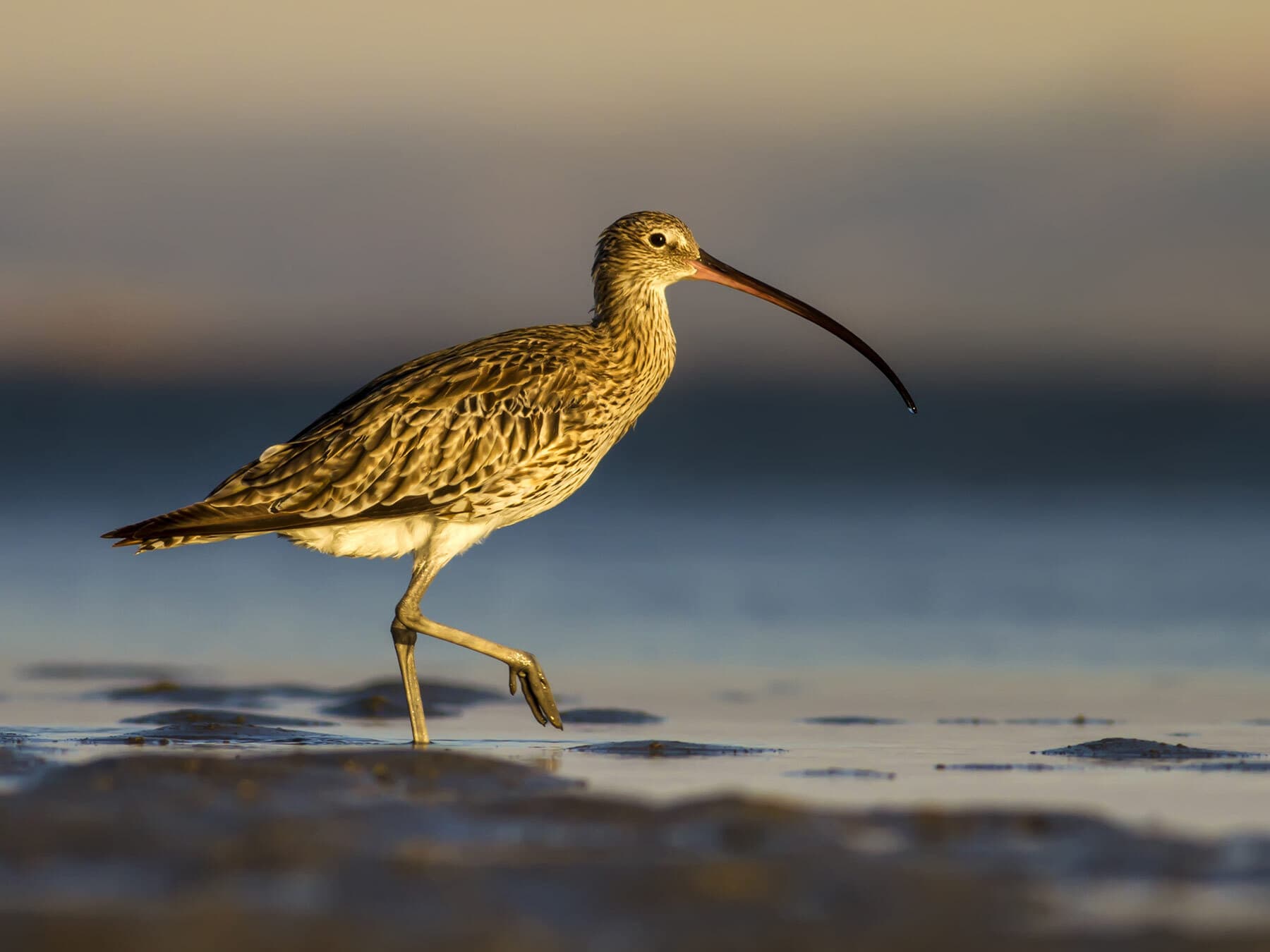
Curlew
Numenius arquataNT
Breeds on upland moorland fringing the city, arriving from February. A declining species of conservation concern.
Feb–Aug
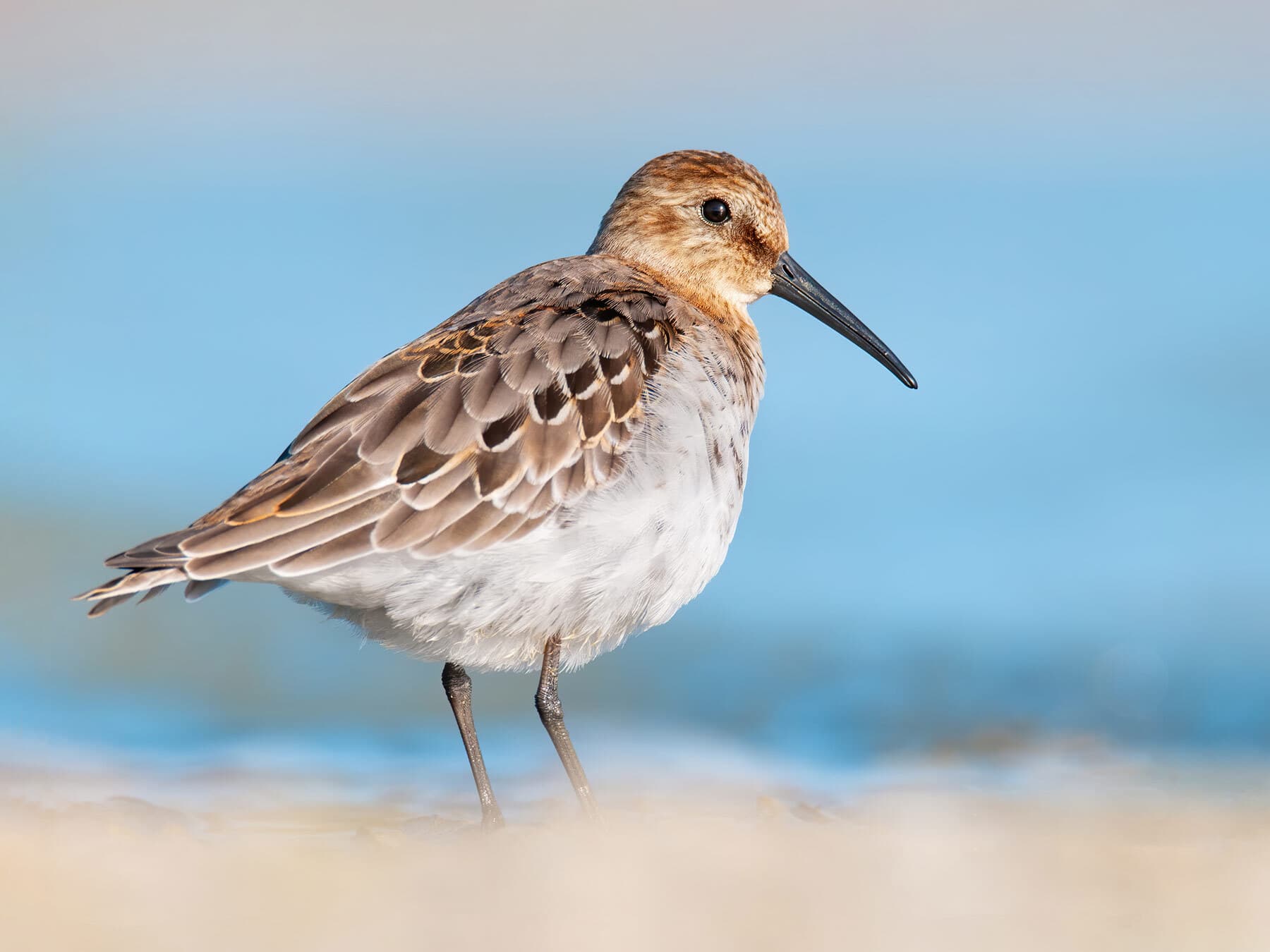
Dunlin
Calidris alpinaLC
A rare resident breeding on high Pennine moorland in summer and visiting lowland wetlands in passage periods. Numbers are small but regular.
Feb–Nov
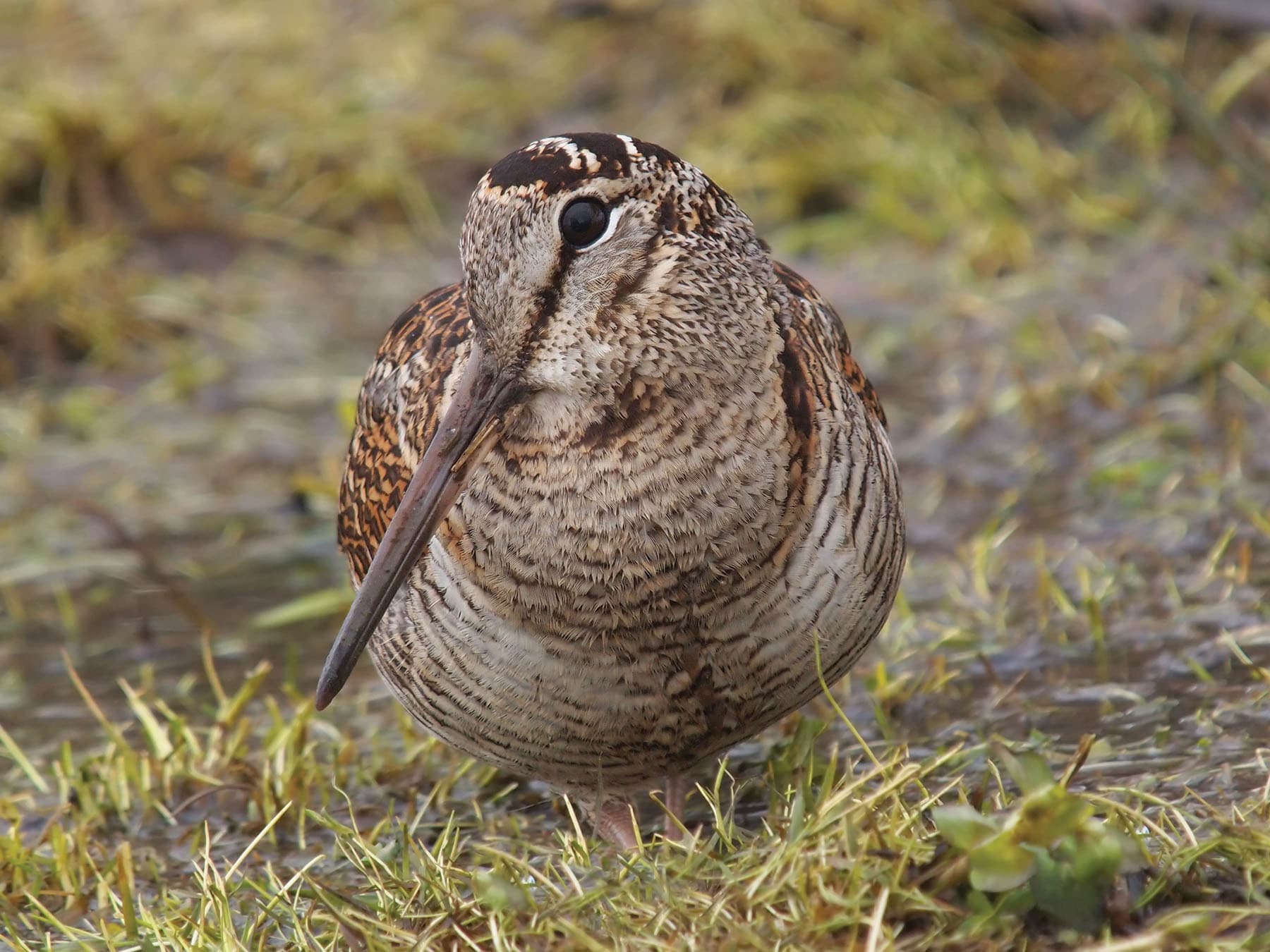
Eurasian Woodcock
Scolopax rusticolaLC
A secretive winter visitor to damp woodland and garden edges. Most often flushed unexpectedly at close range.
Nov–Mar
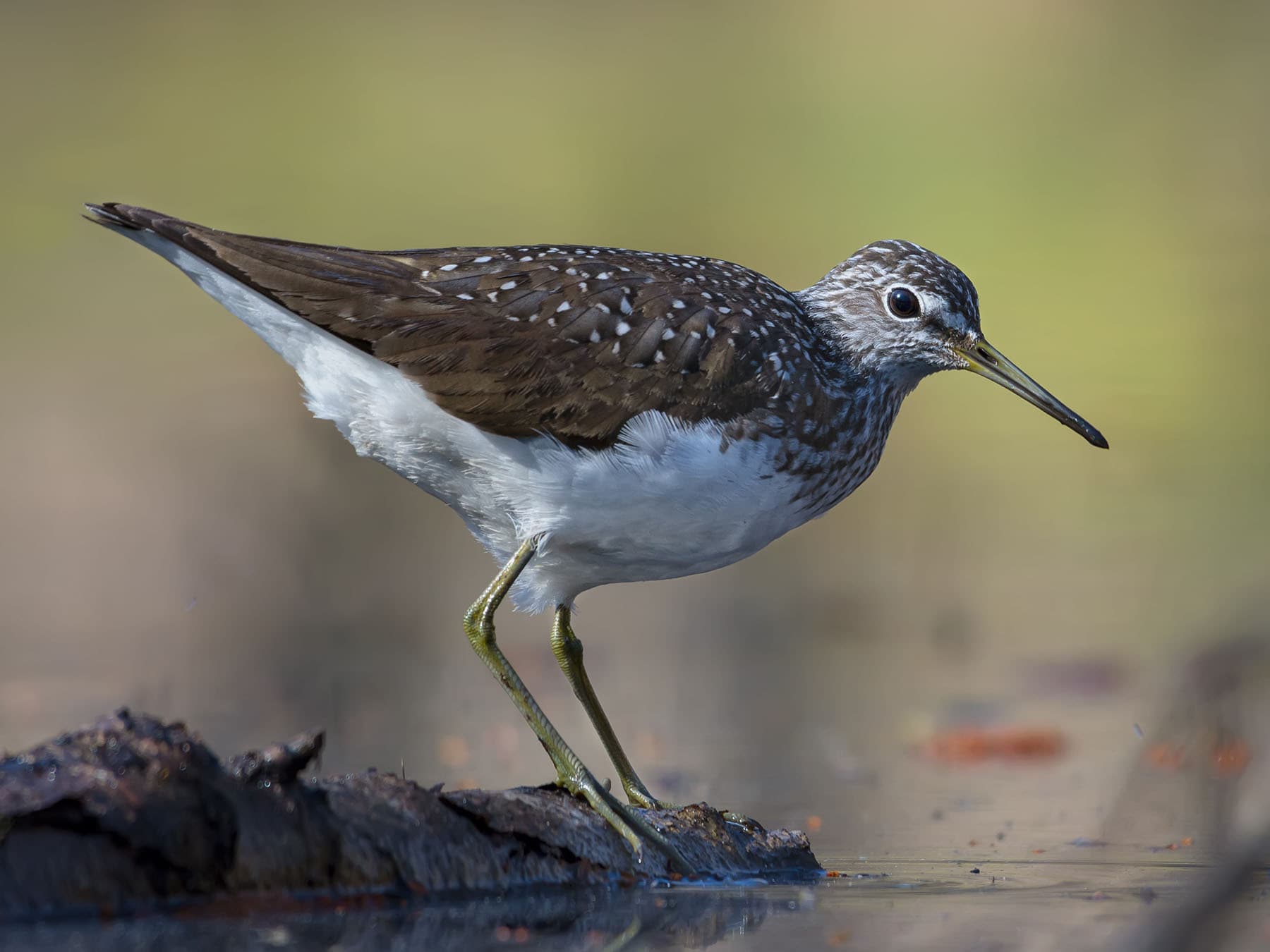
Green Sandpiper
Tringa ochropusLC
A scarce but regular visitor to muddy reservoir edges, mainly on return passage from late summer into autumn.
Jul–Apr
Spotted something?
Upload a photo to identify it
Identify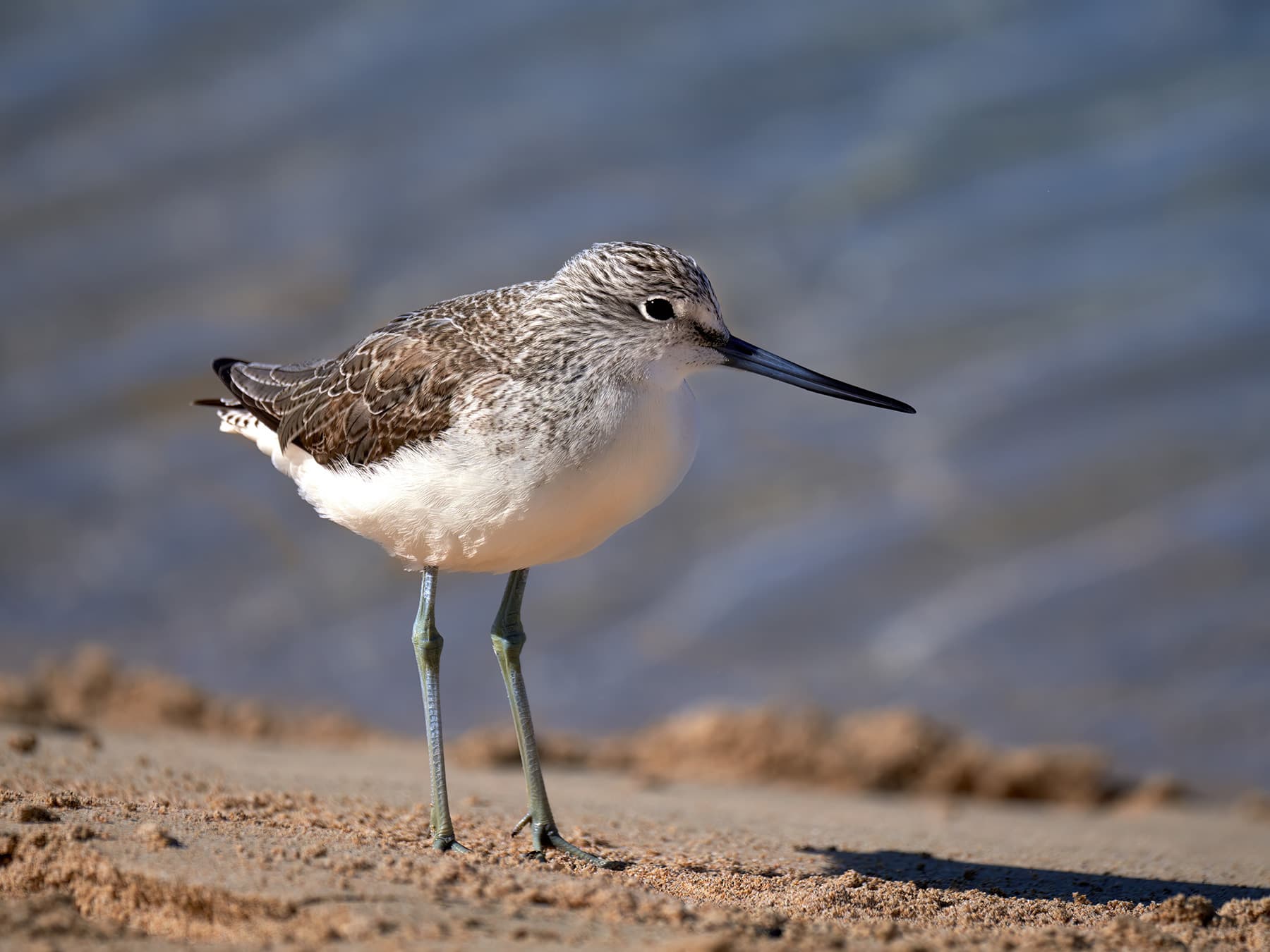
Greenshank
Tringa nebulariaLC
A rare passage wader in May and again in August–September, occasionally stopping at reservoirs and sewage works on migration.
May–Sep
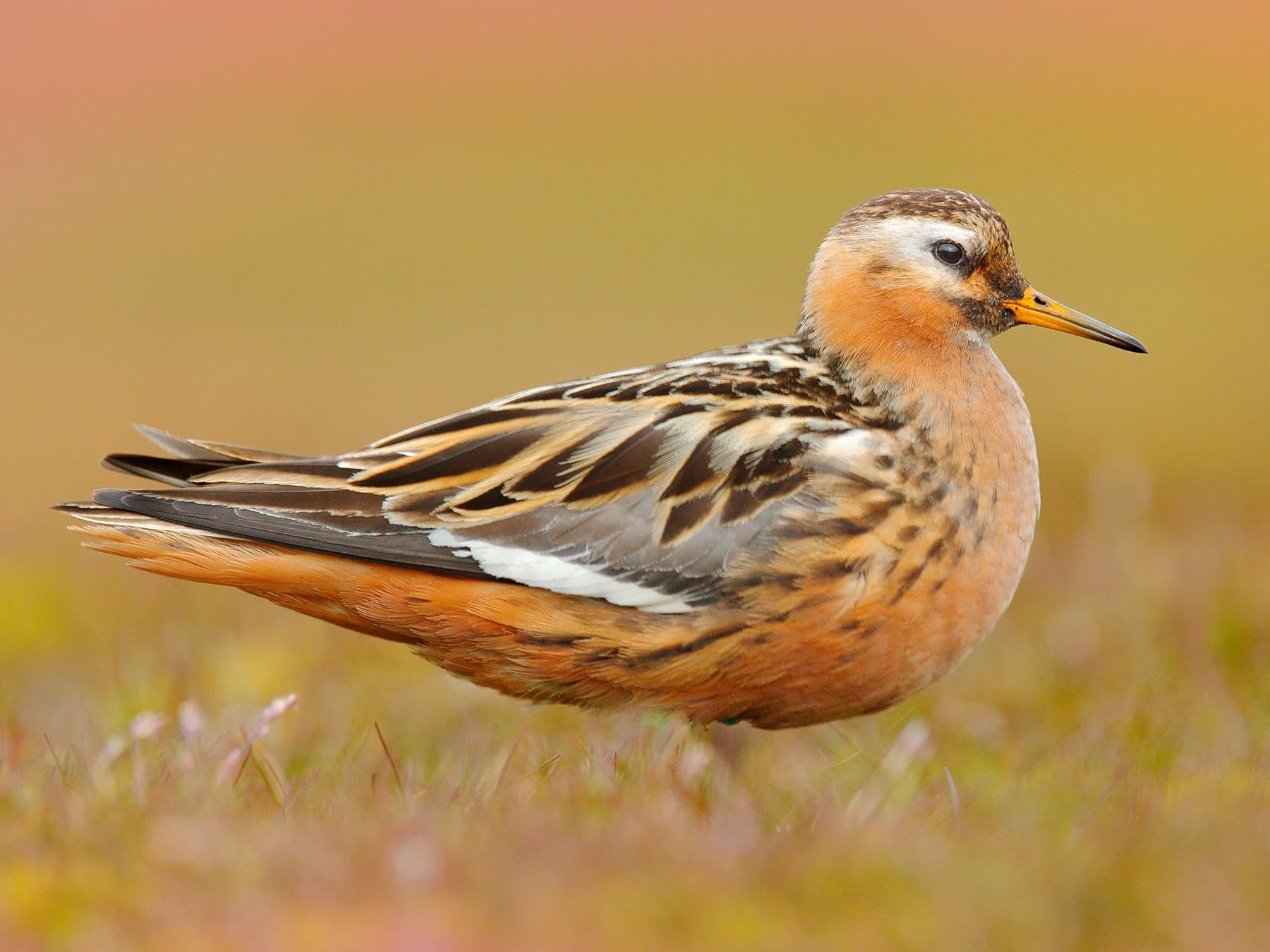
Grey Phalarope
Phalaropus fulicariusLC
A rare autumn vagrant, occasionally driven inland to reservoirs by strong Atlantic storms in September.
Sep
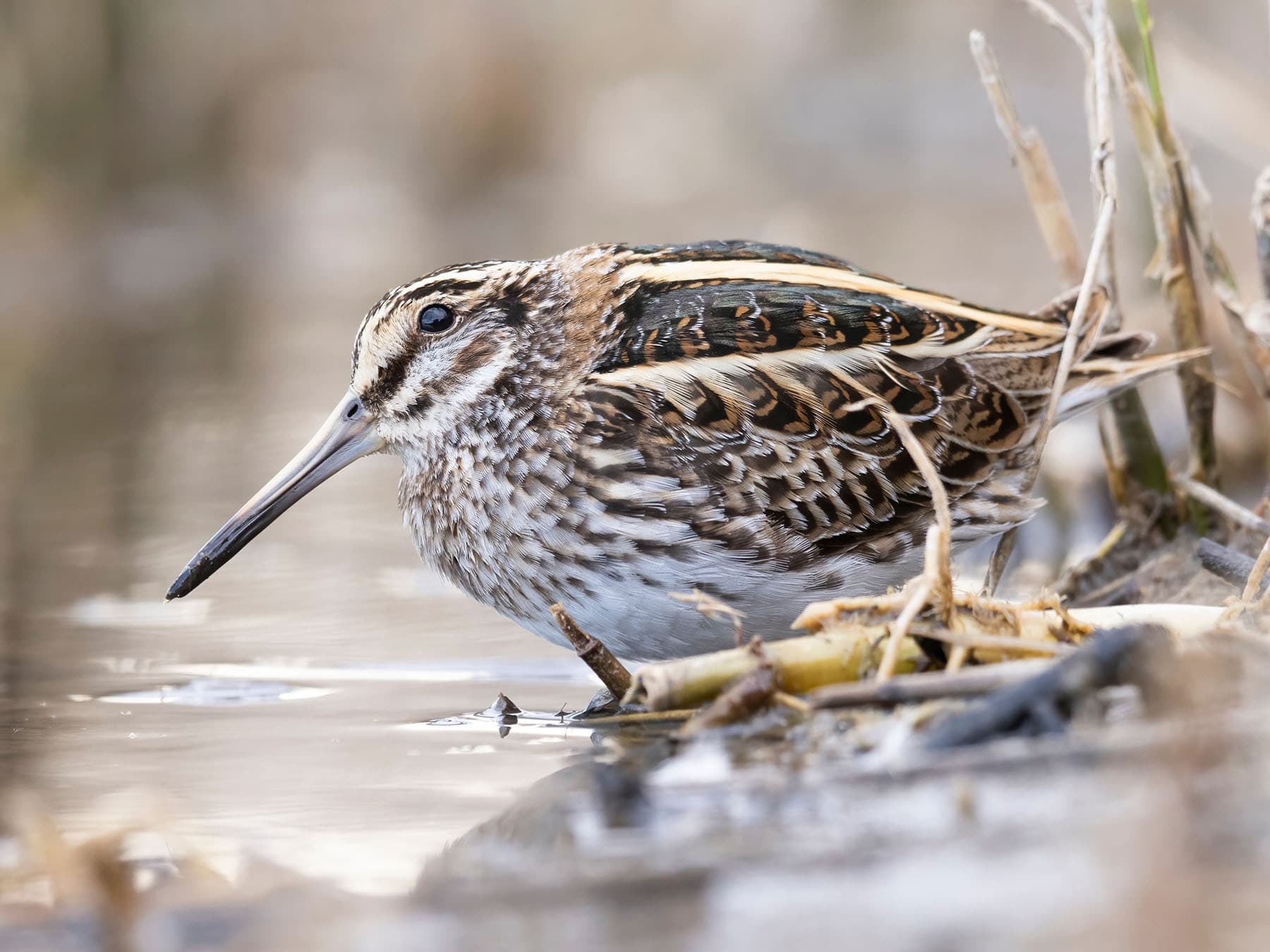
Jack Snipe
Lymnocryptes minimusLC
A secretive winter visitor to boggy margins and marshy fields, rarely seen unless flushed at close range.
Dec–Mar
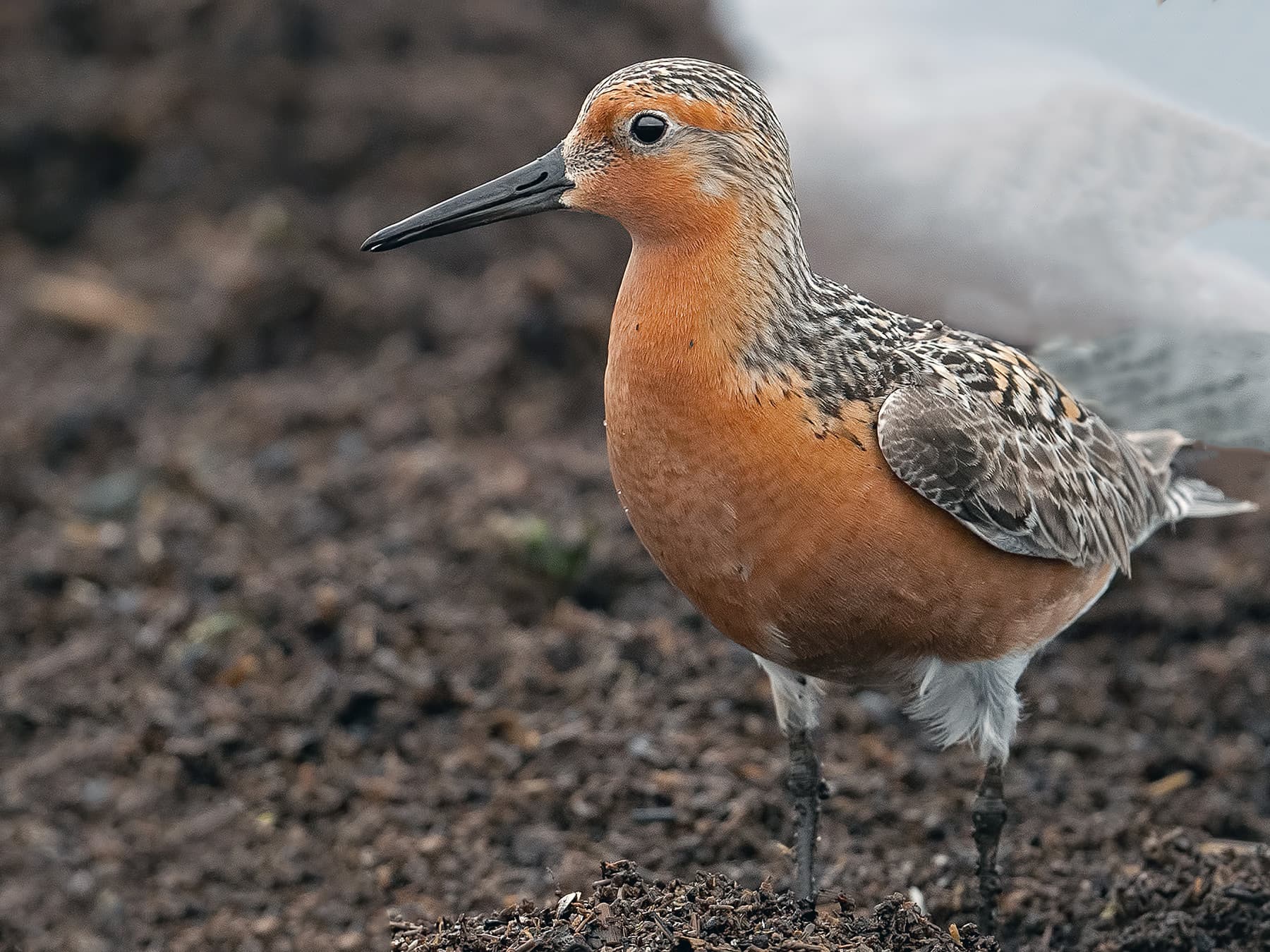
Red Knot
Calidris canutusNT
A rare autumn passage visitor, sometimes appearing at inland reservoirs after coastal weather movements.
Sep
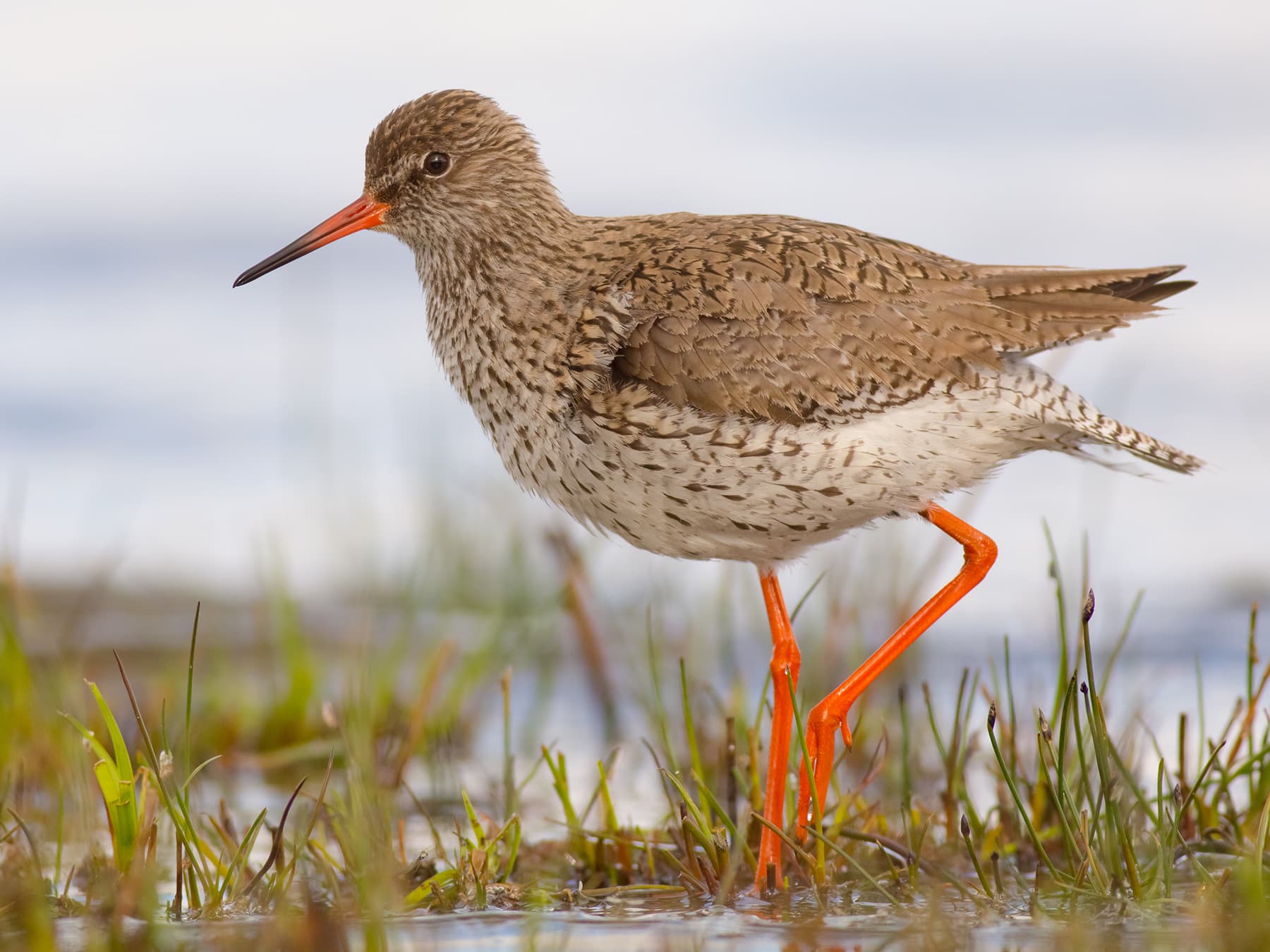
Redshank
Tringa totanusLC
A rare breeder on wet grassland and reservoir margins, with numbers declining across the region.
Mar–Nov
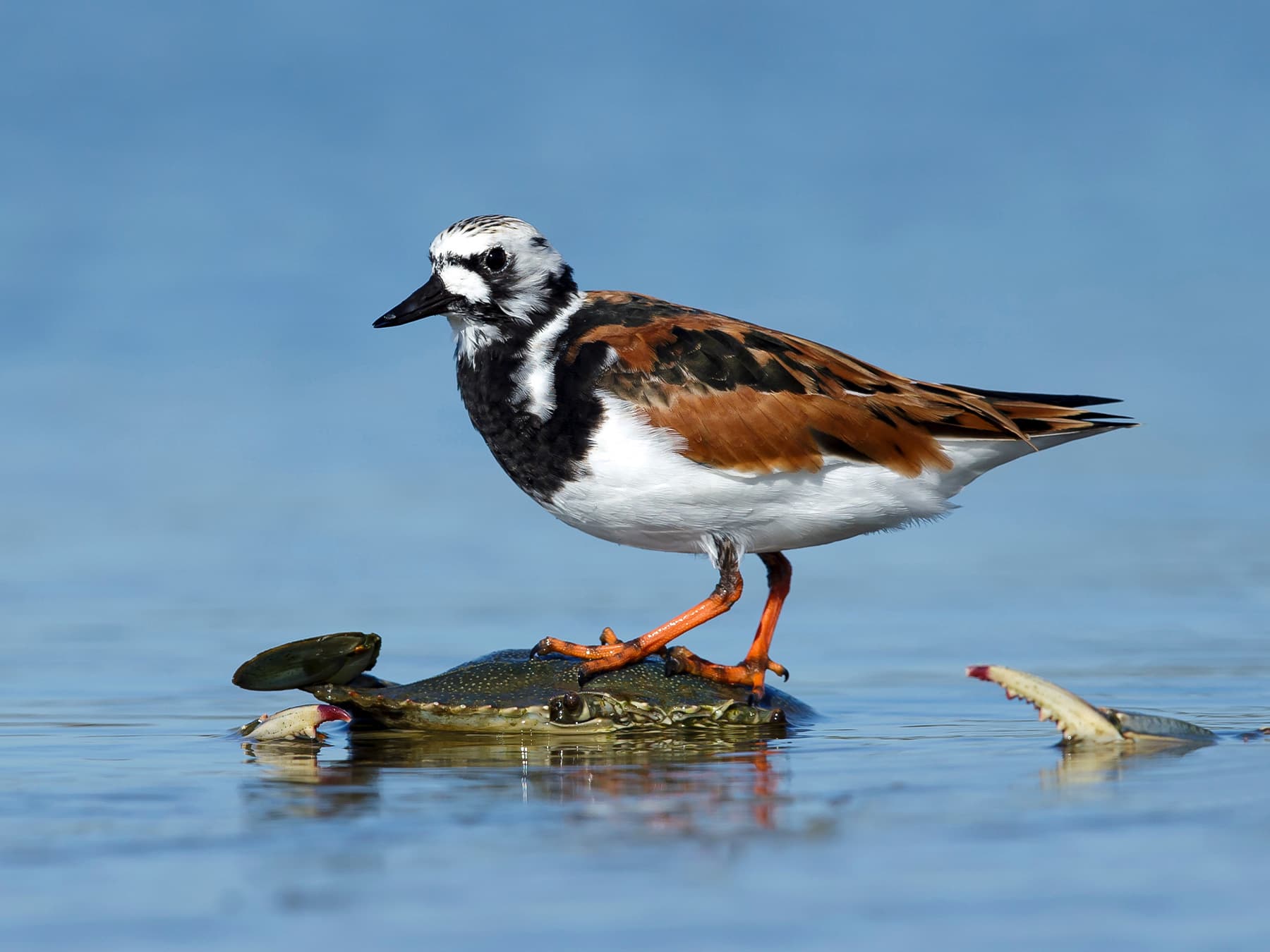
Ruddy Turnstone
Arenaria interpresLC
A rare spring passage migrant, occasionally stopping at reservoir edges and gravel shores on northward migration.
May
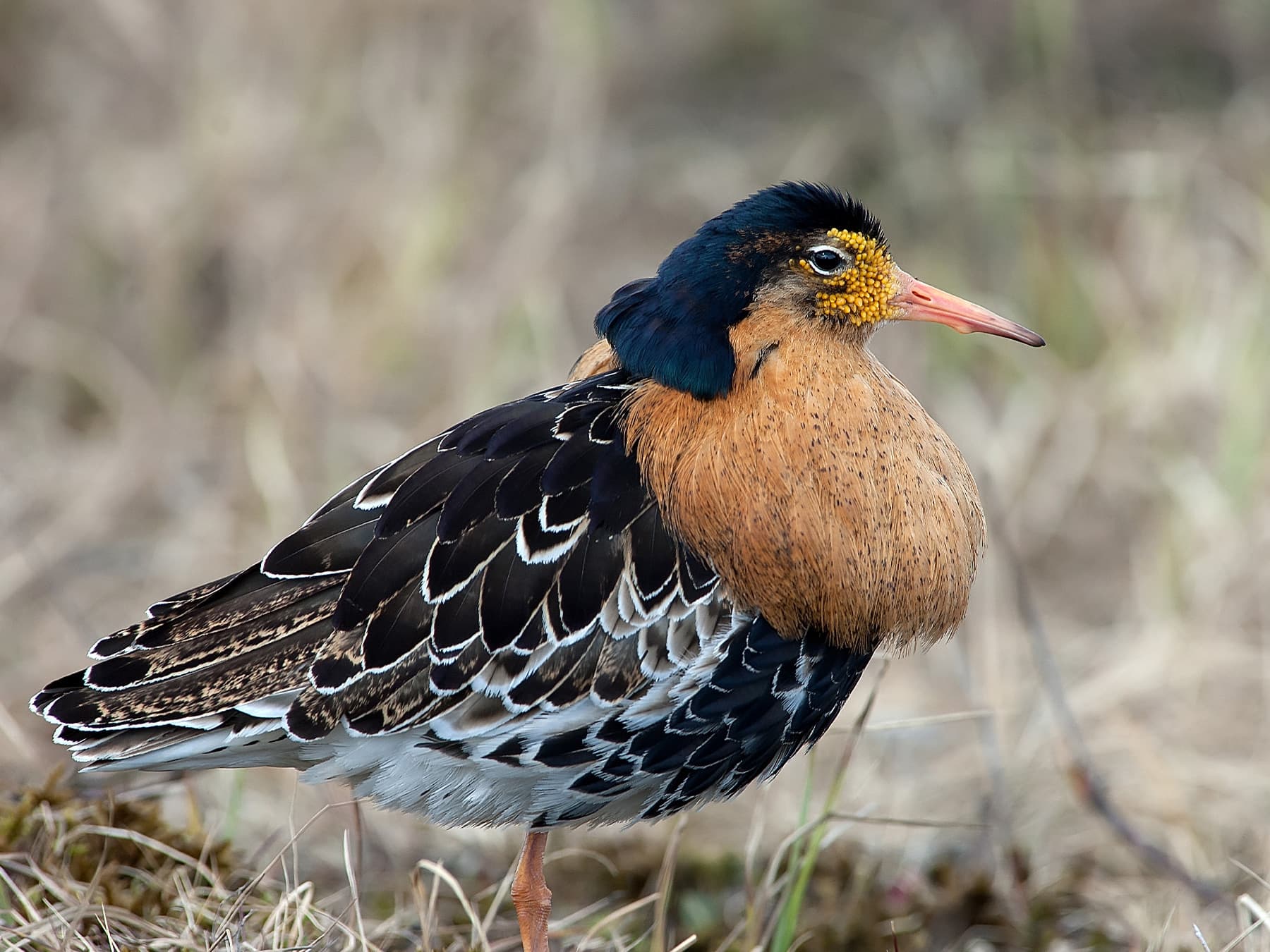
Ruff
Philomachus pugnaxLC
A rare autumn passage migrant, occasionally stopping at wetland reserves in August and September. Most likely at sites with muddy margins.
Aug–Sep
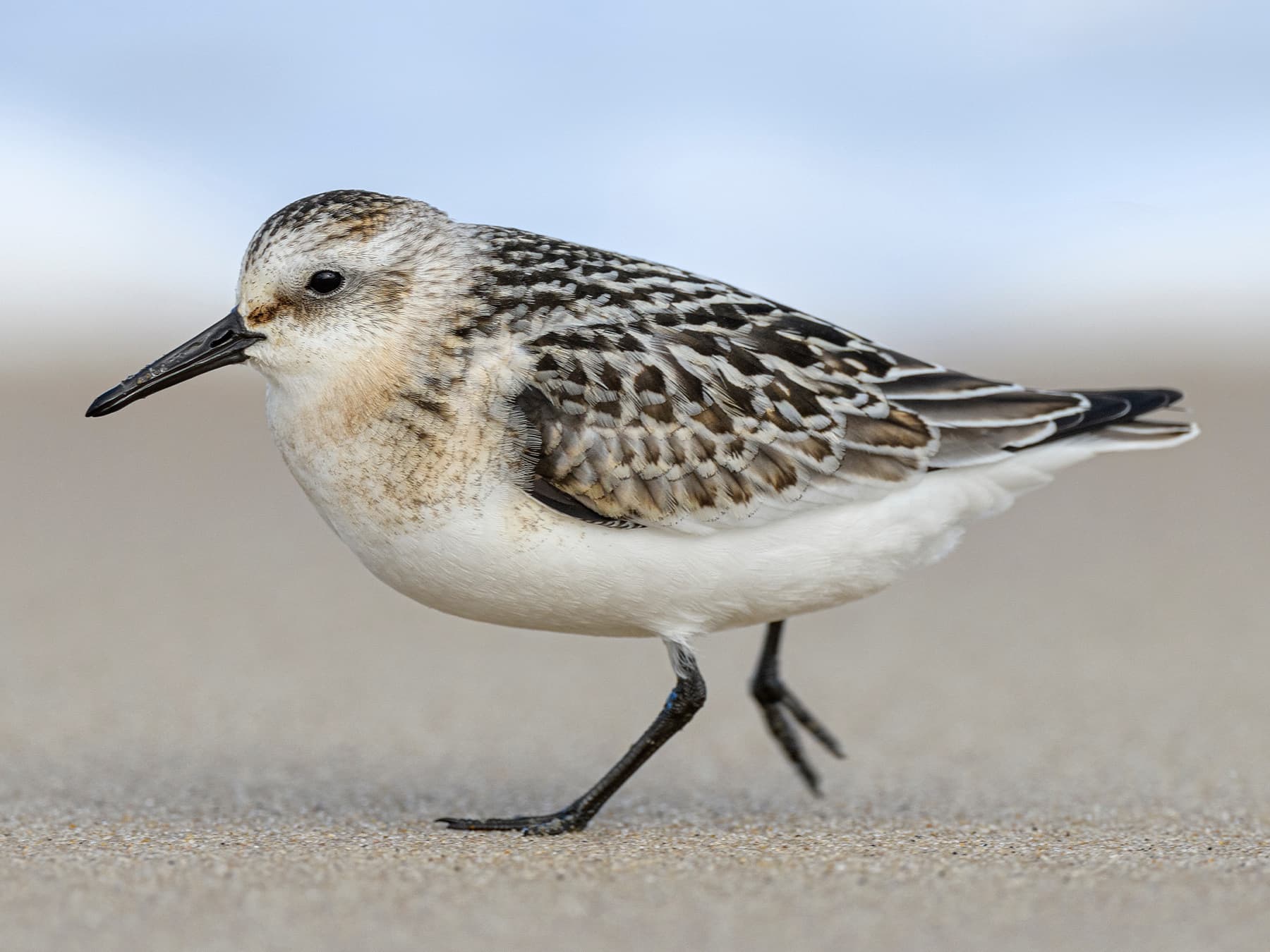
Sanderling
Calidris albaLC
A rare spring passage visitor, occasionally recorded at inland reservoirs in May. Typically a coastal wader, so sightings here are noteworthy.
May
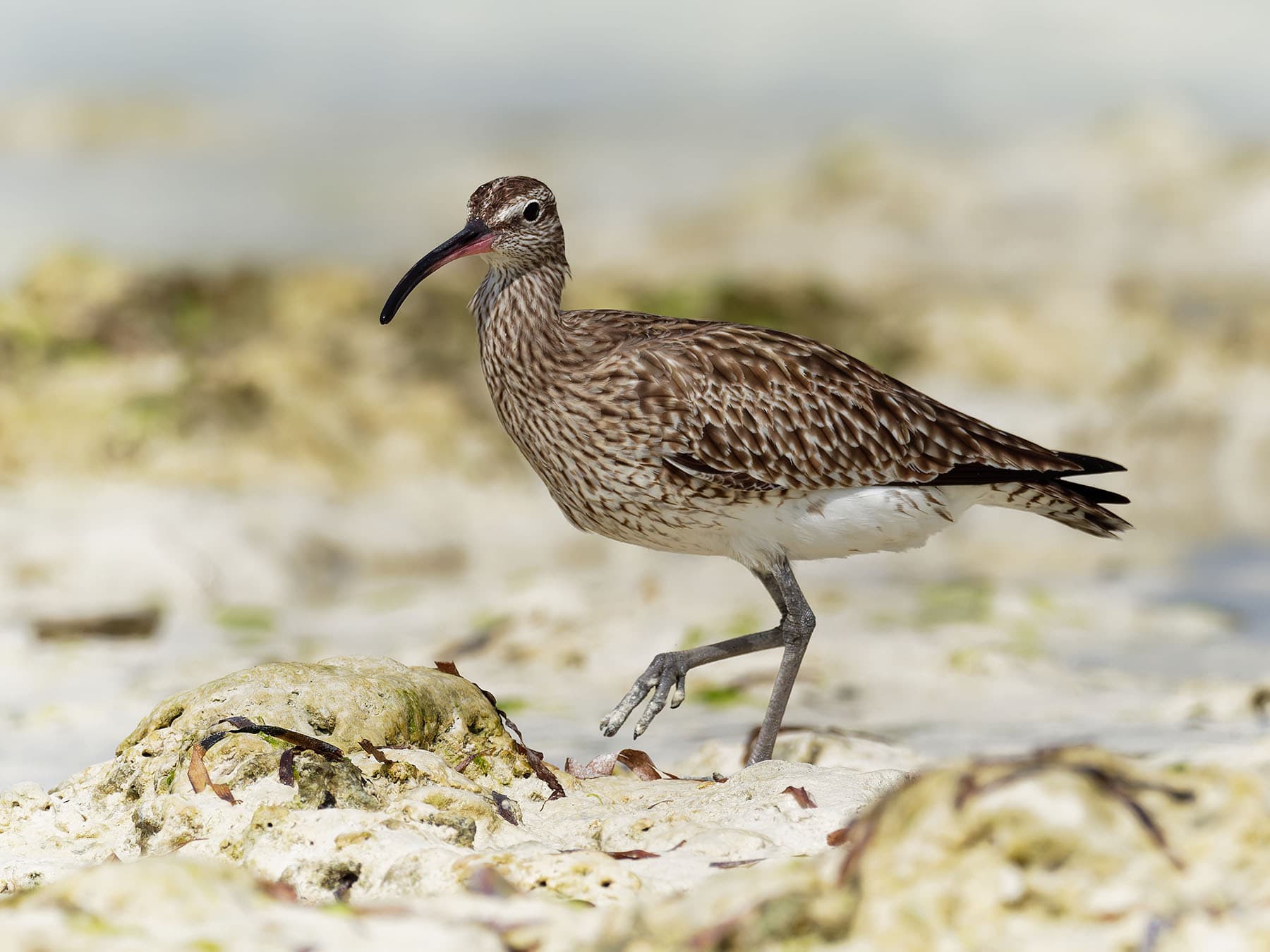
Whimbrel
Numenius phaeopusLC
A rare spring passage migrant in April and May, sometimes detected by its distinctive rippling call as it passes over the region.
Apr–May