Birds in Lancashire
Explore 200 species found in this region.
Lancashire boasts a rich and diverse birdlife, with 195 recorded species found across its varied landscapes of coastal estuaries, moorland uplands, and fertile lowland farmland. The county's extensive coastline along Morecambe Bay and the Ribble Estuary provides vital habitat for wading birds such as Northern Lapwing and Common Sandpiper, while its inland waters attract species including Common Merganser, Northern Pintail, and the striking Mandarin Duck. From the high-altitude Dotterel on the Bowland Fells to the familiar Great Tit and Magpie in gardens and hedgerows, Lancashire offers outstanding birdwatching opportunities throughout the year.
Visiting in July? Look out for Black-necked Grebe and Curlew Sandpiper arriving this month, and Common Quail and Cuckoo depart for the season.


Showing 185–200 of 200 species
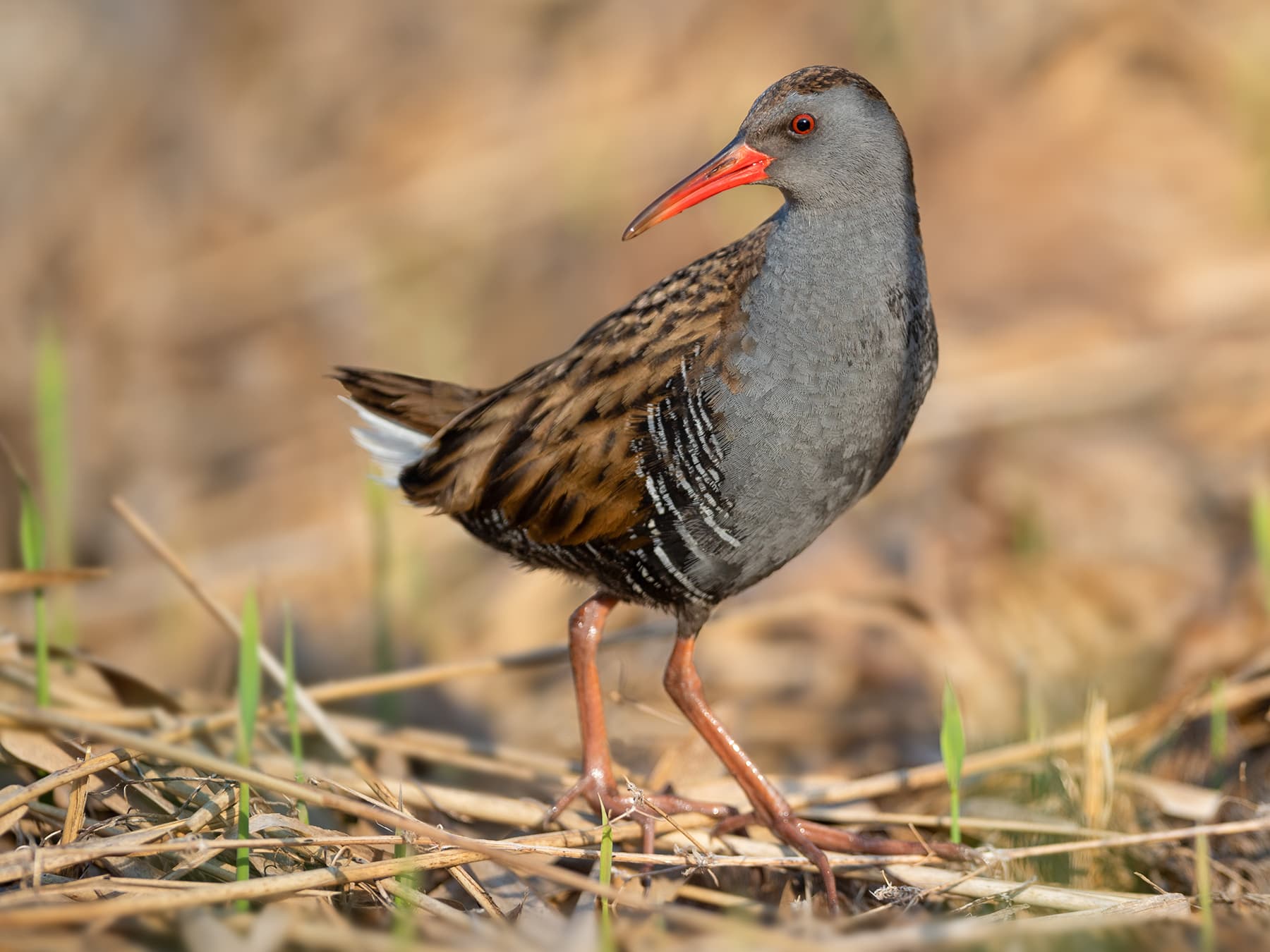
Water Rail
Rallus aquaticusLC
A secretive year-round resident of Lancashire's reedbeds and marshy ditches. More often heard squealing than seen.
Year-round
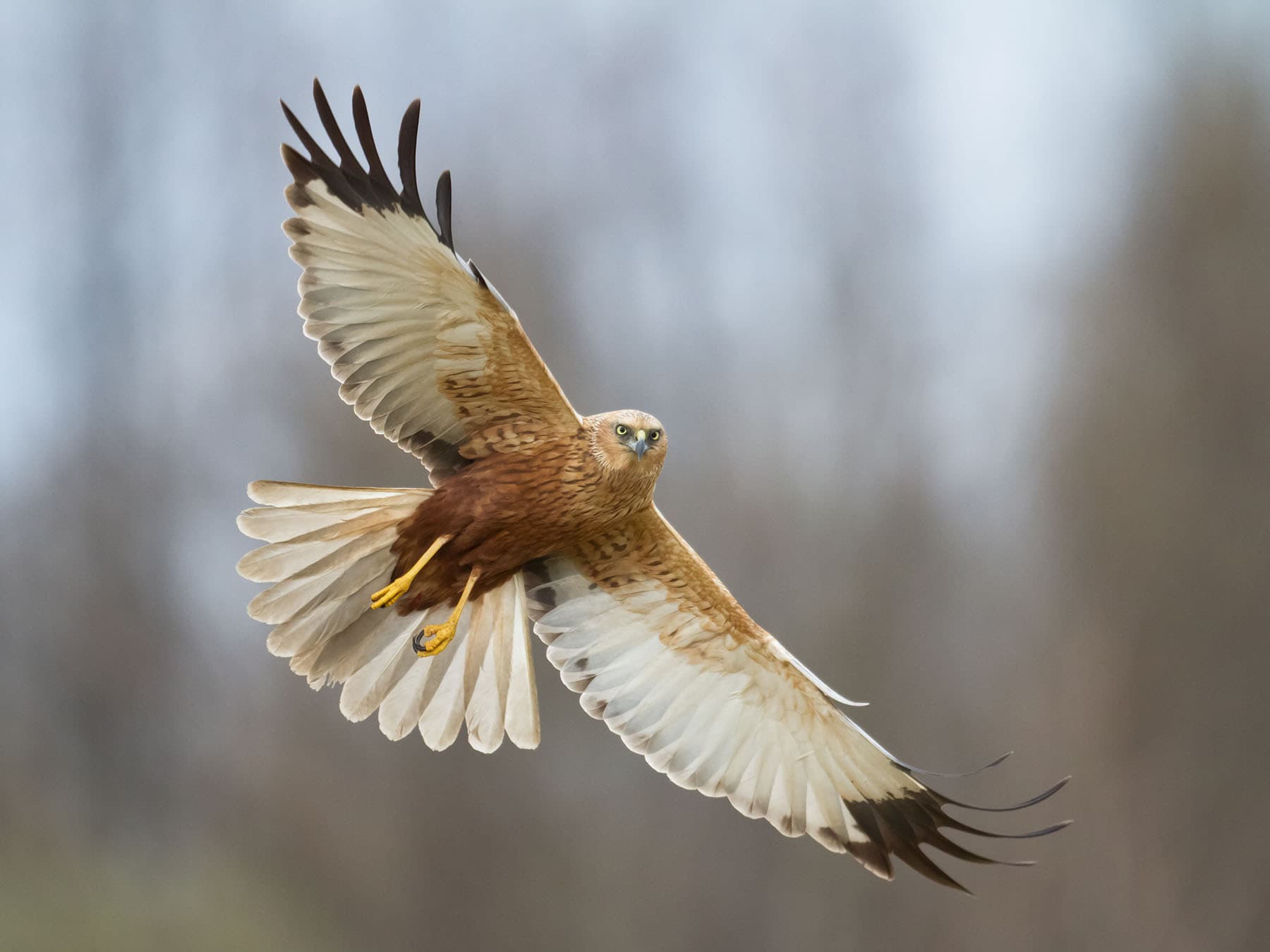
Western Marsh-harrier
Circus aeruginosusLC
An uncommon resident found year-round over reedbeds and marshes, notably at Leighton Moss and the Ribble wetlands.
Year-round
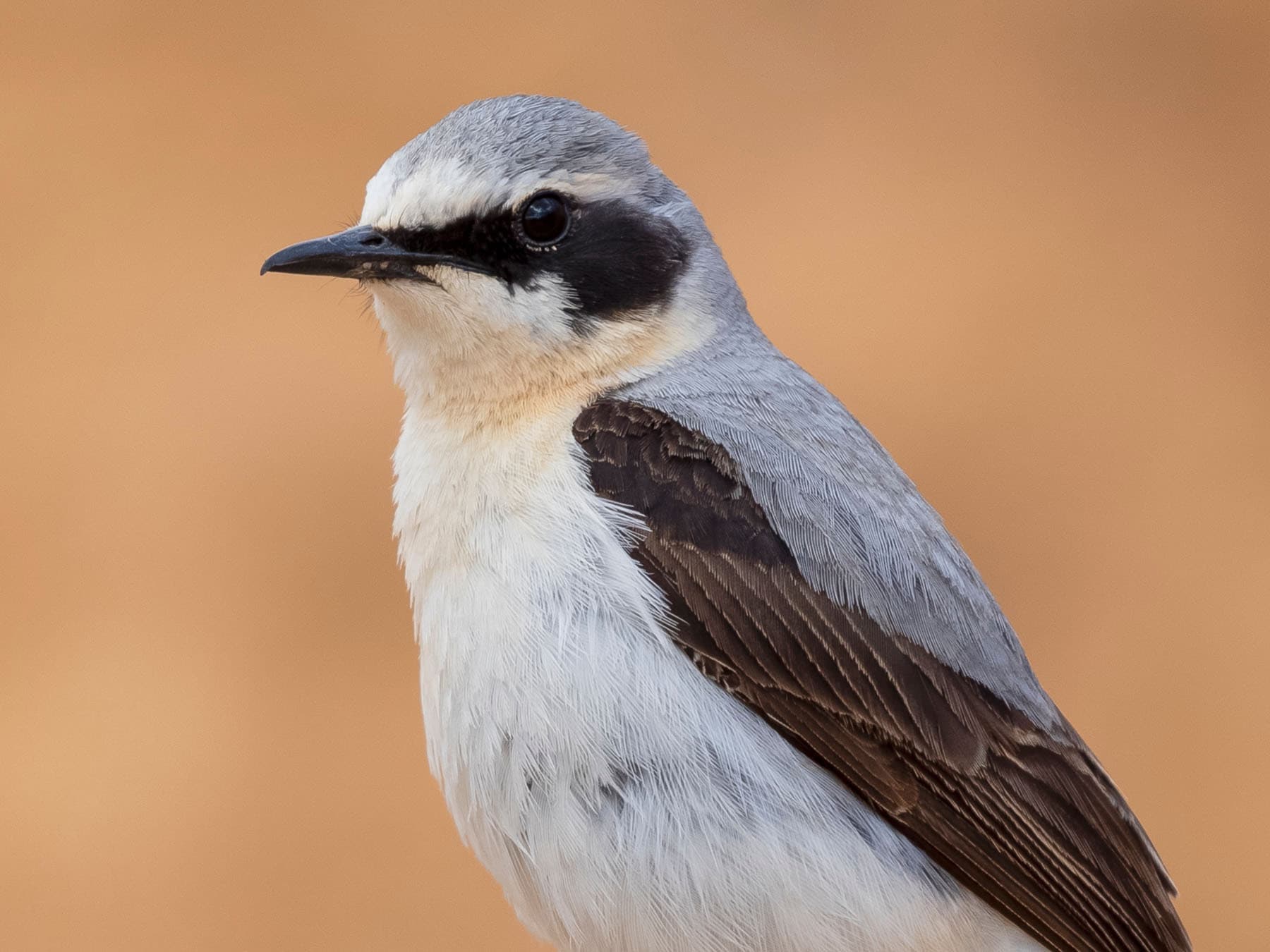
Wheatear
Oenanthe oenantheLC
A rare breeder on upland pastures and moorland edges from March to October. Often pauses on drystone walls, flashing its white rump.
Mar–Oct
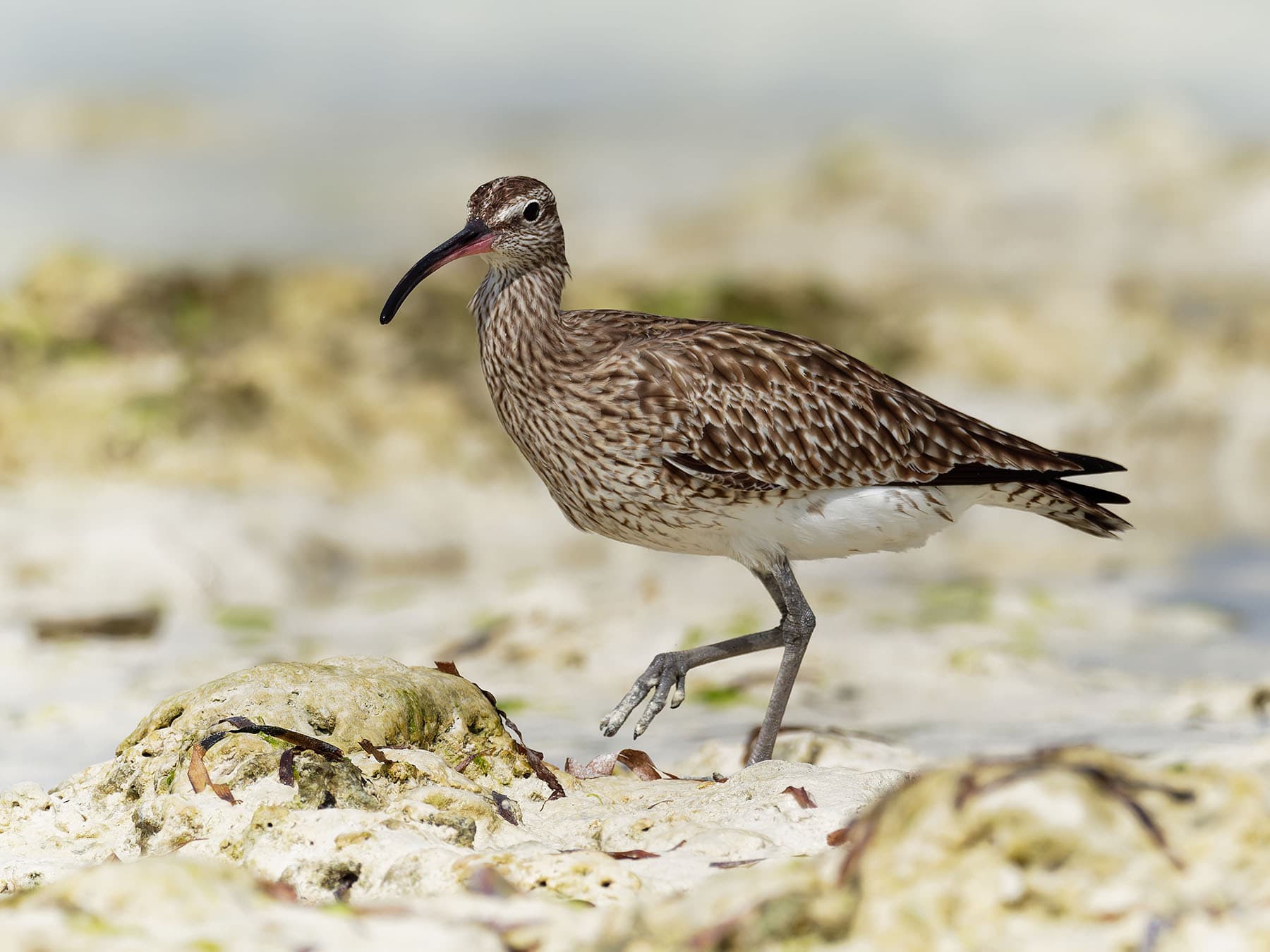
Whimbrel
Numenius phaeopusLC
A rare breeding visitor, passing through Lancashire's coast from April to September with distinctive seven-note whistling calls.
Apr–Sep
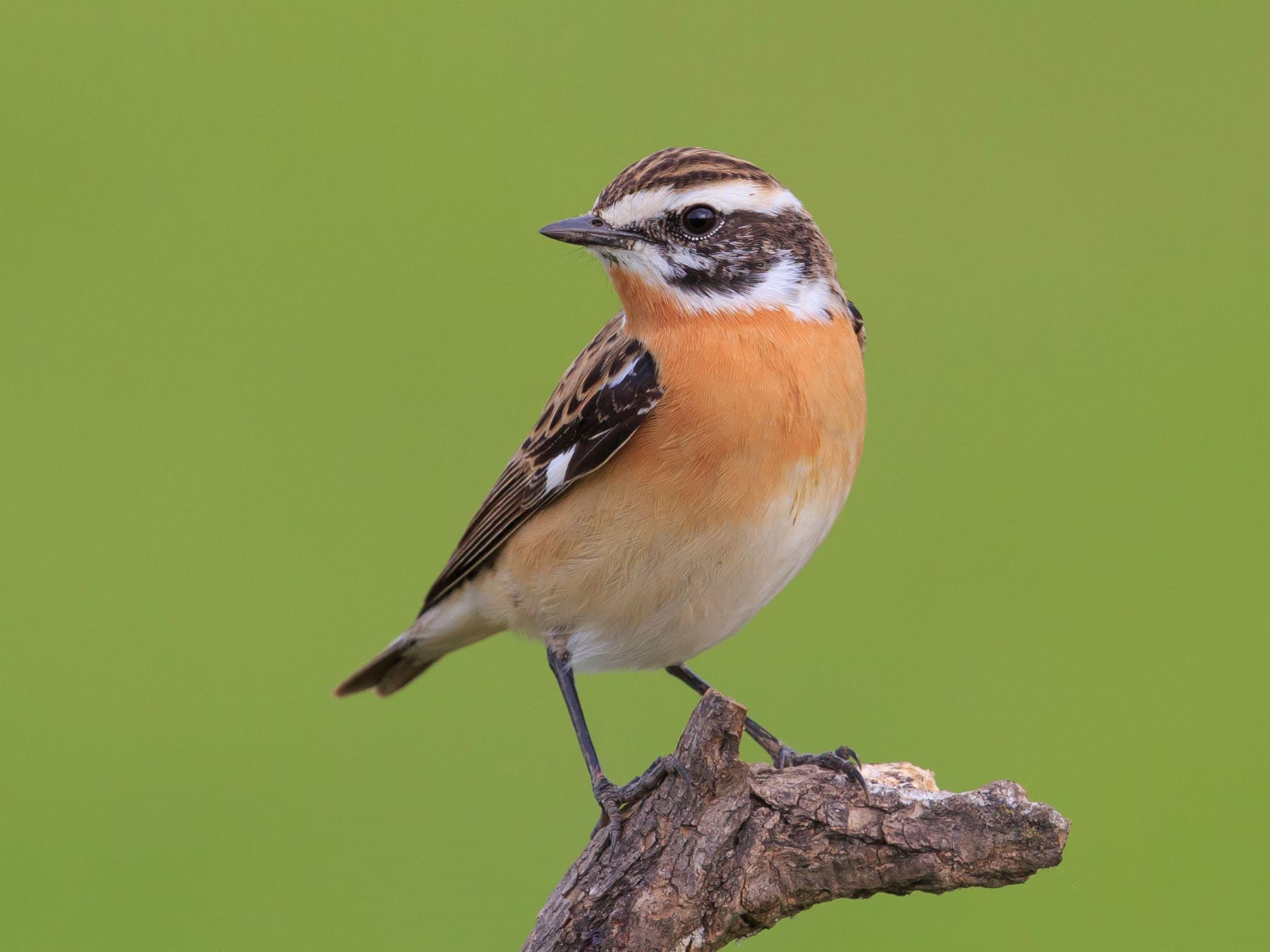
Whinchat
Saxicola rubetraLC
A rare passage migrant seen briefly in spring and autumn, favouring rough grassland and scrubby margins on Lancashire's coastal and upland fringes.
Apr–Sep
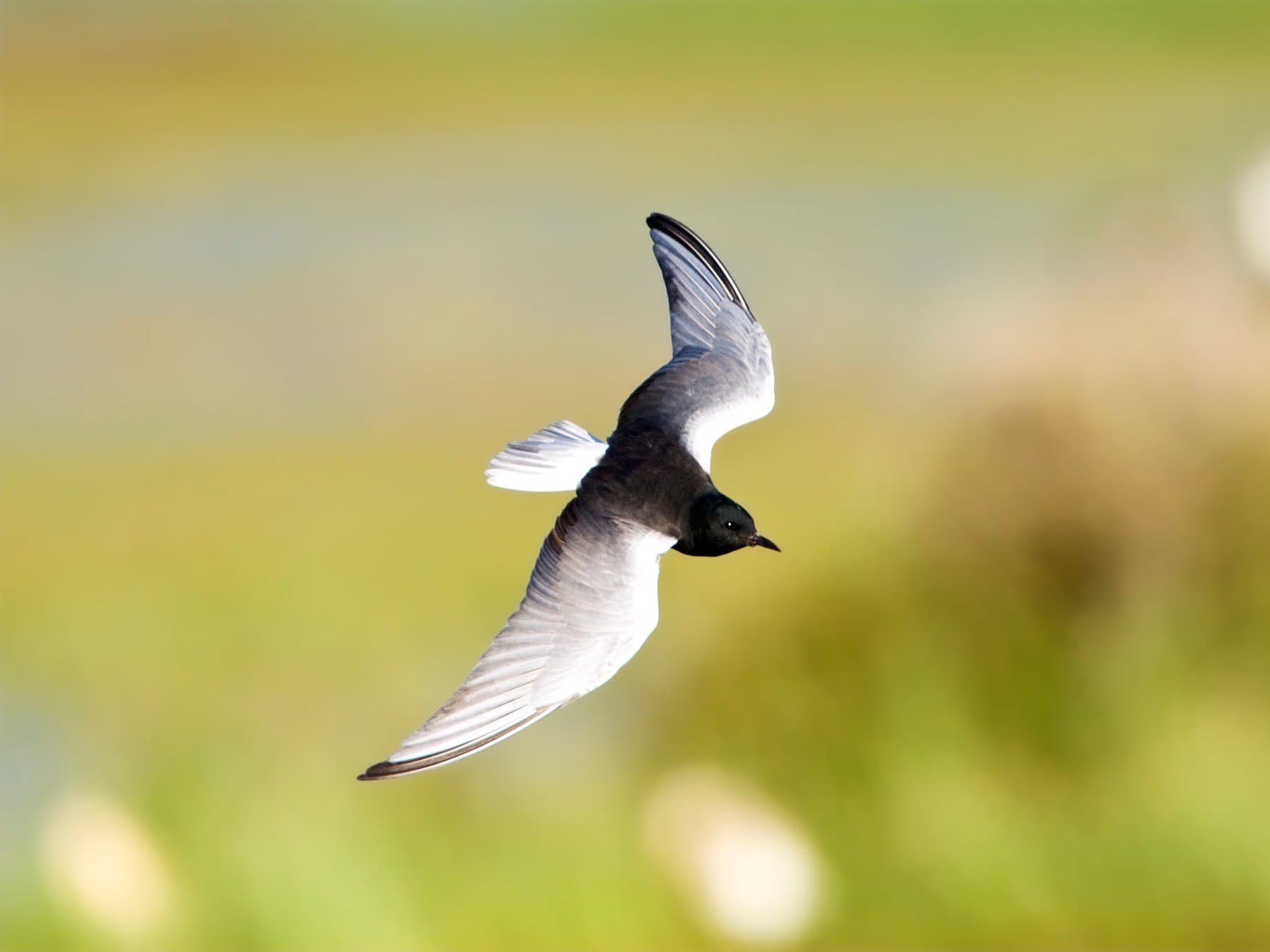
White-winged Tern
Chlidonias leucopterusLC
A rare passage vagrant, occasionally recorded in July at coastal marshes and wetlands. A prized find for Lancashire birders.
Jul
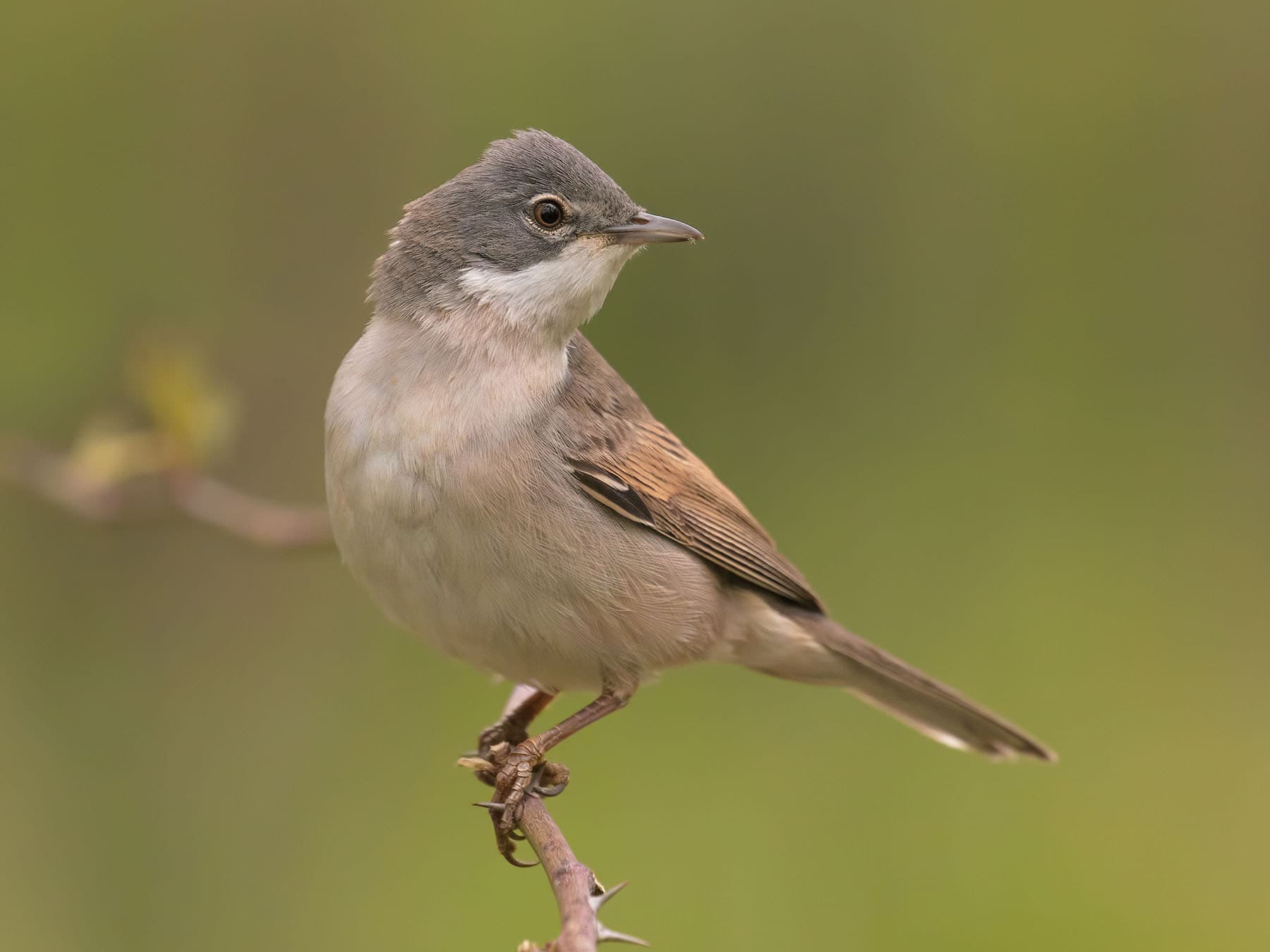
Whitethroat
Curruca communisLC
An uncommon summer breeder arriving in April, favouring hedgerows and scrubby margins across Lancashire's lowlands. Departs by September.
Apr–Sep
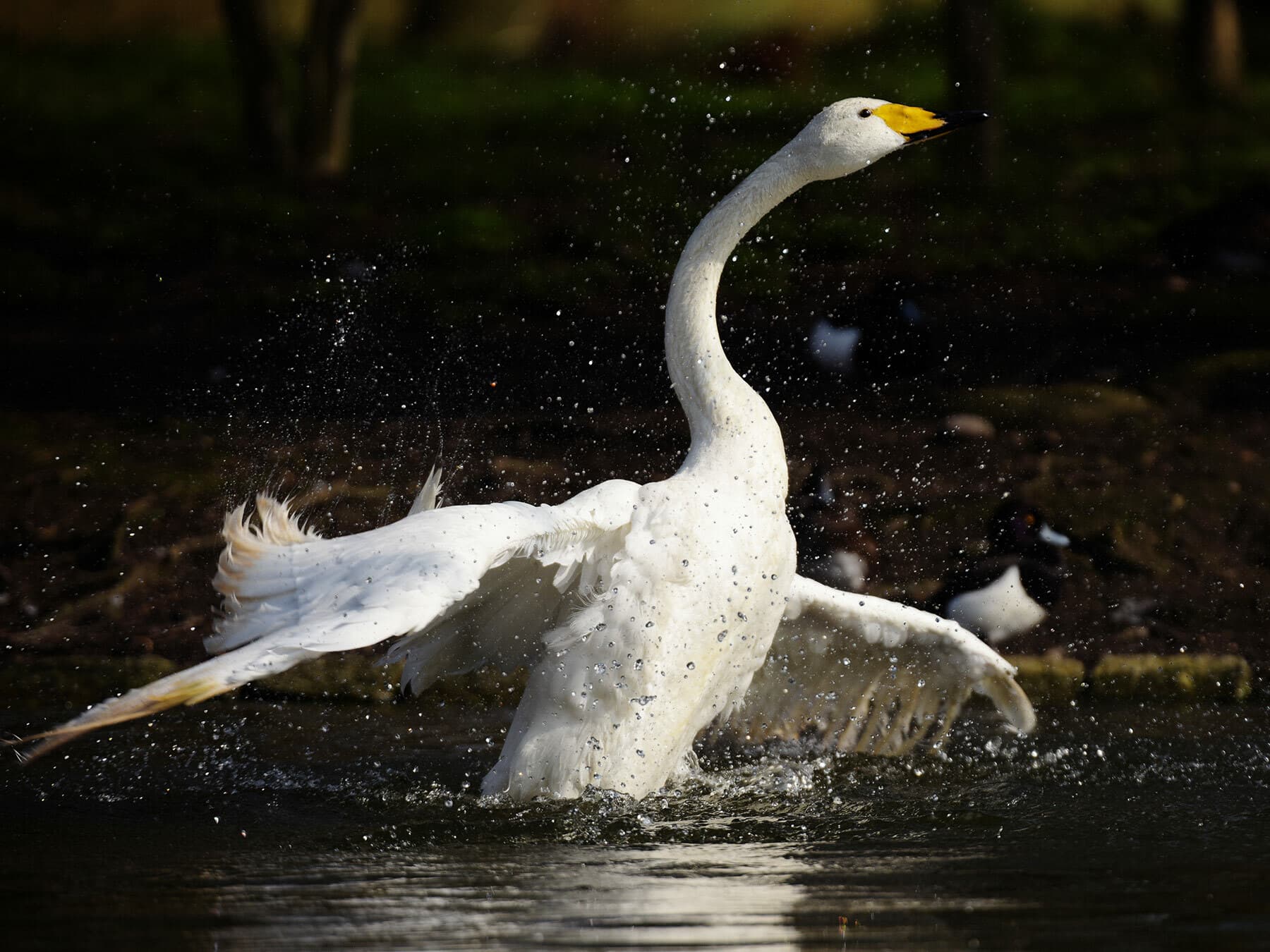
Whooper Swan
Cygnus cygnusLC
Present year-round but most conspicuous in winter on wetlands such as Martin Mere. Numbers bolstered by Icelandic migrants from October.
Year-round
Spotted something?
Upload a photo to identify it
Identify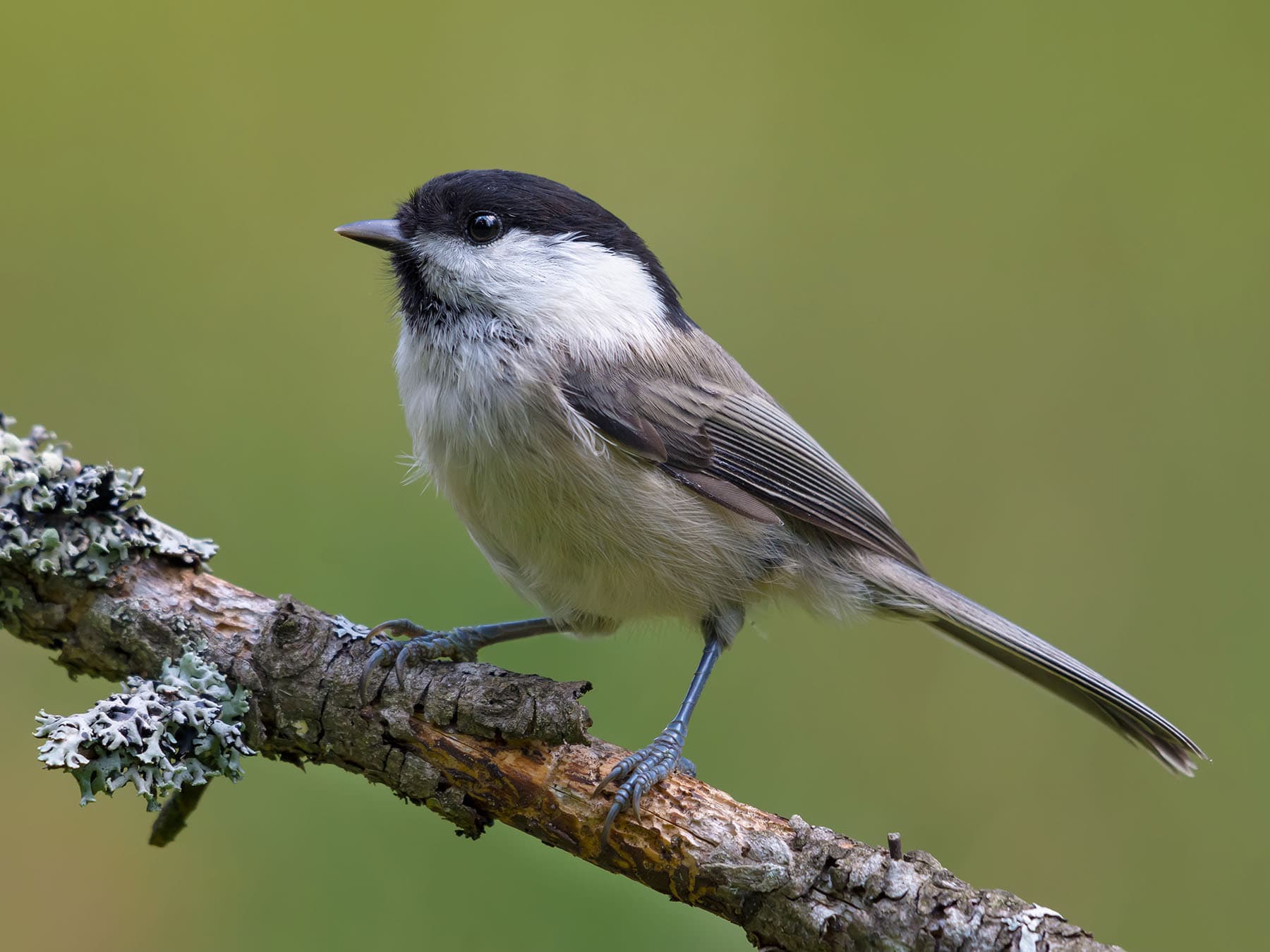
Willow Tit
Poecile montanusLC
Now a rare passage visitor, reflecting severe national decline. Occasionally recorded in damp woodland with standing deadwood in late winter.
Feb
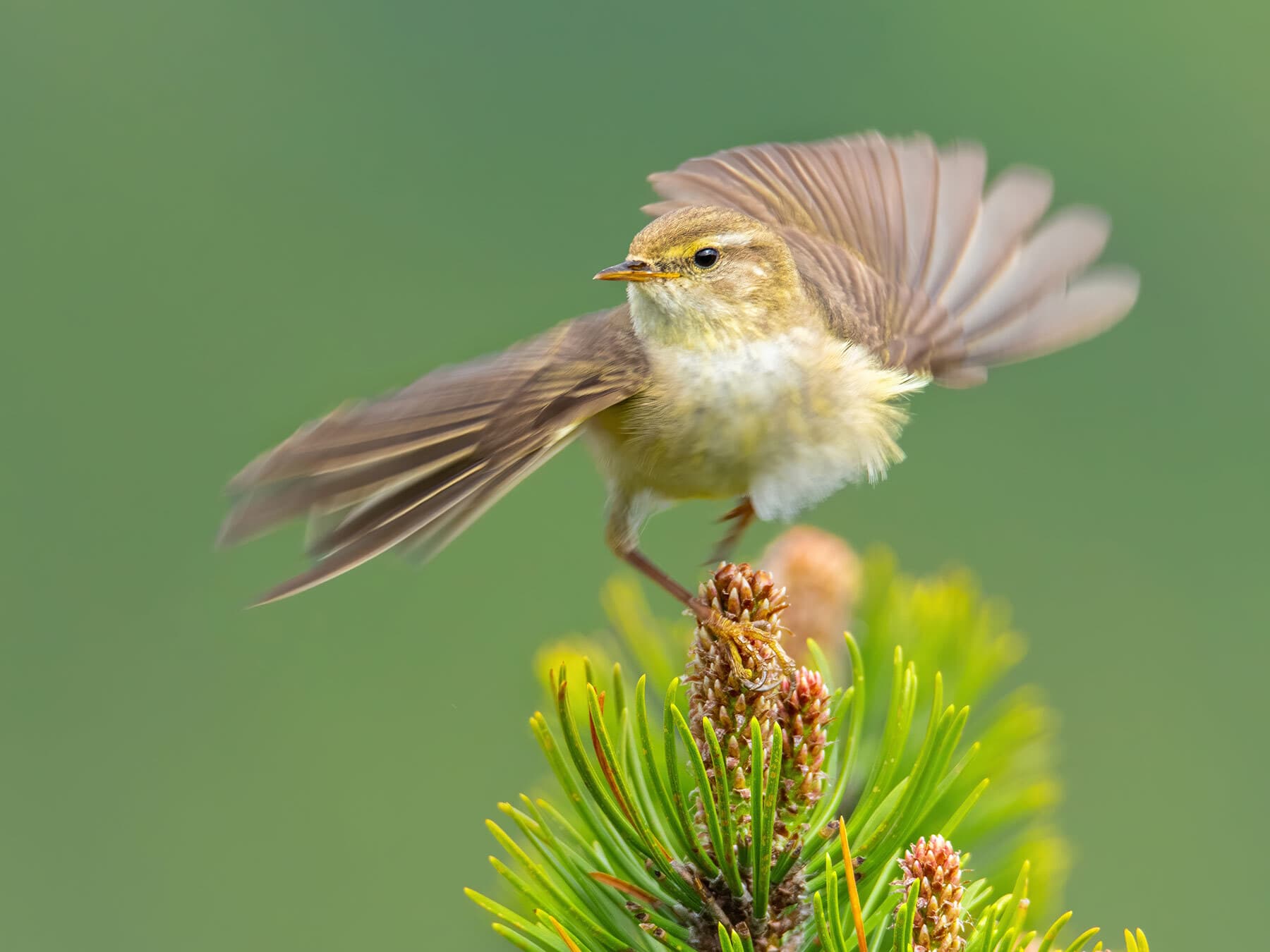
Willow Warbler
Phylloscopus trochilusLC
A common summer breeder from April to September, filling Lancashire's woodlands and moorland edges with its descending song.
Apr–Sep
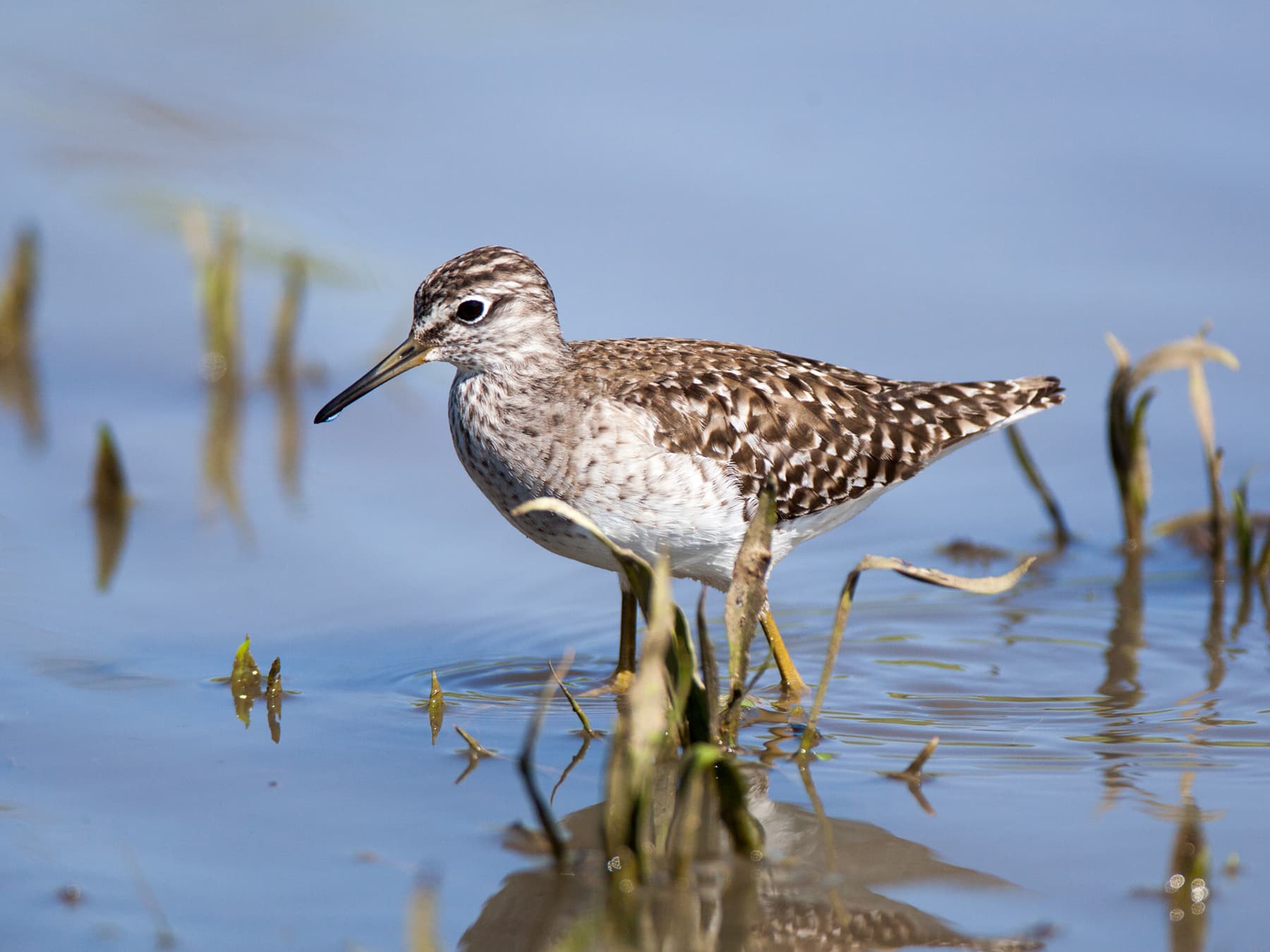
Wood Sandpiper
Tringa glareolaLC
A rare passage migrant through Lancashire's freshwater wetlands, mainly in late summer. Martin Mere and similar sites offer the best chances.
May–Sep
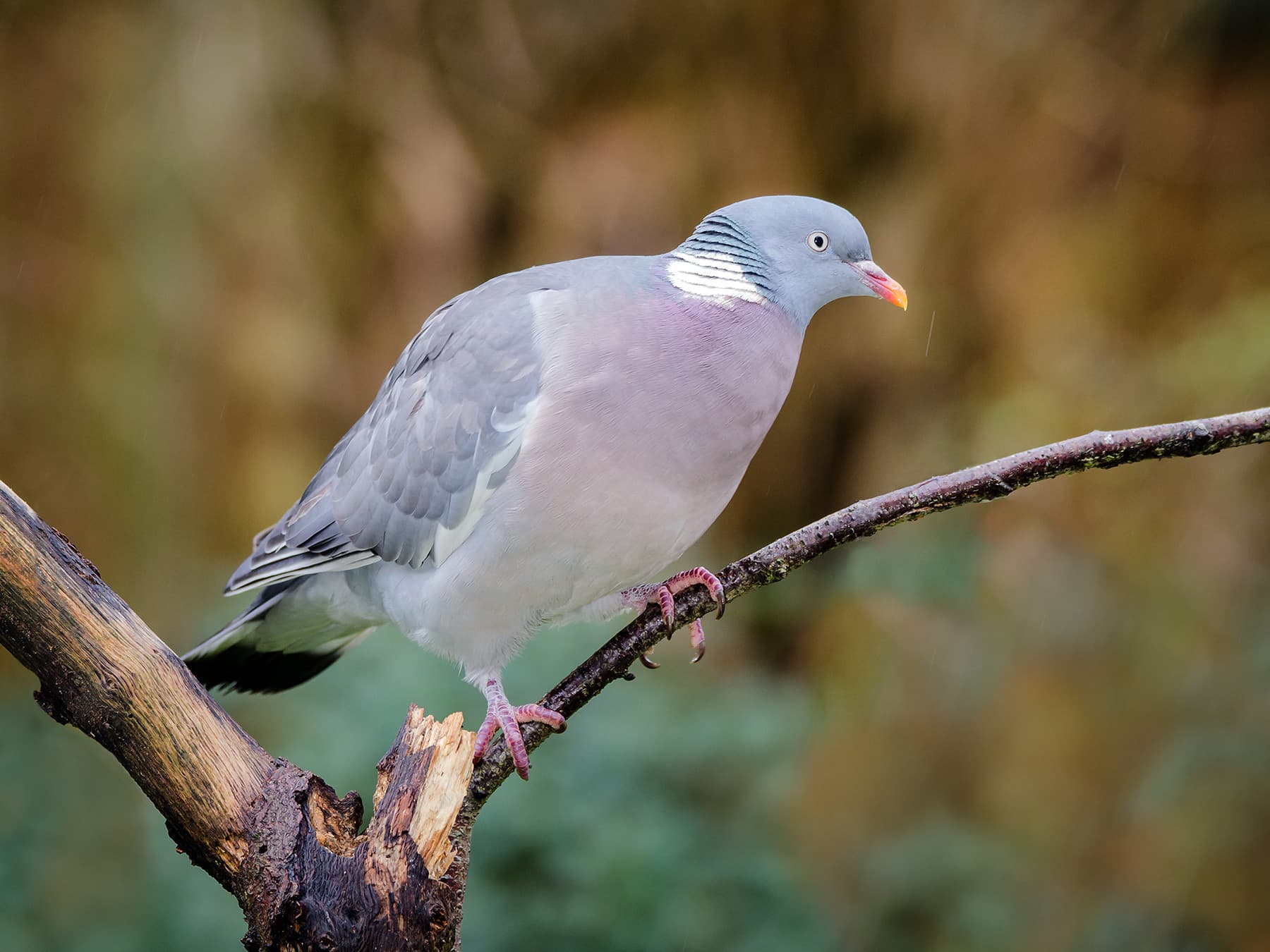
Woodpigeon
Columba palumbusLC
An abundant year-round resident found in gardens, parks, and farmland across Lancashire. Its cooing song is one of the county's most familiar sounds.
Year-round
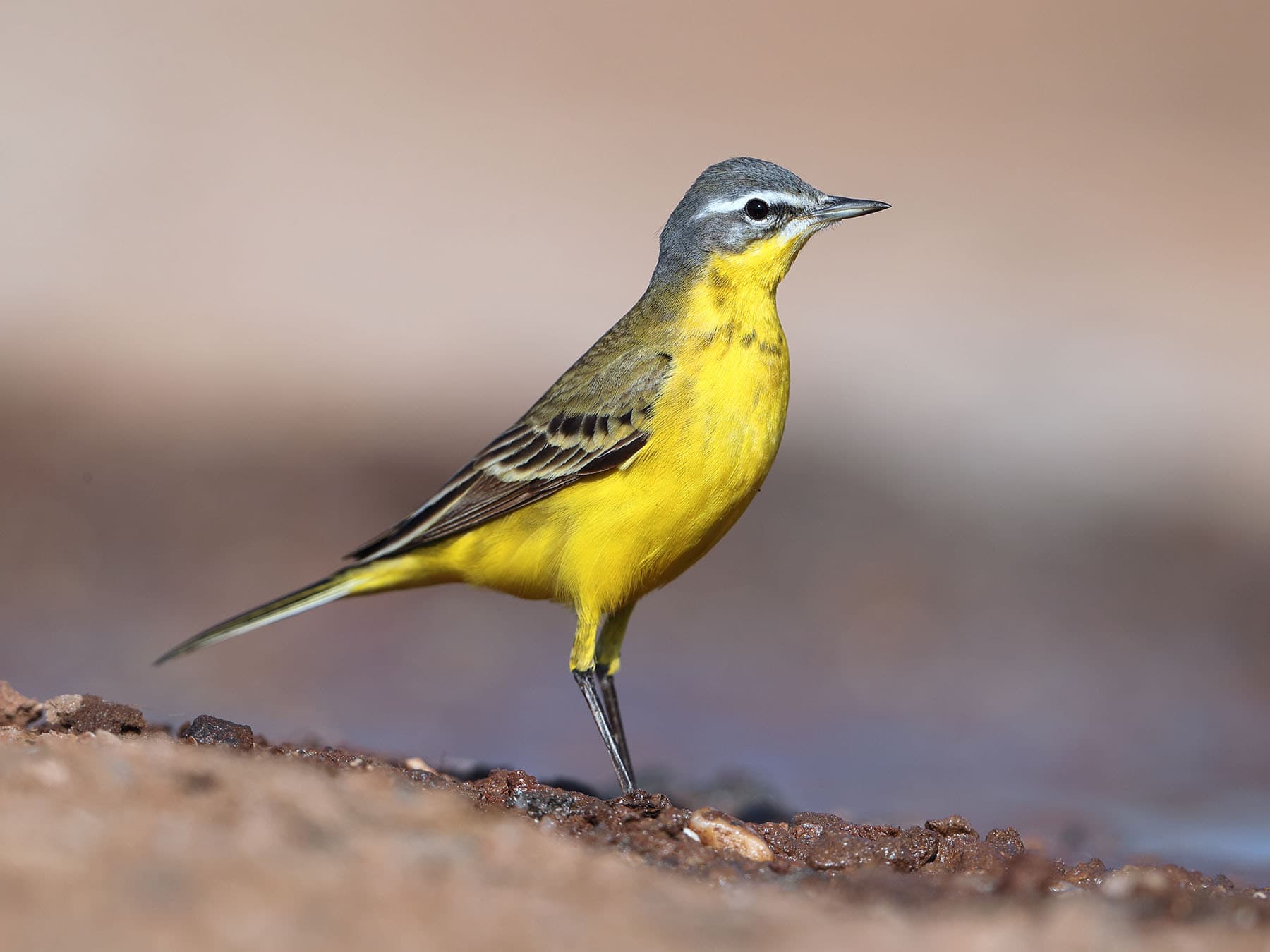
Yellow Wagtail
Motacilla flavaLC
A rare summer breeder on lowland wet meadows and pastures. Has declined sharply across Lancashire, now largely confined to a few sites.
Apr–Sep
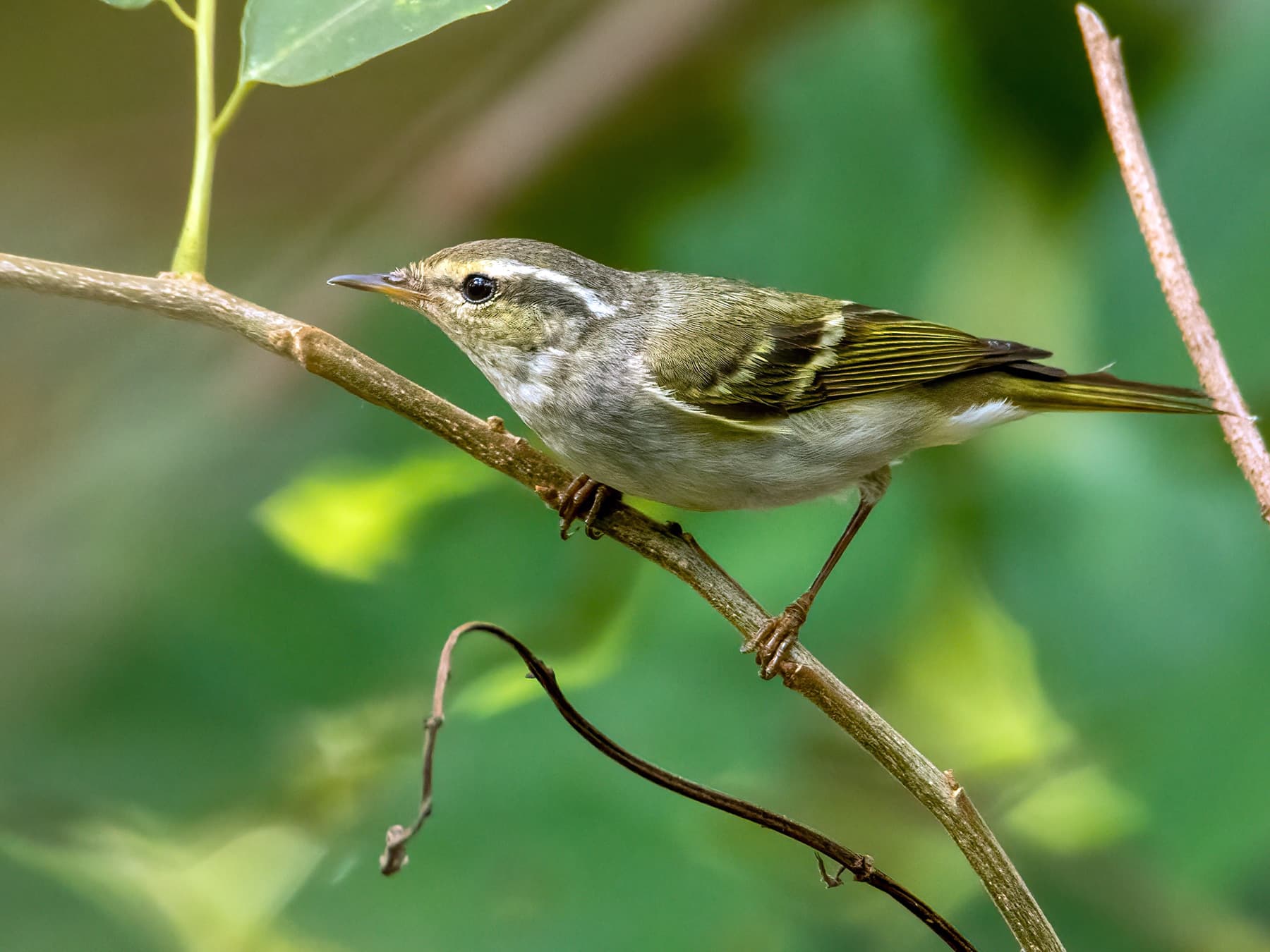
Yellow-browed Warbler
Phylloscopus inornatusLC
A rare passage migrant from Siberia, occasionally turning up in coastal scrub during October. A sought-after find on the Fylde coast.
Oct–Dec
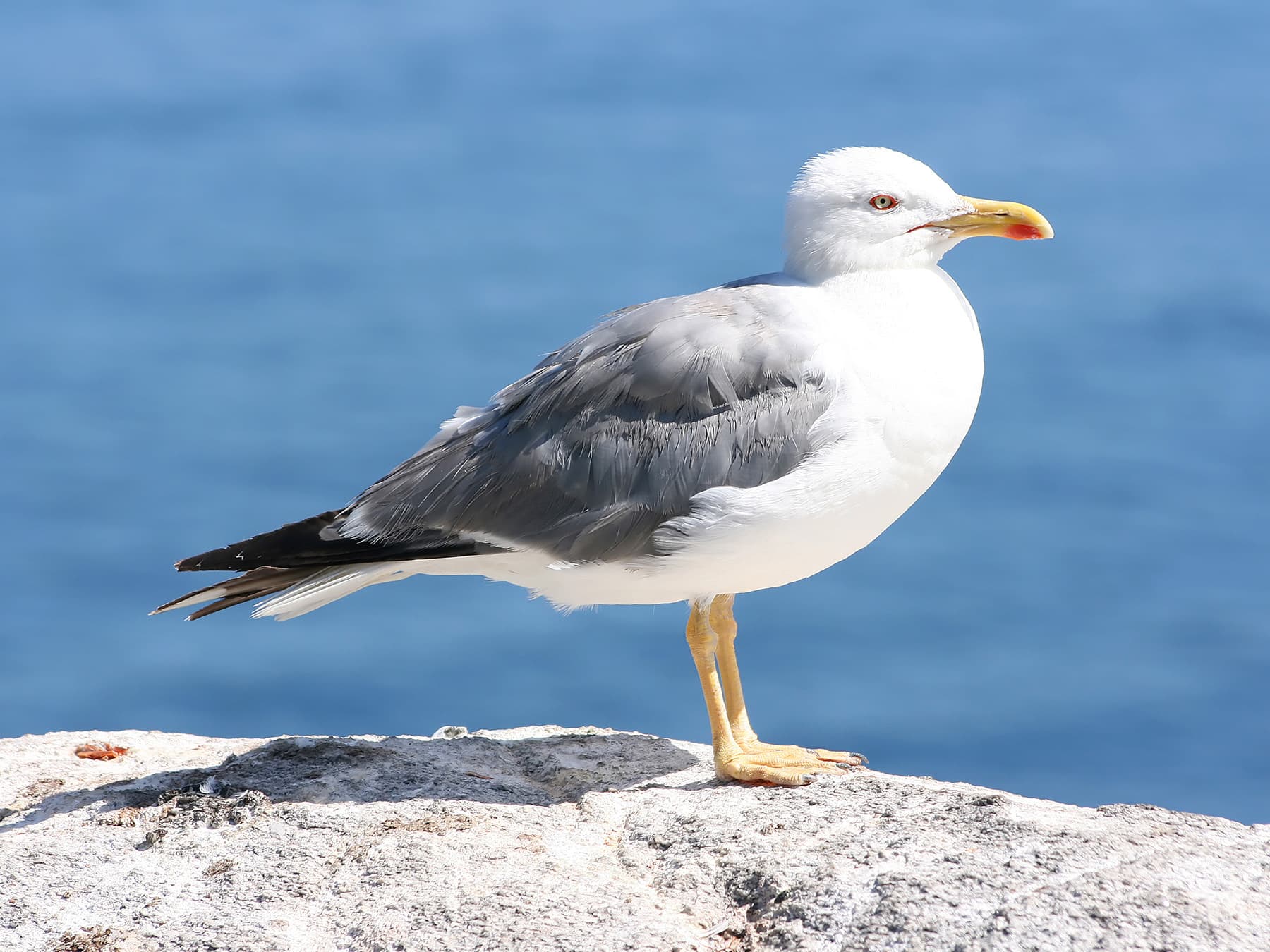
Yellow-legged Gull
Larus michahellisLC
A rare but year-round visitor, most often picked out among large gull flocks at landfill sites, reservoirs, and along the Ribble Estuary.
Year-round
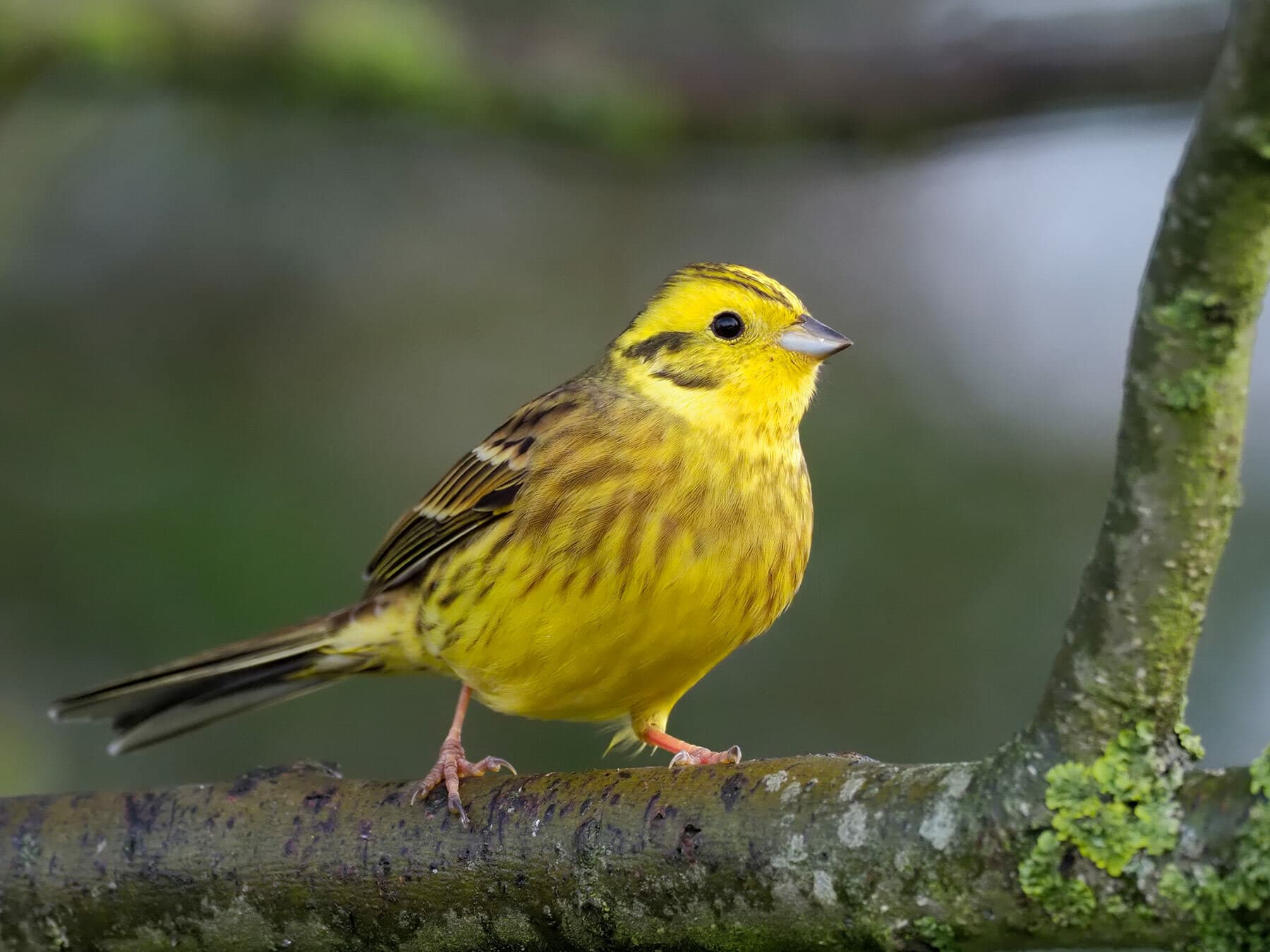
Yellowhammer
Emberiza citrinellaLC
An uncommon and declining resident of farmland hedgerows. More often heard singing its distinctive song from exposed perches in rural east Lancashire.
Year-round