Birds in Cornwall
Explore 223 species found in this region.
Cornwall's dramatic coastline, sheltered estuaries, and windswept moorlands provide habitat for an impressive diversity of birdlife, with 213 species recorded across the county. From elegant waders such as the Northern Lapwing and Dotterel to colourful residents like the Great Tit and Magpie, the region offers outstanding birding opportunities year-round. Cornwall's position as Britain's south-westernmost county also makes it a renowned hotspot for rare migrants and overwintering wildfowl, including species such as the Common Shelduck, Northern Pintail, and Mandarin Duck.
Visiting in August? Look out for Arctic Tern and Black Tern arriving this month, and Bar-headed Goose and Barn Owl depart for the season.


Showing 208–223 of 223 species
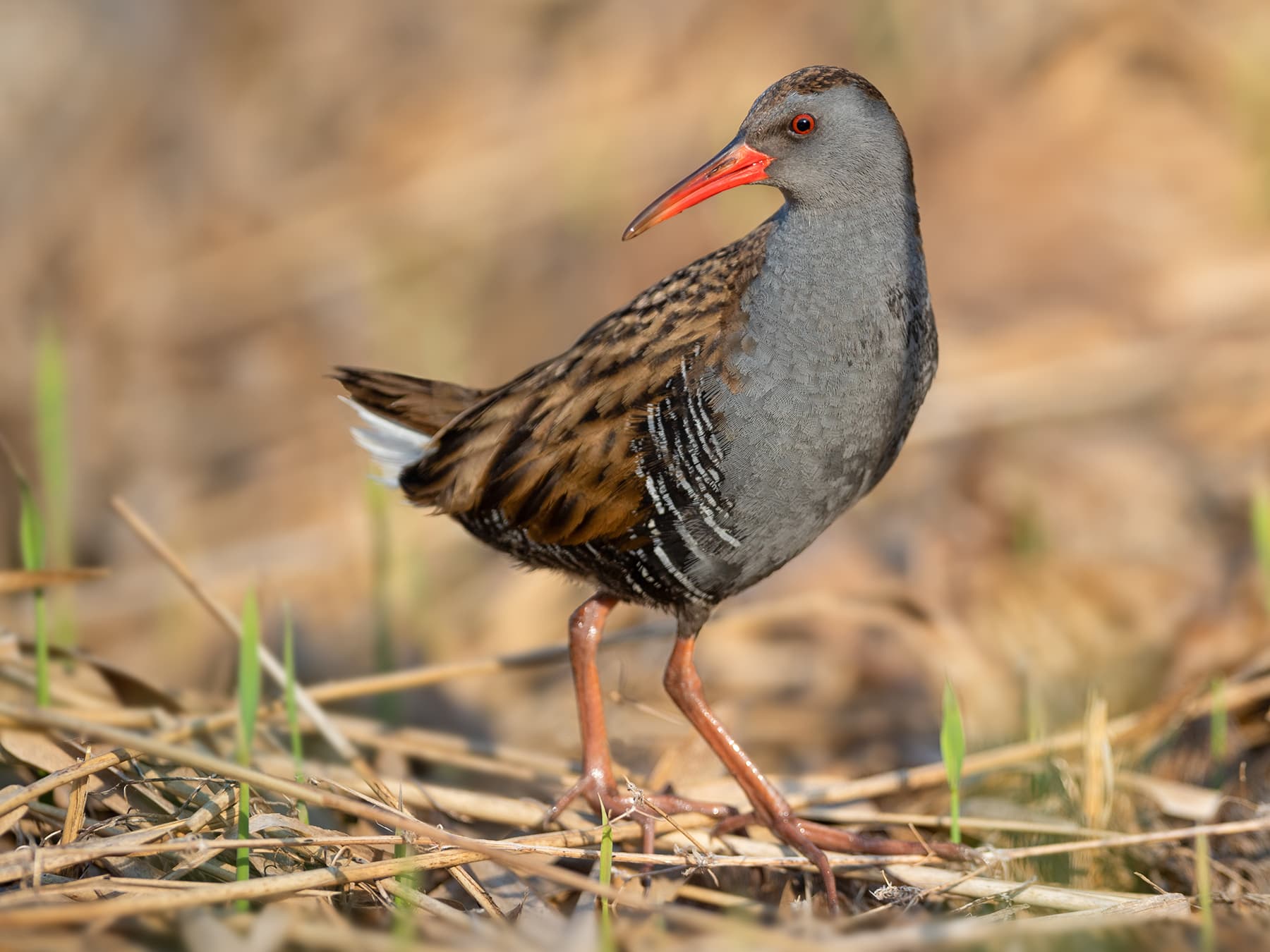
Water Rail
Rallus aquaticusLC
Skulks in reedbeds and marshy ditches, more often heard squealing than seen. Present mainly outside the breeding season.
Aug–Apr
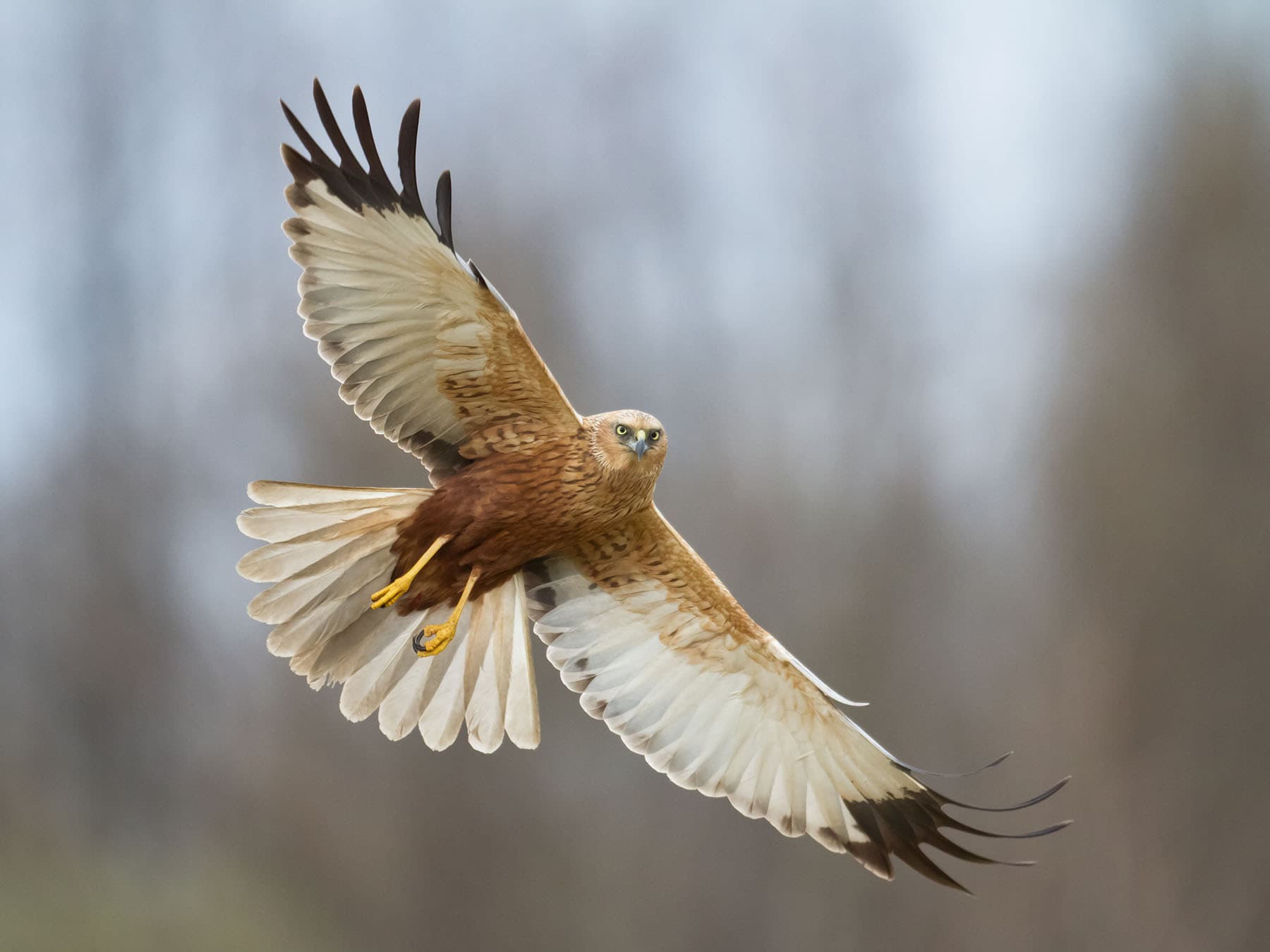
Western Marsh-harrier
Circus aeruginosusLC
A rare breeder, favouring reedbeds and wetlands. Seen quartering marshes from spring through autumn.
Jan–Oct
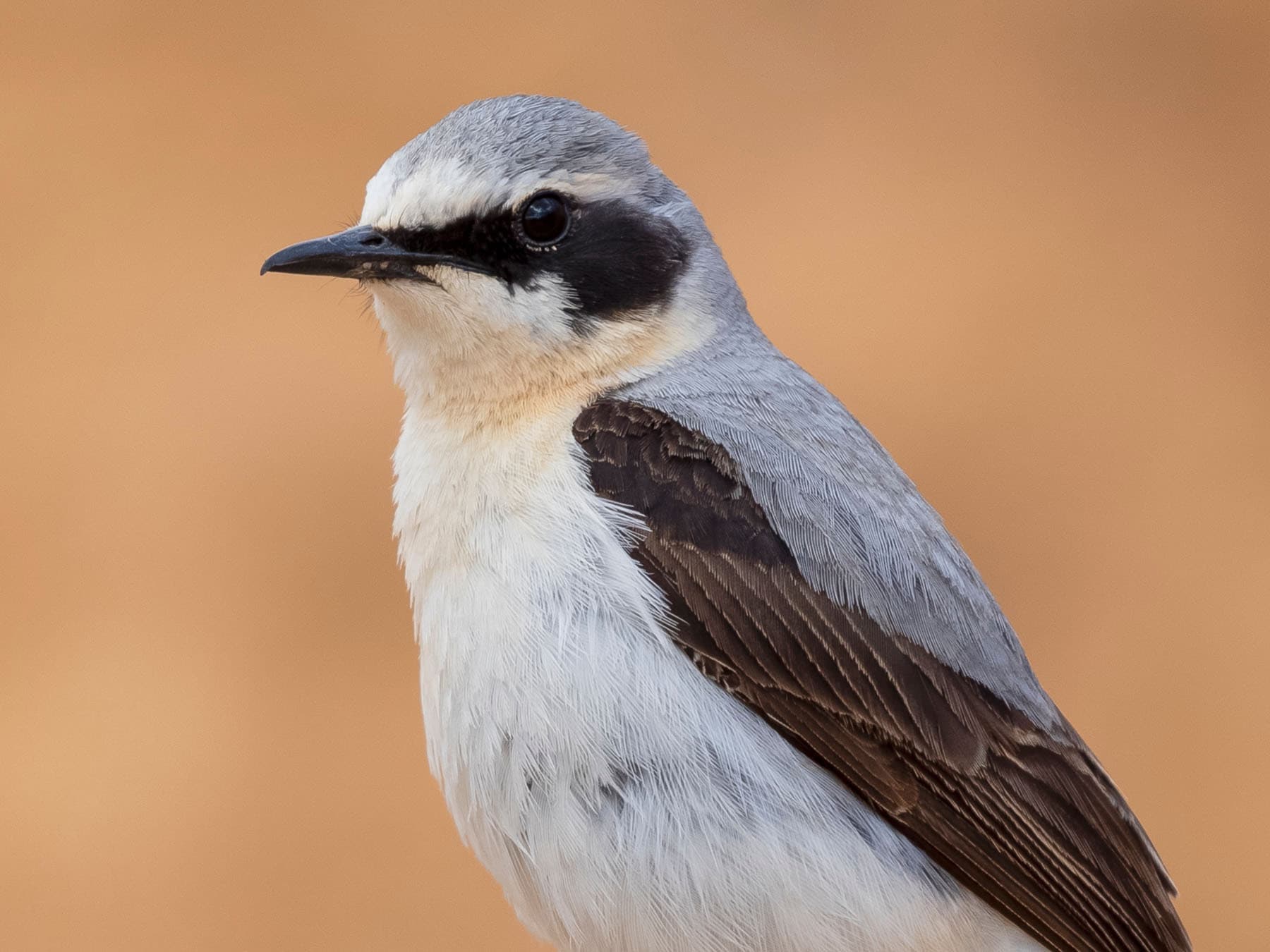
Wheatear
Oenanthe oenantheLC
An uncommon summer breeder on clifftops and moorland, arriving from March. Also seen on passage at coastal headlands into October.
Mar–Oct
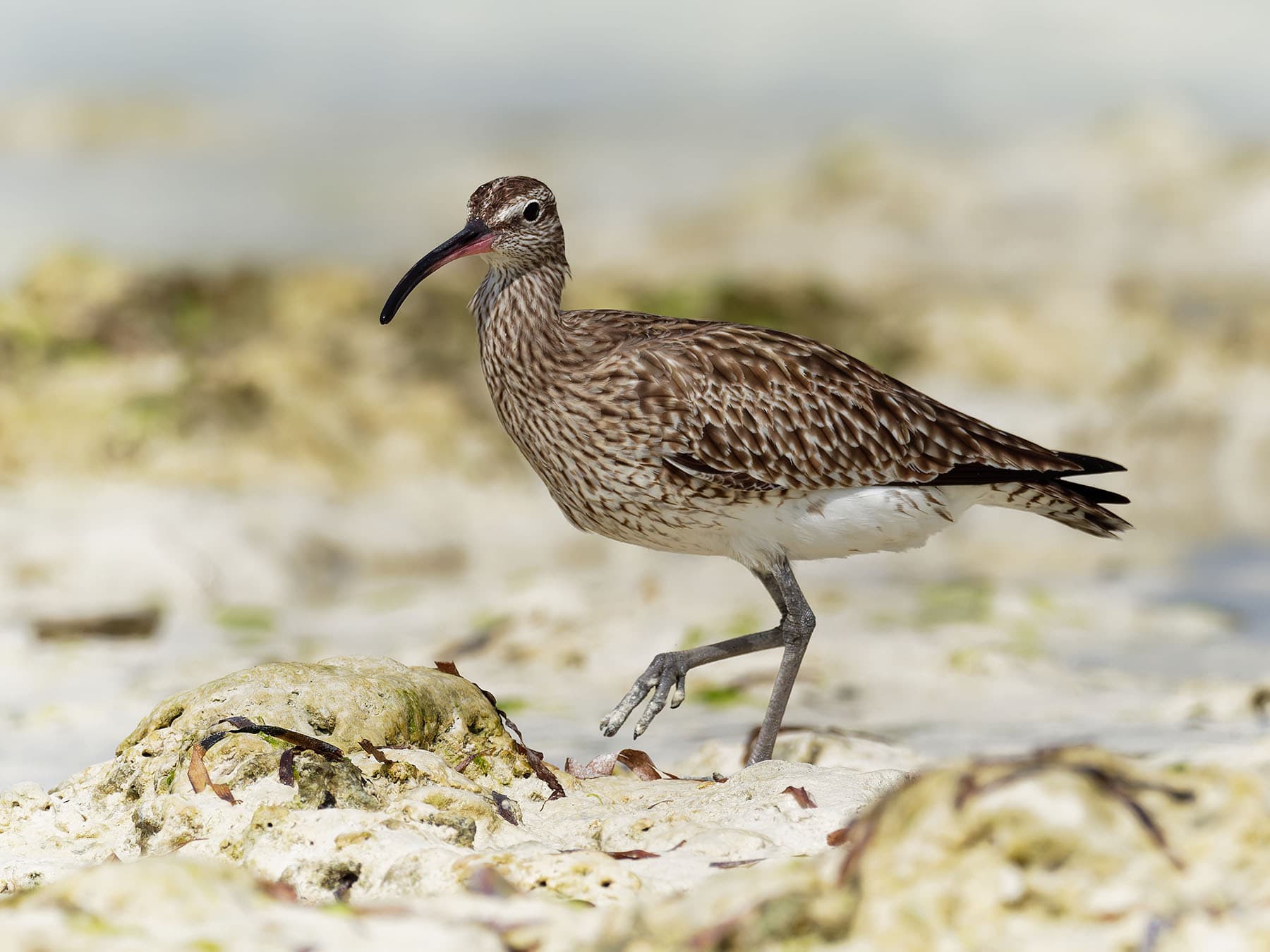
Whimbrel
Numenius phaeopusLC
Present year-round along Cornish estuaries and rocky shores, with numbers peaking during spring and autumn passage.
Year-round
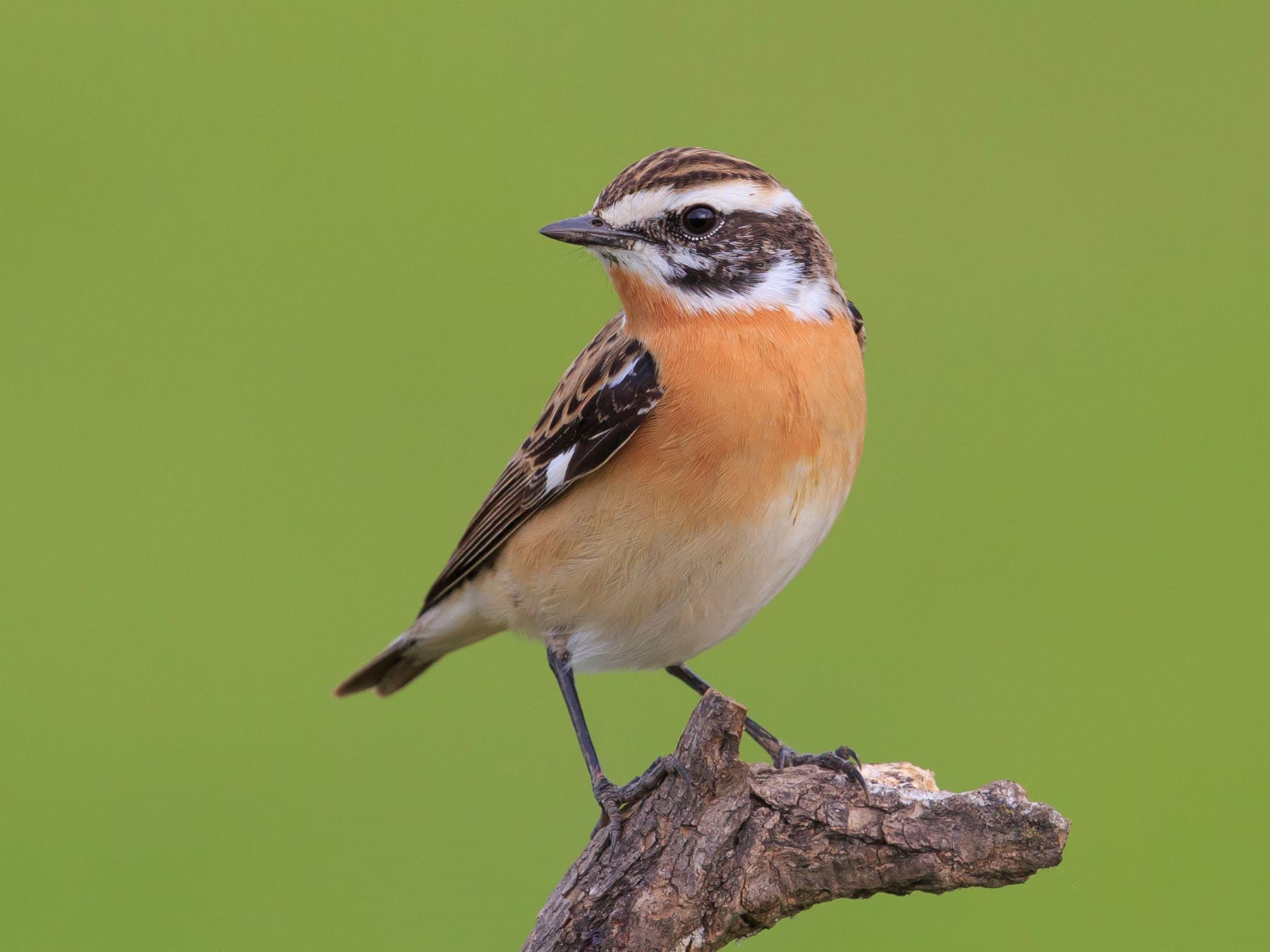
Whinchat
Saxicola rubetraLC
An uncommon passage migrant seen mainly in autumn on coastal scrub and rough grassland. Spring passage is briefer, peaking in May.
May–Oct
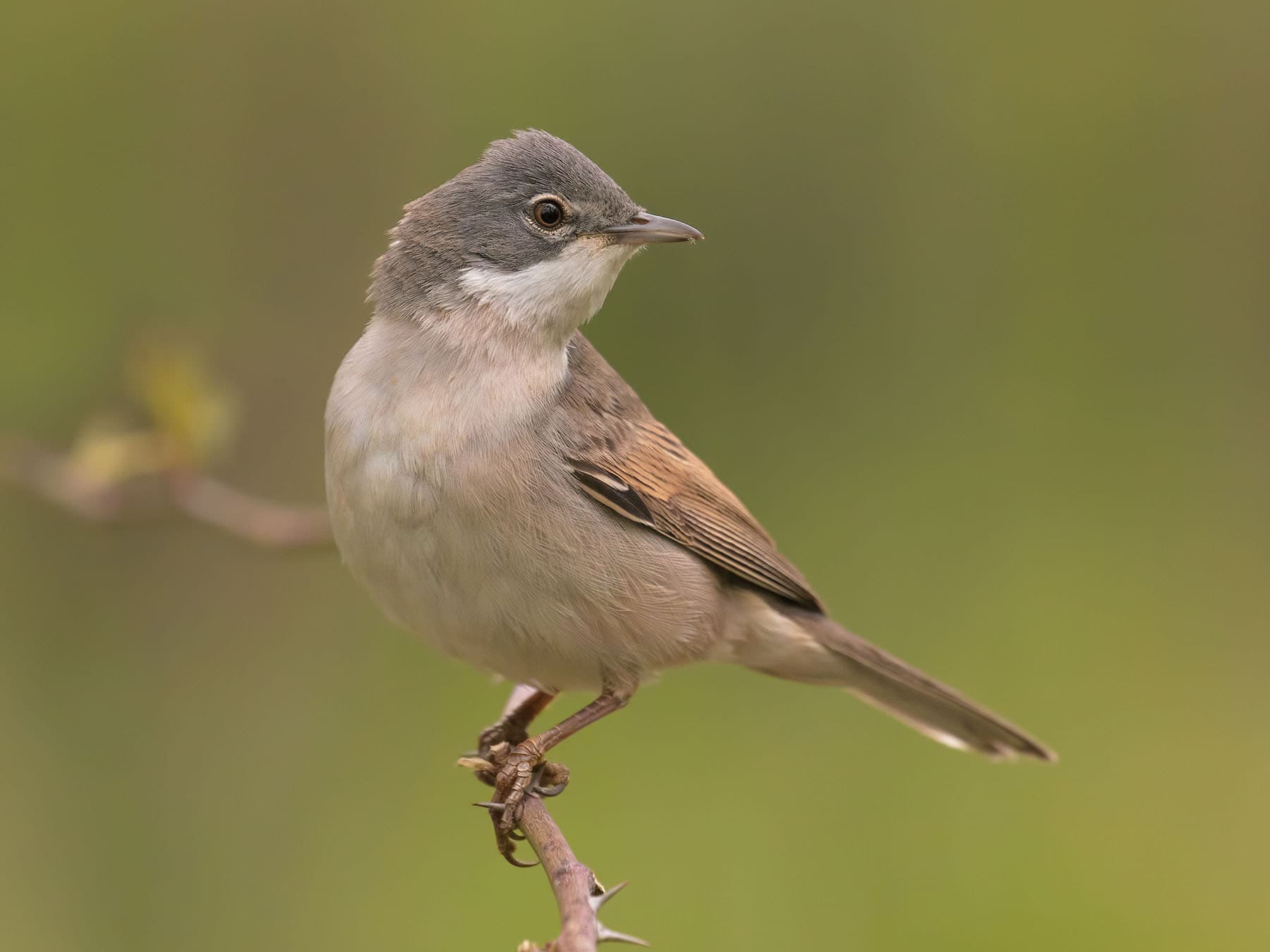
Whitethroat
Curruca communisLC
An uncommon summer breeder favouring scrubby hedgerows and gorse. Arrives in April and departs by October, singing from exposed perches.
Apr–Oct
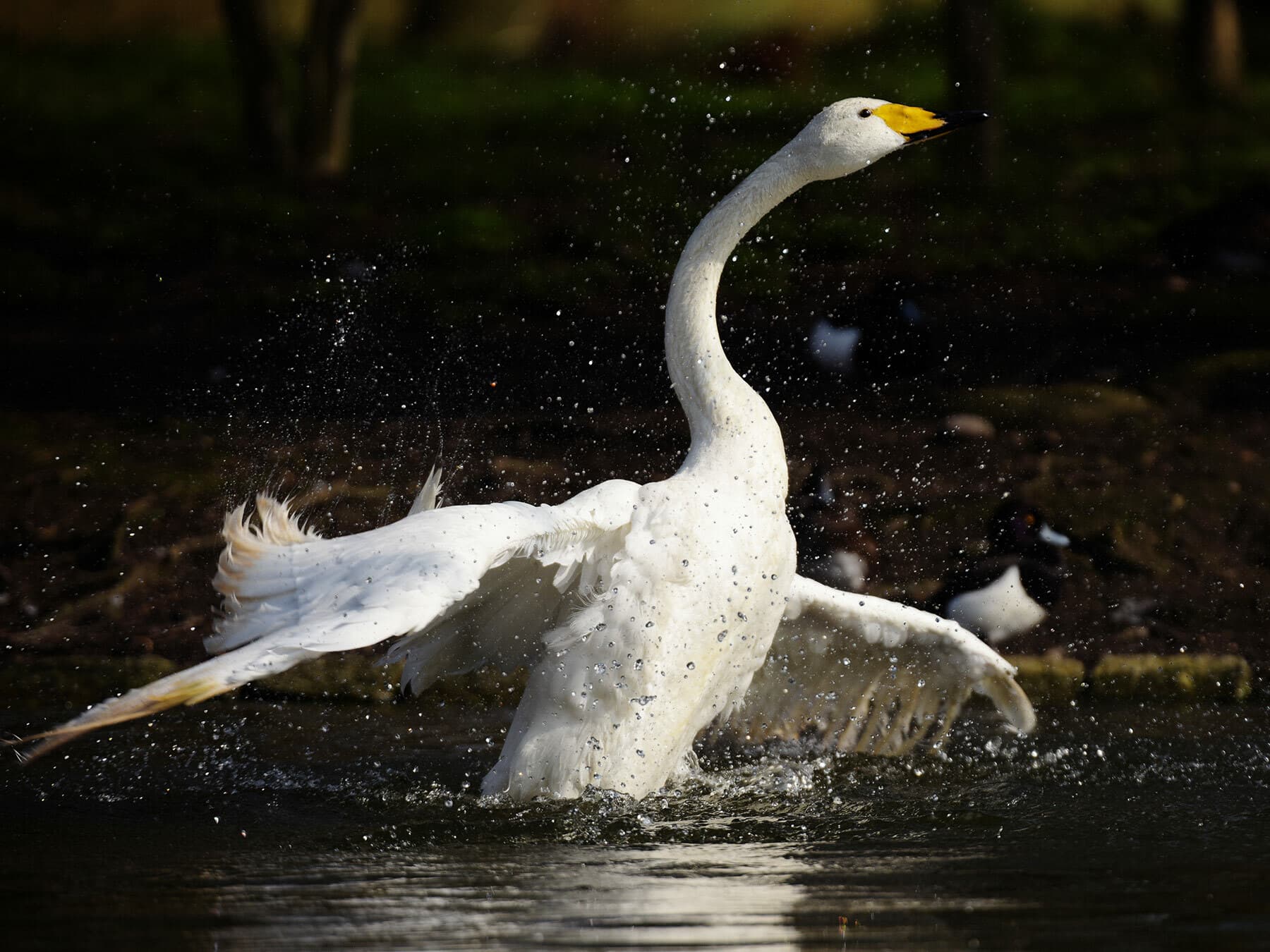
Whooper Swan
Cygnus cygnusLC
A rare passage visitor in October, with occasional birds appearing on estuaries or flooded fields during southward migration.
Oct
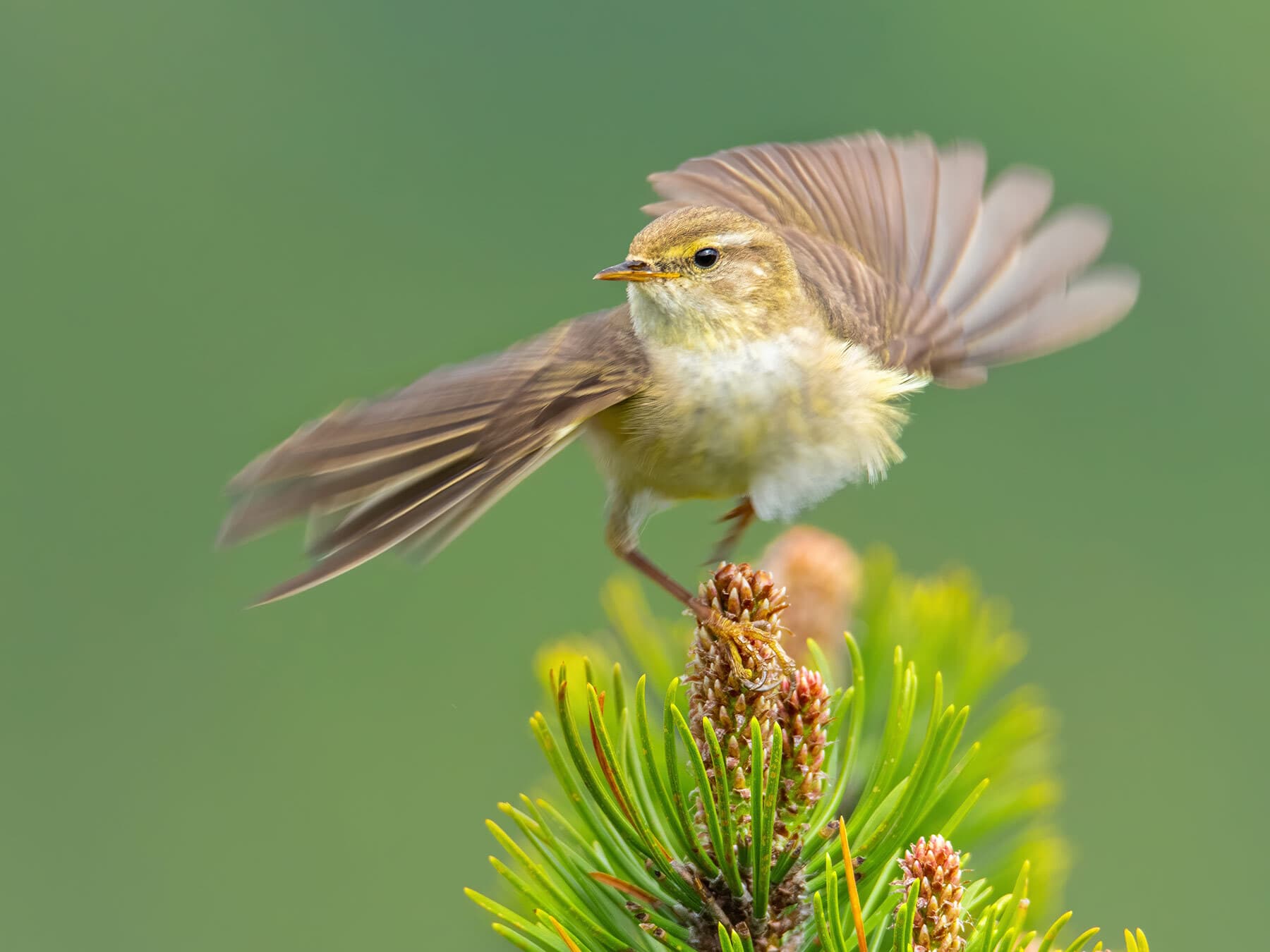
Willow Warbler
Phylloscopus trochilusLC
A summer breeder arriving from March, favouring willow scrub and woodland edges. Numbers have declined notably across Cornwall in recent decades.
Mar–Oct
Spotted something?
Upload a photo to identify it
Identify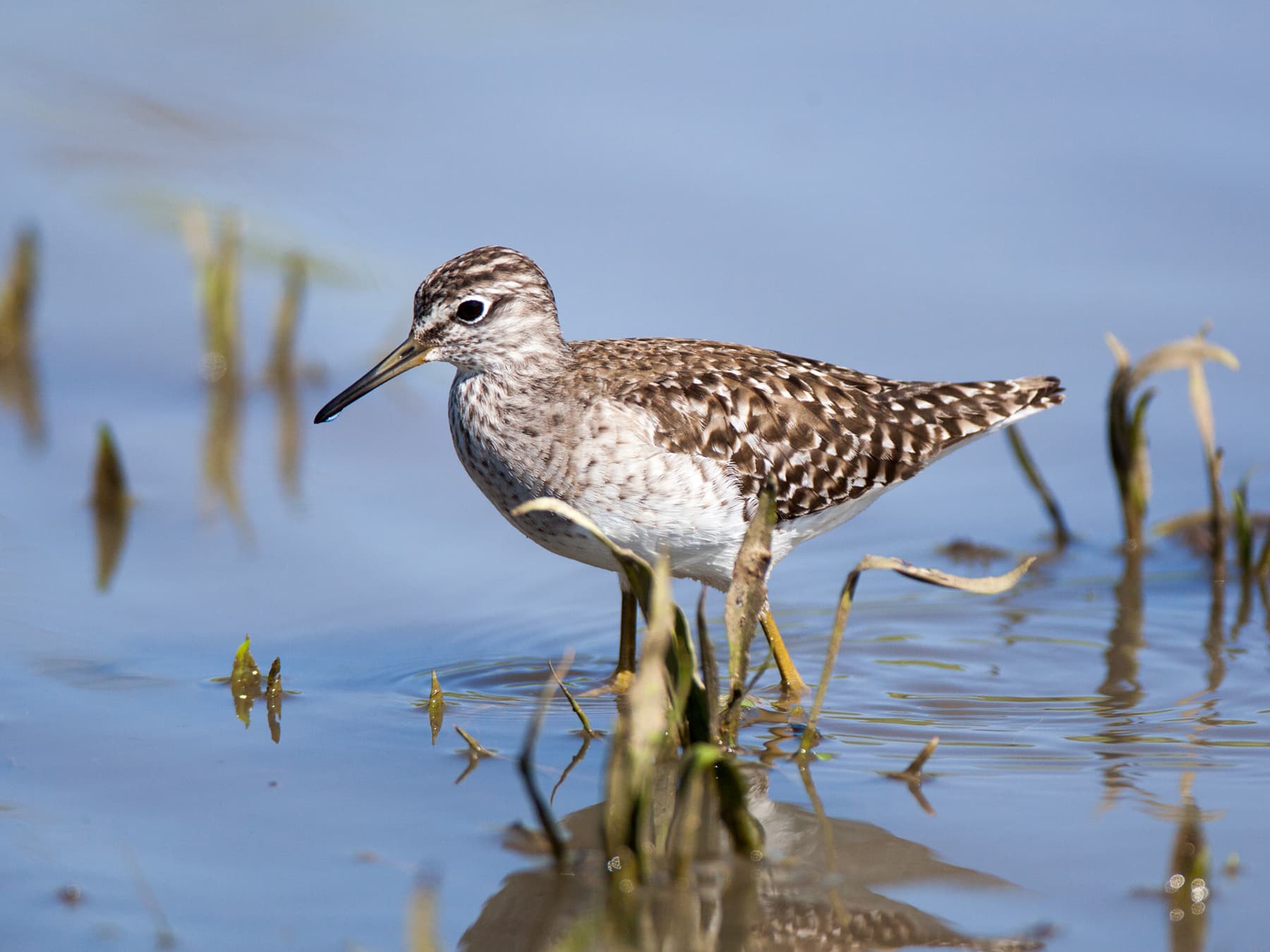
Wood Sandpiper
Tringa glareolaLC
A rare autumn passage wader seen in August and September, favouring freshwater pools and marshy edges at coastal sites.
Aug–Sep
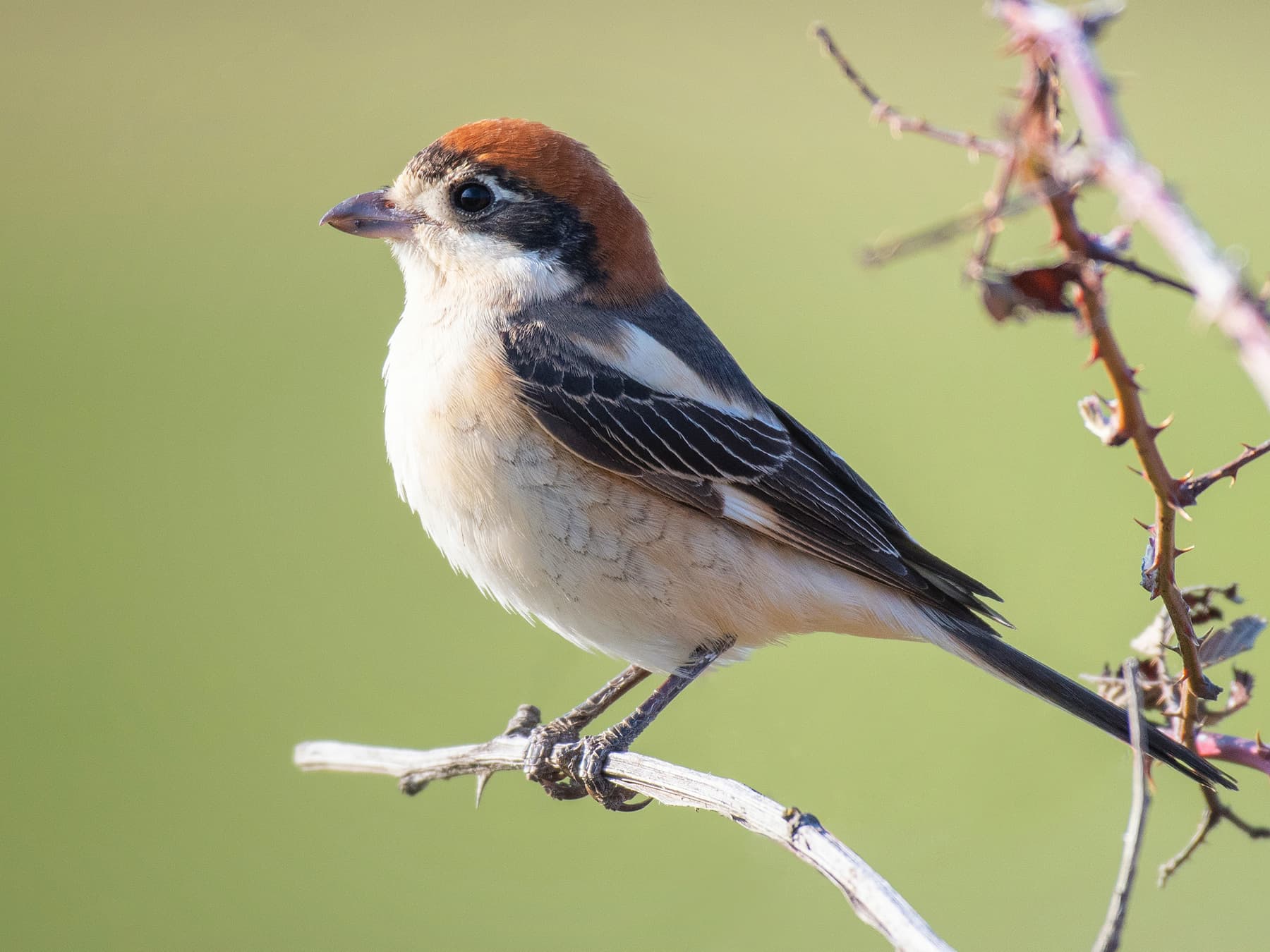
Woodchat Shrike
Lanius senatorNT
A rare passage vagrant in April and September, typically overshooting from southern Europe. Cornwall's headlands offer the best chance of a sighting.
Apr–Sep
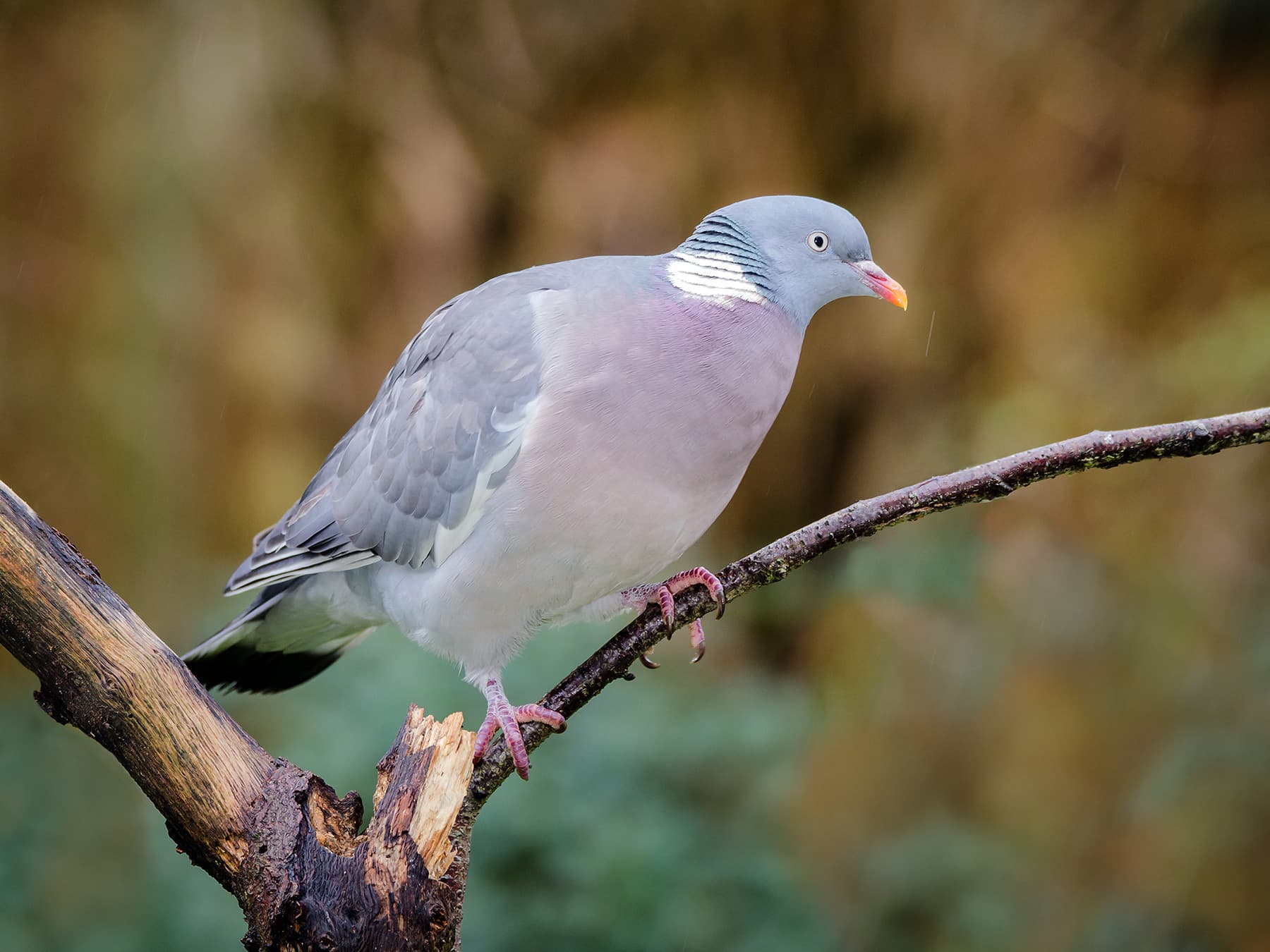
Woodpigeon
Columba palumbusLC
An abundant year-round resident, found in woodlands, parks, gardens, and farmland across the entire county.
Year-round
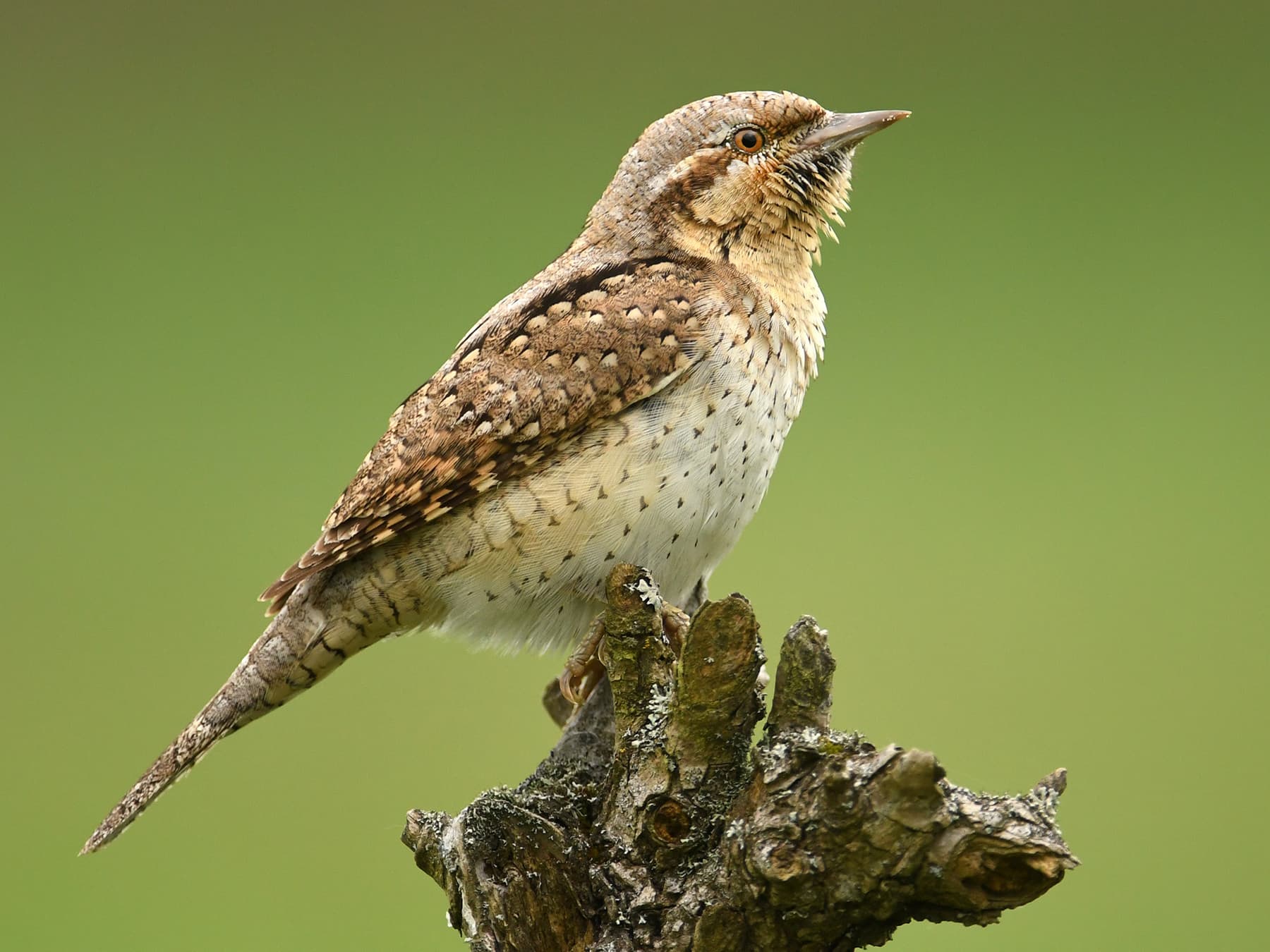
Wryneck
Jynx torquillaLC
A rare but eagerly sought autumn migrant, turning up in coastal scrub and gardens in September and October.
Sep–Oct
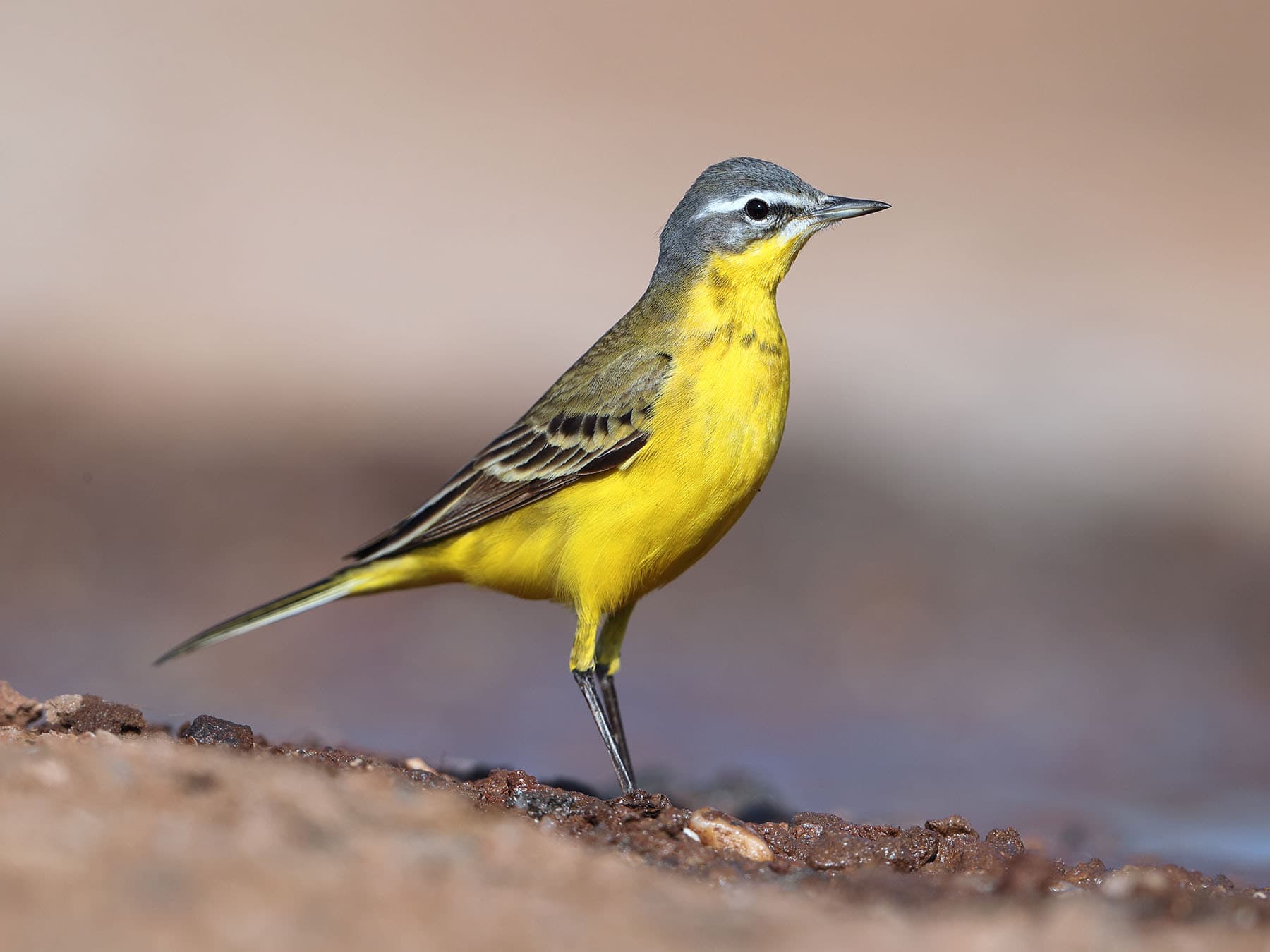
Yellow Wagtail
Motacilla flavaLC
A scarce visitor to wet meadows and coastal fields, mainly seen on spring and autumn passage between April and October.
Apr–Oct
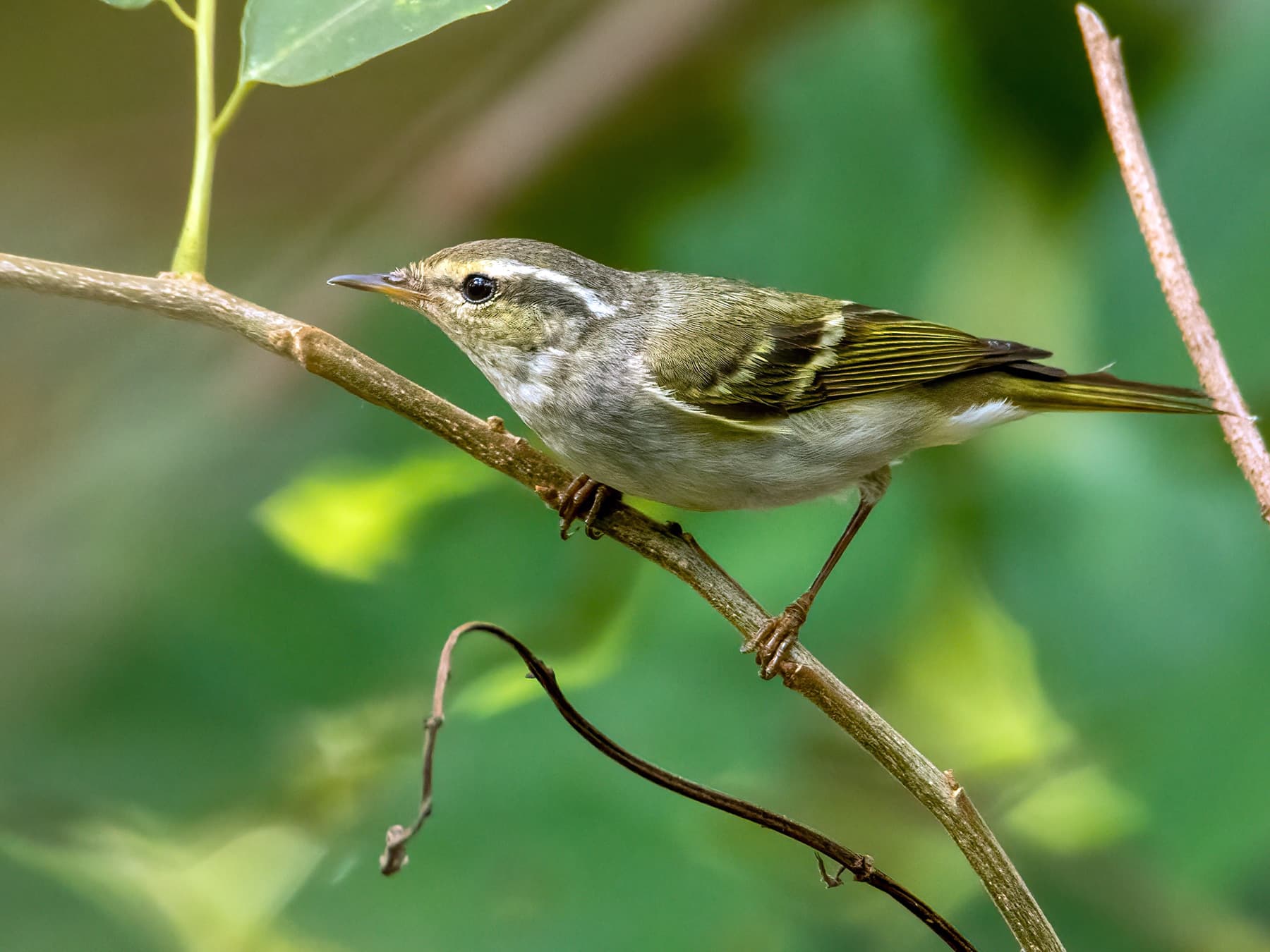
Yellow-browed Warbler
Phylloscopus inornatusLC
An increasingly regular autumn visitor from Siberia, peaking in October. Favours sheltered coastal scrub and gardens, sometimes lingering into winter.
Sep–Jan
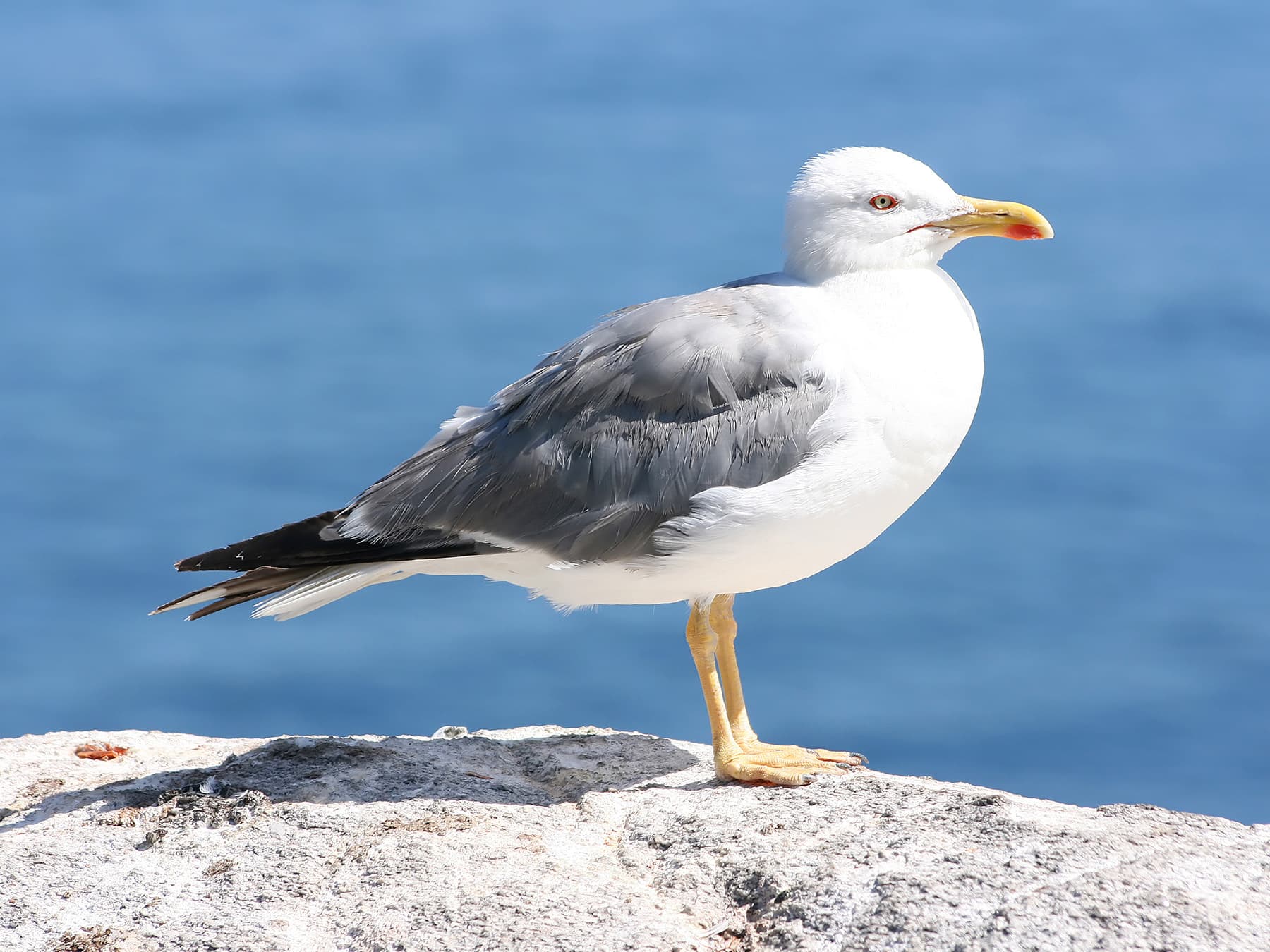
Yellow-legged Gull
Larus michahellisLC
A scarce resident found among large gull flocks at tips and harbours, most numerous in late summer and autumn.
Jun–Apr
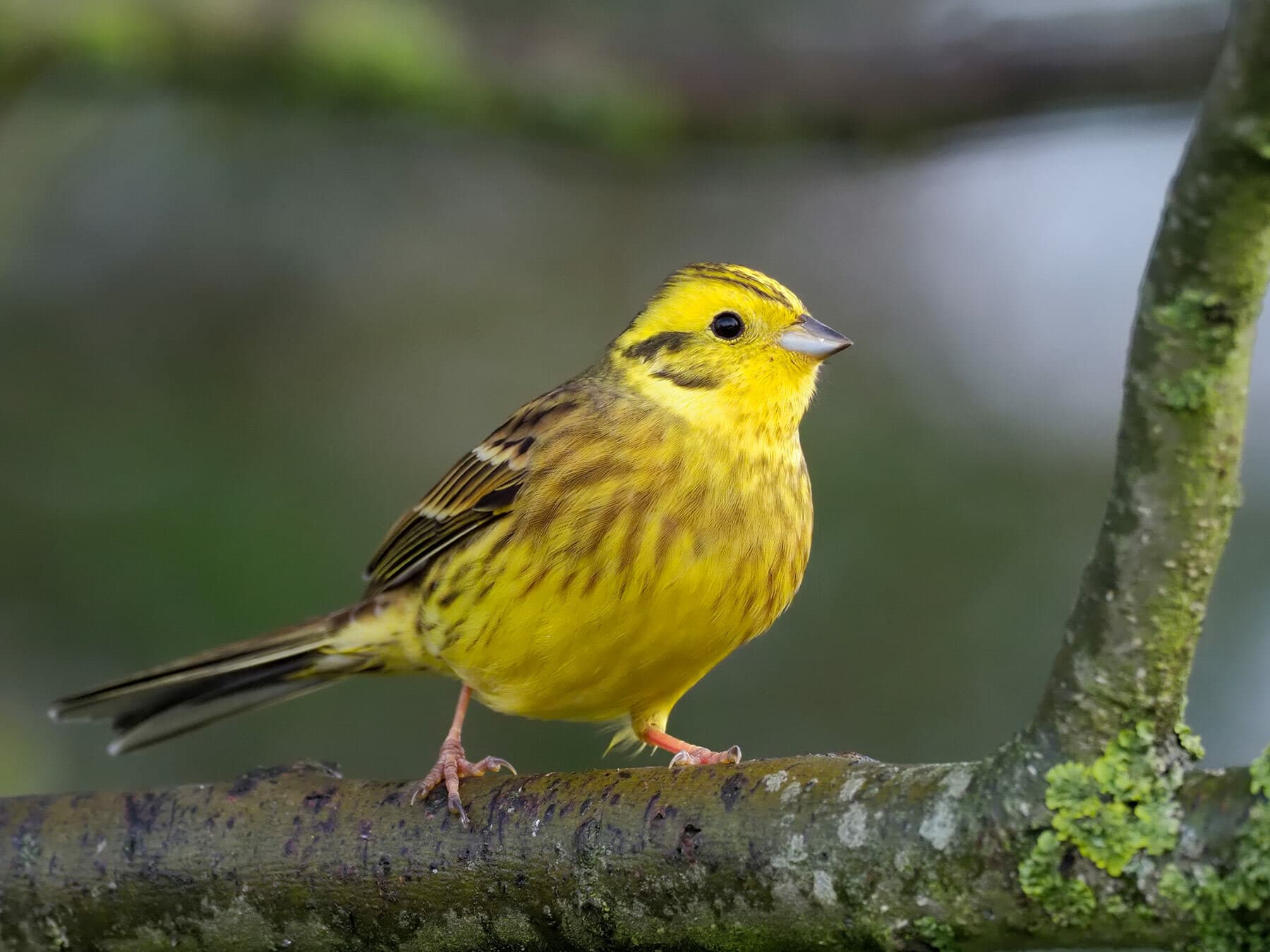
Yellowhammer
Emberiza citrinellaLC
A scarce resident of farmland hedgerows, present mainly from late autumn through the breeding season. Has declined significantly in Cornwall.
Nov–Jul