Gulls & Terns in Northumberland
16 species matching this filter.
Northumberland's dramatic coastline, offshore islands, and estuaries provide outstanding habitat for 14 species of gulls and terns. The Farne Islands are internationally renowned for their breeding colonies of Arctic Terns and Kittiwakes, while the county's harbours and rocky shores attract species ranging from the massive Great Black-backed Gull to the delicate Little Gull. Scarcer visitors such as the Glaucous Gull and Black Tern add excitement for birdwatchers throughout the year.


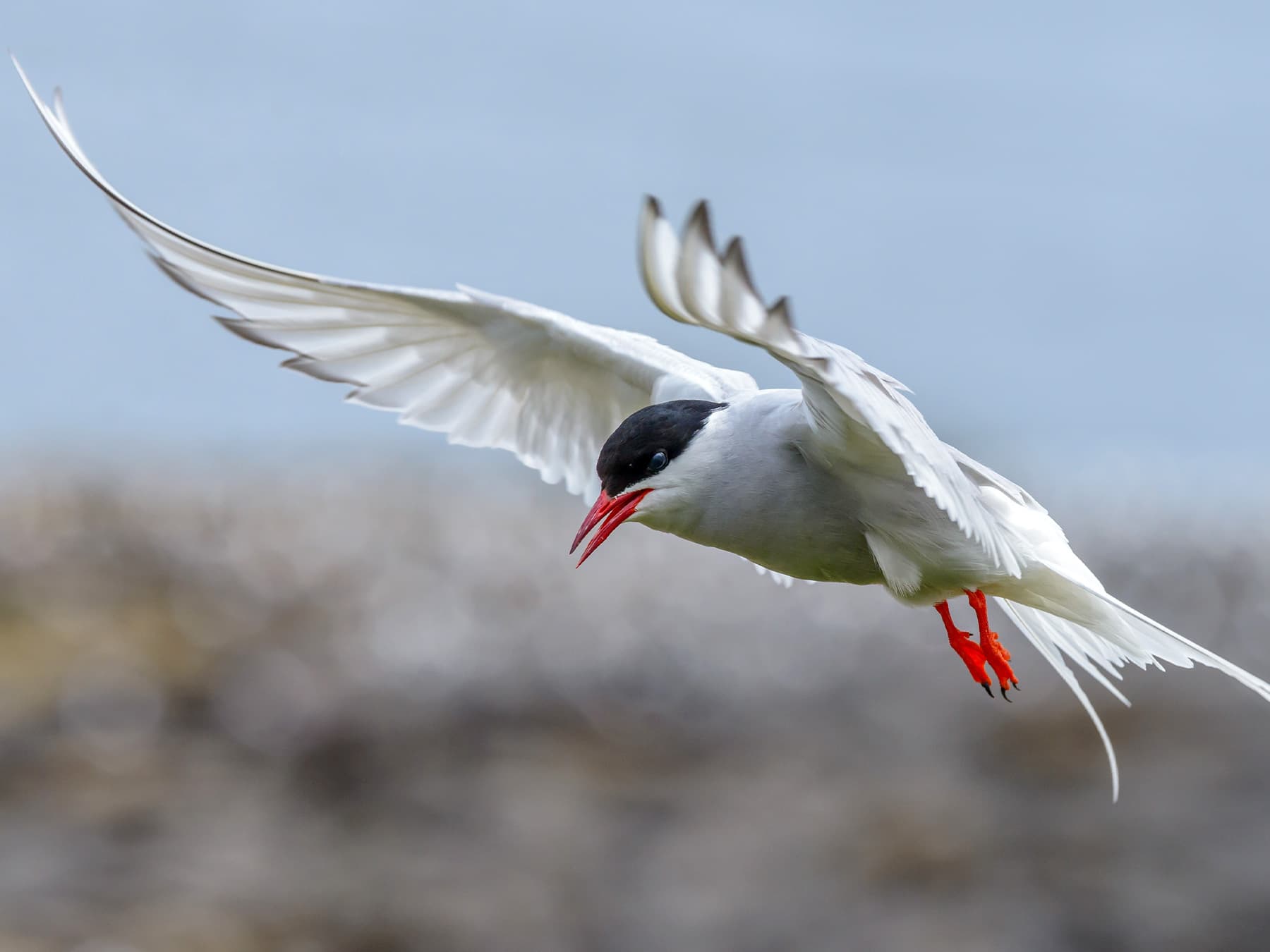
Arctic Tern
Sterna paradisaeaLC
Breeds on the Farne Islands and at Coquet Island in notable colonies. Present from April to October before migrating to Antarctic waters.
Apr–Oct
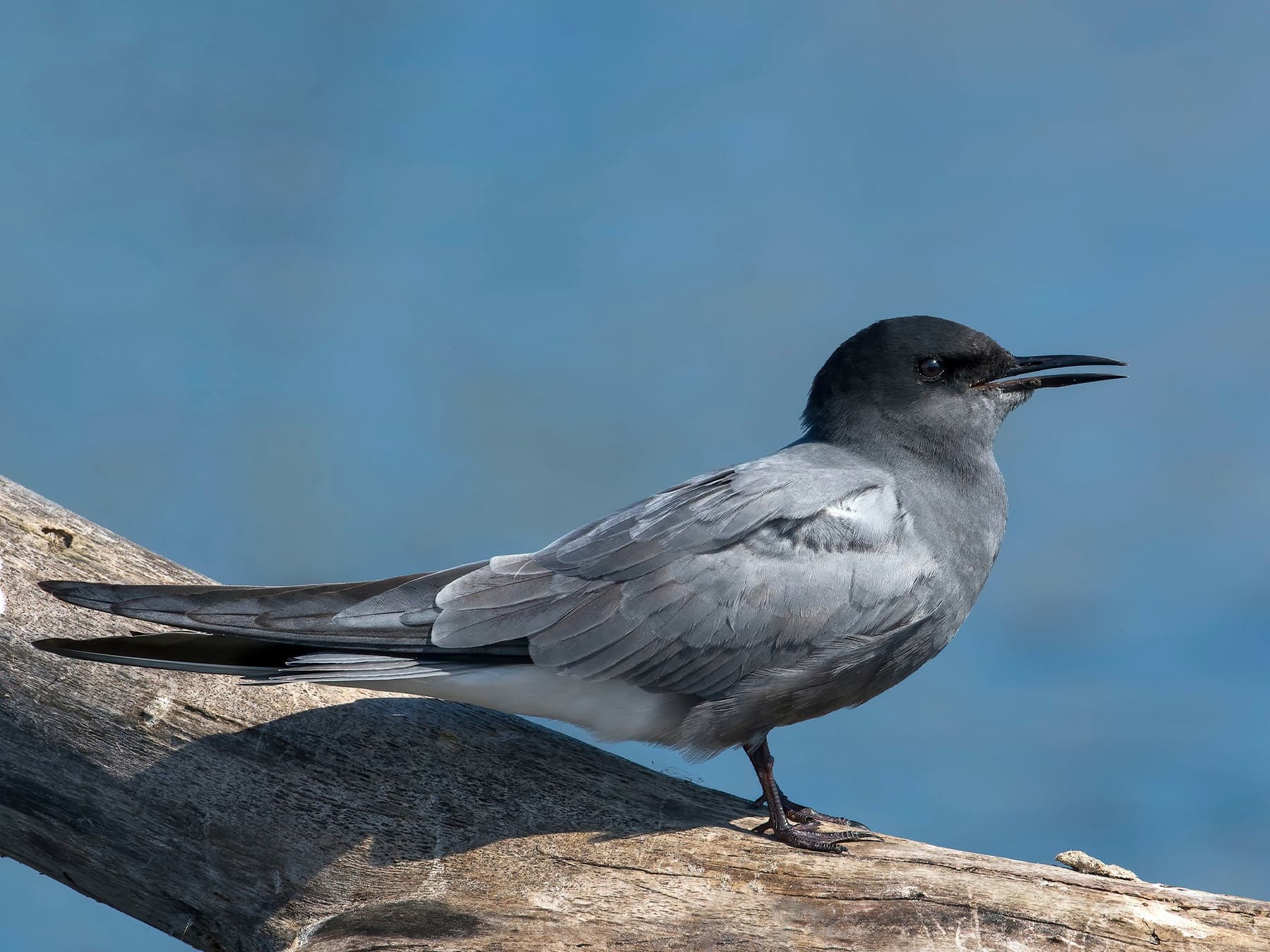
Black Tern
Chlidonias nigerLC
A rare breeding-season visitor, occasionally seen hawking insects over inland lakes and coastal pools from May to September.
May–Sep
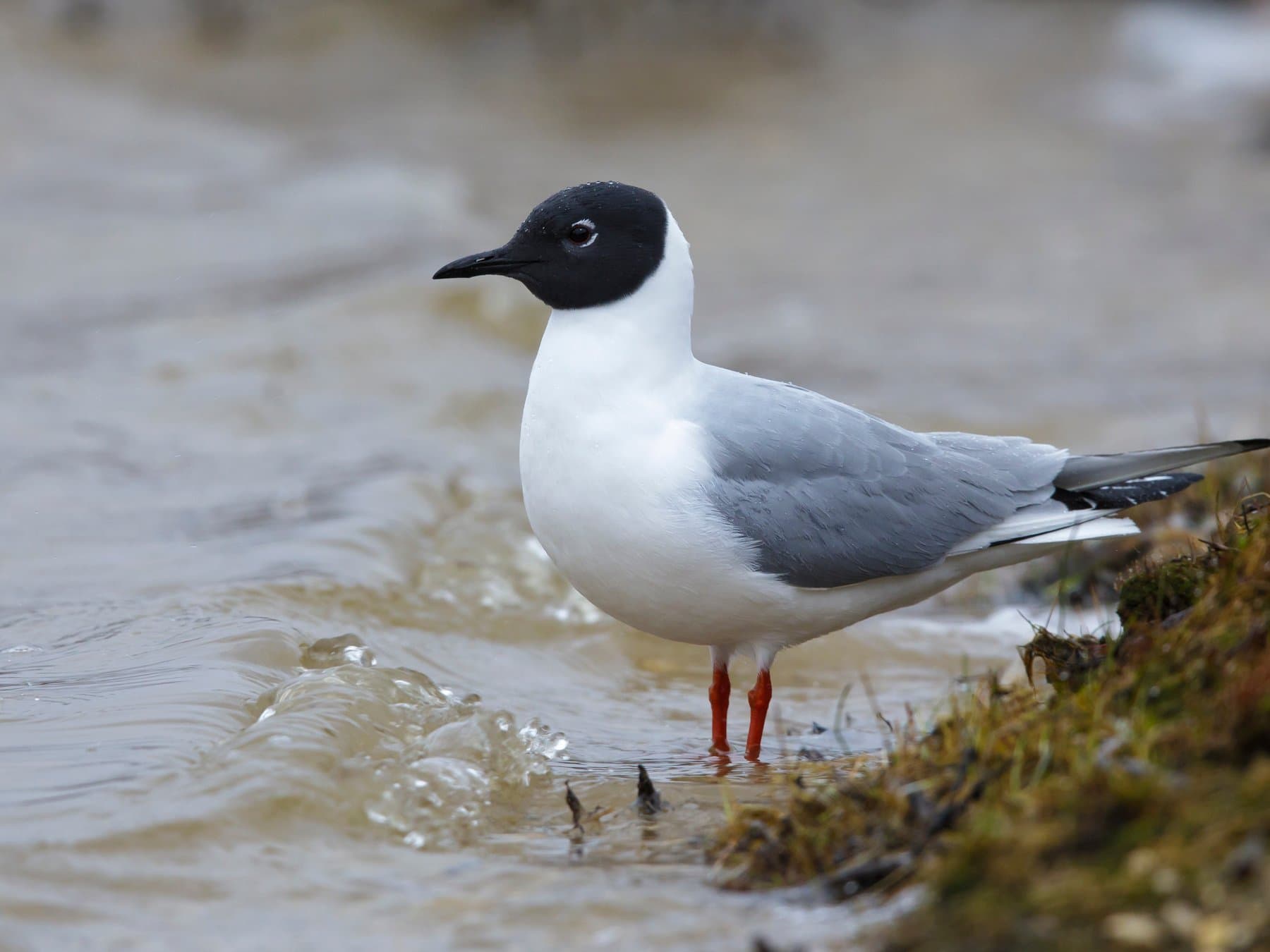
Bonaparte's Gull
Chroicocephalus philadelphiaLC
A rare Nearctic vagrant, occasionally recorded along the Northumberland coast in November. A prized find among local birders.
Nov
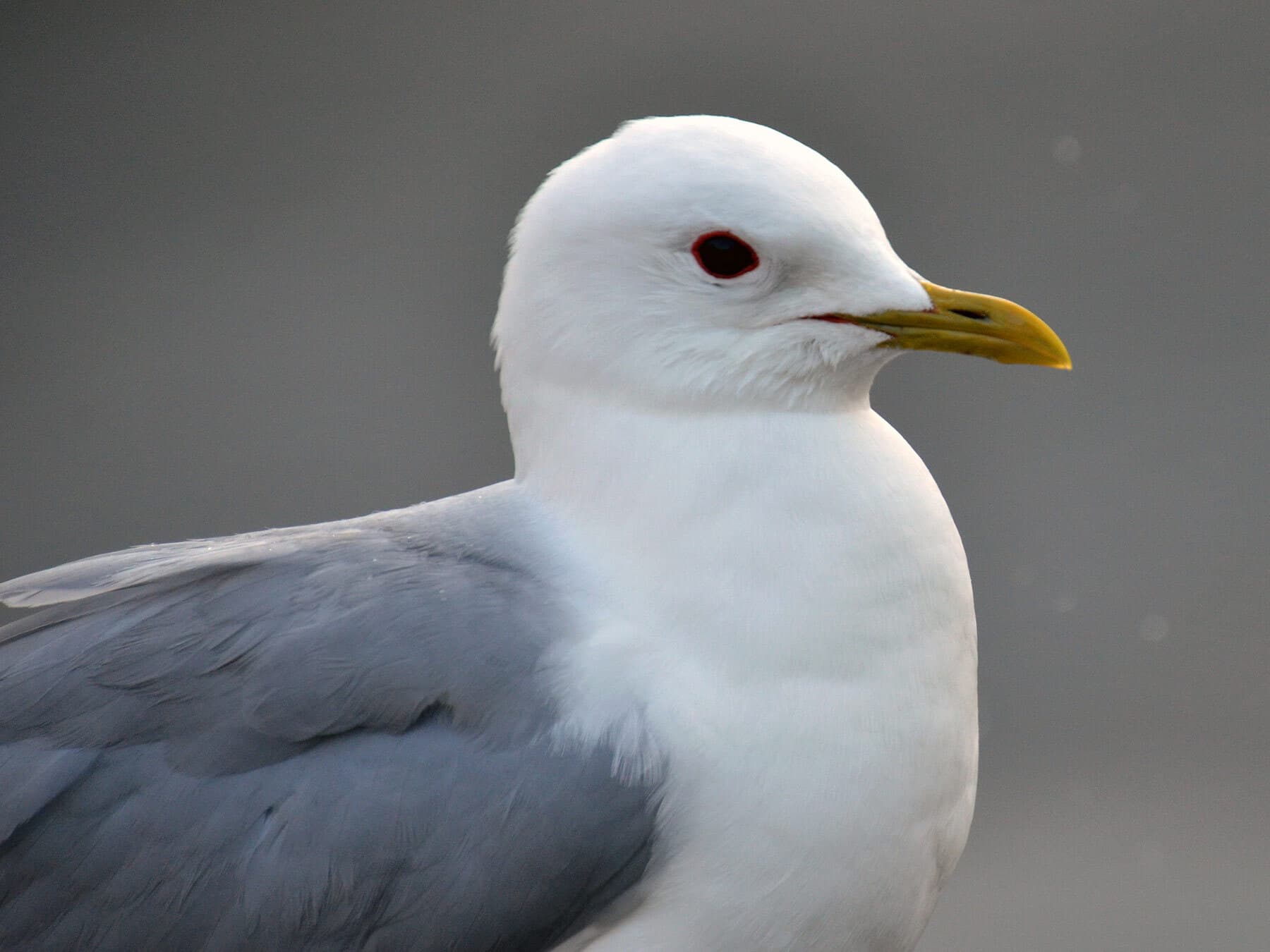
Common Gull
Larus canusLC
A common resident found year-round on farmland, coasts, and playing fields. Often seen alongside other gulls at harbours and tips.
Year-round
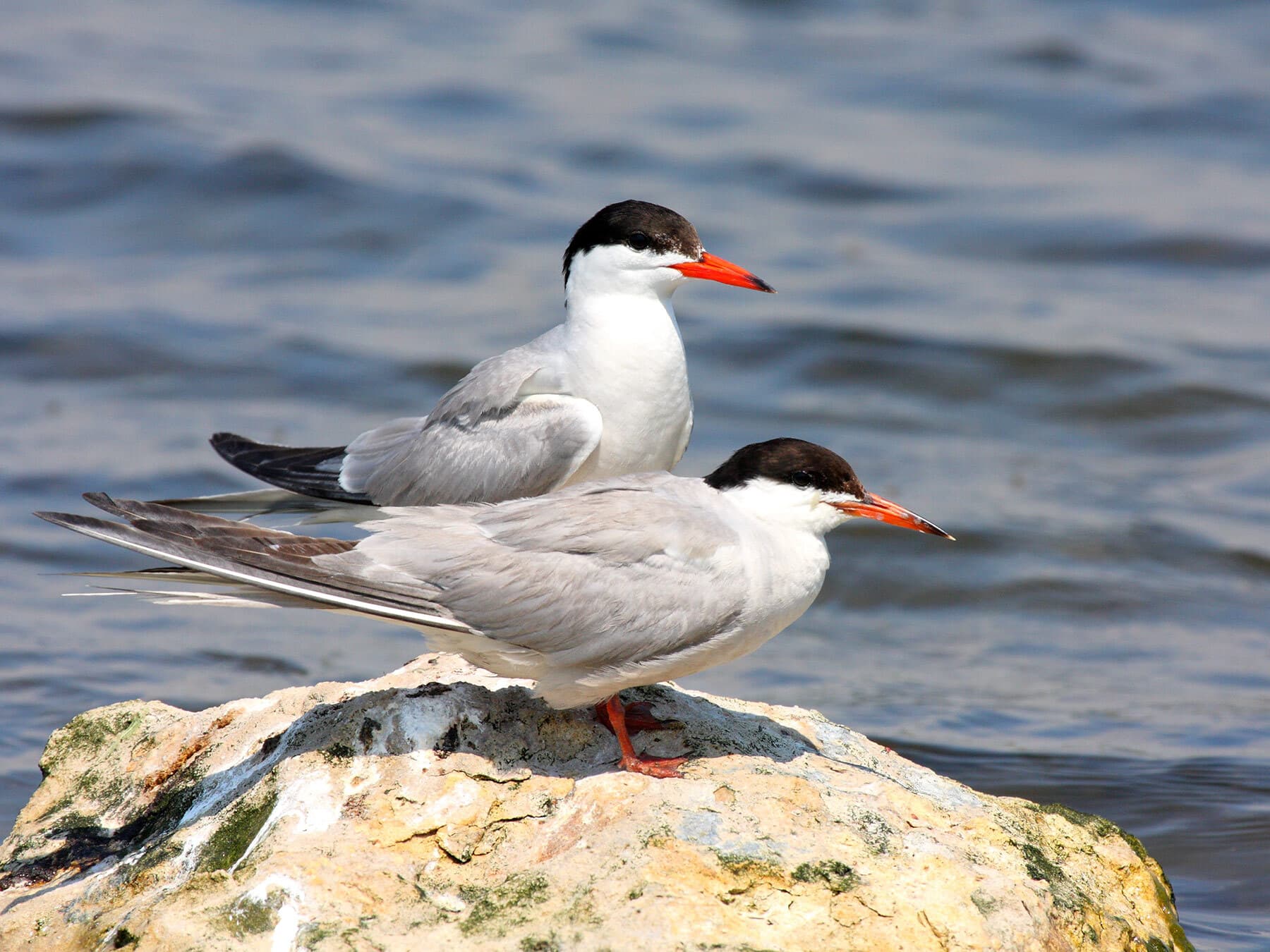
Common Tern
Sterna hirundoLC
An uncommon summer breeder nesting on coastal islands and inland gravel pits, plunge-diving for fish from April to October.
Apr–Oct
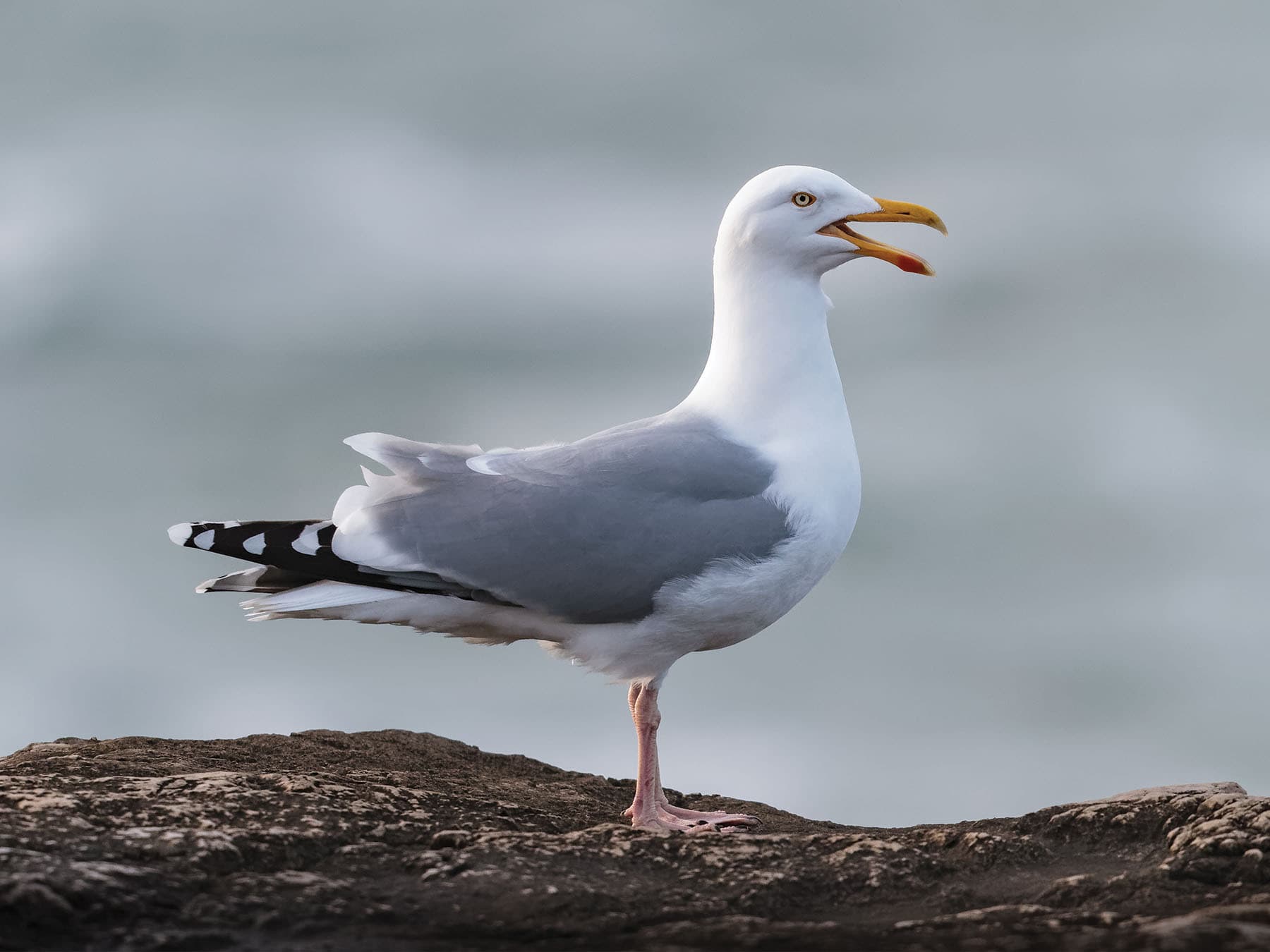
European Herring Gull
Larus argentatusLC
Abundant year-round along the coast and in towns. Breeds on rooftops and cliffs, and scavenges readily at harbours and landfill sites.
Year-round
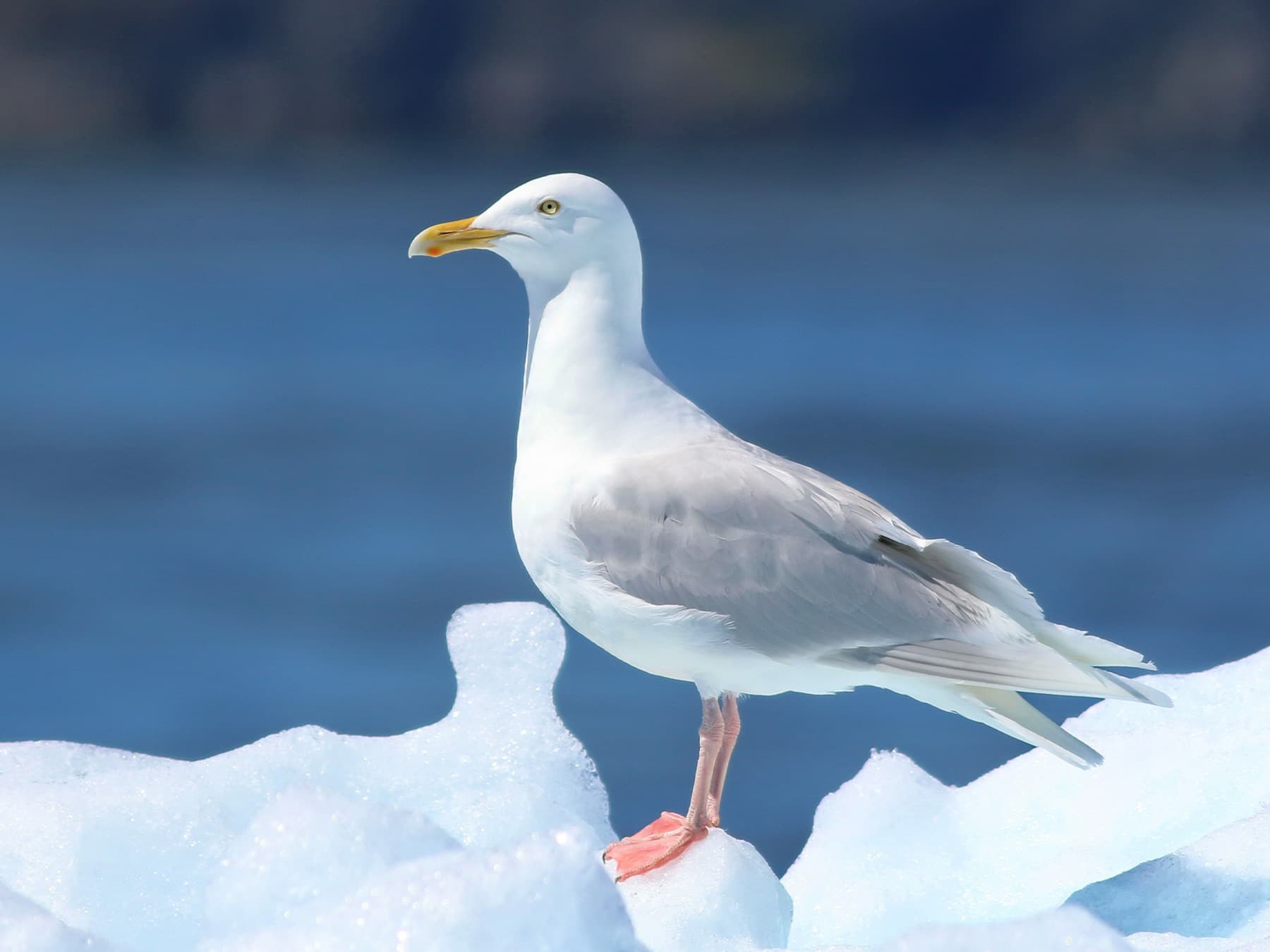
Glaucous Gull
Larus hyperboreusLC
A rare Arctic visitor appearing in January and February, typically among flocks of larger gulls at harbours and coastal roosts.
Jan–Feb
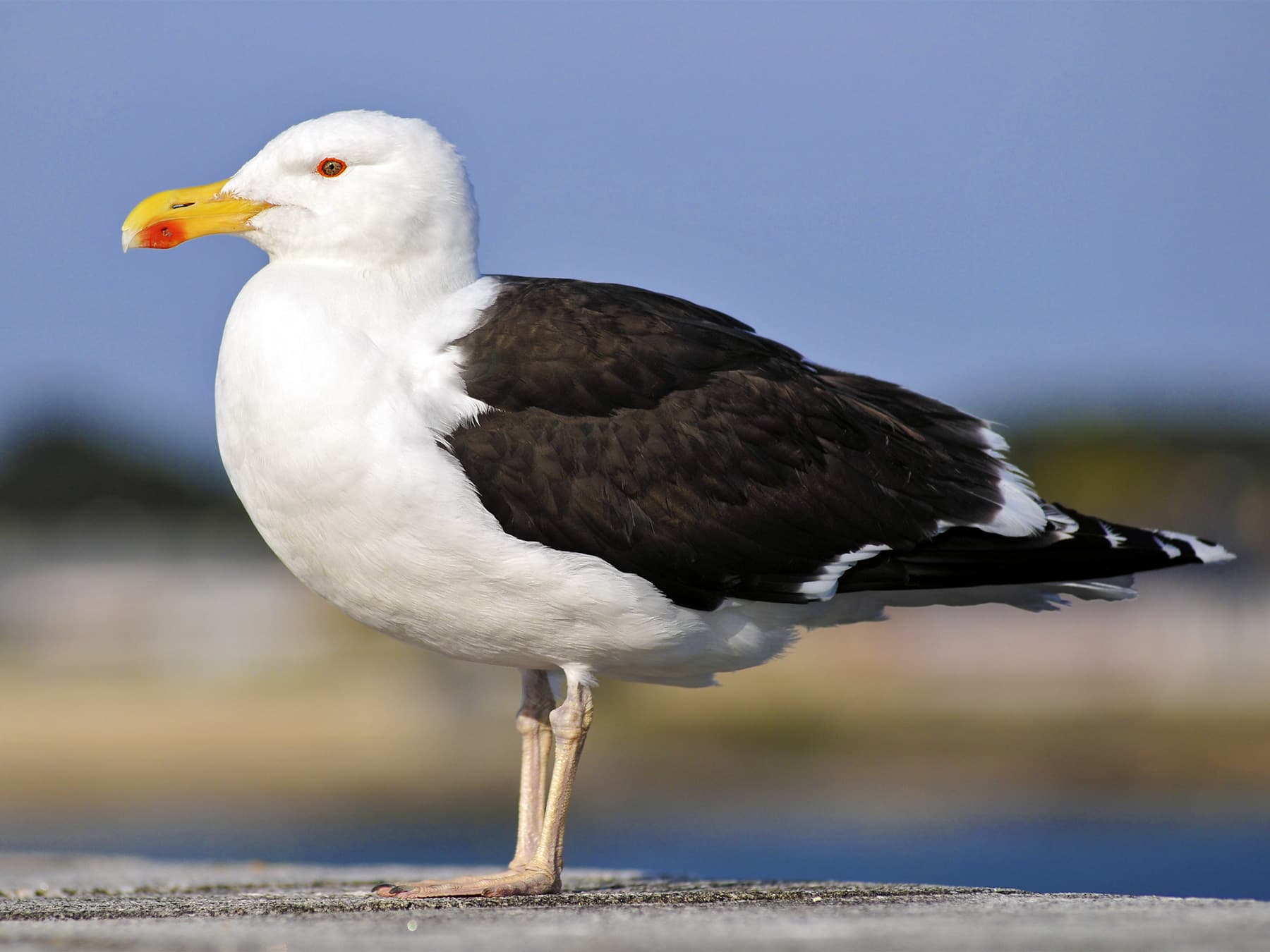
Great Black-backed Gull
Larus marinusLC
A common and imposing resident along the Northumberland coast and at harbours, also frequenting inland reservoirs and rubbish tips year-round.
Year-round
Spotted something?
Upload a photo to identify it
Identify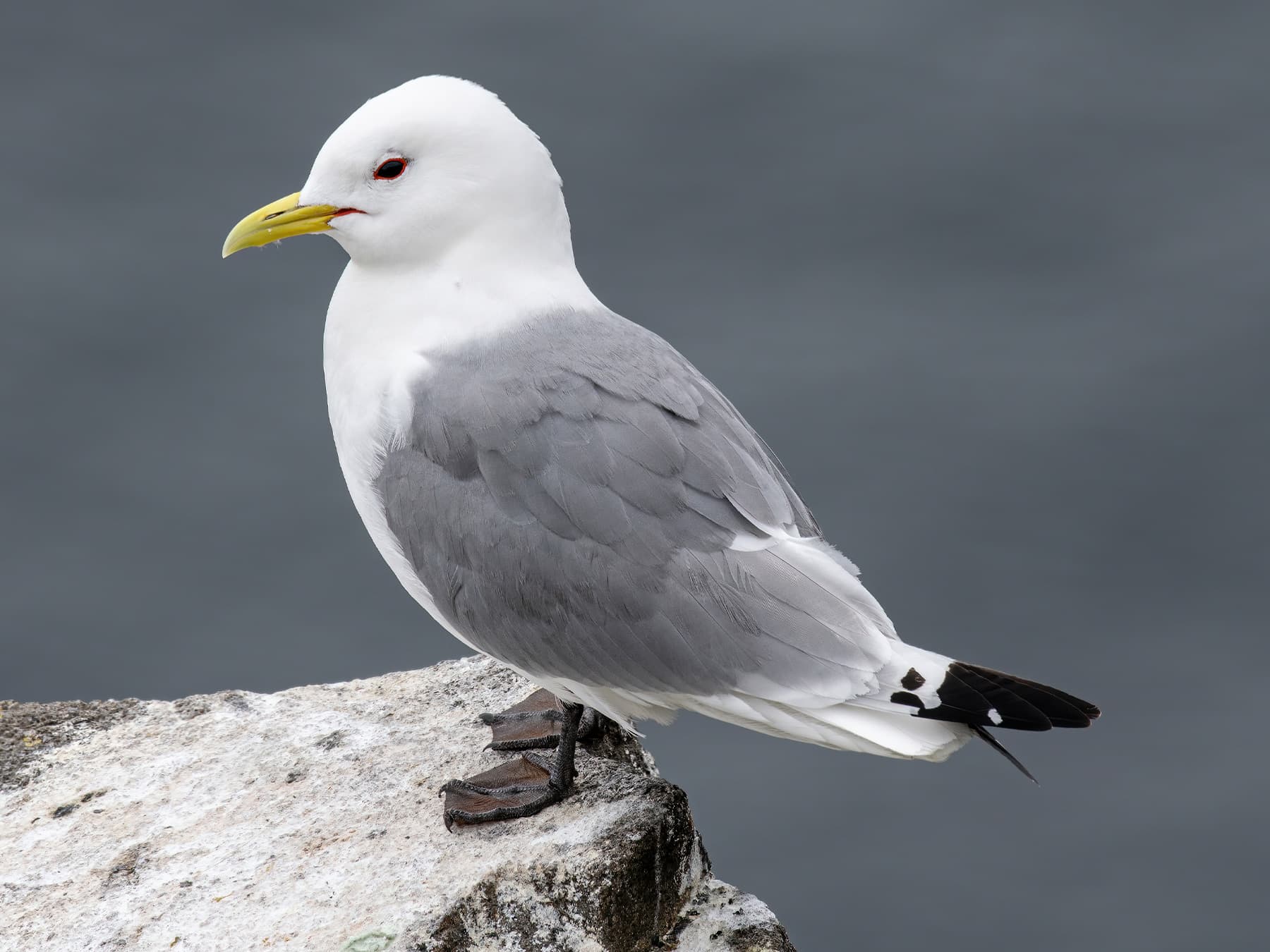
Kittiwake
Rissa tridactylaVU
Breeds in noisy cliff colonies on the Farnes and at Dunstanburgh, though numbers are declining sharply across the region.
Year-round
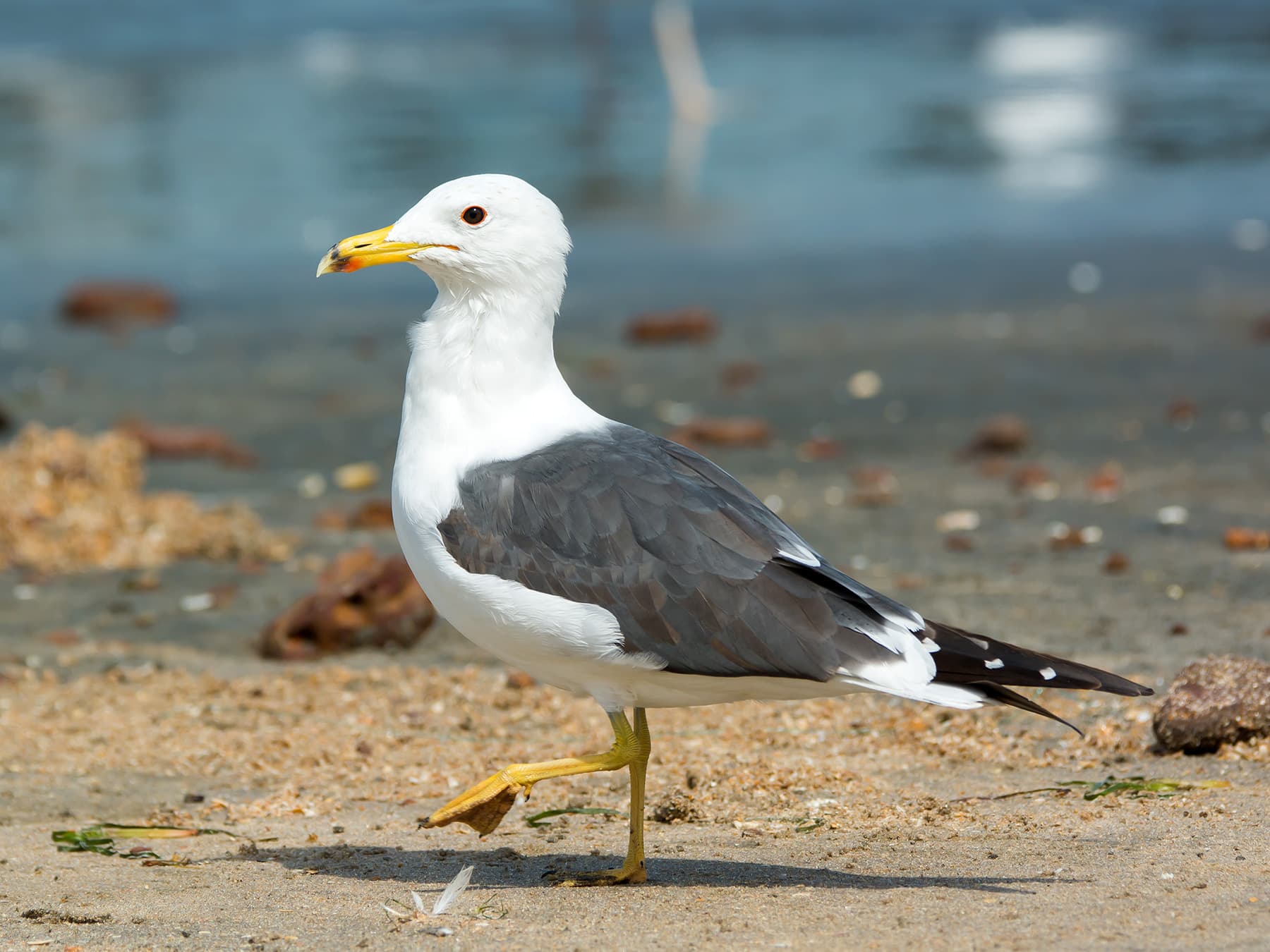
Lesser Black-backed Gull
Larus fuscusLC
Present year-round but uncommon, seen along the coast and at inland tips. Less numerous here than Herring or Black-headed Gulls.
Year-round
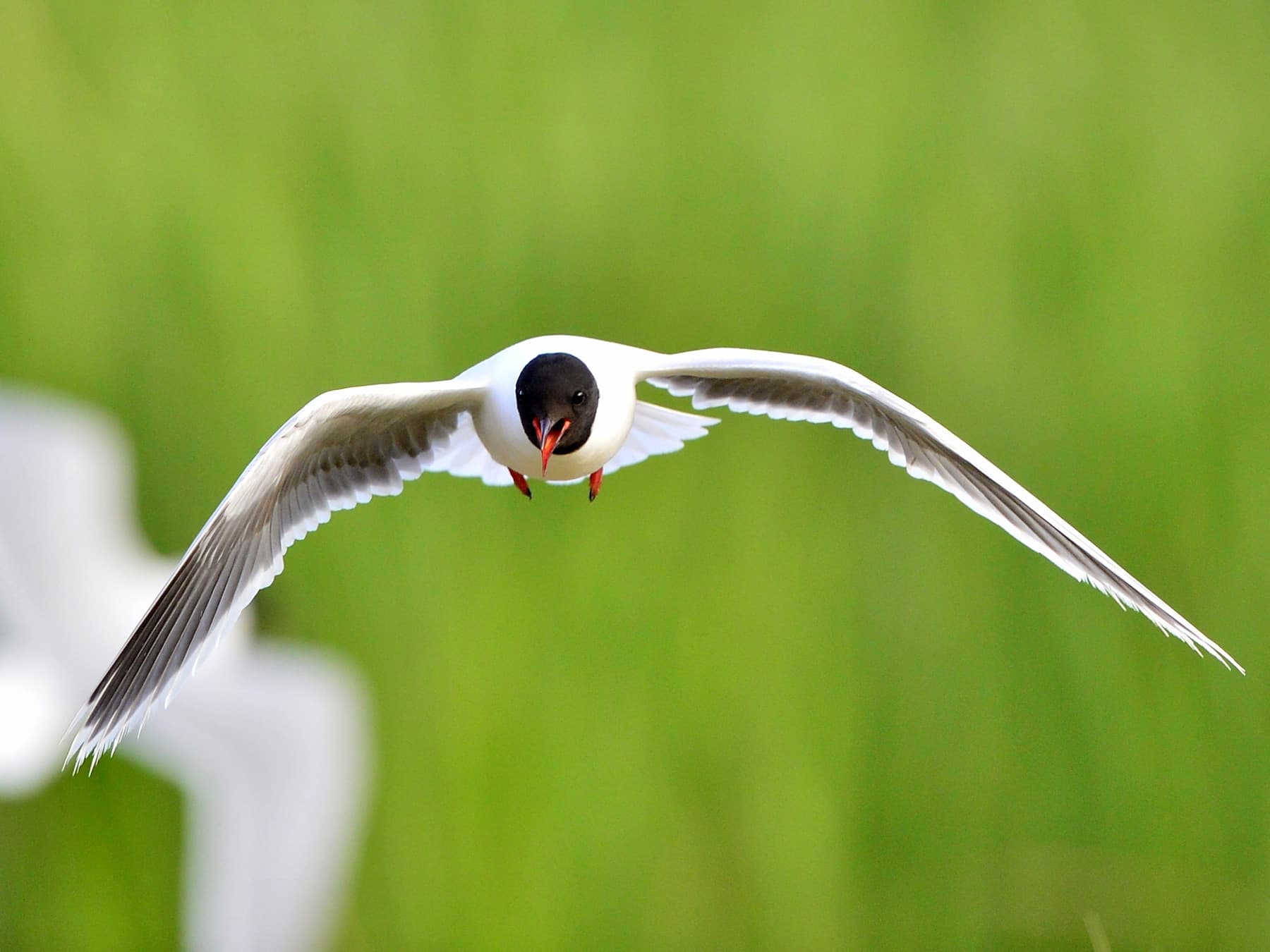
Little Gull
Hydrocoloeus minutusLC
A rare but regular small gull seen along the coast and at reservoirs from spring through autumn. Dainty flight and dark underwings are distinctive.
Feb–Nov
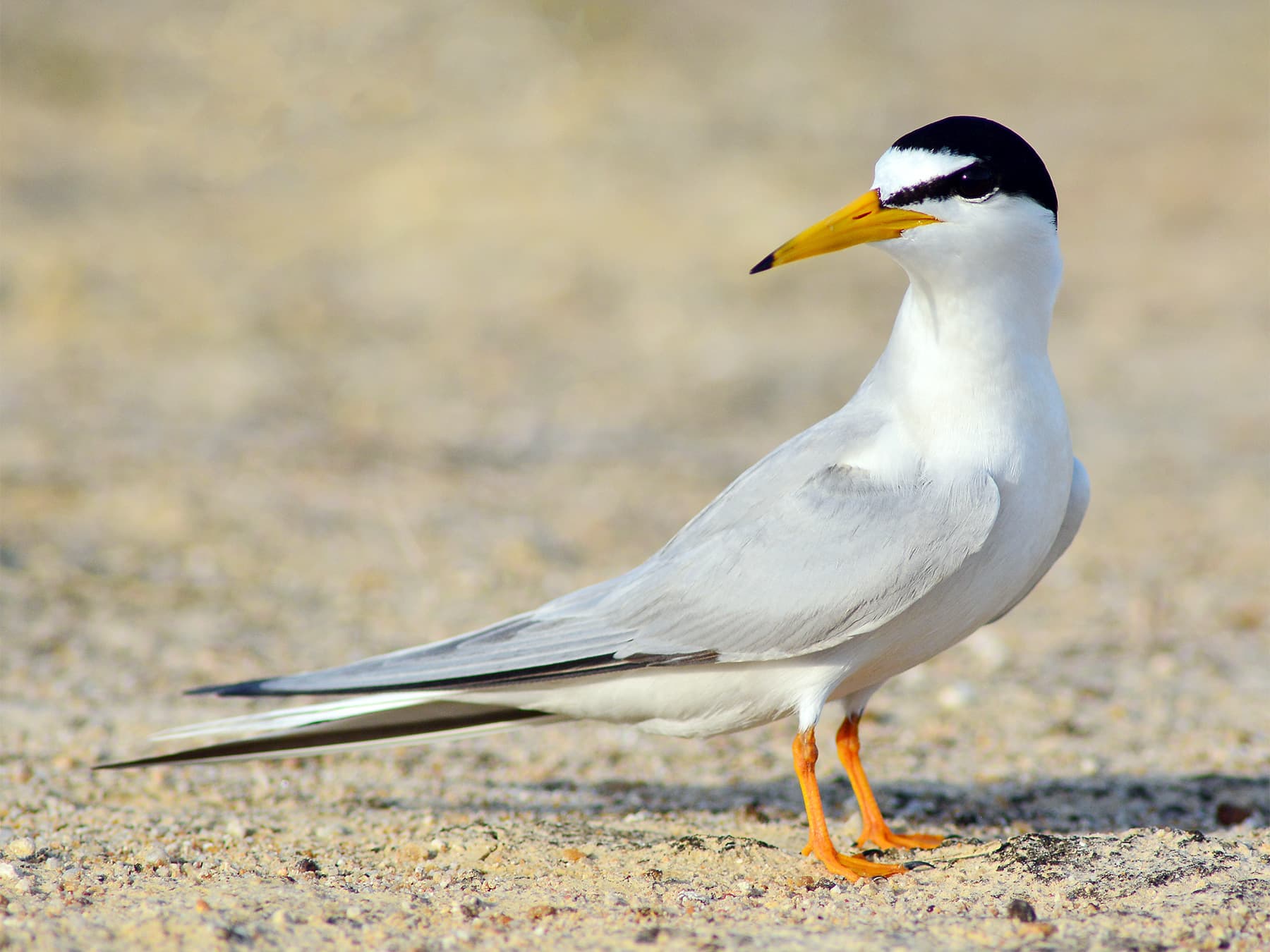
Little Tern
Sternula albifronsLC
Breeds on shingle beaches along the coast, notably at Long Nanny. A declining species needing protected nesting sites.
May–Aug
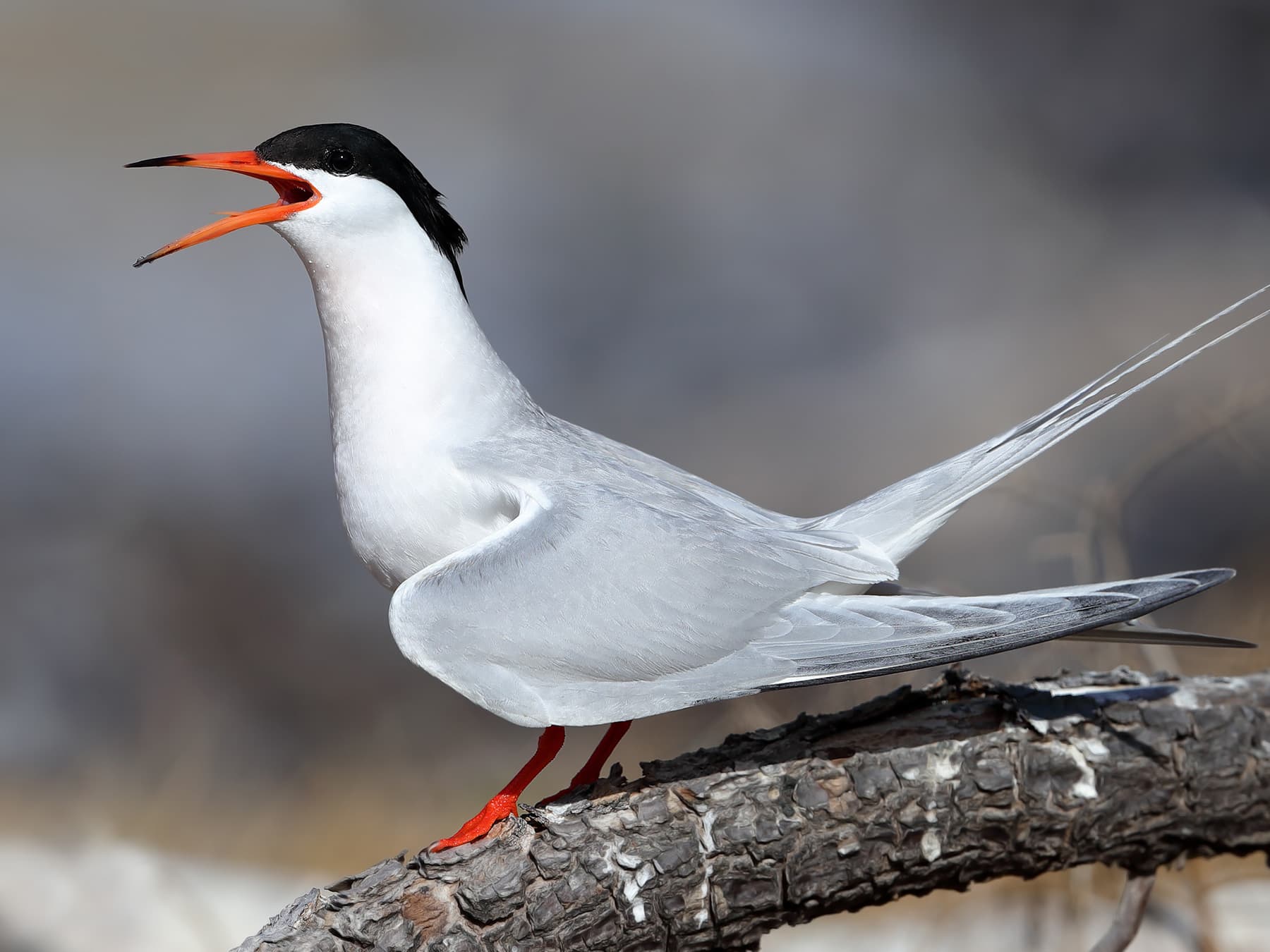
Roseate Tern
Sterna dougalliiLC
An uncommon breeder on the Farne Islands and Coquet Island from May to September. One of the UK's rarest breeding seabirds.
May–Sep
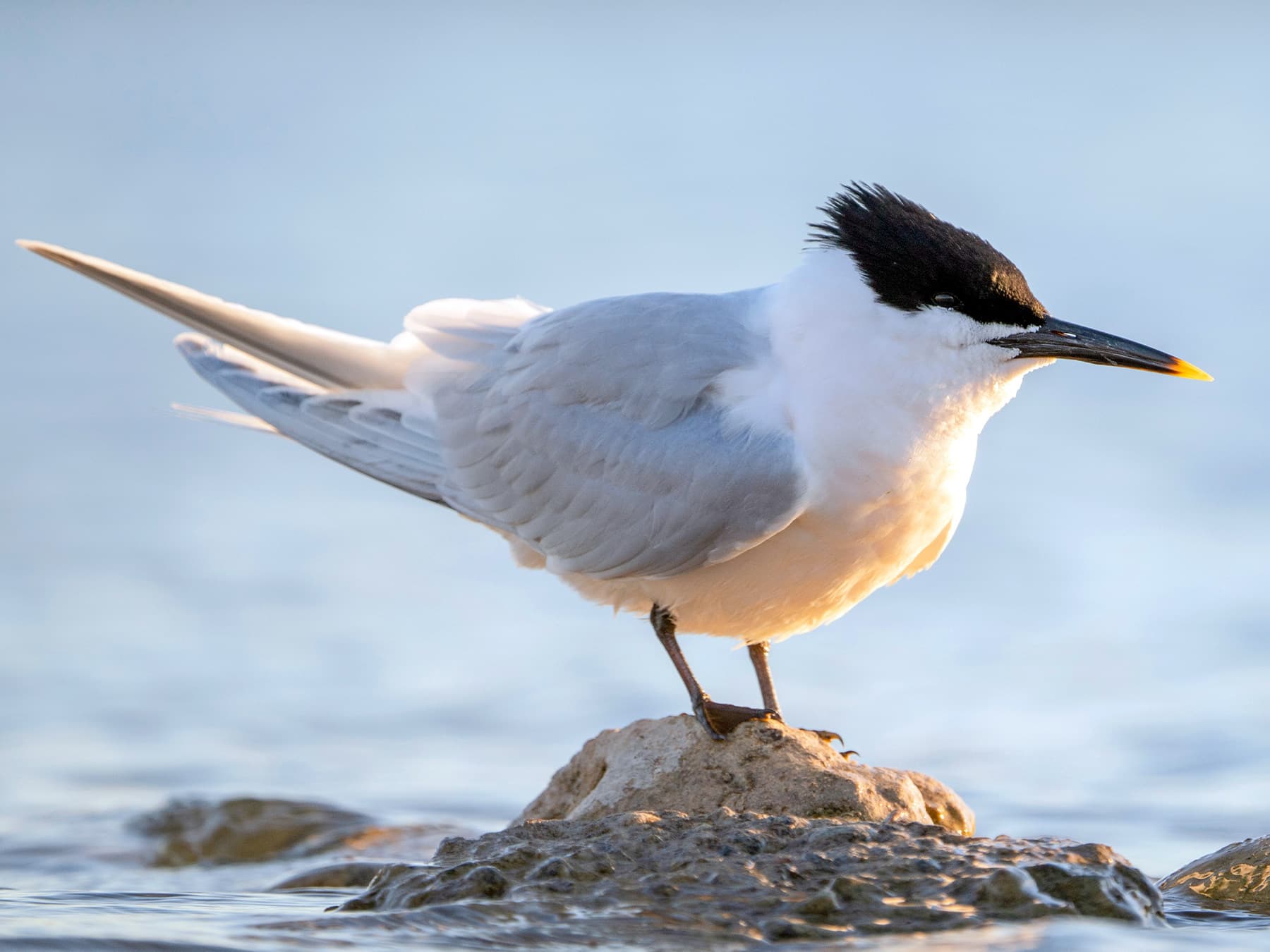
Sandwich Tern
Thalasseus sandvicensisLC
A common summer breeder with important colonies on the Farne Islands. Plunge-dives for fish along the coast from April to October.
Apr–Oct
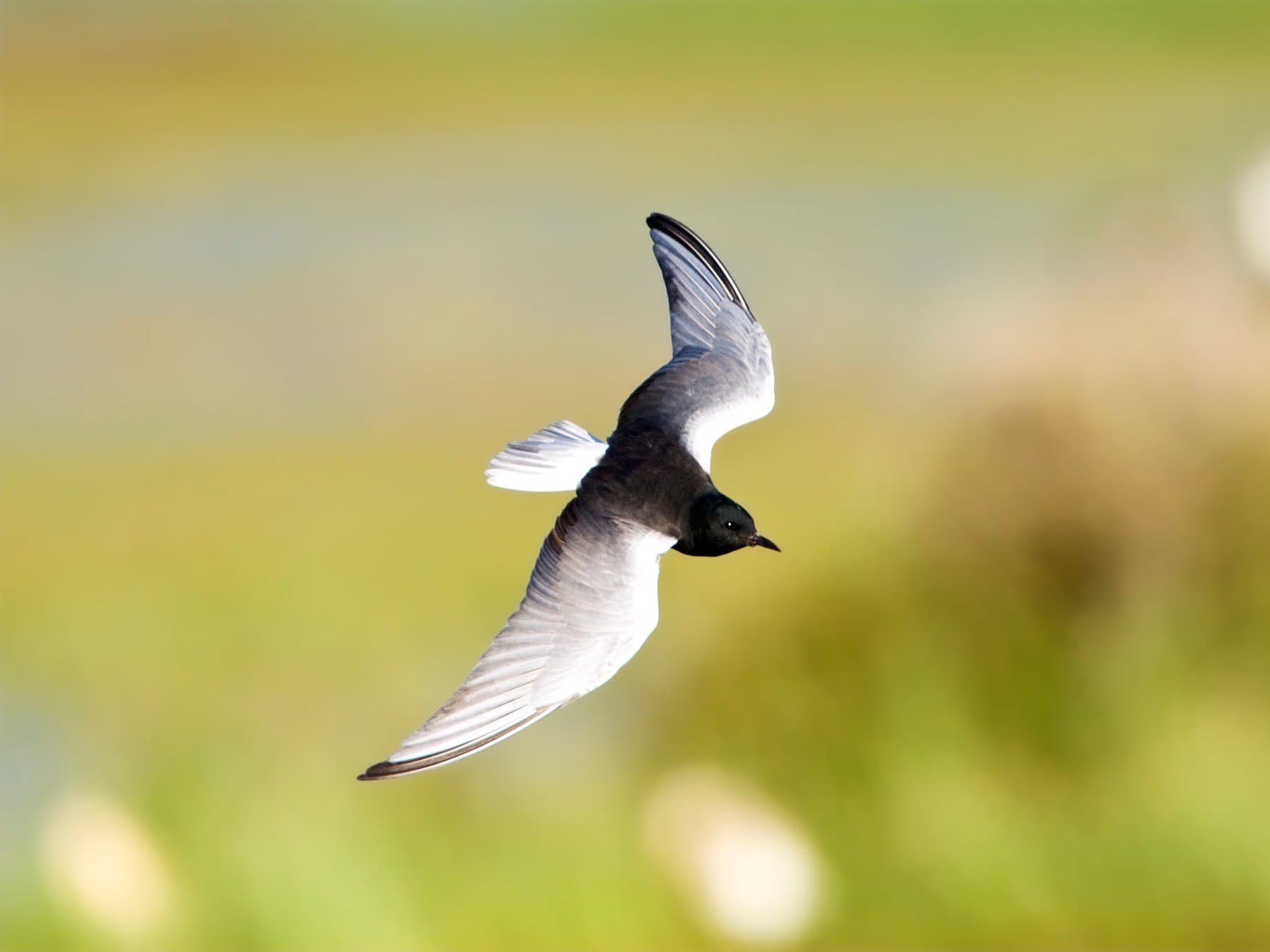
White-winged Tern
Chlidonias leucopterusLC
A rare passage migrant, occasionally recorded in August along the coast. A striking marsh tern more typical of eastern Europe.
Aug
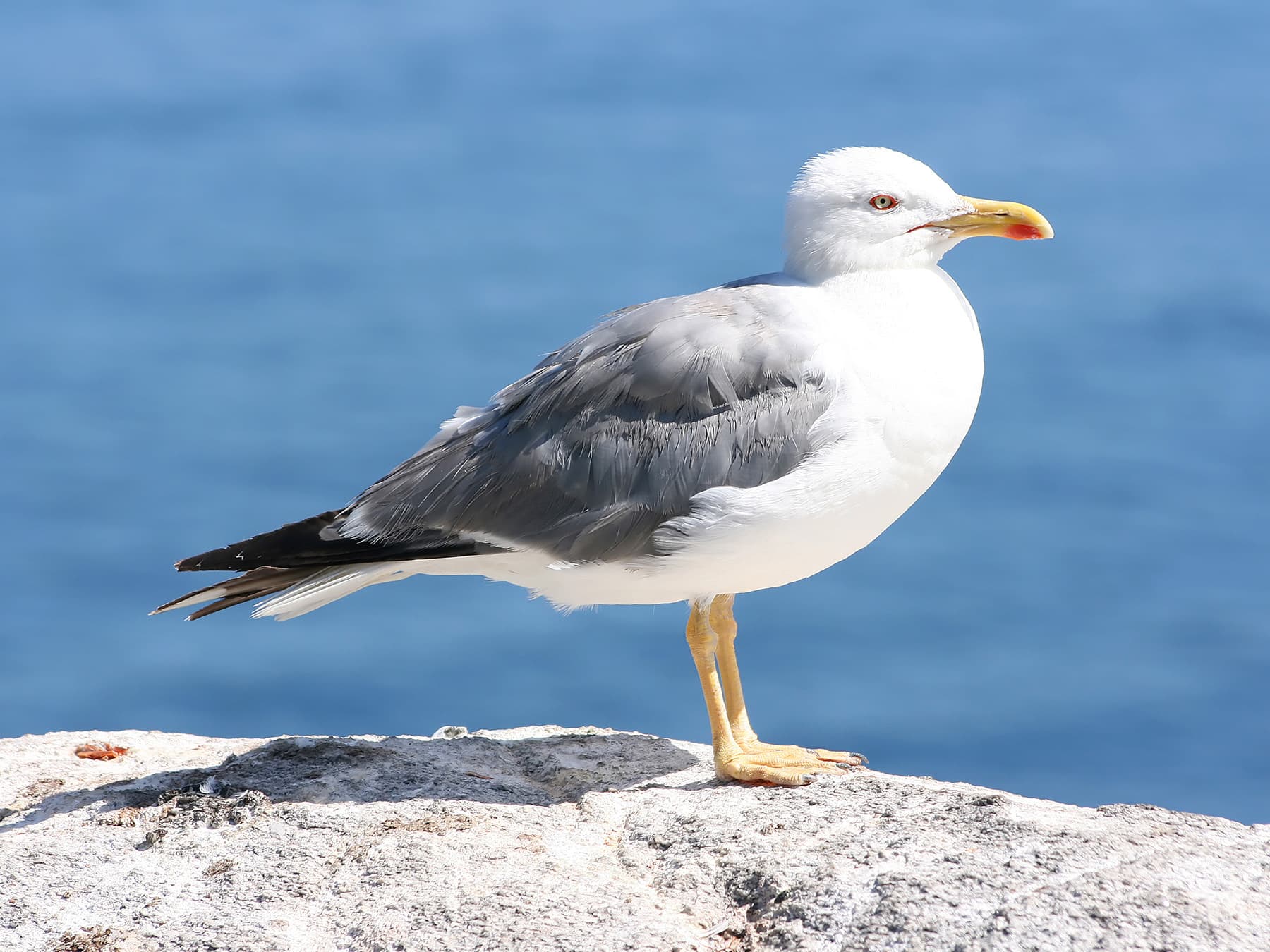
Yellow-legged Gull
Larus michahellisLC
An uncommon but increasingly regular gull found along the coast and at reservoirs, present in most months. Requires careful identification.
Jun–Apr