Rare Birds in Durham
107 species matching this filter.
Durham's diverse landscapes—from the rugged North Sea coastline to the upland moors of the Pennines—provide habitat for an impressive array of rare bird species. With 105 species classified as rare across the county, patient observers may be rewarded with sightings of Arctic Jaeger, Little Stint, and Barn Owl, among others. Coastal headlands, river valleys, and ancient woodlands each offer distinct opportunities for encountering these elusive visitors and scarce residents.


Showing 93–107 of 107 species
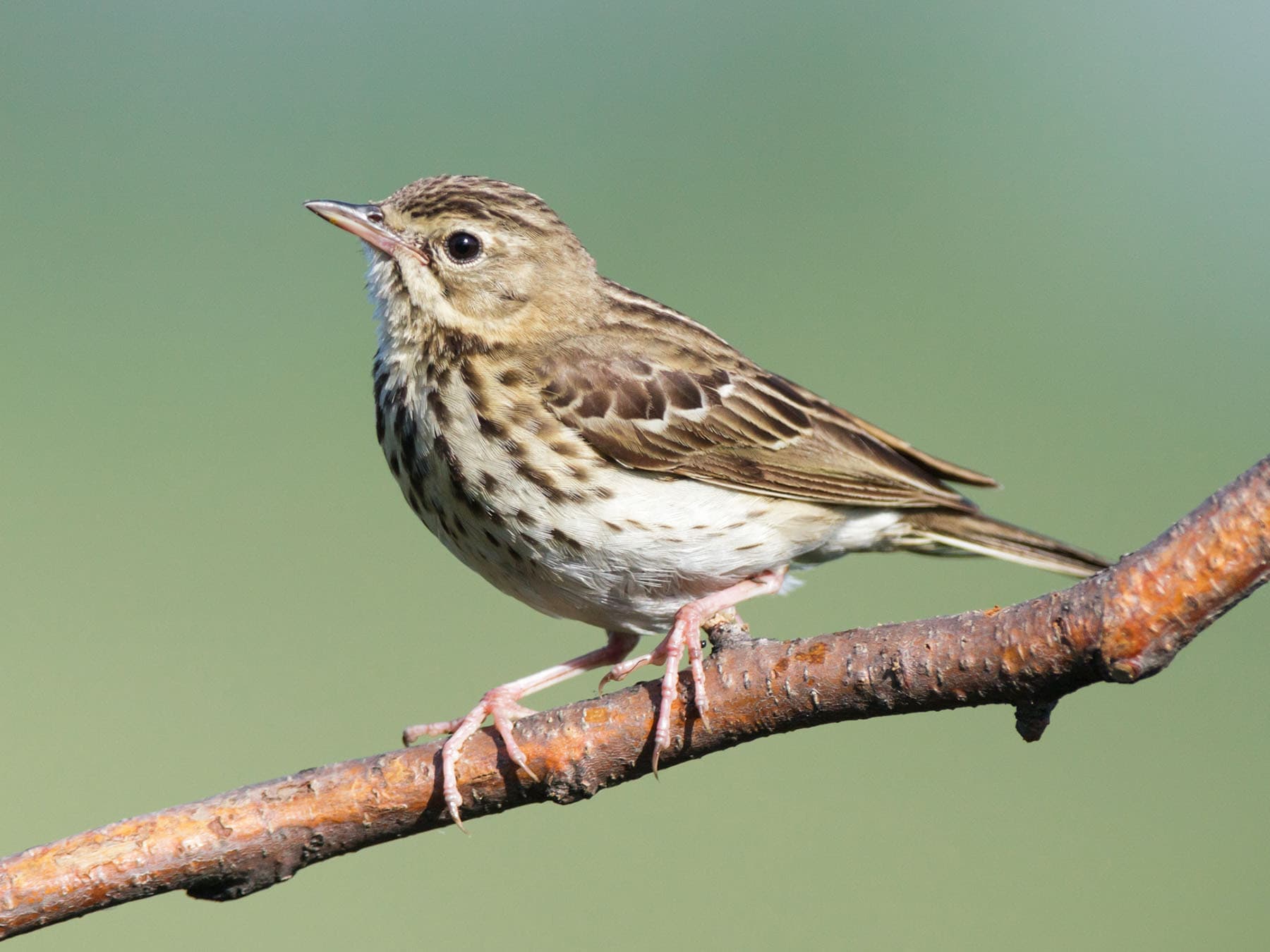
Tree Pipit
Anthus trivialisLC
A rare summer breeder arriving in April, favouring open woodland edges and hillside clearings in western Durham.
Apr–Jun
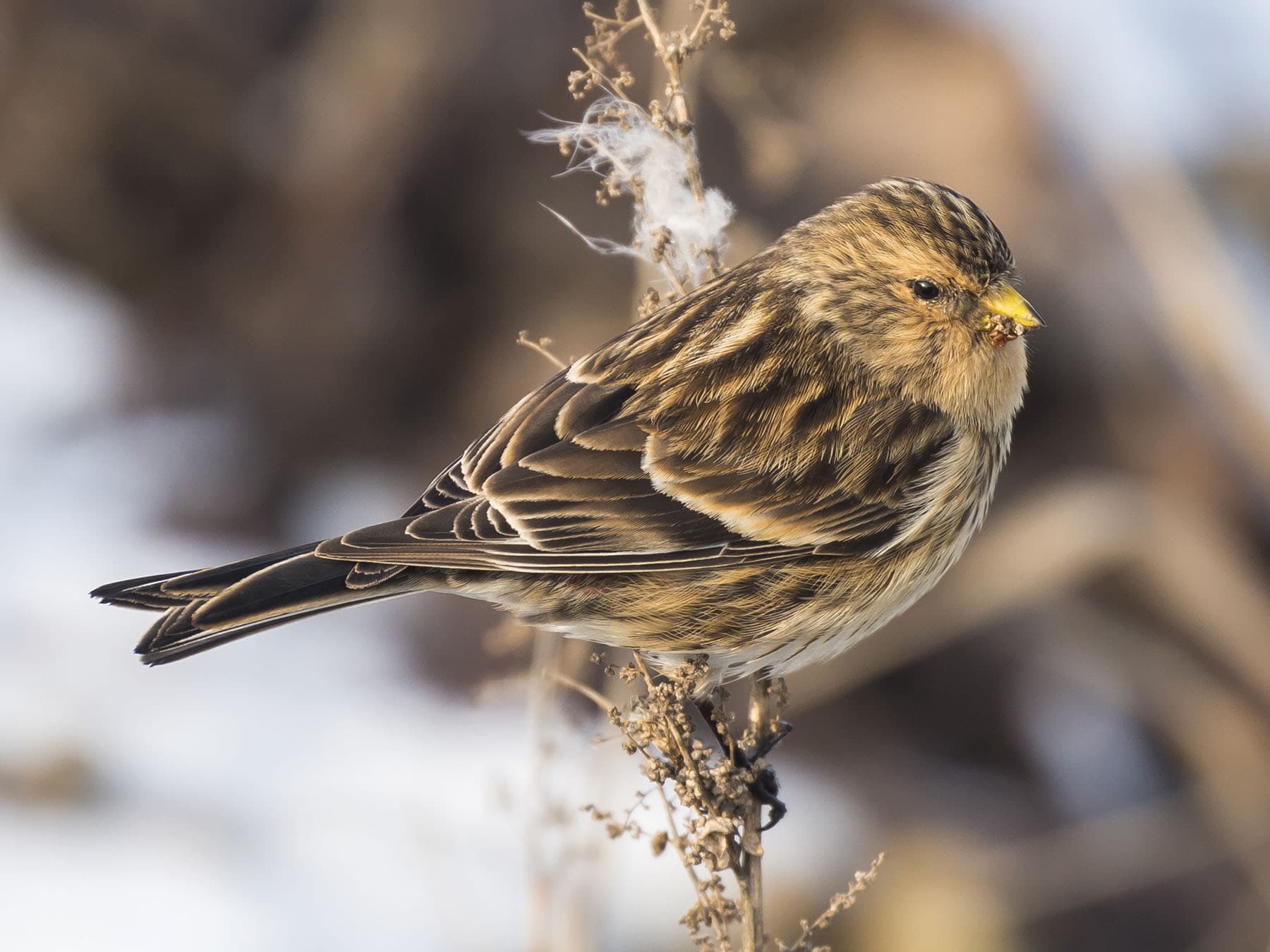
Twite
Linaria flavirostrisLC
A rare winter visitor to Durham's coast and stubble fields, present from November to March in small flocks.
Nov–Mar
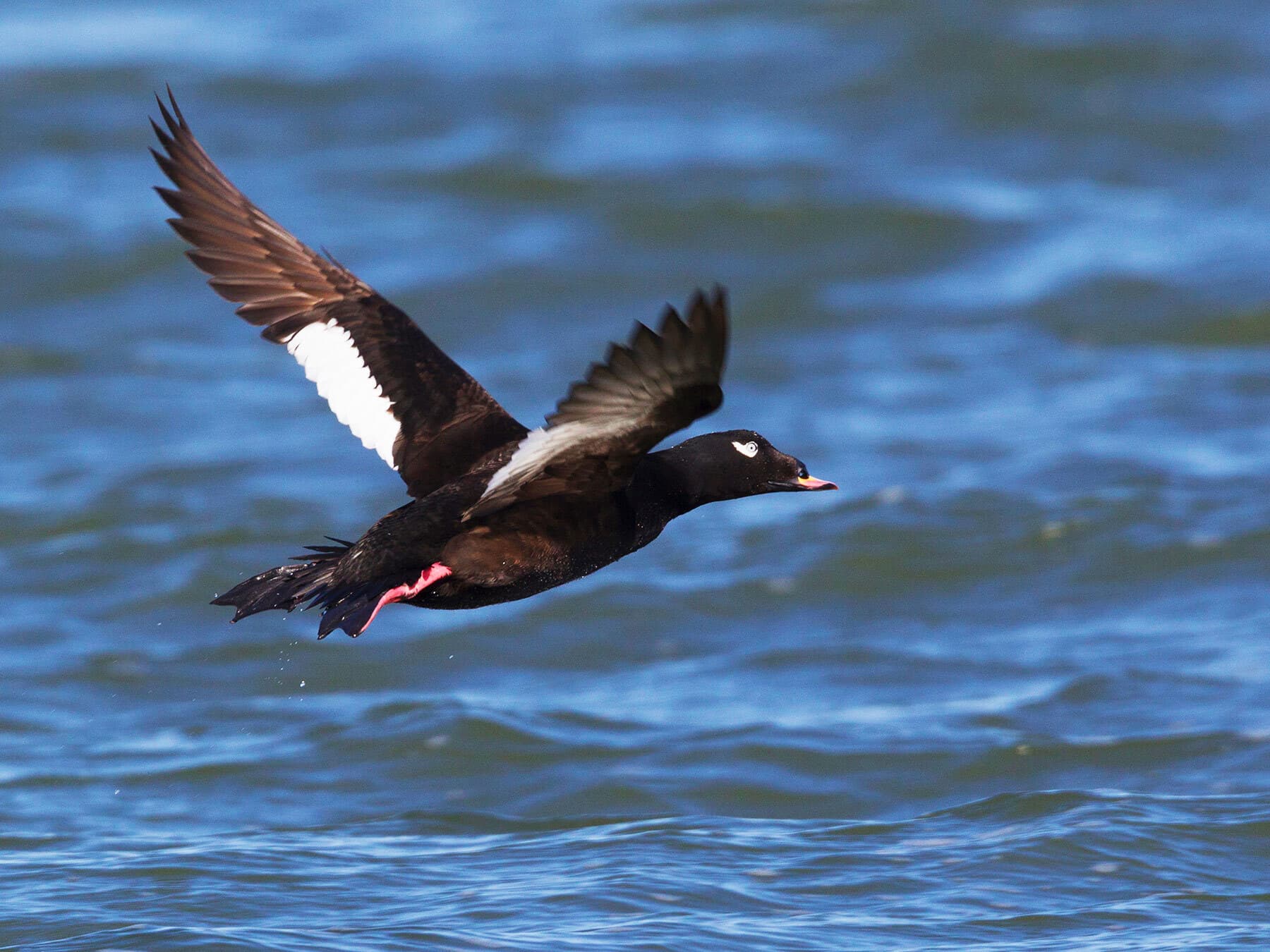
Velvet Scoter
Melanitta fuscaVU
A rare passage visitor seen offshore in autumn and early winter. Usually spotted among Common Scoter flocks off the Durham coast.
Oct–Dec
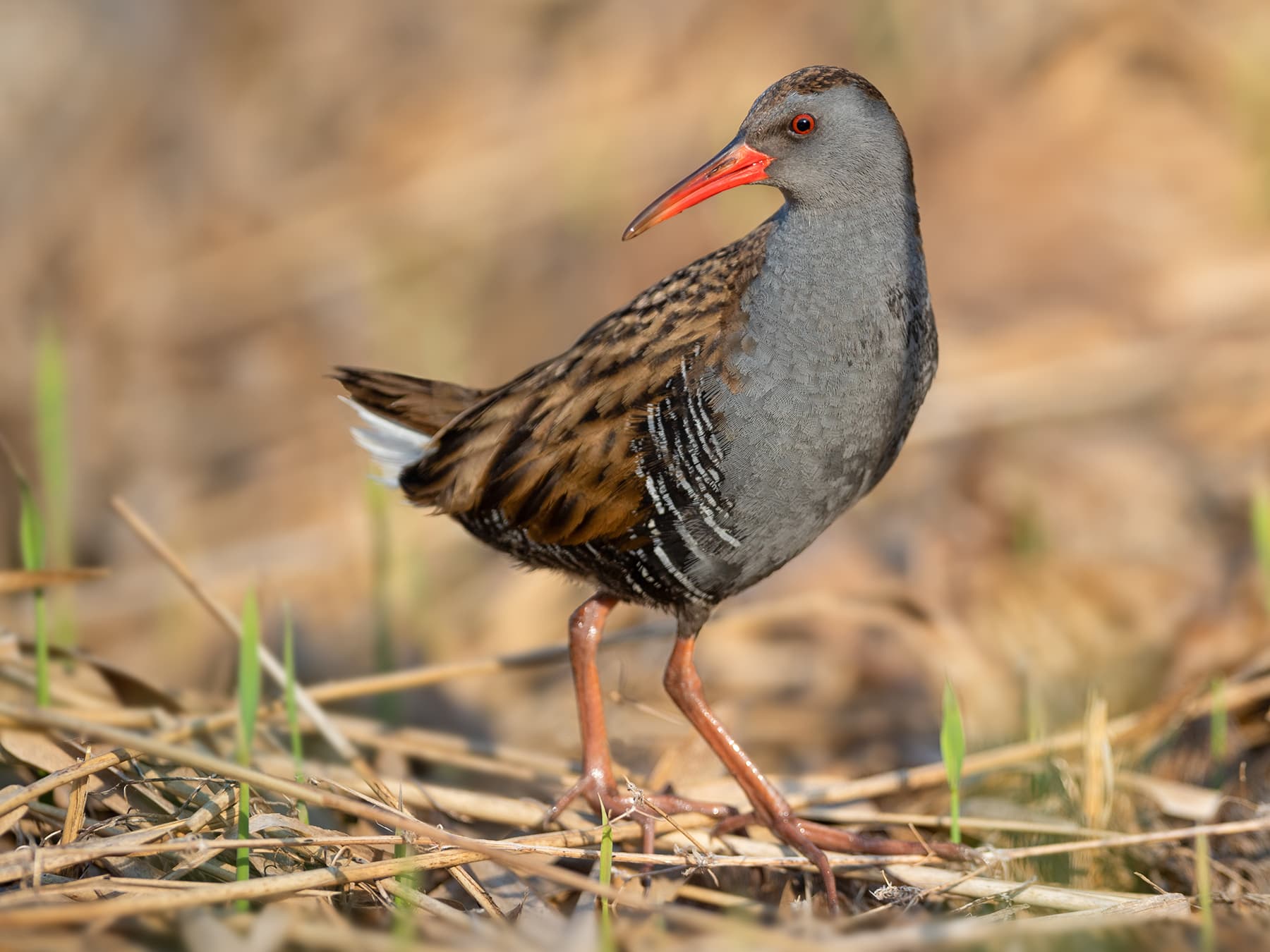
Water Rail
Rallus aquaticusLC
A rare and secretive non-breeding visitor to reedbeds and marshy wetlands, most likely encountered from autumn into winter.
Sep–Jan
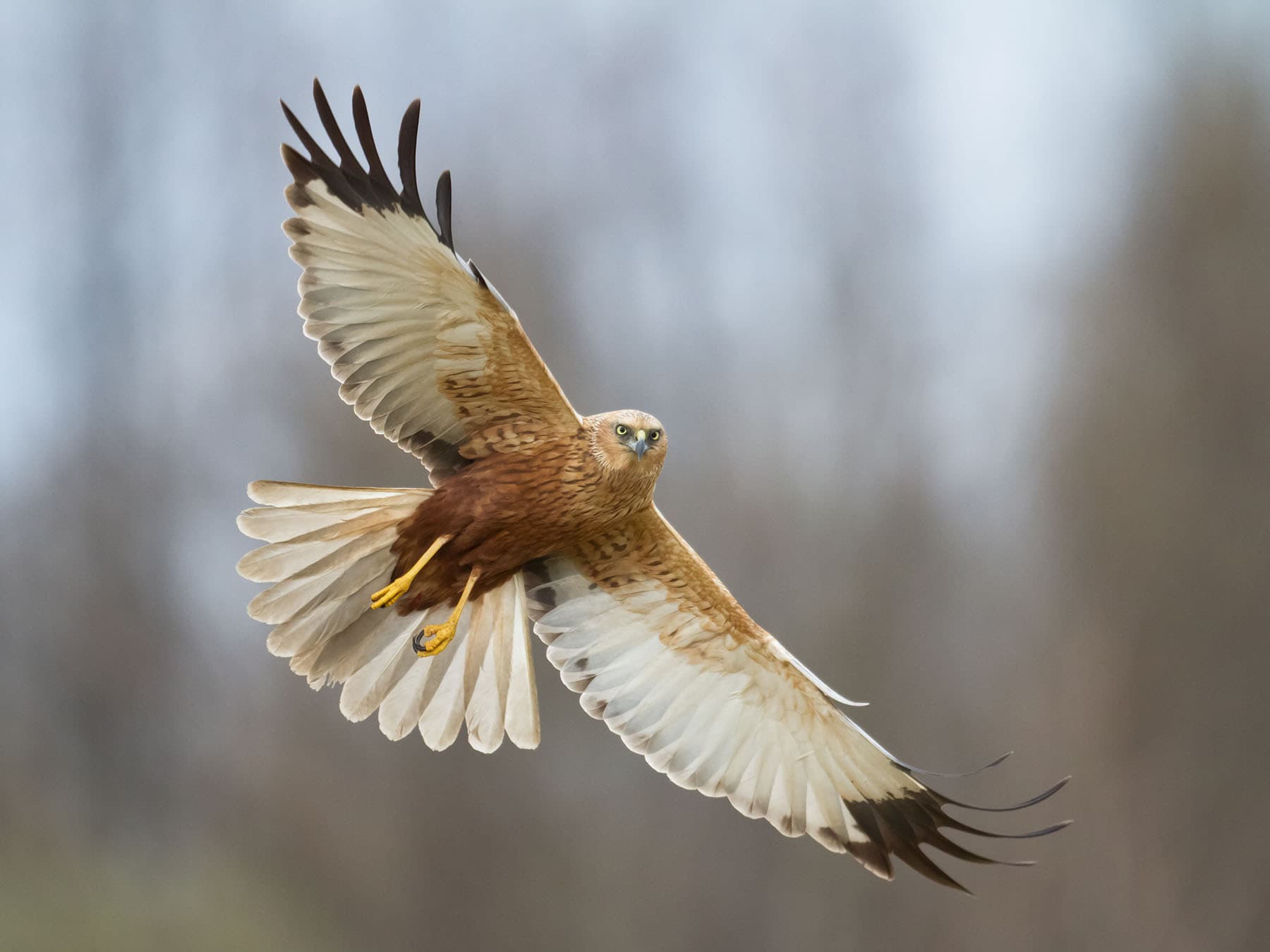
Western Marsh-harrier
Circus aeruginosusLC
A rare but increasingly recorded resident, favouring reedbeds and wetland margins. Durham sightings reflect a wider national recovery.
Jun–Mar
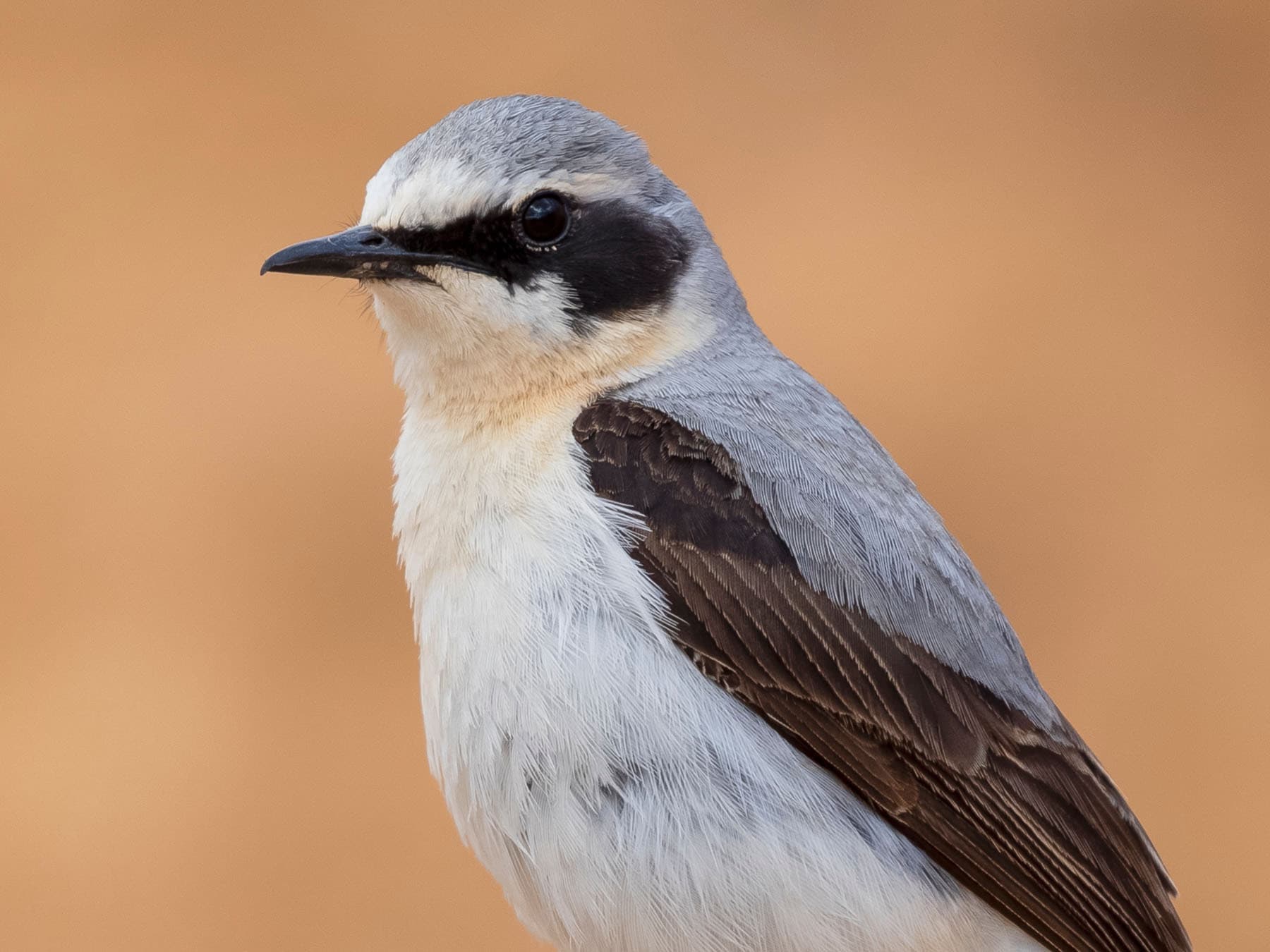
Wheatear
Oenanthe oenantheLC
A rare breeder on Durham's upland moorland and fell walls, arriving in March and departing by September.
Mar–Sep
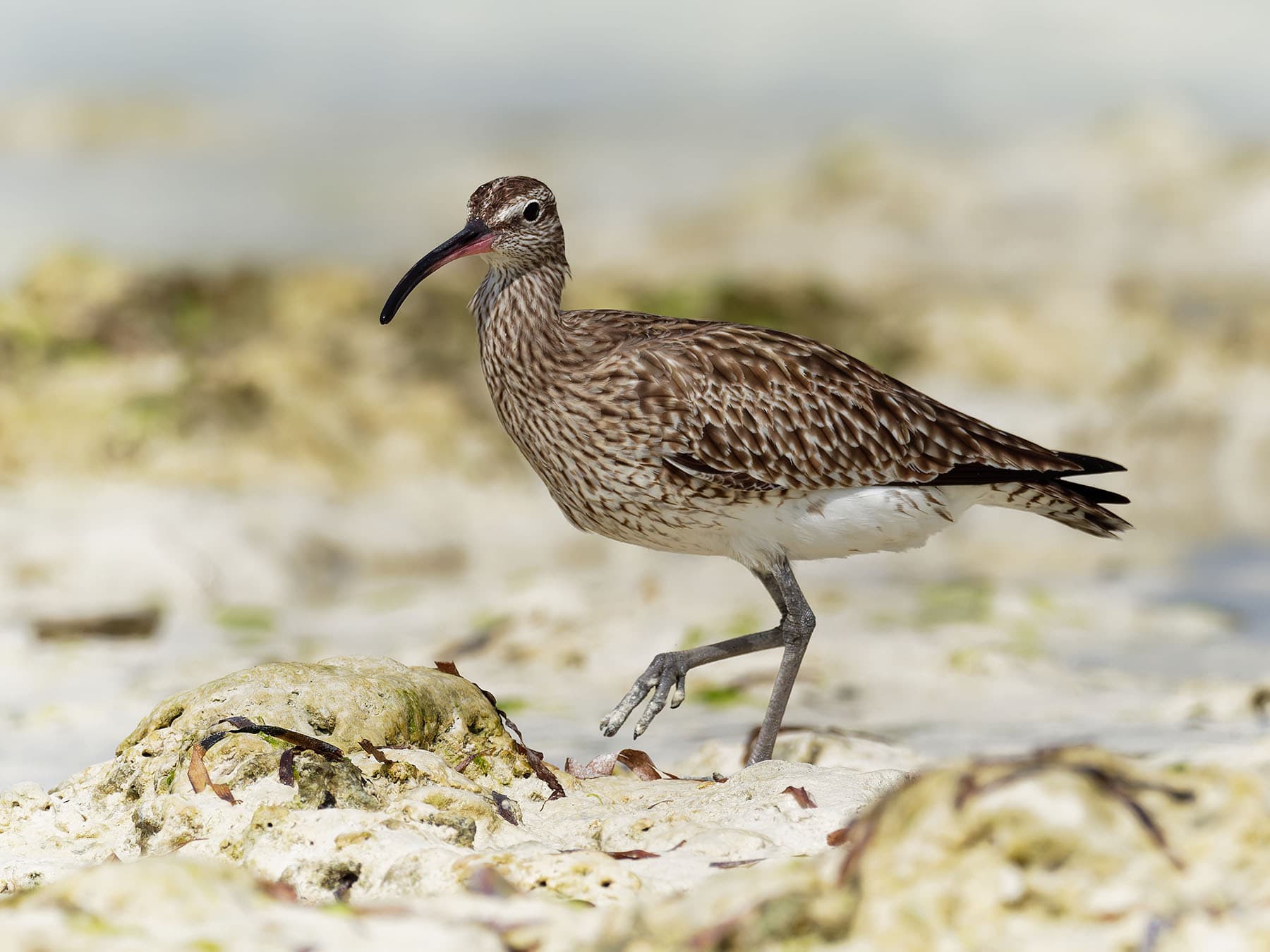
Whimbrel
Numenius phaeopusLC
A rare passage migrant, mainly seen in spring and late summer on the Durham coast or inland wetlands. Listen for its distinctive rippling whistle.
Apr–Sep
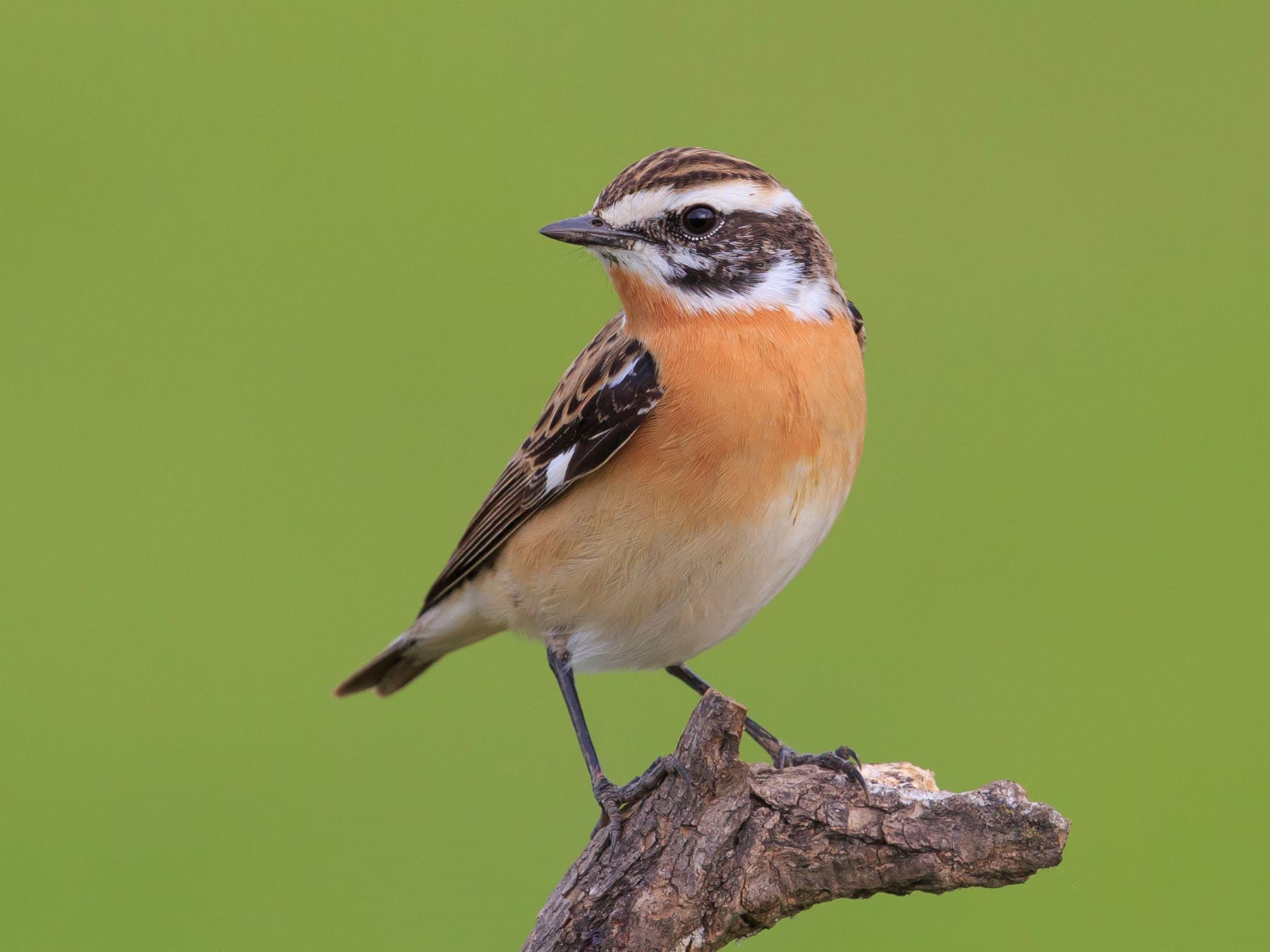
Whinchat
Saxicola rubetraLC
A rare autumn passage migrant through Durham, pausing briefly on rough grassland and moorland edges in August and September.
Aug–Sep
Spotted something?
Upload a photo to identify it
Identify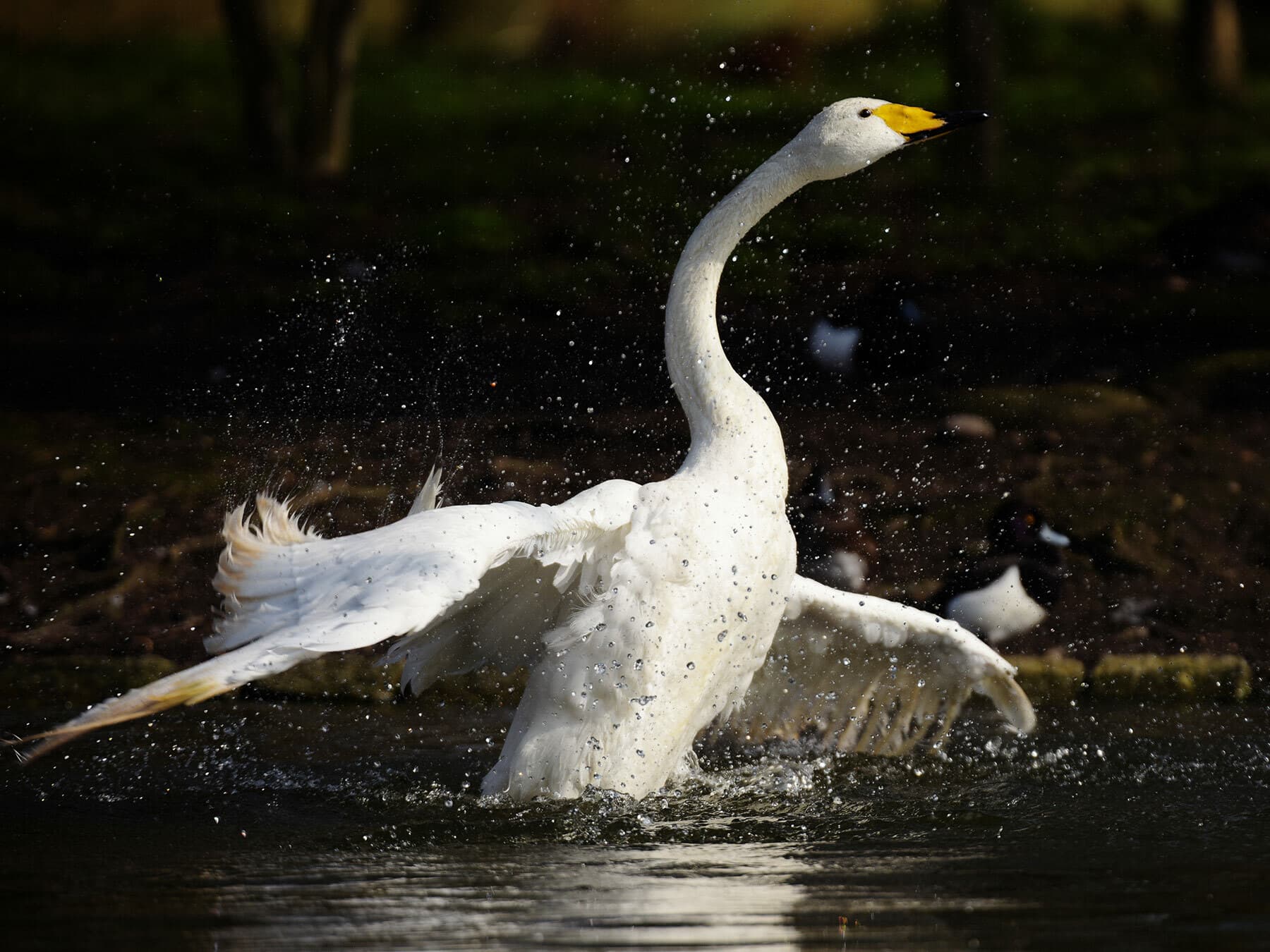
Whooper Swan
Cygnus cygnusLC
A rare passage visitor in autumn and winter, with records in January, March, October and November on reservoirs and flooded fields.
Oct–Mar
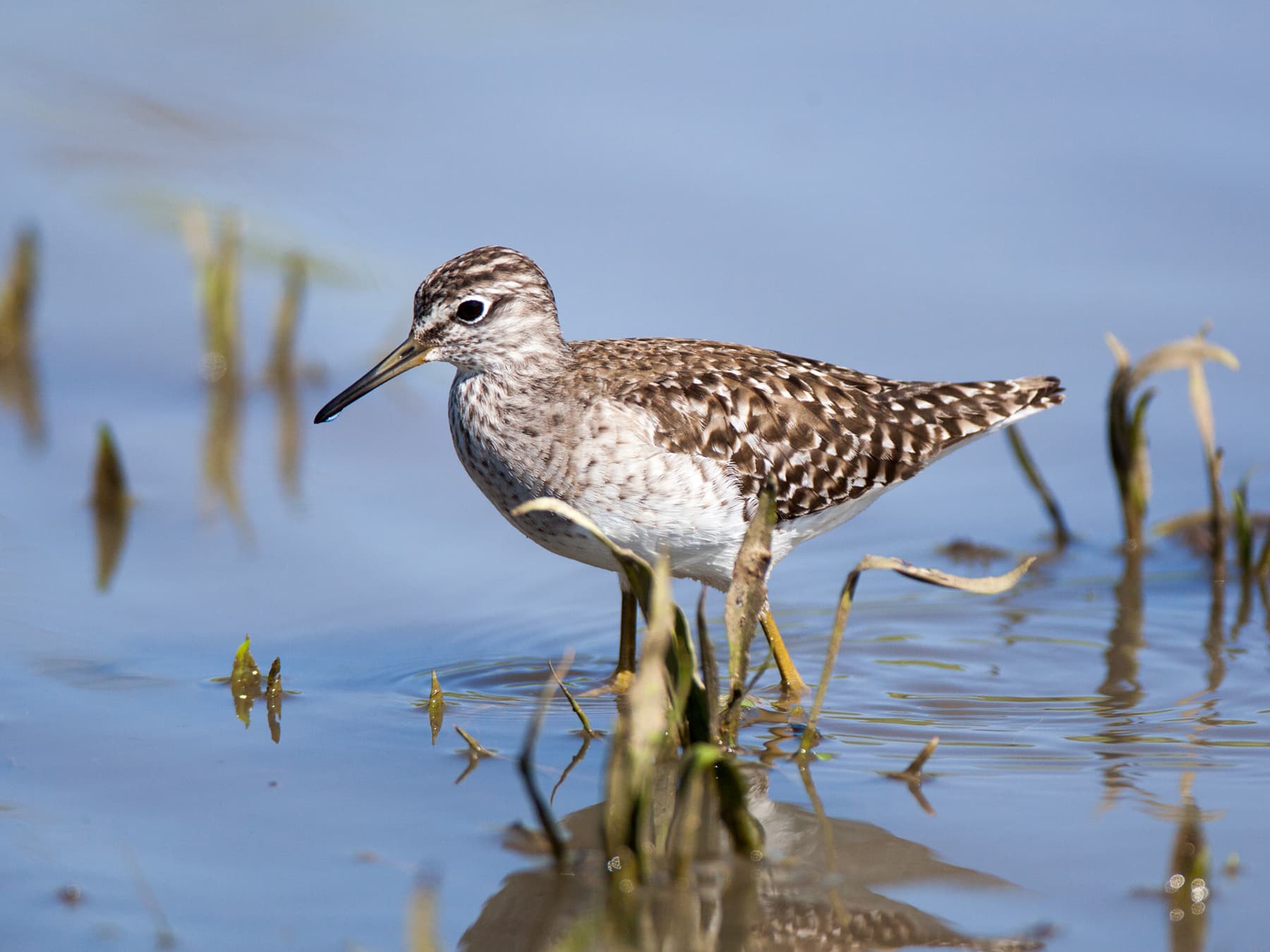
Wood Sandpiper
Tringa glareolaLC
A rare passage migrant in August, occasionally stopping at freshwater wetlands and flooded fields. One of the scarcer waders recorded in Durham.
Aug
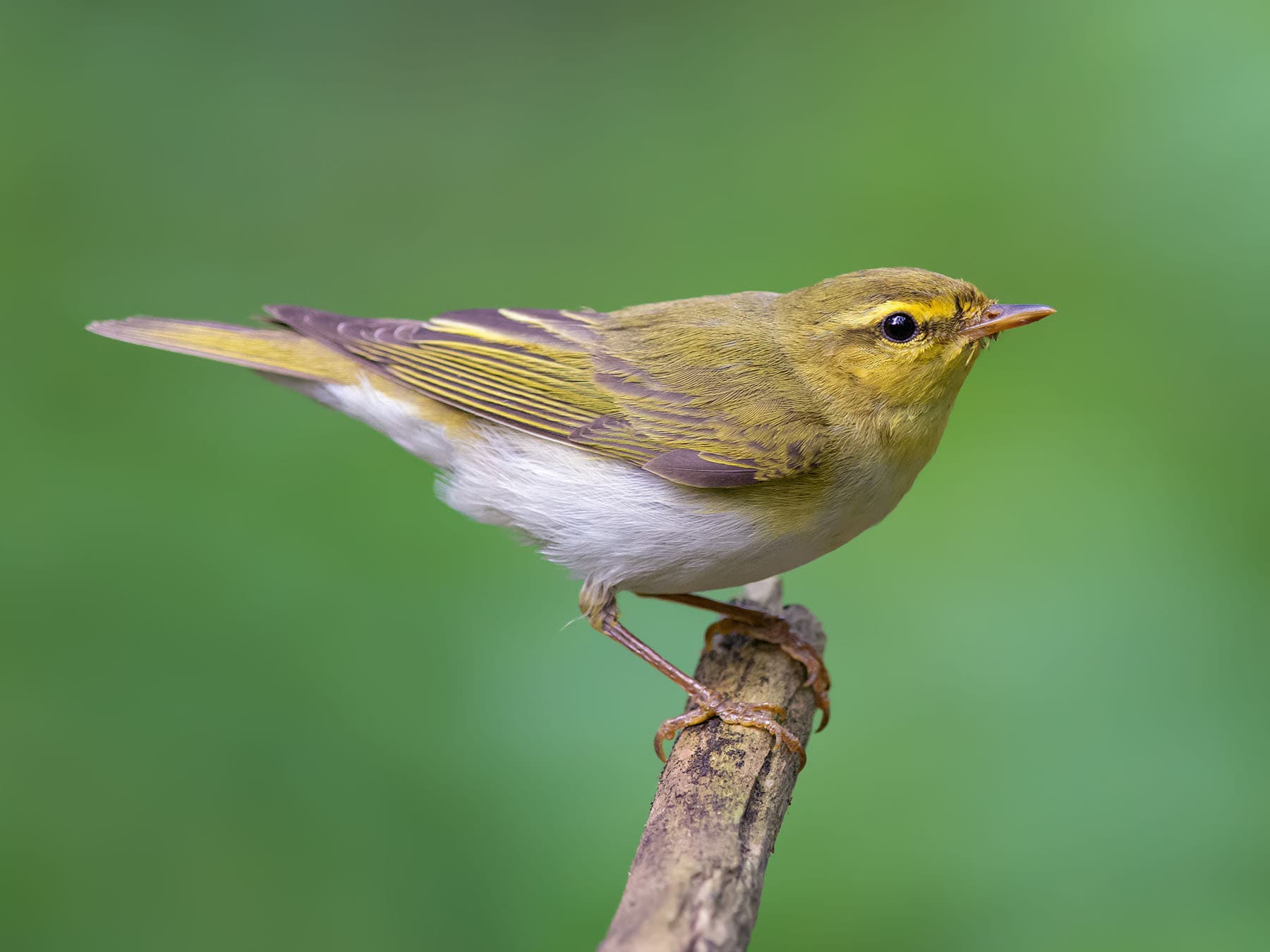
Wood Warbler
Phylloscopus sibilatrixLC
A rare passage visitor in late spring, occasionally lingering in mature oak woodland. Has declined sharply as a northern breeder.
May–Jun
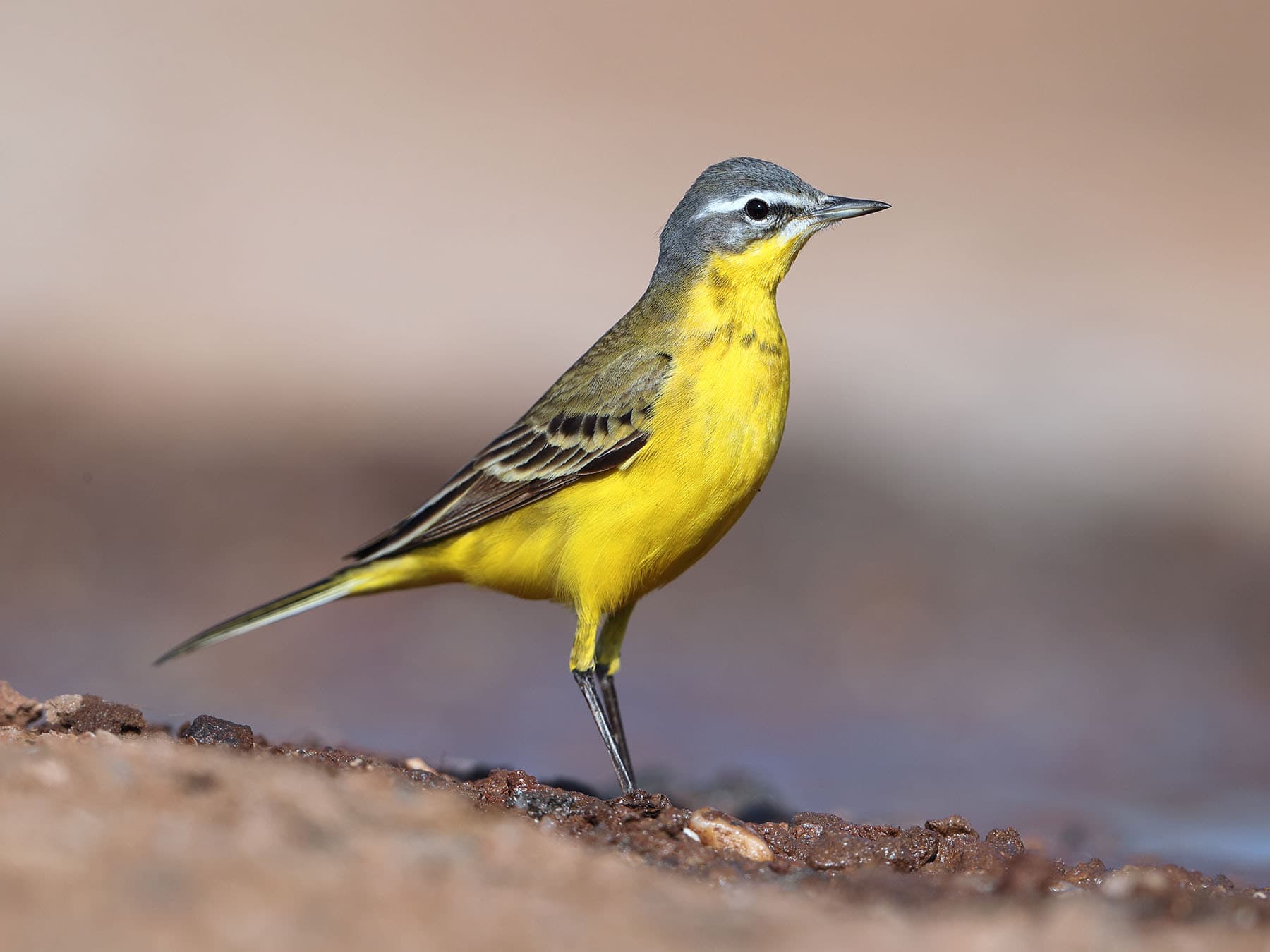
Yellow Wagtail
Motacilla flavaLC
A rare and declining summer breeder on Durham's lowland pastures and arable fields, present from April to August.
Apr–Aug
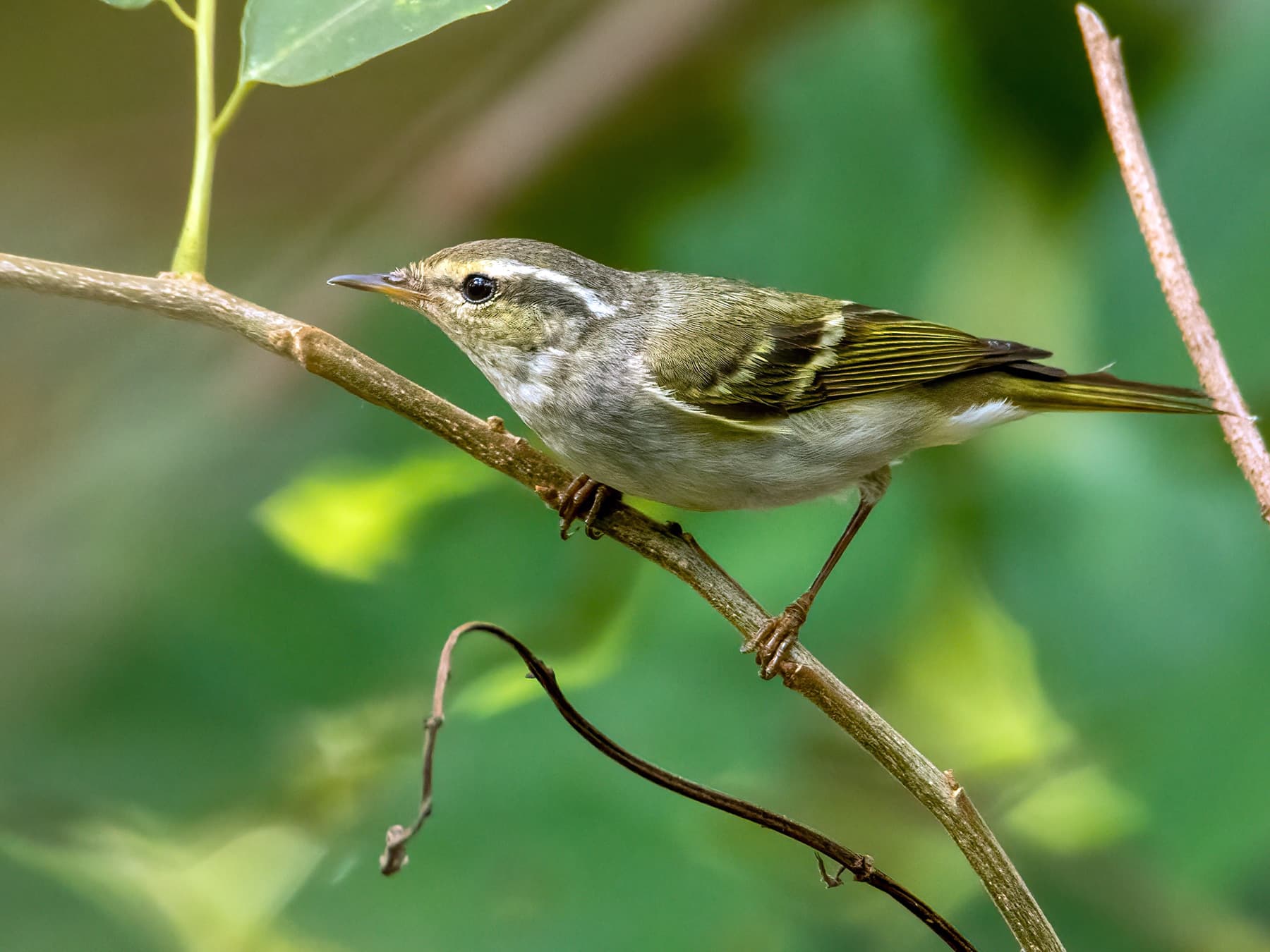
Yellow-browed Warbler
Phylloscopus inornatusLC
A rare autumn vagrant from Siberia, turning up along the Durham coast in September and October during easterly winds.
Sep–Oct
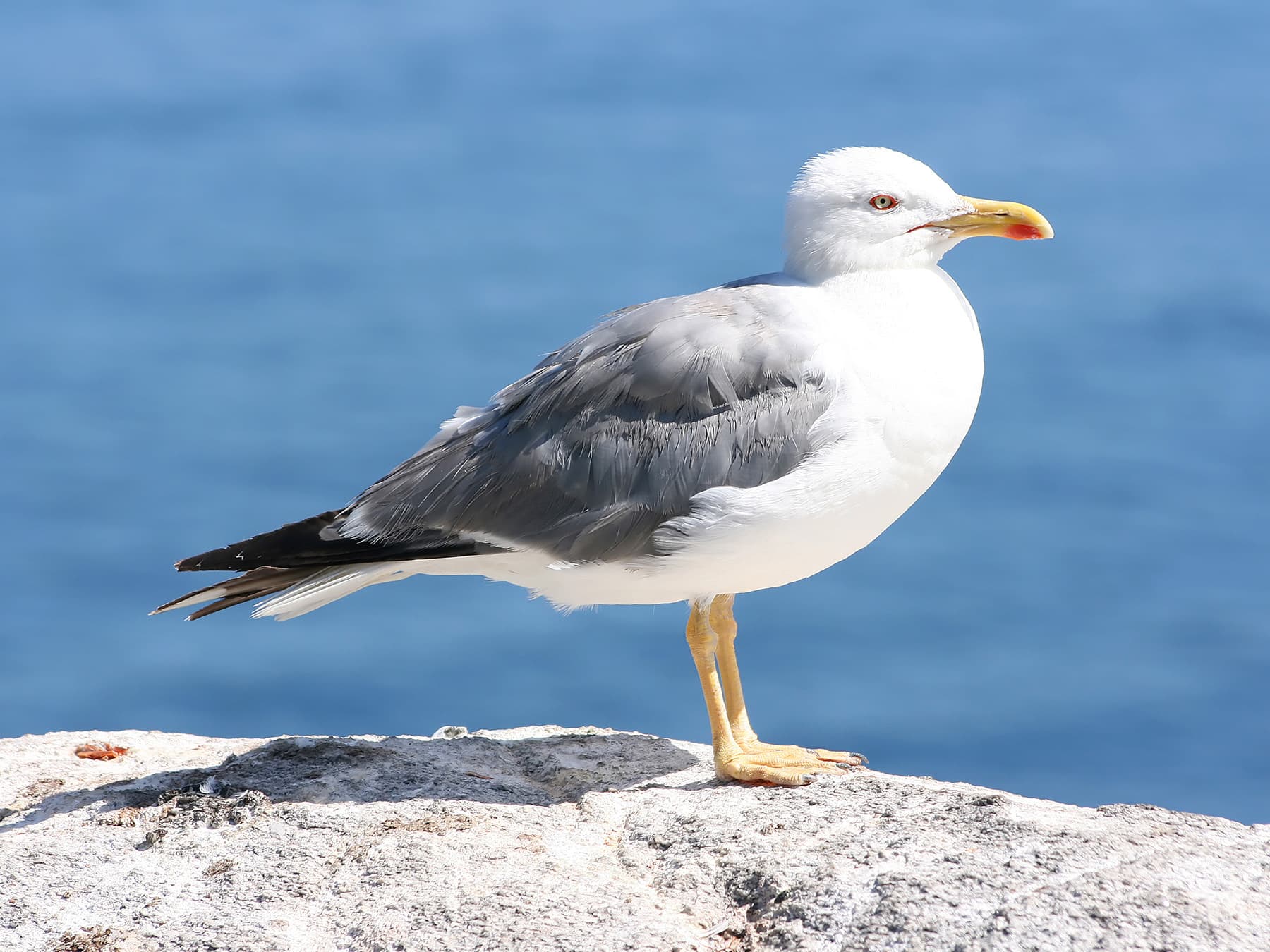
Yellow-legged Gull
Larus michahellisLC
A rare non-breeding visitor, mainly in winter and late summer. Look carefully through flocks of Herring Gulls at the coast or tips.
Aug–Feb
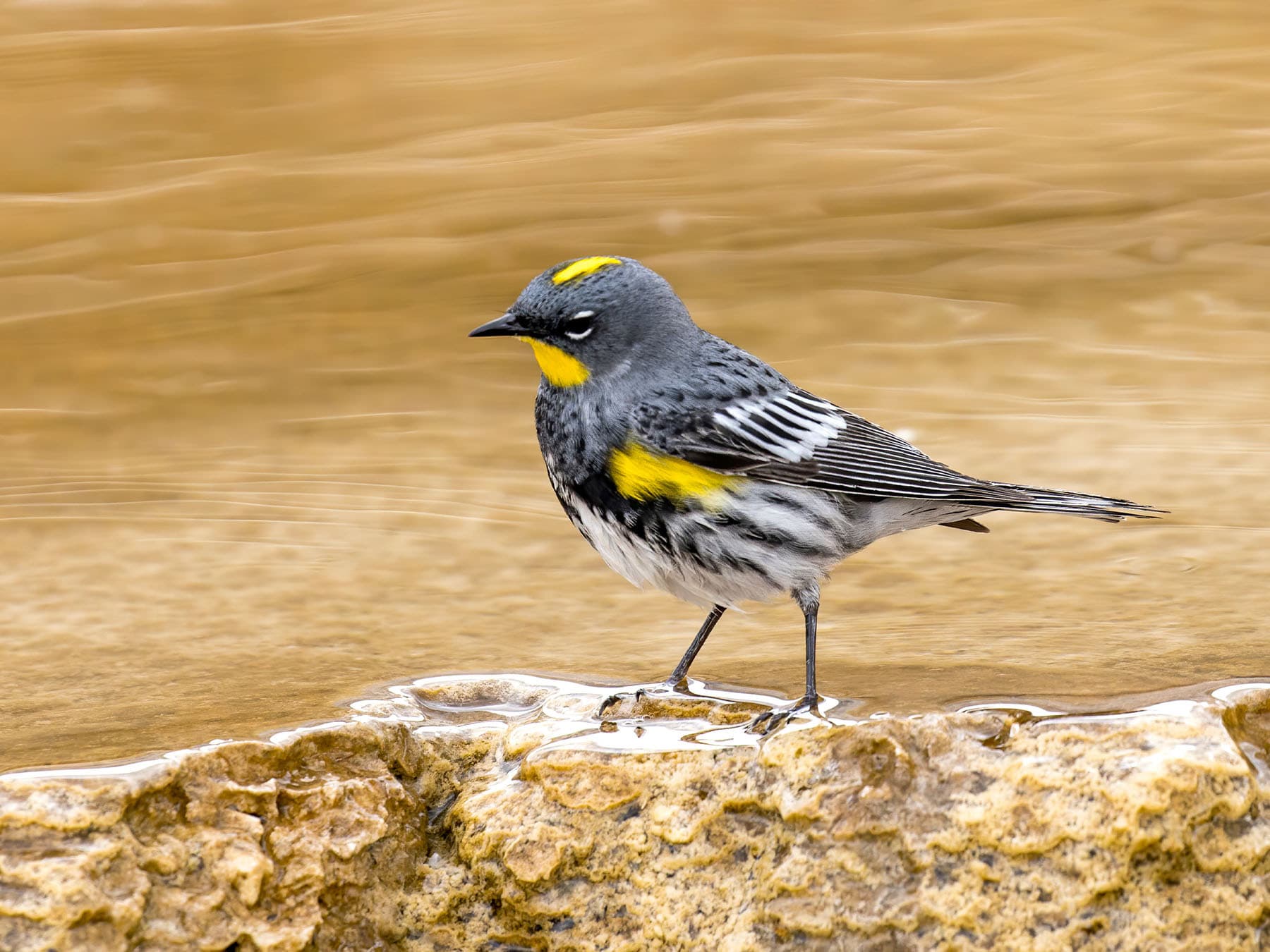
Yellow-rumped Warbler
Setophaga coronataLC
An extremely rare North American vagrant. Any Durham record is exceptional and likely involves a transatlantic storm-drifted individual.
Feb