Birds in Staffordshire
Explore 197 species found in this region.
Staffordshire supports a rich and varied birdlife, with 193 species recorded across the county's diverse habitats, from the moorland edges of the Peak District in the north to the lowland wetlands and river valleys further south. Notable species include the elegant Northern Lapwing on farmland, the striking Mandarin Duck along wooded waterways, and scarce winter visitors such as the Great Grey Shrike. With reservoirs like Blithfield and Chasewater providing important refuges for wildfowl and waders, the county offers rewarding birdwatching opportunities throughout the year.
Visiting in September? Look out for Arctic Tern and Cattle Egret arriving this month, and Bar-headed Goose and Eurasian Oystercatcher depart for the season.


Showing 185–197 of 197 species
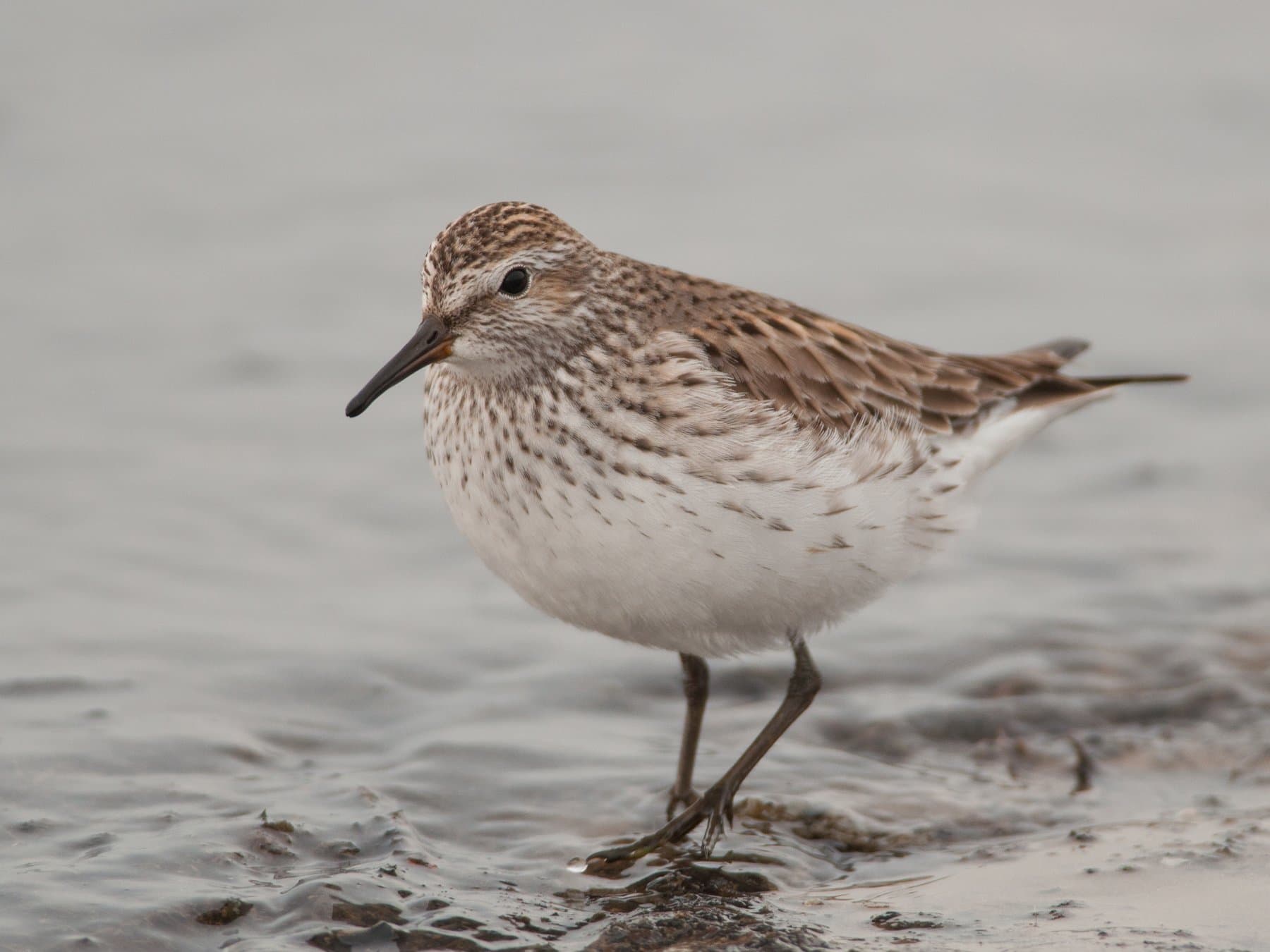
White-rumped Sandpiper
Calidris fuscicollisVU
A rare Nearctic vagrant occasionally recorded at Staffordshire's reservoirs in autumn, with October sightings a real prize for local birders.
Oct
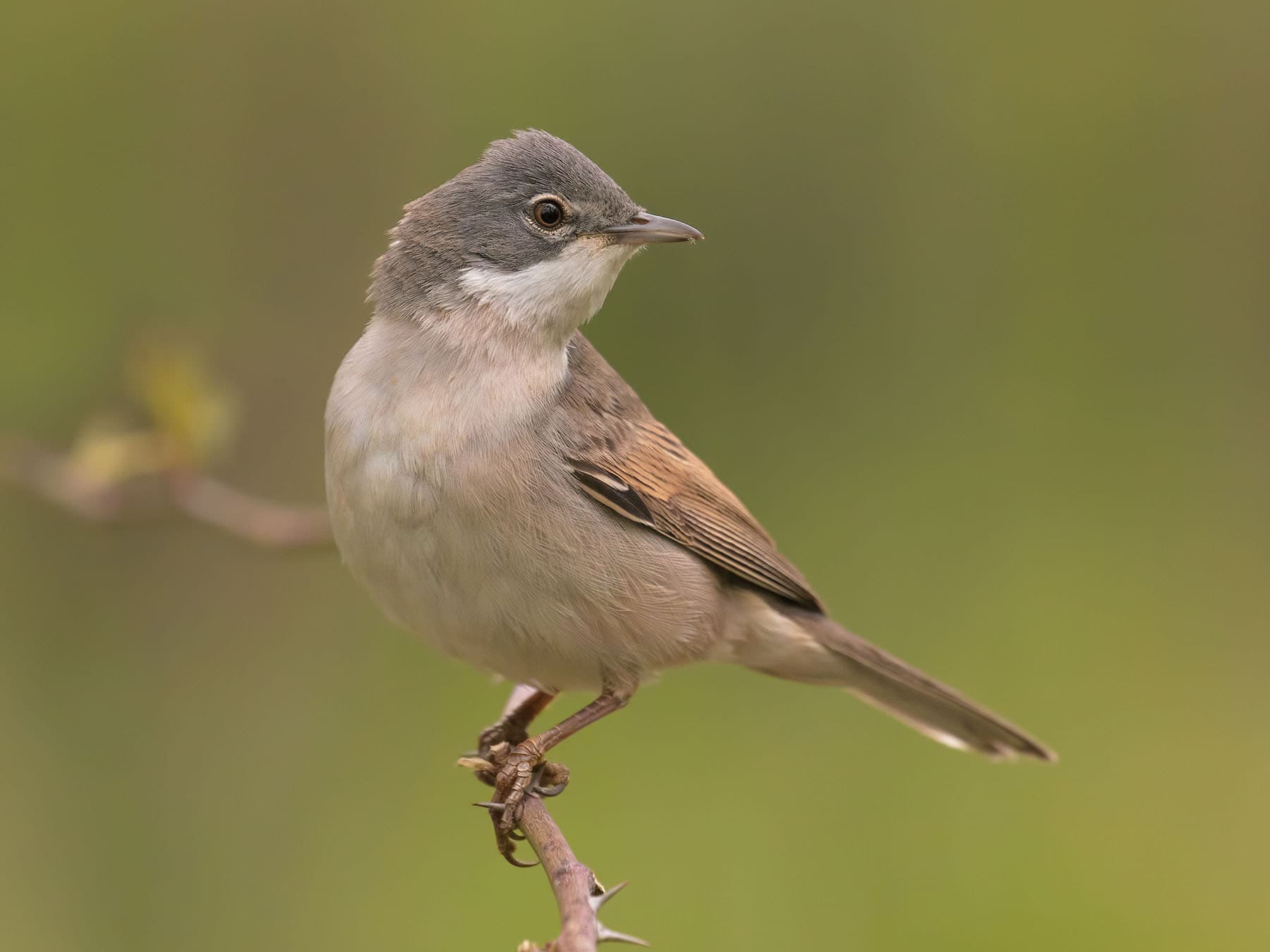
Whitethroat
Curruca communisLC
A common summer breeder from April to September, favouring hedgerows, scrubby field margins and bramble patches across the county.
Apr–Sep
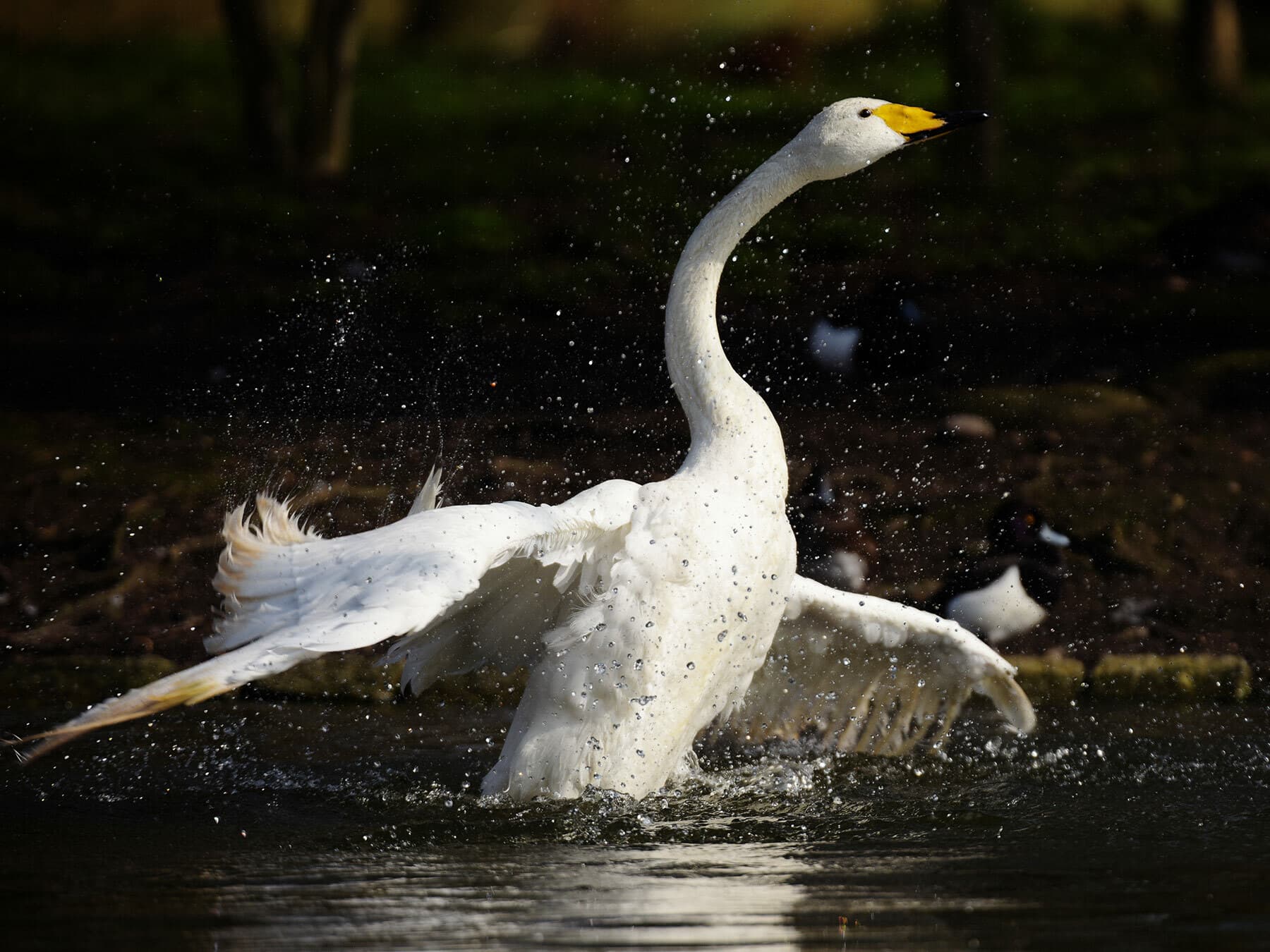
Whooper Swan
Cygnus cygnusLC
A rare passage visitor, occasionally seen at reservoirs in autumn and early winter. Bugling calls distinguish it from the resident Mute Swan.
Oct–Jan
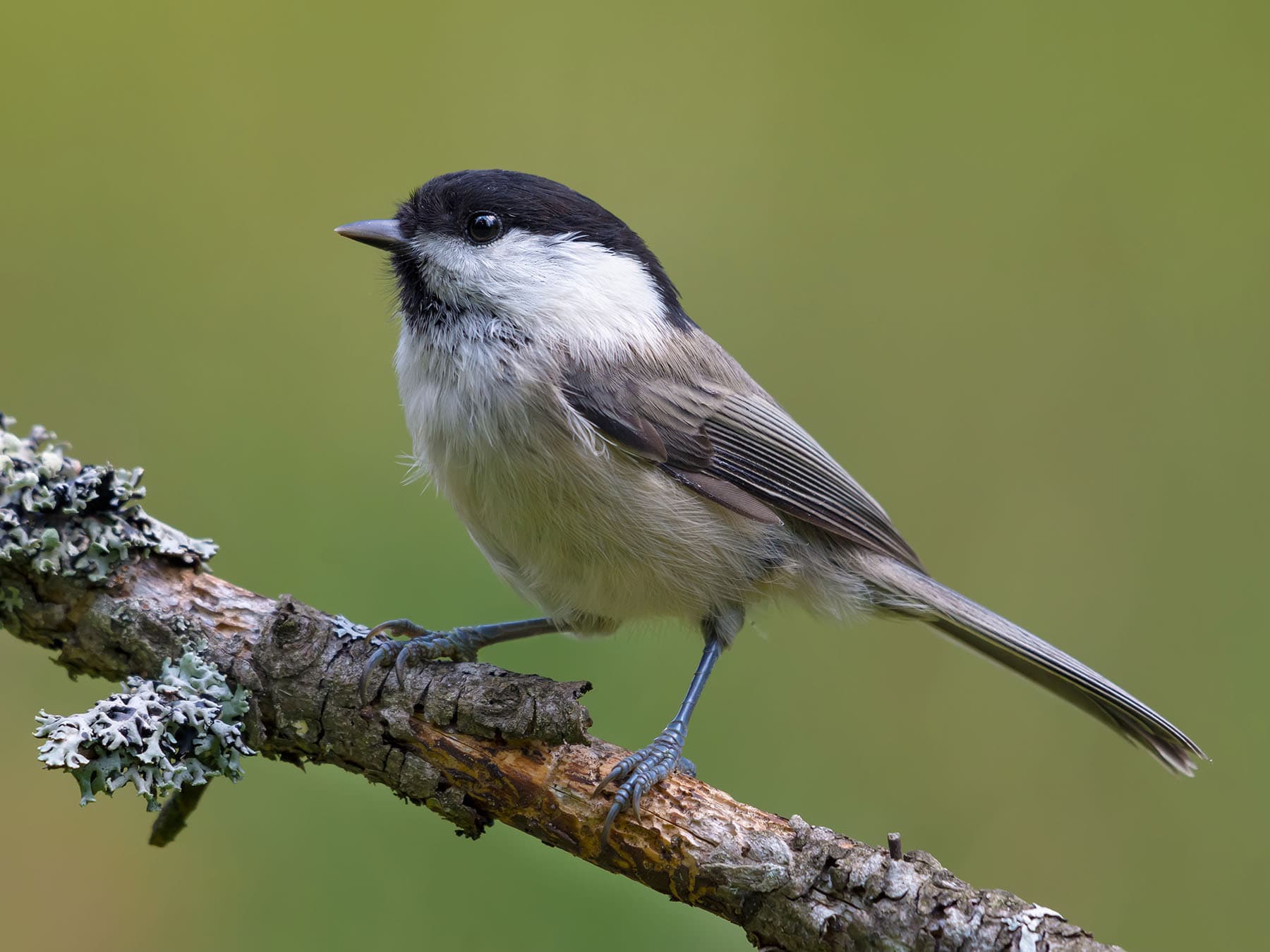
Willow Tit
Poecile montanusLC
A declining resident found in damp woodland and scrubby areas, particularly in the county's river valleys. One of the UK's fastest-declining species.
Year-round
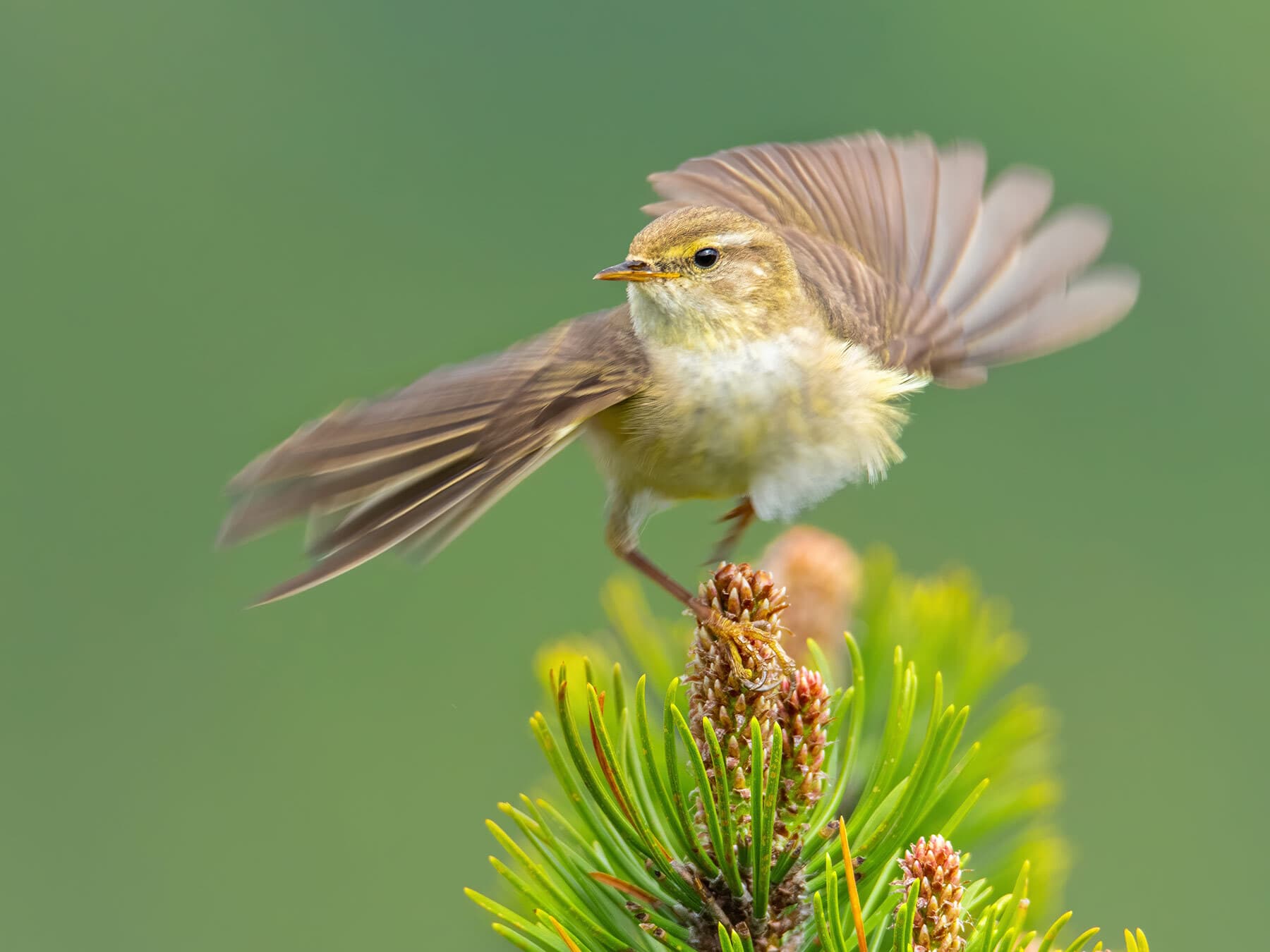
Willow Warbler
Phylloscopus trochilusLC
A common summer visitor breeding in woodland, scrub and hedgerows. Its gentle descending song is widespread from April to August.
Mar–Sep
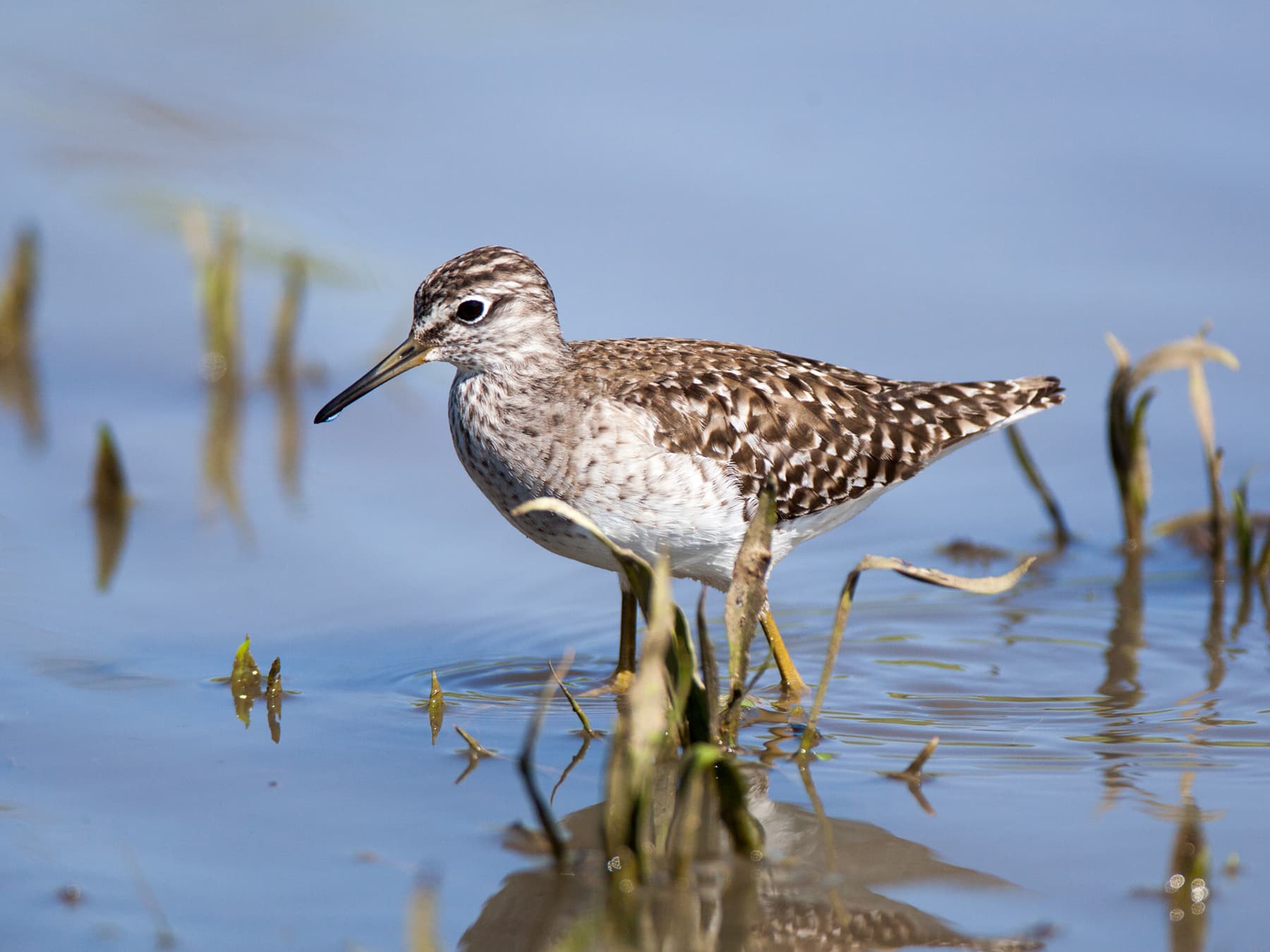
Wood Sandpiper
Tringa glareolaLC
A rare visitor to freshwater marshes, recorded in spring and late summer. One of the county's scarcest breeding waders.
Apr–Aug
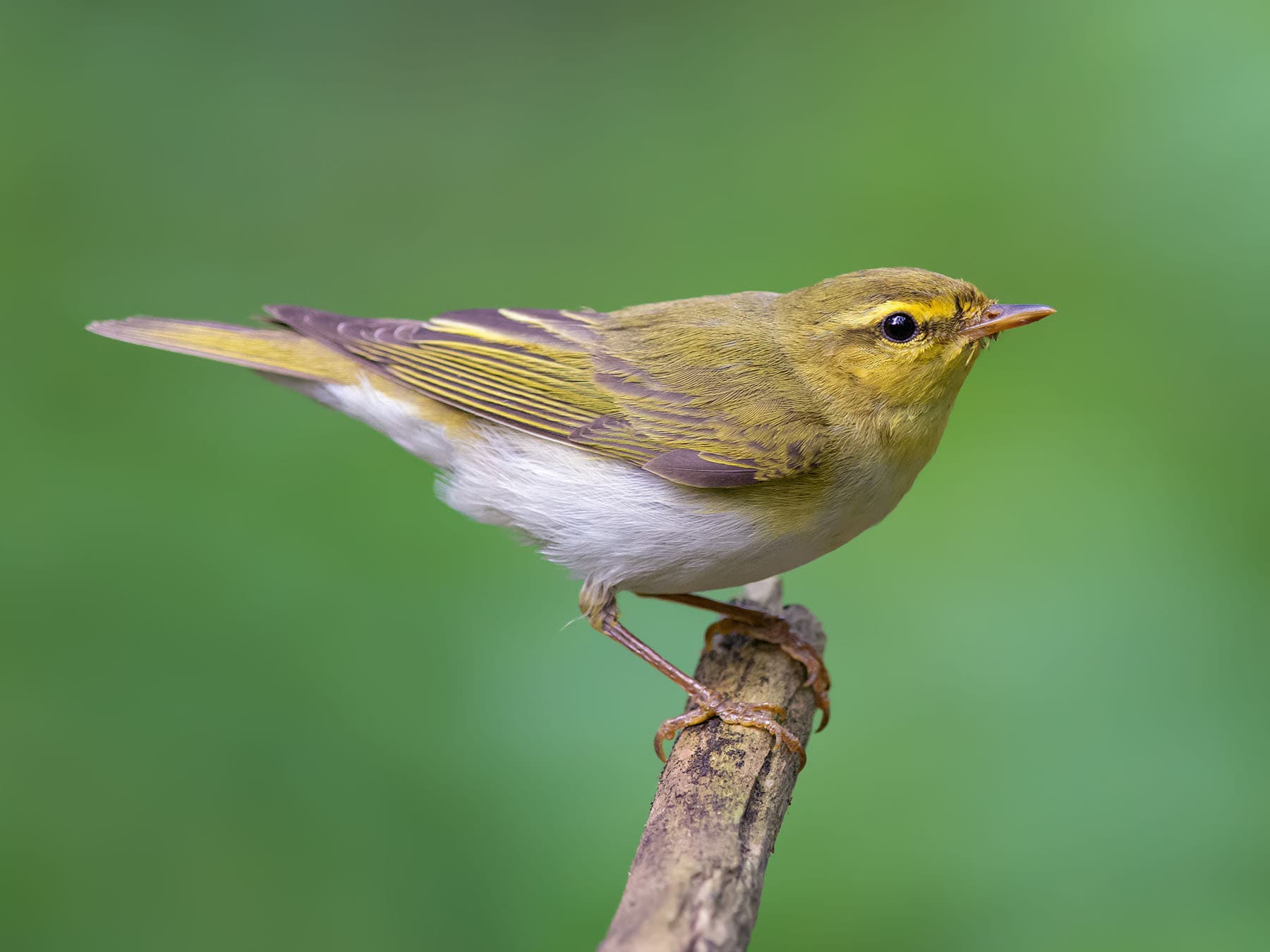
Wood Warbler
Phylloscopus sibilatrixLC
A rare passage visitor in May and June, occasionally noted in mature oak woodlands but no longer a regular breeder in the county.
May–Jun
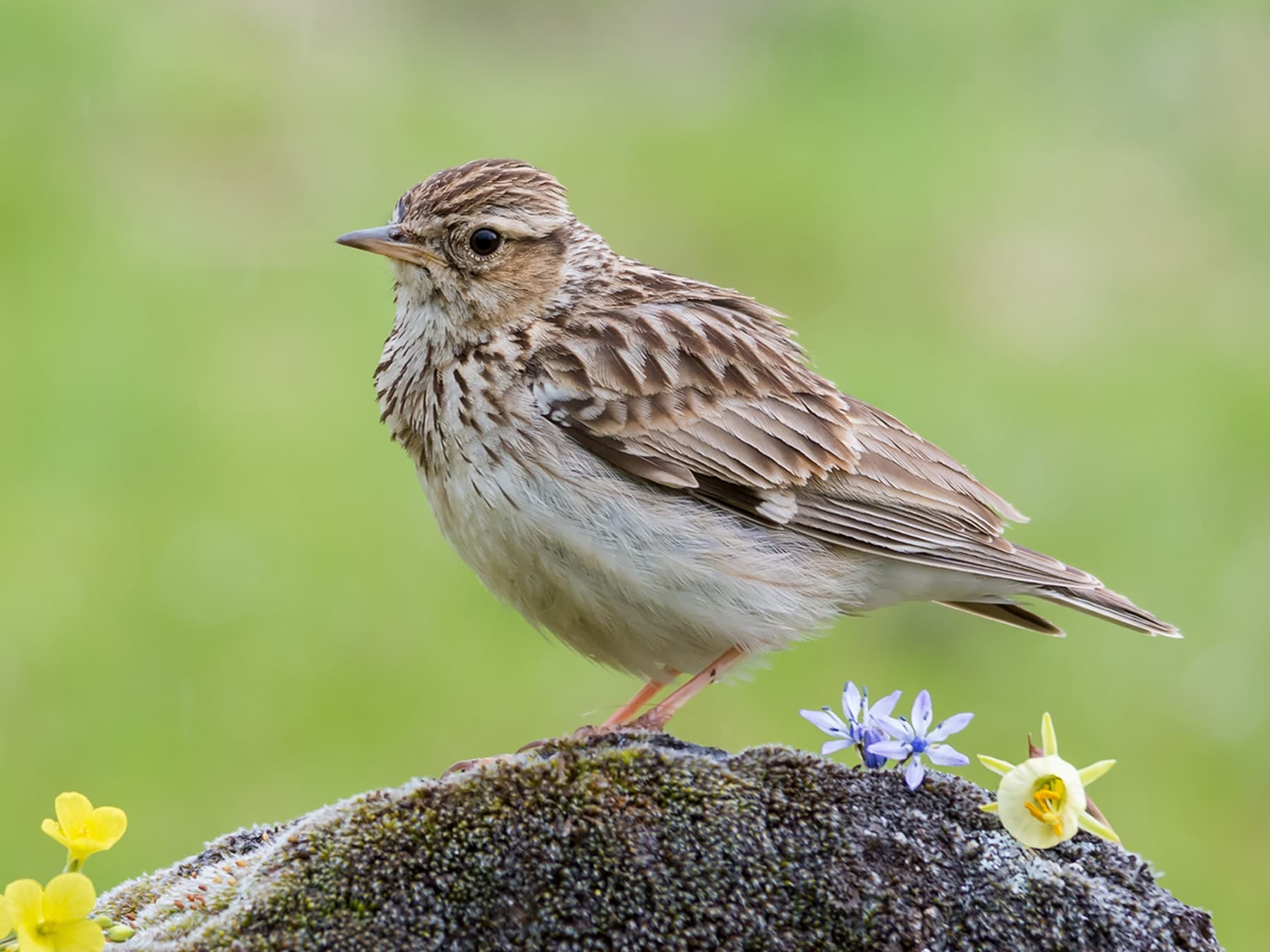
Woodlark
Lullula arboreaLC
A rare spring passage visitor, occasionally noted on heathland edges and open ground across the county during March to May.
Mar–May
Spotted something?
Upload a photo to identify it
Identify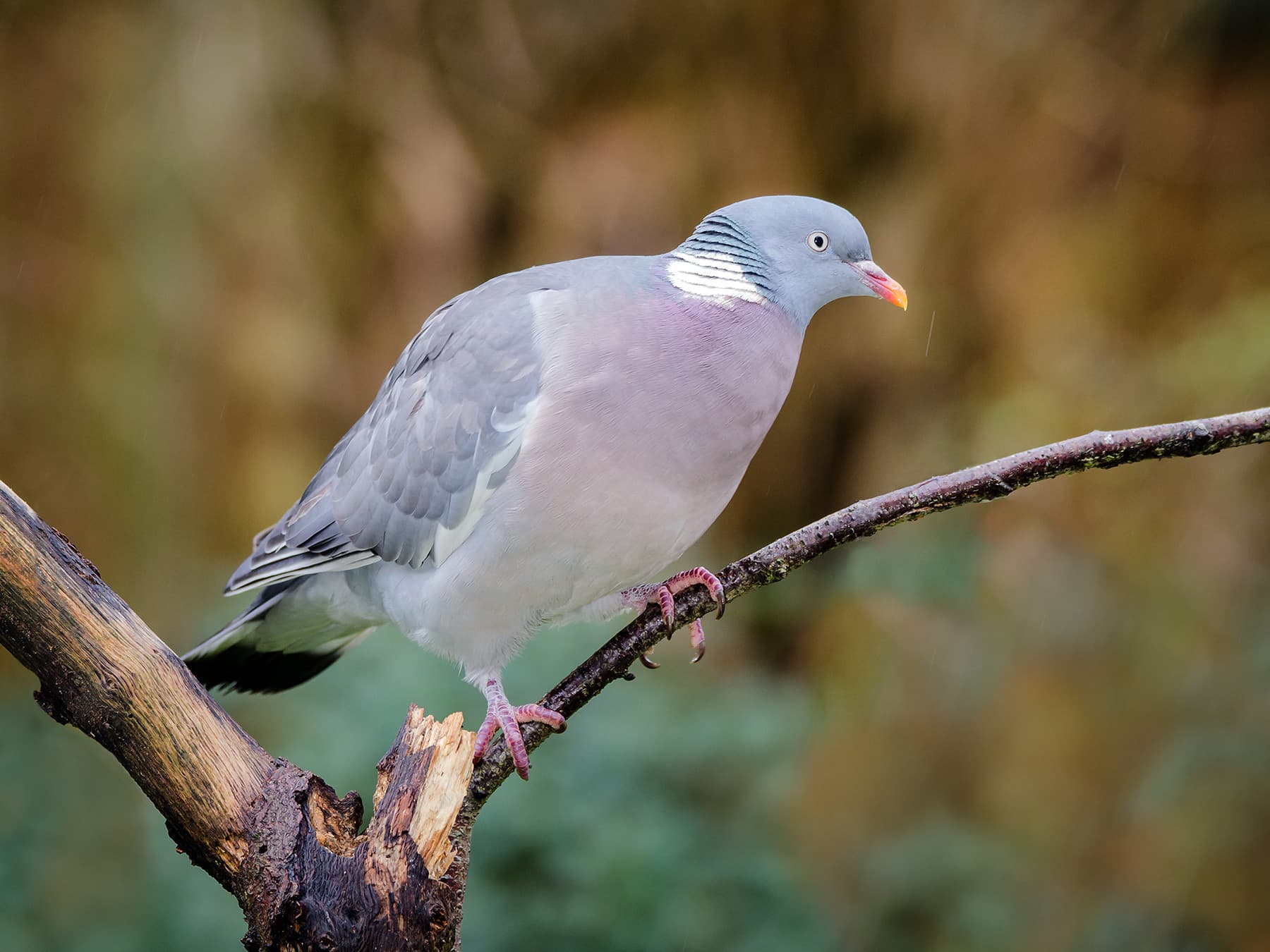
Woodpigeon
Columba palumbusLC
Abundant year-round in gardens, parks and farmland throughout Staffordshire. Its cooing song and clattering wingbeats are a familiar county soundtrack.
Year-round
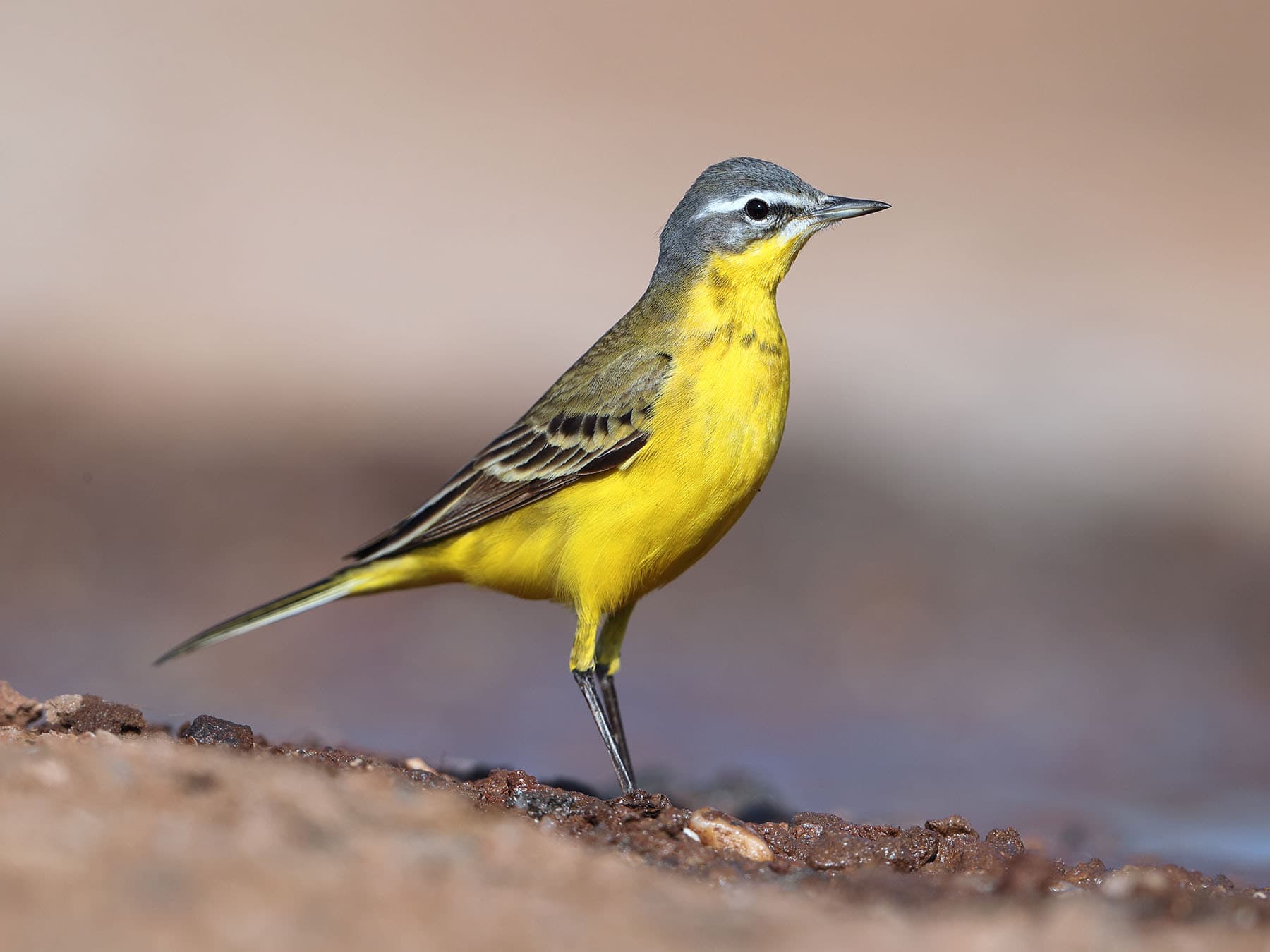
Yellow Wagtail
Motacilla flavaLC
An uncommon and declining summer visitor, breeding on lowland pastures and arable fields in Staffordshire from April to September.
Apr–Sep
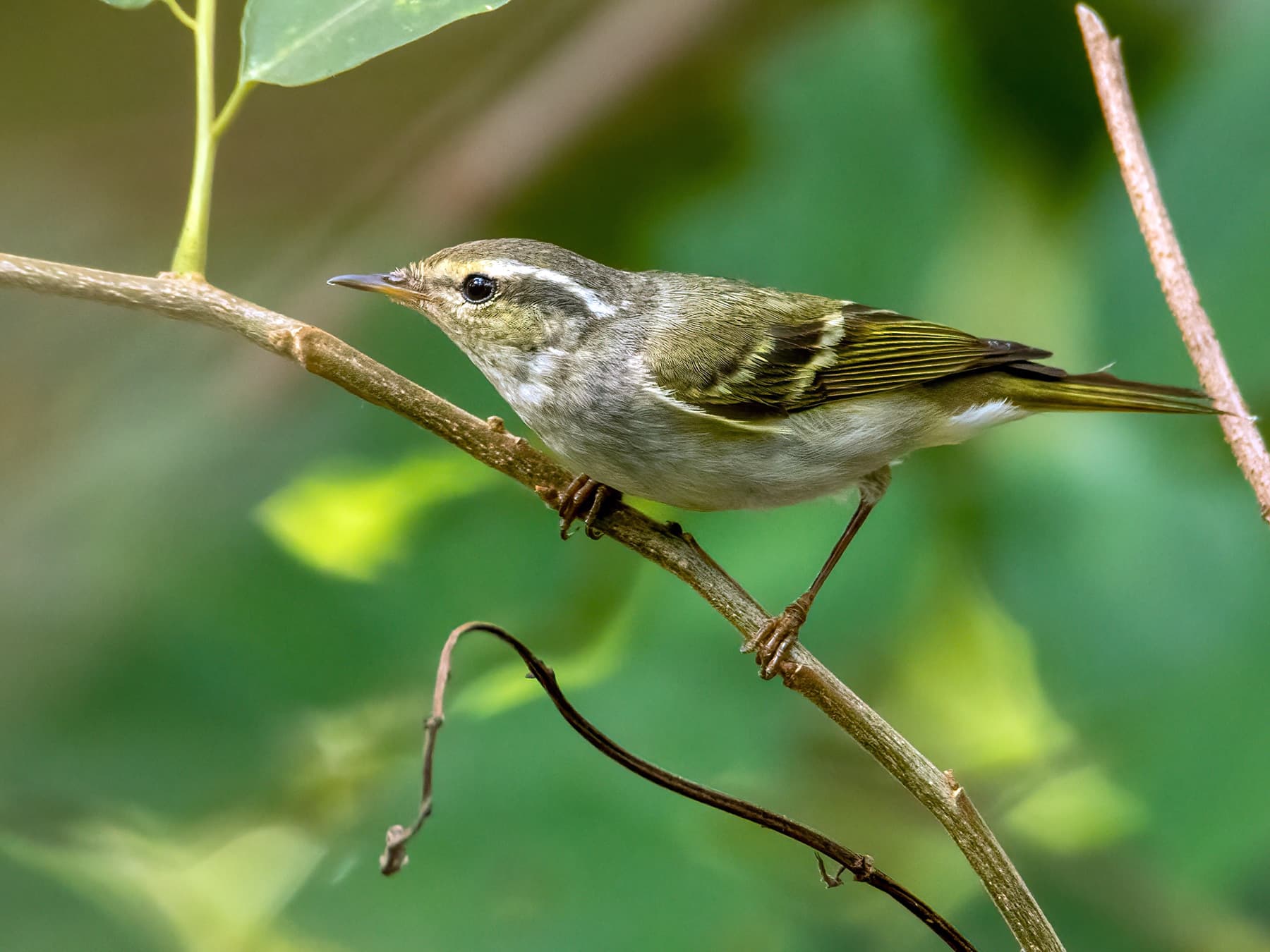
Yellow-browed Warbler
Phylloscopus inornatusLC
A rare passage vagrant, occasionally lingering into December. Typically found in scrubby cover or mixed-species tit flocks.
Dec
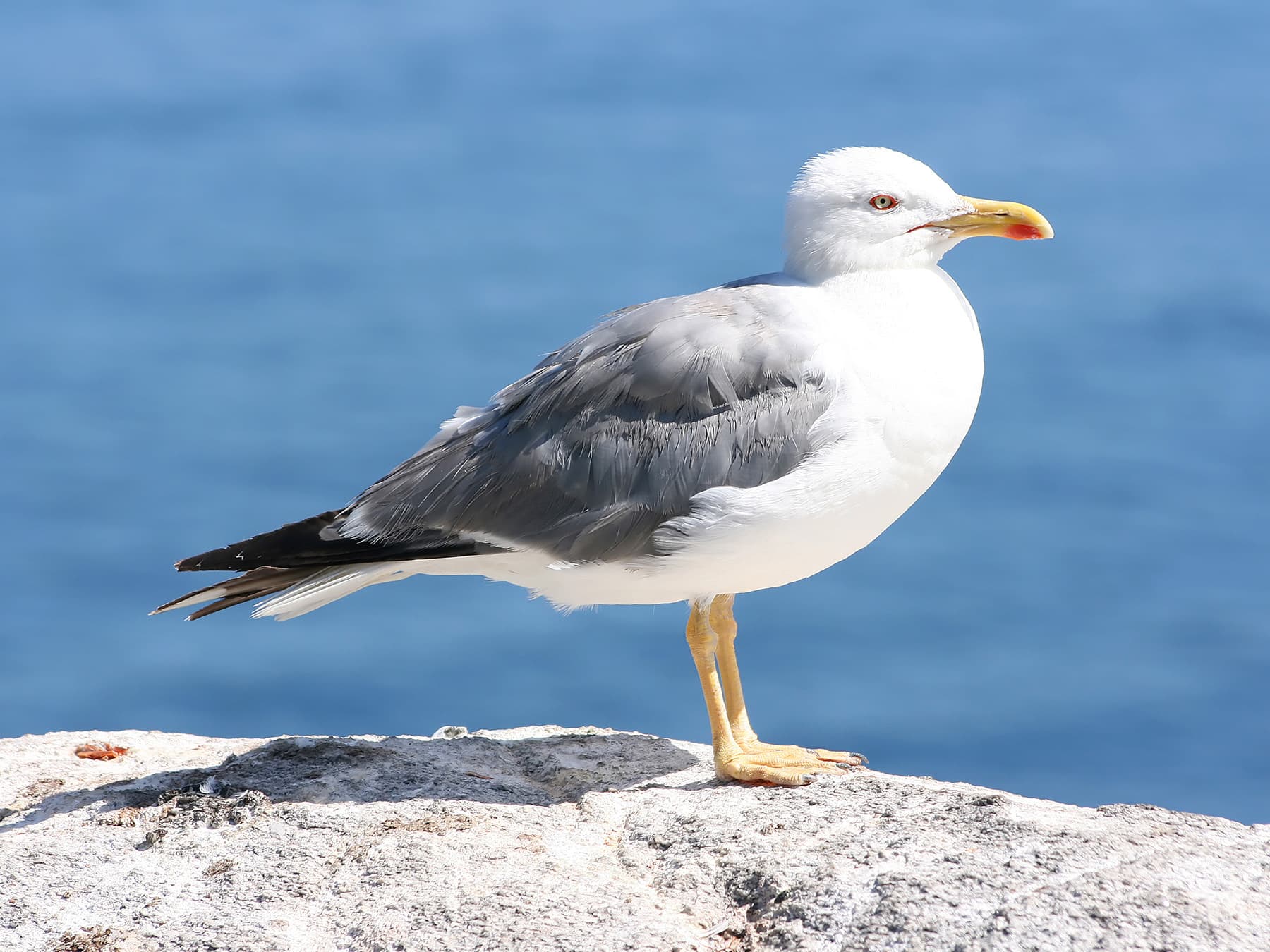
Yellow-legged Gull
Larus michahellisLC
A rare visitor, occasionally breeding, noted from February to June. Check large gull roosts at reservoirs for this southern European species.
May–Feb
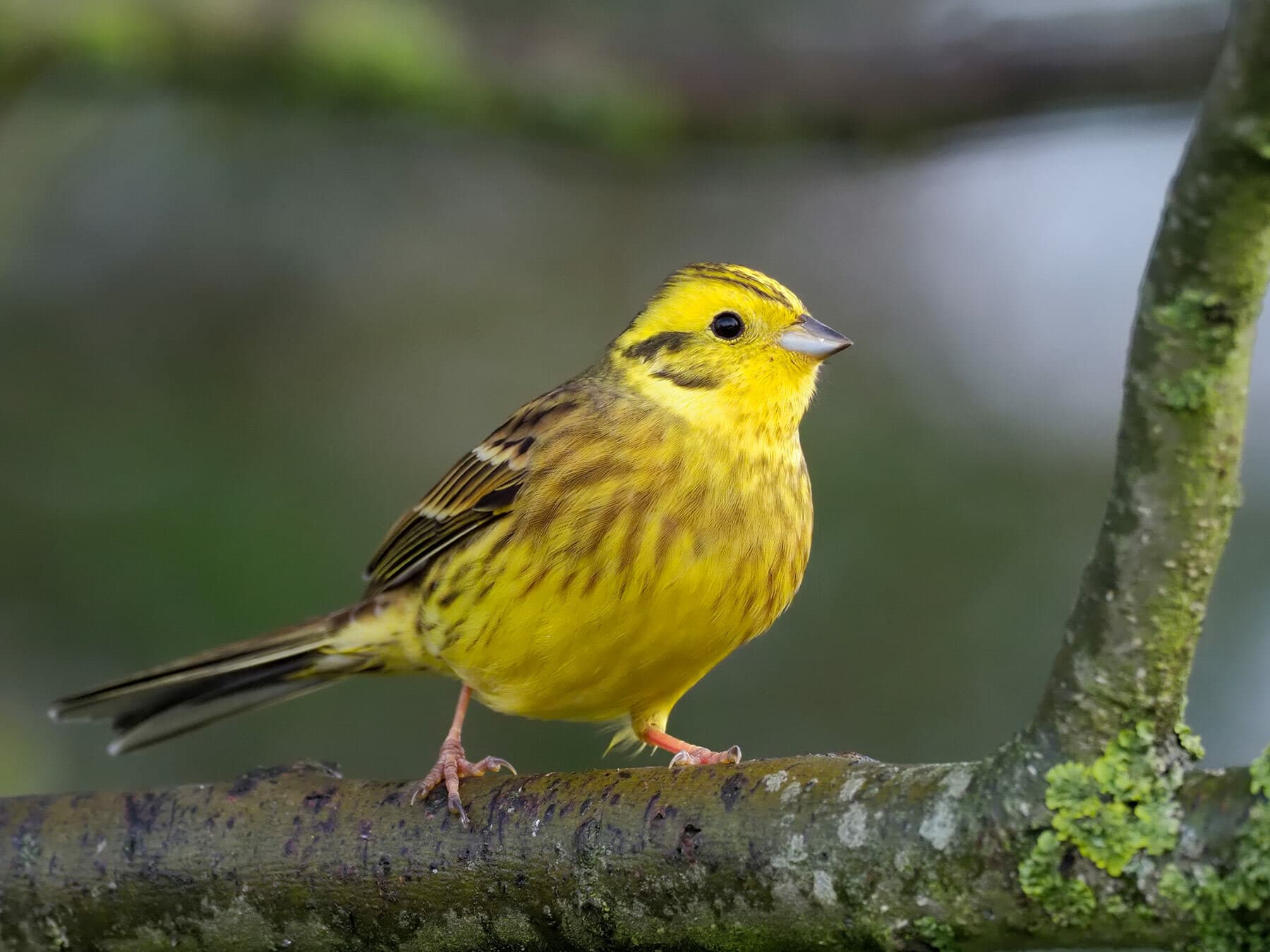
Yellowhammer
Emberiza citrinellaLC
An uncommon resident of arable farmland and hedgerows, declining across the county. Its bright yellow head and distinctive song enliven rural lanes.
Year-round