Gulls & Terns in North Yorkshire
15 species matching this filter.
North Yorkshire's dramatic coastline, from the towering cliffs of Bempton and Whitby to the estuaries of the Tees and Humber, provides outstanding habitat for 15 species of gulls and terns. The region is particularly notable for its breeding Kittiwake colonies on coastal cliffs, while Arctic Terns and Common Terns grace the shores during the summer months. Scarcer visitors such as Glaucous Gull and Iceland Gull add excitement during the winter, drawing birdwatchers to harbours and fishing ports along the coast.


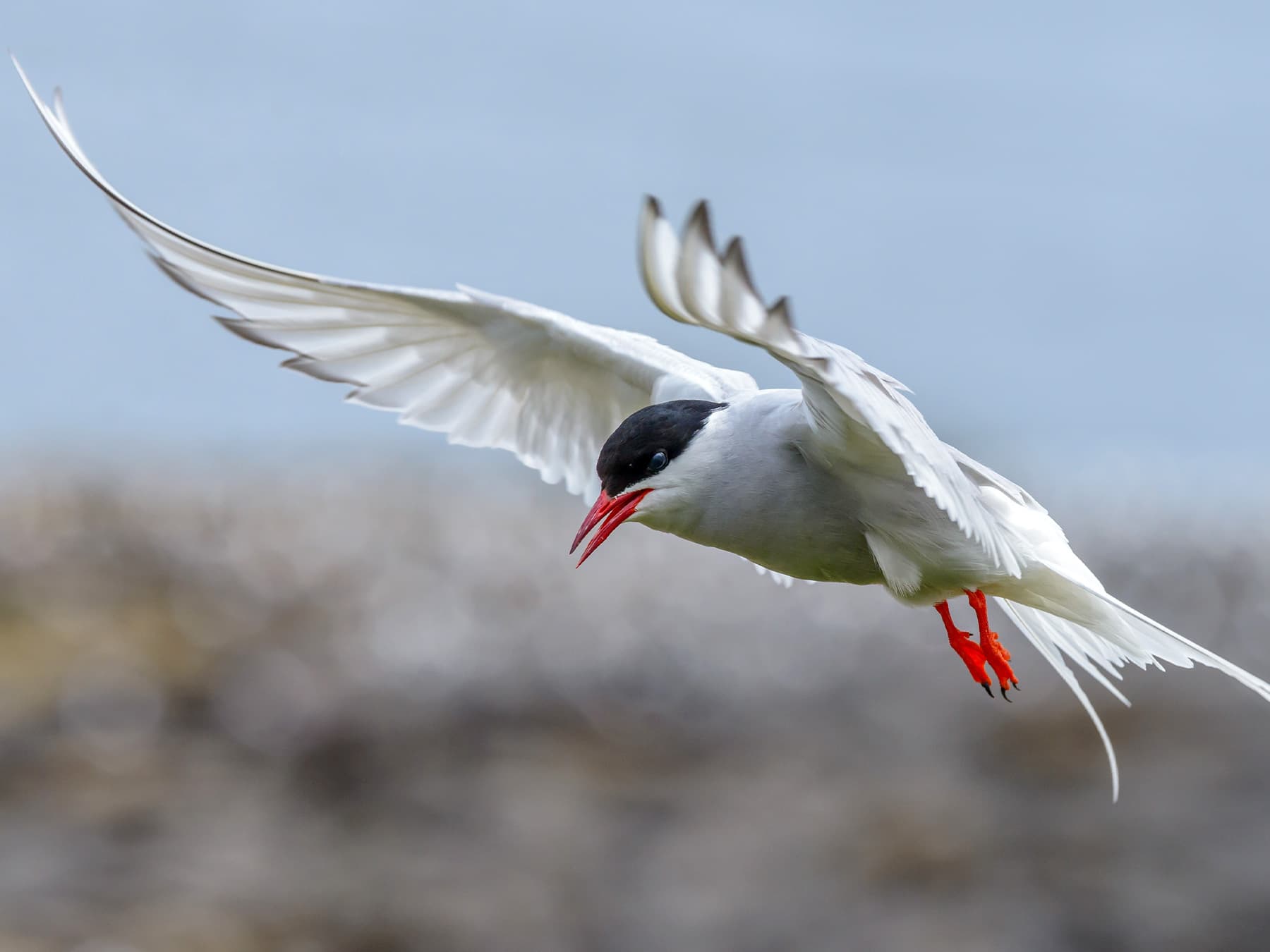
Arctic Tern
Sterna paradisaeaLC
A rare breeder, nesting at a few coastal colonies. Also seen on passage off Flamborough and Filey from May to October.
May–Oct
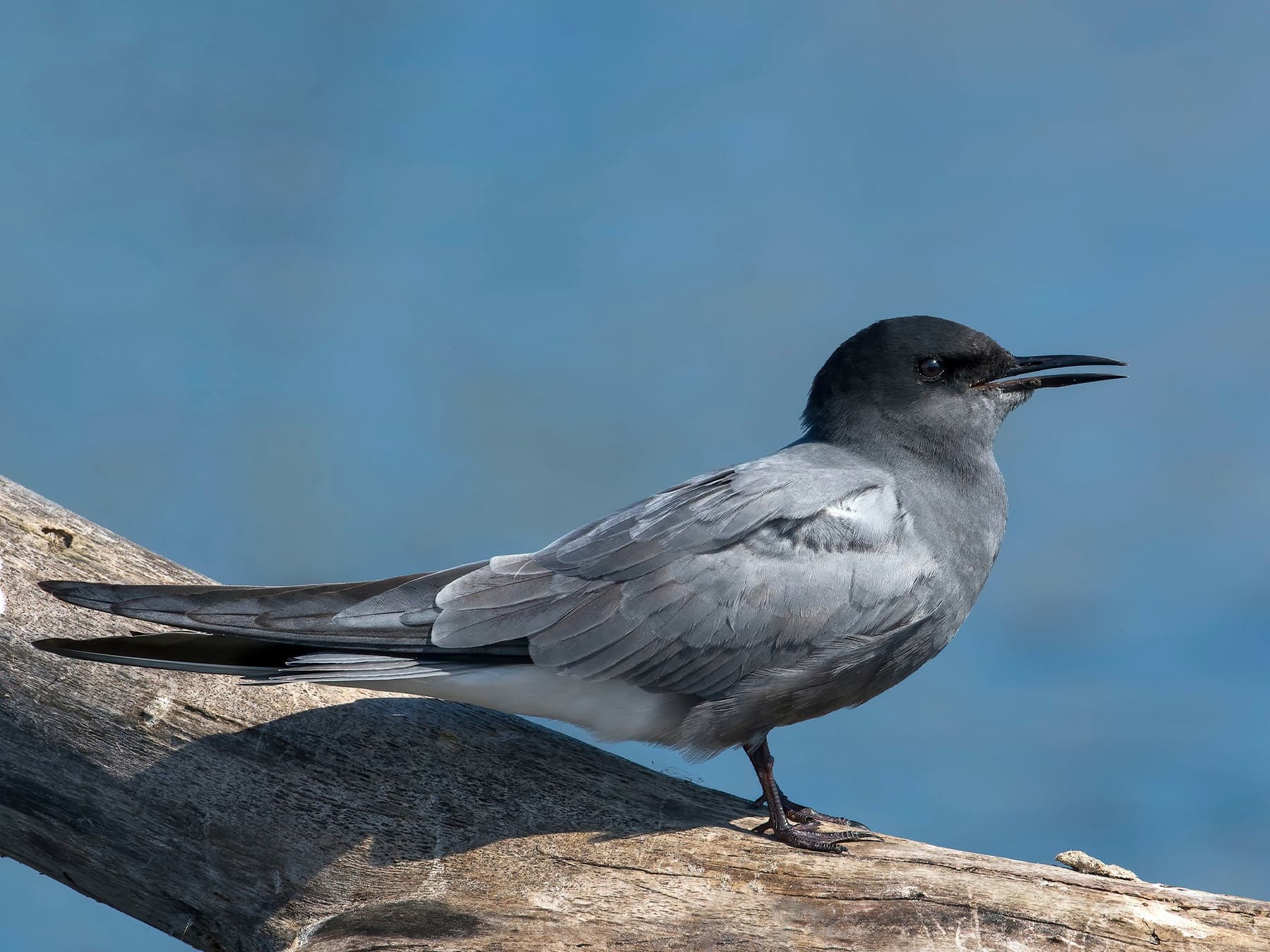
Black Tern
Chlidonias nigerLC
A rare autumn passage migrant, occasionally appearing at inland reservoirs and coastal pools in August–September, dipping elegantly for insects.
Aug–Sep
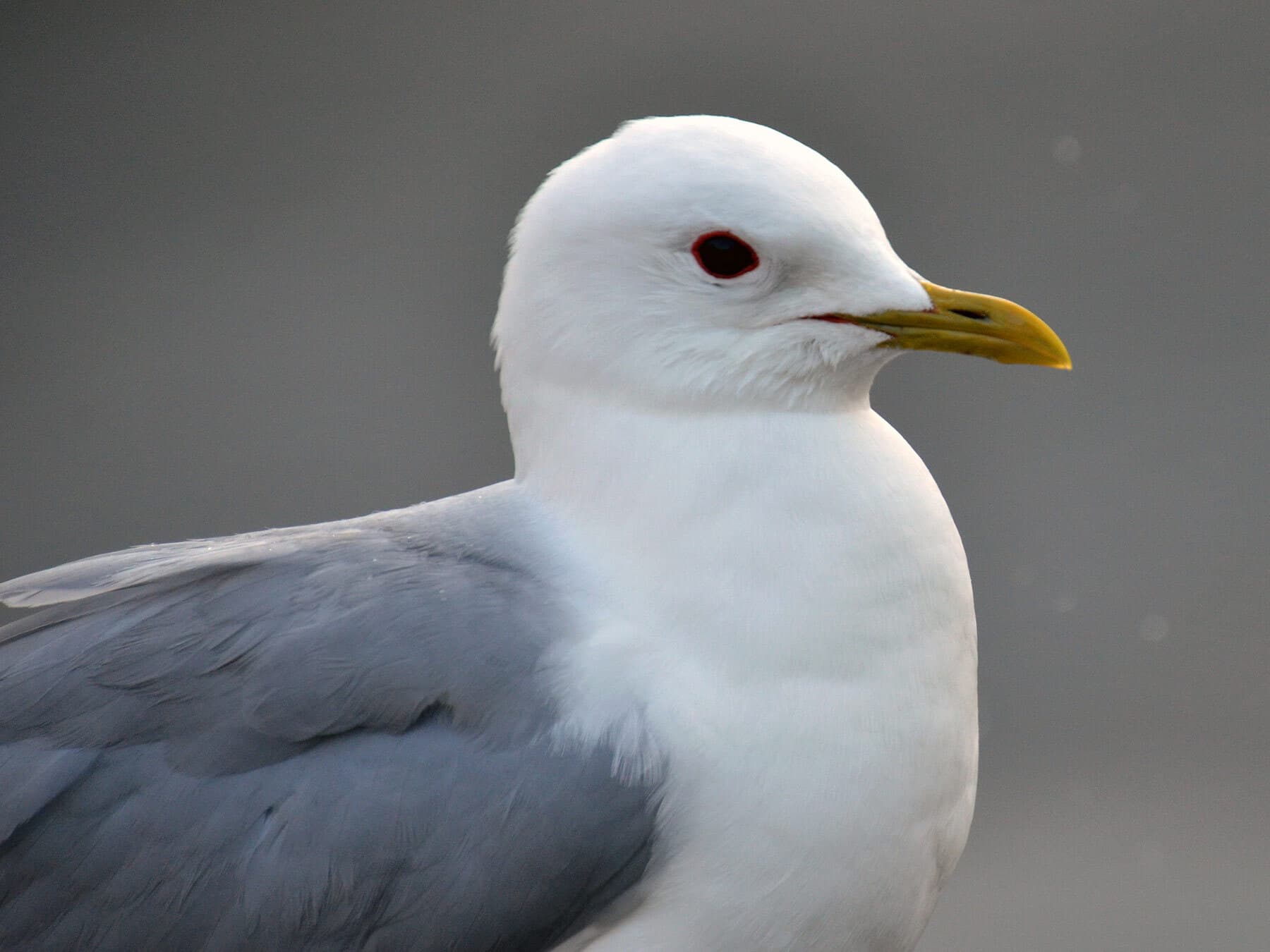
Common Gull
Larus canusLC
A common year-round resident found on farmland, reservoirs, and the coast. Often nests on moorland edges in the Dales and North York Moors.
Year-round
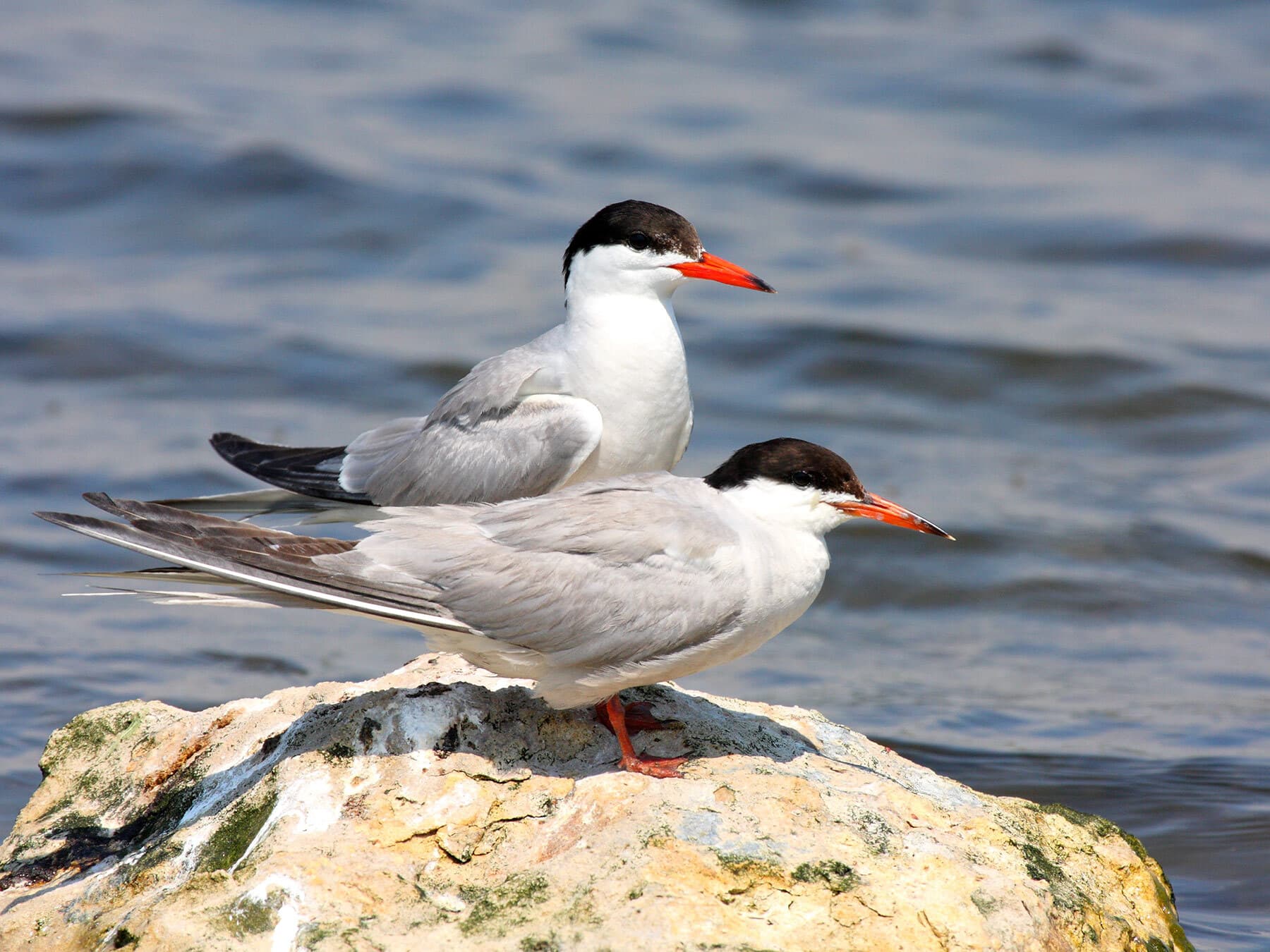
Common Tern
Sterna hirundoLC
An uncommon summer breeder, nesting at gravel pits and reservoirs from April. Often seen plunge-diving along the coast on passage.
Apr–Oct
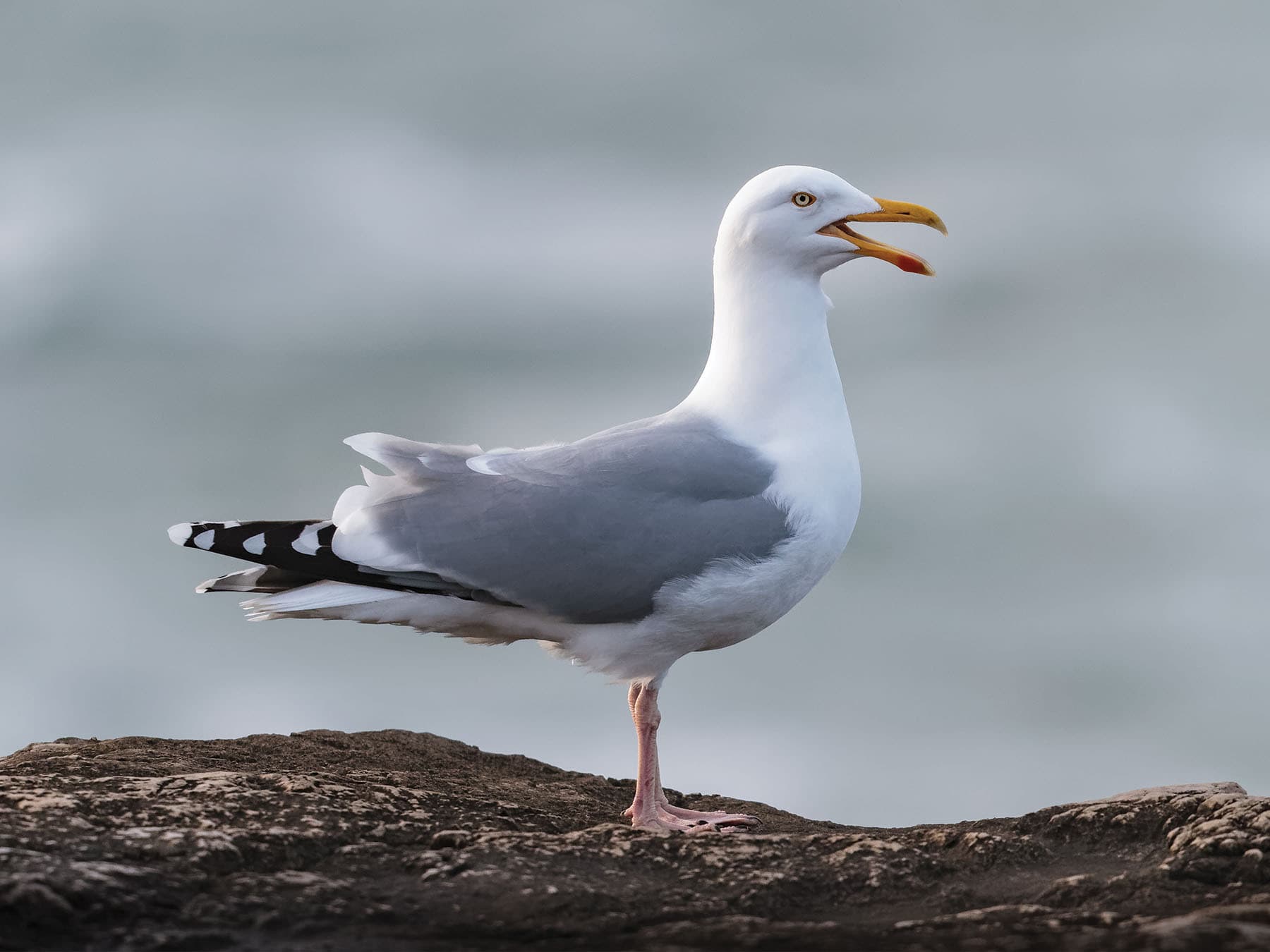
European Herring Gull
Larus argentatusLC
A common and conspicuous resident, breeding on sea cliffs at Flamborough and Whitby and frequenting towns, harbours, and tips year-round.
Year-round
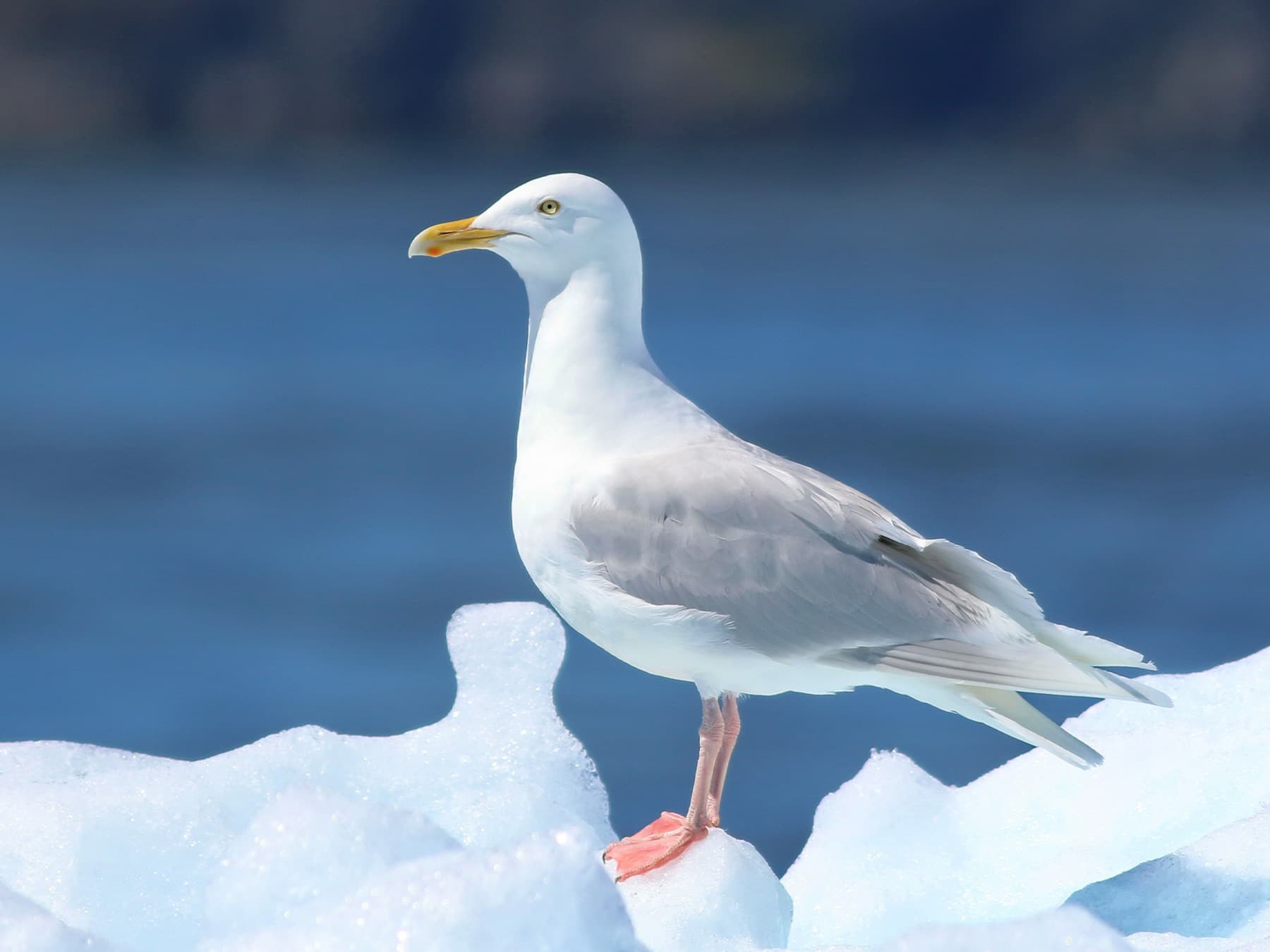
Glaucous Gull
Larus hyperboreusLC
A rare winter visitor from the Arctic, occasionally spotted among gull flocks at harbours and coastal roosts in January and February.
Jan–Feb
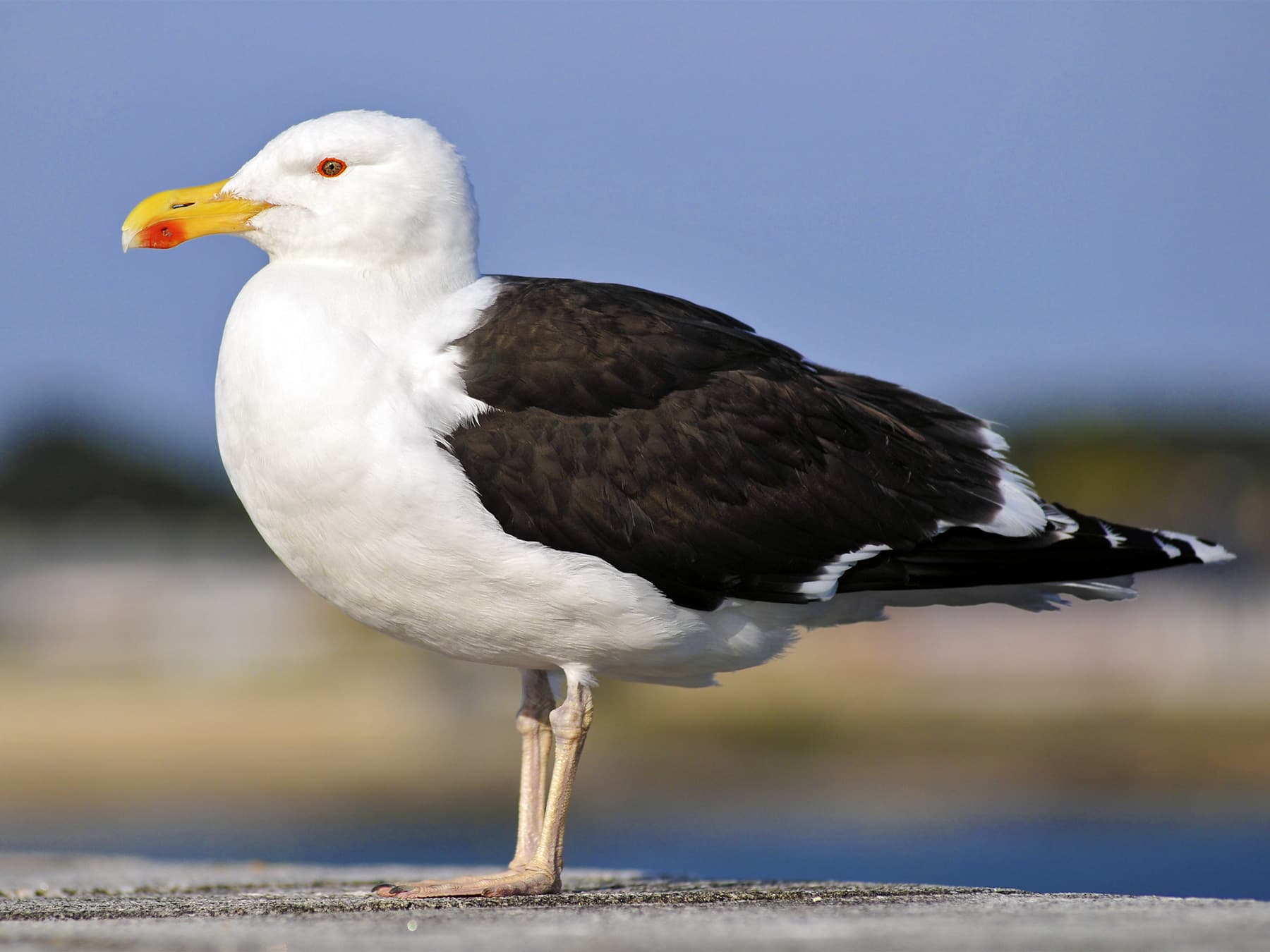
Great Black-backed Gull
Larus marinusLC
Present year-round along the coast, this powerful gull frequents harbours, cliffs and estuaries, often dominating smaller species.
Year-round
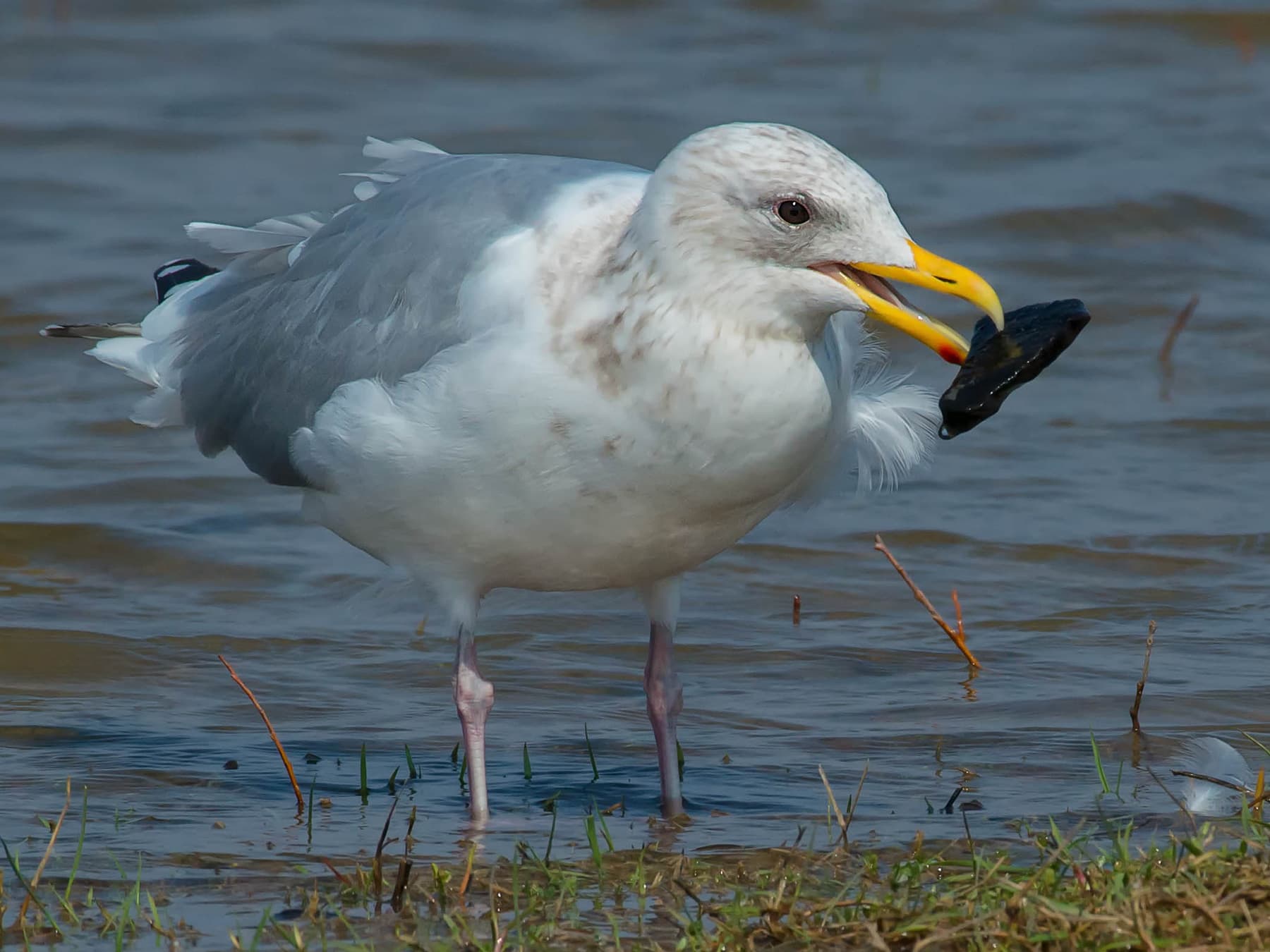
Iceland Gull
Larus glaucoidesLC
A rare late-winter visitor, typically found among large gull gatherings at harbours or landfill sites. Most records fall in February.
Feb
Spotted something?
Upload a photo to identify it
Identify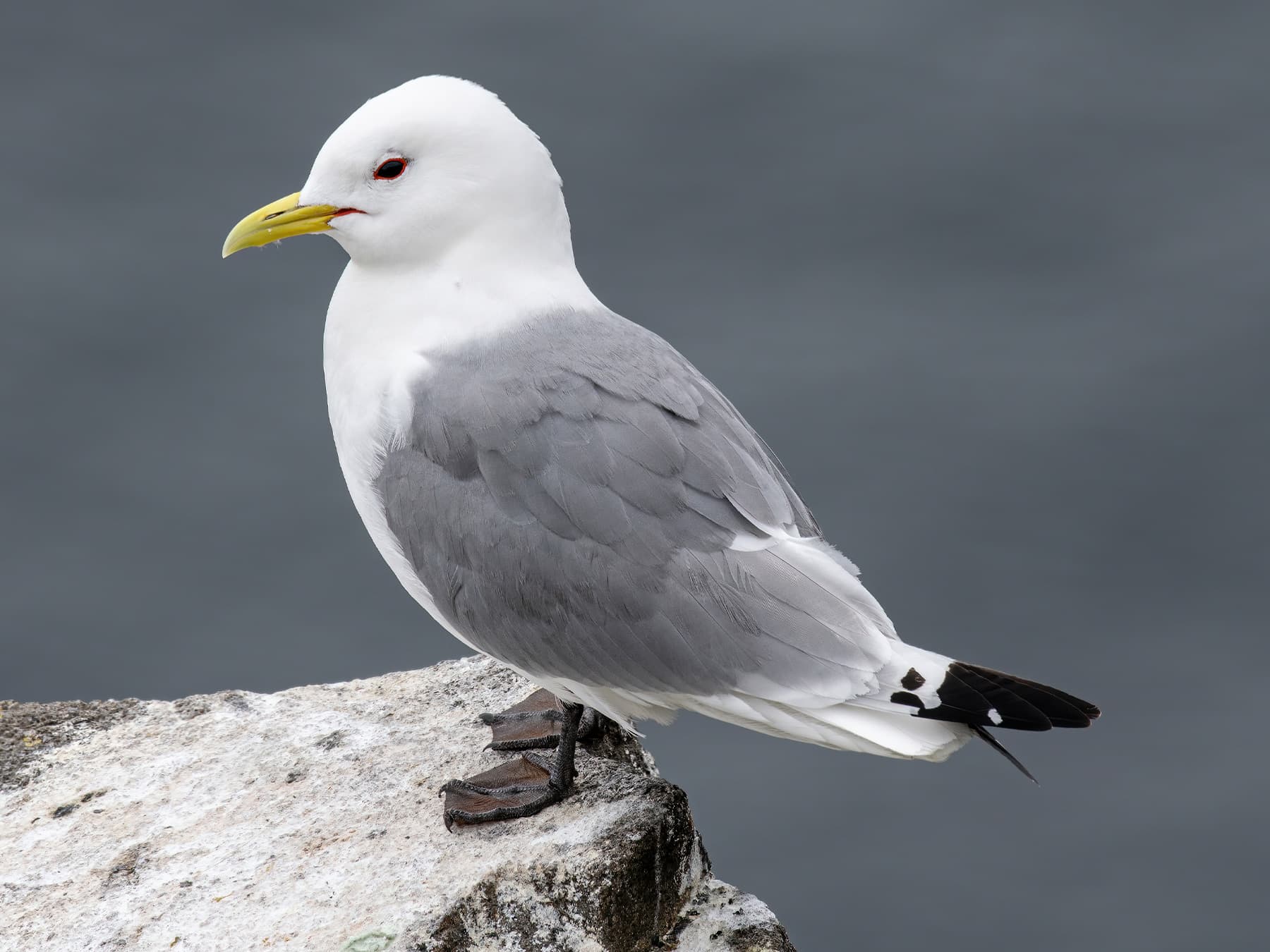
Kittiwake
Rissa tridactylaVU
Nests in large colonies on coastal cliffs, notably at Bempton. Numbers are declining sharply due to food shortages, making it a conservation priority.
Year-round
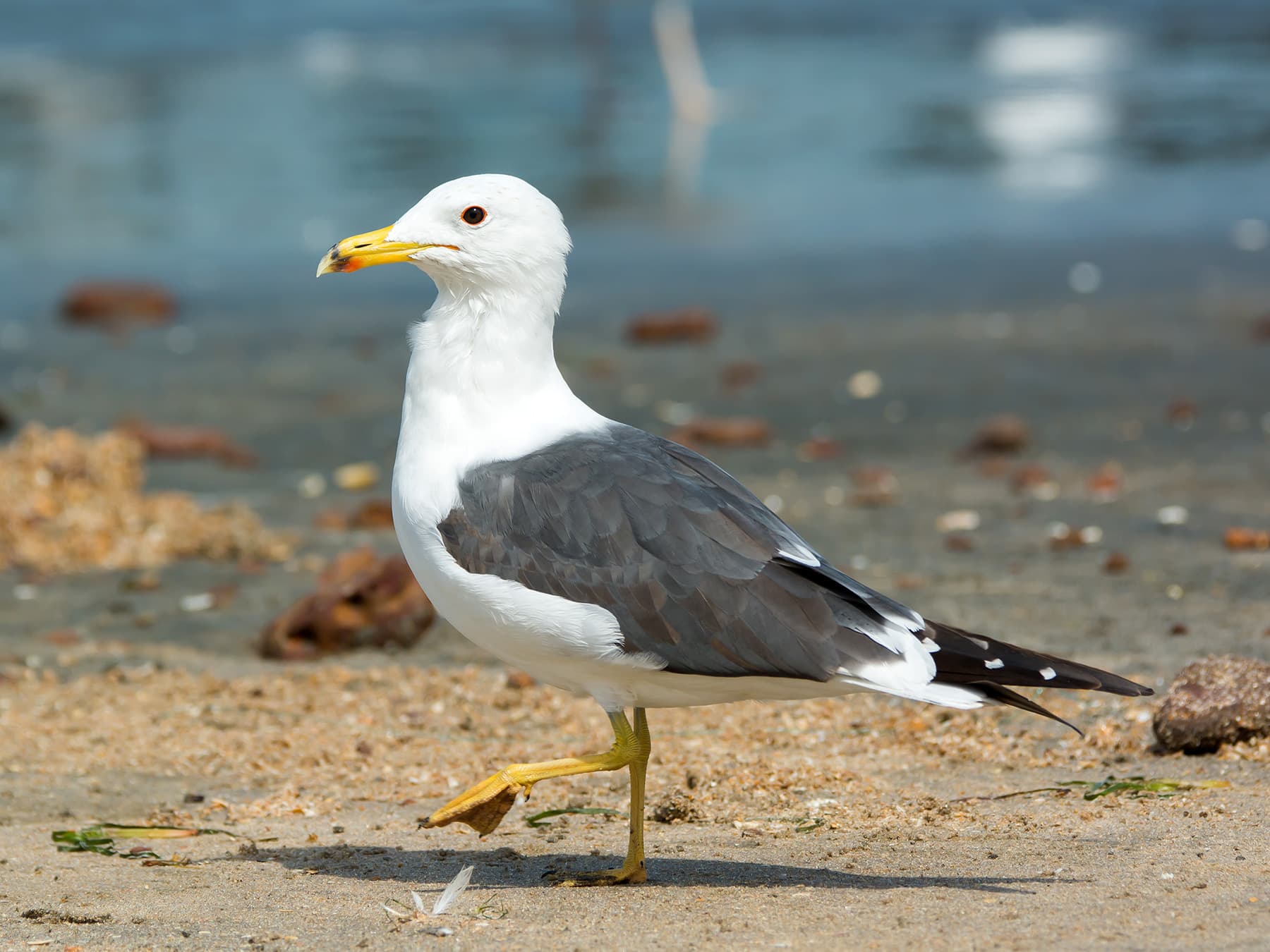
Lesser Black-backed Gull
Larus fuscusLC
An uncommon year-round resident, often seen at reservoirs, tips, and farmland. Smaller and darker-backed than the Herring Gull.
Year-round
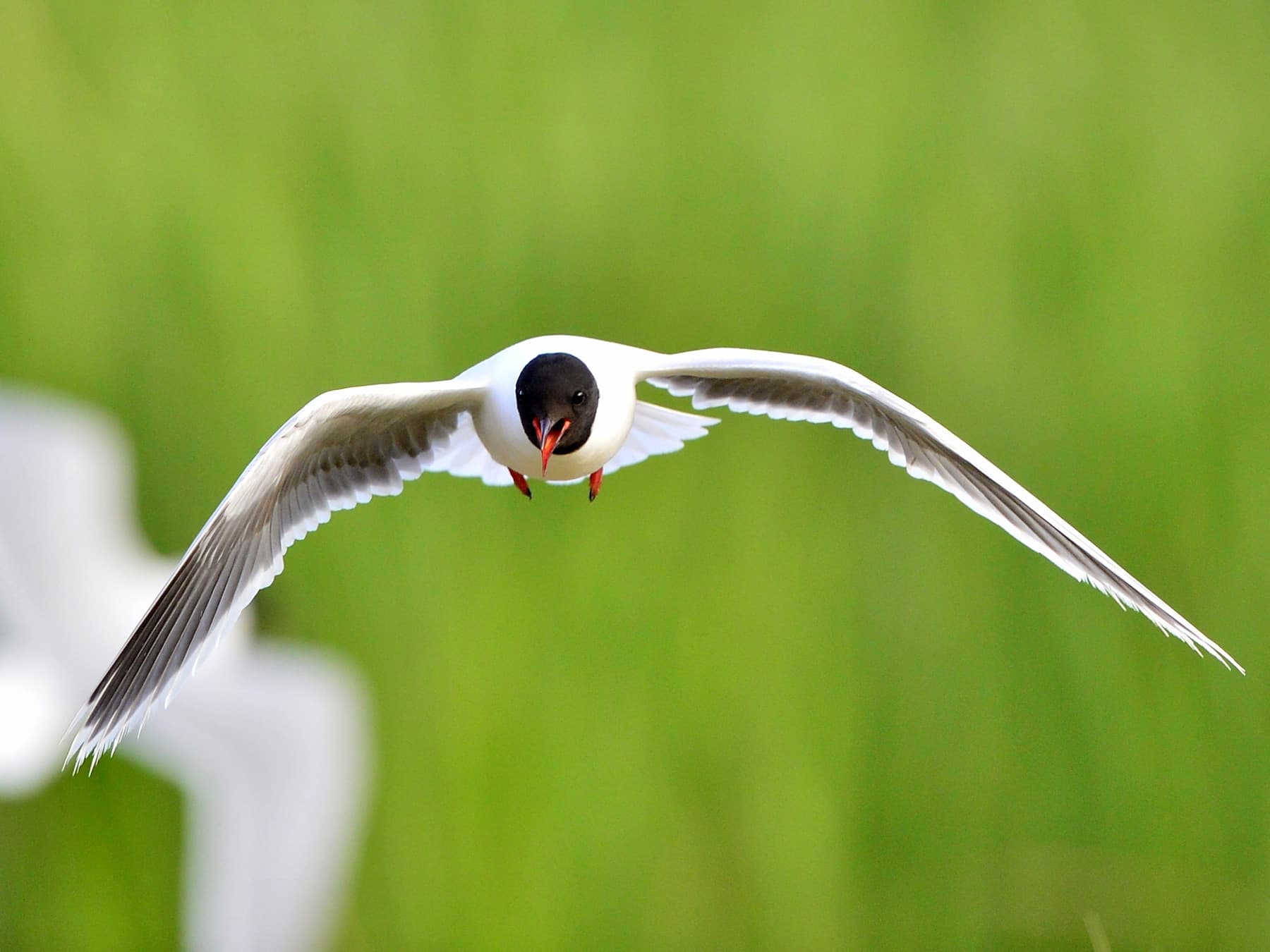
Little Gull
Hydrocoloeus minutusLC
A rare and dainty gull, occasionally seen offshore or at coastal pools, most likely during autumn passage and winter storms.
Jun–Feb
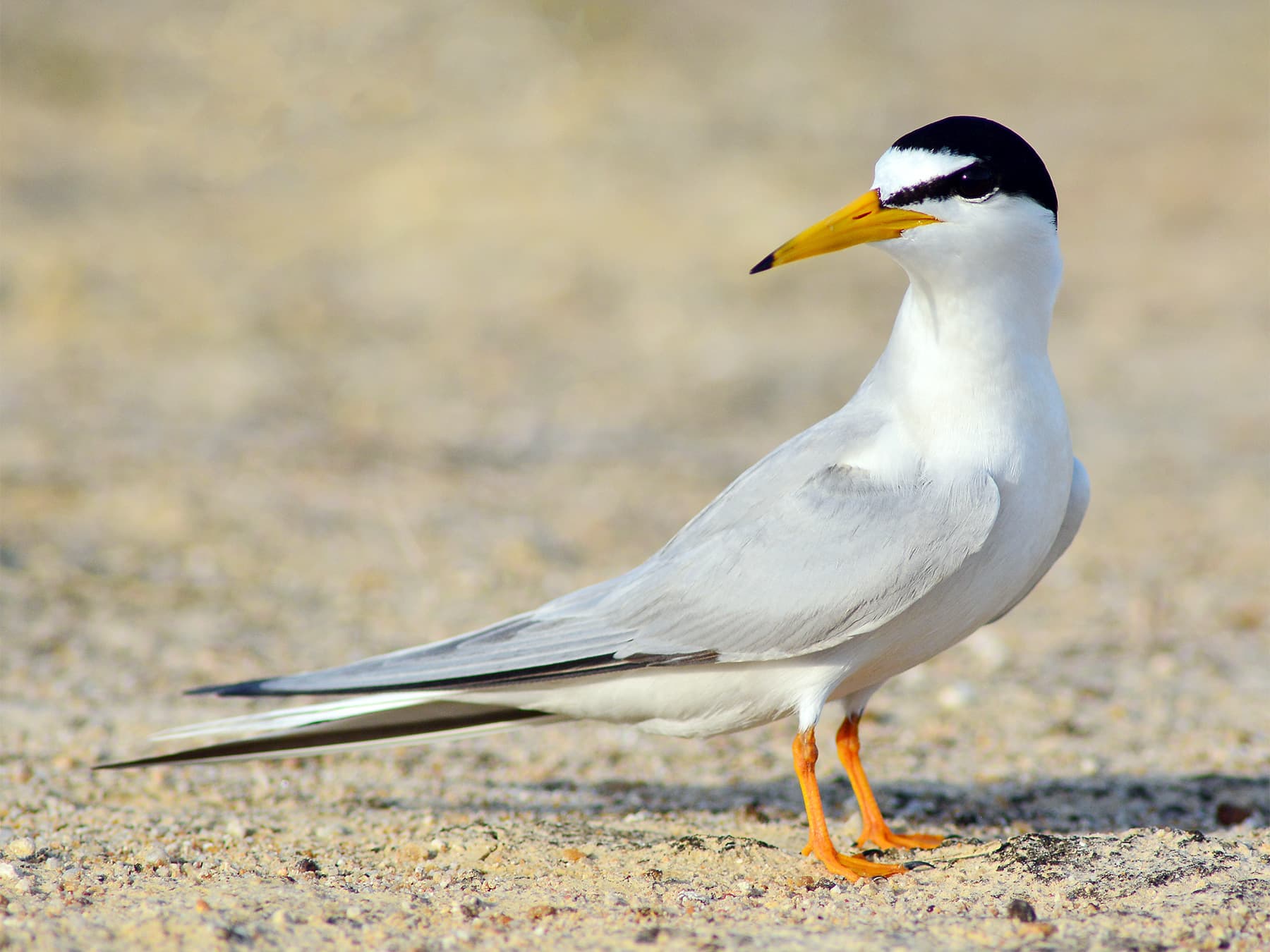
Little Tern
Sternula albifronsLC
Scarce summer breeder on shingle beaches along the coast, present from May to August. A Schedule 1 protected species vulnerable to disturbance.
May–Aug
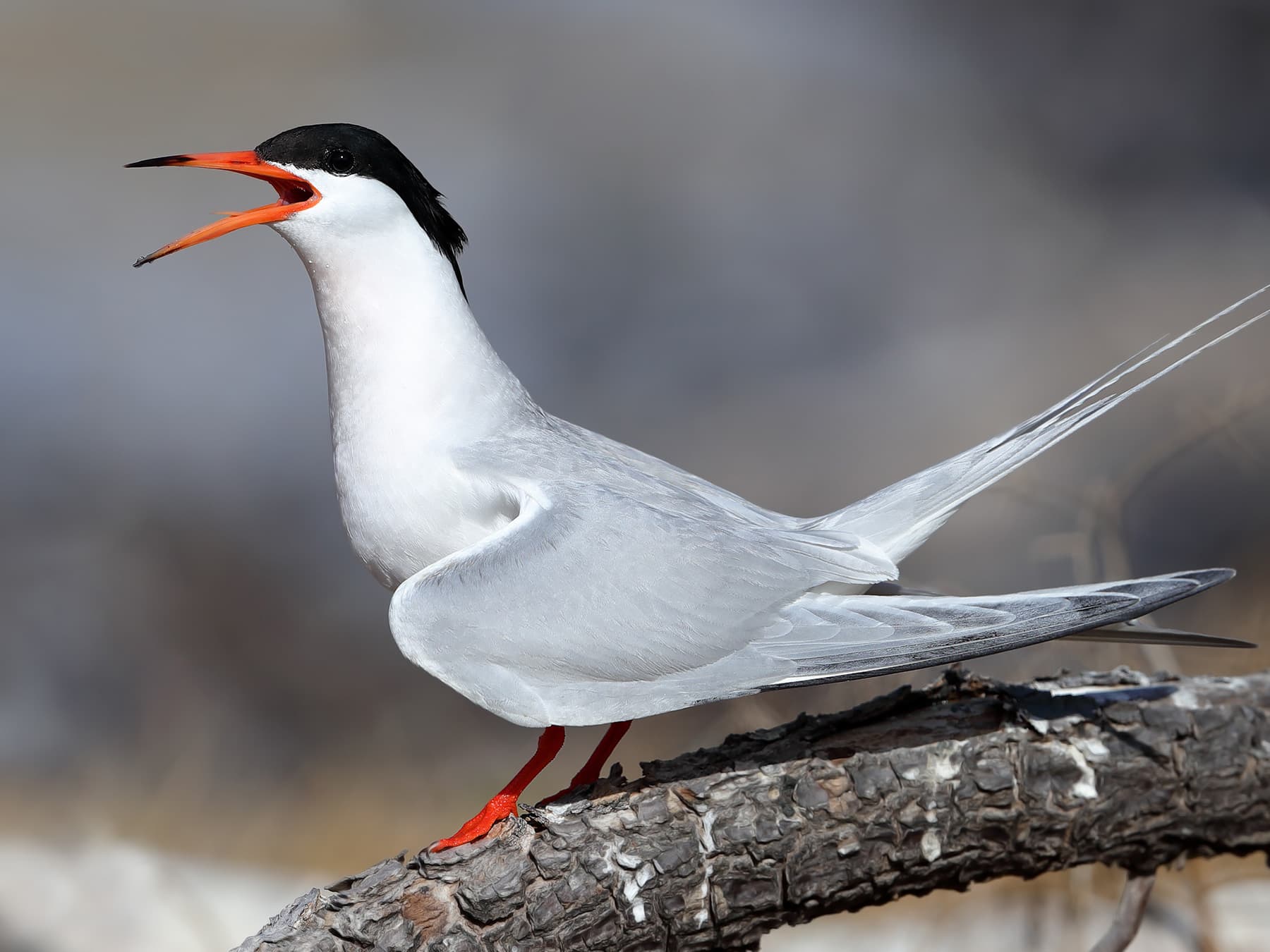
Roseate Tern
Sterna dougalliiLC
A rare passage visitor along the coast from July to September. One of Britain's scarcest breeding terns, occasionally spotted offshore.
Jul–Sep
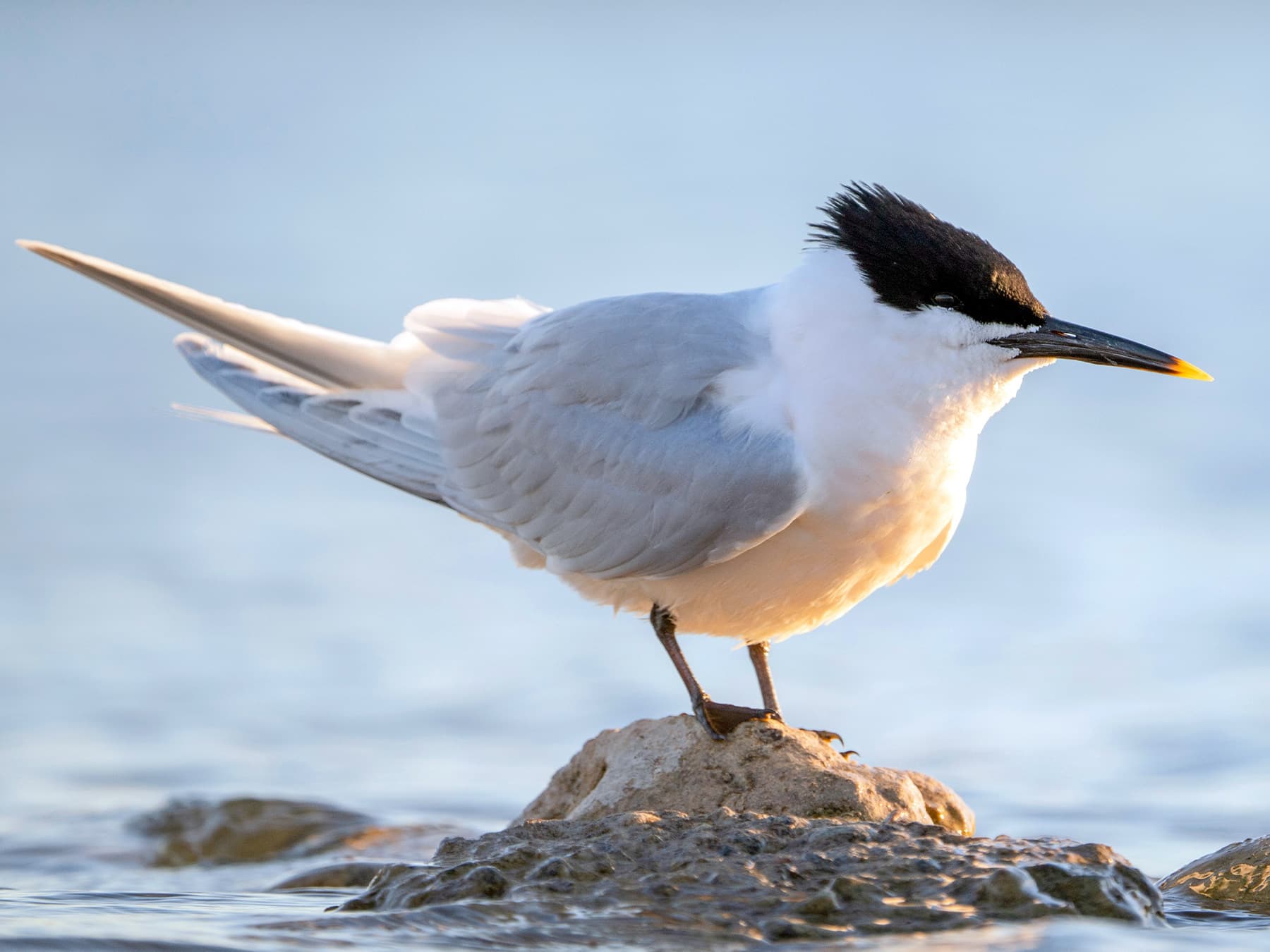
Sandwich Tern
Thalasseus sandvicensisLC
An uncommon summer breeder, nesting at coastal colonies and fishing offshore. Present from April to October along the coast.
Apr–Oct
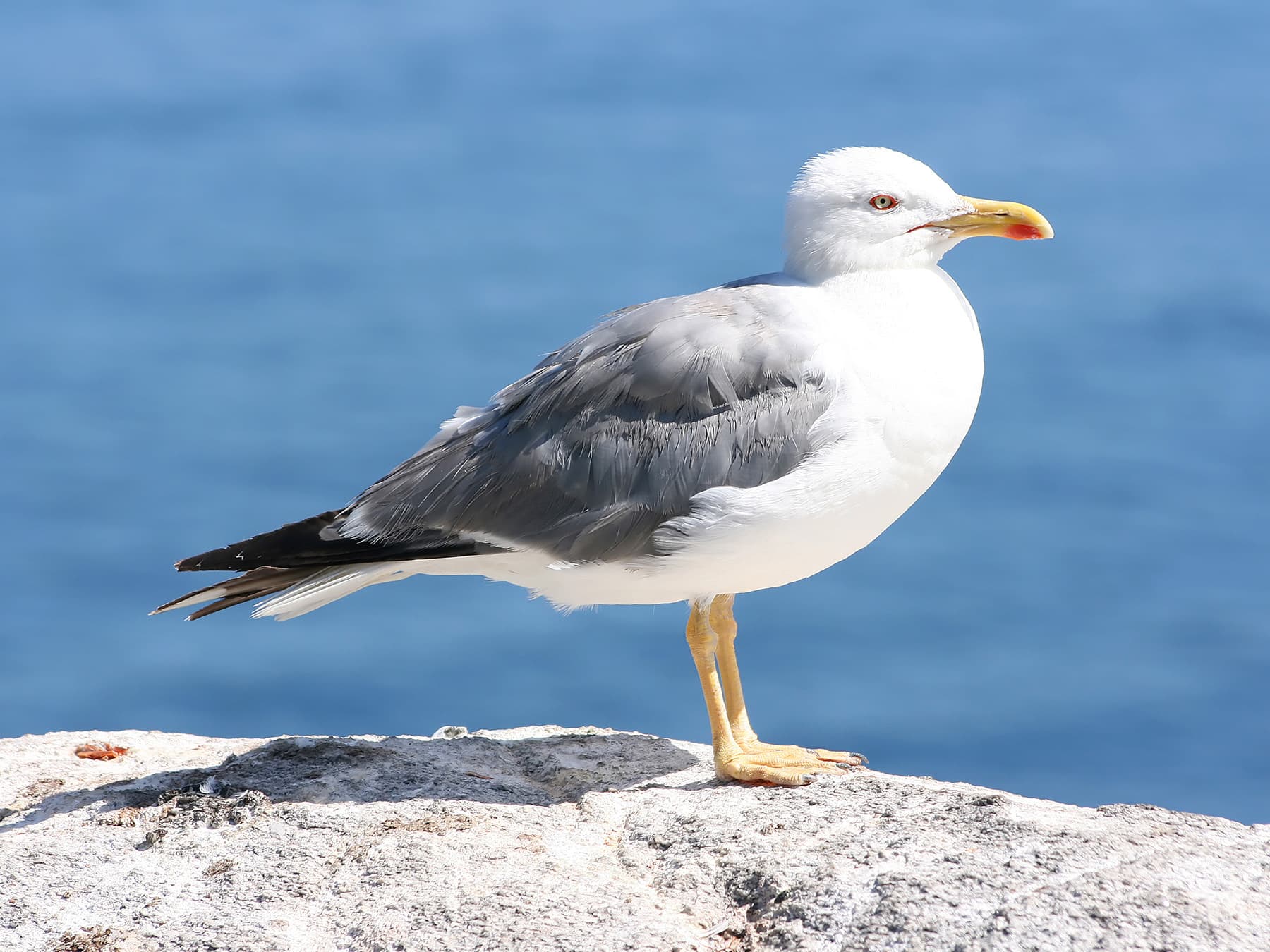
Yellow-legged Gull
Larus michahellisLC
A rare passage visitor in late summer, occasionally noted among large gull flocks at the coast or reservoirs in August and September.
Aug–Sep