Gulls & Terns in East Sussex
15 species matching this filter.
East Sussex offers excellent opportunities to observe gulls and terns, with 14 species recorded across the county's diverse coastal and inland habitats. The dramatic chalk cliffs at Beachy Head, the shingle expanses of Rye Harbour, and the sheltered waters of Cuckmere Haven attract everything from the ubiquitous European Herring Gull to scarcer visitors such as the Iceland Gull and Little Gull. Breeding colonies of Common Terns and Kittiwakes add seasonal spectacle, while passage migrants like the Arctic Tern and Black Tern pass through during spring and autumn.


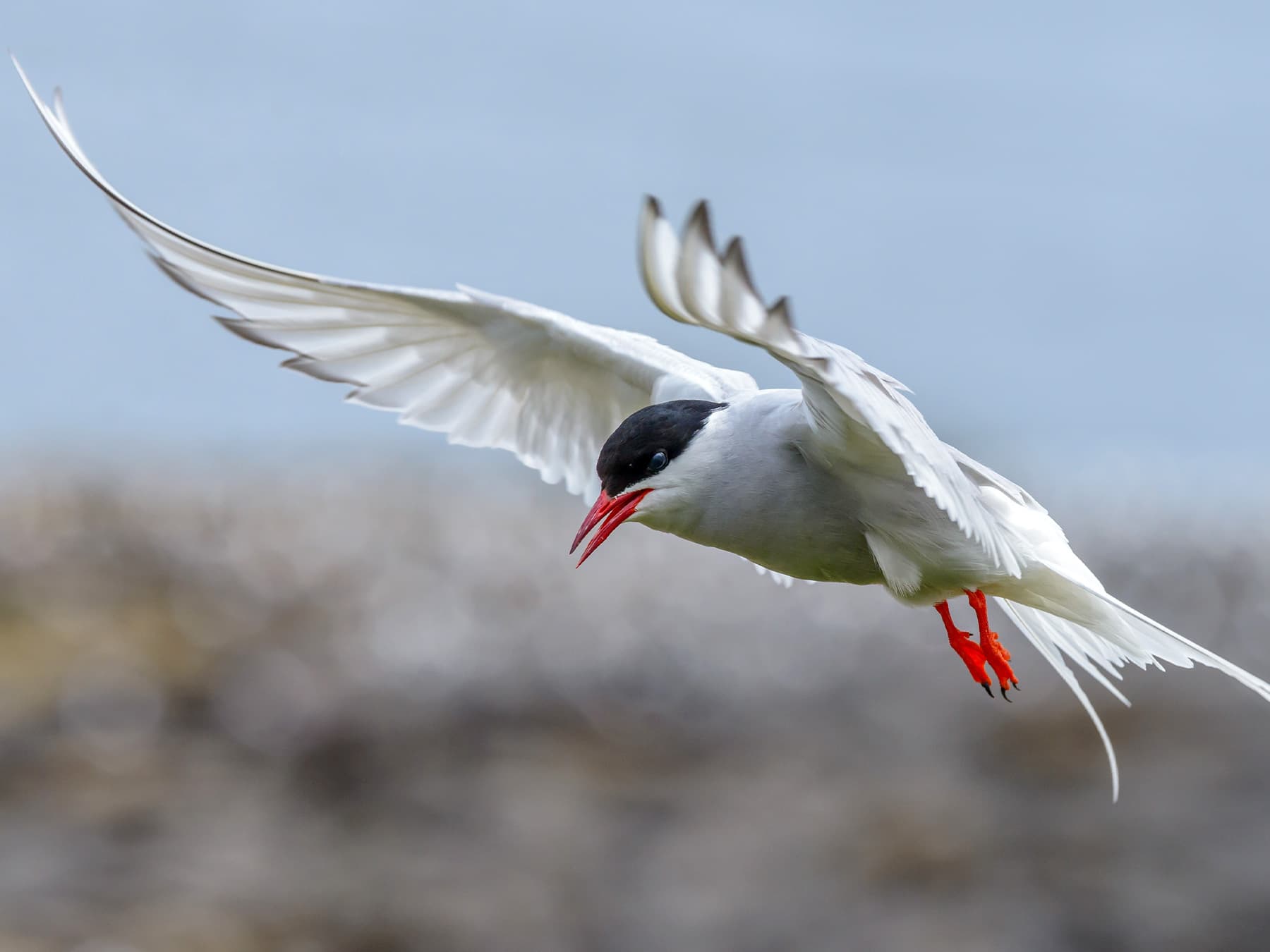
Arctic Tern
Sterna paradisaeaLC
A rare spring passage migrant seen offshore during seawatches in April and May, often mixed with Common Tern flocks.
Apr–May
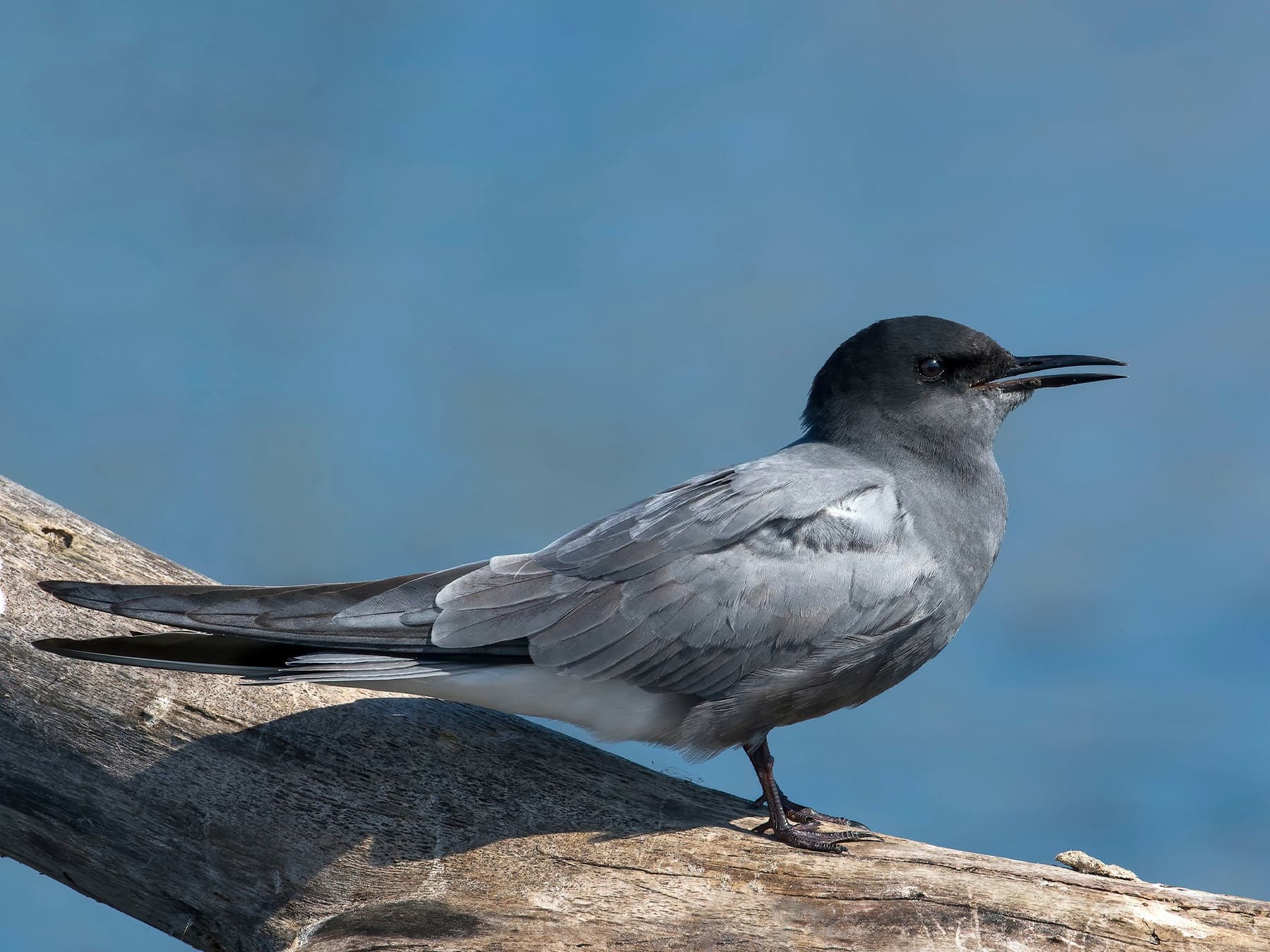
Black Tern
Chlidonias nigerLC
A rare passage visitor in May and September, occasionally seen hawking over coastal lagoons and reservoirs such as Arlington or Bewl Water.
May–Sep
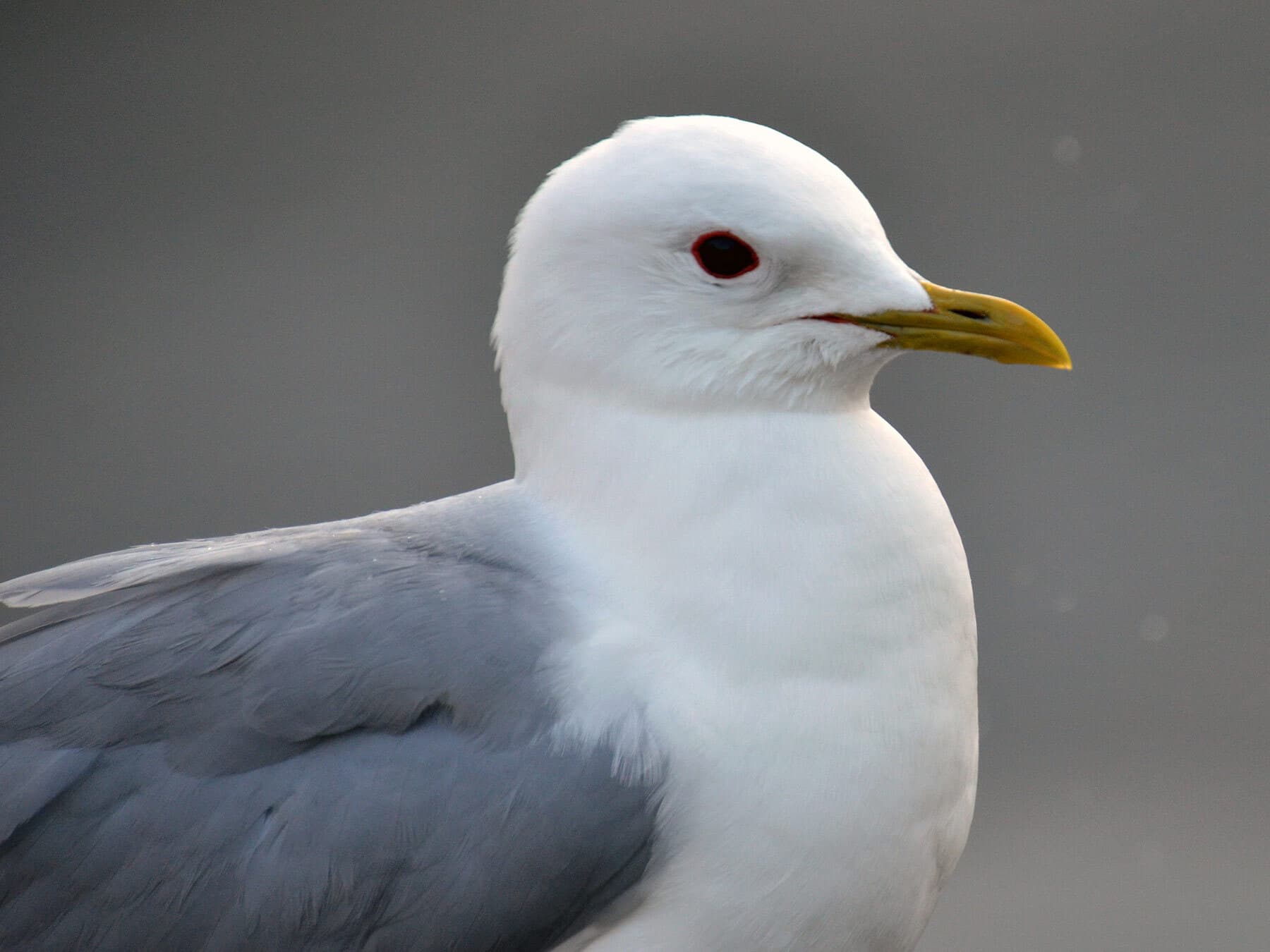
Common Gull
Larus canusLC
Present year-round but uncommon, frequenting playing fields, reservoirs and the coast. Numbers increase in winter with Continental arrivals.
Year-round
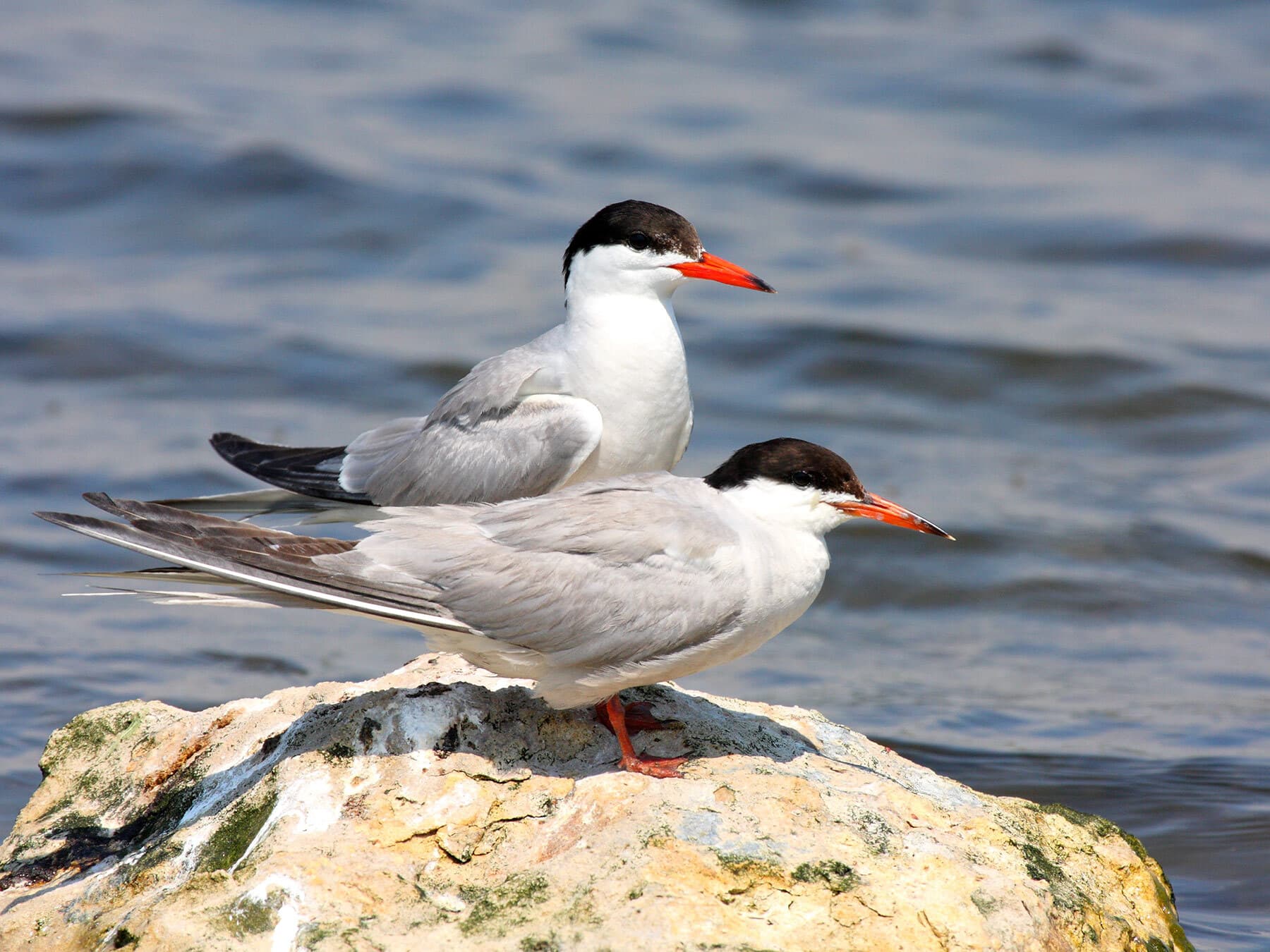
Common Tern
Sterna hirundoLC
An uncommon breeding visitor from April to September, nesting at coastal sites and feeding over inshore waters and gravel pits.
Apr–Sep
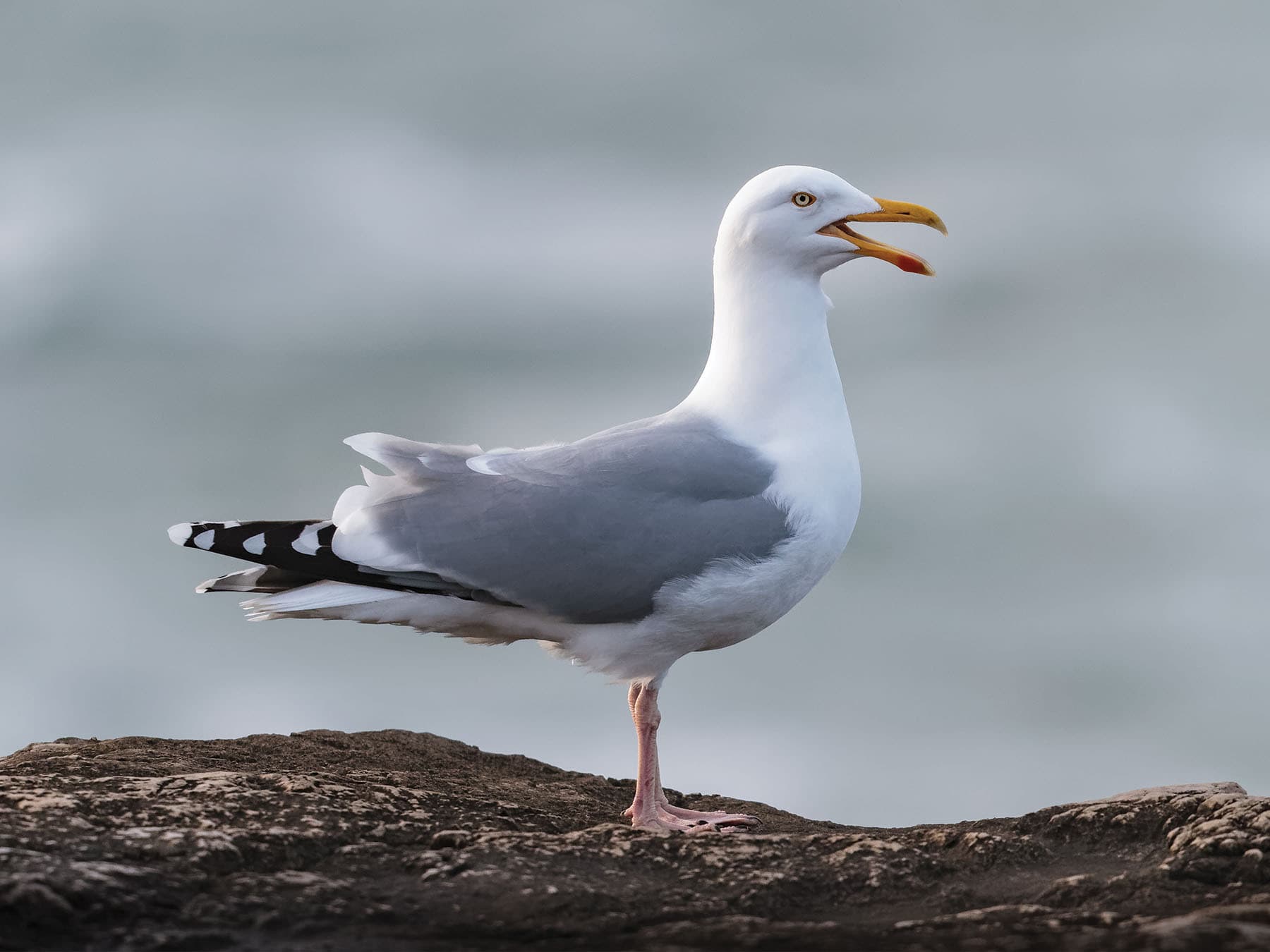
European Herring Gull
Larus argentatusLC
A familiar and noisy presence in coastal towns like Brighton and Hastings. Breeds on rooftops and cliffs, scavenging boldly year-round.
Year-round
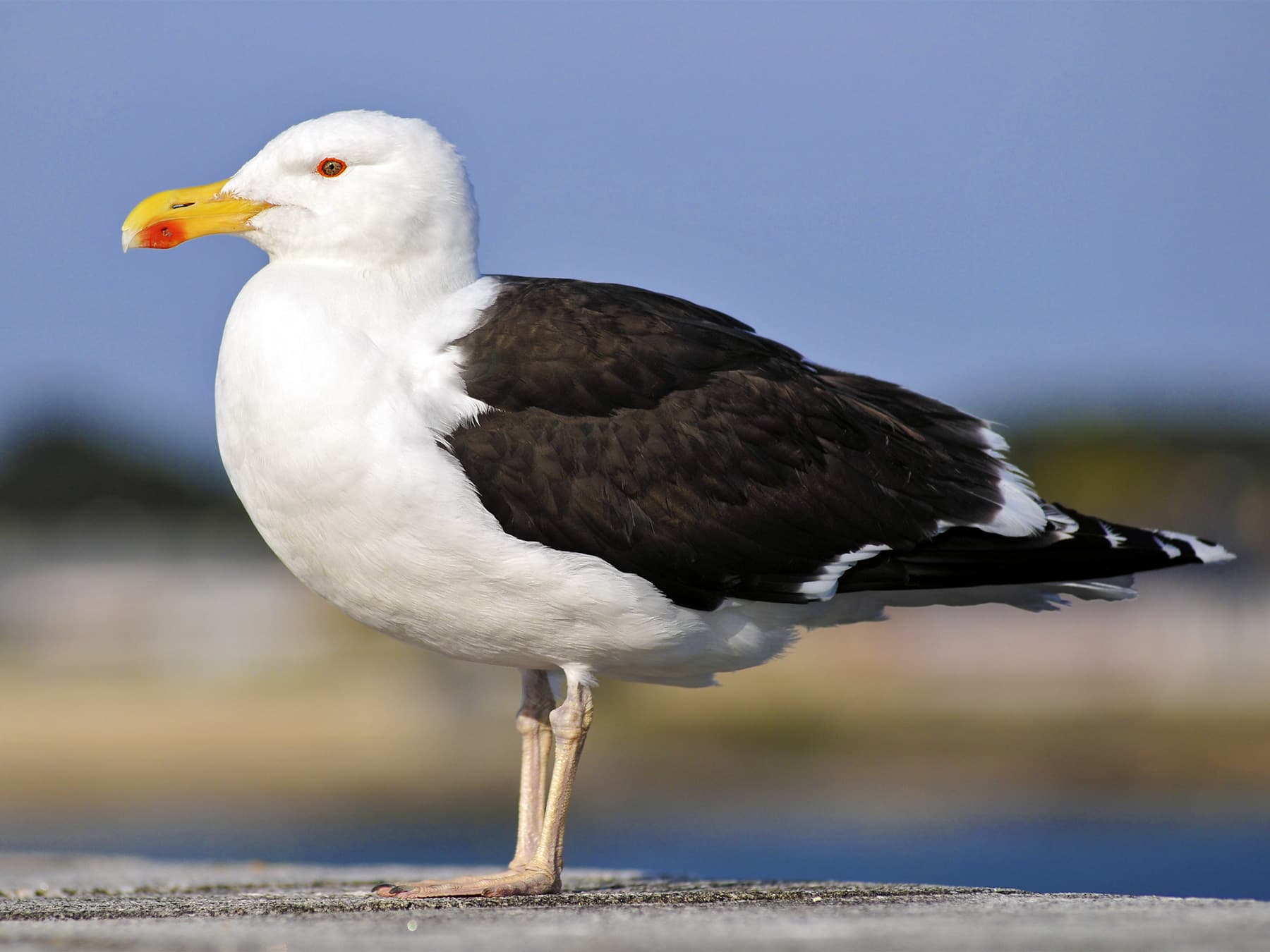
Great Black-backed Gull
Larus marinusLC
A common and imposing resident of the coast, often seen on beaches, harbour walls, and at gull roosts throughout the year.
Year-round
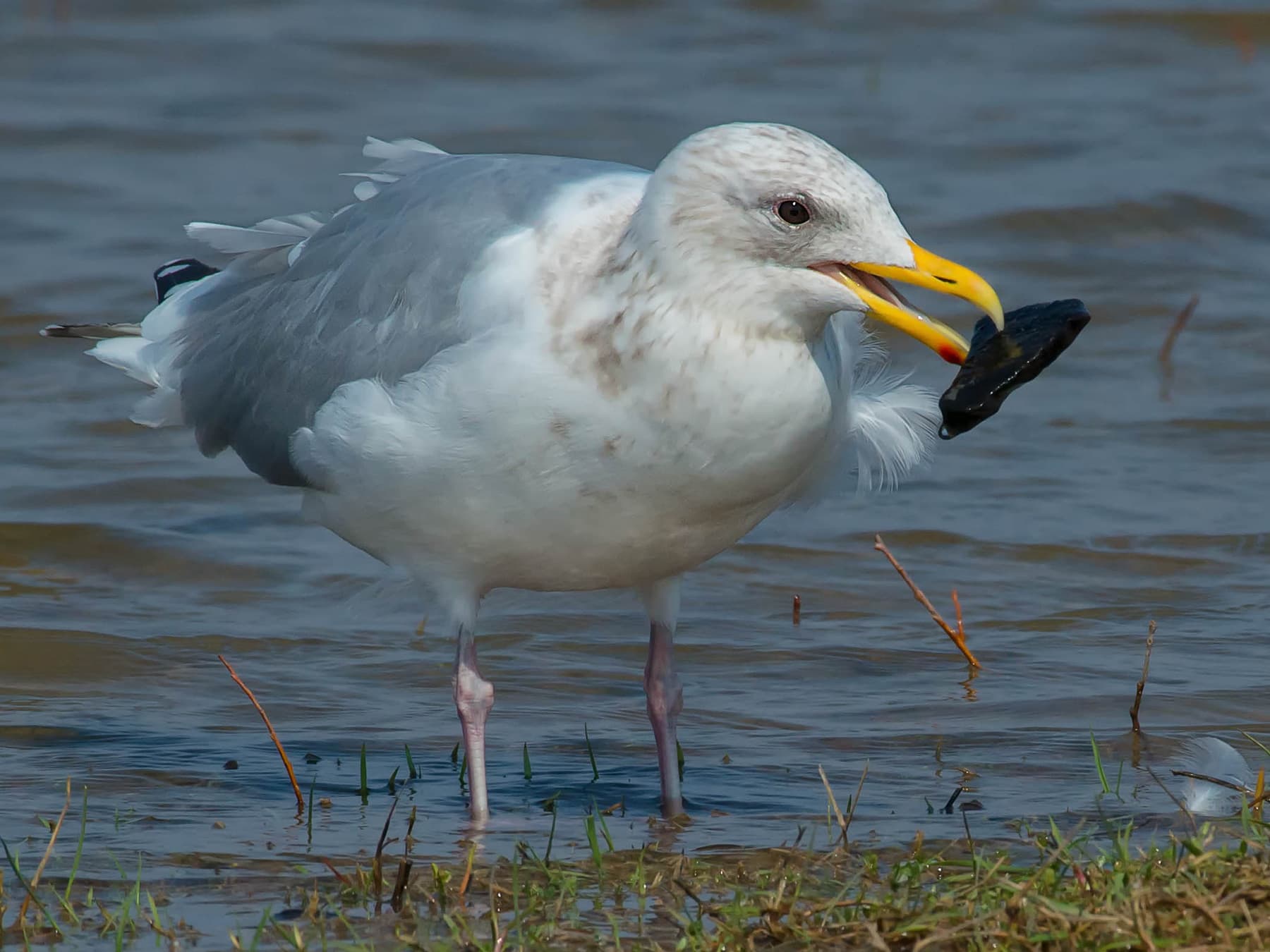
Iceland Gull
Larus glaucoidesLC
A rare late-winter visitor, occasionally found among gull flocks at coastal roosts. Most records fall in March.
Mar
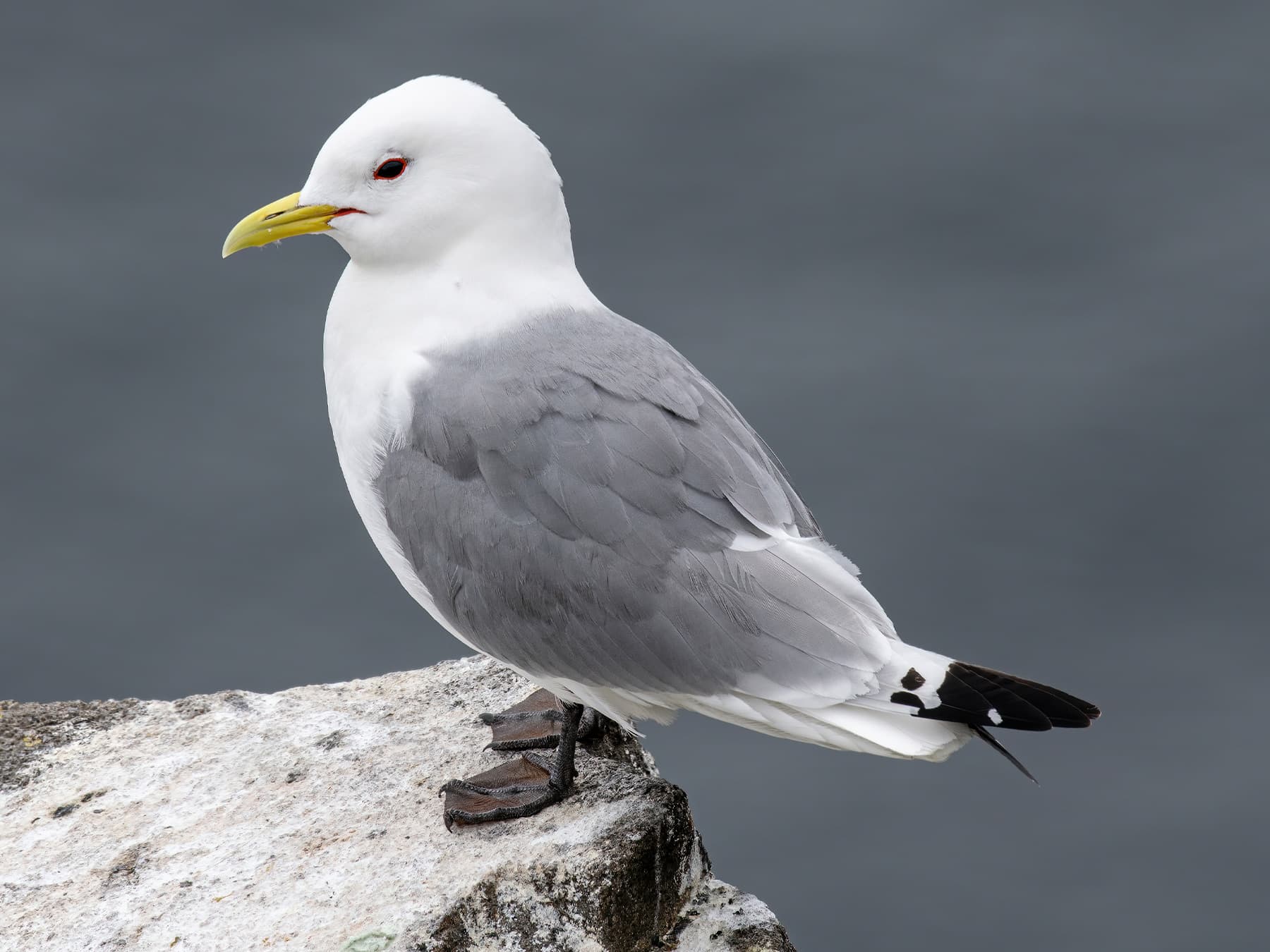
Kittiwake
Rissa tridactylaVU
Scarce year-round, most often seen offshore or at coastal roosts. Once bred on nearby cliffs but has declined dramatically across the UK.
Year-round
Spotted something?
Upload a photo to identify it
Identify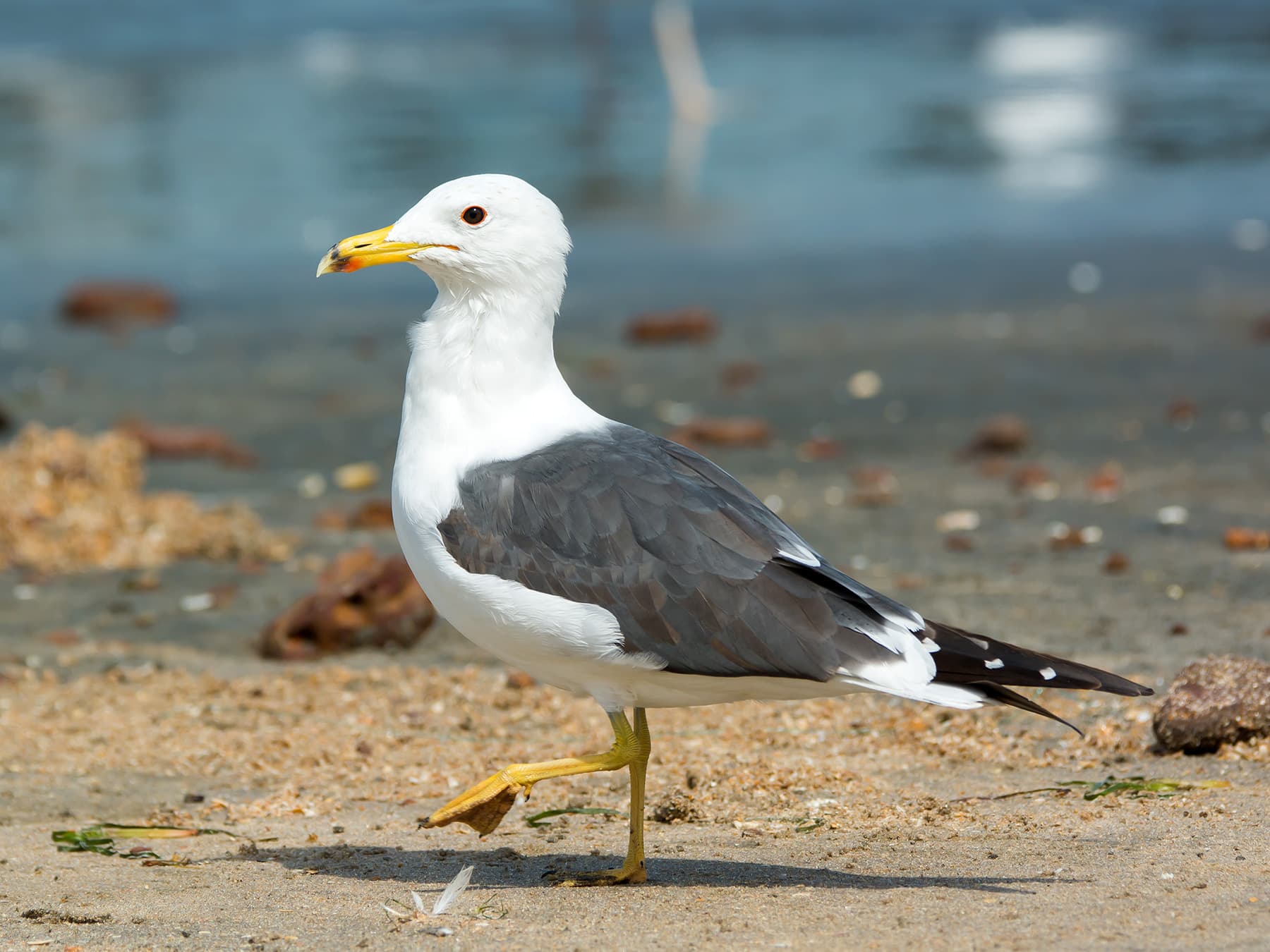
Lesser Black-backed Gull
Larus fuscusLC
A common year-round resident seen along the coast, at landfill sites, and increasingly inland. Numbers peak in summer and autumn.
Year-round
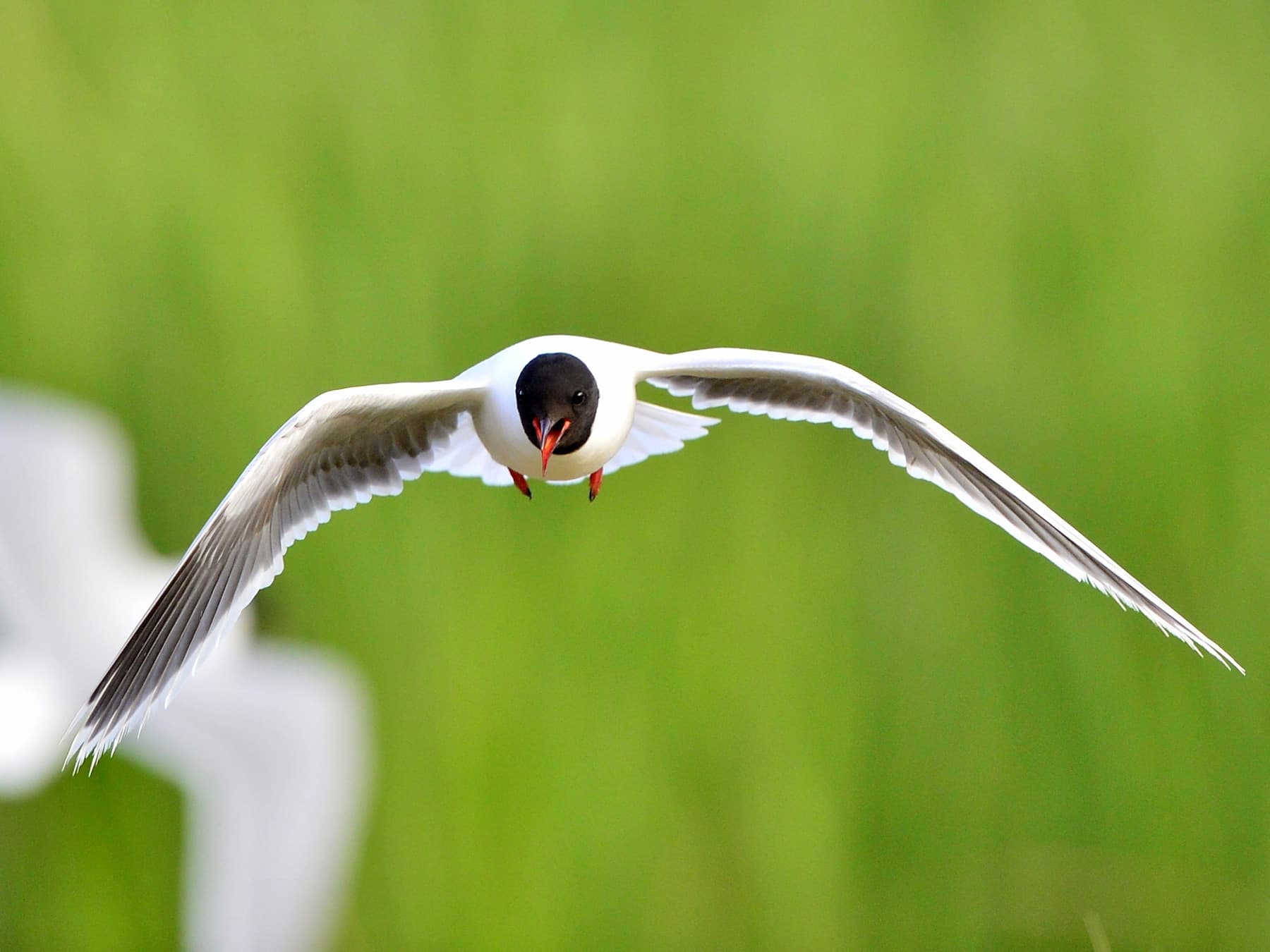
Little Gull
Hydrocoloeus minutusLC
A dainty, rare gull seen on passage and in winter, often at coastal lagoons. Spring and autumn movements bring occasional sightings offshore.
Sep–May
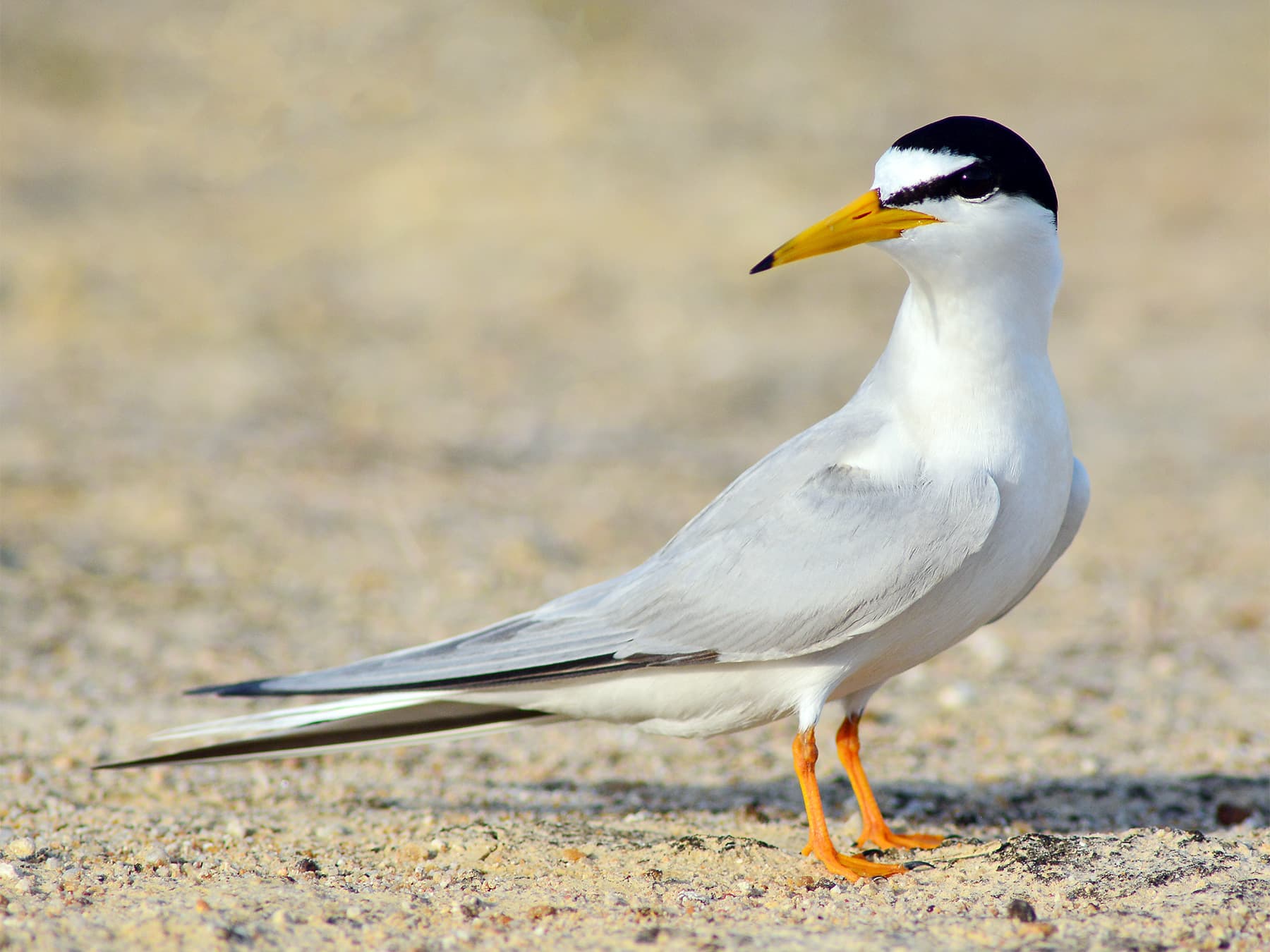
Little Tern
Sternula albifronsLC
An uncommon summer breeder nesting on shingle beaches. Colonies at Rye Harbour are carefully protected from disturbance.
Apr–Aug
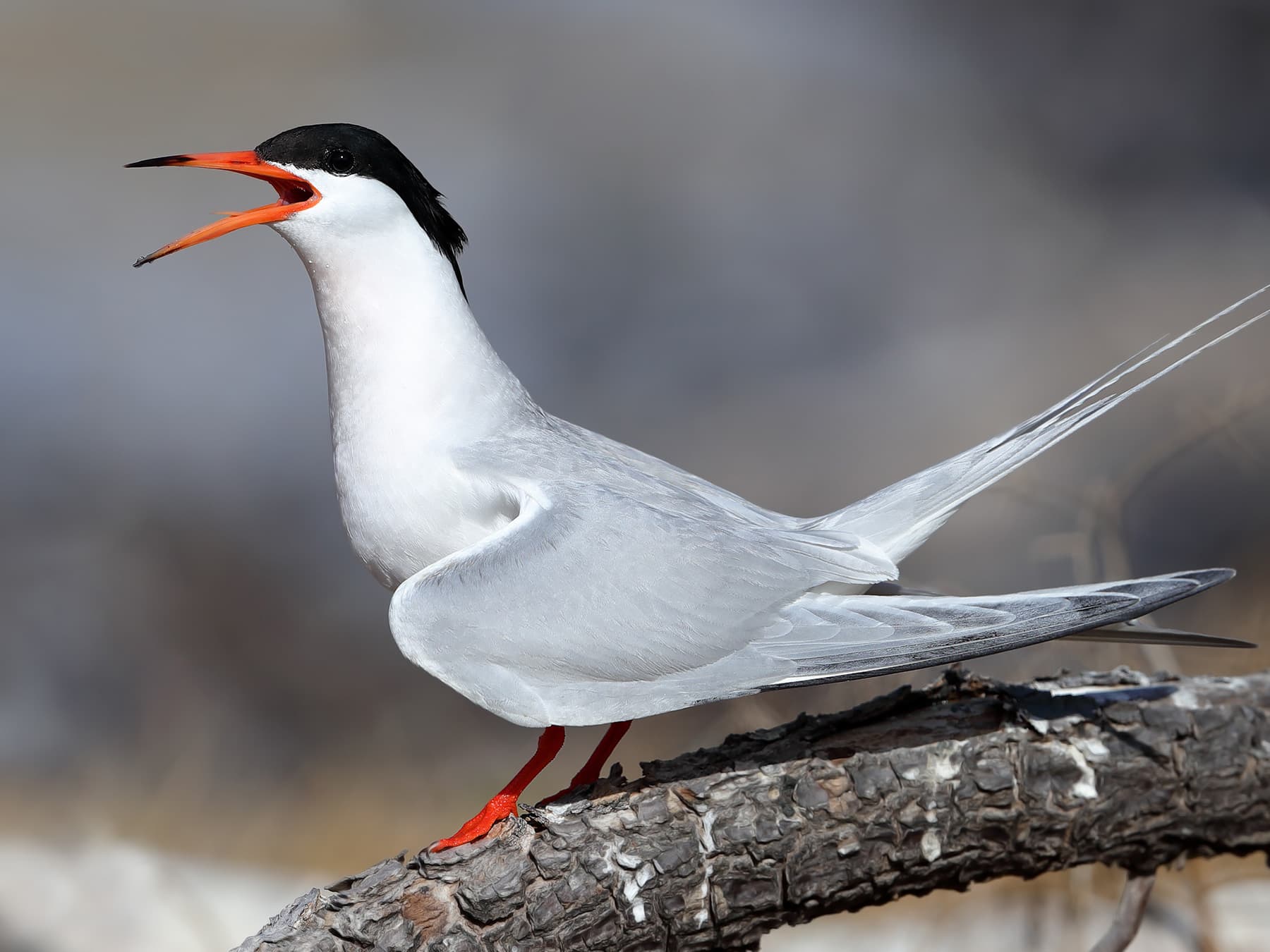
Roseate Tern
Sterna dougalliiLC
A rare passage visitor, occasionally glimpsed offshore in July among commoner tern flocks moving along the Sussex coast.
Jul
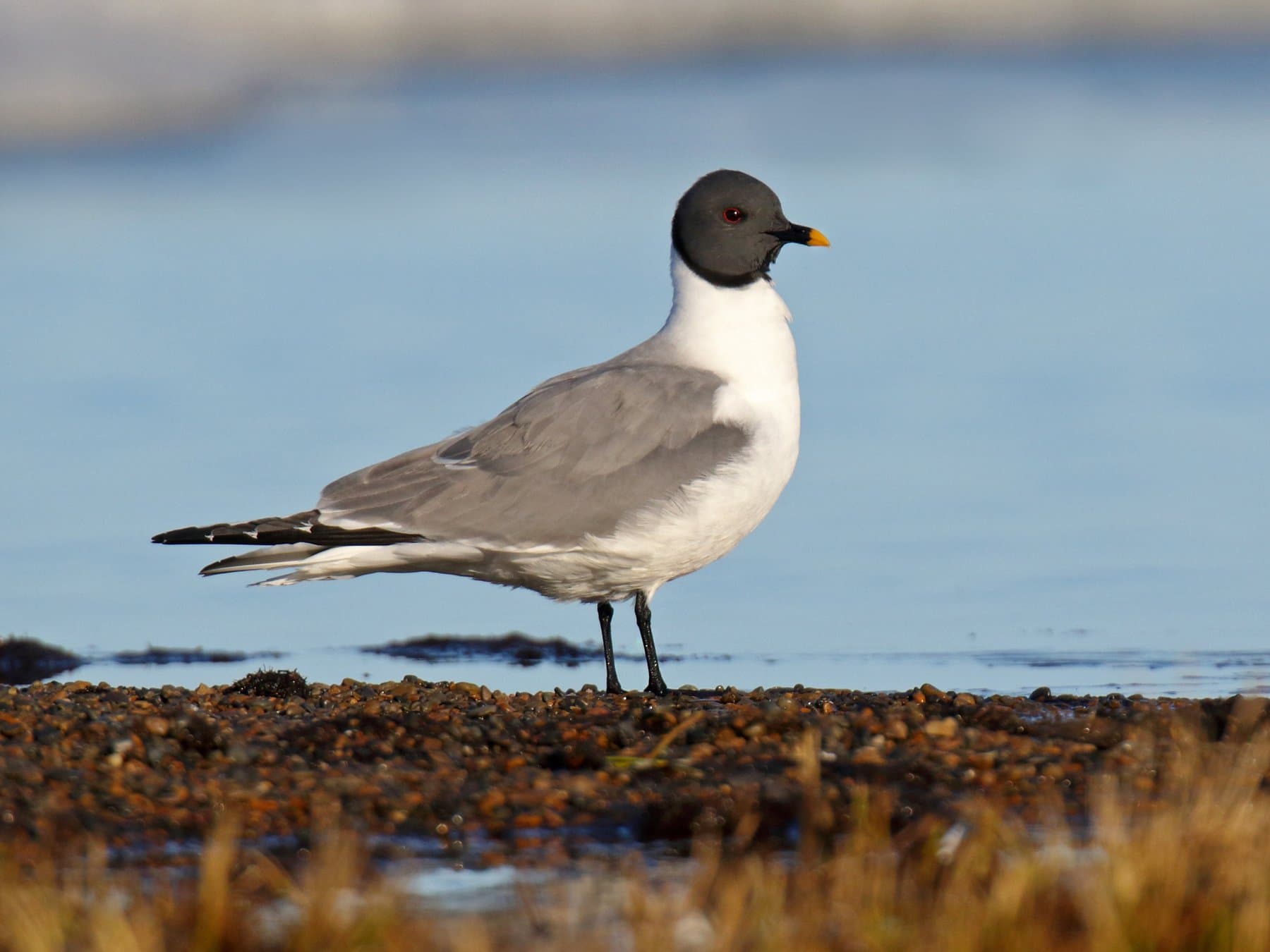
Sabine's Gull
Xema sabiniLC
A rare autumn passage migrant, usually seen during stormy September seawatches from headlands such as Beachy Head.
Sep
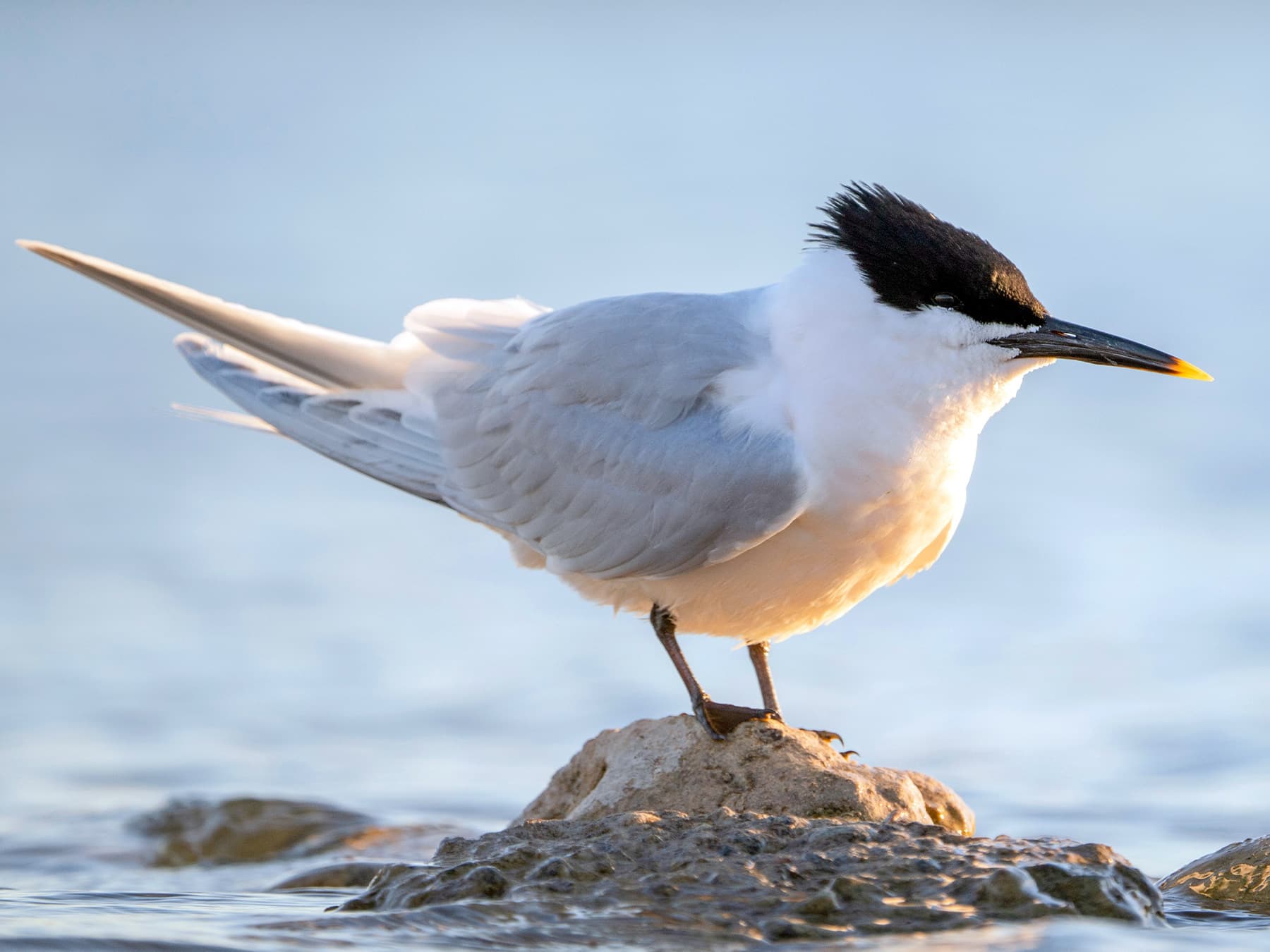
Sandwich Tern
Thalasseus sandvicensisLC
An uncommon breeding visitor arriving in March, nesting at coastal shingle sites like Rye Harbour before departing by October.
Mar–Oct
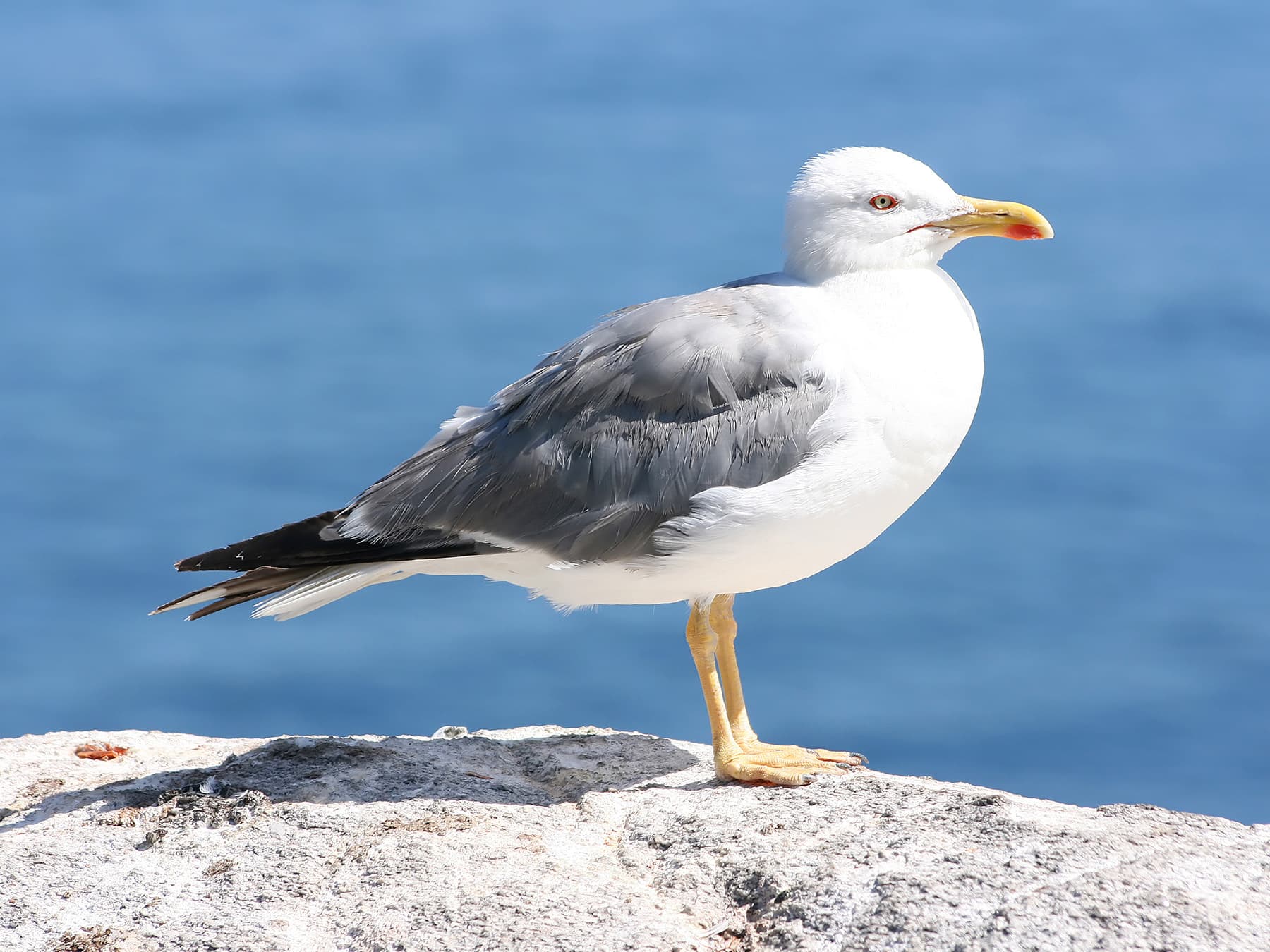
Yellow-legged Gull
Larus michahellisLC
A rare but increasingly regular resident, found among large gull gatherings at roosts and along the coast almost year-round.
Jun–Apr