Sandpipers & Snipes in Derbyshire
14 species matching this filter.
Derbyshire's diverse landscapes, from the upland moorlands of the Peak District to the lowland river valleys and reservoirs, provide important habitats for 14 species of sandpipers and snipes. Breeding Curlew and Common Snipe can be found on the county's moorland edges, while passage migrants such as Greenshank, Green Sandpiper and Black-tailed Godwit visit wetland sites like Carsington Water and Ogston Reservoir. The elusive Eurasian Woodcock and Jack Snipe are winter highlights for patient observers exploring Derbyshire's woodlands and marshy areas.


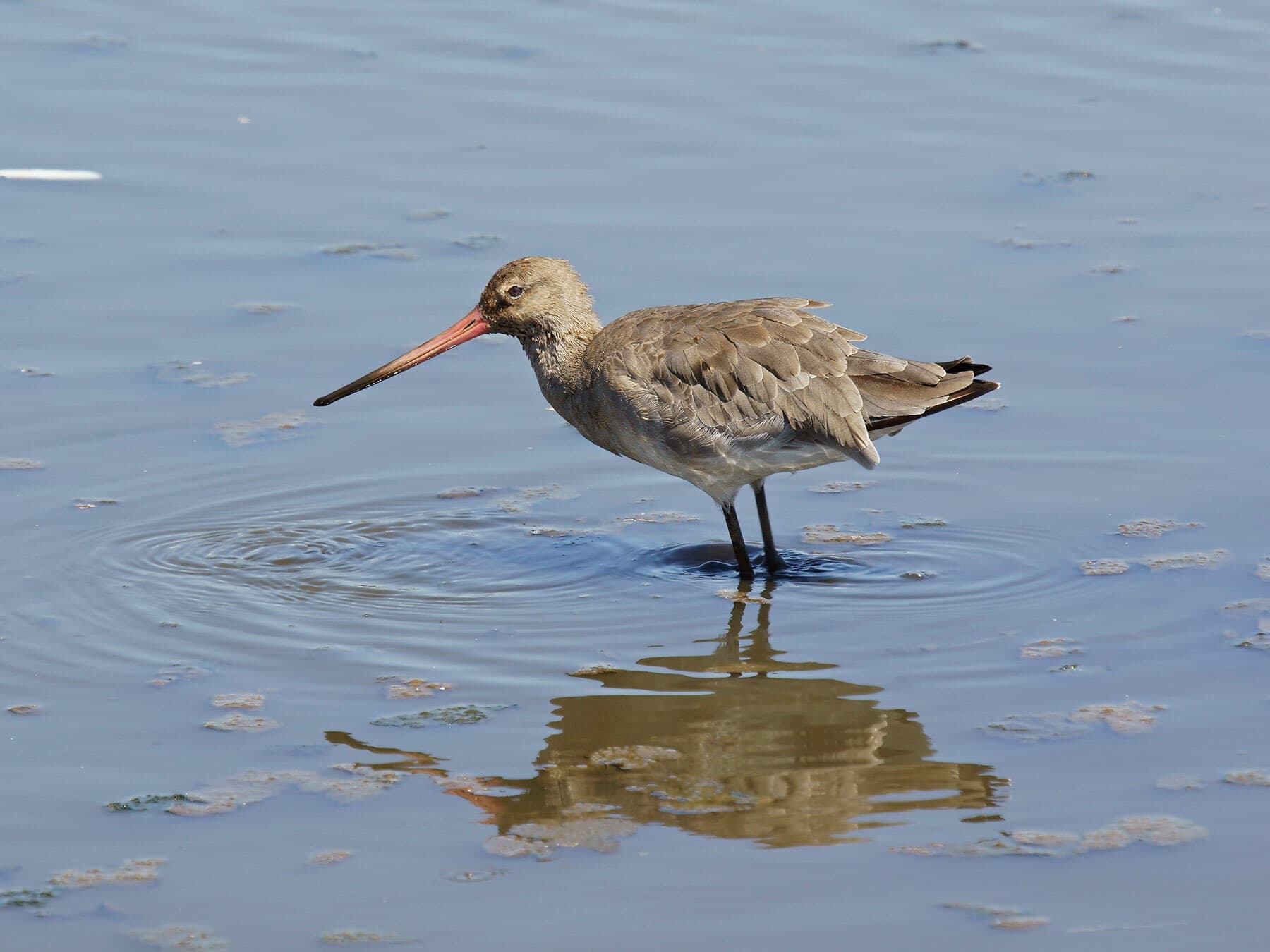
Black-tailed Godwit
Limosa limosaNT
A rare passage wader seen at reservoirs and wetland margins during late summer, typically July to September.
Jul–Sep
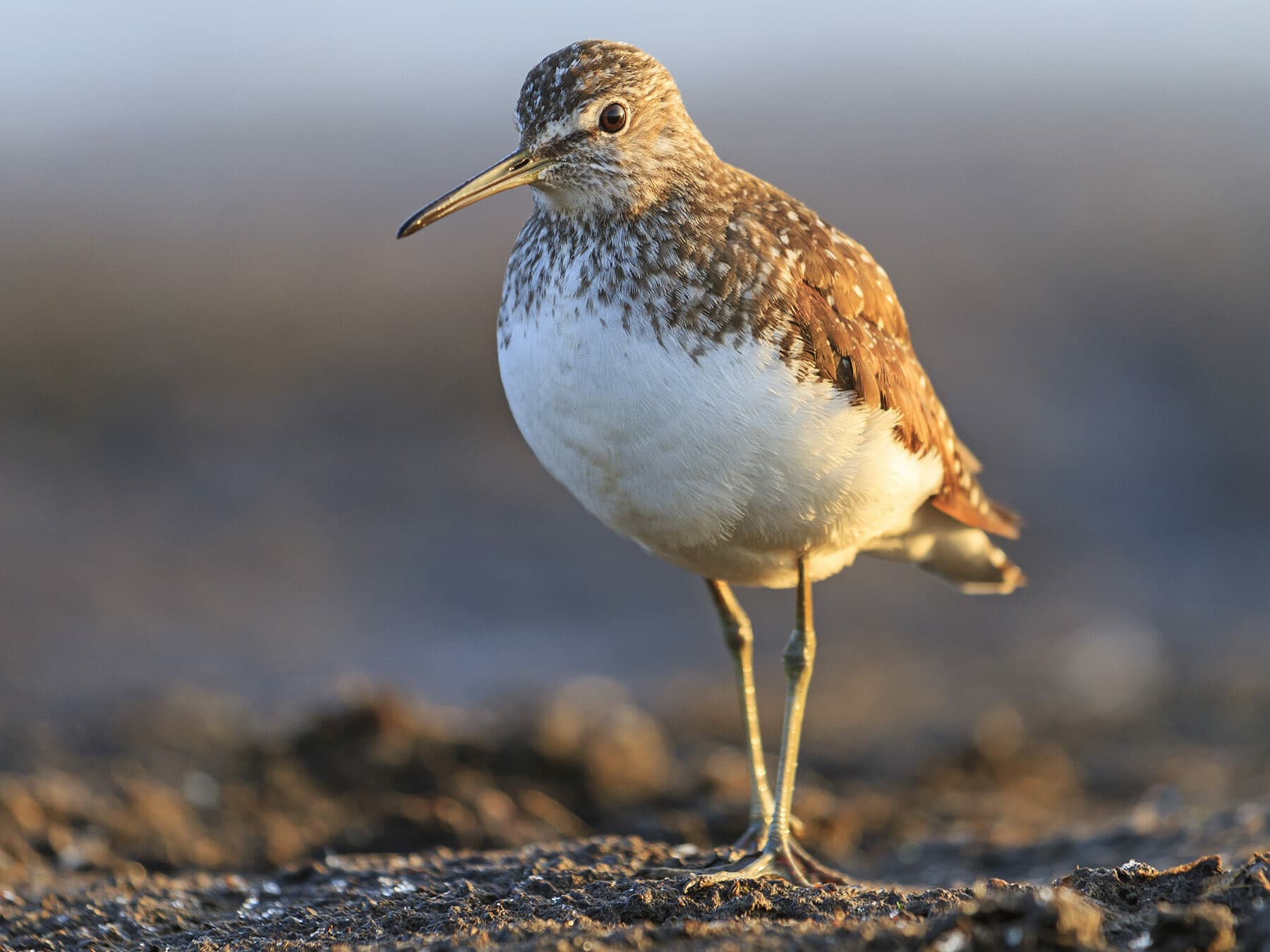
Common Sandpiper
Actitis hypoleucosLC
An uncommon summer breeder along rocky rivers and reservoir edges, bobbing characteristically on stones from April to September.
Apr–Sep
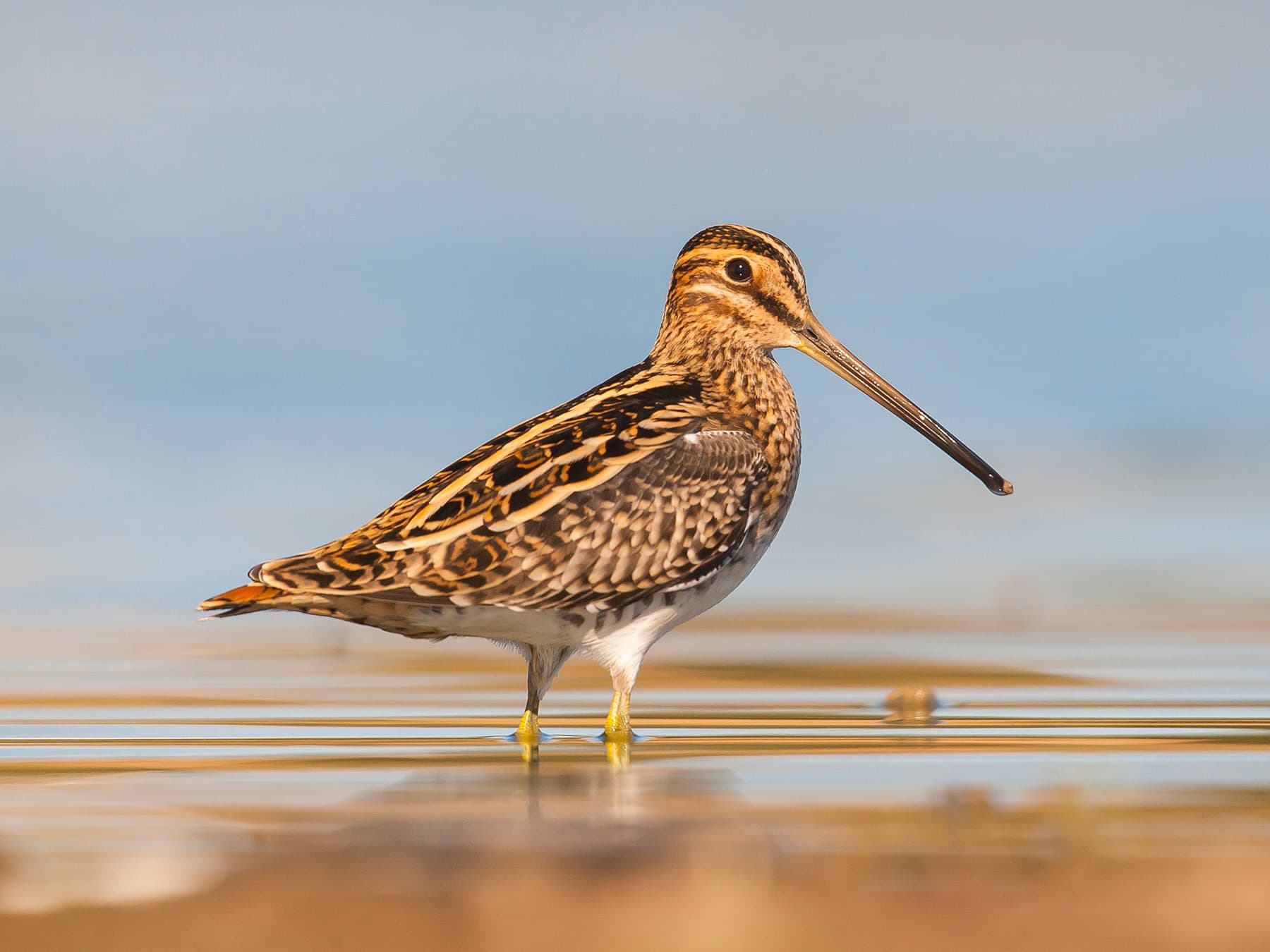
Common Snipe
Gallinago gallinagoLC
Present year-round in marshy fields and moorland bogs. Breeds on upland mires and disperses to lowland wetlands in winter.
Year-round
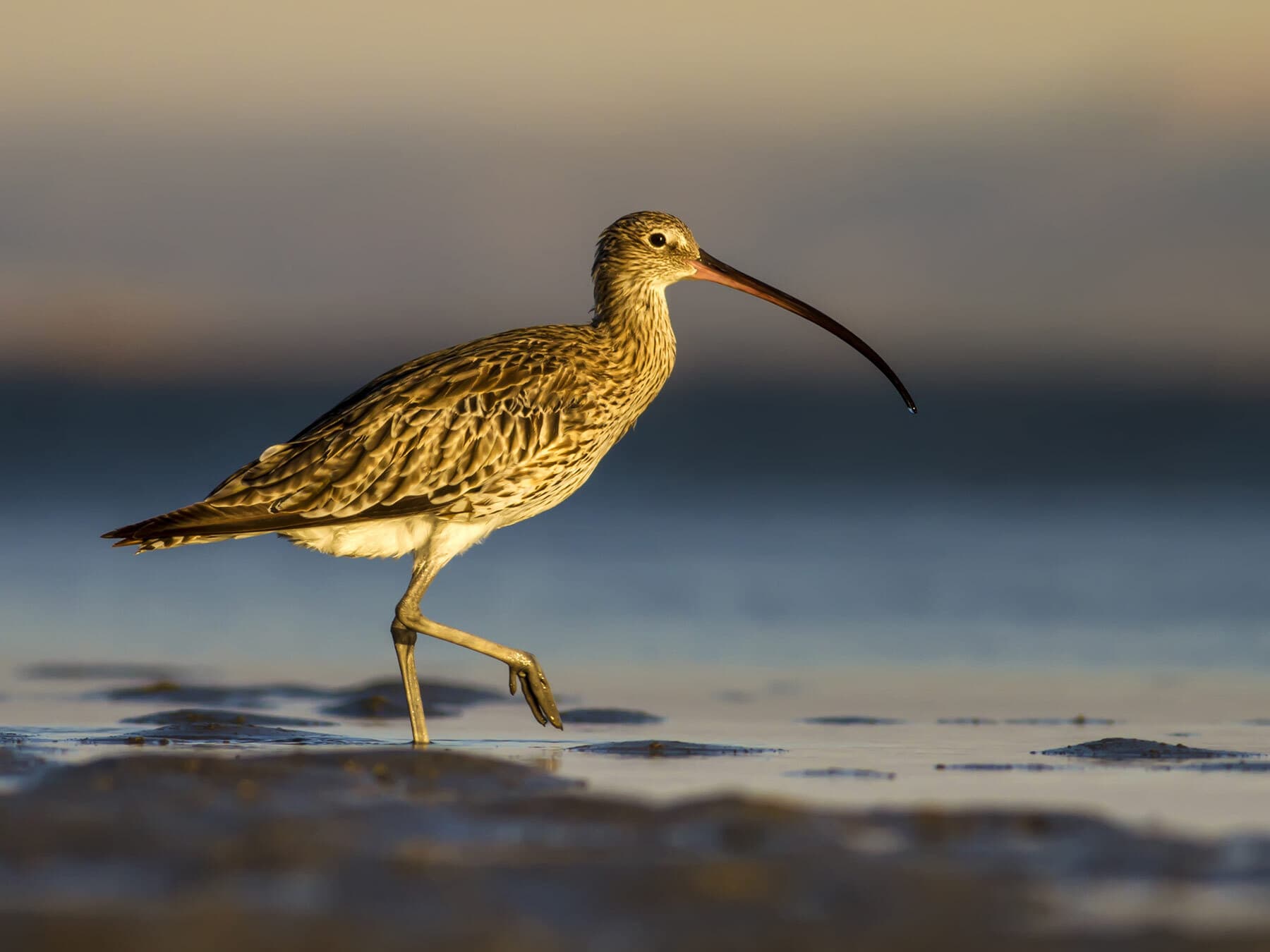
Curlew
Numenius arquataNT
Breeds on Peak District moorlands and upland pastures from February to August. A declining species whose evocative call defines Derbyshire's open hills.
Feb–Aug
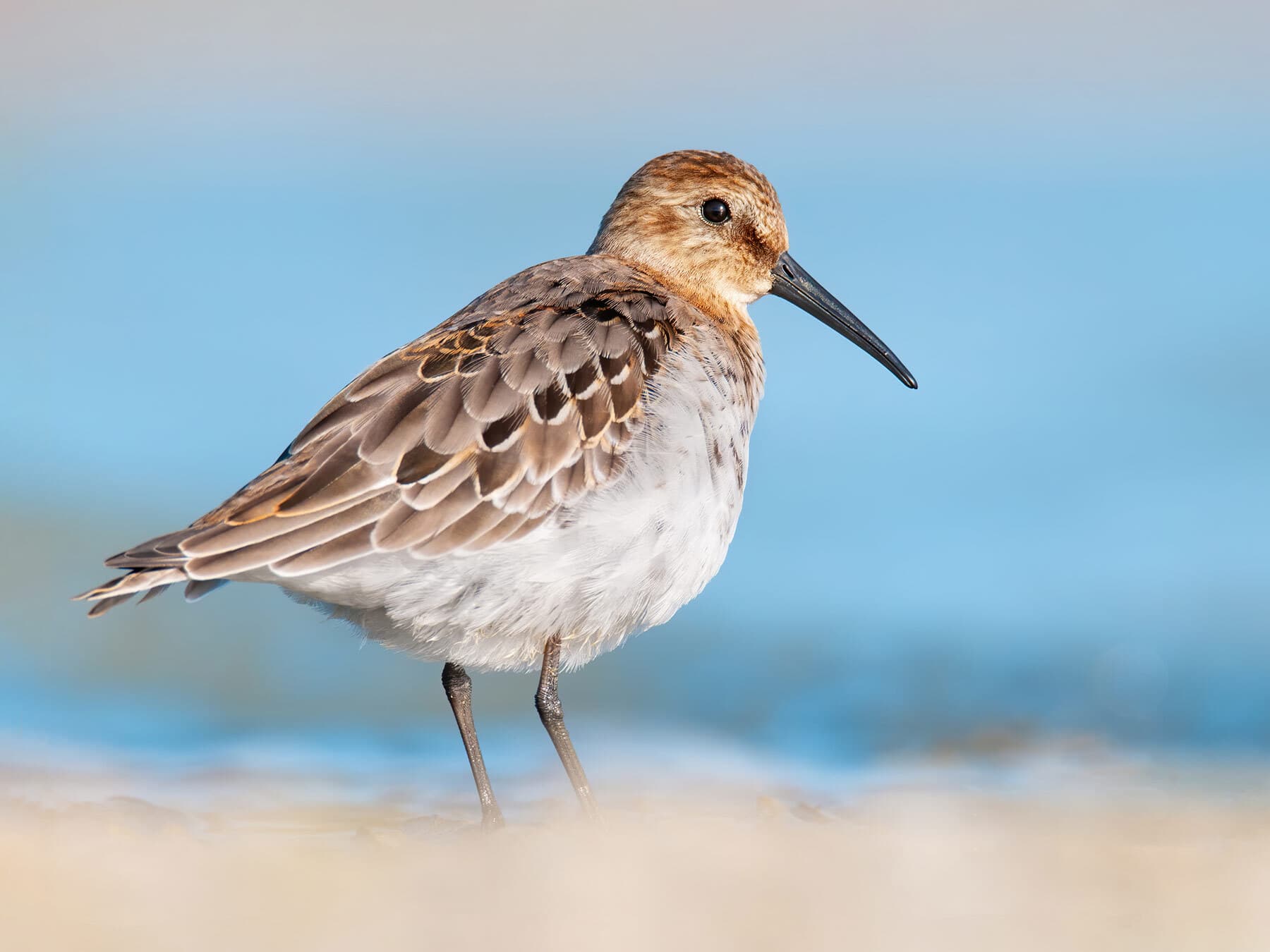
Dunlin
Calidris alpinaLC
A scarce breeder on high Peak District moorlands, with small numbers also visiting lowland reservoirs on passage and in winter.
Mar–Dec
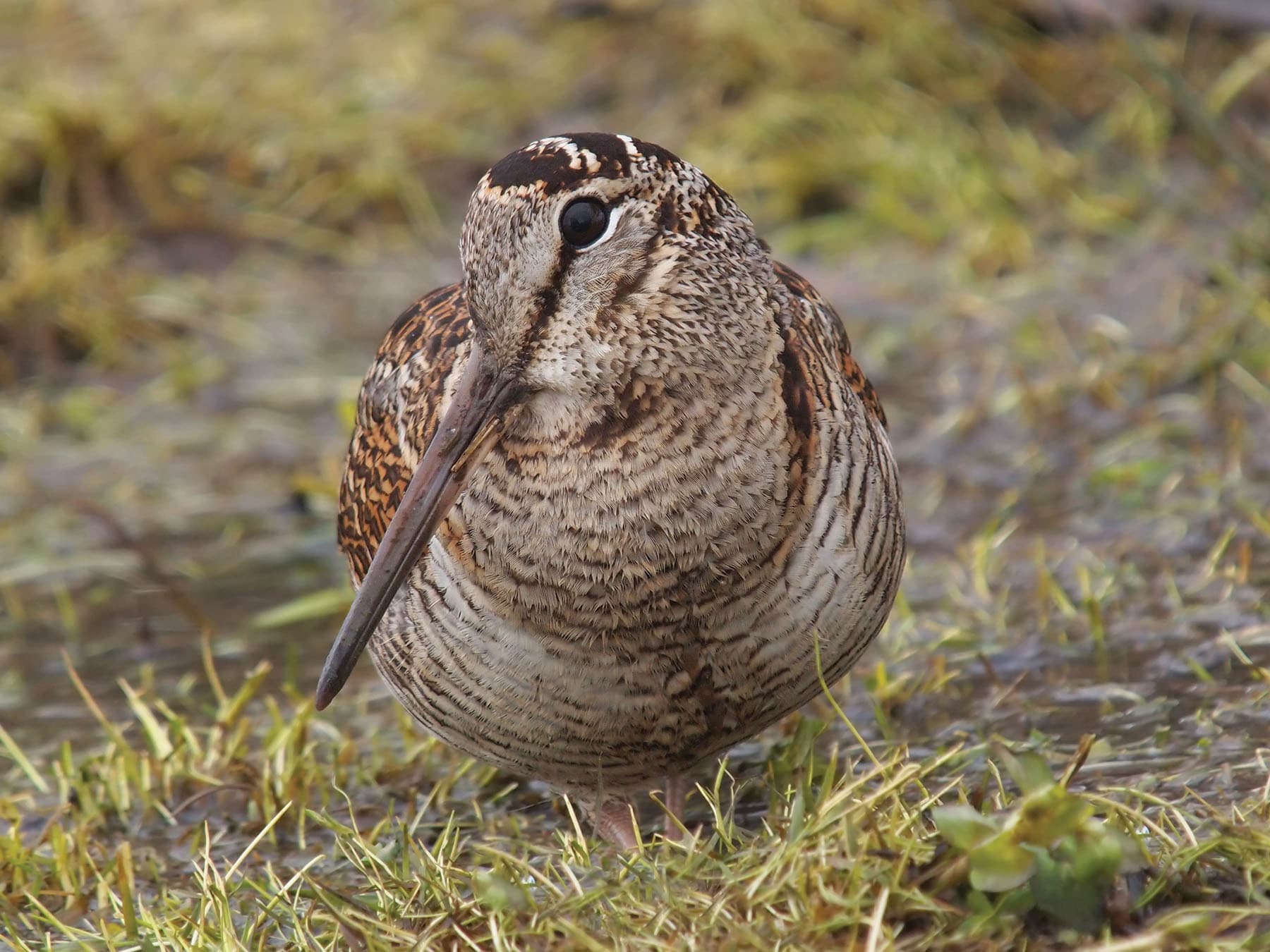
Eurasian Woodcock
Scolopax rusticolaLC
A scarce resident of damp woodland floors, best detected during roding display flights over Peak District woods at dusk in spring.
Nov–Jul
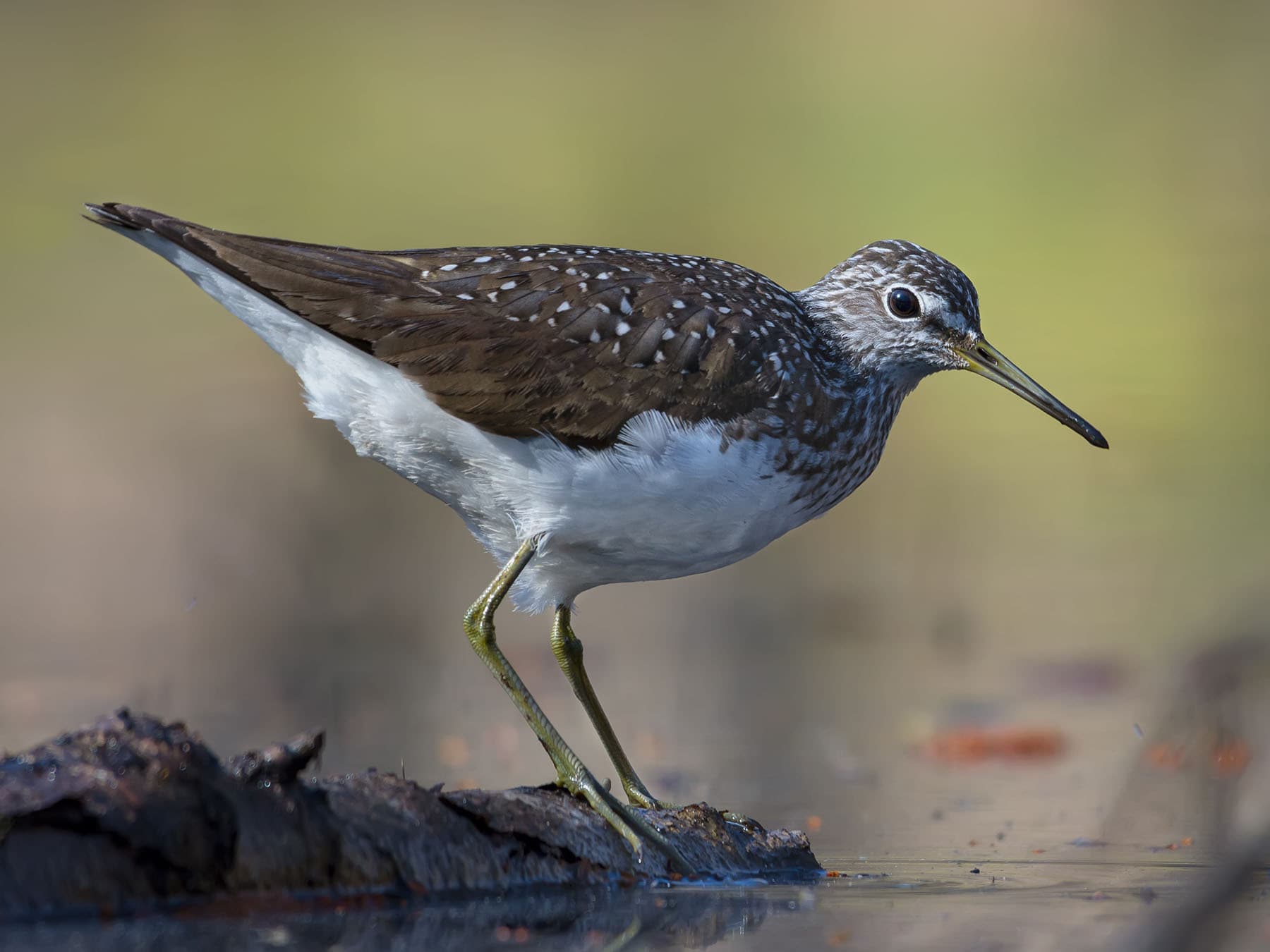
Green Sandpiper
Tringa ochropusLC
A scarce but regular visitor to muddy pool edges and reservoir margins, seen on passage and in winter months.
Jul–Apr
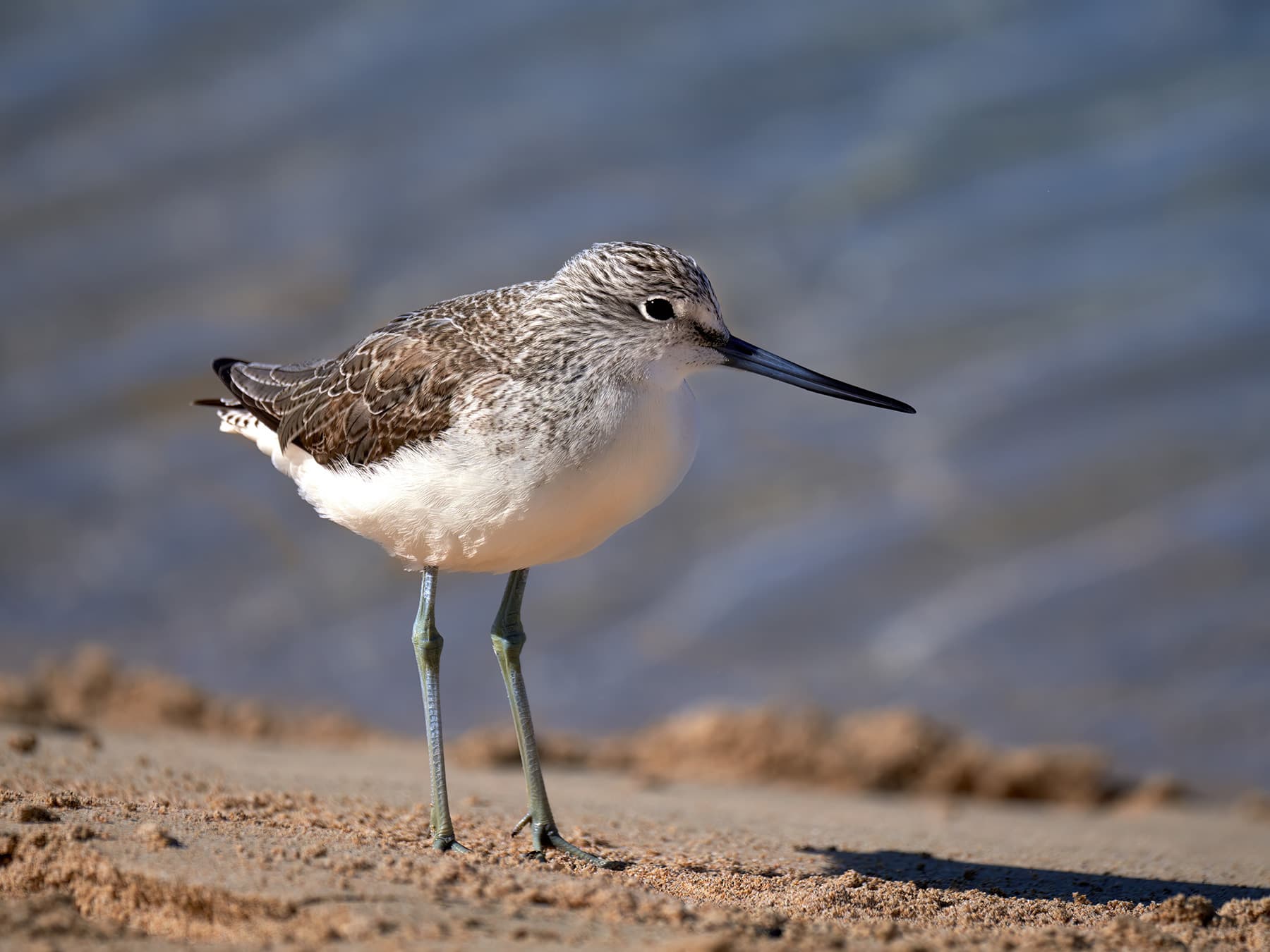
Greenshank
Tringa nebulariaLC
A rare autumn passage wader visiting reservoir shores and shallow pools, mainly in August and September.
Aug–Sep
Spotted something?
Upload a photo to identify it
Identify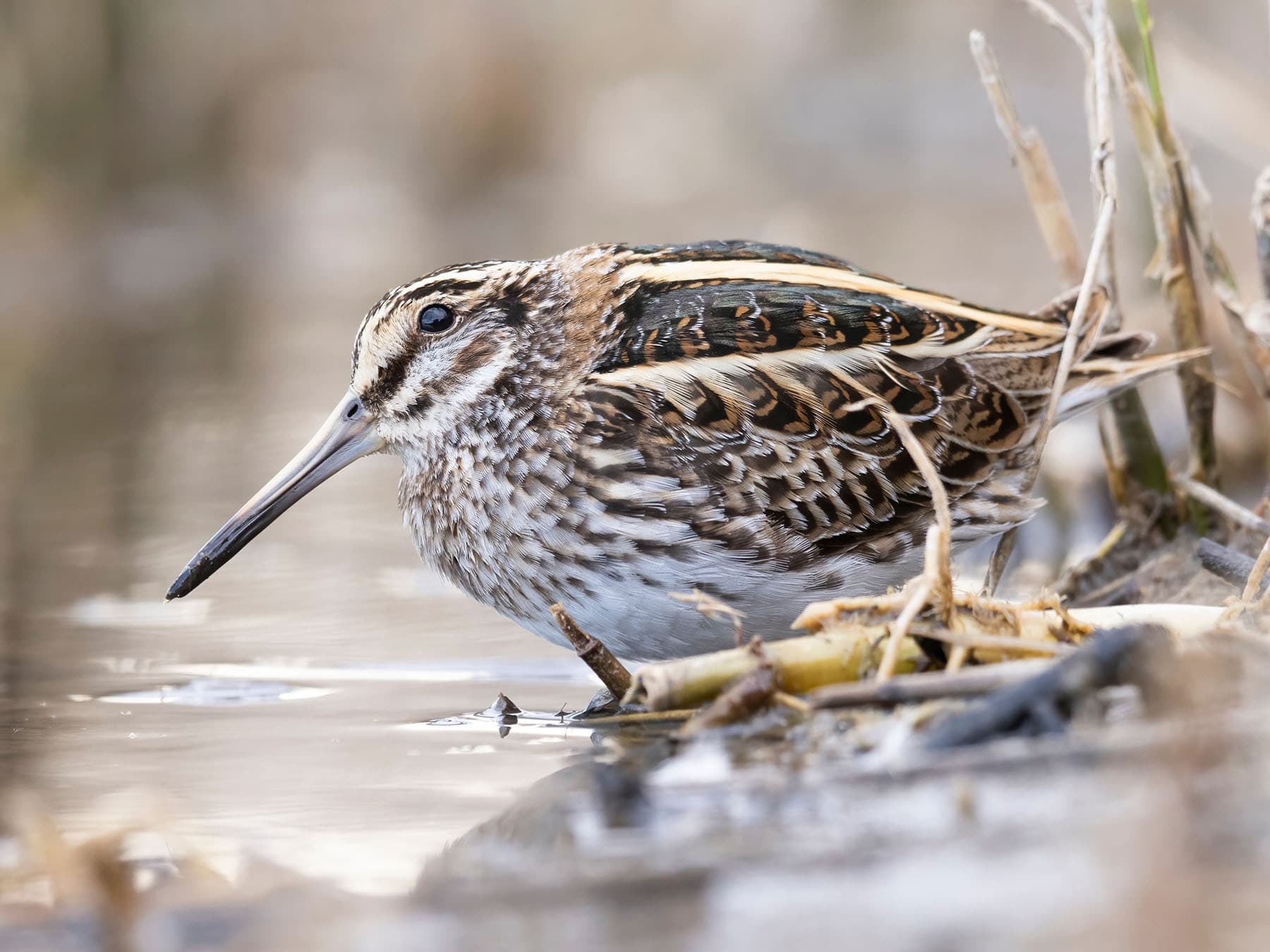
Jack Snipe
Lymnocryptes minimusLC
A secretive and rare passage visitor to boggy margins and wet meadows, occasionally flushed in January and November.
Nov–Jan
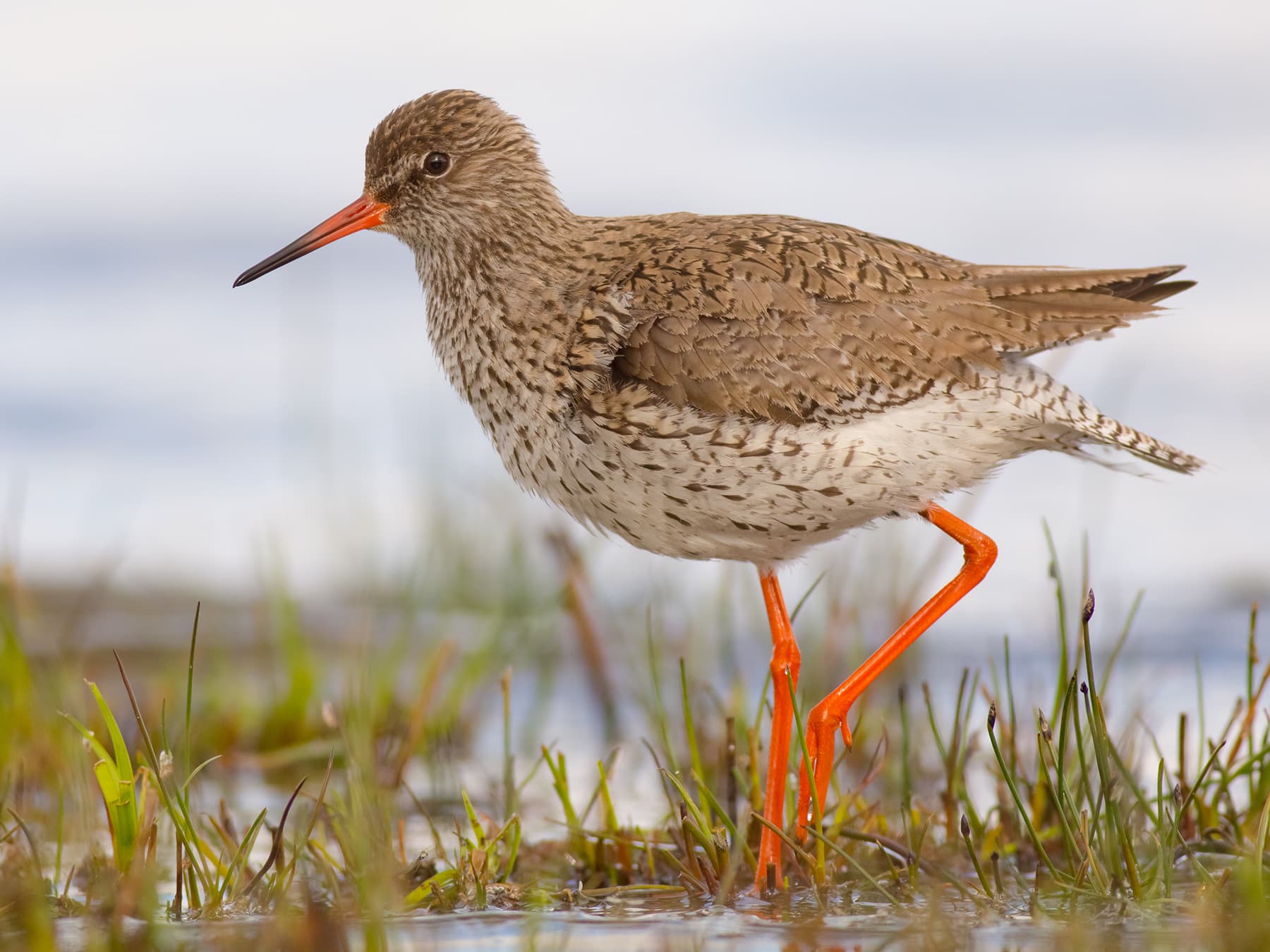
Redshank
Tringa totanusLC
A scarce resident breeding on wet meadows and moorland fringes. Numbers have declined significantly across the county.
Nov–Sep
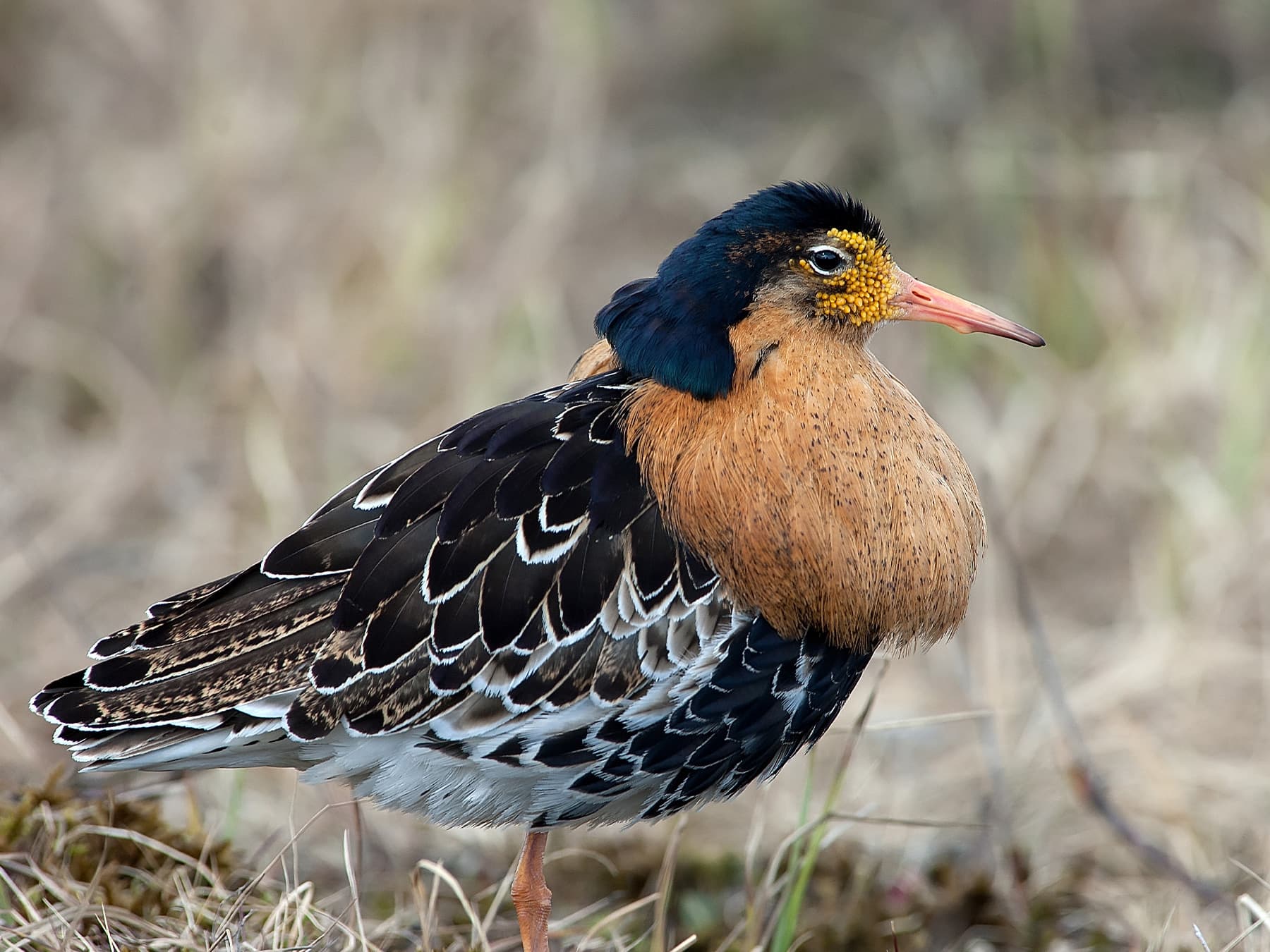
Ruff
Philomachus pugnaxLC
A rare passage visitor to muddy reservoir margins in late summer, typically seen in non-breeding plumage.
Aug–Sep
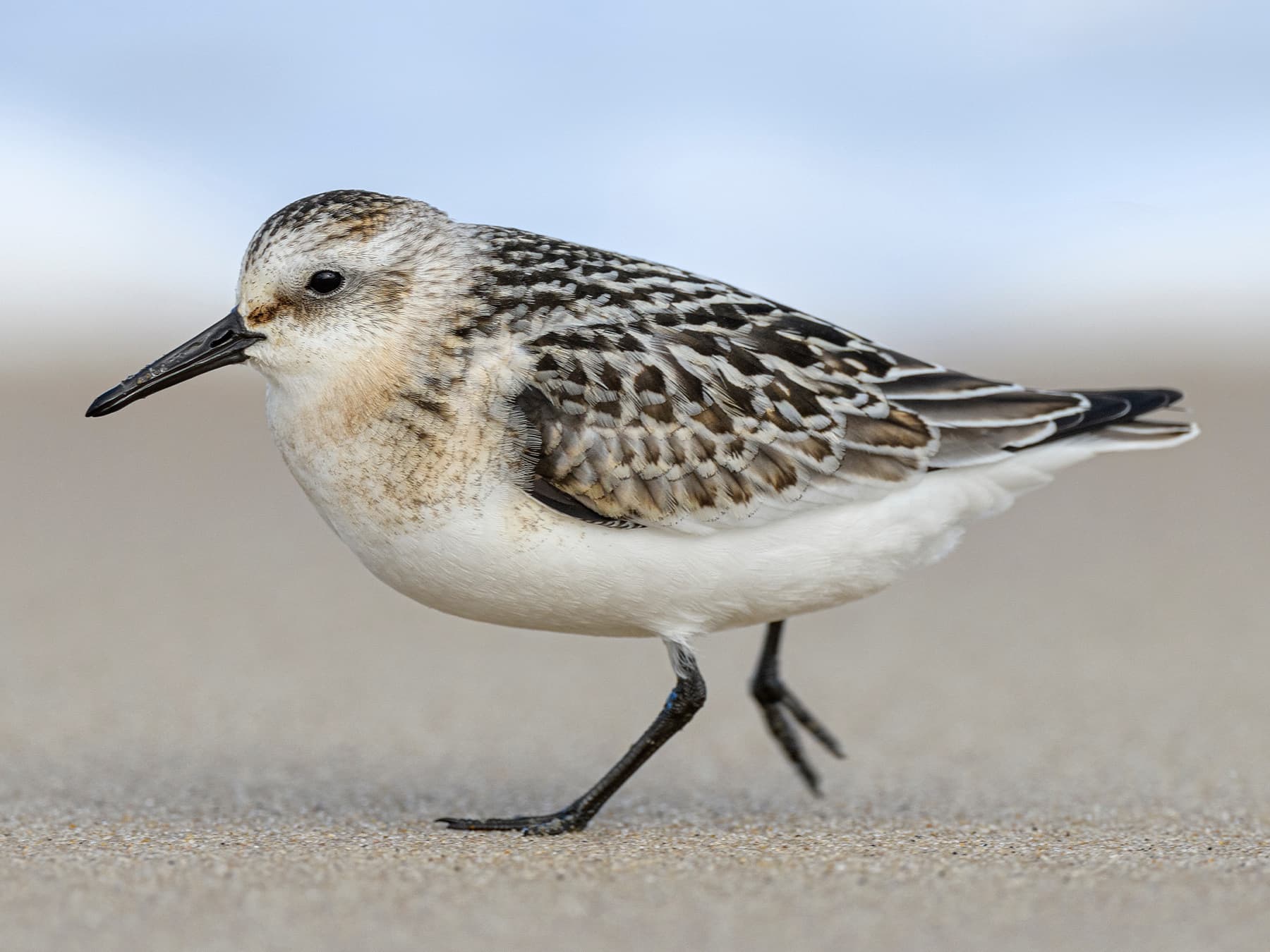
Sanderling
Calidris albaLC
A rare inland passage migrant, occasionally recorded at reservoir edges during May spring migration.
May
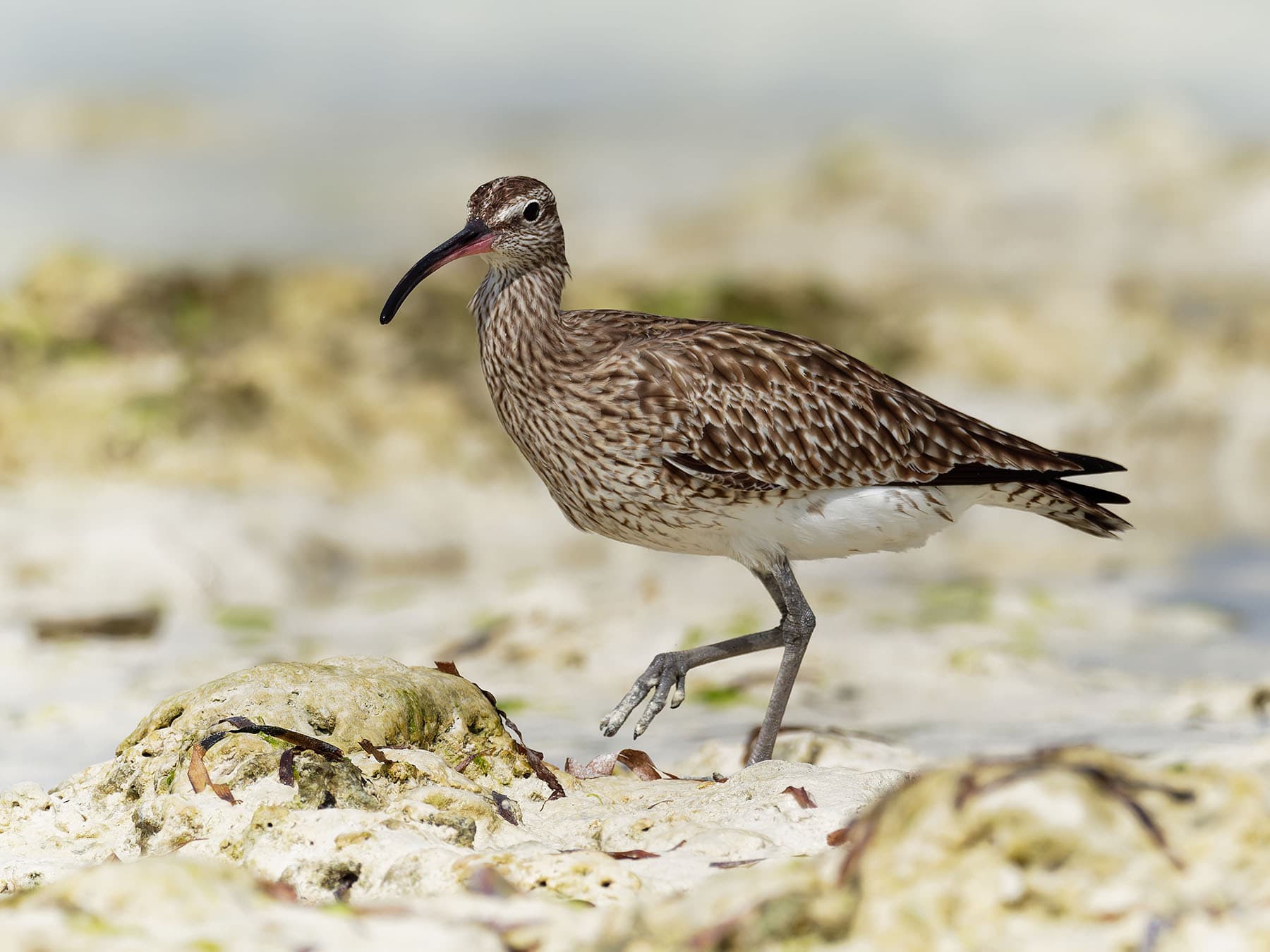
Whimbrel
Numenius phaeopusLC
A rare spring passage migrant, occasionally heard calling overhead or seen resting on moorland and reservoir edges in April and May.
Apr–May
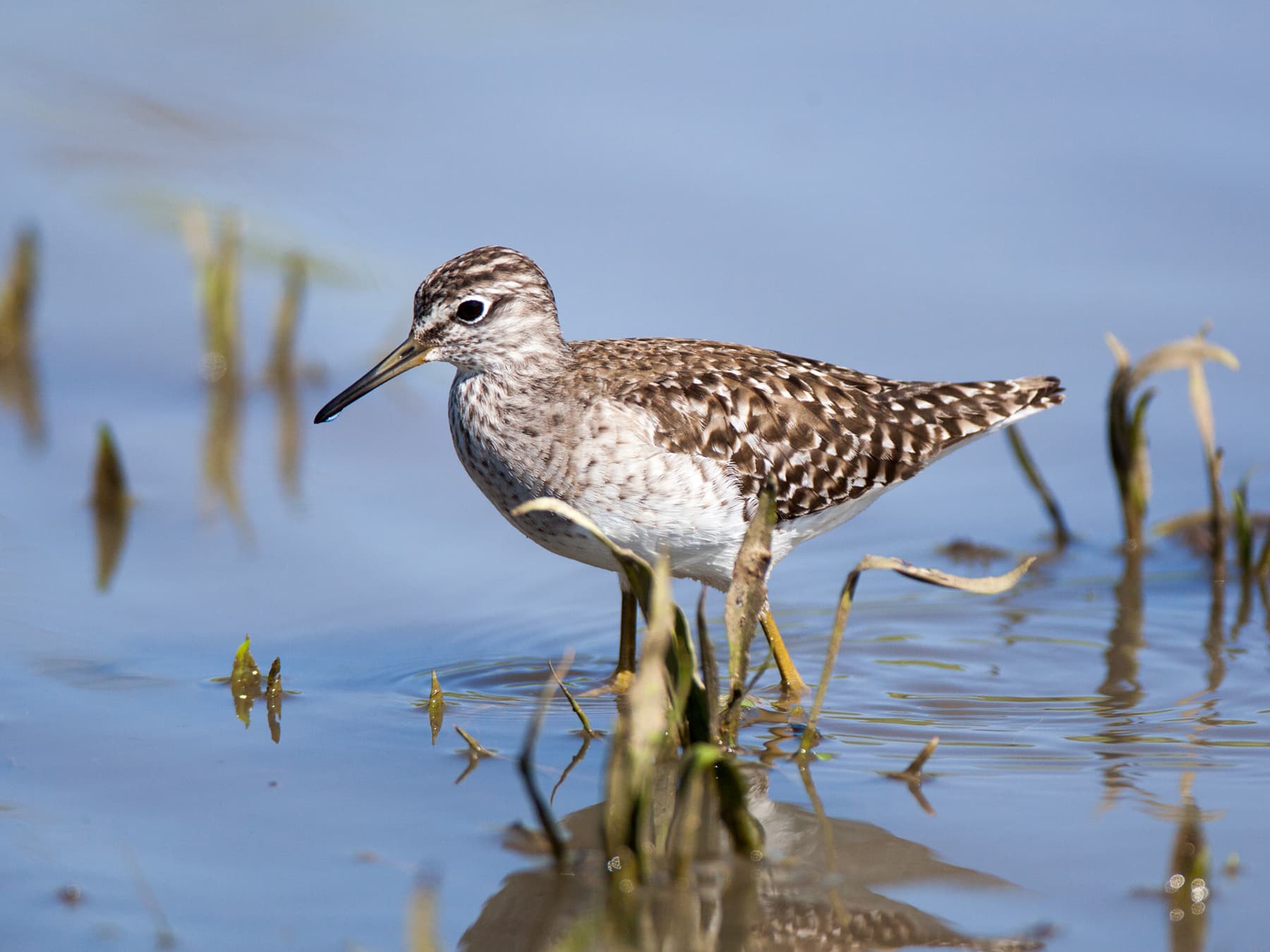
Wood Sandpiper
Tringa glareolaLC
A rare August passage migrant, occasionally stopping at shallow pools and reservoir edges on southward migration.
Aug