


Facts · Updated 8 Oct 2026
How Long Do Woodpeckers Live? Insights into Woodpecker Lifespan
By the Birdfact teamChecked by Nathan Cope
Woodpeckers are common birds in many parts of the world. They have adapted to live in a huge variety of habitats, and many species are quite at home around our suburbs and even cities. Have you ever wondered how long they live and what affects their lifespan?
Woodpeckers are fairly short-lived birds. Many species have a maximum lifespan of just over a decade, but most individuals won’t live more than a few years.
There’s a lot more to learn about Woodpecker longevity. Read along as we uncover the lifespans of some of the more familiar Woodpecker species and learn about some of the dangers they face.
Lifespan of Specific Woodpecker Species
With over 230 species in the Woodpecker family and more than twenty in the United States alone, we’ve chosen a selection of the better-known species to highlight their potential lifespans. Bear in mind, however, that these are the maximum recorded lifespans. Some Woodpeckers will live longer, but most will perish at a much younger age.
- Pileated Woodpecker (Dryocopus pileatus) - 12 years and 11 months
- Downy Woodpecker (Dryobates pubescens) - 11 years and 11 months
- Red-bellied Woodpecker (Melanerpes carolinus) - 12 years and 3 months
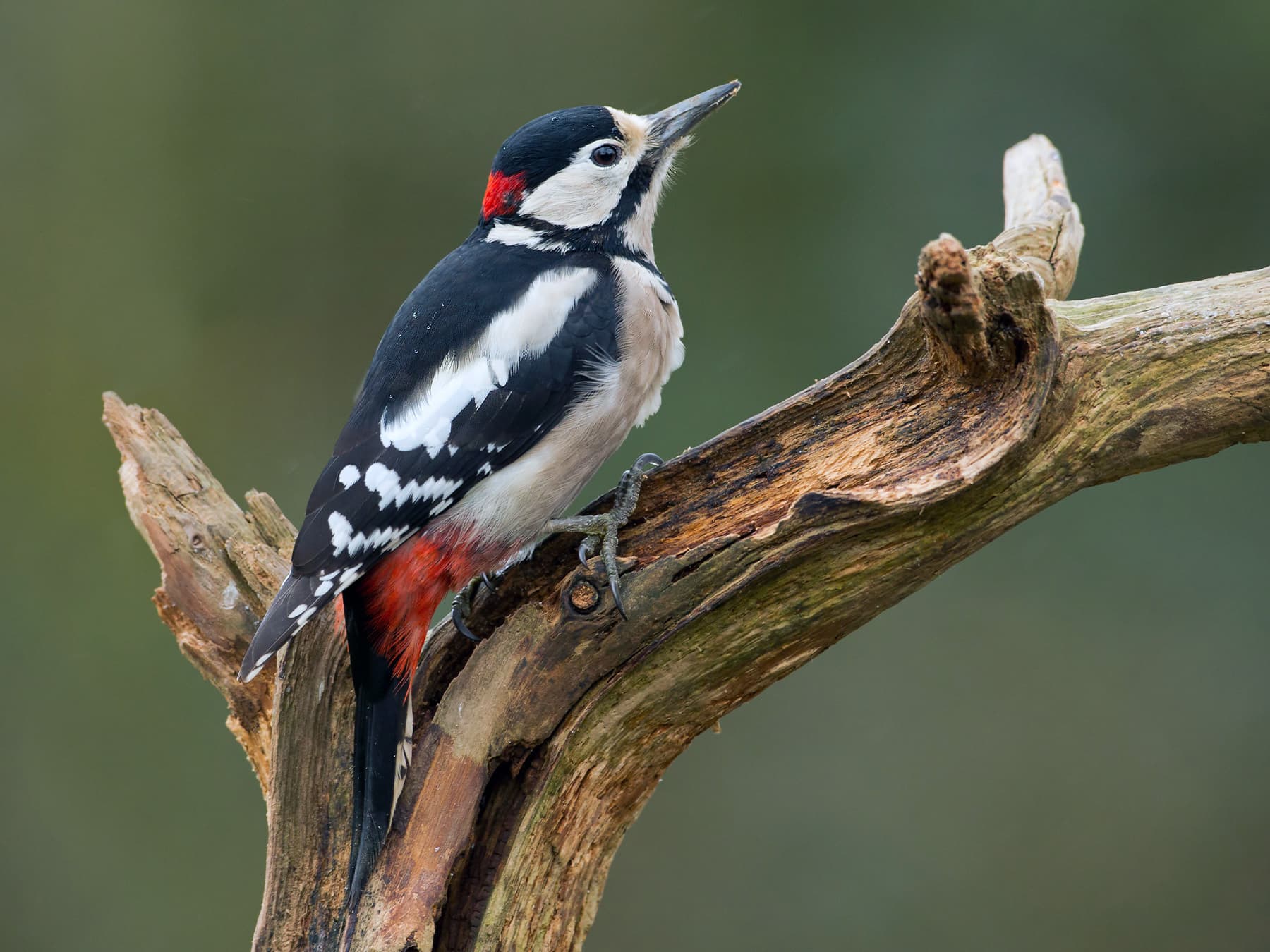
- Great Spotted Woodpecker (Dendrocopos major) - 11 years and 10 months
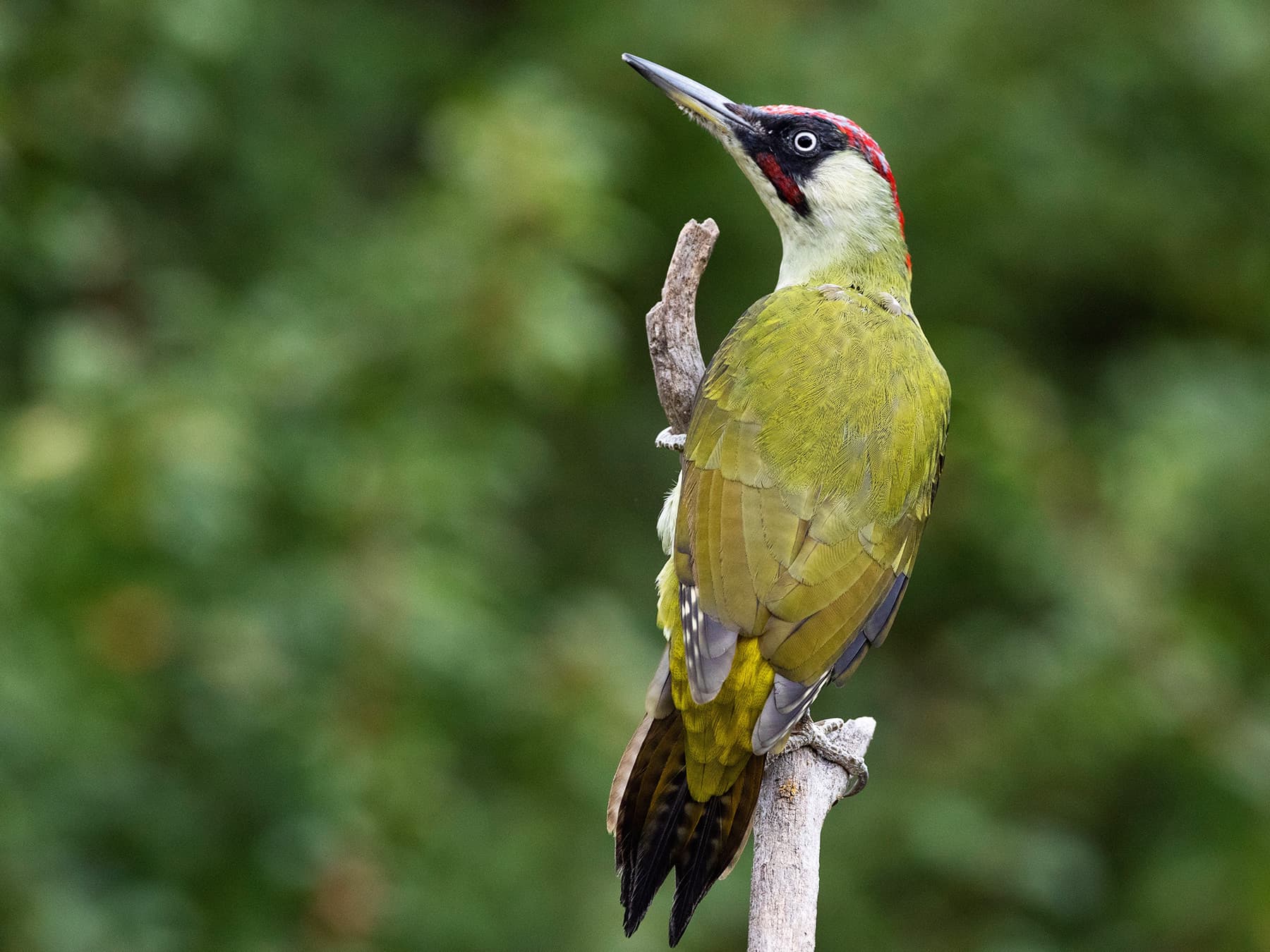
- Green Woodpecker (Picus viridis) - 15 years
- Hairy Woodpecker (Dryobates villosus) - 15 years and 11 months
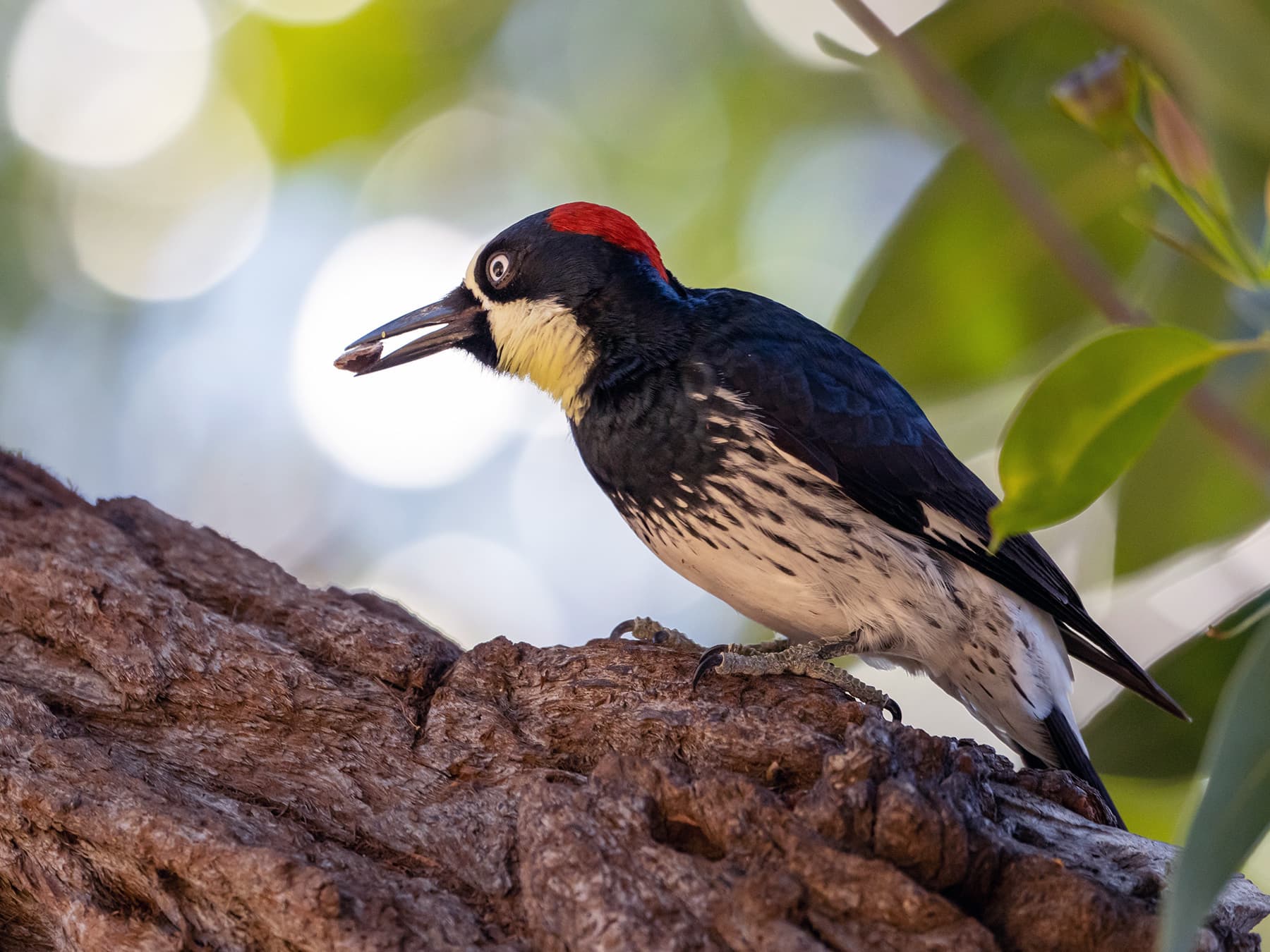
- Acorn Woodpecker (Melanerpes formicivorus) - 17 years and 3 months
Considering the longevity records of the species listed above, you can see that Woodpeckers have a lifespan comparable to many other small to medium-sized bird species.
Factors Affecting Woodpecker Lifespan
Woodpeckers are vulnerable to many threats that could cut their lives short.
Predation
Woodpeckers are prey for a wide range of carnivores, including birds of prey, mammals, and even reptiles.
The following animals are known to prey on adult Woodpeckers:
- Birds of prey like Cooper’s and Sharp-shinned Hawks and American Kestrels
- Mammals like Pine Martens, Raccoons, and
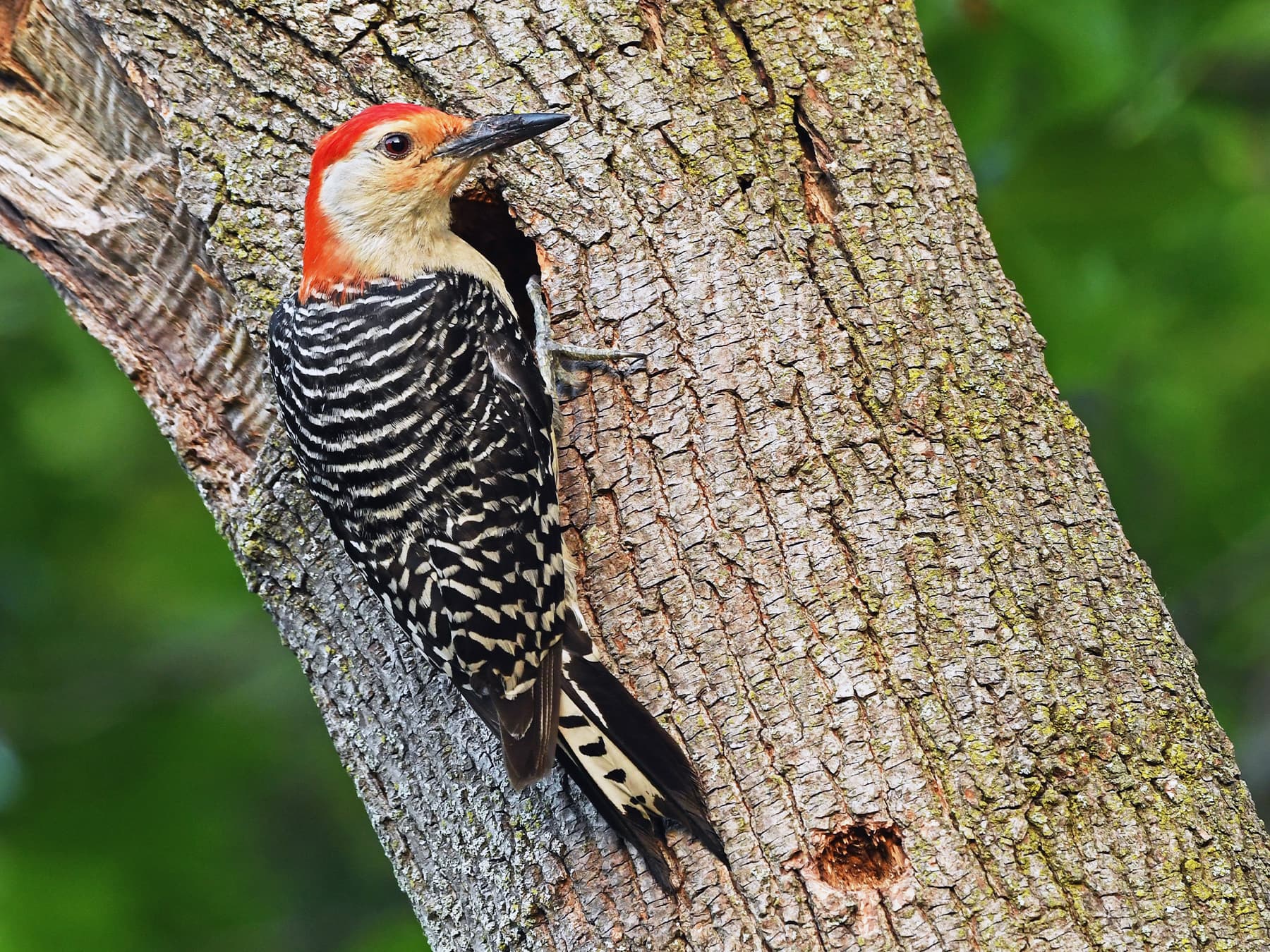
Pictured: Red-bellied Woodpecker. Mammals like Pine Martens, Raccoons, and Domestic Cats are known to prey on Woodpeckers Starvation
Birds need a lot of food to maintain their metabolism and a steady body temperature. Any injury, illness, or major change in their environment could lead to death by starvation. Starvation can affect individual birds or large numbers. For example, a mass fall bird die-off in 2020 in the Southwest of the United States was suspected to result from starvation caused by drought and cold weather.
Collisions
Collisions are a major cause of mortality for many bird species, including Woodpeckers. The unsuspecting birds may collide with windows during the day and with buildings and other structures while migrating at night.
Red-headed Woodpecker (Melanerpes erythrocephalus), are thought to be particularly vulnerable due to their hunting habits.
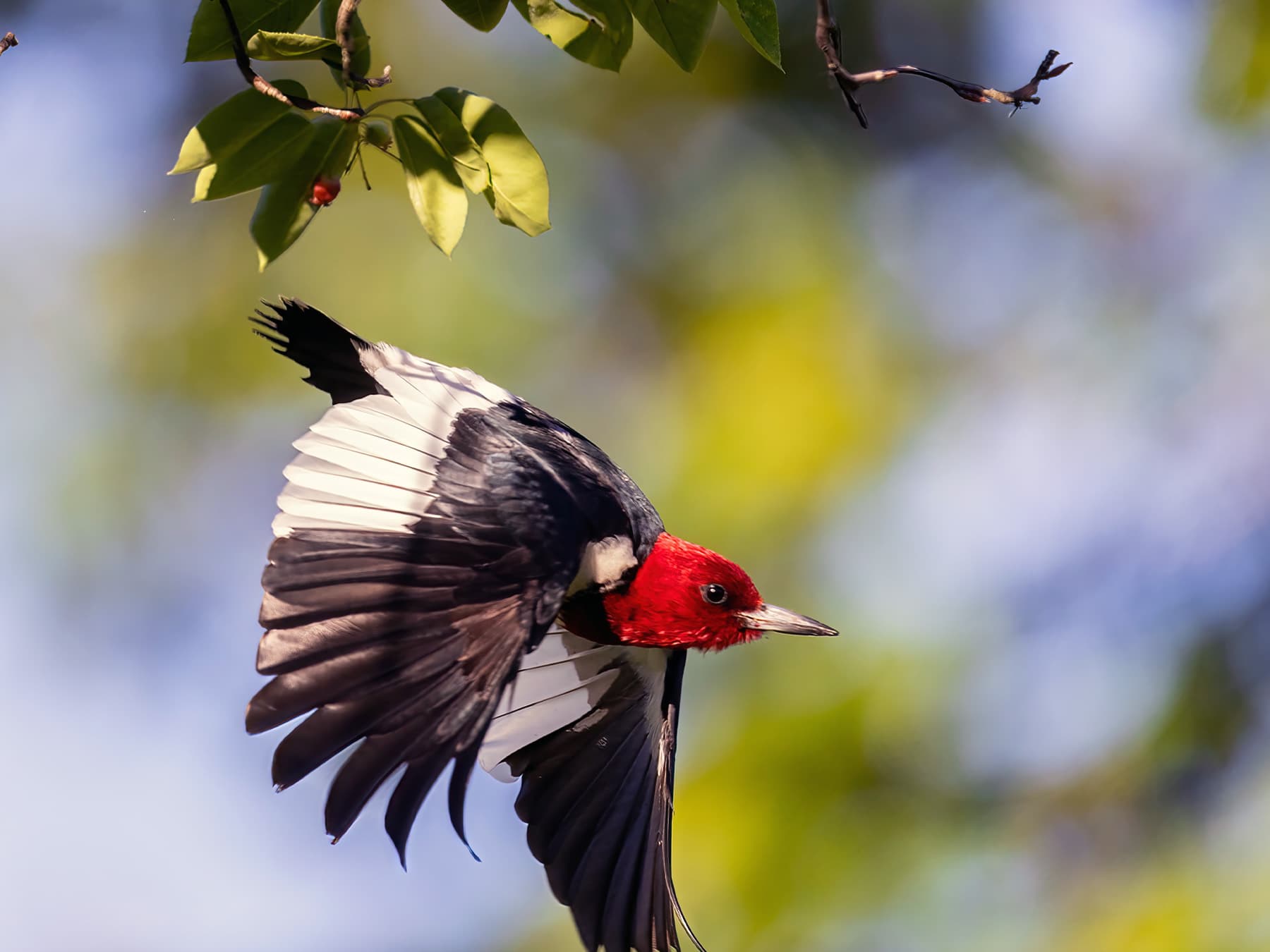
A Red-headed Woodpecker flying from a berry bush Disease
Woodpeckers are susceptible to various illnesses, including viruses, bacterial infections, and internal and external parasites.
Extreme Weather
Woodpeckers nest and roost in tree cavities, which leaves them vulnerable when their tree collapses, breaks, or splits. Hurricanes and lightning strikes may cause trees to topple over, killing adult Woodpeckers as well as their eggs and chicks.
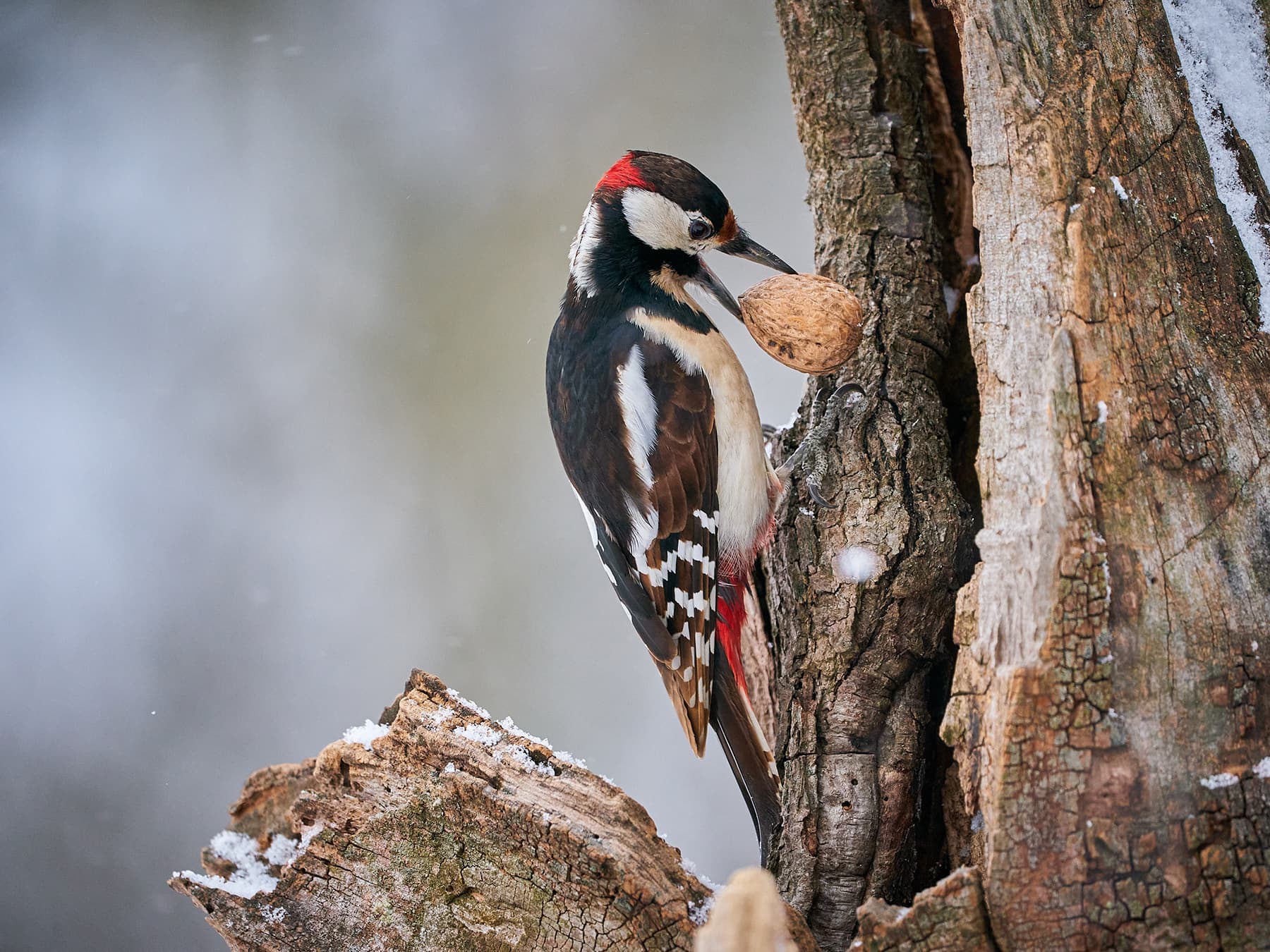
A Great Spotted Woodpecker storing food during the winter How Do Woodpeckers Stay Healthy and Live Longer?
Woodpeckers have evolved over millions of years into the specialized birds we know today. They’ve gotten this far by developing some rather unique morphological and behavioral adaptations along the way.
Physical Adaptations
Woodpeckers have many physical and behavioral adaptations to increase their chances of survival. They have unique physical features like a powerful bill and an extra-long tongue, stiff tail feathers, and zygodactyl feet.
Behavioral Adaptations
Specialized physical features allow them to find a meal hidden behind bark, within the wood, or even underground, but they also enable Woodpeckers to chisel out secure nesting and roosting sites that are safe from many predators and the weather.
However, sleeping and nesting in a cavity offers little chance of escape from predators small enough to enter. Pileated Woodpecker, create many separate entrances to their roosting areas to avoid being trapped.
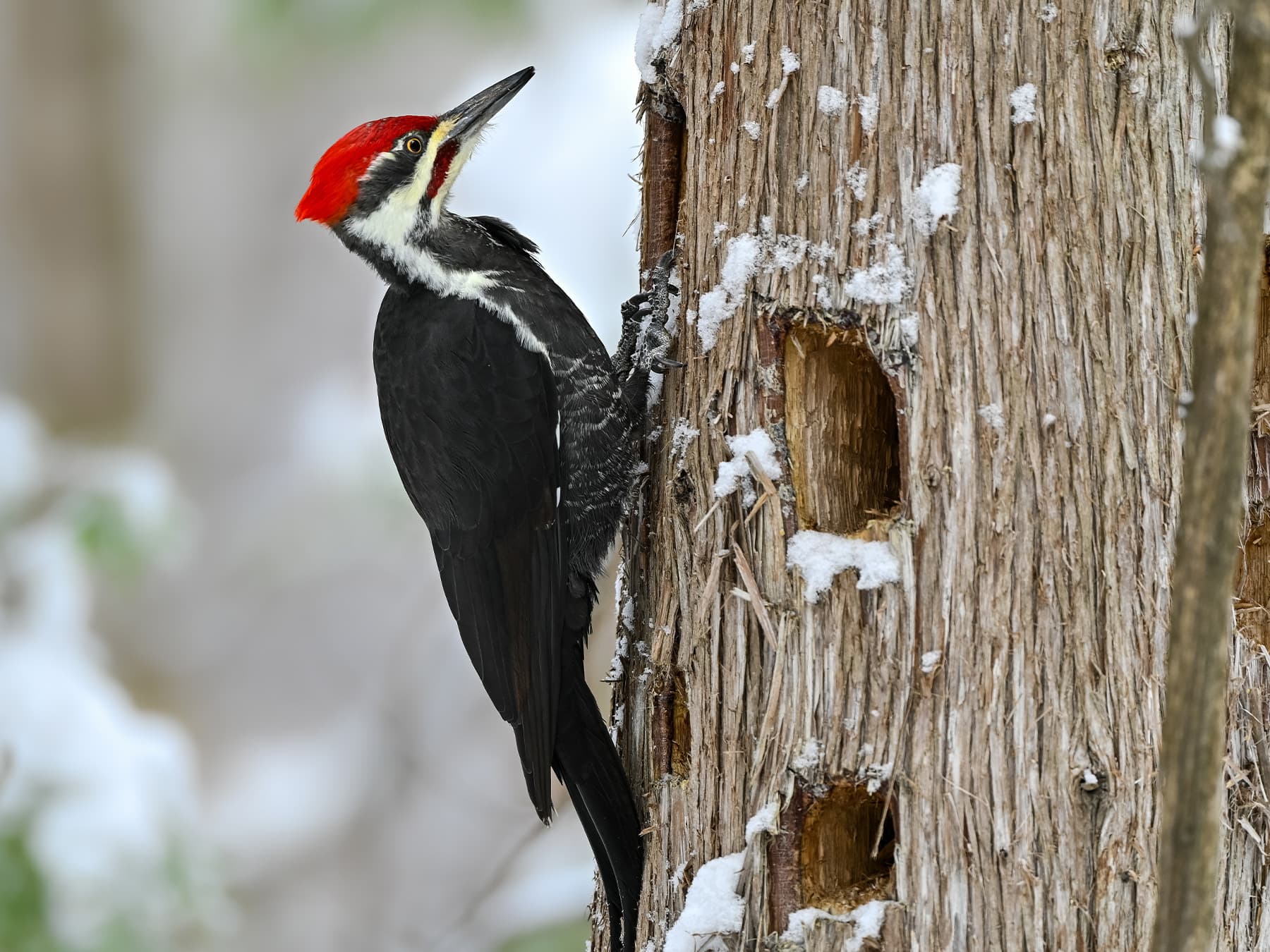
The Pileated Woodpecker creates separate entrances to their roosting areas to escape from predators Migration
Many Woodpeckers can survive in surprisingly harsh climates during every month of the year, including the freezing cold of the far north and the extreme heat of places like Death Valley in the American Southwest.
However, some species migrate each year to avoid food shortages. Yellow-bellied Sapsucker are among the best-known migrants in the Woodpecker family, but many species make regular short/medium distance migrations and dispersive movements.
Food Storage
Acorn Woodpecker is a social species that knows how to plan ahead. These birds store a crop of acorns and other forest tree mast for the lean days of winter. Lewis’s Woodpecker.
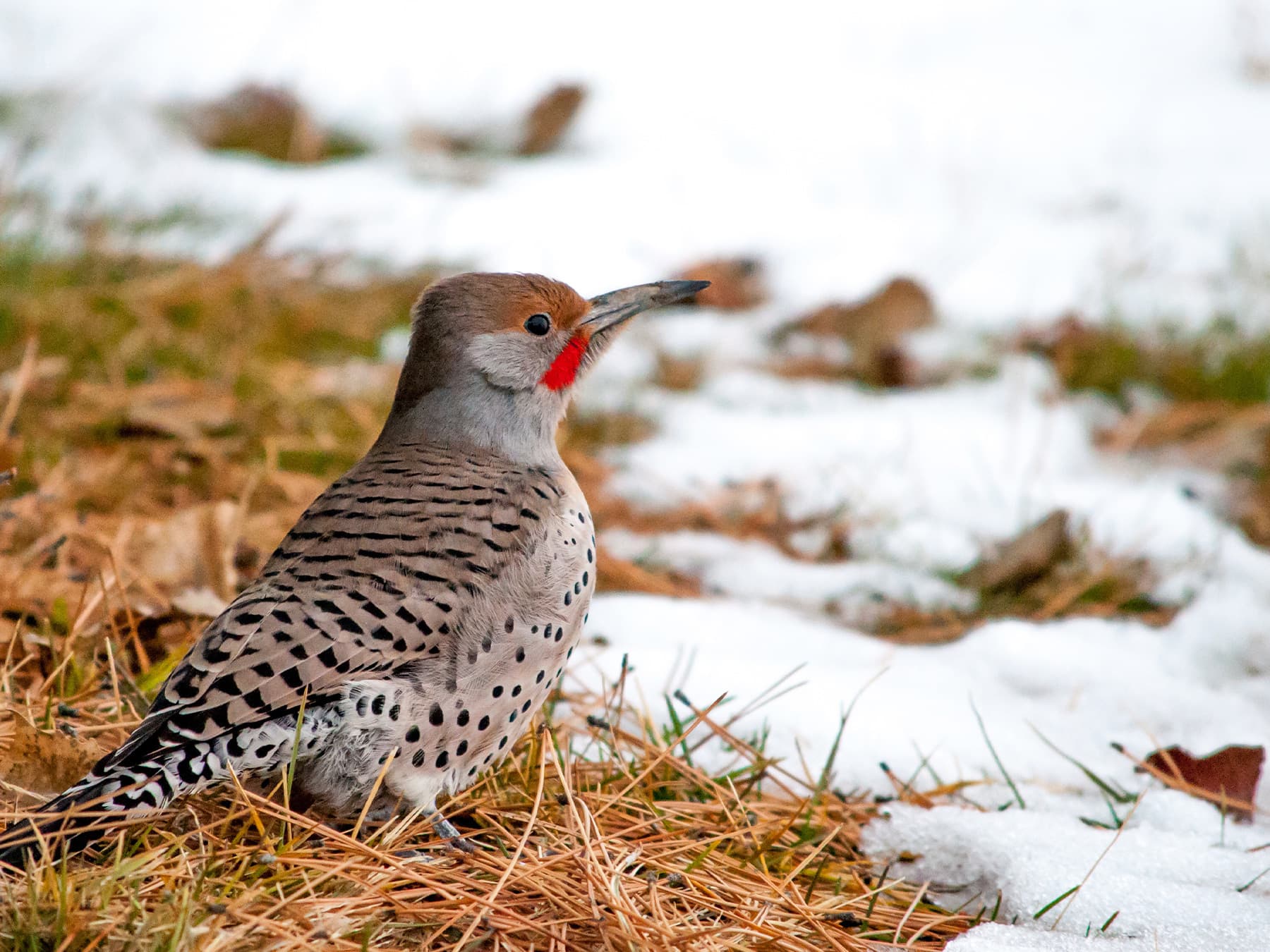
The Northern Flicker (pictured) are among some of the best-known migrants in the Woodpecker family The Role of Conservation in Woodpecker Lifespan
Conservation efforts are generally more focused on preserving Woodpecker populations than individuals, although they certainly can help reduce mortality. Conserving natural habitats protects Woodpeckers by securing a healthy environment with natural feeding and nesting sites.
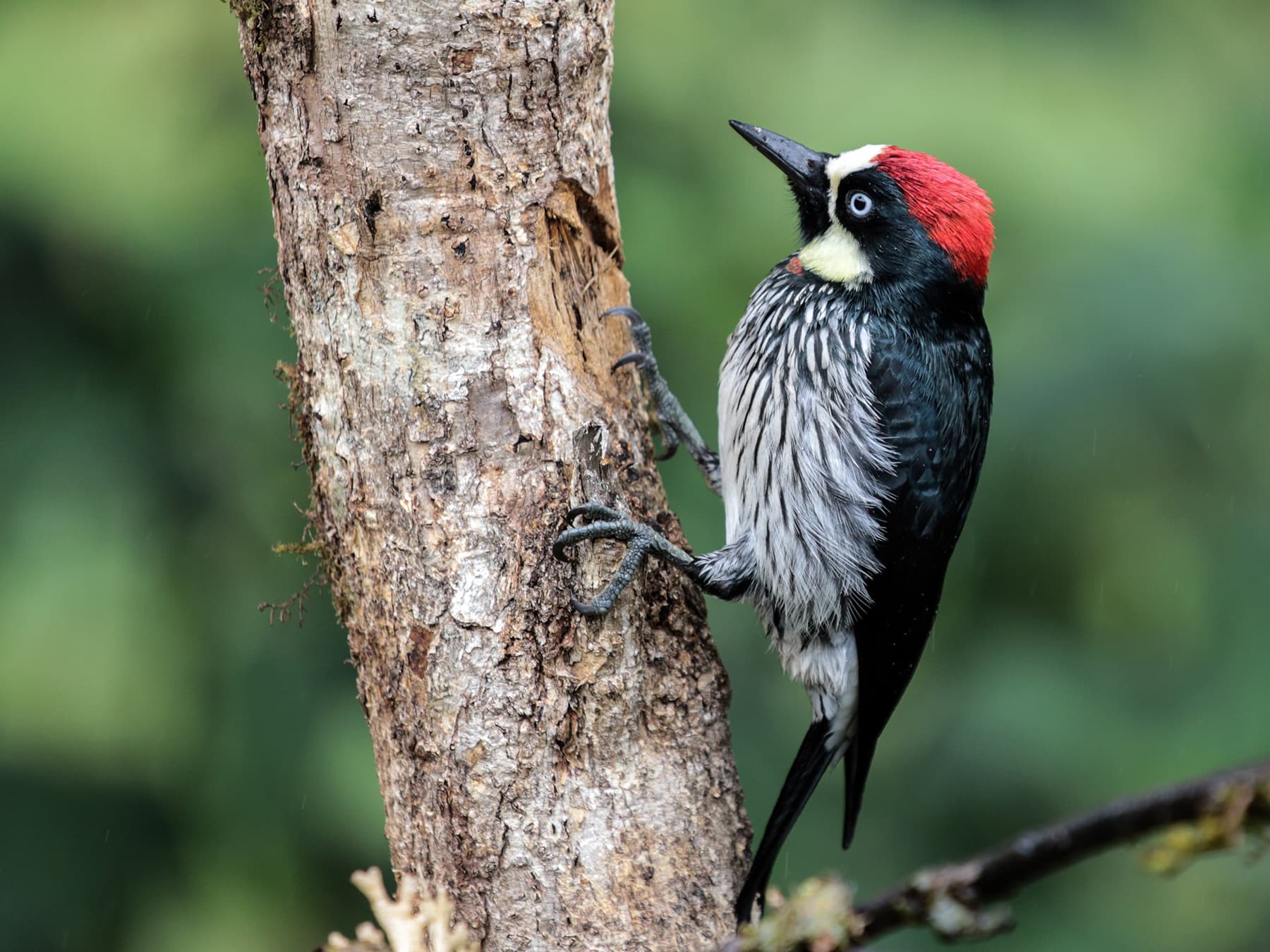
The Acorn Woodpecker (pictured) is a relatively long-lived species, with some birds reaching at least 17 years of age FAQs
What is the typical lifecycle of a Woodpecker?
Woodpeckers are cavity-nesting birds that raise one or more broods of young each year. They are generally monogamous and form pairs when they are just a year old. Their eggs hatch fast, often in less than two weeks, and their young fledge the nest after about three to four weeks.
How do most Woodpeckers die?
Most Woodpeckers probably die of starvation and predation. An exhausted, injured, or sick Woodpecker will not survive long without food. An opportunistic predator may discover the weakened bird before it succumbs, or its body may be scavenged or simply decompose.
What is the oldest recorded Woodpecker?
The Acorn Woodpecker is a relatively long-lived species, with some birds reaching at least 17 years of age. While impressive for a Woodpecker, this is nowhere near the potential of long-lived species like Albatroses and Cockatoos that may live over 70 years!