Finches in Durham
12 species matching this filter.
Durham is home to 12 species of finch, thriving across the county's diverse habitats from upland moorlands and conifer plantations to lowland gardens and hedgerows. Notable species include the colourful Brambling, a winter visitor from Scandinavia, the elusive Hawfinch found in mature broadleaved woodlands, and the charismatic Red Crossbill of the county's conifer forests. For help telling these species apart, see our Types of Finches in the UK: Identification Guide.


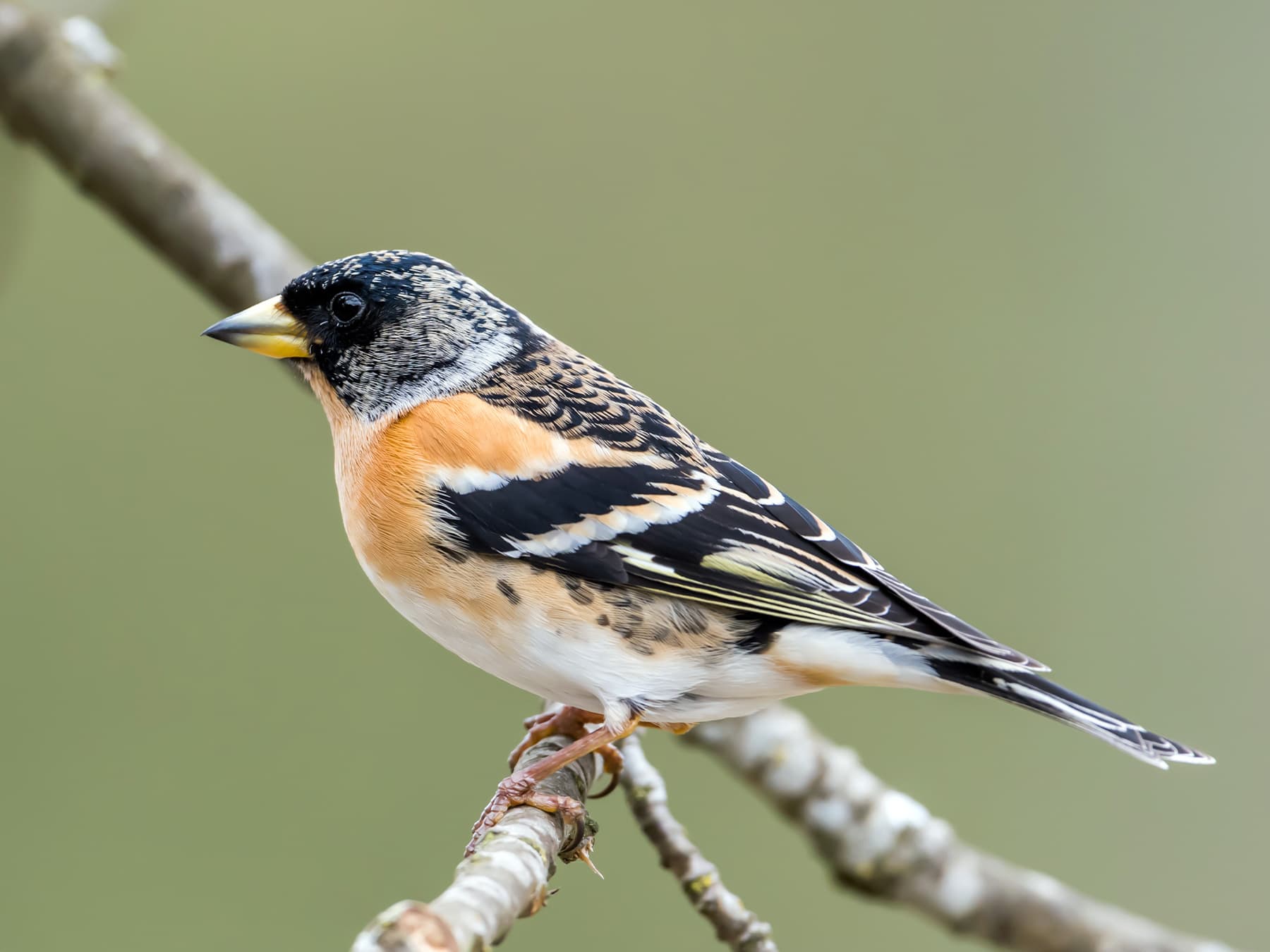
Brambling
Fringilla montifringillaLC
A rare winter visitor from Scandinavia, sometimes joining chaffinch flocks at woodland edges and farmland from October to April.
Oct–Apr
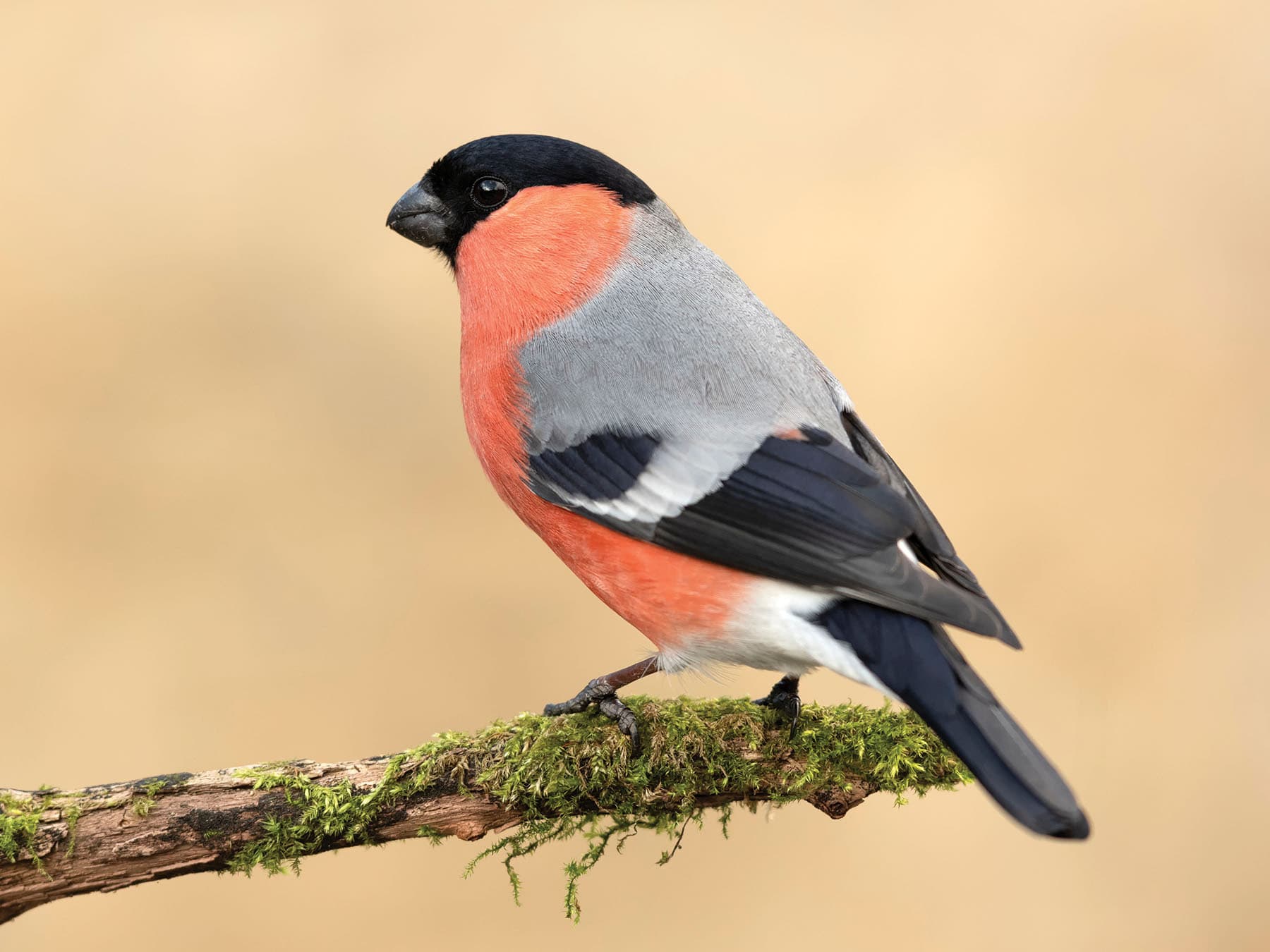
Bullfinch
Pyrrhula pyrrhulaLC
An uncommon but year-round resident of Durham's hedgerows and woodland edges, often betrayed by its soft, piping call.
Year-round
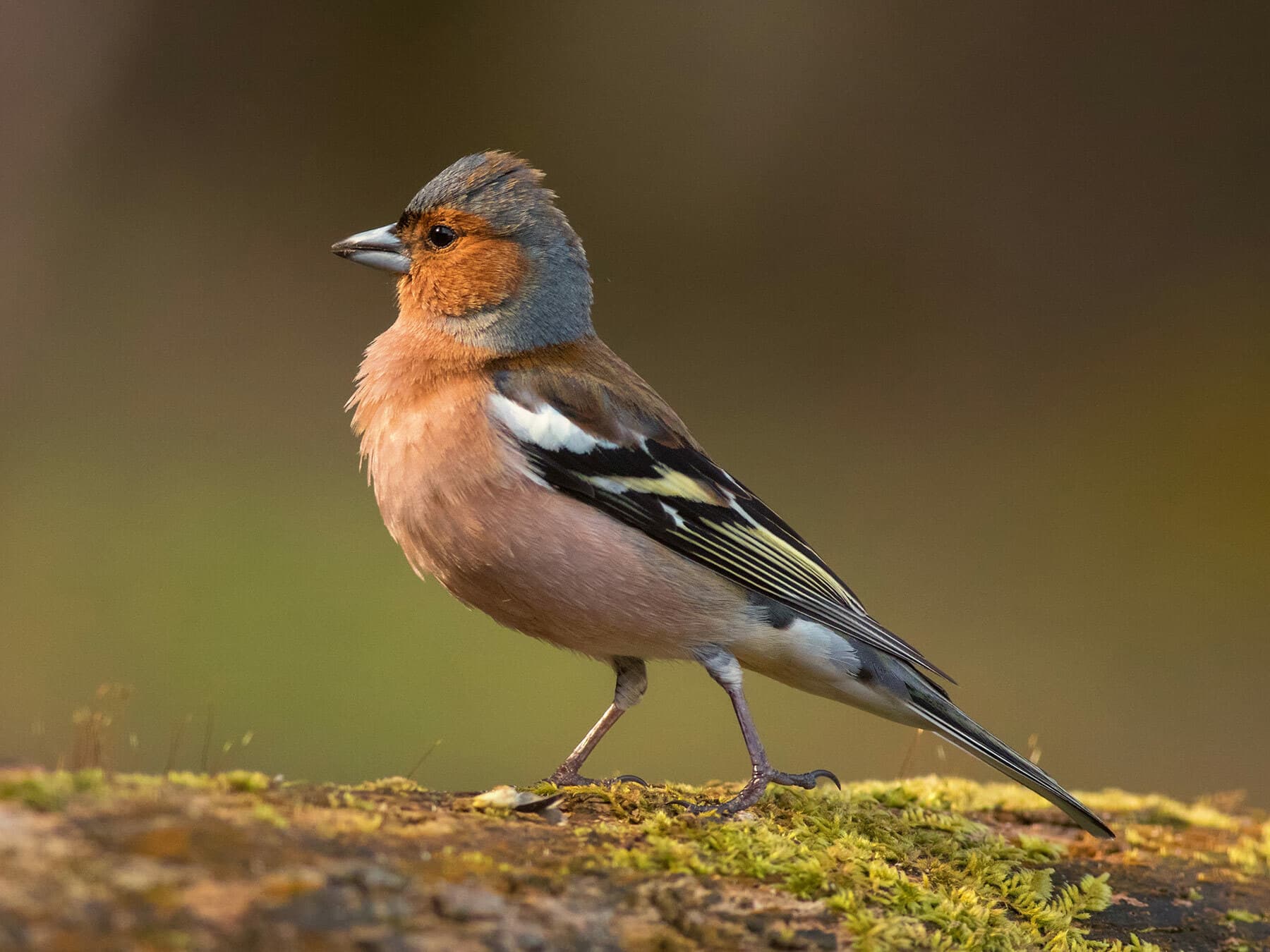
Chaffinch
Fringilla coelebsLC
A common and familiar resident of Durham's woodlands, hedgerows, and gardens, with a bold, ringing song heard year-round.
Year-round
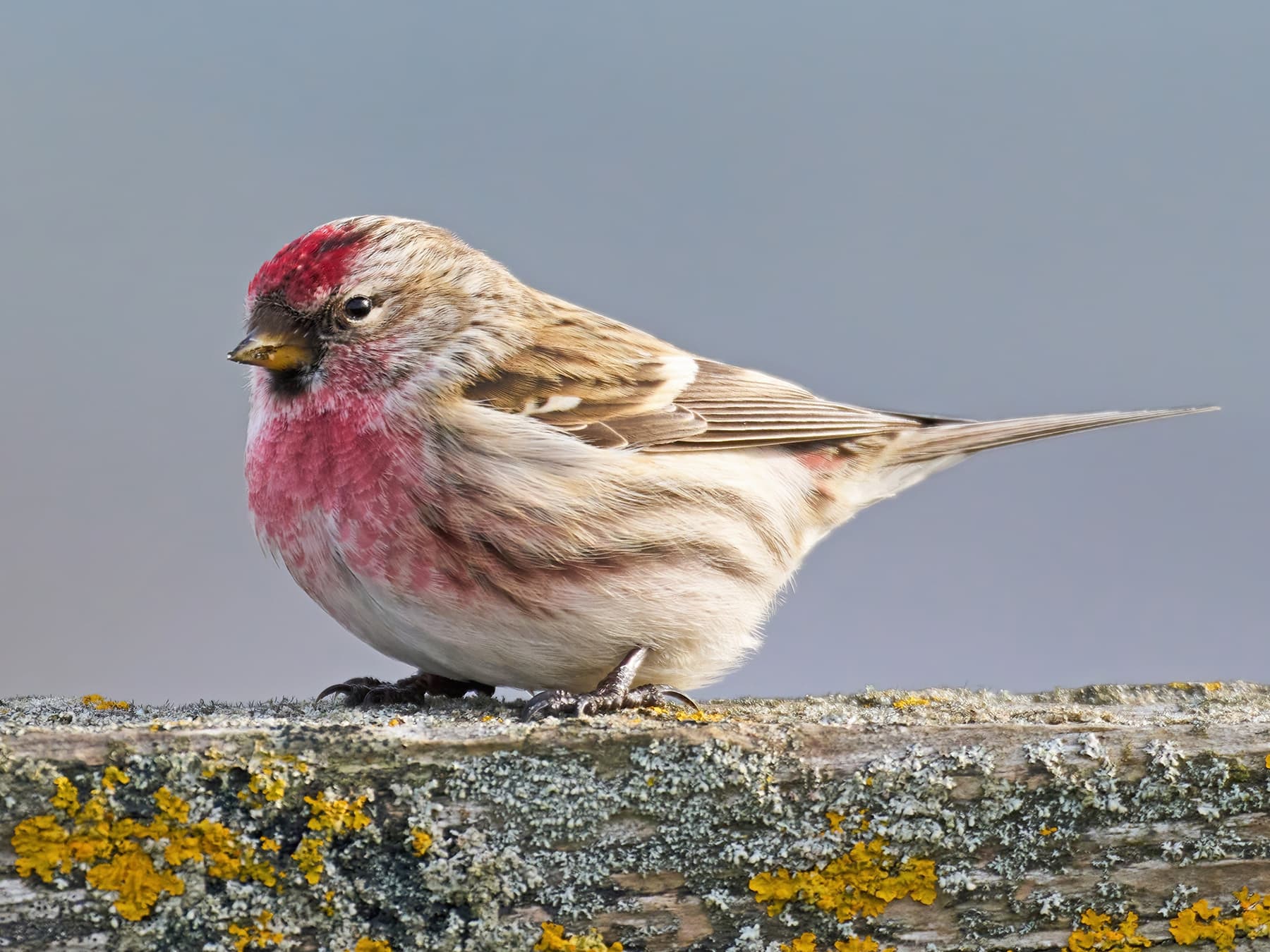
Common Redpoll
Acanthis flammeaLC
A rare resident found in birch and alder woodland, sometimes visiting garden feeders in winter with siskin flocks.
Year-round
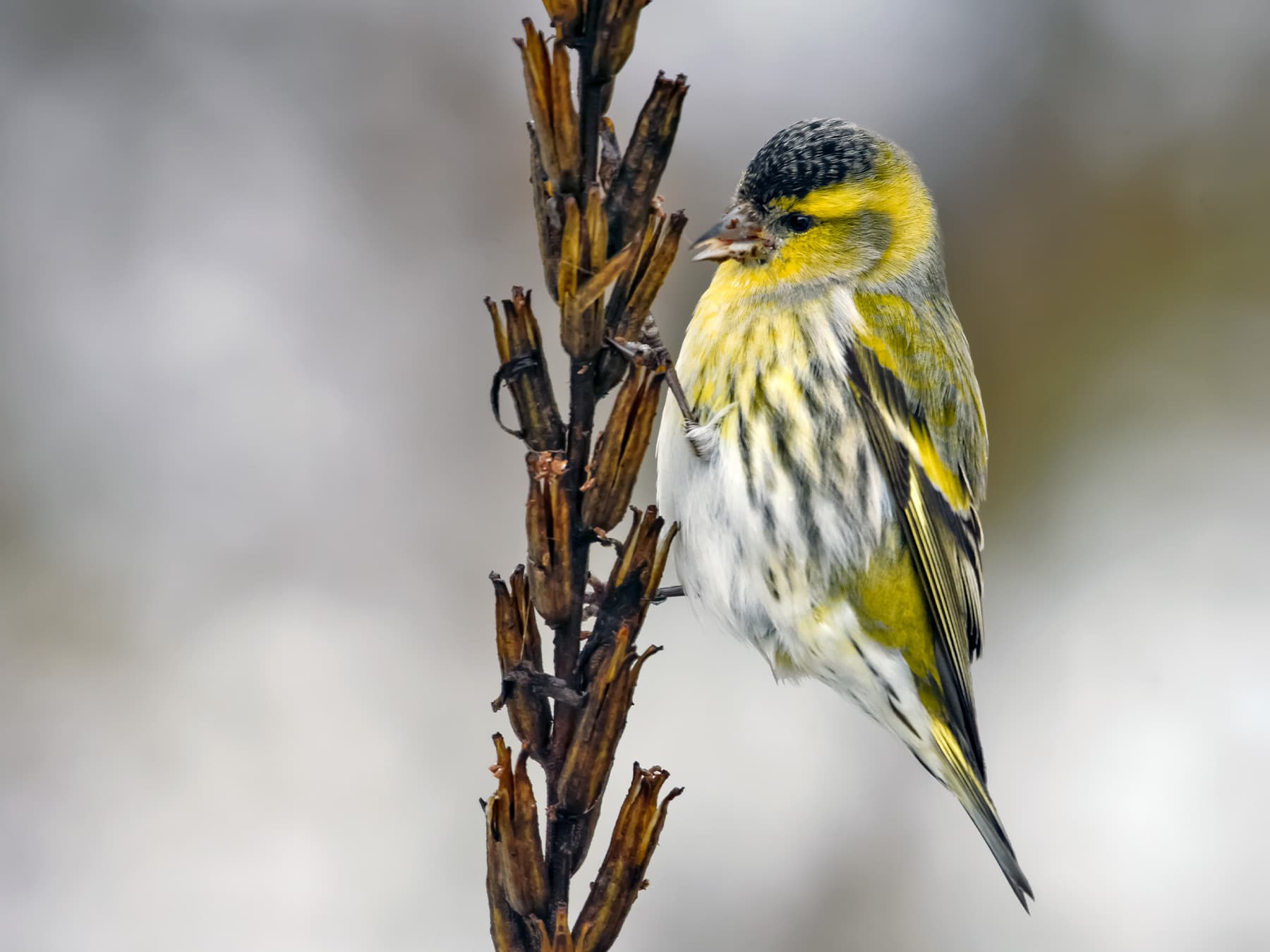
Eurasian Siskin
Spinus spinusLC
An uncommon resident favouring conifer plantations and alder-lined waterways. Numbers fluctuate, with winter flocks visiting garden feeders in some years.
Year-round
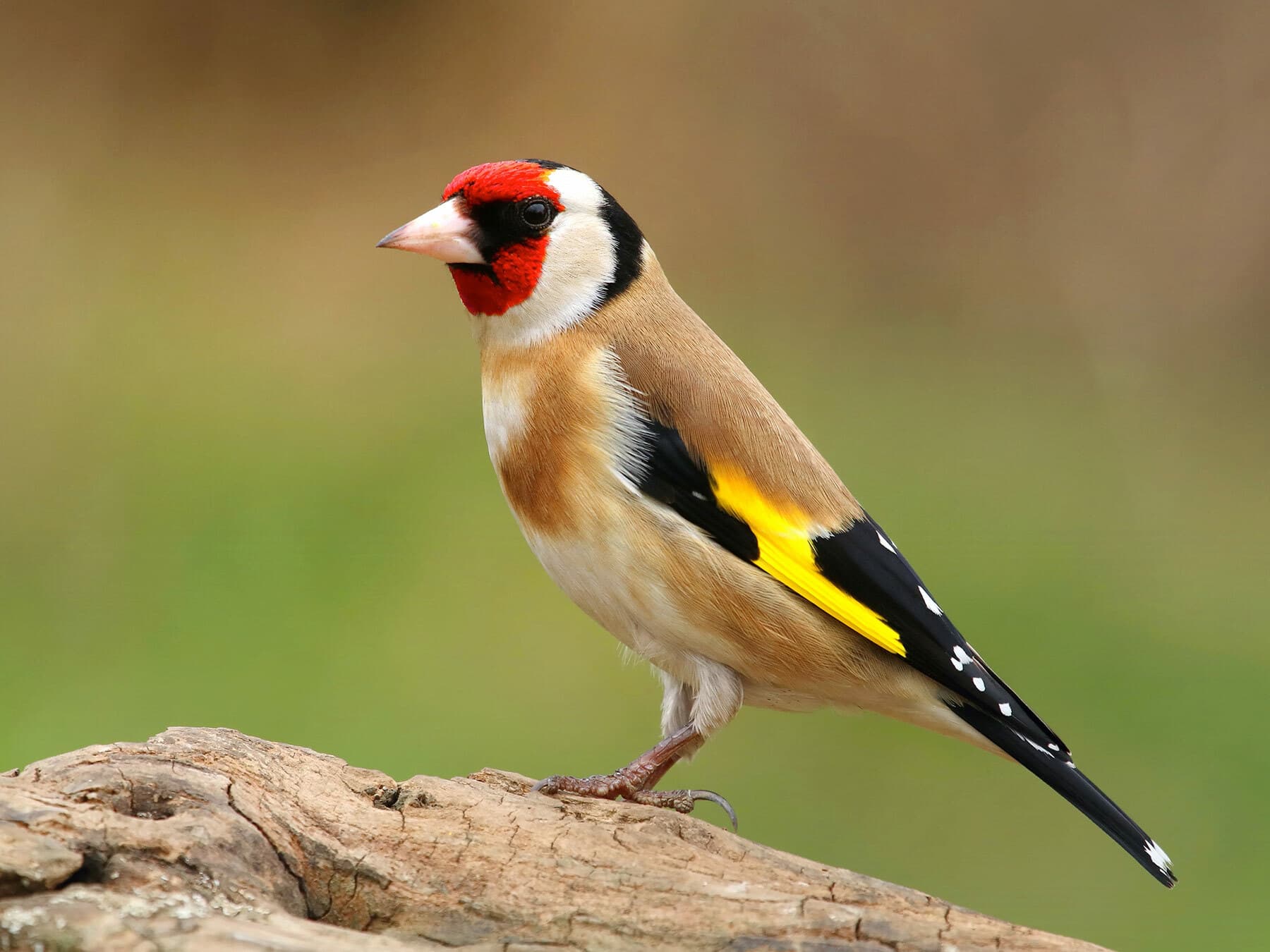
European Goldfinch
Carduelis carduelisLC
A common and increasing resident, flocking on teasel and thistle heads across Durham's gardens and waste ground year-round.
Year-round
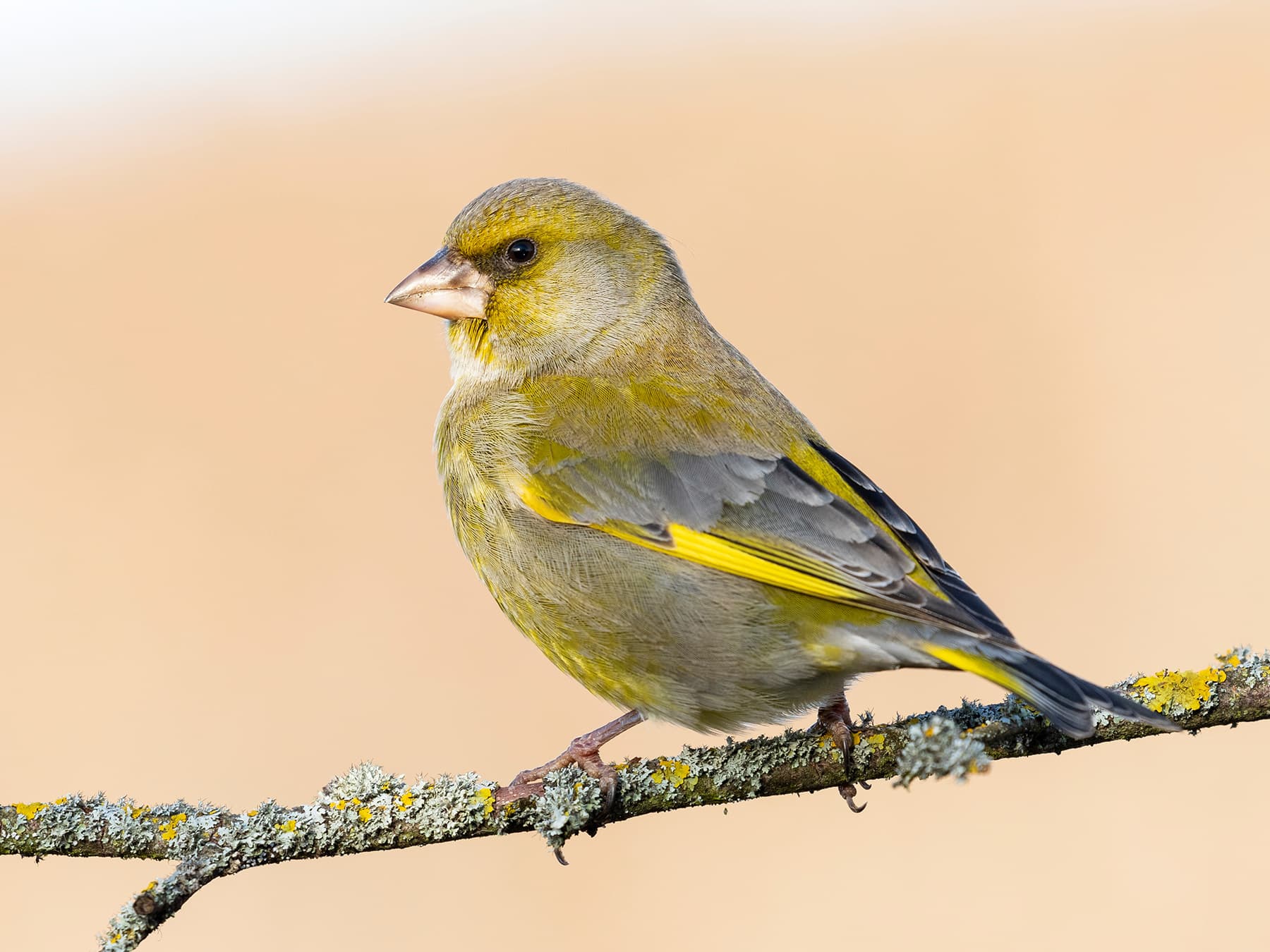
Greenfinch
Chloris chlorisLC
An uncommon resident visiting garden feeders, though numbers have declined sharply due to trichomonosis disease.
Year-round
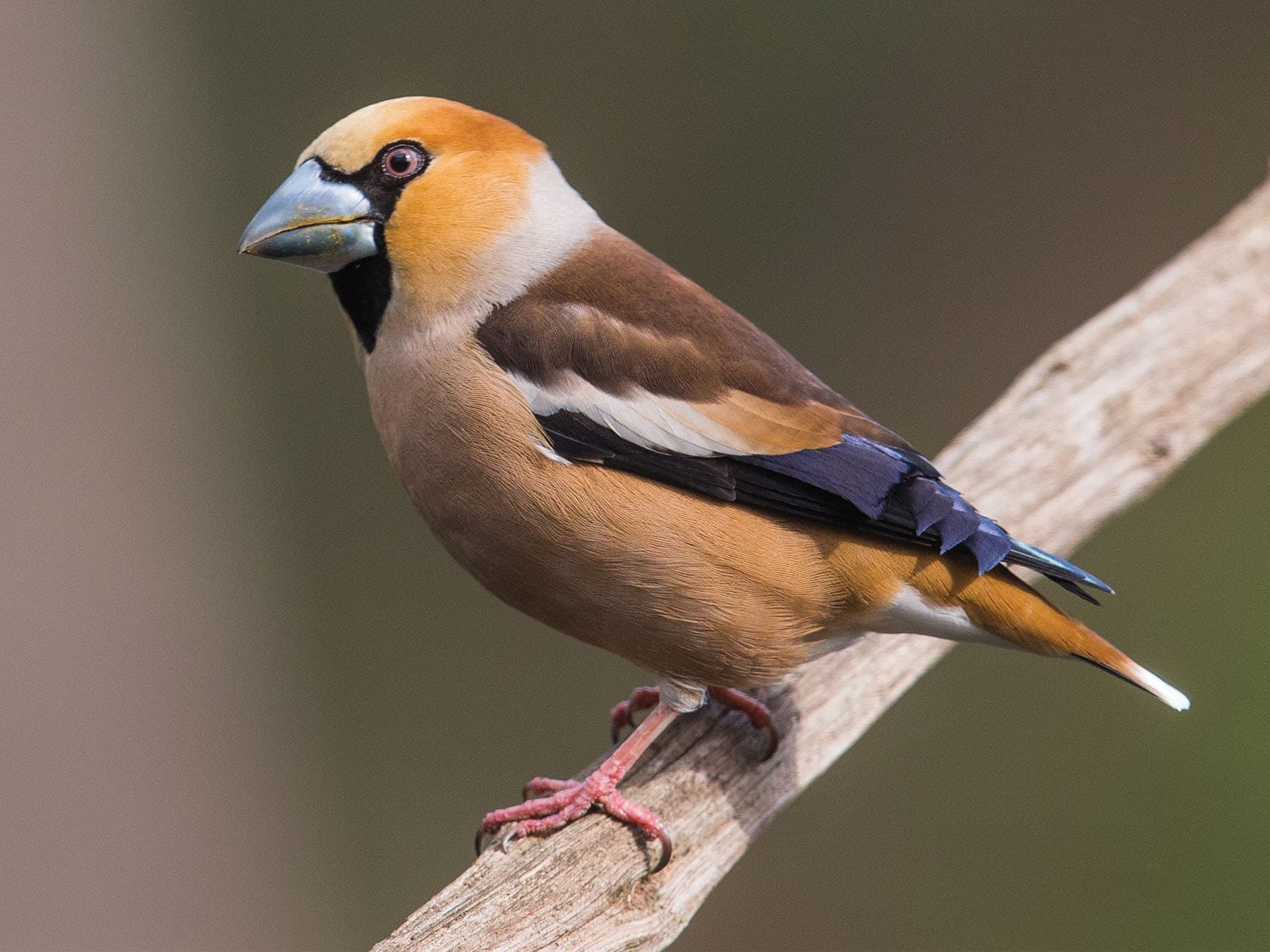
Hawfinch
Coccothraustes coccothraustesLC
A rare and elusive passage visitor, occasionally recorded in Durham's mature woodlands during winter months.
Jan–Feb
Spotted something?
Upload a photo to identify it
Identify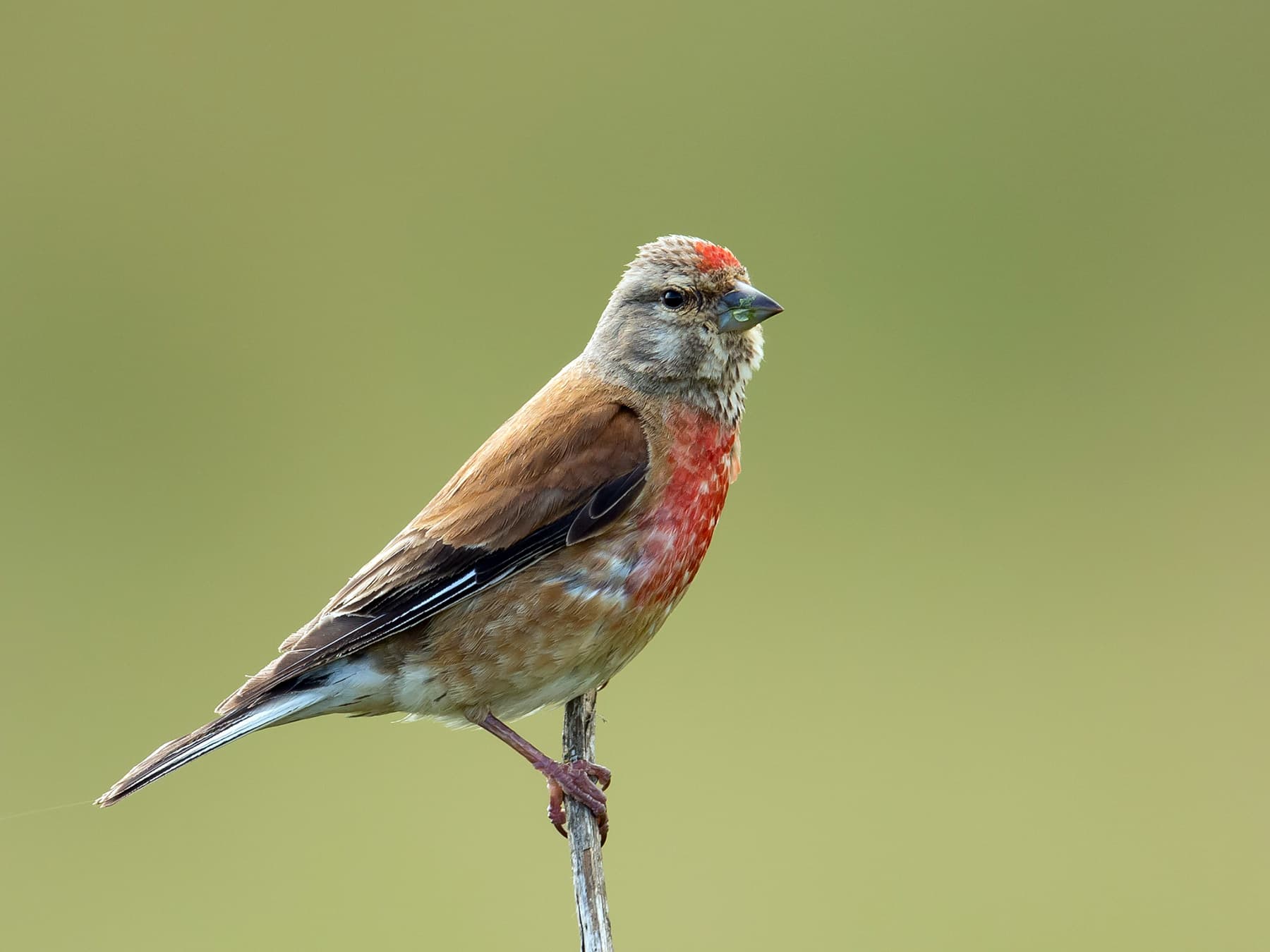
Linnet
Linaria cannabinaLC
An uncommon resident of Durham's gorse-covered commons and farmland hedgerows, declining due to loss of seed-rich habitats.
Year-round
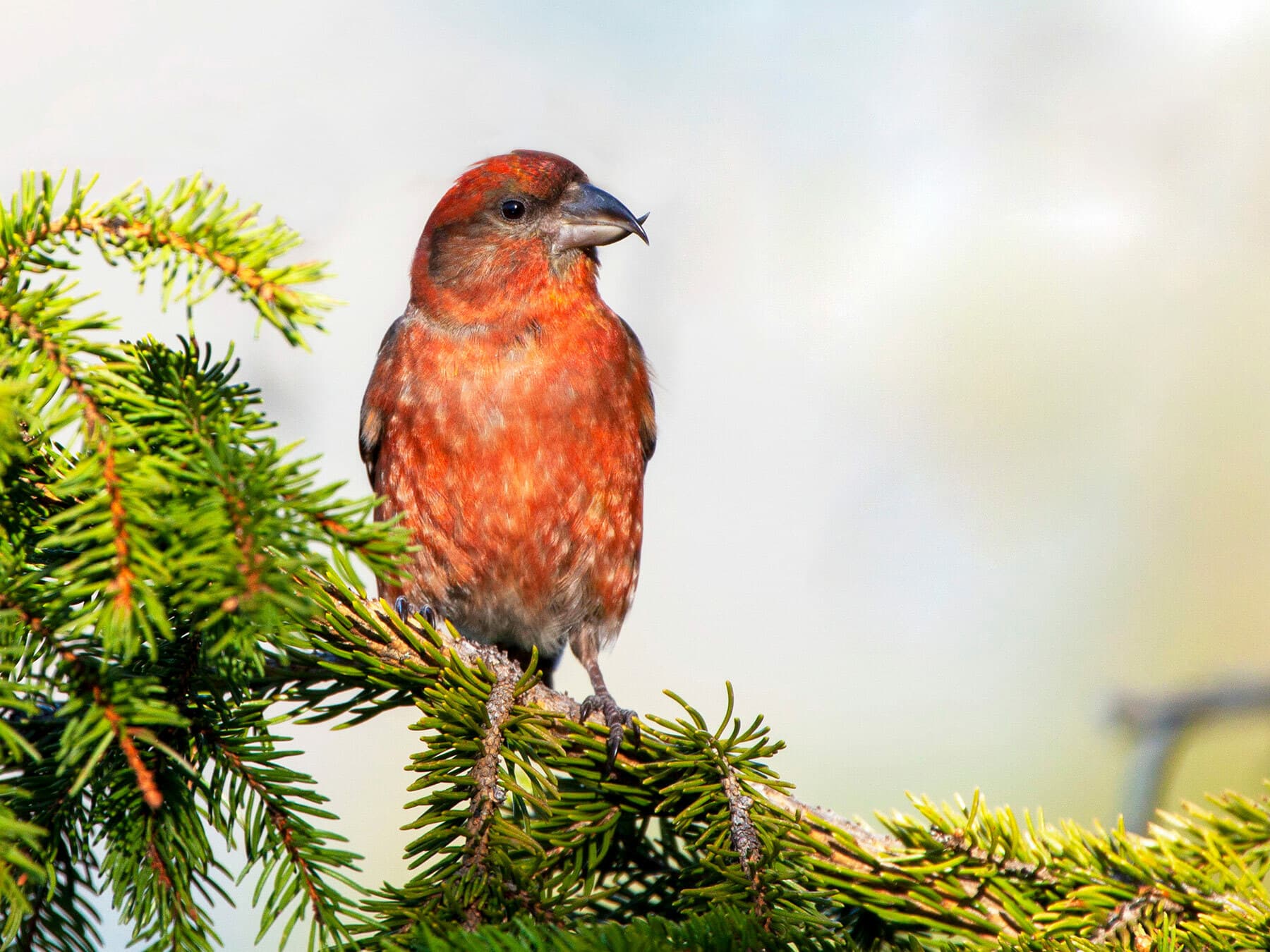
Red Crossbill
Loxia curvirostraLC
A rare and nomadic resident of Durham's conifer plantations, with erratic appearances linked to spruce cone crops.
Jun–Mar
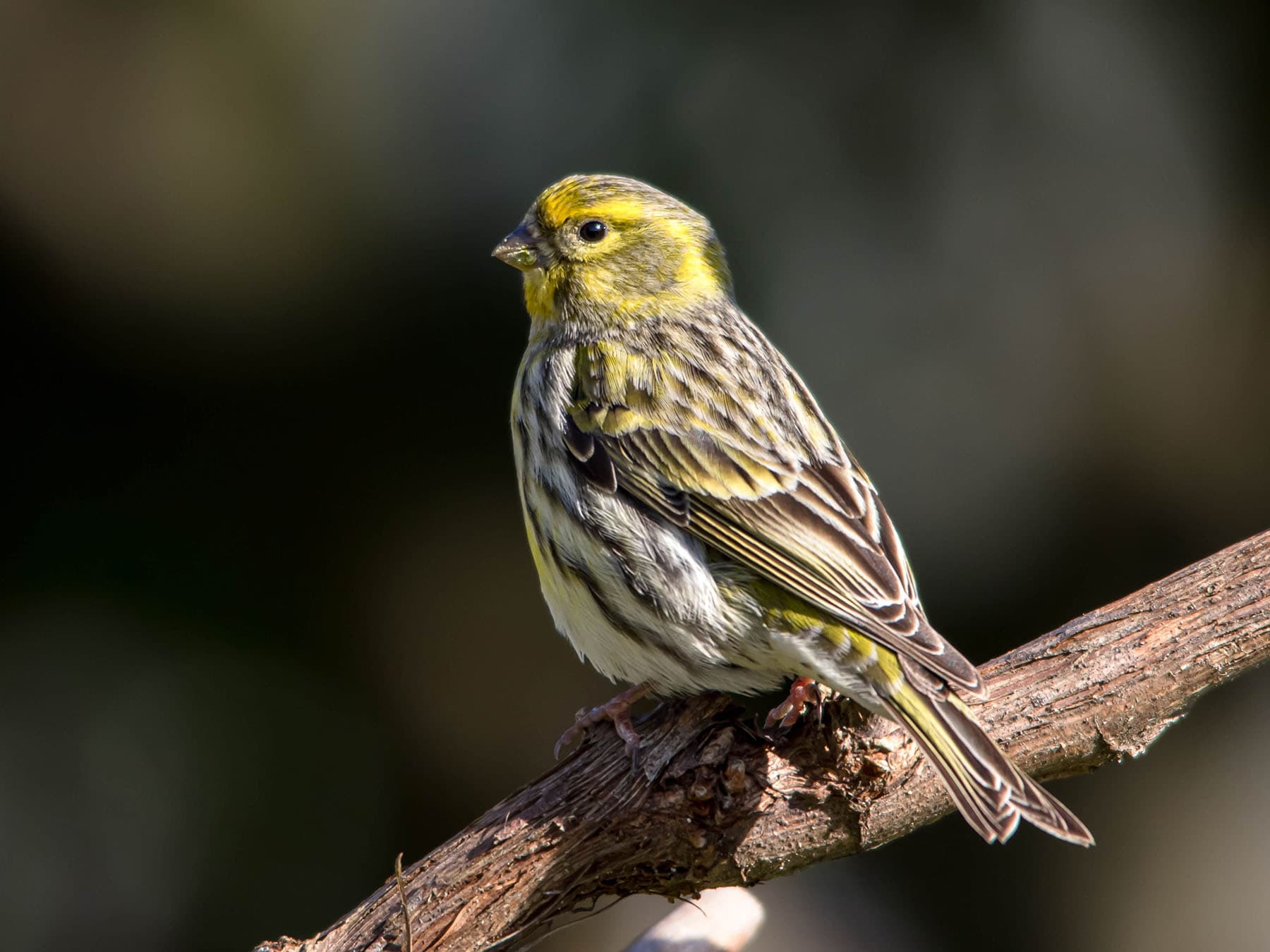
Serin
Serinus serinusLC
An exceptionally rare vagrant from continental Europe, with occasional December records in Durham.
Dec
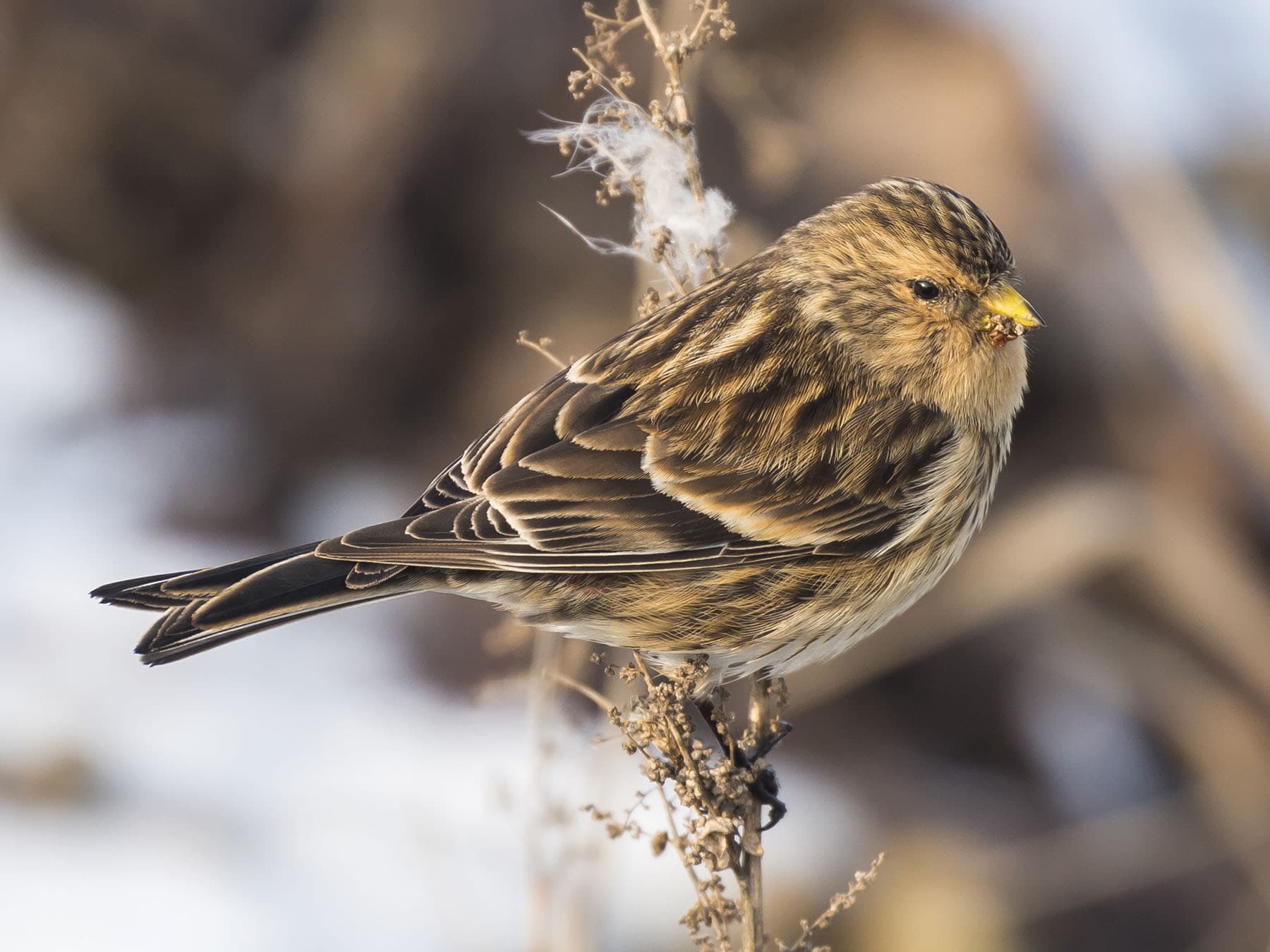
Twite
Linaria flavirostrisLC
A rare winter visitor to Durham's coast and stubble fields, present from November to March in small flocks.
Nov–Mar