Birds in Gloucestershire
Explore 195 species found in this region.
Gloucestershire is a wonderfully diverse county for birdwatching, with 189 recorded species found across its varied landscapes. From the wetlands of the Severn Estuary and the waterways of the Cotswold Water Park to the ancient woodlands of the Forest of Dean, the county supports an impressive range of habitats that attract both resident and migratory birds. Notable species include the striking Bluethroat, the elegant Northern Lapwing, the elusive Great Grey Shrike, and the colourful Mandarin Duck.
Visiting in September? Look out for Black Tern and Common Redpoll arriving this month, and Red Crossbill and Tundra Bean Goose depart for the season.


Showing 185–195 of 195 species
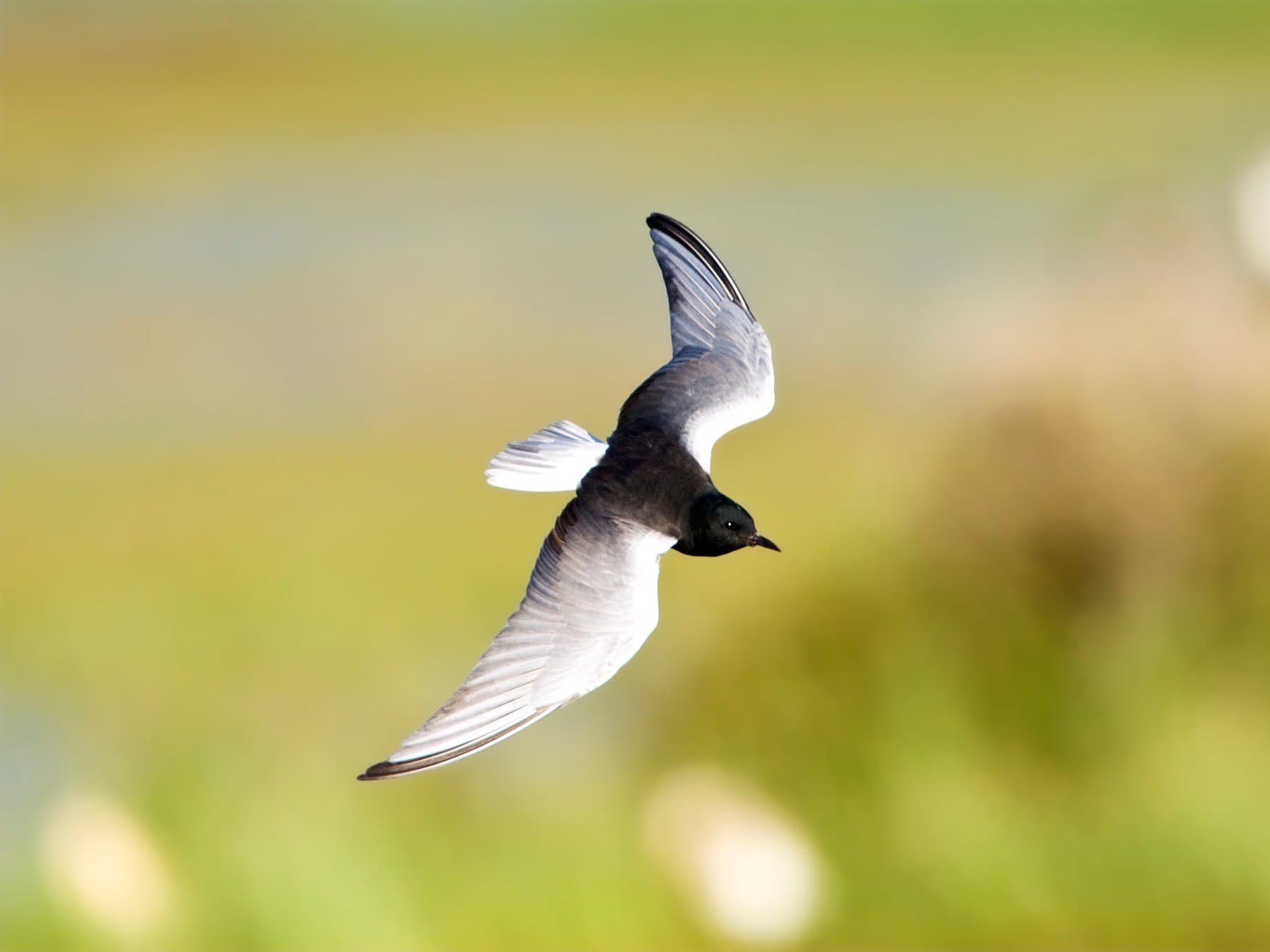
White-winged Tern
Chlidonias leucopterusLC
An extremely rare passage visitor in July, a real prize for county birders when found at reservoirs or gravel pits.
Jul
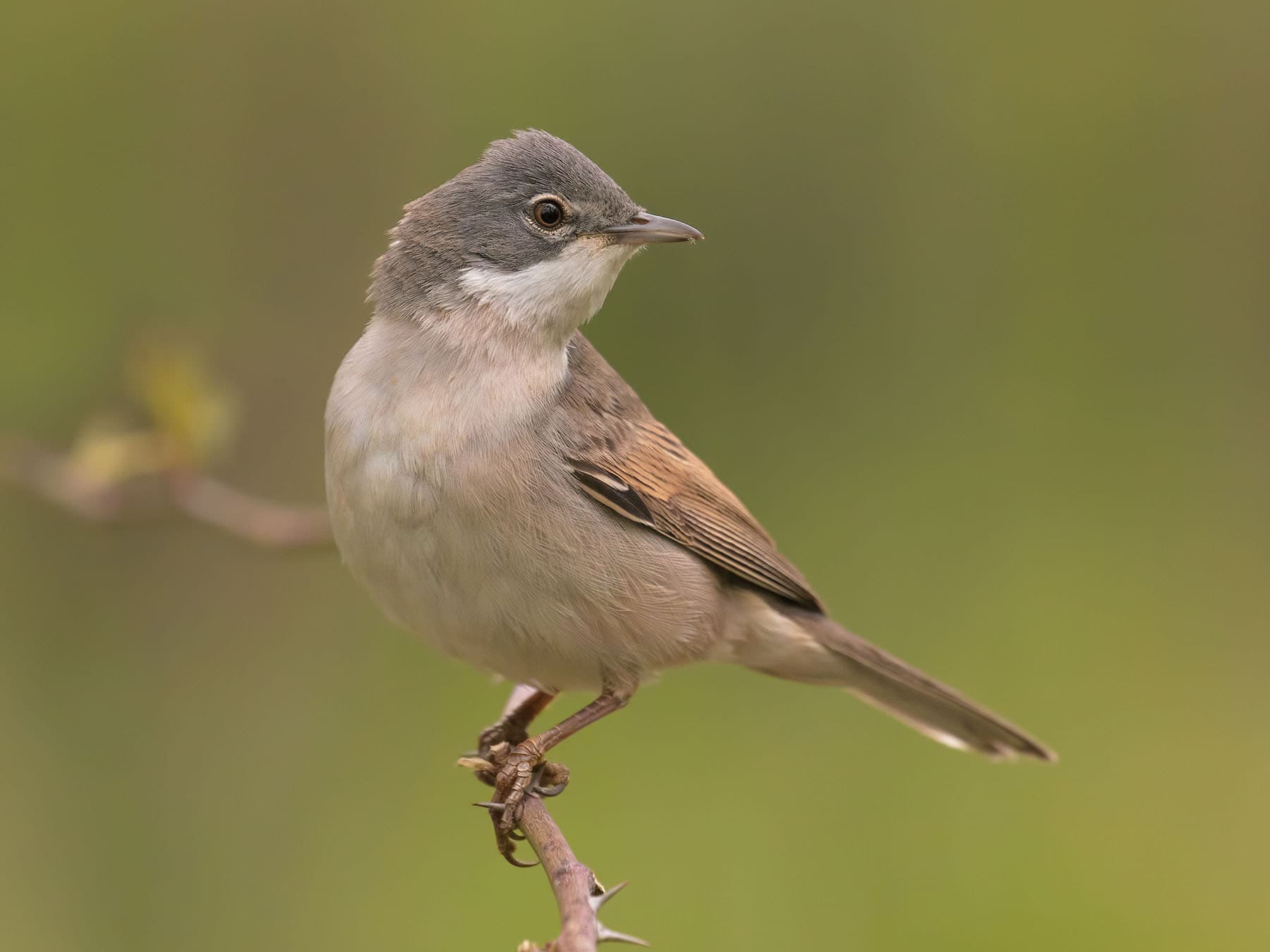
Whitethroat
Curruca communisLC
An uncommon summer breeder arriving in April, favouring hedgerows and scrubby field margins across the county's farmland.
Apr–Sep
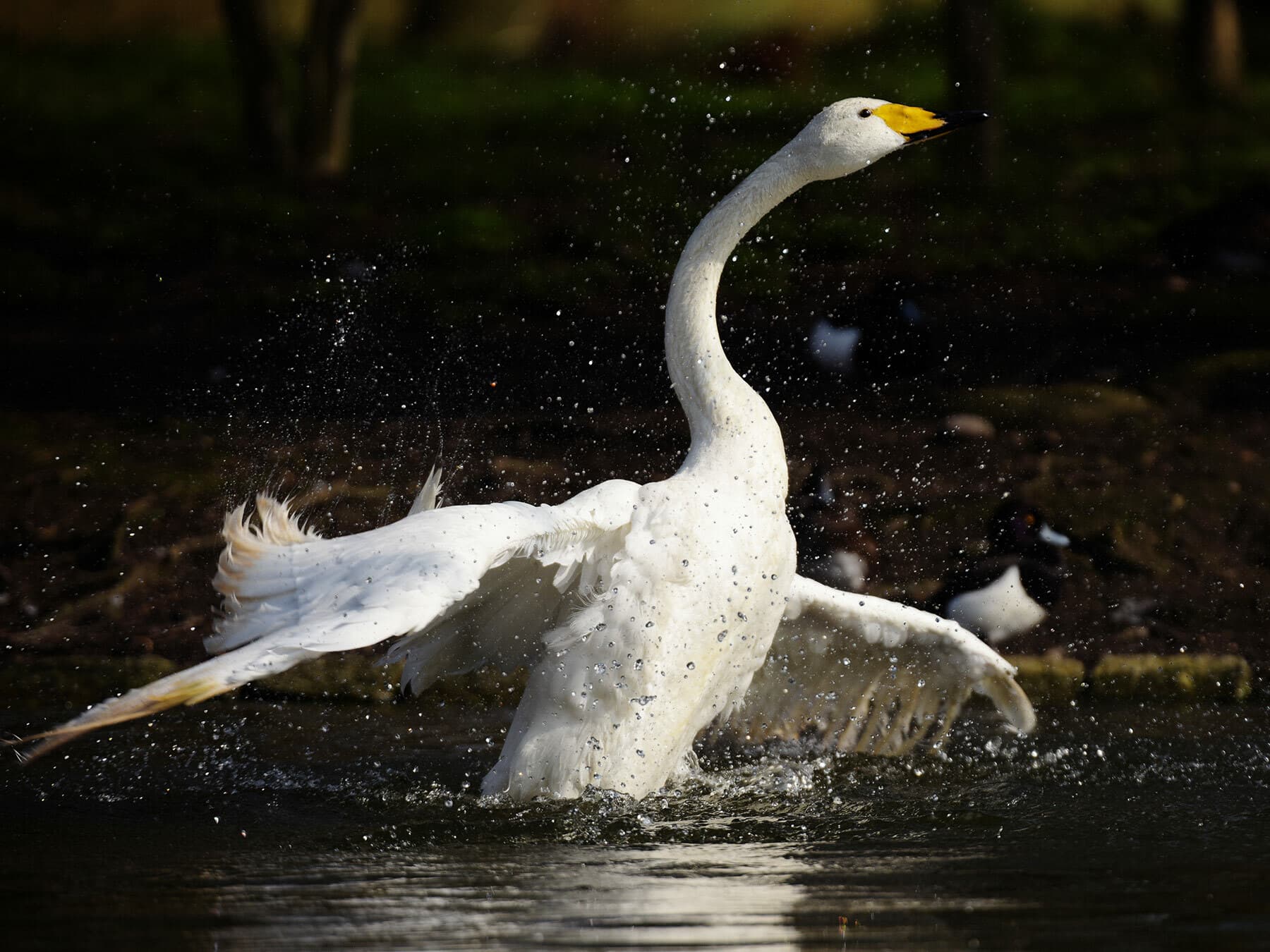
Whooper Swan
Cygnus cygnusLC
A rare winter visitor, occasionally turning up on Severn floodwaters or at Slimbridge WWT between October and March.
Oct–Mar
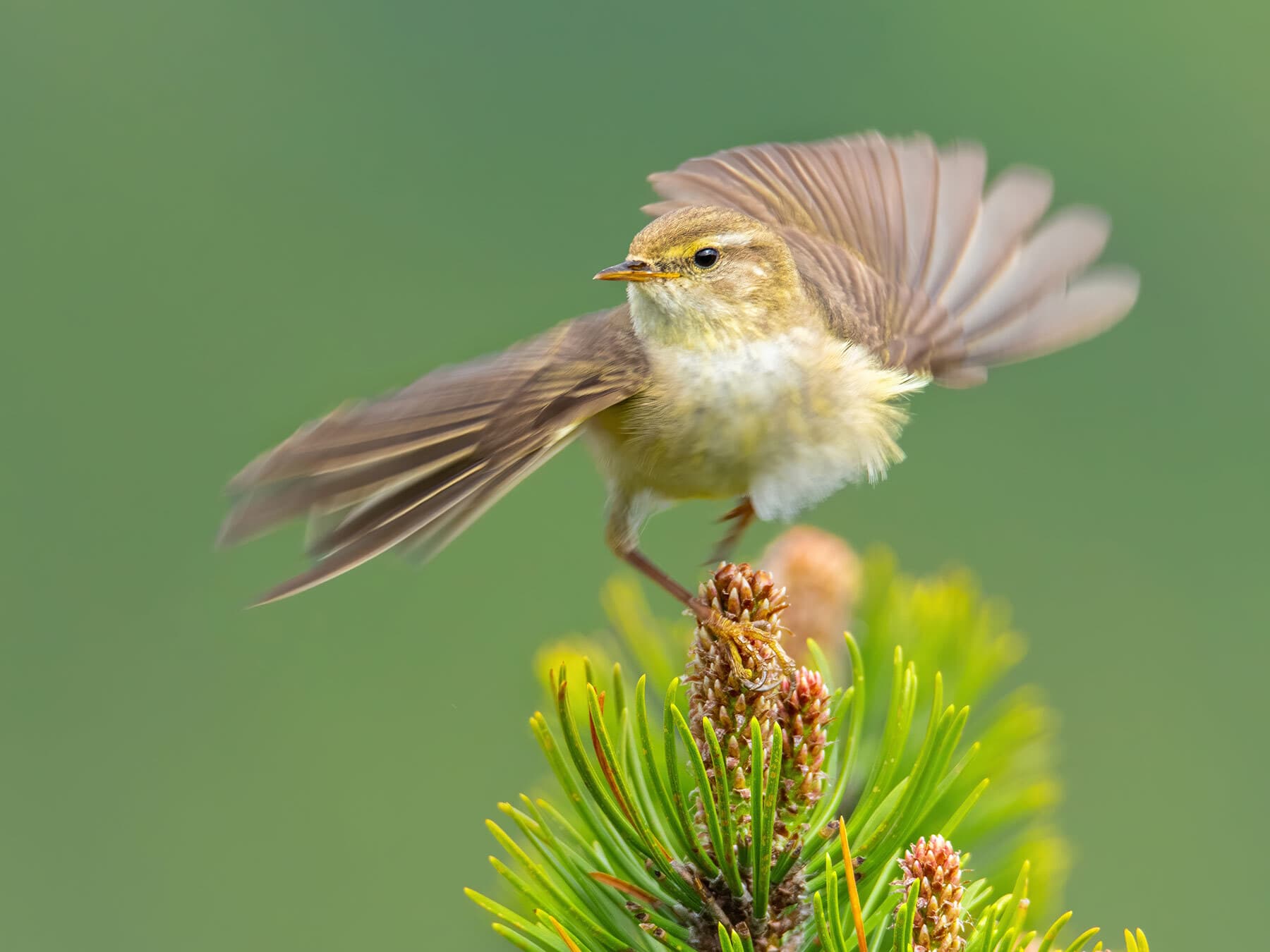
Willow Warbler
Phylloscopus trochilusLC
An uncommon summer breeder favouring scrubby woodland edges and hedgerows, arriving in March and departing by September.
Mar–Sep
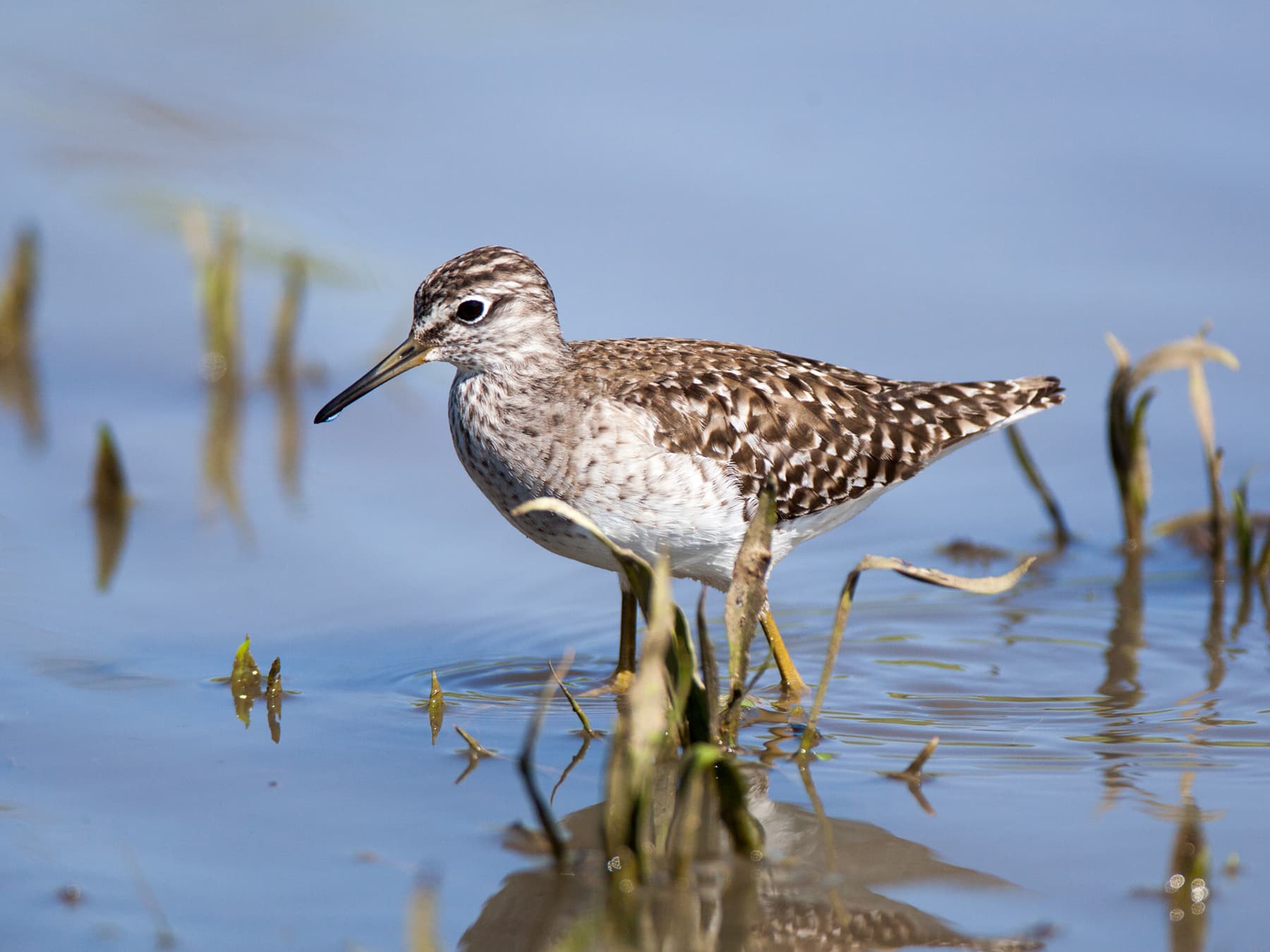
Wood Sandpiper
Tringa glareolaLC
A rare passage migrant through freshwater pools and scrapes, mainly in late summer. A scarce but regular autumn visitor.
May–Sep
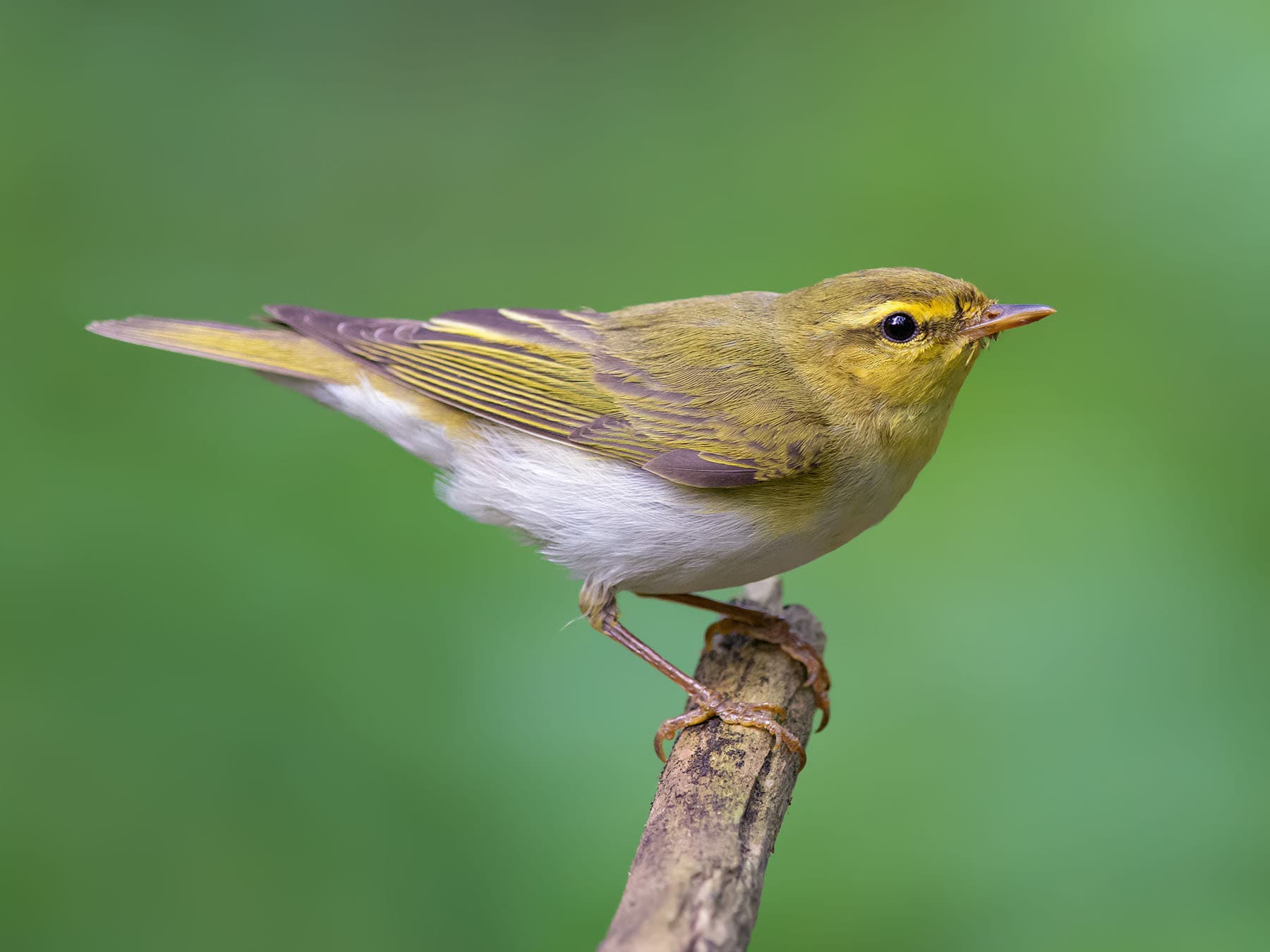
Wood Warbler
Phylloscopus sibilatrixLC
A rare and declining breeder in mature oak woodland, with the Forest of Dean remaining a key stronghold from April to June.
Apr–Jun
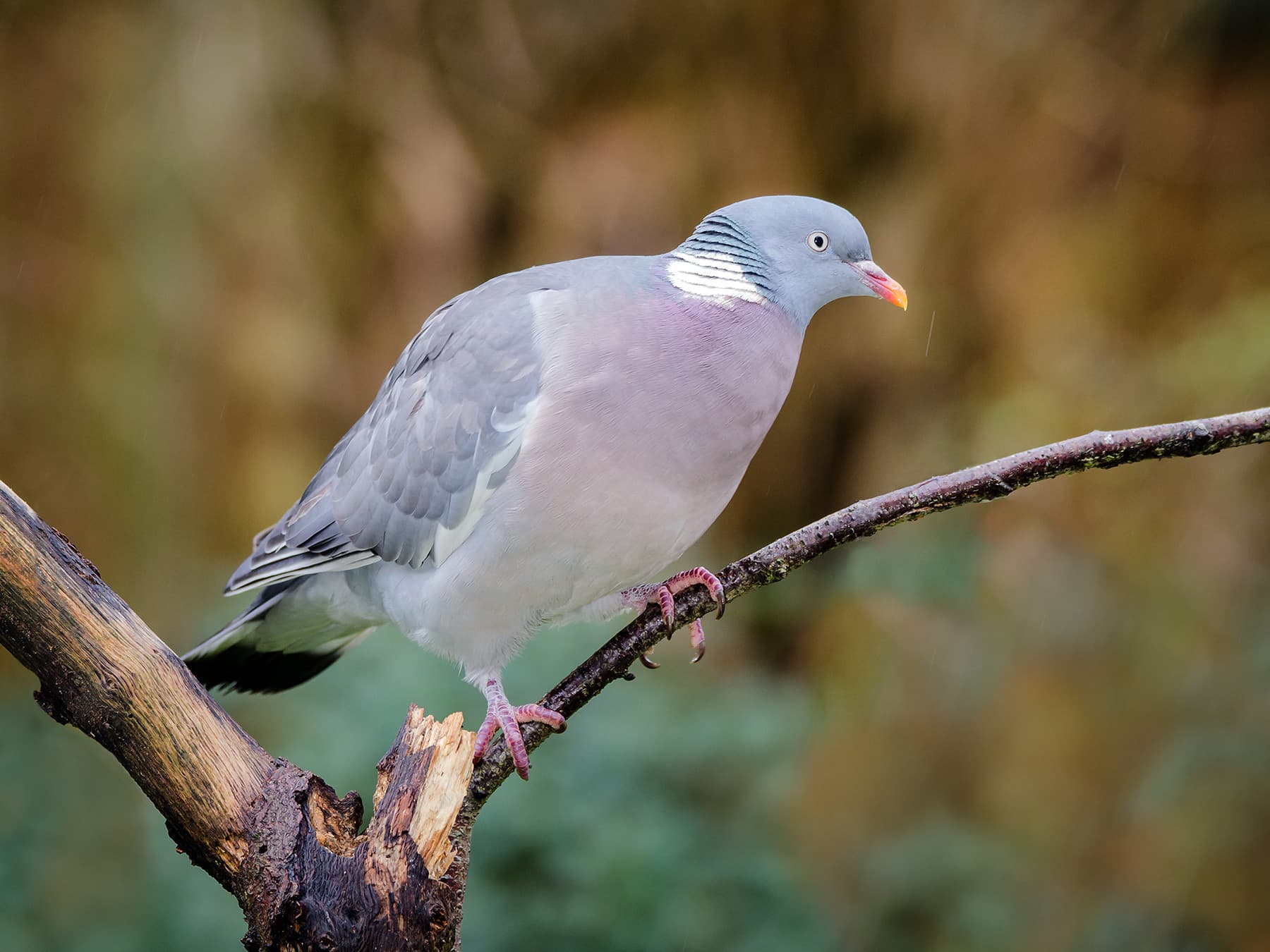
Woodpigeon
Columba palumbusLC
An abundant year-round resident found in gardens, farmland, and woodland across the county. Its cooing song is a familiar background sound.
Year-round
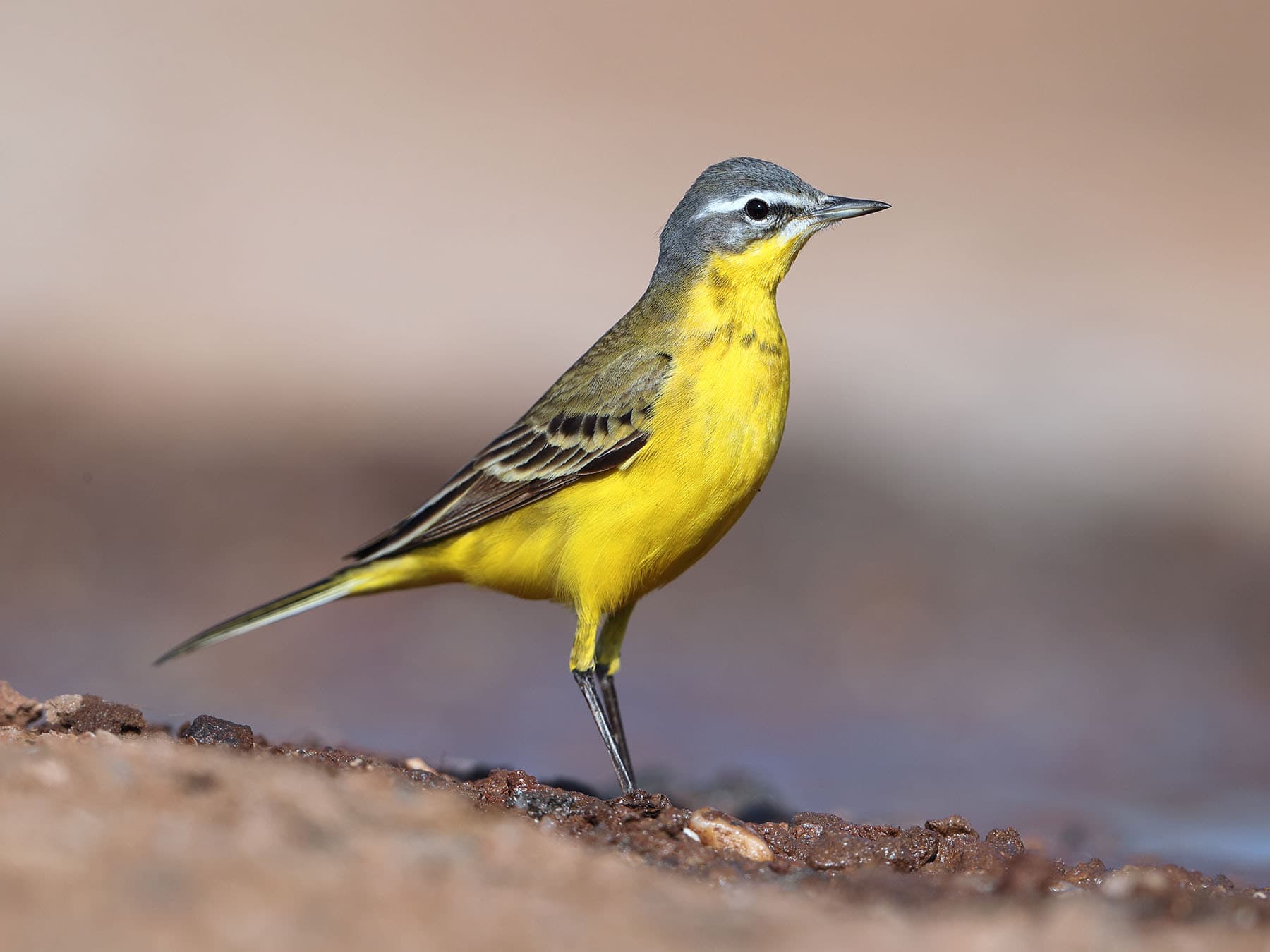
Yellow Wagtail
Motacilla flavaLC
An uncommon summer breeder arriving in April, favouring the Severn Vale's damp meadows and arable fields. Numbers have declined significantly in recent decades.
Apr–Sep
Spotted something?
Upload a photo to identify it
Identify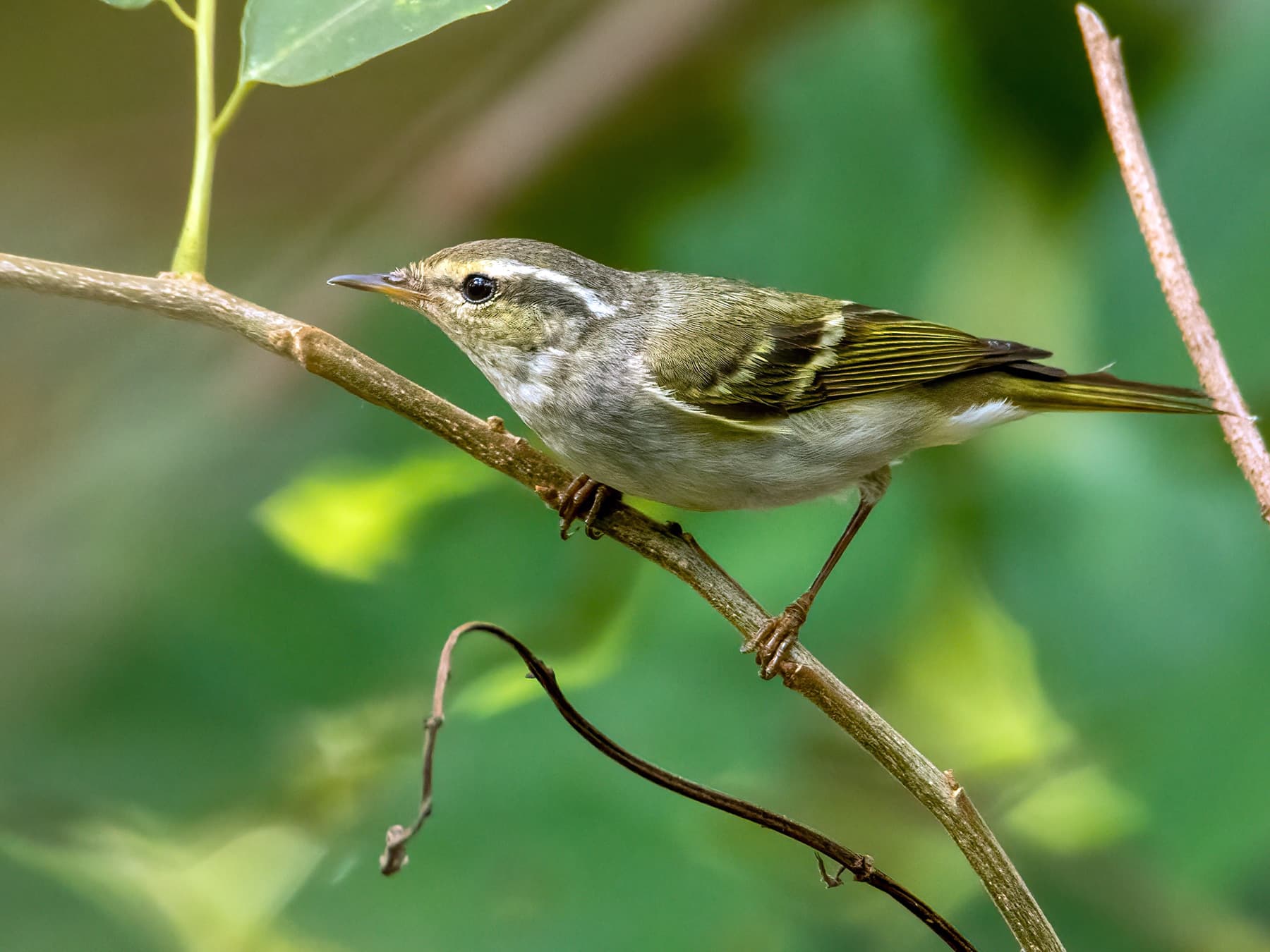
Yellow-browed Warbler
Phylloscopus inornatusLC
A rare Siberian vagrant appearing briefly in October, typically found in coastal scrub or sheltered woodland edges.
Oct
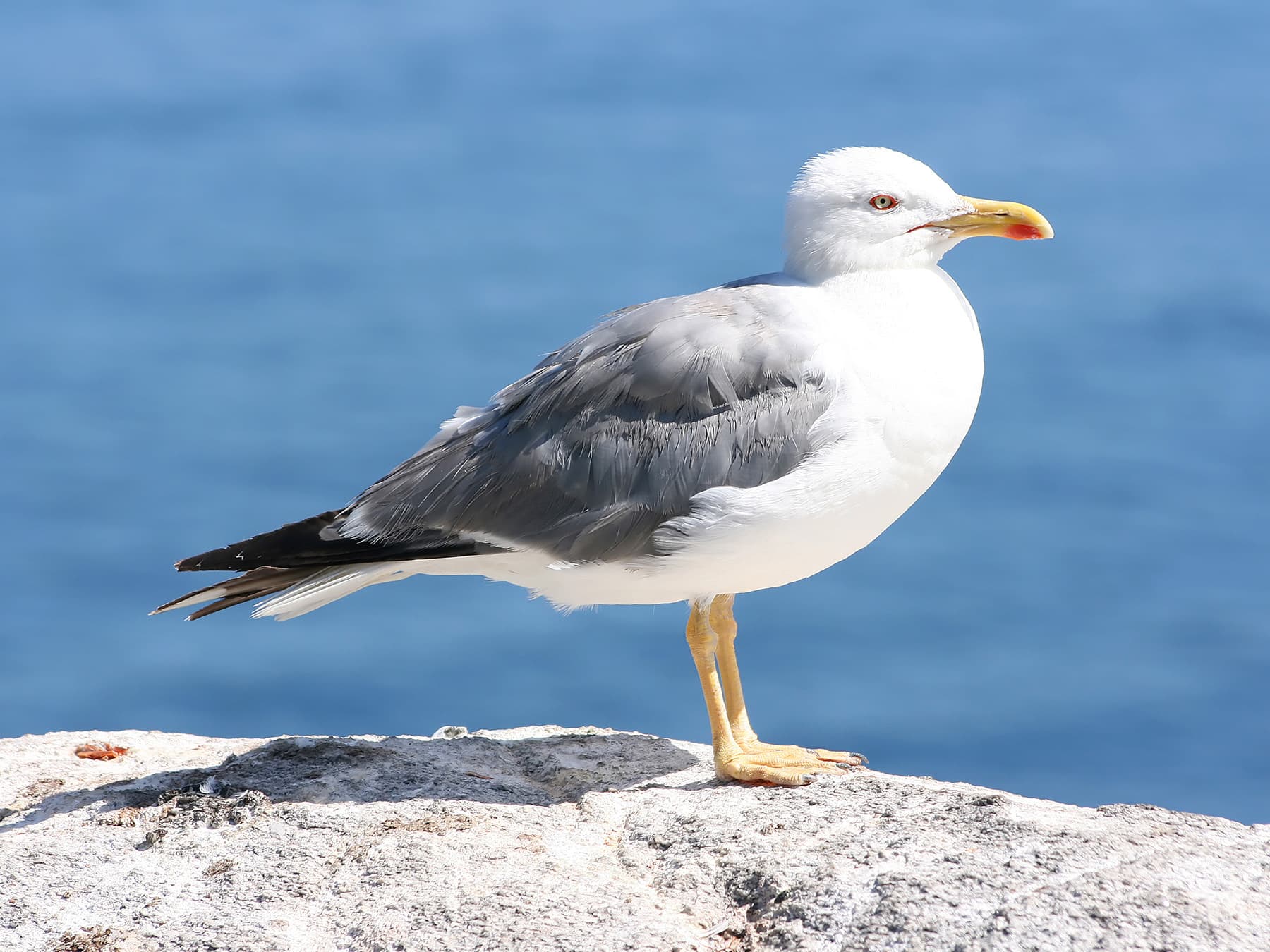
Yellow-legged Gull
Larus michahellisLC
A rare breeding gull, increasingly recorded among large gull flocks at reservoirs and landfill sites from late winter through autumn.
Jul–Dec
Yellow-legged Gull
Larus michahellisLC
A rare breeding gull, increasingly recorded among large gull flocks at reservoirs and landfill sites from late winter through autumn.
Jul–Dec
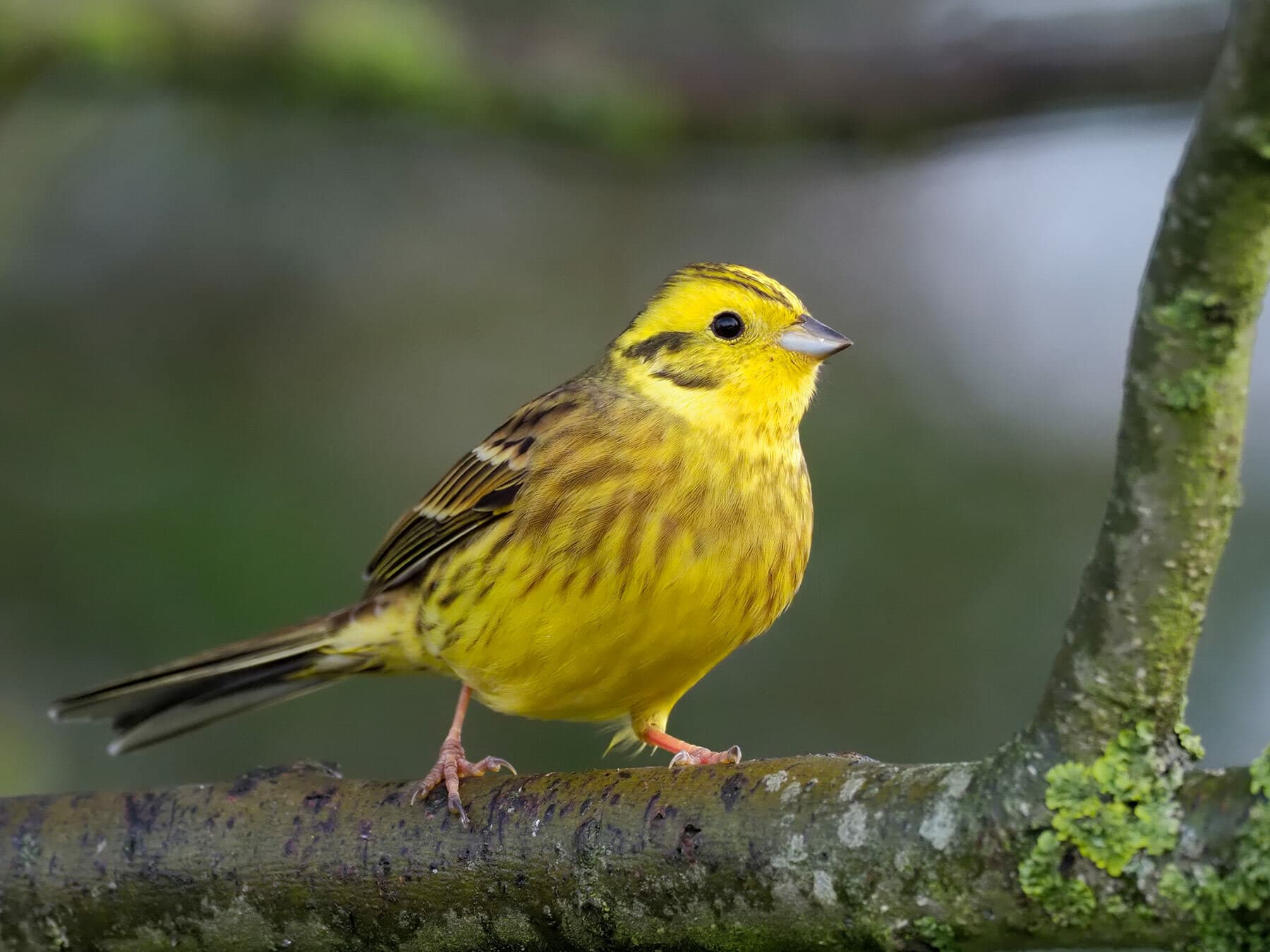
Yellowhammer
Emberiza citrinellaLC
A declining resident of Cotswold farmland and hedgerows, singing its distinctive 'little-bit-of-bread-and-no-cheese' song from exposed perches.
Year-round