Rare Birds in Gloucestershire
80 species matching this filter.
Gloucestershire's diverse landscapes — from the Severn Estuary mudflats to the ancient woodlands of the Forest of Dean and the rolling Cotswold hills — occasionally attract some truly remarkable avian visitors. With 74 species classified as rare in the county, patient birders may be rewarded with sightings of elusive species such as Great Grey Shrike, Bluethroat, Arctic Jaeger, and Grasshopper Warbler. The county's mix of wetlands, river valleys, and open countryside creates the varied habitats that draw these uncommon birds, making each encounter a memorable event.


Showing 70–80 of 80 species
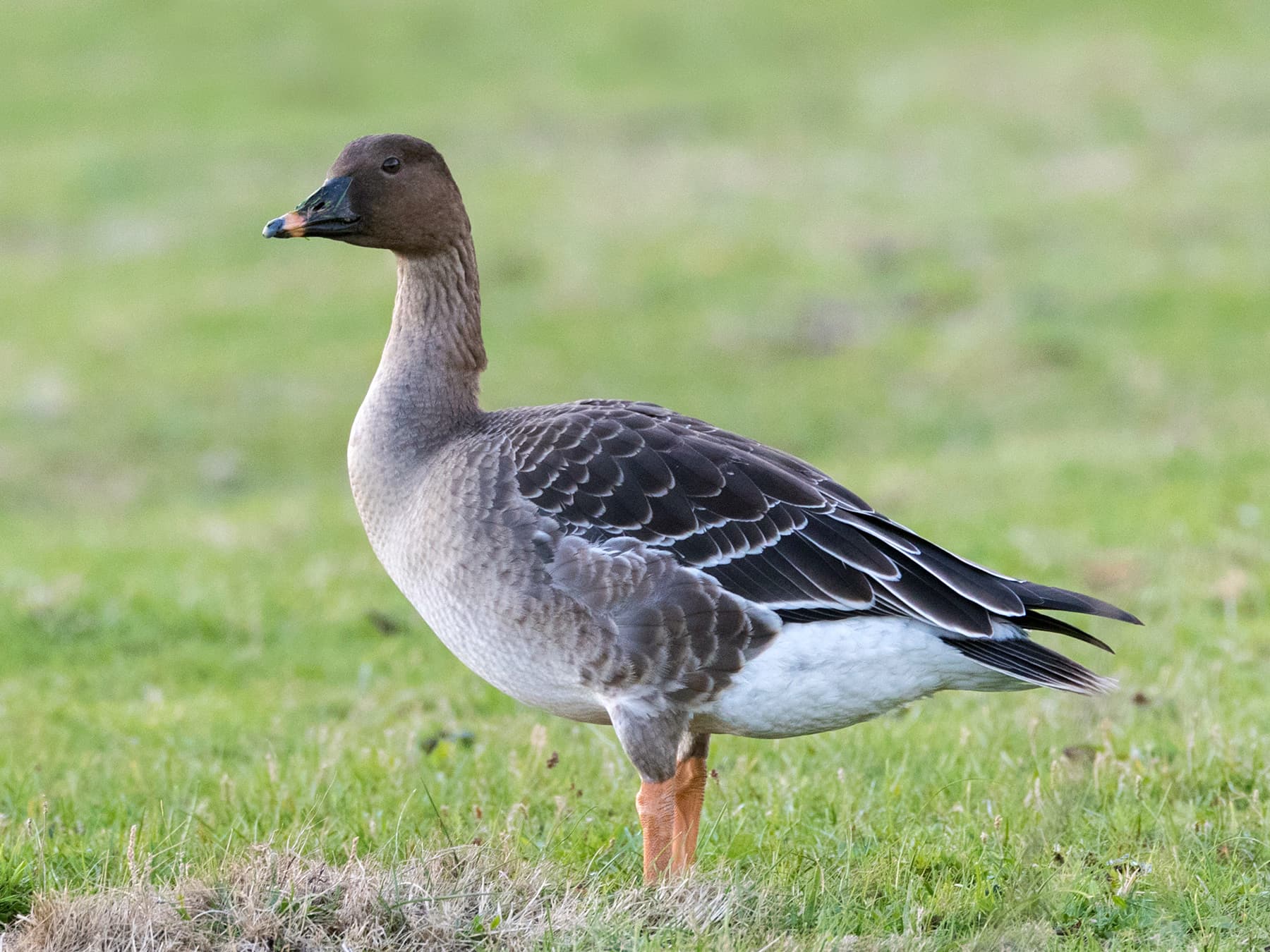
Tundra Bean Goose
Anser serrirostrisLC
A rare passage visitor to the Severn Vale, occasionally seen among other goose flocks in winter and late summer.
Jul–Feb
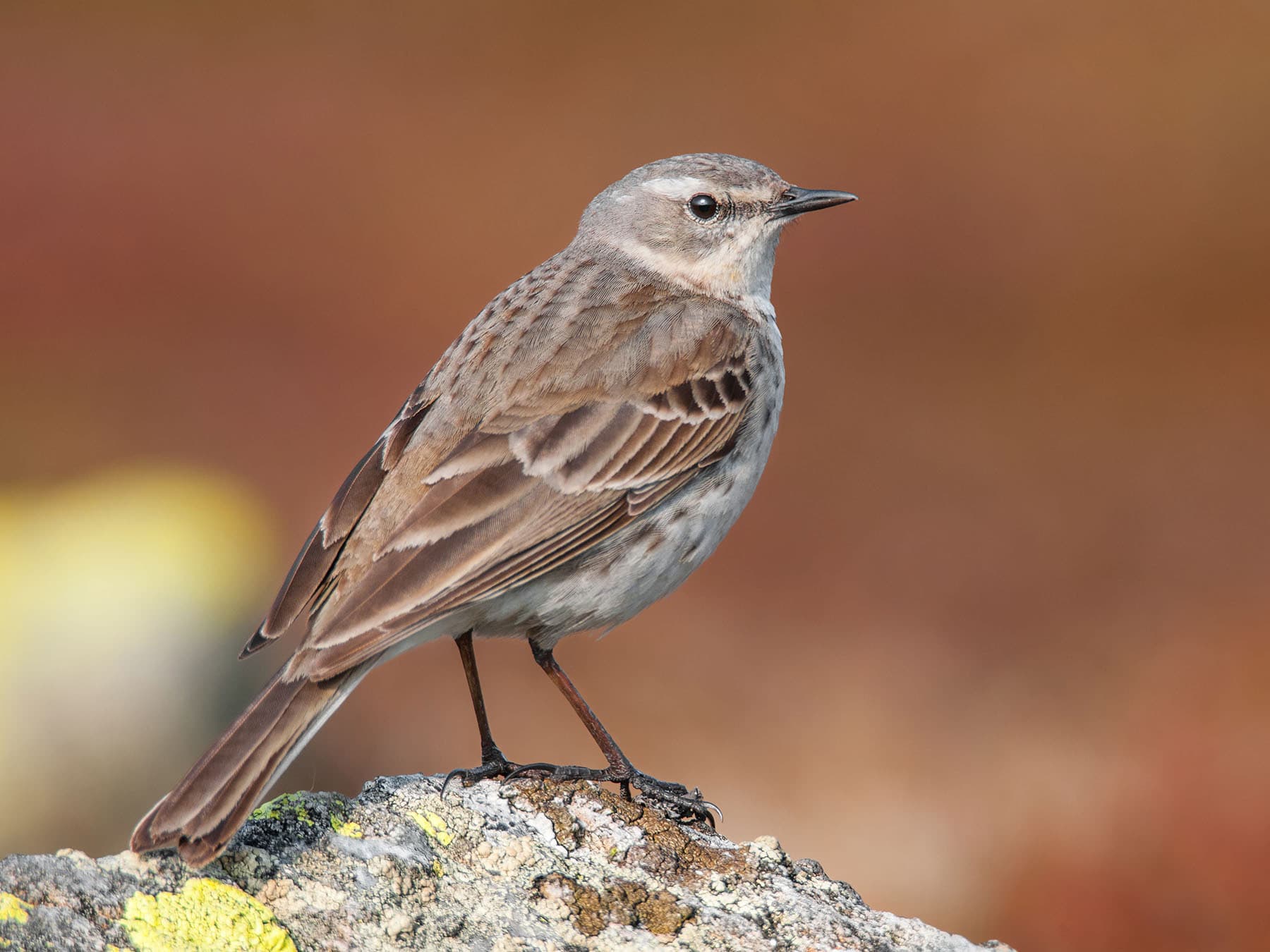
Water Pipit
Anthus spinolettaLC
A rare autumn passage visitor, occasionally found at watercress beds and wet margins in October and November.
Oct–Nov
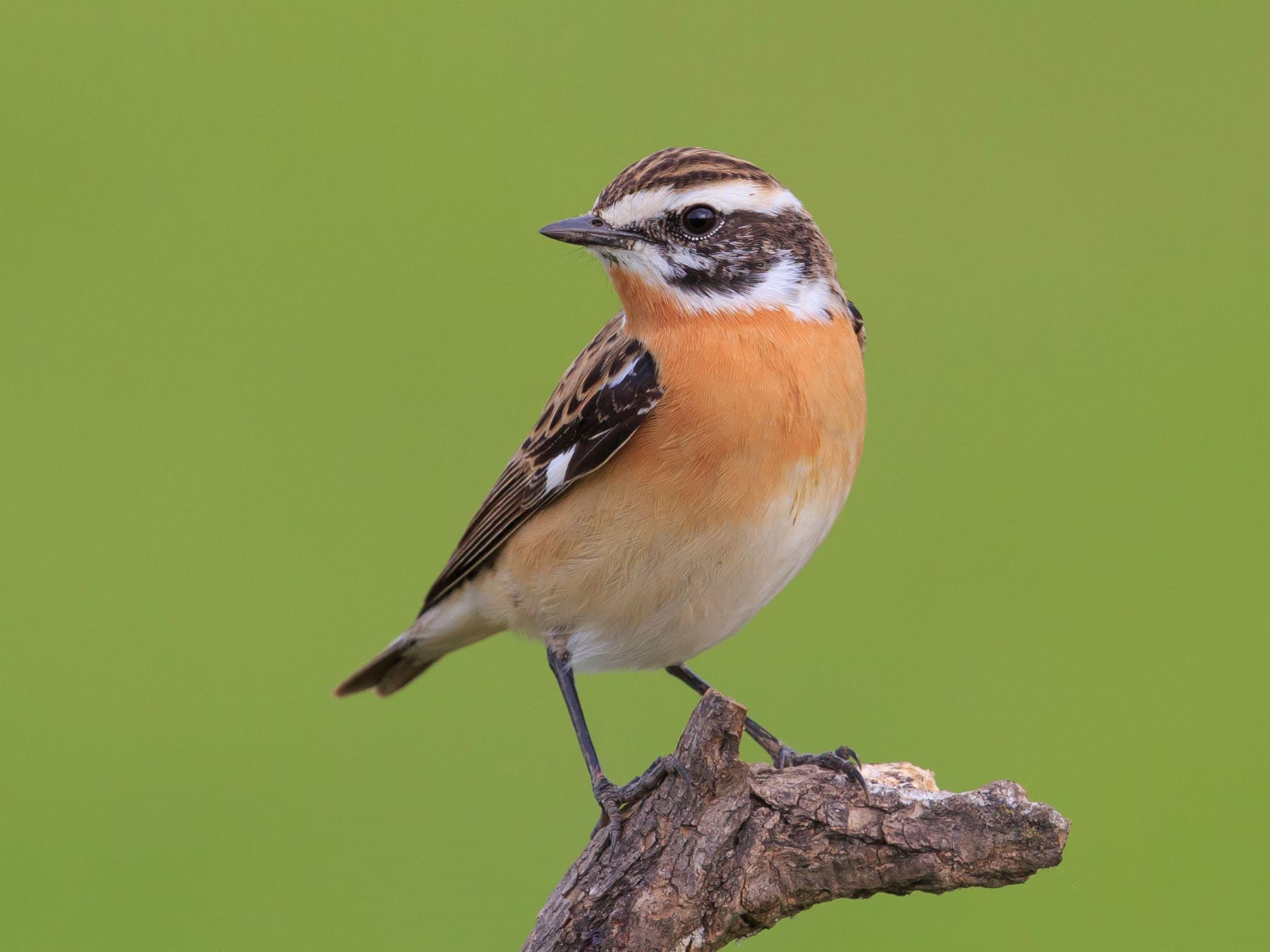
Whinchat
Saxicola rubetraLC
A rare passage migrant seen briefly on open grassland and scrubby margins during spring and autumn migration.
Apr–Sep
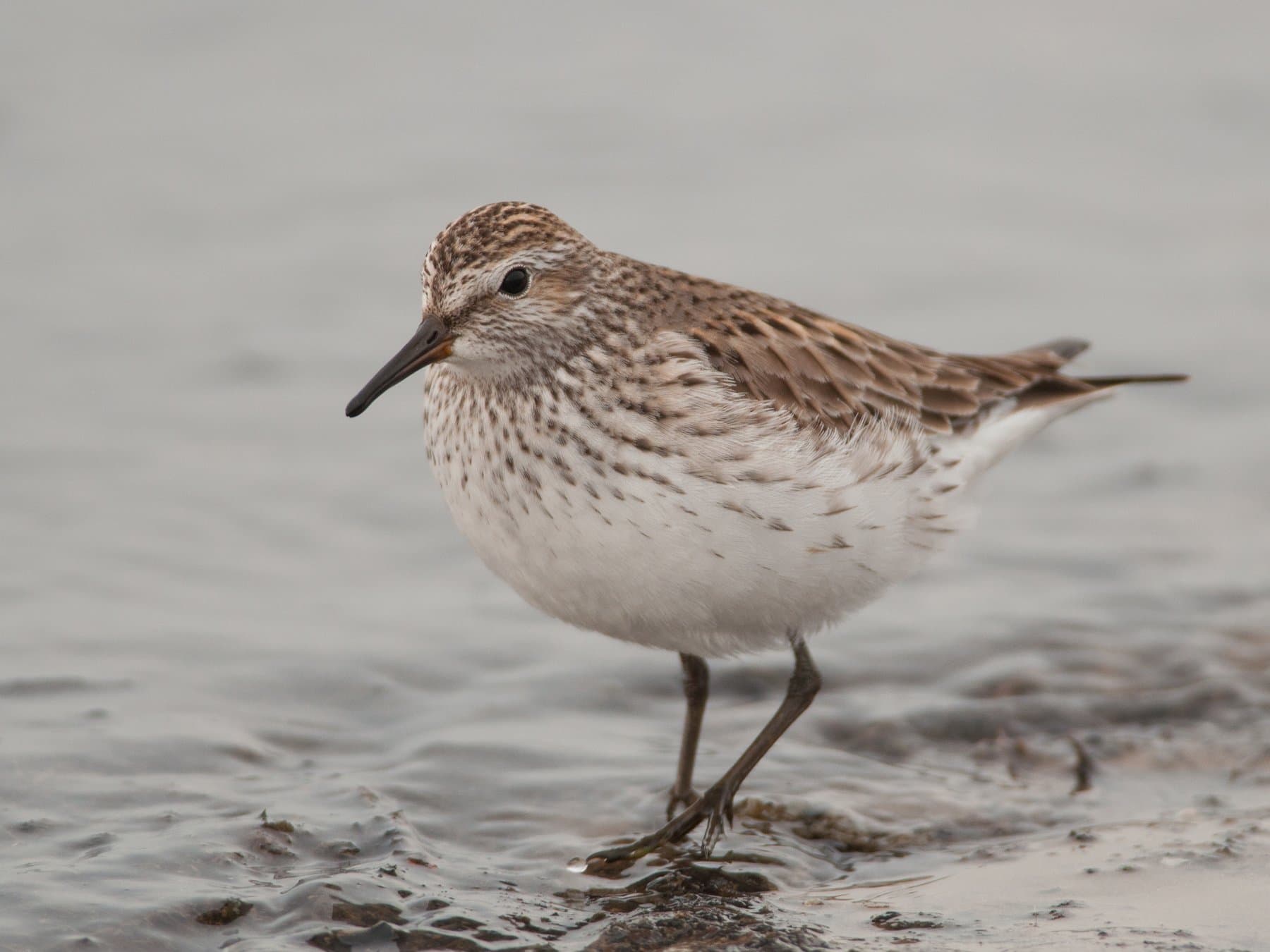
White-rumped Sandpiper
Calidris fuscicollisVU
A rare Nearctic vagrant, occasionally recorded on passage. A notable find for any Gloucestershire birder.
Nov–Feb
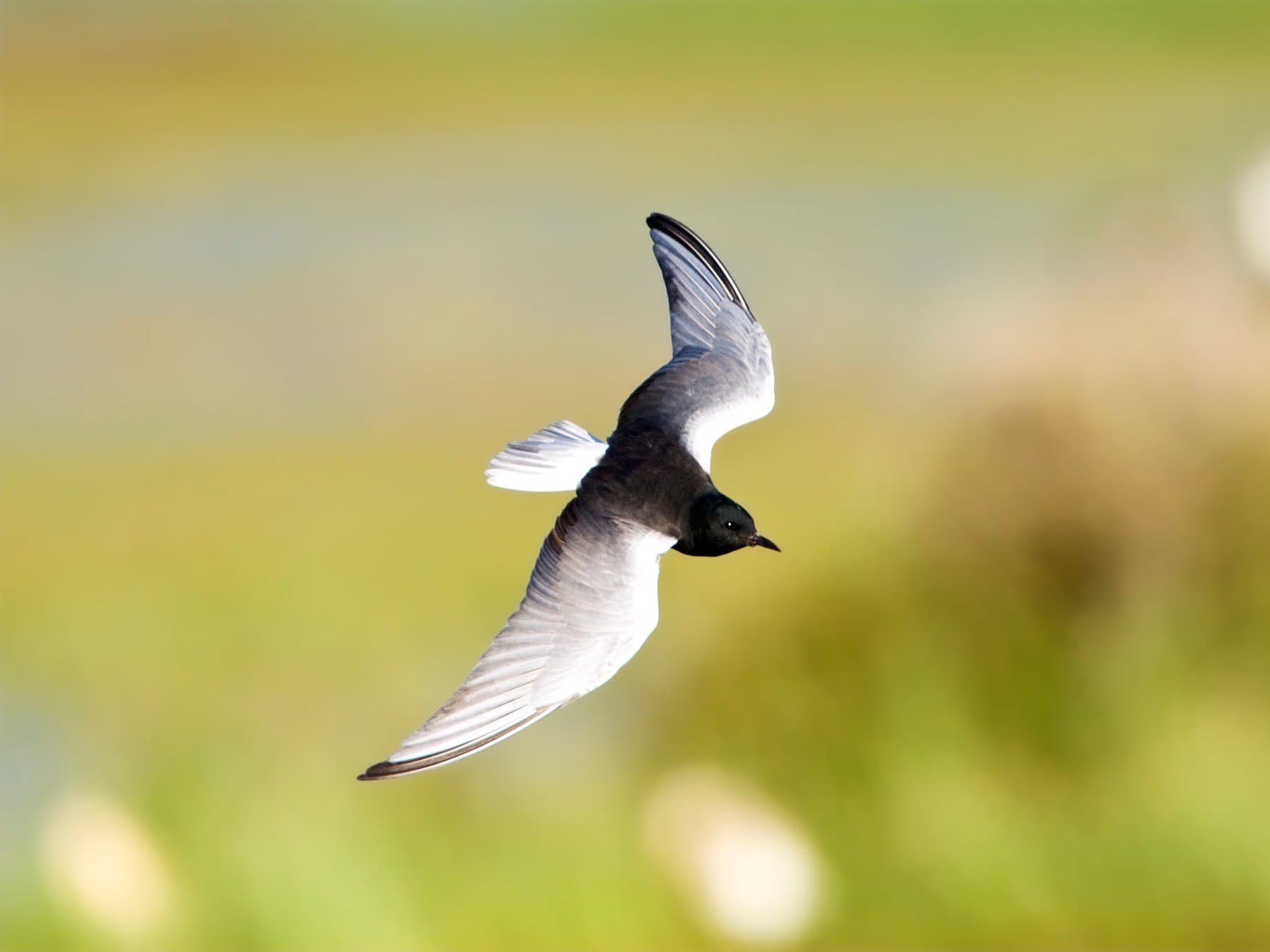
White-winged Tern
Chlidonias leucopterusLC
An extremely rare passage visitor in July, a real prize for county birders when found at reservoirs or gravel pits.
Jul
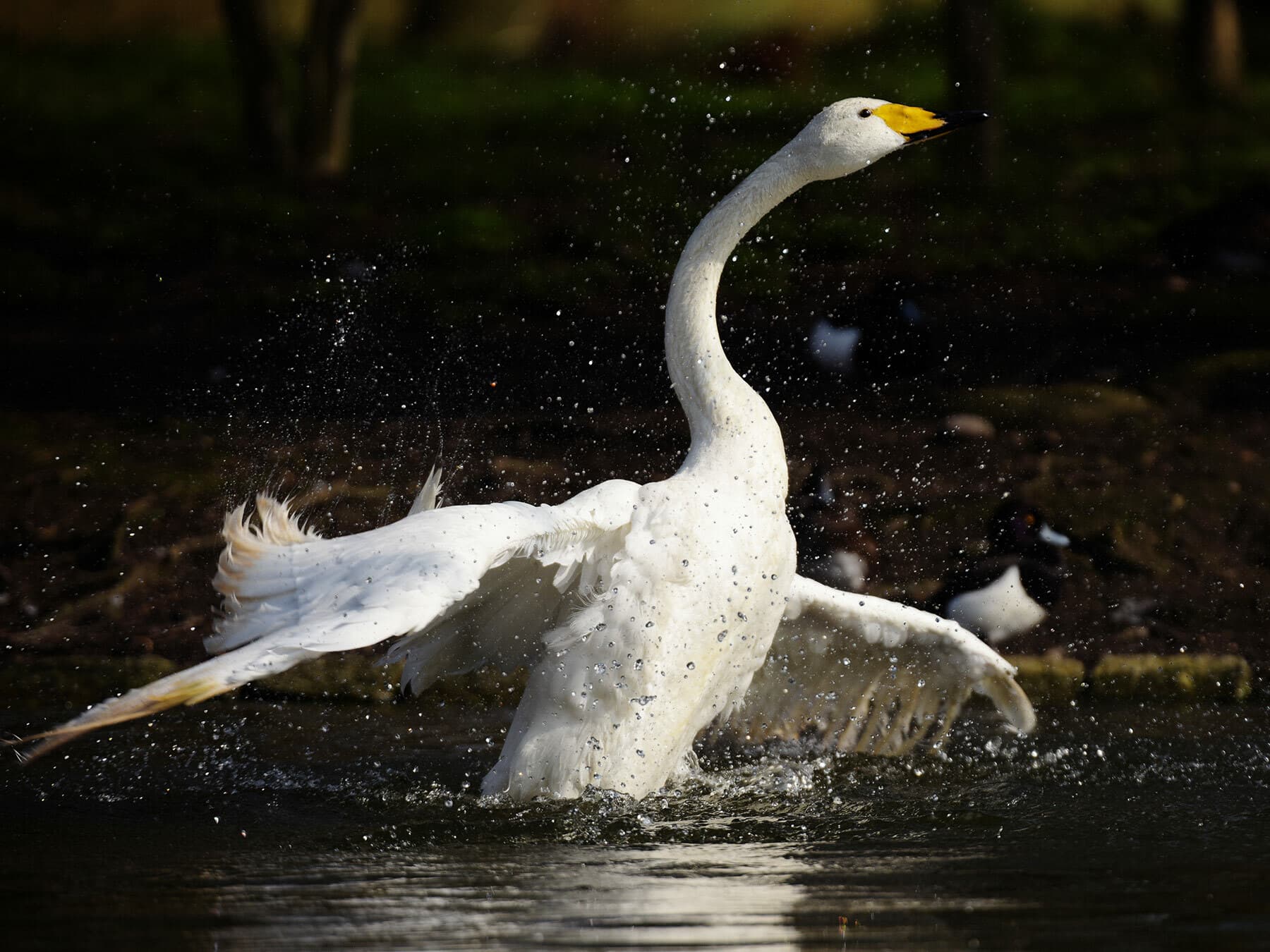
Whooper Swan
Cygnus cygnusLC
A rare winter visitor, occasionally turning up on Severn floodwaters or at Slimbridge WWT between October and March.
Oct–Mar
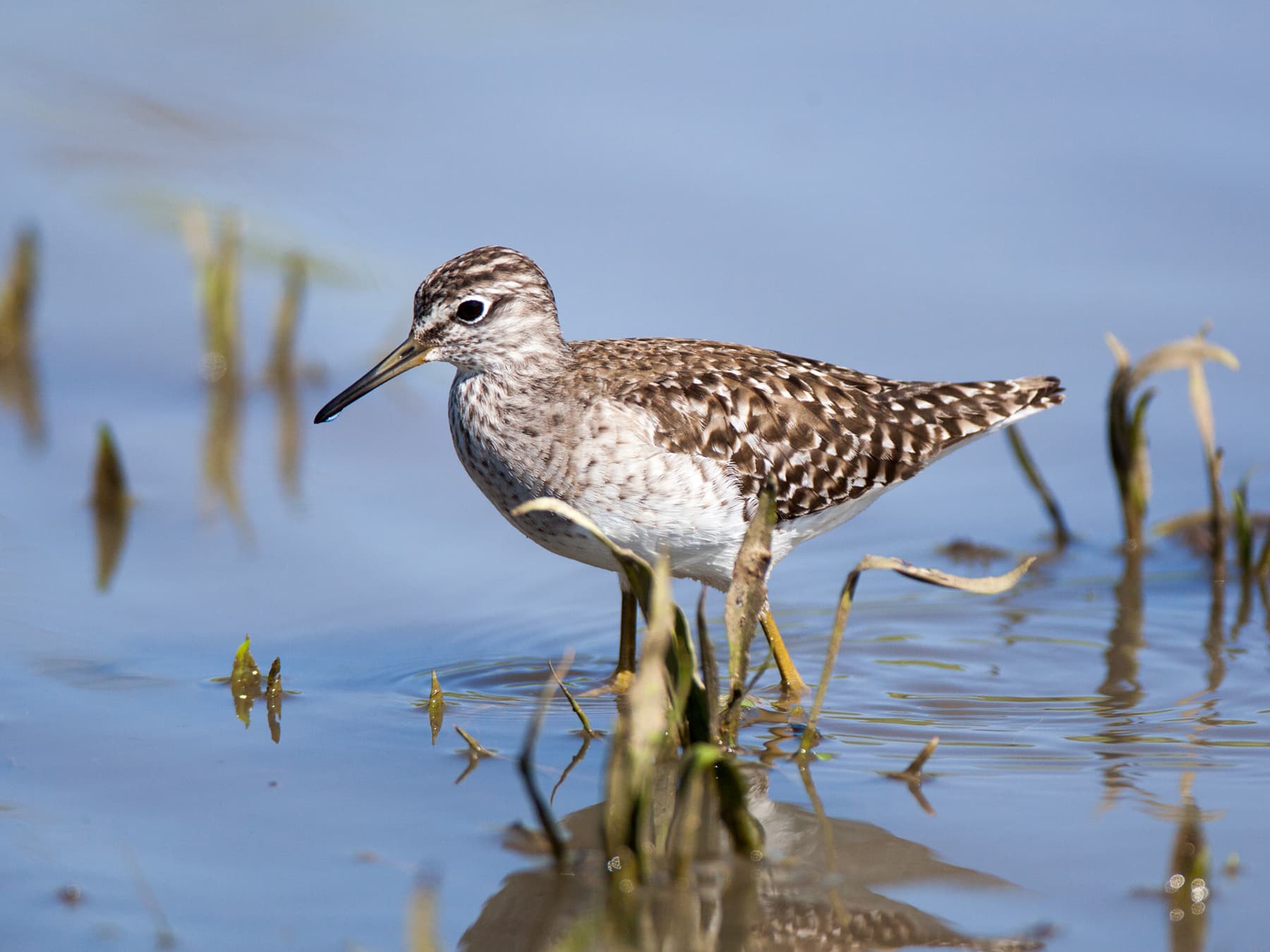
Wood Sandpiper
Tringa glareolaLC
A rare passage migrant through freshwater pools and scrapes, mainly in late summer. A scarce but regular autumn visitor.
May–Sep
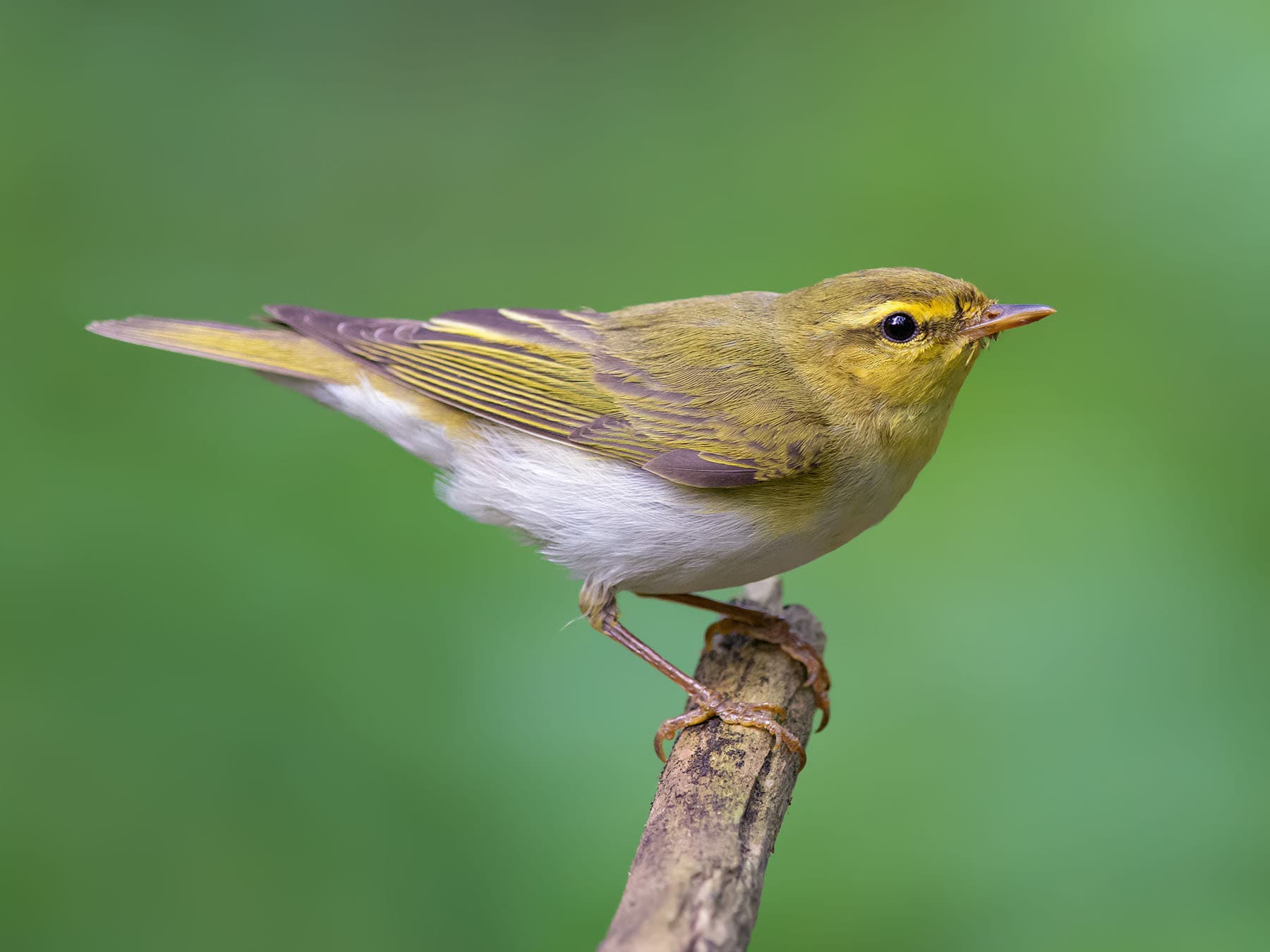
Wood Warbler
Phylloscopus sibilatrixLC
A rare and declining breeder in mature oak woodland, with the Forest of Dean remaining a key stronghold from April to June.
Apr–Jun
Spotted something?
Upload a photo to identify it
Identify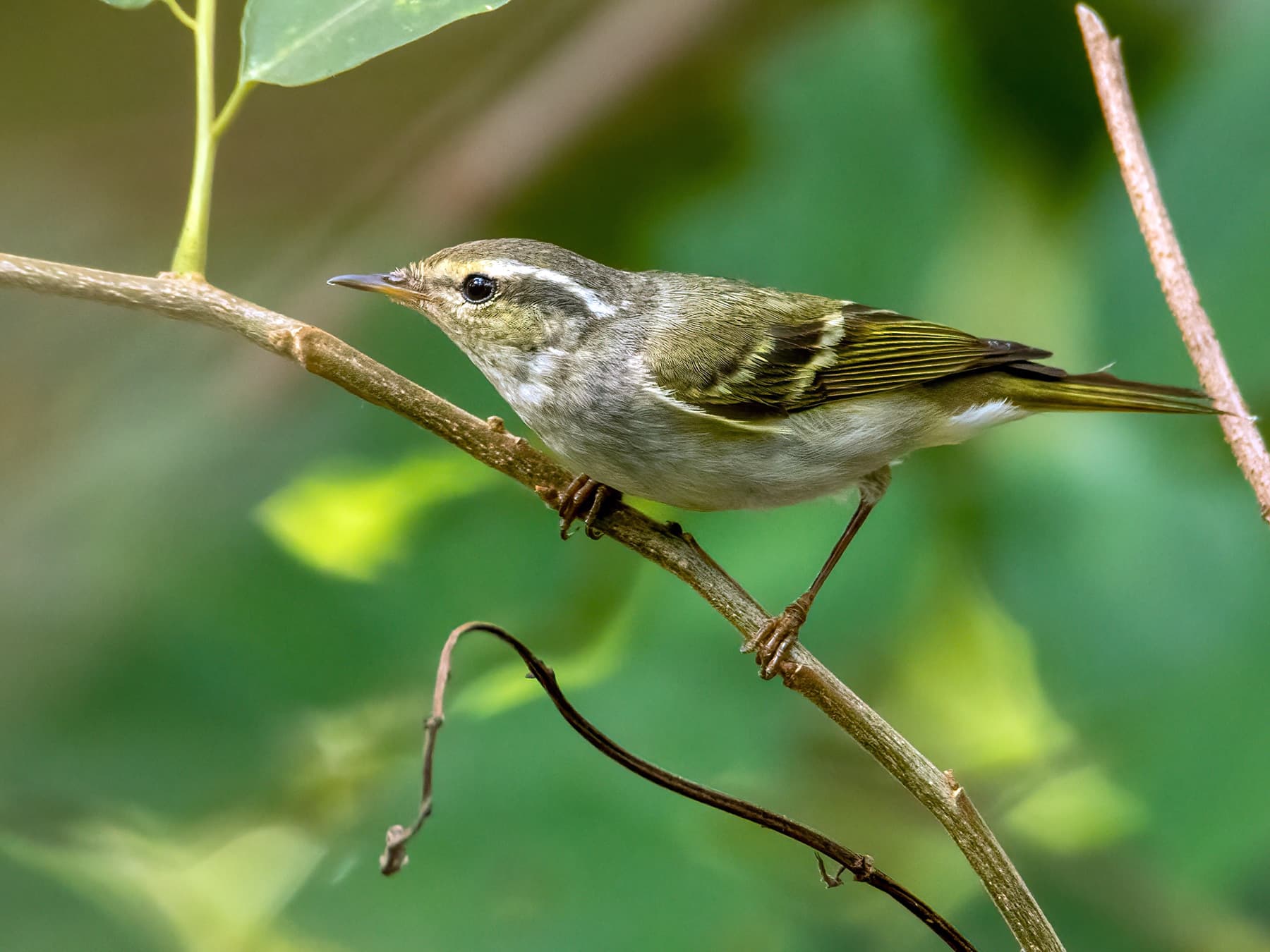
Yellow-browed Warbler
Phylloscopus inornatusLC
A rare Siberian vagrant appearing briefly in October, typically found in coastal scrub or sheltered woodland edges.
Oct
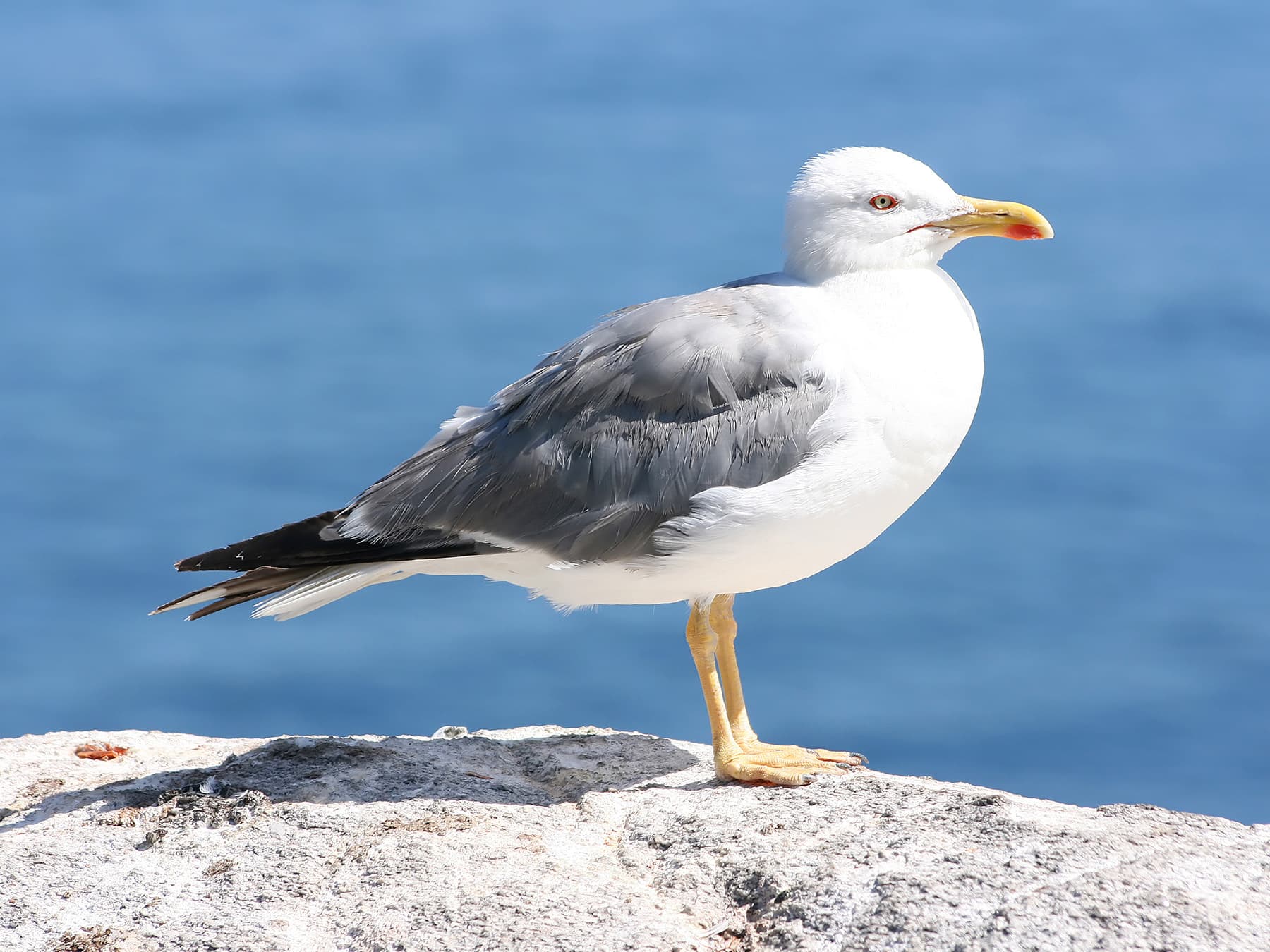
Yellow-legged Gull
Larus michahellisLC
A rare breeding gull, increasingly recorded among large gull flocks at reservoirs and landfill sites from late winter through autumn.
Jul–Dec
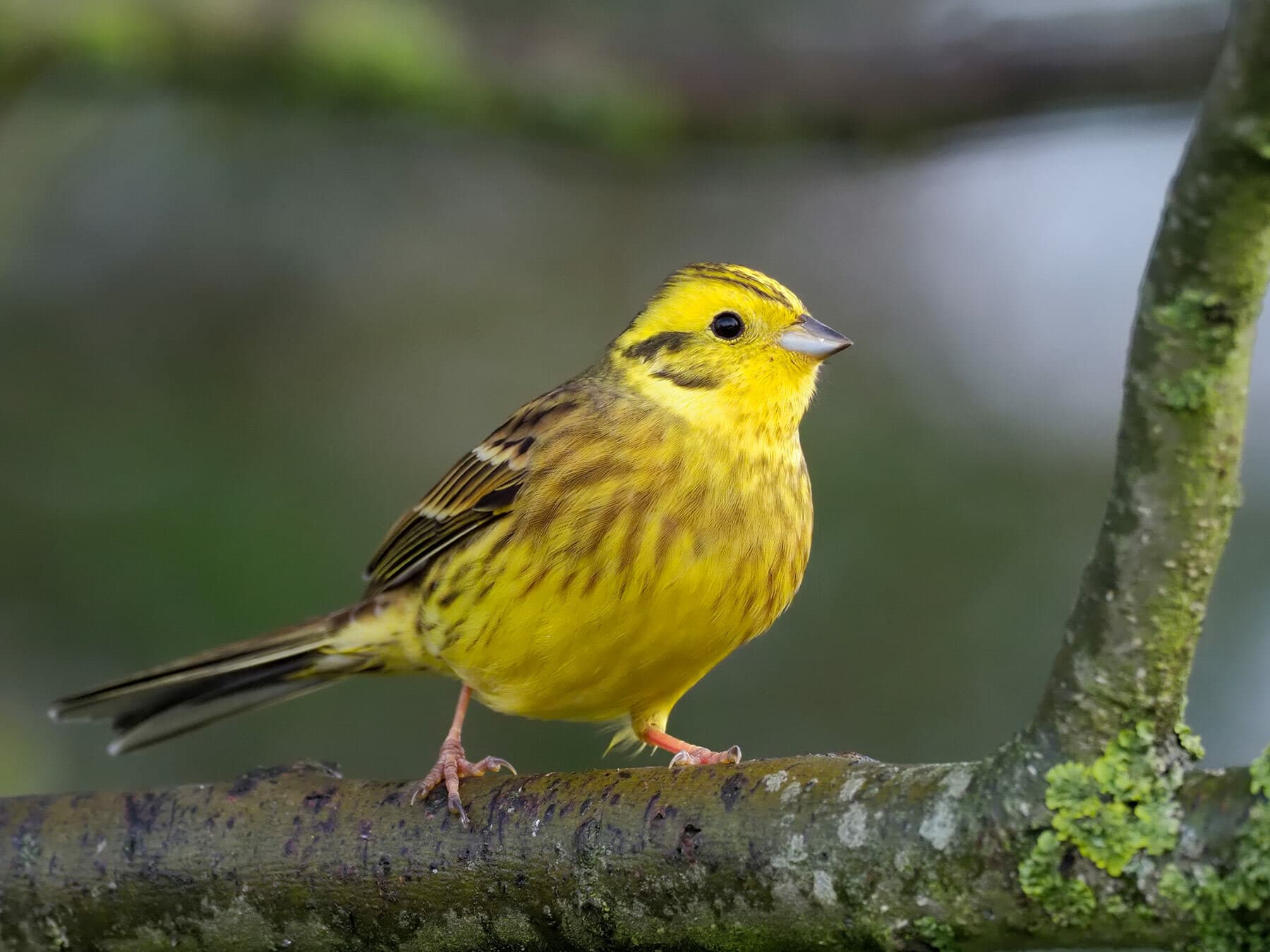
Yellowhammer
Emberiza citrinellaLC
A declining resident of Cotswold farmland and hedgerows, singing its distinctive 'little-bit-of-bread-and-no-cheese' song from exposed perches.
Year-round