Gulls & Terns in Cumbria
12 species matching this filter.
Cumbria's diverse coastline, estuaries, and inland lakes provide excellent habitat for 12 species of gulls and terns. The county's Solway Firth and Morecambe Bay attract notable species such as Kittiwake, Little Tern, and Arctic Tern during the breeding season, while Great Black-backed Gulls and European Herring Gulls can be observed year-round along the rugged western coast. Inland waters, including those of the Lake District, also support populations of Common Gull and occasionally scarcer visitors like Black Tern and Little Gull on passage.


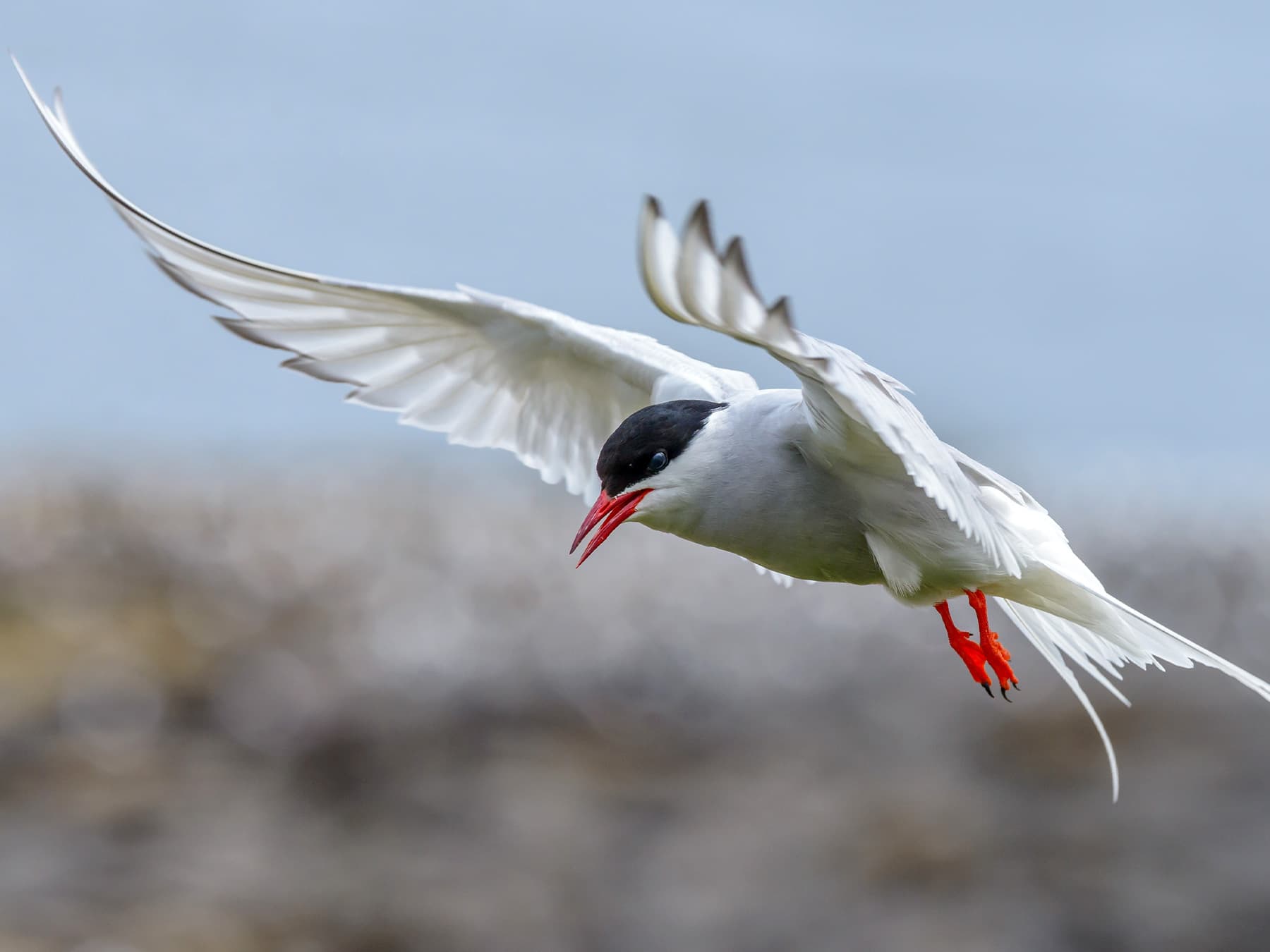
Arctic Tern
Sterna paradisaeaLC
A rare summer breeder from May to July, nesting at a few coastal and island sites. Elegant in flight with deeply forked tail.
May–Jul
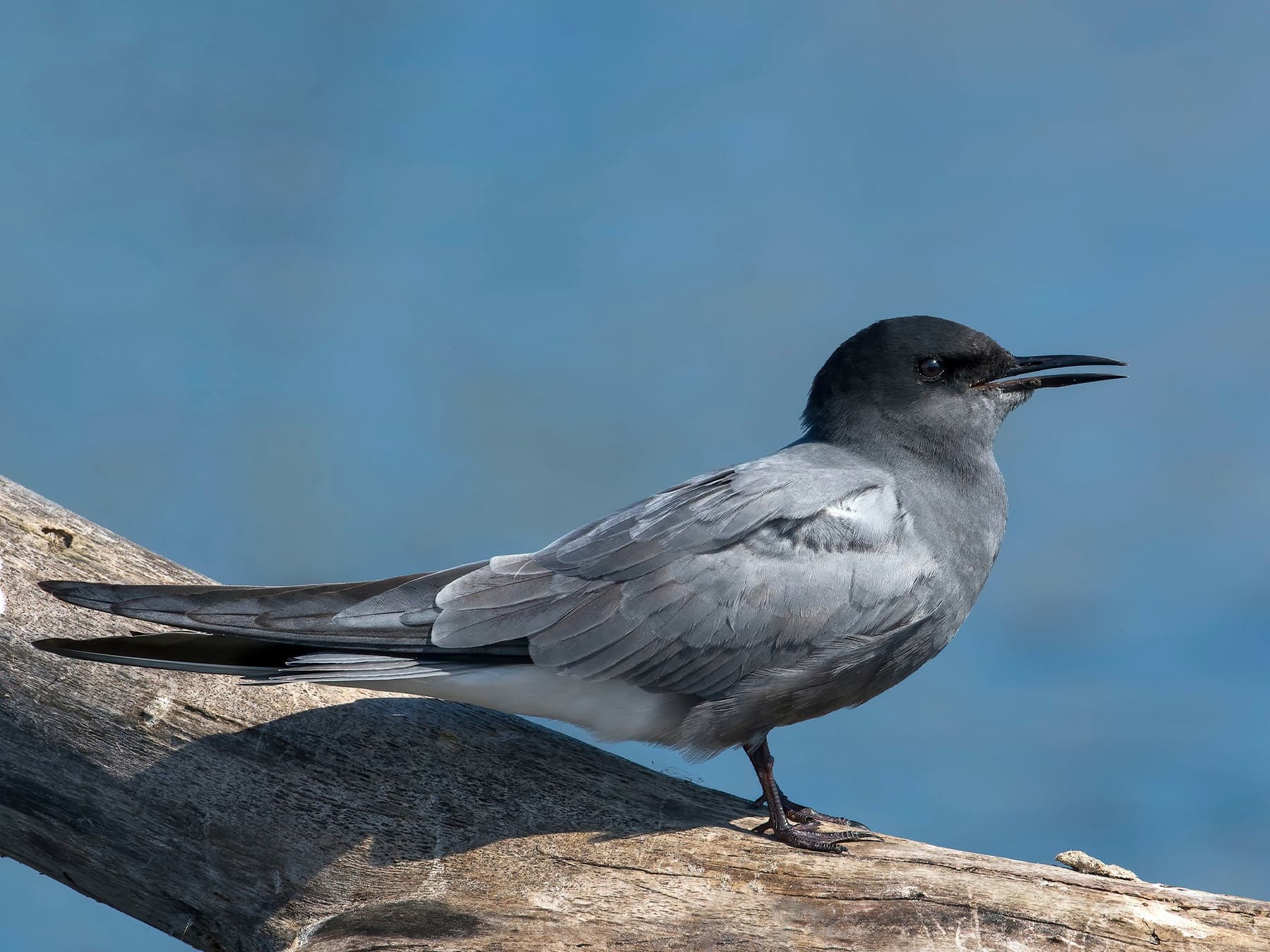
Black Tern
Chlidonias nigerLC
A rare autumn passage migrant, occasionally seen in September at coastal pools and inland lakes during southward migration.
Sep
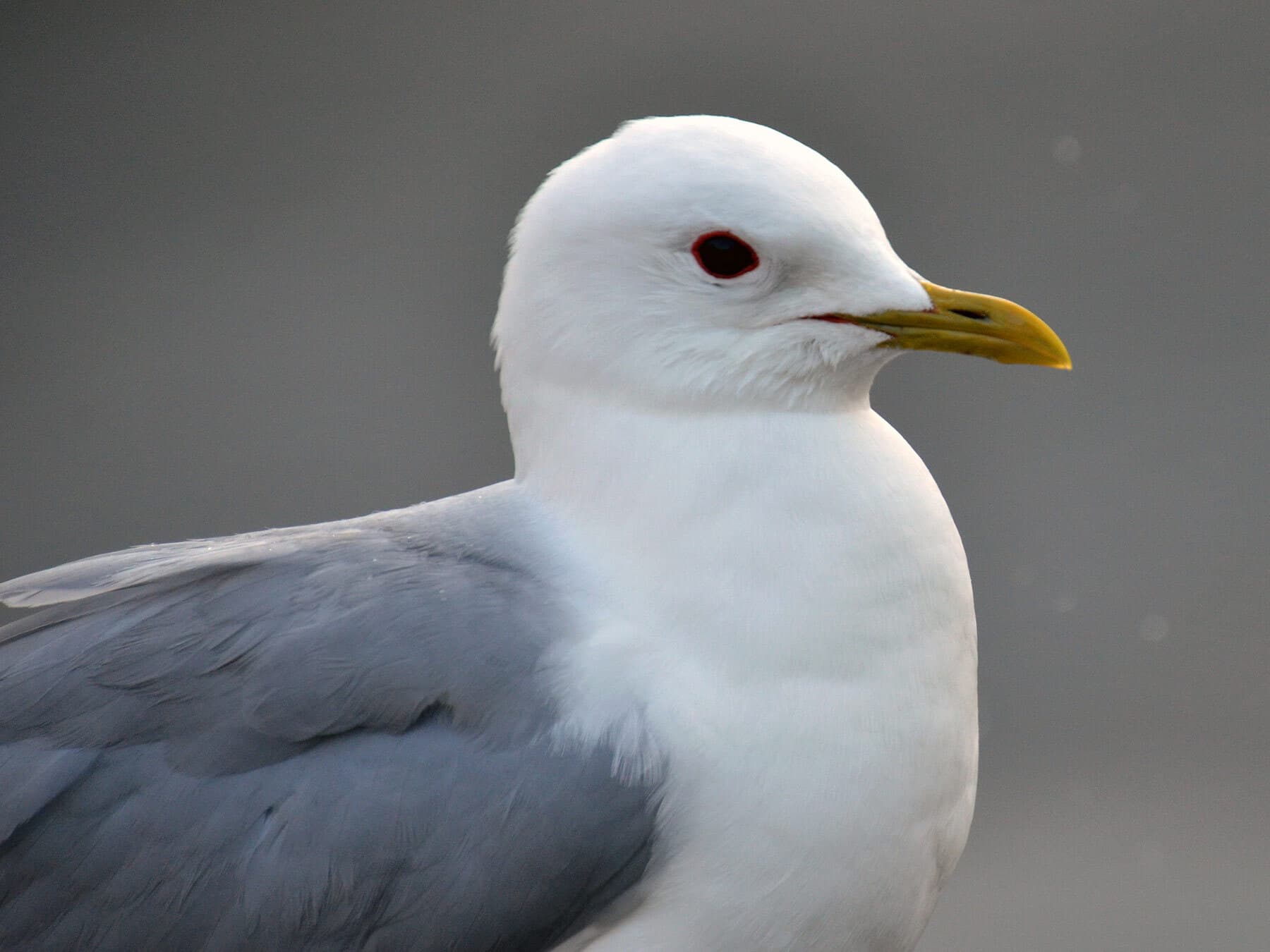
Common Gull
Larus canusLC
An uncommon year-round resident found on farmland, lakes, and coasts. Breeds on upland bogs and lake islands in the county.
Year-round
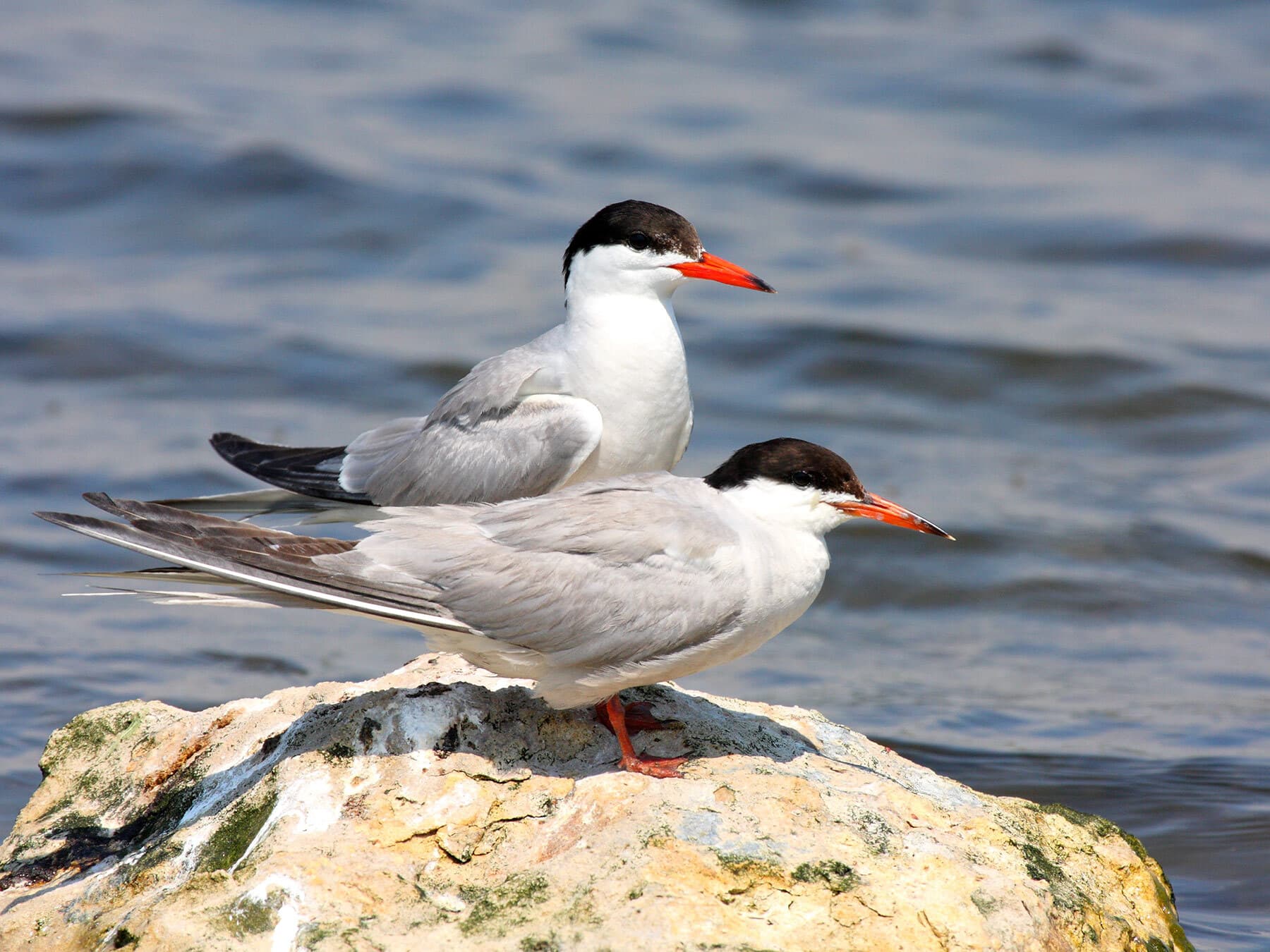
Common Tern
Sterna hirundoLC
A rare breeding visitor from May to August, found at gravel pits, lakes, and coastal sites. Plunge-dives for fish in shallow waters.
May–Aug
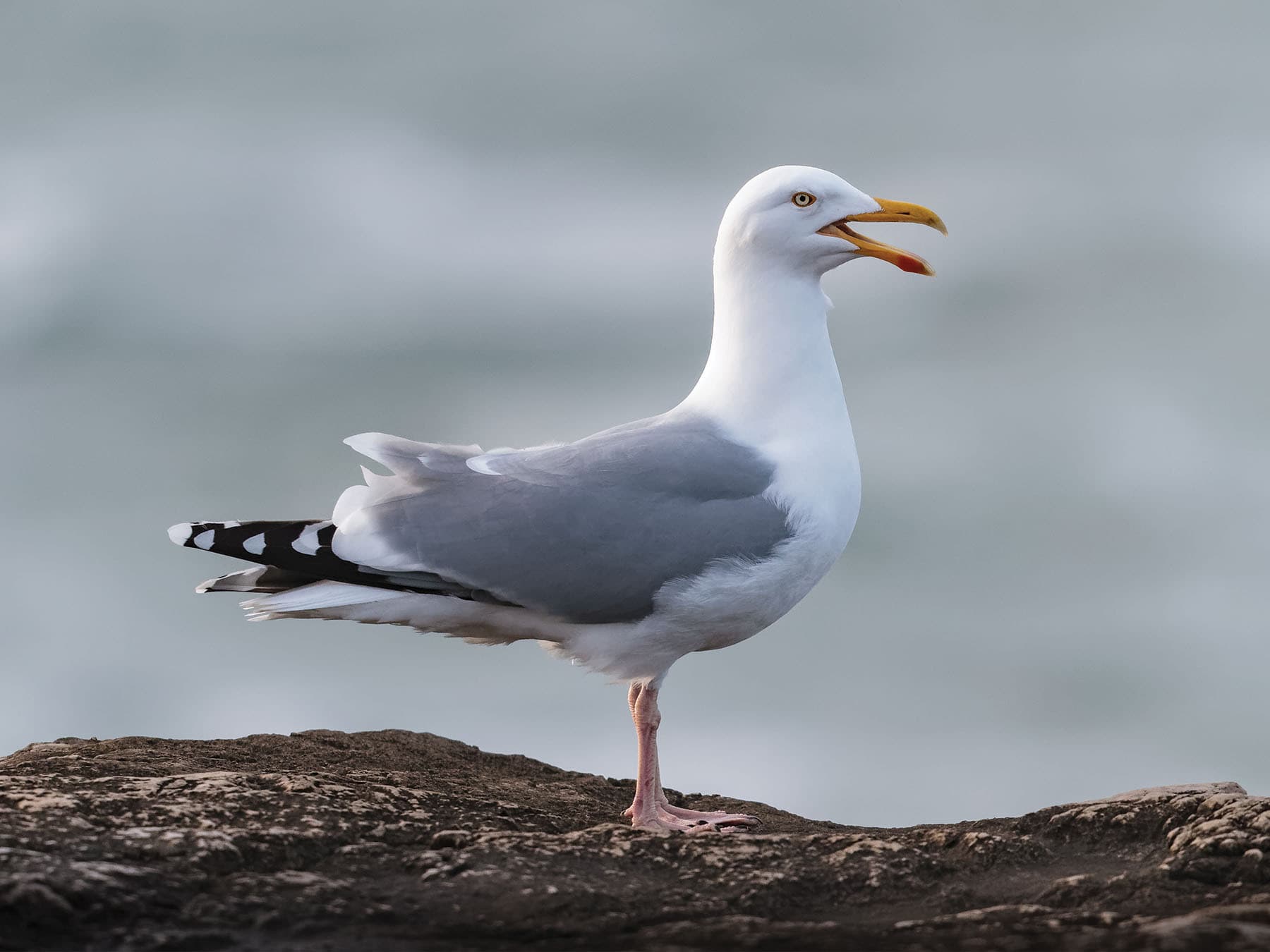
European Herring Gull
Larus argentatusLC
A common resident seen year-round along the coast, in towns, and at landfill sites. Breeds on rooftops and coastal cliffs.
Year-round
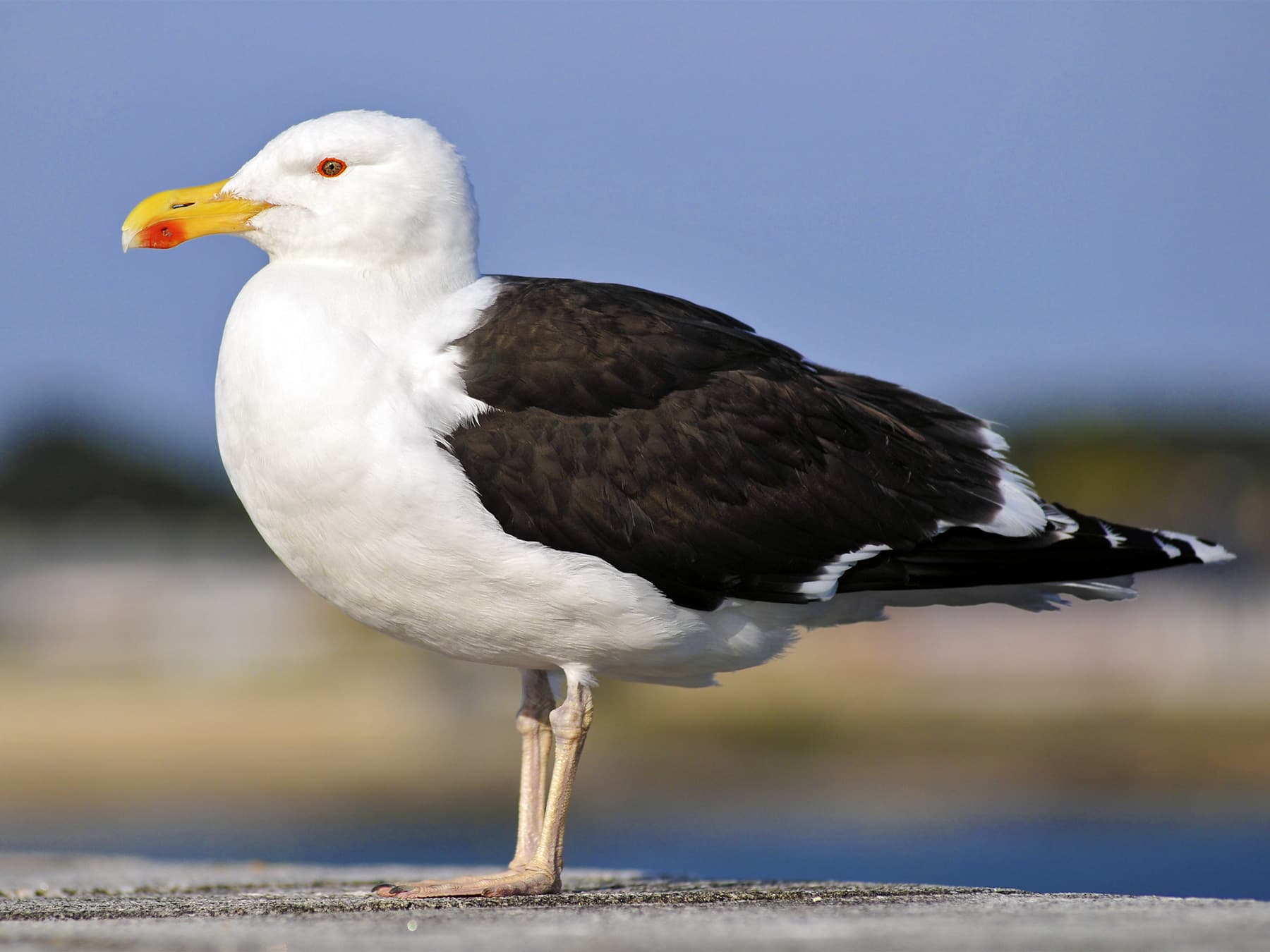
Great Black-backed Gull
Larus marinusLC
An uncommon but imposing resident found along the coast and at estuaries year-round. The largest British gull species.
Year-round
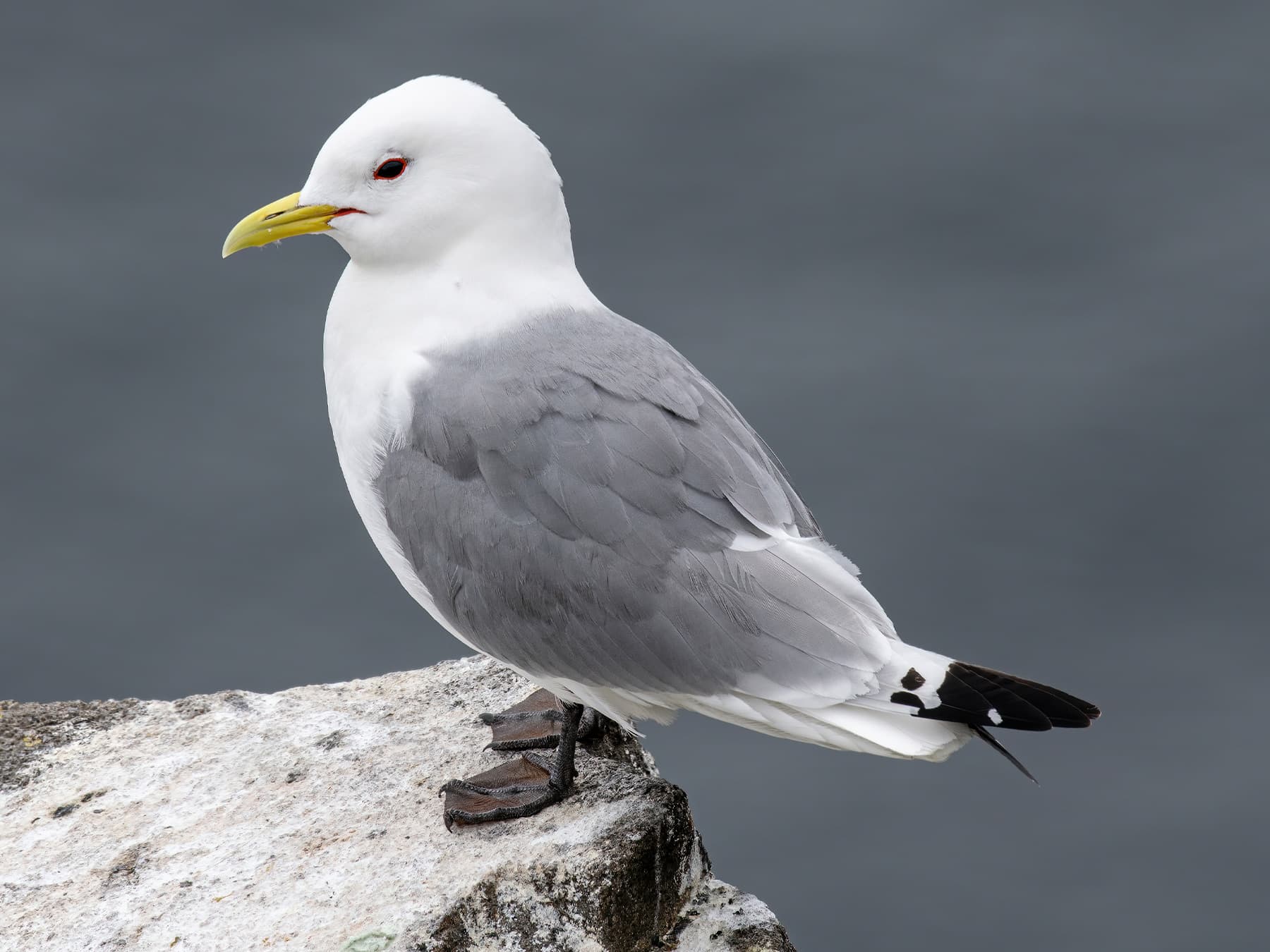
Kittiwake
Rissa tridactylaVU
Breeds in small numbers at St Bees Head cliffs from spring through autumn. This declining seabird is a prized sight along Cumbria's coast.
Mar–Nov
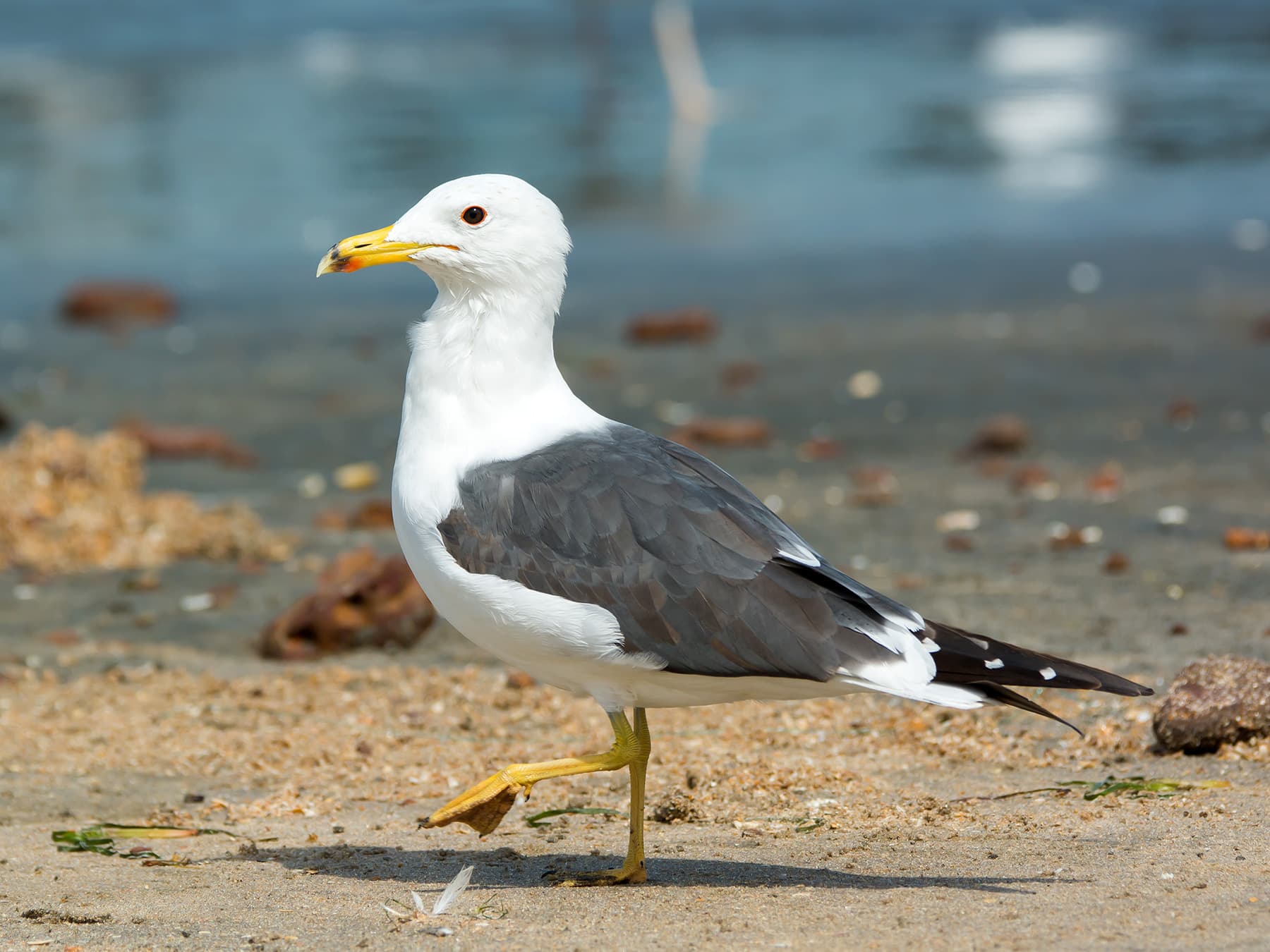
Lesser Black-backed Gull
Larus fuscusLC
A common resident found at coastal sites, reservoirs, and urban areas throughout the year. Breeds in colonies on rooftops and islands.
Year-round
Spotted something?
Upload a photo to identify it
Identify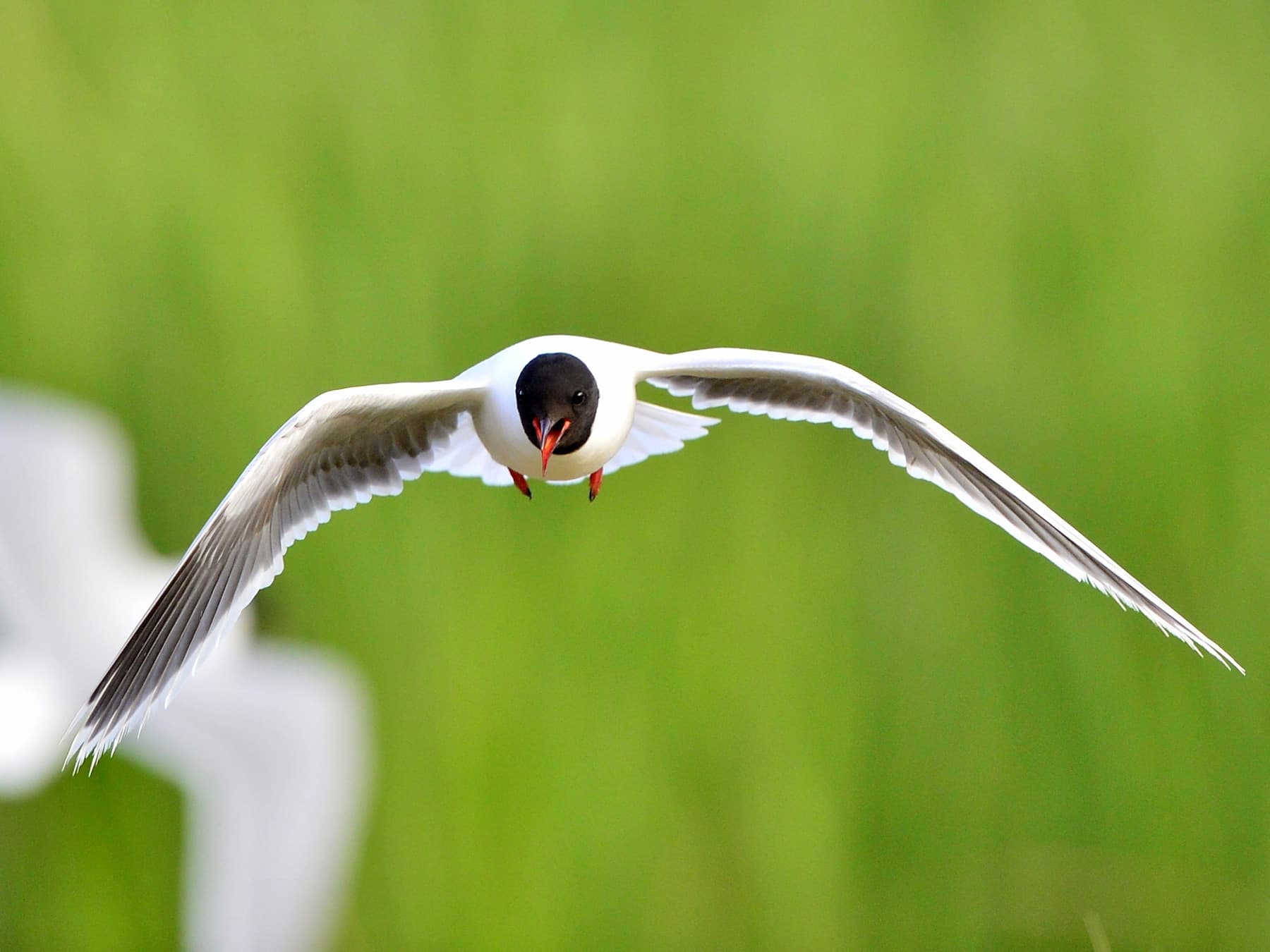
Little Gull
Hydrocoloeus minutusLC
A rare passage visitor in May, occasionally spotted at coastal estuaries and inland lakes during spring migration.
May
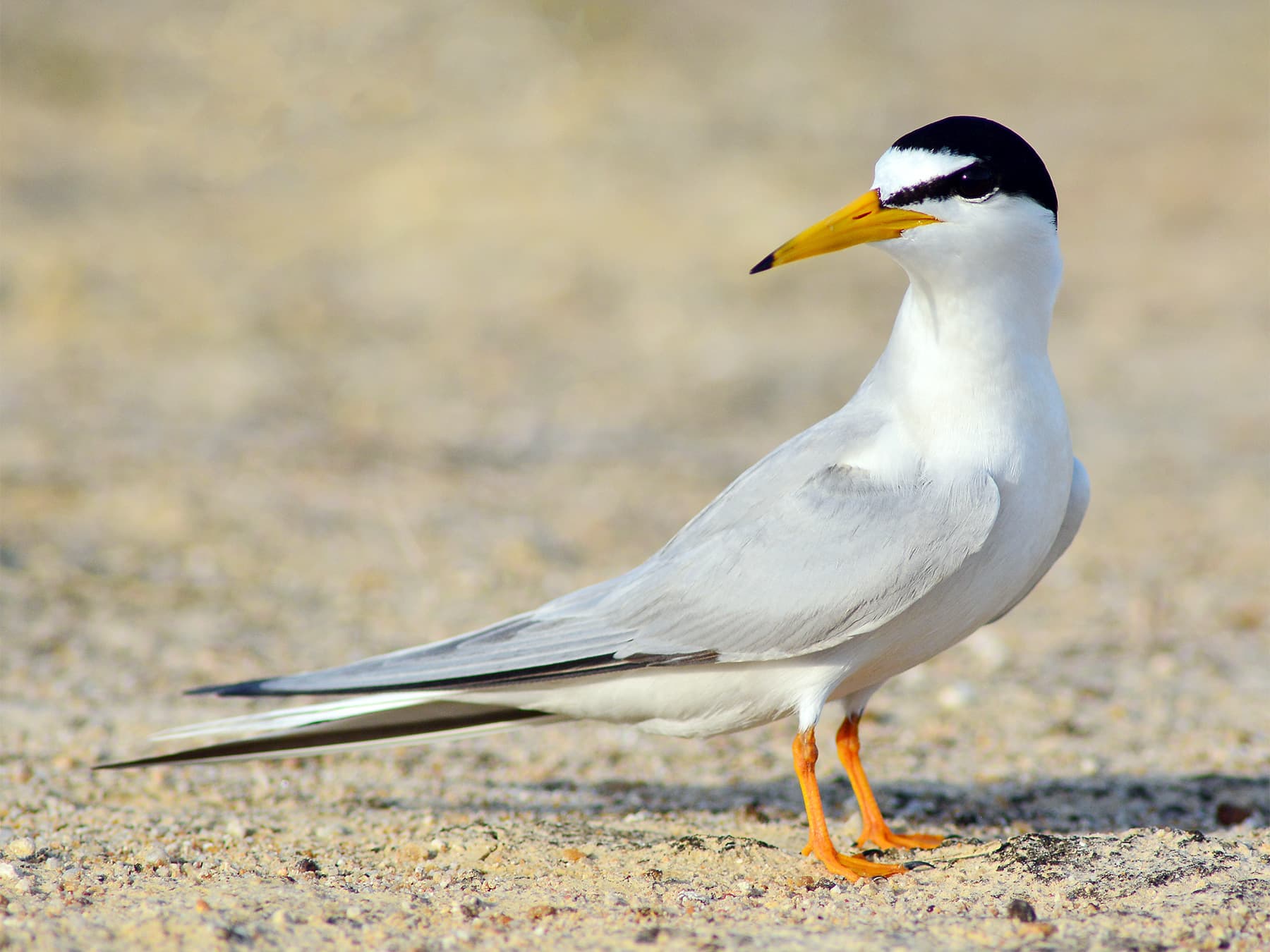
Little Tern
Sternula albifronsLC
A rare summer breeder from May to August, nesting on shingle beaches along the coast. A declining species needing undisturbed nesting sites.
May–Aug
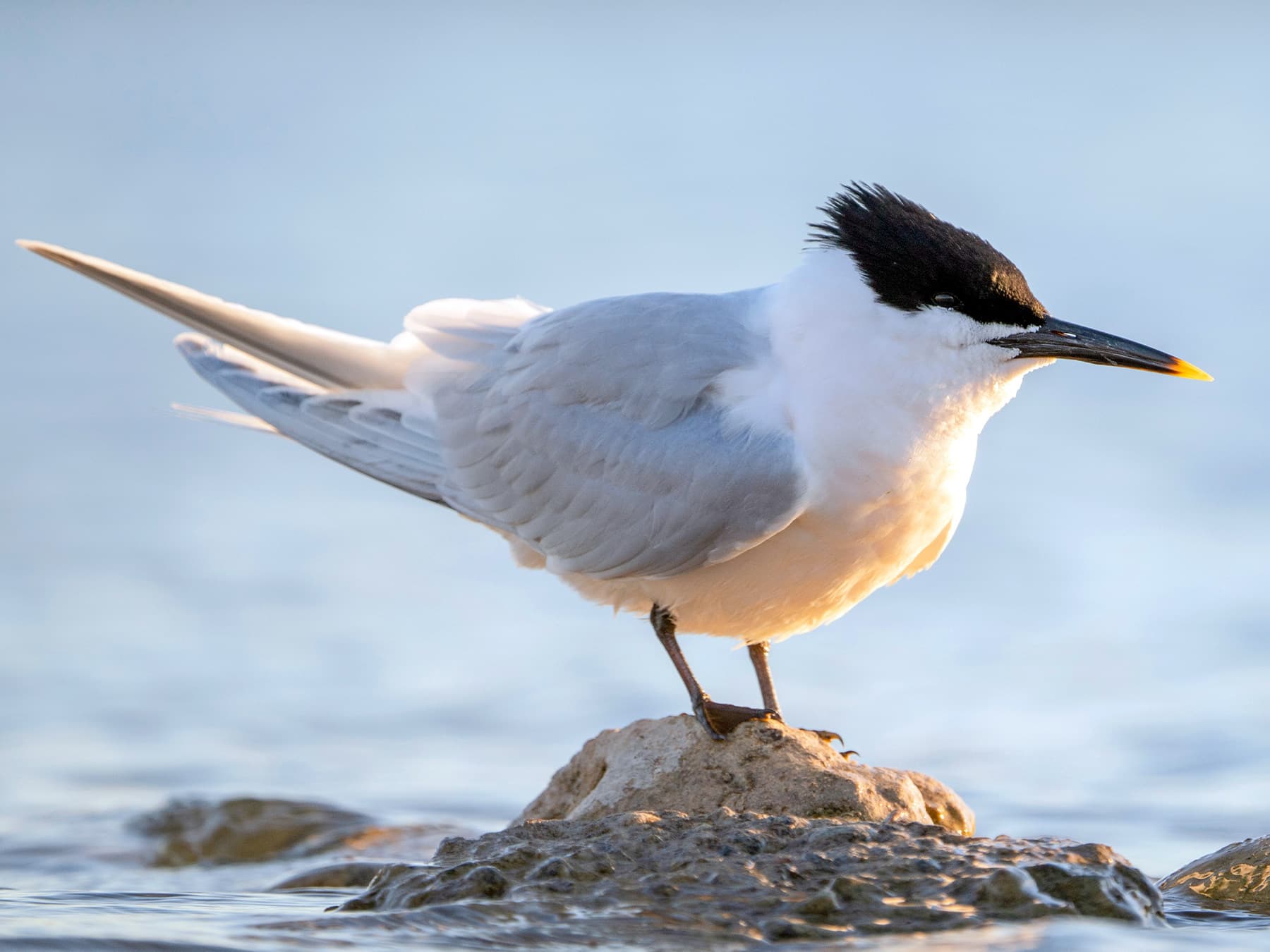
Sandwich Tern
Thalasseus sandvicensisLC
A rare breeder present March to September along the coast. The largest of Cumbria's breeding terns, often seen at Hodbarrow and estuaries.
Mar–Sep
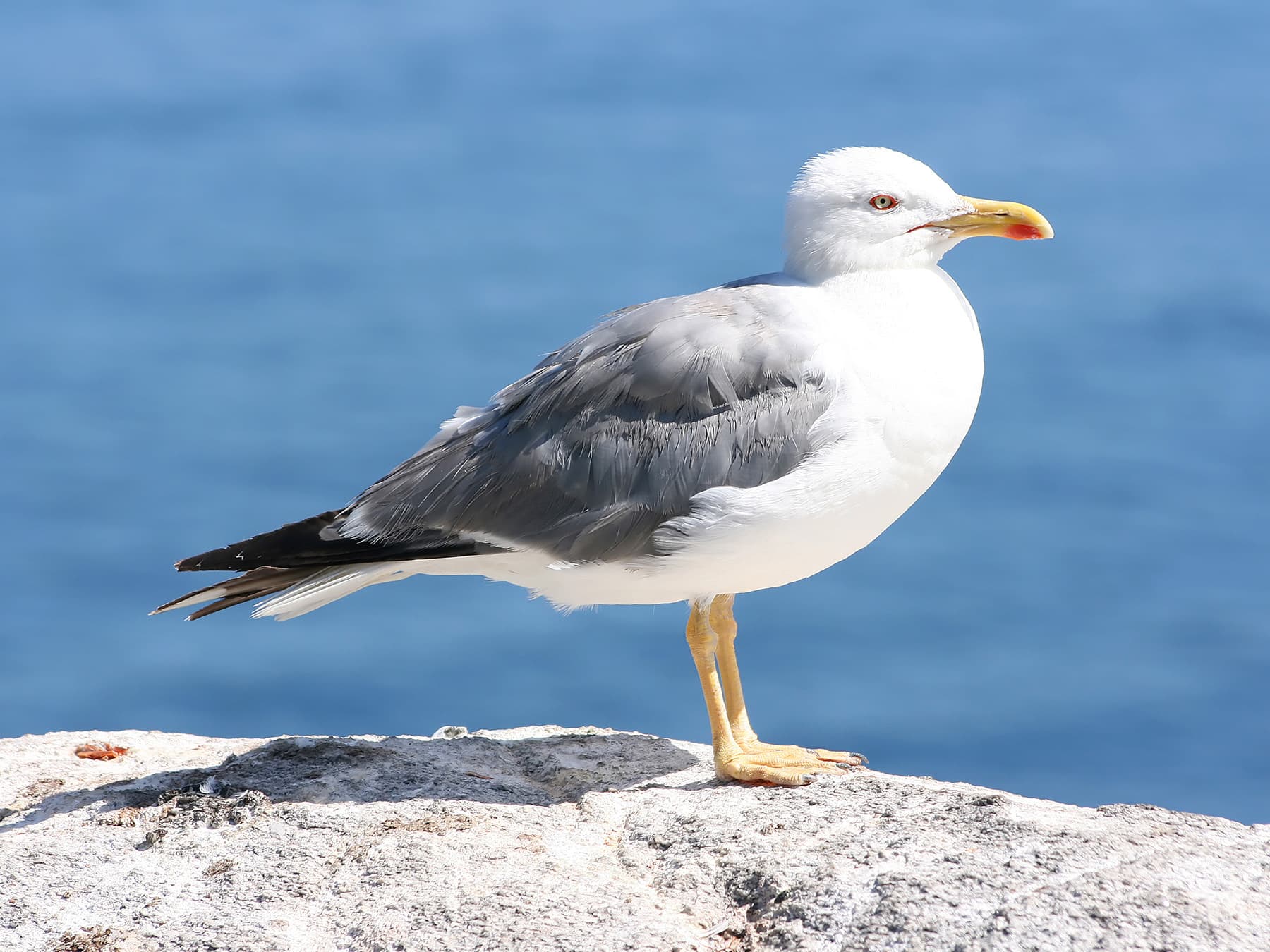
Yellow-legged Gull
Larus michahellisLC
A rare passage visitor noted in late summer and autumn, typically among mixed gull flocks at coastal roosts and estuaries.
Jul–Oct