
Describe a bird to identify it
Tell us what you saw: size, colours, what it was doing and where. We’ll ask a question or two, then show the likeliest birds side by side.
Identify from a photo insteadWhat you get
You get four things, not one: the bird, how sure we are in plain words, the two or three marks that prove it, and the bird it is most often mistaken for, side by side.
The comparisons come from our own guides: Kestrel or Sparrowhawk, Coal Tit or Great Tit and Grey Heron or Great Blue Heron.
How the bird identifier works
3 steps- 01
It finds the bird
Even small, in a hedge or across a field. Several birds in one photo are each found.
- 02
It reads the marks
The few features that prove the species: the eye, the bars, the tail.
- 03
It checks the look-alikes
Every answer is weighed against the bird it is usually mistaken for, and you see the difference.
How to take a photo that works
- Get the whole bird in, side-on if you can.
- Zoom and crop rather than walking closer and scaring it off.
- Have the light behind you; it shows the colours.
- Blurry is fine if the shape and colours show.
- Several birds in one photo? Each is identified.
How to identify a bird yourself
5 things to look at- 01
Size and shape
Smaller than a sparrow, about a pigeon, bigger than a crow? Plump or slim, long tail or short.
- 02
The bill
Fine and pointed for insects, thick for seeds, hooked for meat, long for probing.
- 03
The marks
A cap, an eye-stripe, wing bars, a pale rump. Two or three marks usually settle it.
- 04
What it does
Hops or walks, flicks its tail, climbs trunks, hovers. Behaviour separates many look-alikes.
- 05
Where and when
Garden, wood, coast or wetland, and the month. Many birds are only here in summer or winter.
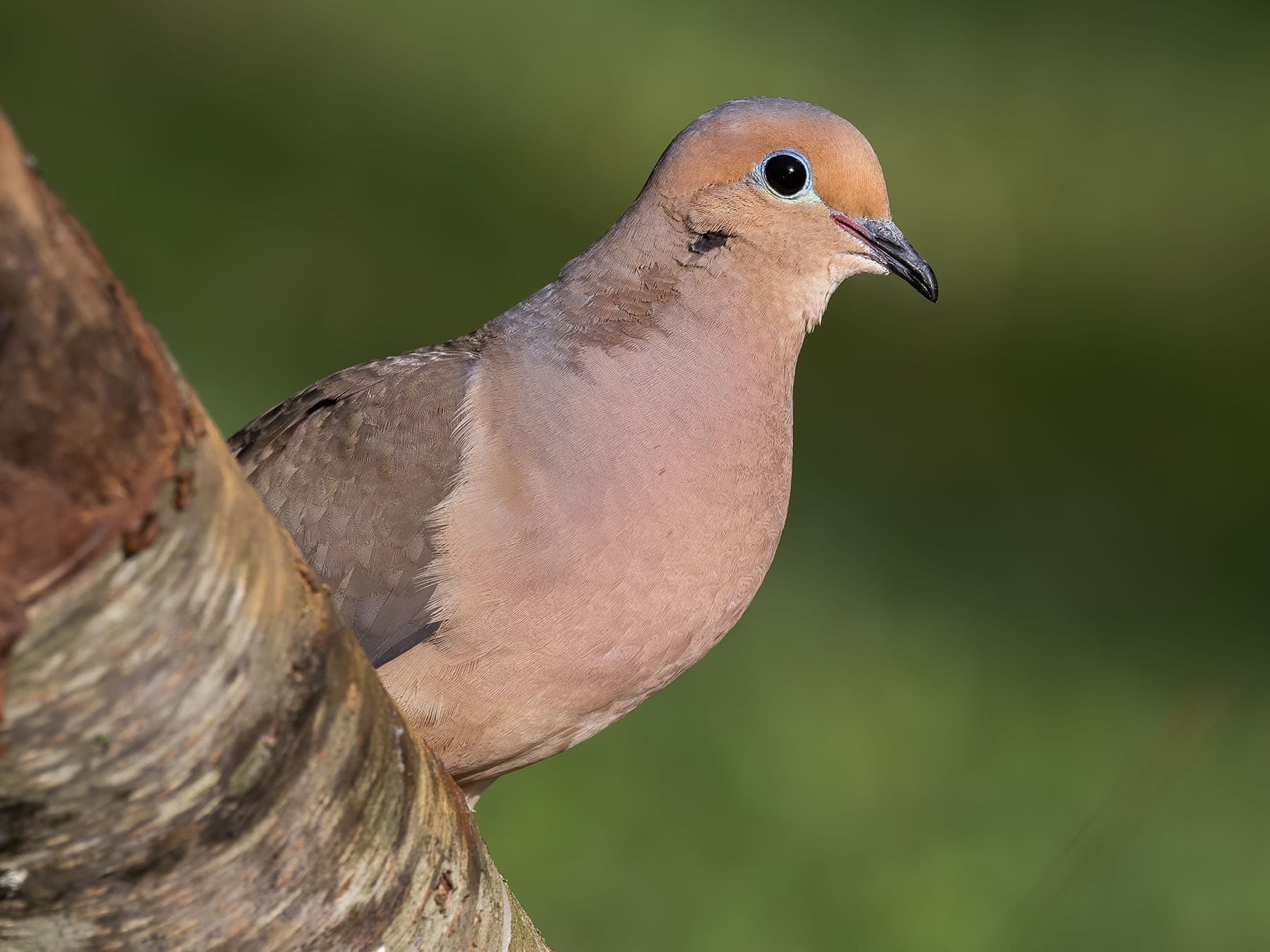
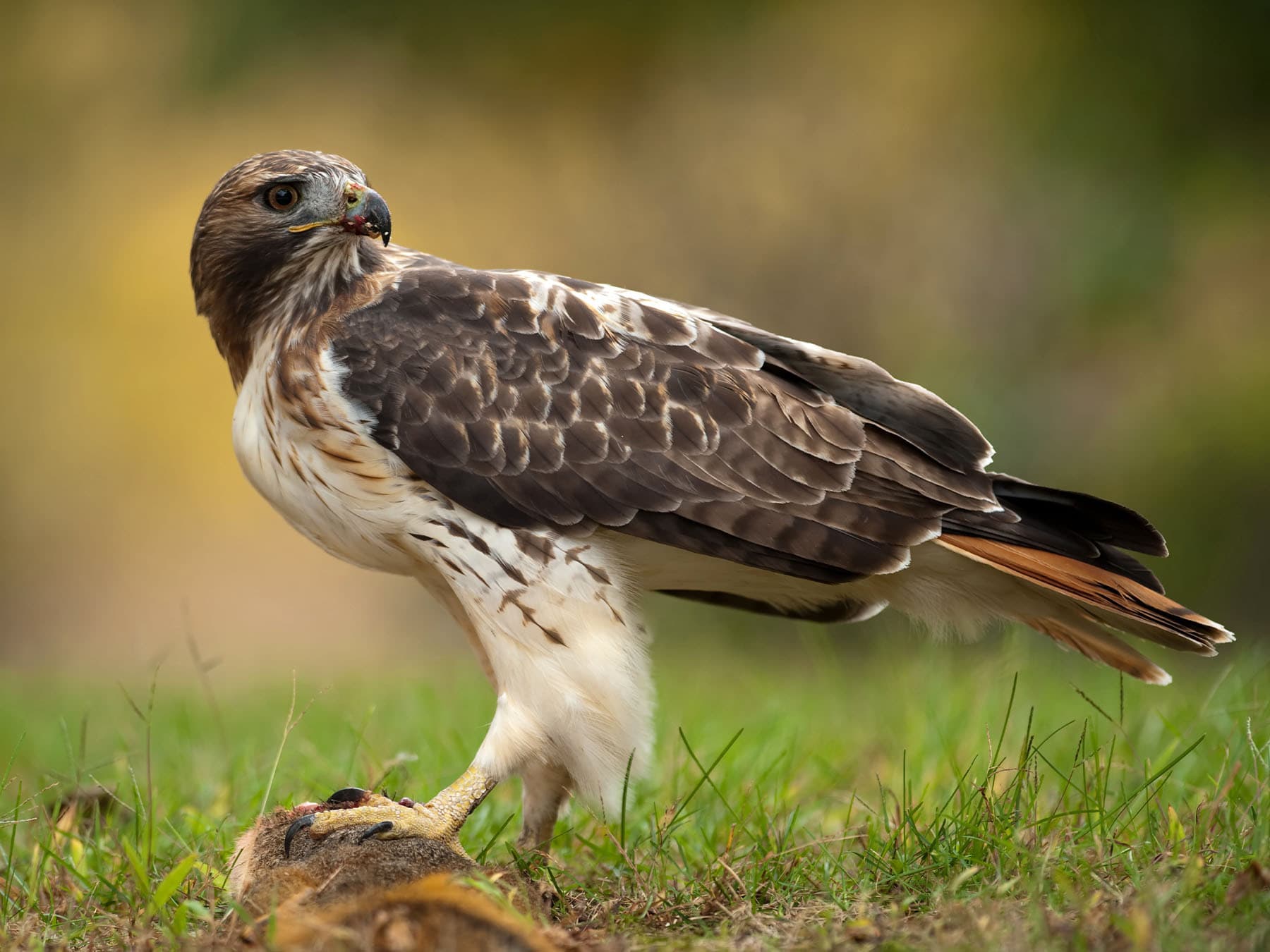
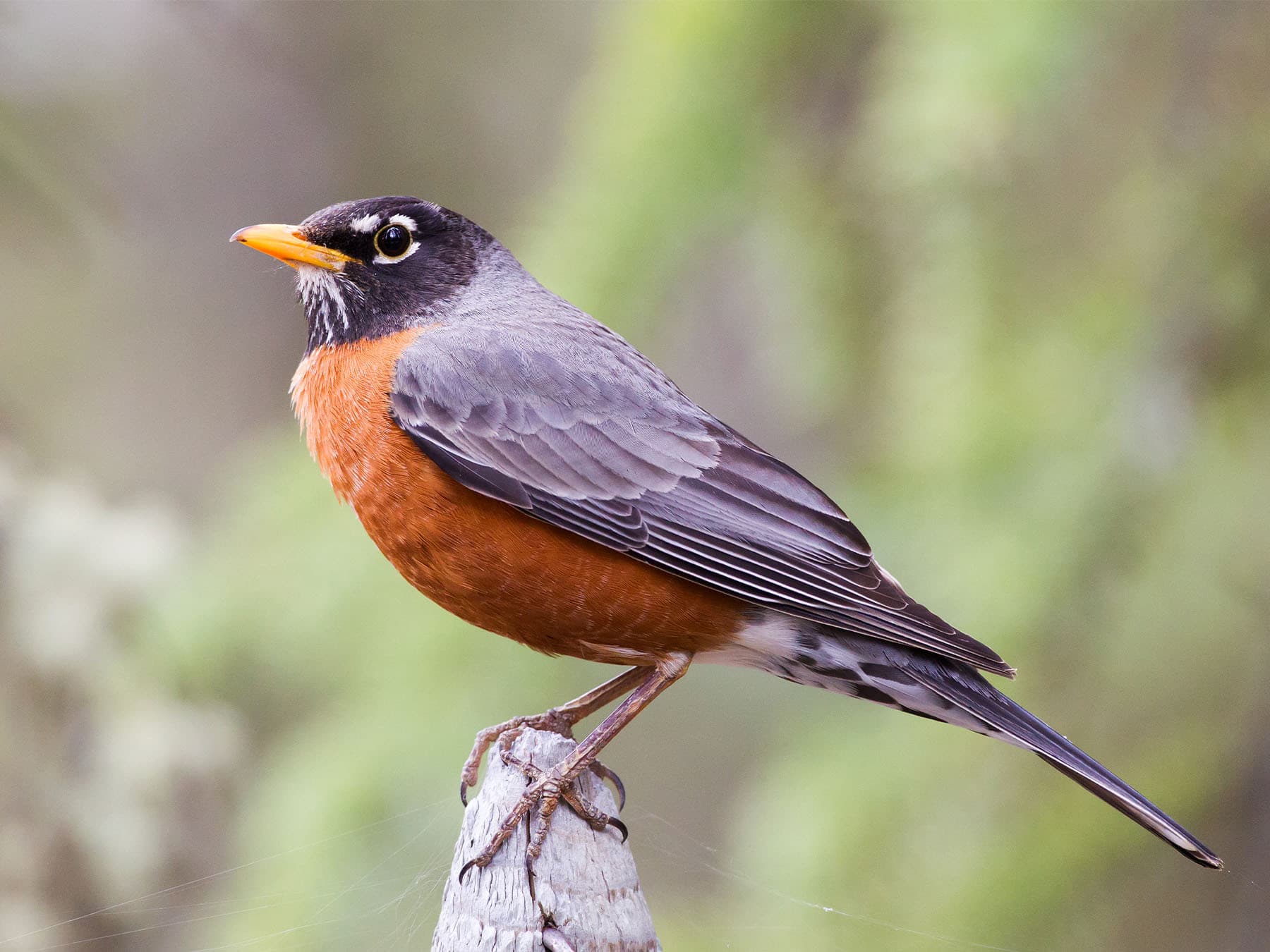
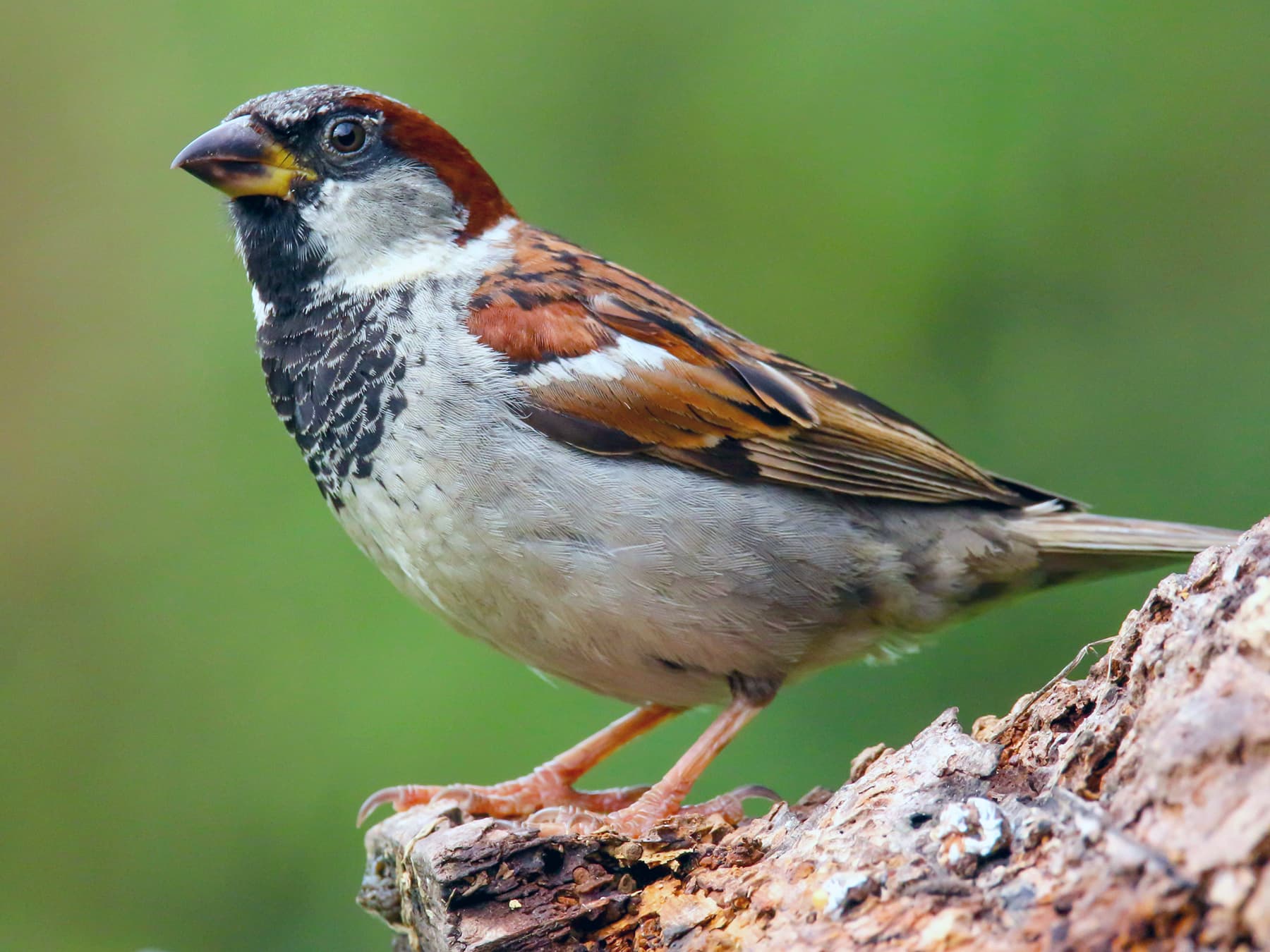
Birds people identify most
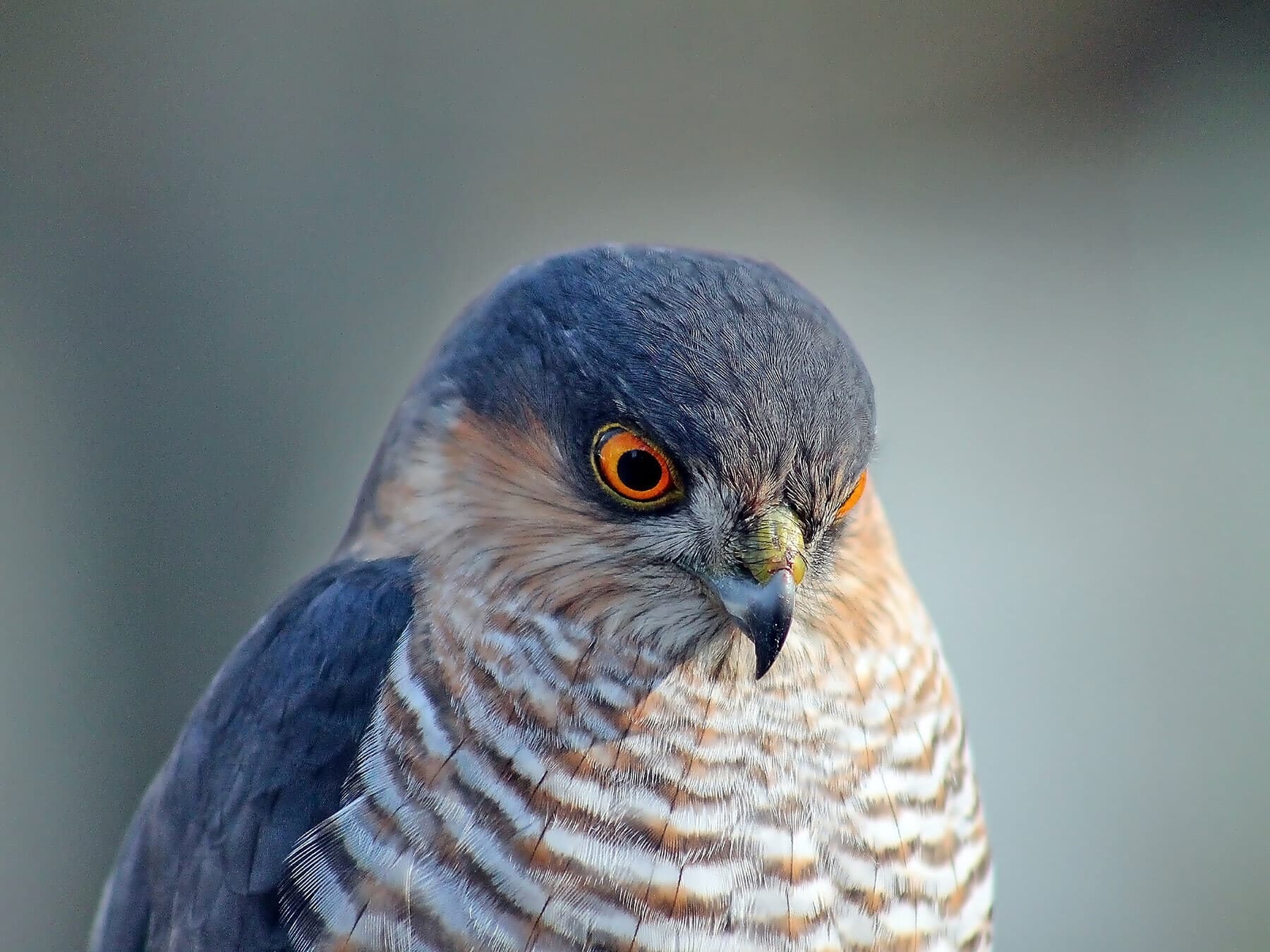
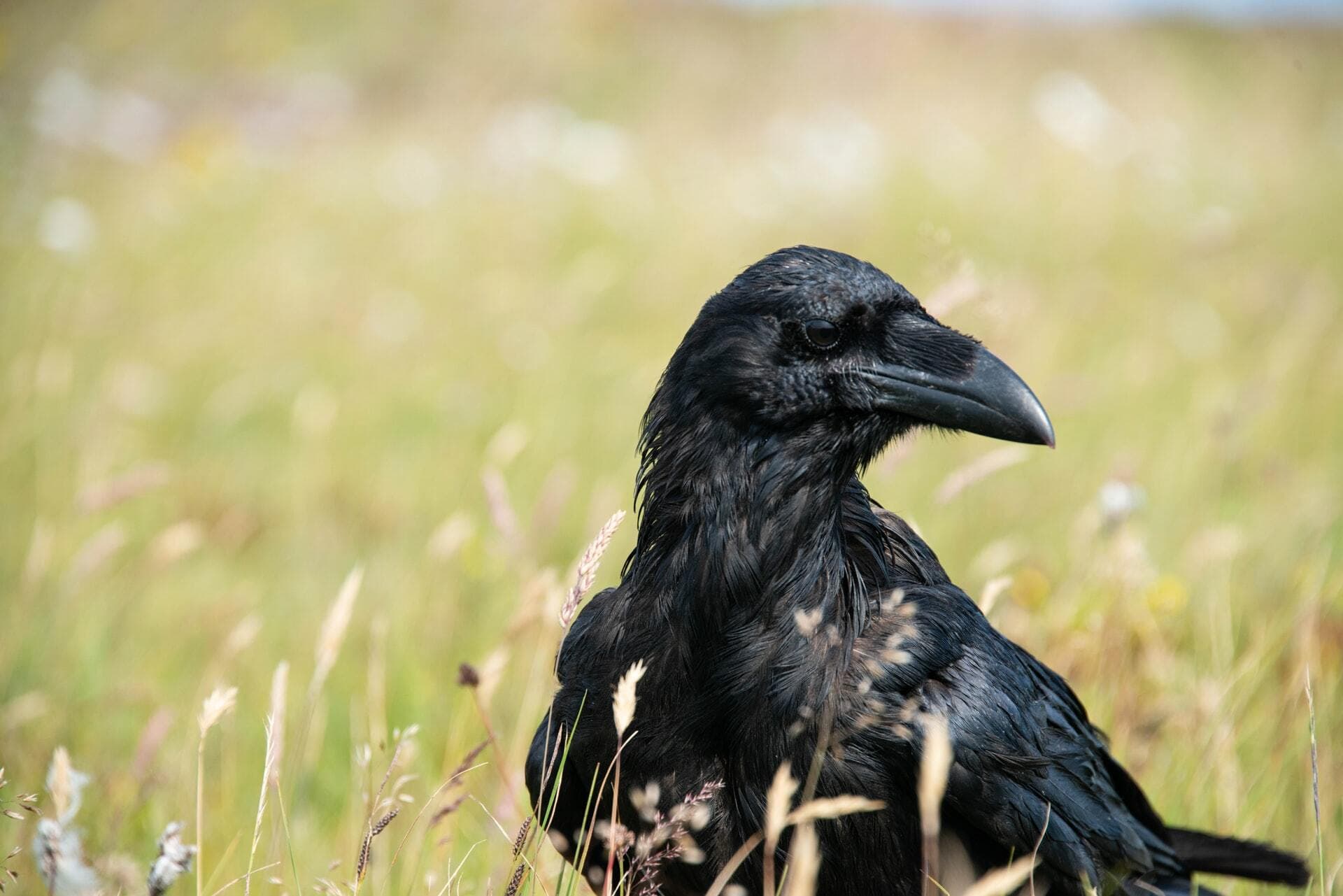
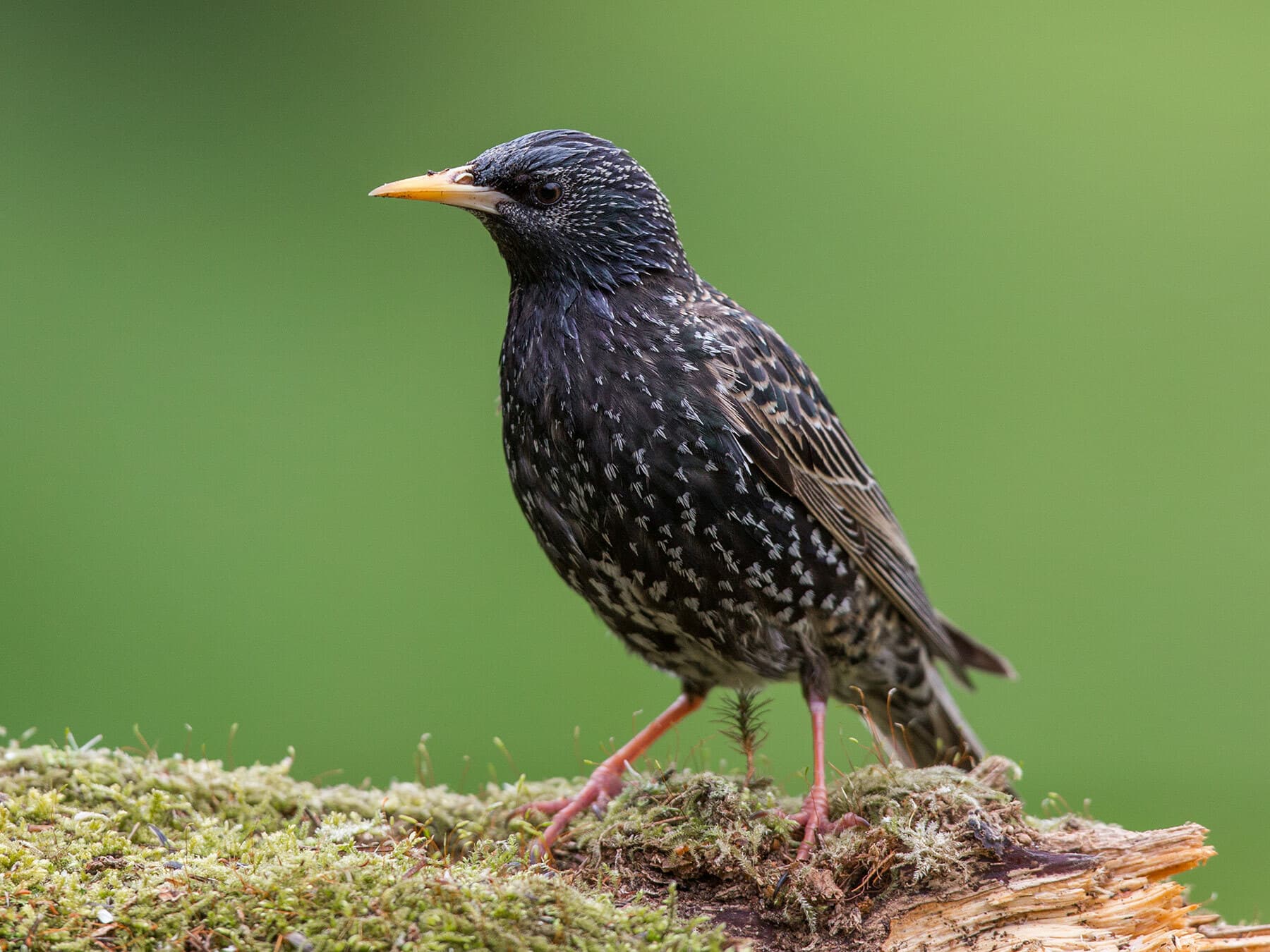
Last 90 days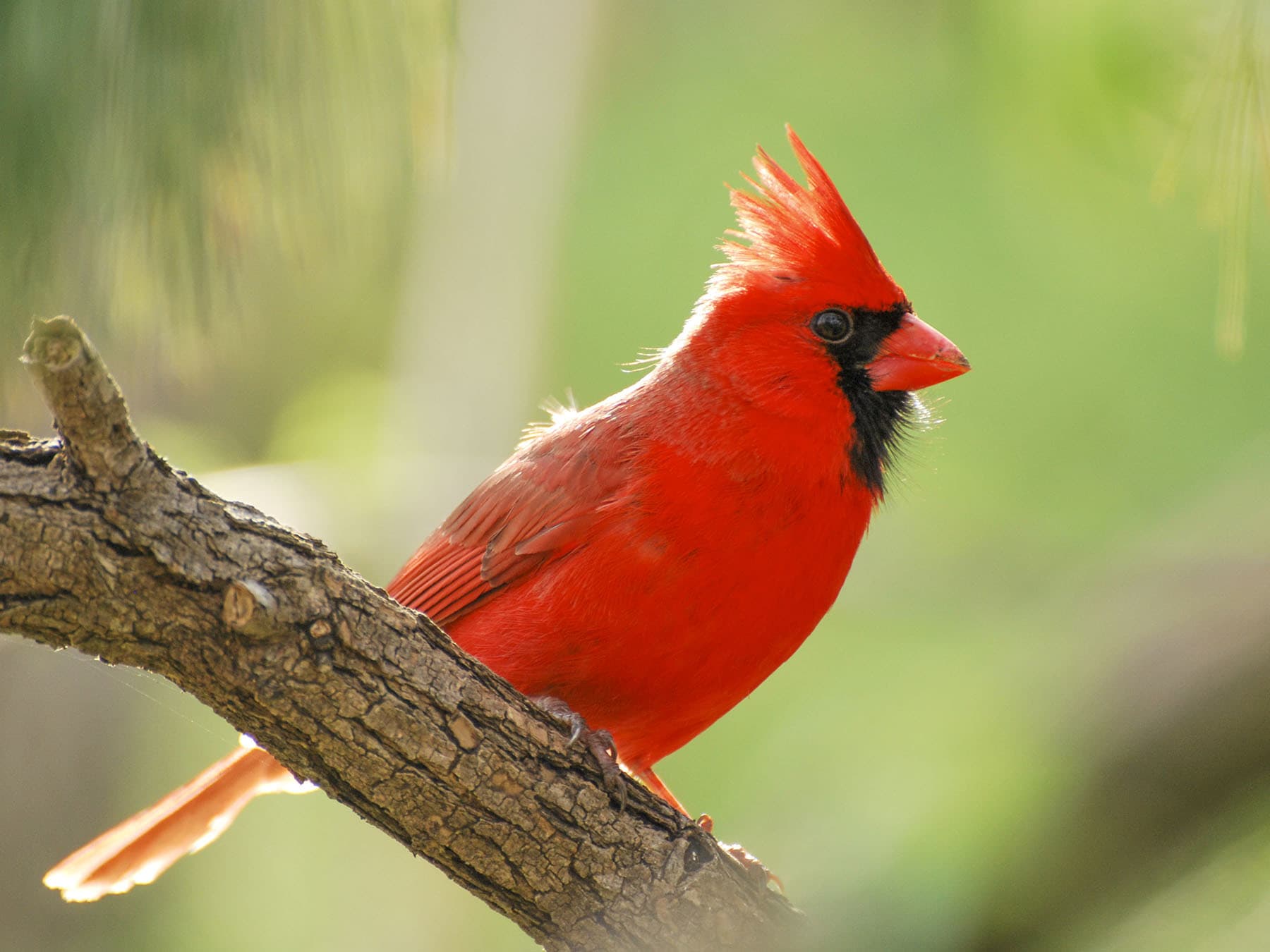
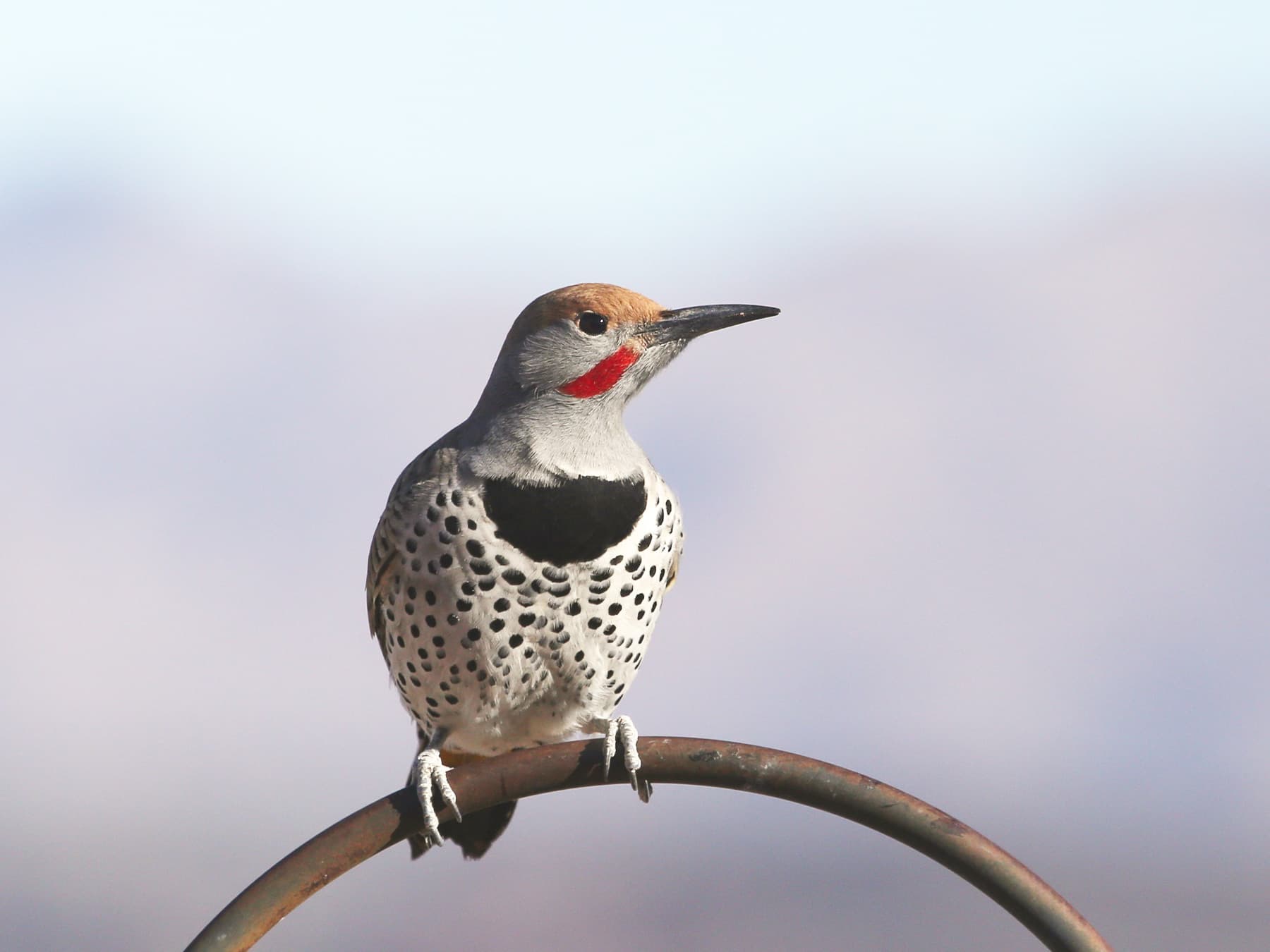
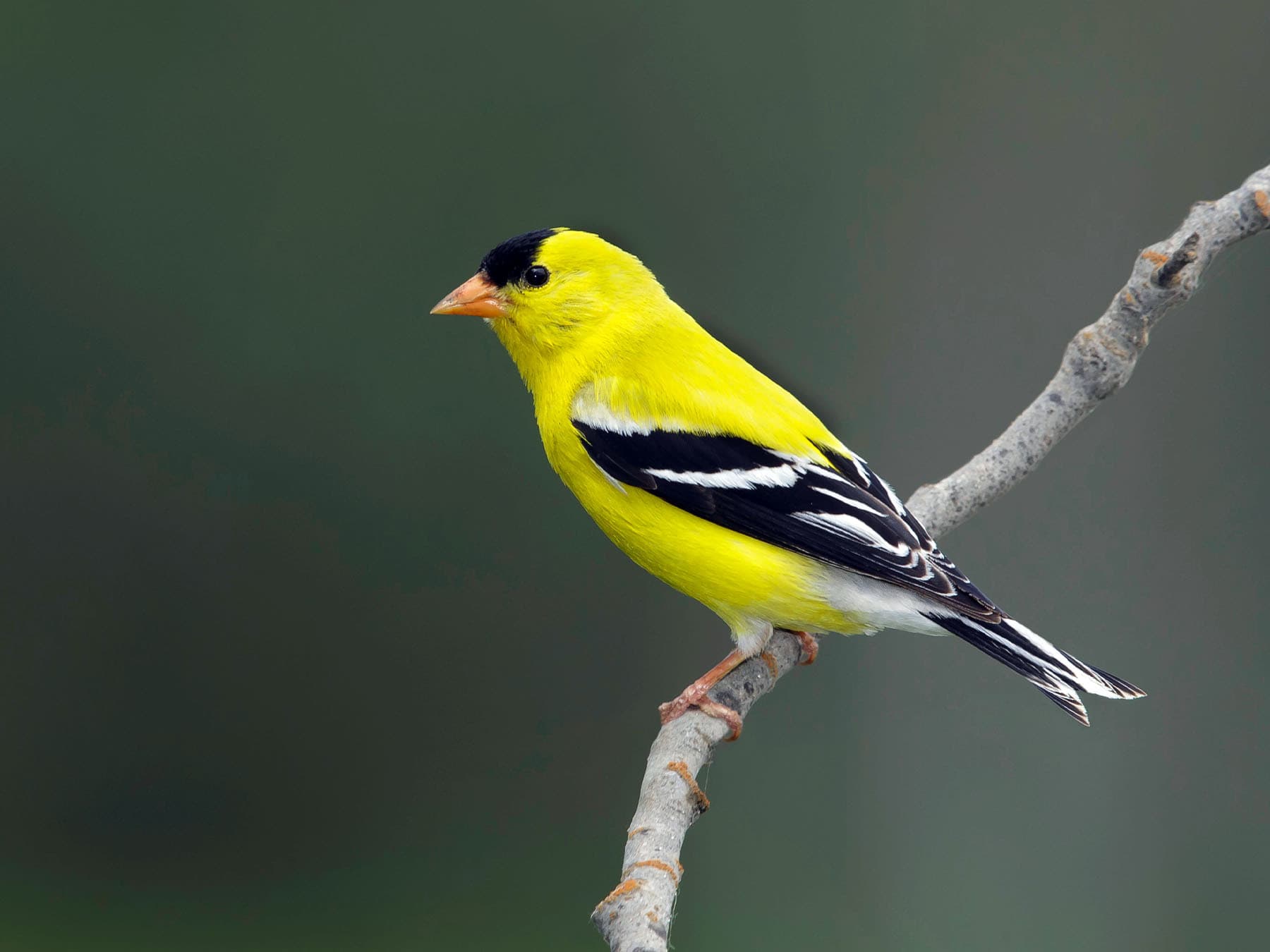
Point your phone at the bird
The same identifier, in your pocket and outside. Then get to know the bird: see it in 3D, keep your garden list, and see who is likely to visit this week.
- How to tell it from its look-alike, every time
- See the bird life-size, in 3D
- Your garden list, kept safe
Who’s behind it
Who makes it
Birdfact: field guides to 636 species and 575 articles, cited on Wikipedia and by CNN and Forbes. Answers link to our own guide to the bird, not to a stock description.
How it answers
Every answer names the marks it used and how sure it is, in words. When a look-alike is close, it shows you both.
What it won’t do
Guess with confidence. A weak answer says it is only a possible match and shows the bird it might be instead. No bird in the photo, no answer.
Questions
6Is the bird identifier free?
Yes, to try: your first photo needs no account. A free account gives you three photo identifications and five descriptions a month. Birdfact Unlimited members have no monthly limit.
How does Birdfact’s AI identify a bird?
Your photo goes to Birdfact’s own identification service. It finds the bird, reads the marks that separate species, weighs the answer against the birds recorded where and when you saw it, and checks it against the bird it is usually mistaken for. Then it tells you how sure it is, in words: a strong, likely or possible match.
Can I identify a bird without a photo?
Yes. Choose Describe it and tell us what you saw: size, colours, what it was doing and where. We ask a question or two, then show the likeliest birds.
Which birds can it identify?
Birds from anywhere in the world. When the bird has a Birdfact guide (we have 636), the answer links to it.
What happens to my photo?
It goes to Birdfact’s identification service to identify the bird, and is kept with your result so you can come back to it. We don’t publish it. The privacy policy explains how it’s stored and processed.
What makes a good photo?
Get the whole bird in, side-on if you can, with the light behind you. A blurry photo is fine if the shape and colours show, and several birds in one photo are each identified.
Learn to tell them apart
Species occurrence data: eBird Observation Dataset (Cornell Lab of Ornithology), via GBIF.org, CC BY 4.0, doi:10.15468/aomfnb; aggregated and filtered by Birdfact. Download: doi:10.15468/dl.3ggph5