Old World Flycatchers in England
11 species matching this filter.
England is home to 11 recorded species of Old World Flycatchers (Muscicapidae), a diverse family that includes not only the classic flycatchers but also beloved species such as the European Robin, Nightingale, and Wheatear. From the oak woodlands favoured by European Pied Flycatchers and Common Redstarts to the heathlands where Stonechats perch prominently, these birds occupy a wide range of habitats across the country. Scarcer visitors like the Bluethroat and Red-flanked Bluetail add excitement for birdwatchers, particularly during migration seasons along the east coast.


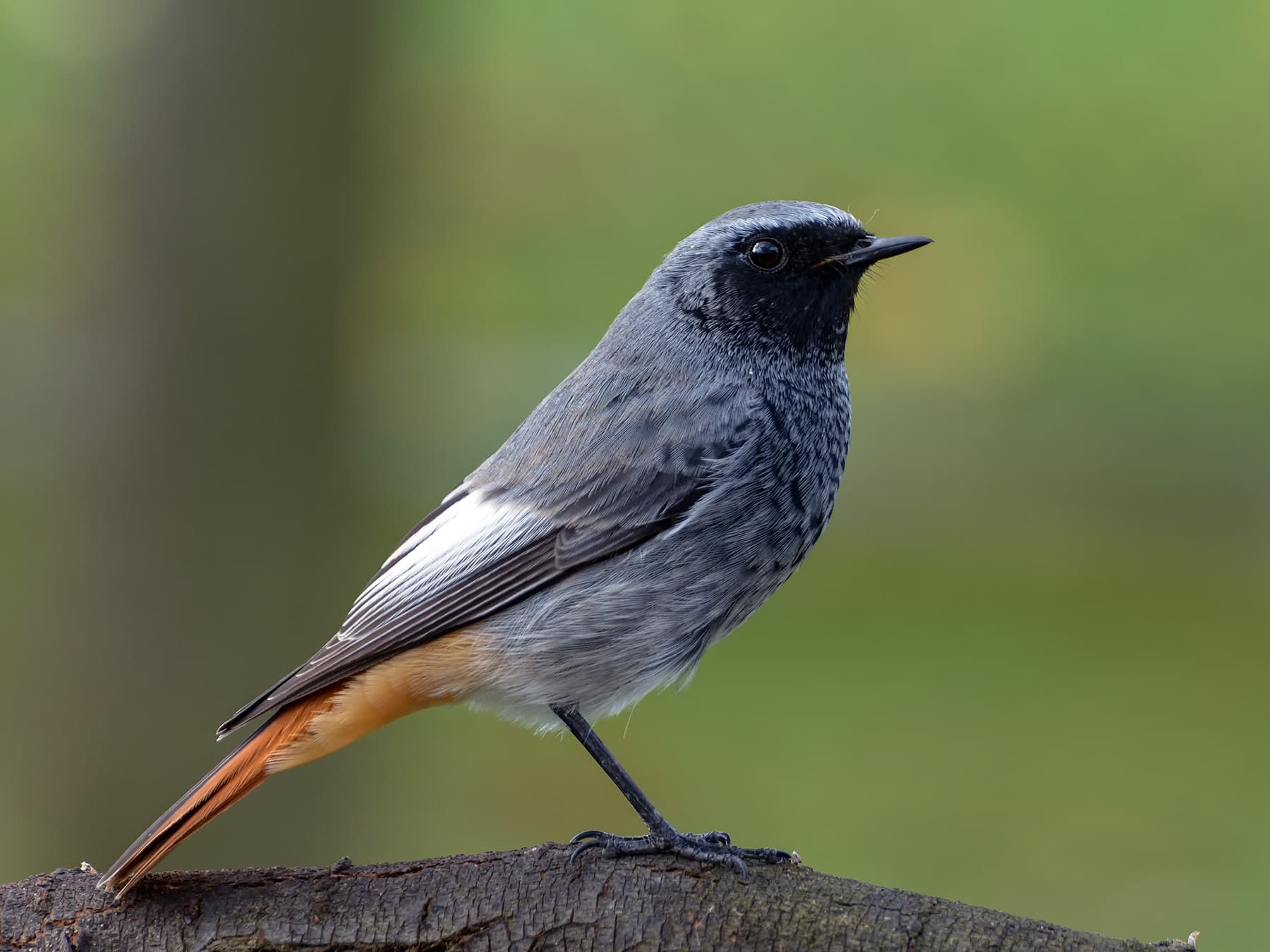
Black Redstart
Phoenicurus ochrurosLC
An uncommon year-round resident, favouring industrial sites, power stations and urban buildings. Scarce as a breeder but more widespread in winter.
Year-round
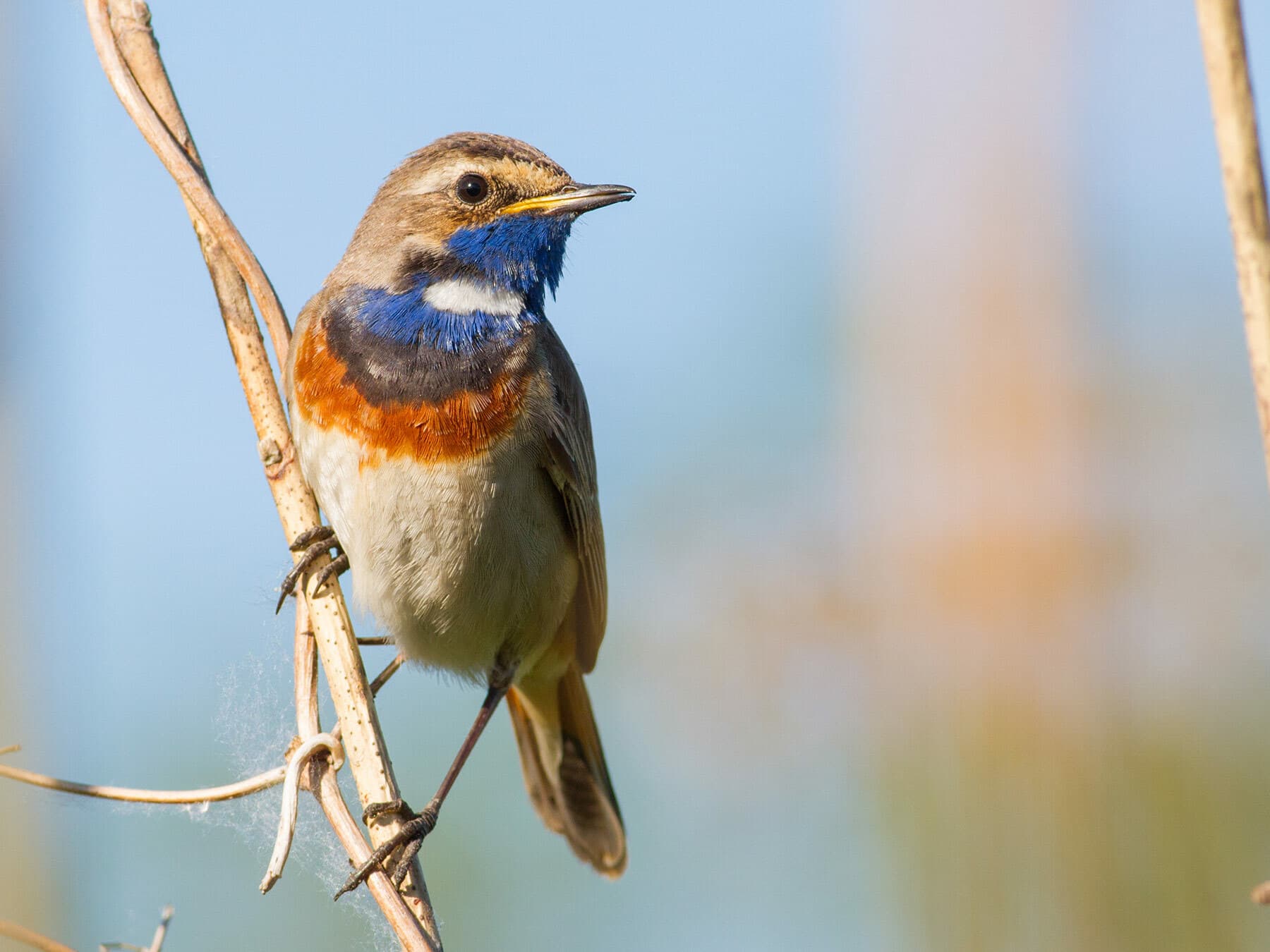
Bluethroat
Luscinia svecicaLC
A rare breeding bird, nesting at a handful of sites in eastern England. Spring males flash a striking blue and orange throat patch during courtship displays.
Mar–Oct
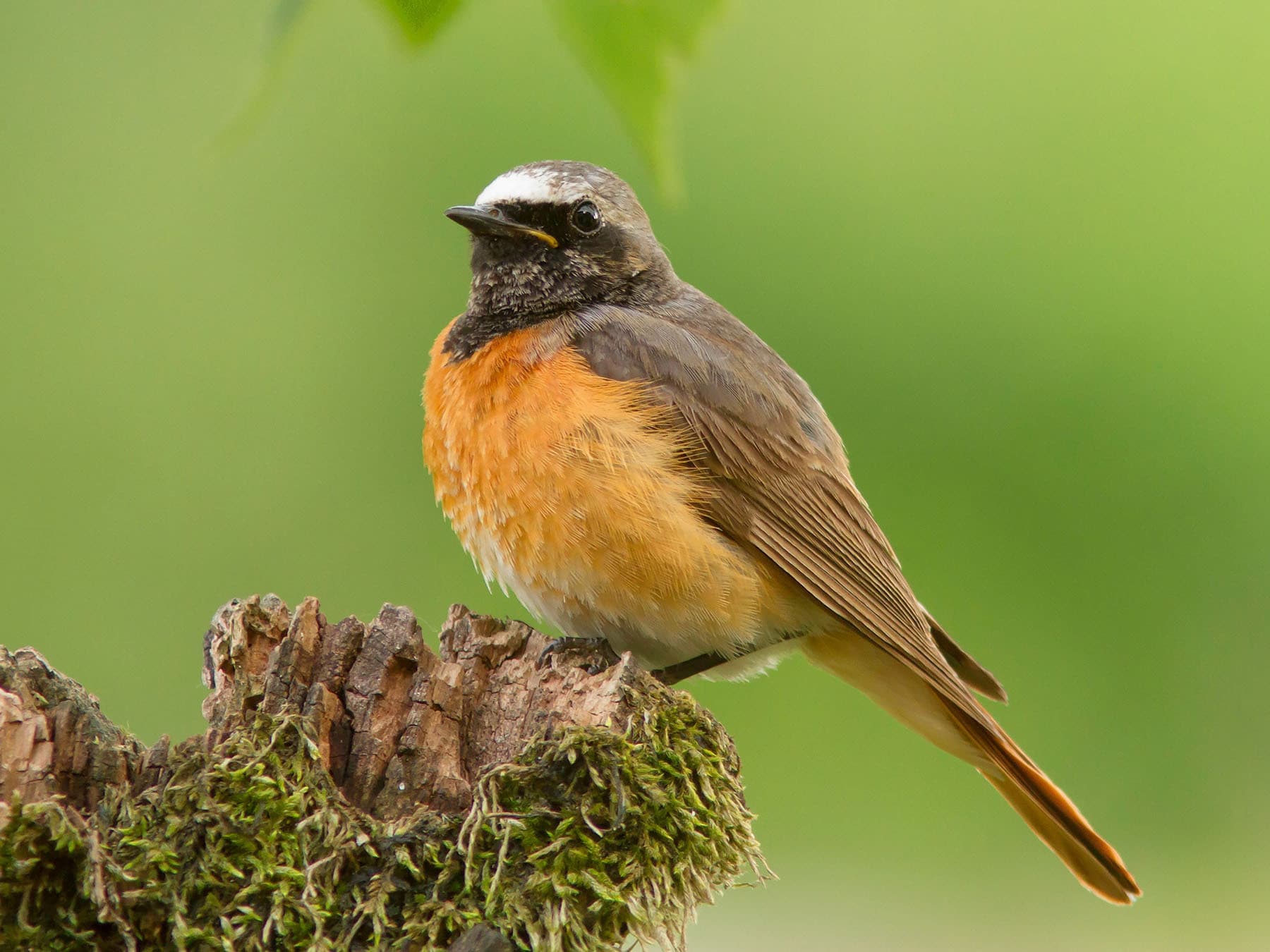
Common Redstart
Phoenicurus phoenicurusLC
A summer visitor breeding in mature oak woodlands, mainly in western and northern England. Males flash a vivid orange-red tail from song perches.
Apr–Oct
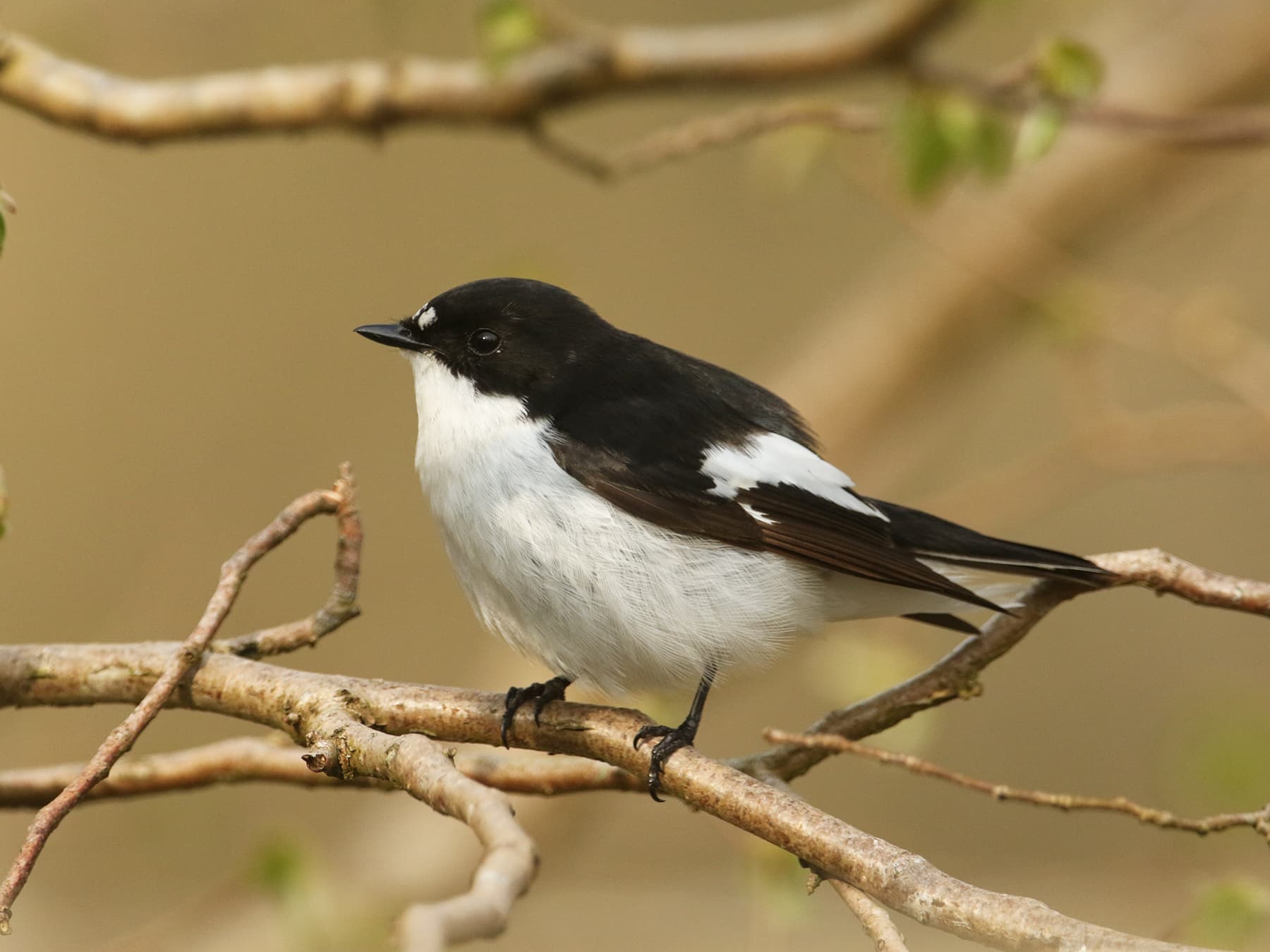
European Pied Flycatcher
Ficedula hypoleucaLC
An uncommon summer visitor favouring oak woodlands, mainly in western and northern England. Readily uses nestboxes where provided.
Apr–Oct
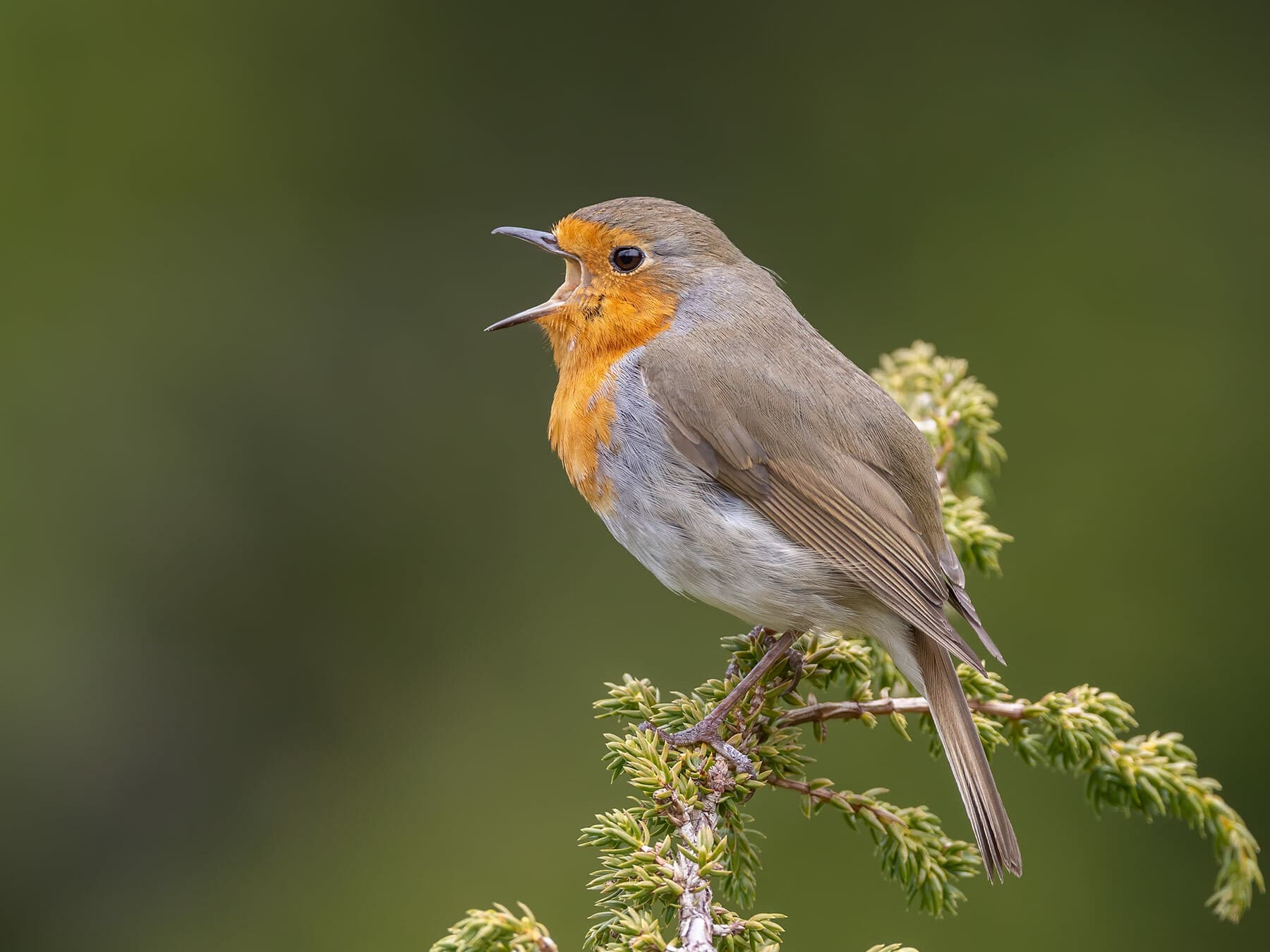
European Robin
Erithacus rubeculaLC
One of England's most familiar and beloved garden birds, present year-round. Sings throughout winter and fiercely defends territories in hedgerows, parks, and woodlands.
Year-round
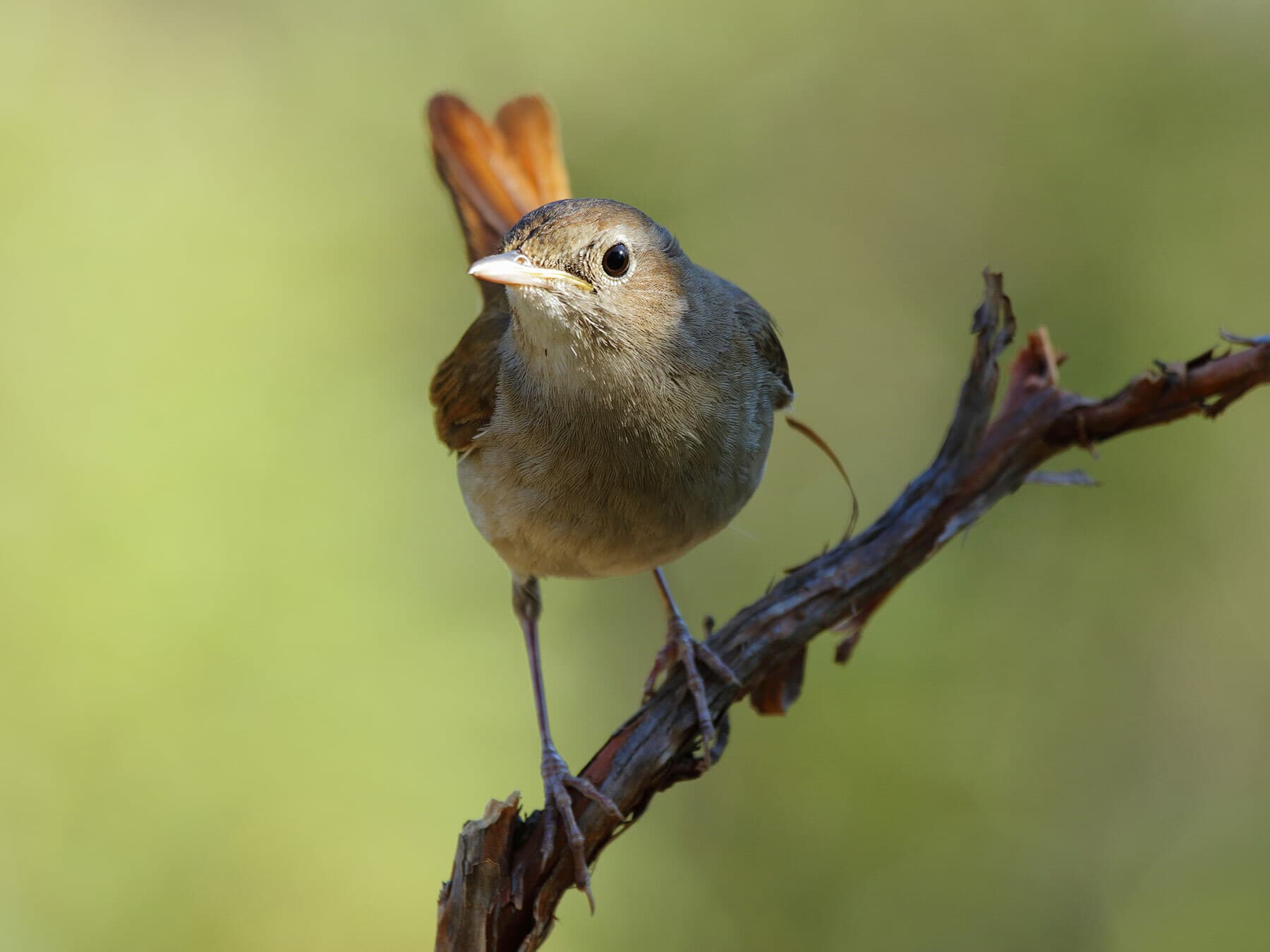
Nightingale
Luscinia megarhynchosLC
An uncommon summer breeder arriving in April, largely confined to south-east England. Its rich, powerful song is best heard in May.
Apr–Aug
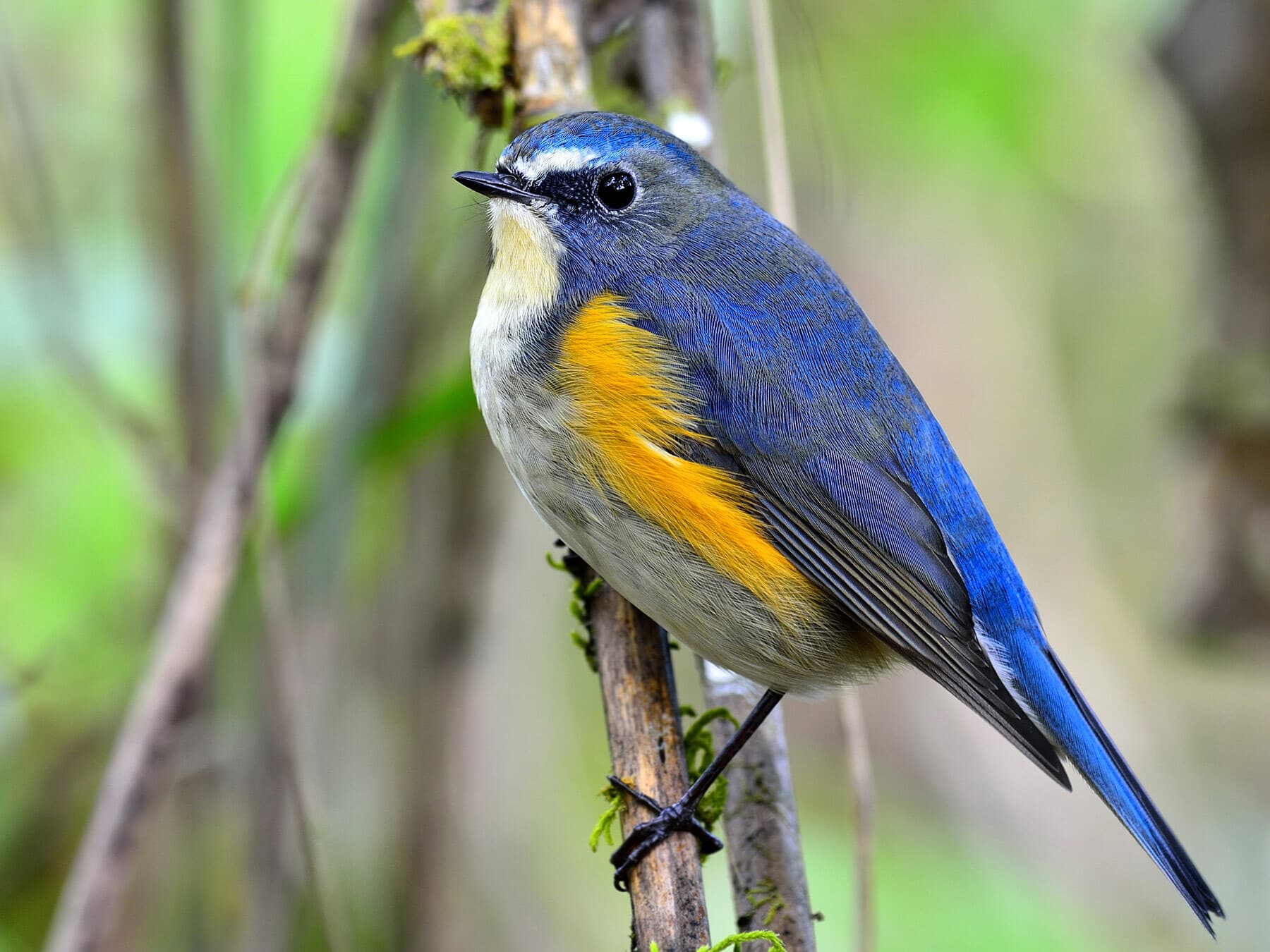
Red-flanked Bluetail
Tarsiger cyanurusLC
A rare vagrant from Asia, mostly recorded in autumn on the east coast. Typically found skulking in dense coastal scrub and gardens at migration watchpoints.
Sep–Jan
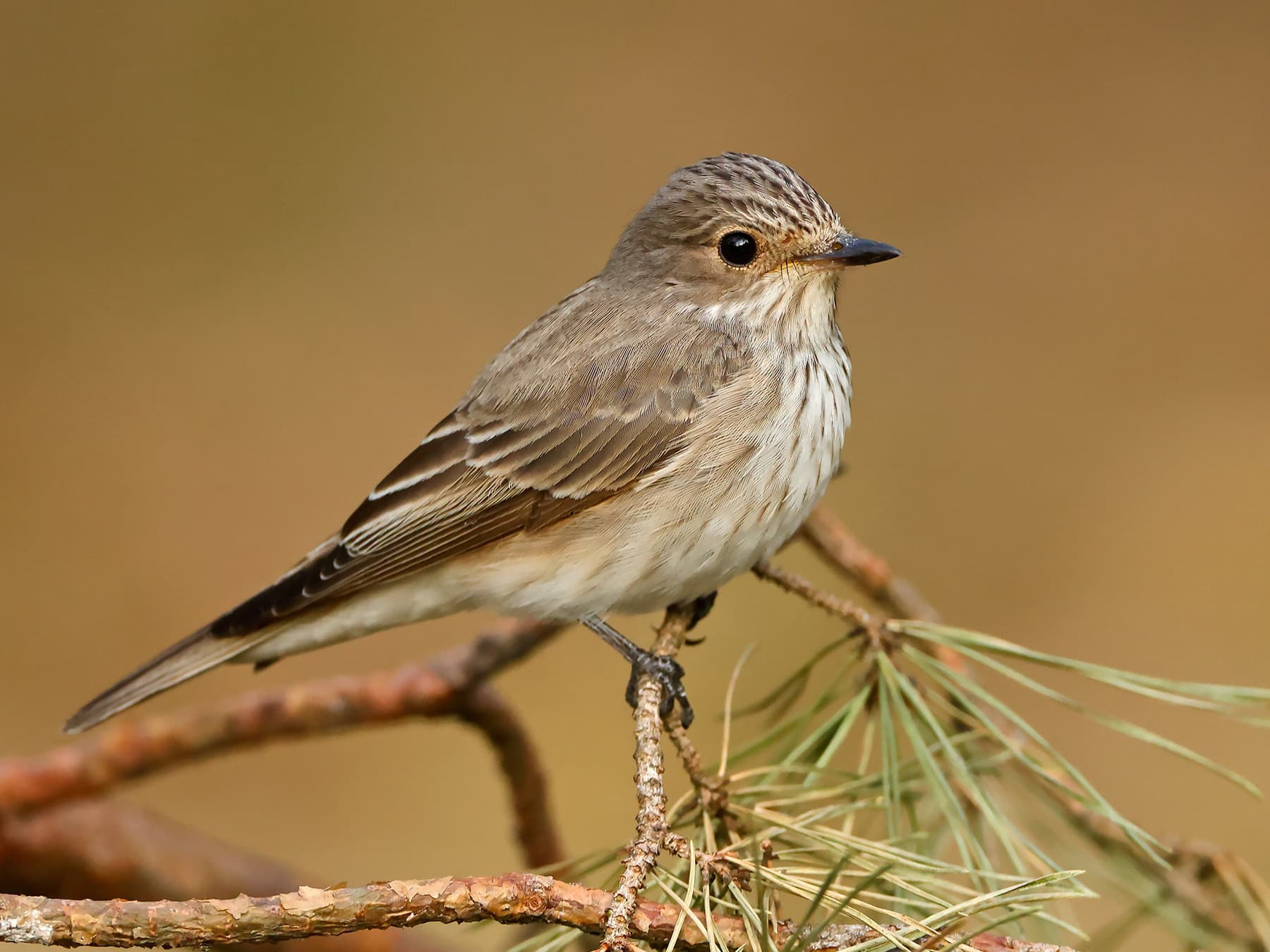
Spotted Flycatcher
Muscicapa striataLC
A declining summer visitor to open woodland, parks, and large gardens. Catches insects in flight from exposed perches.
May–Oct
Spotted something?
Upload a photo to identify it
Identify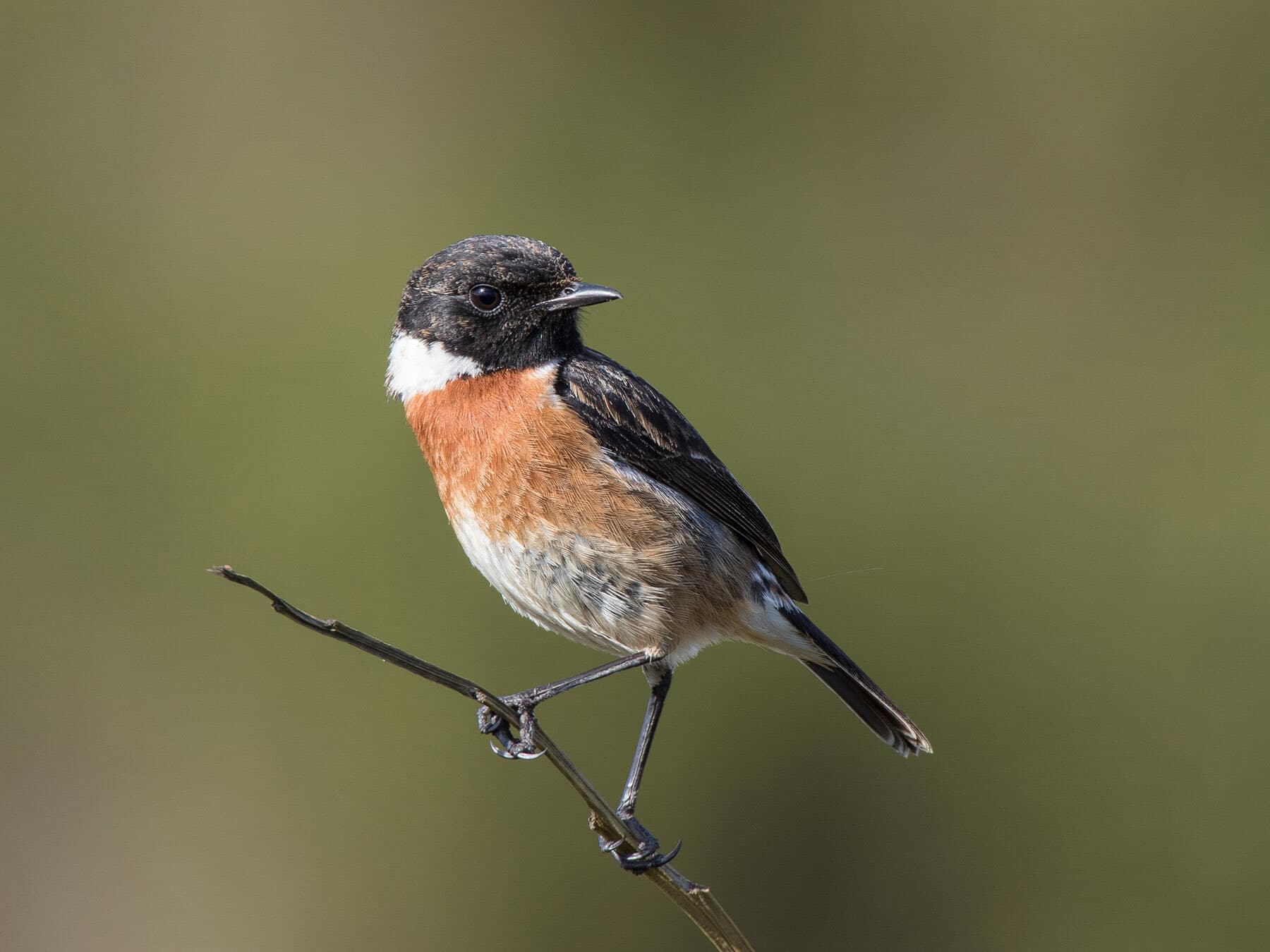
Stonechat
Saxicola torquatusLC
A common resident of heathland, gorse-covered hillsides, and coastal scrub. Males are striking with dark heads and bright orange breasts year-round.
Year-round
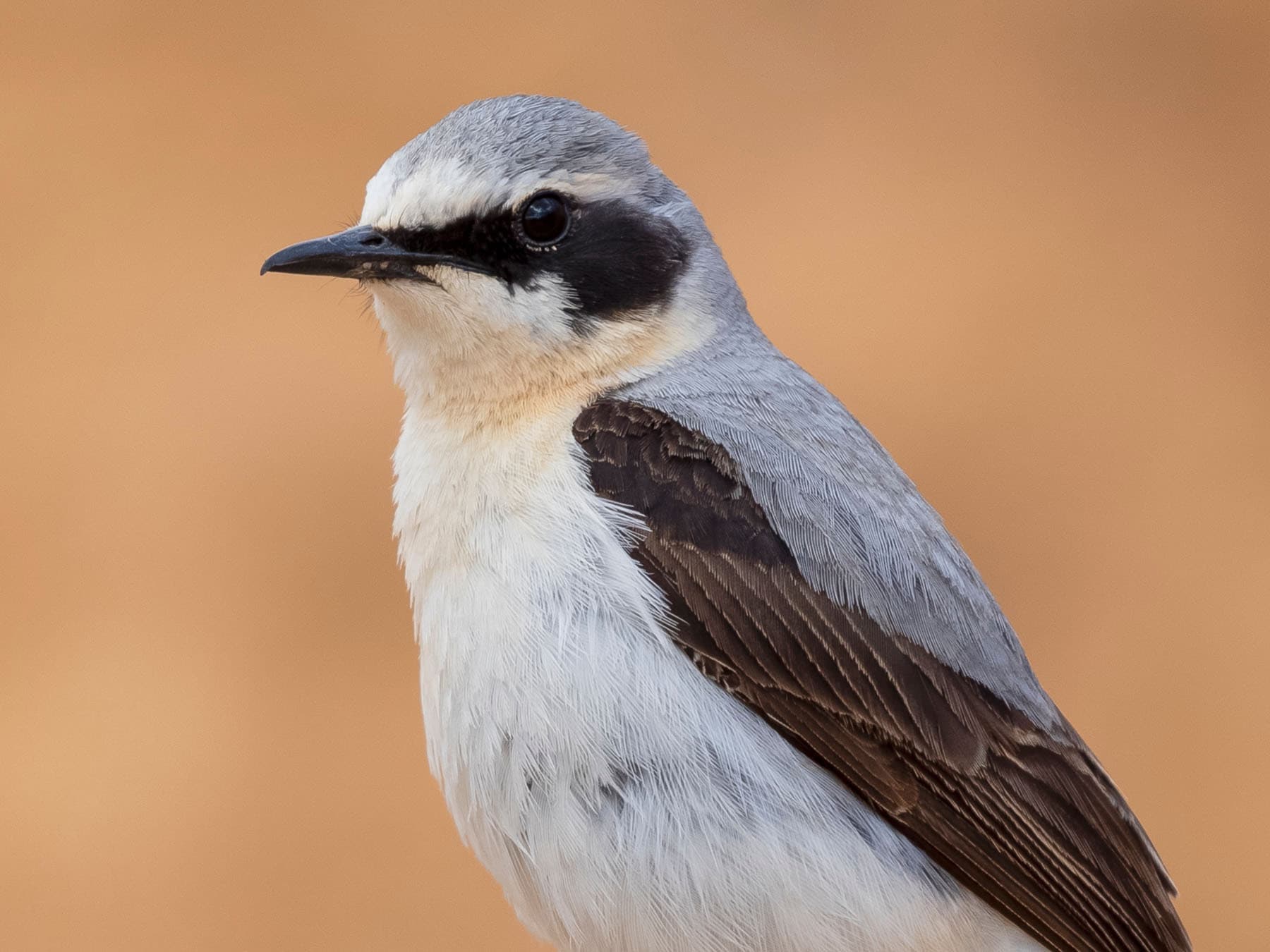
Wheatear
Oenanthe oenantheLC
A summer breeder on upland moors and coastal grasslands, arriving from March. Passage birds also appear at lowland sites in spring and autumn.
Mar–Nov
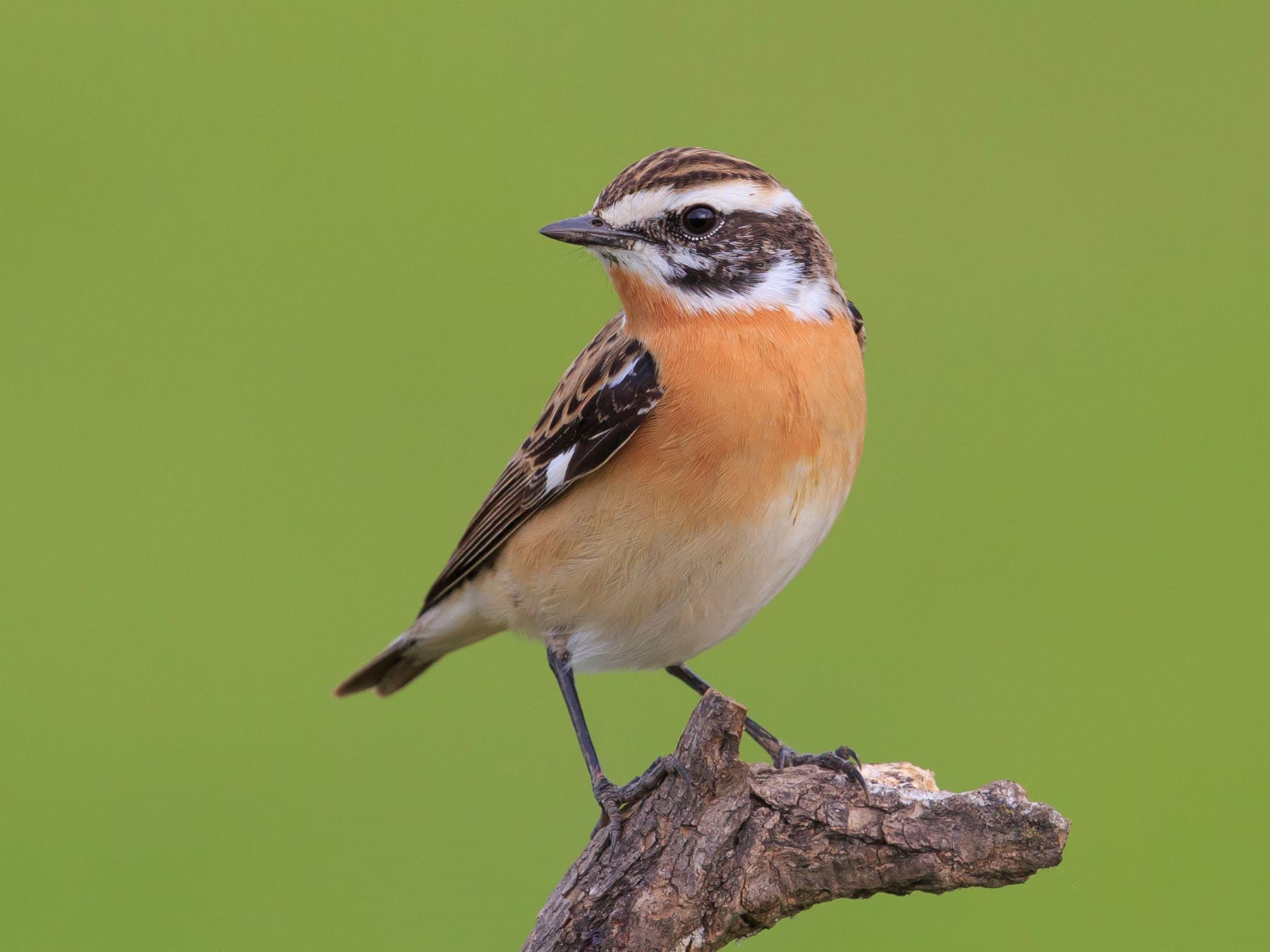
Whinchat
Saxicola rubetraLC
An uncommon summer visitor to upland meadows and moorland edges, now declining as a breeder. Most easily seen on passage in autumn.
Apr–Oct