Finches in Northumberland
11 species matching this filter.
Northumberland's diverse landscapes, from the Cheviot Hills and ancient woodlands to the rugged coastline and rolling farmland, provide excellent habitat for 11 species of finch. Resident favourites such as the Chaffinch, European Goldfinch, and Greenfinch are joined by seasonal visitors including the Brambling and Eurasian Siskin, while the elusive Hawfinch can occasionally be spotted in mature deciduous woodland. For help telling these colourful birds apart, see our Types of Finches in the UK: Identification Guide.


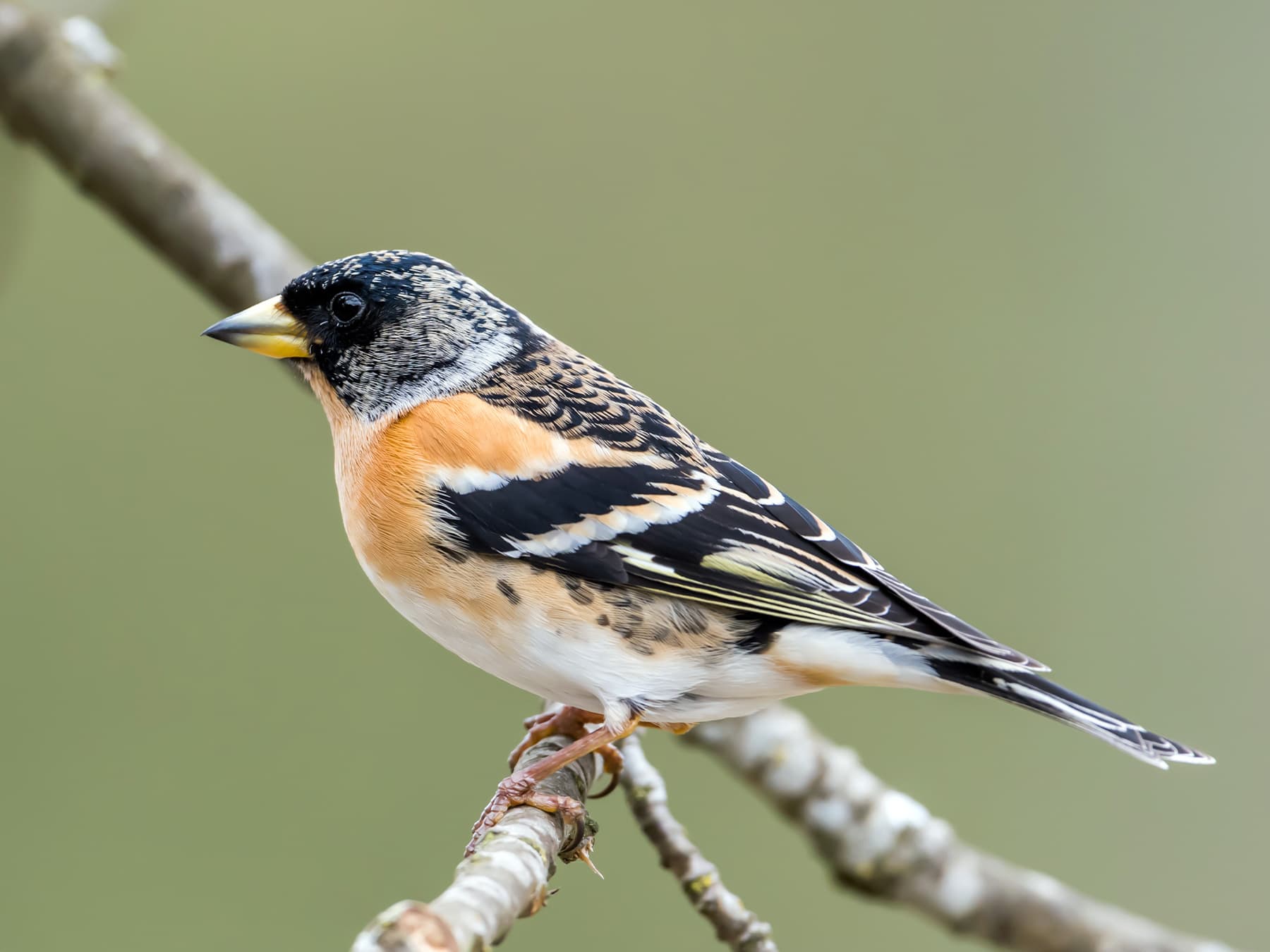
Brambling
Fringilla montifringillaLC
A rare winter visitor from Scandinavia, occasionally joining Chaffinch flocks in beech woodland and around farmland feeding stations.
Sep–Apr
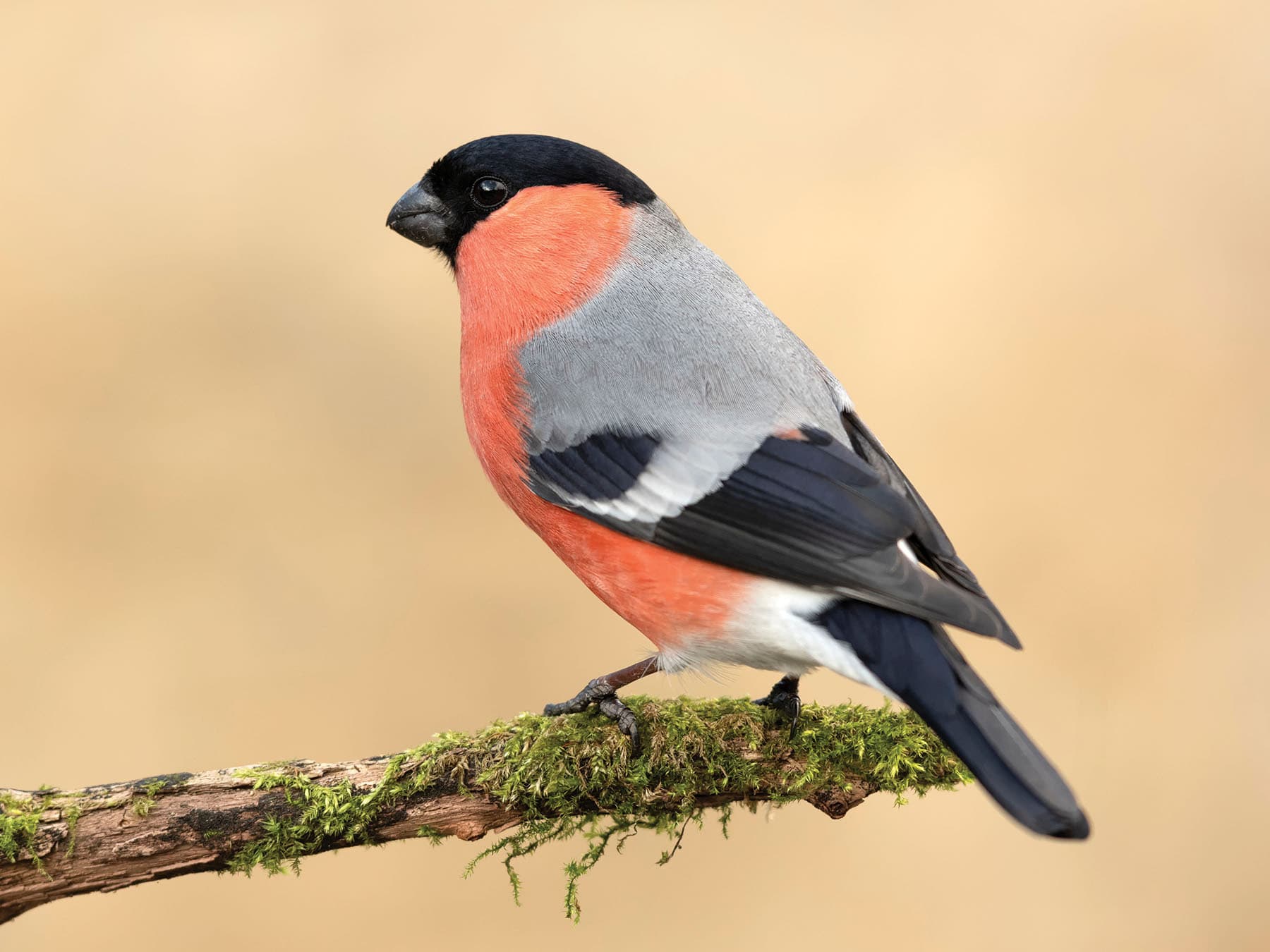
Bullfinch
Pyrrhula pyrrhulaLC
A shy, year-round resident of hedgerows, woodland edges, and mature gardens. Its soft piping call is often heard before the bird is seen.
Year-round
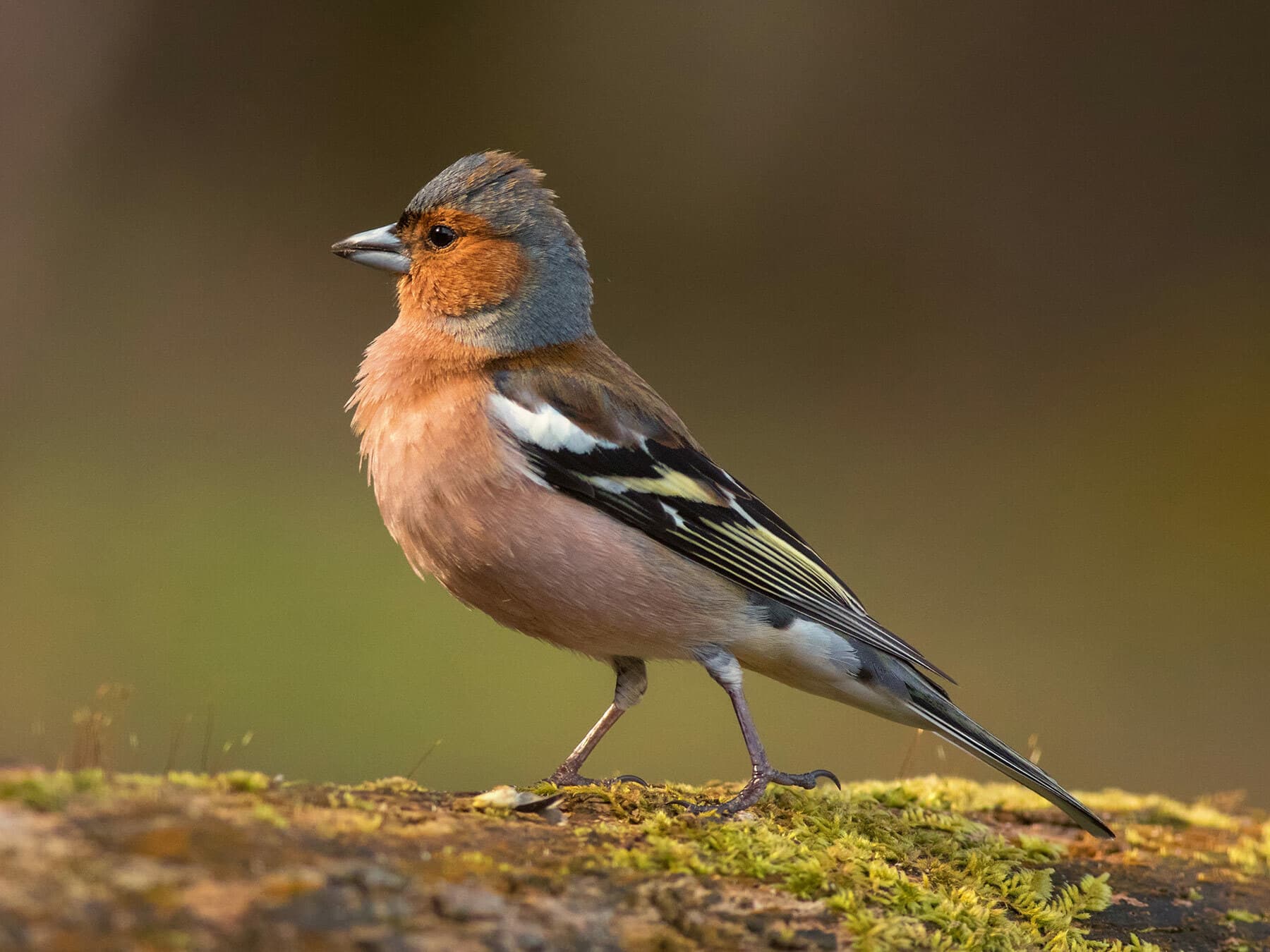
Chaffinch
Fringilla coelebsLC
A common resident of woodland, hedgerows, and gardens. Autumn flocks are swelled by Continental migrants on the coast.
Year-round
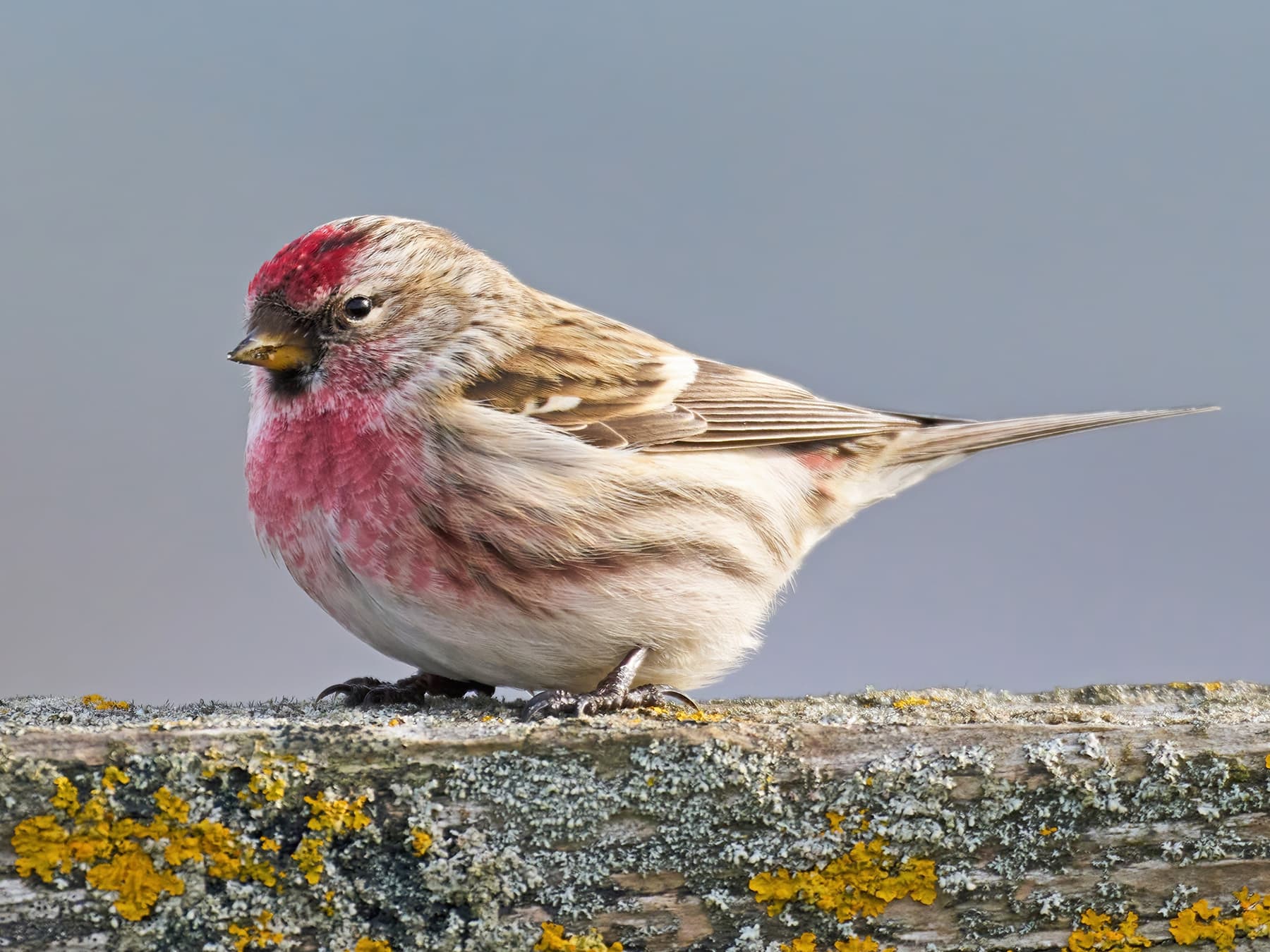
Common Redpoll
Acanthis flammeaLC
A rare year-round resident, favouring birch and alder woodland. Small flocks may visit garden feeders in winter.
Year-round
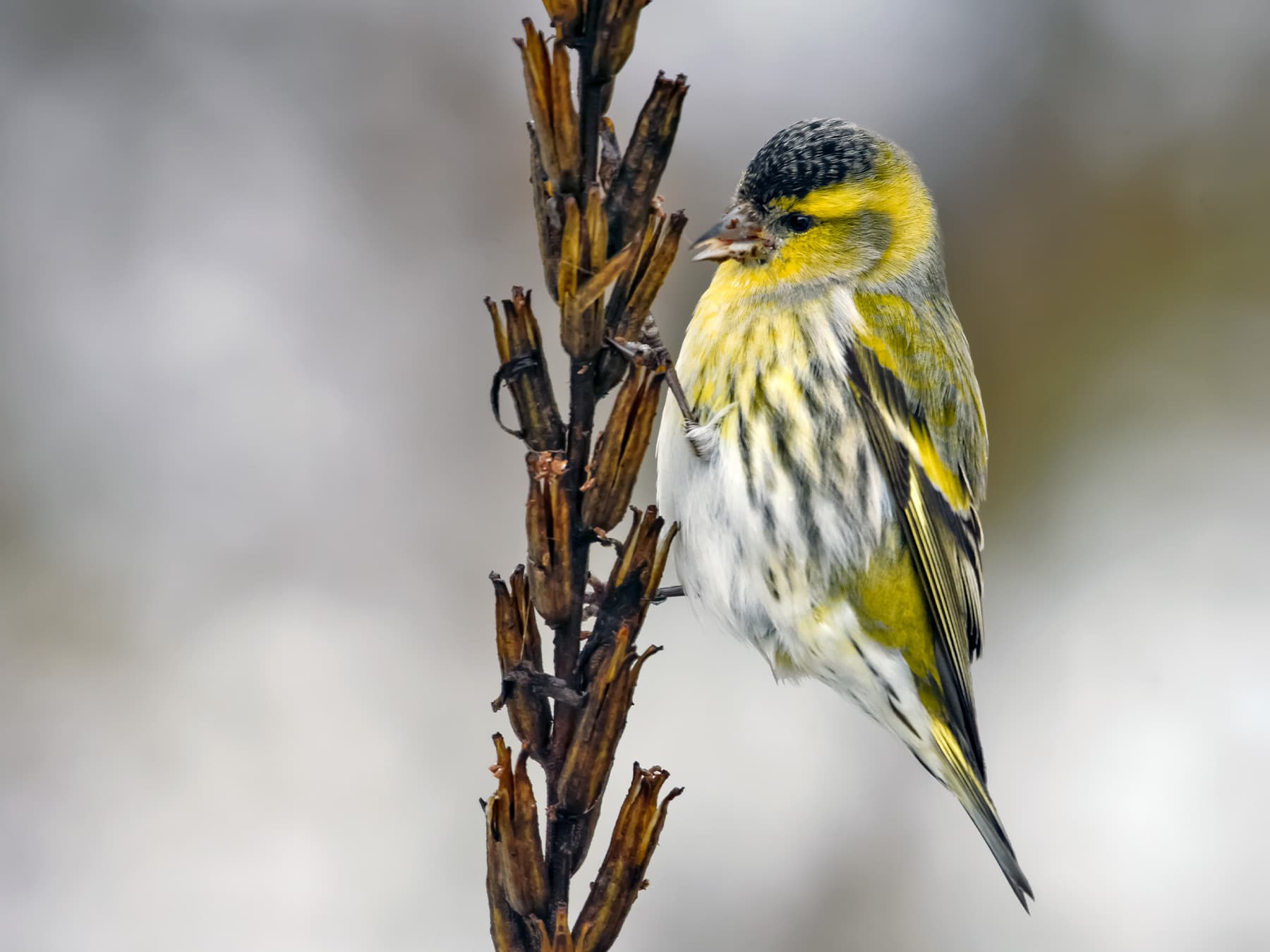
Eurasian Siskin
Spinus spinusLC
An uncommon resident breeding in conifer forests. Visits garden feeders in winter, especially near woodland.
Year-round
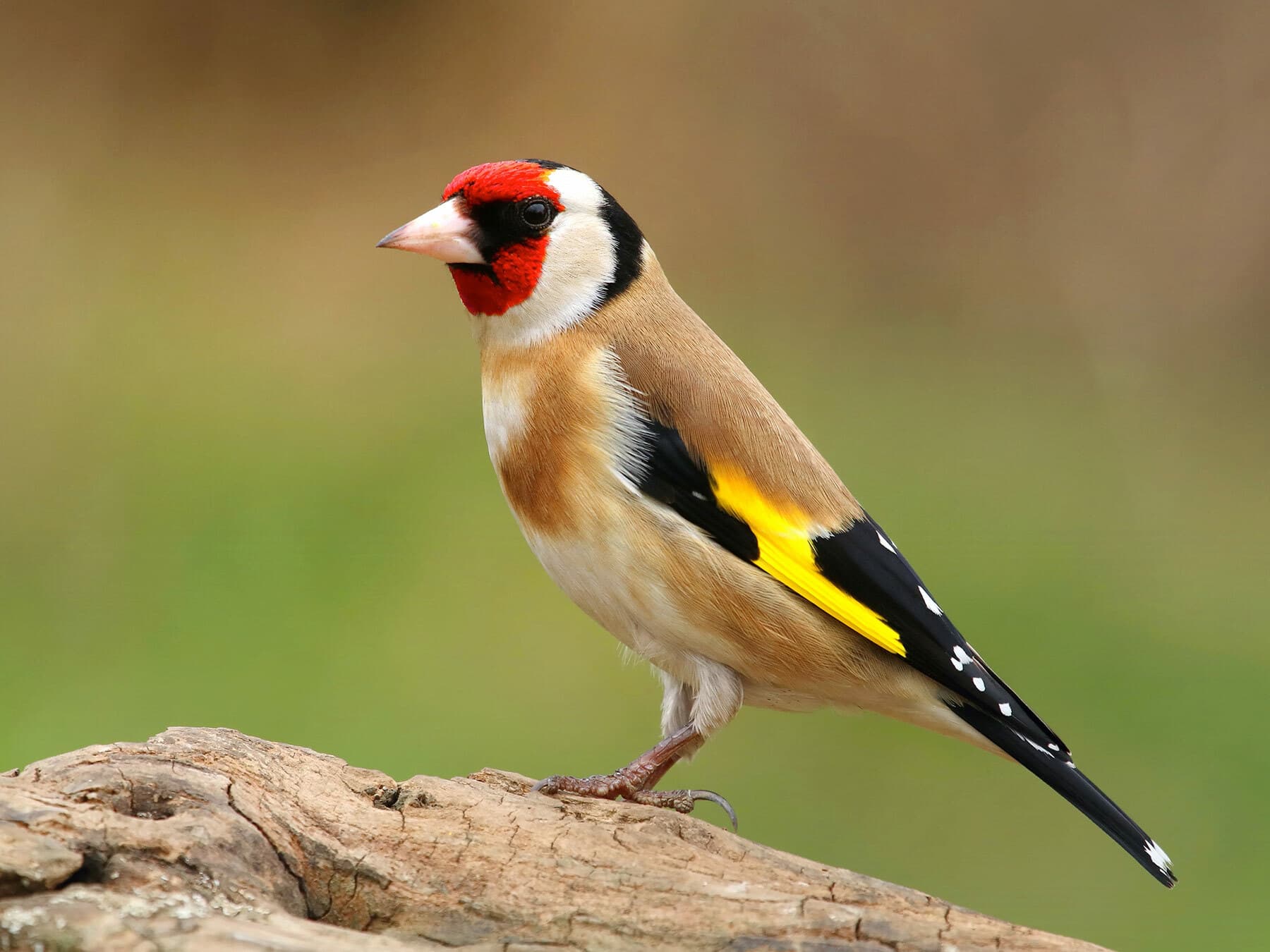
European Goldfinch
Carduelis carduelisLC
A colourful and common resident, frequently seen in chattering flocks feeding on teasel, thistle, and garden nyjer seed feeders.
Year-round
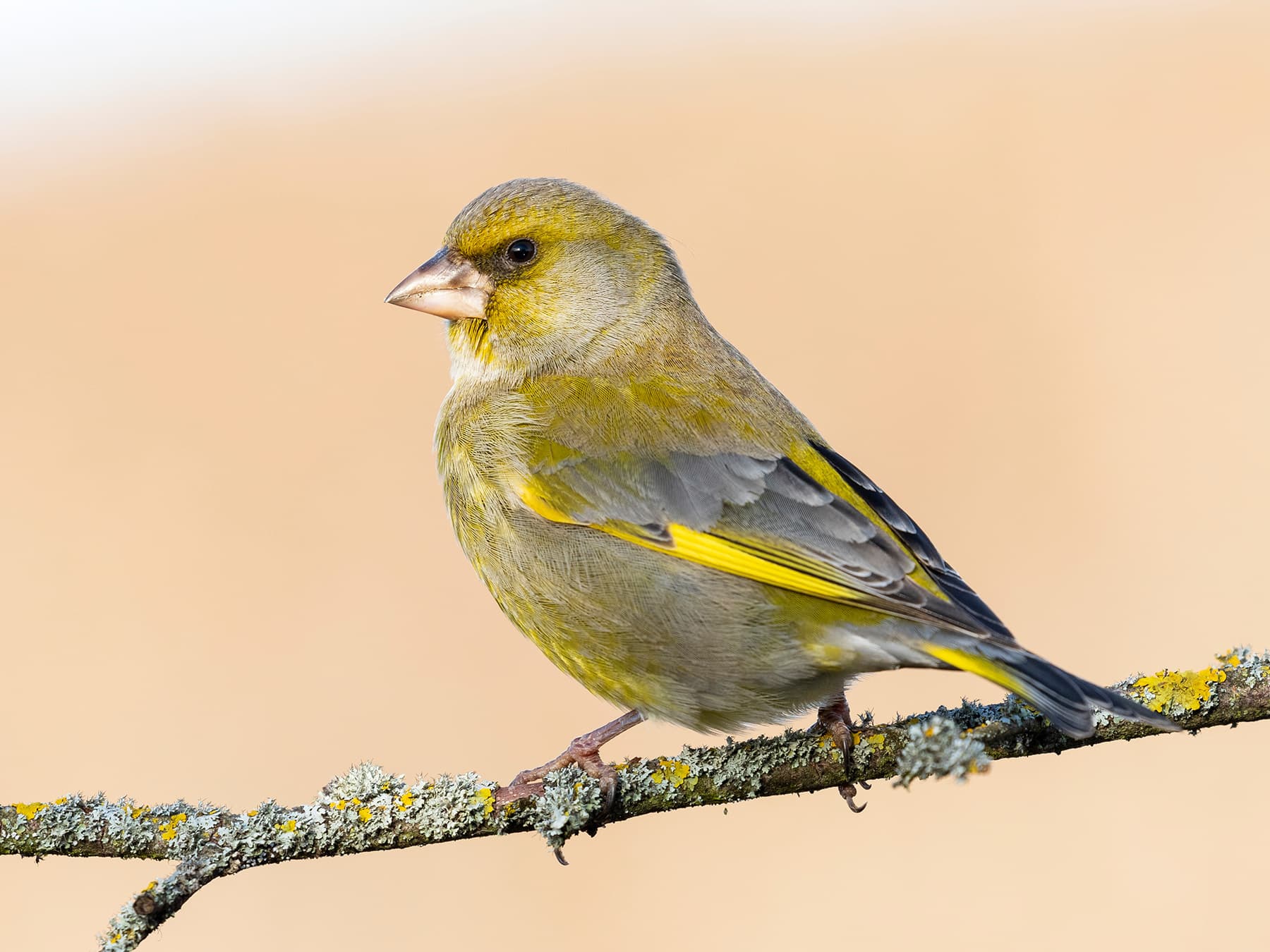
Greenfinch
Chloris chlorisLC
Present year-round but declining, found in gardens, hedgerows, and woodland edges. Numbers have dropped sharply due to disease.
Year-round
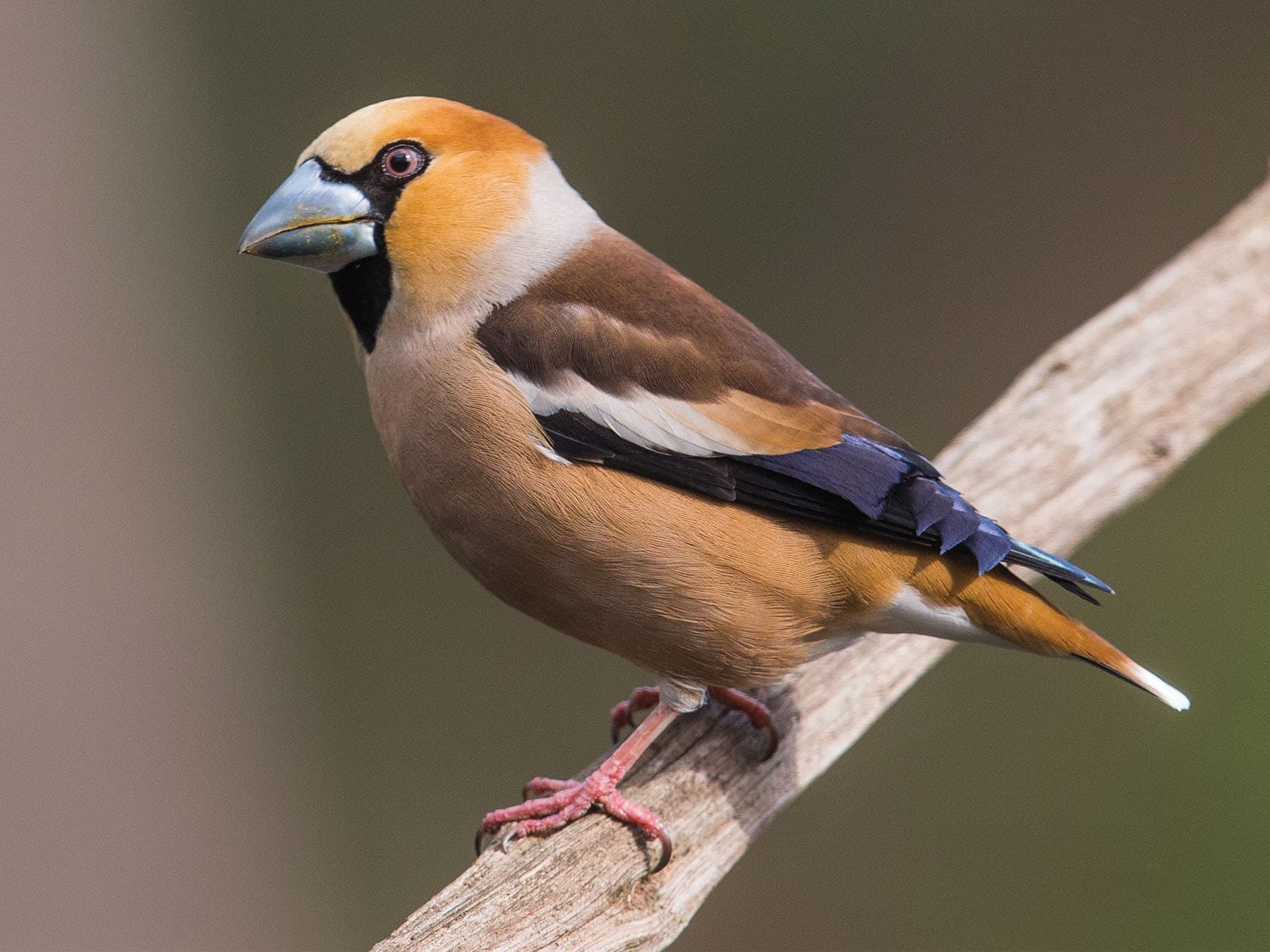
Hawfinch
Coccothraustes coccothraustesLC
A rare passage visitor in November, this elusive finch may appear briefly in mature woodland with hornbeam or cherry trees.
Nov
Spotted something?
Upload a photo to identify it
Identify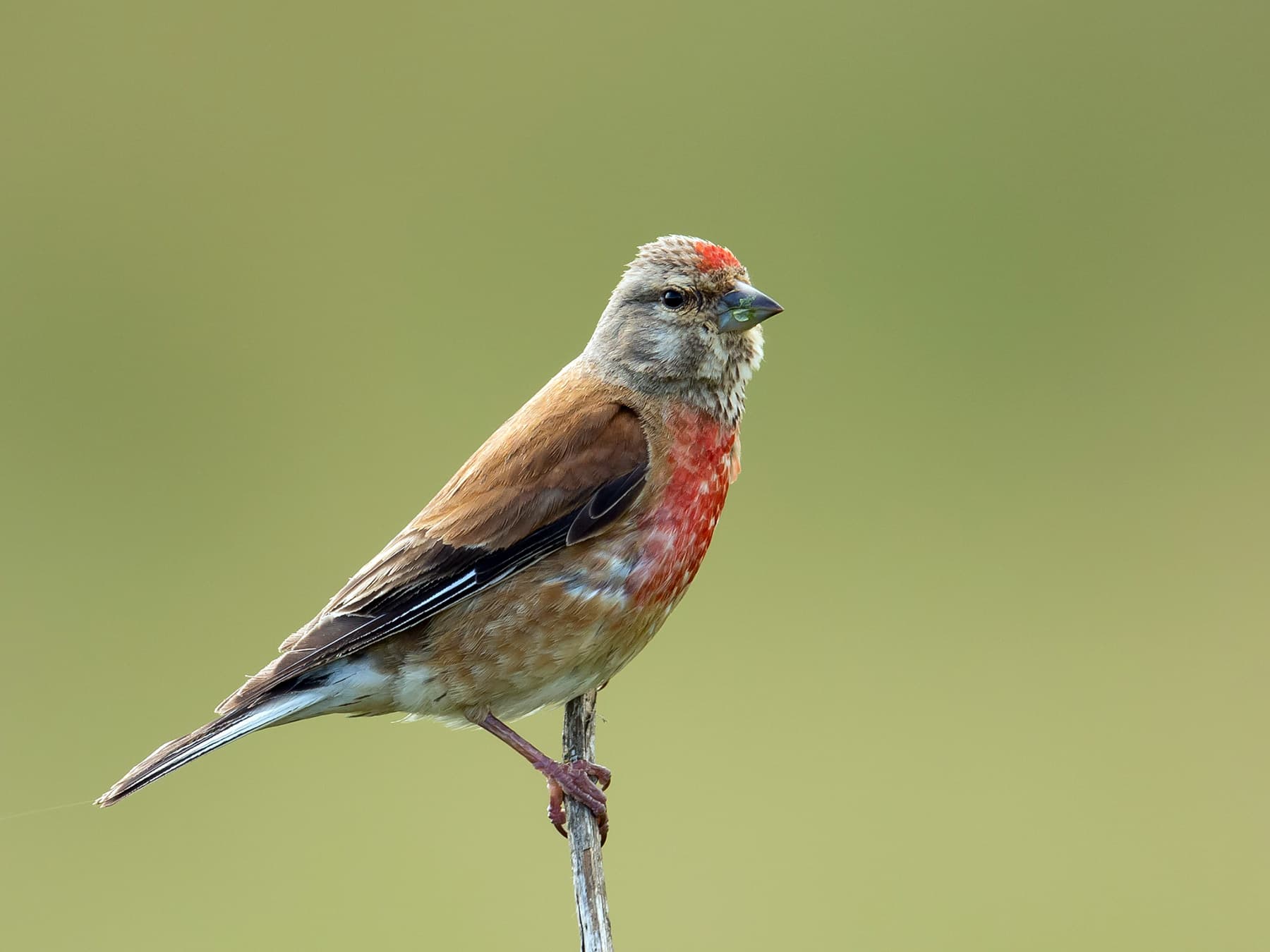
Linnet
Linaria cannabinaLC
Common across Northumberland's gorse-covered hillsides and farmland hedgerows, often forming large flocks on stubble fields in winter.
Year-round
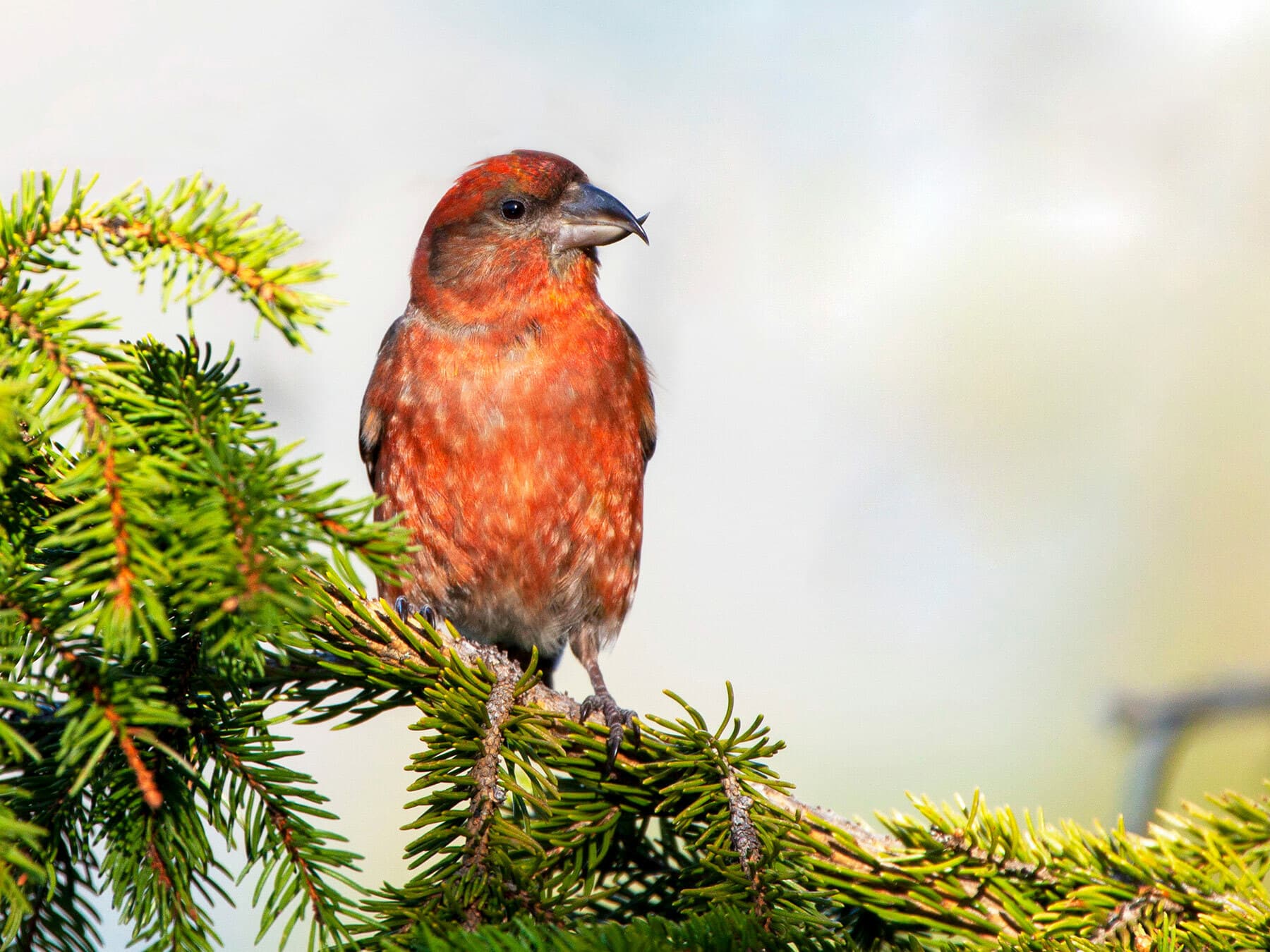
Red Crossbill
Loxia curvirostraLC
A rare resident of conifer plantations, especially around Kielder. Numbers fluctuate with cone crop availability.
Year-round
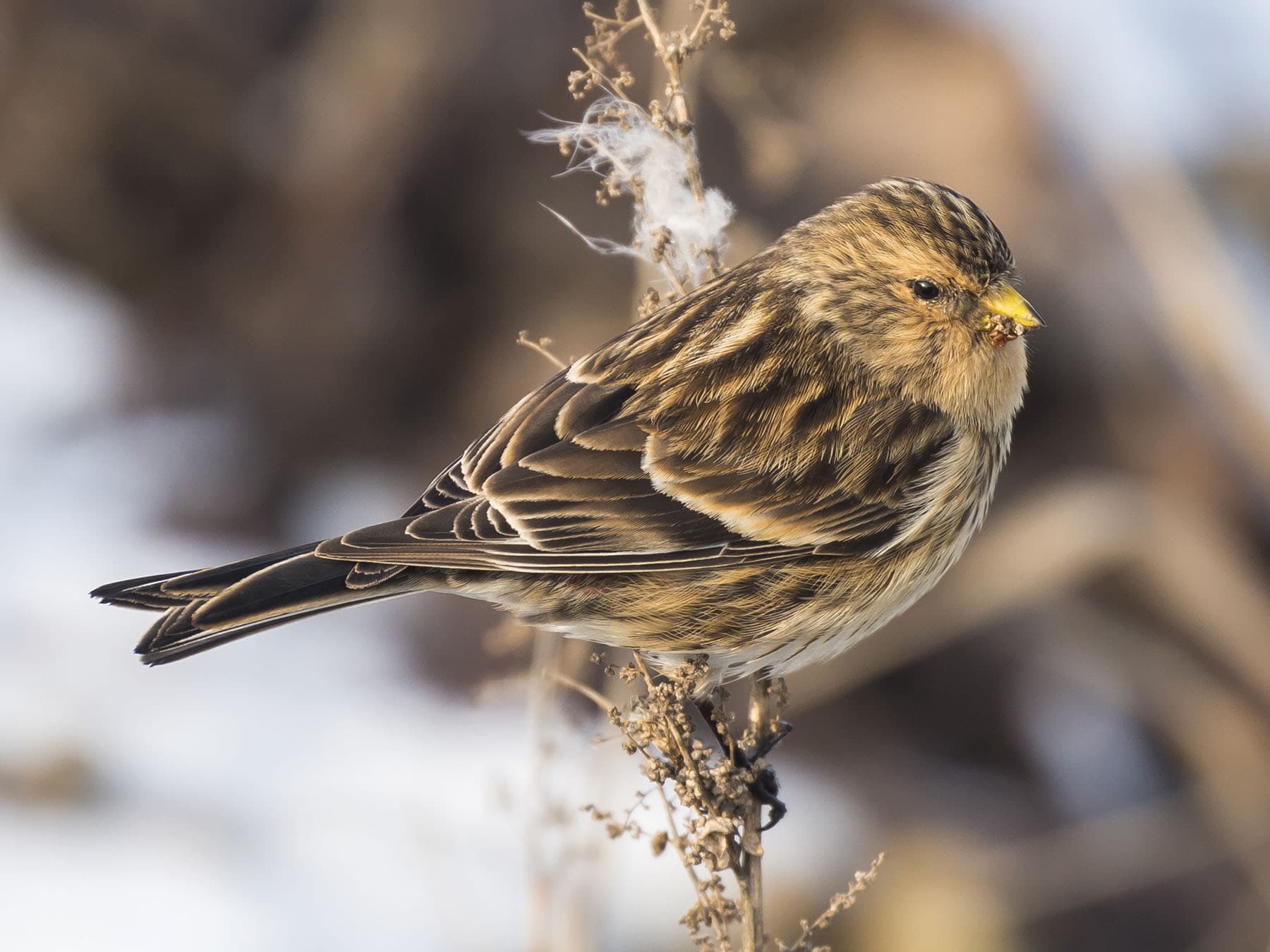
Twite
Linaria flavirostrisLC
An uncommon non-breeding visitor to coastal stubble fields and saltmarshes, present from autumn through early spring.
Oct–Apr