Finches in England
11 species matching this filter.
England is home to 11 species of finch, ranging from the familiar Chaffinch and European Goldfinch to scarcer visitors like the Brambling and Hawfinch. These colourful seed-eating birds can be found across a variety of habitats, from garden feeders and hedgerows to coniferous woodlands and open farmland. For help telling them apart, see our Types of Finches in the UK: Identification Guide.


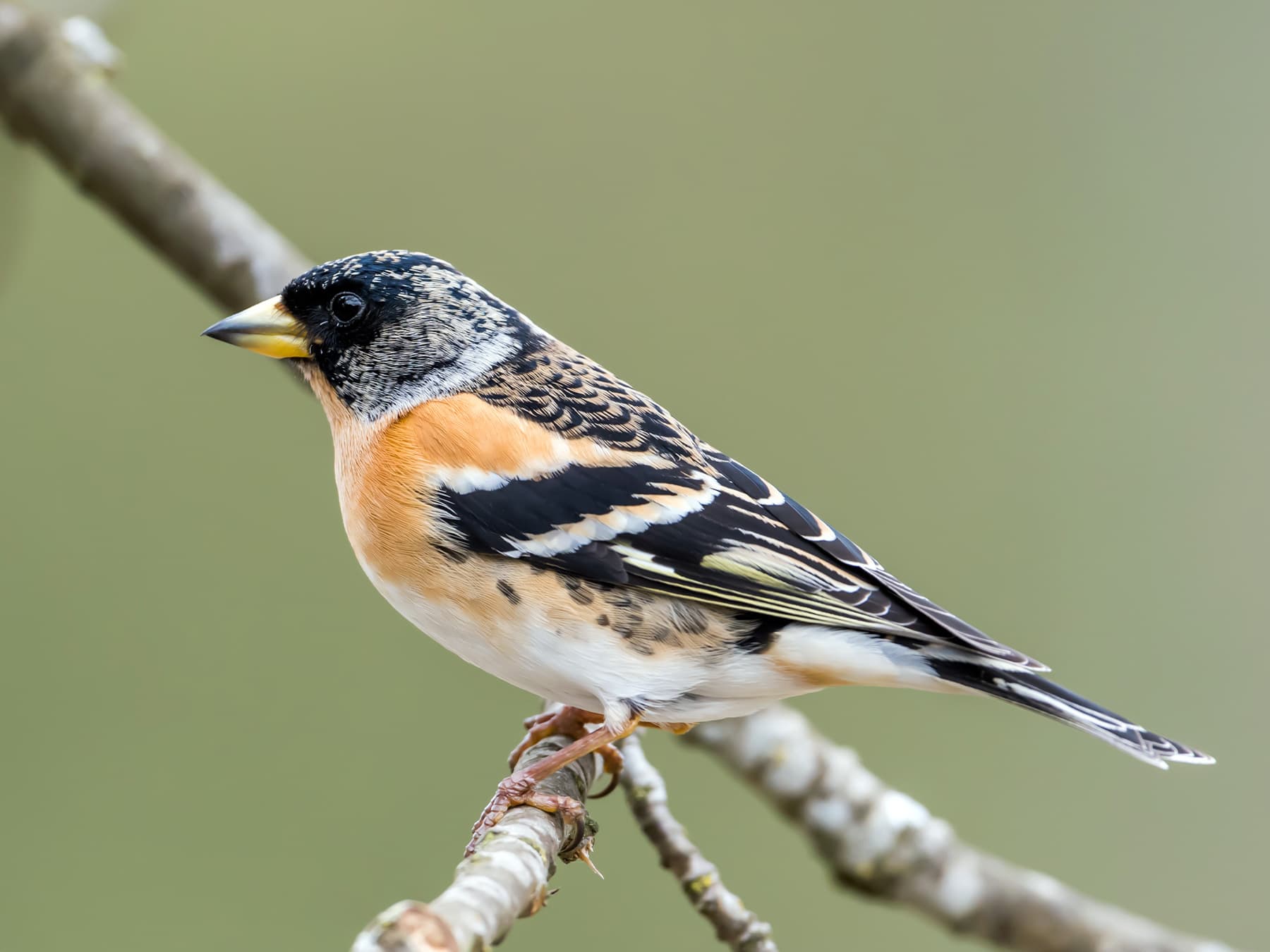
Brambling
Fringilla montifringillaLC
An uncommon winter visitor from Scandinavia, often joining Chaffinch flocks in woodland and farmland. Numbers vary considerably from year to year.
Sep–Apr
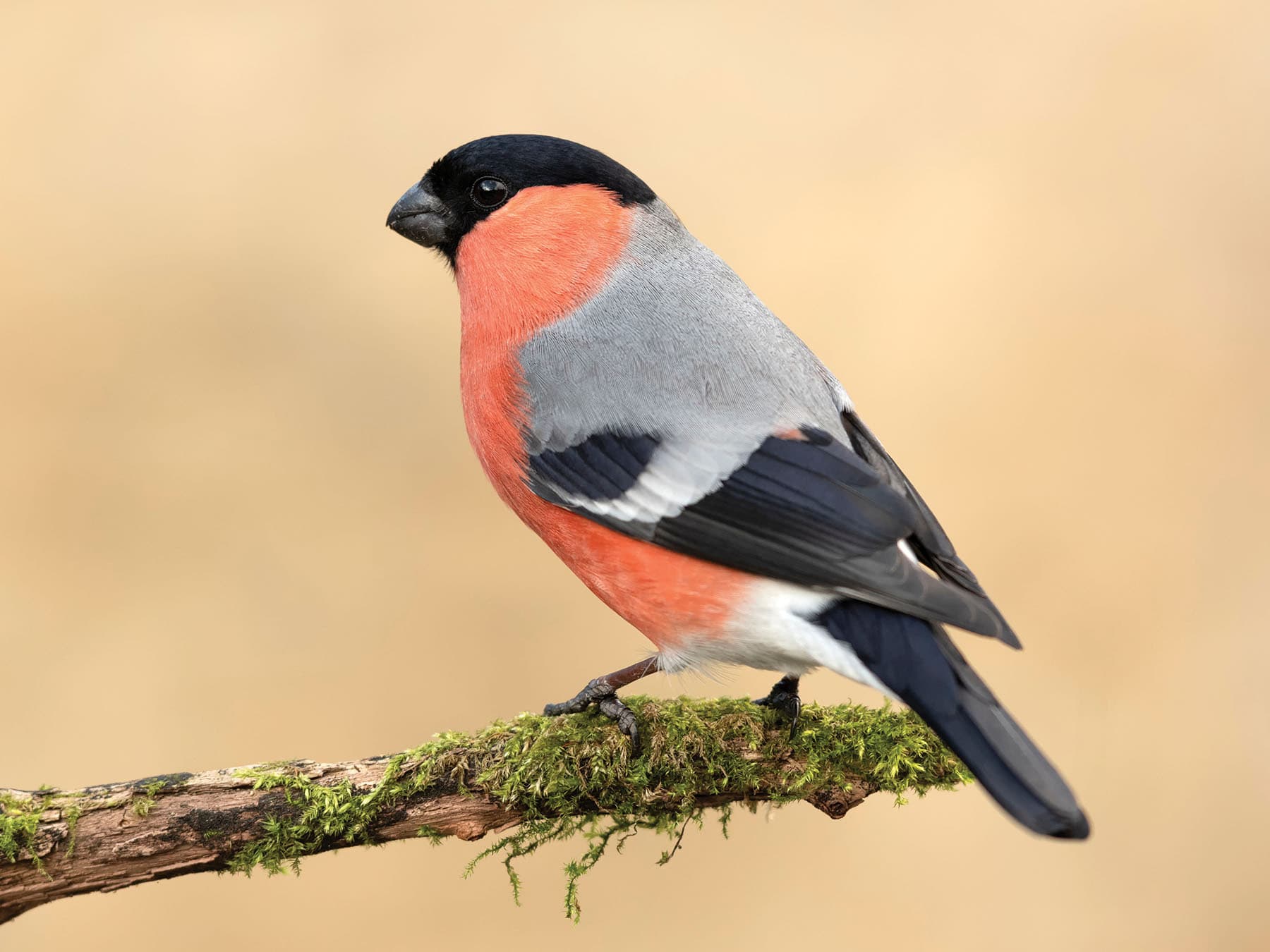
Bullfinch
Pyrrhula pyrrhulaLC
A shy but common resident of hedgerows, woodland edges, and gardens. Its soft piping call often reveals its presence.
Year-round
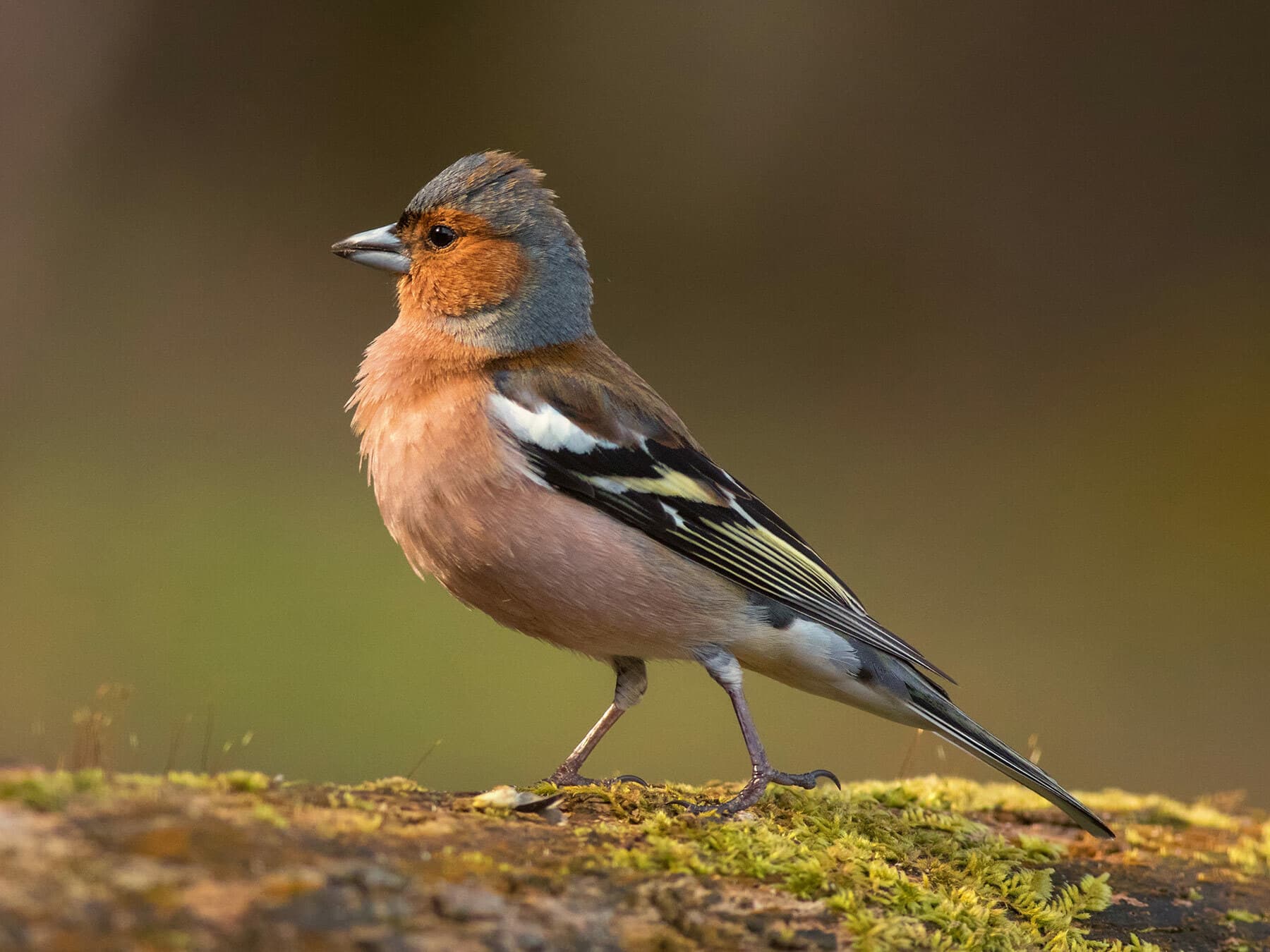
Chaffinch
Fringilla coelebsLC
One of England's most familiar garden and woodland birds, present year-round. Its cheerful song is a hallmark of spring across the countryside.
Year-round
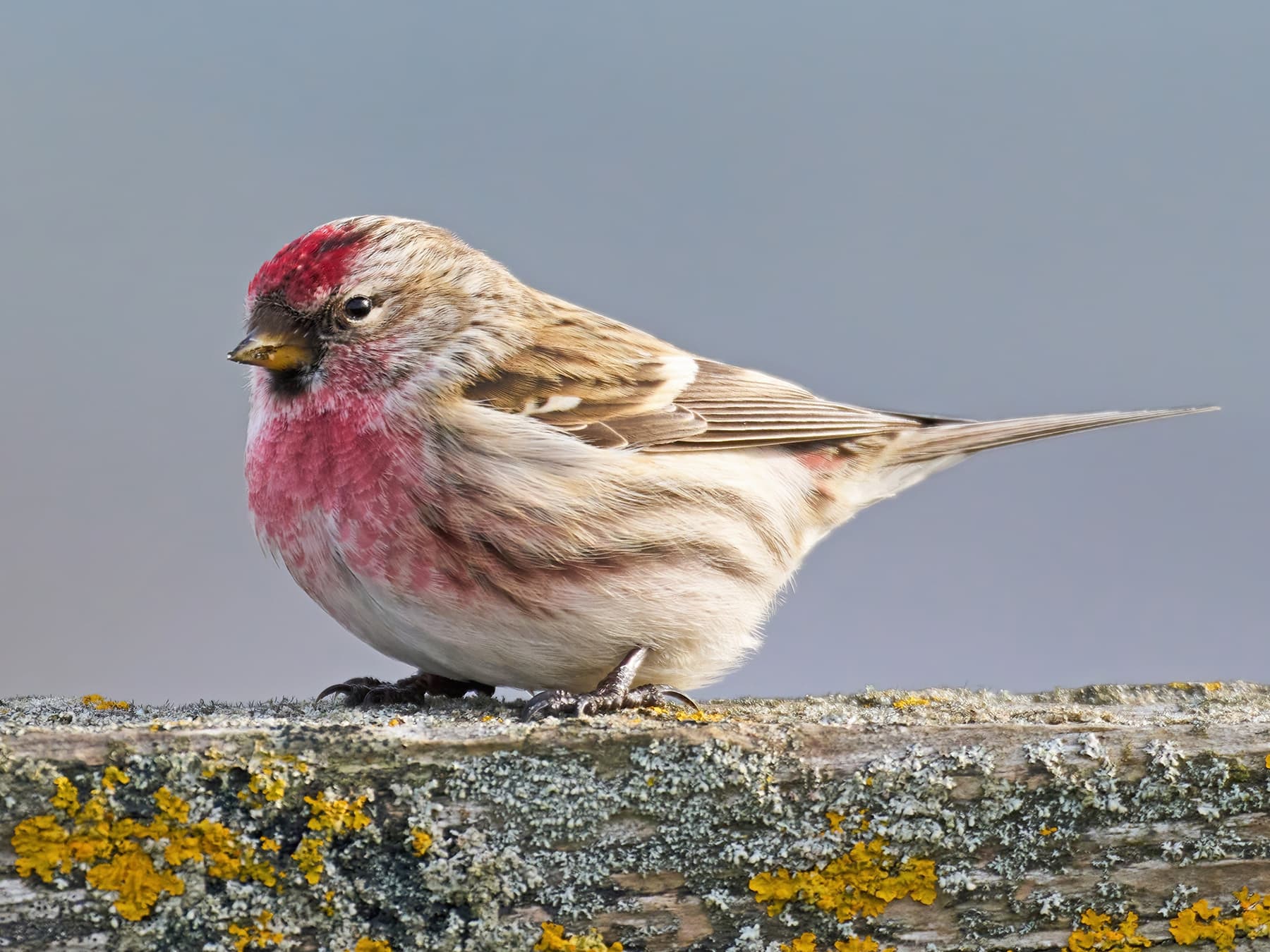
Common Redpoll
Acanthis flammeaLC
An uncommon resident and winter visitor found in birch woodland, scrubby areas and weedy fields. Numbers fluctuate with periodic irruptions from the north.
Year-round
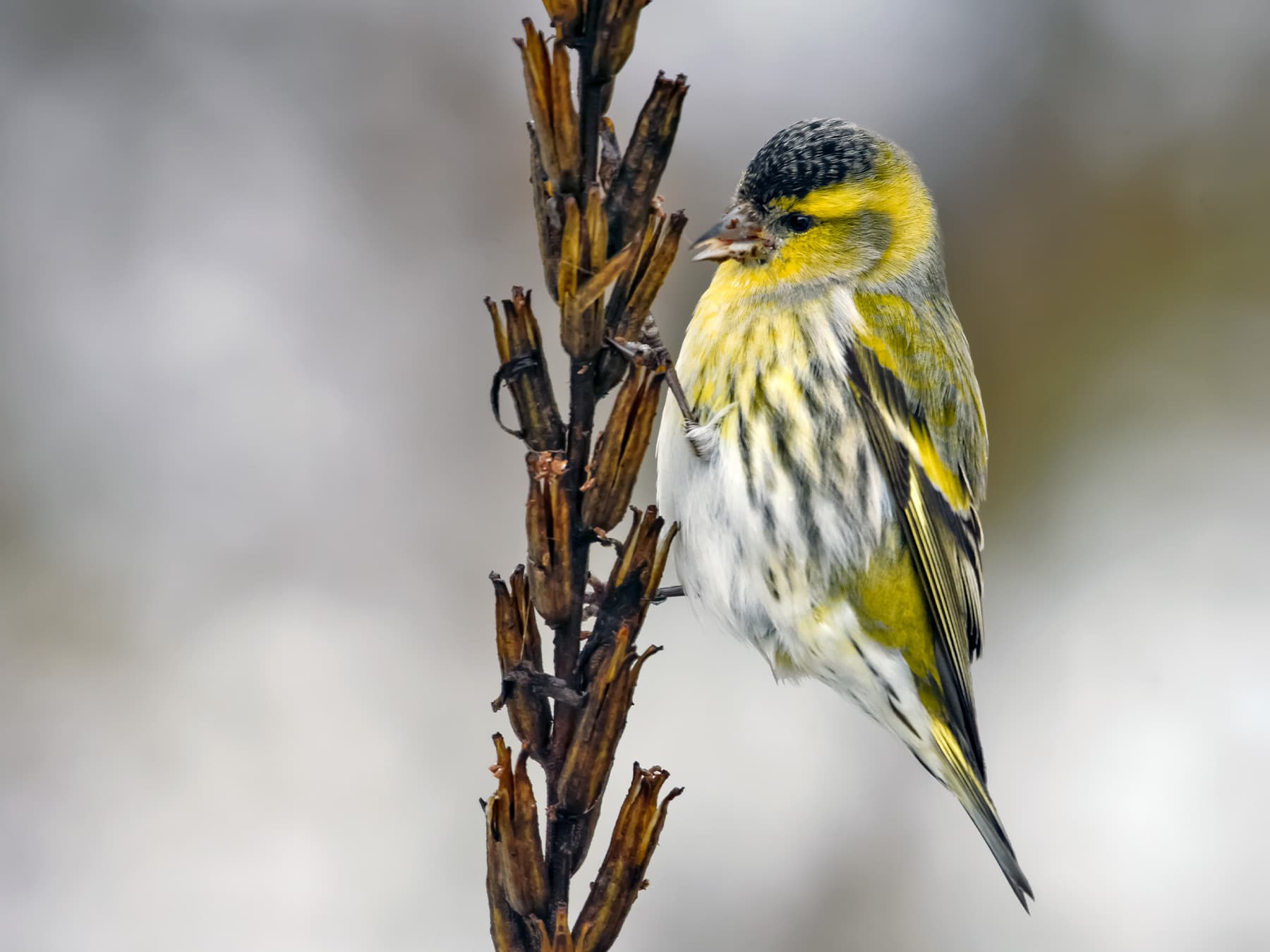
Eurasian Siskin
Spinus spinusLC
A common resident that breeds in conifer woodlands and visits garden feeders in winter. Flocks are often detected by their tinkling flight calls.
Year-round
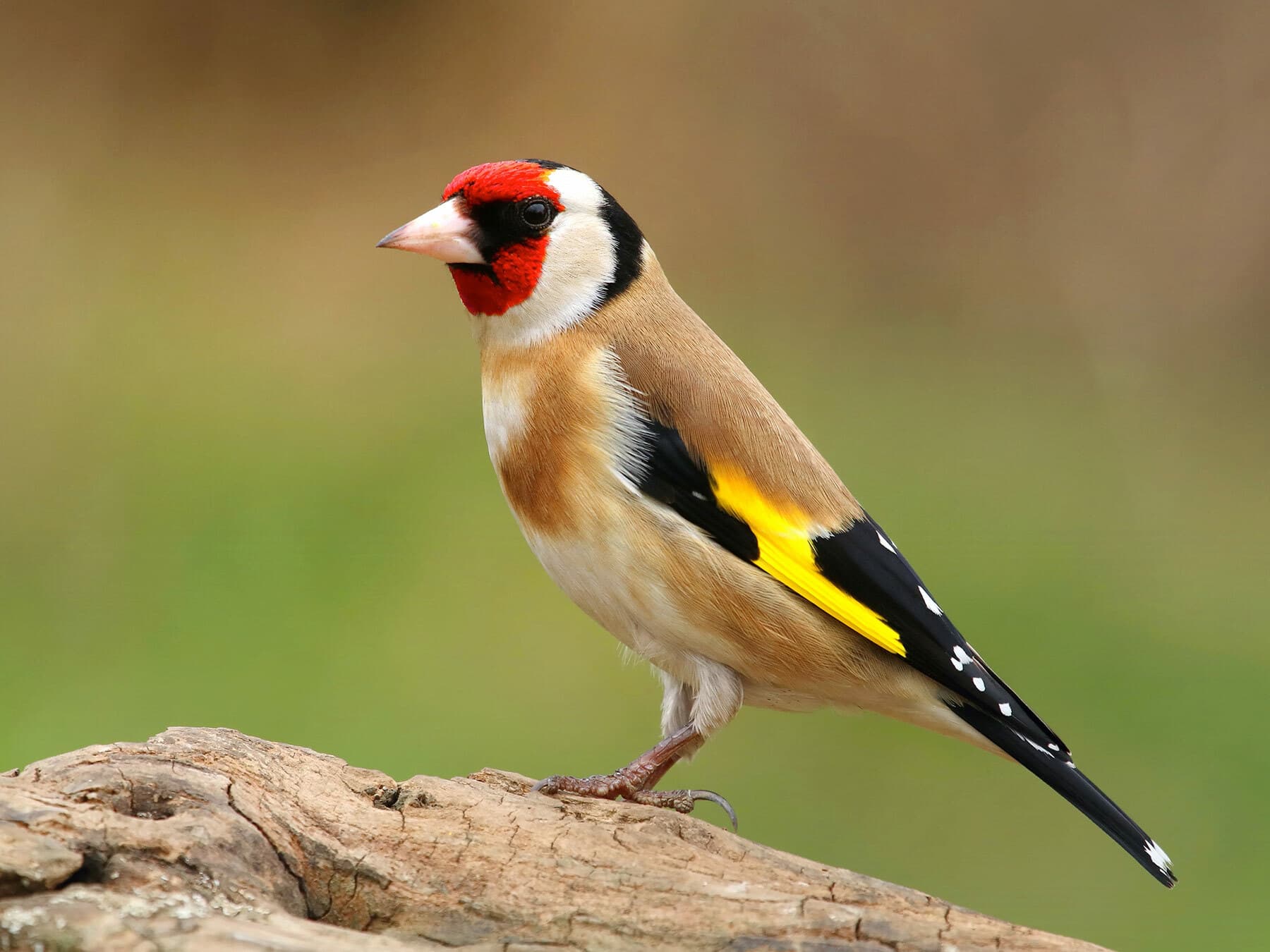
European Goldfinch
Carduelis carduelisLC
A common and colourful year-round resident of gardens, parks, and farmland edges. Often seen in flocks feeding on seed heads.
Year-round
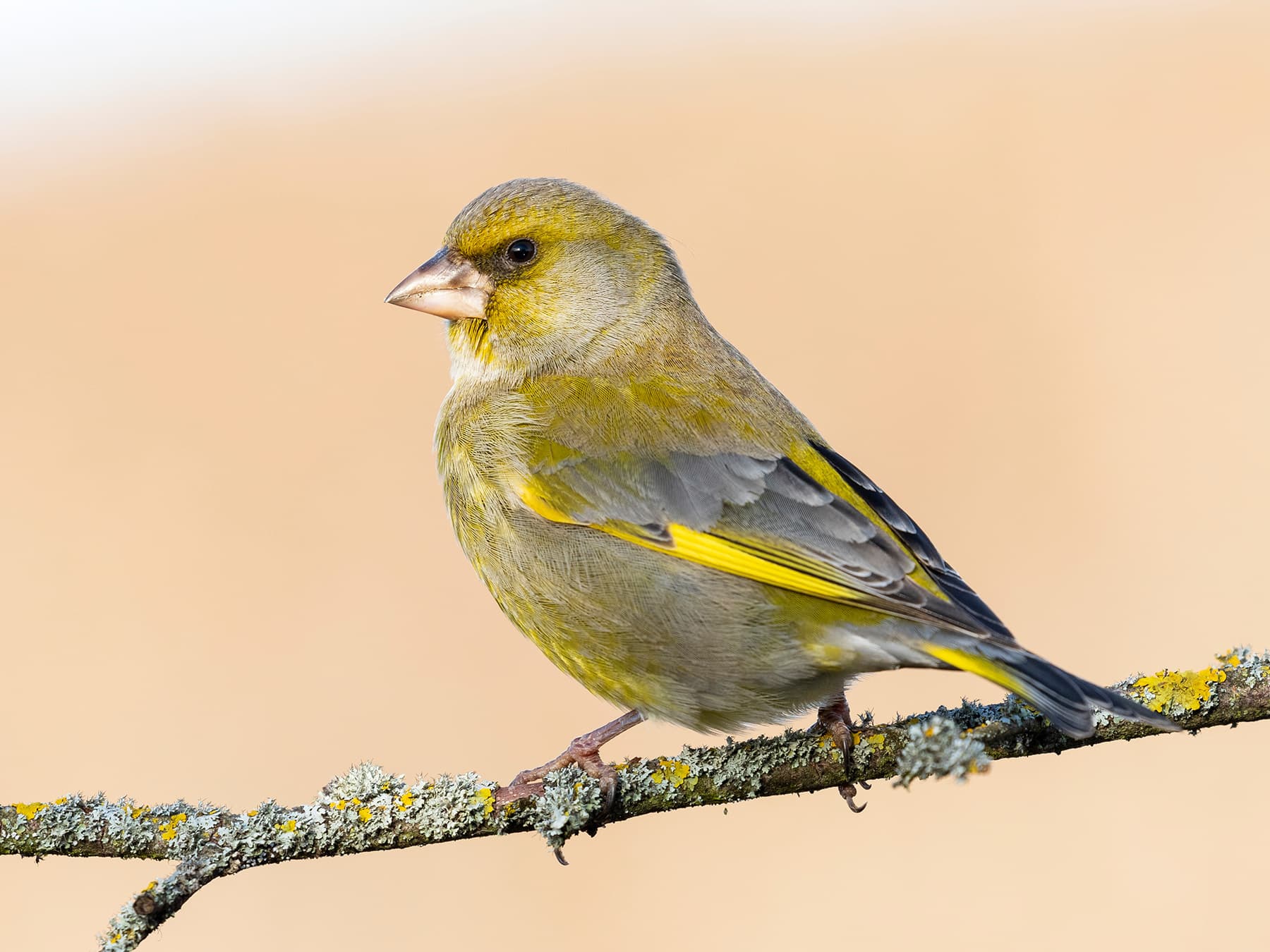
Greenfinch
Chloris chlorisLC
A common year-round resident of gardens, hedgerows, and farmland. Numbers have declined sharply due to trichomonosis disease but it remains a familiar garden visitor.
Year-round
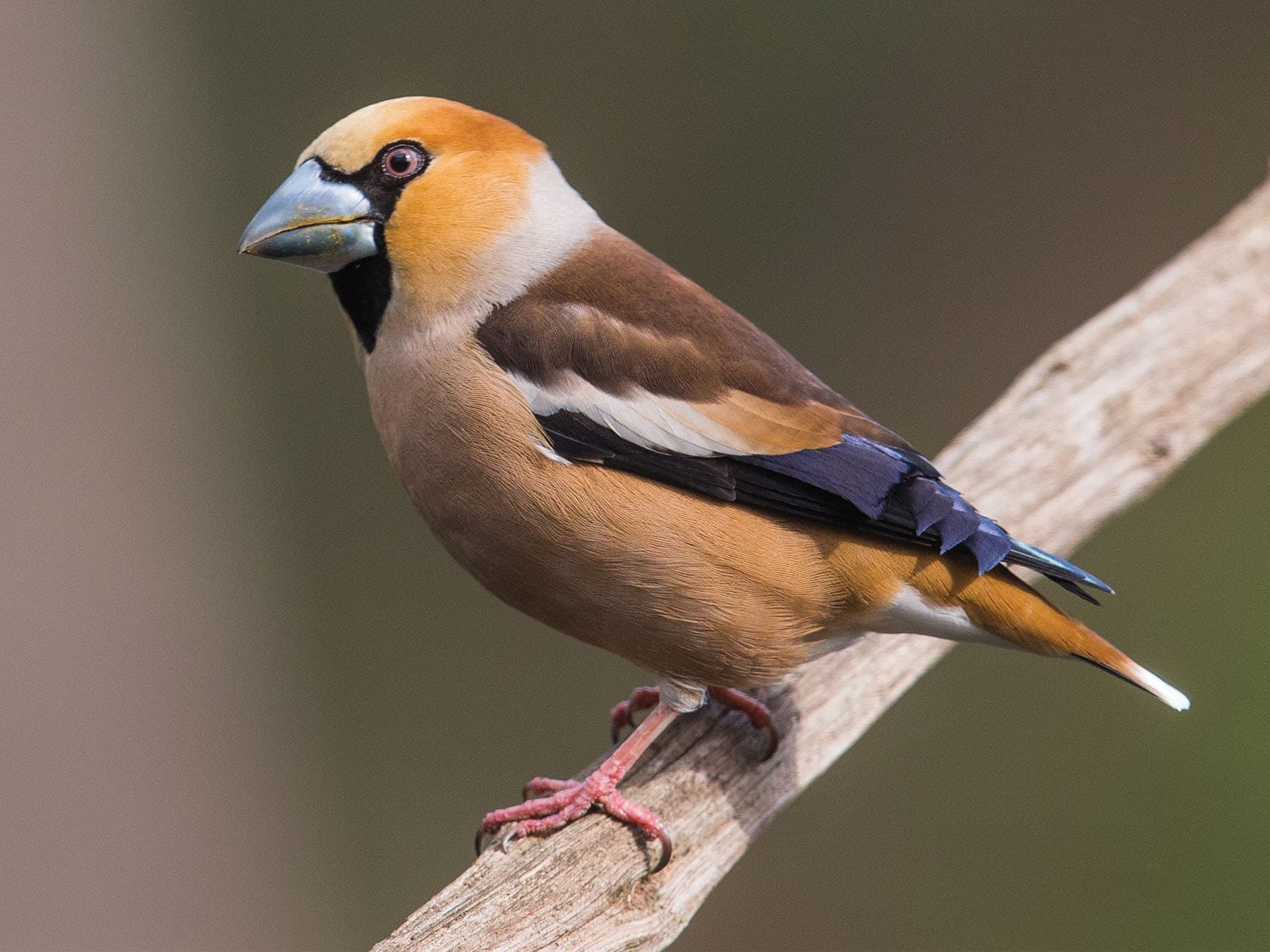
Hawfinch
Coccothraustes coccothraustesLC
A rare and elusive resident of mature broadleaved woodland. Best looked for in winter when small flocks gather beneath hornbeams and yews.
Aug–Jun
Spotted something?
Upload a photo to identify it
Identify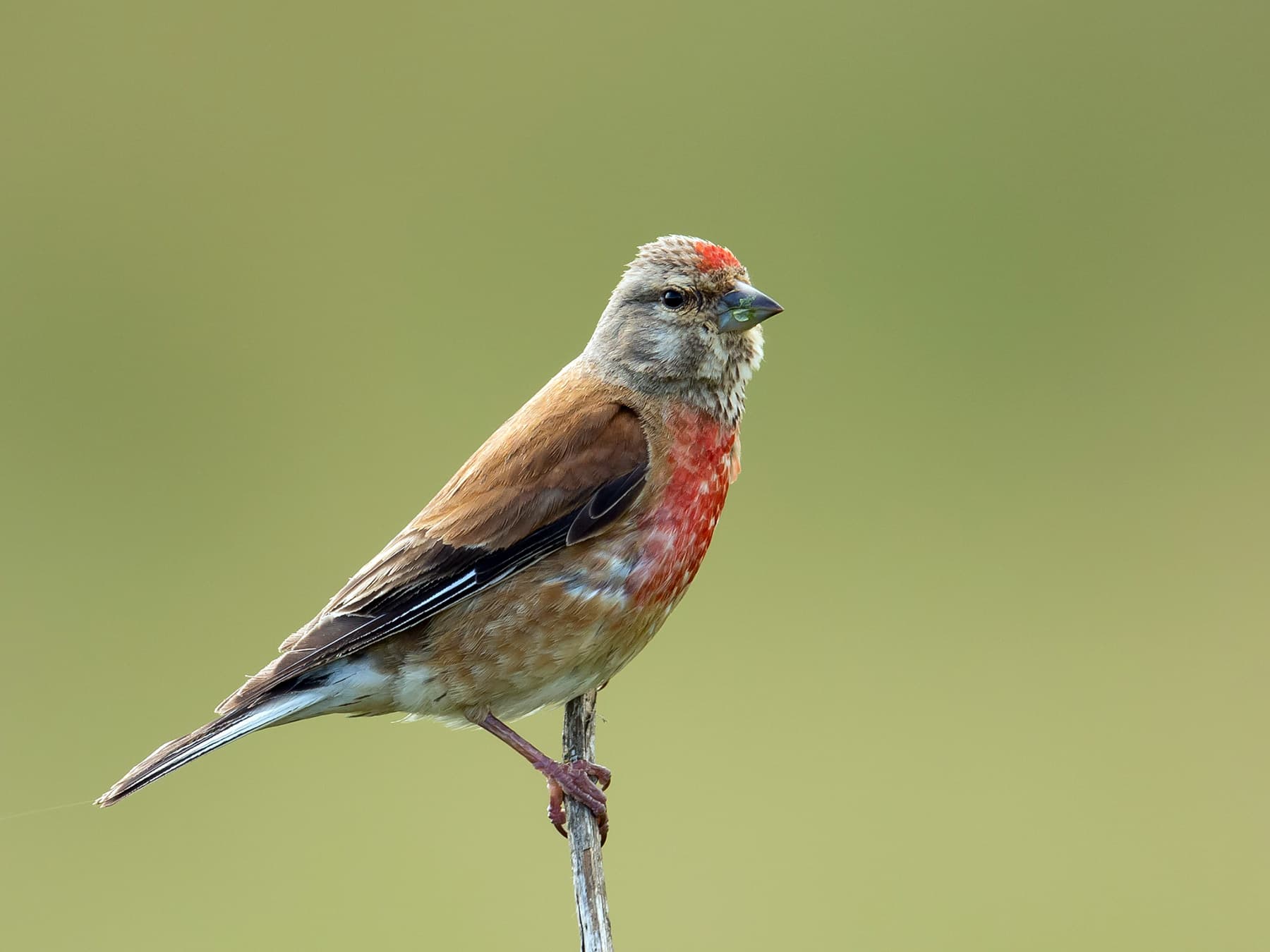
Linnet
Linaria cannabinaLC
A common resident of farmland, heathland and coastal scrub. Often seen in flocks outside the breeding season, though numbers have declined in recent decades.
Year-round
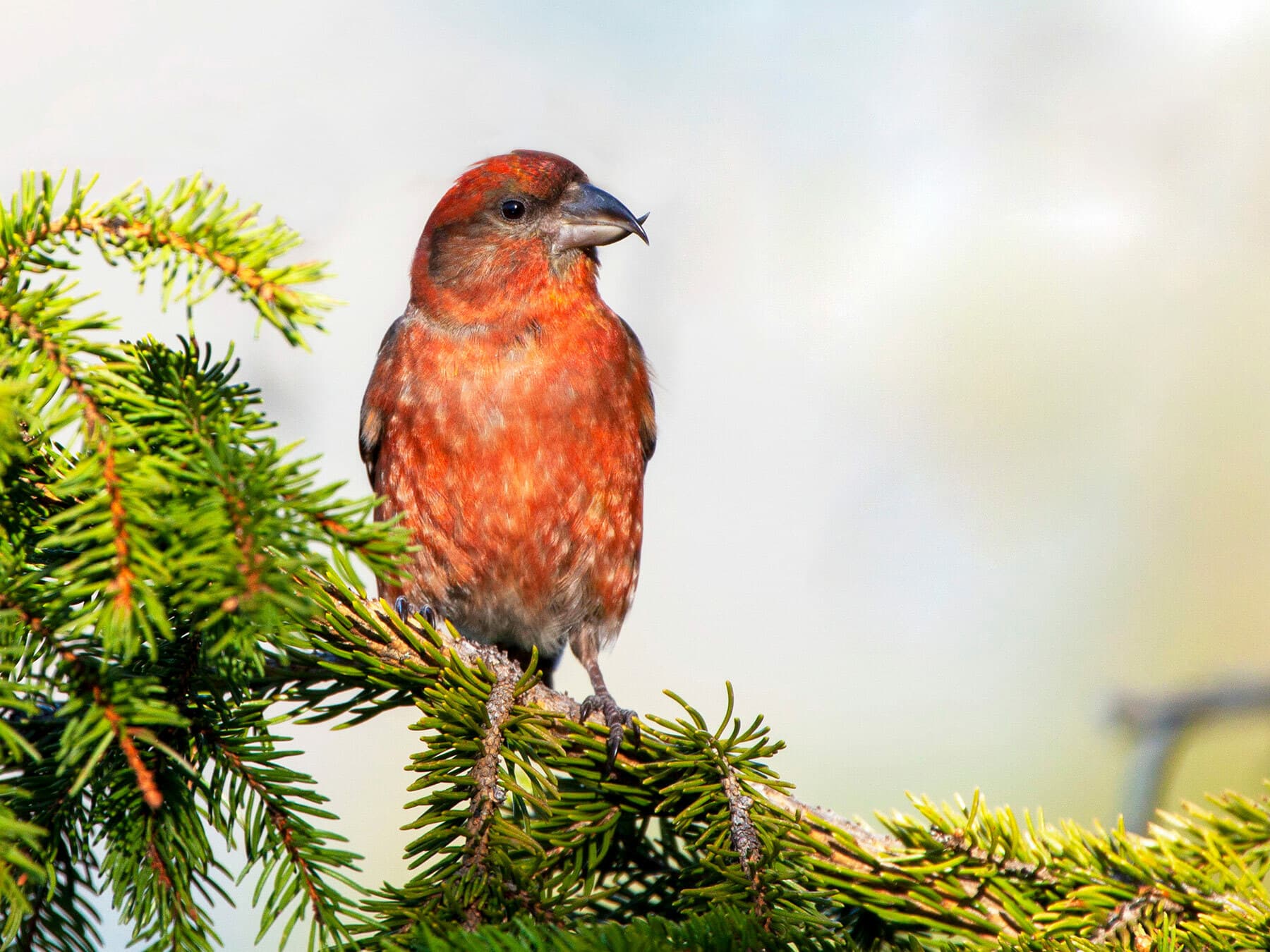
Red Crossbill
Loxia curvirostraLC
A rare but year-round resident of coniferous forests, with numbers boosted by periodic irruptions. Its crossed bill is uniquely adapted for extracting seeds from pine cones.
Year-round
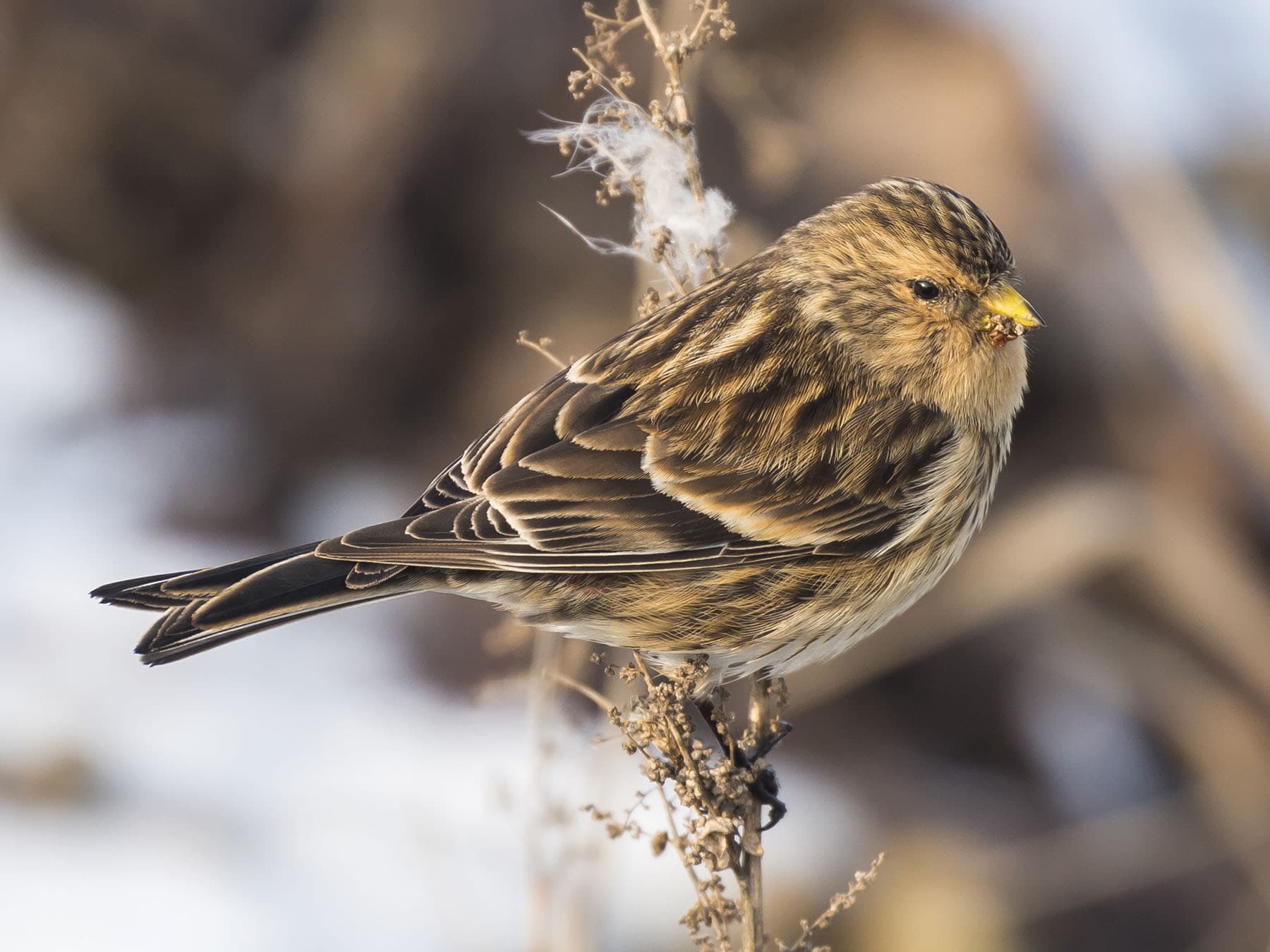
Twite
Linaria flavirostrisLC
An uncommon non-breeding visitor to English saltmarshes and coastal fields from autumn to spring. Breeds in the uplands of northern Britain.
Oct–Apr