Finches in East Sussex
11 species matching this filter.
East Sussex is home to 11 species of finch, ranging from familiar garden visitors like the Chaffinch and European Goldfinch to scarcer species such as the Hawfinch and Red Crossbill. The county's diverse habitats — from the ancient woodlands of the High Weald to the hedgerows and farmland of the South Downs — provide excellent foraging and nesting opportunities for these seed-loving birds. For help telling these species apart, see our Types of Finches in the UK: Identification Guide.


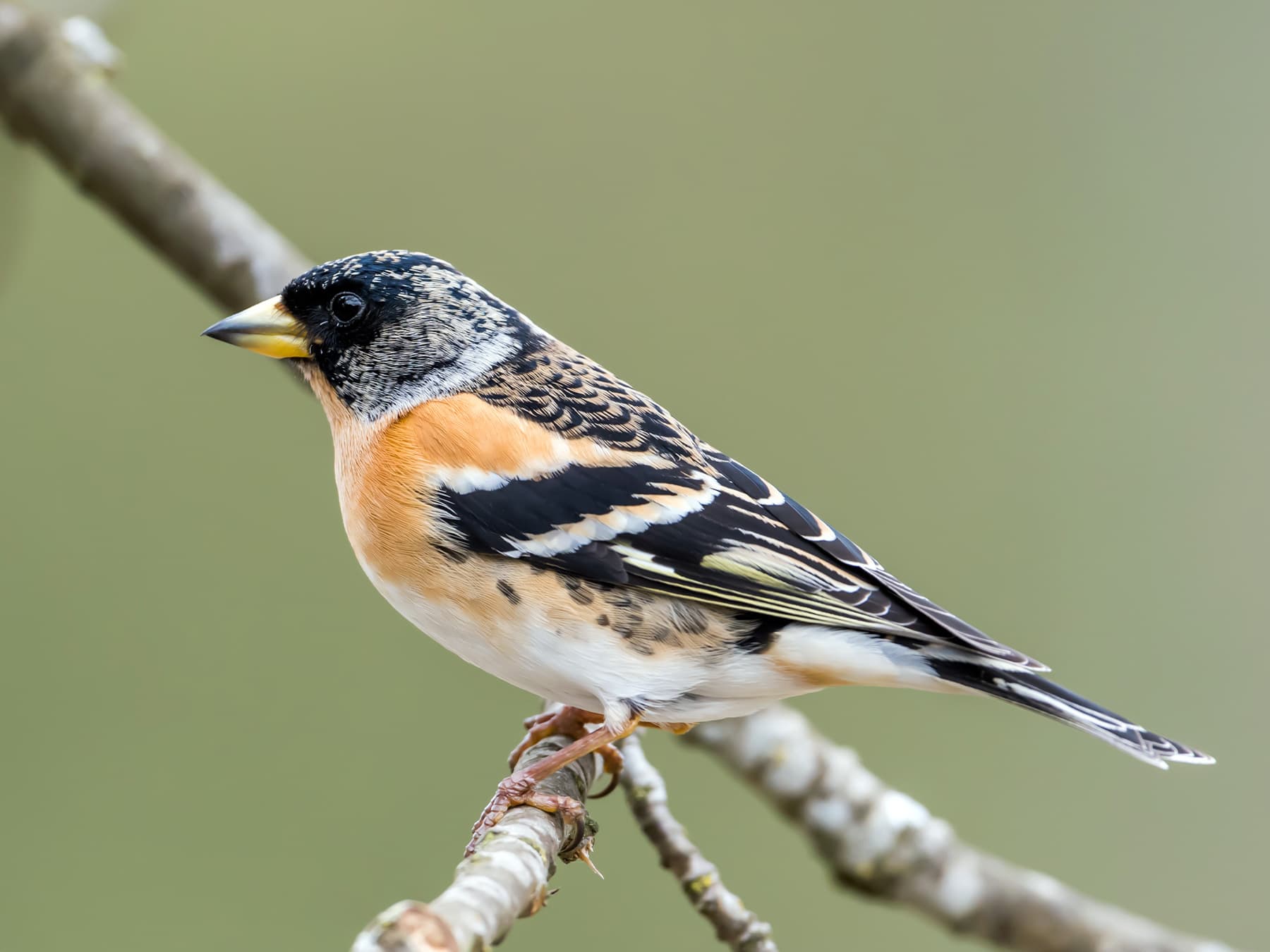
Brambling
Fringilla montifringillaLC
A rare non-breeding visitor from October to March, often found among chaffinch flocks in beech woodland and farmland stubble.
Oct–Mar
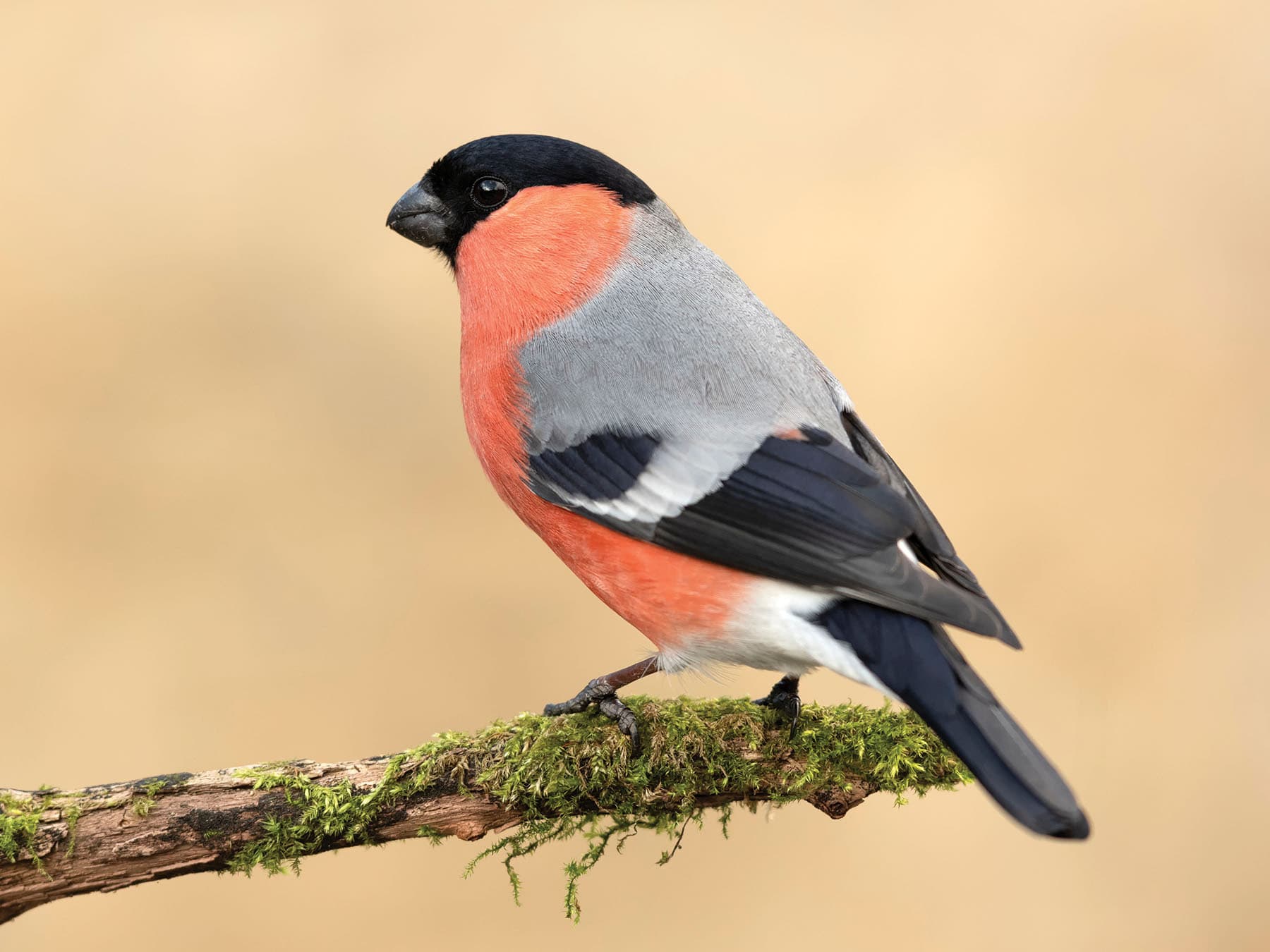
Bullfinch
Pyrrhula pyrrhulaLC
An uncommon but year-round resident of thick hedgerows and woodland. Shy and retiring, more often heard giving its soft piping call.
Year-round
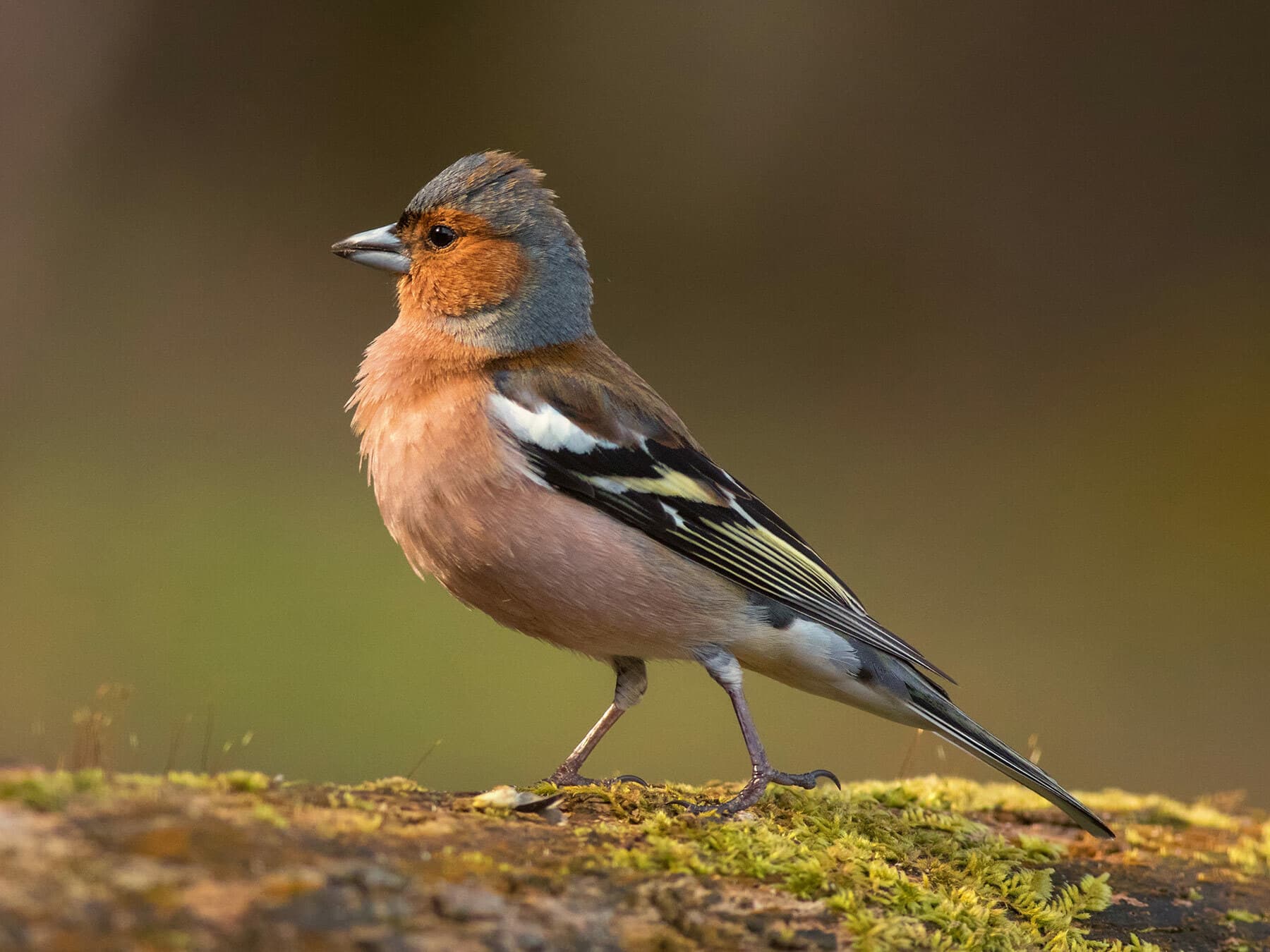
Chaffinch
Fringilla coelebsLC
A common and widespread resident found in woodlands, hedgerows, parks, and gardens. One of the most frequently encountered birds in the county.
Year-round
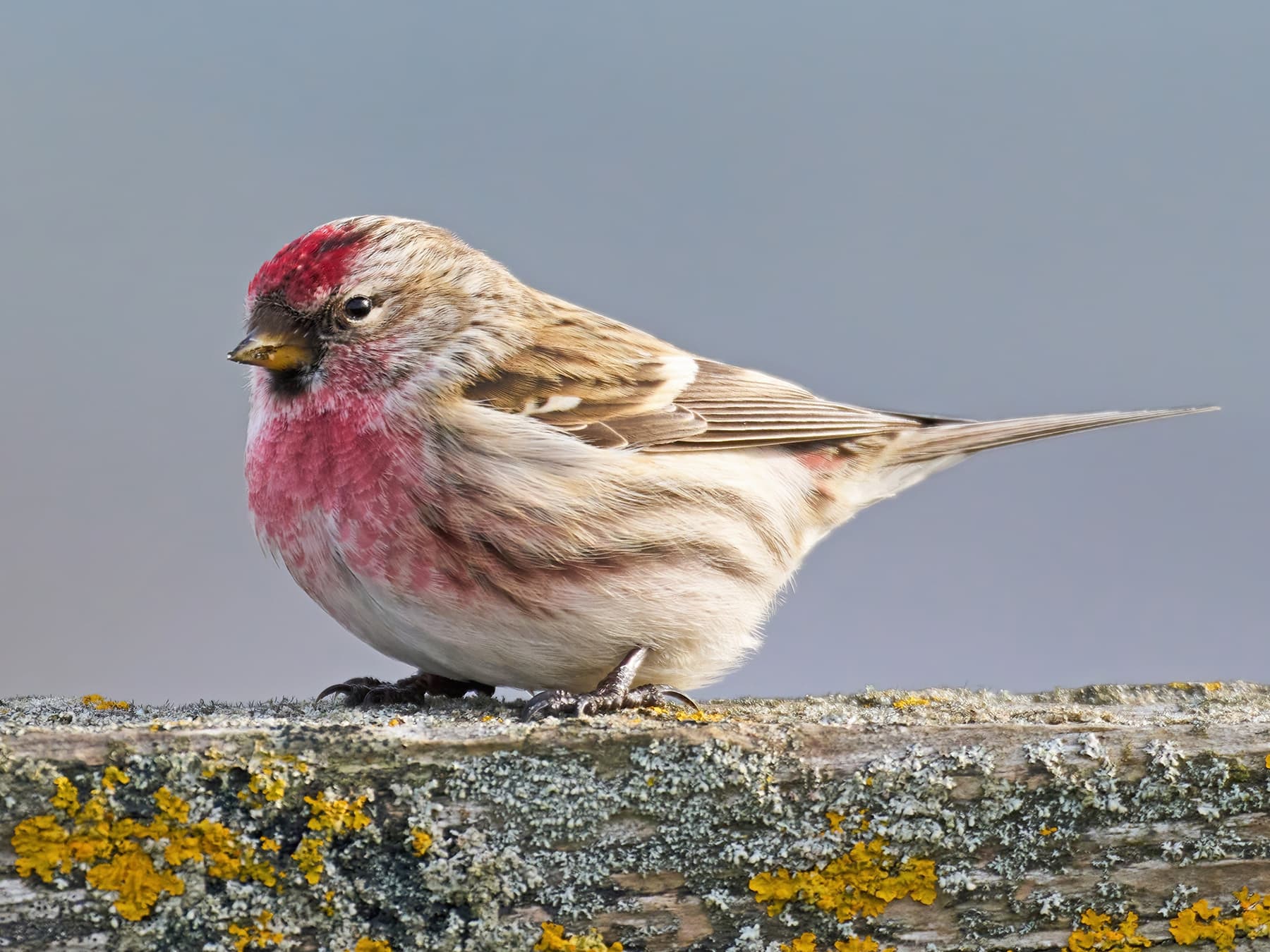
Common Redpoll
Acanthis flammeaLC
A rare resident, scarce and easily overlooked among birch and alder woodland. Most likely encountered in winter flocks, sometimes with siskins.
Sep–Jul
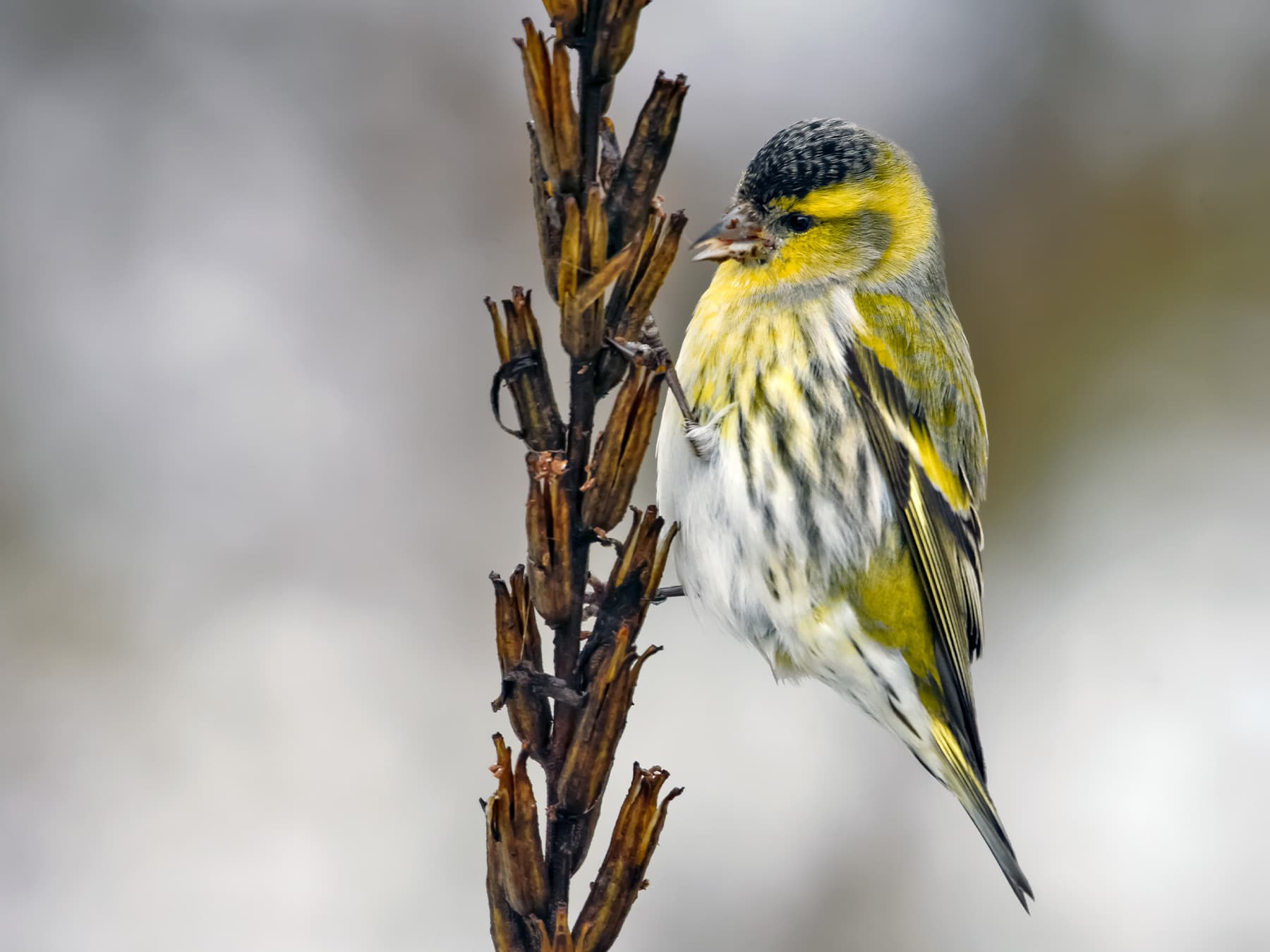
Eurasian Siskin
Spinus spinusLC
An uncommon resident favouring alder and birch woodland. Numbers increase in winter when continental birds arrive, often visiting garden feeders.
Year-round
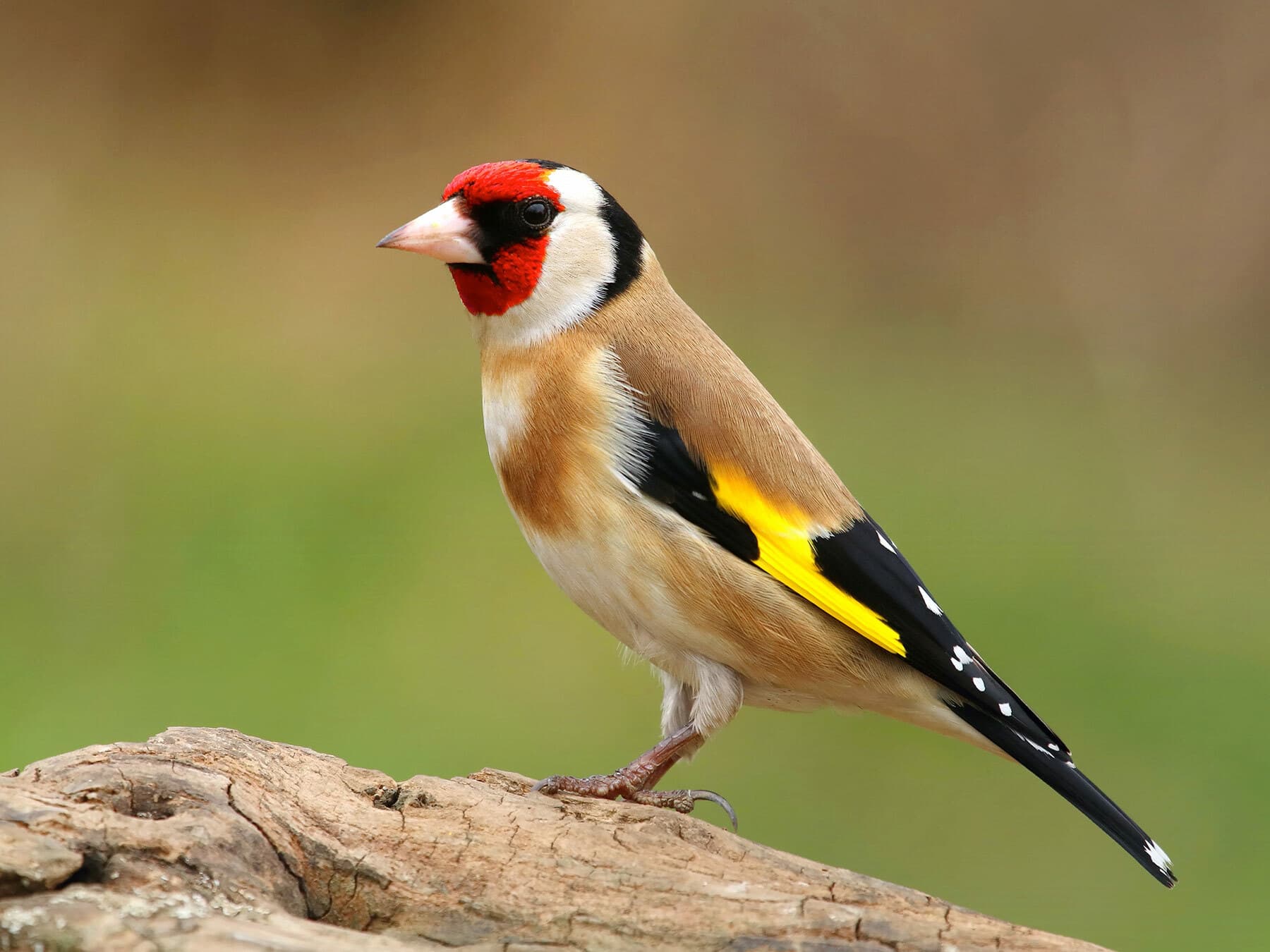
European Goldfinch
Carduelis carduelisLC
A common and colourful resident, frequently seen in flocks feeding on teasel and thistle heads across farmland, gardens, and downland margins.
Year-round
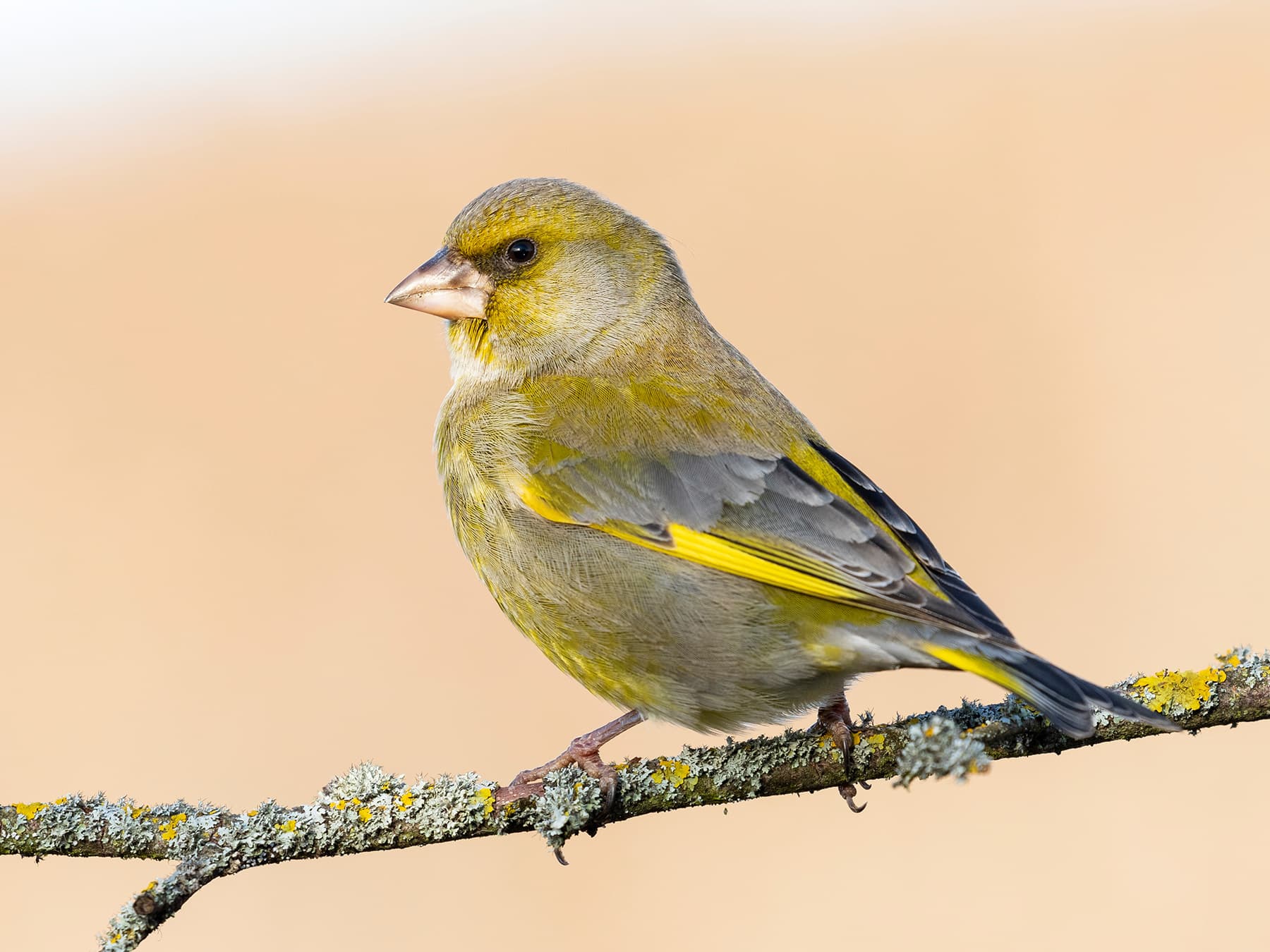
Greenfinch
Chloris chlorisLC
A common year-round resident of gardens, hedgerows, and woodland edges. Numbers have declined due to trichomonosis but it remains widespread.
Year-round
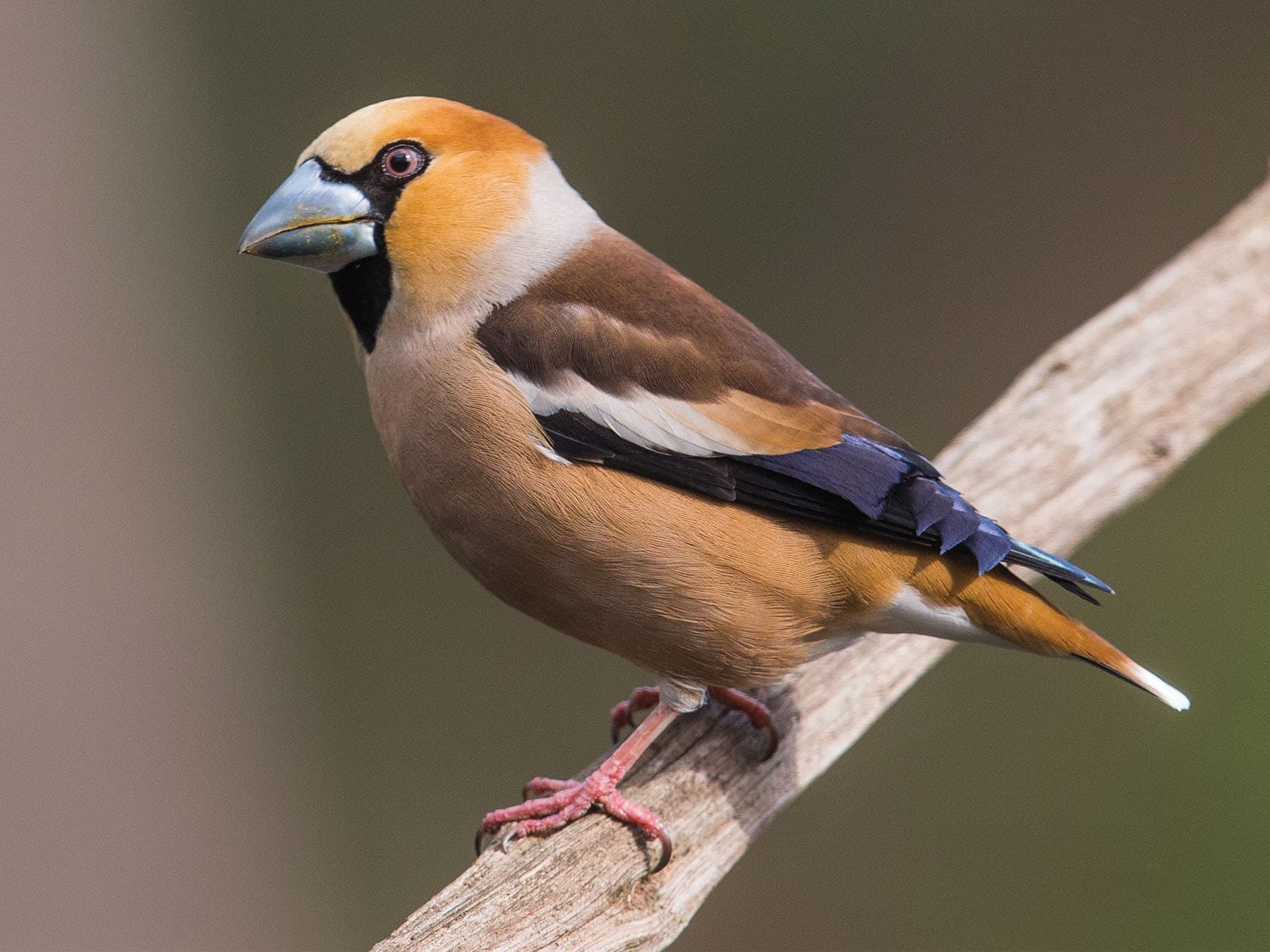
Hawfinch
Coccothraustes coccothraustesLC
A rare passage visitor in November, occasionally turning up in wooded areas. Once more widespread, now a scarce and declining species in southern England.
Nov
Spotted something?
Upload a photo to identify it
Identify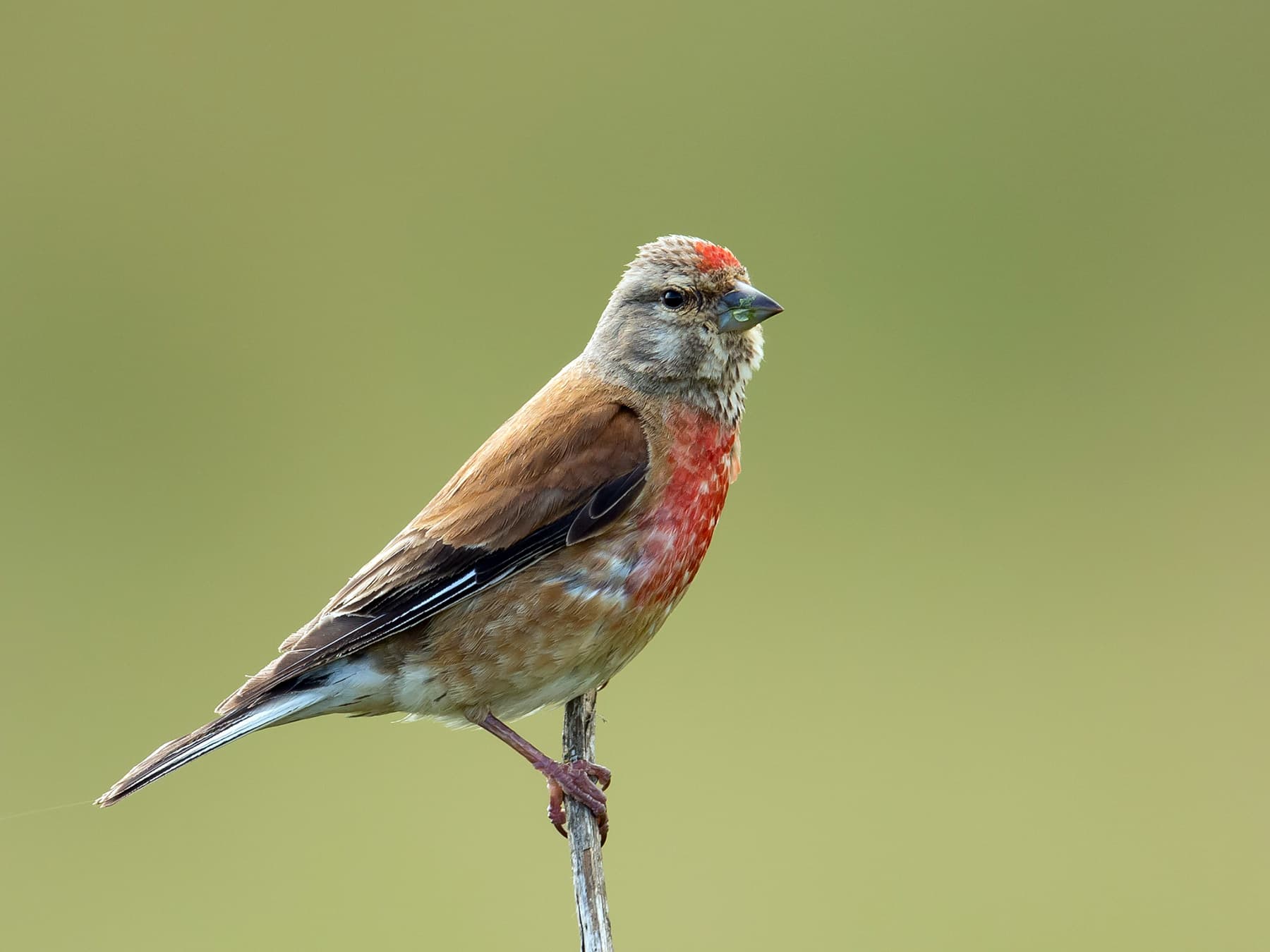
Linnet
Linaria cannabinaLC
A common resident of gorse-covered downland and farmland edges. Often forms large flocks on stubble fields and coastal scrub in winter.
Year-round
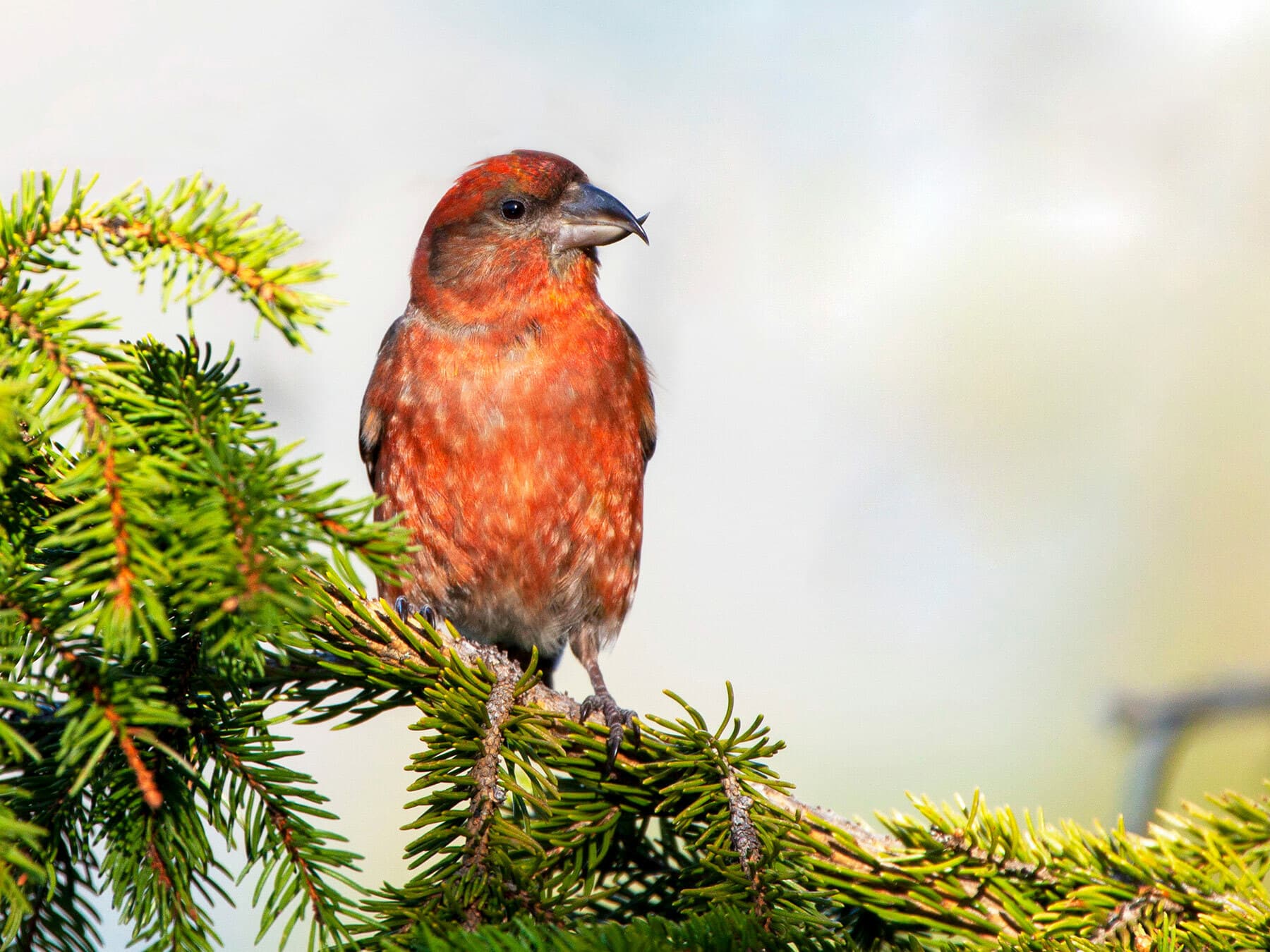
Red Crossbill
Loxia curvirostraLC
A rare resident of conifer plantations, with numbers varying greatly between years. Ashdown Forest is a key site for this unpredictable finch.
Year-round
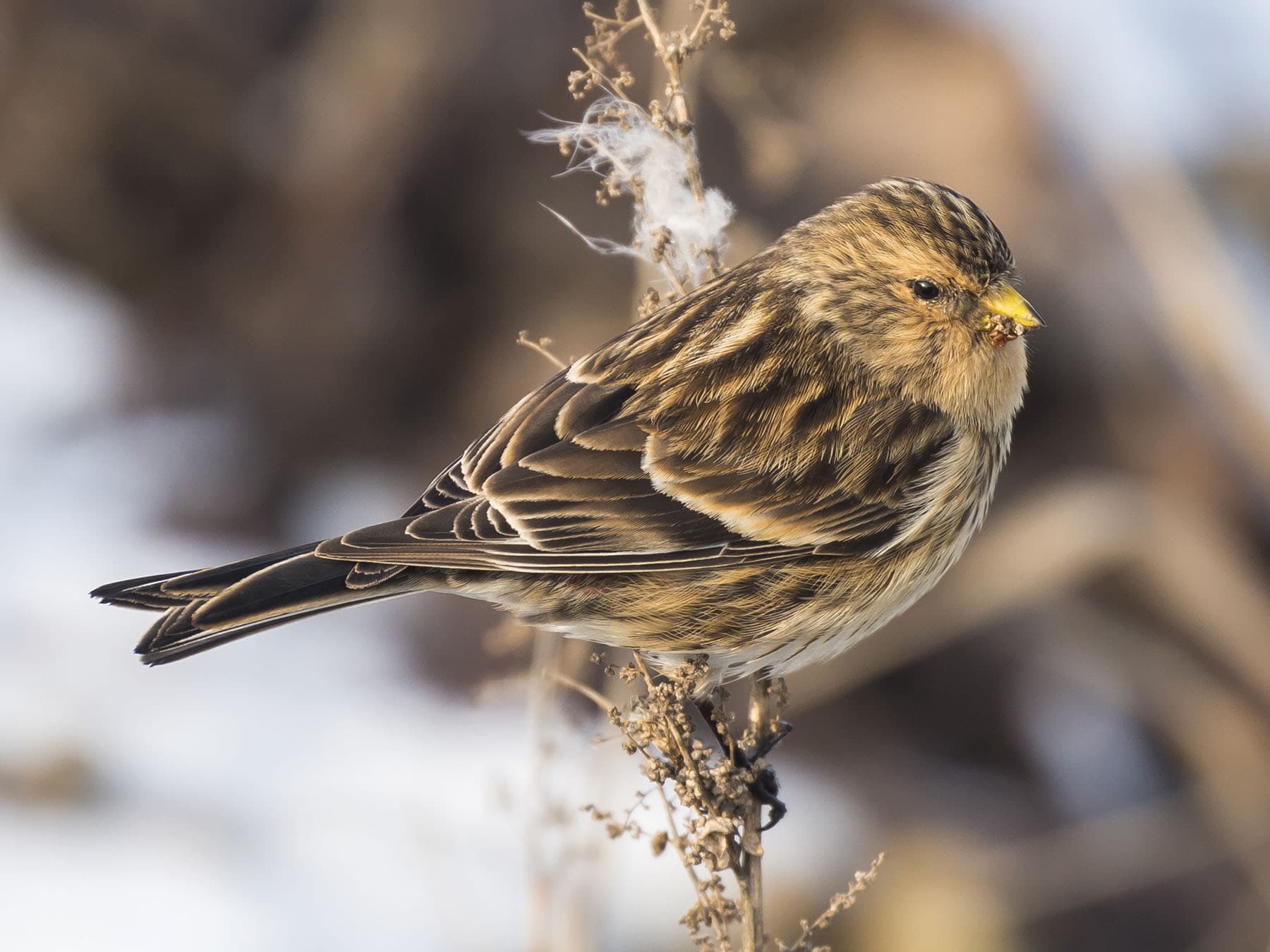
Twite
Linaria flavirostrisLC
A rare passage visitor, occasionally recorded in January. Far more typical of northern uplands, it is a notable find in East Sussex.
Jan