Facts · Published 7 Oct 2026
Are House Sparrows Invasive? What the Evidence Says
By the Birdfact teamChecked by Nathan Cope
House Sparrows were introduced to North America in 1851, where conservation bodies class them as invasive, mainly because they compete with native birds for nest holes. In Britain they are native, and Red-listed after a steep decline.
On this page8 sections
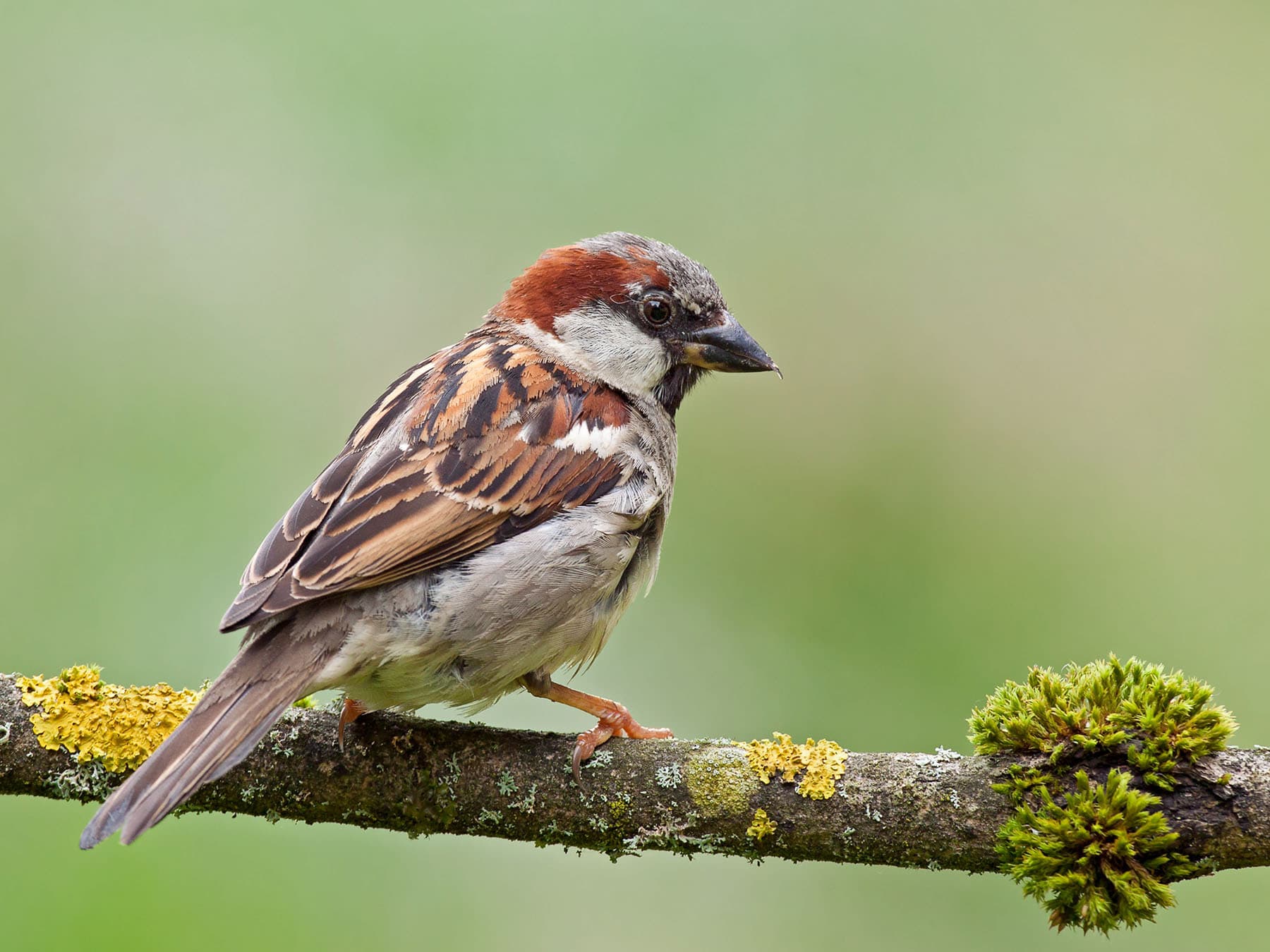
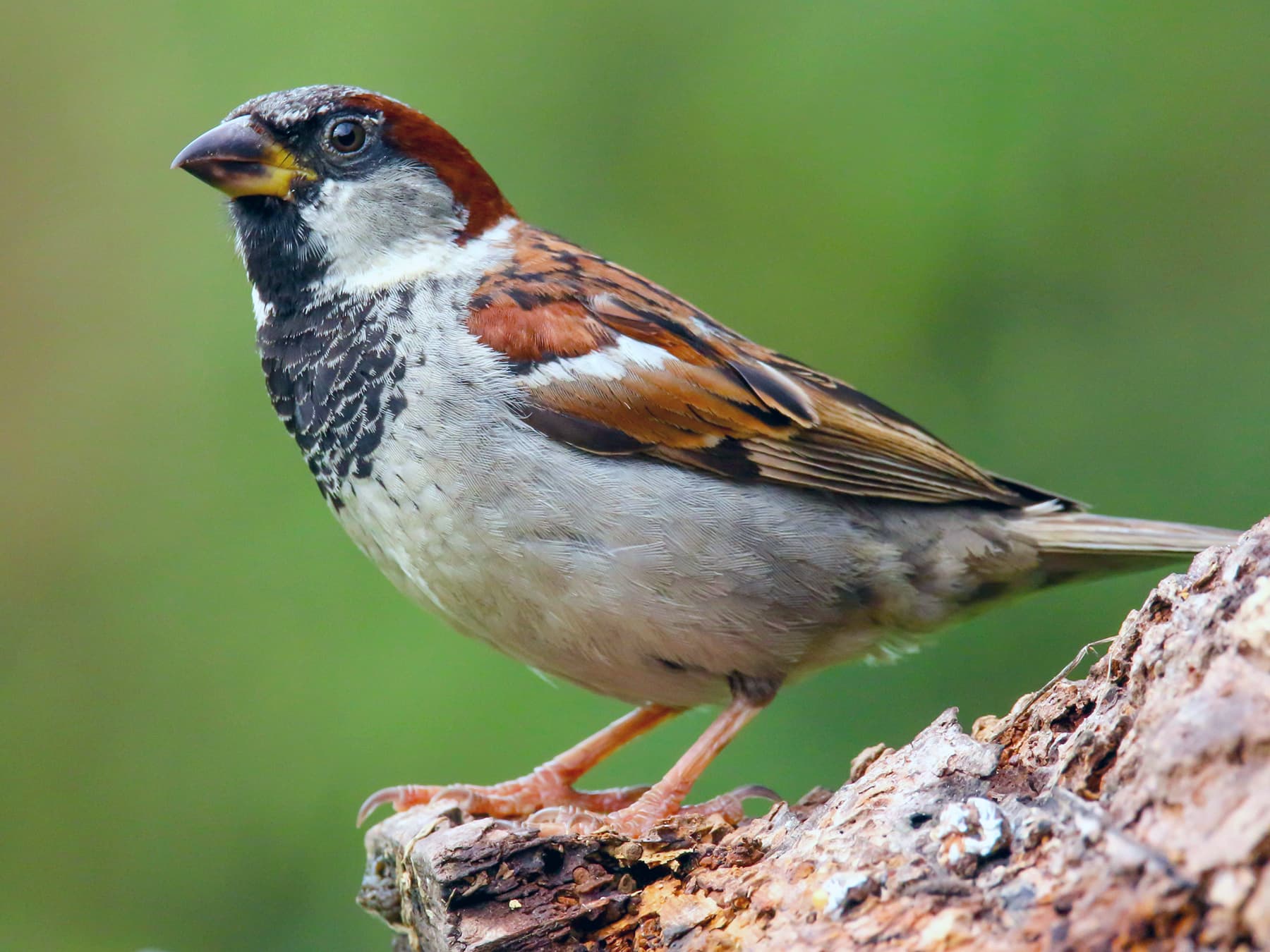
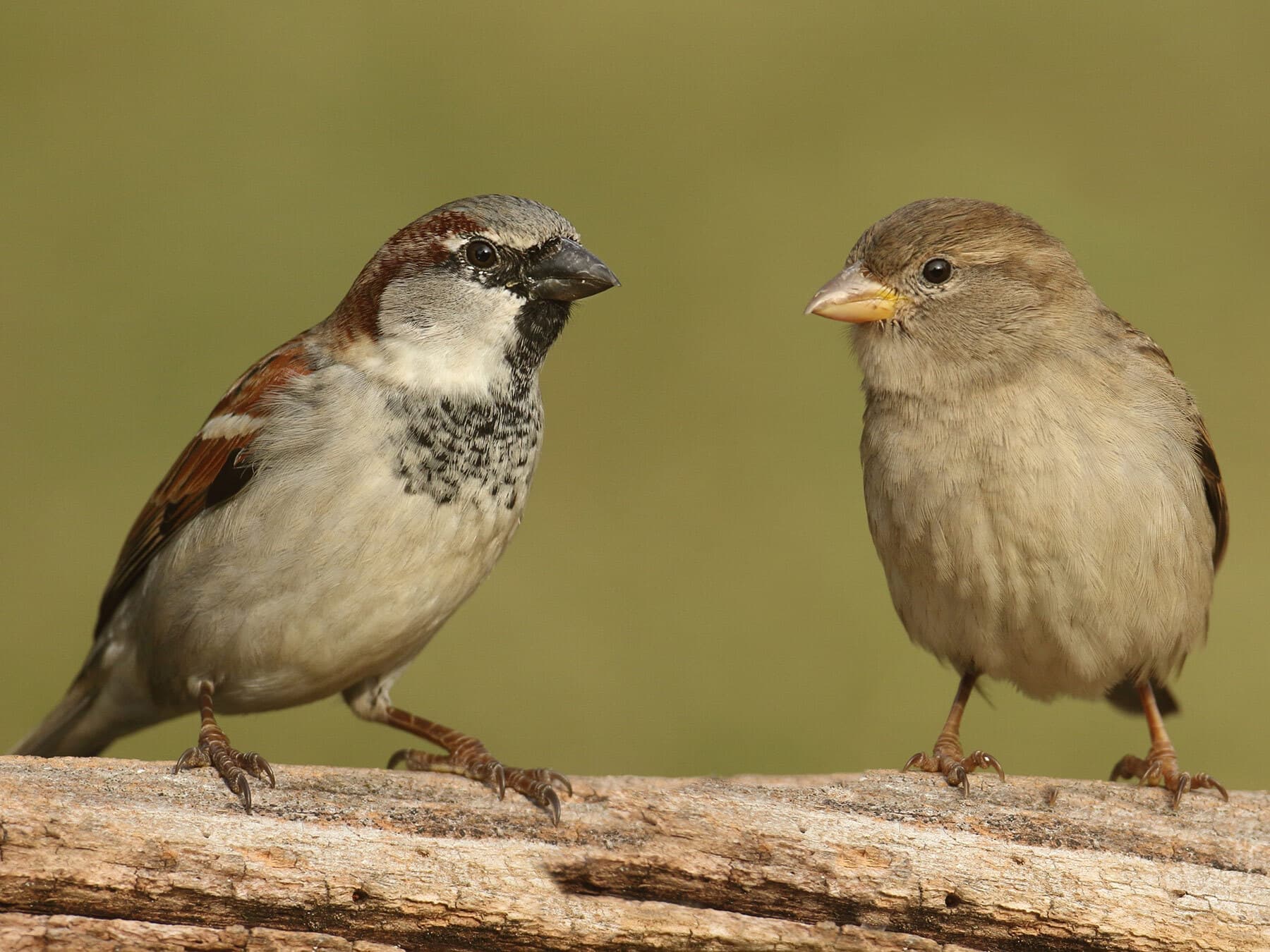
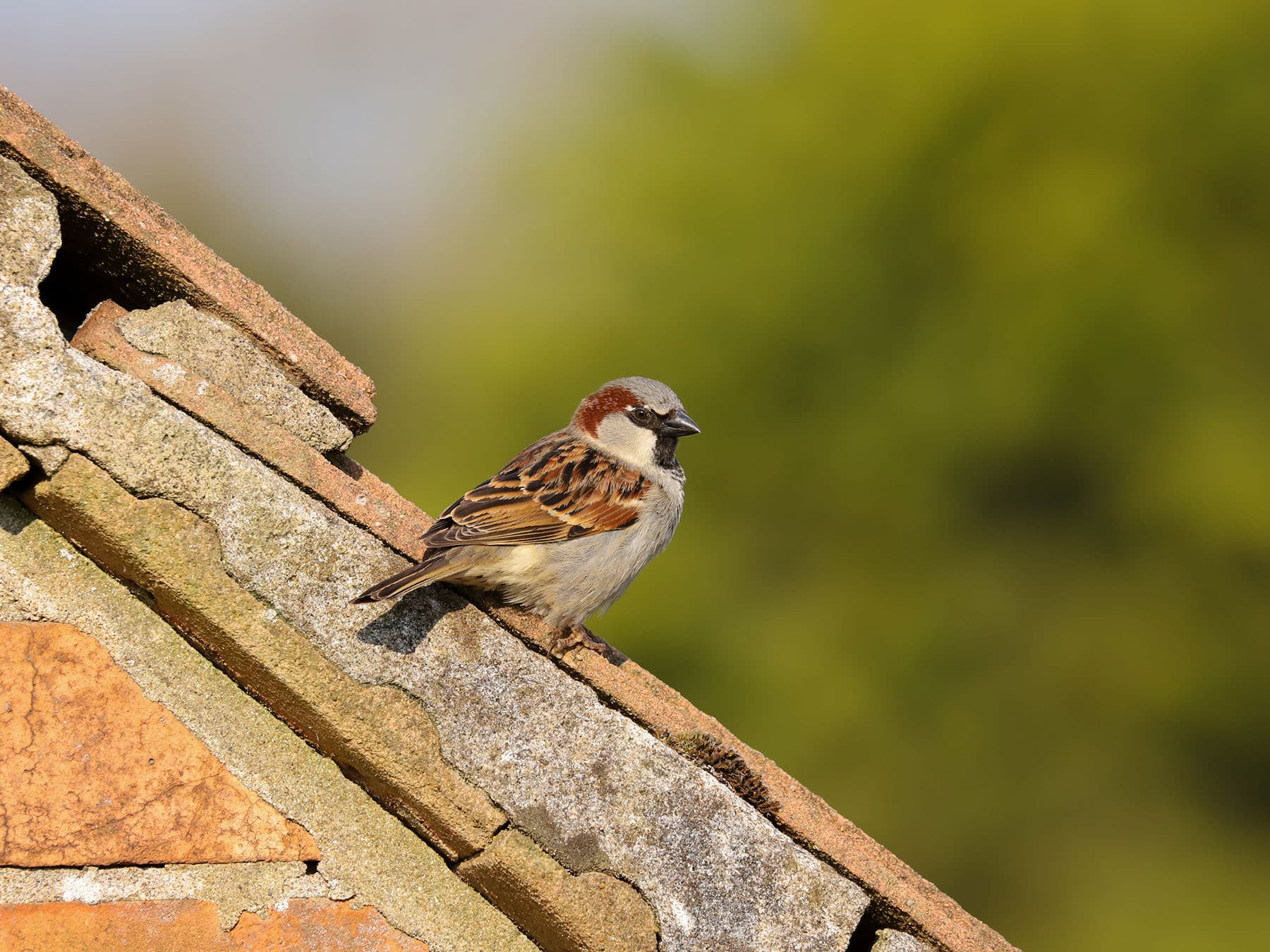
In North America and other places where people introduced it, the House Sparrow is an introduced species, and conservation bodies such as the IUCN's invasive species group and the Cornell Lab's NestWatch class it as invasive. In Britain and the rest of Europe it is a native bird, and a declining one. This page explains how House Sparrows reached North America, why they are called invasive, what the evidence says about their effect on other birds, and where they stand in law. For the bird itself, see House Sparrow identification and facts.
How House Sparrows came to North America
The introduction that took hold is usually traced to 100 birds bought in England for $200 and released in Brooklyn, New York, in 1851 and 1852. More releases and transplants followed, from San Francisco to Salt Lake City. At first the newcomers were welcomed, protected and fed; opinion turned once they were established in the eastern states.1
They spread fast, from about 50 pairs in 1853 to an estimated 150 million birds by 1943. The towns, villages and farms of the late 1800s suited them, and no native bird filled quite the same niche. Today they live from central Canada to Central America, and people also took them to South America, southern Africa, Australia and New Zealand.
Why are House Sparrows called invasive?
An invasive species is one that people have moved to a new region, where it thrives and spreads.2 The IUCN's Invasive Species Specialist Group lists the House Sparrow in its Global Invasive Species Database, noting that it can push native birds out of their nests and compete with them for food, and early in its spread in North America, when it took ripening grain, it "was considered a serious agricultural pest".3
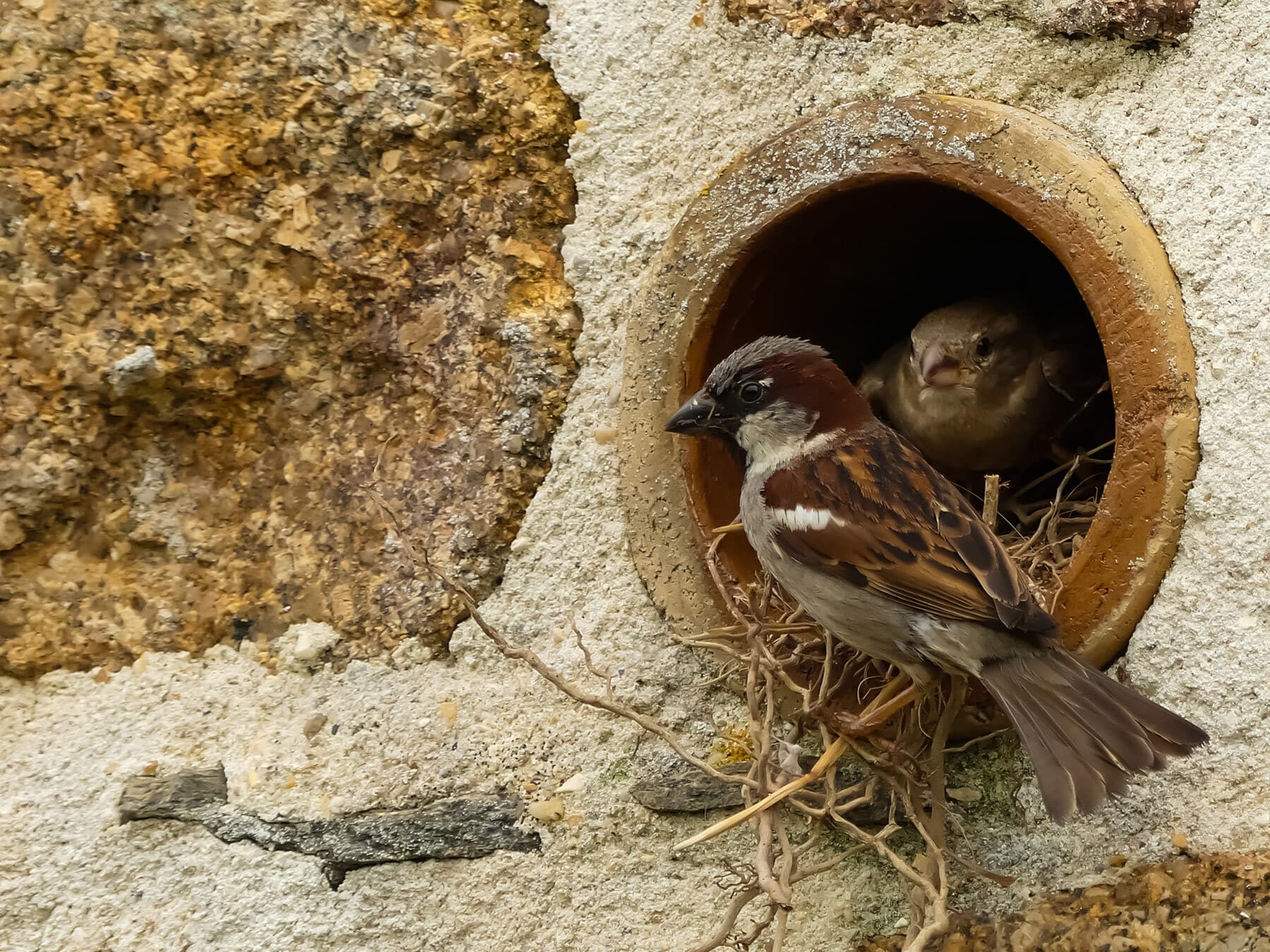
The concern most often raised is nest sites. House Sparrows nest in holes and boxes, and they compete for them with native hole-nesters, above all Eastern Bluebirds, Purple Martins and Tree Swallows. NestWatch, the Cornell Lab's nest-monitoring project, says they are known to destroy nests and eggs, and to kill nestlings and adults, when taking over an occupied nest.
What the evidence shows
One line of evidence comes from nest boxes on farmland. In a study of 400 boxes across southern Québec, Tree Swallows took fewer boxes where House Sparrows were more numerous and where boxes were nearer to buildings; intensive farming boosted the sparrows, and through them the competition the swallows faced. The authors see this as another factor in the Tree Swallow's decline in Canada, alongside pesticides and habitat loss.4
In towns the picture is similar but harder to untangle. In four small towns in Mexico where House Sparrows were scarce, places with sparrows had fewer native bird species, and more sparrows went with fewer species; but more built cover and shorter shrubs also went with fewer species, and the authors describe urbanisation and sparrows working together. It was a correlation, not a test of cause.5
What both studies have in common is people. In North America House Sparrows are found almost only around buildings, "never in unaltered natural habitats", as Audubon puts it.6 And they are declining there: North American numbers fell by about 2.6% a year between 1966 and 2004, a decline put down partly to changes in farming, and recent surveys show the fall continuing.
Are House Sparrows protected?
In the United States, no: the Migratory Bird Treaty Act does not cover the Old World sparrows, the family the House Sparrow belongs to.7 Canadian and state rules generally exclude it too.
In the UK, yes. The House Sparrow is a native bird, and like all wild birds it, its eggs and its active nests are protected by law: in Great Britain by the Wildlife and Countryside Act 1981, in Northern Ireland by the Wildlife (Northern Ireland) Order 1985.8, 9 See House Sparrow nesting.
House Sparrows and nest boxes
House Sparrows fit through holes as small as 1¼ in (32 mm), the size of most boxes for small hole-nesting birds, so most such boxes are open to them, and NestWatch knows of no proven way to keep them out for good.2 In Britain the same 32 mm box is the one the BTO recommends for sparrows and tits, and House Sparrows use it.10
Are House Sparrows invasive in the UK?
No. The House Sparrow is native to Britain, recorded since Anglo-Saxon times, and it is Red-listed as a bird of high conservation concern: the RSPB estimates a fall of 71% between 1977 and 2008.11 See why House Sparrows have declined.
Questions
Are House Sparrows native to North America?
No. They are native to Europe, Asia and North Africa, and were introduced to North America in 1851 and 1852.
Is the English Sparrow the same bird?
Yes: "English Sparrow" is an old American name for the House Sparrow, and a 2020 US Fish and Wildlife Service notice still calls it the house or English sparrow.
How do House Sparrows affect bluebirds?
They compete for the same nest holes and boxes, and because they do not migrate they are already there when bluebirds start looking, so they often get first pick. See what the evidence shows.
Do House Sparrows kill other birds?
Sometimes, when taking over a nest site: NestWatch says they are known to destroy eggs and kill nestlings and adults.
Are Starlings invasive too?
Like House Sparrows, European Starlings were introduced to North America in the 1800s and NestWatch classes them as invasive there: see are European Starlings invasive?
Sources
- Lowther, P. E., Cink, C. L. (2020). House Sparrow (Passer domesticus), version 1.0. Birds of the World (S. M. Billerman, ed.). Cornell Lab of Ornithology. doi:10.2173/bow.houspa.01
- NestWatch, Cornell Lab of Ornithology. Managing House Sparrows and European Starlings. Accessed 7 October 2026. Source
- IUCN SSC Invasive Species Specialist Group. Passer domesticus. Global Invasive Species Database. Accessed 7 October 2026. Source
- Robillard, A., Garant, D., Bélisle, M. (2013). The Swallow and the Sparrow: how agricultural intensification affects abundance, nest site selection and competitive interactions. Landscape Ecology 28(2): 201-215. doi:10.1007/s10980-012-9828-y
- García-Arroyo, M., Santiago-Alarcón, D., Quesada, J., MacGregor-Fors, I. (2020). Are invasive House Sparrows a nuisance for native avifauna when scarce?. Urban Ecosystems 23(4): 793-802. doi:10.1007/s11252-020-00963-x
- National Audubon Society (text: Kaufman, Lives of North American Birds). House Sparrow. Audubon Guide to North American Birds. Accessed 7 October 2026. Source
- U.S. Fish and Wildlife Service (2020). List of Bird Species to Which the Migratory Bird Treaty Act Does Not Apply. Federal Register 85(74): 21262-21264. Accessed 7 October 2026. Source
- UK Parliament (1981). Wildlife and Countryside Act 1981, section 1. Accessed 7 October 2026. Source
- UK Government (1985). The Wildlife (Northern Ireland) Order 1985, article 4. Accessed 7 October 2026. Source
- BTO. Buying a nest box. Accessed 7 October 2026. Source
- RSPB. House Sparrow. RSPB Birds and wildlife. Accessed 7 October 2026. Source
- BTO. House Sparrow (Passer domesticus). BTO BirdFacts. Accessed 7 October 2026. Source