Birds in Stockton-on-Tees
Explore 193 species found in this region.
Stockton-on-Tees boasts a rich and diverse birdlife, with 186 species recorded across its varied habitats, from the wetlands and mudflats along the River Tees to farmland, woodland, and urban green spaces. The area attracts notable species such as Pink-footed Goose, Northern Lapwing, and Common Merganser, while rarities like the Red-backed Shrike occasionally make an appearance. Whether you're exploring the Tees estuary or the surrounding countryside, Stockton-on-Tees offers excellent birdwatching opportunities throughout the year.
Visiting in September? Look out for American Golden-Plover and Barn Owl arriving this month, and Common Redpoll and Grasshopper Warbler depart for the season.


Showing 185–193 of 193 species
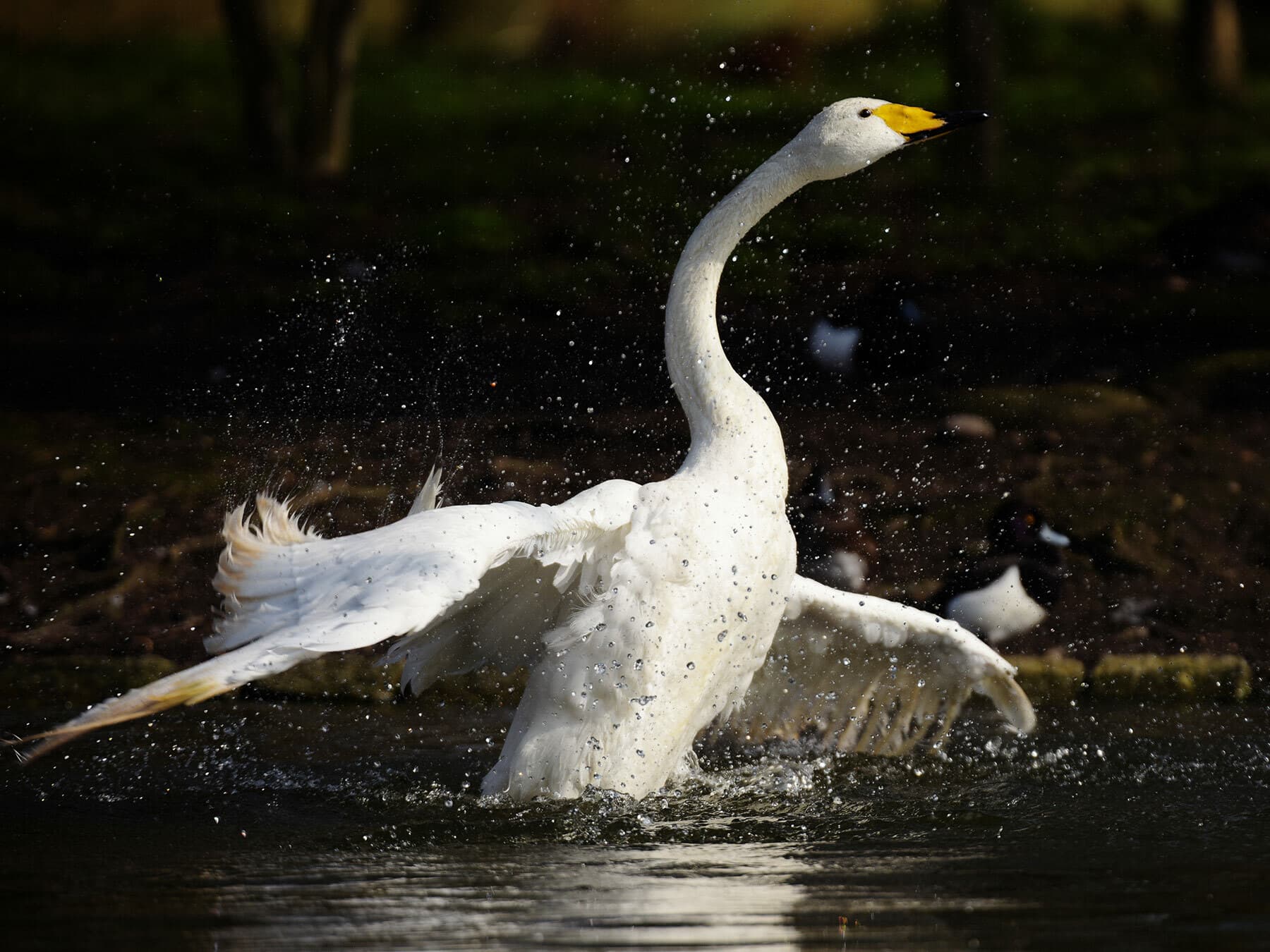
Whooper Swan
Cygnus cygnusLC
An uncommon winter visitor arriving from Iceland. Small groups frequent flooded fields and reservoirs from autumn to spring.
Sep–Apr
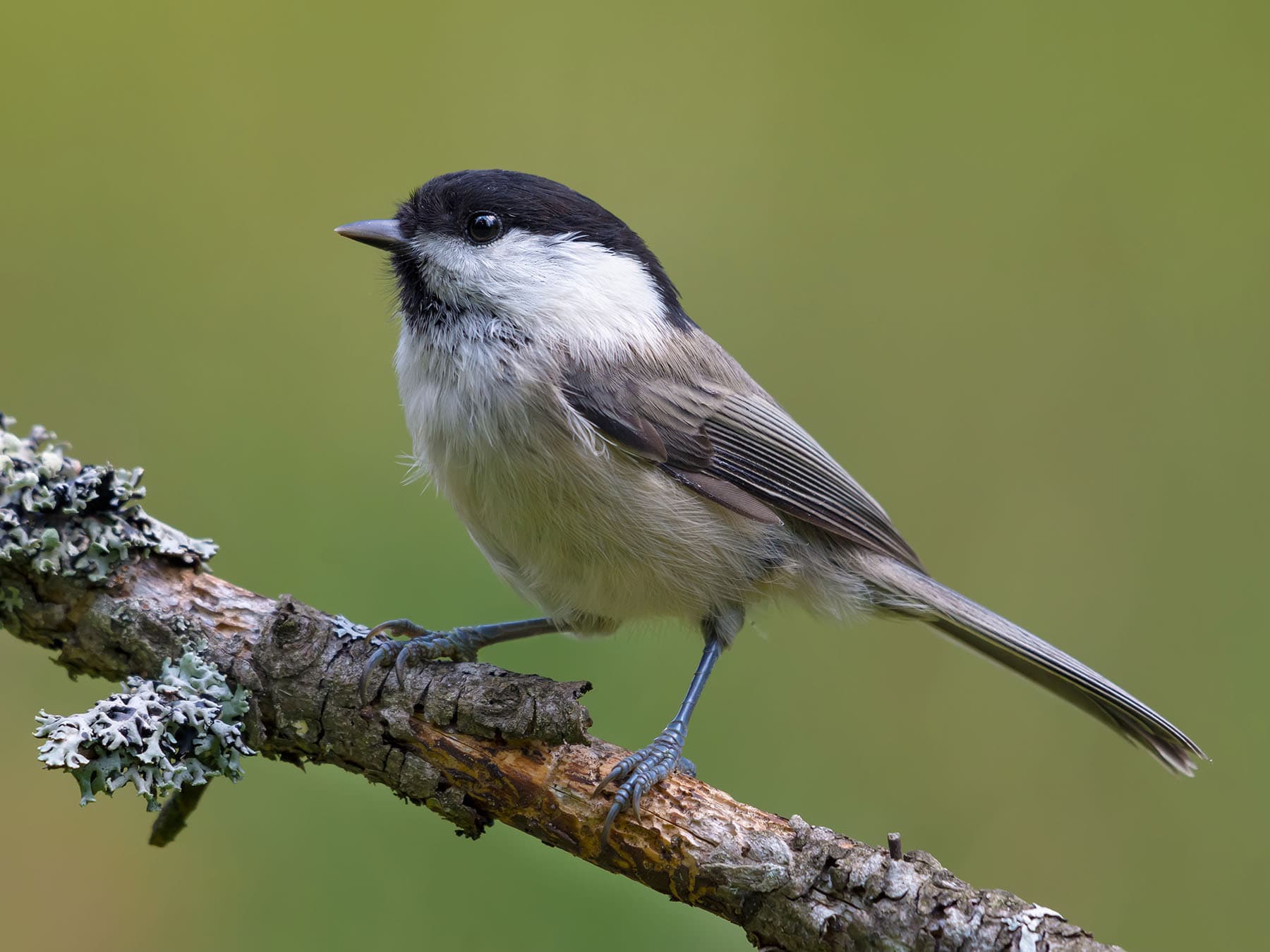
Willow Tit
Poecile montanusLC
A rare March passage record in a species suffering severe national decline. Damp woodland with dead birch is its preferred habitat.
Mar
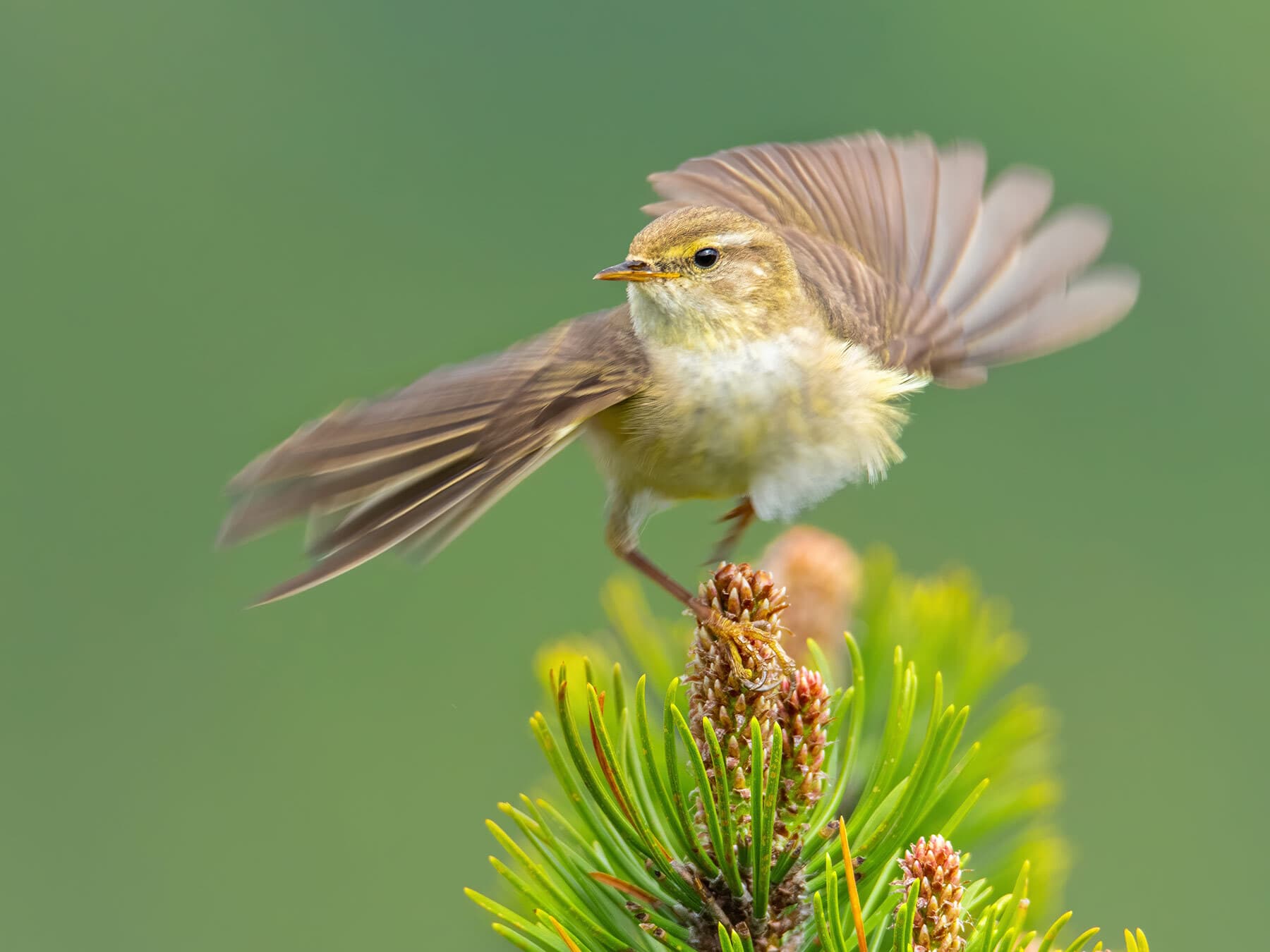
Willow Warbler
Phylloscopus trochilusLC
An uncommon summer breeder arriving in April, favouring scrubby woodland edges and willow thickets along the Tees corridor. Departs by September.
Apr–Sep
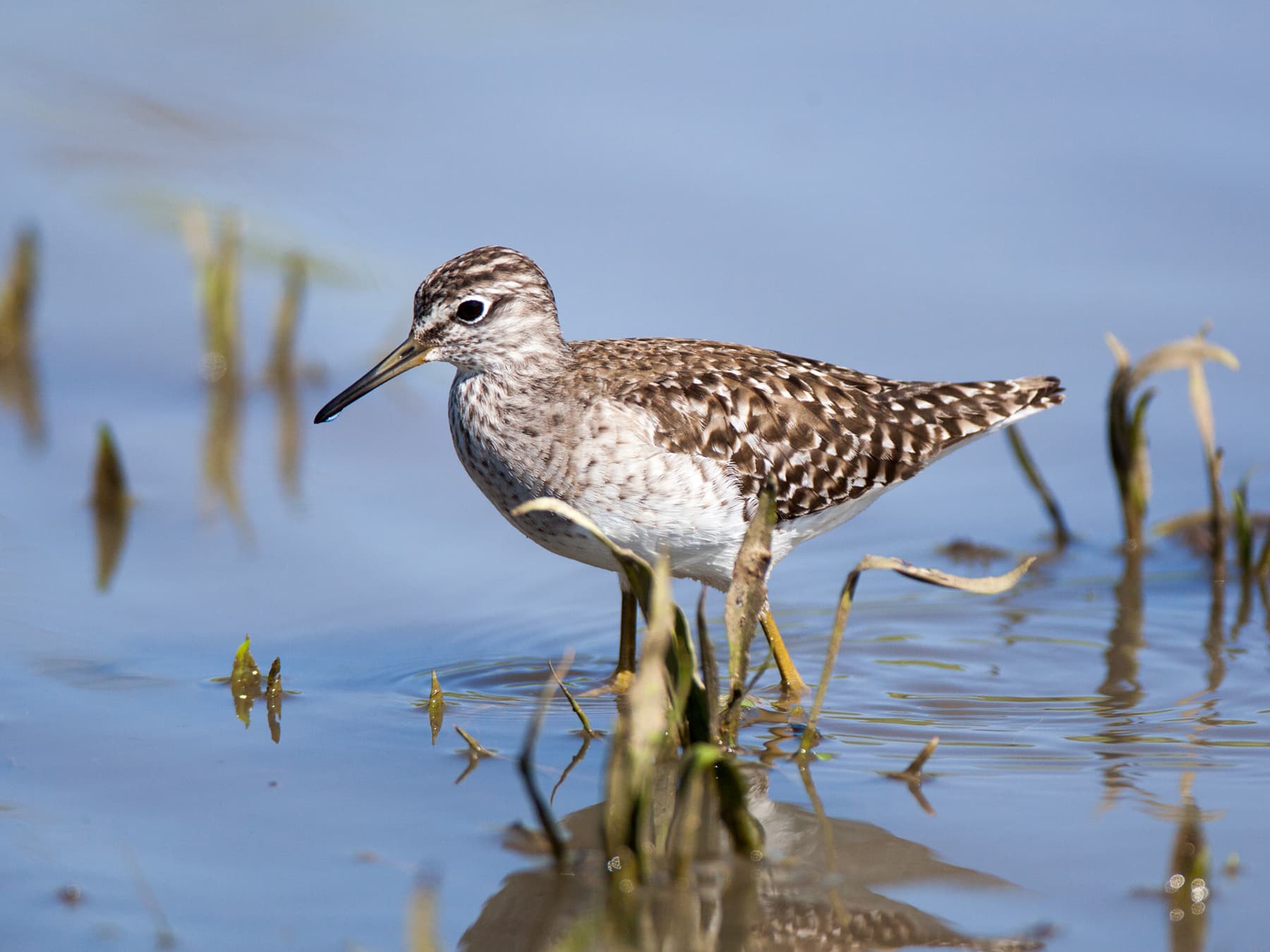
Wood Sandpiper
Tringa glareolaLC
An uncommon breeder present April to September, favouring marshy pools and wet meadows. A scarce species nationally, notable for the area.
Apr–Sep
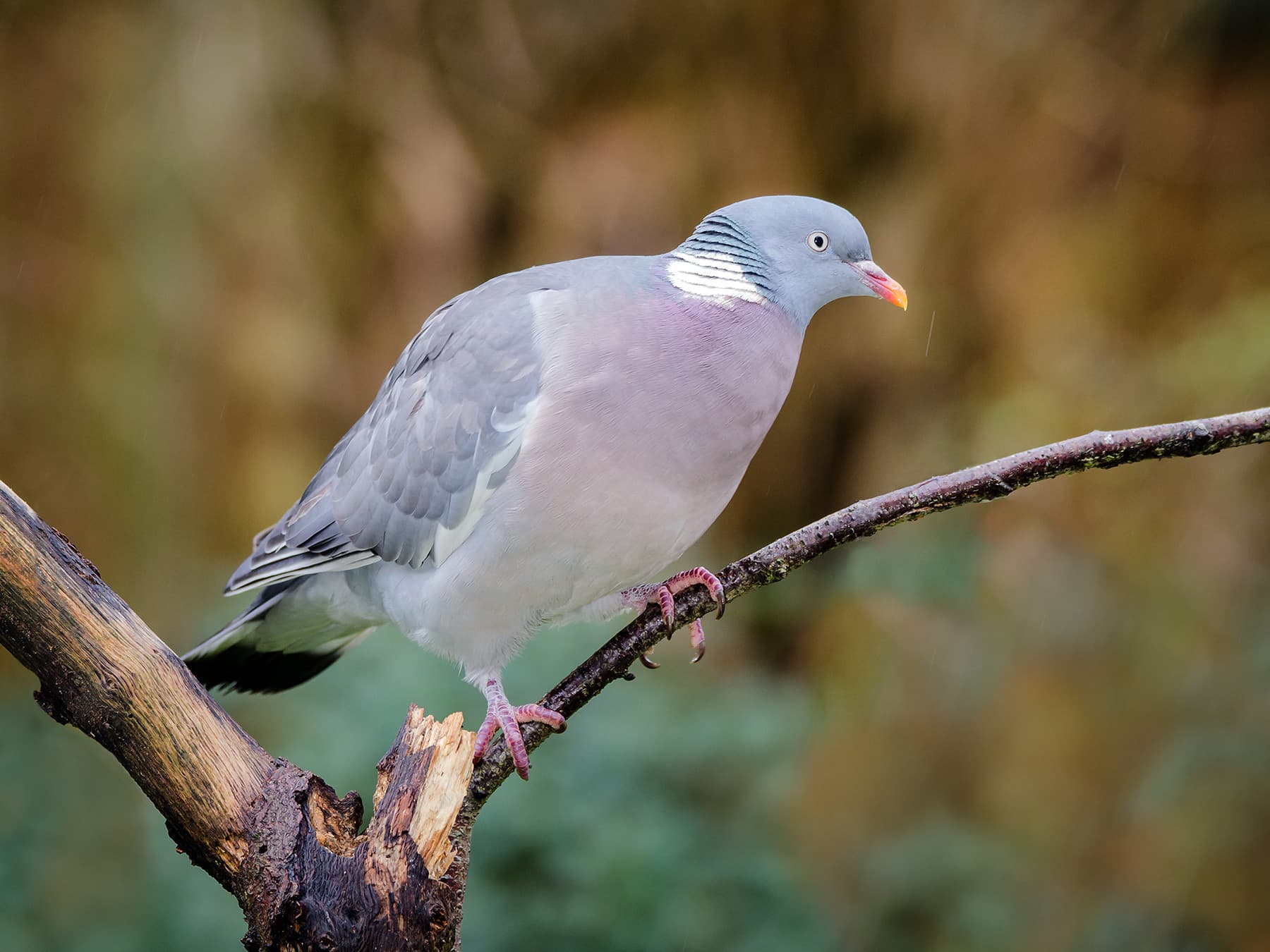
Woodpigeon
Columba palumbusLC
An abundant year-round resident found in gardens, parks, and farmland across the Tees valley. Often seen in large flocks feeding on arable fields in winter.
Year-round
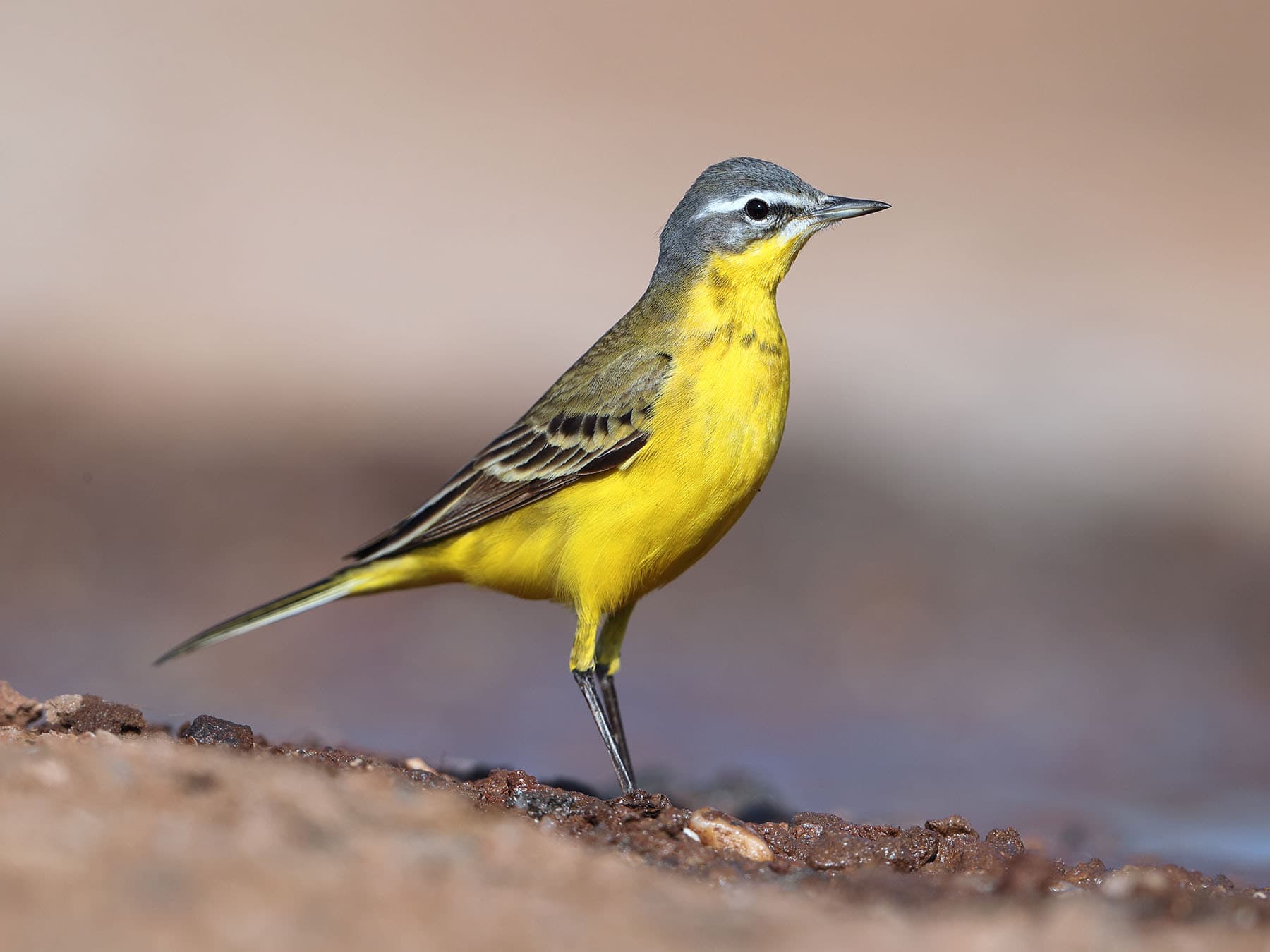
Yellow Wagtail
Motacilla flavaLC
An uncommon summer breeder on damp pastures and arable fields, arriving in April and departing by September.
Apr–Sep
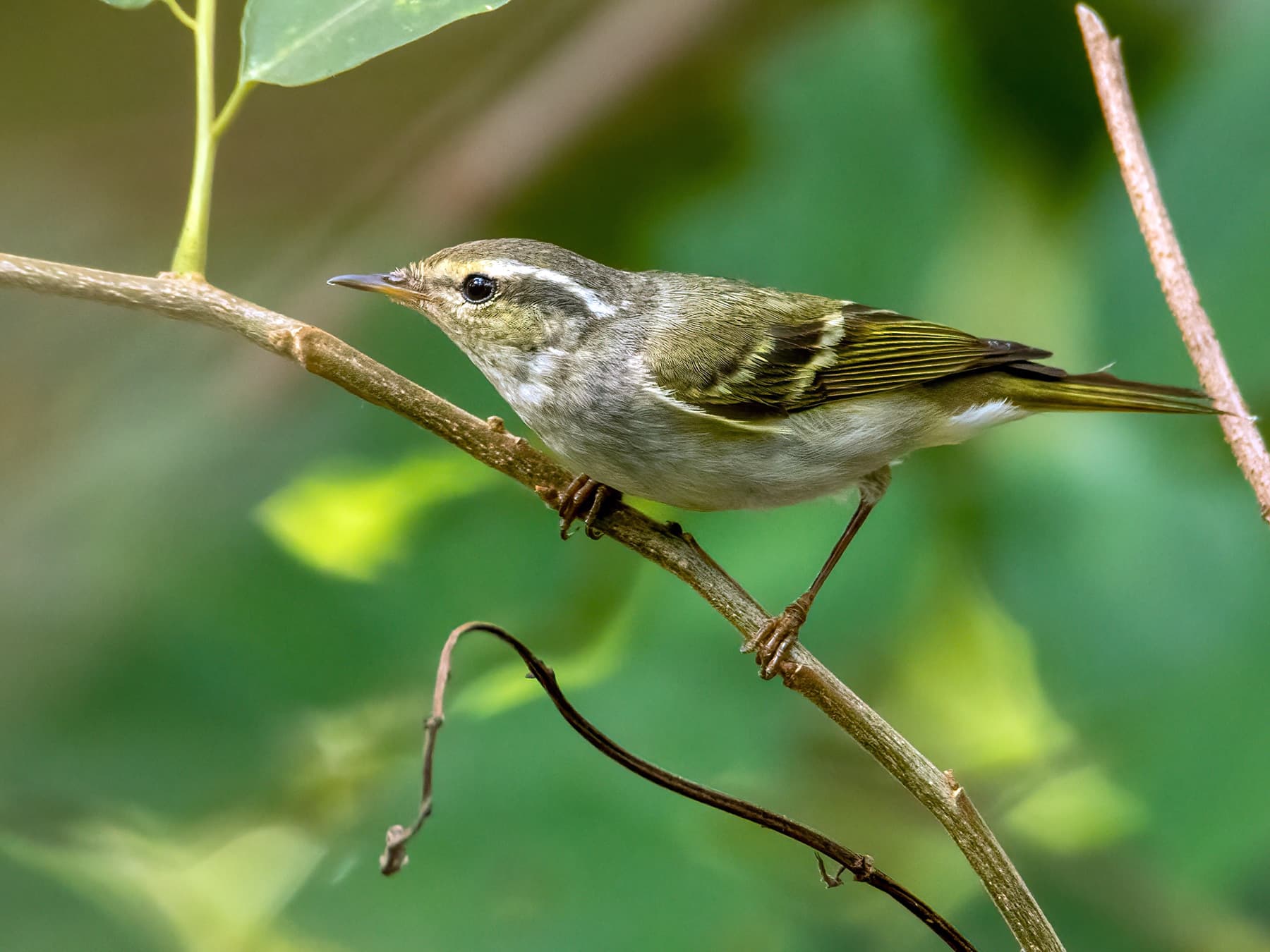
Yellow-browed Warbler
Phylloscopus inornatusLC
A rare October passage migrant from Siberia, typically found in coastal scrub and hedgerows. An exciting autumn find for local birders.
Oct
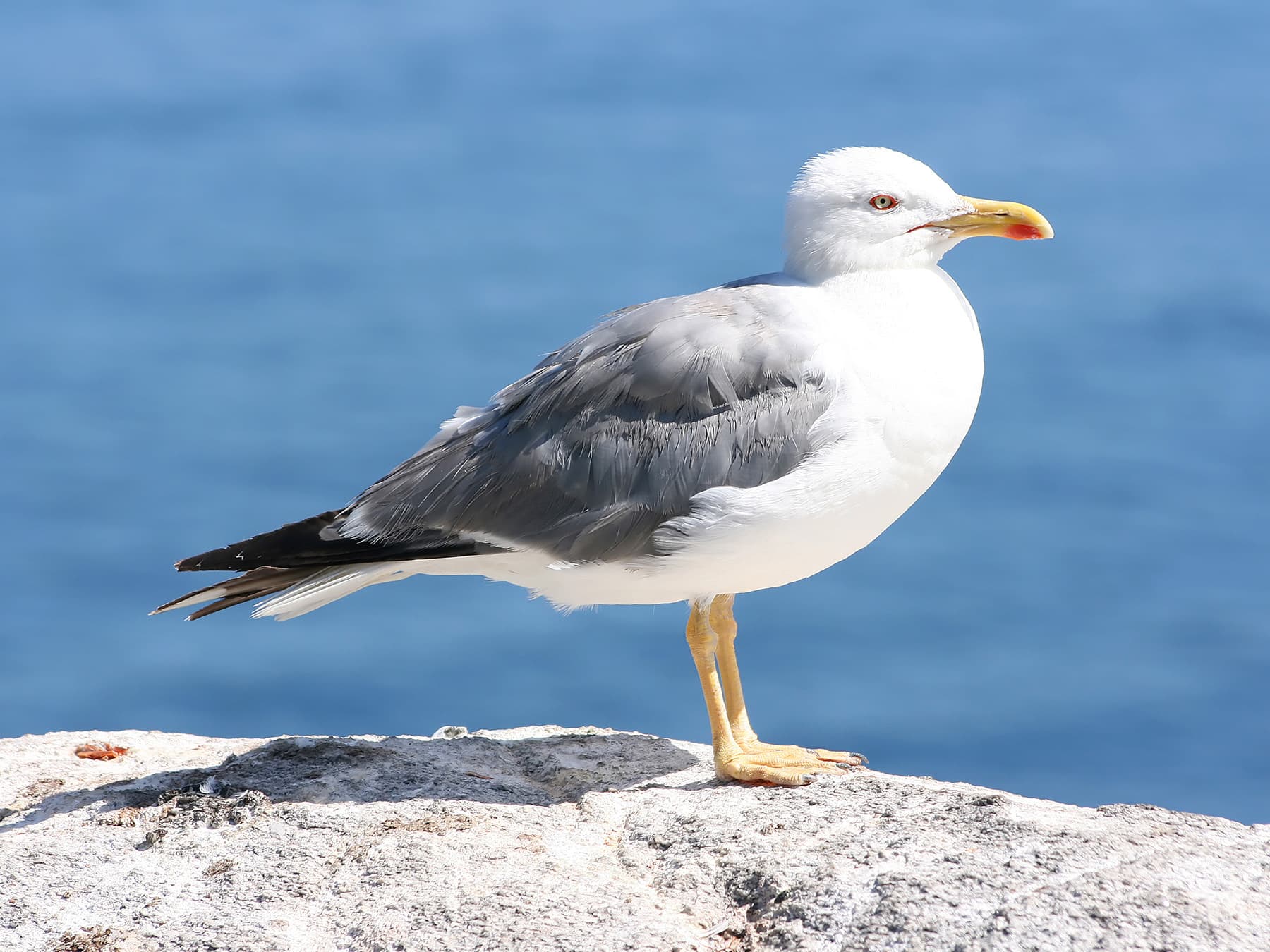
Yellow-legged Gull
Larus michahellisLC
An uncommon breeder from March to August, sometimes found among Herring Gull colonies. Identified by its yellow legs and darker mantle.
Mar–Aug
Spotted something?
Upload a photo to identify it
Identify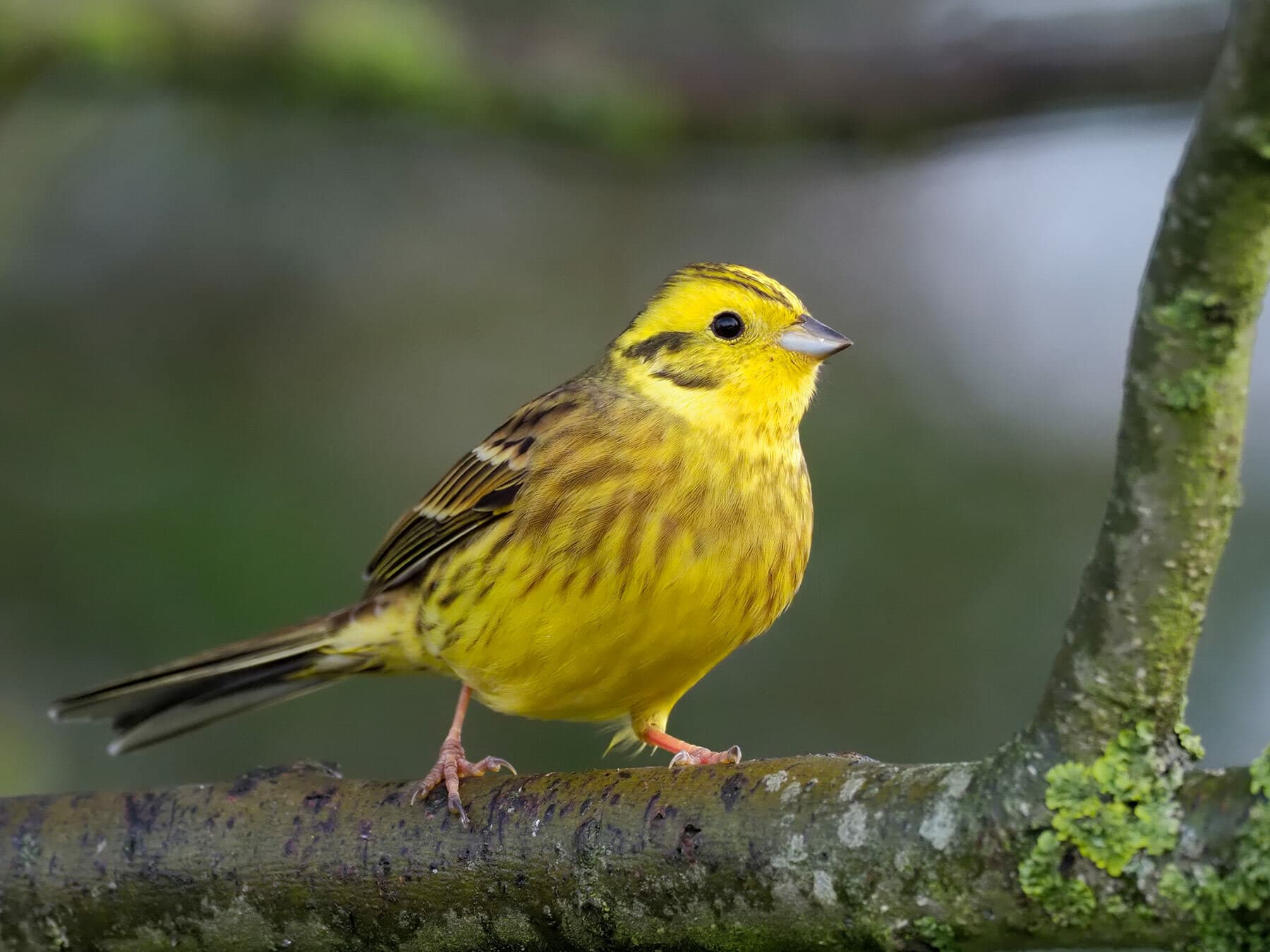
Yellowhammer
Emberiza citrinellaLC
A declining resident found on farmland edges and hedgerows. Rarely encountered, with a notable gap in sightings during autumn.
Nov–Jul