Birds in Somerset
Explore 192 species found in this region.
Somerset is one of the most rewarding counties in England for birdwatching, with 187 recorded species across its diverse landscapes. The Somerset Levels and Moors, a vast area of wetland and grazing marsh, attract spectacular species such as Great White Egret, Cetti's Warbler and Hen Harrier, while the coastline and estuaries host waders and gulls including the scarce Kentish Plover. From the Quantock Hills to Chew Valley Lake, the county offers year-round birding opportunities for beginners and experienced observers alike.
Visiting in August? Look out for Bar-tailed Godwit and Black Swan arriving this month, and Barn Owl and Dipper depart for the season.


Showing 185–192 of 192 species
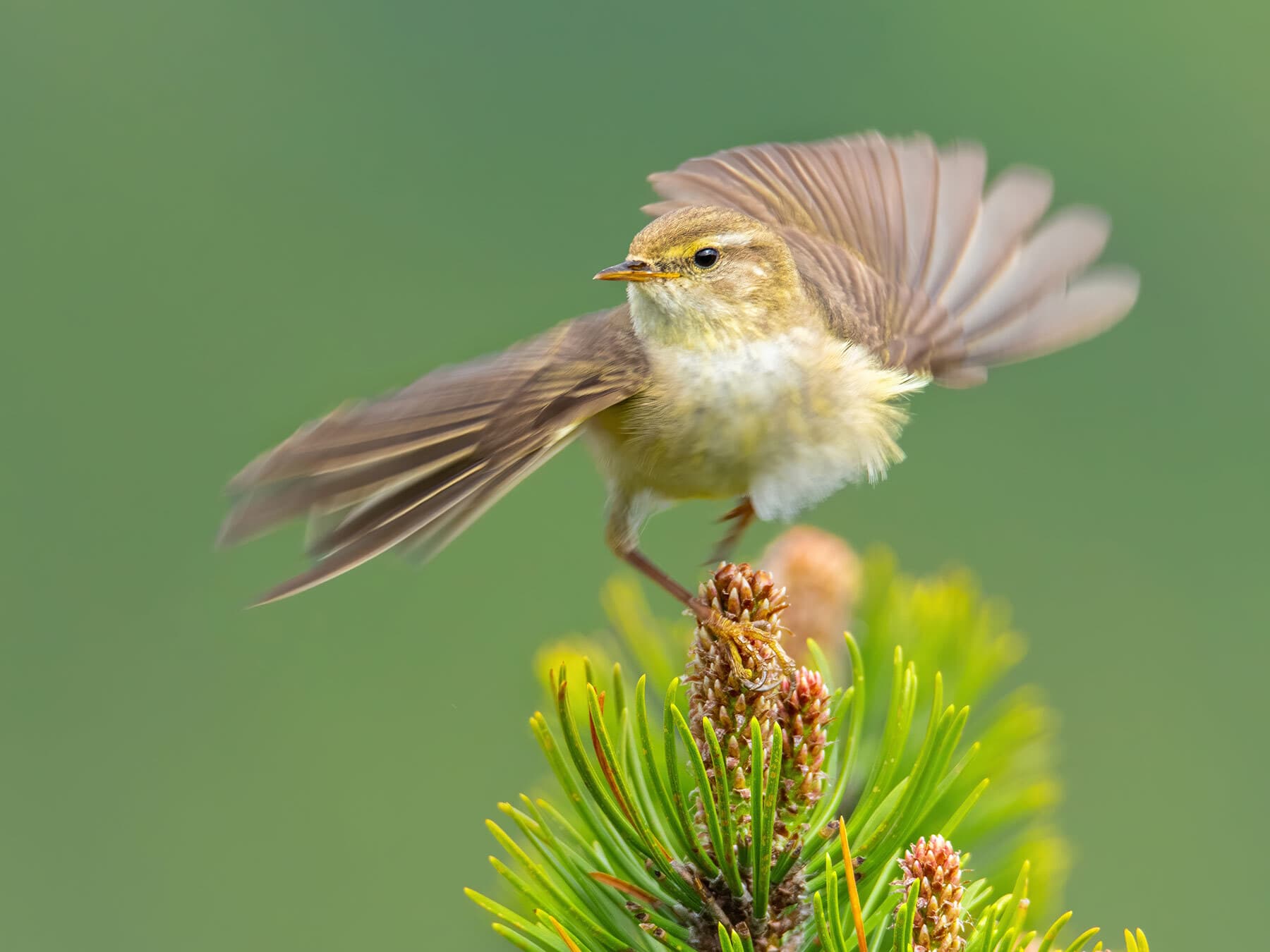
Willow Warbler
Phylloscopus trochilusLC
An uncommon summer breeder arriving in March, favouring scrubby woodland edges and young plantations across the county's hills and combes.
Mar–Sep
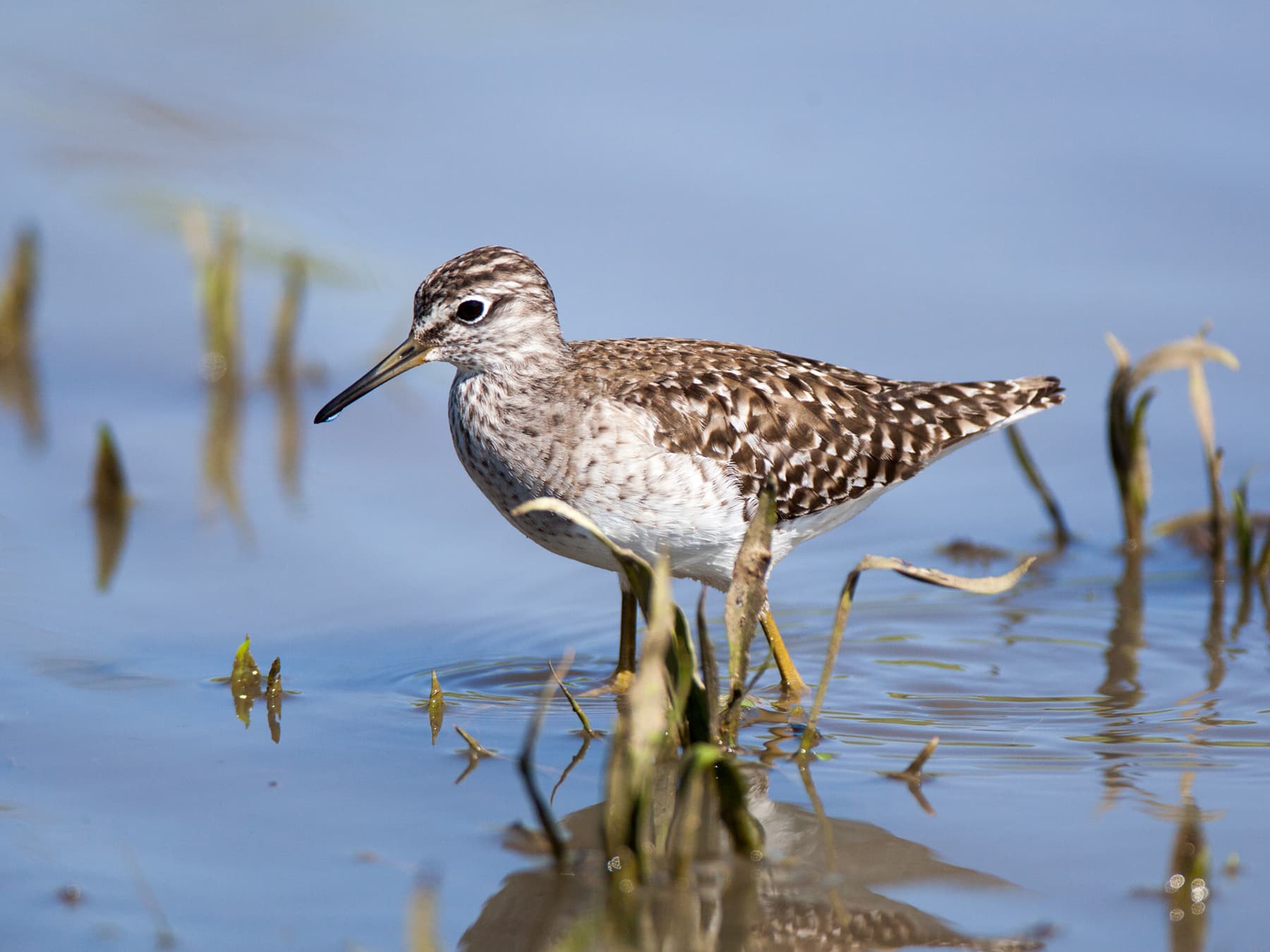
Wood Sandpiper
Tringa glareolaLC
A rare autumn passage migrant in August and September, favouring shallow scrapes and flooded fields on the Somerset Levels.
Aug–Sep
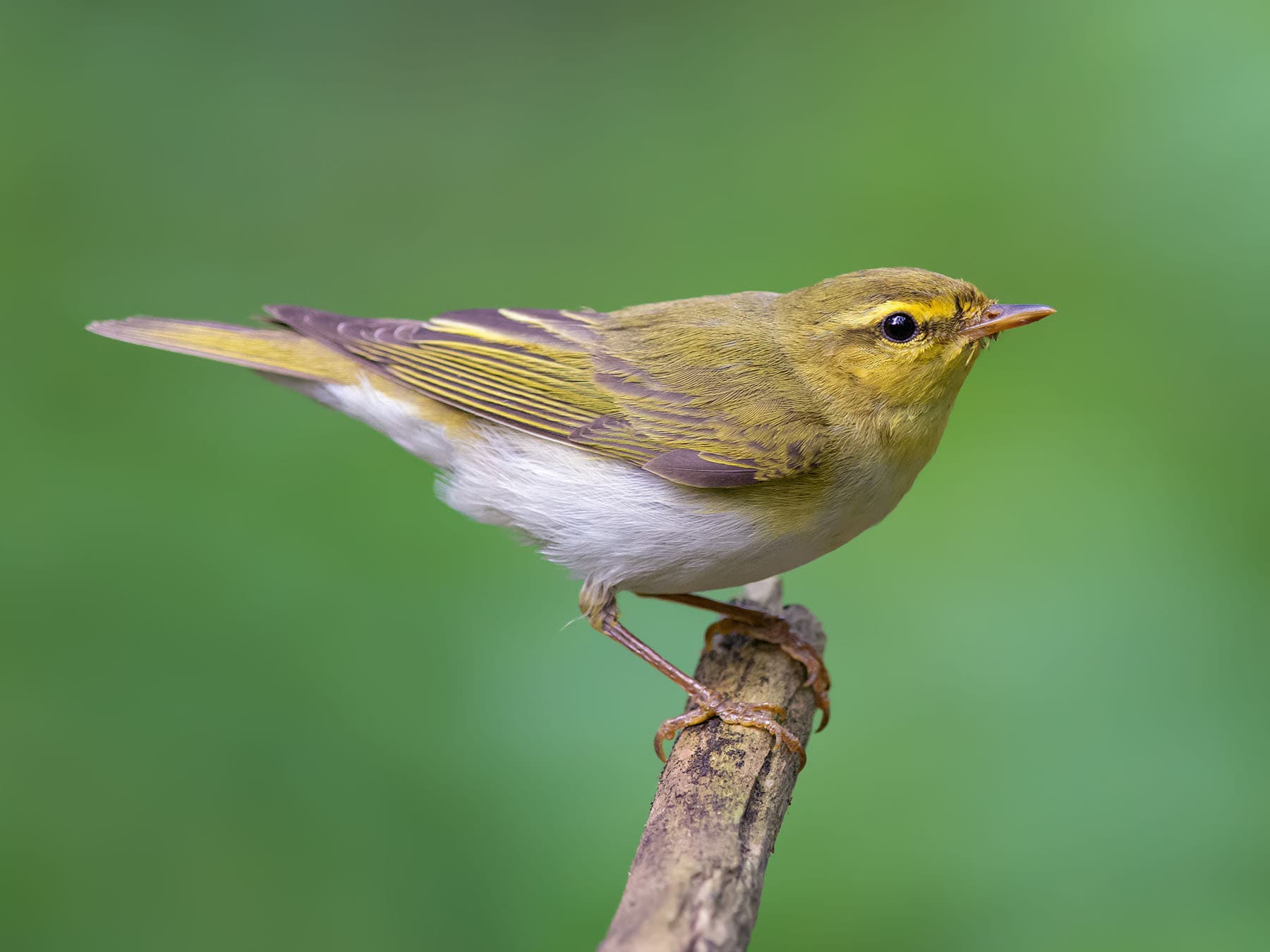
Wood Warbler
Phylloscopus sibilatrixLC
A rare and declining summer breeder found in mature oak woodland, mainly in western Somerset. Present only briefly from April to June.
Apr–Jun
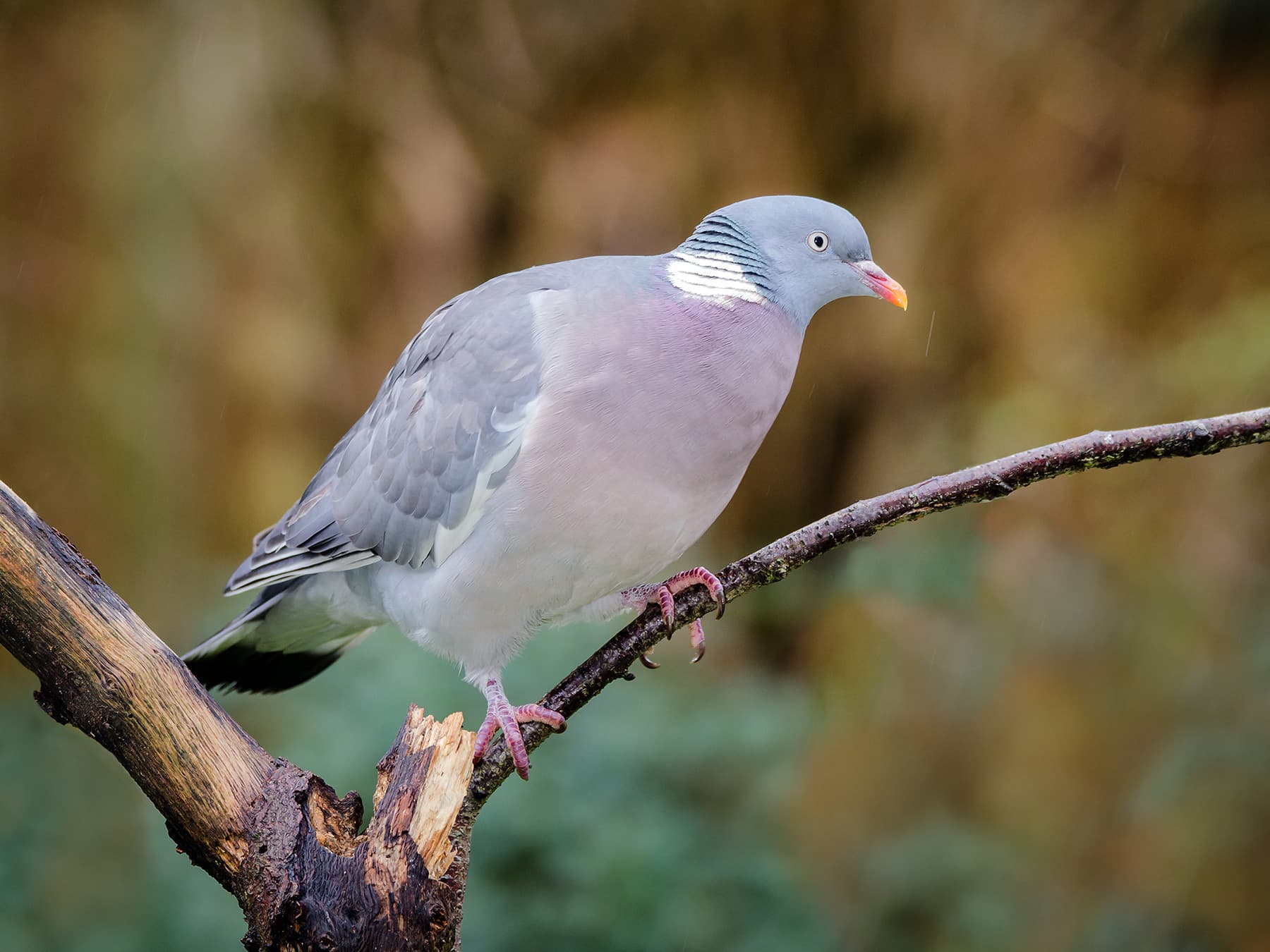
Woodpigeon
Columba palumbusLC
Abundant year-round across Somerset's farmland, woodland and gardens. Numbers swell in winter with continental arrivals joining resident birds.
Year-round
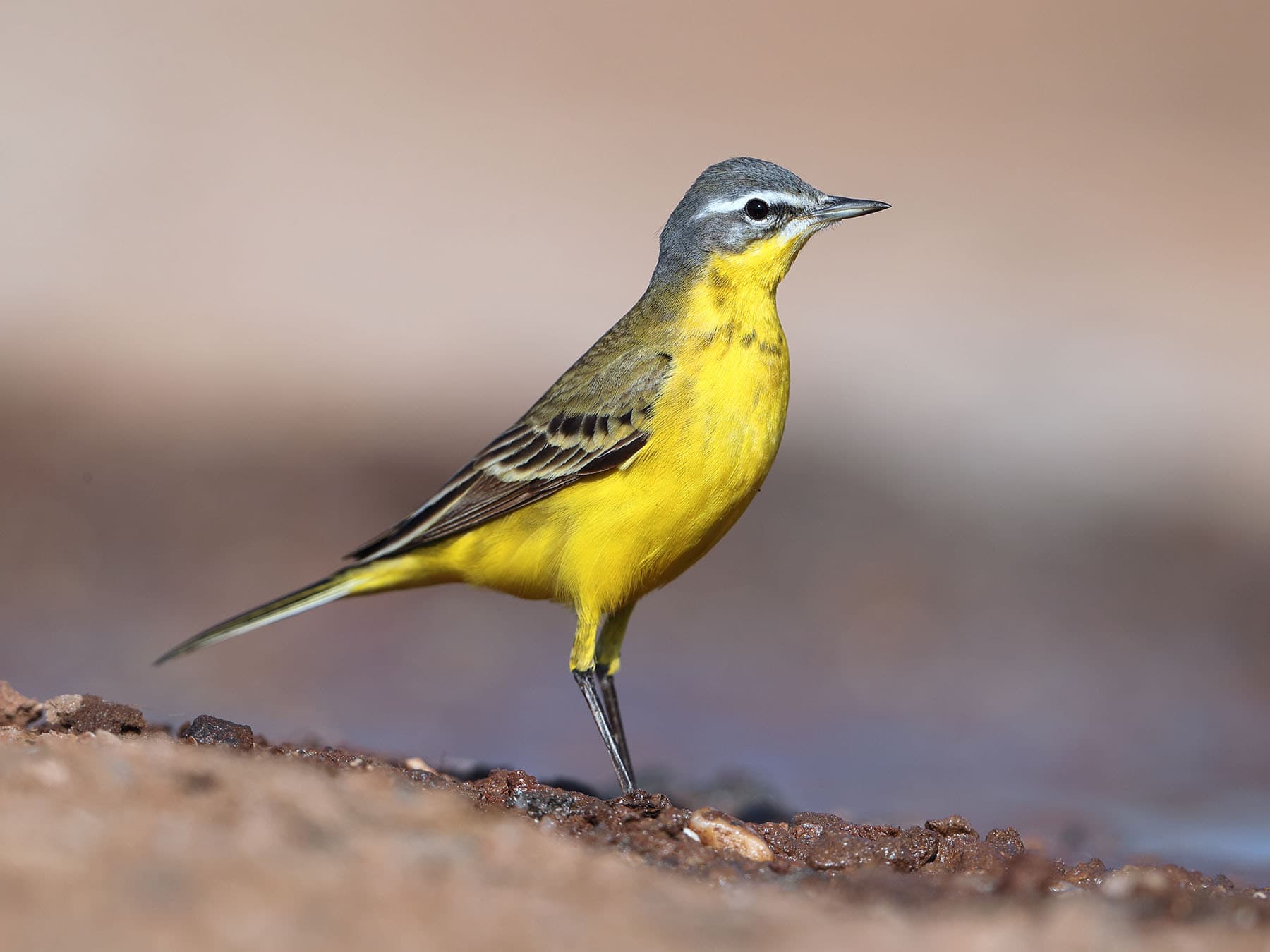
Yellow Wagtail
Motacilla flavaLC
An uncommon summer breeder on the Somerset Levels, favouring damp meadows and pastures from April to September. Numbers have declined significantly in recent decades.
Apr–Sep
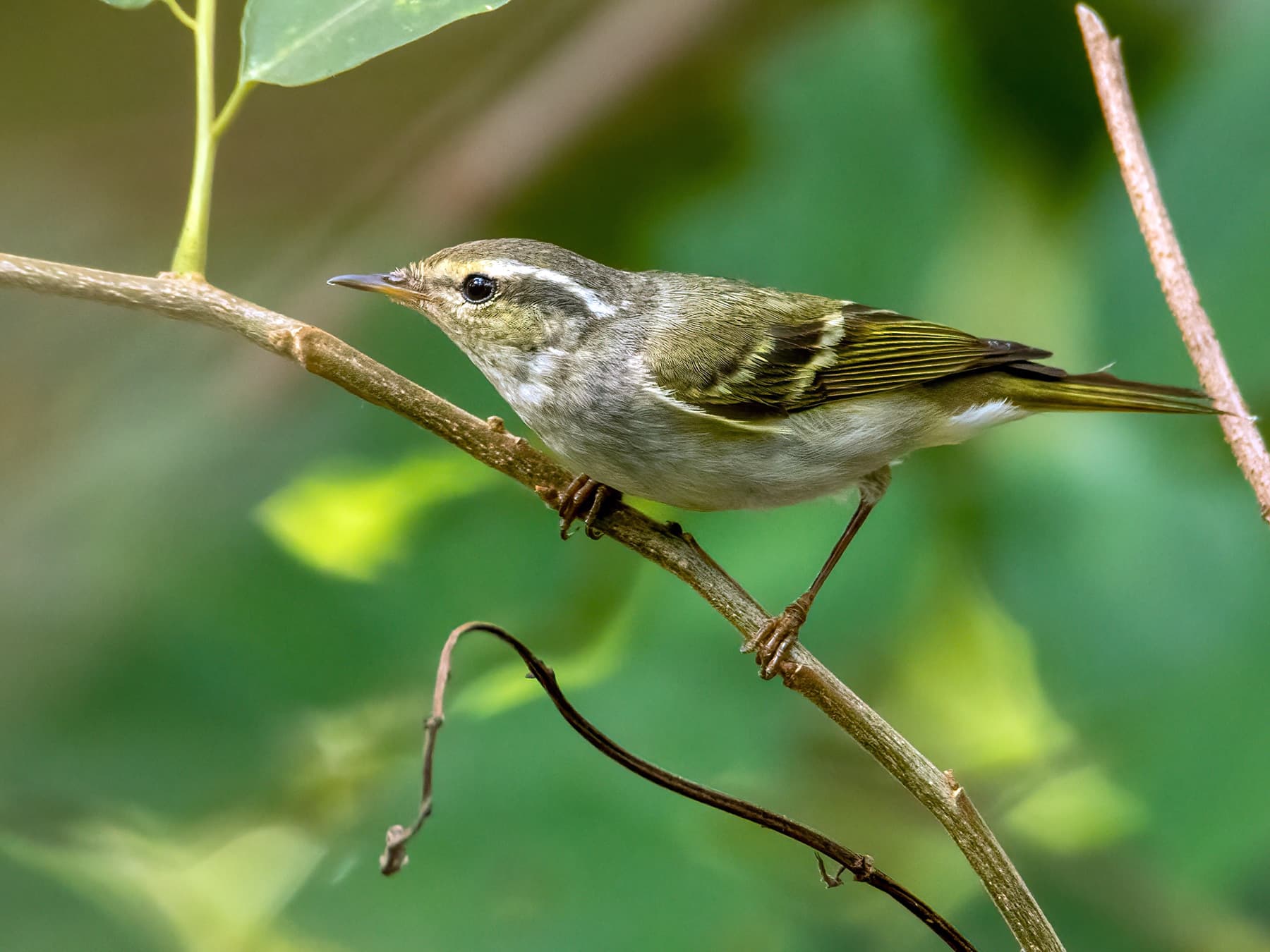
Yellow-browed Warbler
Phylloscopus inornatusLC
A rare autumn vagrant from Siberia, occasionally recorded in November in coastal scrub and woodland edges.
Nov
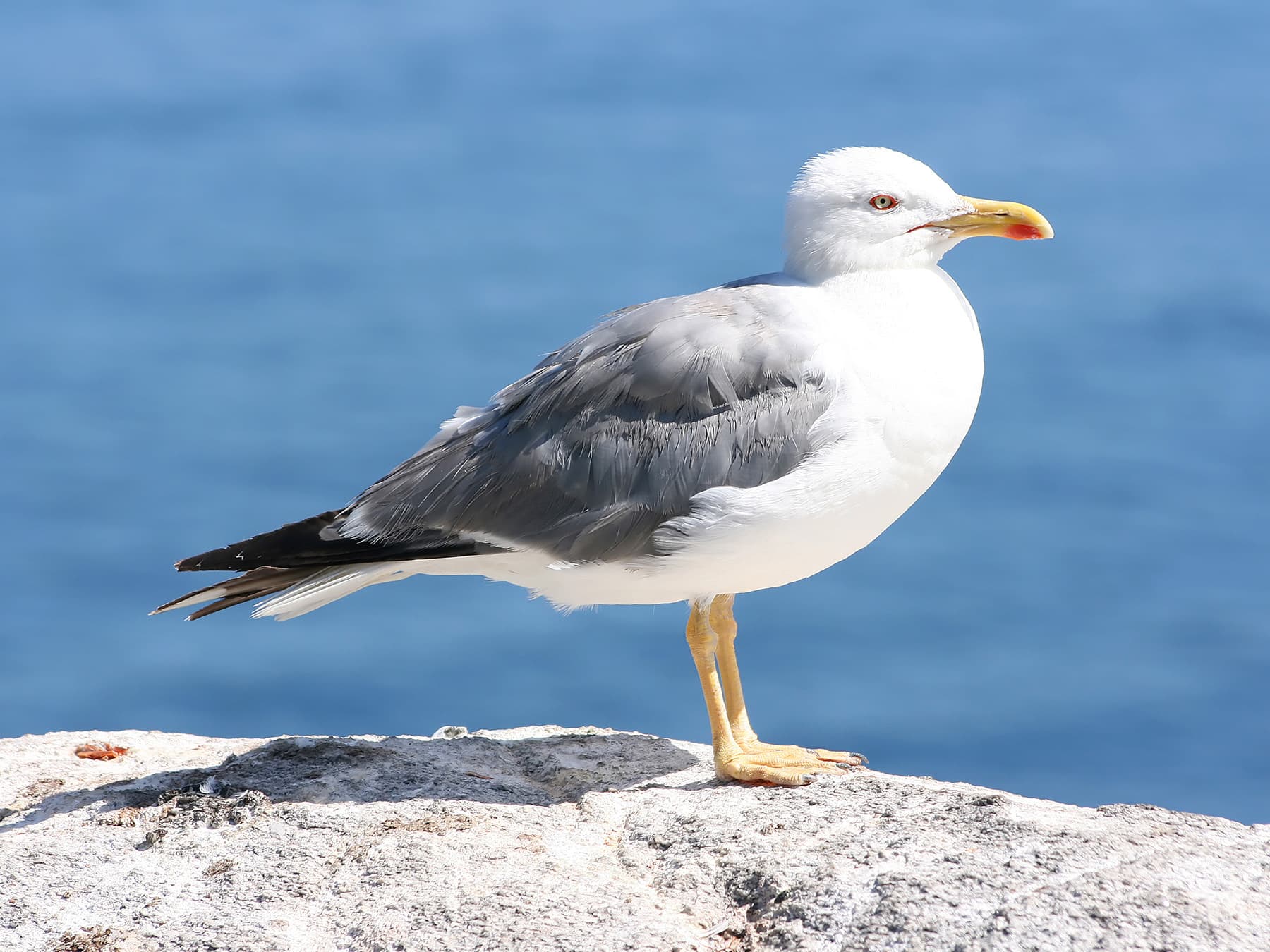
Yellow-legged Gull
Larus michahellisLC
A rare passage visitor from January to March, sometimes found among large gull flocks at reservoirs and on the coast.
Jul–Feb
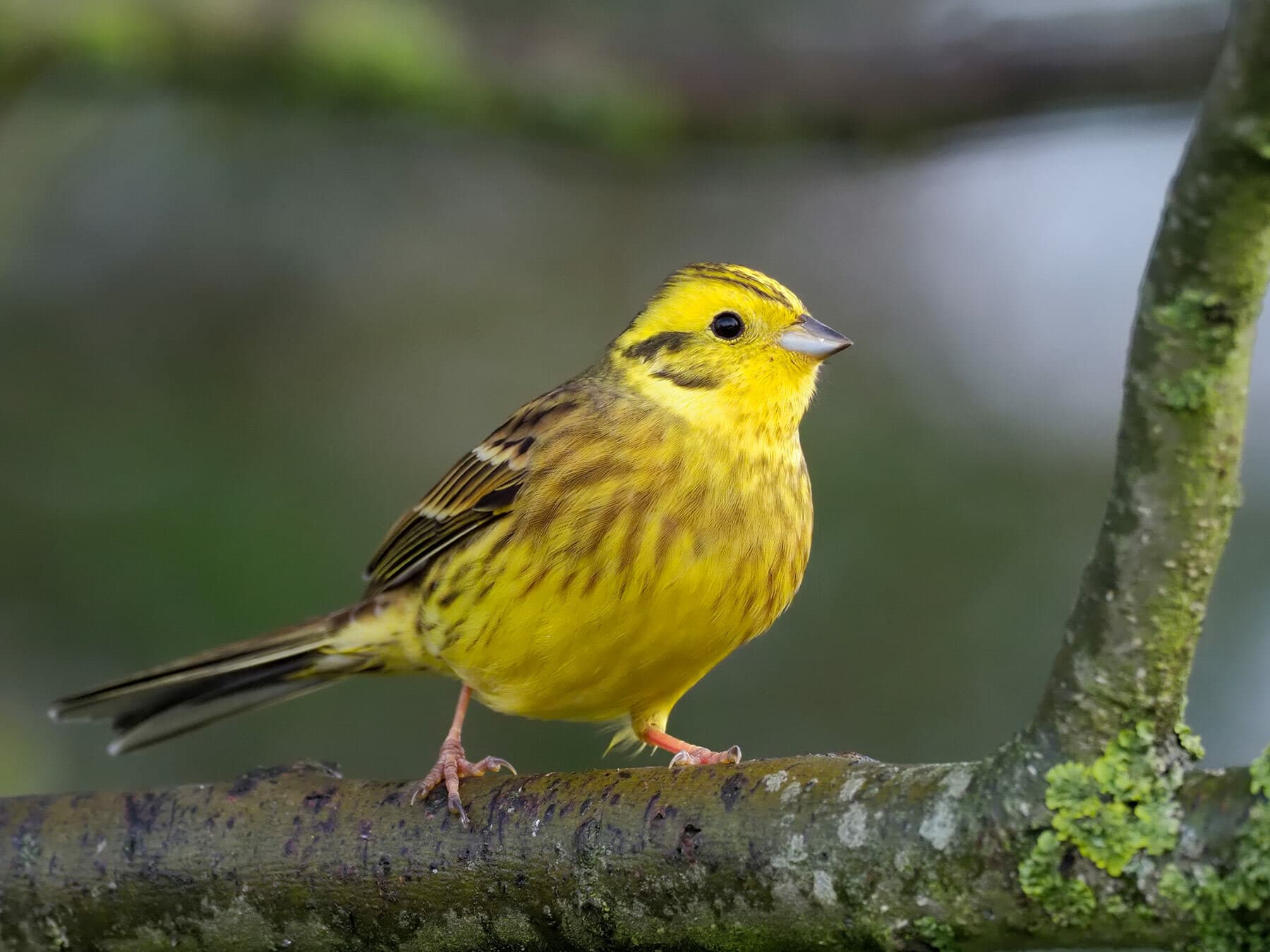
Yellowhammer
Emberiza citrinellaLC
Now rare in Somerset due to farmland habitat loss, favouring hedgerow-rich arable fields. Its bright song is an increasingly scarce summer sound.
Oct–Aug