


Old World Flycatchers in Norfolk
Our list for Norfolk has 11 old world flycatchers recorded regularly there: 2 residents, 1 summer visitor, 1 winter visitor, 6 passage migrants and 1 scarce visitor
Most likely in October
GBIF · OctShare of all bird records in Norfolk in October, 2019–2024. Each month links to that month’s page.
All 11, most common first
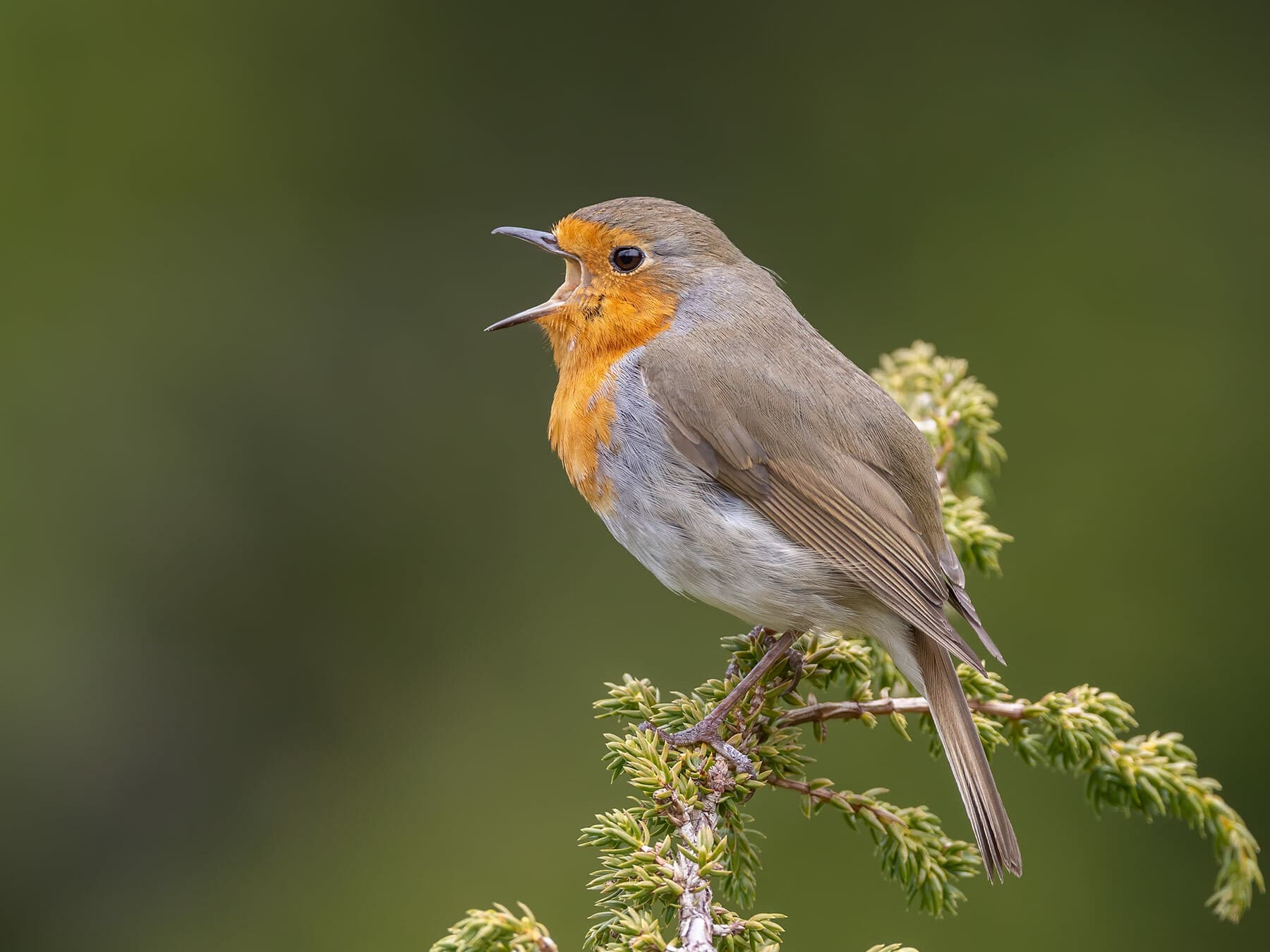 European RobinErithacus rubeculaResidentCommon13–14 cmRecorded all year
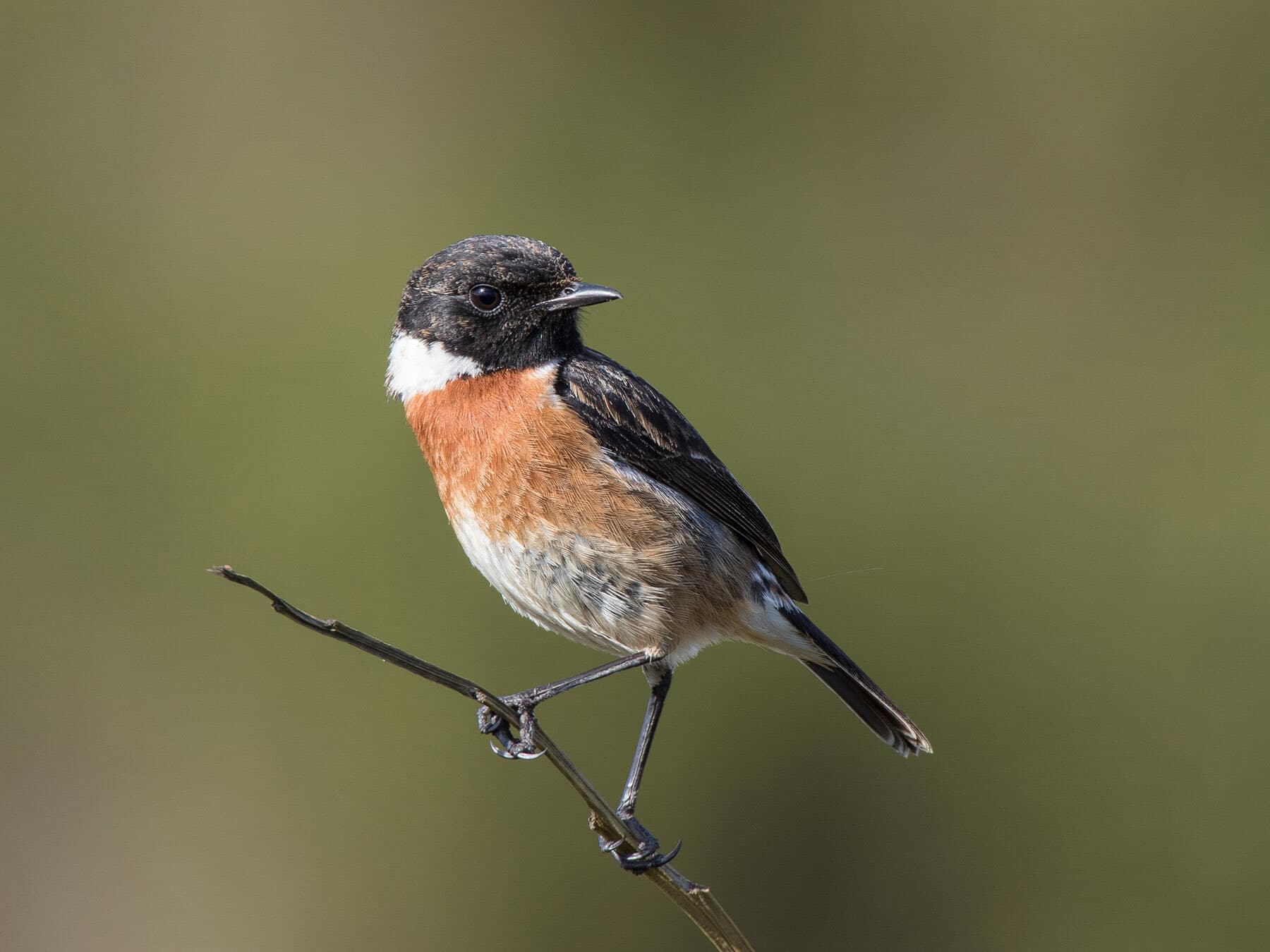 StonechatSaxicola rubicolaResidentCommon12–13 cmRecorded all year
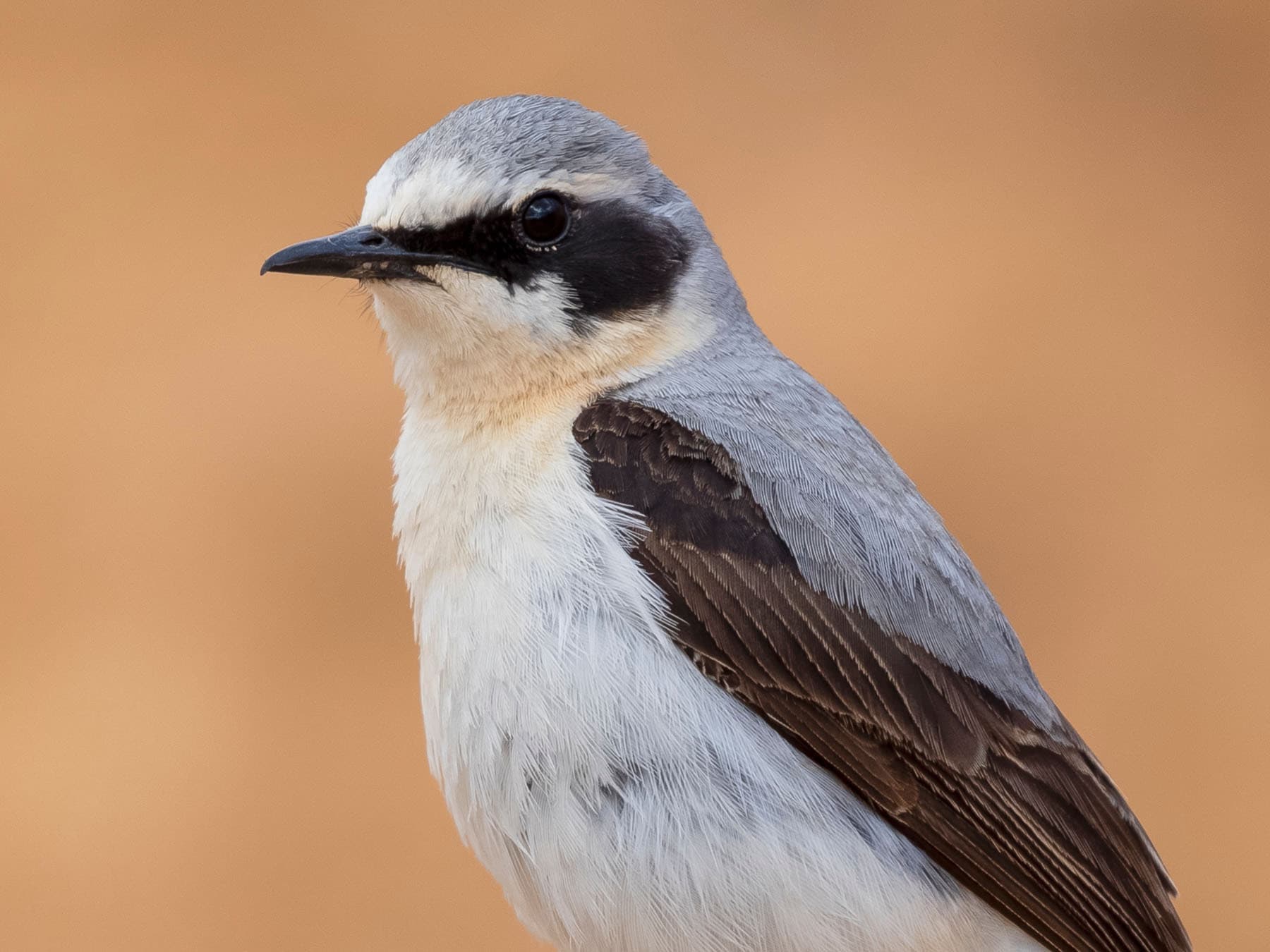 WheatearOenanthe oenanthePassage migrantUncommon15–16 cmRegularly Mar–Oct
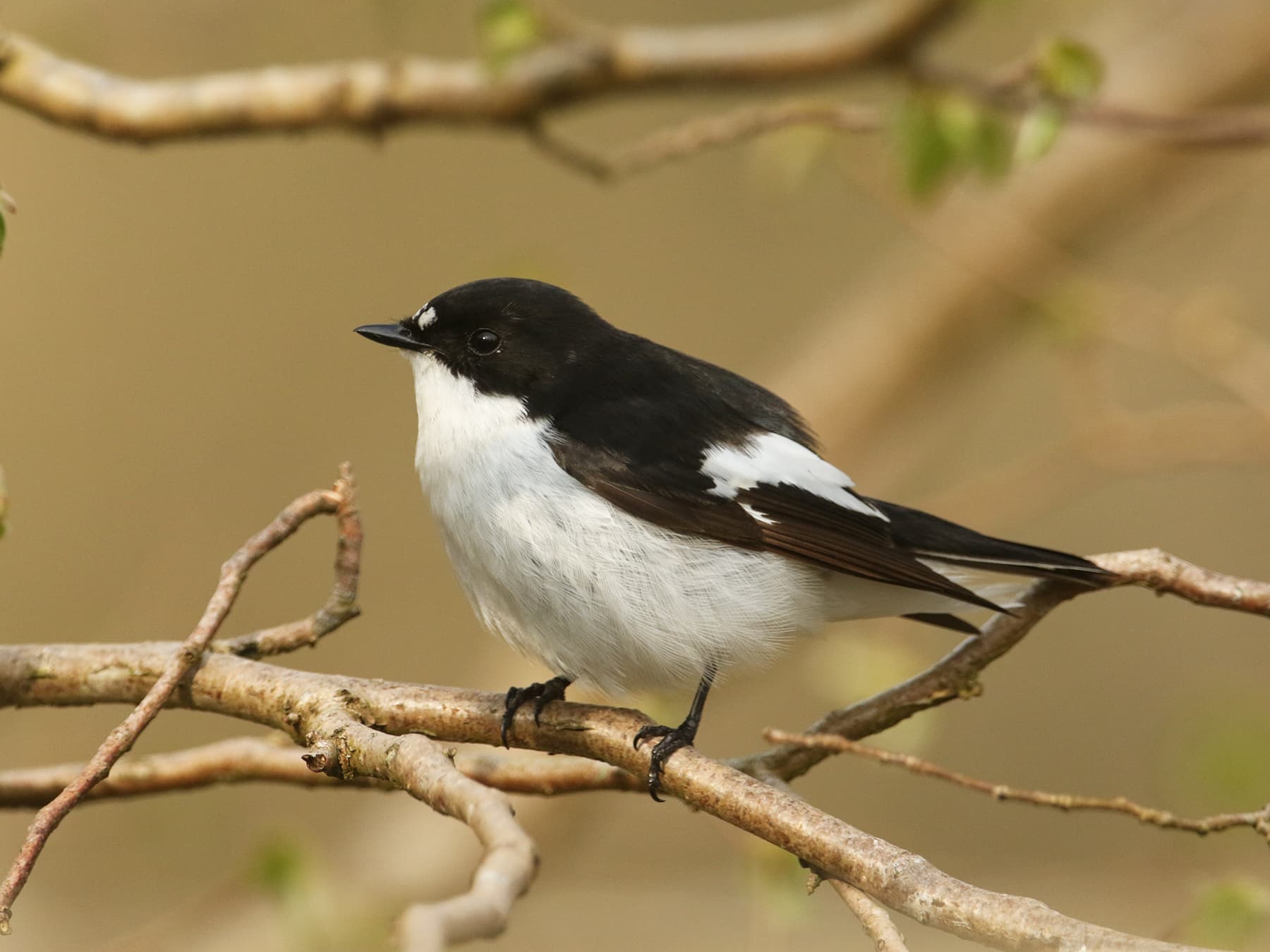 European Pied FlycatcherFicedula hypoleucaPassage migrantUncommon12–14 cmRegularly May–Oct
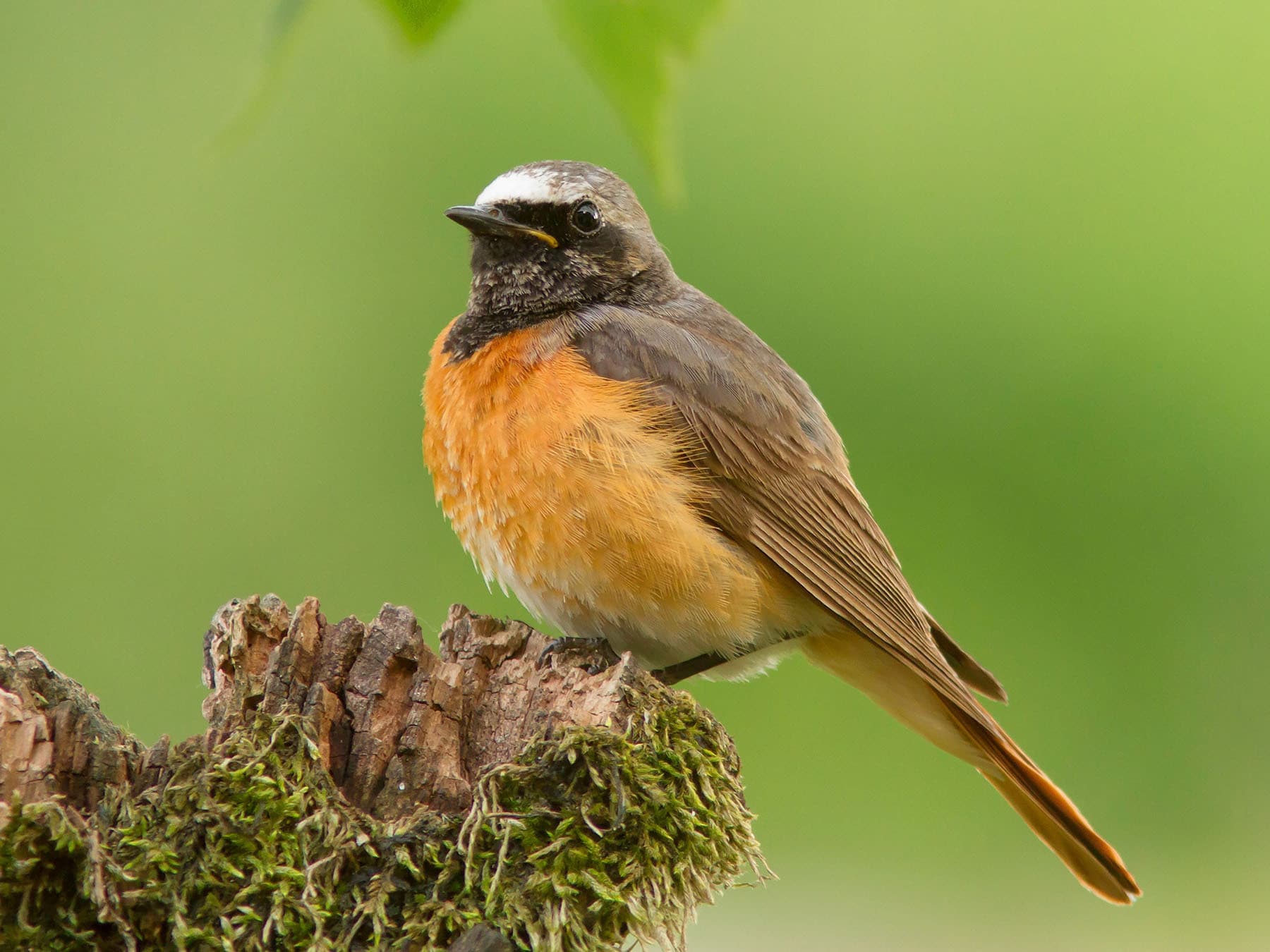 Common RedstartPhoenicurus phoenicurusPassage migrantUncommon13–15 cmRegularly Apr–Oct
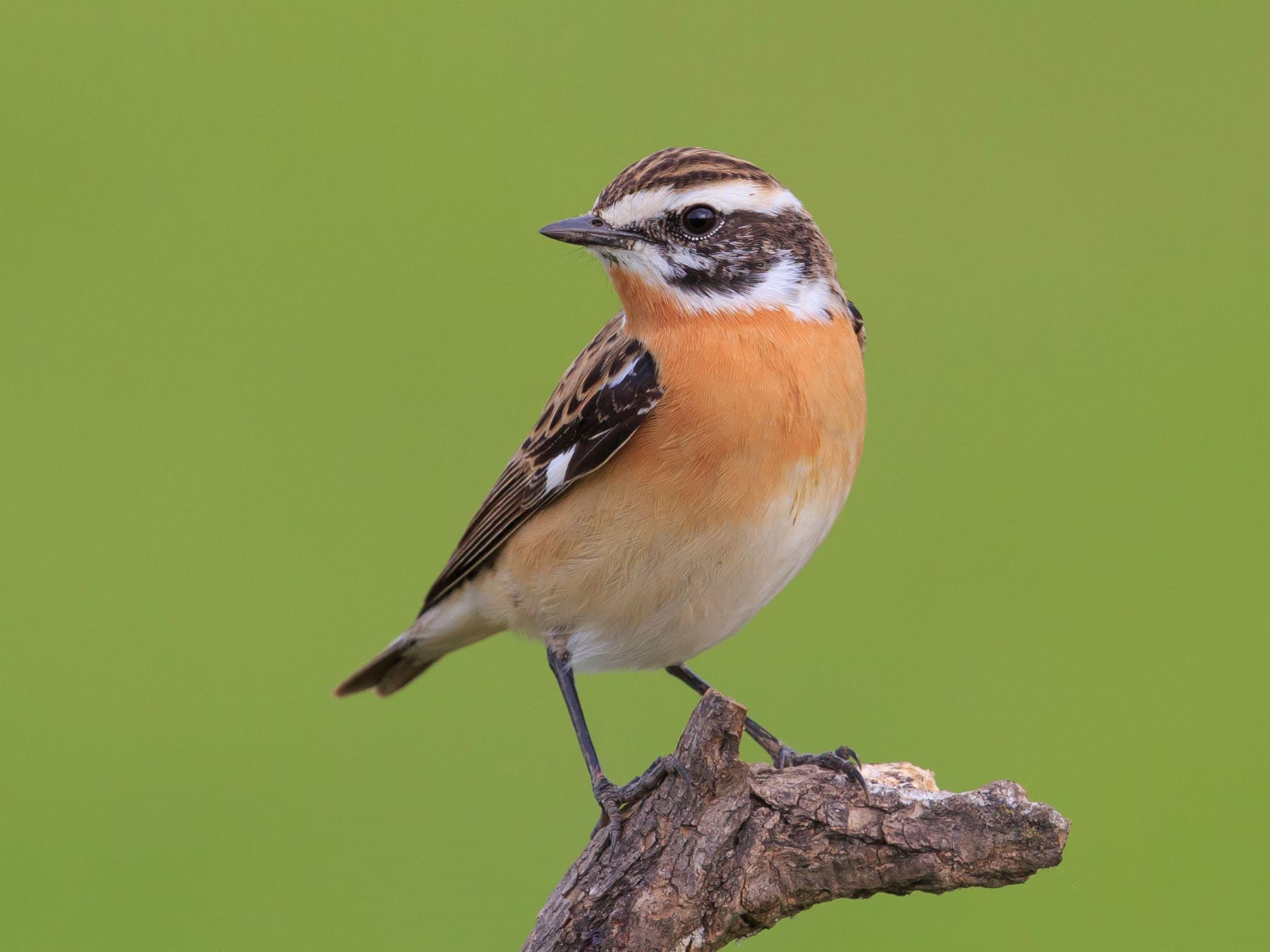 WhinchatSaxicola rubetraPassage migrantUncommon12–14 cmRegularly Apr–Oct
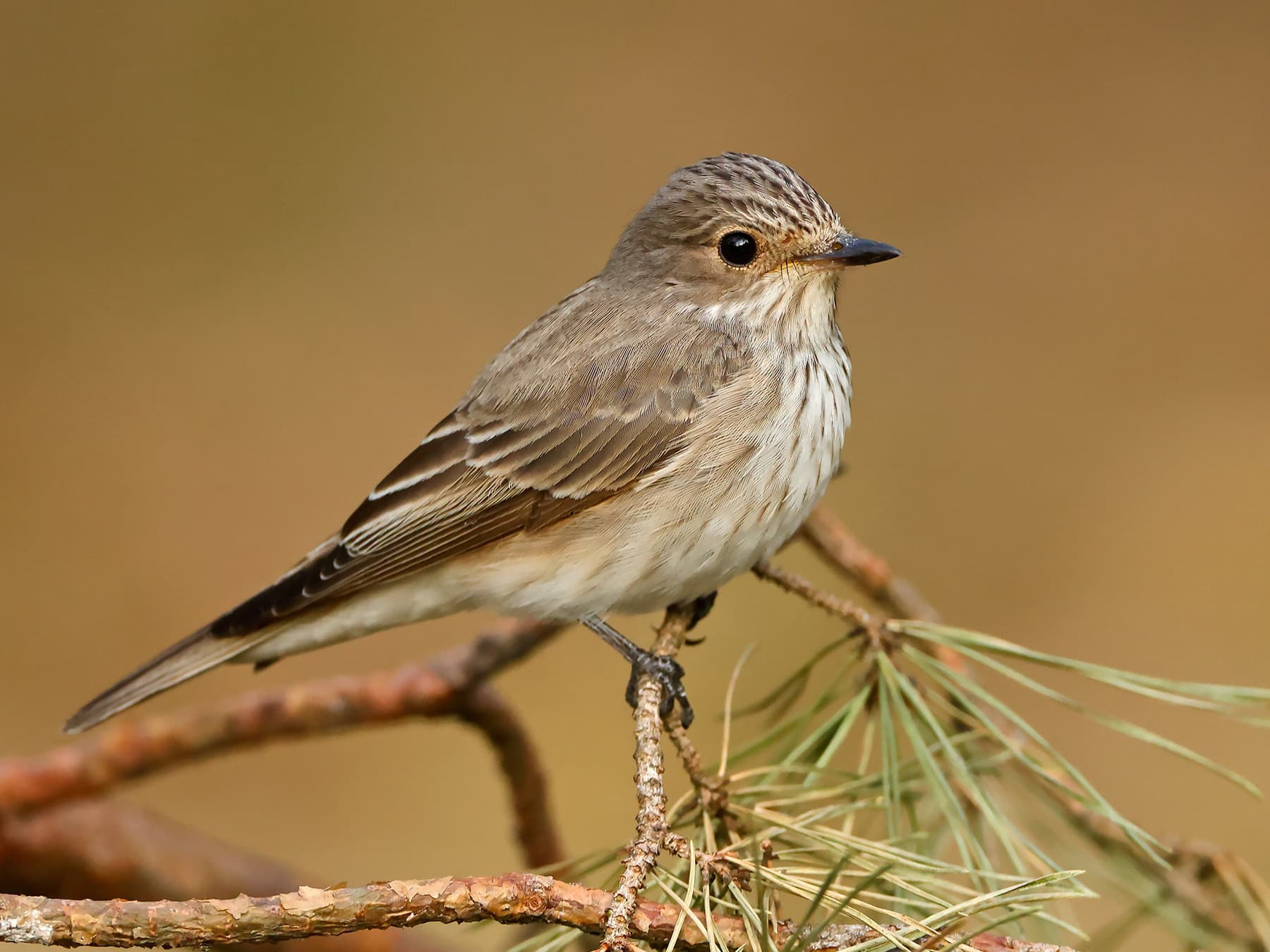 Spotted FlycatcherMuscicapa striataSummer visitorUncommon14–16 cmRegularly May–Oct
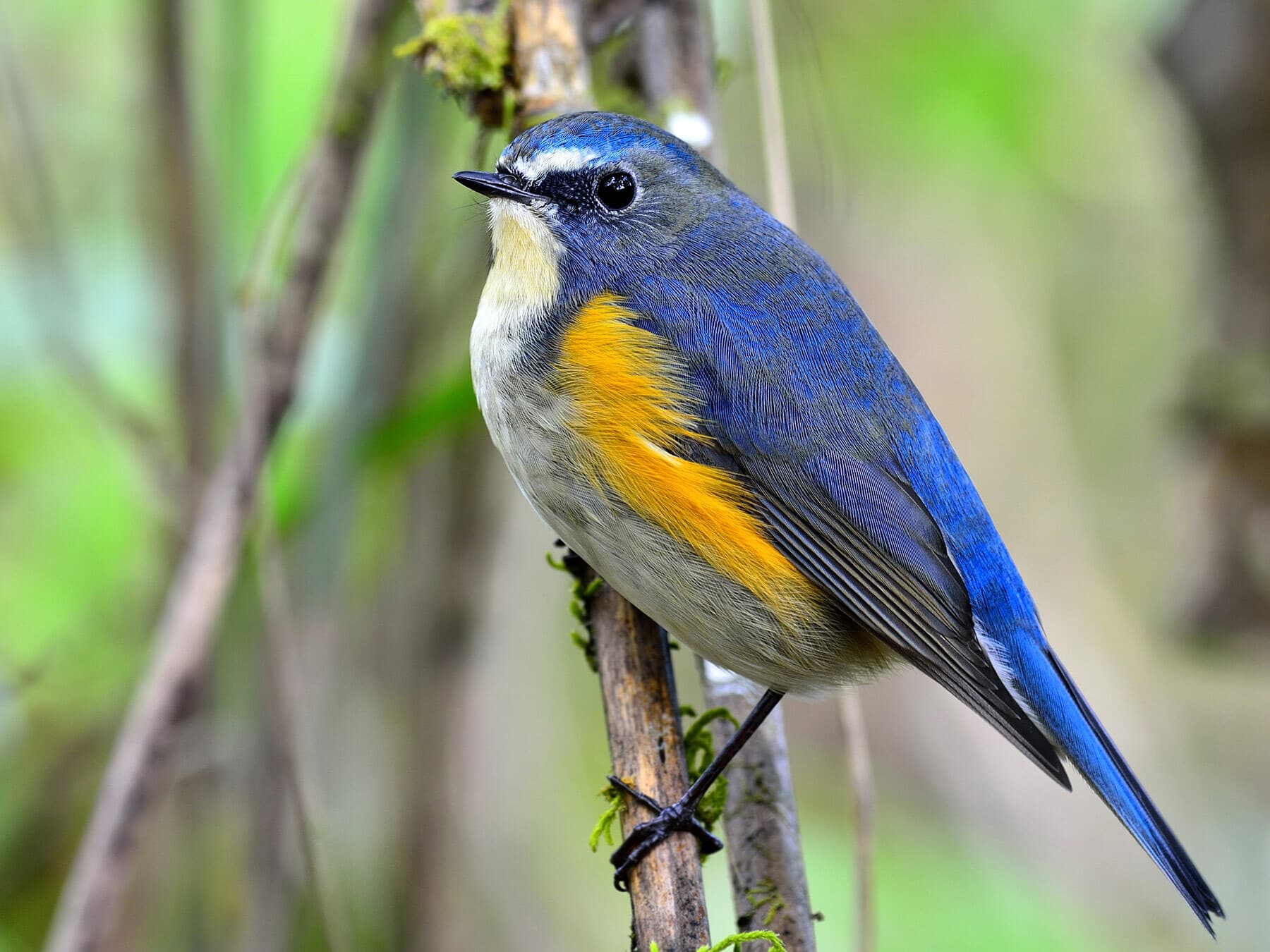 Red-flanked BluetailTarsiger cyanurusScarceUncommon13–14 cm
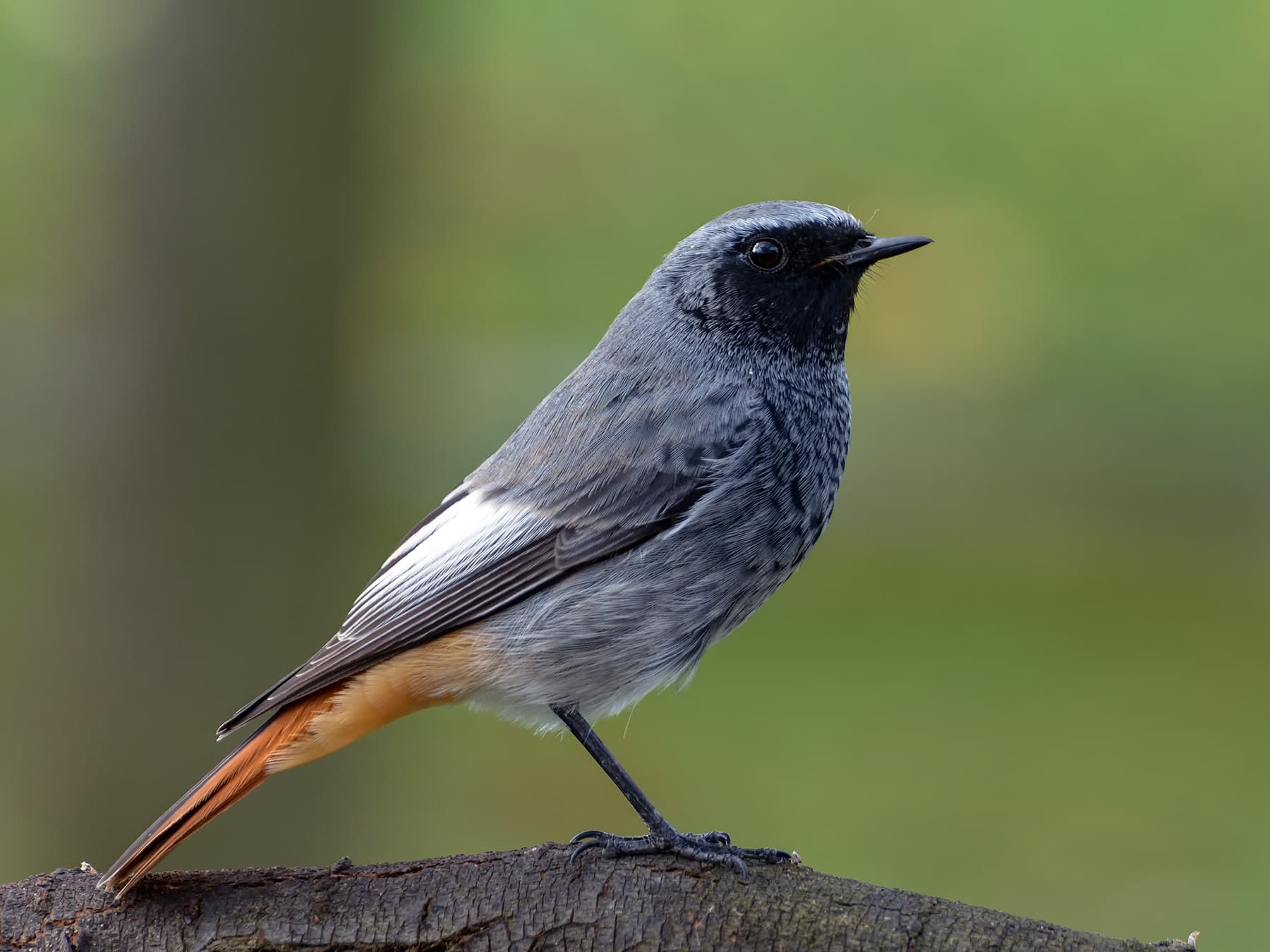 Black RedstartPhoenicurus ochrurosWinter visitorRare13–15 cmRegularly Sep–Jul
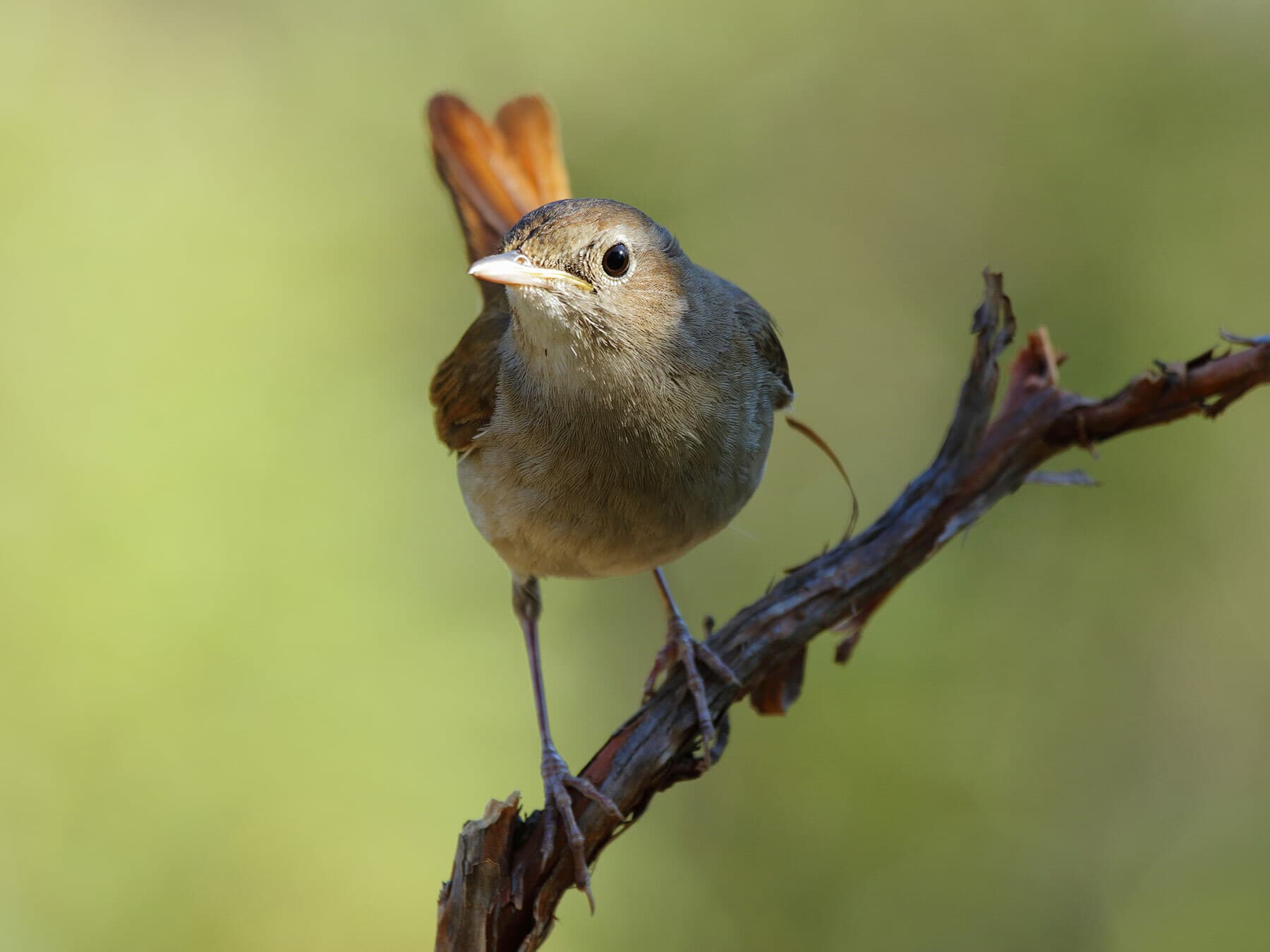 NightingaleLuscinia megarhynchosPassage migrantRare15–17 cmRegularly Apr–Jun
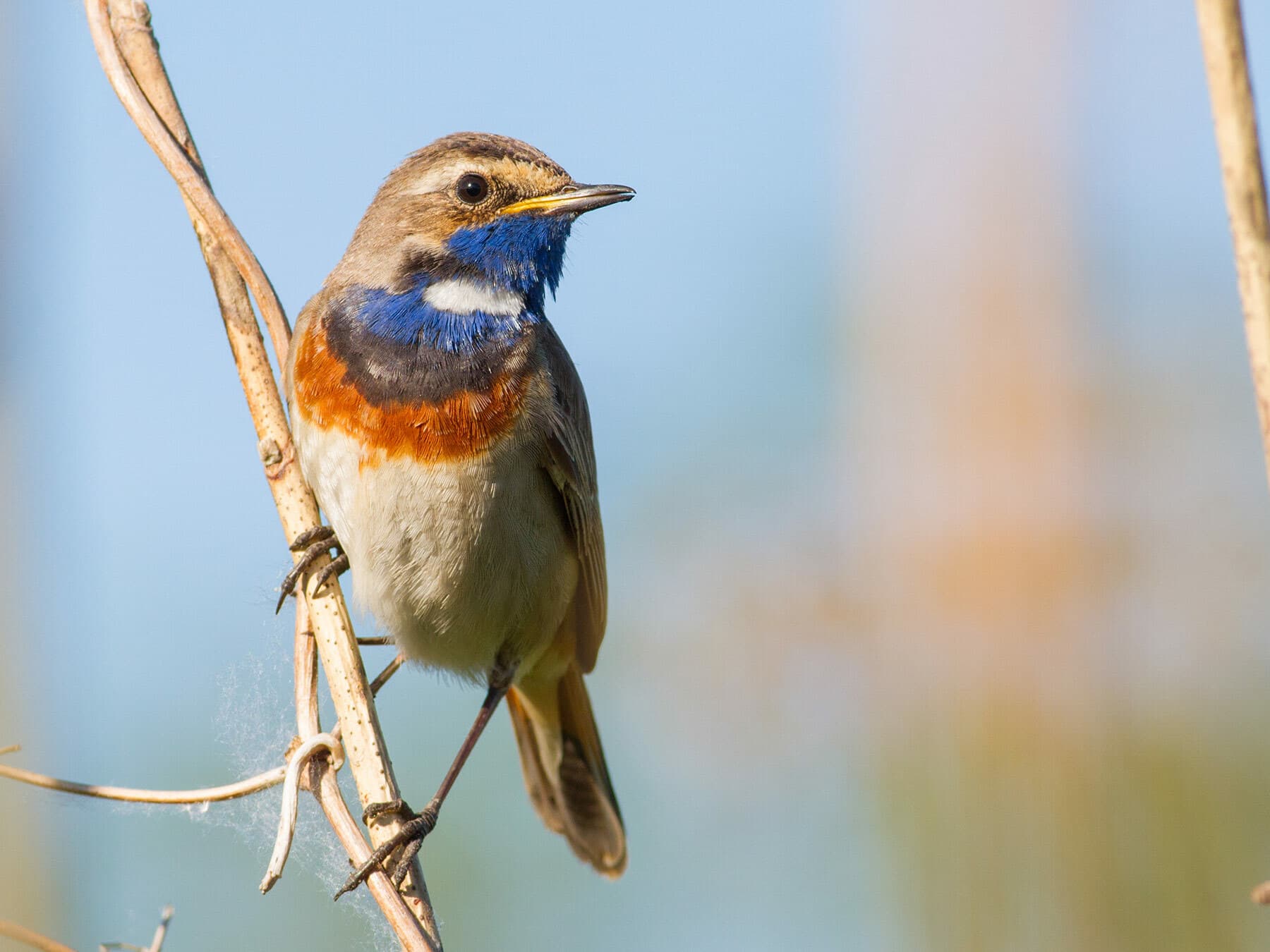 BluethroatLuscinia svecicaPassage migrantRare13–14 cmRegularly May
Smallest to largest
Length, cmData: EOD – eBird Observation Dataset (Cornell Lab of Ornithology), accessed via GBIF.org, CC BY 4.0. Records from 2019–2024, aggregated and filtered by Birdfact. How these lists are made