Gulls & Terns in Devon
11 species matching this filter.
Devon's extensive coastline, estuaries, and sheltered bays make it an outstanding county for observing gulls and terns throughout the year. With 11 recorded species in this group, birders can enjoy everything from the ubiquitous European Herring Gull nesting on coastal cliffs and rooftops to scarcer visitors such as the elegant Roseate Tern and the diminutive Little Gull. Key hotspots include the Exe Estuary, Start Point, and Lundy Island, each offering excellent opportunities to watch these charismatic seabirds.


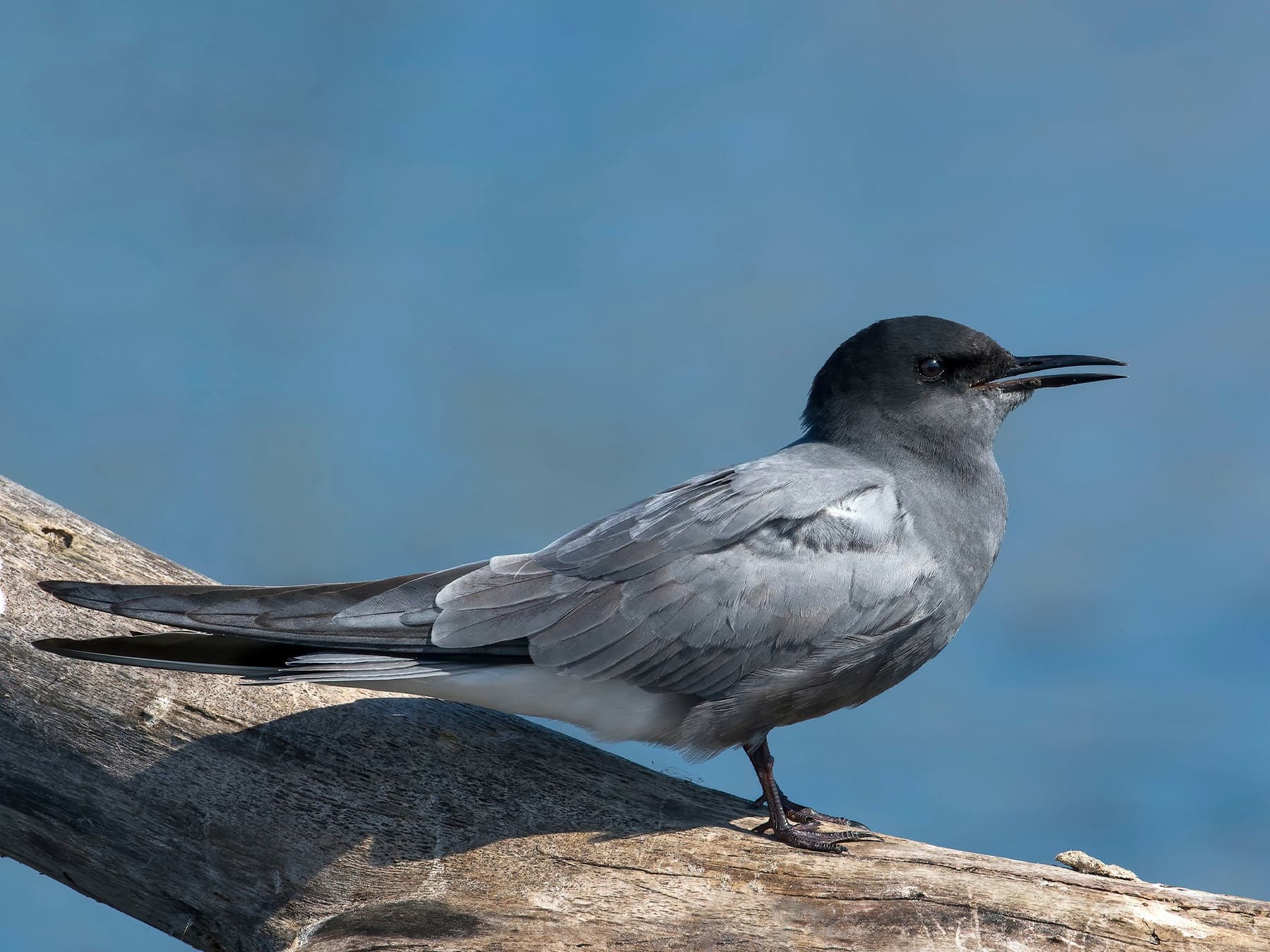
Black Tern
Chlidonias nigerLC
A rare autumn passage migrant, occasionally seen in September over Devon's estuaries and reservoirs, hawking insects over the water.
Sep
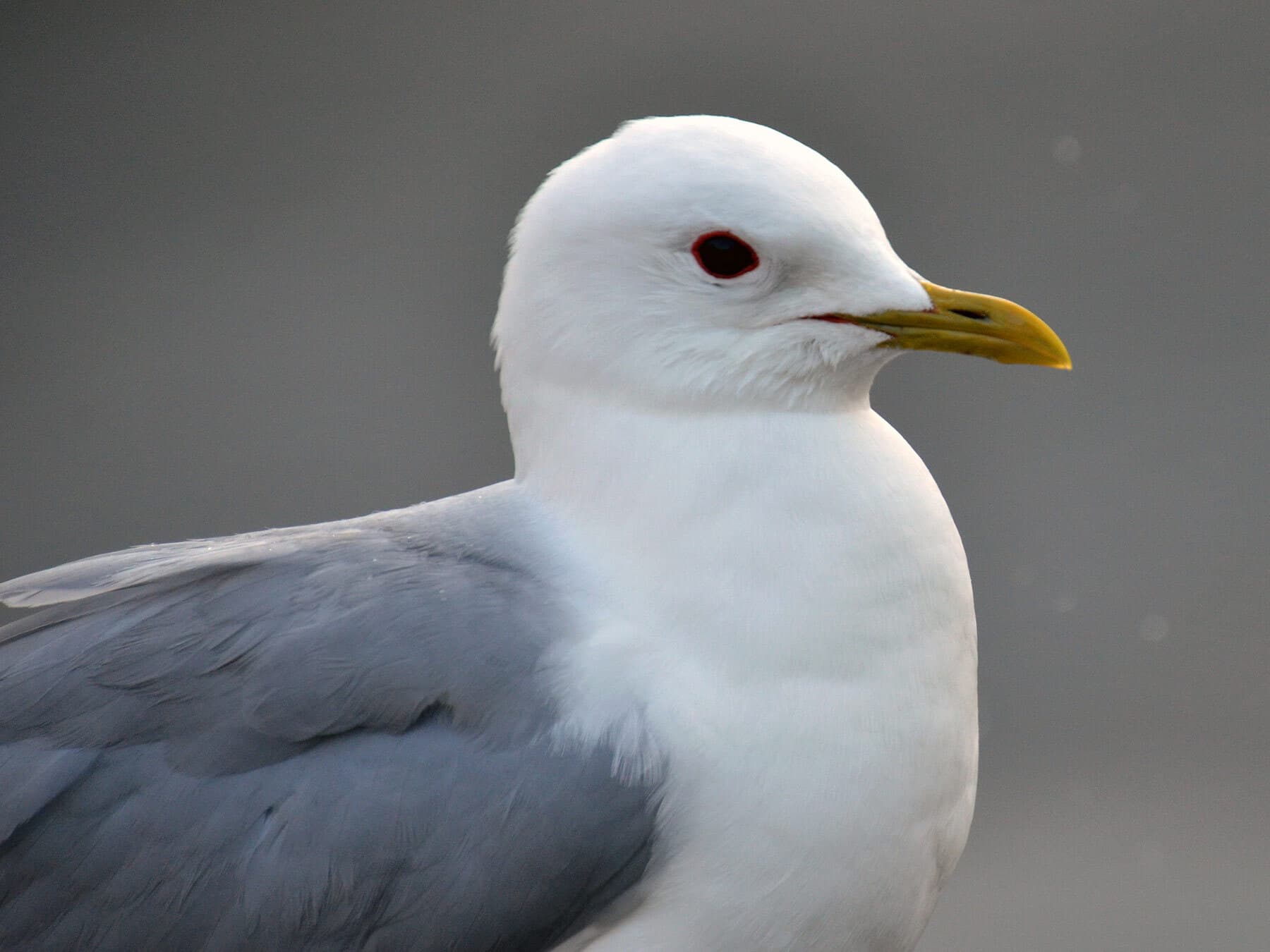
Common Gull
Larus canusLC
Present year-round but most numerous in winter on estuaries, playing fields, and farmland. Less abundant than Herring or Black-headed Gulls.
Year-round
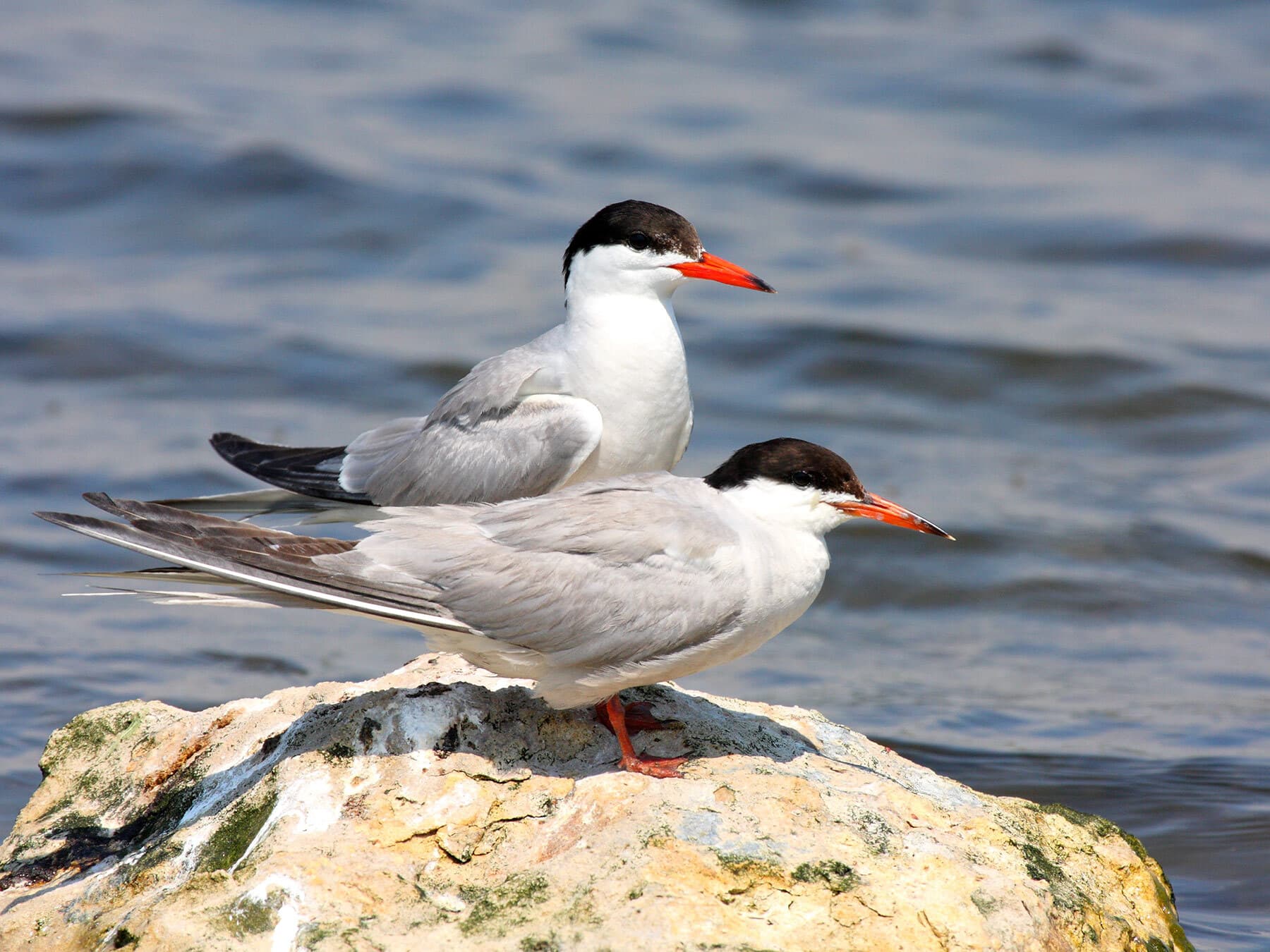
Common Tern
Sterna hirundoLC
A rare breeder in Devon, arriving from April and lingering into October. Favours estuaries and coastal waters for nesting and fishing.
Apr–Oct
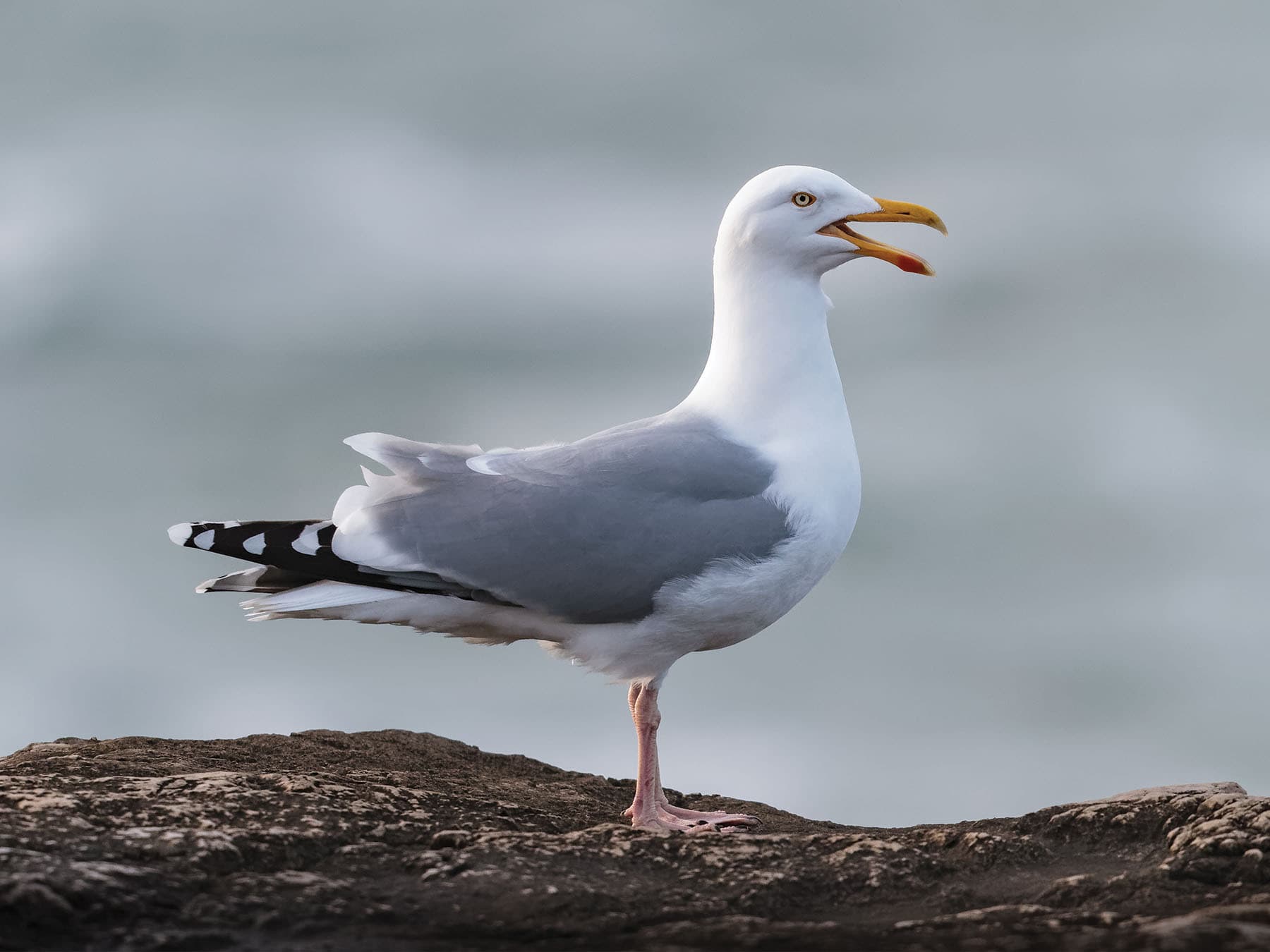
European Herring Gull
Larus argentatusLC
An abundant and familiar resident of Devon's towns, harbours, and coastline. Nests on rooftops and cliffs throughout the county.
Year-round
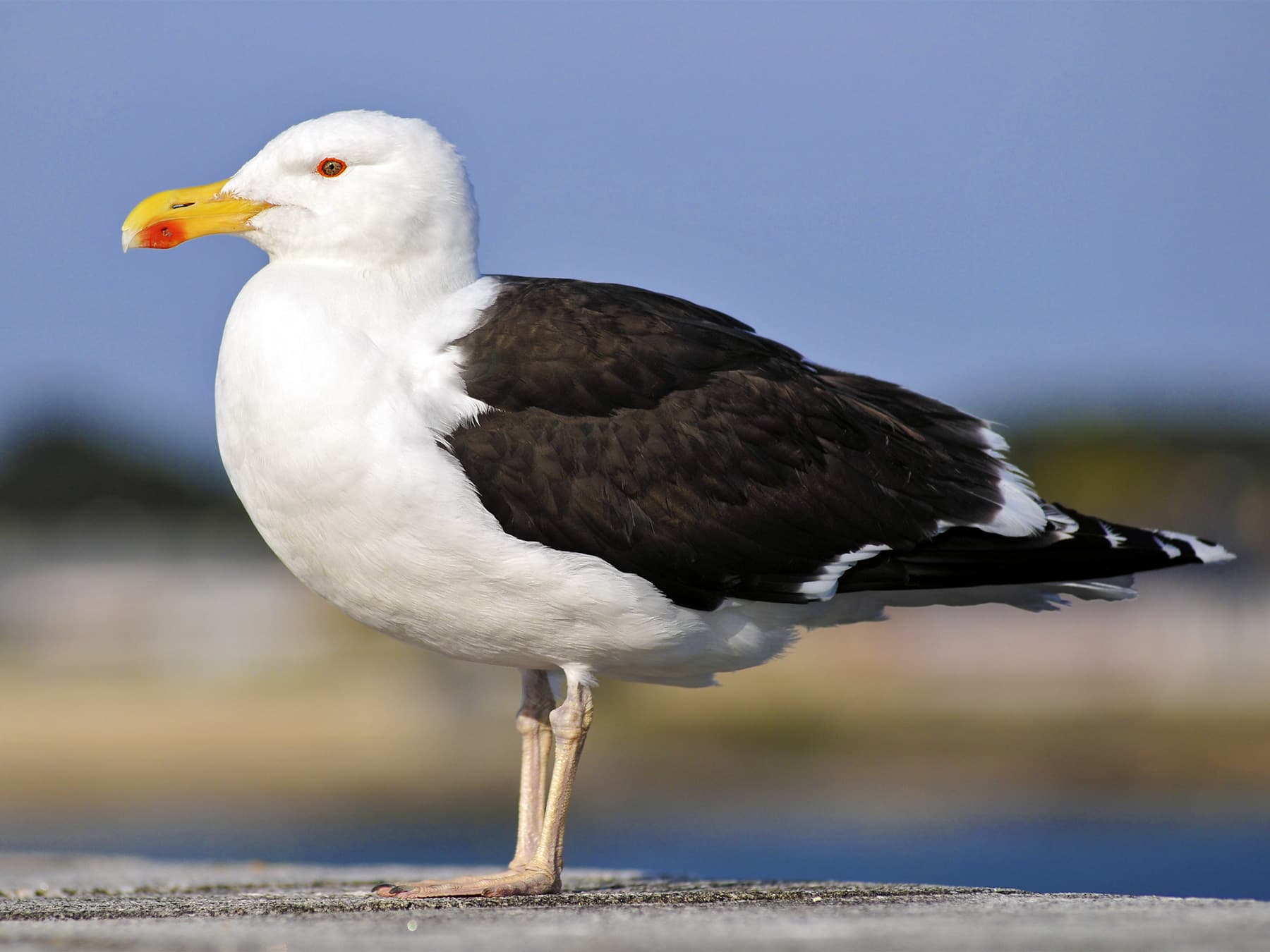
Great Black-backed Gull
Larus marinusLC
A common and imposing resident found along Devon's coast and estuaries year-round. The largest gull regularly seen in the county.
Year-round
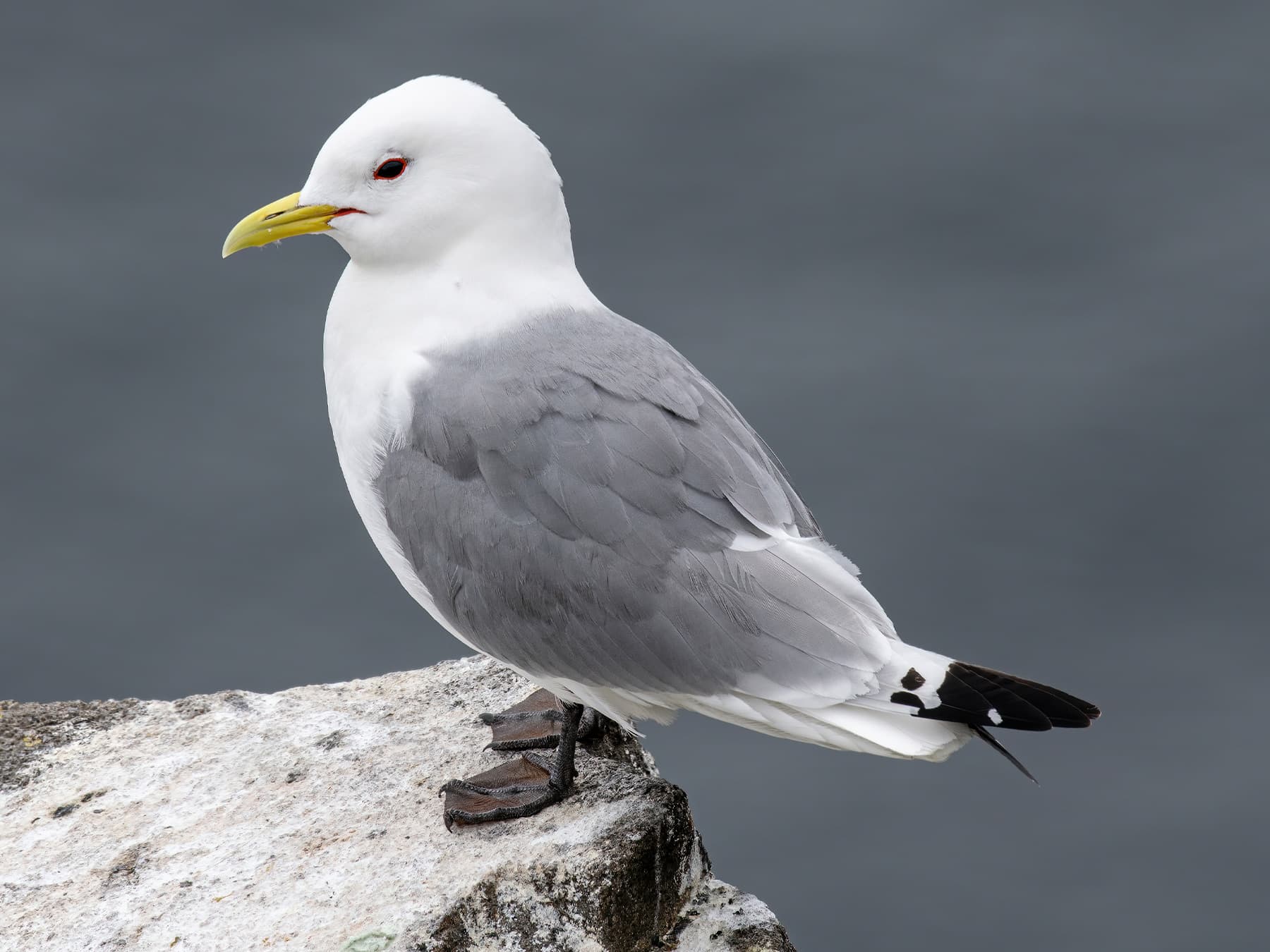
Kittiwake
Rissa tridactylaVU
Breeds on Devon's sea cliffs, notably at Lundy and Berry Head. Numbers are declining nationally, making local colonies increasingly important.
Year-round
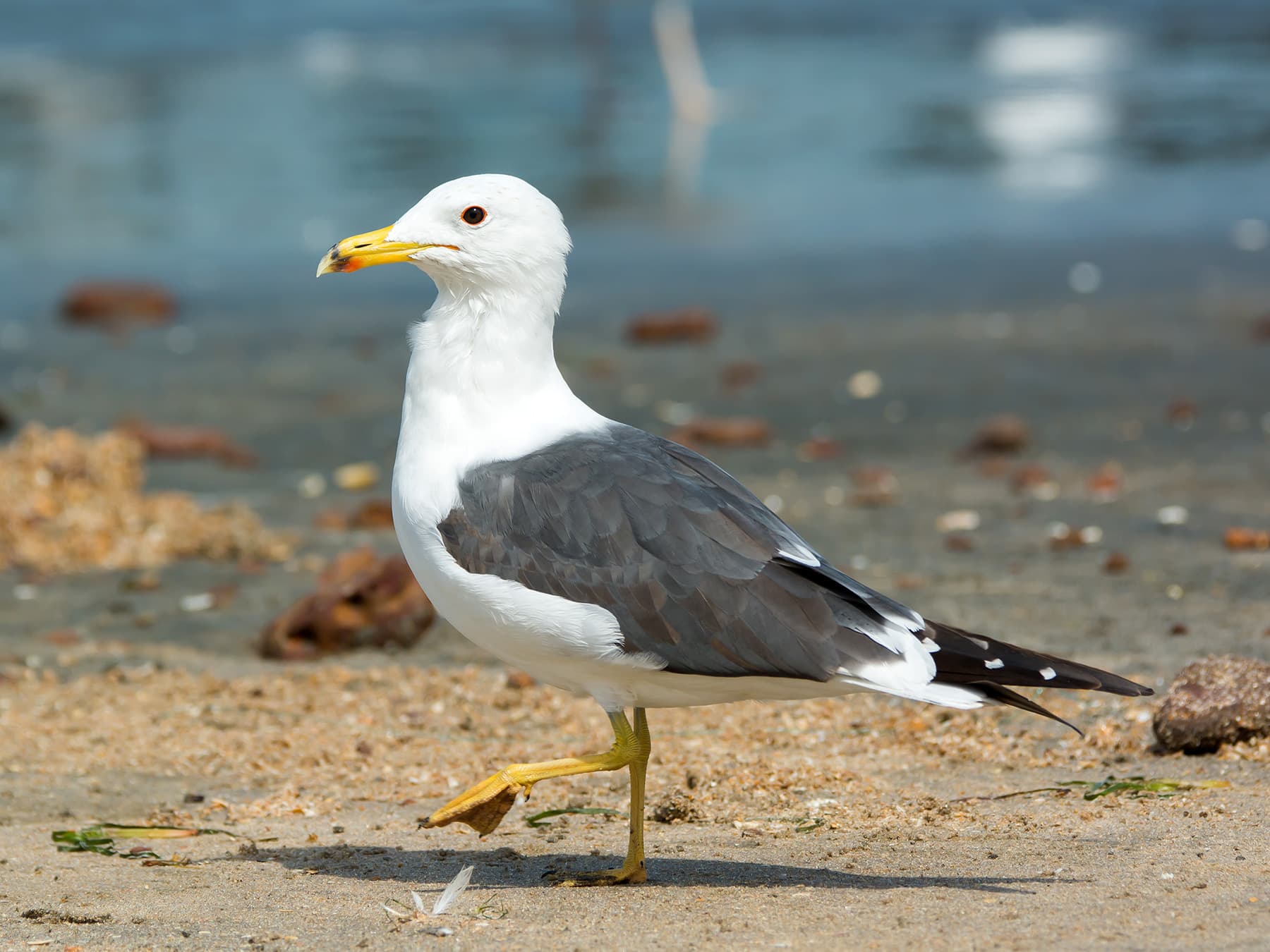
Lesser Black-backed Gull
Larus fuscusLC
Present year-round but most numerous from spring to autumn. Frequents estuaries, landfill sites, and coastal fields across Devon.
Year-round
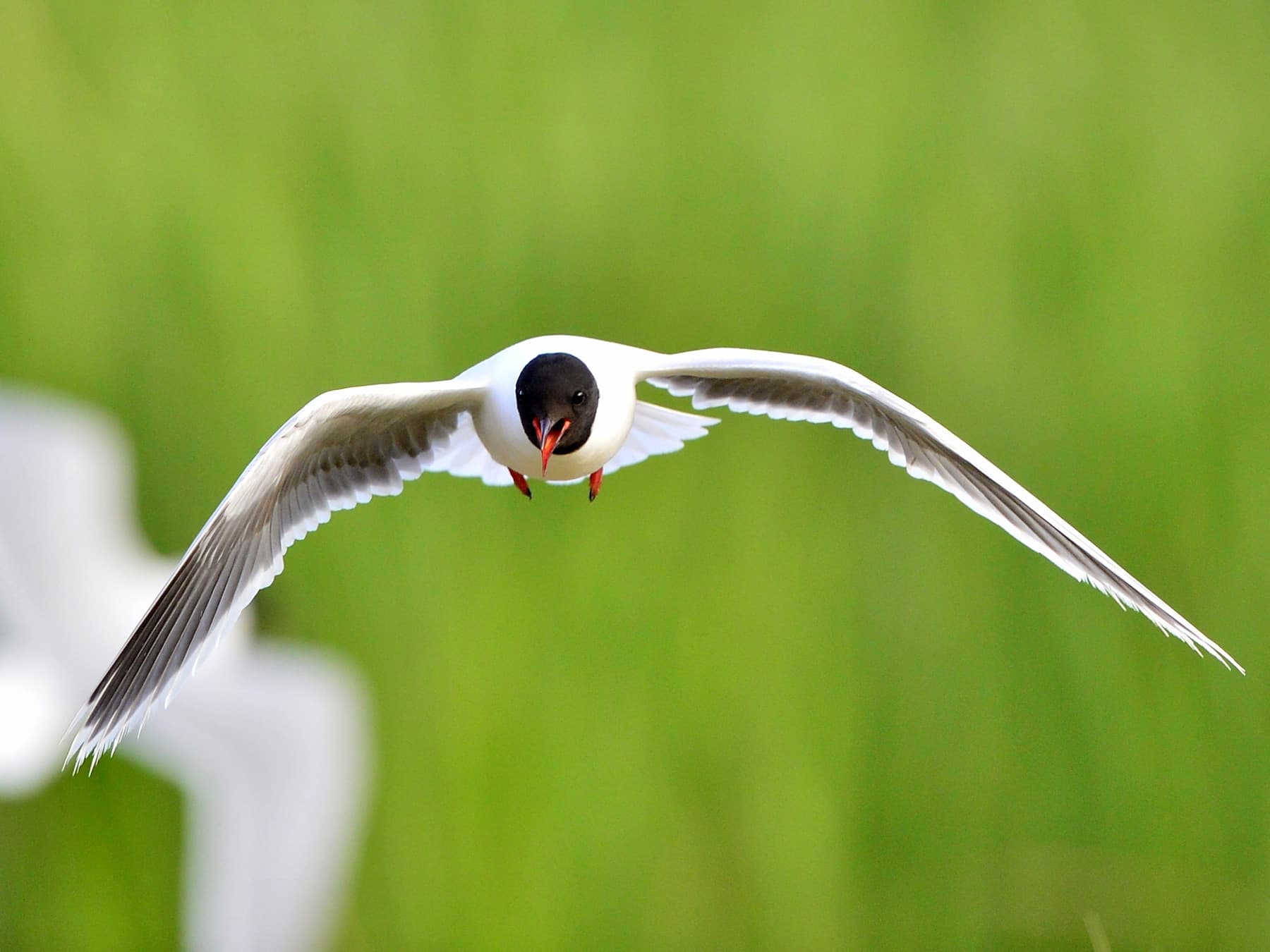
Little Gull
Hydrocoloeus minutusLC
A scarce winter visitor, occasionally spotted in January off Devon's coast or at estuaries. Much smaller and daintier than other gulls.
Jan
Spotted something?
Upload a photo to identify it
Identify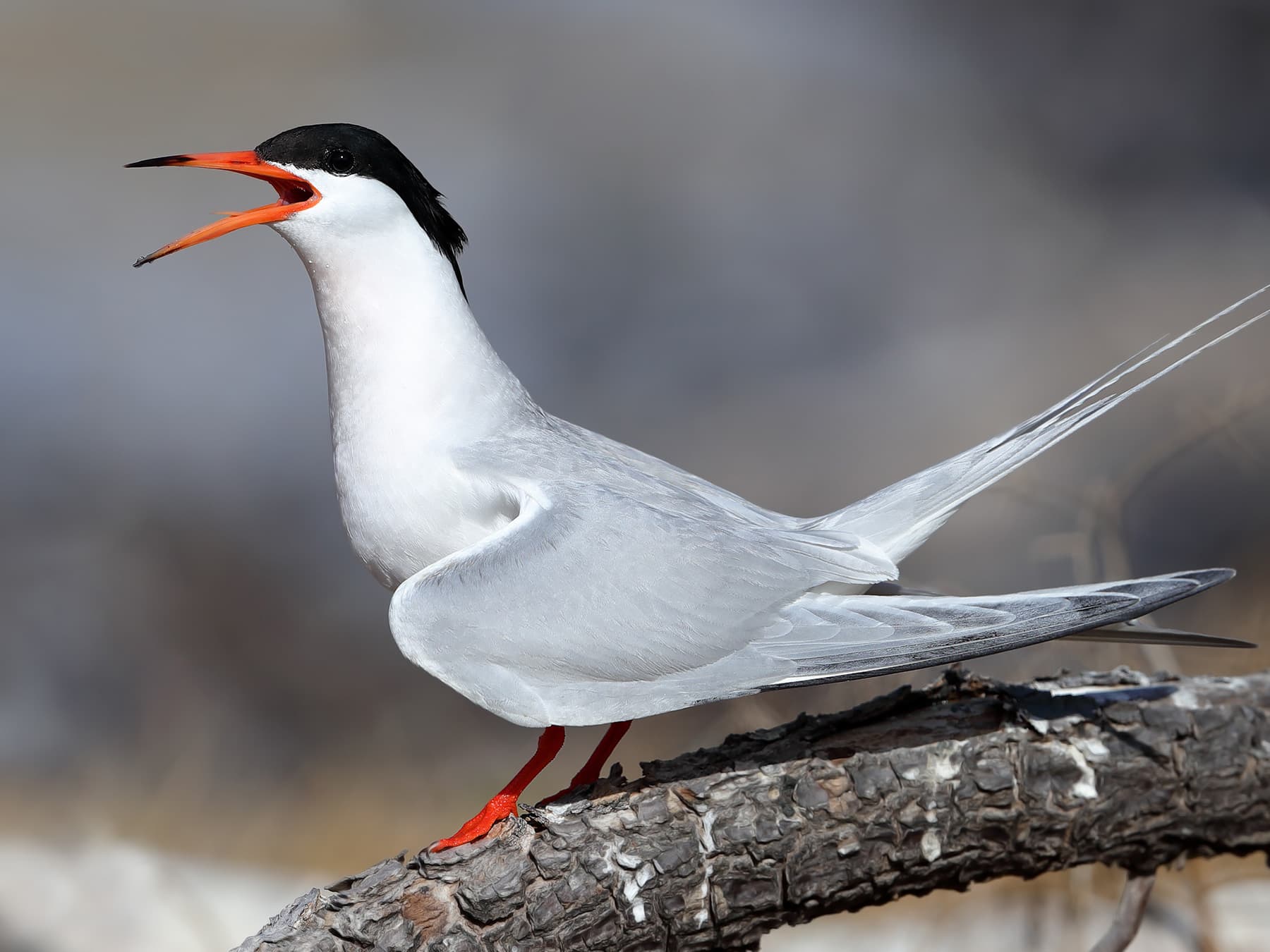
Roseate Tern
Sterna dougalliiLC
A rare and elegant passage visitor in July. One of Britain's scarcest breeding terns, occasionally seen off Devon's coast during dispersal.
Jul
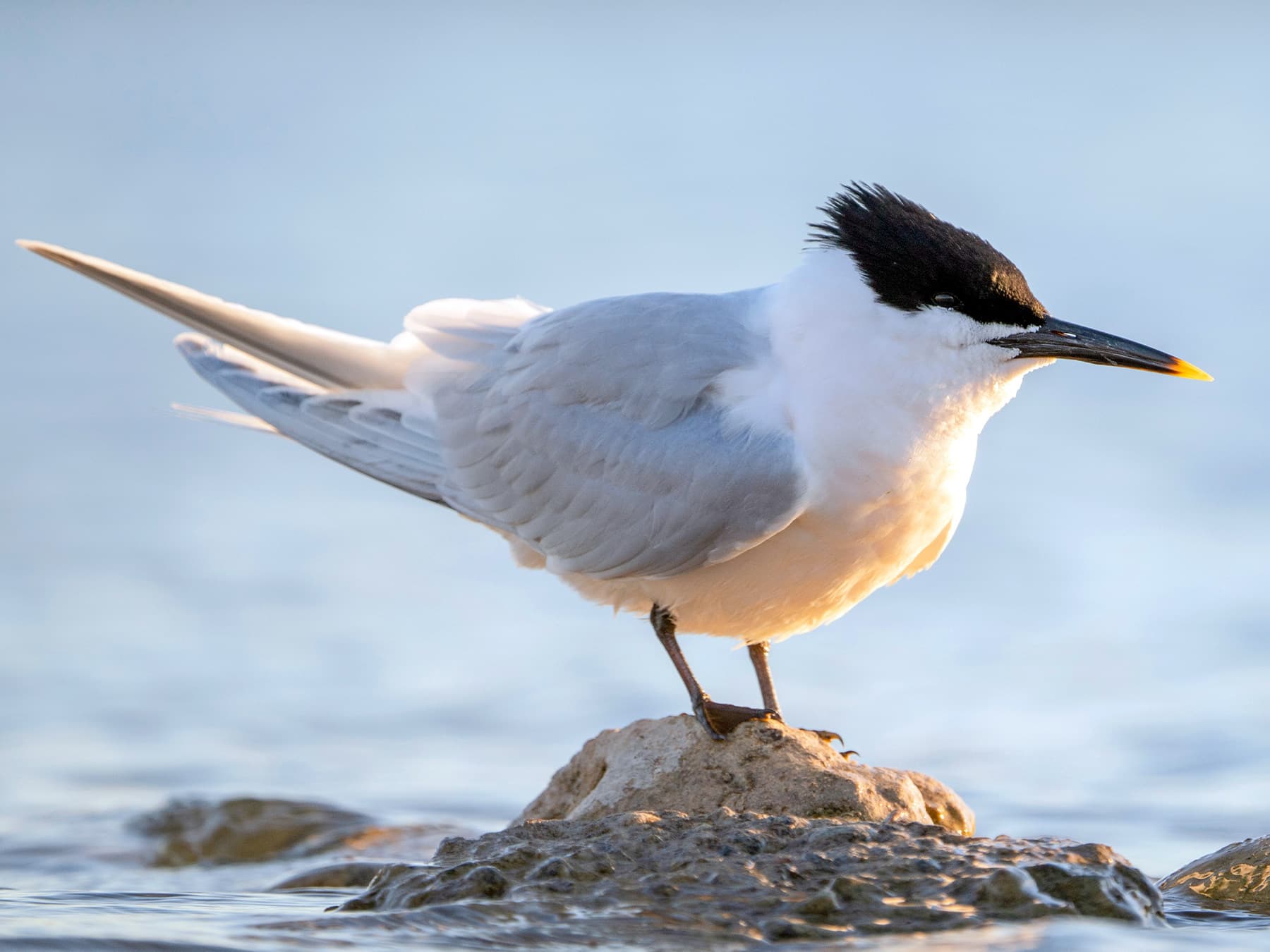
Sandwich Tern
Thalasseus sandvicensisLC
An uncommon breeder present from March to October. Plunge-dives for fish along Devon's coast and is often the first tern to arrive in spring.
Mar–Oct
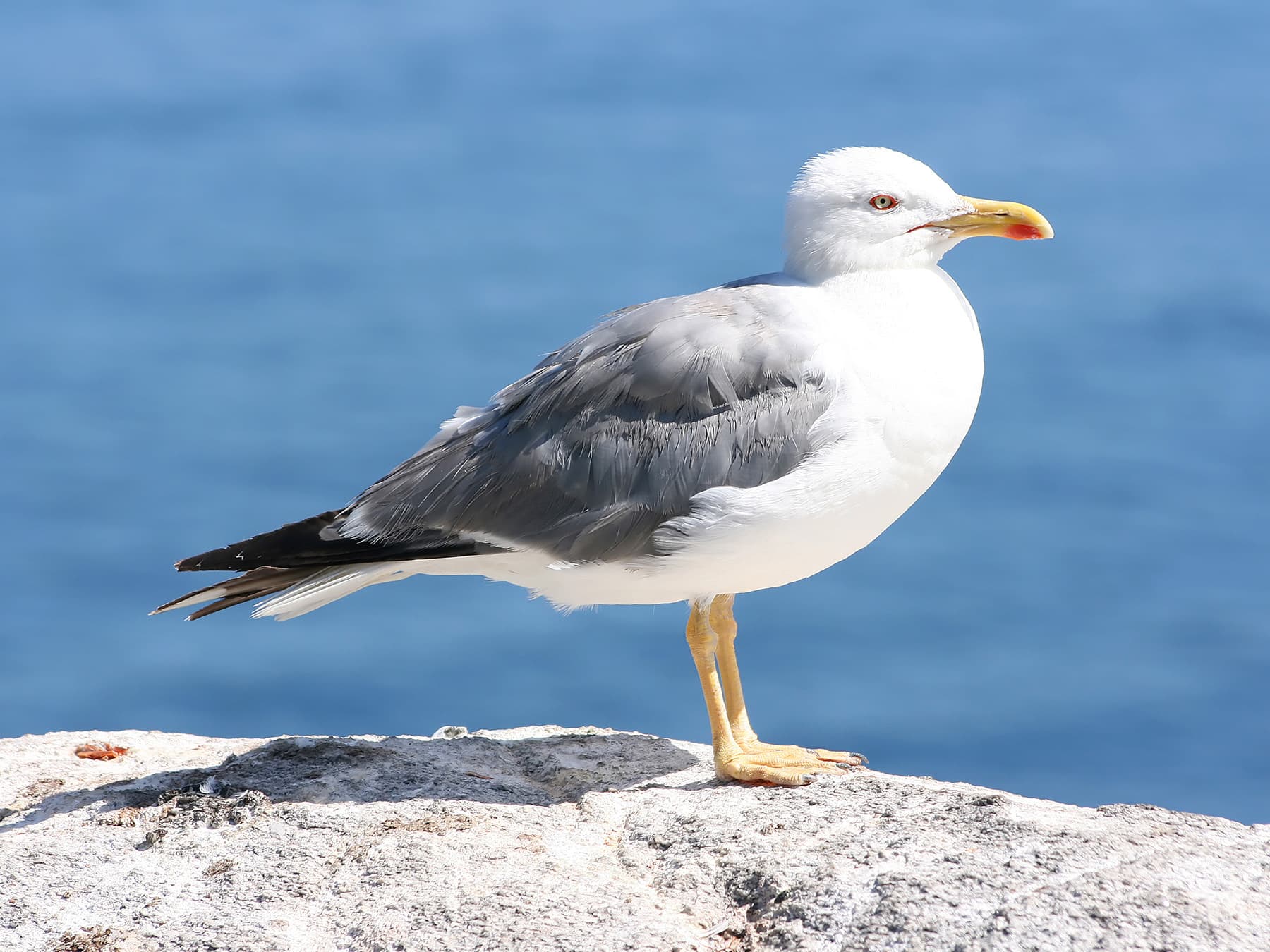
Yellow-legged Gull
Larus michahellisLC
An uncommon resident with additional rare passage birds in summer and autumn. Most reliably seen at coastal tips and harbours, peaking in late summer.
Jun–Apr