Gulls & Terns in Cheshire
10 species matching this filter.
Cheshire's diverse waterways, estuaries, and inland meres provide excellent habitat for a variety of gulls and terns throughout the year. With 10 recorded species in this group, the county offers sightings ranging from common residents like the European Herring Gull and Lesser Black-backed Gull to scarcer visitors such as the Iceland Gull and Black Tern. The Dee Estuary and Cheshire's many reservoirs are particularly rewarding spots for observing passage terns and wintering gull flocks.


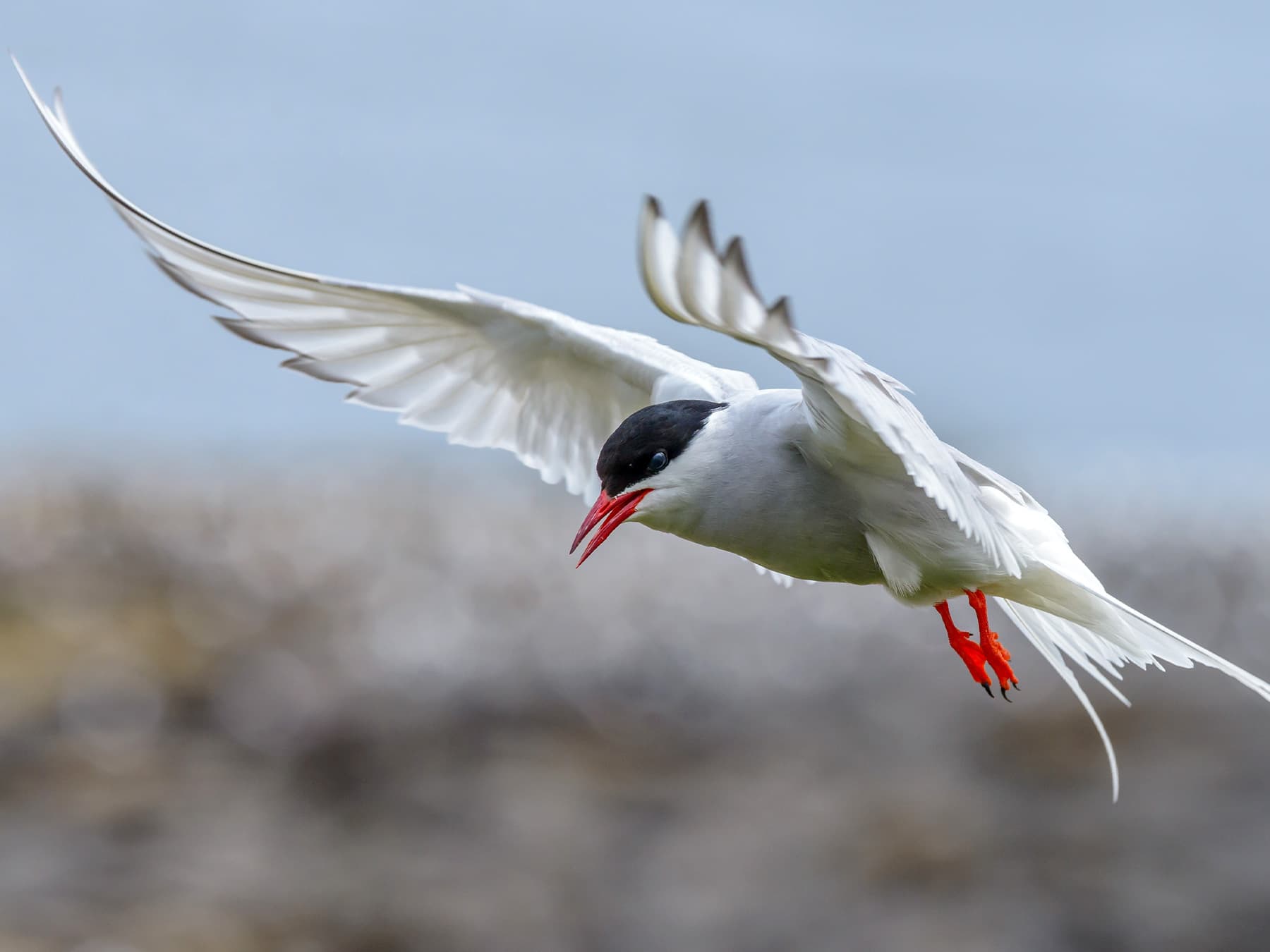
Arctic Tern
Sterna paradisaeaLC
A rare spring passage visitor, briefly passing through in April on its way to Arctic breeding grounds. Most likely at coastal sites along the Dee or Mersey.
Apr
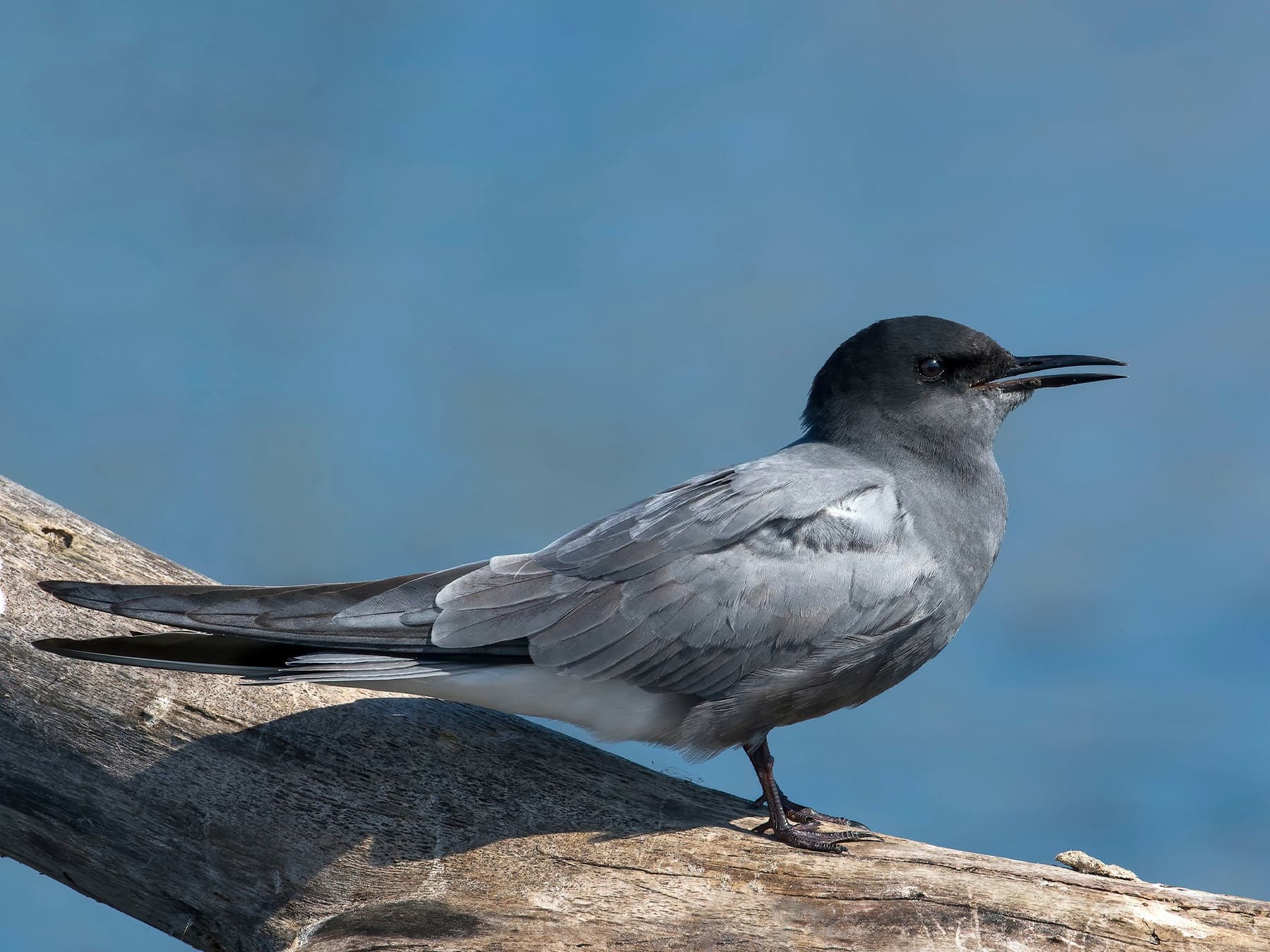
Black Tern
Chlidonias nigerLC
A rare autumn passage migrant, occasionally seen hawking over meres and reservoirs in September. Its dark plumage and buoyant flight are distinctive.
Sep
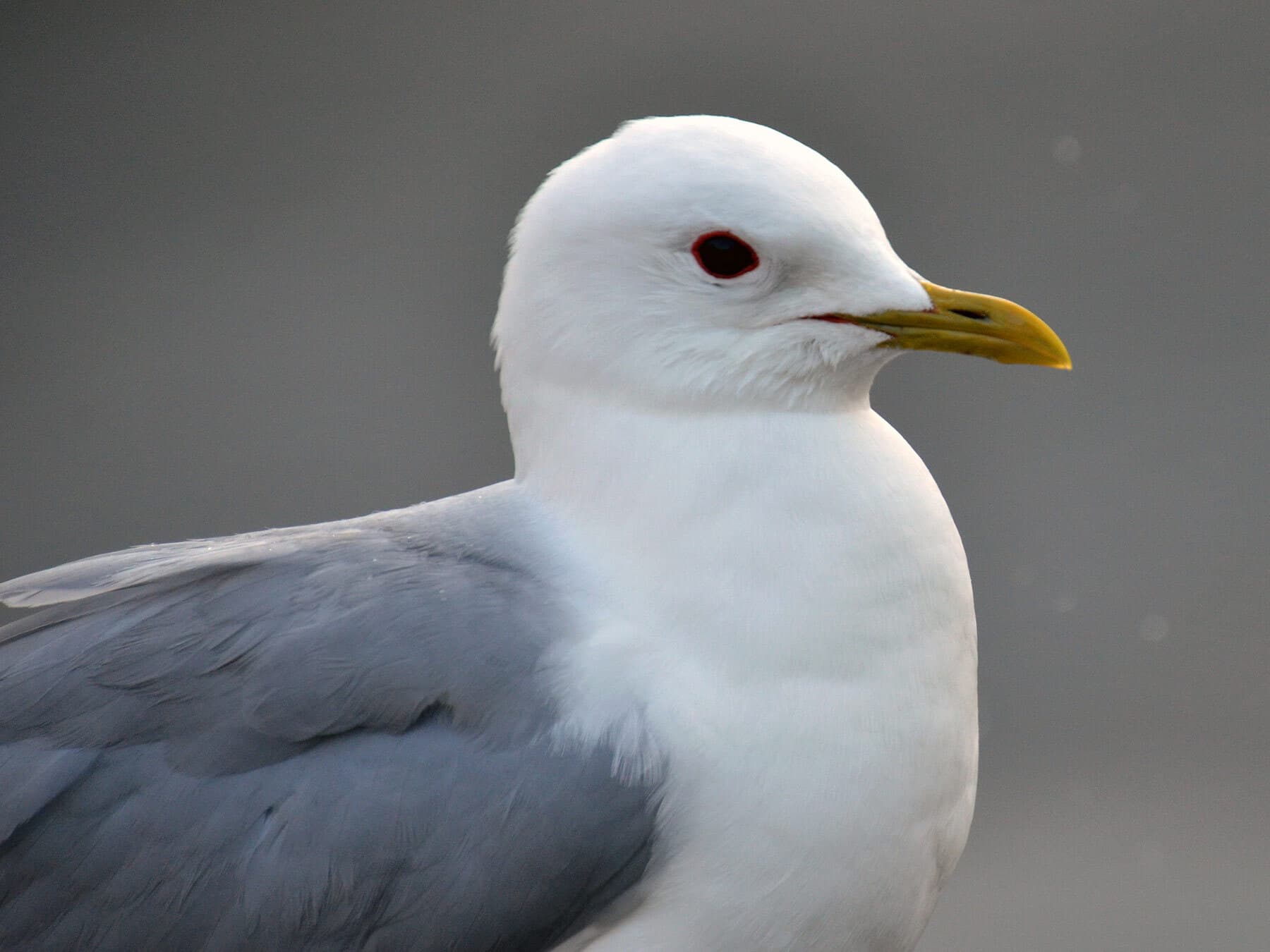
Common Gull
Larus canusLC
An uncommon resident found on farmland, playing fields, and reservoirs throughout the year. Often mixes with larger gull flocks at winter roost sites.
Year-round
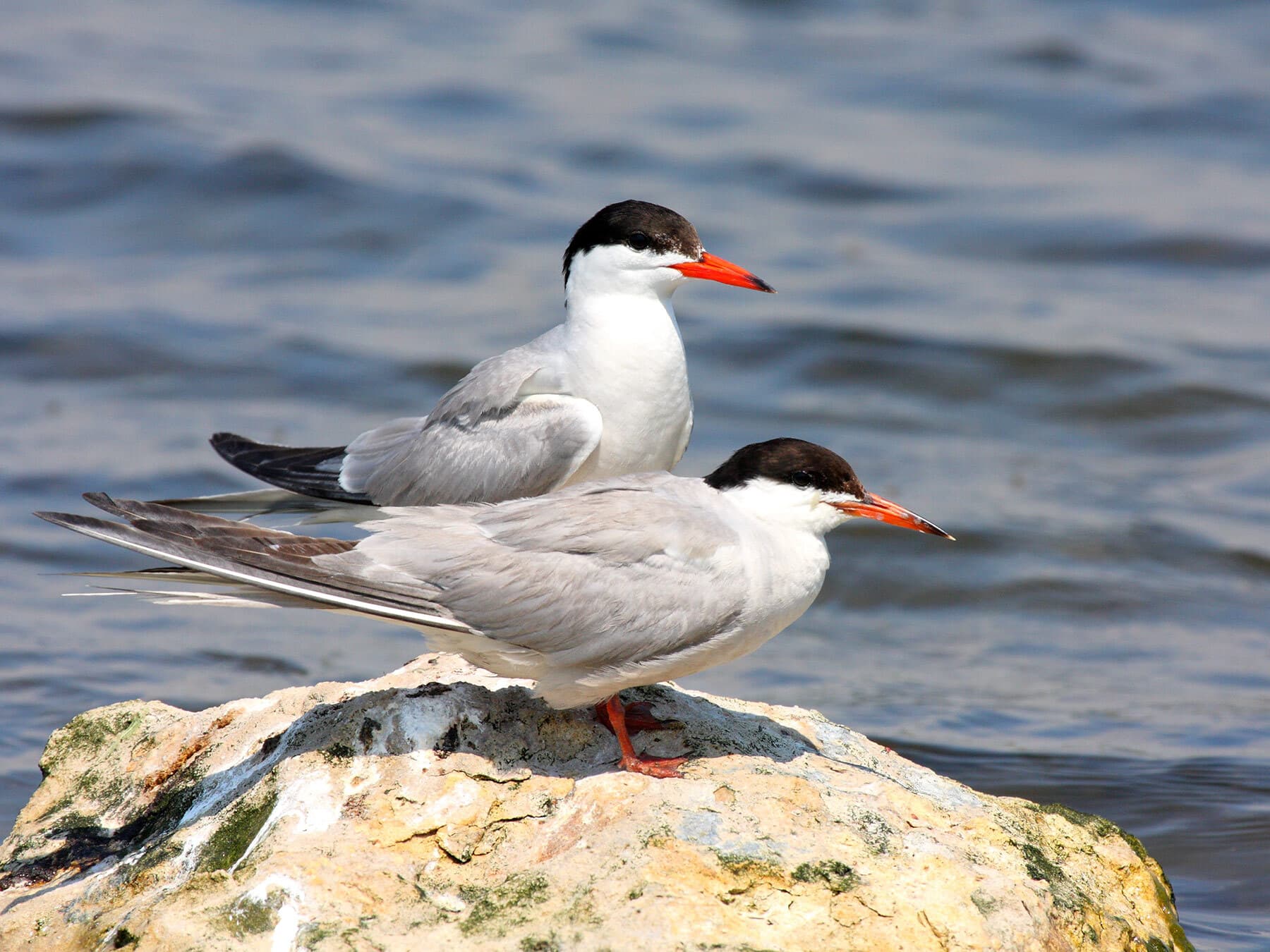
Common Tern
Sterna hirundoLC
An uncommon breeding visitor arriving in April, nesting on rafts and islands at meres and reservoirs. Departs by late August after raising young.
Apr–Aug
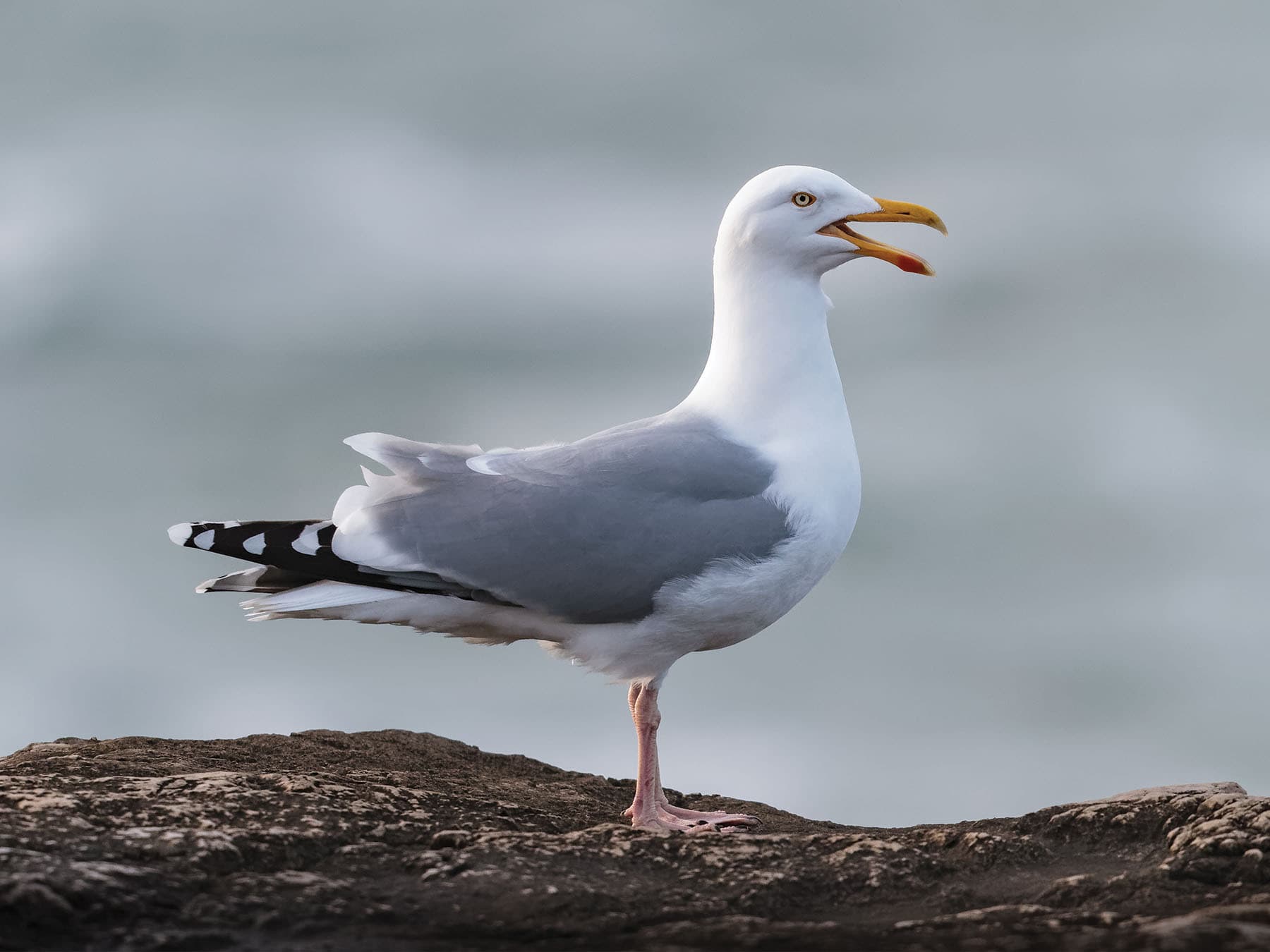
European Herring Gull
Larus argentatusLC
A common year-round resident seen along the coast, at landfill sites, and increasingly in urban areas. Breeds on rooftops in Cheshire's towns.
Year-round
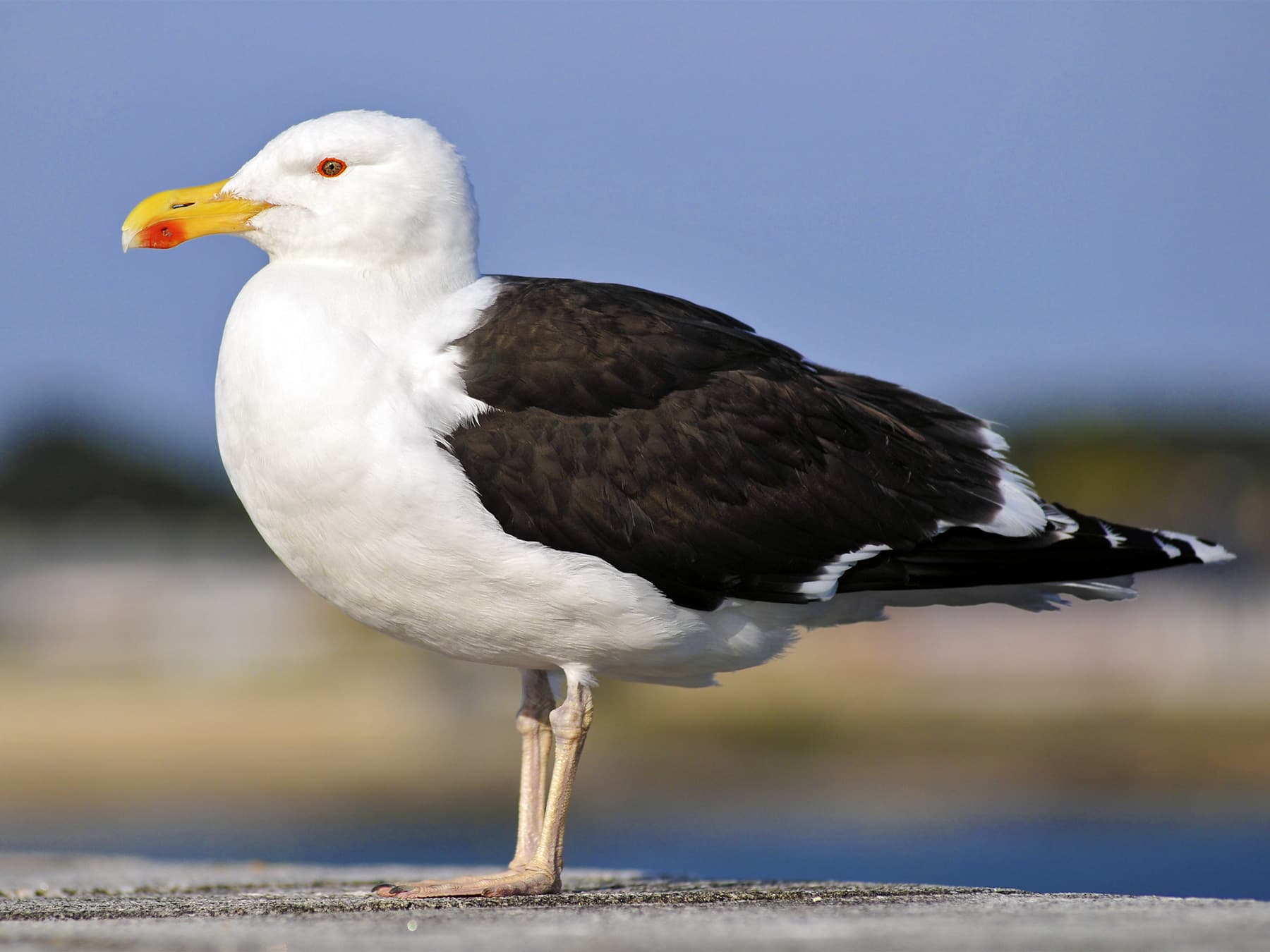
Great Black-backed Gull
Larus marinusLC
An uncommon but imposing resident, mainly seen along the coast and at larger reservoirs. The largest British gull, often dominating other species at feeding sites.
Year-round
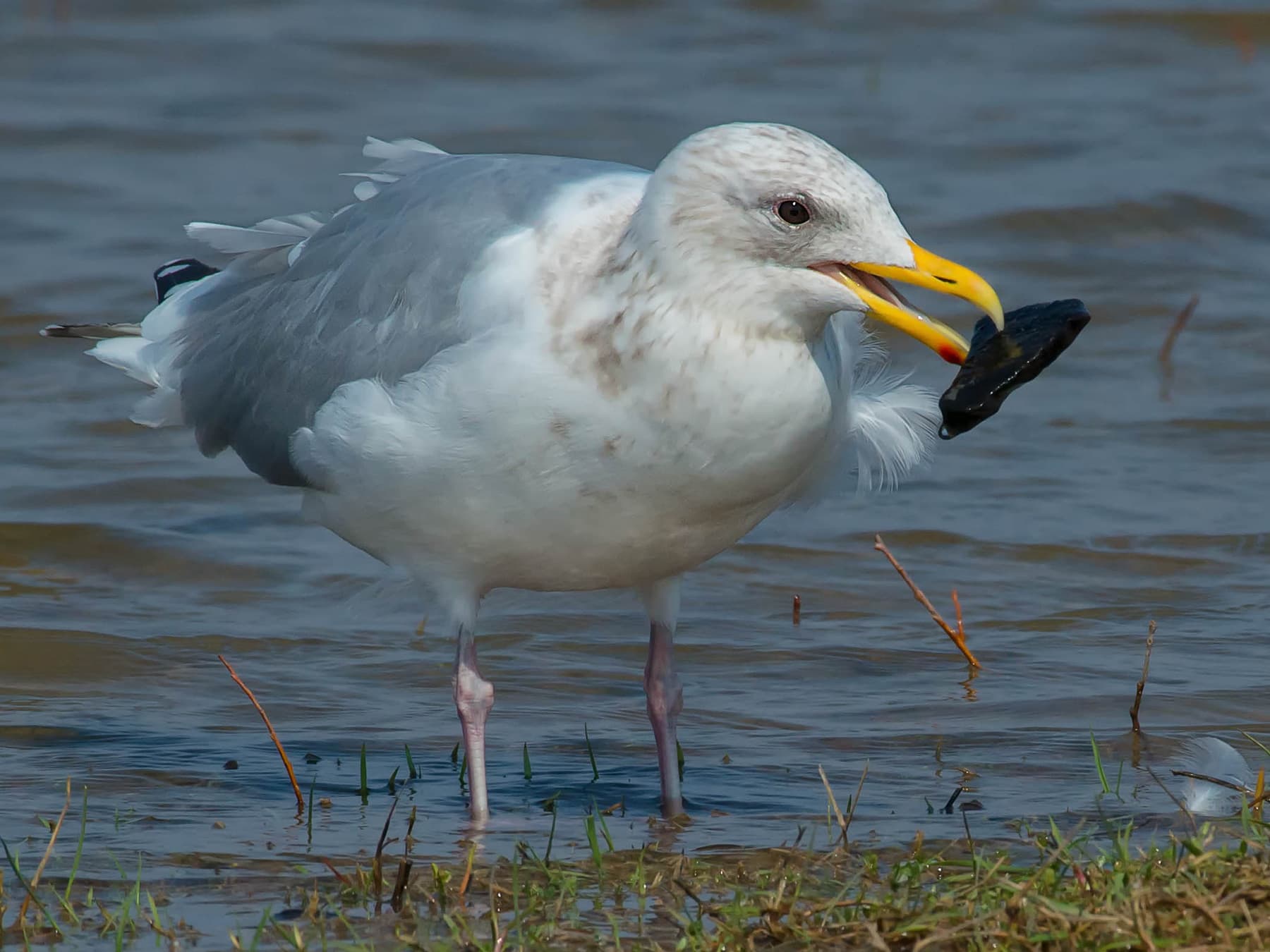
Iceland Gull
Larus glaucoidesLC
A rare winter visitor, occasionally turning up in February among gull flocks at reservoirs or along the coast. Identified by its pale wingtips and gentle expression.
Feb
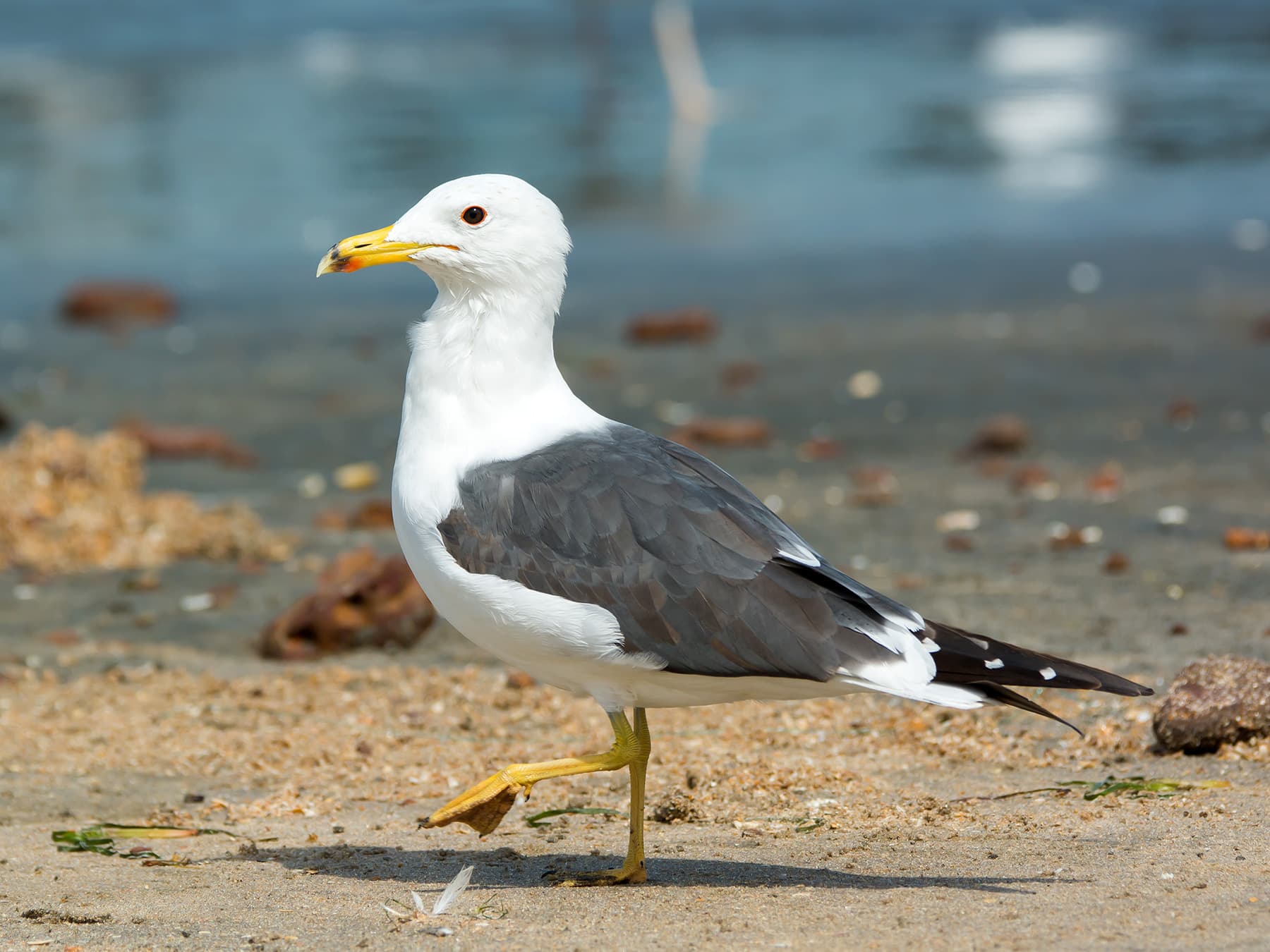
Lesser Black-backed Gull
Larus fuscusLC
A common resident found across the county at reservoirs, farmland, and urban areas. Breeds locally and gathers in large roosts during winter months.
Year-round
Spotted something?
Upload a photo to identify it
Identify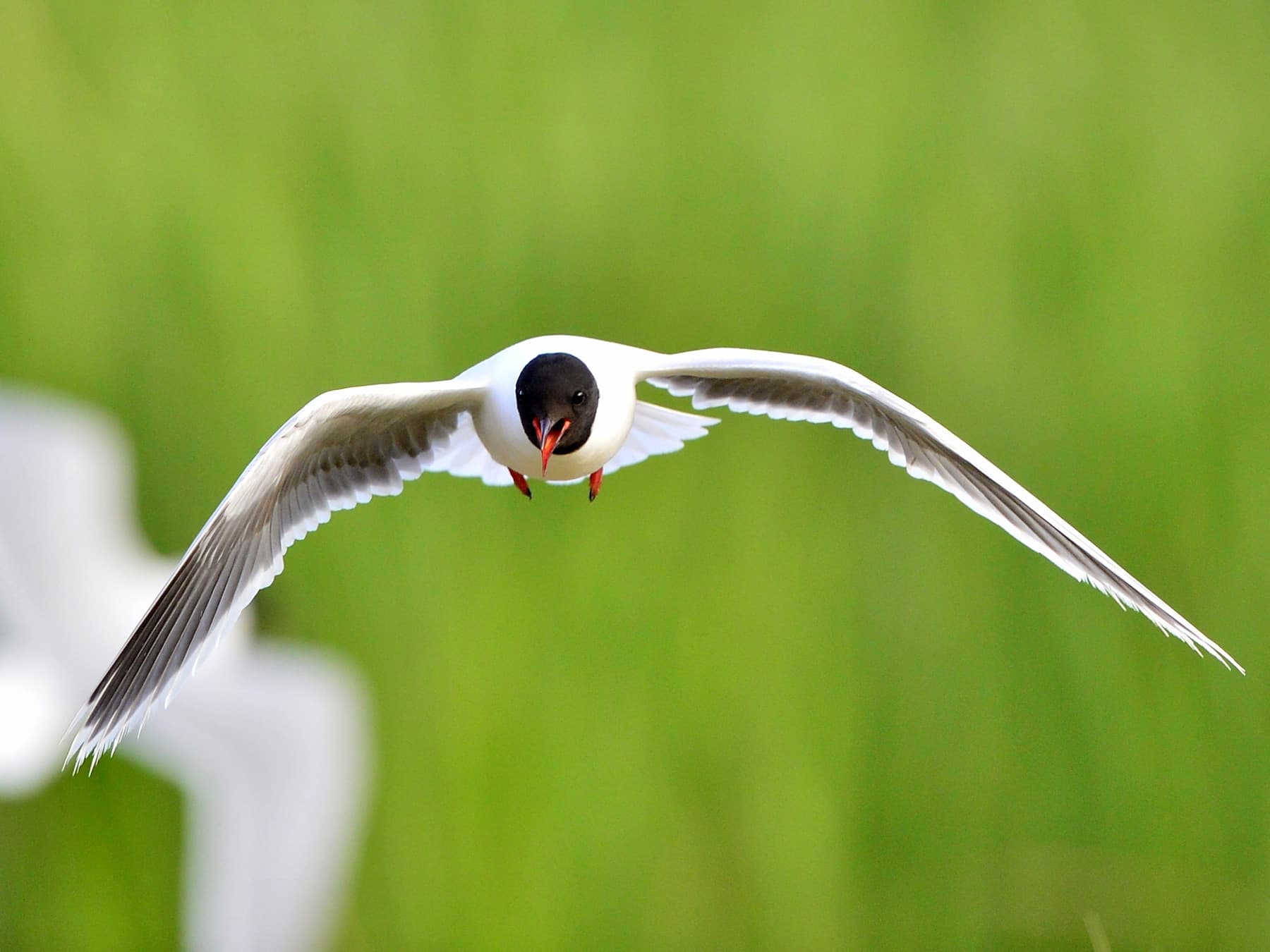
Little Gull
Hydrocoloeus minutusLC
A rare passage visitor, occasionally spotted at reservoirs and meres during spring migration. Most likely in March and April among flocks of Black-headed Gulls.
Mar–Jun
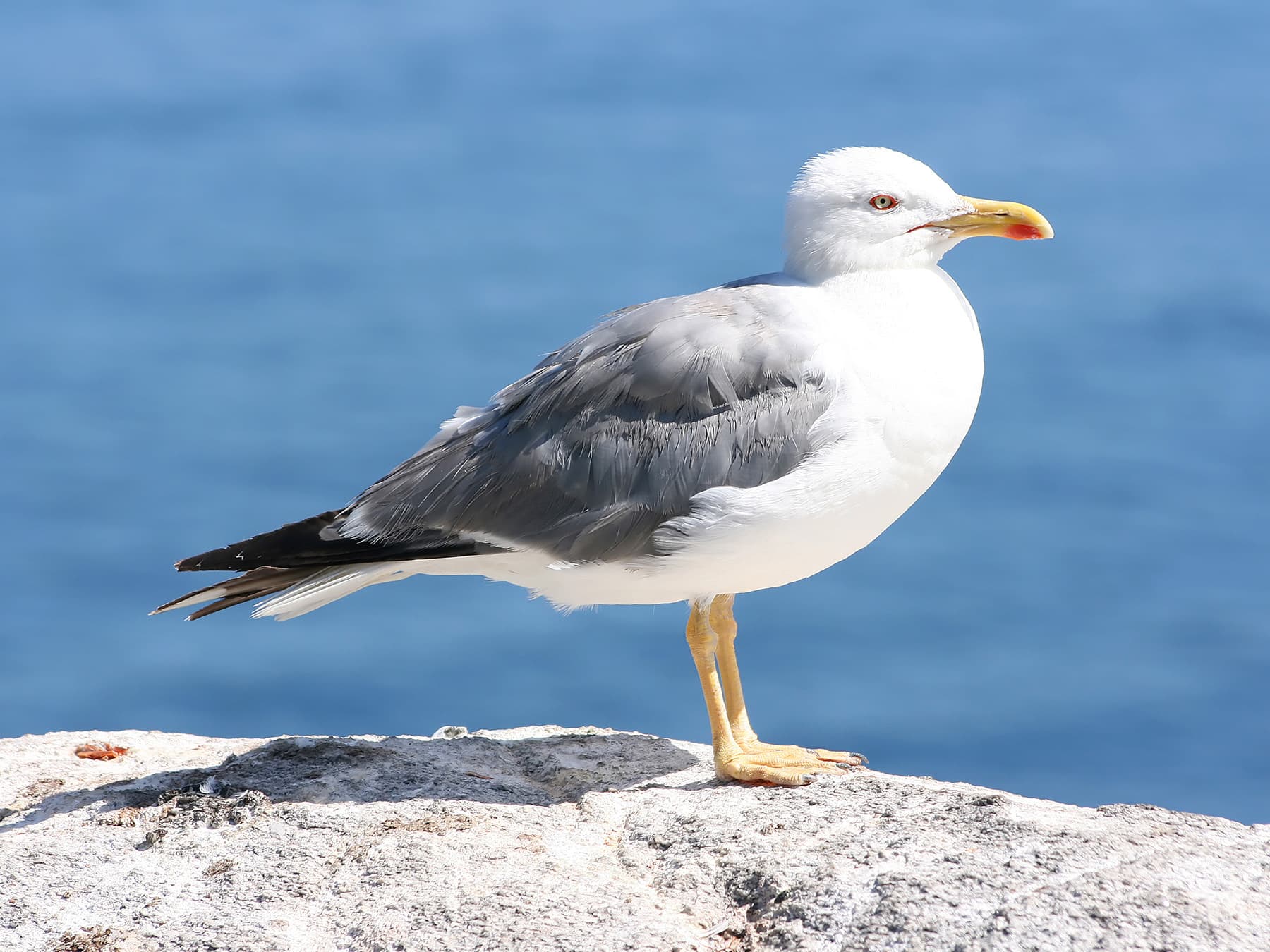
Yellow-legged Gull
Larus michahellisLC
A rare visitor found near reservoirs and the Dee Estuary, present most months but easily overlooked among commoner large gulls.
Jun–Apr