Finches in Tyne and Wear
9 species matching this filter.
Tyne and Wear's mix of urban parks, coastal scrubland, and riverside woodlands supports a wonderful variety of finches, with 9 species recorded across the county. Year-round residents such as the Chaffinch, Greenfinch, and European Goldfinch are joined in winter by visiting Bramblings, Common Redpolls, and Eurasian Siskins, making the colder months an exciting time for finch enthusiasts. For help telling these species apart, our Types of Finches in the UK: Identification Guide is a great place to start.


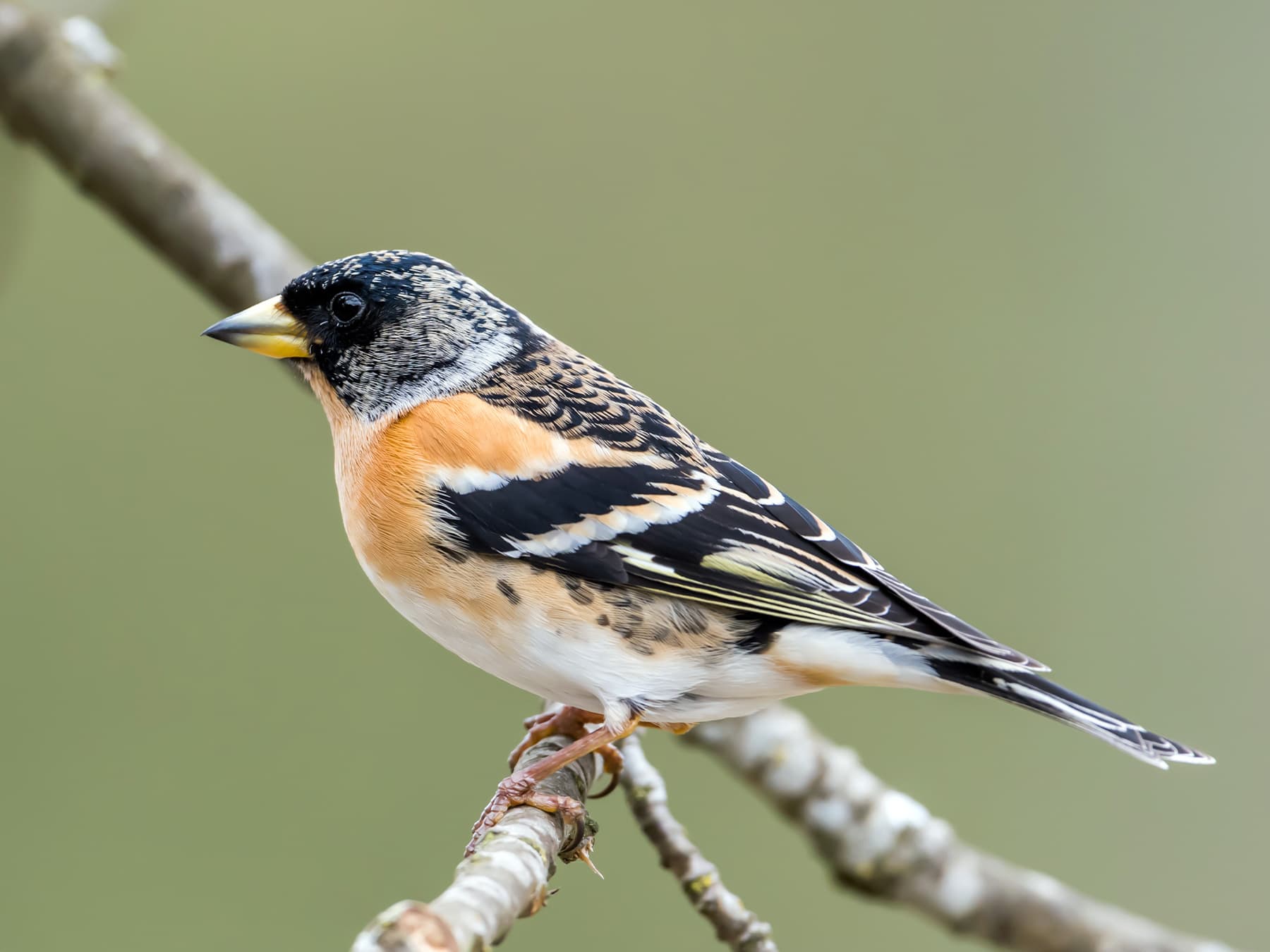
Brambling
Fringilla montifringillaLC
A rare winter visitor and passage migrant, sometimes joining Chaffinch flocks in woodland and farmland from October to April.
Oct–Apr
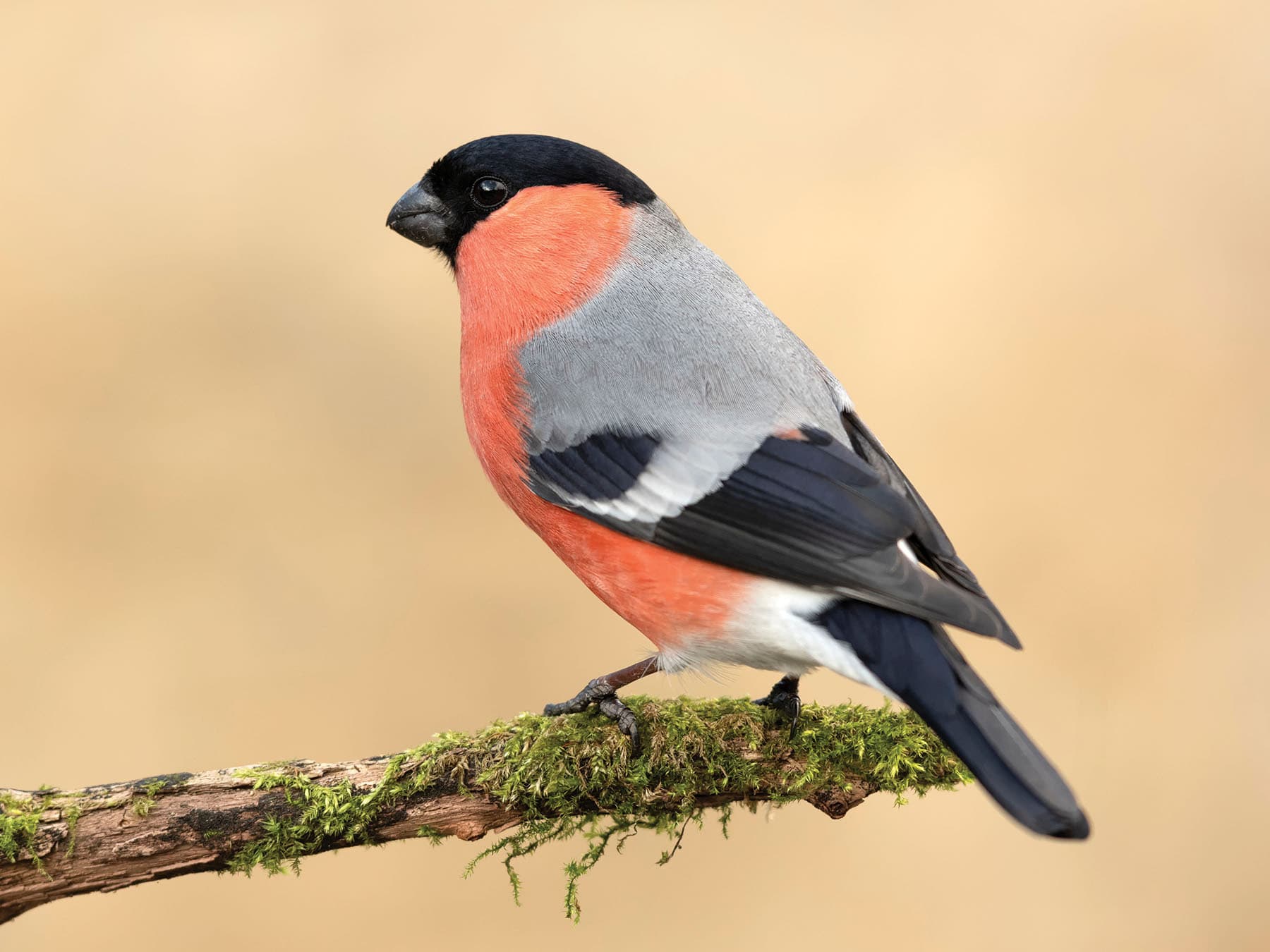
Bullfinch
Pyrrhula pyrrhulaLC
An uncommon but year-round resident of hedgerows, woodland edges and mature gardens. Often heard before seen with its soft piping call.
Year-round
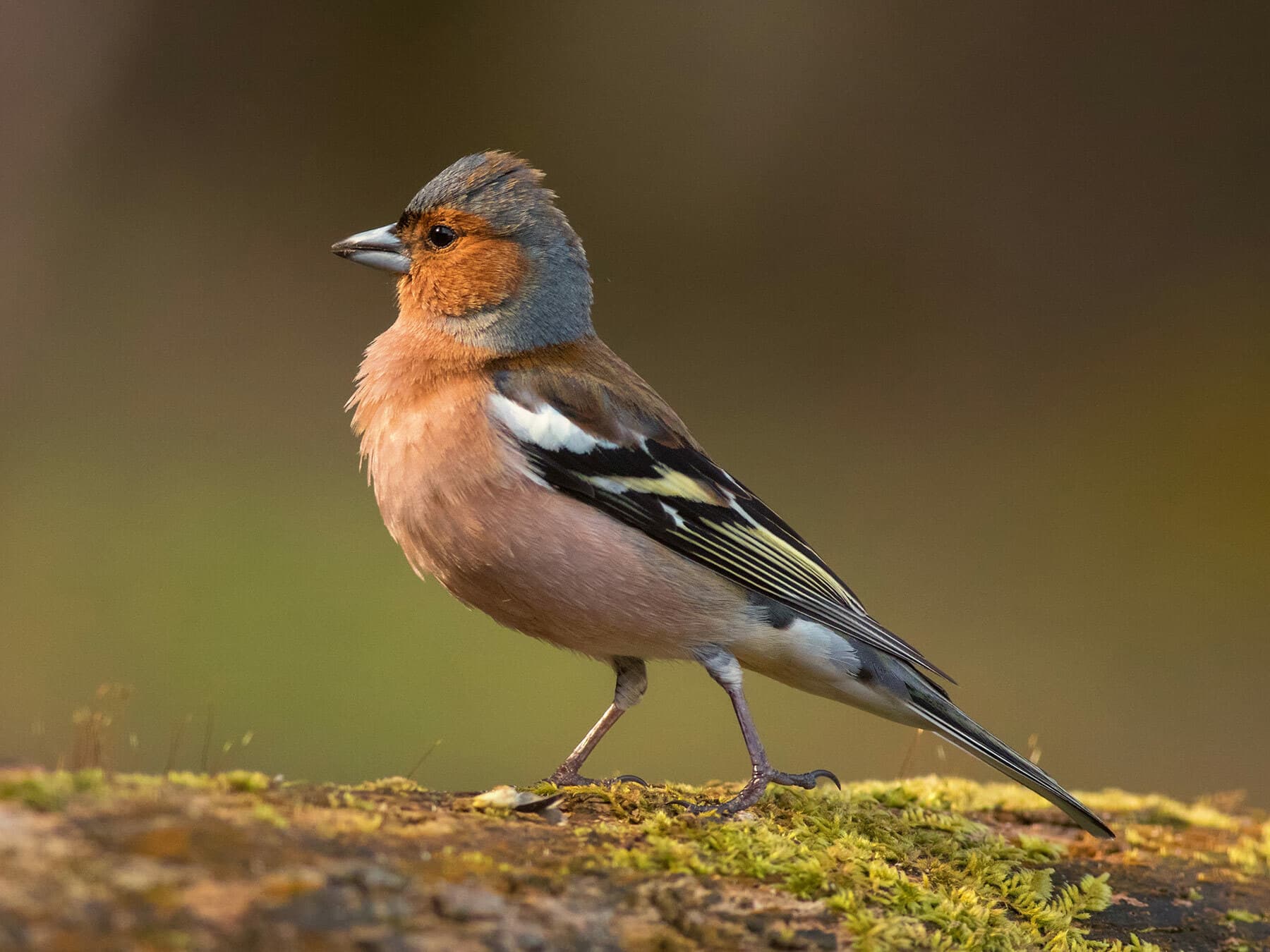
Chaffinch
Fringilla coelebsLC
A common resident of woodlands, hedgerows and gardens throughout the region, easily recognised by its bold wing bars and cheerful song.
Year-round
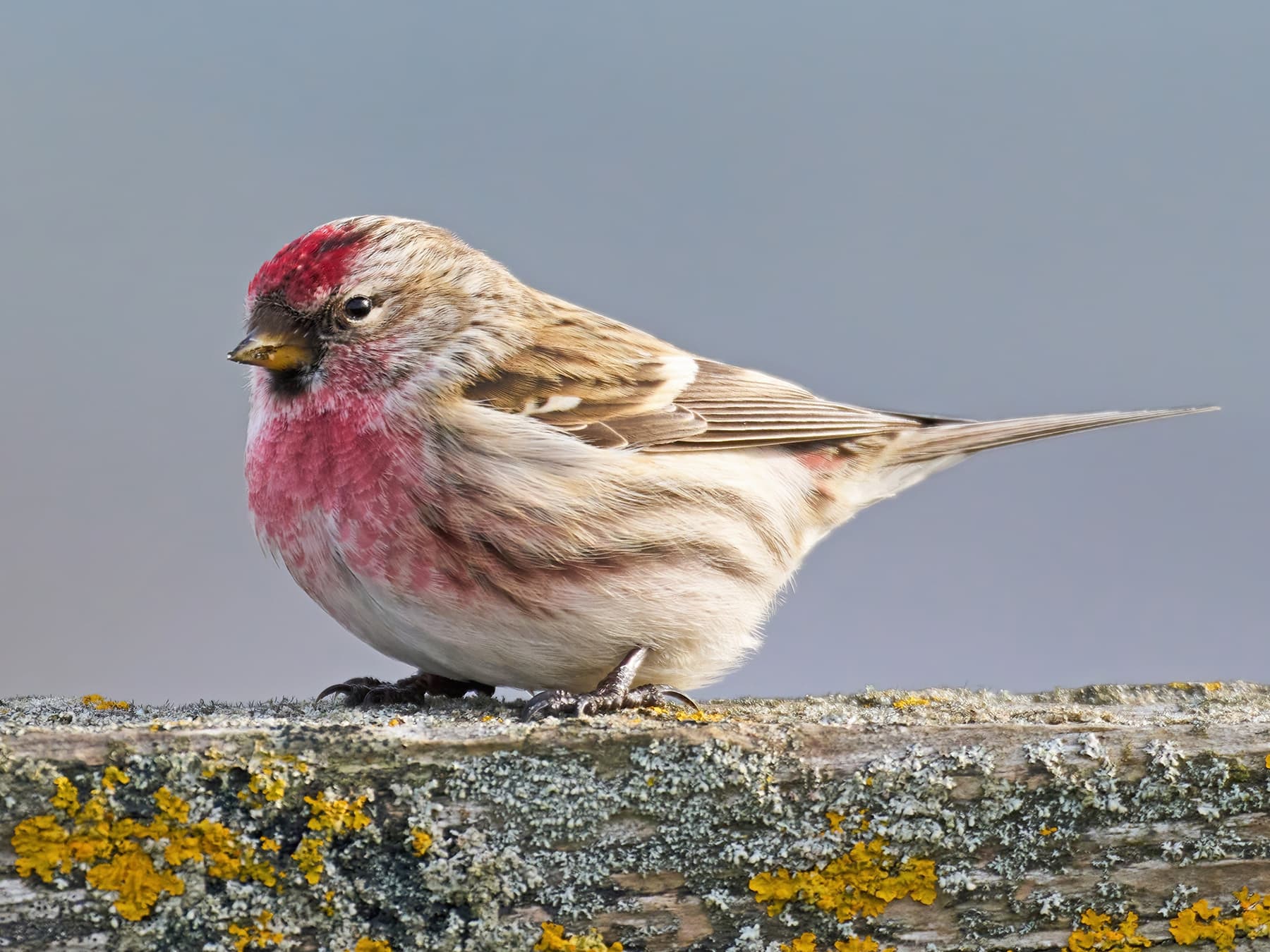
Common Redpoll
Acanthis flammeaLC
An uncommon resident of birch and alder woodland, sometimes visiting garden feeders in winter. Numbers fluctuate with seed crop availability.
Jul–May
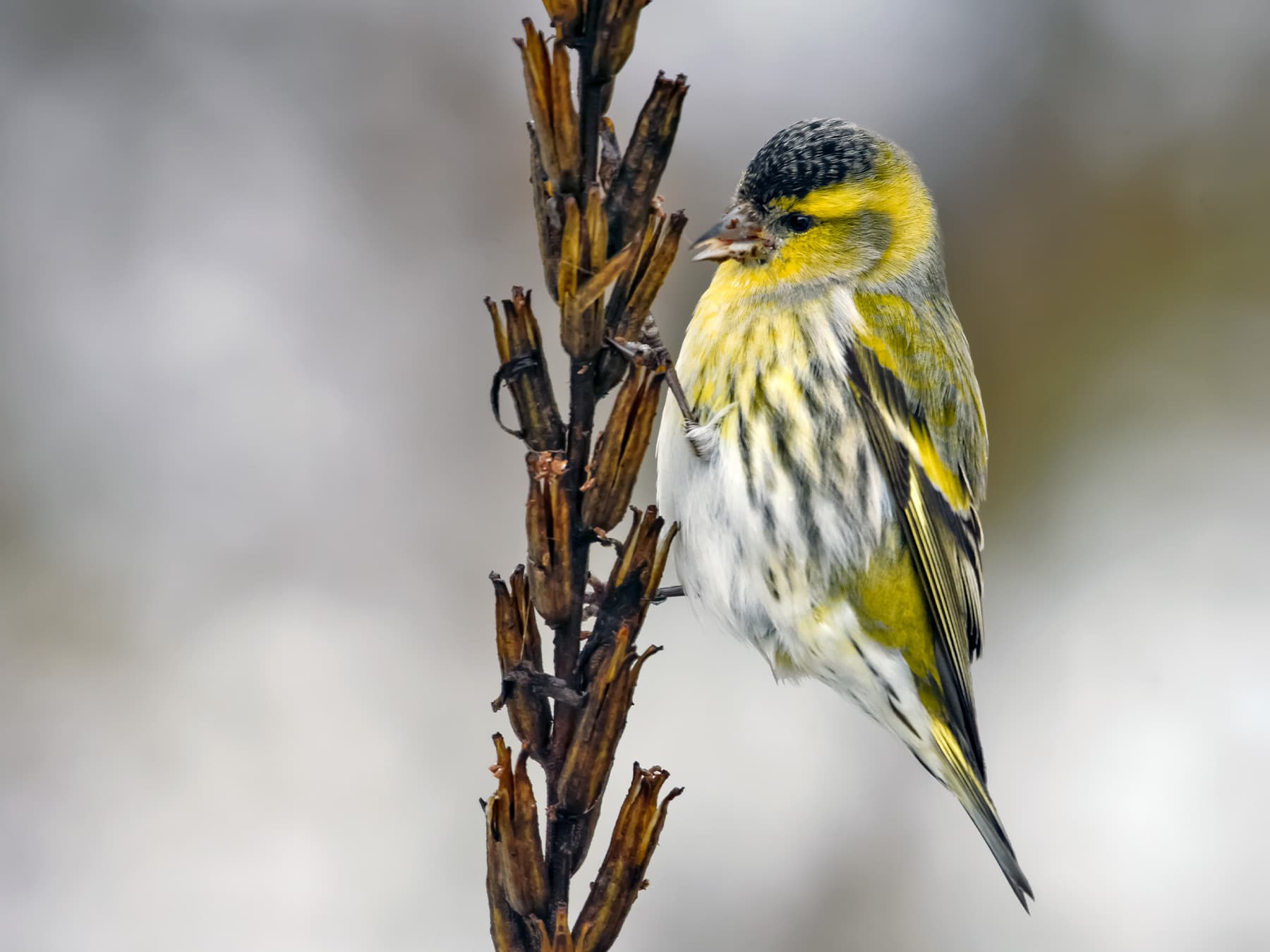
Eurasian Siskin
Spinus spinusLC
An uncommon resident often seen in alder and birch trees along river valleys, visiting garden feeders more frequently in winter.
Year-round
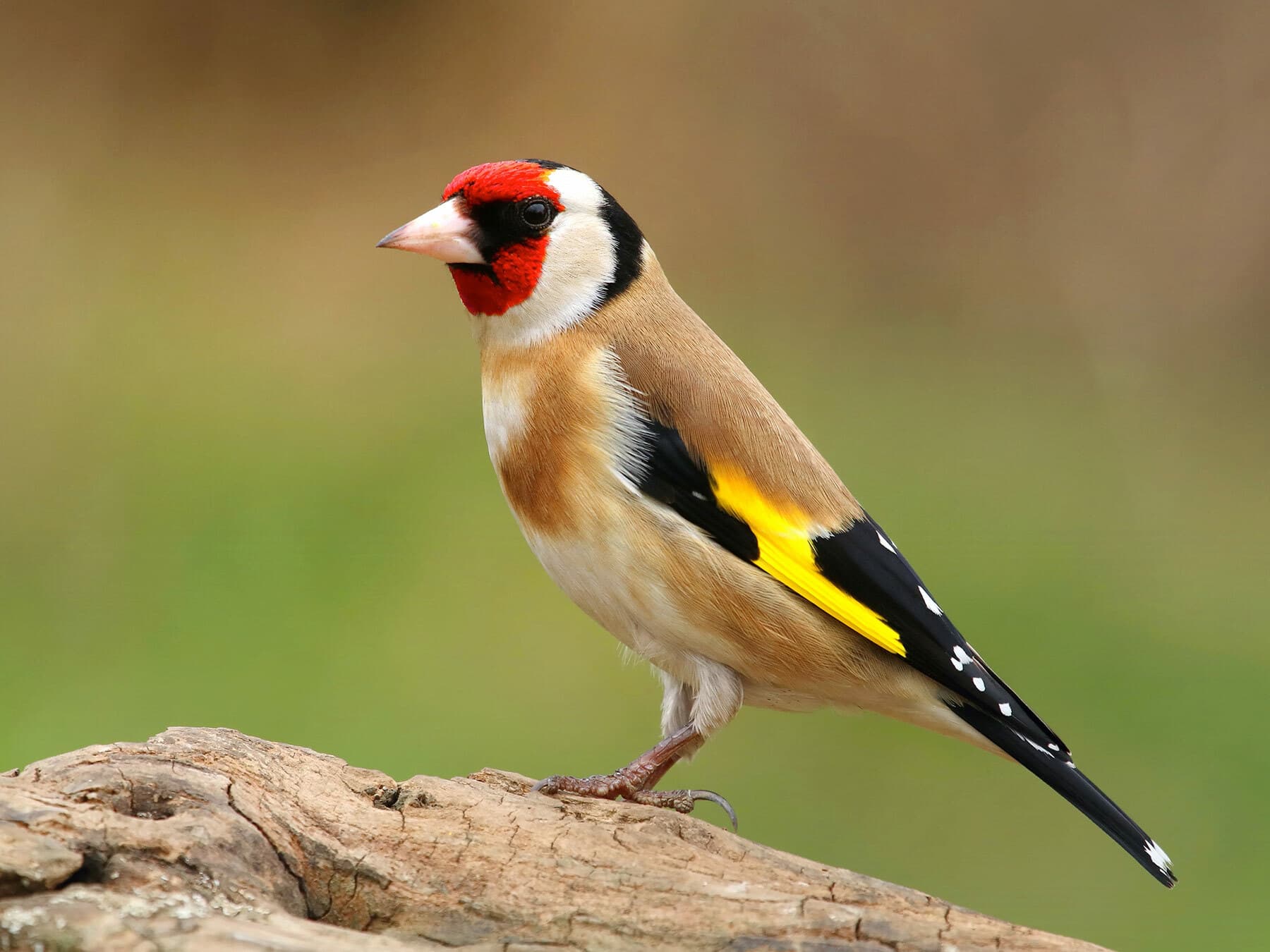
European Goldfinch
Carduelis carduelisLC
A common and colourful resident, increasingly seen on garden feeders. Roaming flocks feed on teasel and thistle heads in autumn and winter.
Year-round
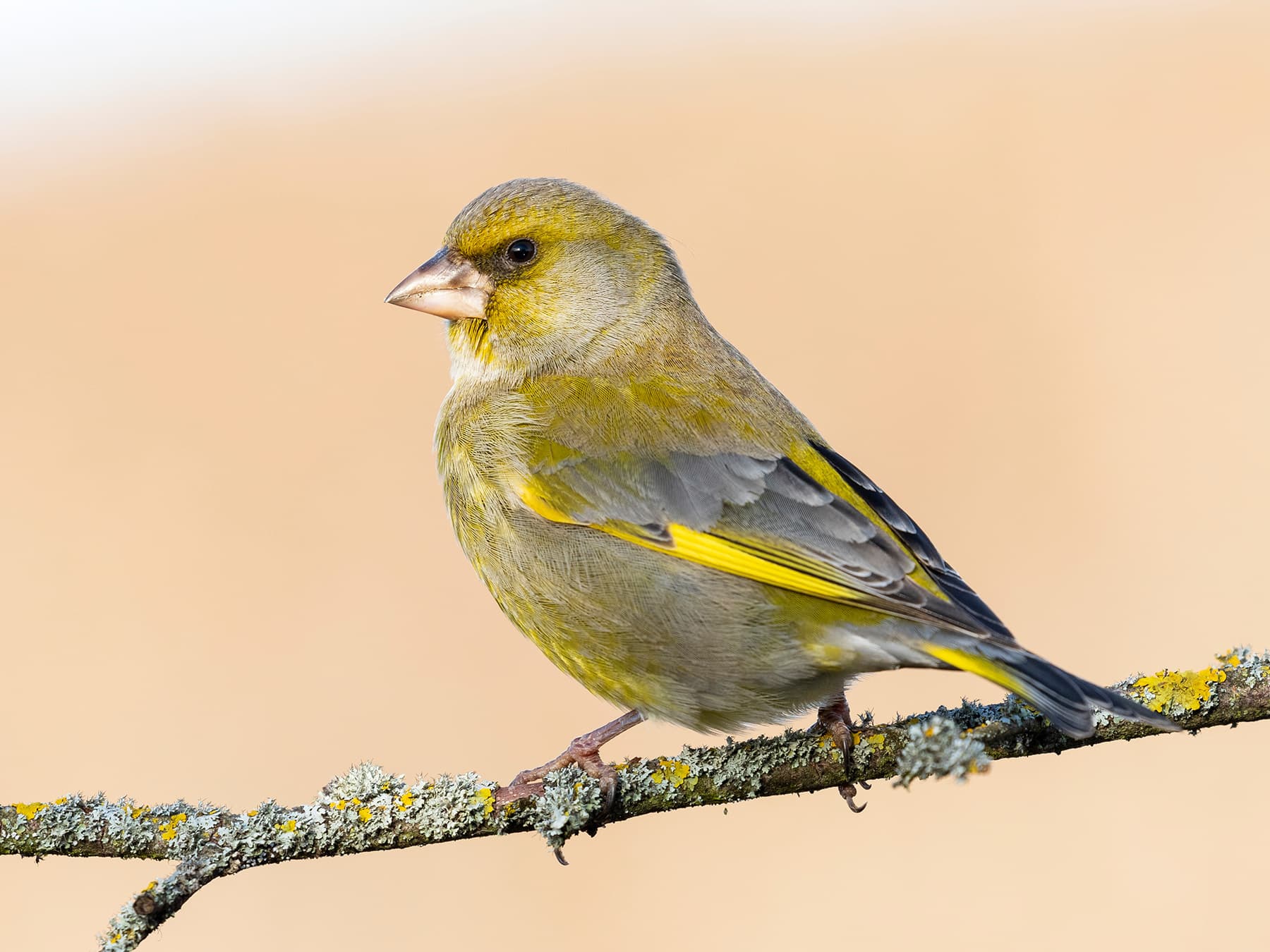
Greenfinch
Chloris chlorisLC
A common garden and parkland resident, though numbers have declined sharply due to disease. Often seen at feeders in small groups.
Year-round
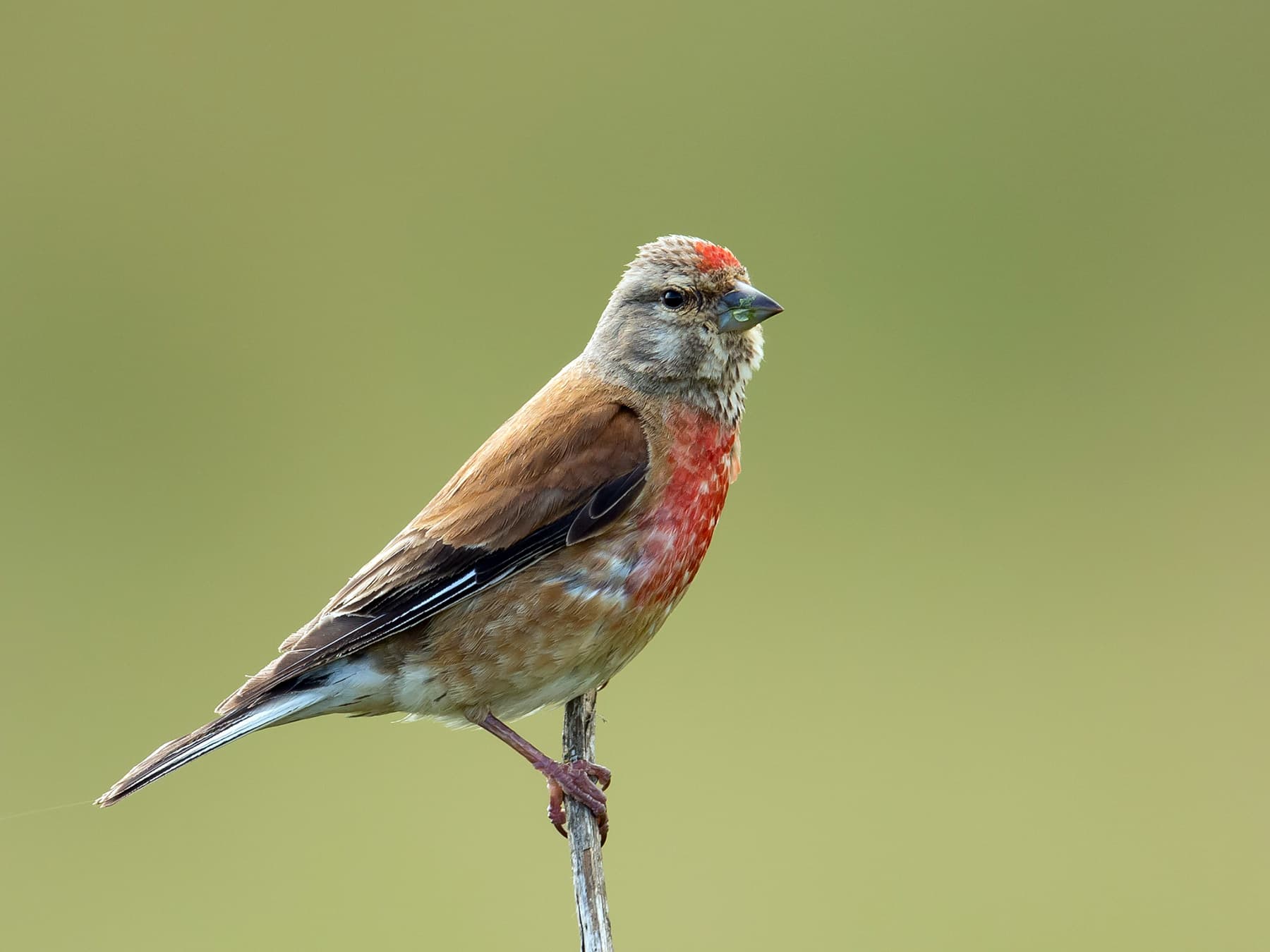
Linnet
Linaria cannabinaLC
A common resident of farmland, coastal scrub and rough ground. Flocks gather on weedy fields and saltmarshes outside the breeding season.
Year-round
Spotted something?
Upload a photo to identify it
Identify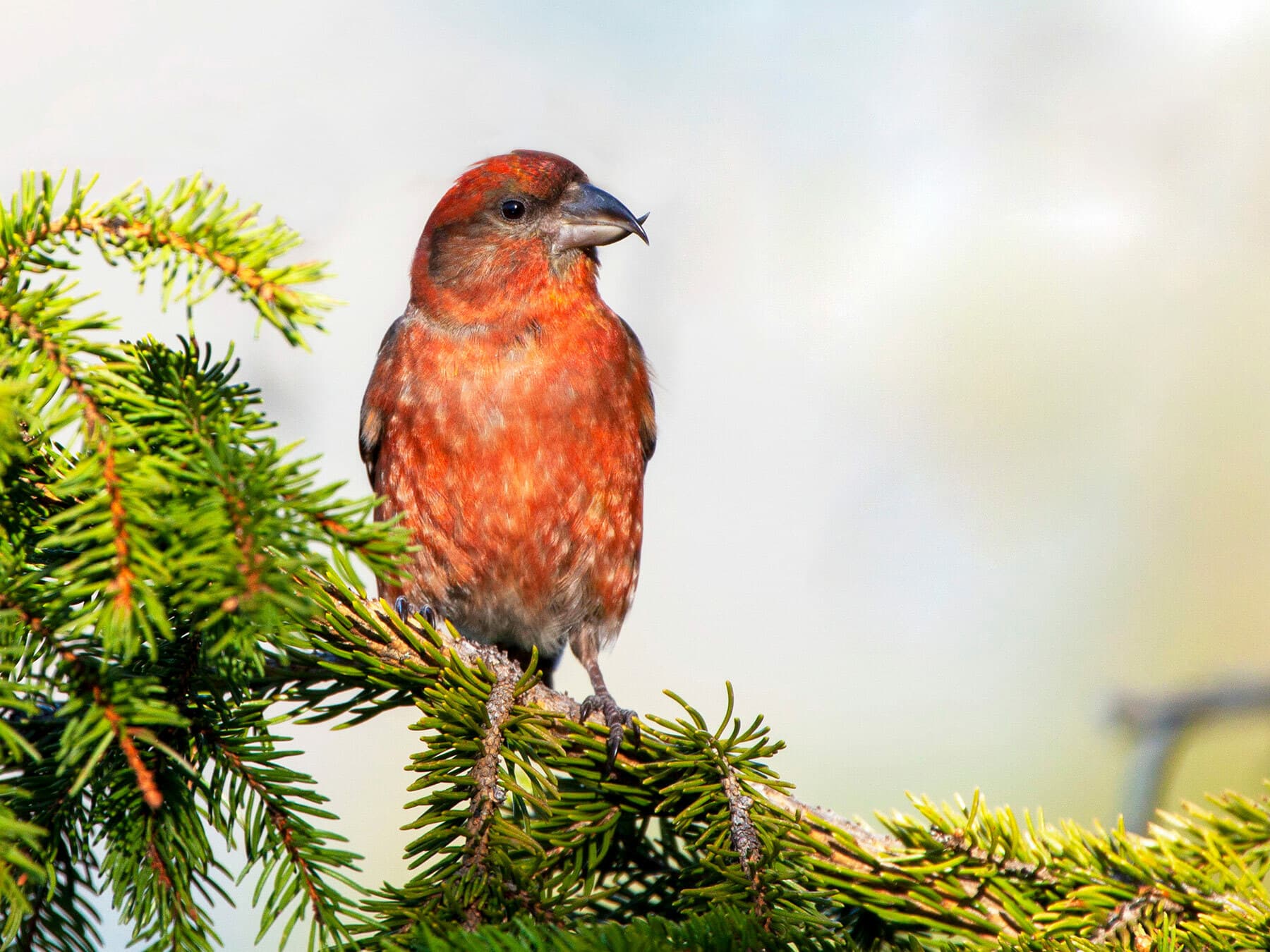
Red Crossbill
Loxia curvirostraLC
A rare and irruptive passage visitor, occasionally noted in June and November. Conifer plantations offer the best chance of a sighting.
Jun–Nov