Birds in Hampshire
Explore 214 species found in this region.
Hampshire is home to an impressive 207 recorded bird species, reflecting the county's rich diversity of habitats — from the ancient woodlands of the New Forest to the coastal mudflats of the Solent and the chalk downlands of the South Downs. Birdwatchers can enjoy sightings of notable species such as the Great Grey Shrike, Eurasian Woodcock, and Mandarin Duck in woodland settings, while estuarine areas attract waders and wildfowl including Northern Lapwing, Common Shelduck, and Northern Pintail. Whether you are a seasoned birder or a casual nature enthusiast, Hampshire offers outstanding year-round birdwatching opportunities.
Visiting in July? Look out for Barnacle Goose and Common Quail arriving this month, and Bar-headed Goose and Eurasian Wigeon depart for the season.


Showing 208–214 of 214 species
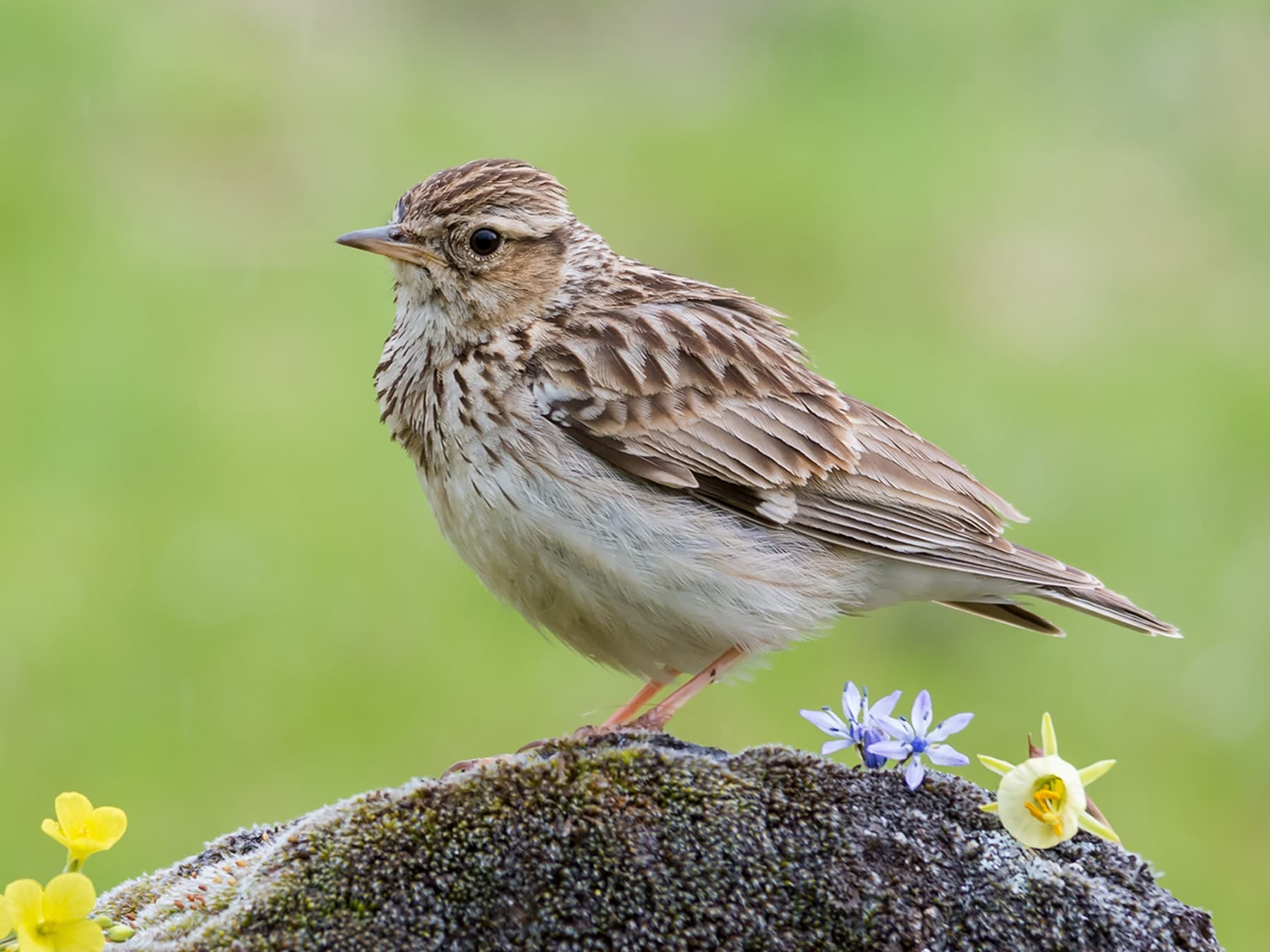
Woodlark
Lullula arboreaLC
A rare breeding bird found on the heathlands of the New Forest. Its melodious song can be heard from February as birds establish territories.
Feb–Nov
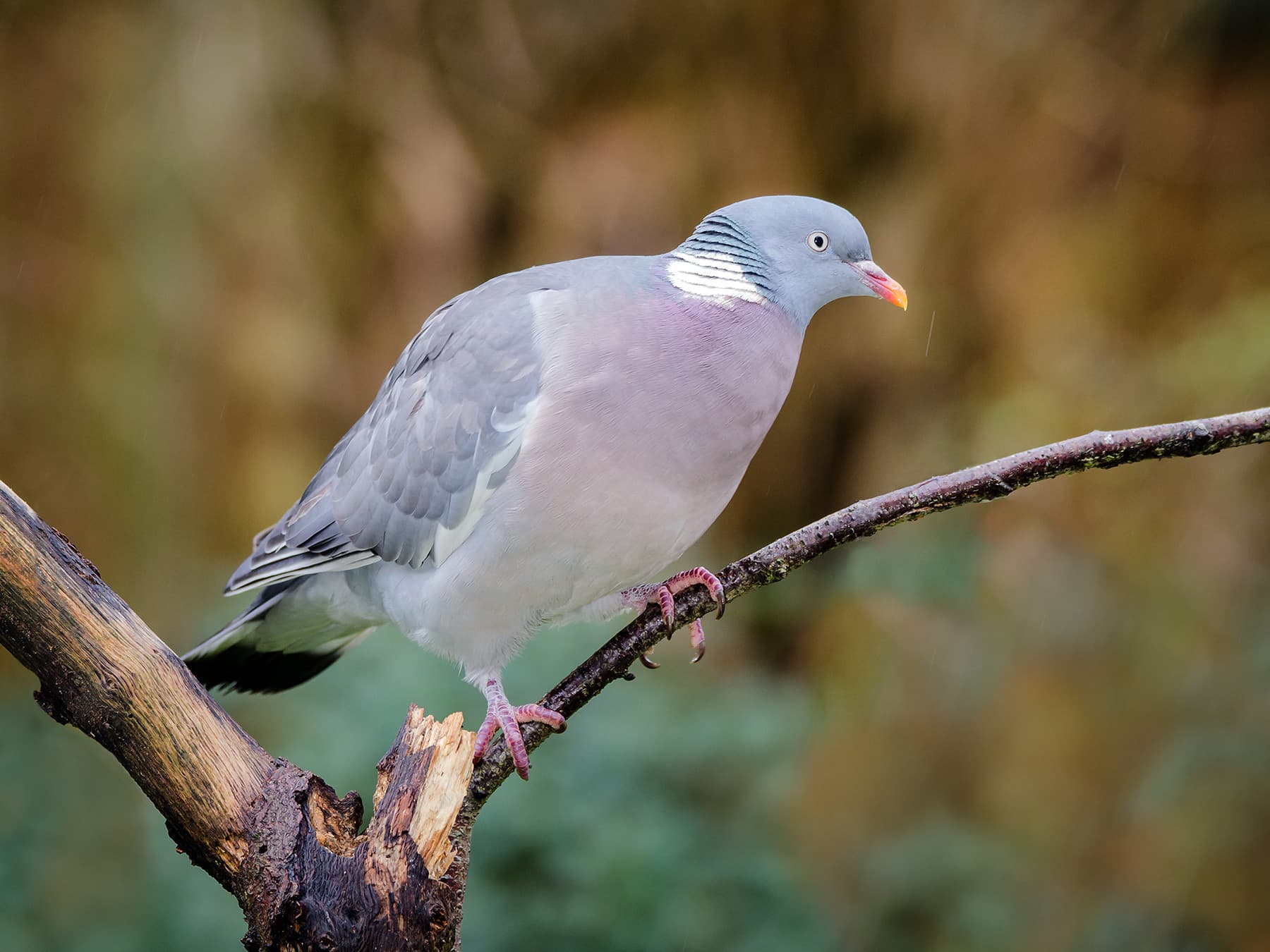
Woodpigeon
Columba palumbusLC
An abundant year-round resident found in virtually every habitat across Hampshire. Large flocks gather on farmland in autumn and winter.
Year-round
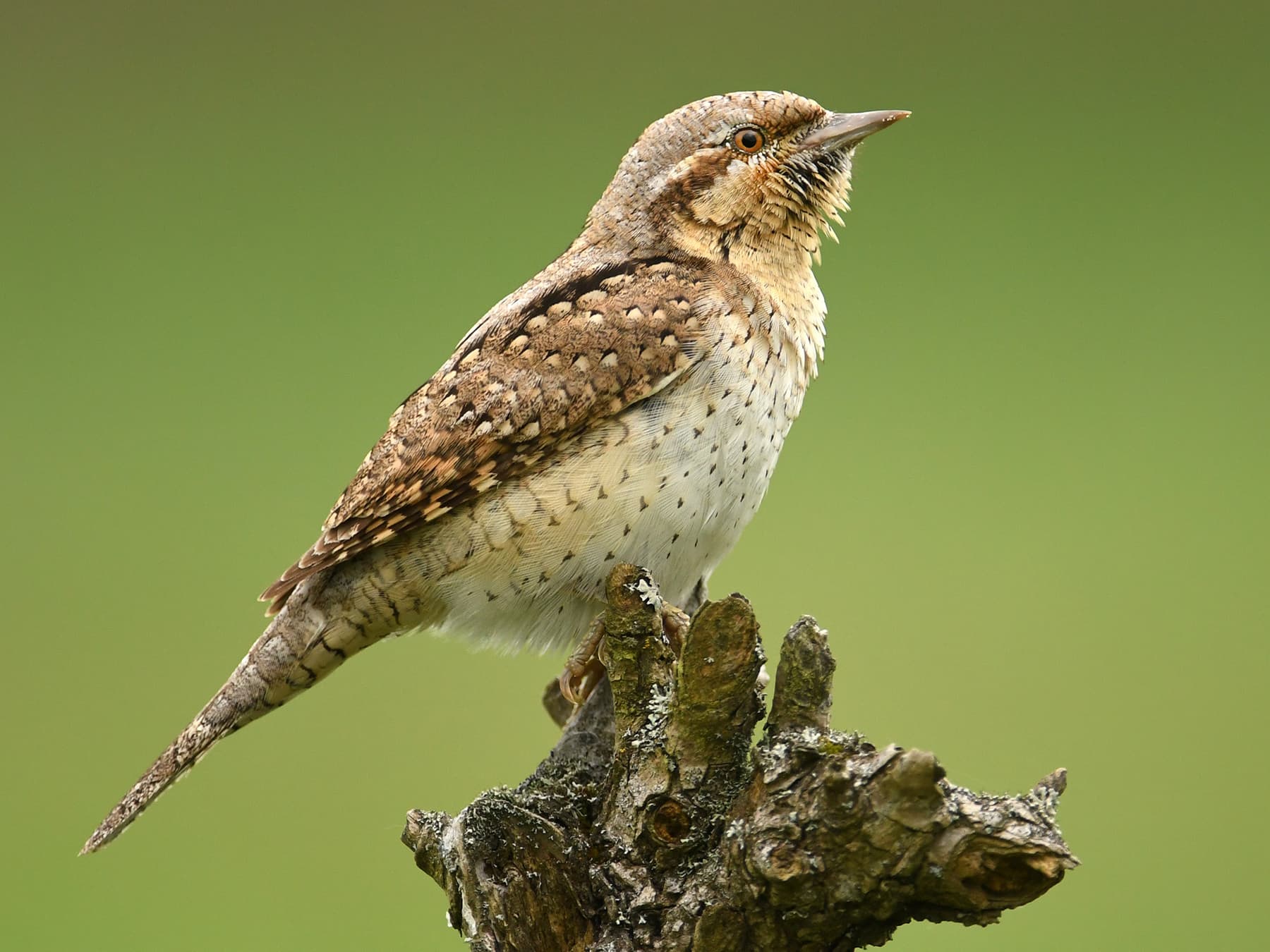
Wryneck
Jynx torquillaLC
A rare autumn passage migrant, most likely encountered in September along the coast at sites like Keyhaven and Farlington Marshes.
Sep
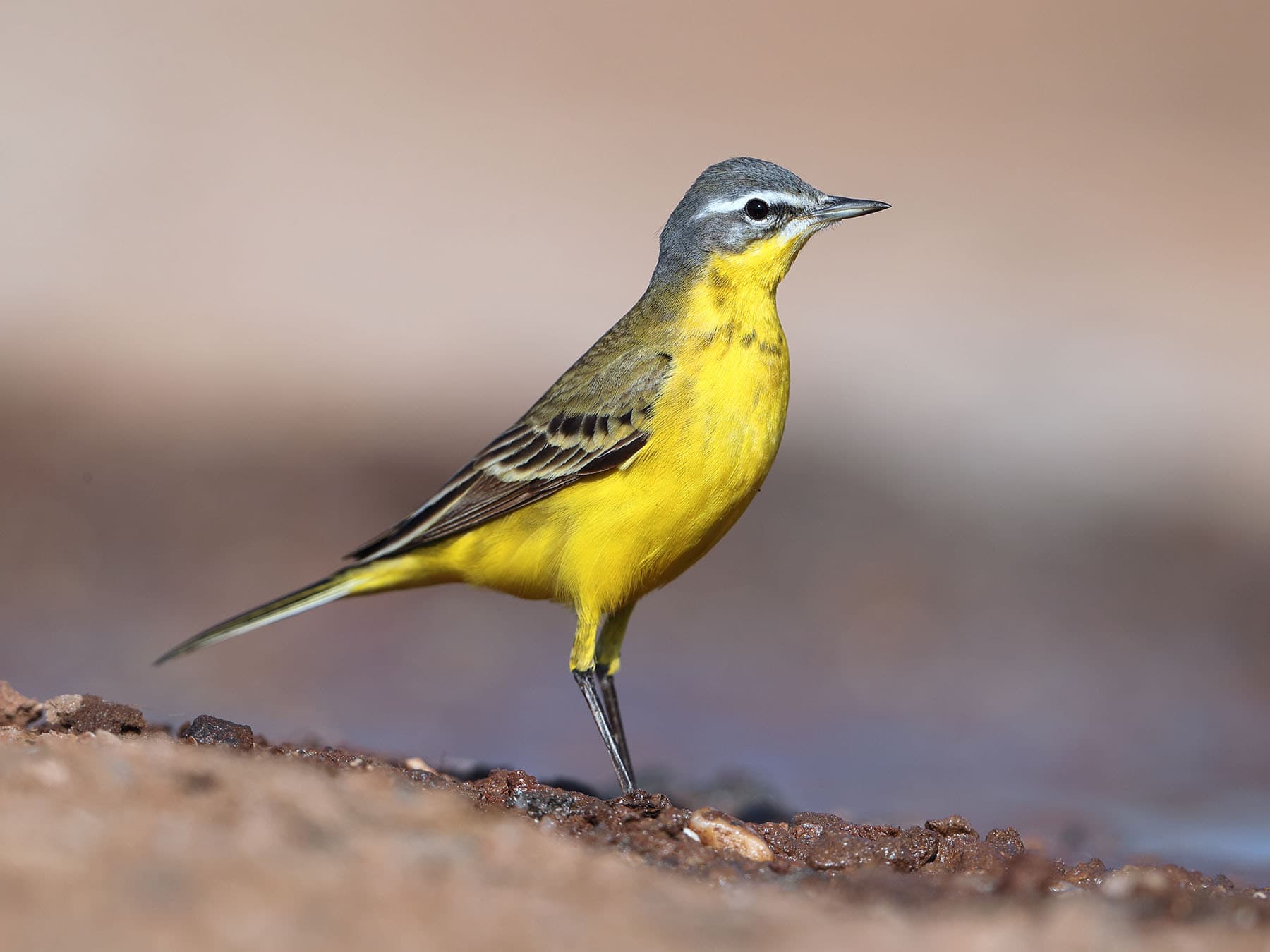
Yellow Wagtail
Motacilla flavaLC
An uncommon and declining summer breeder found in damp meadows and arable fields. Arrives from April and departs by October.
Apr–Oct
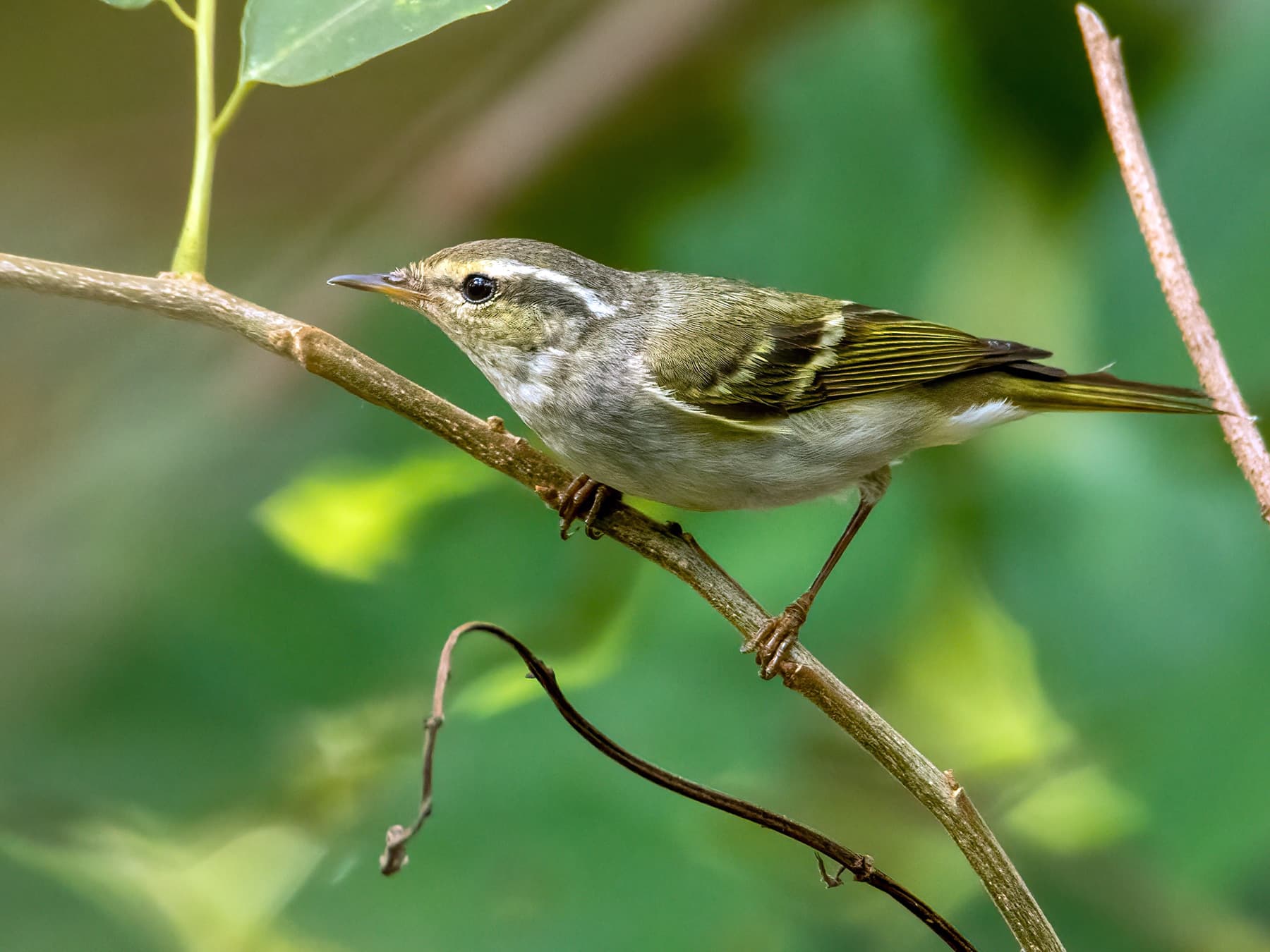
Yellow-browed Warbler
Phylloscopus inornatusLC
A rare autumn vagrant from Siberia, occasionally recorded along Hampshire's coast in October. Tiny and active, often found in coastal scrub and sycamores.
Oct
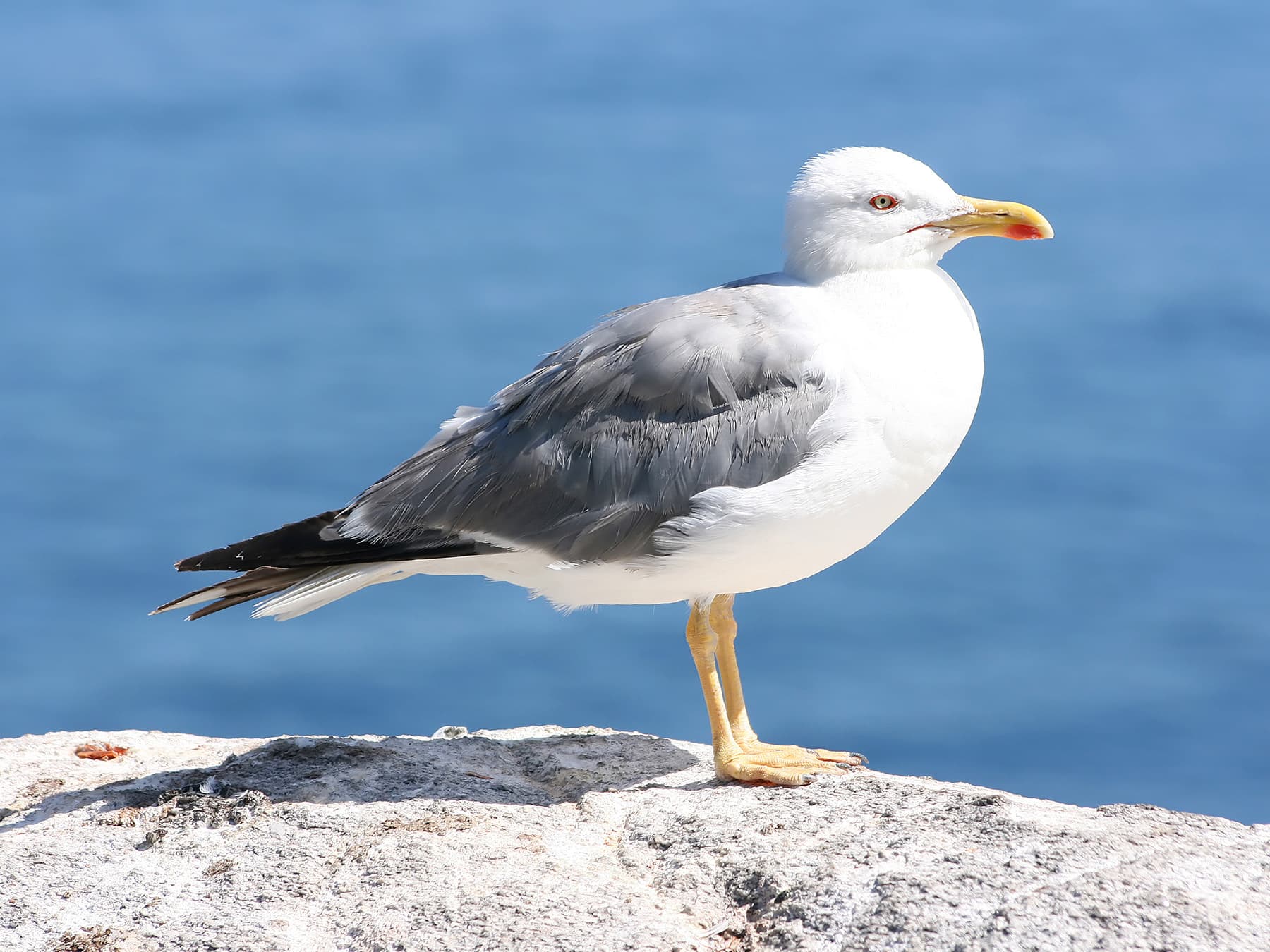
Yellow-legged Gull
Larus michahellisLC
A rare non-breeding visitor, most often seen from late summer through winter among mixed gull flocks at tips and coastal roosts.
Jul–Mar
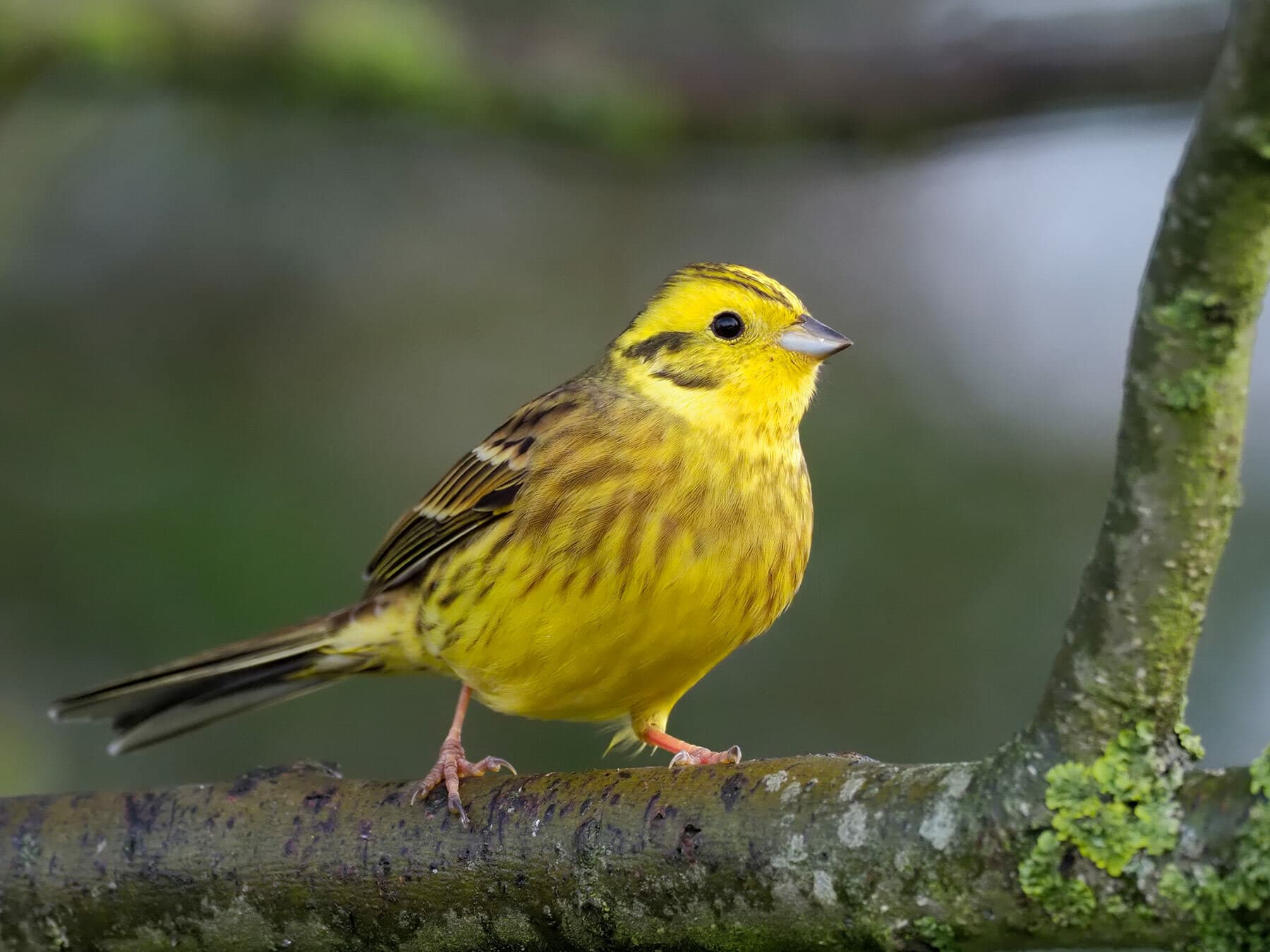
Yellowhammer
Emberiza citrinellaLC
An uncommon resident of Hampshire's farmland hedgerows and field margins. Its bright yellow head and distinctive song are characteristic of arable countryside.
Year-round