Old World Flycatchers in East Sussex
9 species matching this filter.
East Sussex is home to nine recorded species of Old World Flycatcher (Muscicapidae), a diverse family that includes familiar garden birds like the European Robin alongside scarcer migrants such as the Nightingale and European Pied Flycatcher. The county's varied habitats — from the chalk downland of the South Downs to coastal scrub, heathland, and ancient woodland — provide vital breeding and stopover sites for these species. Notable highlights include Wheatears arriving on the clifftops in spring, Nightingales singing in dense thickets, and Black Redstarts frequenting urban and coastal structures.


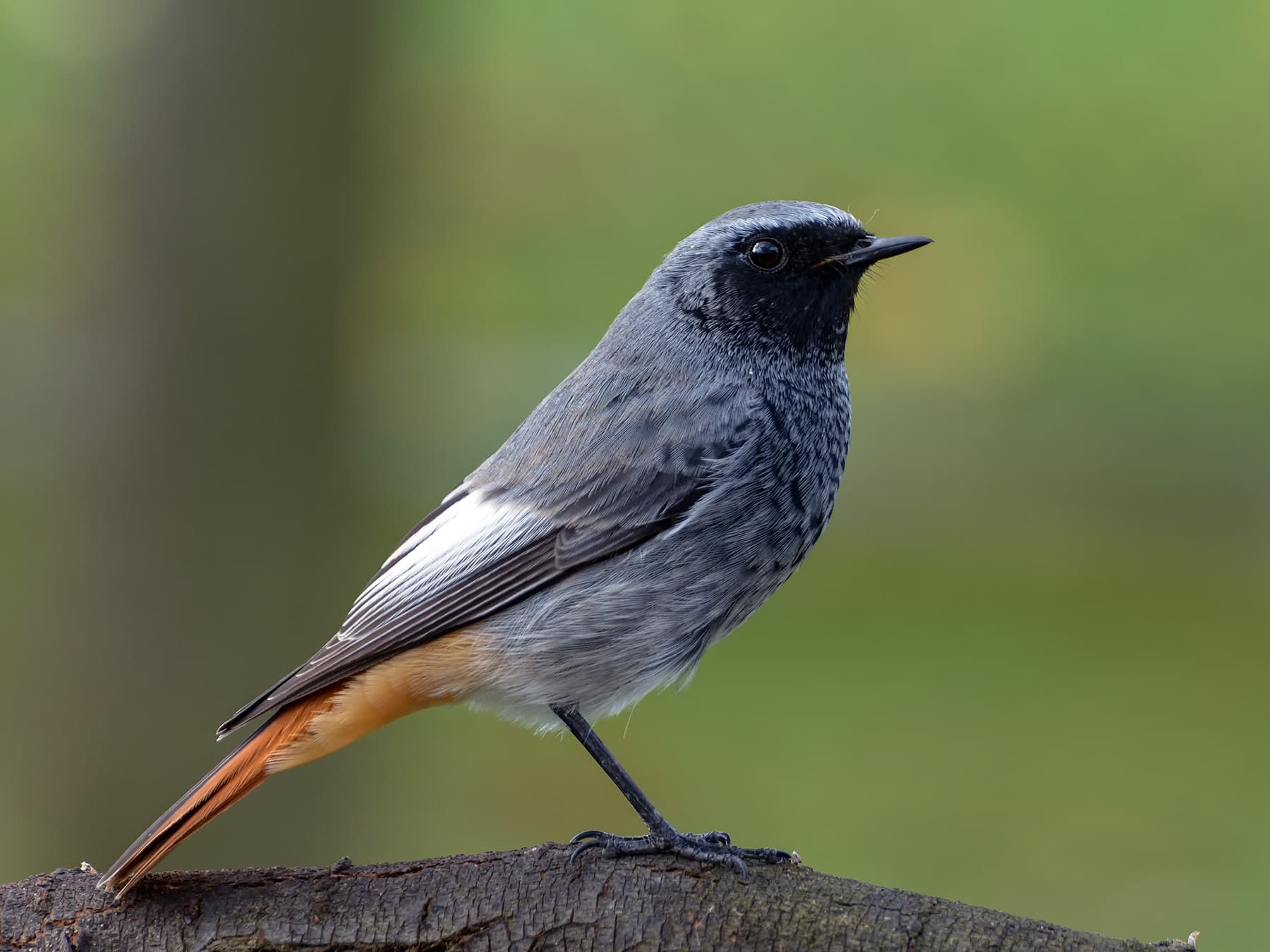
Black Redstart
Phoenicurus ochrurosLC
A rare winter visitor favouring coastal cliffs and buildings around Brighton and Beachy Head from October to early spring.
Oct–Apr
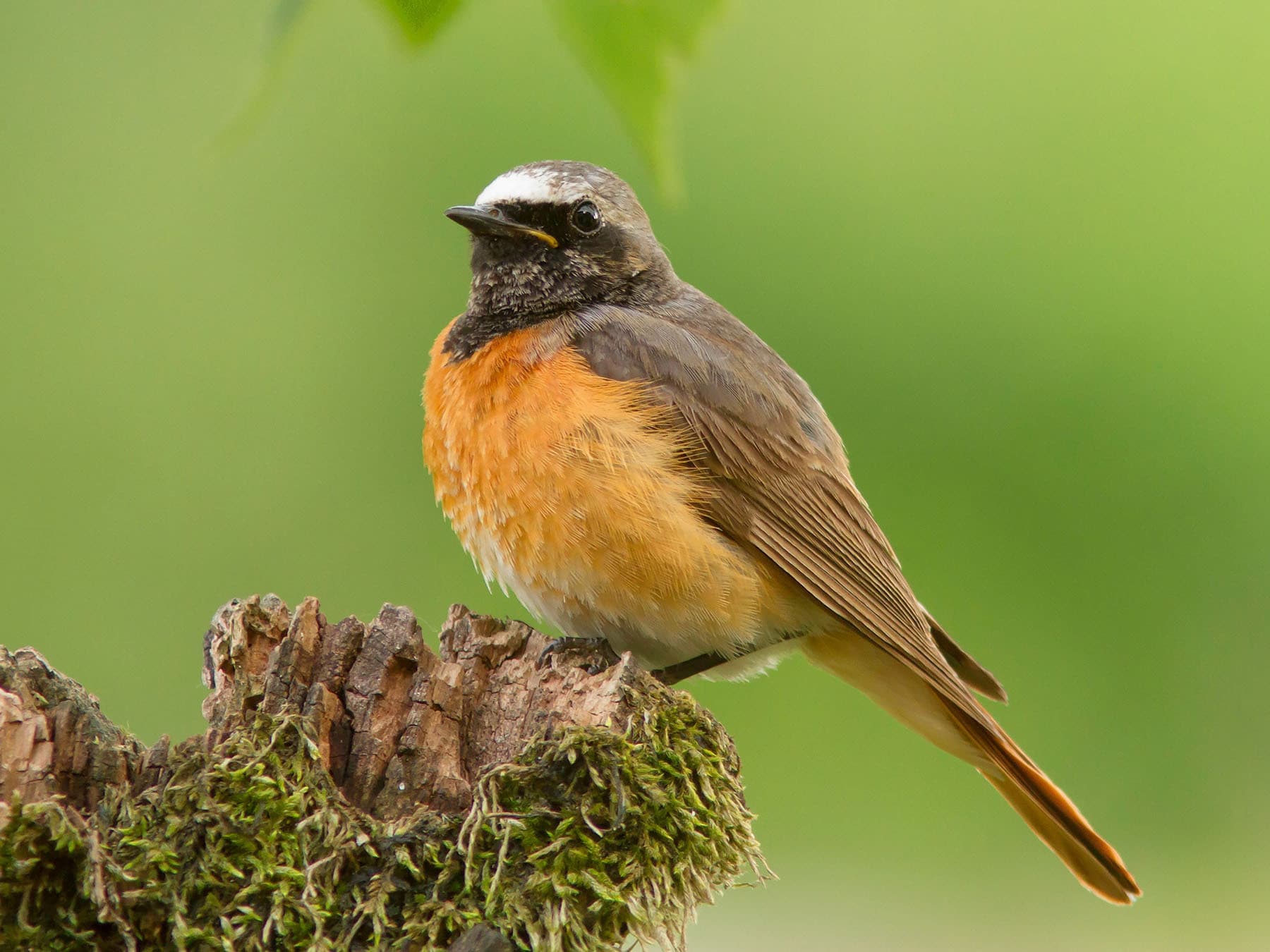
Common Redstart
Phoenicurus phoenicurusLC
An uncommon summer breeder found in mature oak woodland and parkland. The male's striking orange tail and black face make it unmistakable.
Apr–Sep
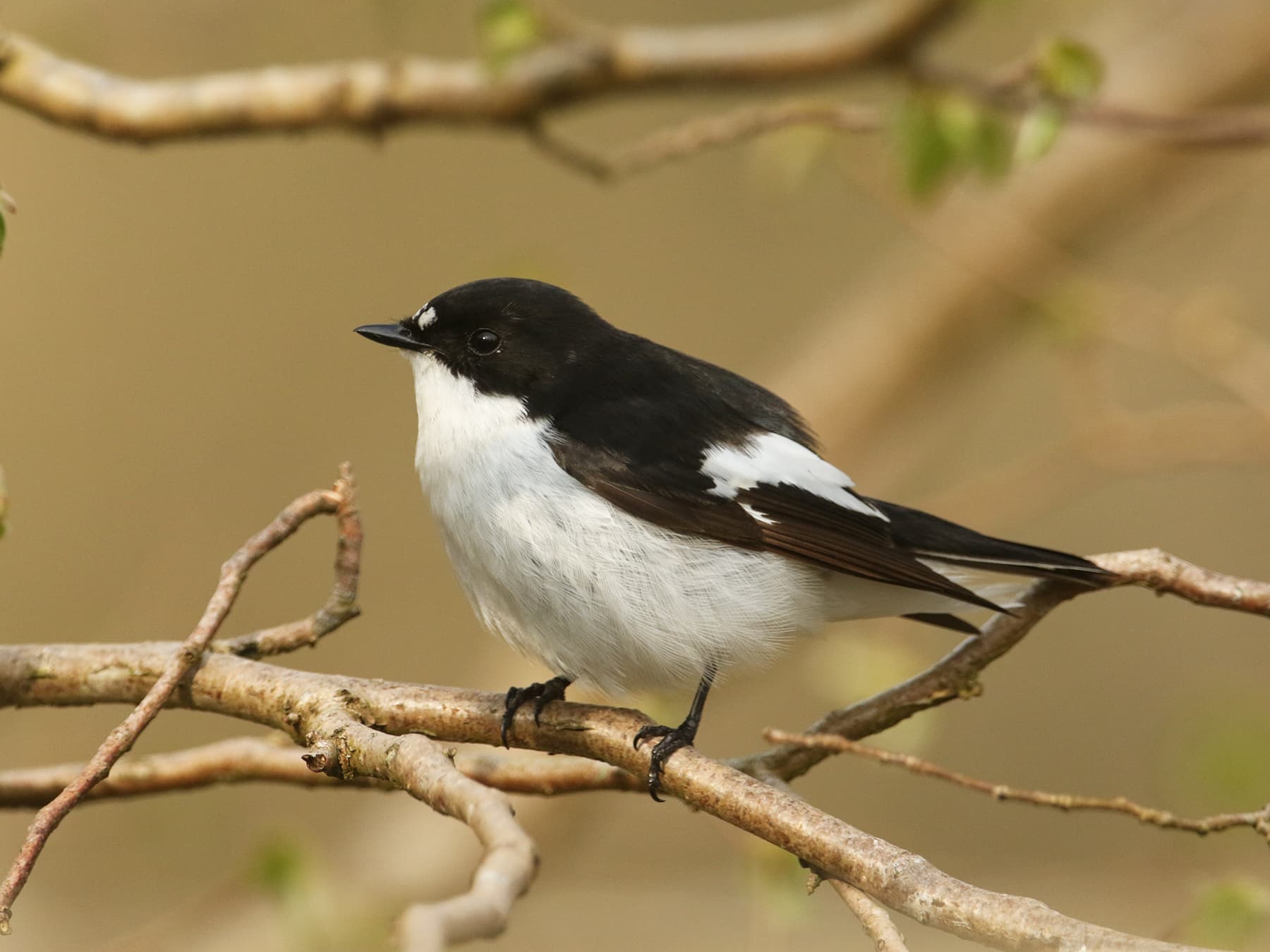
European Pied Flycatcher
Ficedula hypoleucaLC
A rare passage migrant seen mainly in August and September at coastal sites. Spring records in May are scarce but possible.
May–Sep
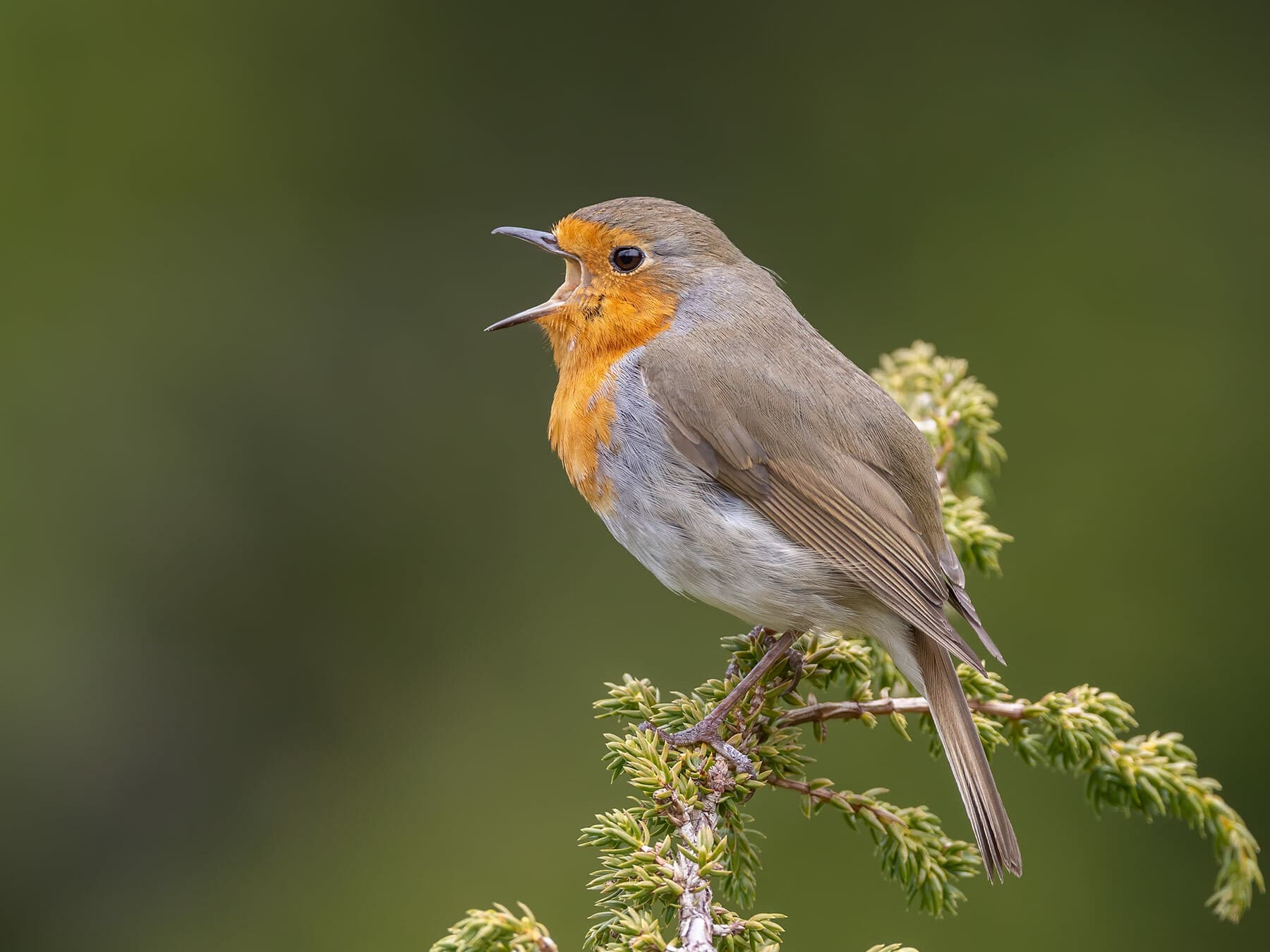
European Robin
Erithacus rubeculaLC
One of the most familiar year-round residents, found in gardens, hedgerows and woodland. Sings throughout winter across the county.
Year-round
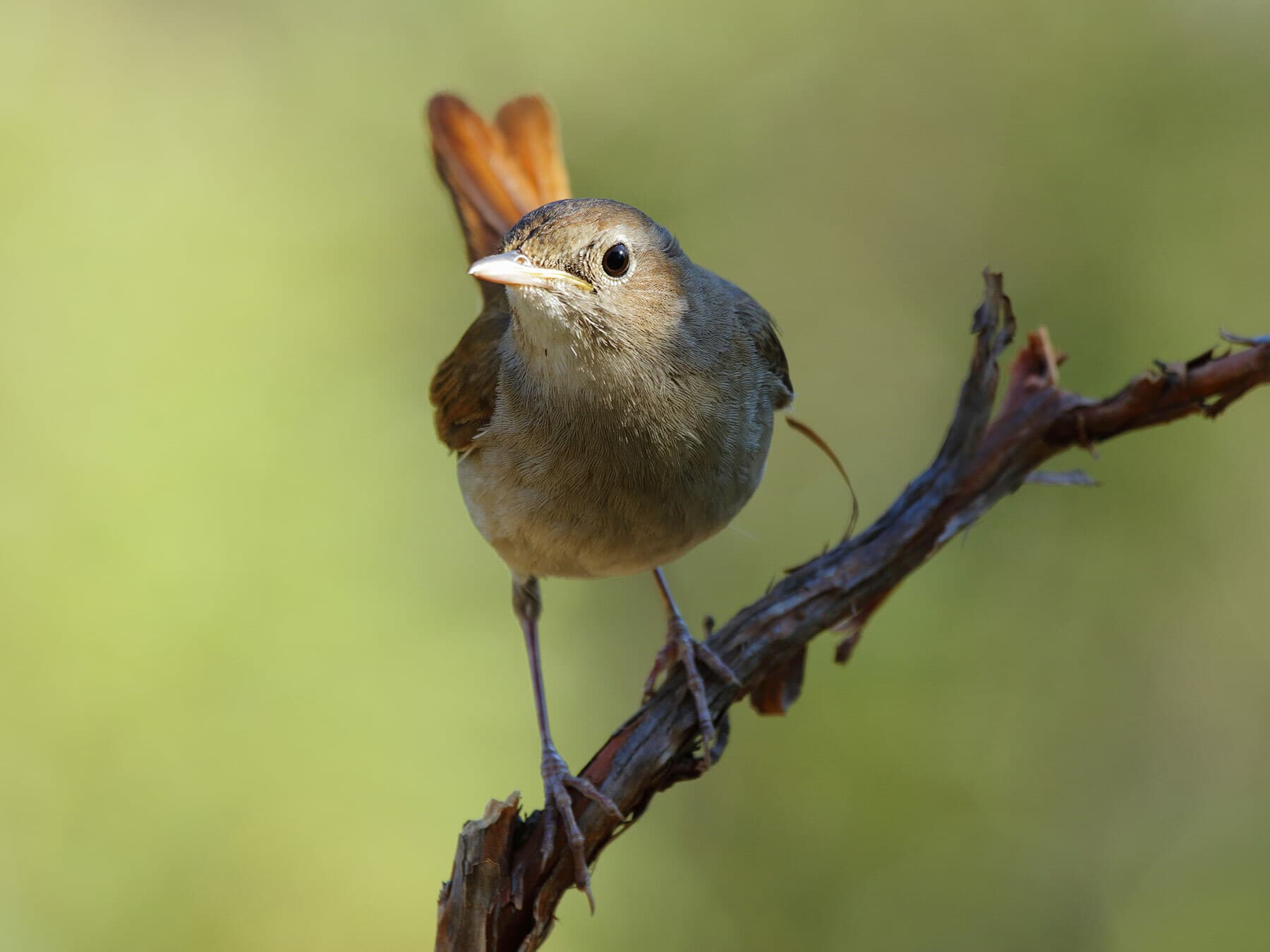
Nightingale
Luscinia megarhynchosLC
A rare and declining summer breeder, arriving in April. Dense coppiced woodland in the Low Weald remains a stronghold for this celebrated songster.
Apr–Aug
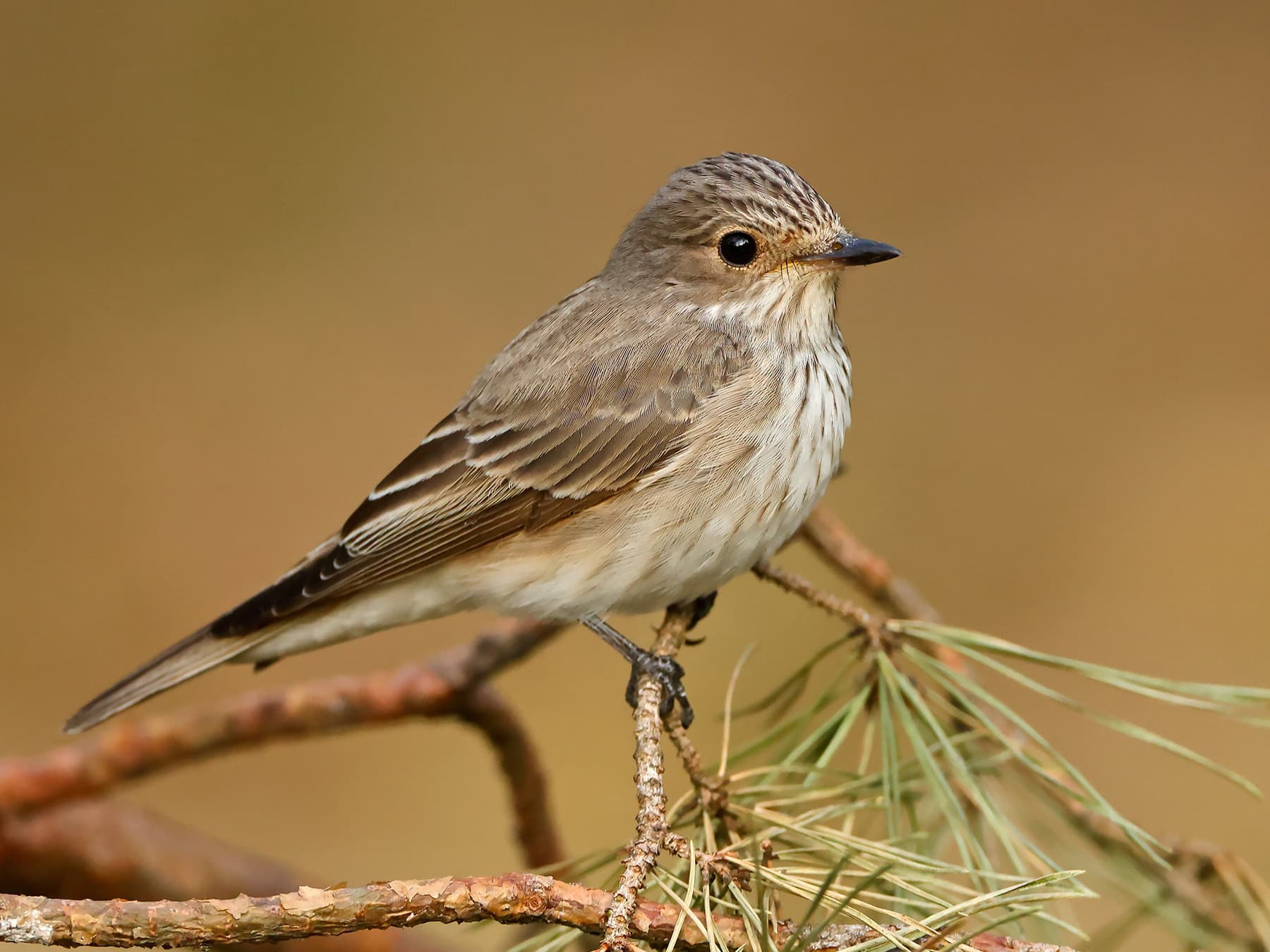
Spotted Flycatcher
Muscicapa striataLC
An uncommon and declining summer breeder arriving in May. Sallies for insects from exposed perches in woodland edges and mature gardens.
May–Sep
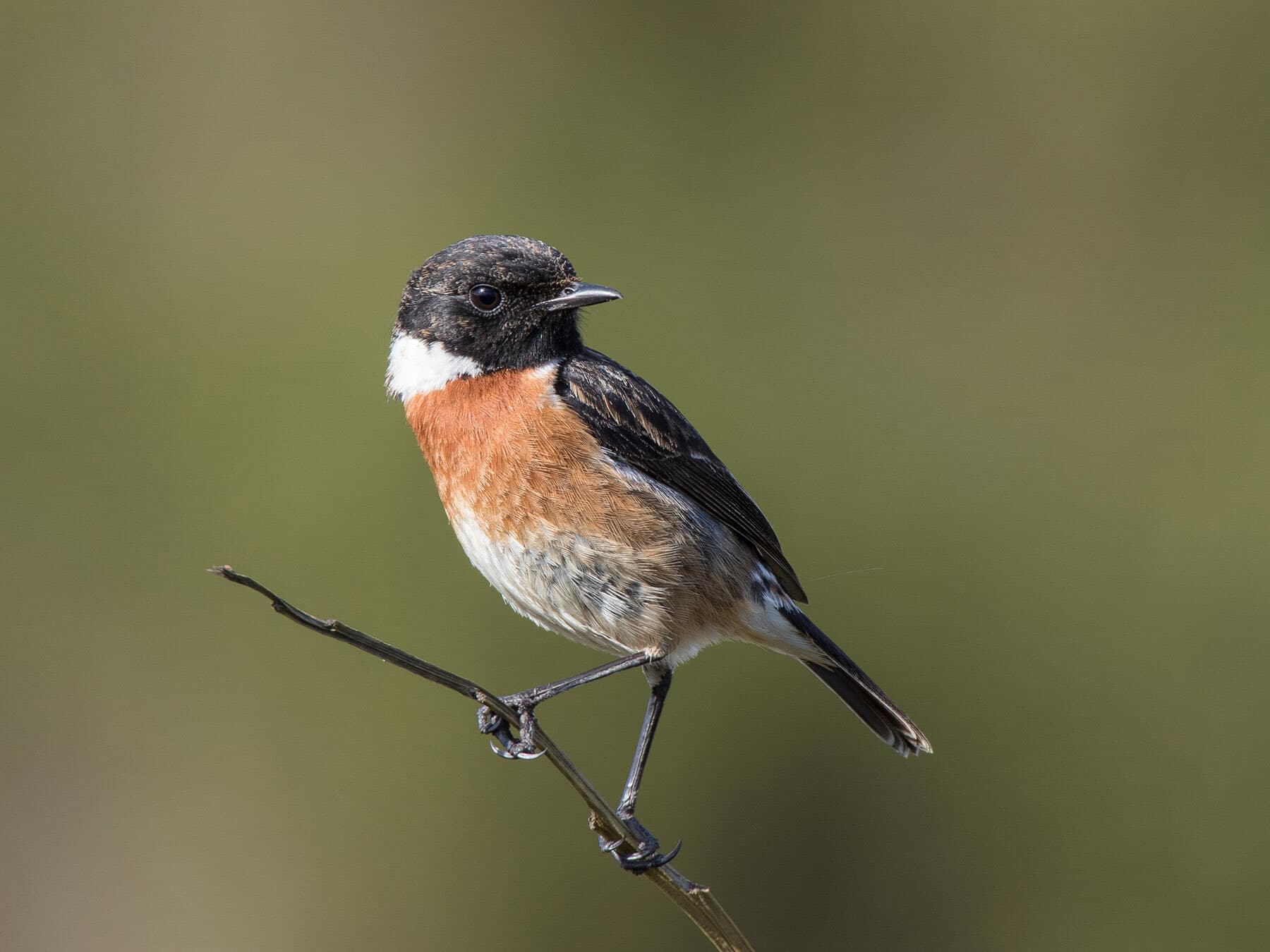
Stonechat
Saxicola torquatusLC
A common resident of coastal scrub, heathland, and gorse. Readily seen perching prominently at sites like Beachy Head and the Cuckmere valley.
Year-round
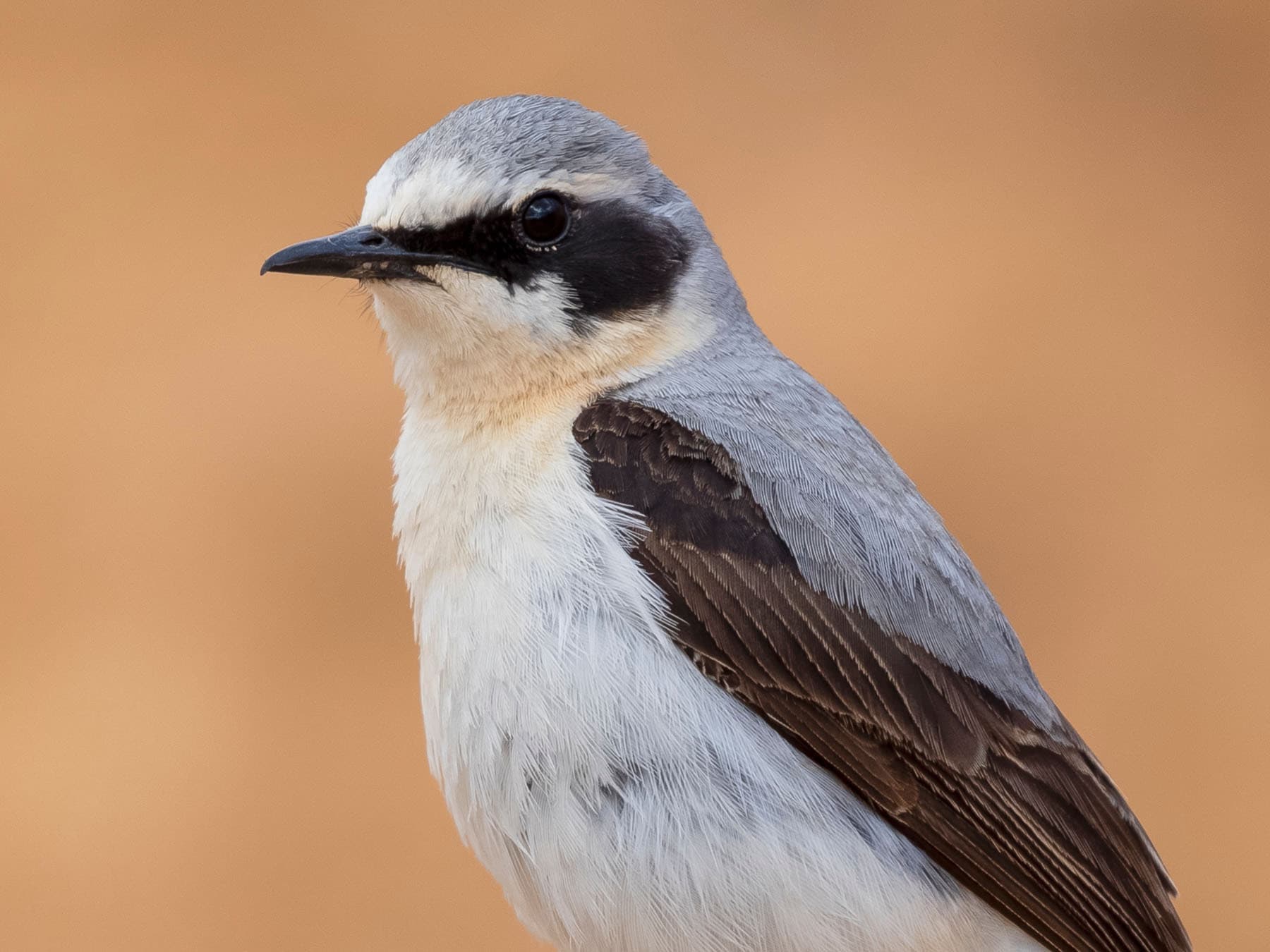
Wheatear
Oenanthe oenantheLC
An uncommon breeder on short-grazed chalk downland and coastal clifftops. Most visible during spring and autumn passage along the Sussex coast.
Mar–Nov
Spotted something?
Upload a photo to identify it
Identify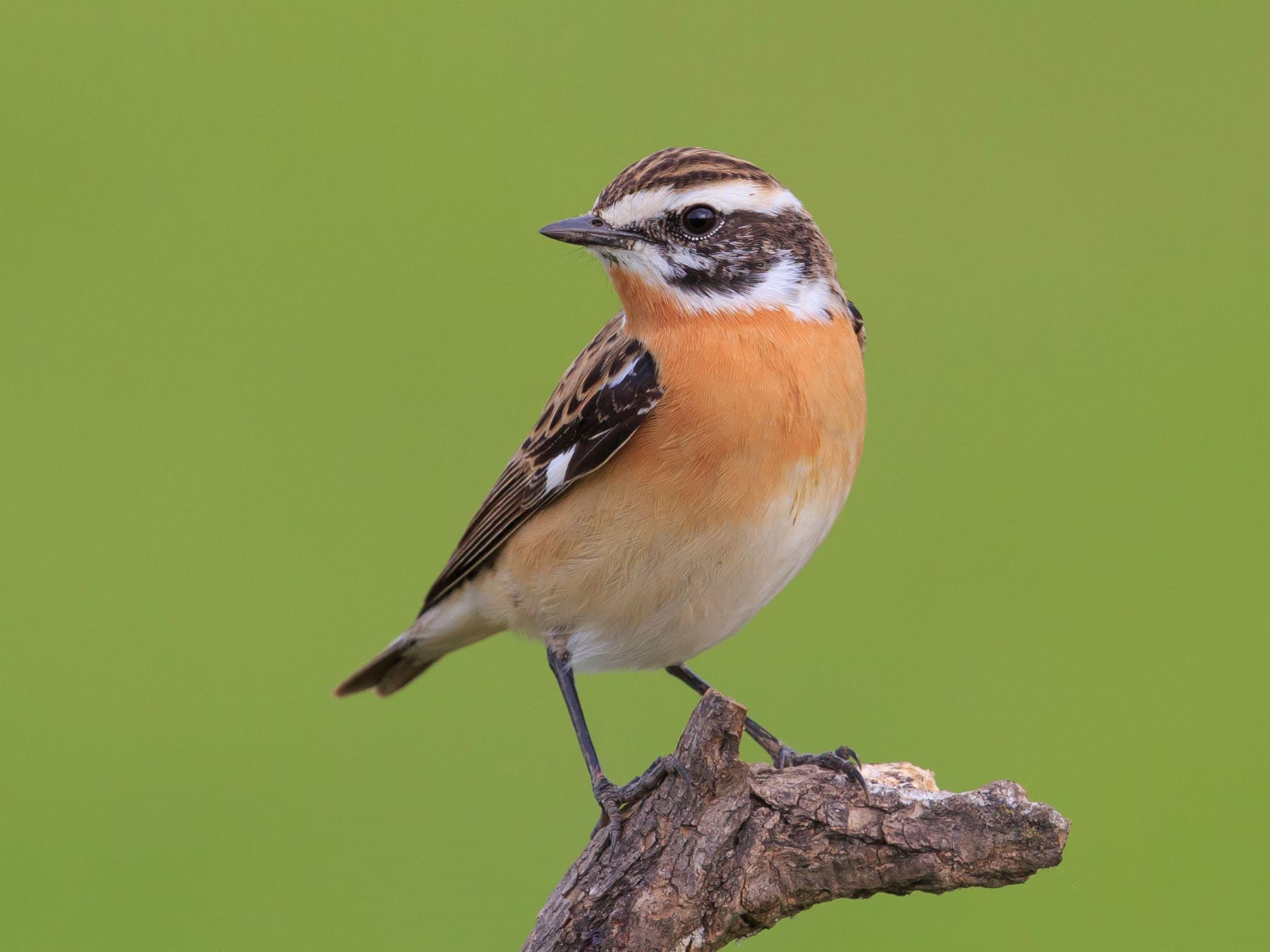
Whinchat
Saxicola rubetraLC
An uncommon visitor to rough grassland and scrubby margins, mainly on passage from May to October. Favours open areas along the coast and Downs.
May–Oct