Old World Flycatchers in Durham
8 species matching this filter.
Durham's varied landscapes, from the upland moors of the Pennines to its sheltered river valleys and coastal margins, provide excellent habitat for a range of Old World flycatchers. Eight species from this diverse family have been recorded in the county, including breeding residents such as the European Robin and summer visitors like the Spotted Flycatcher and European Pied Flycatcher. Scarcer visitors such as the Red-flanked Bluetail add an element of excitement for keen birders exploring the region.


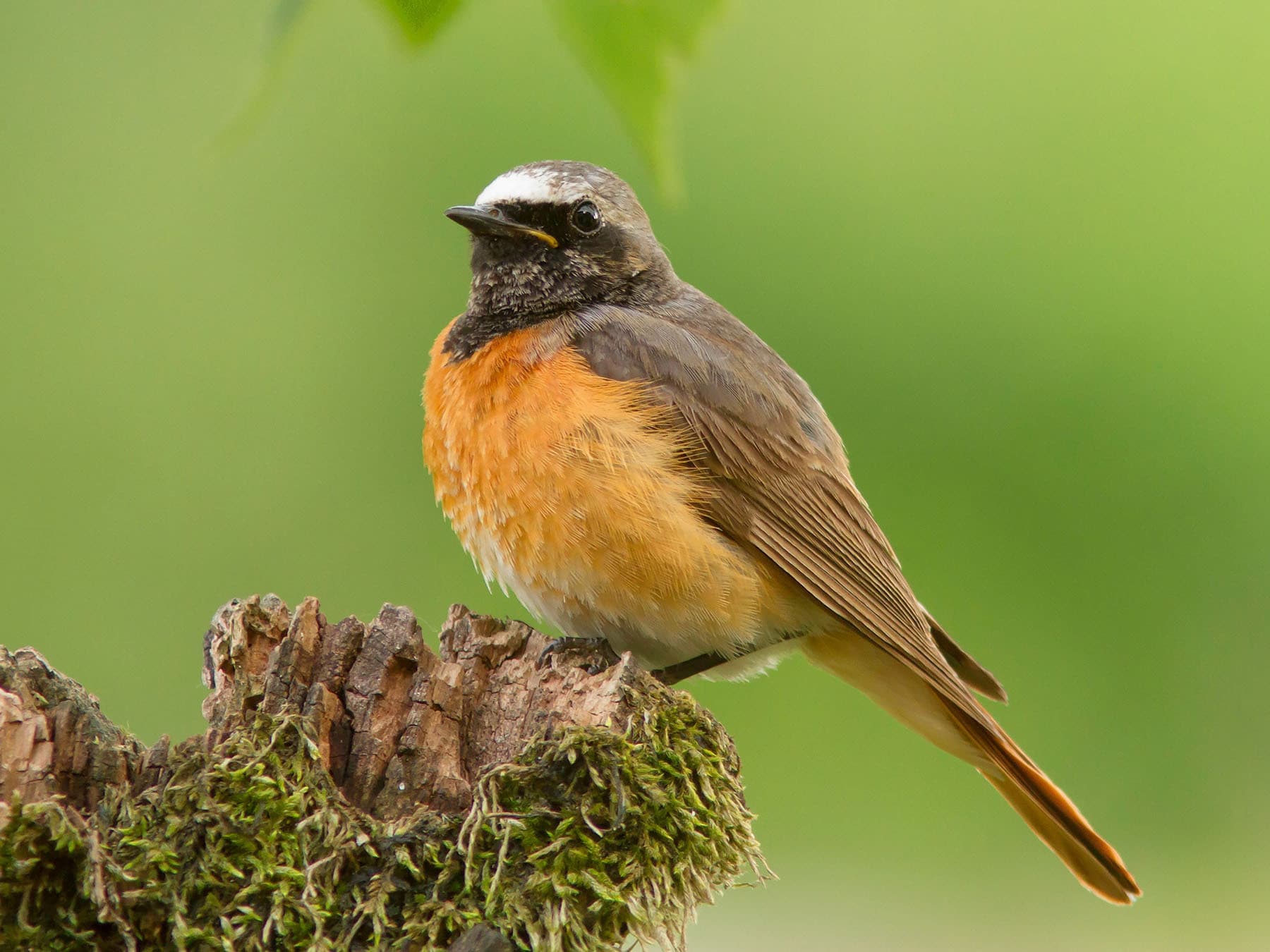
Common Redstart
Phoenicurus phoenicurusLC
A rare breeding visitor to Durham's upland oak woodlands from April to September, favouring mature trees with nest holes.
Apr–Sep
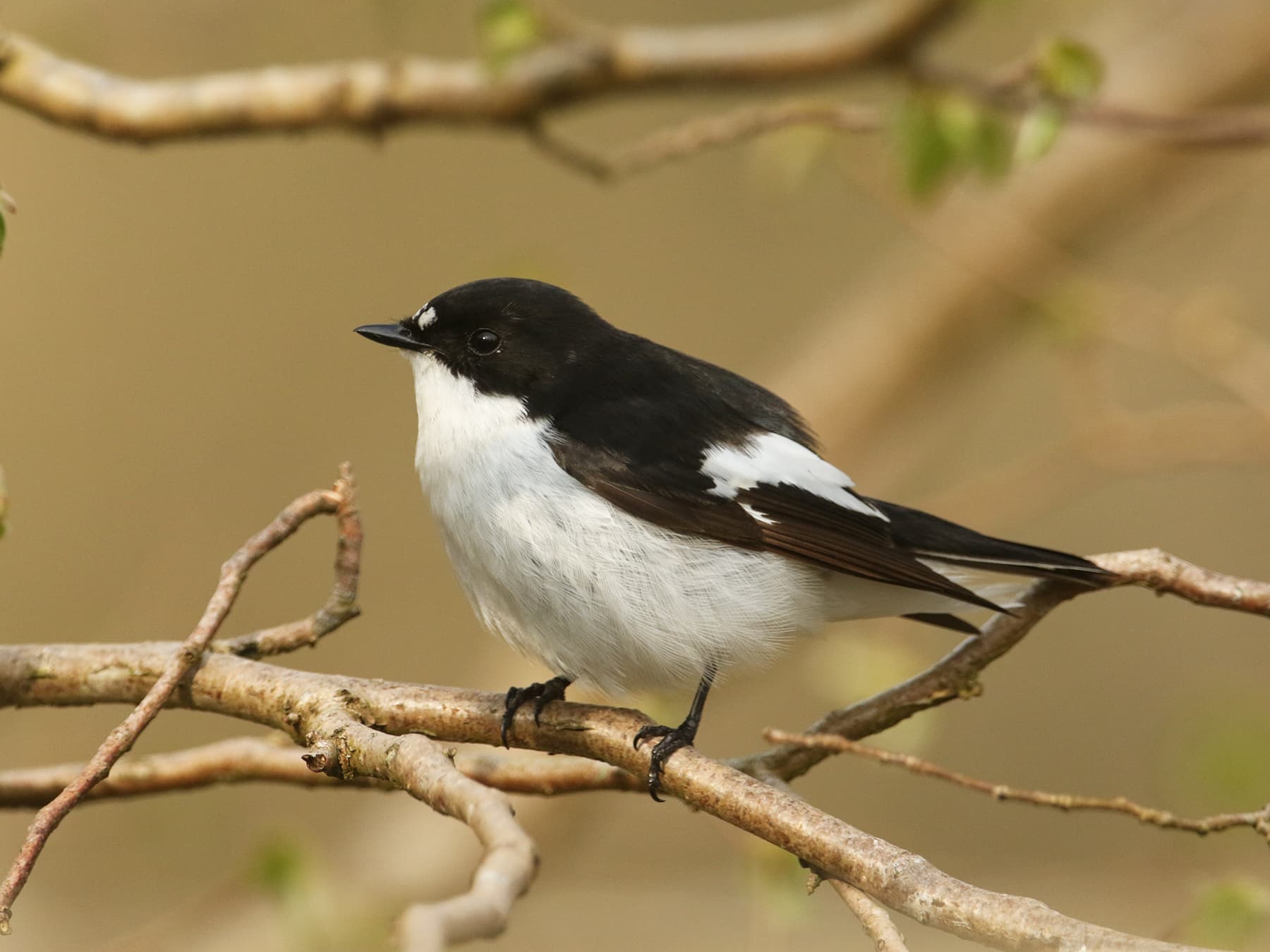
European Pied Flycatcher
Ficedula hypoleucaLC
A rare breeding visitor to mature oak woodland, particularly in the western dales. Readily takes to nestboxes where provided.
Apr–Sep
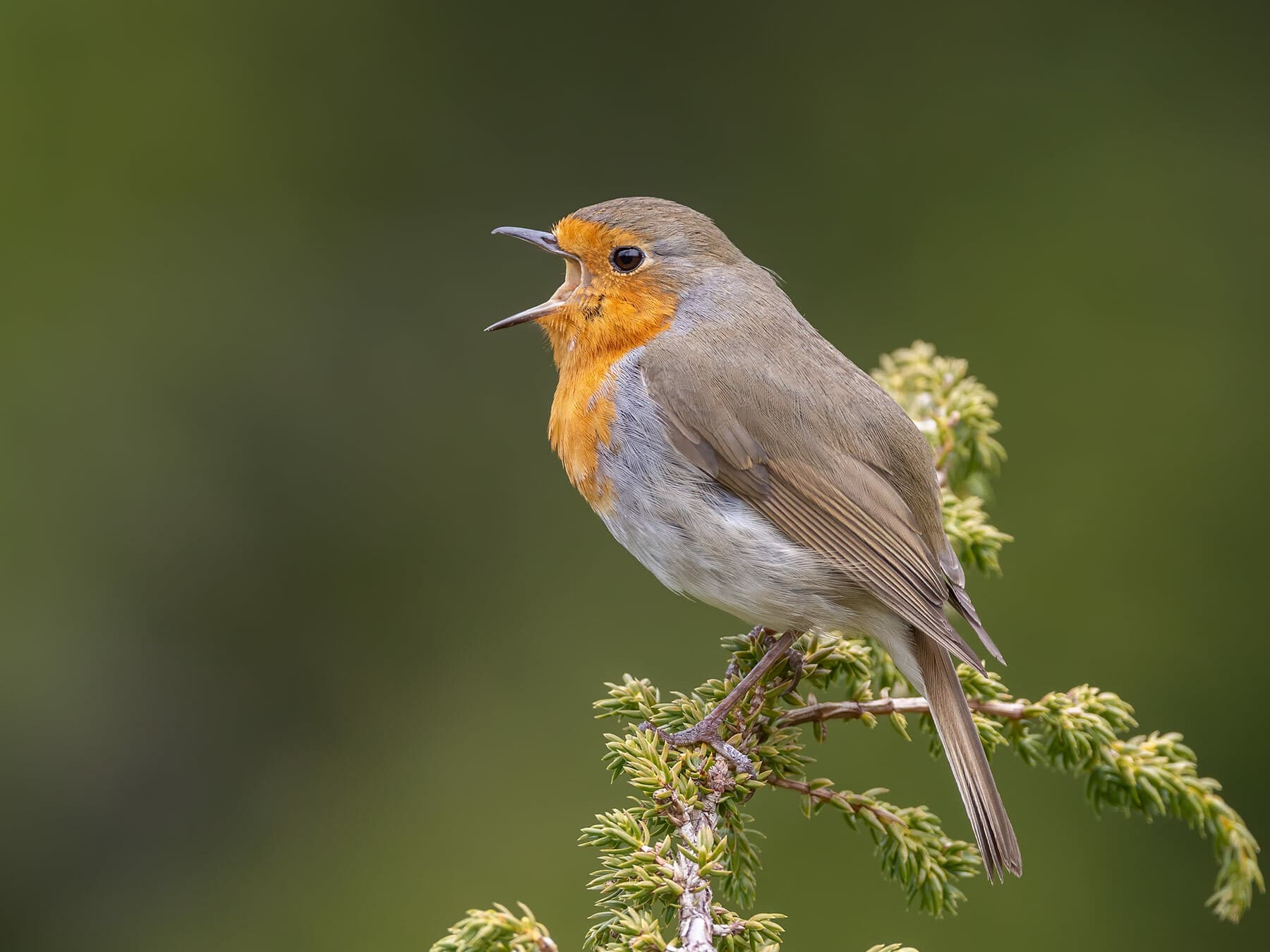
European Robin
Erithacus rubeculaLC
A beloved year-round resident of gardens, woodland and hedgerows. One of the most confiding birds in Durham, often singing through winter.
Year-round
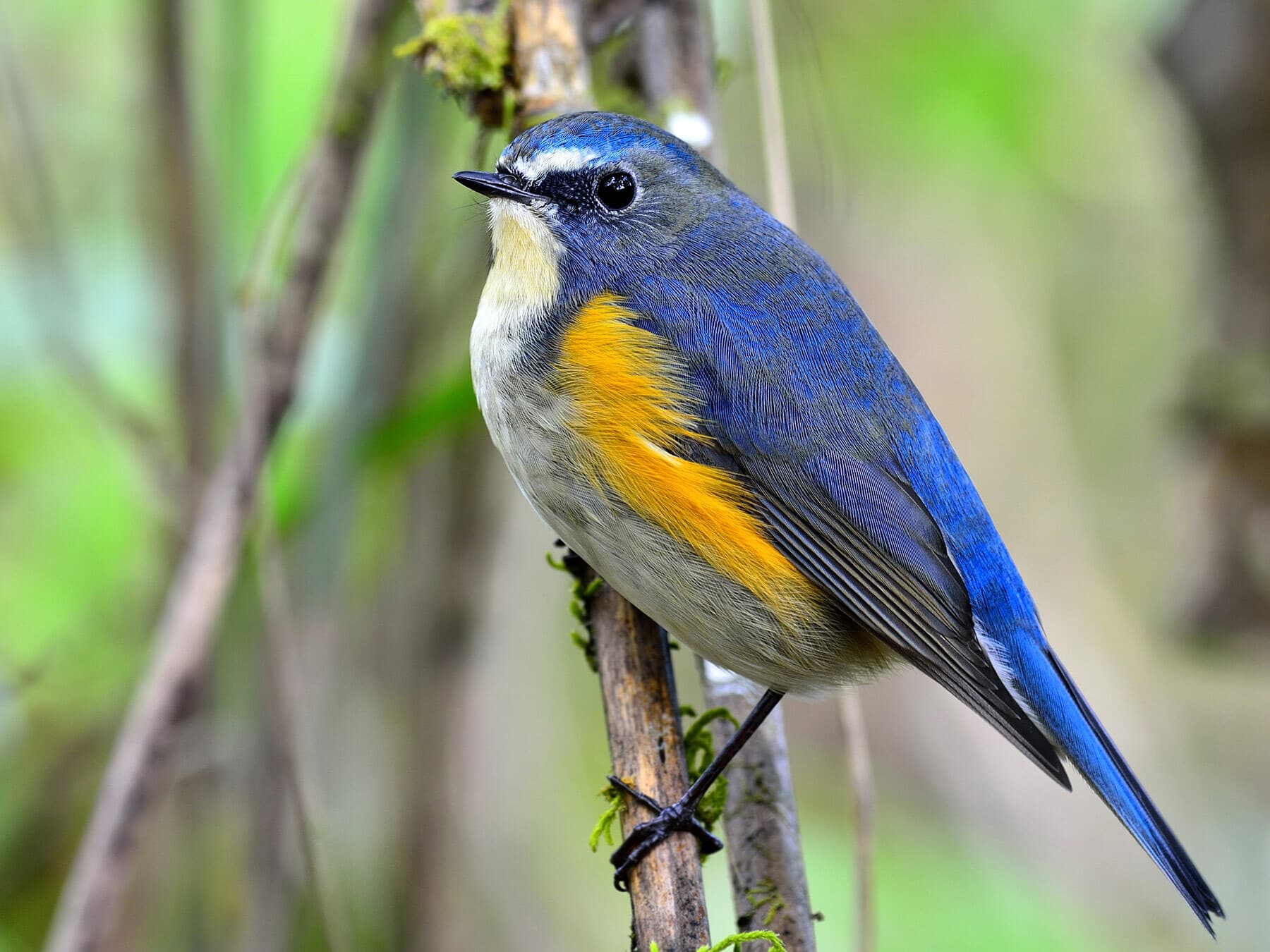
Red-flanked Bluetail
Tarsiger cyanurusLC
An extremely rare vagrant from eastern Asia, with occasional winter records along the Durham coast. A major rarity for the region.
Jan
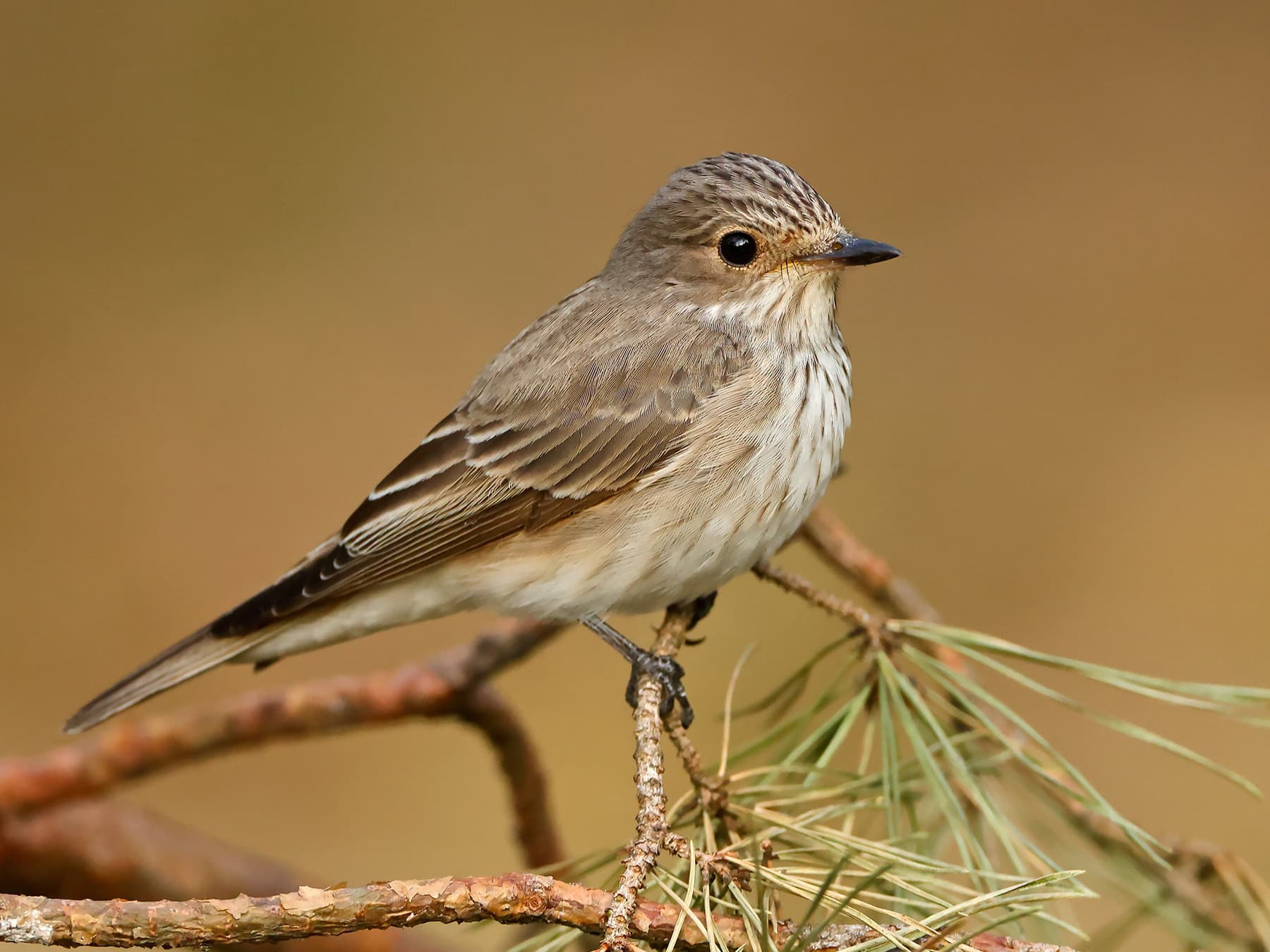
Spotted Flycatcher
Muscicapa striataLC
A rare and declining summer visitor, breeding in open woodland and parkland. Sallies from exposed perches to catch insects from May to September.
May–Sep
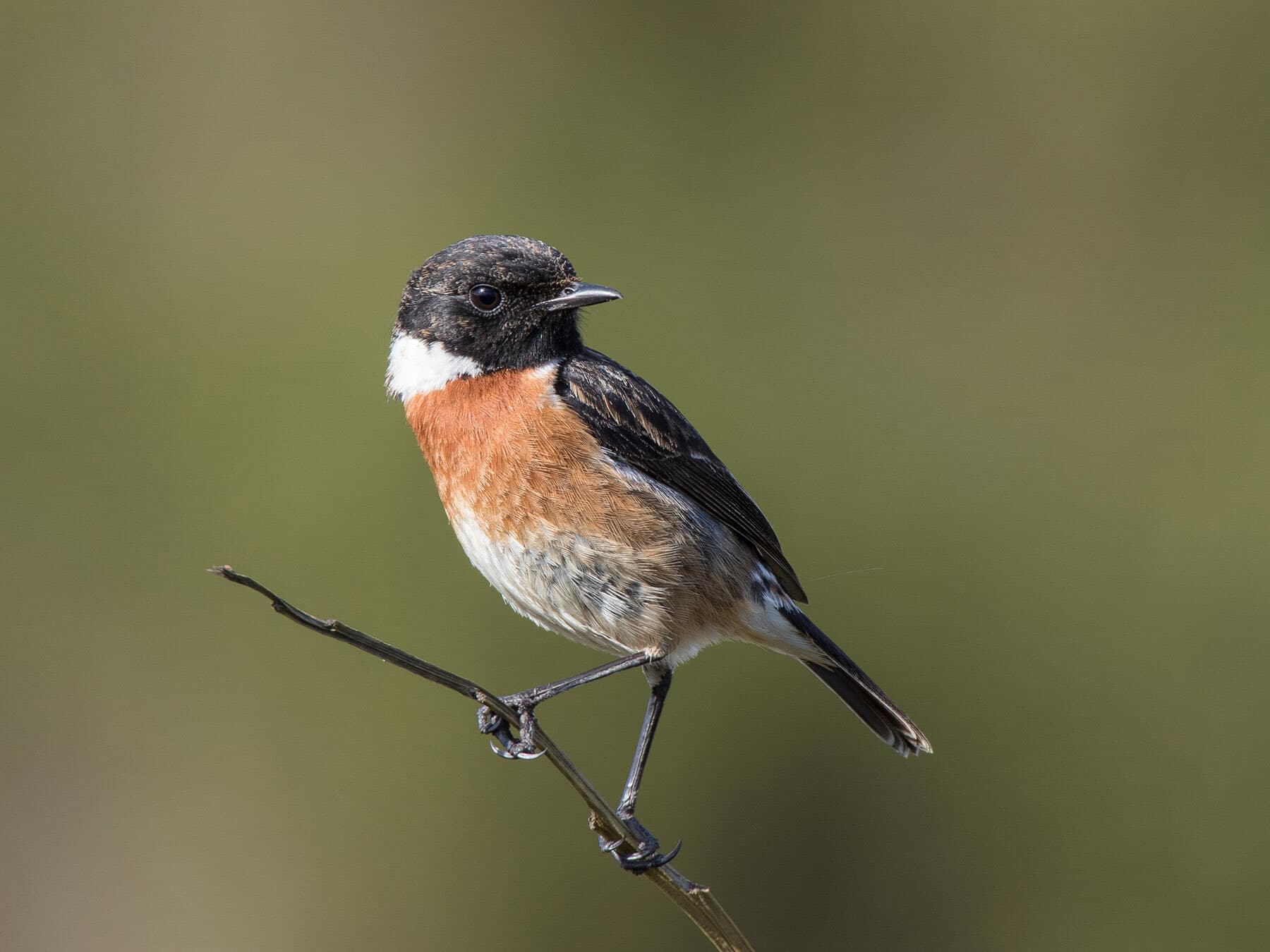
Stonechat
Saxicola torquatusLC
A scarce resident found year-round on Durham's coastal gorse and upland heath, often perching prominently on bushes.
Year-round
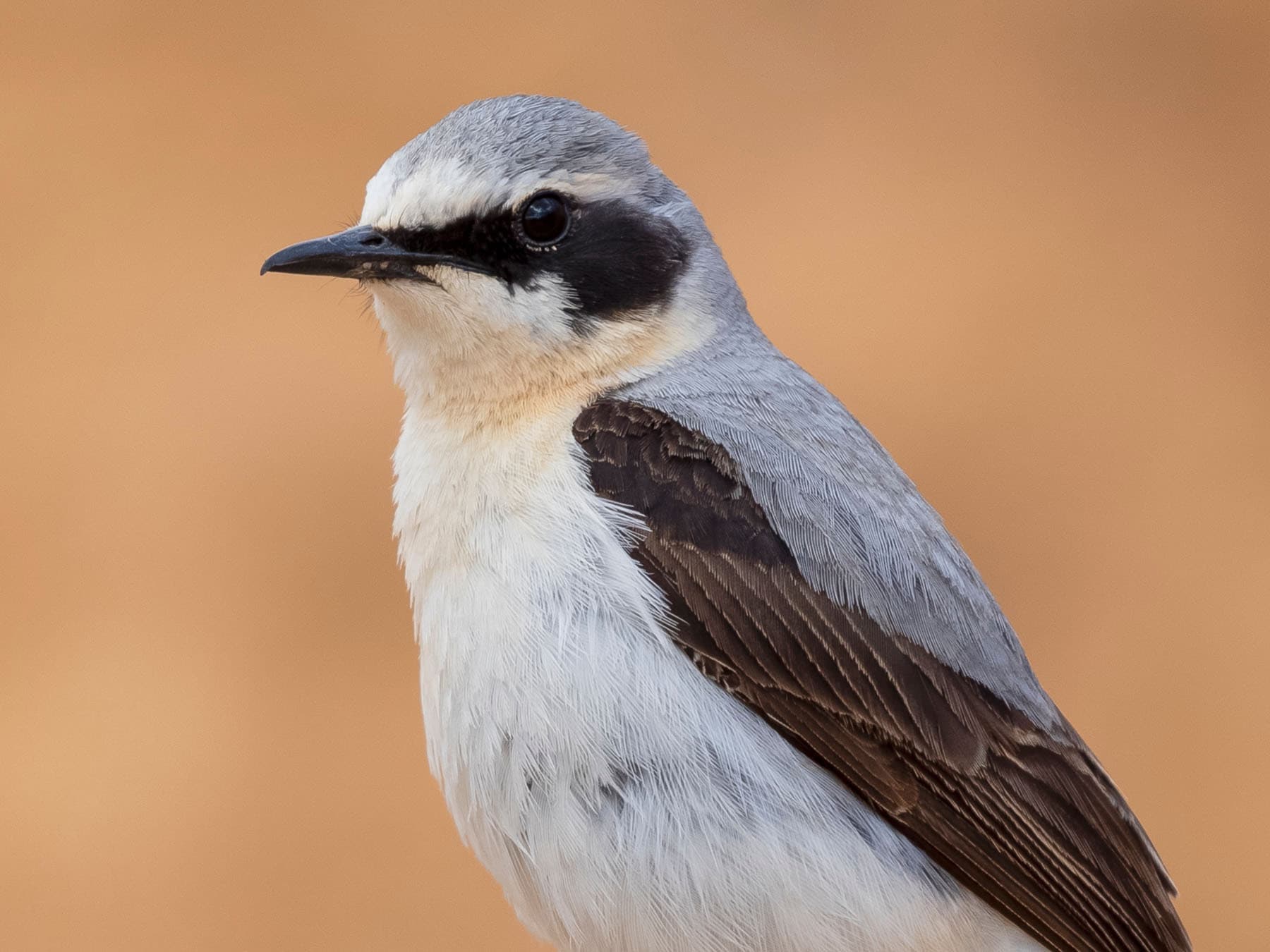
Wheatear
Oenanthe oenantheLC
A rare breeder on Durham's upland moorland and fell walls, arriving in March and departing by September.
Mar–Sep
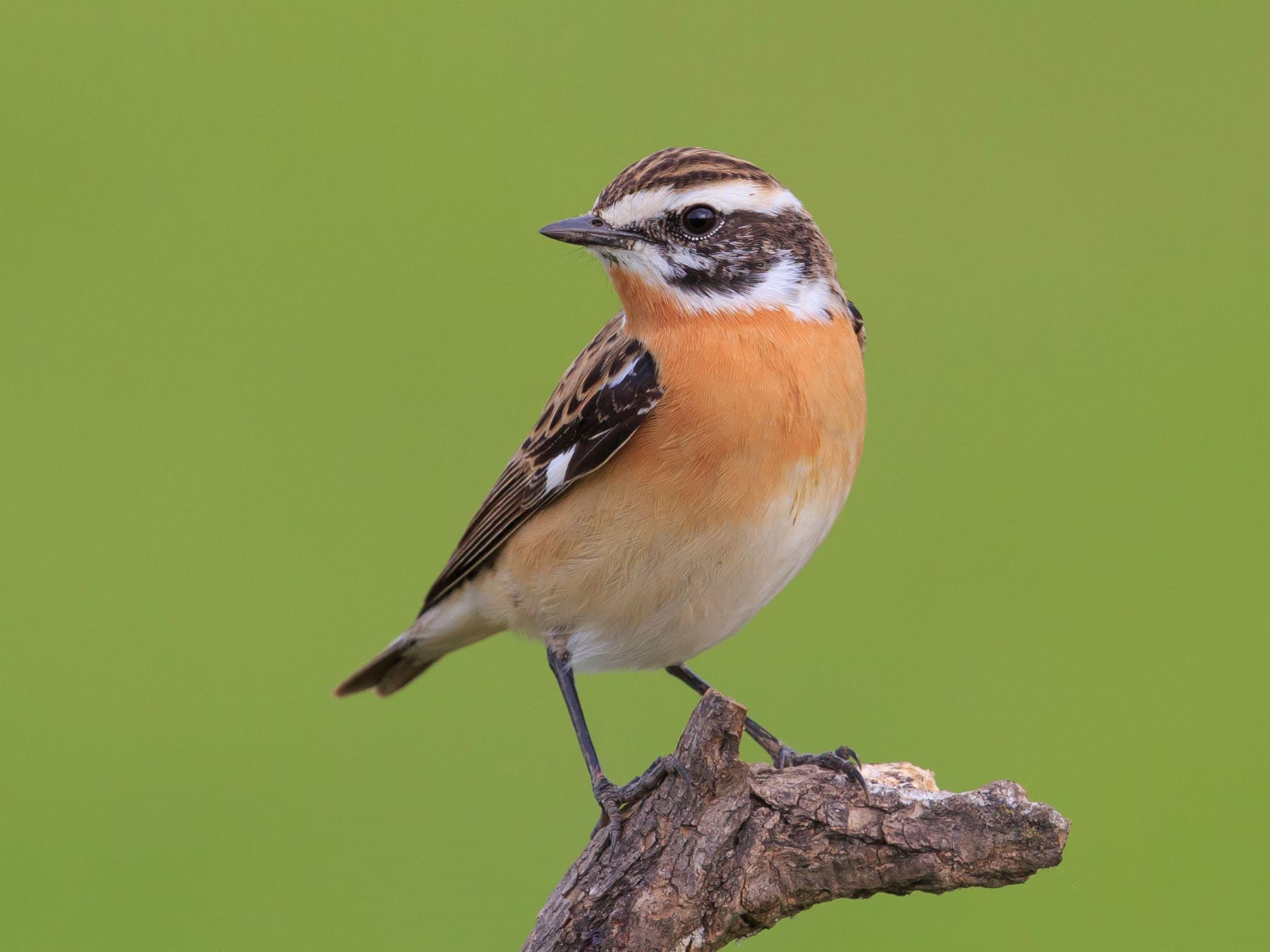
Whinchat
Saxicola rubetraLC
A rare autumn passage migrant through Durham, pausing briefly on rough grassland and moorland edges in August and September.
Aug–Sep