Facts · Updated 12 Oct 2026
What Do Mourning Doves Eat? Diet, Feeding and Feeders
By the Birdfact teamChecked by Nathan Cope
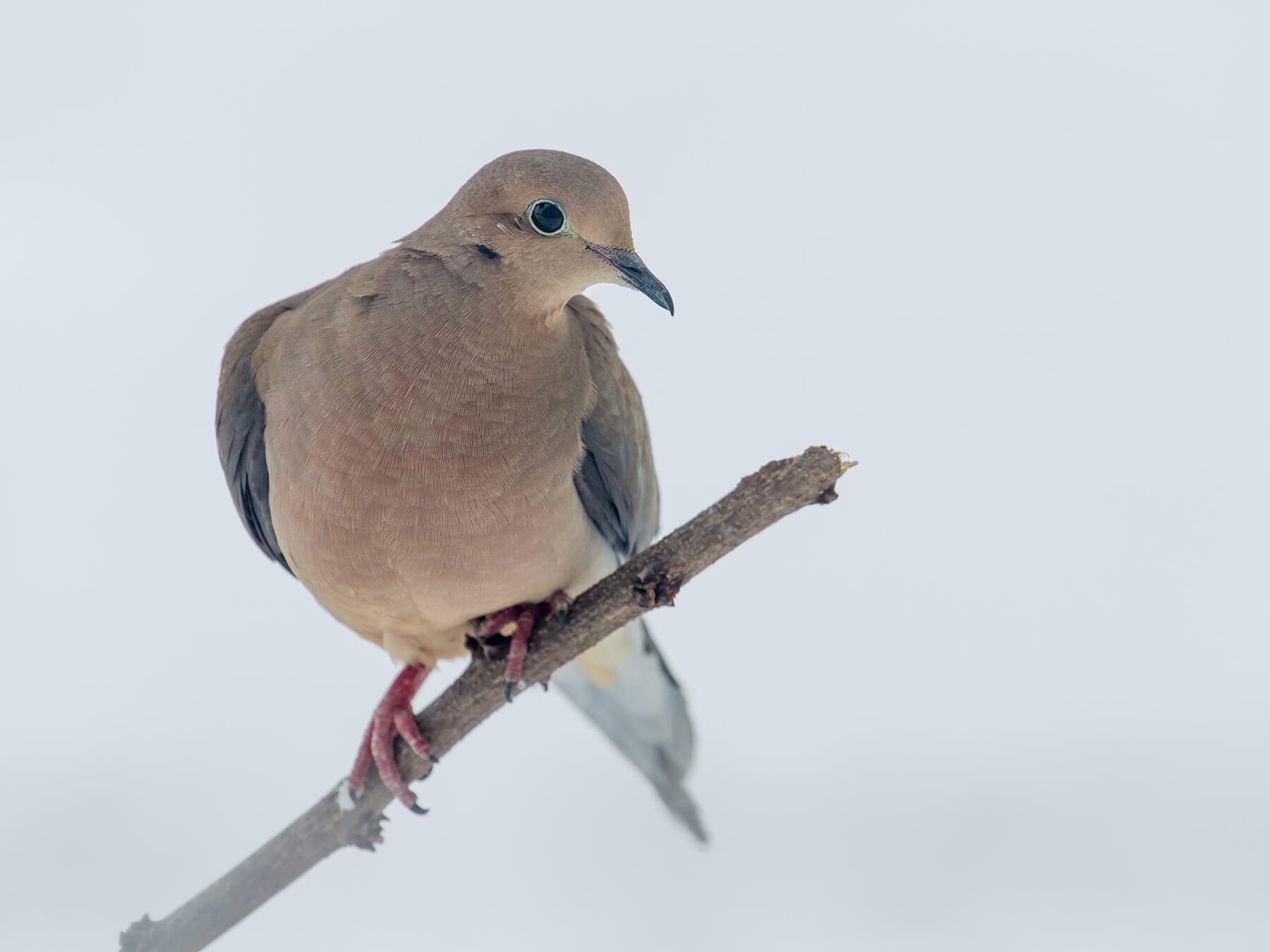
Mourning Doves eat seeds, about 99% of their diet: waste grain and the seeds of weedy plants, picked up on open ground. At feeders they take millet, cracked corn, sunflower and safflower, on the ground or a platform. They rarely eat insects or mealworms, and they need grit and regular drinks of water.
On this page11 sections
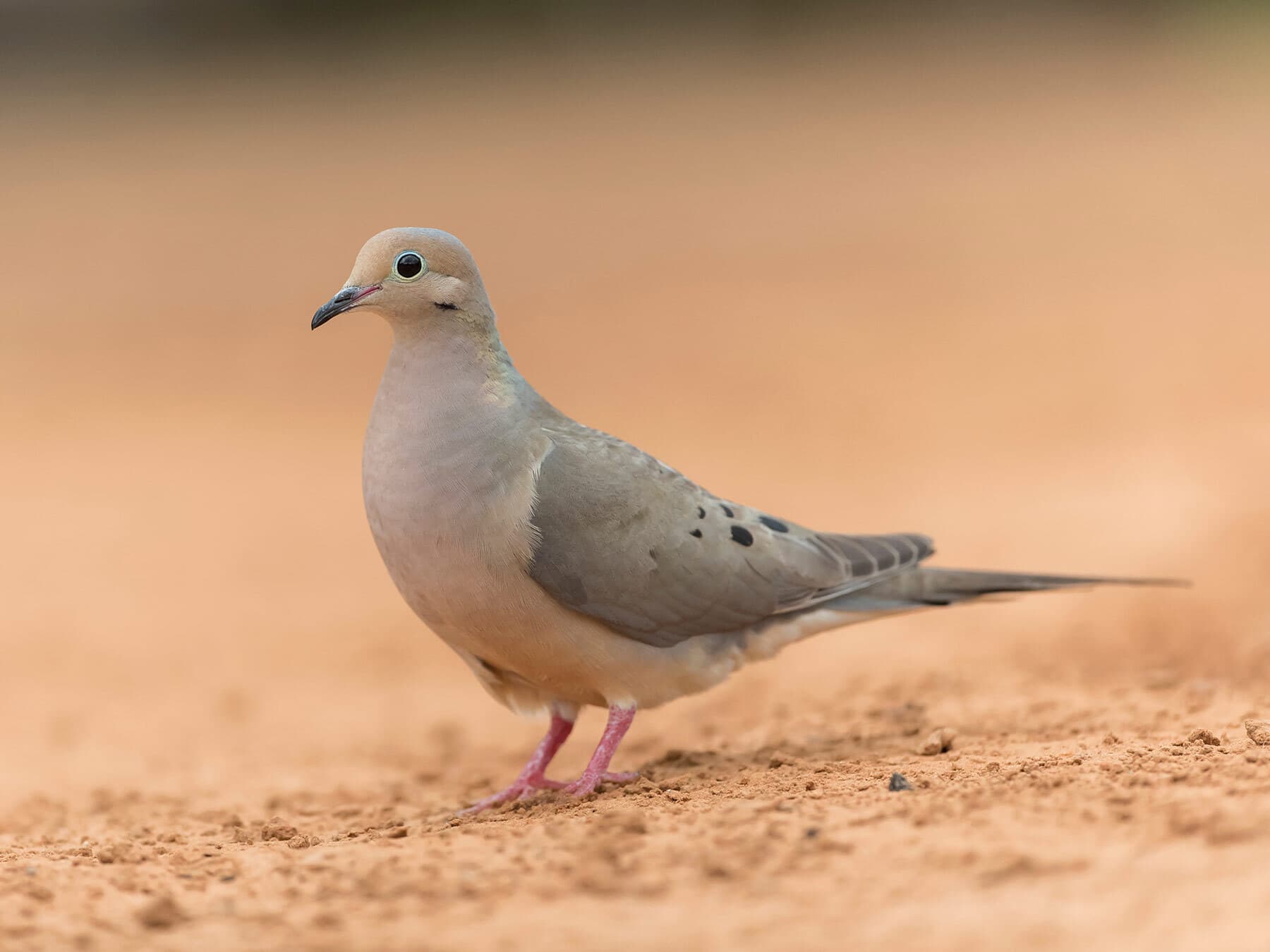
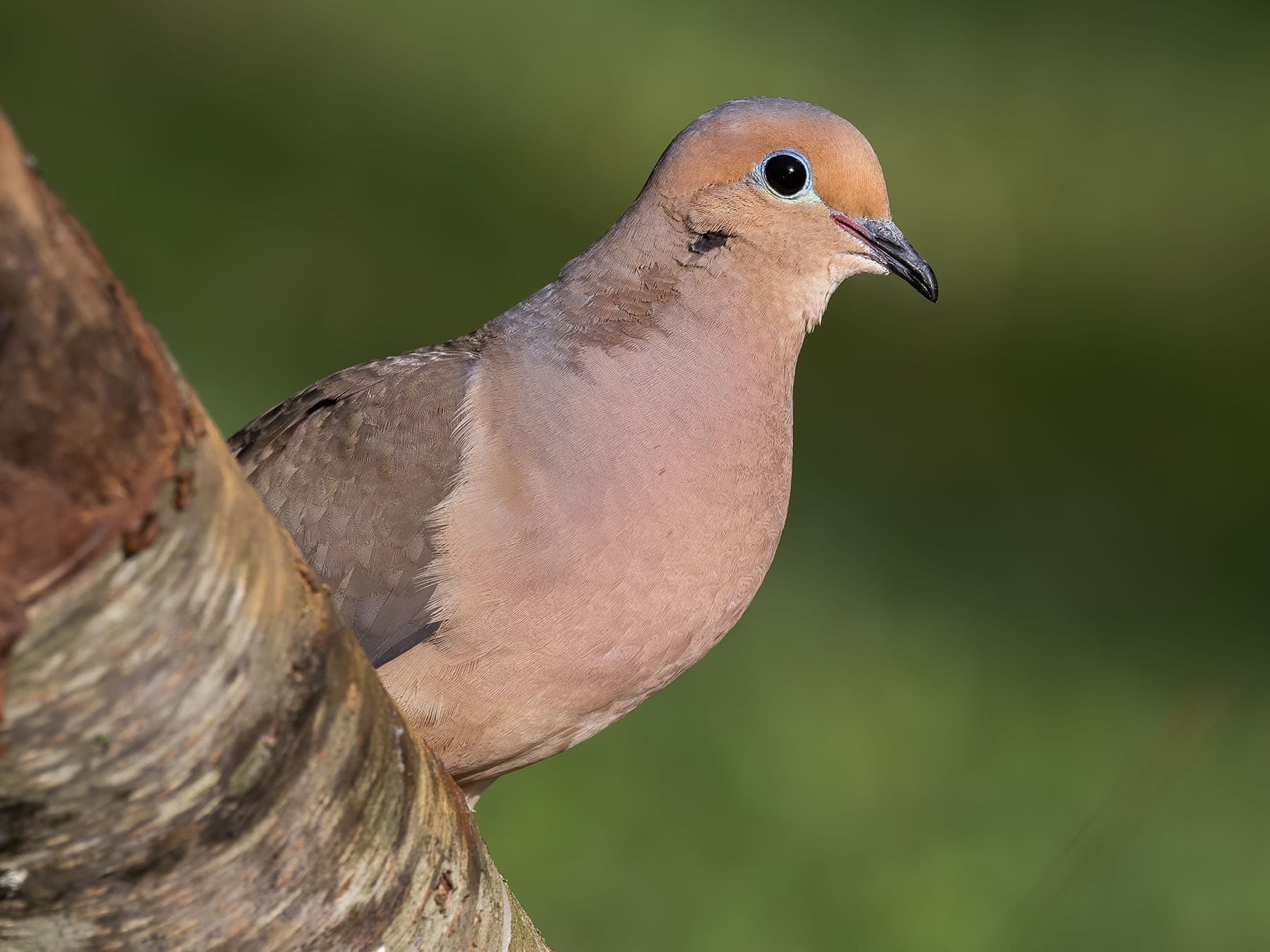
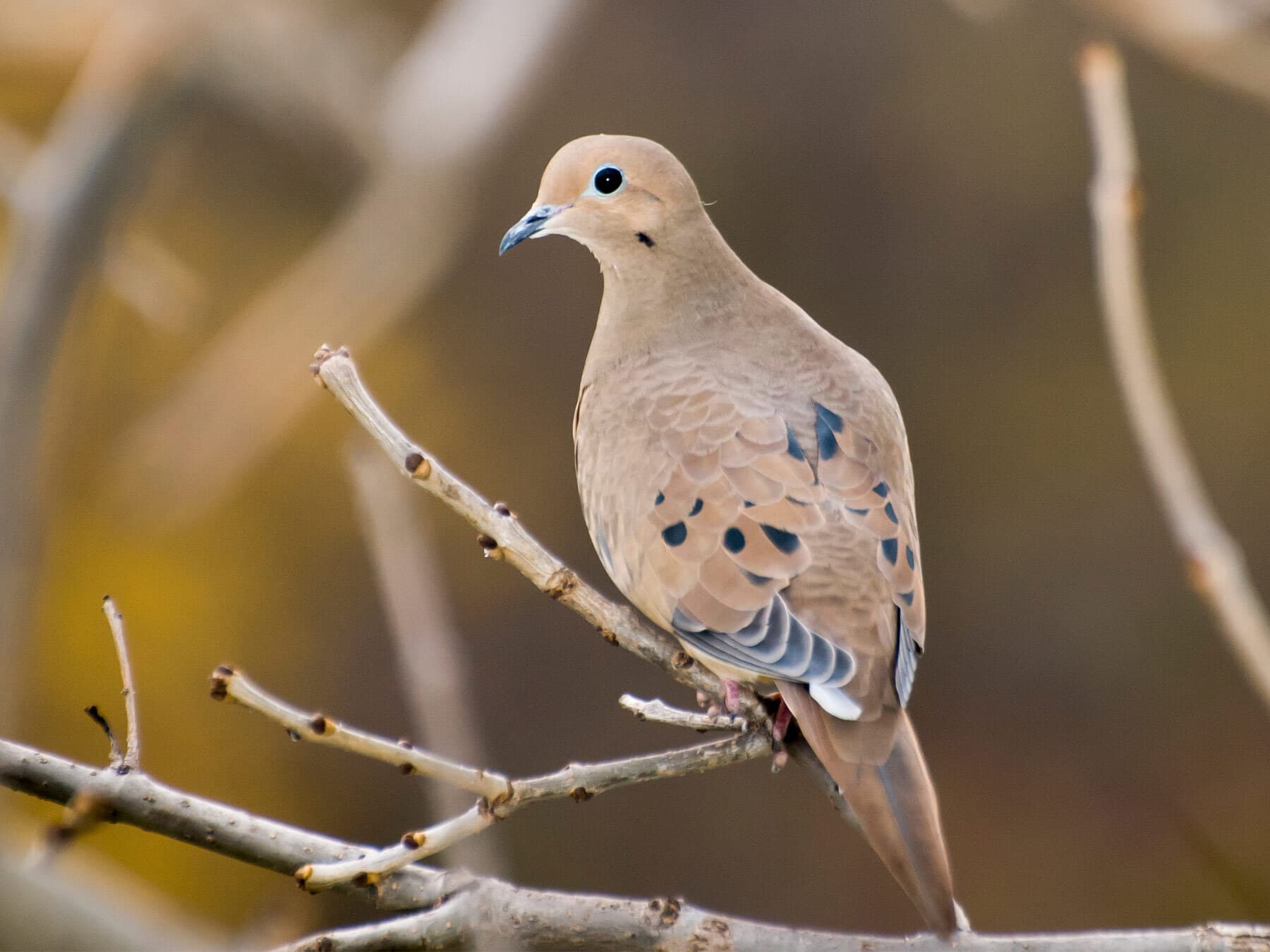
What Mourning Doves eat in the wild and at feeders, how they feed and drink, and the best foods to put out for them. For the bird itself, see Mourning Dove identification and facts.
What do Mourning Doves eat?
Seeds. About 99% of a Mourning Dove's diet is seeds, from crops or wild plants, and the little animal food it takes, mostly snails, is incidental.1 All About Birds adds that they occasionally eat berries.2
Where farmers grow them, doves feed on crop seeds and waste grain: sunflower, corn, wheat, grain sorghum, millets, buckwheat, barley and peanuts. Elsewhere they eat the seeds of plants that spring up on bare or disturbed ground: grasses such as foxtails, bluegrasses and paspalums, crotons (often called doveweed), lambsquarters, saltbushes, pigweeds, ragweeds, wild sunflowers, pokeweed, pricklypoppies, smartweeds and mustards, and even pine seeds.
How they feed
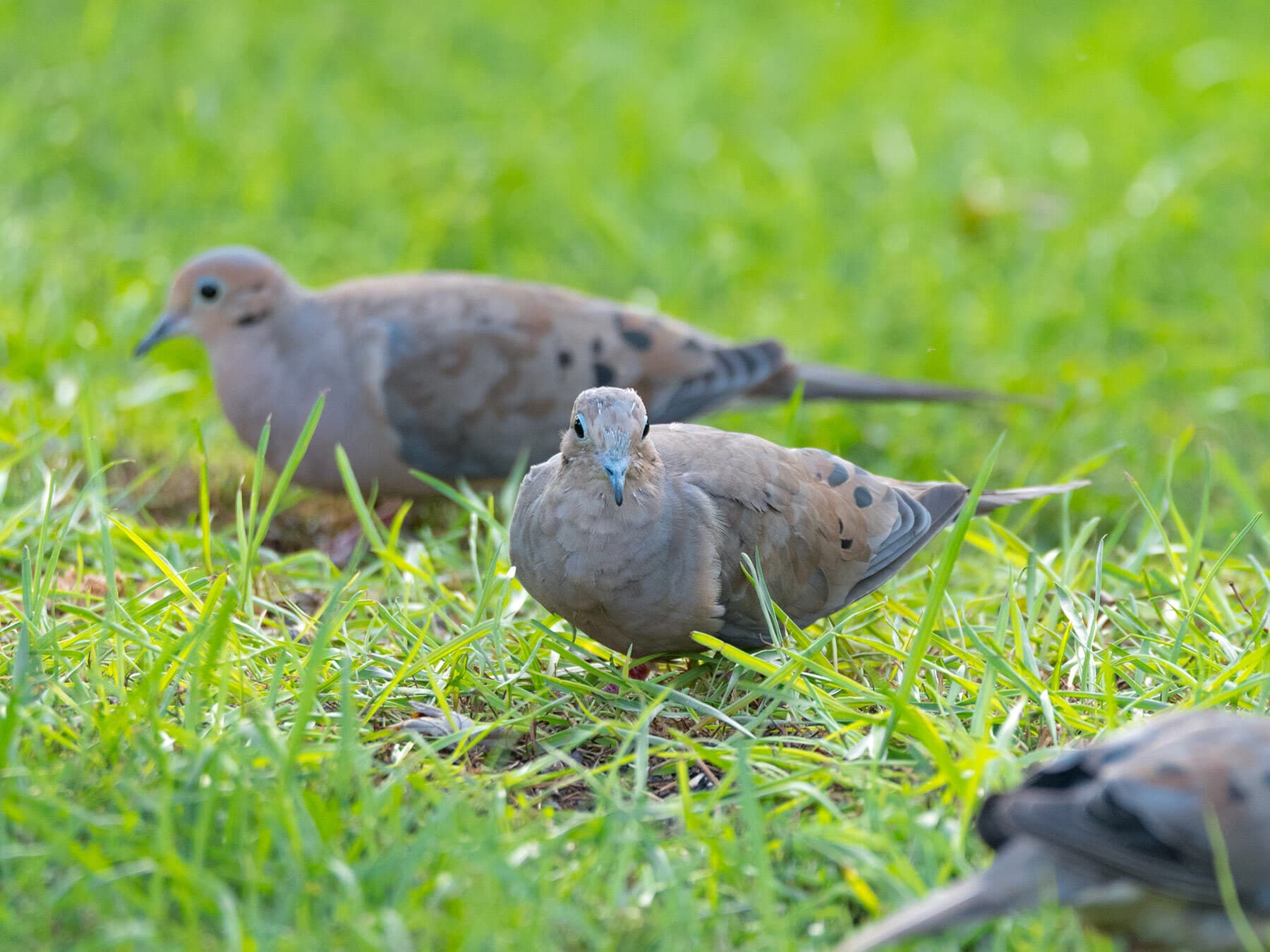
Mourning Doves feed almost entirely on the ground, in the open. They avoid tall, rank vegetation and thick leaf litter, where seeds are hard to find. They do not scratch with their feet or probe with the bill; instead they flick sparse litter aside with quick whisks of the bill.1 Now and then one perches on a sturdy plant, such as a sunflower, to pick at the seed head.
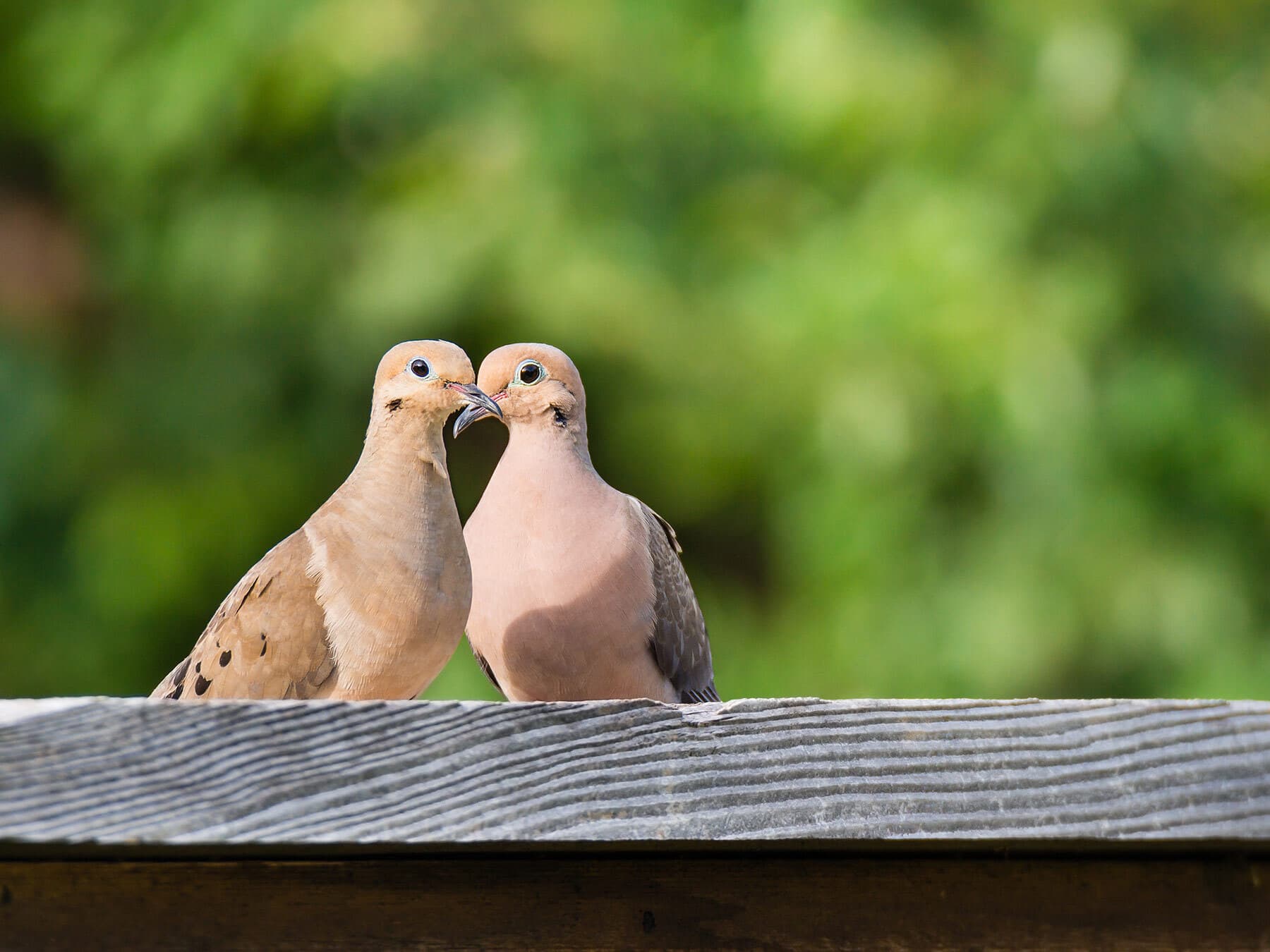
They eat fast. A dove fills its crop, a pouch at the base of the throat, then flies to a safe perch or roost to digest. The record count from a single crop is 17,200 annual bluegrass seeds. In the nesting season they usually forage in pairs, and from late summer through fall in large flocks.
How much they eat
A 1928 study put it at about 16% of their body weight a day on average: about 12% in spring and summer and 20% in September and October. A North Dakota study in August and September measured an intake of about 71 kilocalories a bird a day.1
Grit and water
Mourning Doves swallow grit, and Birds of the World calls it an essential part of the diet; its job is uncertain, but it may supply calcium. Look for doves picking it up on patches of bare ground.
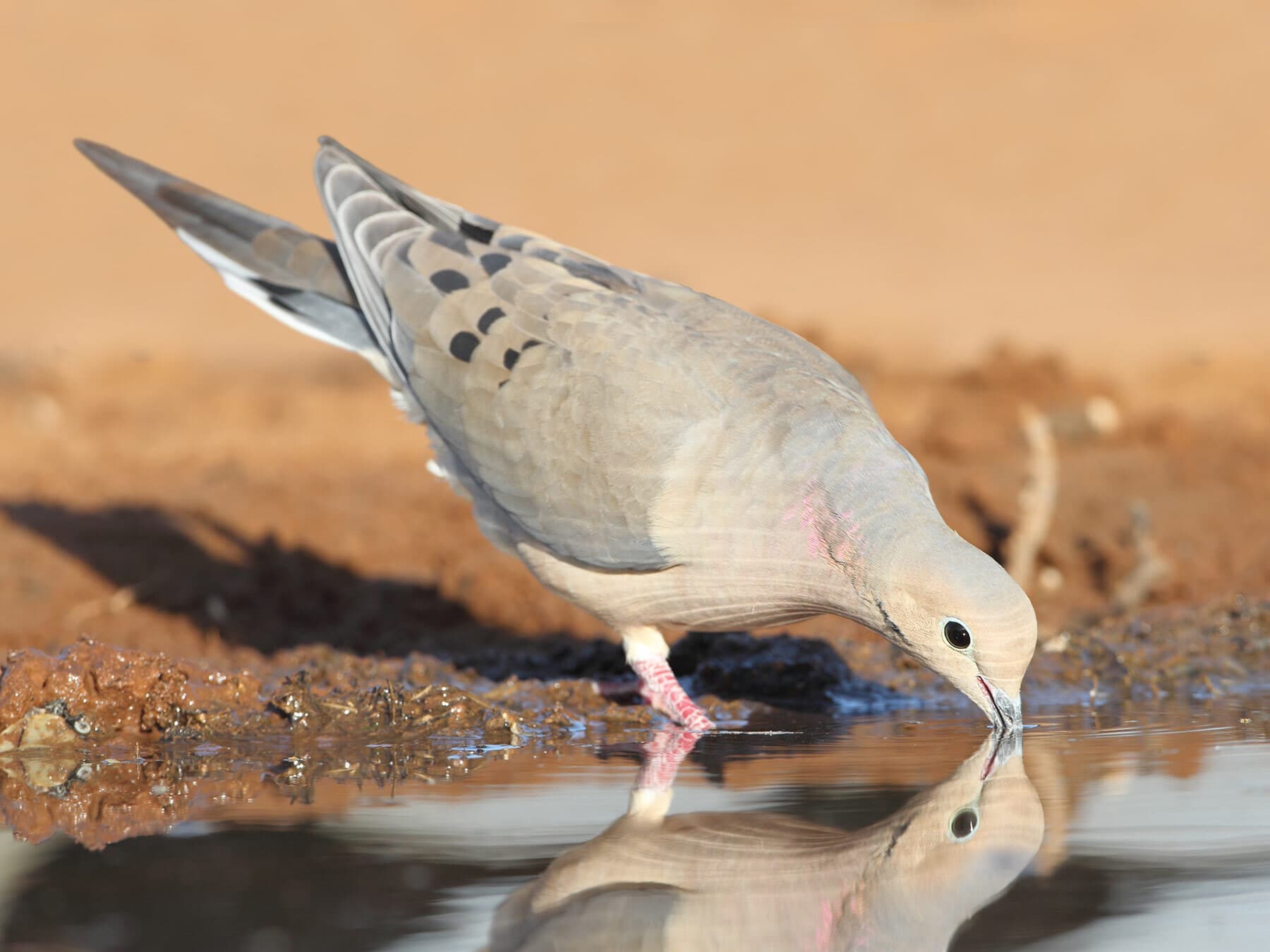
They also need to drink regularly, usually flying to a favorite open spot such as a sandbar or mudflat in the morning and evening, after feeding. They drink by suction, without tipping the head back to swallow. A few minutes at the water every day or so is enough, and they can drink mildly brackish water, which lets them use many salty desert springs.1
What do Mourning Doves eat in winter?
Much the same: seeds, especially waste grain in fields and weed seeds, and seed at feeders. Small numbers winter as far north as southern Canada wherever there is food. Winter roosts appear to be mostly small woodlots, and the doves commute between them and feeding sites such as grain fields until the food runs out. Birds of the World notes that long blizzards and ice storms are hard on them, because they cannot dig through snow to food and water.
Not every seed is equal. In one set of winter feeding trials in Kansas, doves fed a single food gained weight on reed canarygrass, proso millet, grain sorghum or thistle seed, but lost weight when fed only corn, wheat, timothy or Maximilian sunflower.1
Feeding Mourning Doves in your yard
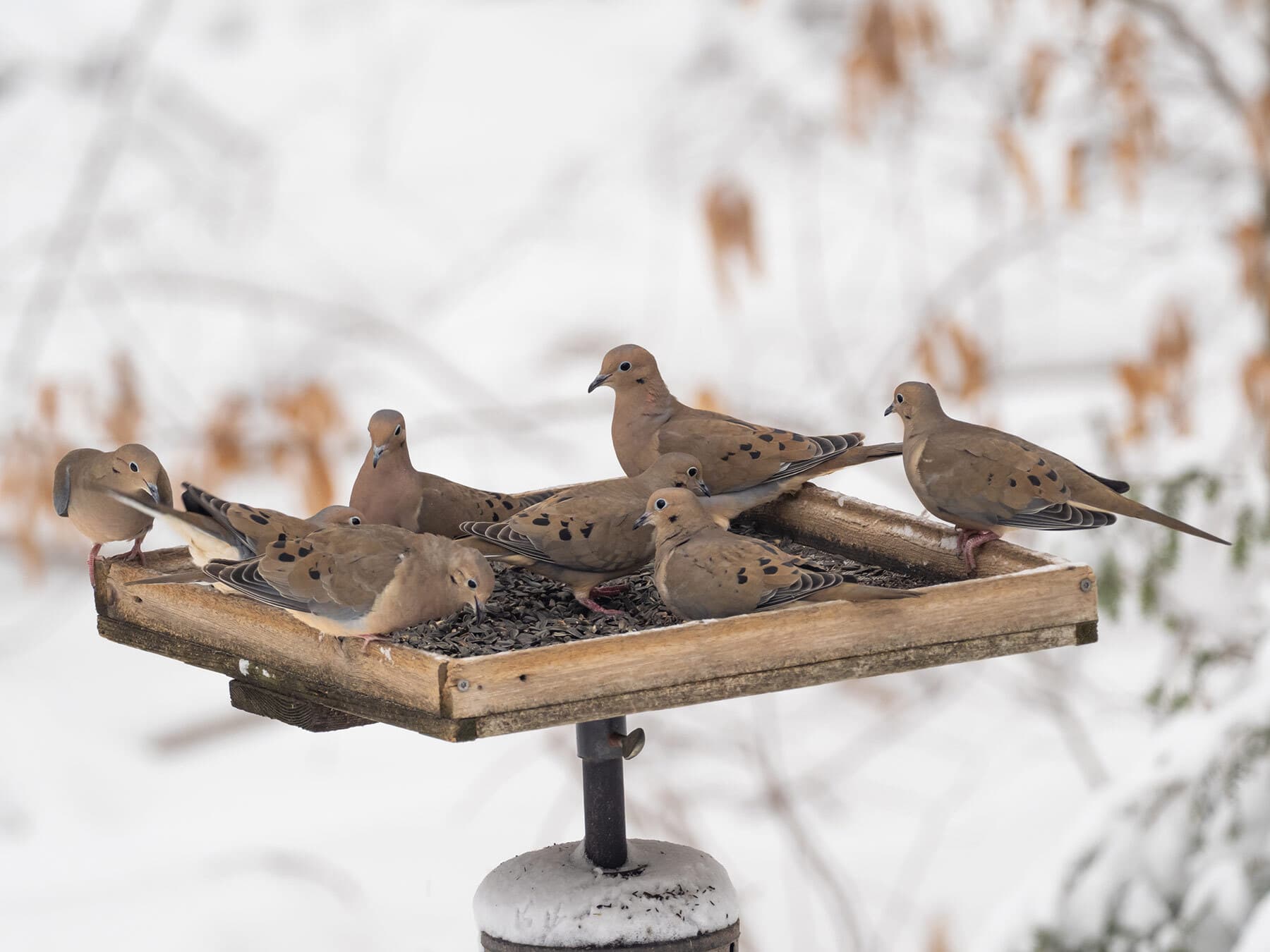
Project FeederWatch counts the Mourning Dove among the species seen most often at feeders.3 All About Birds suggests putting out seed, especially millet, either on the ground or on a platform feeder. Project FeederWatch lists these foods for them:
- millet
- cracked corn
- black-oil sunflower seed
- hulled sunflower seed
- safflower
- milo
- nyjer
- oats
- peanut hearts
and these feeders: on the ground, large hoppers and platforms.4 Doves often feed on the ground under raised feeders rather than on them.5 Keep cats indoors: birds that feed on the ground are especially at risk.
Do Mourning Doves eat sunflower seeds?
Yes. Sunflower is one of the crops they feed on in the wild, and FeederWatch lists both black-oil and hulled sunflower seed for them.
Peanuts and safflower
FeederWatch lists safflower and peanut hearts, not whole peanuts, among the foods Mourning Doves take at feeders, and peanuts are among the crops wild doves eat.
Do Mourning Doves eat mealworms?
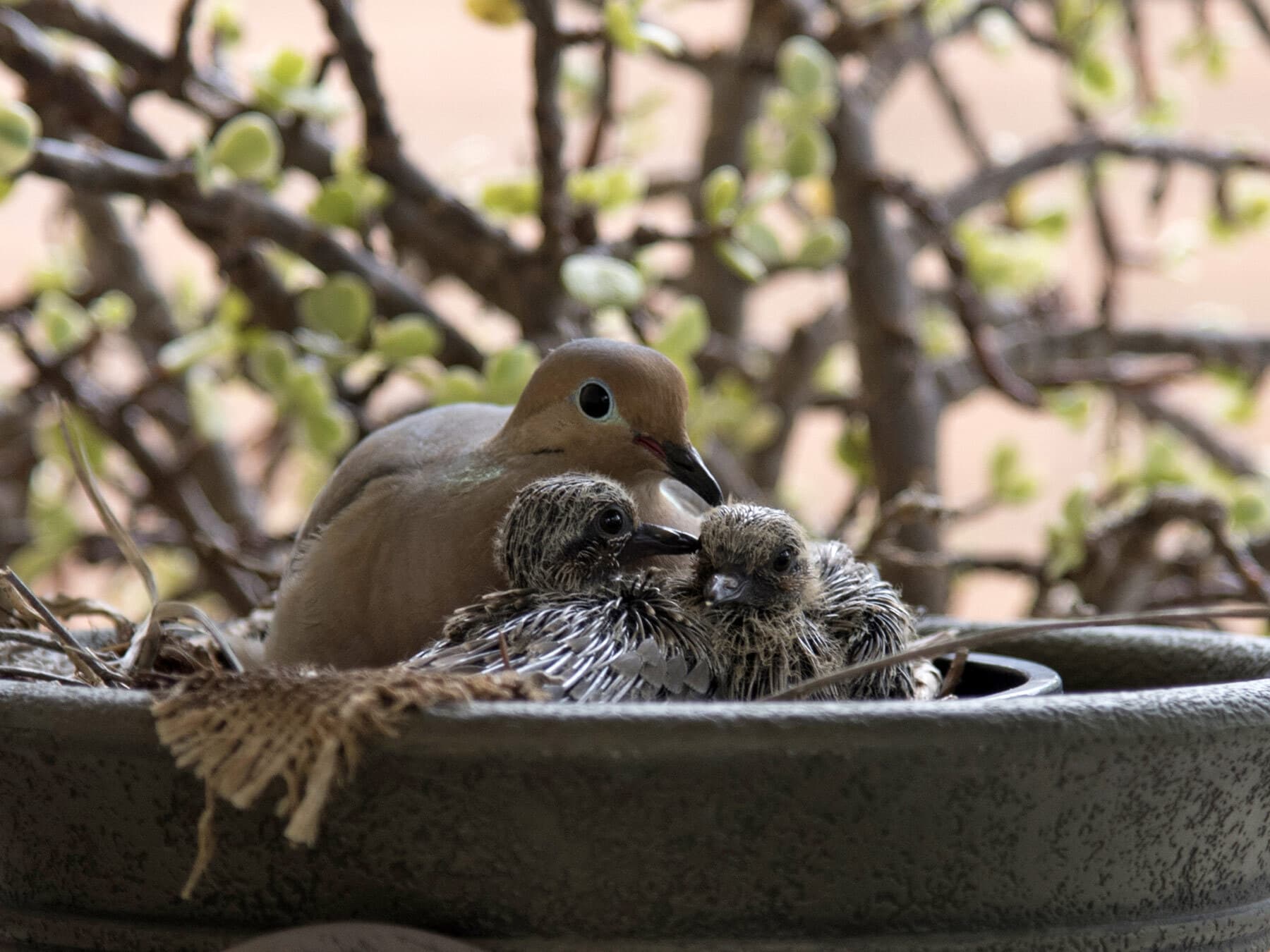
Rarely, if at all. Mourning Doves are seed-eaters: animal food is an incidental part of the diet, mainly snails, and Audubon's guide says they very rarely eat insects. FeederWatch does not list mealworms for them, and no source we read recommends them for doves. The same goes for worms: the small amount of animal food in their diet is mostly snails, and the young are raised not on insects but on crop milk and seeds. More: what baby Mourning Doves eat.
Keep feeders clean
Doves and pigeons can carry trichomonosis, a parasite that causes cheesy yellow growths in the mouth and throat. It spreads through shared food and water, and outbreaks have killed tens of thousands of Mourning Doves. The Pennsylvania Game Commission advises:
- change food and water daily;
- discourage large crowds of doves at feeders and baths;
- disinfect feeders and platforms with one part bleach to nine parts water.6
If you see a sick bird, Project FeederWatch advises taking down the feeders it uses for a couple of weeks and cleaning them and the ground beneath thoroughly.7
Sources
- Otis, D. L., Schulz, J. H., Miller, D., Mirarchi, R. E., Baskett, T. S. (2020). Mourning Dove (Zenaida macroura), version 1.0. Birds of the World (A. F. Poole, editor). Cornell Lab of Ornithology. doi:10.2173/bow.moudov.01
- Cornell Lab of Ornithology. Mourning Dove. All About Birds. Accessed October 12, 2026. Source
- Project FeederWatch (Cornell Lab of Ornithology and Birds Canada). Tricky Bird ID: Common Doves. Project FeederWatch. Accessed October 12, 2026. Source
- Project FeederWatch (Cornell Lab of Ornithology and Birds Canada). Common Feeder Birds: Mourning Dove. Project FeederWatch. Accessed October 12, 2026. Source
- National Audubon Society. Mourning Dove. Guide to North American Birds (text adapted from Kaufman 1996). Accessed October 12, 2026. Source
- Pennsylvania Game Commission. Trichomoniasis. Pennsylvania Game Commission, Wildlife Diseases. Accessed October 12, 2026. Source
- Project FeederWatch (Cornell Lab of Ornithology and Birds Canada). Sick Birds and Bird Diseases. Project FeederWatch. Accessed October 12, 2026. Source