Old World Flycatchers in Northamptonshire
8 species matching this filter.
Northamptonshire is home to eight recorded species of Old World Flycatcher, a diverse family that includes some of the county's most cherished songbirds. From the familiar European Robin found in gardens and hedgerows to the elusive Nightingale singing in dense thickets, these species occupy a wide range of habitats across the county's woodlands, heathlands, and open countryside. Passage migrants such as the Wheatear and Whinchat add seasonal variety, particularly during spring and autumn migration periods.


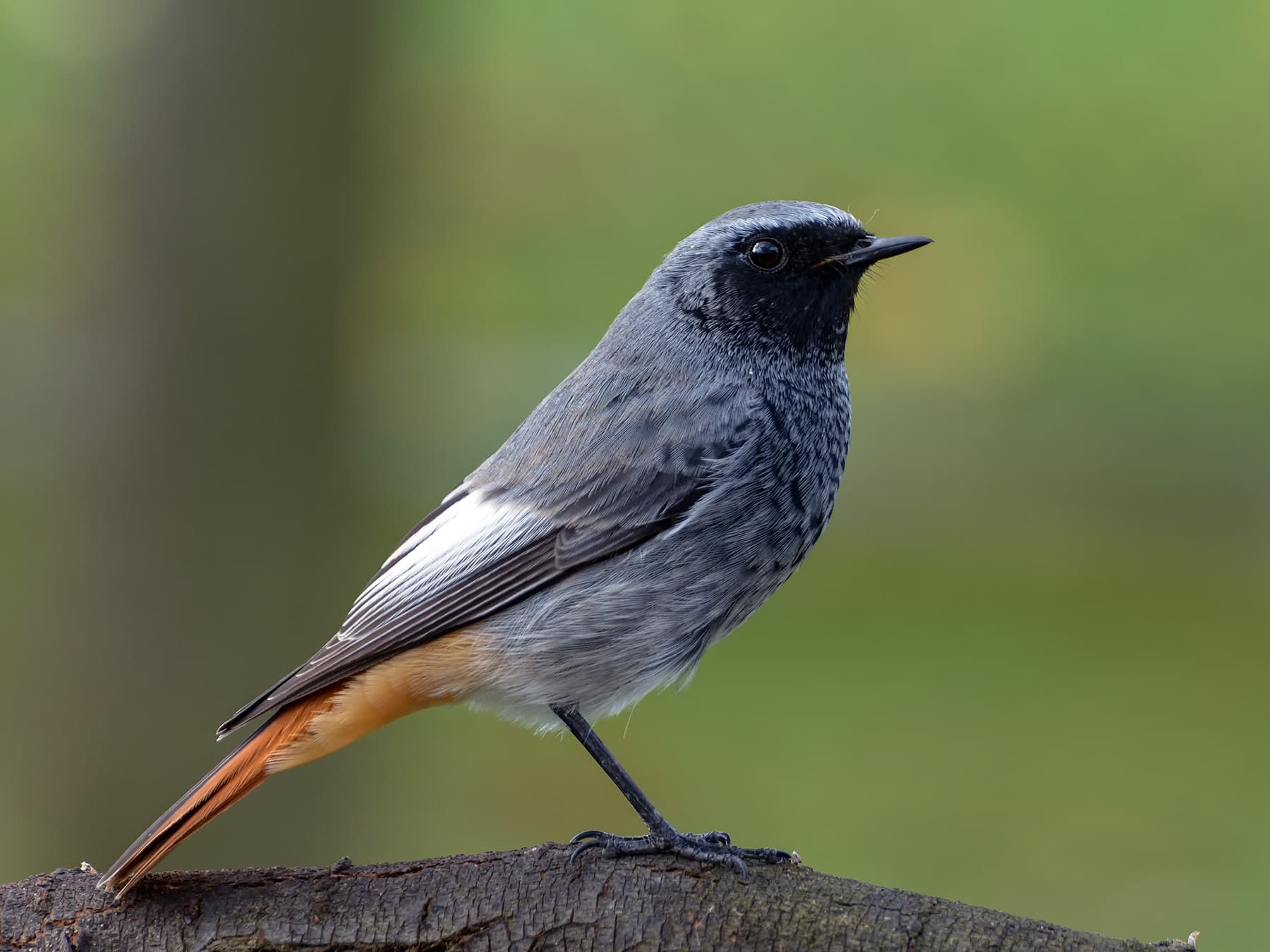
Black Redstart
Phoenicurus ochrurosLC
A rare passage visitor, occasionally recorded around industrial buildings and urban sites in late autumn and early winter.
Dec
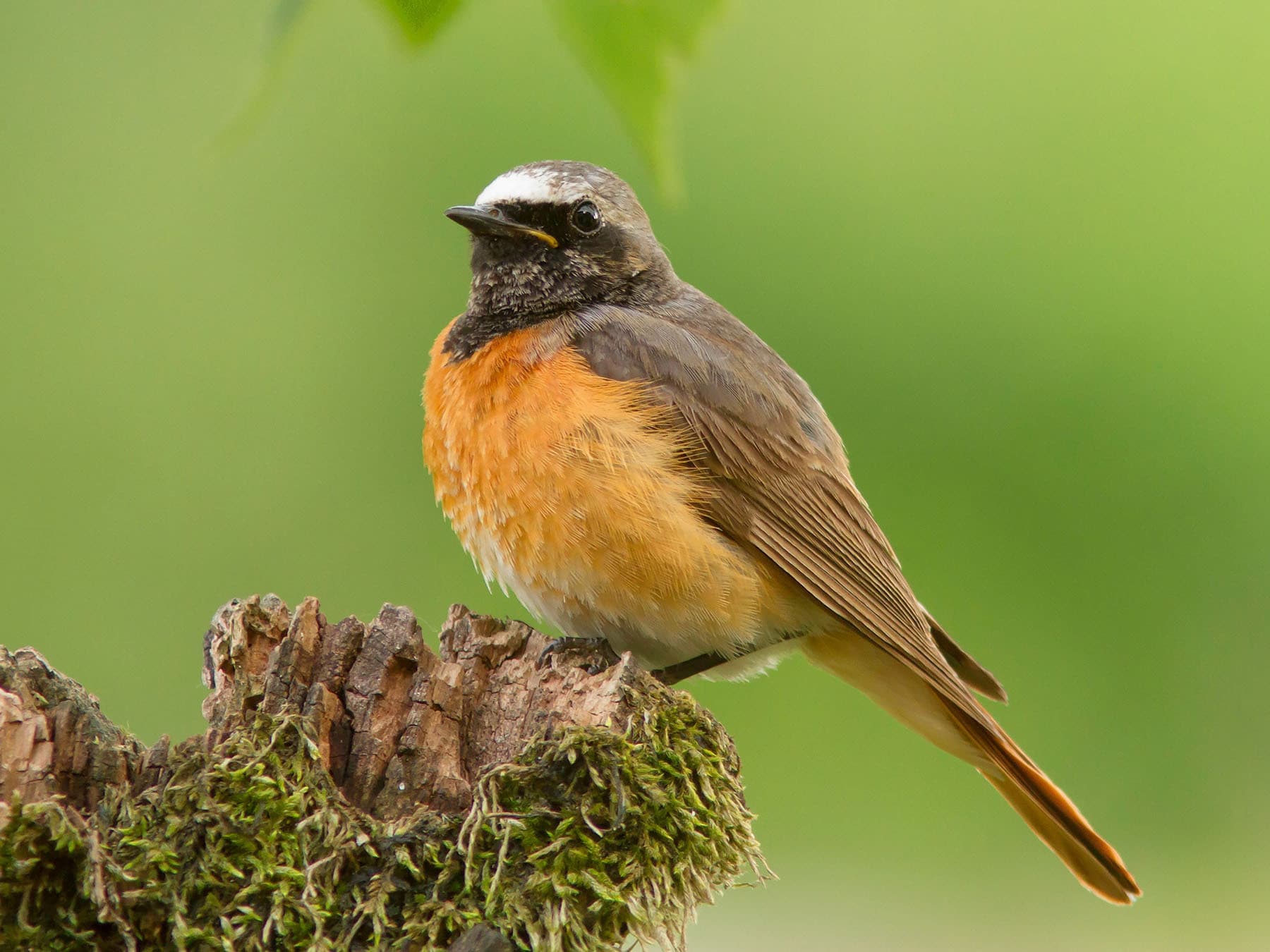
Common Redstart
Phoenicurus phoenicurusLC
A rare passage migrant, occasionally noted in spring and late summer. Does not breed in the county but may appear in mature parkland.
Apr–Aug
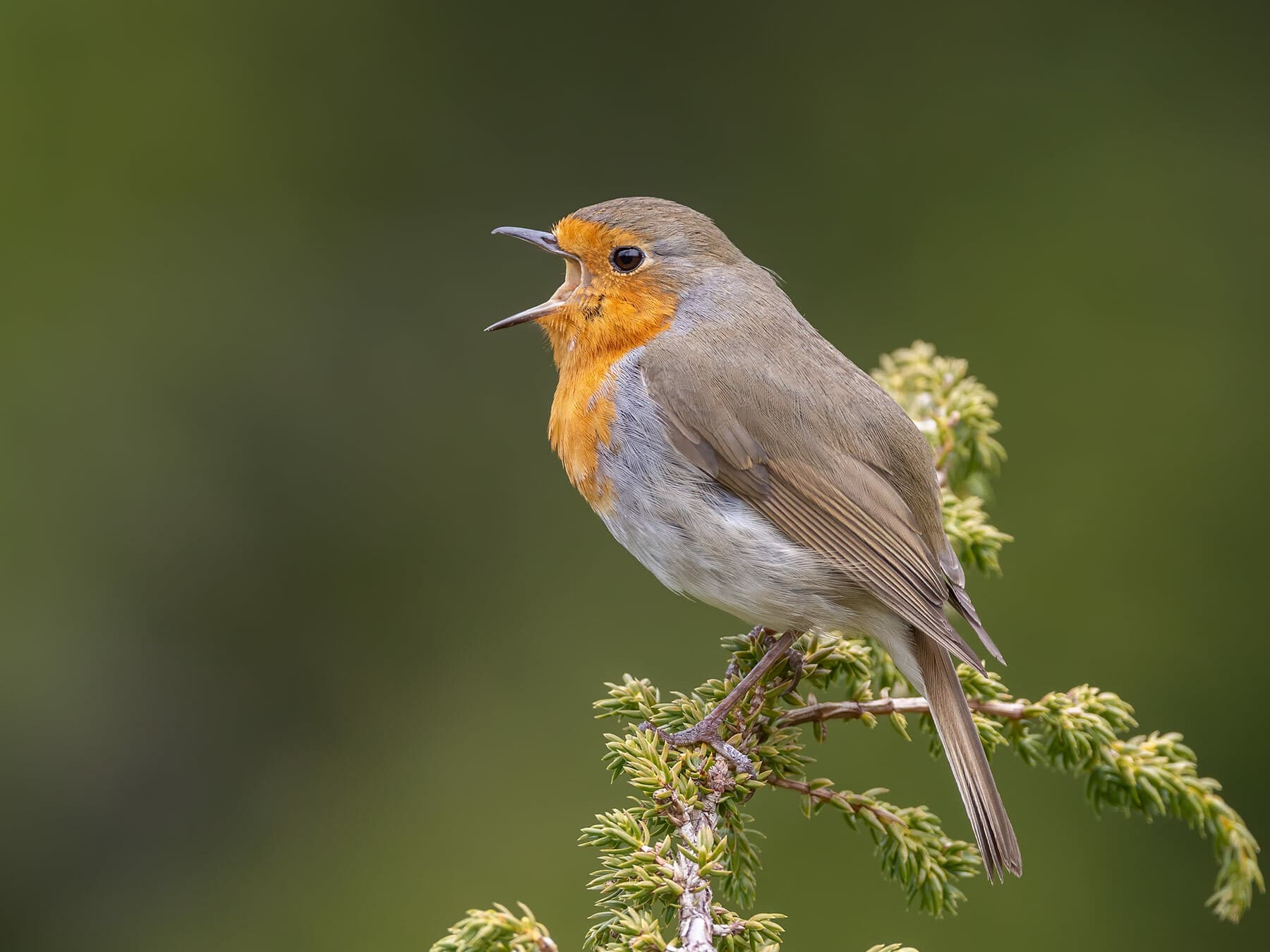
European Robin
Erithacus rubeculaLC
A common and familiar resident of gardens, parks and woodland throughout the county. Sings year-round, even under streetlights on winter nights.
Year-round
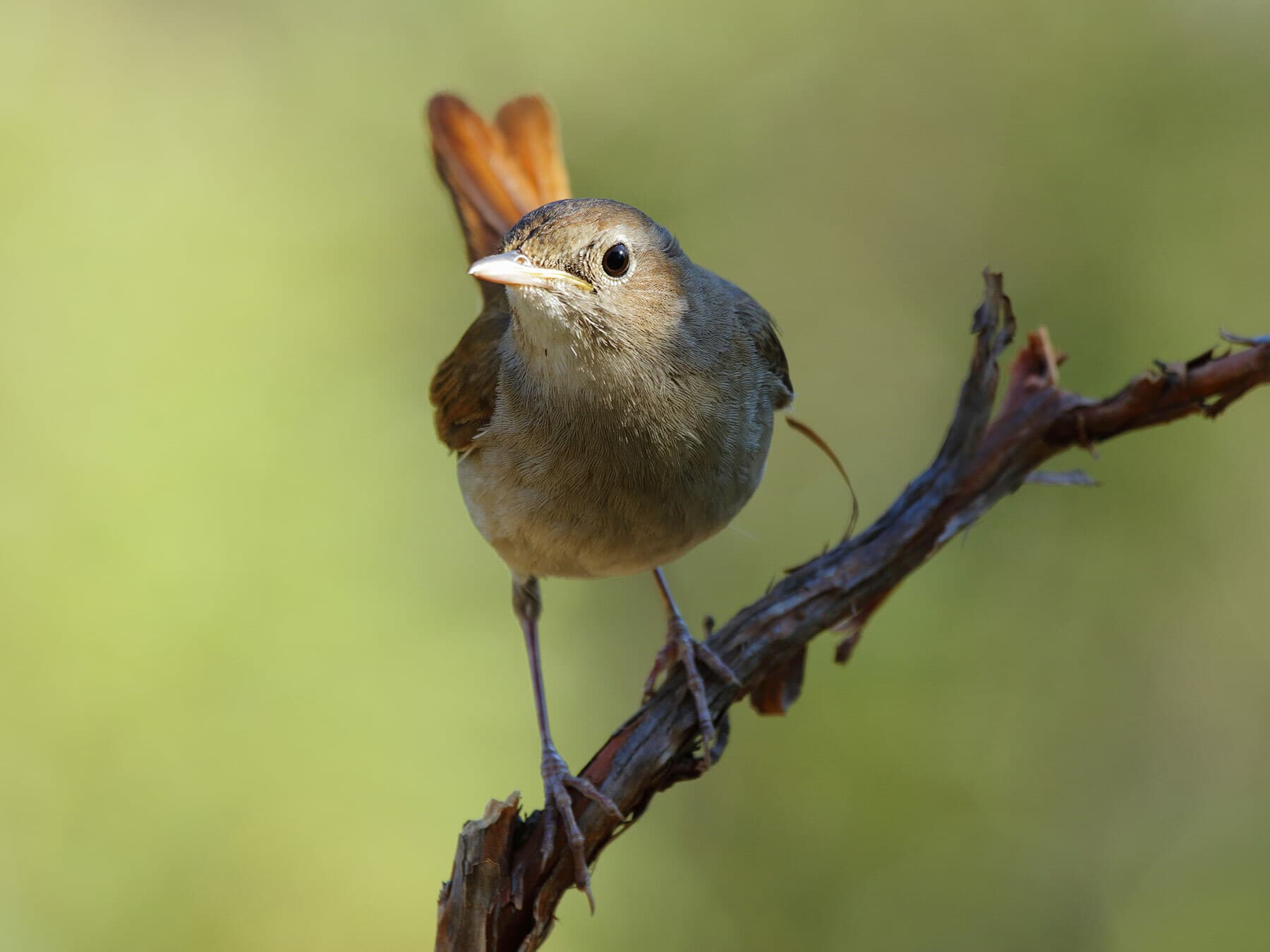
Nightingale
Luscinia megarhynchosLC
A rare and declining breeding visitor, arriving in April to sing from dense scrub and woodland edges. Yardley Chase has historically been a key site.
Apr–Jun
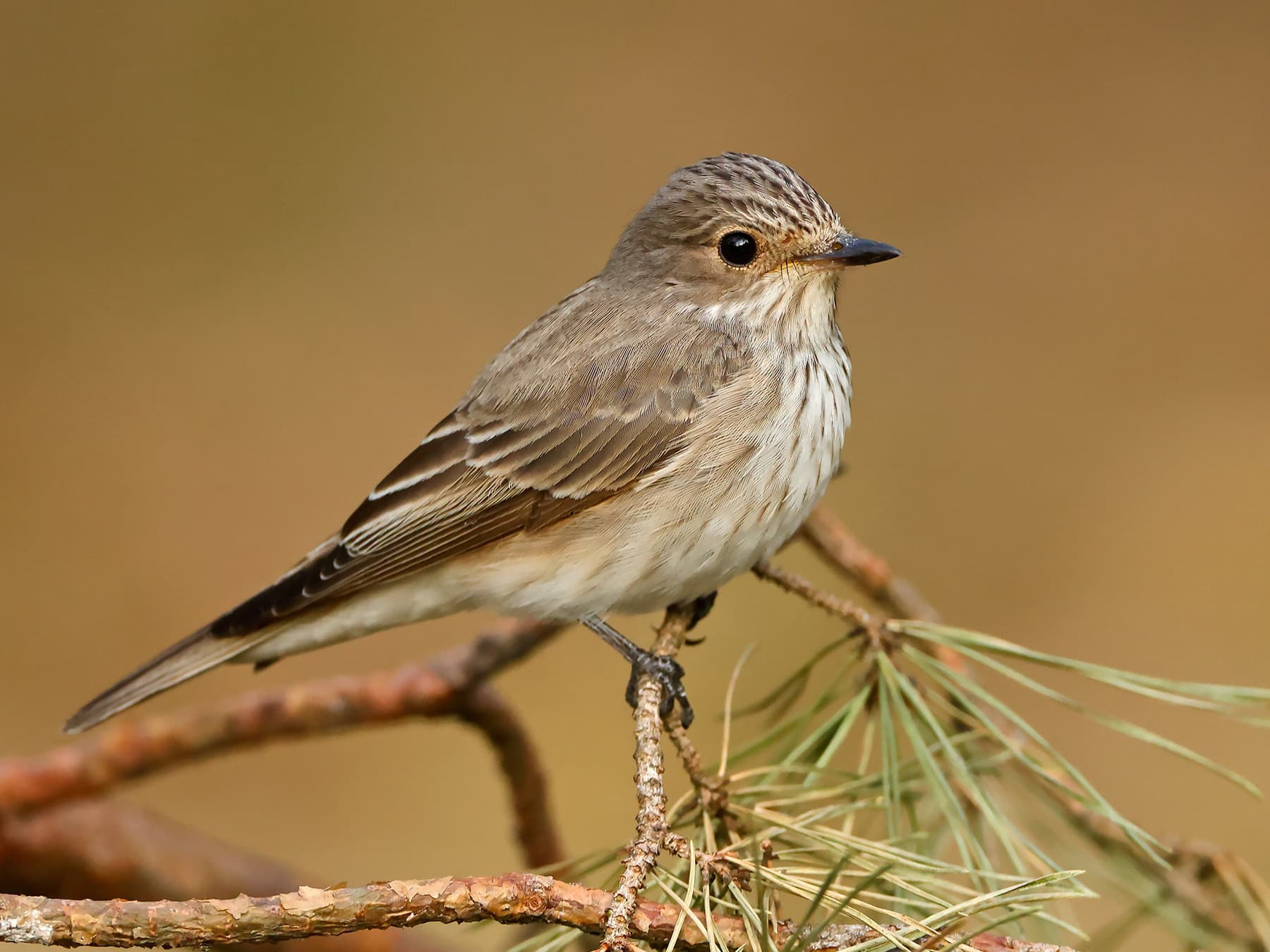
Spotted Flycatcher
Muscicapa striataLC
An uncommon and declining summer visitor, arriving in May. Favours churchyards, parkland and woodland edges for its aerial flycatching sorties.
May–Oct
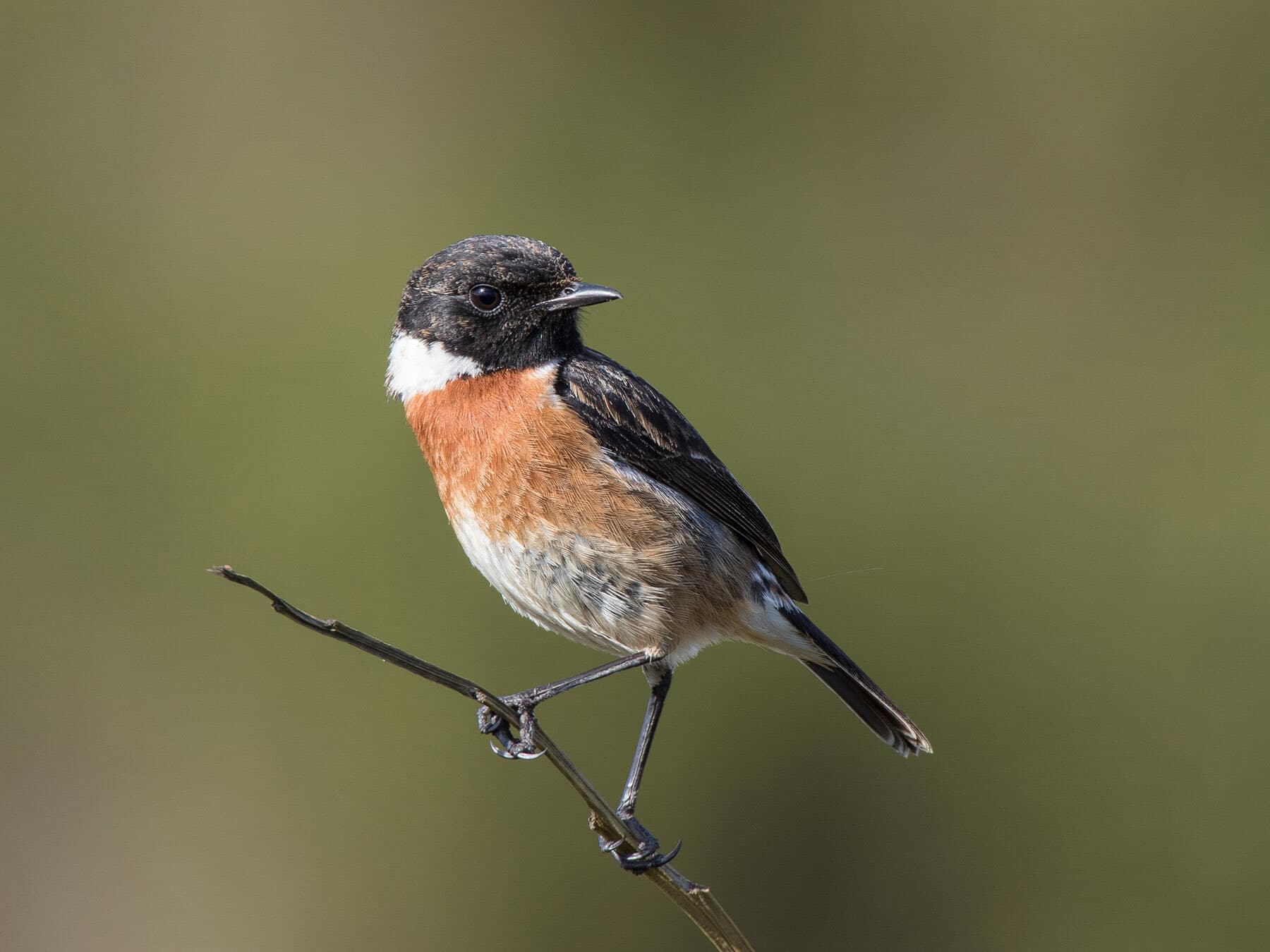
Stonechat
Saxicola torquatusLC
An uncommon non-breeding visitor to rough grassland and scrubby margins from autumn through winter. Often perches prominently on fence posts.
Sep–Mar
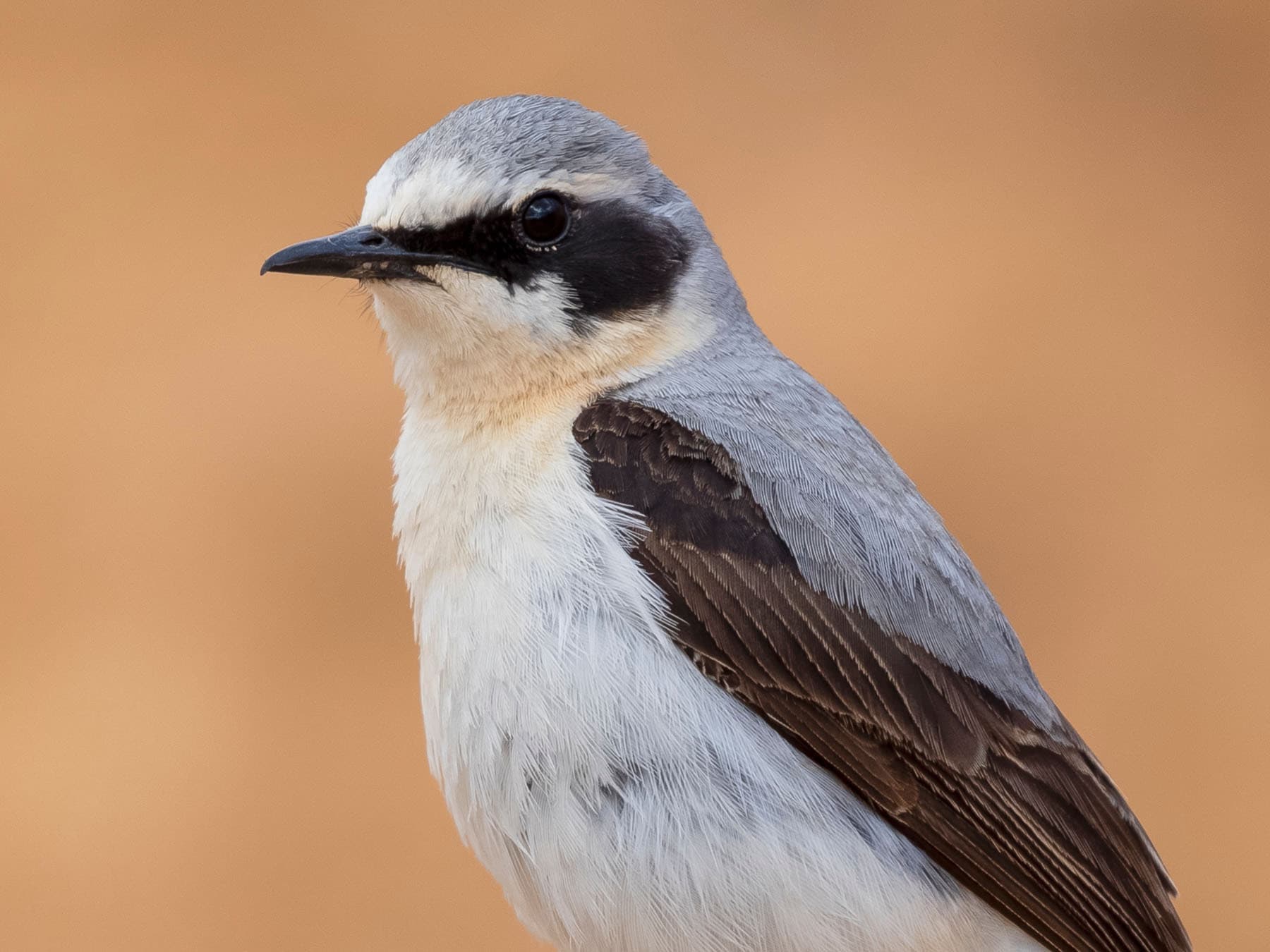
Wheatear
Oenanthe oenantheLC
A rare visitor seen on open farmland and reservoir margins during spring and autumn passage, pausing briefly on short turf and ploughed fields.
Mar–Oct
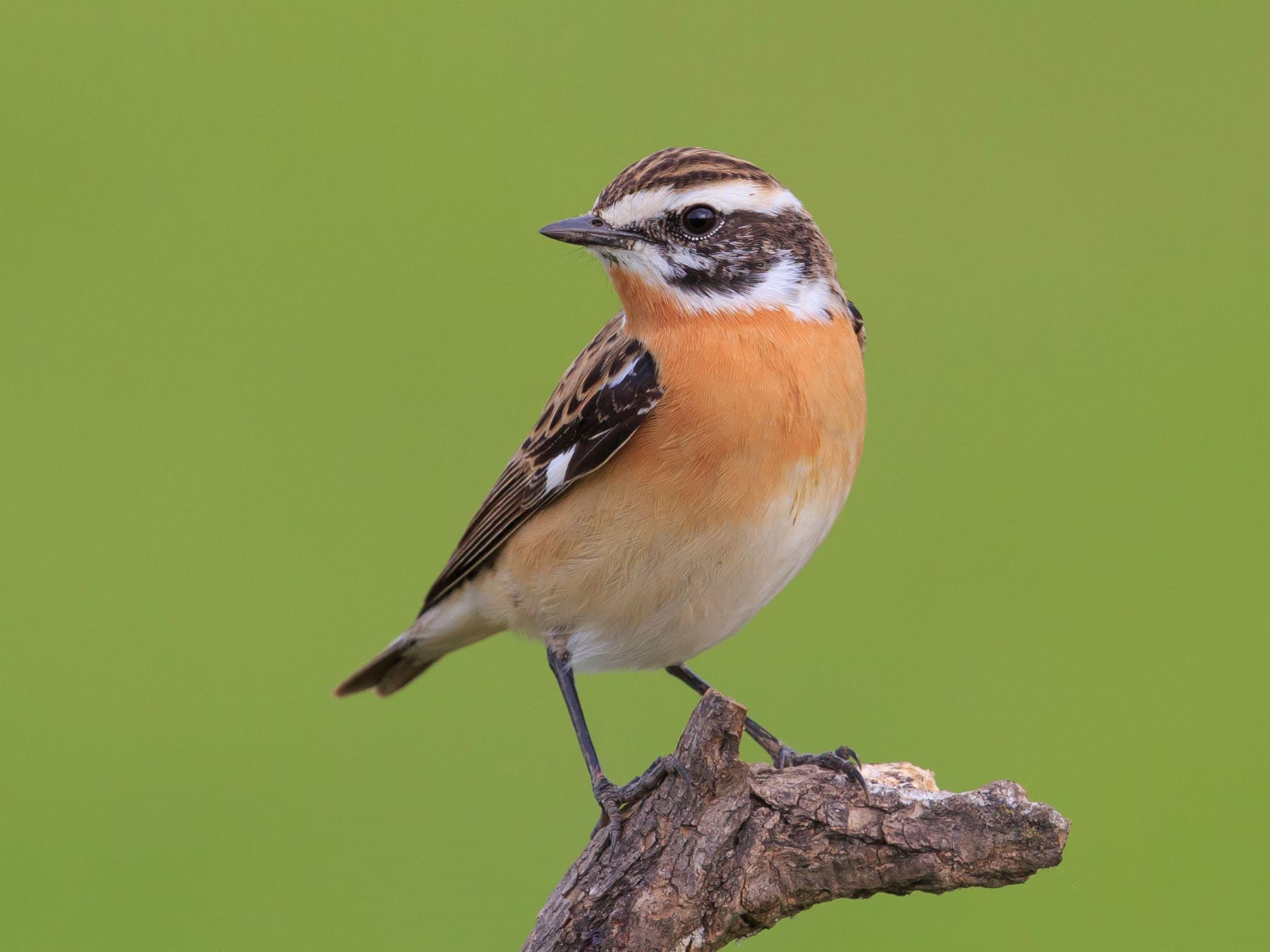
Whinchat
Saxicola rubetraLC
A rare autumn passage migrant in August and September, pausing briefly on rough grassland and scrubby field margins during southward migration.
Aug–Sep