Old World Flycatchers in North Yorkshire
8 species matching this filter.
North Yorkshire's diverse landscapes, from the heather moorlands of the North York Moors to the limestone dales and sheltered woodland valleys, provide excellent habitat for eight species of Old World flycatcher. This family includes familiar garden favourites like the European Robin alongside summer migrants such as the Spotted Flycatcher and European Pied Flycatcher, as well as upland specialists like the Wheatear and Stonechat. The county's mix of open moorland, dry stone walls, and mature broadleaved woodland makes it one of northern England's finest areas for observing these charismatic birds.


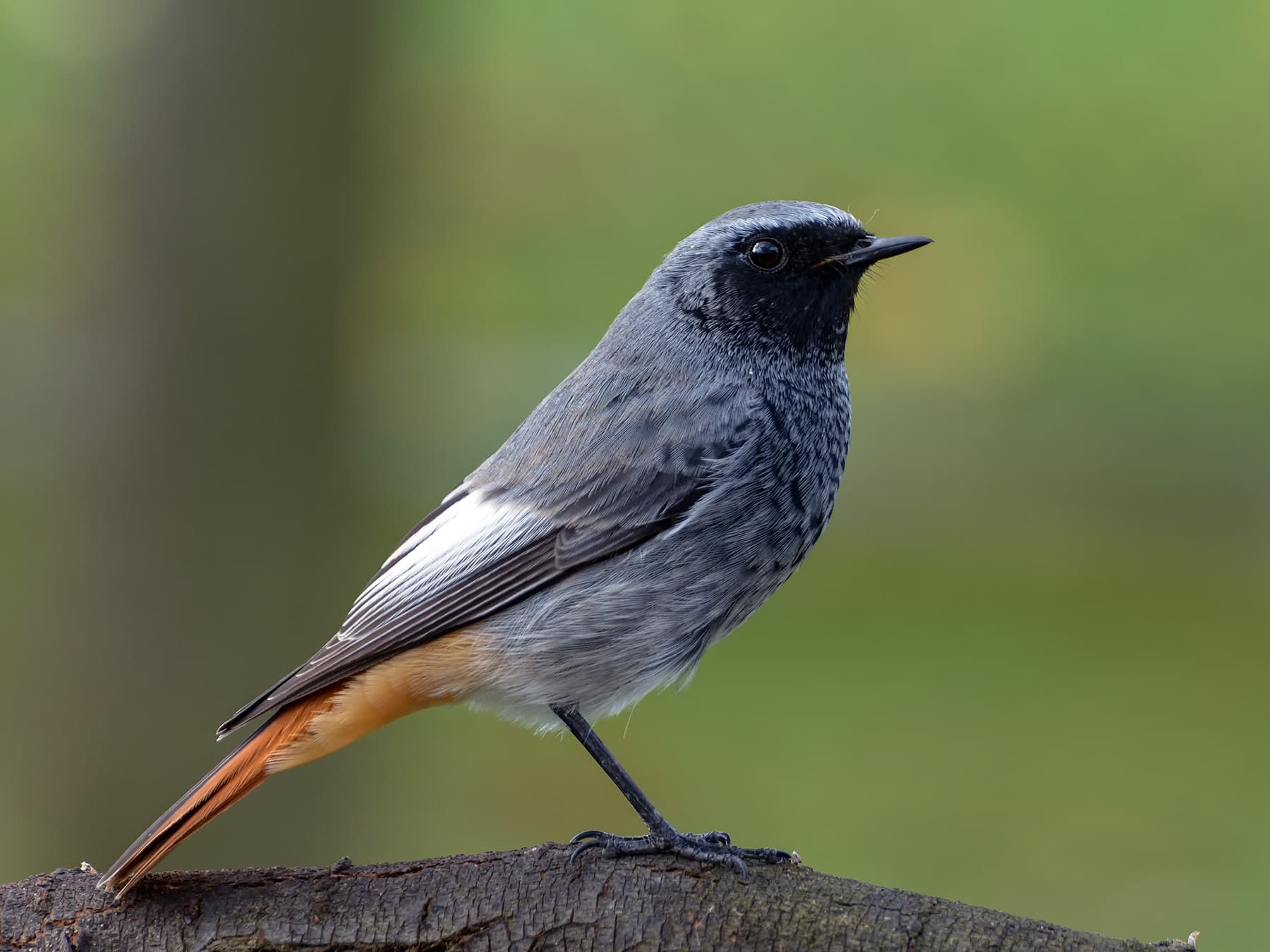
Black Redstart
Phoenicurus ochrurosLC
A rare non-breeding visitor, occasionally seen on coastal cliffs and industrial buildings. Most likely encountered during autumn passage and winter months.
Oct–Apr
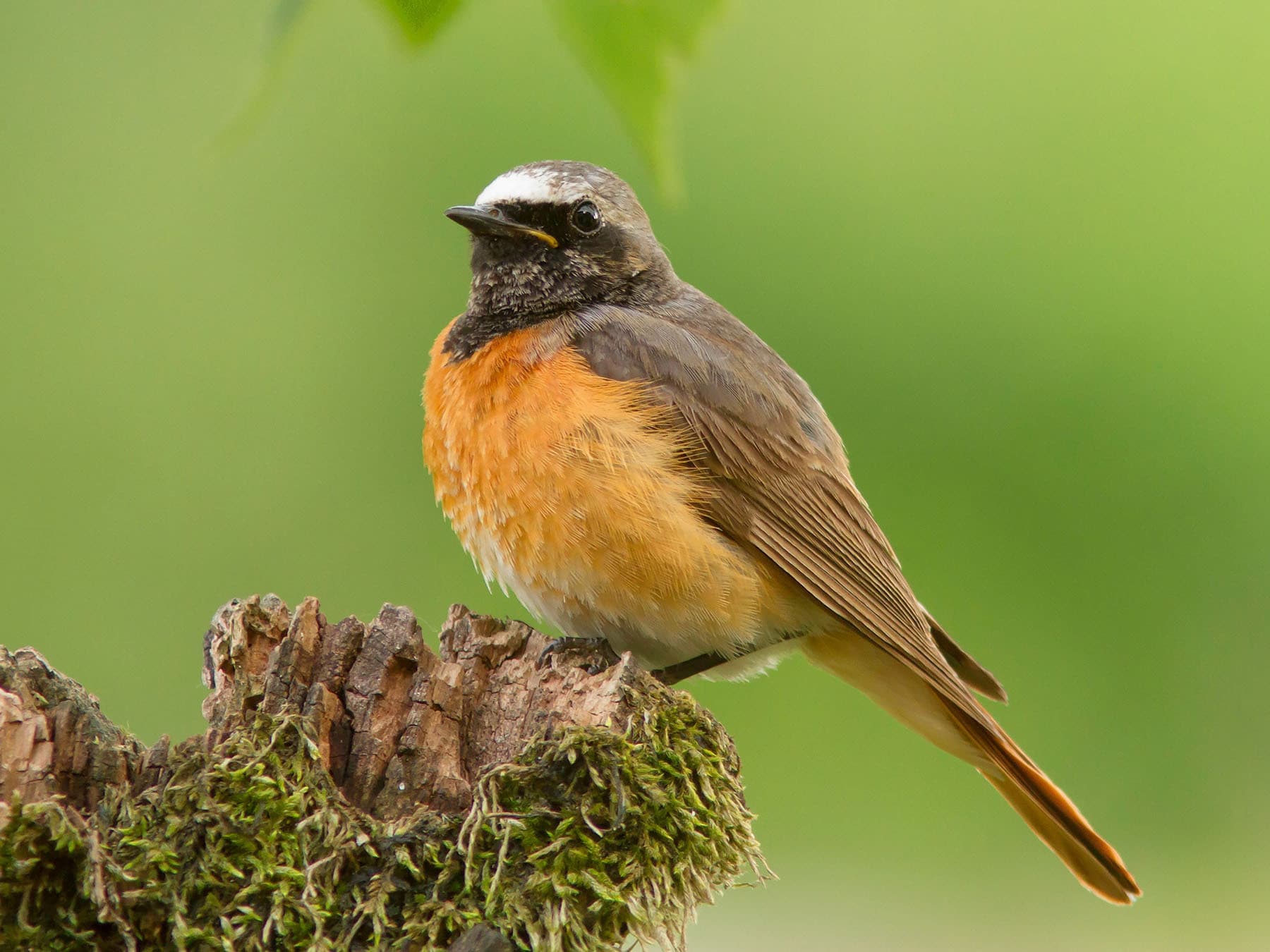
Common Redstart
Phoenicurus phoenicurusLC
A scarce summer breeder in mature oak woodland of the Dales and North York Moors, arriving in April. Males are strikingly colourful.
Apr–Oct
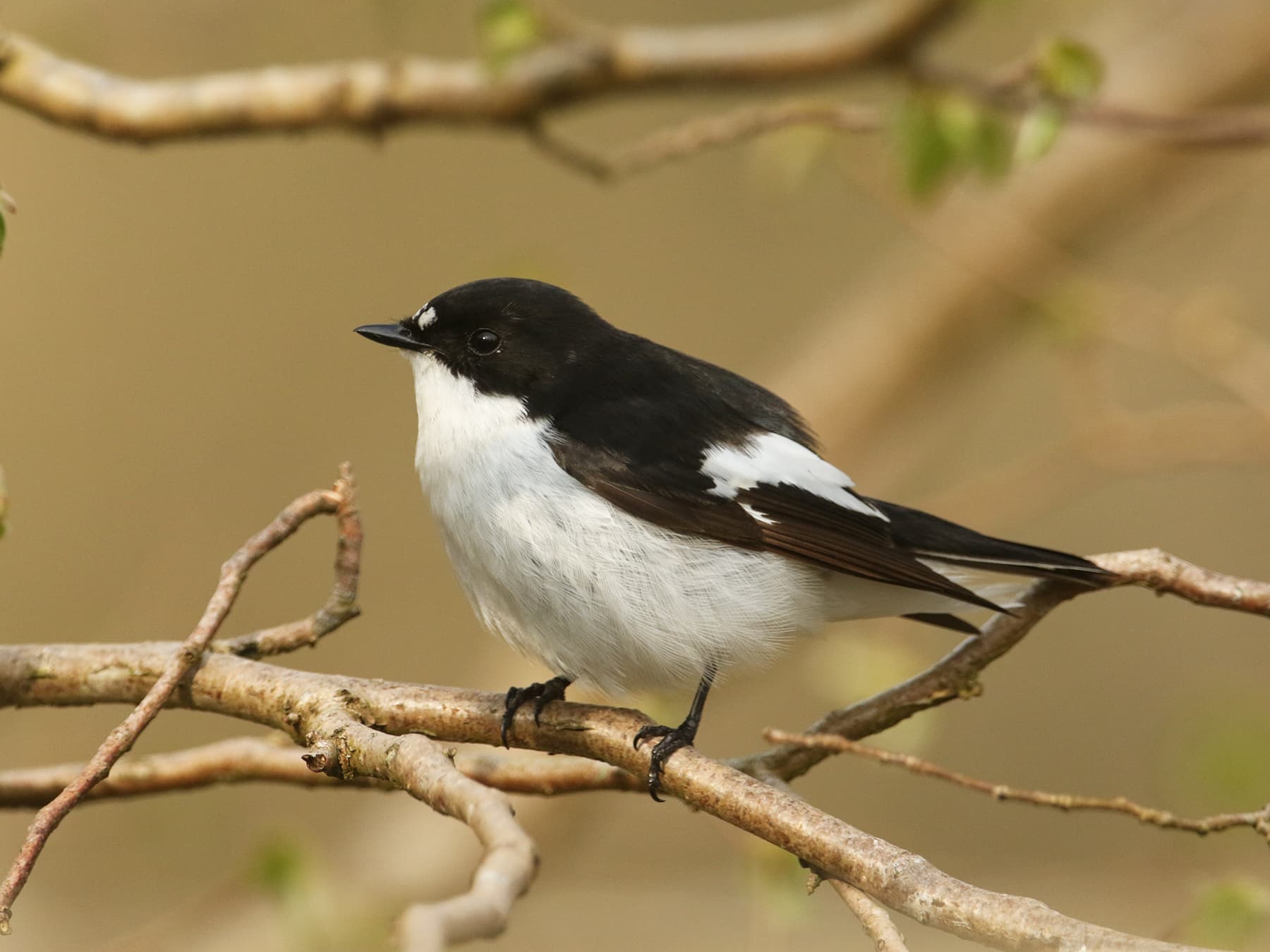
European Pied Flycatcher
Ficedula hypoleucaLC
A rare breeding visitor to oak woodlands, particularly in the western dales. Readily takes to nestboxes where provided from April to September.
Apr–Sep
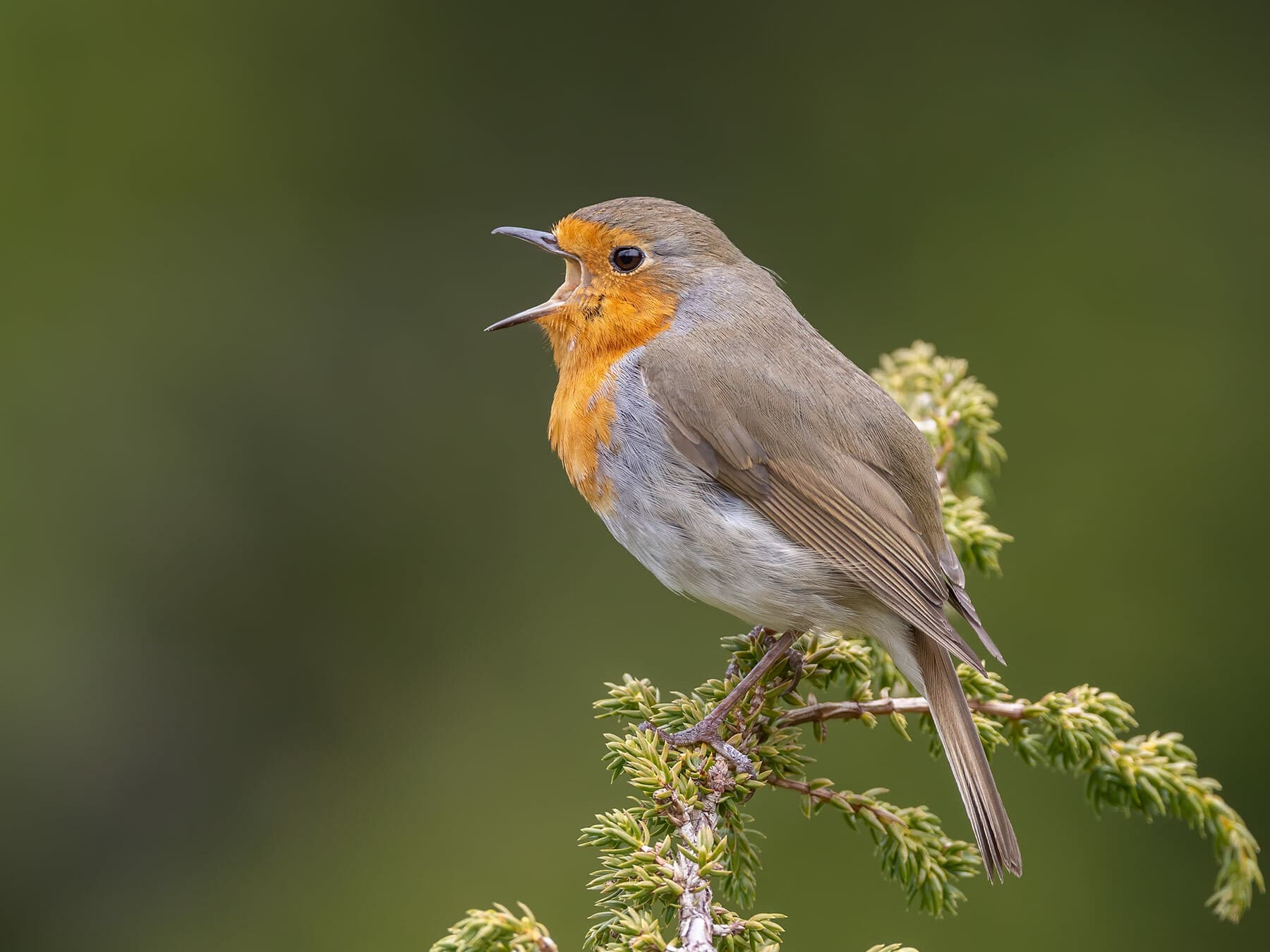
European Robin
Erithacus rubeculaLC
A familiar year-round resident of gardens, hedgerows and woodlands across North Yorkshire, singing even through the winter months.
Year-round
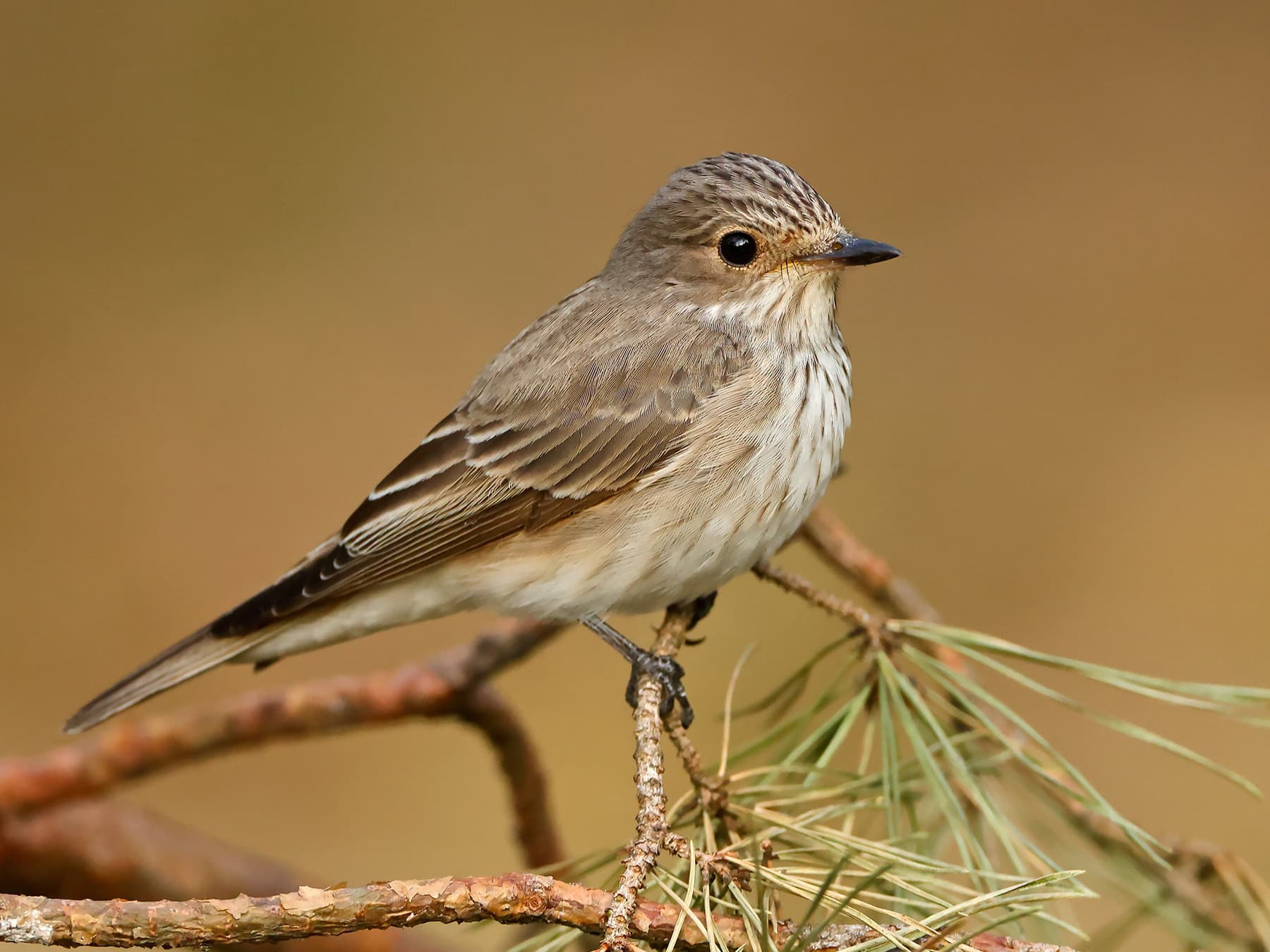
Spotted Flycatcher
Muscicapa striataLC
A declining summer visitor from May to September, favouring woodland edges and mature gardens. Sallies from exposed perches to catch insects in flight.
May–Sep
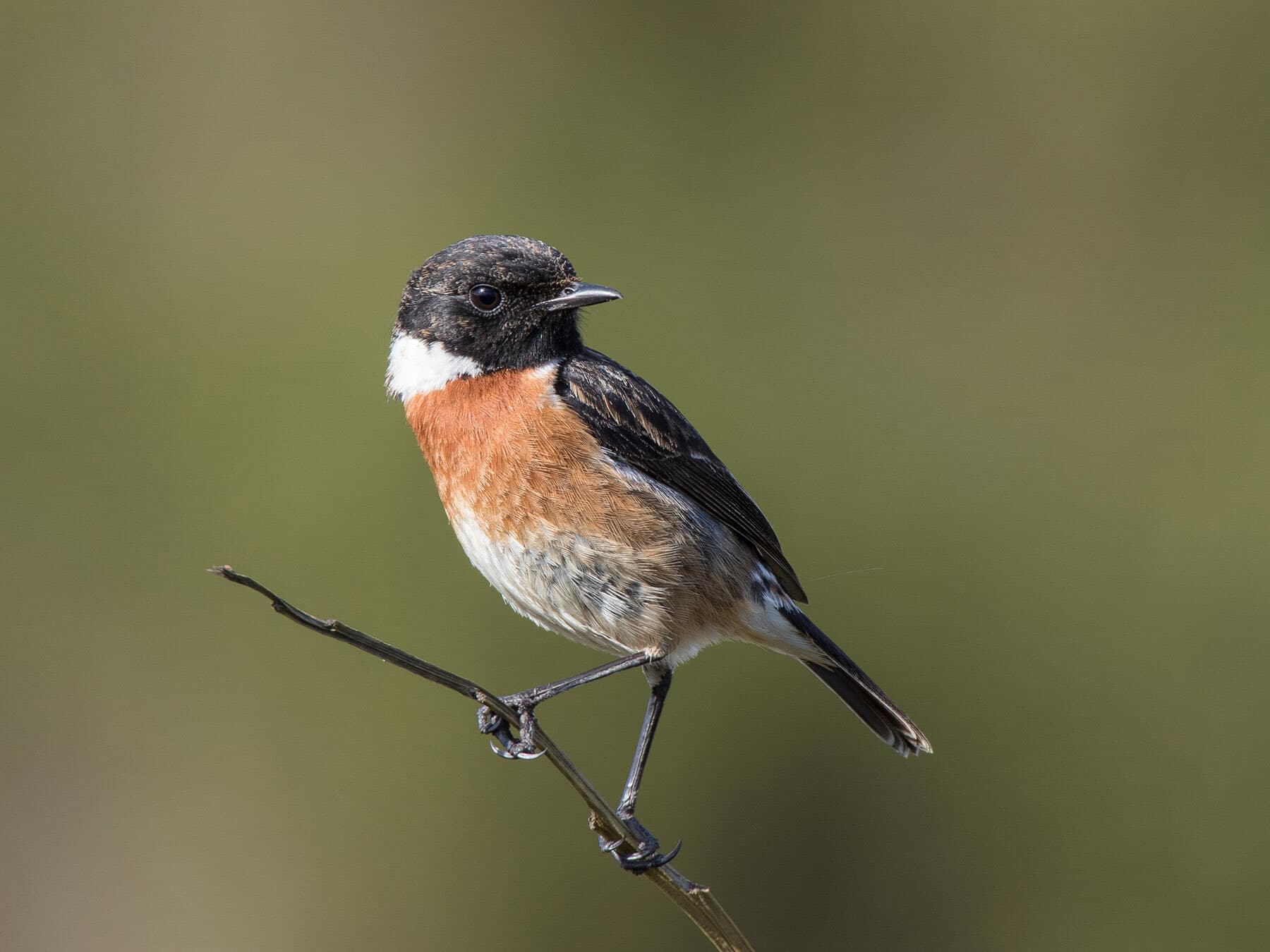
Stonechat
Saxicola torquatusLC
Resident on gorse-clad moorland edges and coastal scrub year-round. Hardy enough to remain on upland territories through harsh winters.
Year-round
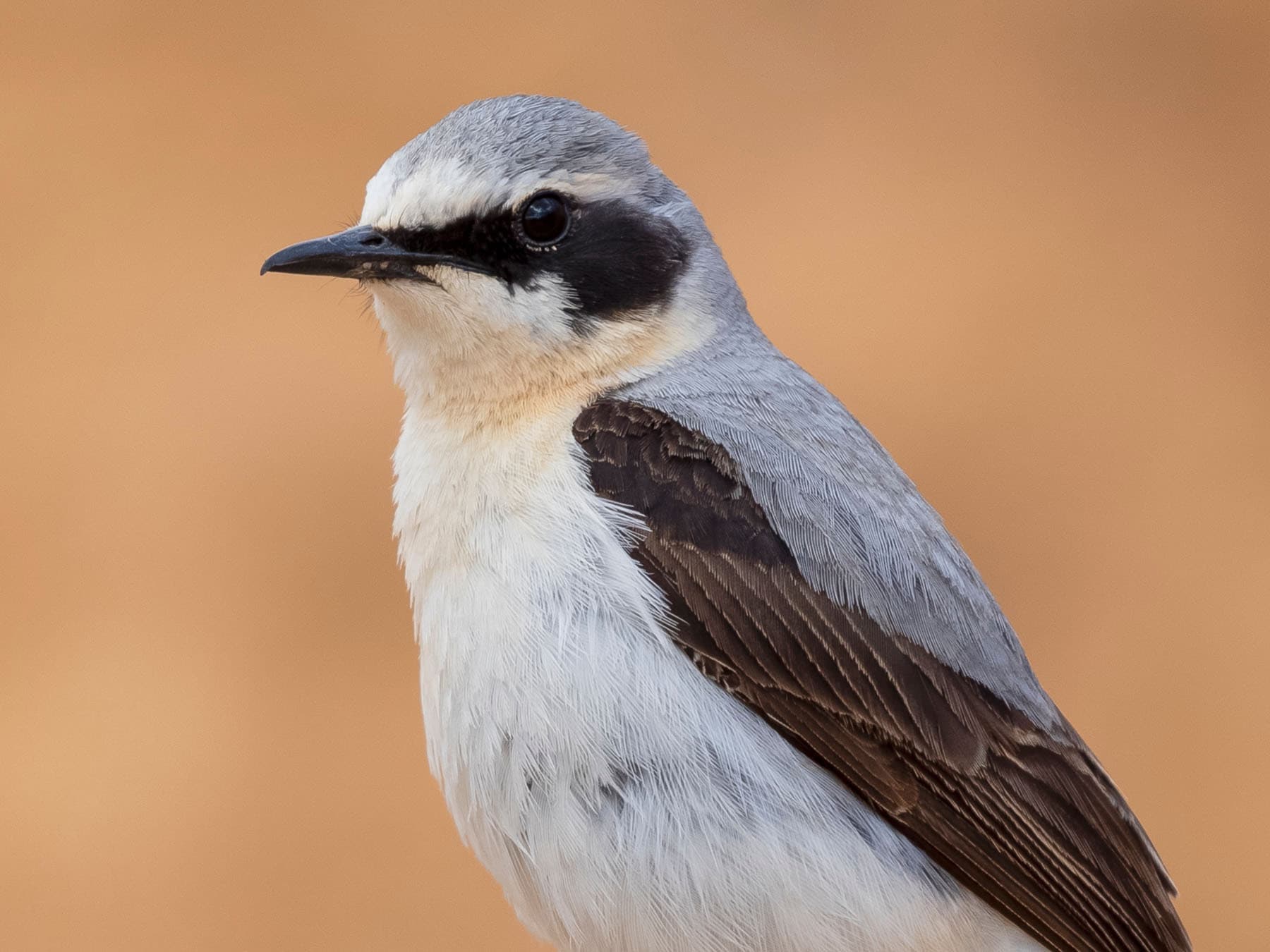
Wheatear
Oenanthe oenantheLC
A summer breeder on upland moors and stone walls of the Dales, arriving from March. Also seen on passage along the coast.
Mar–Oct
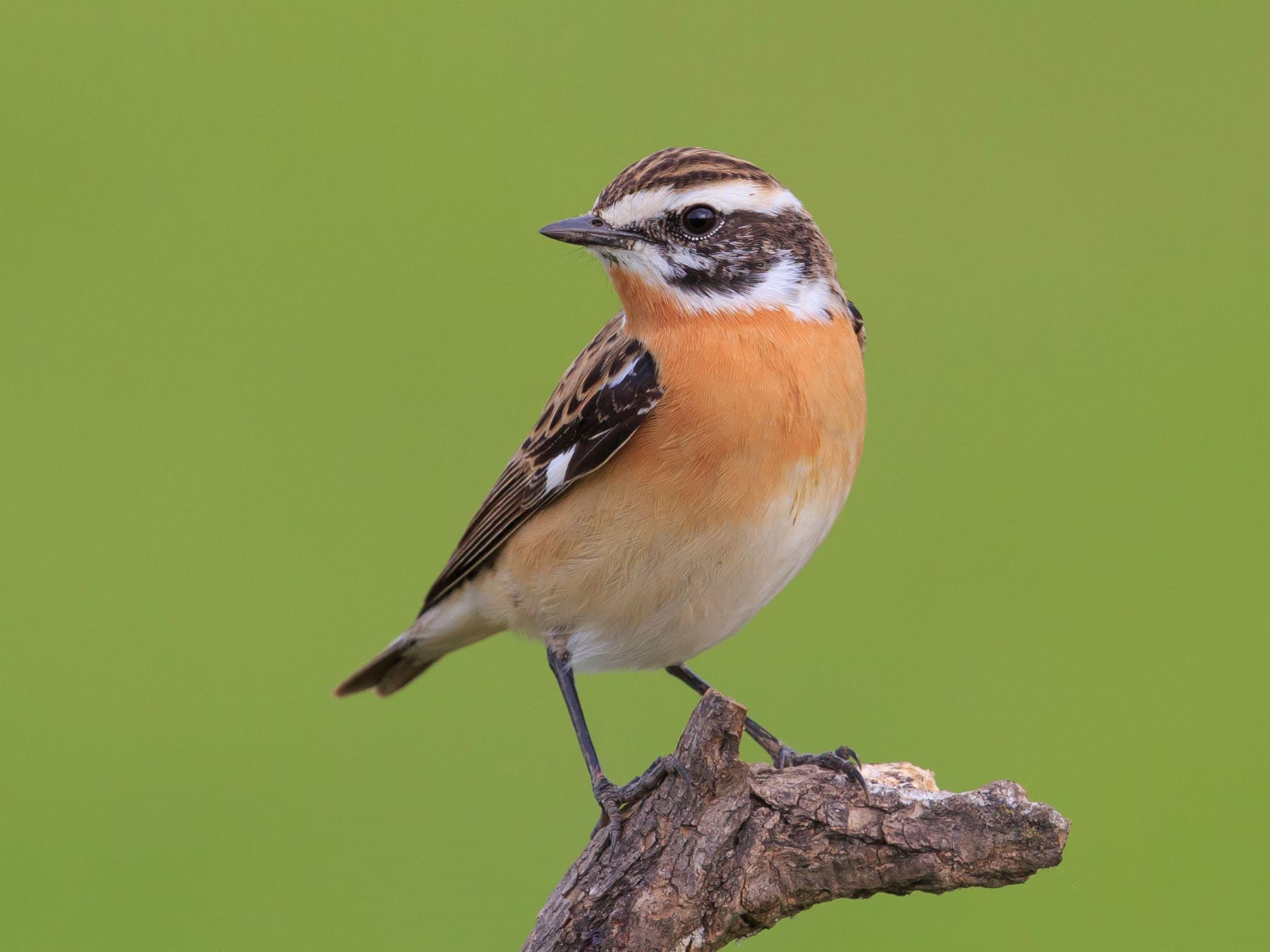
Whinchat
Saxicola rubetraLC
A rare breeding visitor to upland moorland edges, arriving in spring and departing by September. Declining across much of England.
Apr–Sep