Hawks & Eagles in North Yorkshire
8 species matching this filter.
North Yorkshire's diverse landscapes, from the sweeping moorlands of the Yorkshire Dales and North York Moors to its broad river valleys and lowland farmland, provide excellent habitat for a variety of hawks and eagles. Eight species from this family have been recorded in the county, including resident raptors such as the Buzzard and Sparrowhawk, as well as scarcer visitors like the Rough-legged Hawk and European Honey-buzzard. The successful reintroduction of the Red Kite to northern England has made North Yorkshire one of the best places in the country to watch these graceful birds soaring over the countryside.


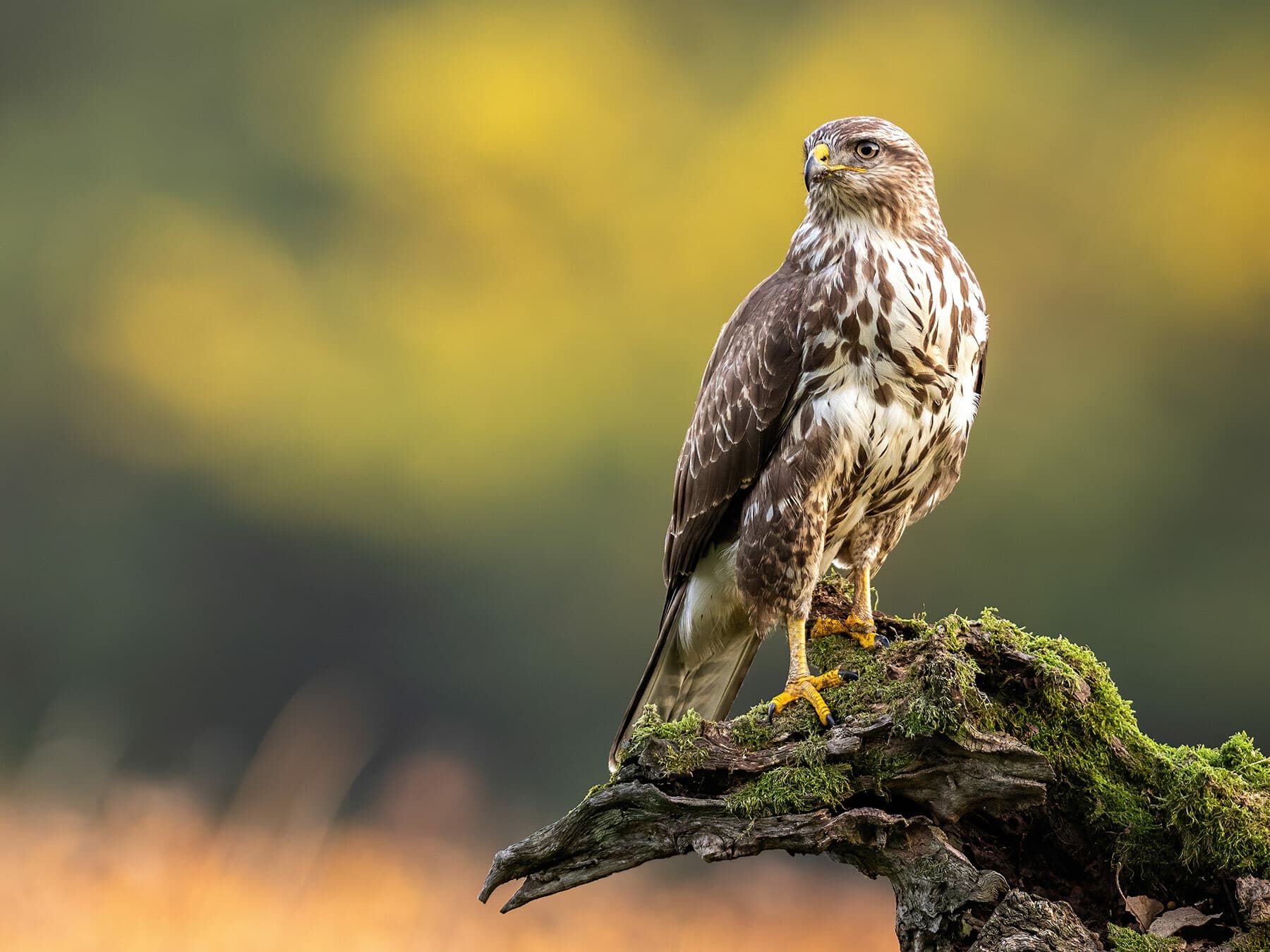
Buzzard
Buteo buteoLC
Now a common resident across the region, frequently seen soaring over farmland, moorland edges and the Yorkshire Dales.
Year-round
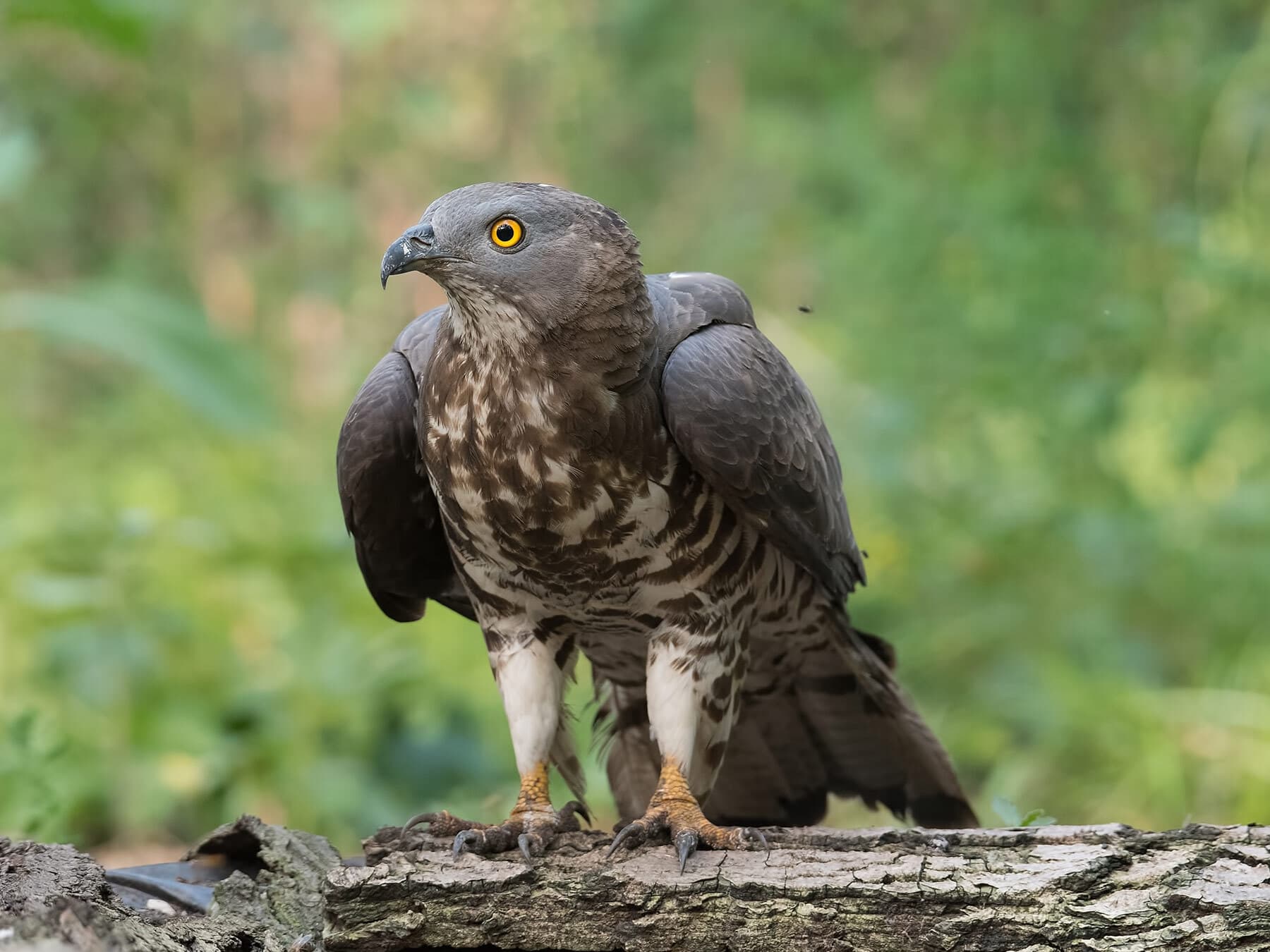
European Honey-buzzard
Pernis apivorusLC
A rare and secretive summer breeder in mature woodlands, feeding largely on wasp and bee nests. Present May to July.
May–Jul
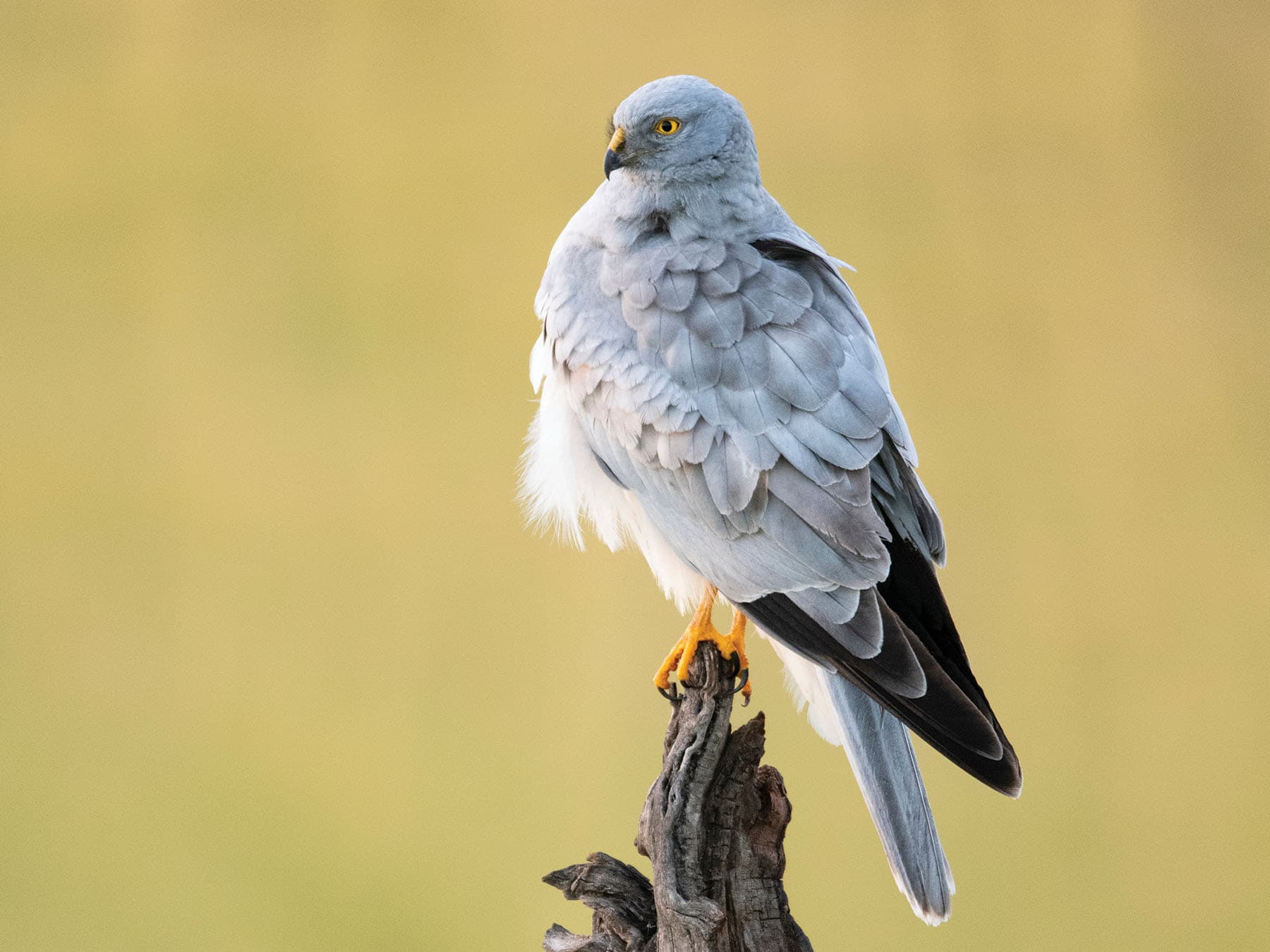
Hen Harrier
Circus cyaneusLC
A rare winter visitor to the moorlands and dales, occasionally quartering heather uplands from late autumn. A persecuted species still struggling in this region.
Nov–Feb
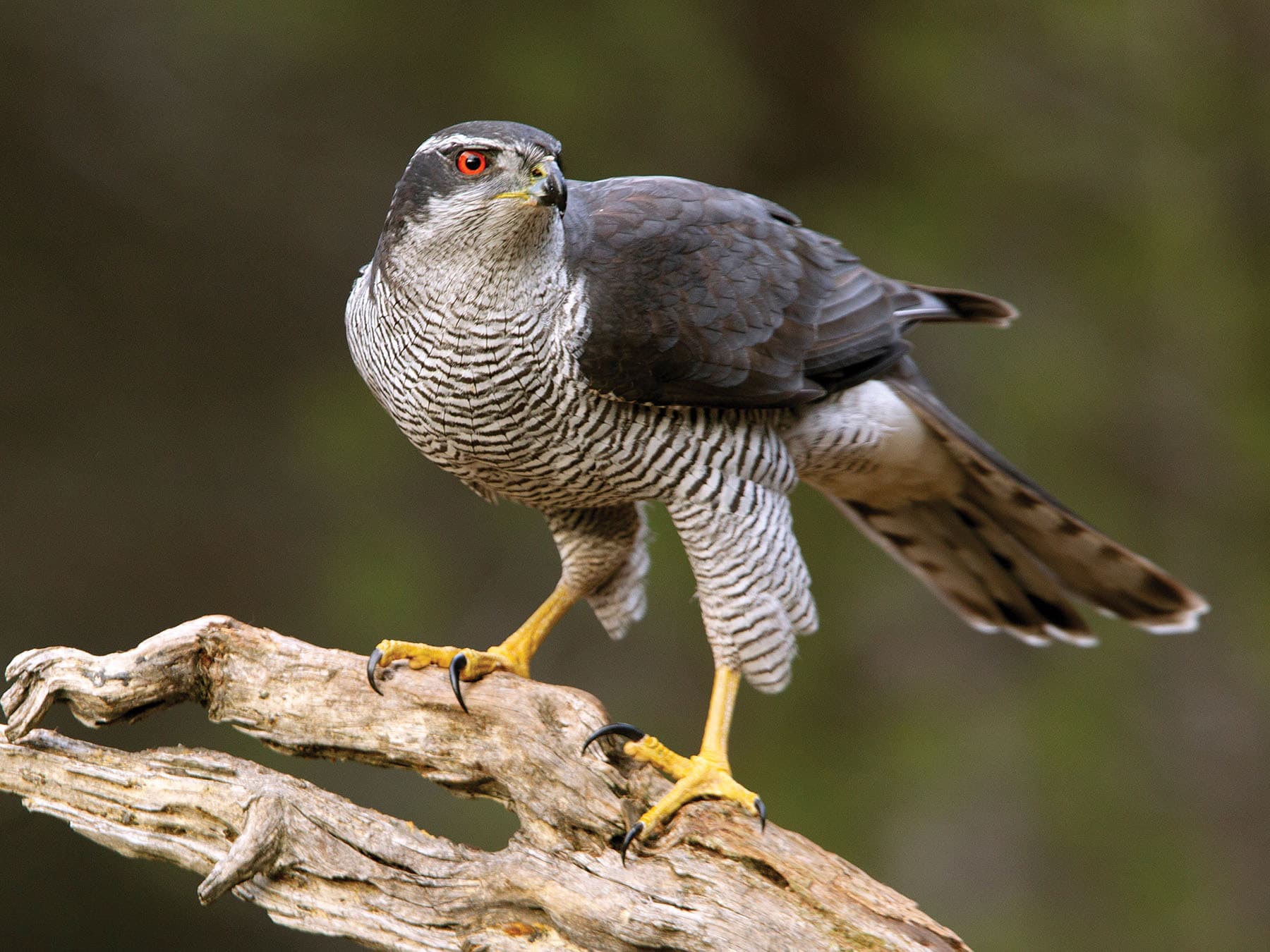
Northern Goshawk
Accipiter gentilisLC
A rare and secretive resident of large forests, slowly expanding its range. Most likely seen soaring over extensive conifer plantations in the region.
Jan–Aug
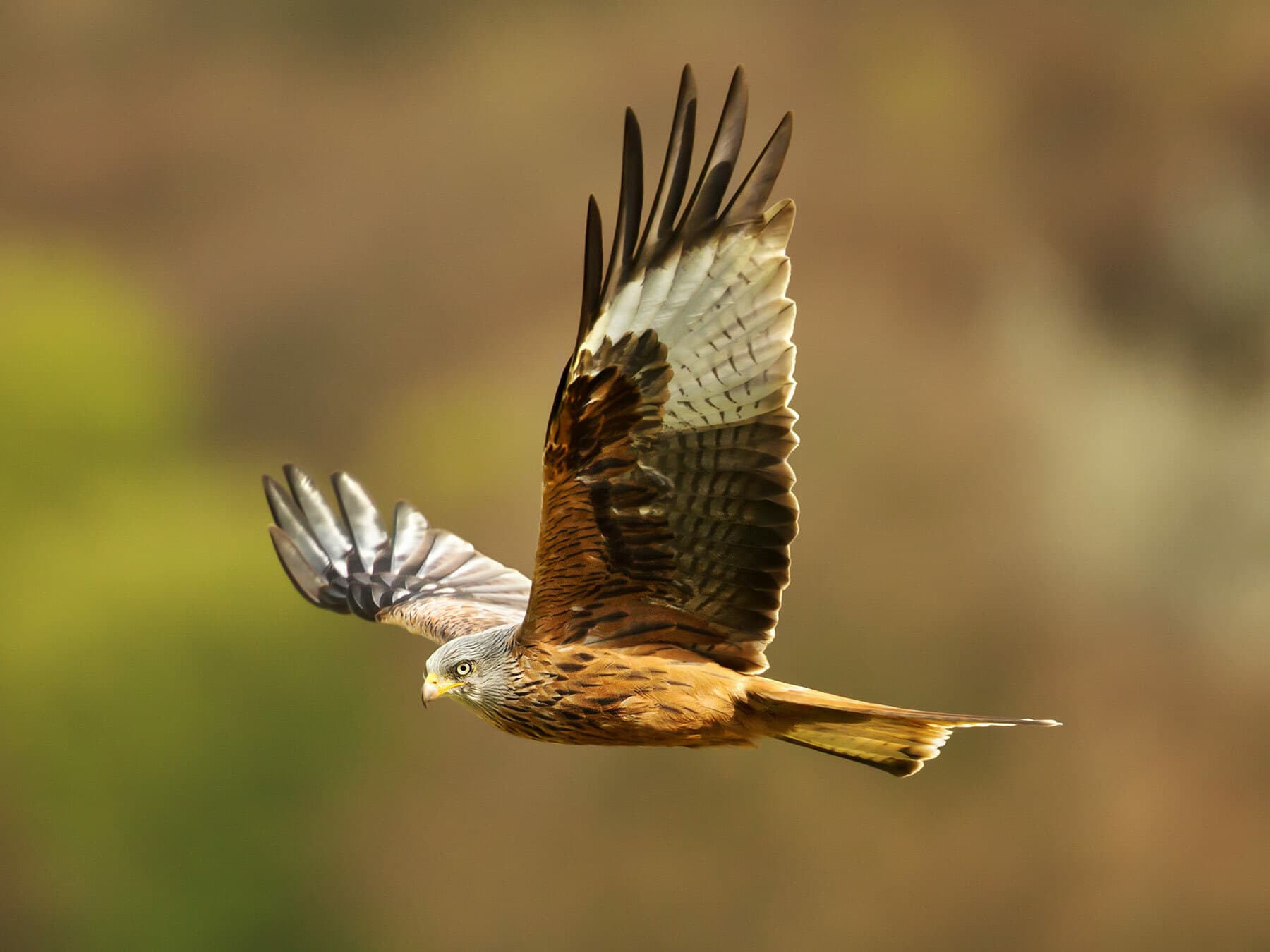
Red Kite
Milvus milvusLC
Now resident year-round following successful reintroduction at Harewood, increasingly seen soaring over the Dales and Vale of York.
Year-round
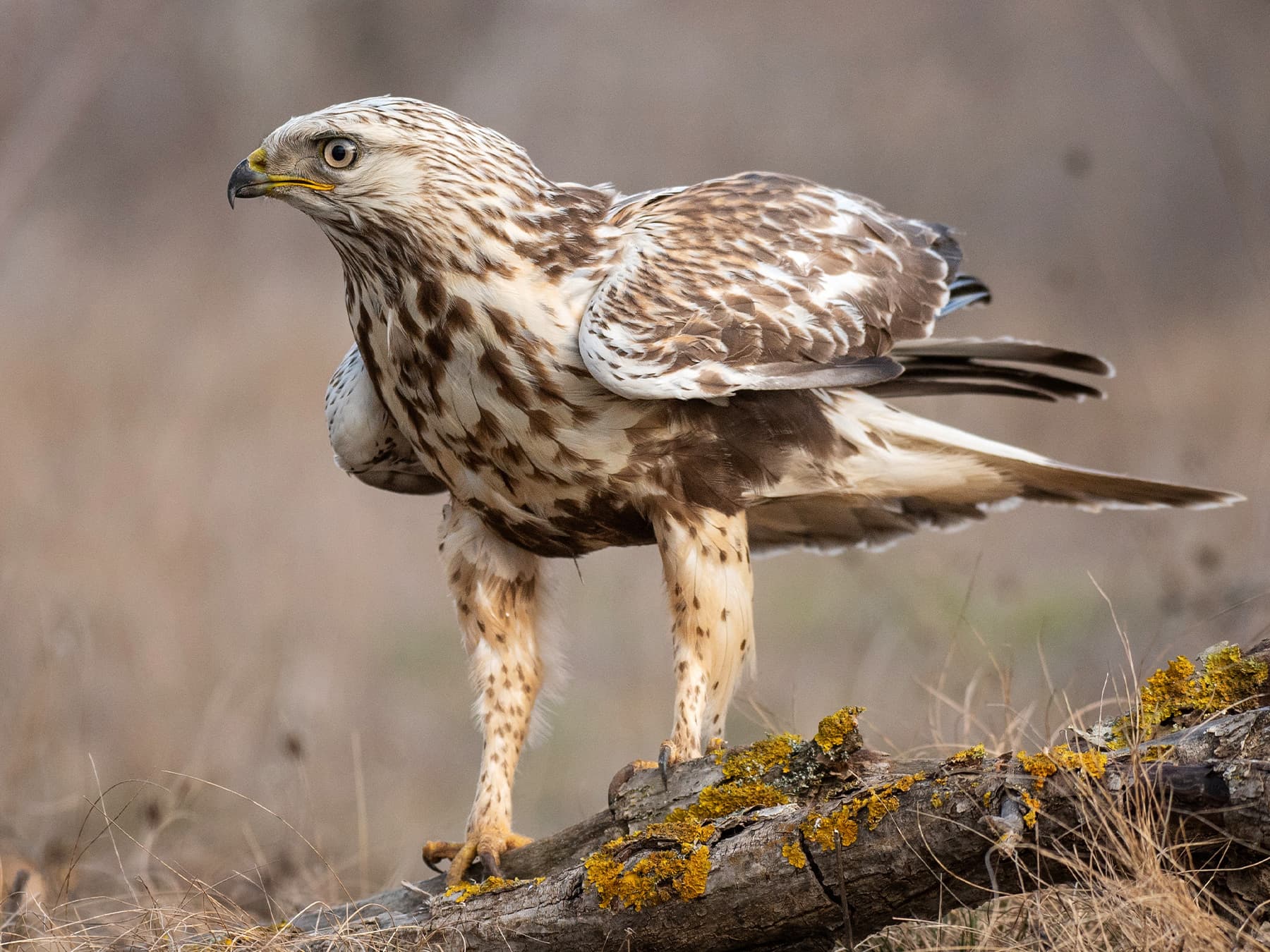
Rough-legged Hawk
Buteo lagopusLC
A rare passage visitor, occasionally recorded on the coast or open farmland in late winter. Always a prized sighting in the county.
Feb
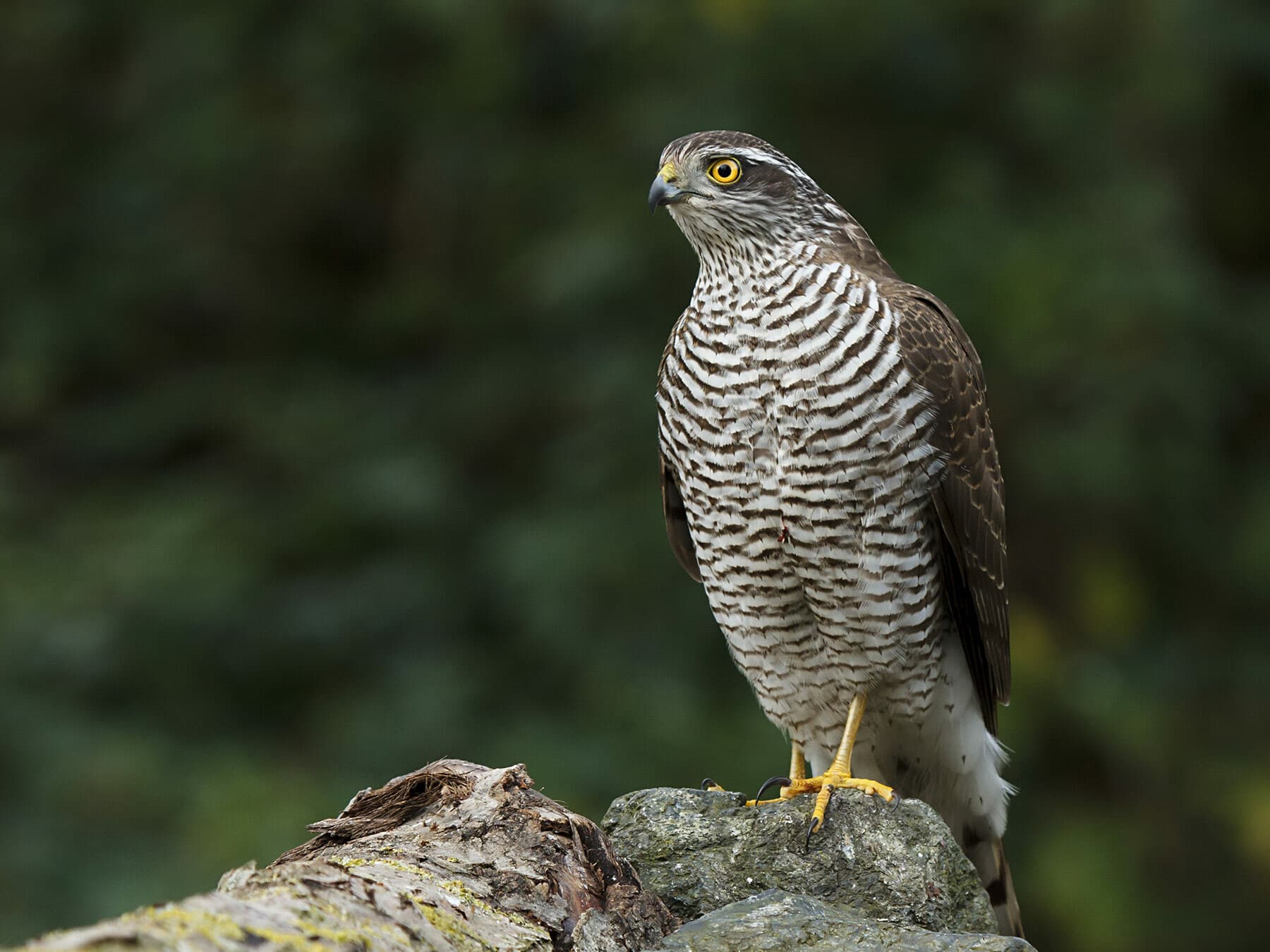
Sparrowhawk
Accipiter nisusLC
A year-round resident, hunting small birds through woodland edges, hedgerows and gardens across the county with dashing low-level flights.
Year-round
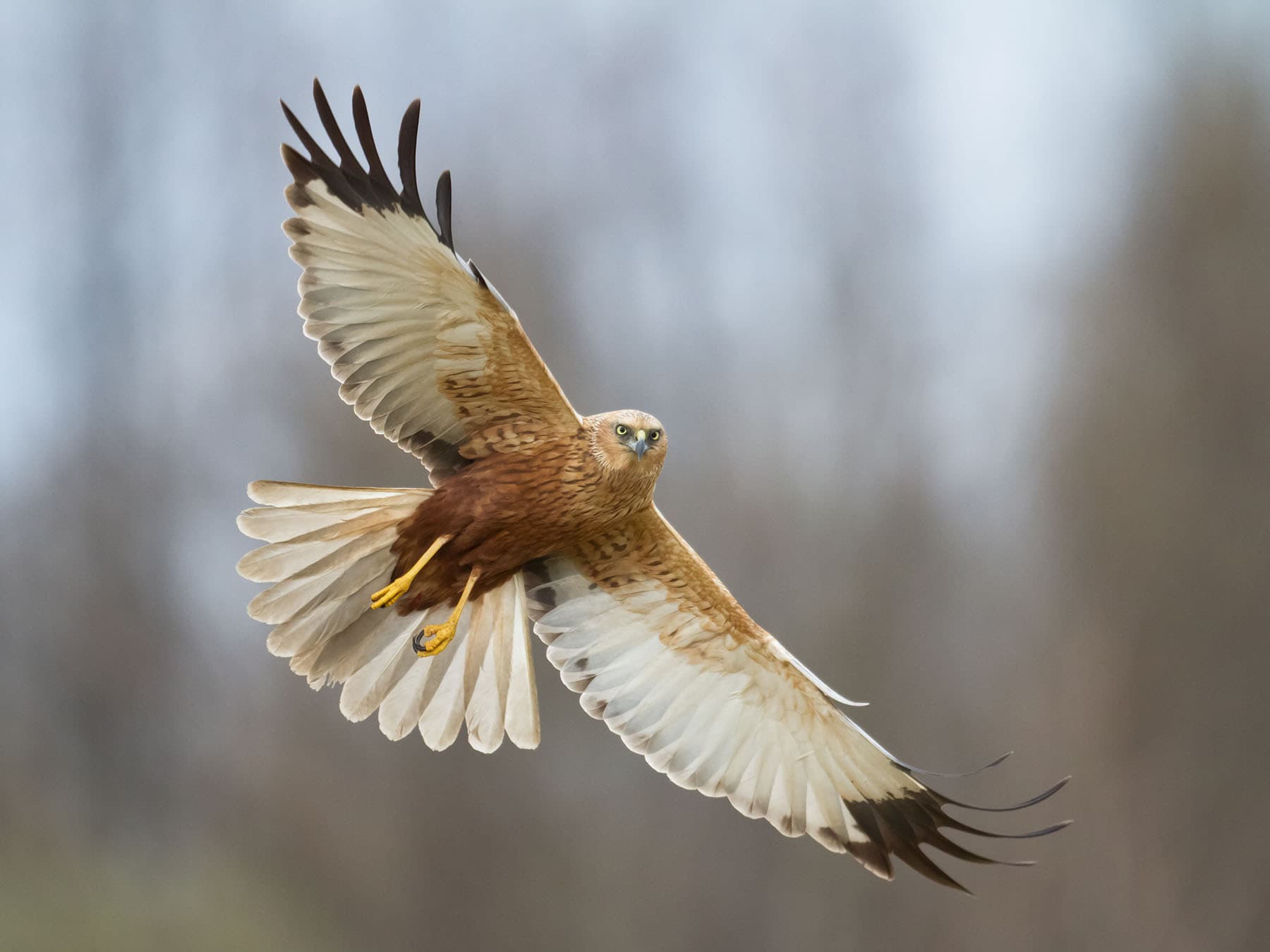
Western Marsh-harrier
Circus aeruginosusLC
A rare resident hunting over reedbeds and marshes, increasingly seen at lowland wetland reserves as the species recolonises northern England.
Year-round