Gulls & Terns in Berkshire
8 species matching this filter.
Berkshire's gravel pits, reservoirs and stretches of the River Thames provide important habitats for gulls and terns, attracting eight recorded species to the county. From the familiar Lesser Black-backed Gull and European Herring Gull to scarcer visitors such as the Black Tern and Little Gull, these waterways offer rewarding birdwatching opportunities throughout the year. Notable sites including Theale Gravel Pits and Dinton Pastures are well worth visiting for anyone hoping to spot these charismatic waterbirds.


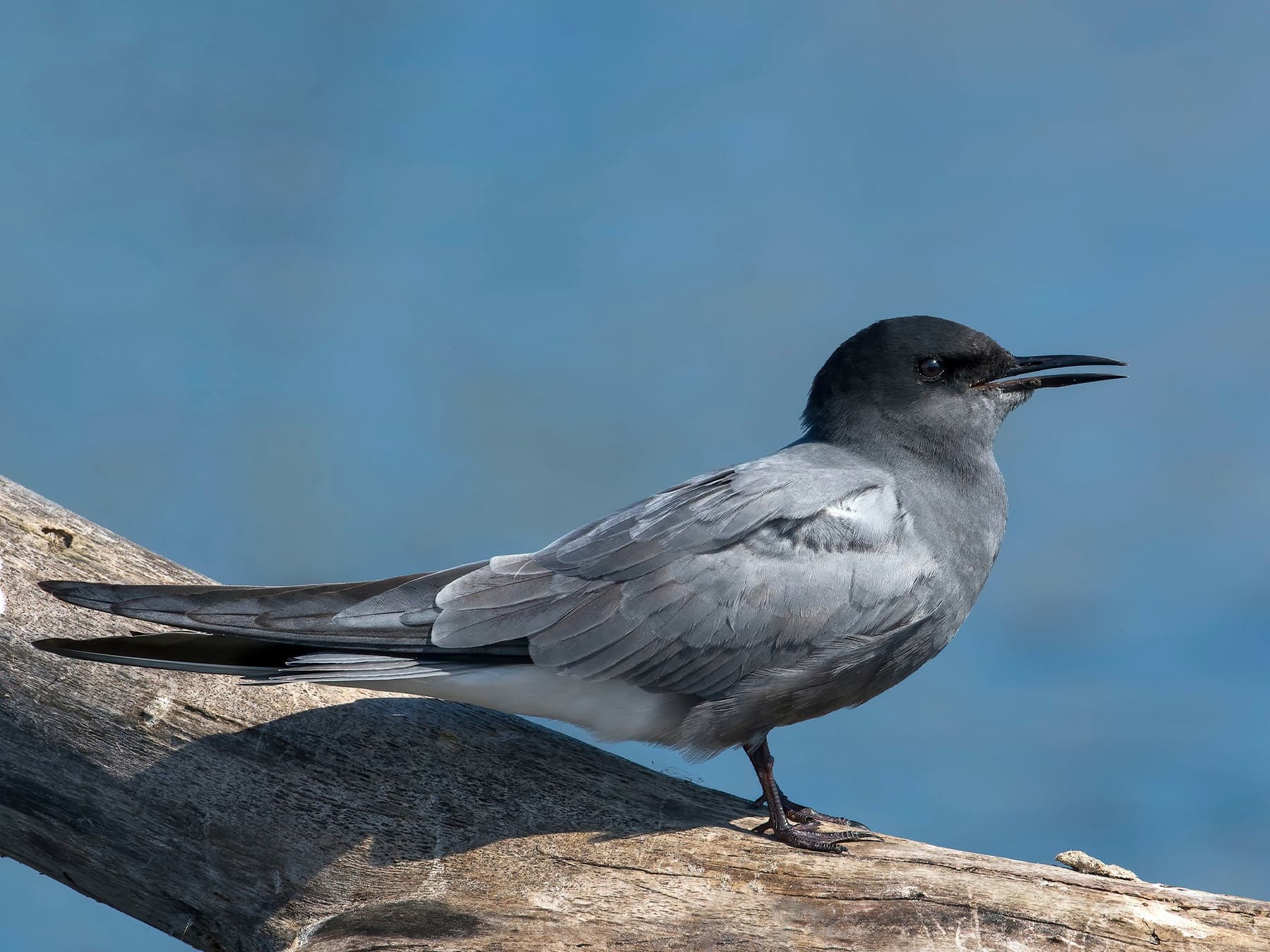
Black Tern
Chlidonias nigerLC
A rare August passage migrant, occasionally seen dipping over gravel pits and reservoirs. Elegant dark plumage separates it from Common Tern.
Aug
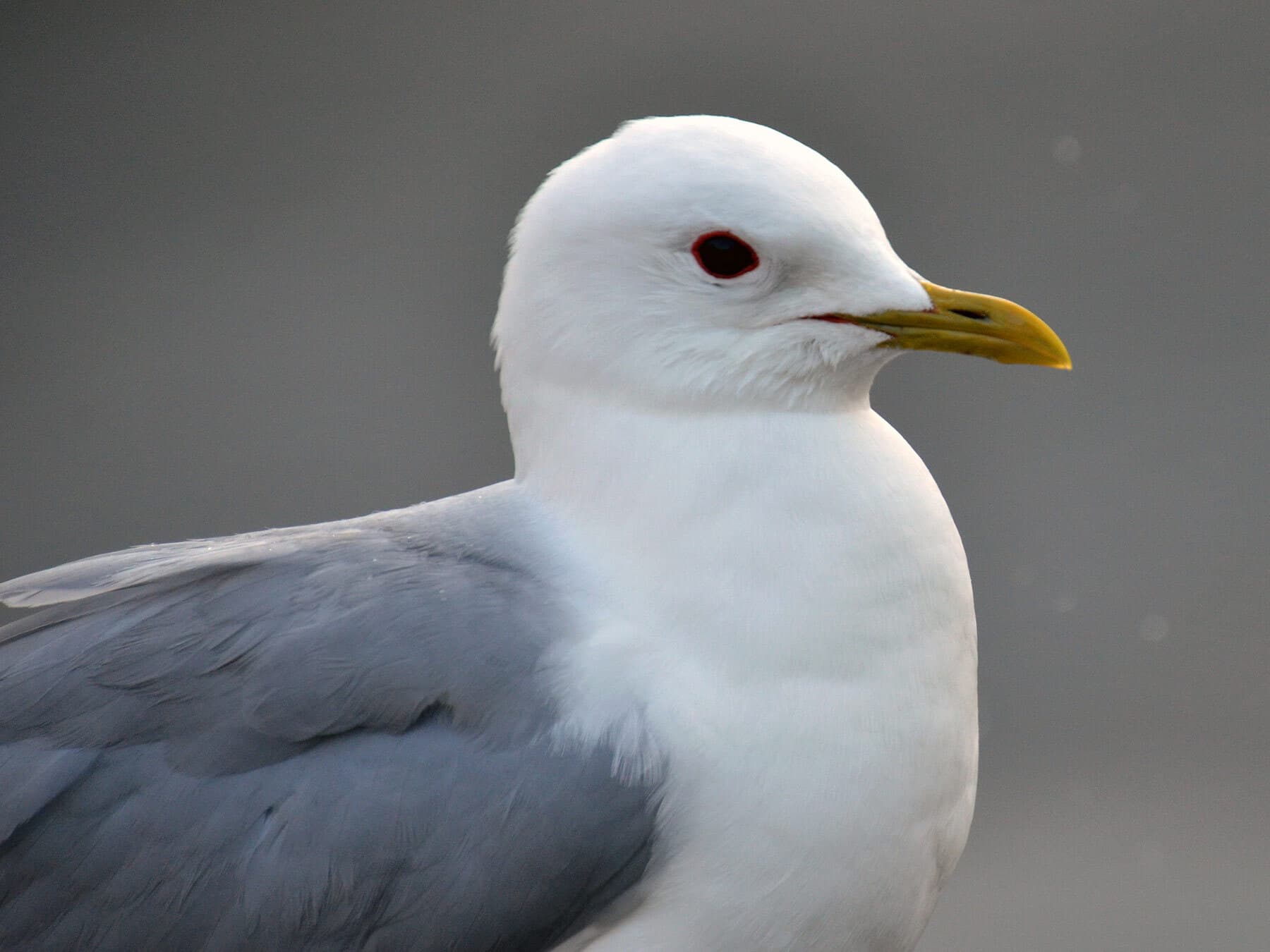
Common Gull
Larus canusLC
Present year-round but most numerous in winter on playing fields and reservoirs. Often mixes with Black-headed Gull flocks.
Year-round
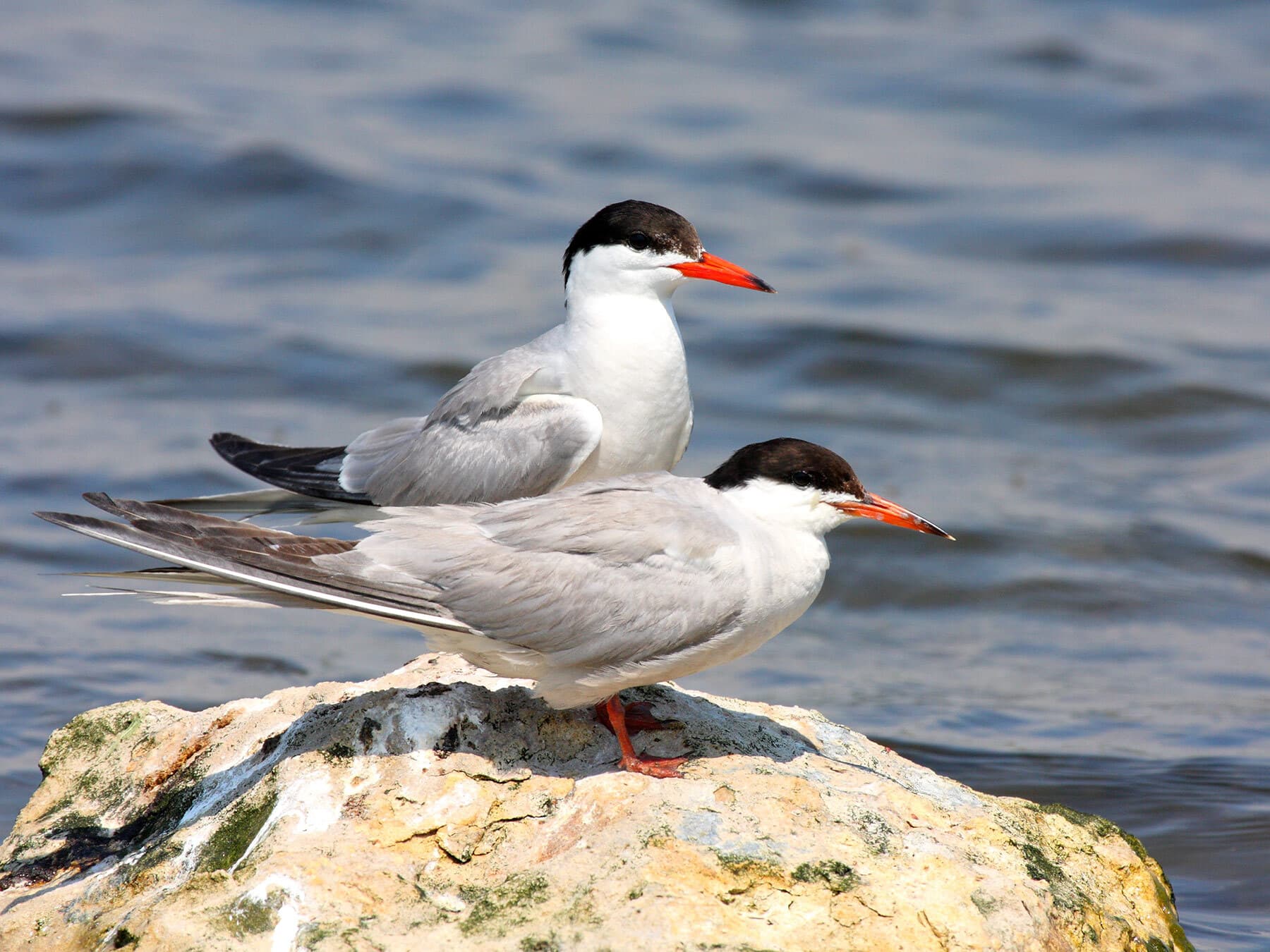
Common Tern
Sterna hirundoLC
An uncommon summer breeder at Berkshire's gravel pits and reservoirs from April to September. Nests on specially provided rafts.
Apr–Sep
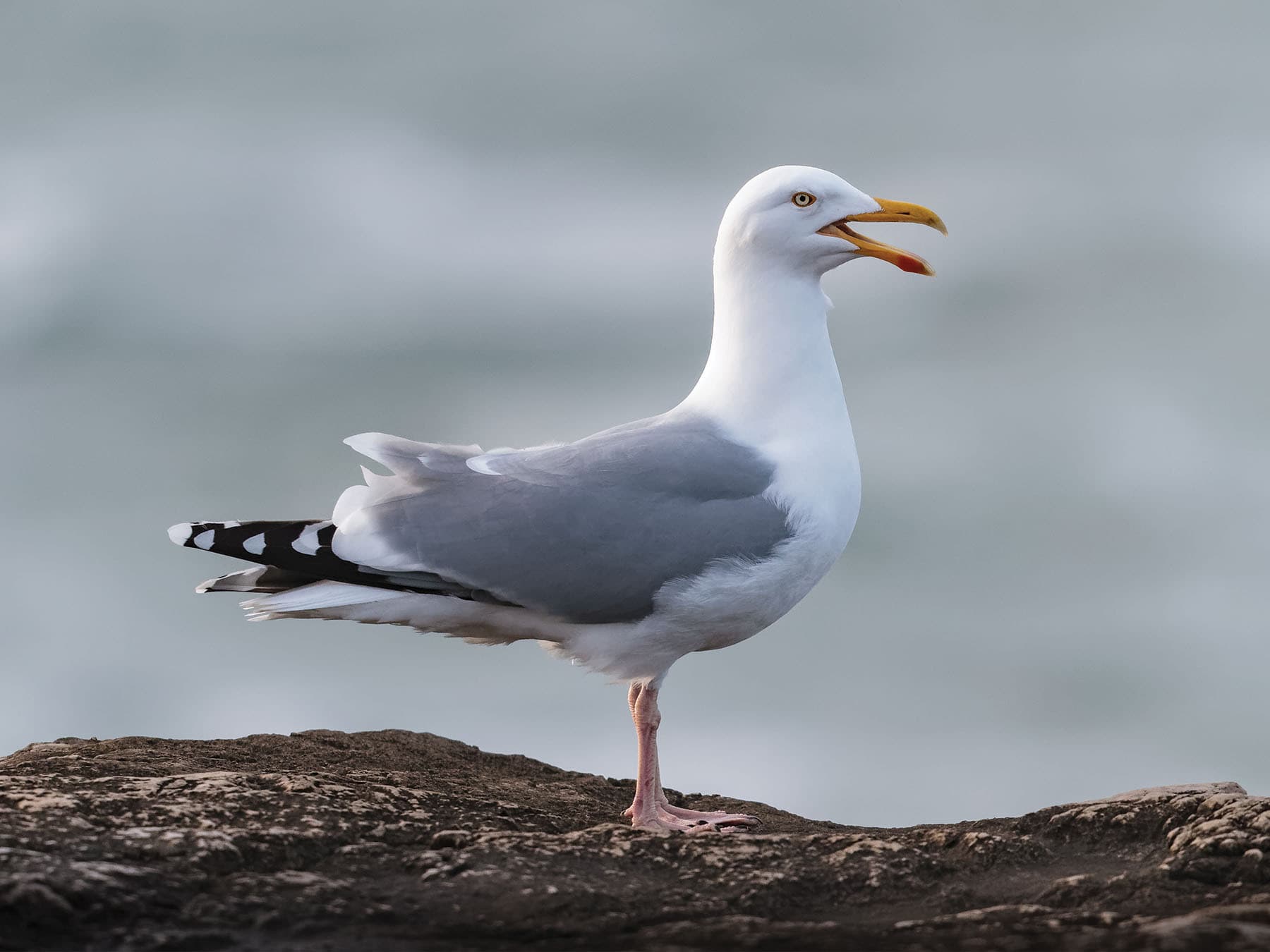
European Herring Gull
Larus argentatusLC
A common resident increasingly seen inland, frequenting Berkshire's landfill sites, reservoirs and supermarket car parks throughout the year.
Year-round
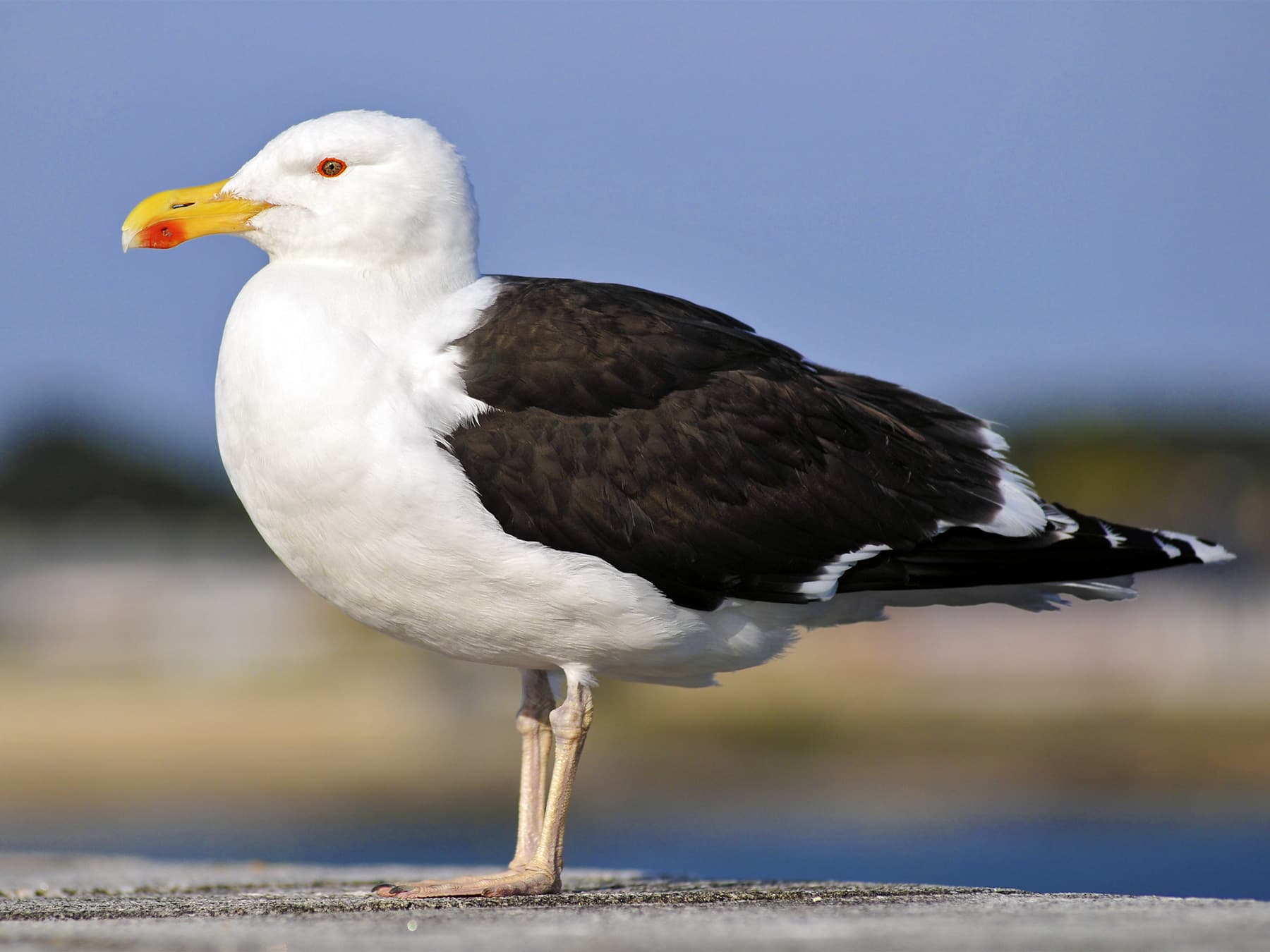
Great Black-backed Gull
Larus marinusLC
A rare non-breeding visitor, mainly in winter months. Occasionally seen at larger reservoirs and gravel pits among other gull flocks.
Oct–Apr
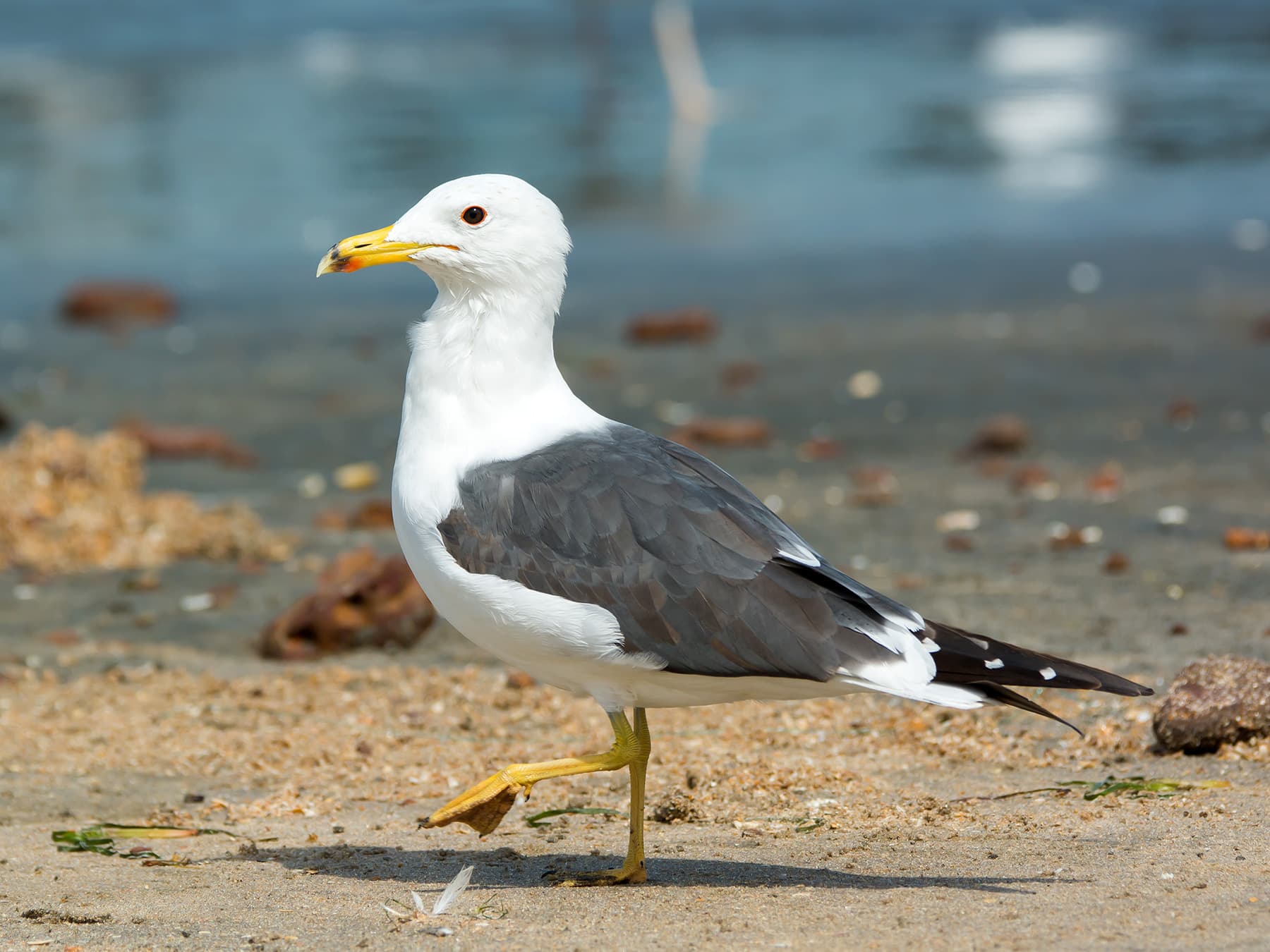
Lesser Black-backed Gull
Larus fuscusLC
Present all year at reservoirs and landfill sites, though numbers peak in summer. Increasingly common inland across southern England.
Year-round
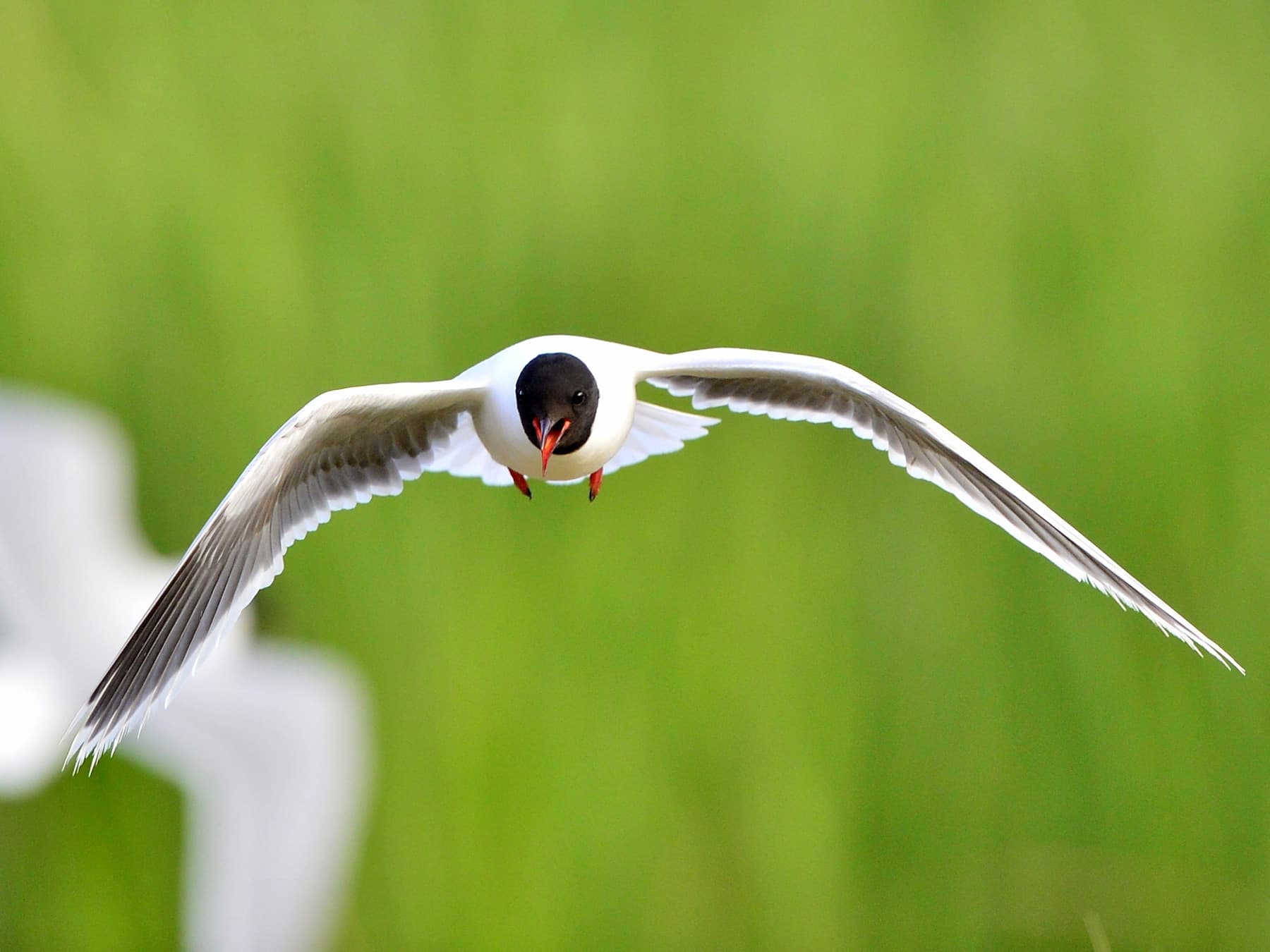
Little Gull
Hydrocoloeus minutusLC
A rare spring passage visitor, occasionally noted over Berkshire's reservoirs and gravel pits in April. Dainty flight is distinctive.
Apr
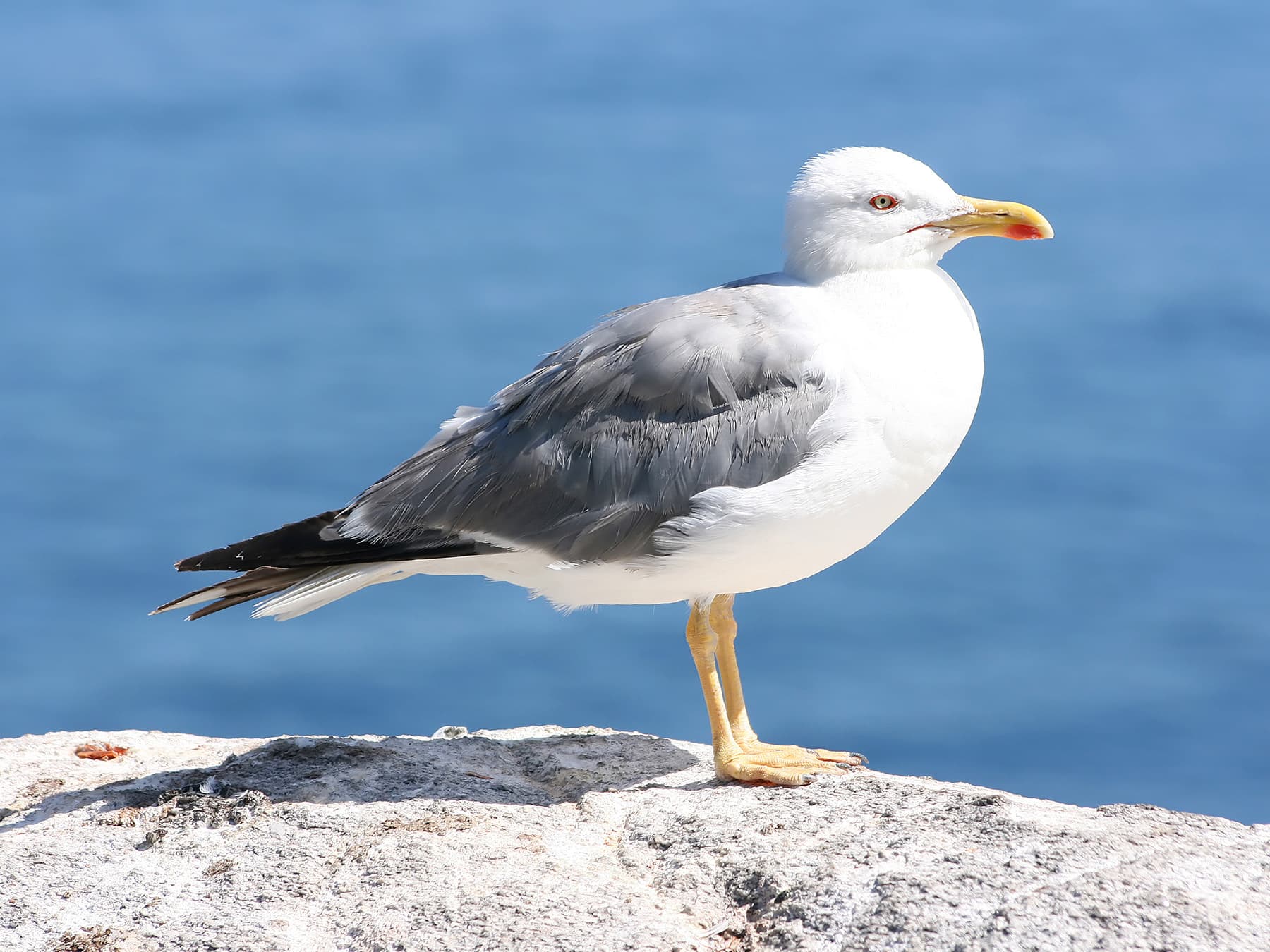
Yellow-legged Gull
Larus michahellisLC
A rare visitor to Berkshire's reservoirs and tips, most likely seen in late summer. Identification requires careful separation from similar gulls.
Jul–Dec