


Communication
By the Birdfact teamChecked by Nathan Cope
In Bird behaviour
On this page7 sections
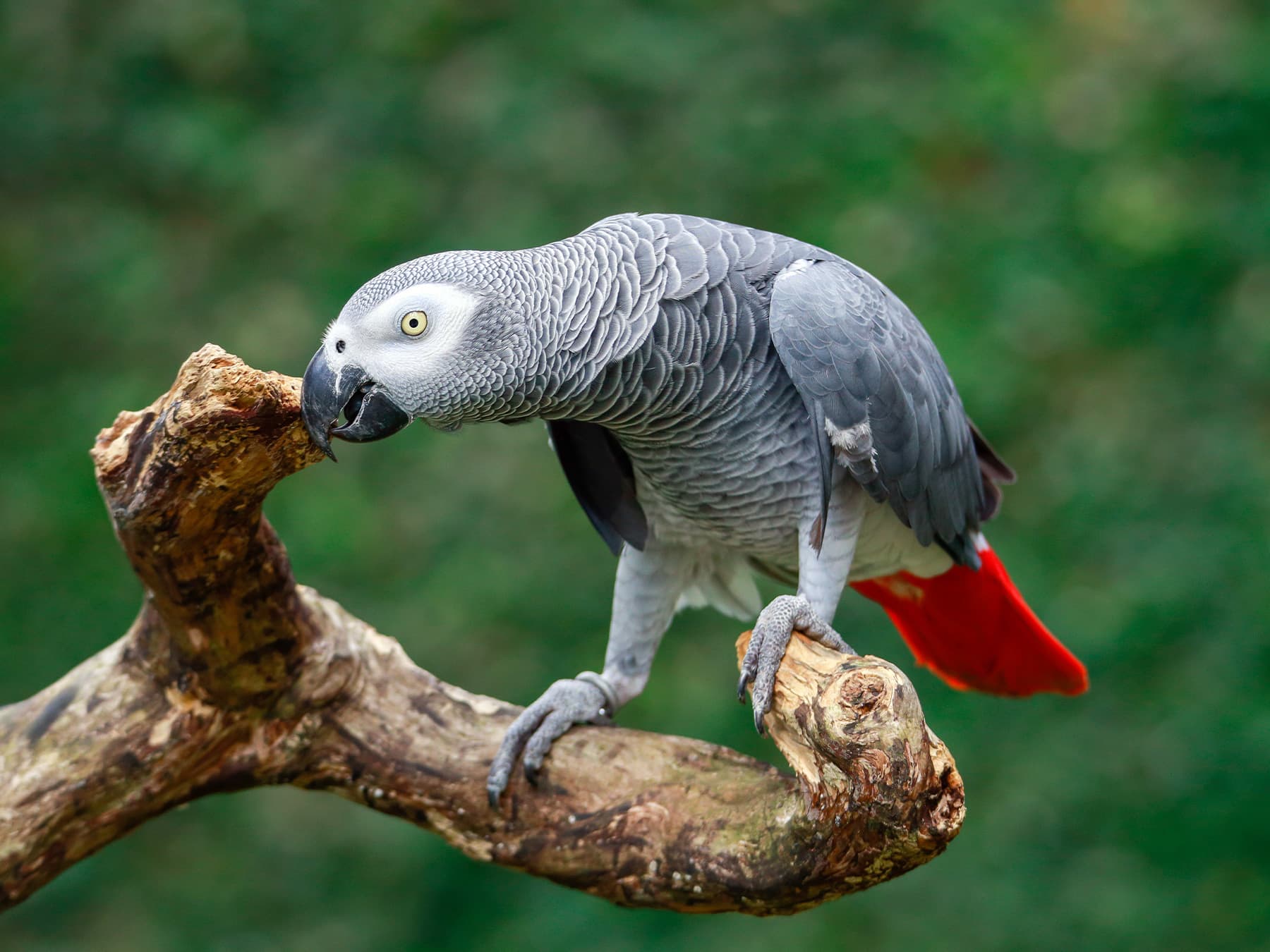
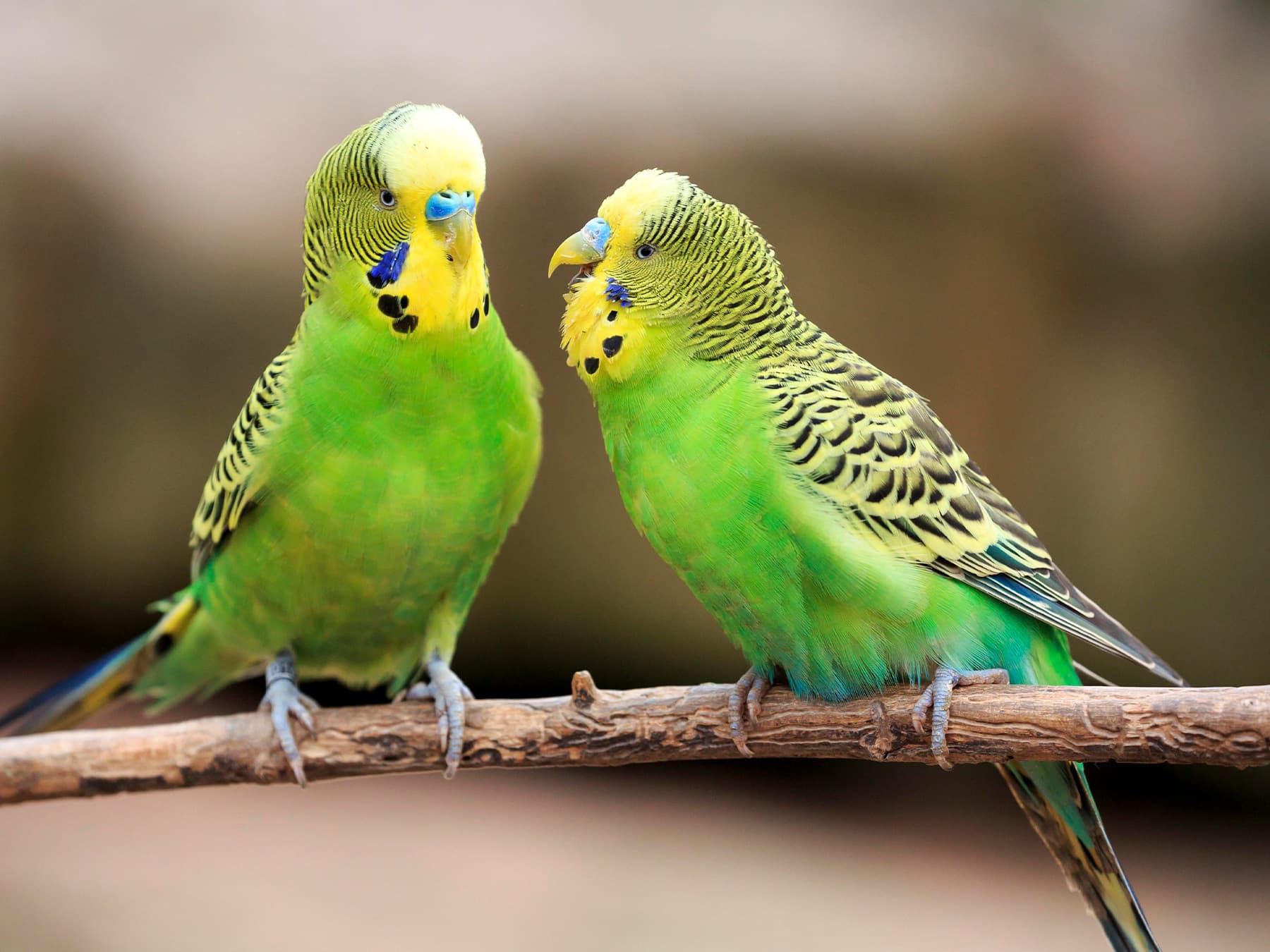
You may have seen viral videos of parrots, parakeets, or mynah birds that have mastered the art of ‘speech’ and marveled at the extensive vocabulary some of these birds show off.
In reality, there is a whole lot more to bird communication than mimicry and repetition of human voices, and many species have developed highly complex methods of interacting with each other.
Overview of Bird Communication
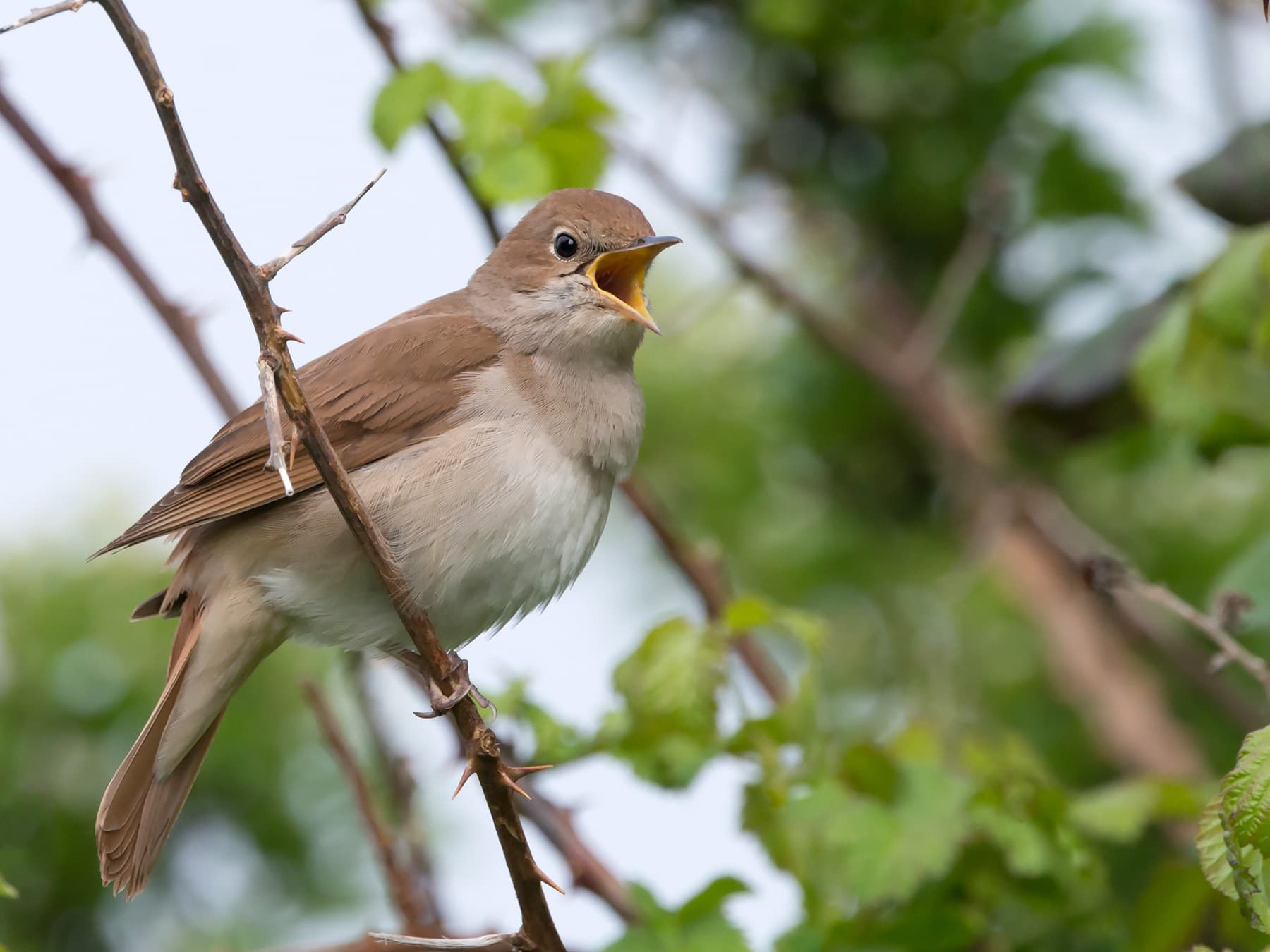
Nightingale, for example, are recorded to have a playlist of at least a thousand distinct tunes.
But communication between birds is not limited to birdsong or other calls and vocalizations.
Watch closely and you’ll notice that birds also use visual clues with each other to communicate, for example, displaying during the breeding season to attract a mate or posturing and fluffing their feathers to appear dominant and to deter predators.
The Significance of Studying Bird Communication
Perhaps the most obvious need for communication is related to survival, with shrill alarm calls or rapid squawking frequently heard when a threat is detected around a nest site, alerting a mate or other nearby bird of danger and attempting to intimidate and scare off any intruders that are approaching.
Communication is also crucial during the breeding season when pairs form ahead of raising young. Prospective mates need to communicate their interests and availability to each other and do this in a number of ways, including vocally, visually, and with their actions.
Understanding Bird Communication
Studying the ways in which birds communicate helps us to understand how they survive, how they interact with their own species, and how they form pairs, raise young, and defend territories.
This kind of knowledge can only be gained through in-depth study and observation, and many hours of expert research over the centuries have helped us to begin to decode what birds are actually ‘saying’ to each other and why.
Defining Bird Communication
Early observations of birdsong were limited to handwritten notes and individual interpretations or transcriptions of calls and melodies.
Technological advances have allowed audio recordings to be made, which have been analyzed and studied alongside video observations of behavior and environment. This has led to a much deeper understanding of what different sounds represent and a wider understanding of how birds communicate.
Types of Communication
Song is usually a tuneful melody of notes or phrases and is used primarily to attract a mate or assert a claim to a territory. Calls are usually shorter sounds or single notes and are used to keep in touch with flock mates, communicate danger, or deter predators.
Head bobbing, crest-raising, wing shaking, and showing off their brightest coloring are all common forms of non-vocal bird body language.
A less-researched form of communication is birds’ use of chemical signals to interact with each other. Petrels, Auks, and some ducks are thought to use specific scents to communicate with each other. penguins, parrots, and corvids.
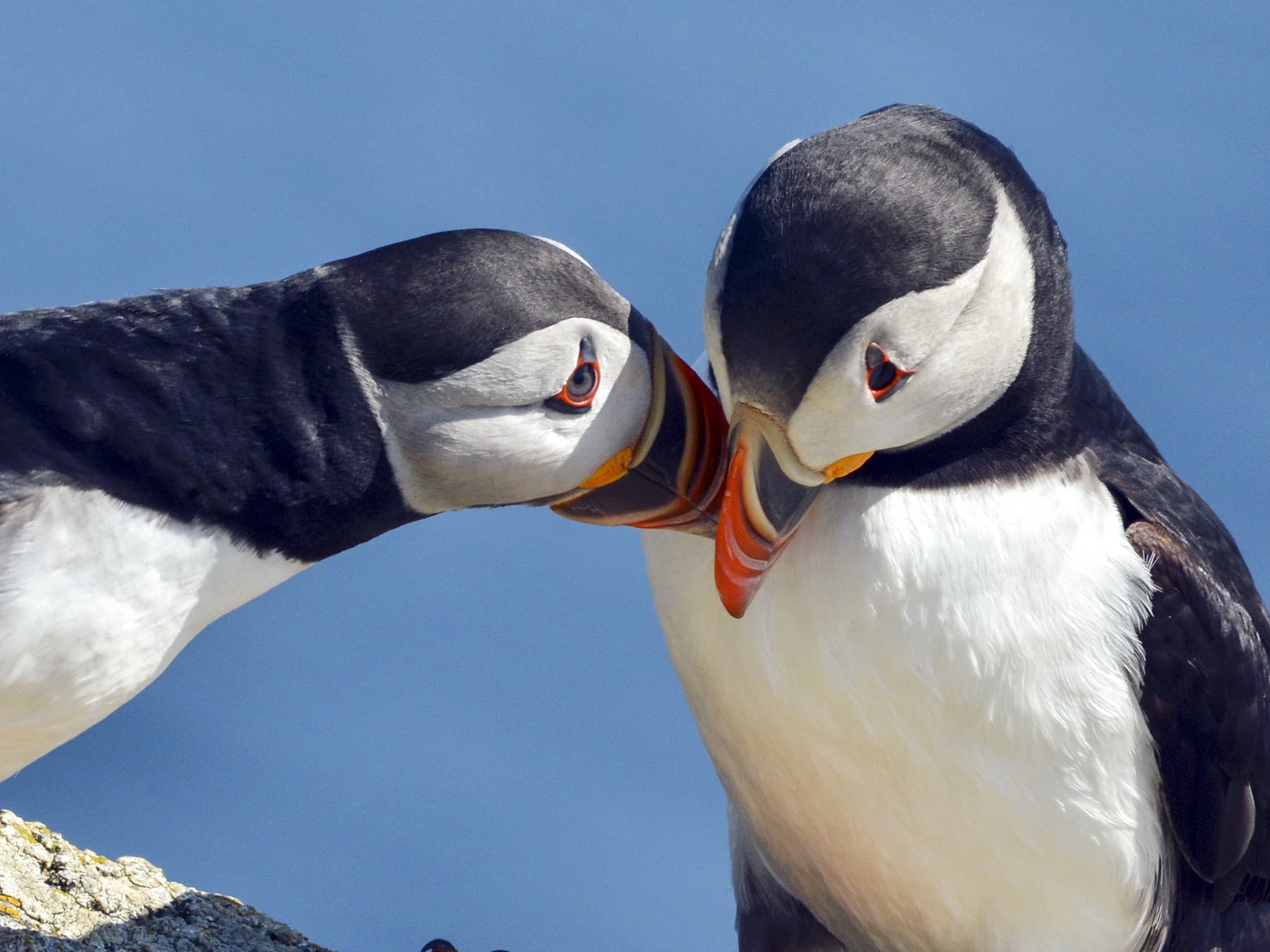
Vocal Communication
Song isn’t the only form of vocal communication that birds use.
Learn more about the types of vocalizations made by birds and what they might represent.
Bird Songs
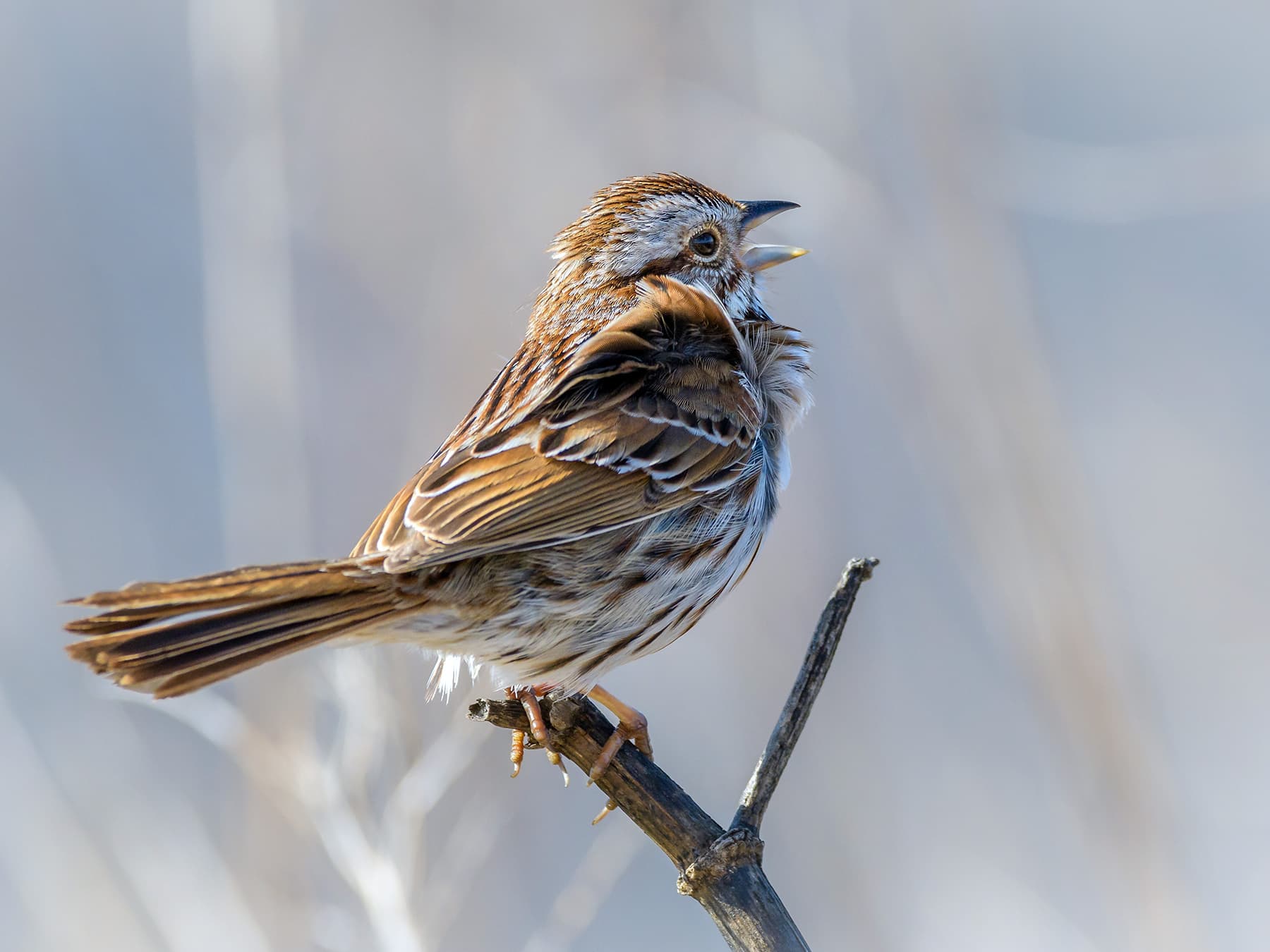
Song is vital to the reproductive behavior of birds, with it being the first tool males use to catch the attention of a prospective mate.
Nightingales are known the world over for their wide repertoire of delicate tunes.
By singing loudly and prominently, birds make their presence known, which helps to establish and maintain boundaries to a territory, and to claim access to feeding grounds and any females that may be nearby, meaning that other birds get the message loud and clear whose patch they are on.
Bird songs can be complex, and may include two different sounds that are produced at the same time.
Bird Calls
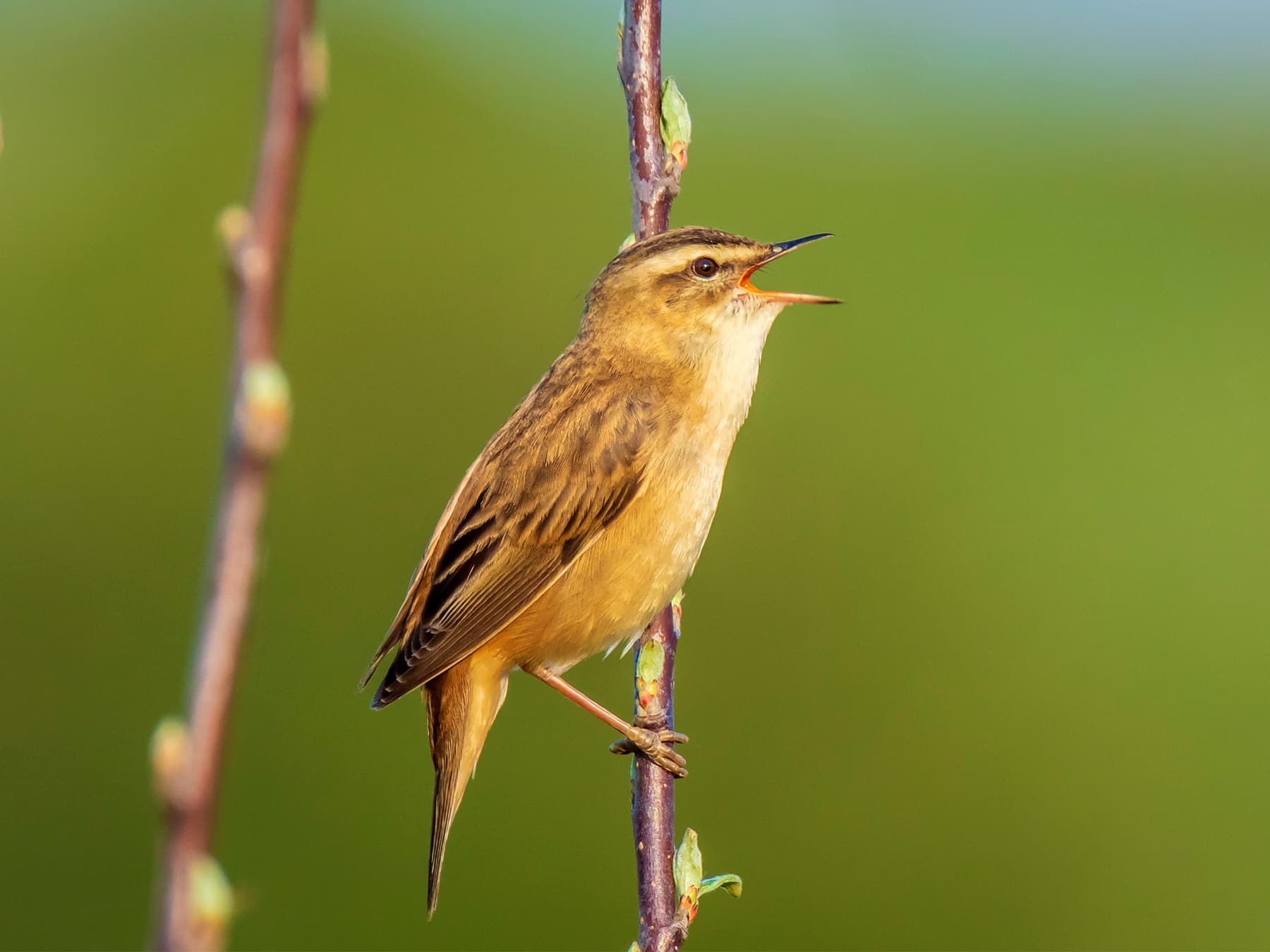
Birds use calls as a method of staying in close contact when feeding, flying, raising young, and avoiding predators. Contact calls help birds stay in touch while foraging or flying or enable parents to check in on their chicks’ whereabouts. These sounds are relatively quiet to avoid attracting the unwanted attention of predators.
cat or bird of prey. Rapid loud squawking or harsh, piercing chatter alerts other birds to the threat, and may also drive away the intruder, once they realize they have been noticed.
Learning and Development of Vocalizations
Have you ever wondered how a bird learns to sing those warbling tunes it belts out from the treetops? It’s a complicated process, and genetic and social factors are both involved.
Certain species are born with their vocalizations genetically pre-programmed and are capable of making basic sounds as soon as they hatch, which gradually develop into more complex songs and calls associated with their species.
Juvenile birds also master the songs they hear from their parents and other adults by mimicking the sounds they hear around them. Some species are talented mimics, and once they have accomplished the songs of their own species, will begin to build up a repertoire of mimicked songs learned from other species they encounter in the world around them.
Visual Communication
Plumage and Coloring
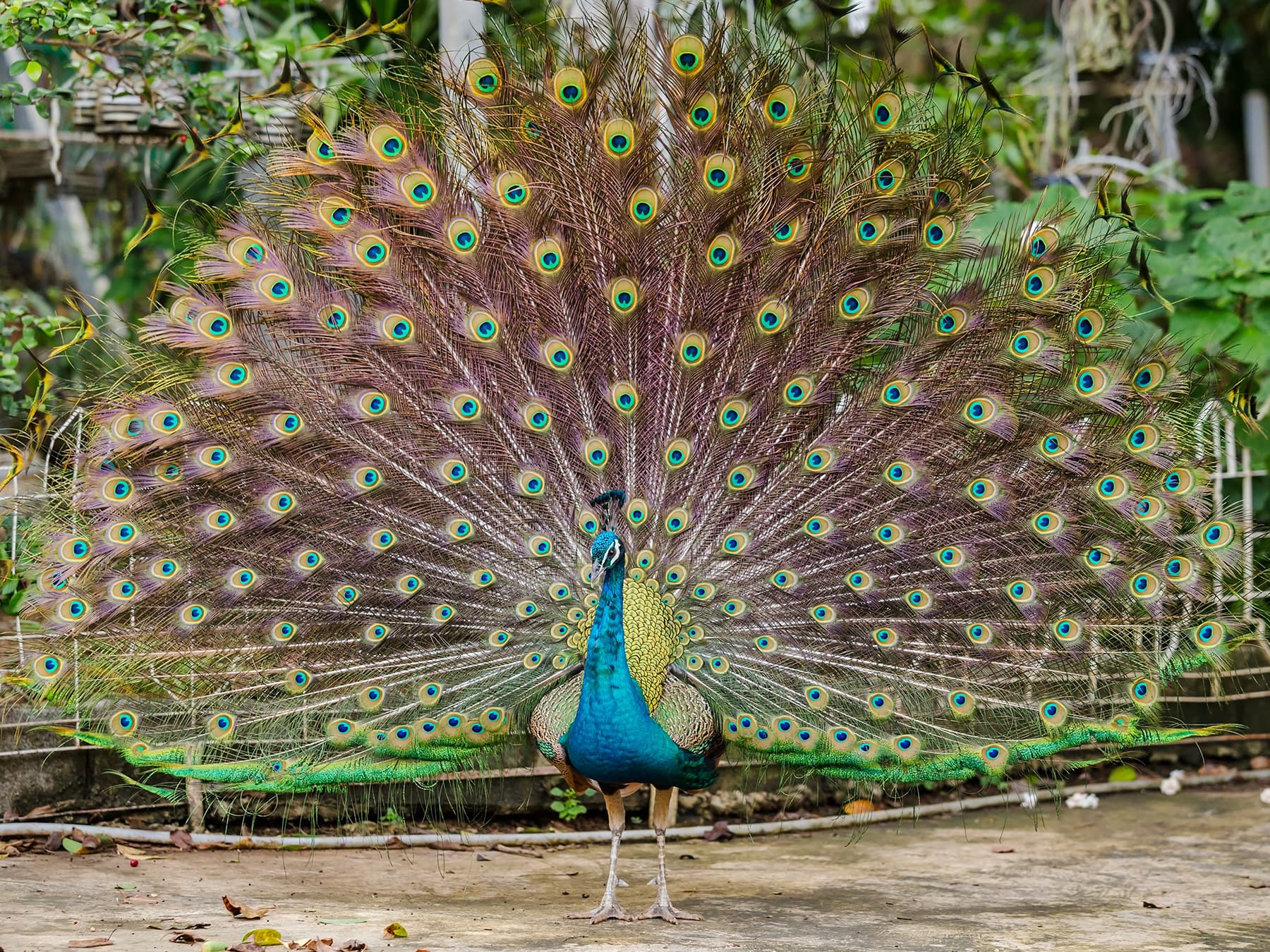
Plumage has a vital function in courtship displays and mating rituals, with birds using their coloring to their advantage when seeking a mate.
Plumages are at their brightest during the early breeding season, and males use their brightest, most elaborate feathers to display strength and health to a potential mate.
The color red has a special significance in the avian world and is effective at both attracting mates and intimidating rivals. The scarlet shoulder patches of a red-winged blackbird are mostly hidden, but when singing they are displayed more obviously, with the hope of catching the eye of a potential mate.
Displays and Postures
As well as songs and calls, birds can use a variety of non-vocal methods to communicate simple messages. Movements and gestures are used by birds to indicate threat and defense, attraction and to assert their place in the pecking order at a foraging site.
head-bobbing, wing flapping, and crest-raising.
Intricacies of Bird Communication
As well as learning to recognize the songs and vocalizations of different bird species, those with a particularly keen ear may be able to learn to differentiate between birds of the same species, picking up on regional ‘dialects’ or instances of birds of one species engaging in interactive communication with birds of different species.
Dialects in Bird Songs
Just like in human language, there are variations in birdsong among different regions and different populations. Researchers have noted that birds living in cities and towns have a higher-pitched song than their rural counterparts.
In the US, the white-crowned sparrow is a well-known example of this, with clear regional ‘accent’ variations present even within different parts of Washington State.
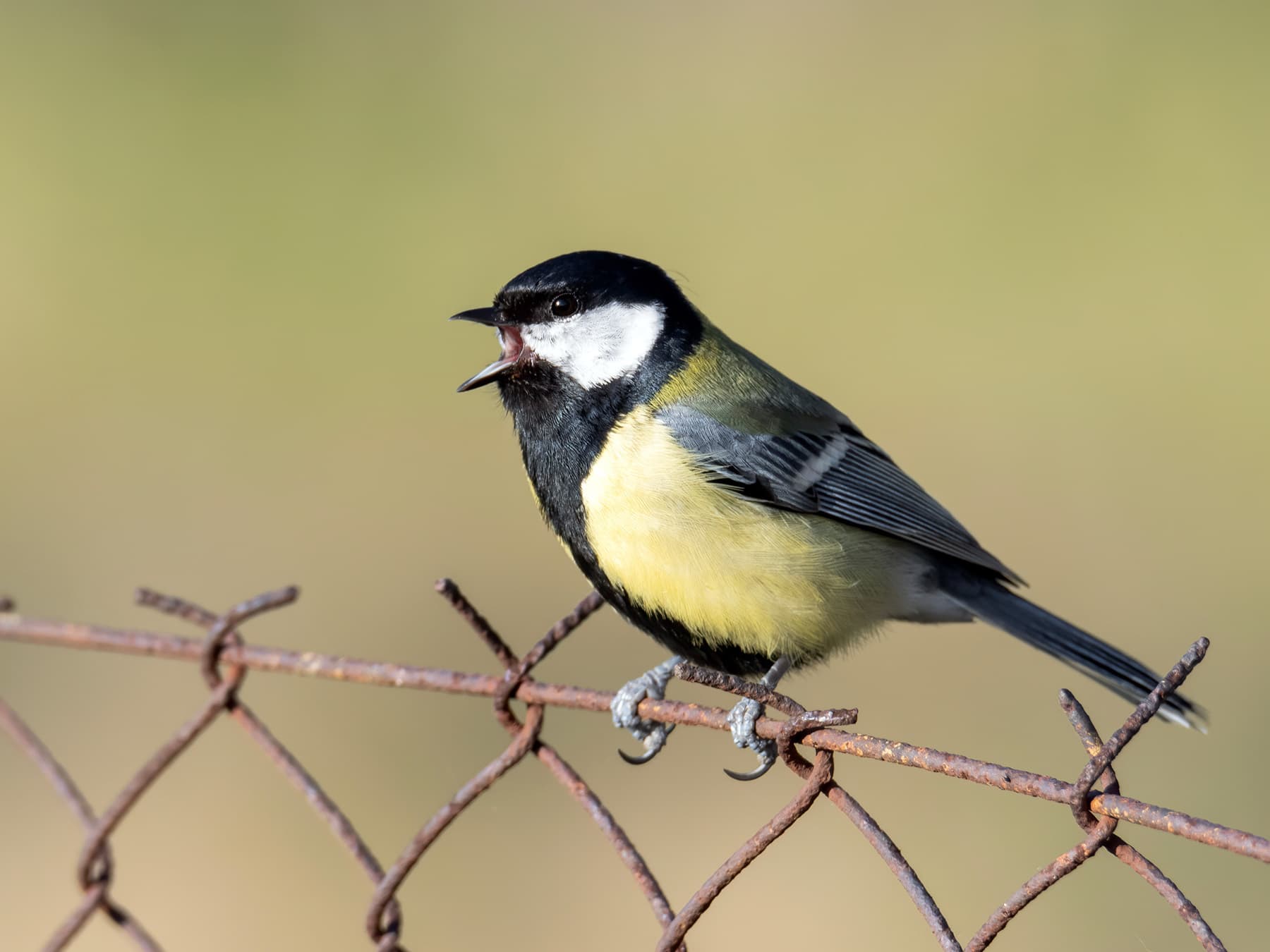
Great Tits sounded different in the northern parts of the country from those in the south.
Inter-Species Communication
Birds will communicate with other species when they feel under threat, both in defense of themselves, their territories, and their young, and also in warning to other birds when danger is detected nearby.
When a bird senses a threat or rival approaching, it will often try to make itself appear larger in size to intimidate. Young owls are a great example of this behavior, spreading their wings and fluffing out their feathers.
When not under direct threat themselves, but when a predator is noticed nearby, alarm calls may be issued that alert all neighborhood birds to be vigilant.
Summary
There’s a lot more to bird communication than a few simple tweets, squawks or whistles. A trained ear can learn to differentiate between the nuances of different calls, combinations or repetition of note sequences or phrases and what they might mean.
Watch out for the non-vocal signals that birds send each other to communicate danger, threat, pair bonds, interest in courtship and territory ownership.
FAQs
How do birds communicate?
Birds produce a phenomenal array of different sounds, from high-pitched whistles to deep hooting and everything in between. All of these sounds are made to communicate something to other members of their species. Birds have a second and arguably even more diverse way of communicating, however, Birds communicate with their bodies through movement, color, and feather development.
Can birds communicate with other species?
Birds have very little reason to communicate with other species, but there are a few occasions when this ability really comes in handy.
Birds can communicate with other species when they feel threatened. When a bird is under attack, it will often attempt to make itself look larger and more intimidating to deter its attacker. Birds often do this by spreading their wings and puffing out their feathers.
While attempting to look more visually threatening, birds will also produce alarm and distress calls, shrieks, and even hissing sounds. Birds also produce alarm calls when they are not under direct threat and this helps to alert other birds in the area.
Birds of many different species will come to investigate alarm calls, so they clearly understand the message!
How do birds communicate over long distances?
Birds can use songs and calls to communicate over long distances. This form of communication has many benefits. For example, birds don’t have to be able to see each other, which comes in handy in dense environments like forests and swamps, or after dark. Communicating over long distances with sound also allows birds to stay concealed and safe from predators.
How far can birds communicate?
The distance that bird calls and songs can carry depends on factors like the surrounding environment, weather conditions, call volume, and frequency. Simple, low-frequency calls such as those produced by ostriches and cassowaries are best for long-distance communication.
Owl hoots tend to travel long distances because of their low frequency and the still conditions at night when interference is low. Owls often occupy large territories, and they have excellent hearing for detecting the calls of their neighbors.
Do birds tell each other where food is?
Birds usually find food by sight, but they are also highly tuned in to the sounds of other birds. The excited calls of birds around a feeder or natural food source are probably very attractive to other curious and hungry birds in the area.
How do birds communicate in flight?
Many birds like Swainson's thrushes migrate at night in groups and flocks. This helps them avoid predators and leaves them with less wind to contend with. So how do they avoid crashing into each other and even other birds moving in different directions? The solution is to make soft, regular calls that help the birds maintain their spacing and ensure that everyone is traveling in the same direction.
How do birds communicate visually?
Birds communicate both passively and actively. Passive communication is involuntary and controlled by hormones like testosterone and the genetic traits of an individual.
Active communication involves certain postures, movements, feather manipulation, and flight patterns. Head bobbing displays between two territorial northern flickers, or the beautiful dance of sharp-tailed grouses on the American prairie are just two fine examples of visual communication.
How do birds communicate with humans?
Wild birds do not usually communicate with humans, but pet birds certainly do. Pet birds often communicate vocally and visually in ways that their attentive owners can learn to understand. There are some interesting cases in the bird world where wild birds communicate with humans, however.
The Greater Honeyguide of Africa actively communicates with people to guide them to the location of honey. The birds use special calls and movements to capture the attention of humans, and amazingly, they also respond to being called by people.
Can birds communicate with their babies?
Parent birds generally do not communicate with their babies in any obvious ways. One interesting example of a parent bird communicating with its young can be seen in seagulls, however. The red spot on the bill of adult seagulls serves as a passive message to the babies to beg for food.
chicks, you will know that baby birds certainly communicate with their parents. The message is simple, feed me!
Baby birds make simple vocalizations to send this message but they also use visual communication to encourage their parent to produce the goods. Many baby birds have brightly colored inner surfaces in their mouths.

Checked by
Nathan Cope, founder and editor
Nathan founded Birdfact and leads its writers and contributors in the UK, the US and Canada. He has watched and studied birds for more than ten years, and checks every article and species guide before it’s published.