Facts · Updated 9 Oct 2026
What Do Red Kites Eat? Diet, Hunting and Garden Feeding
By the Birdfact teamChecked by Nathan Cope
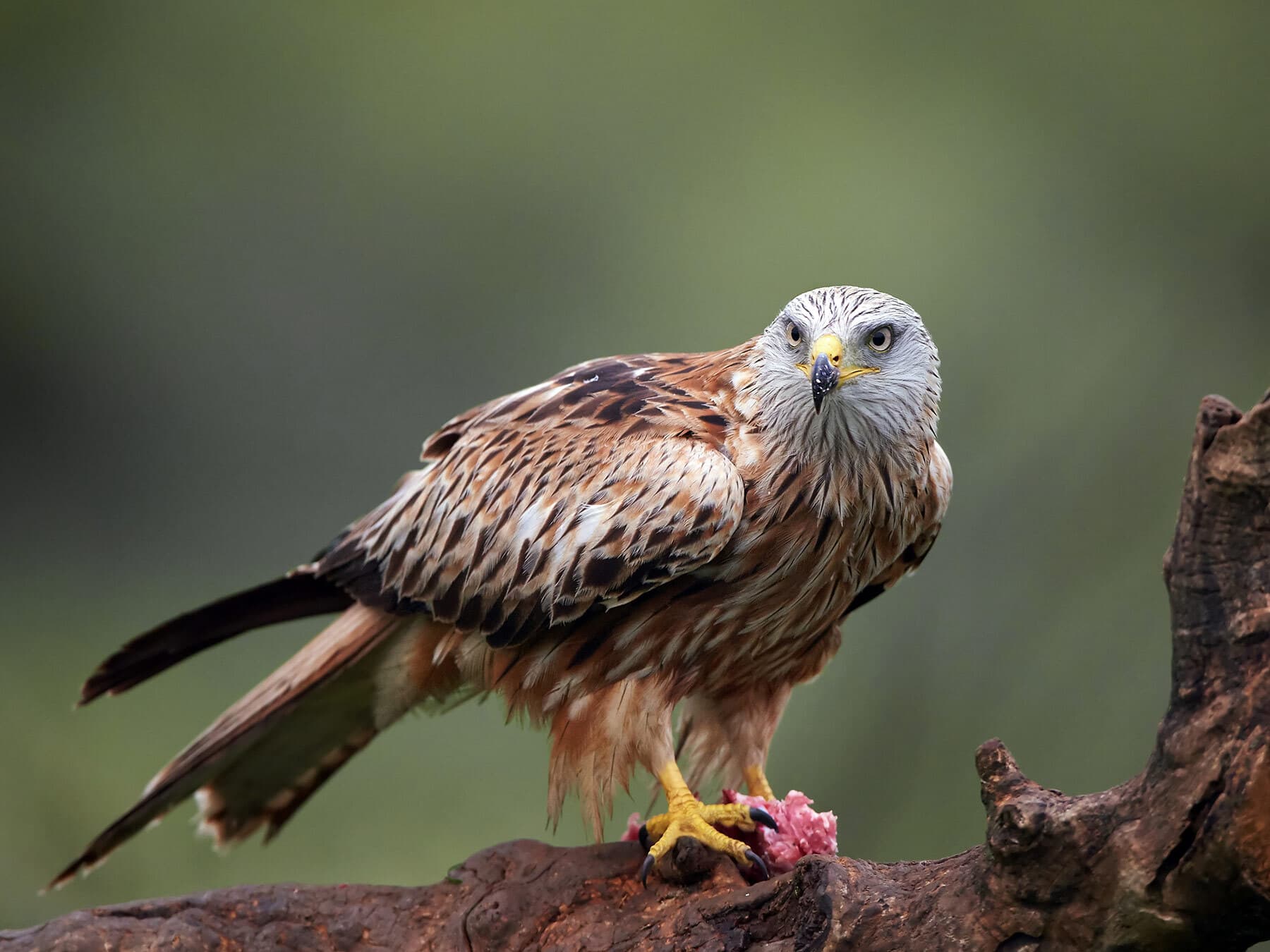
Red Kites eat mostly carrion (the RSPB adds earthworms): dead sheep and other animals, road kill and scraps, with voles, mice and young birds caught when they can. Their talons are weak, so they scavenge more than they hunt. Some people feed them meat in gardens; the Chilterns Conservation Board asks people not to.
On this page10 sections
What Red Kites eat, how they find it, what their chicks are fed, and whether you should feed them in your garden. For the bird itself, see Red Kite identification and facts.
What do Red Kites eat?
Mostly carrion and earthworms, the RSPB says, though they are opportunists and will occasionally take small mammals.1 Their menu is wide: across their range they eat dead animals of almost every kind, from sheep and other livestock to animals killed on the roads or wounded by hunters, and they catch small mammals and birds.2
The Woodland Trust sums up the British picture: mostly carrion, road kill and worms, with voles, mice and birds caught when needed.3
Carrion
Dead animals are the mainstay. Sheep and other livestock, and all sorts of smaller animals, including road casualties, are on the list. Kites often visit rubbish tips for offal and waste from abattoirs.2
In Wales, where the last British kites held on, a study of their food in 1975-78 found carrion was important between February and April, and food waste from tips and abattoirs in autumn and early winter, especially for young birds. The authors warned that relying on sheep carrion and waste in winter left kites vulnerable to upland forestry and tighter hygiene rules.4
Do they hunt live prey?
Yes, though rarely anything large. Across their range they catch voles, rats, mice, moles, shrews, rabbits and hares, and birds, especially young ones: crows, Magpies, Jackdaws, thrushes and Starlings, and Black-headed Gulls in Wales. They take more live prey in the breeding season, when they have chicks to feed. In the Welsh study, birds were important prey in the breeding season, and after about July the kites took fewer birds and more mammals.4
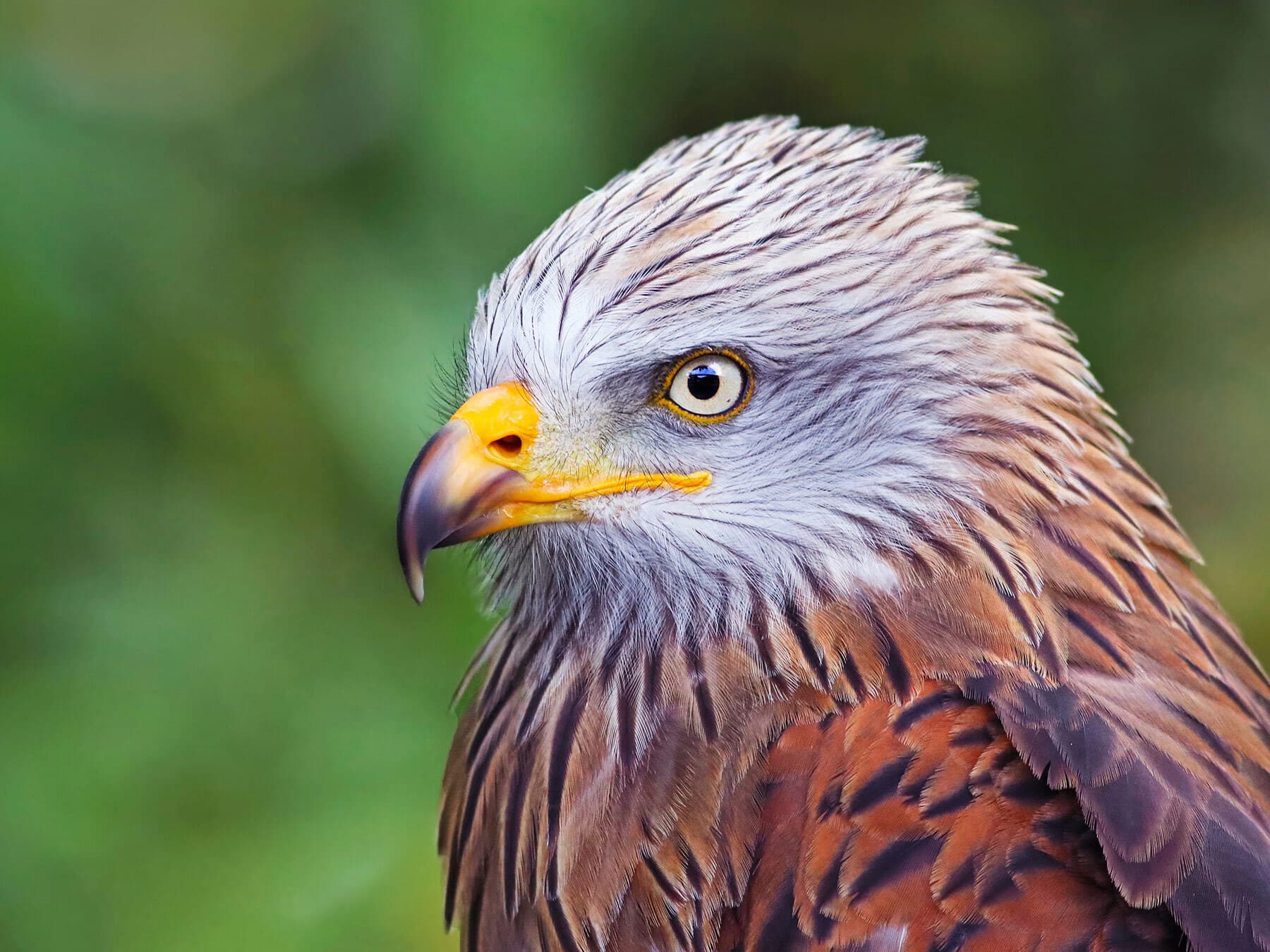
Their feet set the limit. The RSPB says their talons are relatively weak, which is why they mainly eat carrion,1 and the Chilterns Conservation Board says they are too weak-footed to catch anything bigger than a small rabbit.5
Worms and insects
Earthworms are a big part of a British kite's food, according to the RSPB and the Woodland Trust. Kites also eat beetles and grasshoppers, picked up on the ground, and catch flying ants in the air. By weight, though, insects and worms matter less than carrion, mammals and birds, according to Birds of the World.
How they find food
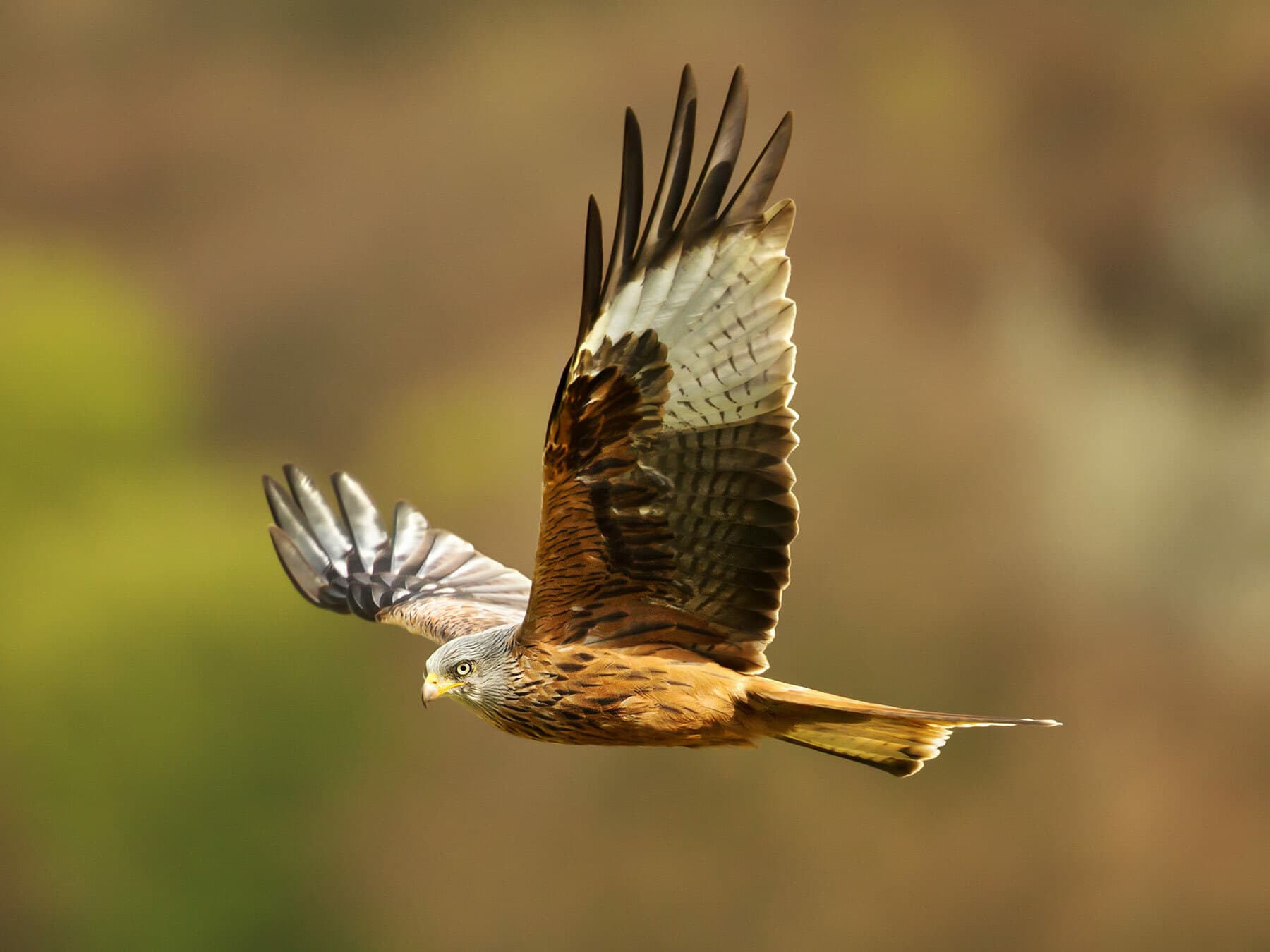
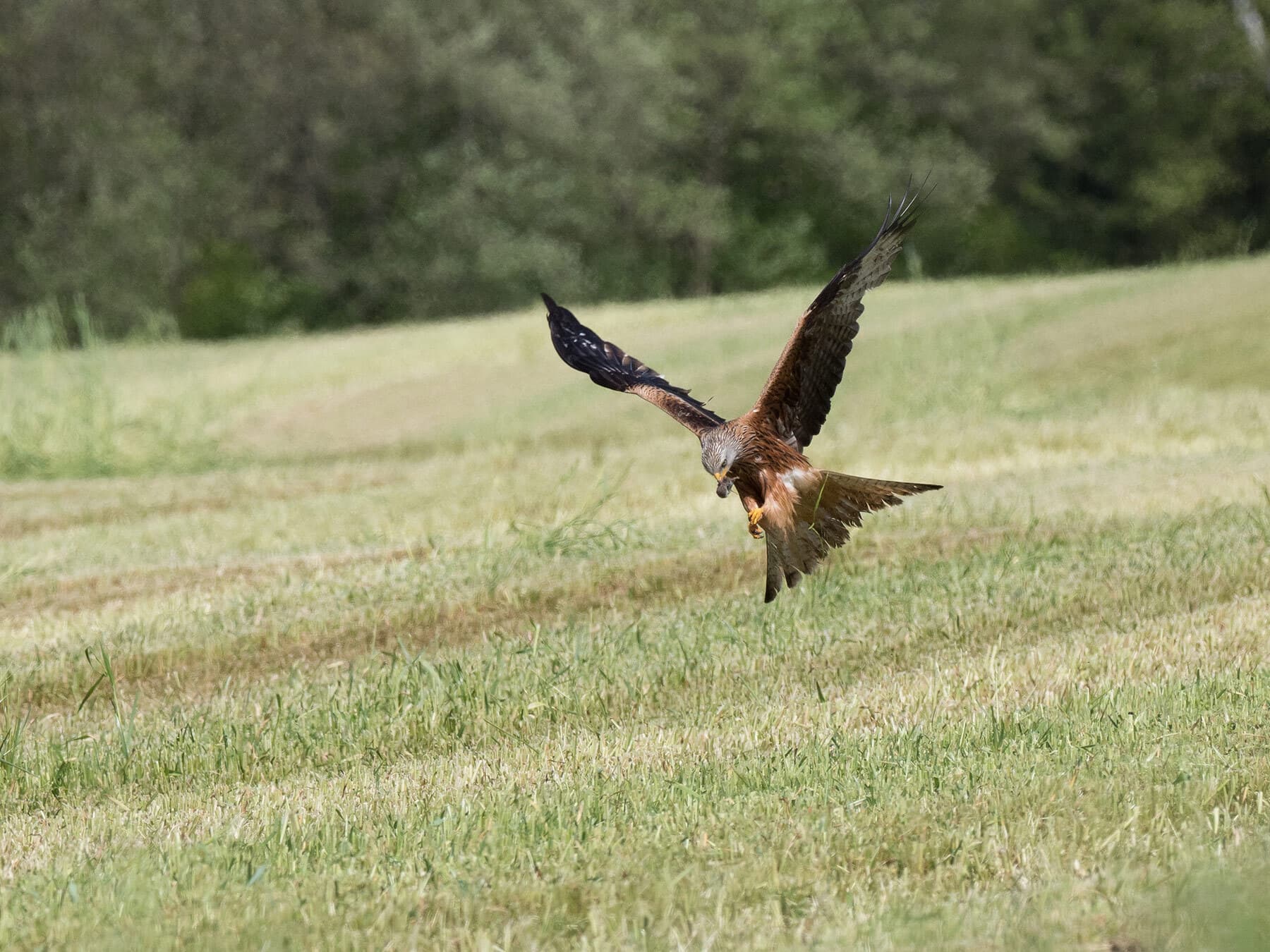
A kite soars and glides with barely a wingbeat, twisting its tail to steer. It forages over open ground, flying low with flaps and glides, or drops onto food from higher up. Most live prey is taken by surprise, though the Chilterns Conservation Board says kites sometimes give chase with fast, twisting flight.6
They usually stay close to home. Kites in the English Midlands mostly foraged within 3 km of the nest (up to 6 km), and studies in Wales and Germany found most within 2-4 km, though trips of up to 20 km are known; from a winter roost they range further.7
What chicks are fed
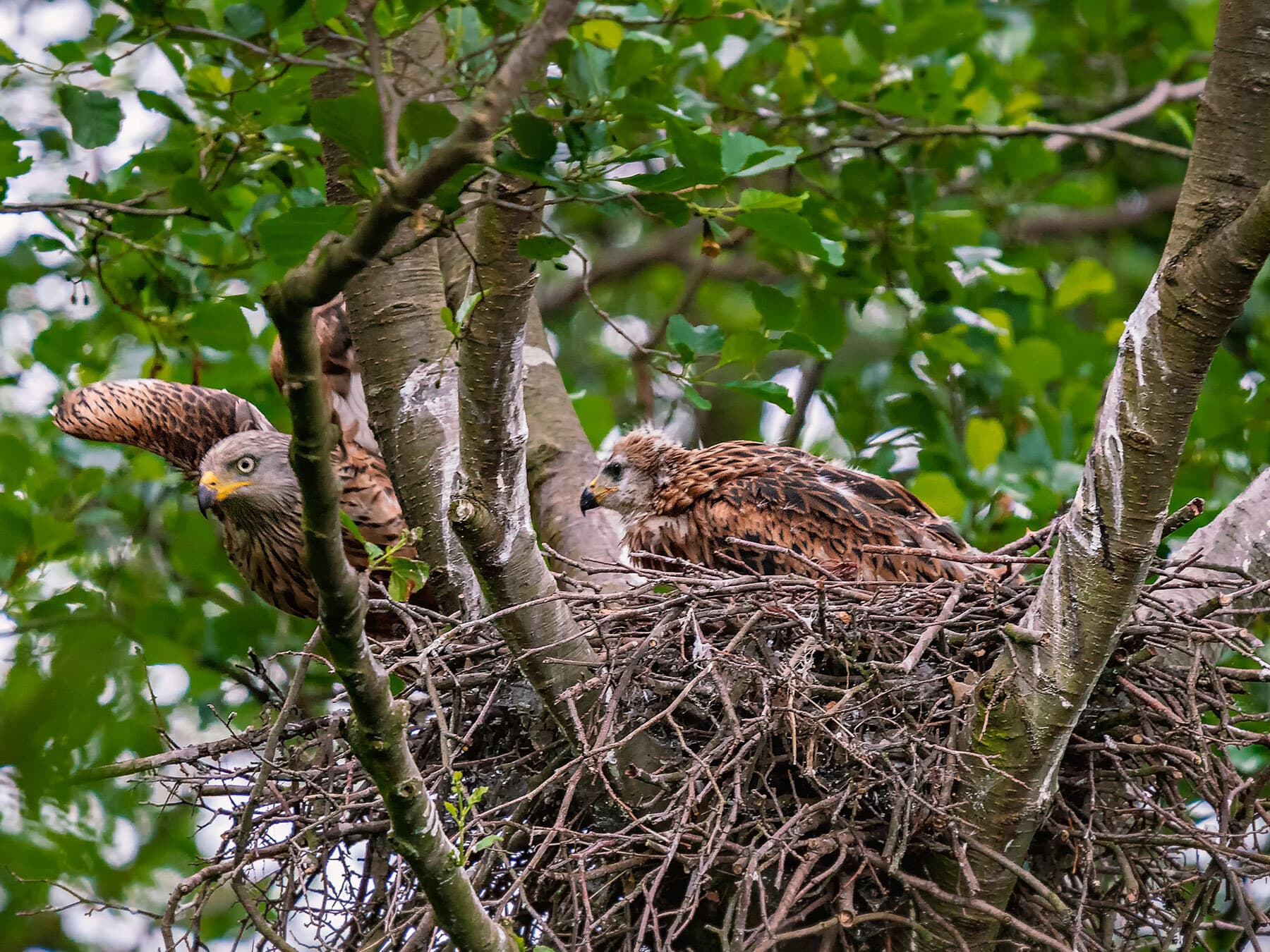
Whatever the parents bring. While the female broods and feeds the chicks, the male brings most of the food, and in the Welsh study birds were an important part of the breeding-season diet.
Feeding Red Kites in gardens
Putting out meat for birds is unusual in Britain, but Red Kites are now regularly fed in gardens in some areas, mostly by people who want to see them close up.8 In Reading, a survey found that about 4.5% of households fed them, roughly 4,350 homes. By the study's estimate, that garden food was potentially enough for 142-320 kites a day, against at most 13-29 for the road kill and discarded food on the main roads, and an estimated 140-440 kites visit the town each day.
Opinions differ. The BTO says garden feeding can help support kite populations, but could raise numbers so far that problems follow if the feeding stops.9 The Chilterns Conservation Board asks people not to feed them: it makes kites bolder and brings them too close to people, crowds them into one area, and scraps of meat are not a balanced diet; dropped scraps on neighbours' gardens attract rats. Feeding was encouraged while kites were being reintroduced, the board says, but is no longer needed.
The food matters too. The Reading study sets out concerns from earlier work on kites: cooked food is less nourishing, processed meat carries salt and additives, and meat with no skin or bone may leave young kites short of calcium. Most garden feeders in one survey near Reading gave at least some raw meat with skin or bone.7
Feeding stations
Some farms in mid-Wales put out food for kites, and the crowds of birds they draw have become a tourist attraction. At Gigrin Farm near Rhayader, hundreds of wild kites are fed once a day.10 More places to see them: where Red Kites live.
Food and danger
Scavenging carries risks. Kites eat dead rats, a target of rat poison, and all 14 dead kites sent to the monitoring schemes and analysed in 2022, all from England and Wales, carried residues of modern rat poisons. Over eight years, the poison contributed to the deaths of about one in six of the kites examined, though part of the sample comes from a scheme that examines suspected poisonings, so poisoned birds are probably over-represented.11 The BTO suggests removing and disposing of poisoned rats promptly.
Sources
- RSPB. Red Kite. RSPB Birds A-Z. Accessed 9 October 2026. Source
- David, T. S., Orta, J., Christie, D. A., Garcia, E. (2021). Red Kite (Milvus milvus), version 1.1. Birds of the World (S. M. Billerman, editor). Cornell Lab of Ornithology. doi:10.2173/bow.redkit1.01.1
- Woodland Trust. Red kite (Milvus milvus). Woodland Trust, Animals. Accessed 9 October 2026. Source
- Davis, P. E., Davis, J. E. (1981). The food of the Red Kite in Wales. Bird Study 28: 33-40. doi:10.1080/00063658109476696
- Chilterns Conservation Board (2022). Six reasons not to feed red kites. Chilterns National Landscape. Accessed 9 October 2026. Source
- Chilterns Conservation Board. Red kites. Chilterns National Landscape. Accessed 9 October 2026. Source
- Orros, M. E., Fellowes, M. D. E. (2015). Widespread supplementary feeding in domestic gardens explains the return of reintroduced Red Kites Milvus milvus to an urban area. Ibis 157: 230-238. doi:10.1111/ibi.12237
- Orros, M. E., Fellowes, M. D. E. (2014). Supplementary feeding of the reintroduced Red Kite Milvus milvus in UK gardens. Bird Study 61: 260-263. doi:10.1080/00063657.2014.885491
- BTO. Red Kite (Milvus milvus). BTO BirdFacts. Accessed 9 October 2026. Source
- Gigrin Farm. Gigrin Farm Red Kite Feeding Centre. gigrin.co.uk. Accessed 9 October 2026. Source
- Ozaki, S., Barnett, E. A., Carter, H., Chaplow, J. S., Charman, S. et al. (2024). Second generation anticoagulant rodenticide residues in red kites 2022. UKCEH contract report to Natural England. Accessed 9 October 2026. Source