Thrushes in East Sussex
7 species matching this filter.
East Sussex is home to 7 species of thrush, ranging from familiar garden residents like the Blackbird and Song Thrush to scarce visitors such as the American Robin. The county's diverse habitats — from the chalk downlands of the South Downs to coastal scrub and ancient woodlands of the High Weald — provide excellent foraging and breeding grounds for these birds throughout the year. For a broader overview of this much-loved bird family, see our Thrushes In The UK (Complete Guide with Pictures).


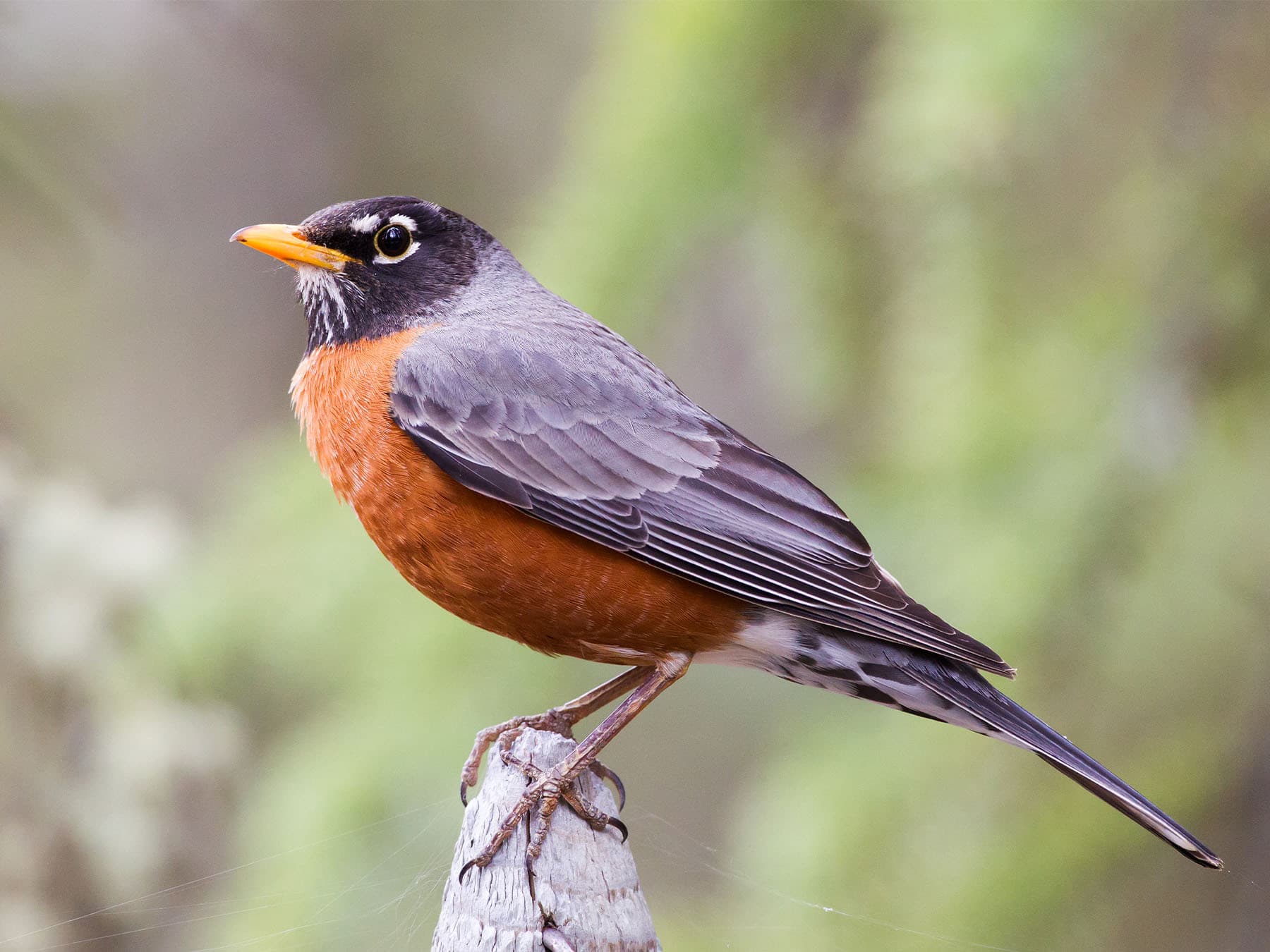
American Robin
Turdus migratoriusLC
A rare Nearctic vagrant, occasionally recorded as a winter wanderer. Sightings in February make for exciting local finds.
Feb
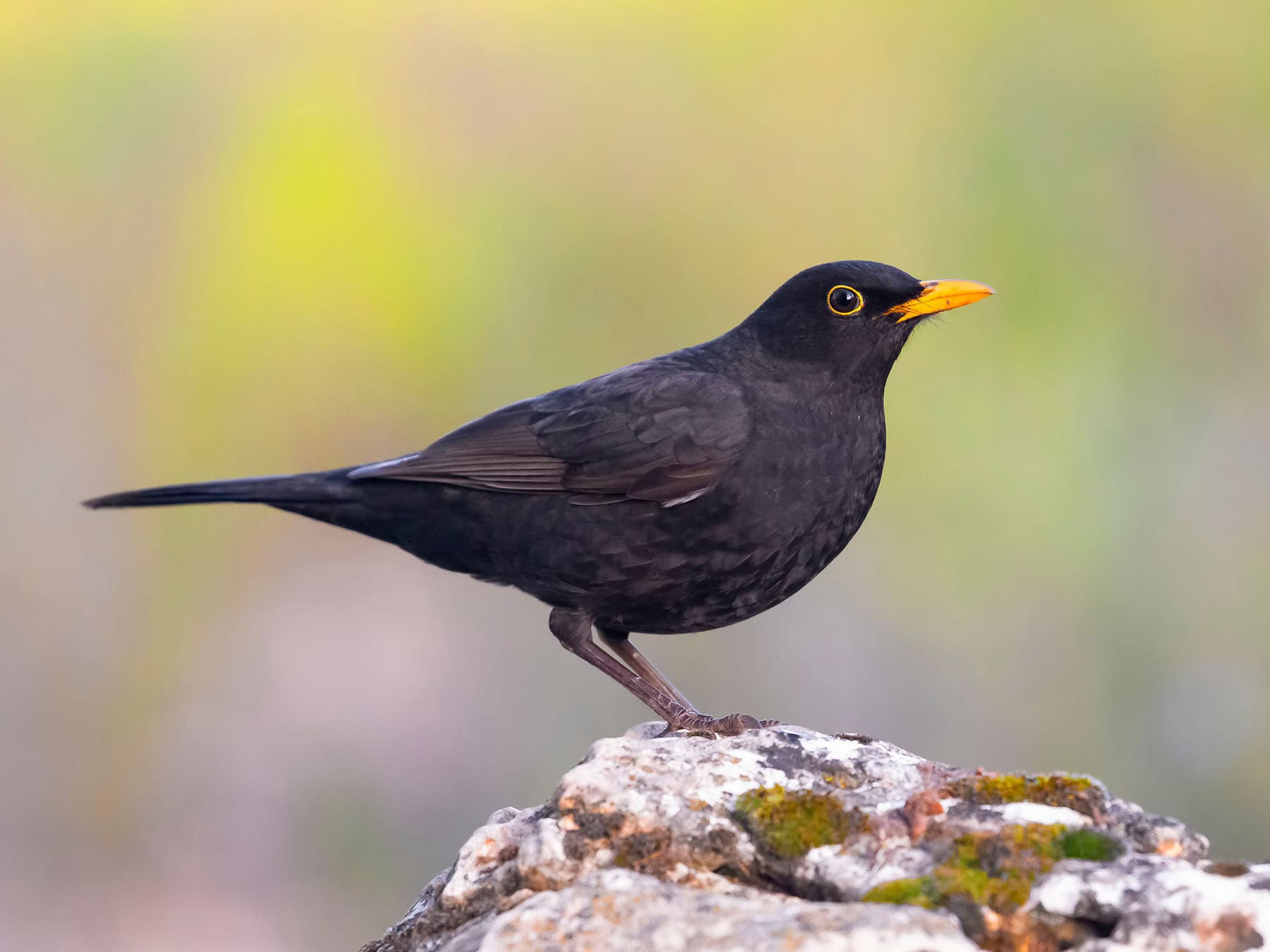
Blackbird
Turdus merulaLC
Abundant in gardens, woodlands and hedgerows throughout the year. One of the most familiar birds across East Sussex.
Year-round
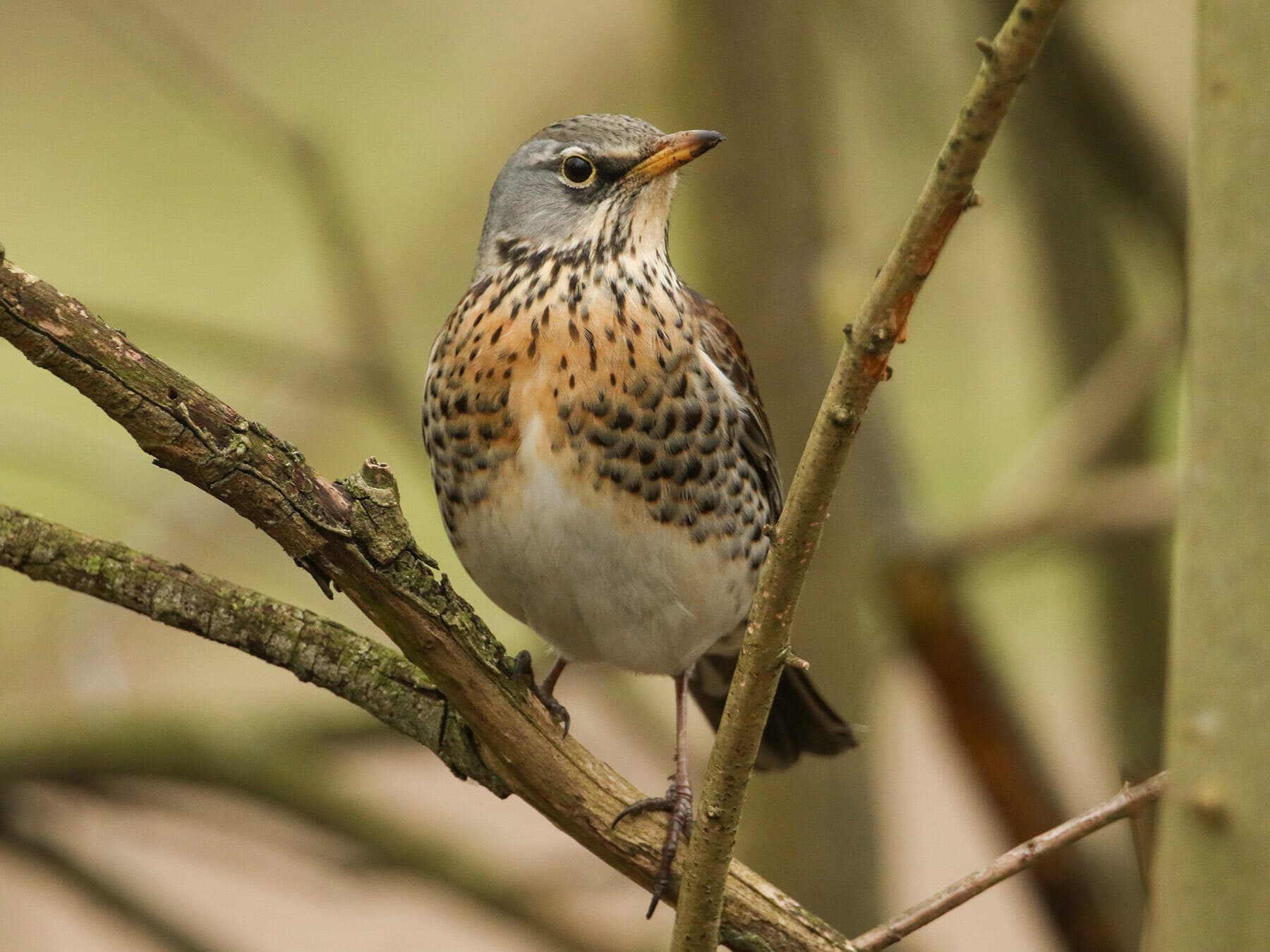
Fieldfare
Turdus pilarisLC
An uncommon winter visitor arriving from Scandinavia in October. Roving flocks feed on berries in hedgerows and open farmland across the Downs.
Oct–Mar
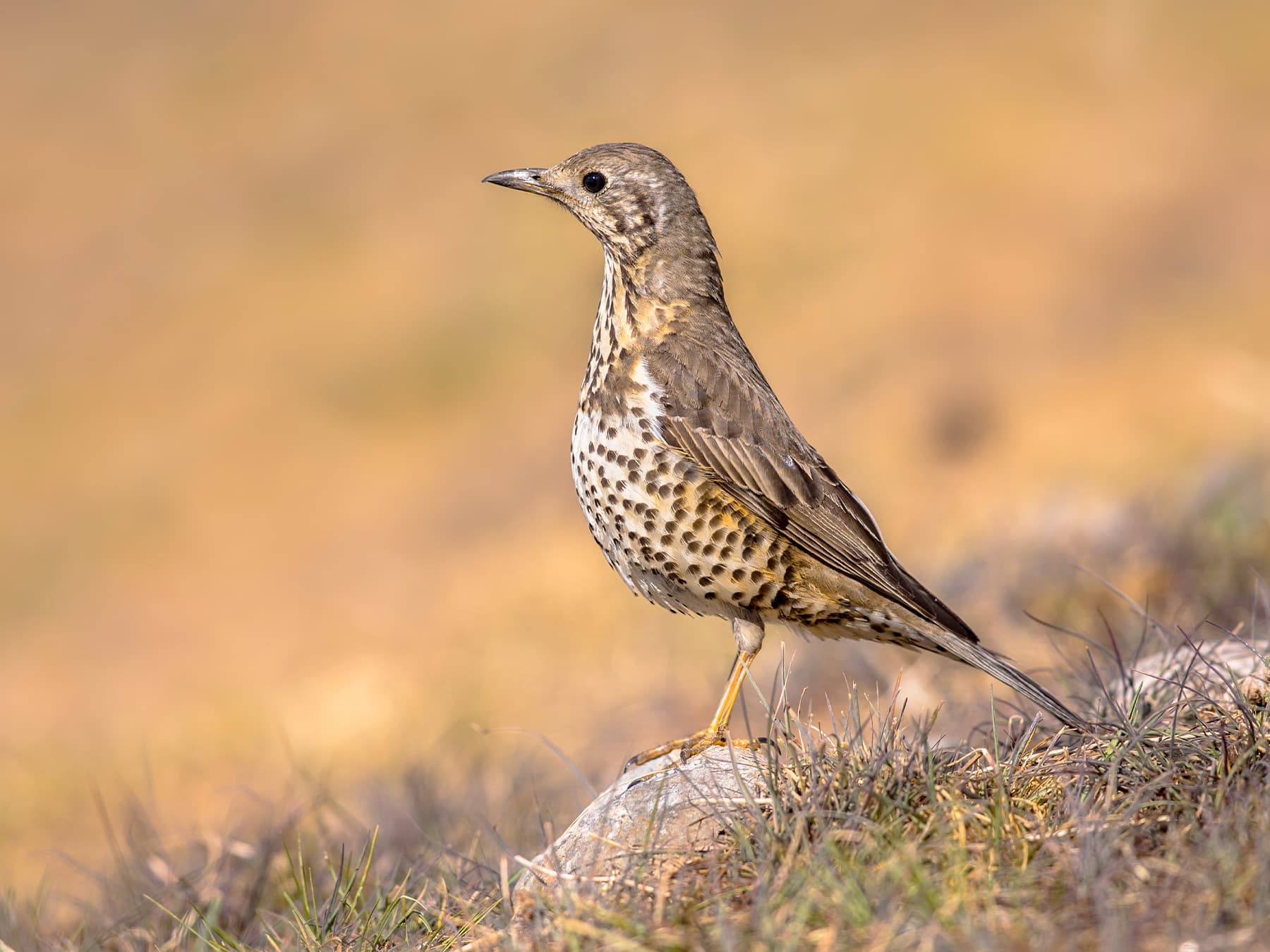
Mistle Thrush
Turdus viscivorusLC
An uncommon resident of parkland and open woodland, often singing boldly from treetops even in midwinter. Numbers are declining.
Year-round
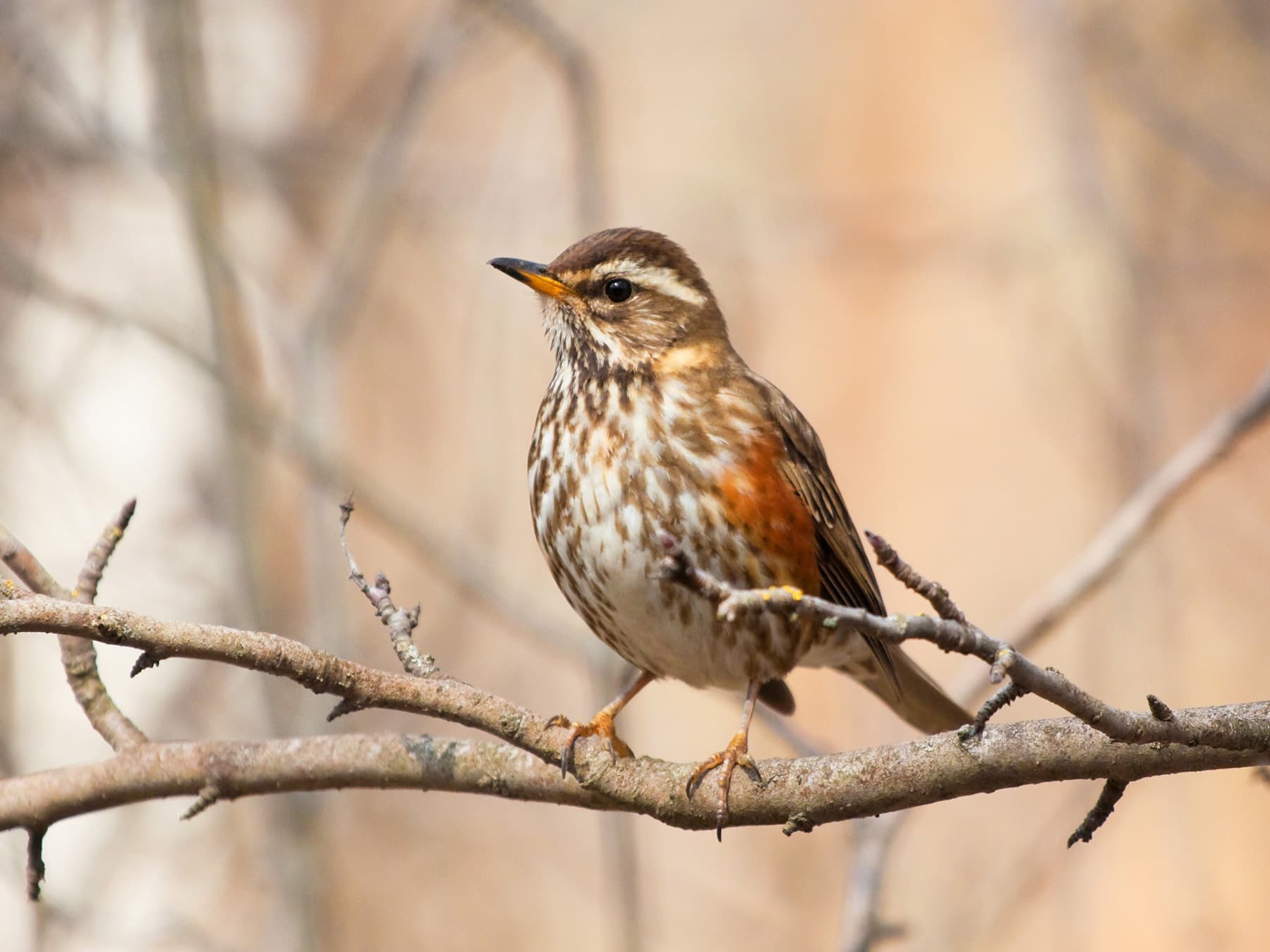
Redwing
Turdus iliacusNT
A common winter visitor from Scandinavia, foraging in hedgerows and fields across the county. Often found alongside Fieldfares in mixed flocks.
Oct–Apr
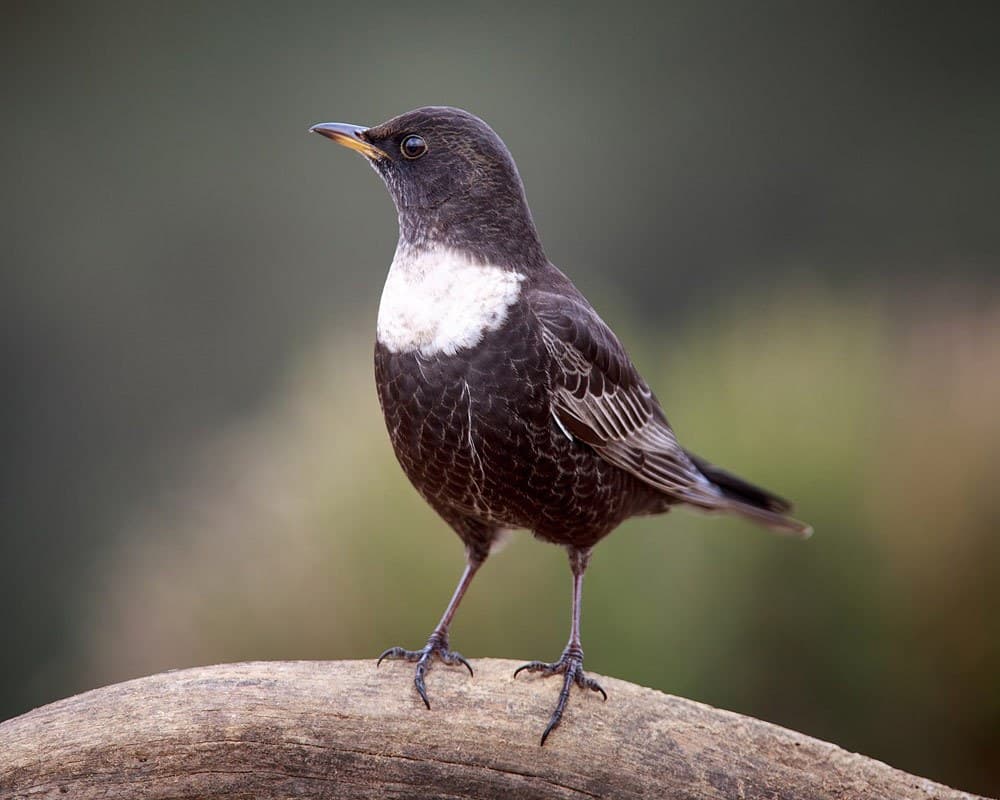
Ring Ouzel
Turdus torquatusLC
A scarce passage migrant through East Sussex in April and October, often seen on downland scrub and coastal headlands during brief stopovers.
Oct–Apr
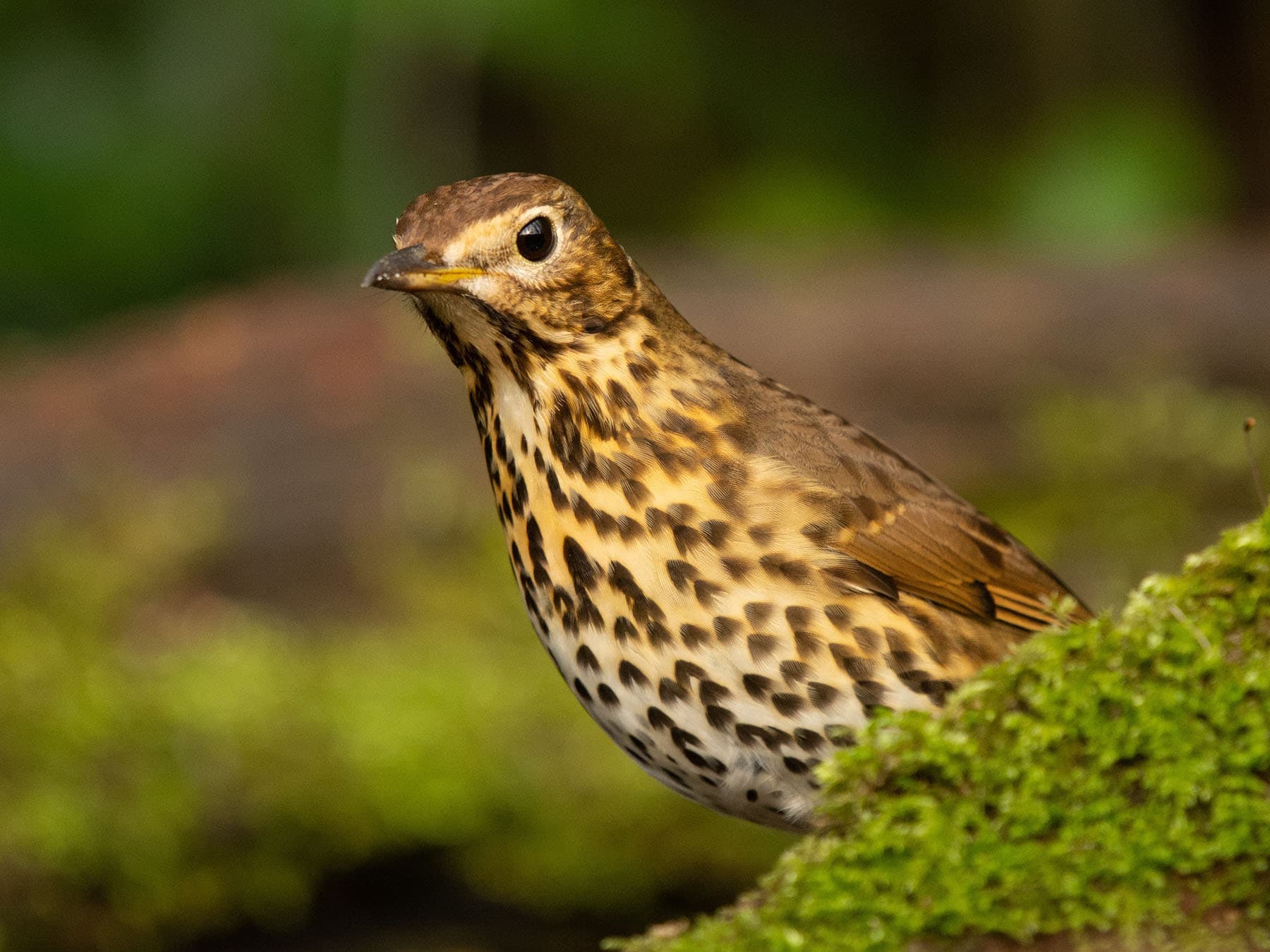
Song Thrush
Turdus philomelosLC
A common resident heard singing from gardens and woodland throughout the year. Often seen smashing snails on paths and stones across the county.
Year-round