


Identification · Updated 8 Oct 2026
Types of Woodpeckers in New York
By the Birdfact teamChecked by Nathan Cope
Mountains, rivers, lakes, forests, swamps, and plains all describe the natural habitat of New York State. This is an ideal location for a variety of woodpecker species to call home. All woodpeckers on this list are permanent residents year-round, with some being more difficult to spot than others. This means you have countless opportunities to spot and track different woodpecker species. However, before you suit up for a day or weekend of bird watching, understand the question, what woodpeckers can be found in New York?
Eight woodpecker species can be spotted in the state of New York. These include the Black-backed Woodpecker, Downy Woodpecker, Hairy Woodpecker, Northern Flicker, Red-bellied Woodpecker, Red-headed Woodpecker, Pileated Woodpecker, and the Yellow-bellied Sapsucker. Each of these woodpecker species has different prey, hunting habits, and comfortable environments.
To learn more about the eleven woodpecker species in New York, keep reading!
Downy Woodpecker
Dryobates pubescens
Regional Rarity Score
Ranges from 0 (common) to 100 (extremely rare) in this region
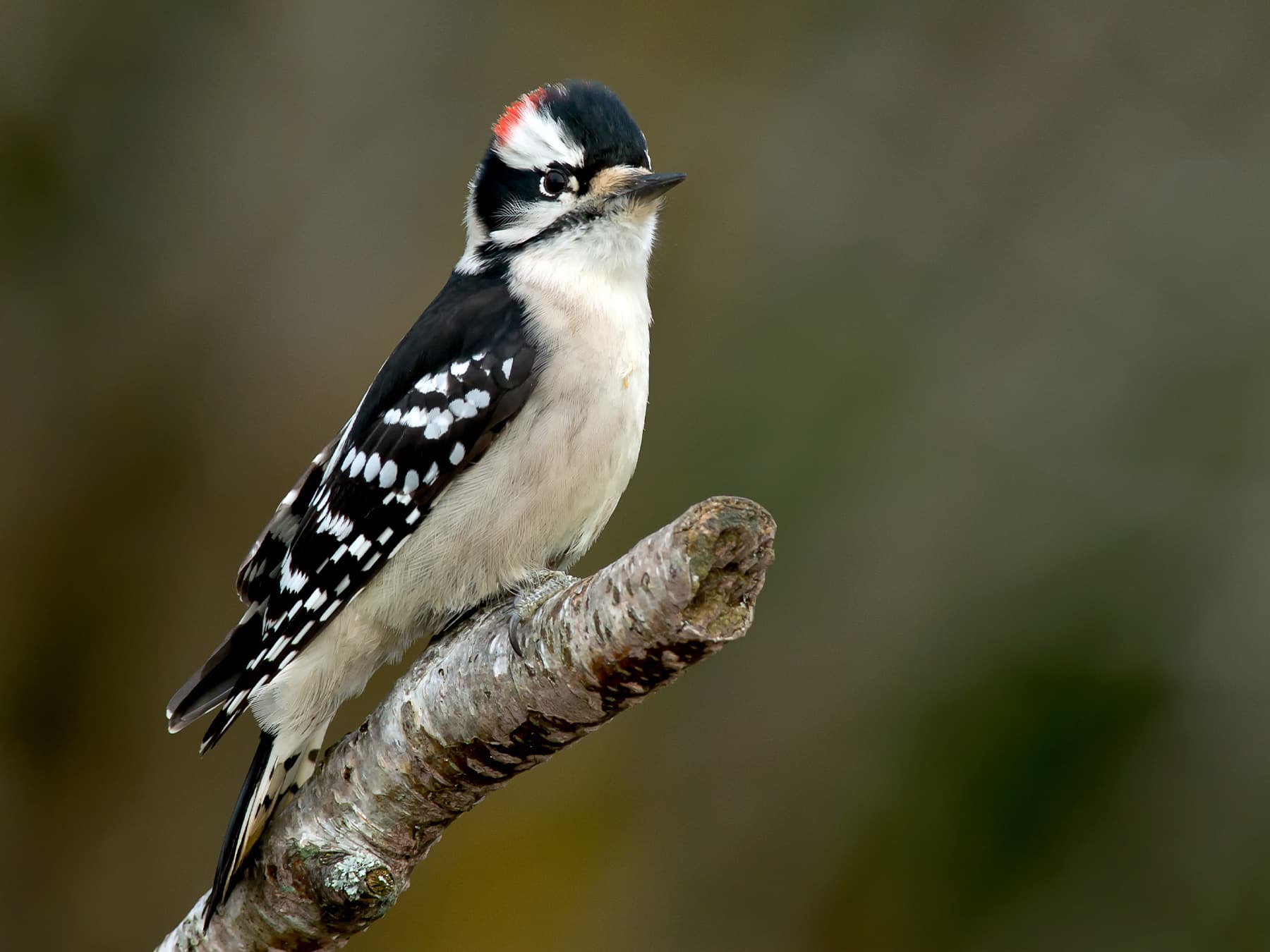
The year-round Downy Woodpecker is the smallest New York woodpecker species and the smallest in North America. While you may think you’re seeing a Hairy Woodpecker at feeders, it is usually the Downy species that frequent this location.
Visually identified by a black and white pattern, and a white patch on their back, the Downy Woodpecker males have a red patch on their heads. In addition to backyard feeders, this bird nests in dead tree cavities and hunts insects from the same location. They also consume nuts, grains, acorns, and berries.
Northern Flicker
Colaptes auratus
Regional Rarity Score
Ranges from 0 (common) to 100 (extremely rare) in this region
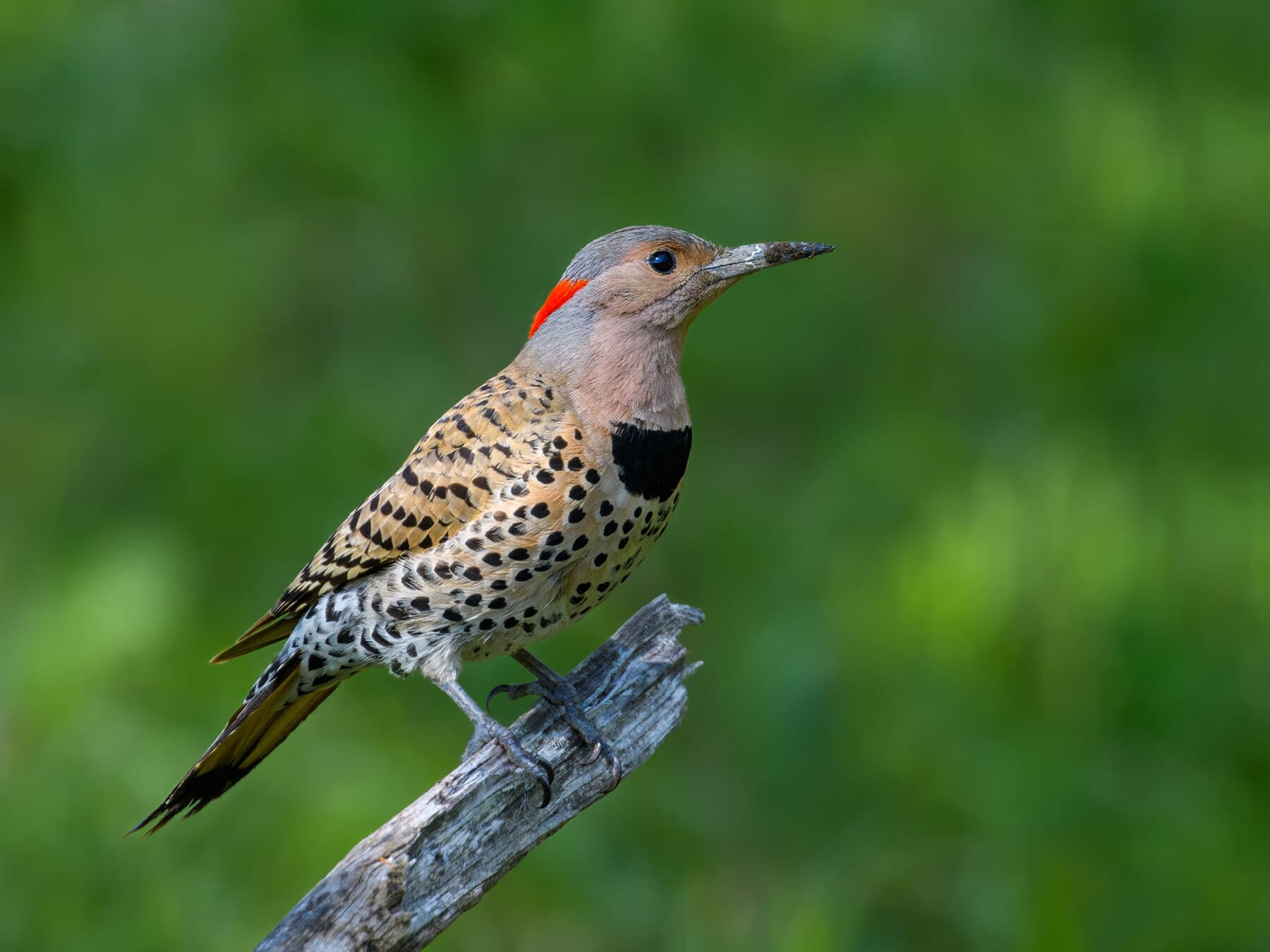
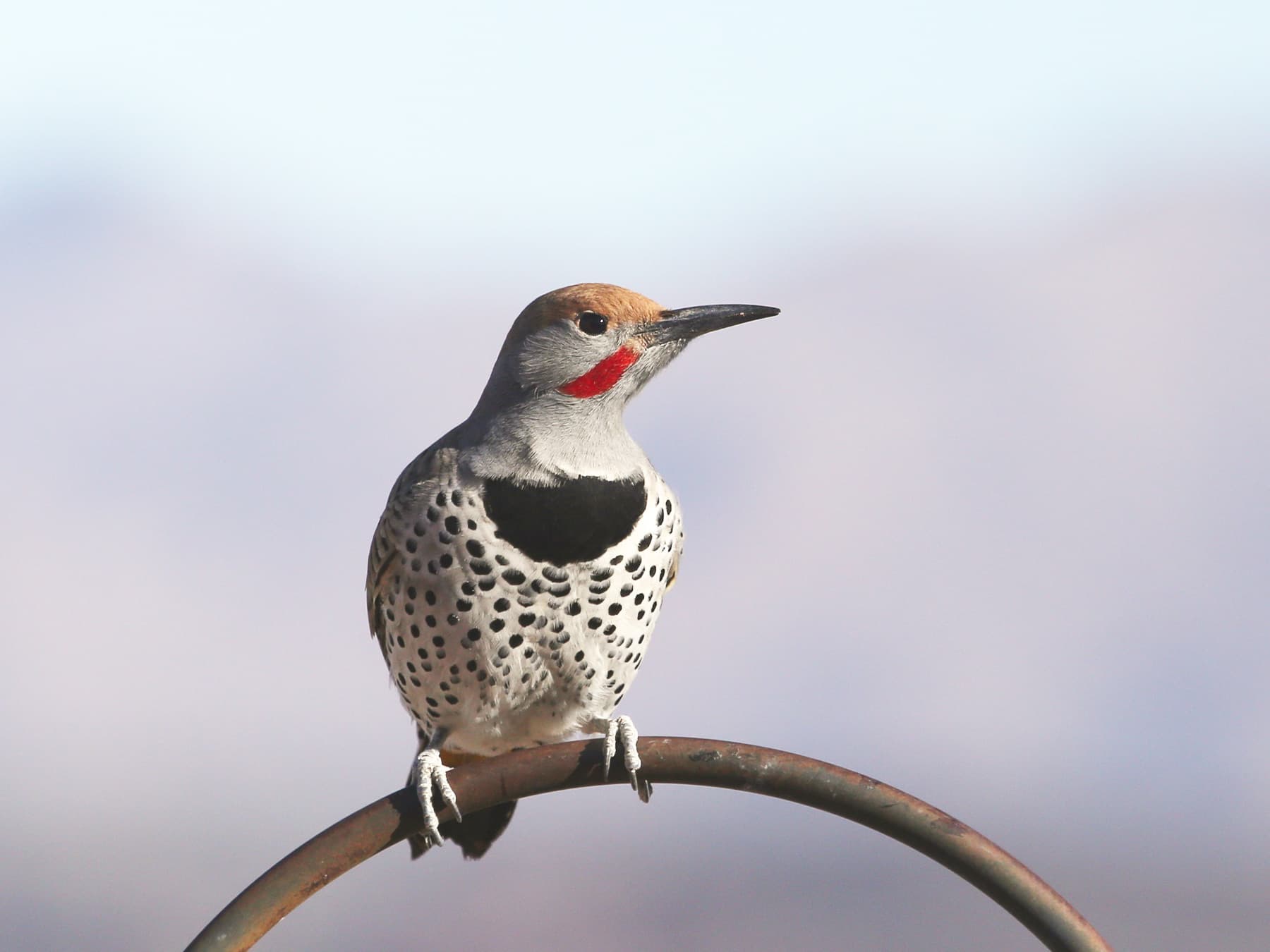
Located in the southern regions of New York State, the Northern Flicker breeds in the northern part of the state before migrating south. That means you can view them year-round, just in various parts of the state.
Featuring a flash of yellow on their tails and wings, Northern Flickers can best be identified by their red napes on the neck and white patches on their rumps. With colorful plumage, these large brown woodpeckers have many contrasting colors.
Their diet consists of beetles and ants, but they have been known to eat seeds and fruits, which is why you may see them on the ground digging these plant materials up.
Red-headed Woodpecker
Melanerpes erythrocephalus
Regional Rarity Score
Ranges from 0 (common) to 100 (extremely rare) in this region
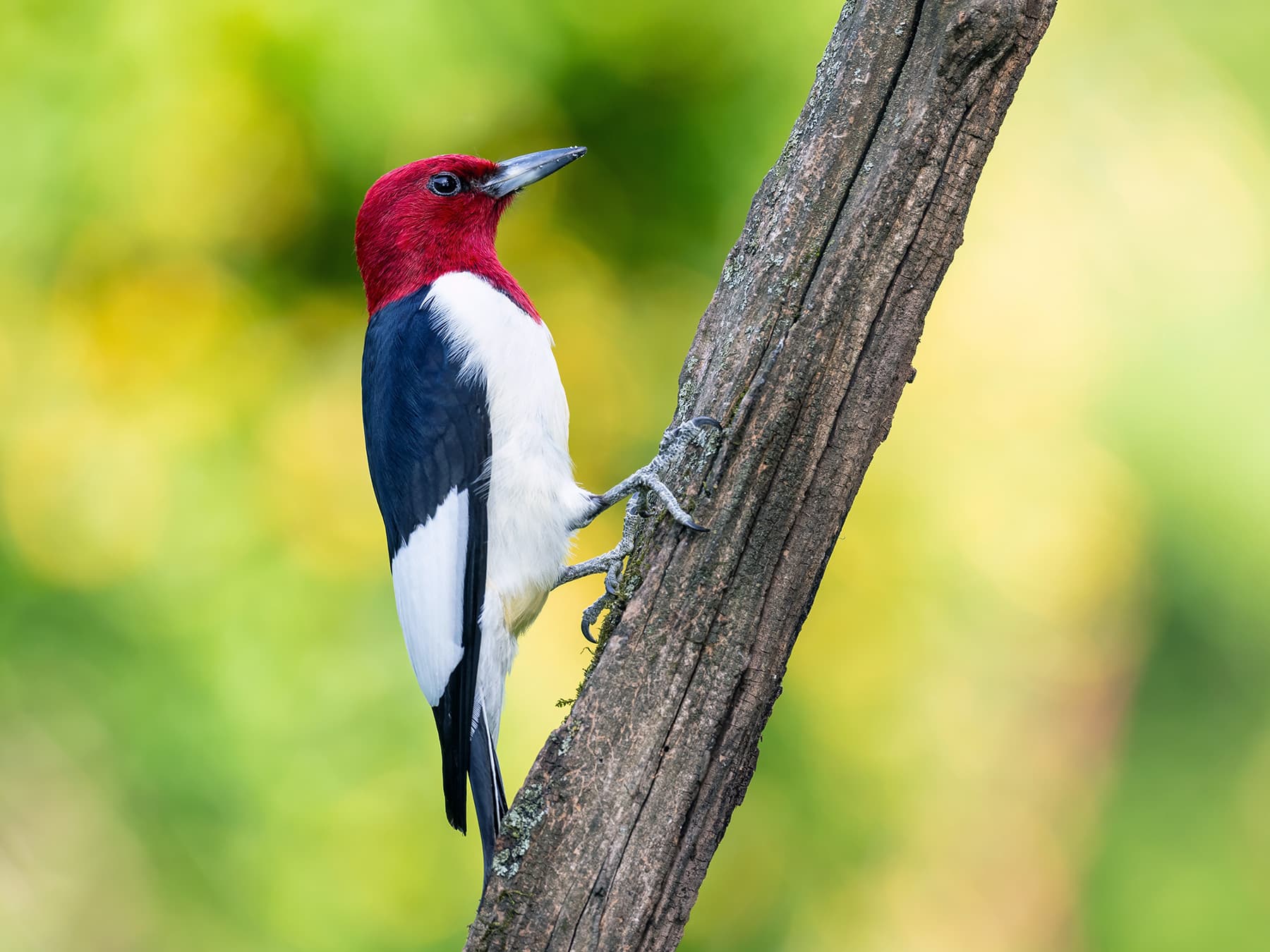
While the Red-headed woodpecker can be found year-round in New York State, the best time to see them is in the summer hanging around forests.
This species is true to its name with a bright red head, simple black and white markings, white undersides, and black bands on their wings. They also feature short tails and powerful spike bills.
For lunch, they typically catch insects like grasshoppers, honeybees, and beetles midflight or in trees. However, this is only one-third of their diet. The other two-thirds include plants like berries, nuts, and seeds.
Pileated Woodpecker
Dryocopus pileatus
Regional Rarity Score
Ranges from 0 (common) to 100 (extremely rare) in this region
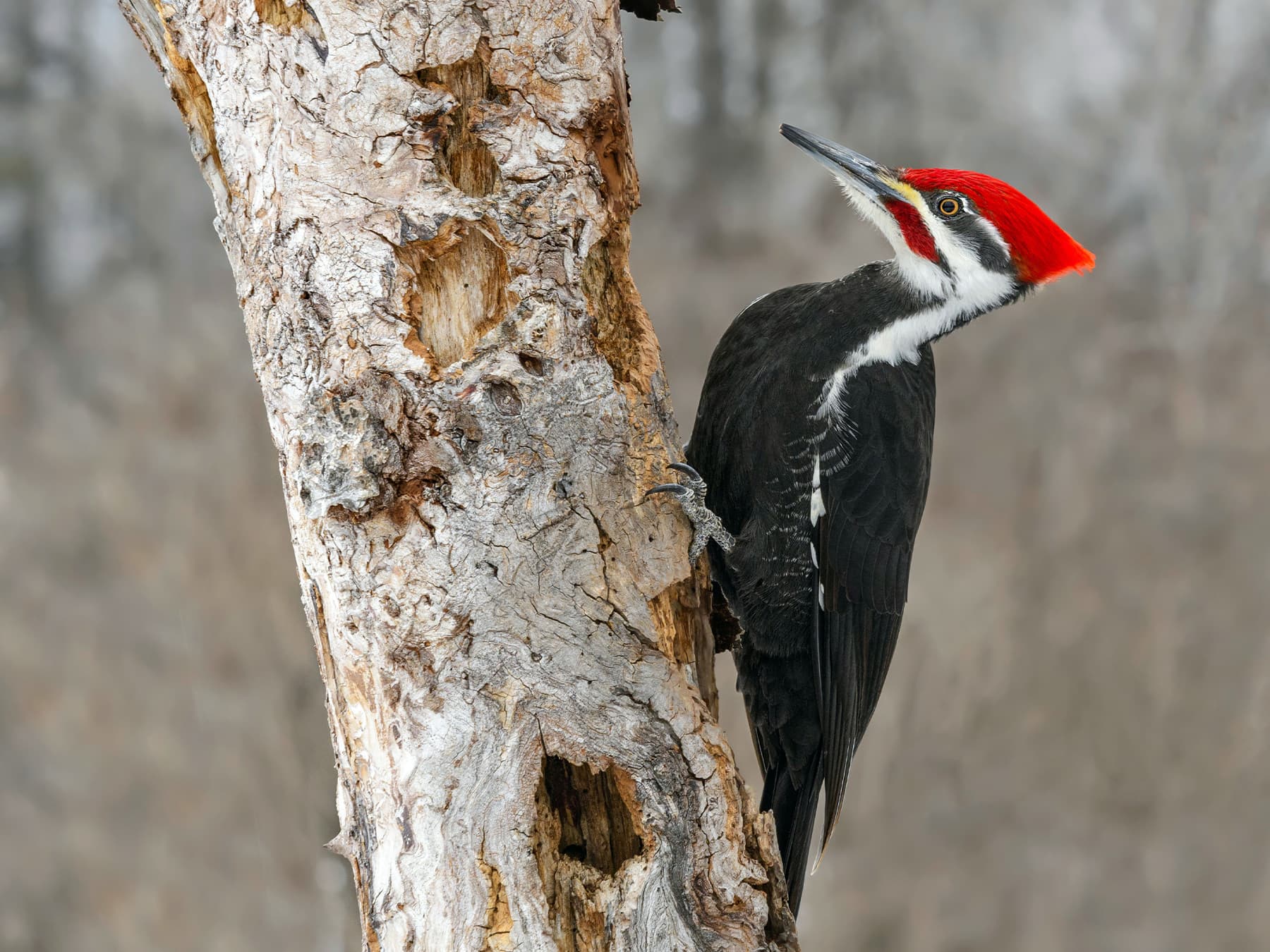
As the largest woodpecker in New York, the Pileated Woodpecker is a year-round resident but can mostly be spotted in the southern forests and hills of the state during the summer.
Featuring a flaming-red triangular head crest, black and white stripes on their underside, and the males have a red stripe on their cheek, the Pileated Woodpecker is a stunning sight to see.
You can find them dining on carpenter ants from fallen logs and dead trees, as well as termites, larvae, nuts, and fruit.
Red-bellied Woodpecker
Melanerpes carolinus
Regional Rarity Score
Ranges from 0 (common) to 100 (extremely rare) in this region
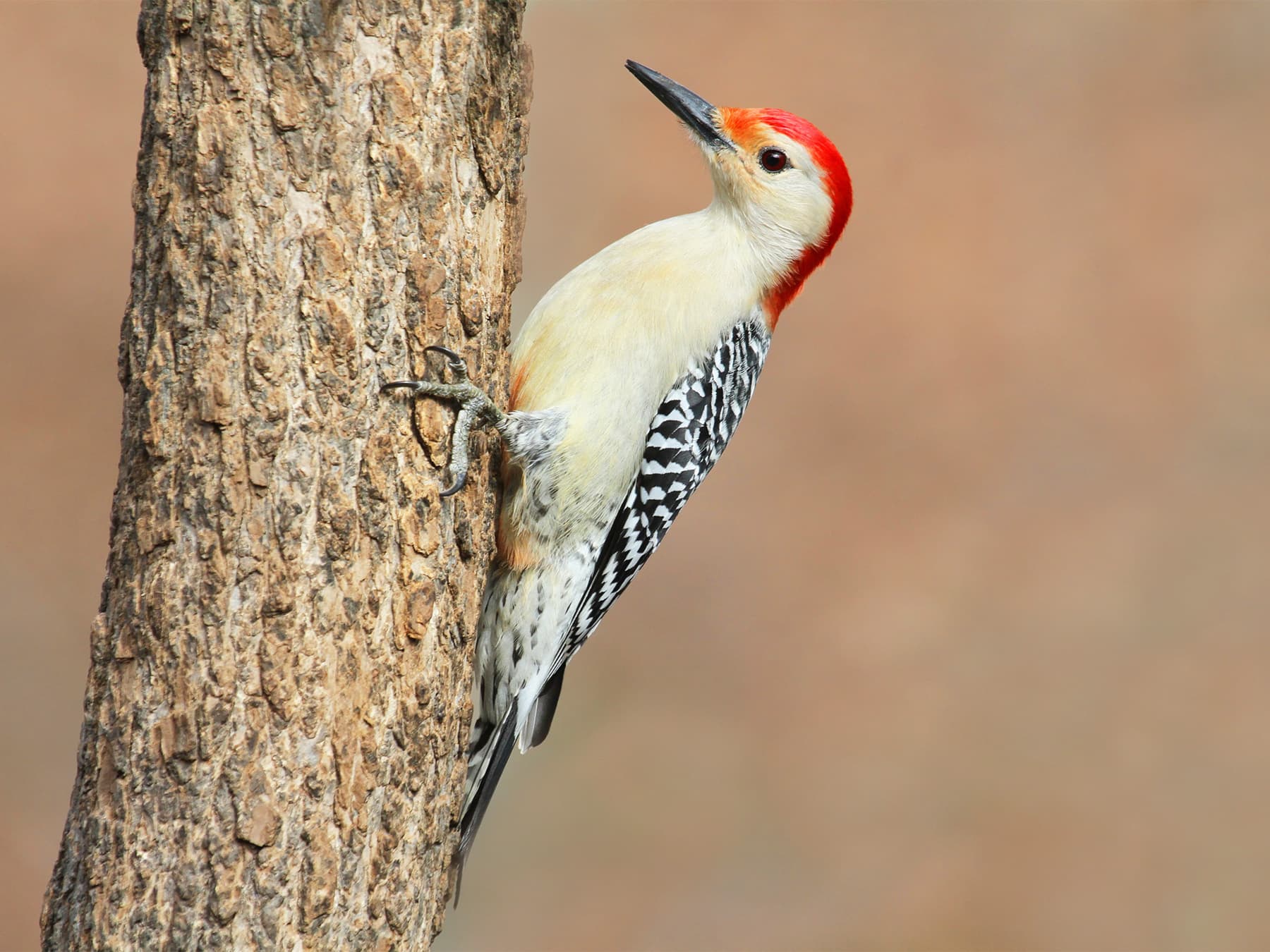
The Red-bellied Woodpecker can be spotted year-round but are mostly observed in the very eastern and western portions of the state.
This species is often mistaken for Red-headed Woodpeckers because they feature red caps but are significantly smaller than their Red-headed cousin. Females can be identified by the red nape without red on the crown. Both sexes feature white and black markings across their backs.
You can find these woodpeckers at bird feeders and in wooded areas where they dine on nuts, fruit, seeds from grass, spiders, and insects.
Hairy Woodpecker
Leuconotopicus villosus
Regional Rarity Score
Ranges from 0 (common) to 100 (extremely rare) in this region
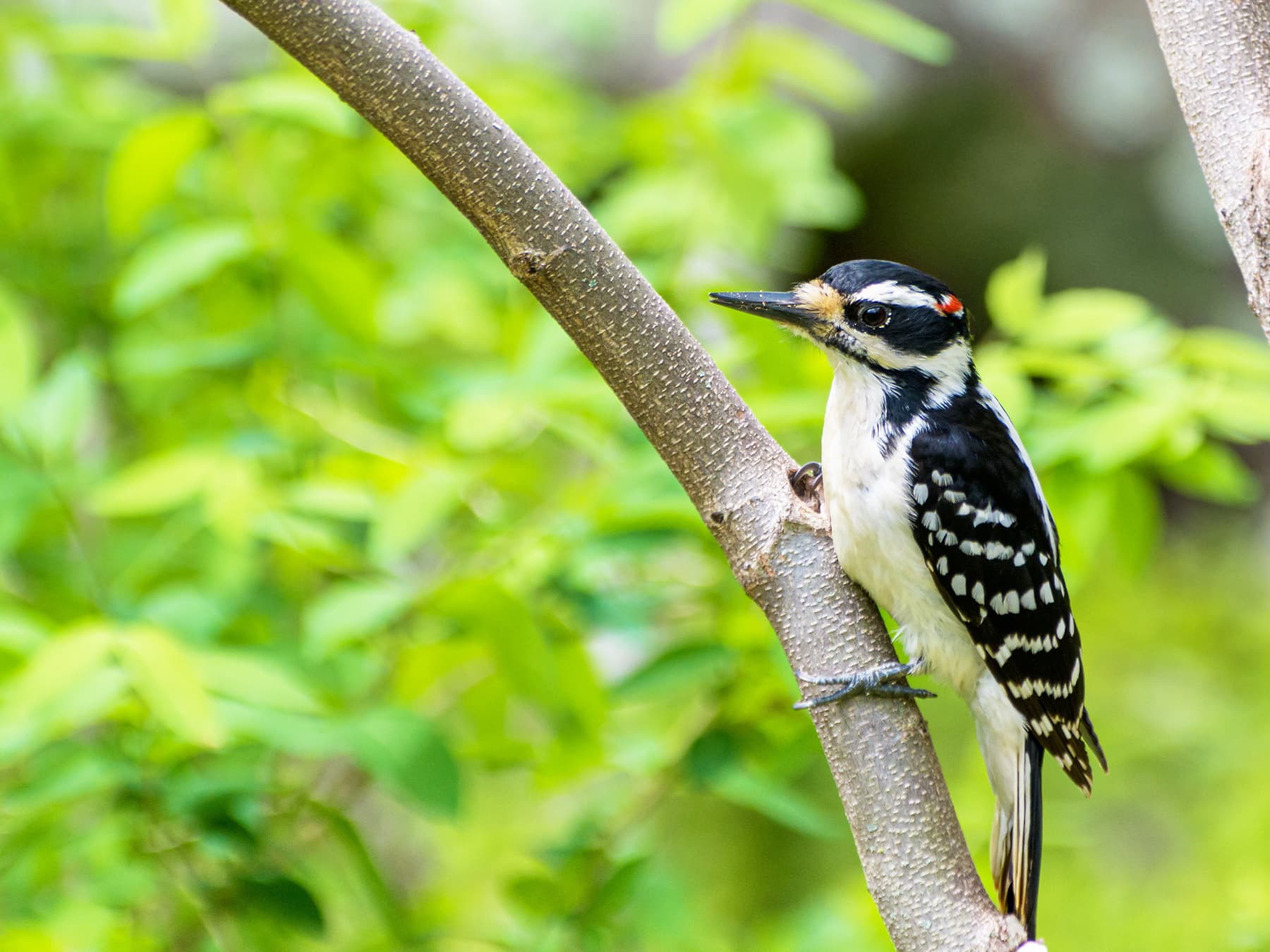
The Hairy Woodpecker is a year-round bird in New York that is mostly found in woodland areas. Featuring a large patch on their back and a black and white pattern across the body, the Hairy Woodpecker is aesthetically similar to the Downy Woodpecker, only larger. Since they coexist in the same habitat, the two birds can be difficult to tell apart.
Hairy Woodpeckers mostly eat insects like bark beetles, ants, and larvae but also consume millipedes, pupae, spiders, bees, and caterpillars.
Yellow-bellied Sapsucker
Sphyrapicus varius
Regional Rarity Score
Ranges from 0 (common) to 100 (extremely rare) in this region
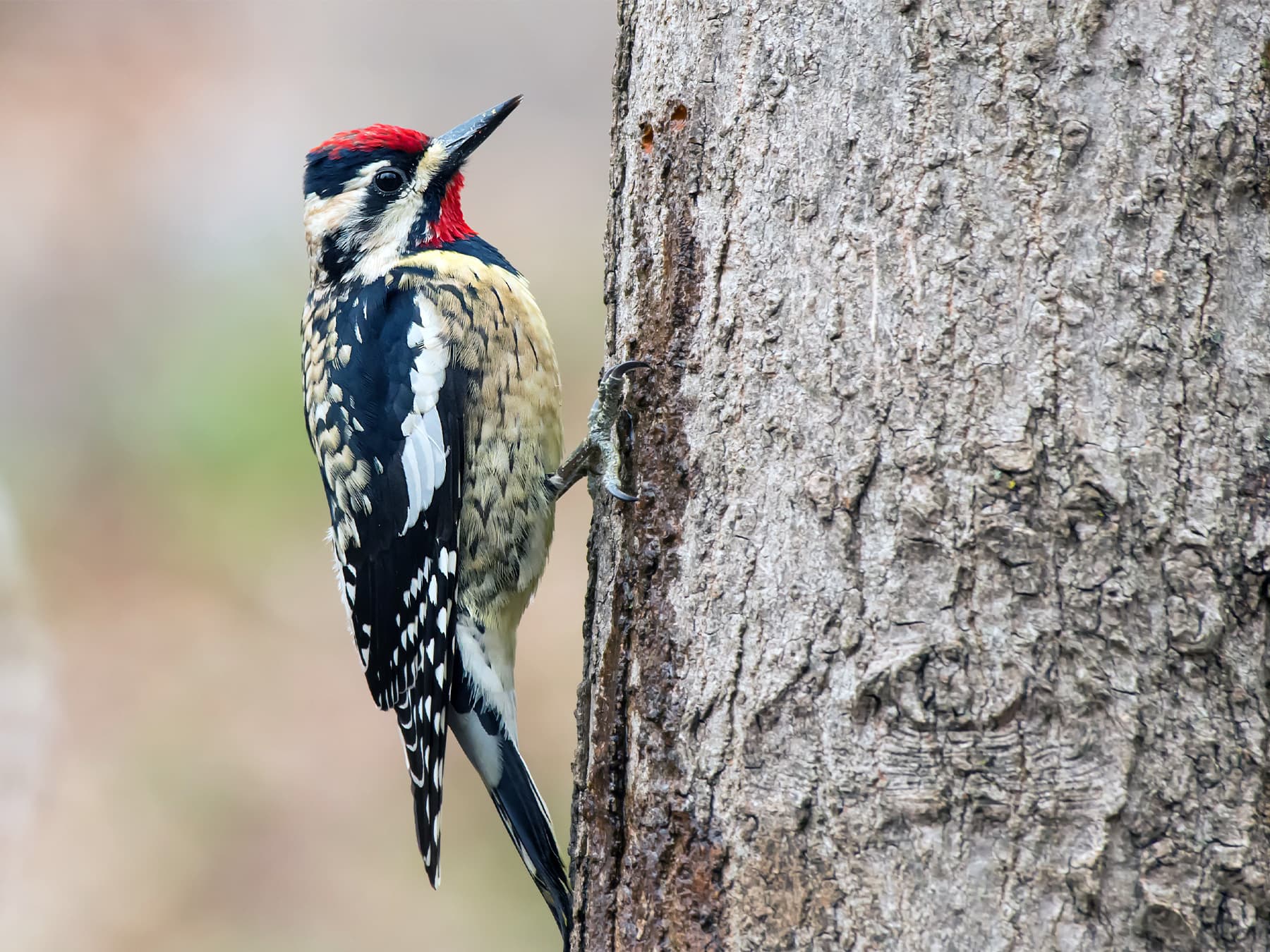
The Yellow-bellied Sapsucker breeds in New York State and can be observed year-round. At the size of a robin, this woodpecker species features a red forehead and a red throat with a mostly black body. These woodpeckers chisel holes in trees then stick out their tongues to consume sap.
You will know a Yellow-bellied Sapsucker has been at a tree because they make horizontal rows on hickory, sugar or red maple, yellow birch, and young paper birch trees. They most commonly live and breed in deciduous forests where they feed.
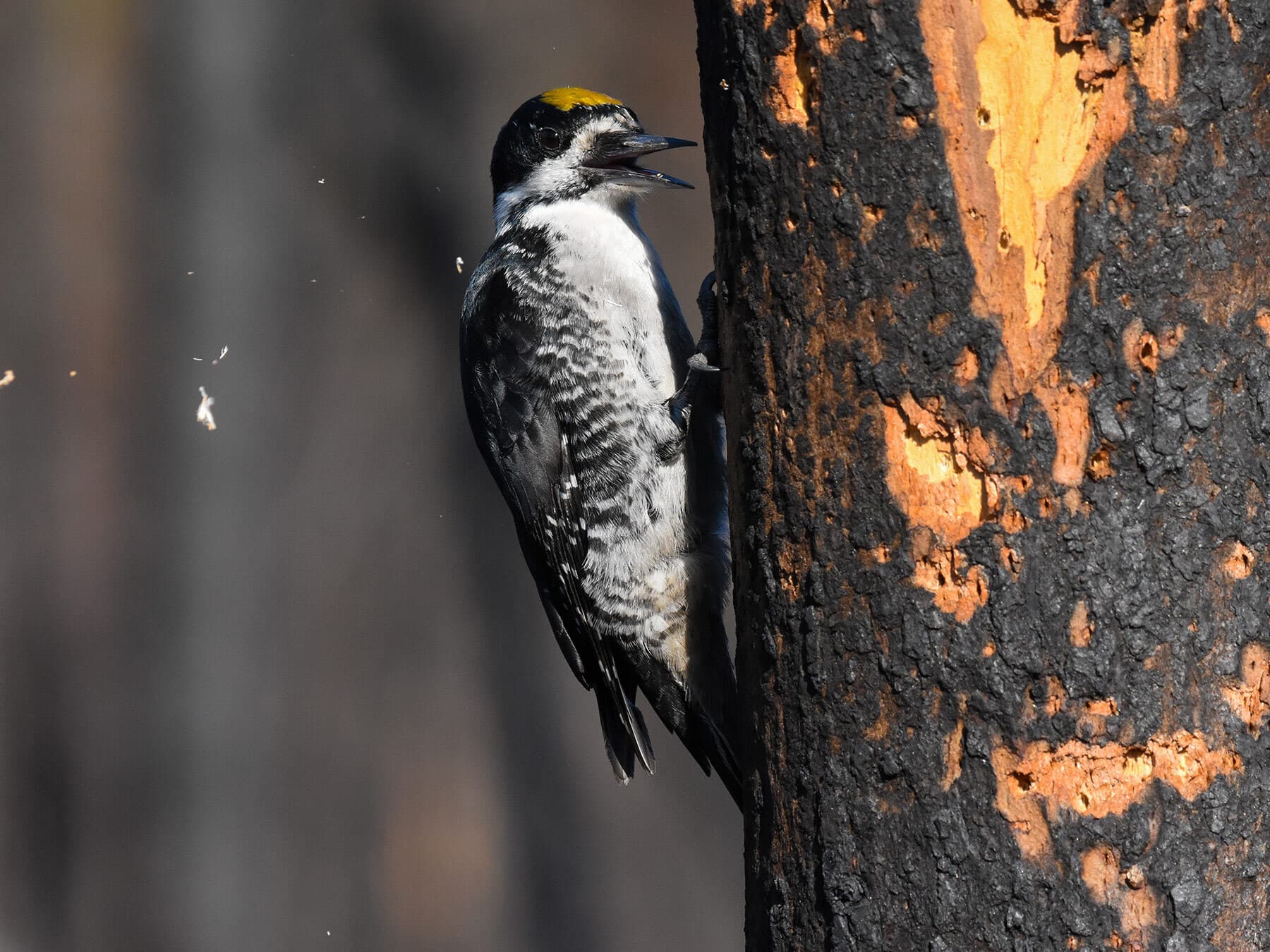
Black-backed Woodpecker
Picoides arcticus
Regional Rarity Score
Ranges from 0 (common) to 100 (extremely rare) in this region
Although uncommon to spot, they call New York State home year-round. Since they are small birds with a black back, they can be difficult to find. On their undercarriage, they feature black and white stripes with a mostly white belly. Adult males have a yellow cap.
This woodpecker species specializes in finding and consuming wood-boring beetle larvae, especially in burned forests. They find their food by pulling the bark from dead trees.
Birds in this article
8 birds- Red-bellied WoodpeckerMelanerpes carolinus23–26 cm · woodpeckers
- Pileated WoodpeckerDryocopus pileatus40–49 cm · woodpeckers
- Downy WoodpeckerDryobates pubescens14–18 cm · woodpeckers
See all 8 birds
- Yellow-bellied SapsuckerSphyrapicus varius19–22 cm · woodpeckers
- Black-backed WoodpeckerPicoides arcticus21–24 cm · woodpeckers
- Hairy WoodpeckerLeuconotopicus villosus18–26 cm · woodpeckers
- Red-headed WoodpeckerMelanerpes erythrocephalus19–23 cm · woodpeckers
- Northern FlickerColaptes auratus28–31 cm · woodpeckers