Facts · Updated 8 Oct 2026
Why Are Geese Aggressive? (Warning Signs, What To Do When Attacked)
By the Birdfact teamChecked by Nathan Cope
On this page7 sections
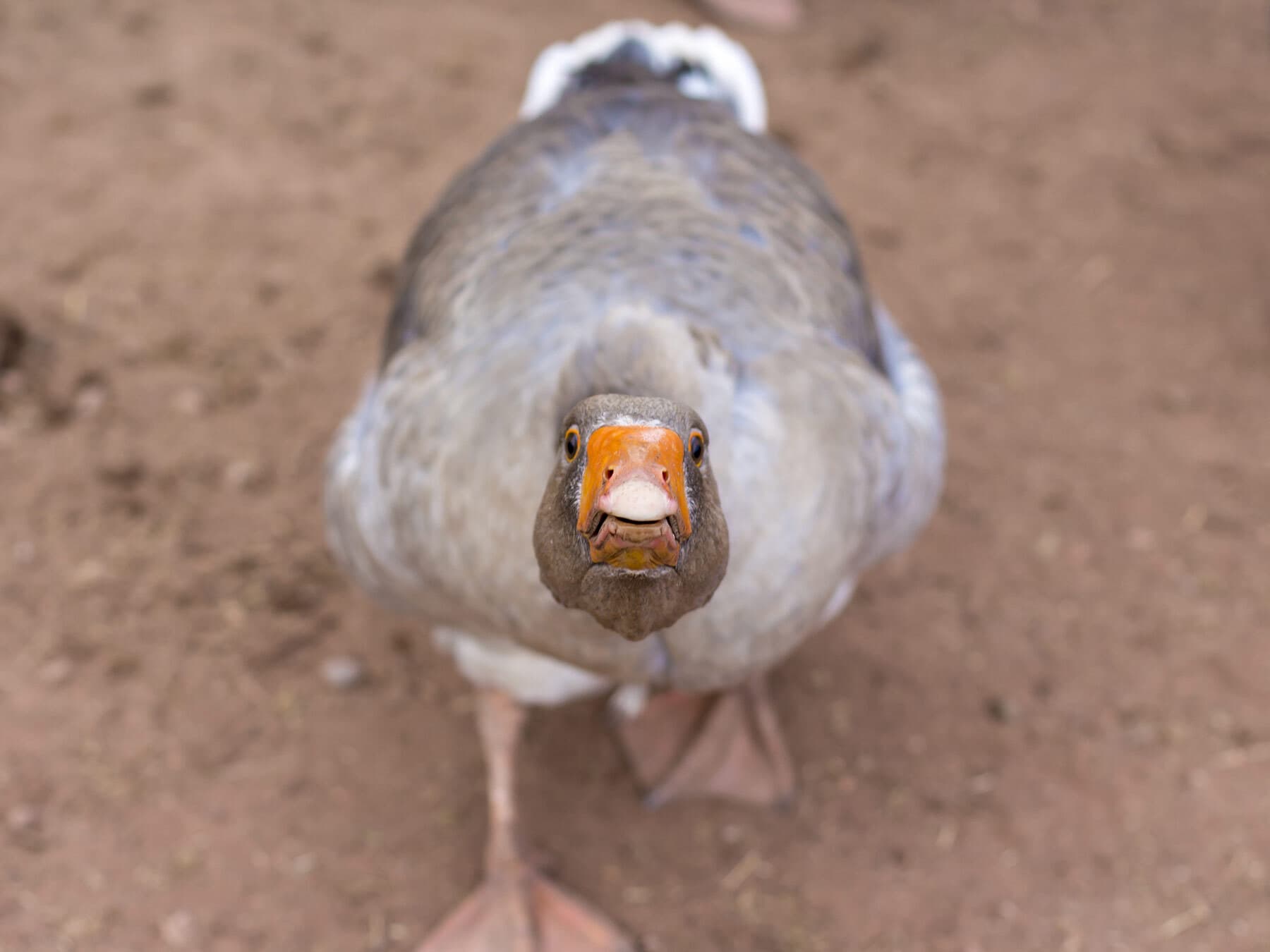
Most birds are harmless creatures that pose no danger to humans. Geese have a notorious reputation for terrorizing unsuspecting people, however.
But why are geese aggressive? Do they deserve their reputation?
Geese can be surprisingly aggressive towards humans, especially when defending their nests and goslings. Humans hunt millions of wild geese in the United States every year, so you could say their mistrust is justified. Geese have evolved to solve conflicts through physical aggression, and unlike other birds, they can defend their young against predators.
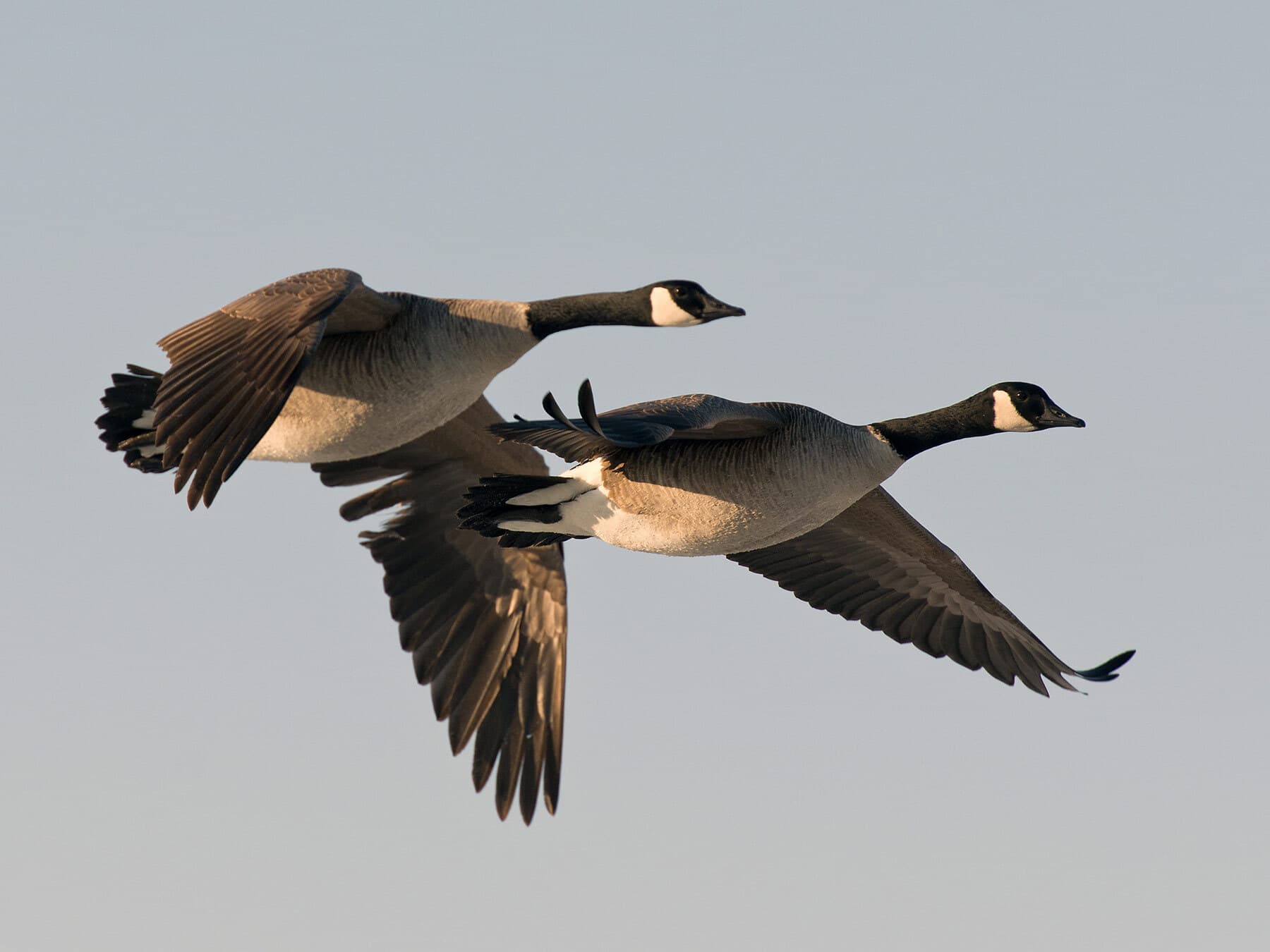
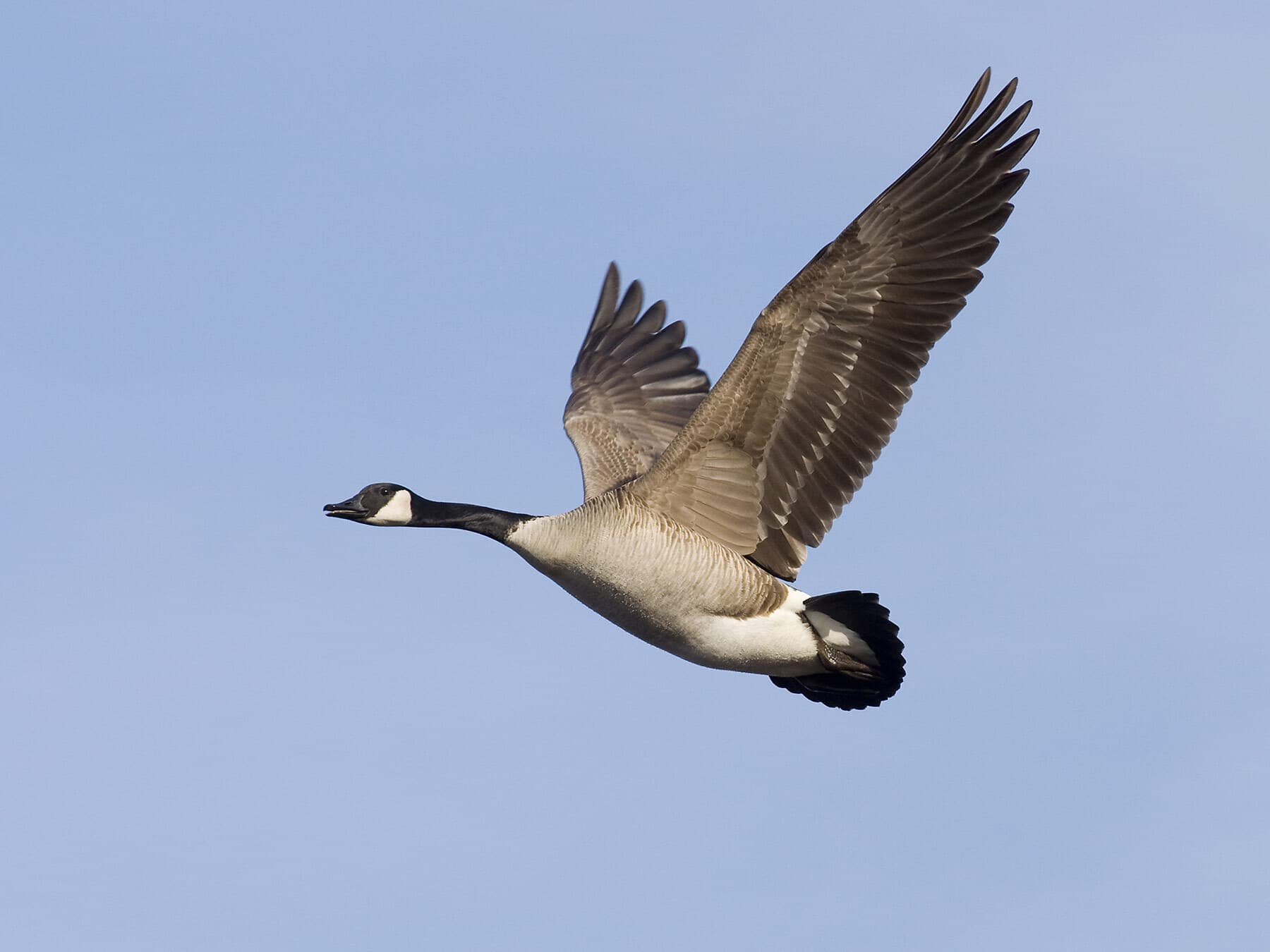
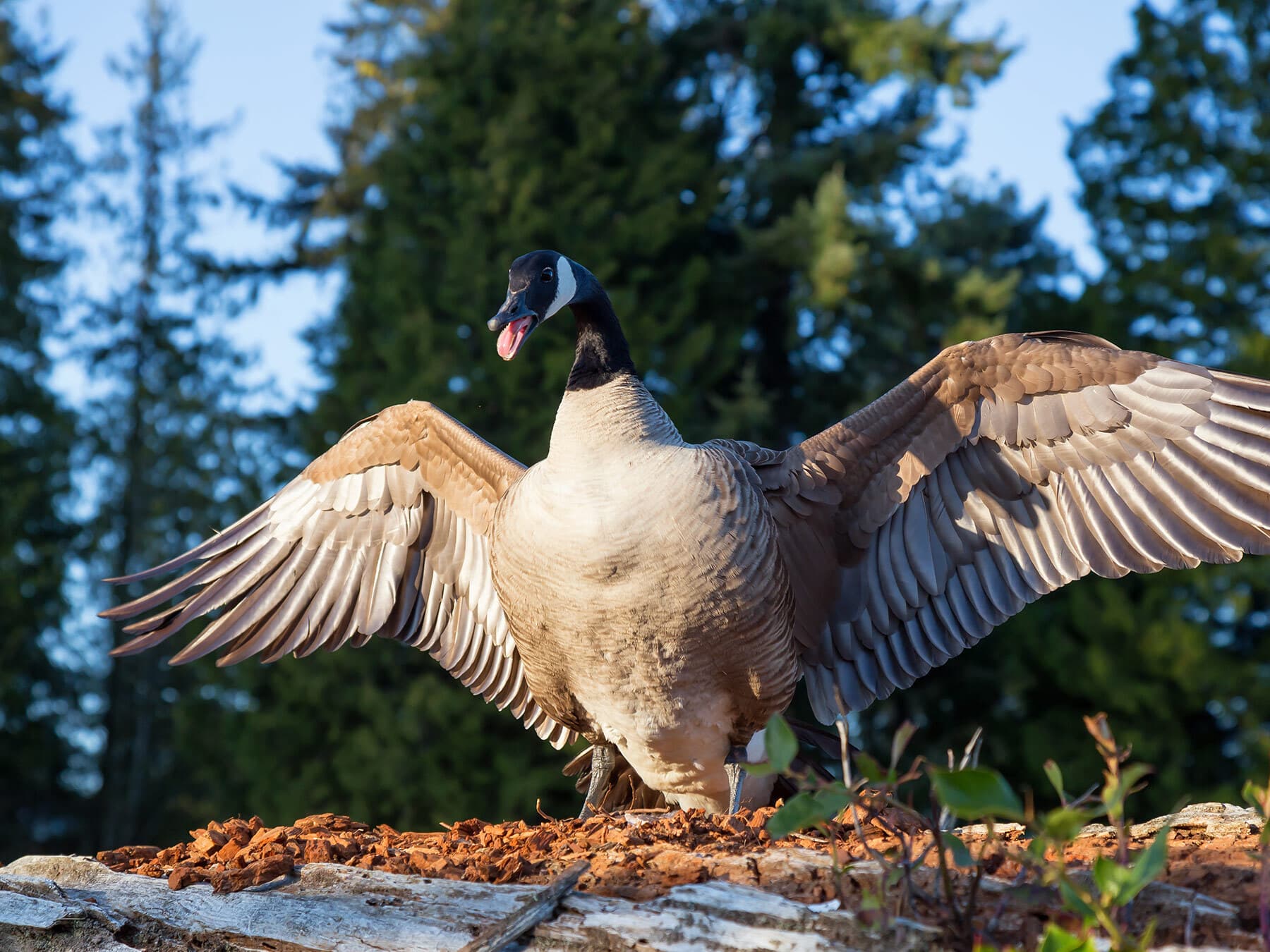
Canada goose (Branta canadensis). These beautiful waterfowl were once brought to the edge of extinction.
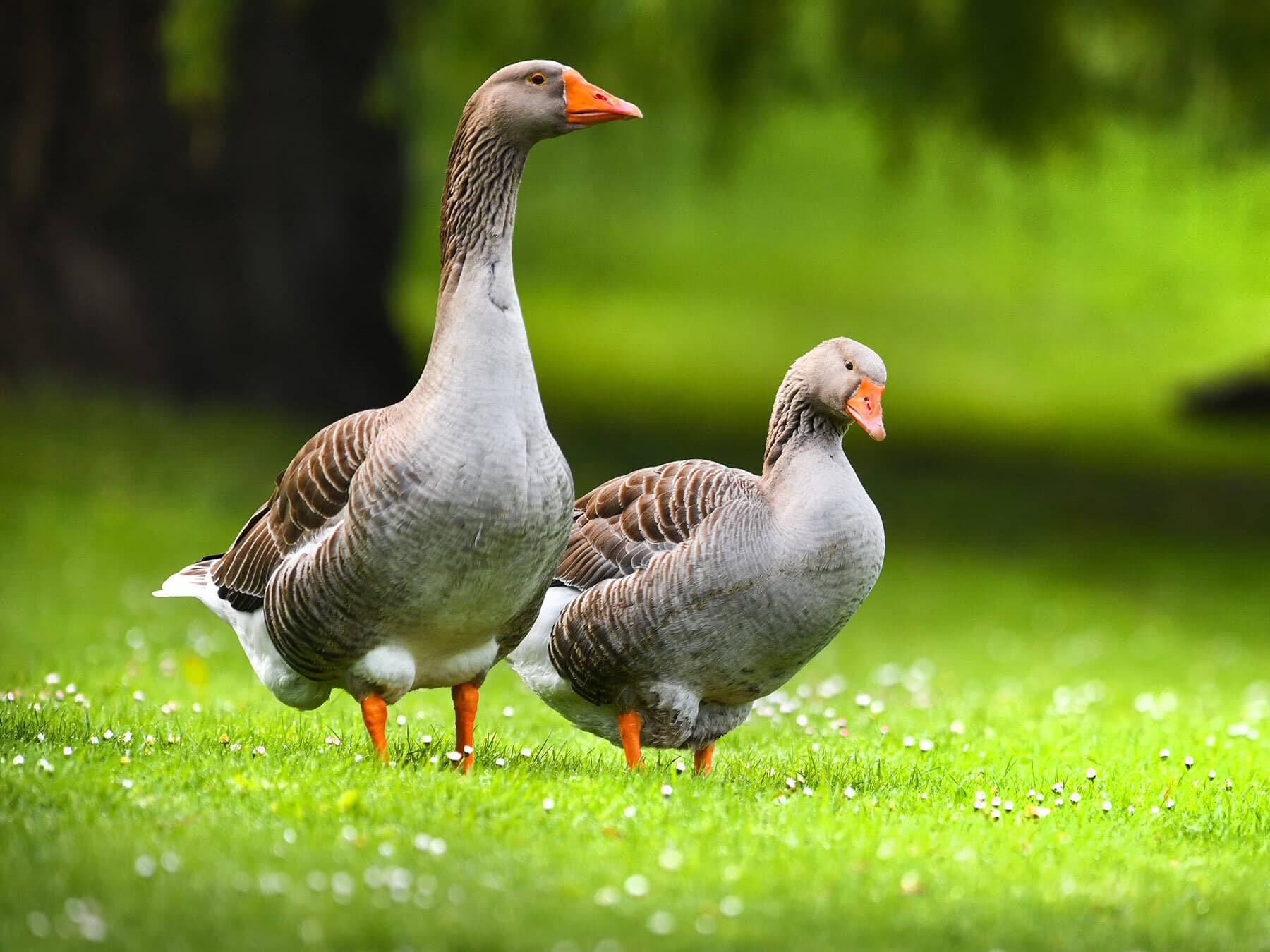
Today, they have recovered dramatically, leading authorities to focus more on their management as a nuisance species. greylag geese) can be just as aggressive because they have no fear of humans.
Geese are large, powerful birds, but it is important to be realistic about just how dangerous they are. Attacks on people have caused serious damage in some cases, but for the most part, the risk is very low and conflict can be avoided.
How geese defend themselves
Wild geese usually protect themselves by fleeing from predators and other sources of danger. They will defend themselves and their young against small predators when threatened, however.
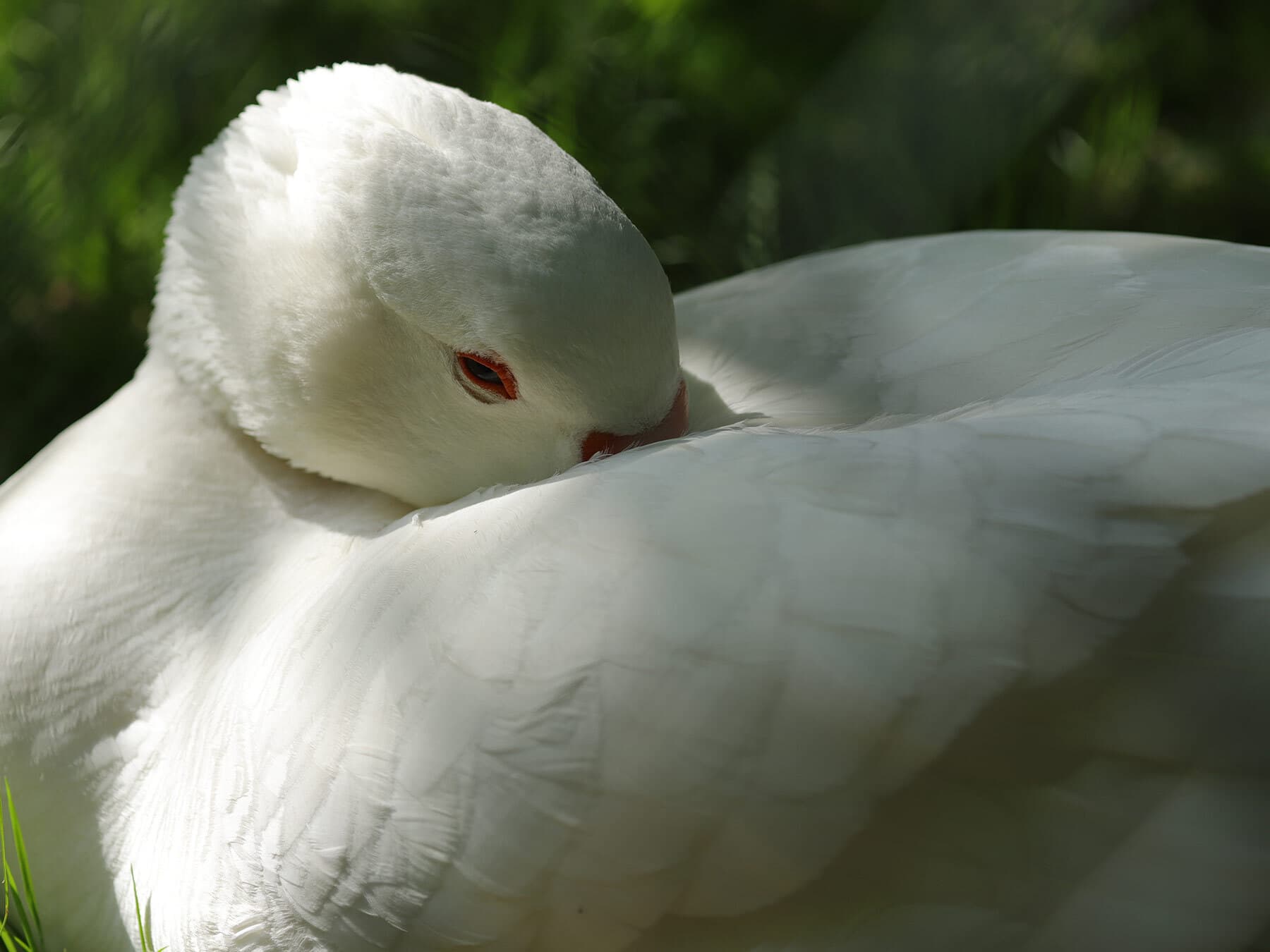
Domesticated geese and those that live in suburban areas have lost their fear of humans and are far more willing to get physical.
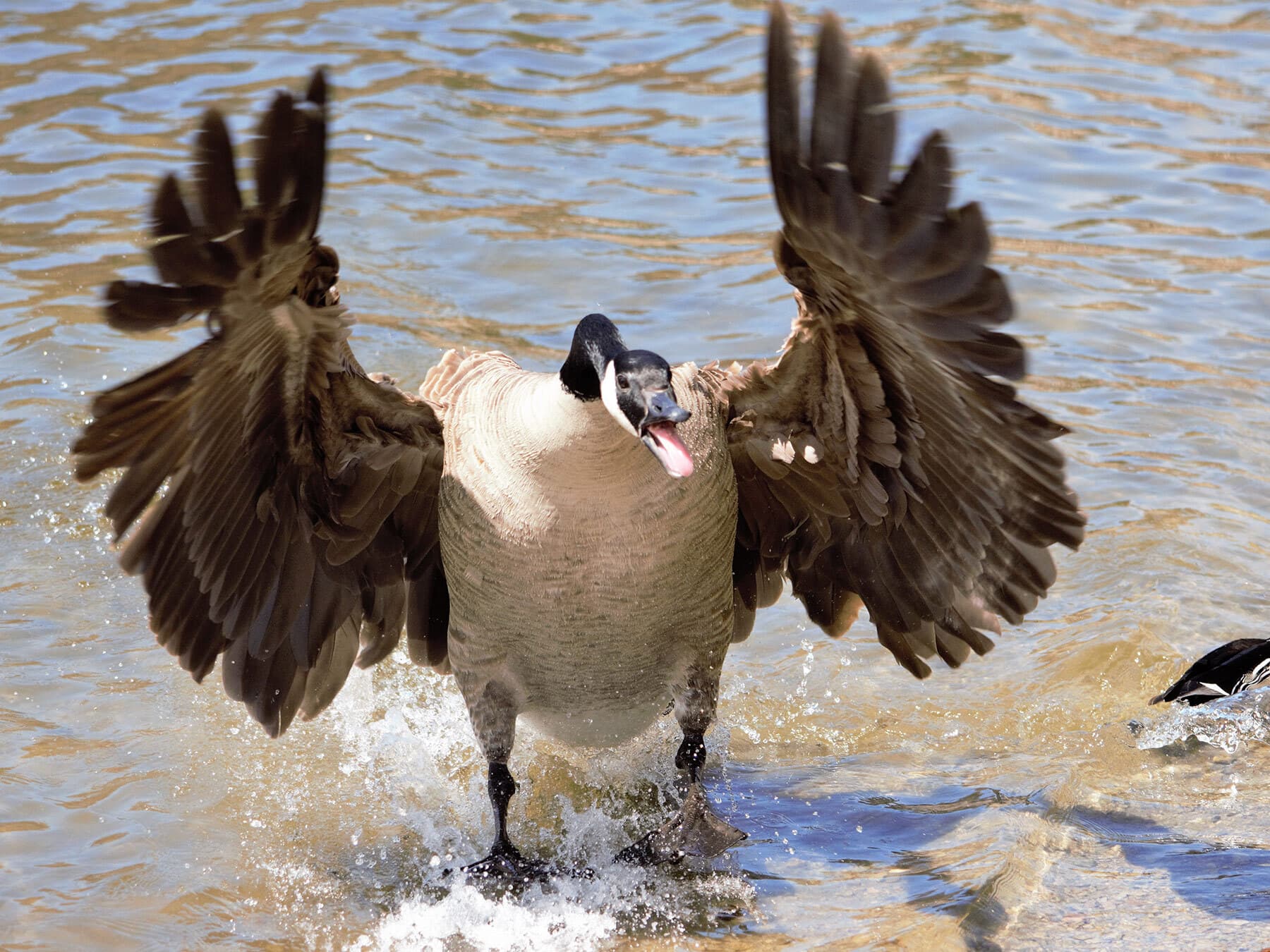
Geese are not defenseless. In fact, they have some surprising weapons in their armory. Their first weapon is courage and intimidation. Canada geese can have a wingspan of five and a half feet and weigh nearly ten pounds. These large birds can be very intimidating, especially with all the noise and commotion they make when attacking!
Geese will bite firmly, although this rarely causes any serious injury. tomia on their bills and tongues. A bite from a goose can leave scratches and bruises.
Geese also have powerful flight muscles which they use to power vicious strikes with their wings. A strike to the face could cause significant damage and perhaps even a broken nose.
When geese turn aggressive
Geese get particularly aggressive in defense of their territory, nest, eggs, and young. This behavior is not only directed towards humans of course. Geese readily attack other birds, animals, and even cars.
goslings. The males are more likely to attack than the females. Non-migratory Canada geese breed in the Spring in the United States and this is the time when they are most likely to attack.
Encounters with geese usually happen in areas with freshwater features like ponds, rivers, or lakes. These birds favor parks, fields, and golf courses where lawn grass is available, so take care when traveling through these areas.
Are geese aggressive to humans?
Most geese are wild animals that fear and avoid humans at all costs. These birds are hunted by humans and are typically very wary and difficult to approach.
Habituated, tame, and domesticated geese can be very aggressive towards humans.
Canada goose attacks have become more common in the US because these birds are abandoning their traditional migration. Canada geese used to breed in the north and spend their winters in the US.
Reintroduction programs, a warming climate, farming activities, and the development of parks, playing fields, and golf courses have all contributed to some birds choosing to stick around all through the year.
What do you do if a goose attacks you?
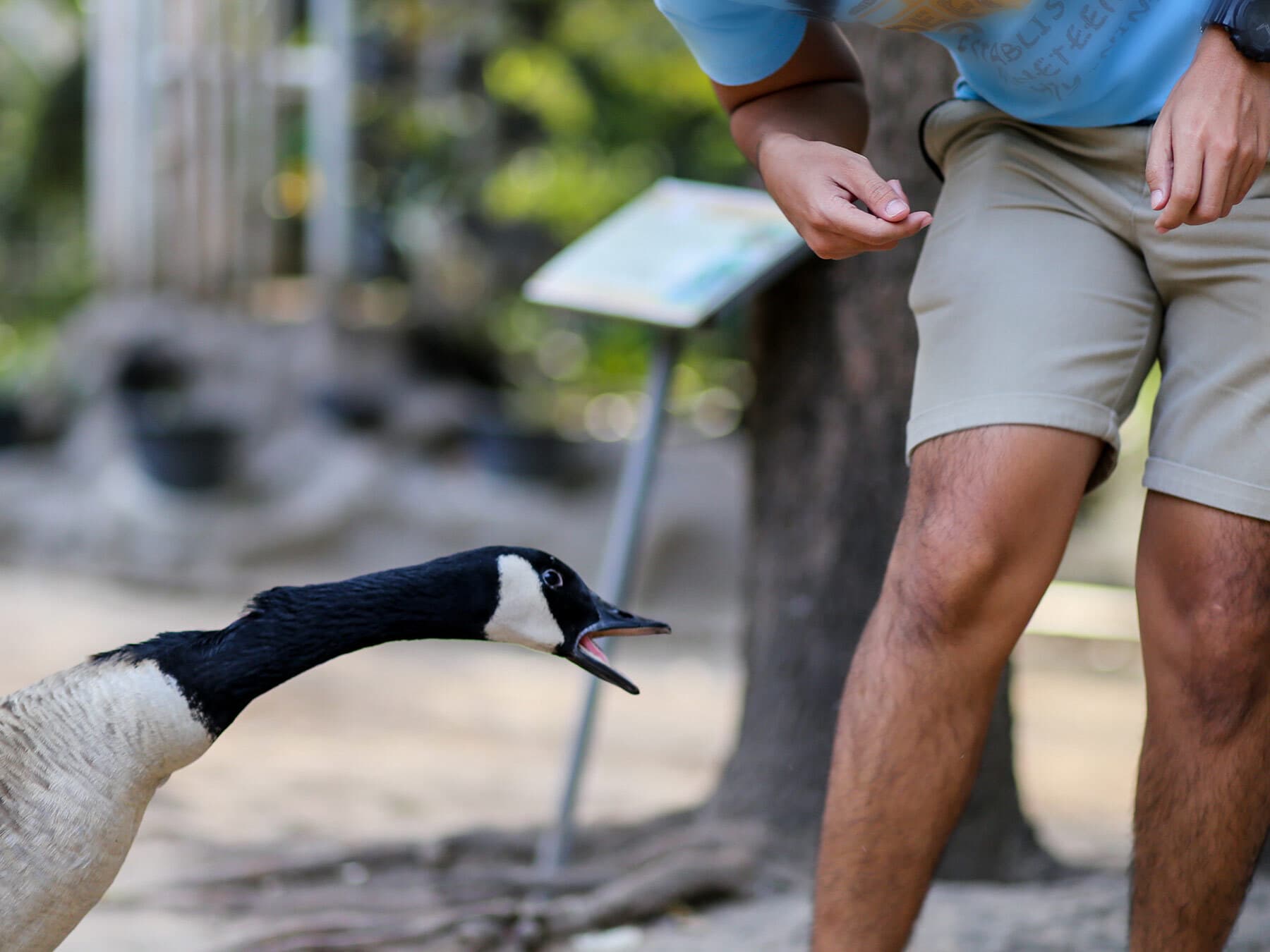
Geese attacks can be terrifying and cause real physical injury and emotional trauma. For healthy adults, a goose attack is unlikely to be a serious matter, however, and it's important to deescalate the matter rather than engage in a fight against a bird!
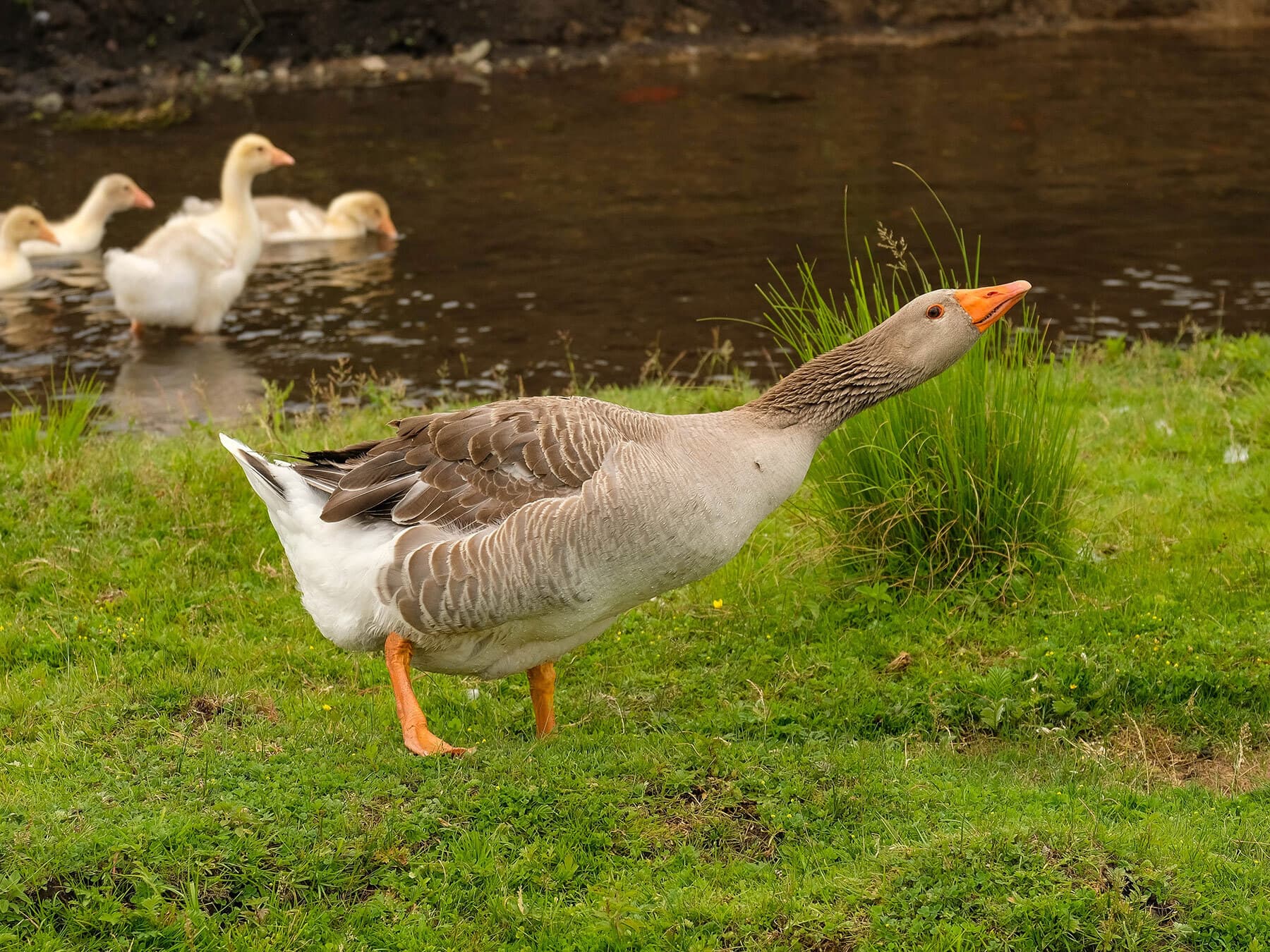
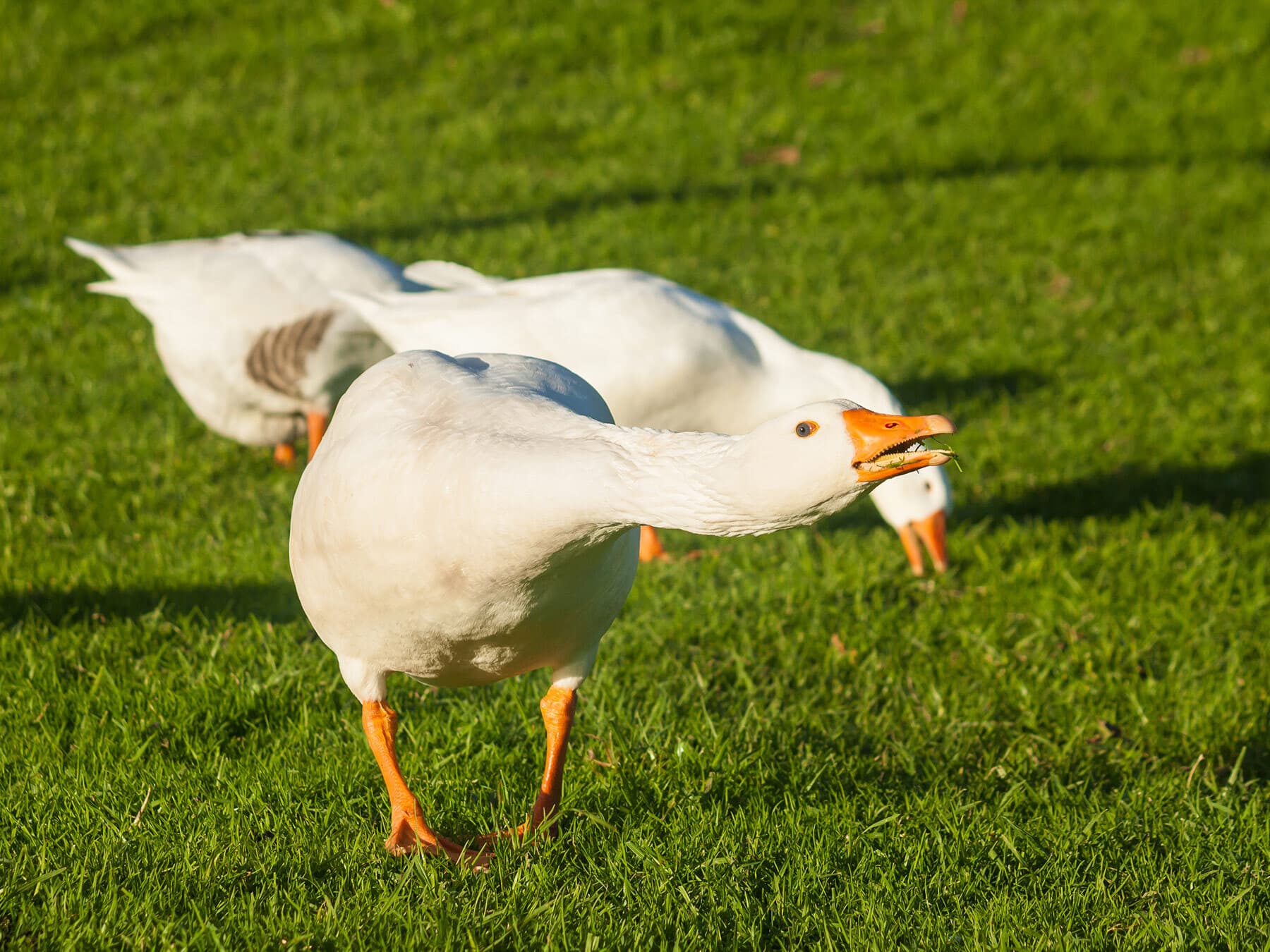
It is best to avoid conflict with nesting geese by giving them plenty of space. Look out for warning behaviors like lowering the head, straightening the neck, hissing, and head nodding. These displays are your cue to back away, and this will usually prevent any attack.
If you can’t avoid an attack, stay calm and confident. The natural human response is to turn and run, but facing the bird and backing away is a much better strategy.
The most serious injuries can occur from losing your footing or colliding with something while running away. Seek medical attention if you have sustained any injuries during the scuffle.
Lastly, if you’ve been attacked by a bird in a public area, you can contact authorities whether the goose was domestic, feral, or wild. Wild geese are protected by the migratory bird treaty act, so avoid taking action against them in your private capacity.
The broken-arm myth
Geese do not have the strength to break human bones with their necks. This is just an urban legend.
Geese attack by biting and striking with their wings. Most healthy adult people would suffer few injuries in a goose encounter if they backed away calmly.
Fights between geese
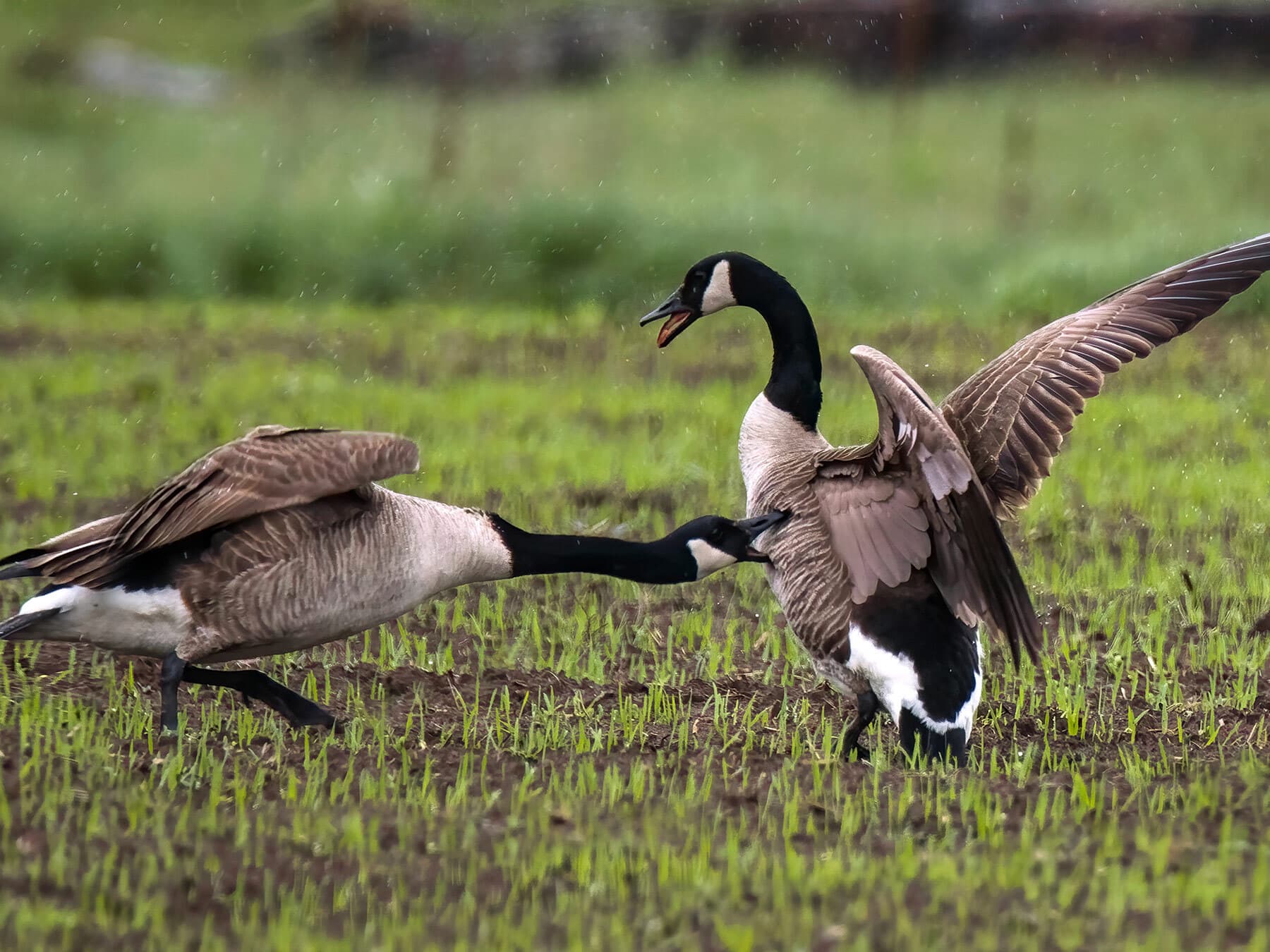
Geese will fight among each other but this rarely results in death. The loser of the fight will usually escape and avoid further damage. A fight to the death would be more likely to happen in captivity or a confined space than out in the wild.
Goose Aggression FAQs
Are geese more aggressive than swans?
Both geese and swans can be highly aggressive. It’s not possible to say definitively which is more aggressive, however. Both of these large waterbirds should be treated with caution and respect.
How do you know if a goose is going to attack?
Geese will usually display some warning signals before attacking. Hissing and honking are common warnings to listen out for, but watching their body language for clues can also prevent a fight. A goose that extends its neck and bobs its head up and down is showing aggression.
How do you fight a goose?
You should never get into a fight with a goose. It is always best to back away carefully and leave aggressive animals in peace. Contact authorities if you think an aggressive goose may be a real danger to other people or animals.