Facts · Updated 8 Oct 2026
Do Geese Have Teeth?
By the Birdfact teamChecked by Nathan Cope
On this page7 sections
Geese have a reputation for being pretty intimidating birds. In fact, these large waterfowl have been used as guard animals for centuries, both for their lack of fear of intruders and their loud alarm calls.
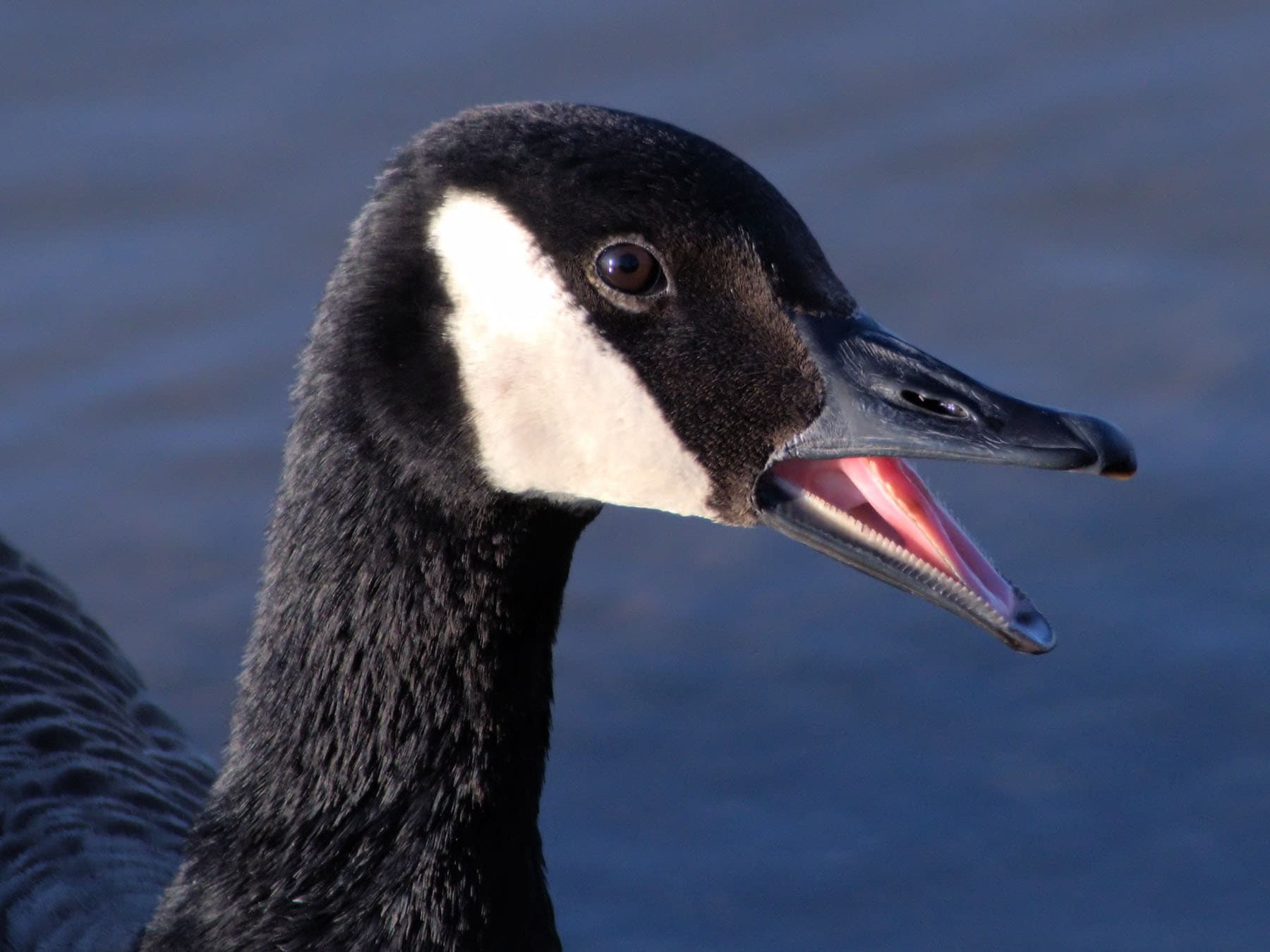
Many people still fear these birds, especially those who have seen the impressive ‘teeth’ on their bills and tongues. But do Geese really have teeth? Can they bite?
Geese do not have teeth. They do, however, have tooth-like structures that line the inside of their bills and the edge of their tongues.
Tame and habituated Geese can be very confident around us and are not afraid to bite people! They can nip very gently, but they can also pinch quite hard.
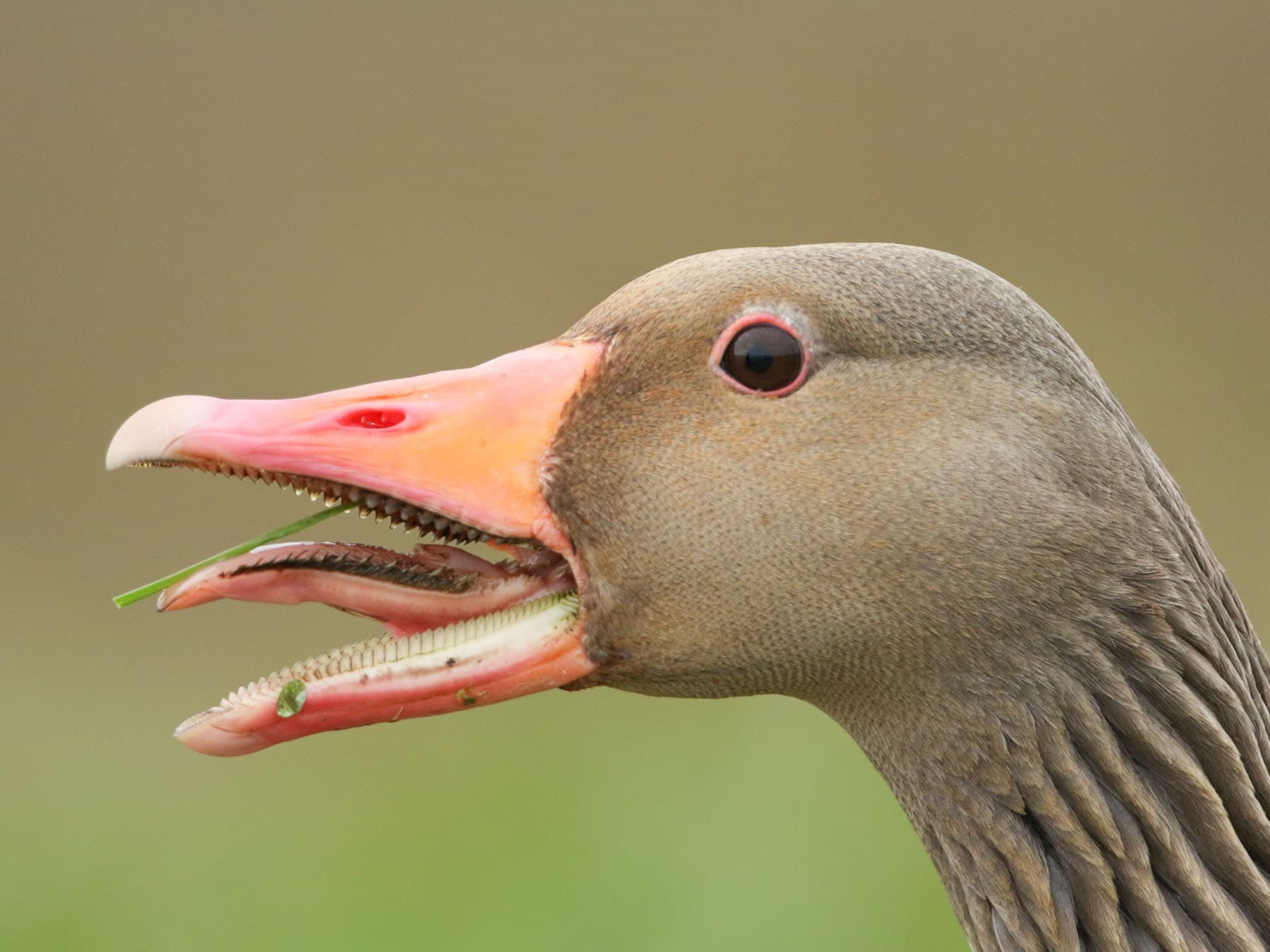
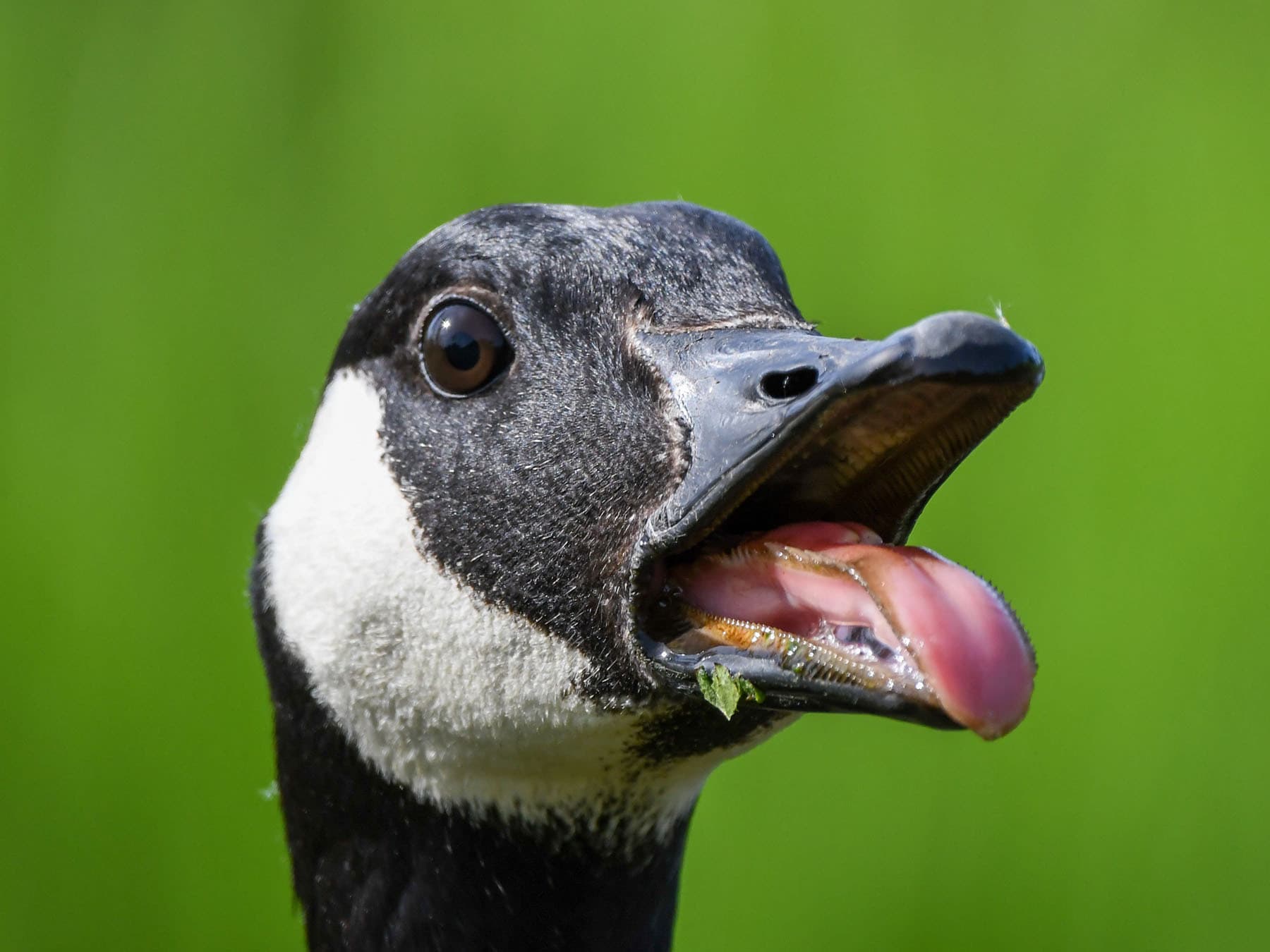
Geese use their bills to grip their food and to assist in tearing plants into manageable portions. Interestingly, these sharp, tooth-like structures are not limited to their bills. If you ever get a good look at a Goose's tongue, you’ll notice that it is lined with some equally scary-looking spines!
These spines can help the bird shear off a beakful of grass, for example, but they are also helpful for directing their food towards the throat to be swallowed.
Geese do not chew, so their unique bills and tongues are used more for gathering and swallowing their food than for processing it. The ingested food is then broken down mechanically in the gizzard, which does a similar job to our teeth and jaws.
Have you ever wondered why Geese have ‘teeth’?
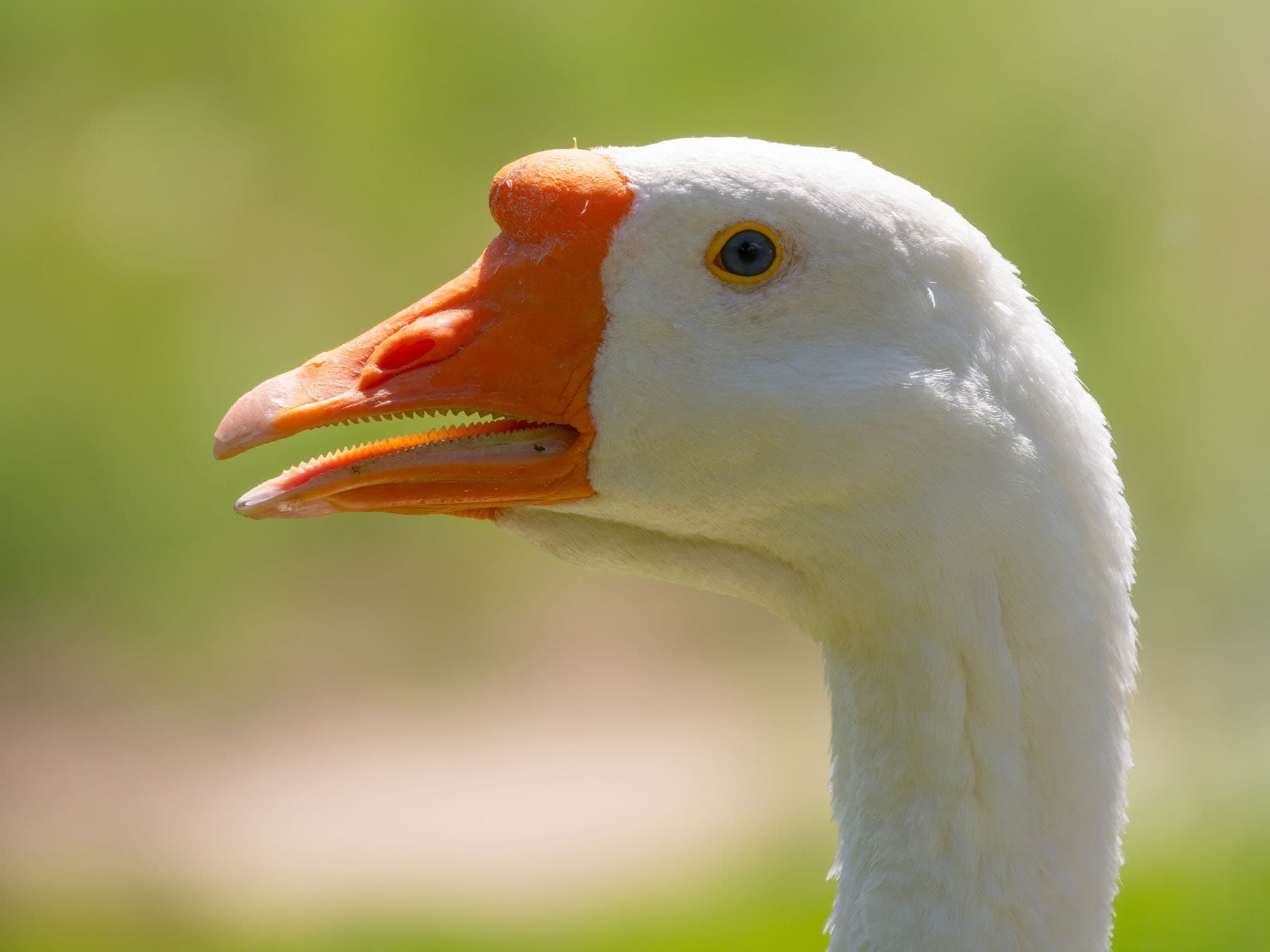
Instead of teeth: lamellae
The hard lamellae that line the edge of a Goose's bill can look very much like individual teeth, and some Goose bills even have a pink lining that can look like gums. The sharp tooth-like structures consist of keratinous cartilage rather than the variety of tissues in real teeth.
Modified tomia are not limited to the bills of Geese. Hummingbirds, falcons, and many other birds have tomia in their beaks, and their functions vary from gripping or killing live prey to cutting into plant food sources.
Ancestors with teeth
Geese are from the Anseriformes order, an early bird group and one of the few which have survived since the Mesozoic era - over 60 million years ago.
Birds have been around for a staggering 150 million years or more. modern-day dinosaurs!
Birds lost their teeth over 100 million years ago, although the first birds certainly had them.
Do geese have teeth on their tongues?
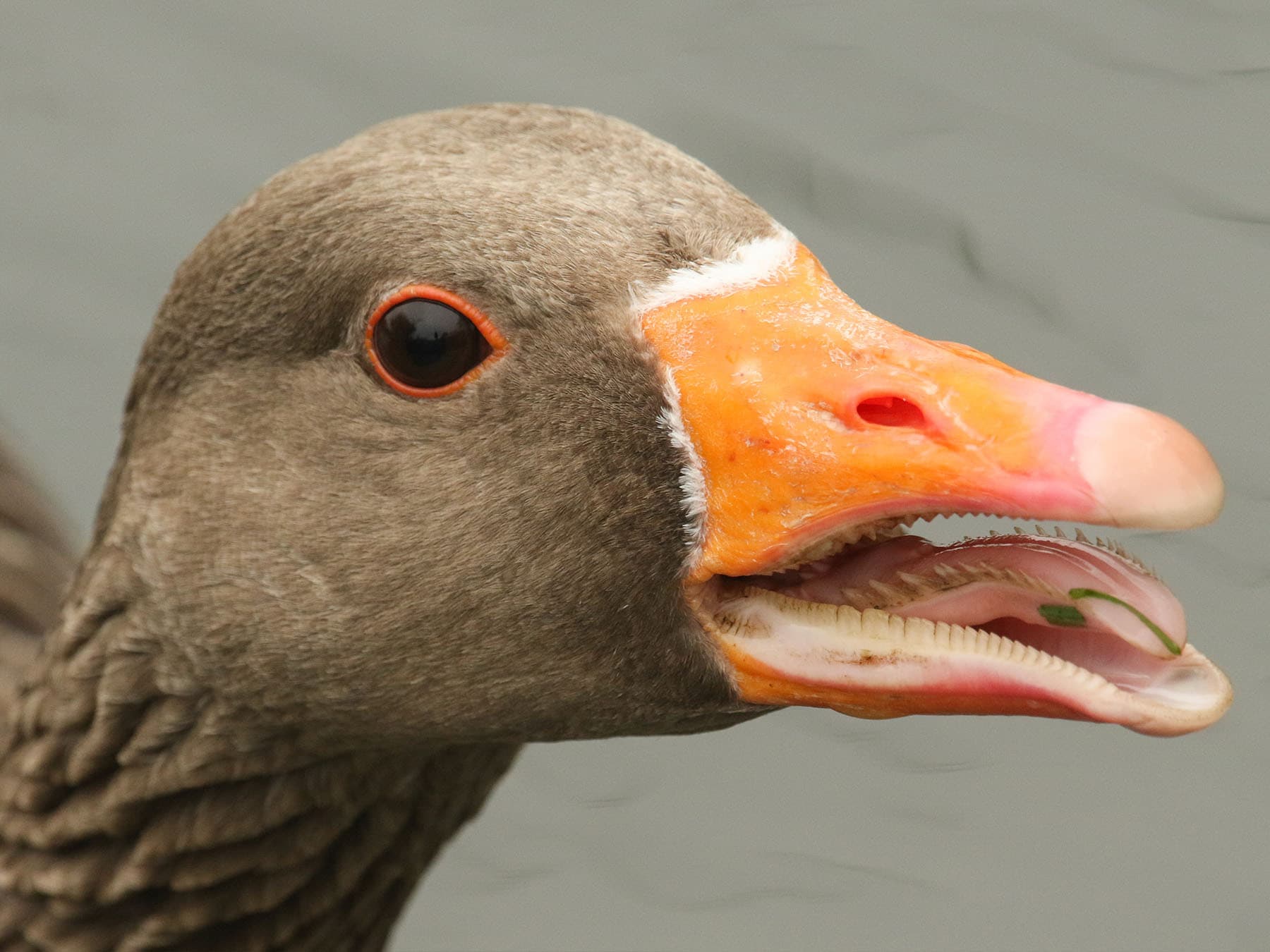
Geese do not have teeth on their tongues, although it looks very much like they do.
The papillae cannot be called teeth because they do not consist of dentin, enamel, pulp, and cementum.
Why do geese have teeth on their tongues?
The conical papillae on the tongues of Geese function to gather their food and help them swallow. Like the tomia on their bills, these sharp structures are also helpful to grip and rip plant material into manageable portions.
Goose tongues are remarkable for other, less visible reasons too. The end of their tongues are also sharp and hardened to form a structure known as a lingual nail. This modified tongue tip can be used like a spoon to pick up seeds, grain, and other small food items.
How geese eat
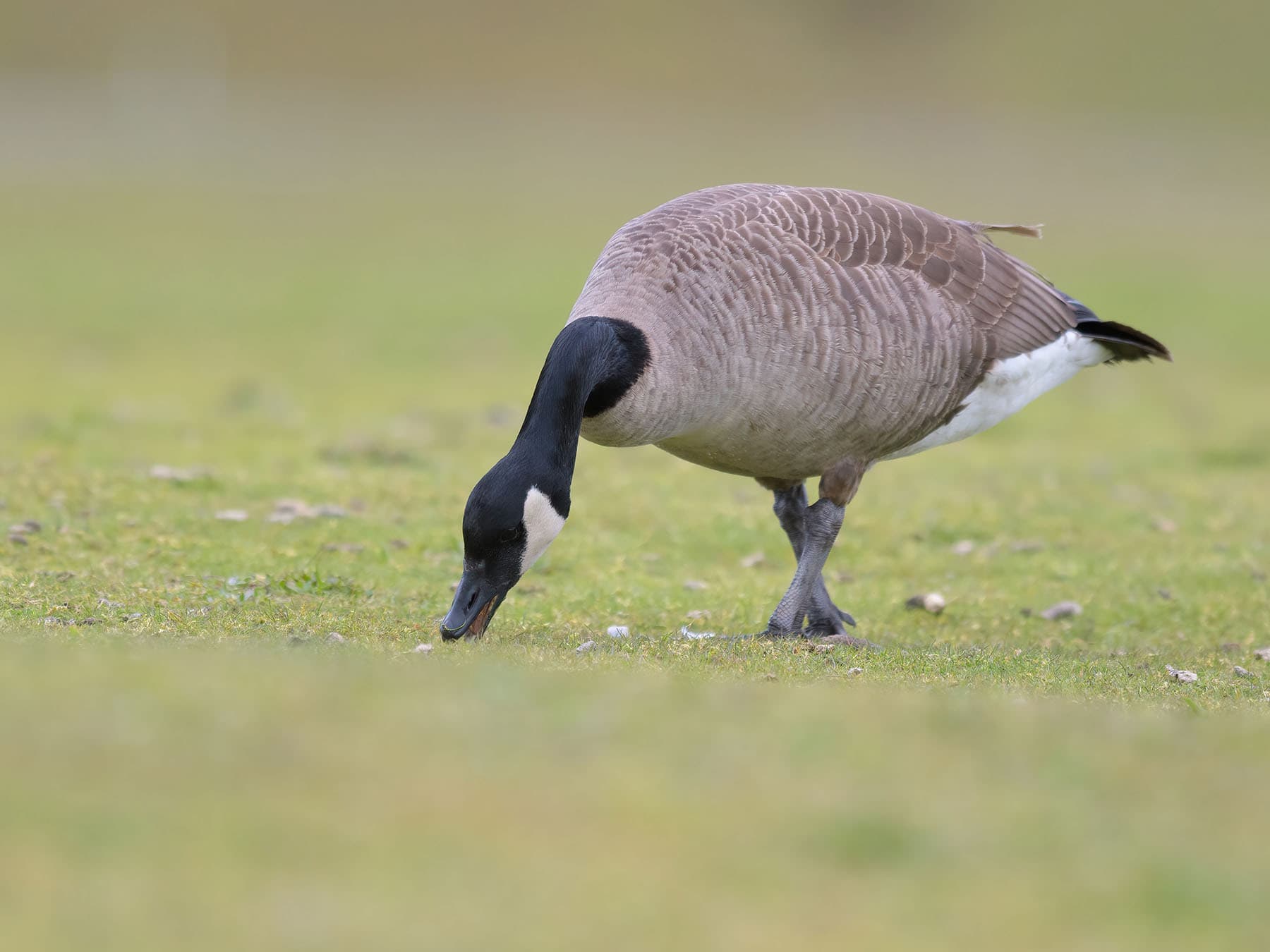
Geese occasionally eat insects and other invertebrates, but they are generally herbivorous, which means they feed on vegetable matter. They forage for various plant parts such as leaves, roots, sprouts, and stems.
Geese spend a lot of time grazing, which means they need to shear off grass leaves. They also pick berries from shrubs, forage for grain in agricultural lands, and even use their bills to dig up roots and bulbs.
Geese grab onto the plant material they want to eat, manipulate it somewhat in their bills until it is positioned securely, and then make a swift movement to pluck it or tear it away.
Do Geese chew their food?
Birds don’t have grinding teeth or strong jaw muscles- the necessary tools for chewing. Geese use their tomia to grip and tear their food into portions that they can swallow safely. The food is then ‘chewed’ in the gizzard, a muscular organ that grinds the food to make it more digestible.
Do Geese swallow food whole?
Geese swallow their food whole after using their tongues and bills to collect leaves, stems, roots, and other plant parts that are not too big to swallow.
Do Geese eat until they are full?
Geese often feed on relatively low-calorie food sources like grass leaves, so they must eat surprisingly large quantities to satisfy their energy needs. Geese that are foraging on more nutritious foods like grain or corn will not need to eat quite as much.
Biting
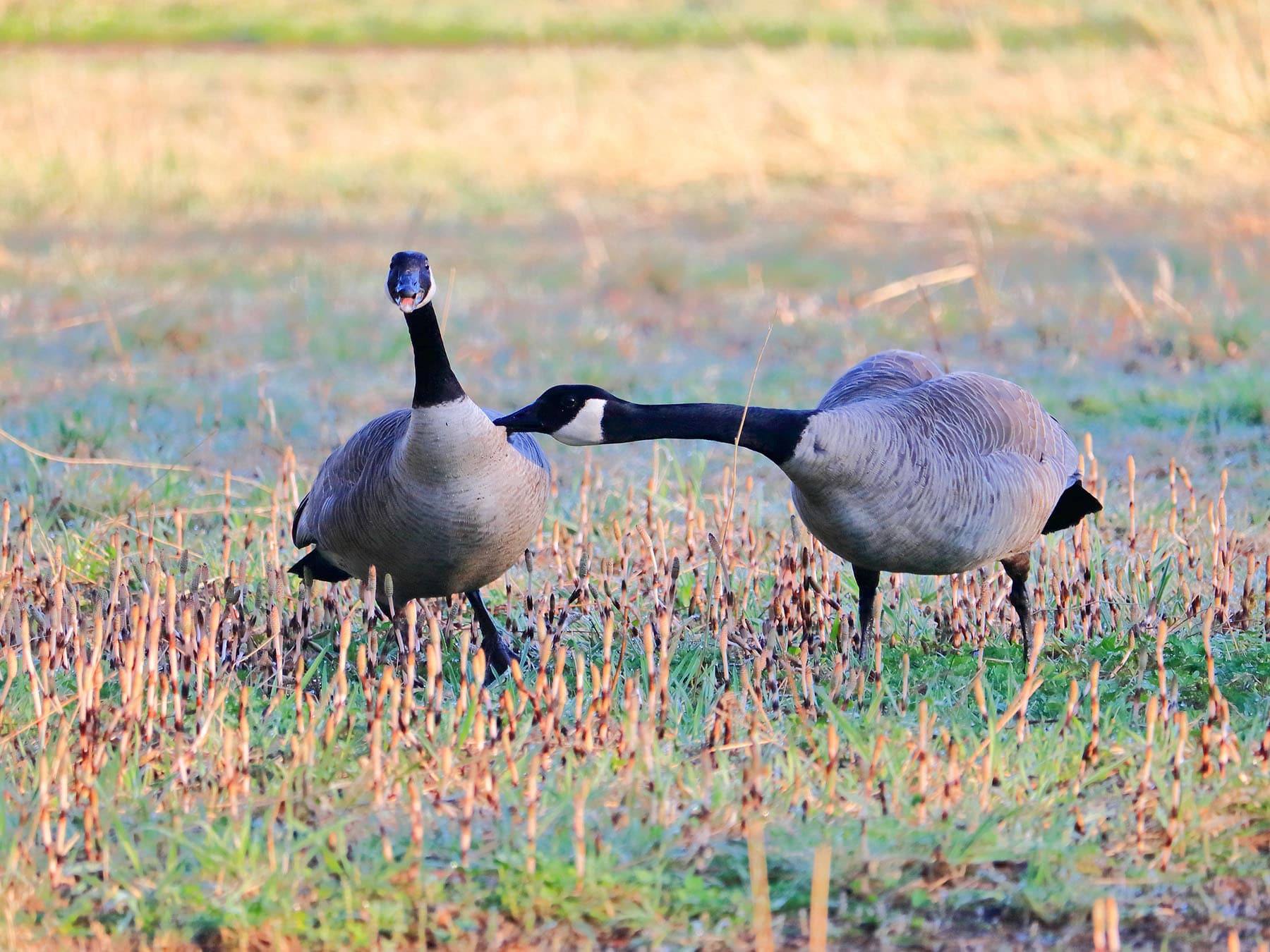
pretty aggressive at times, and they certainly will bite. With a terrifying bill full of pointed tomia, and plenty of attitude, some Geese can be rather mean-looking creatures! Even domesticated Geese can bite, so be sure to check with their owner before getting too close.
Wild Geese are highly unlikely to bite unless cornered or captured, so birders can enjoy watching native waterfowl species without fear. Canada Geese can be the exception, however.
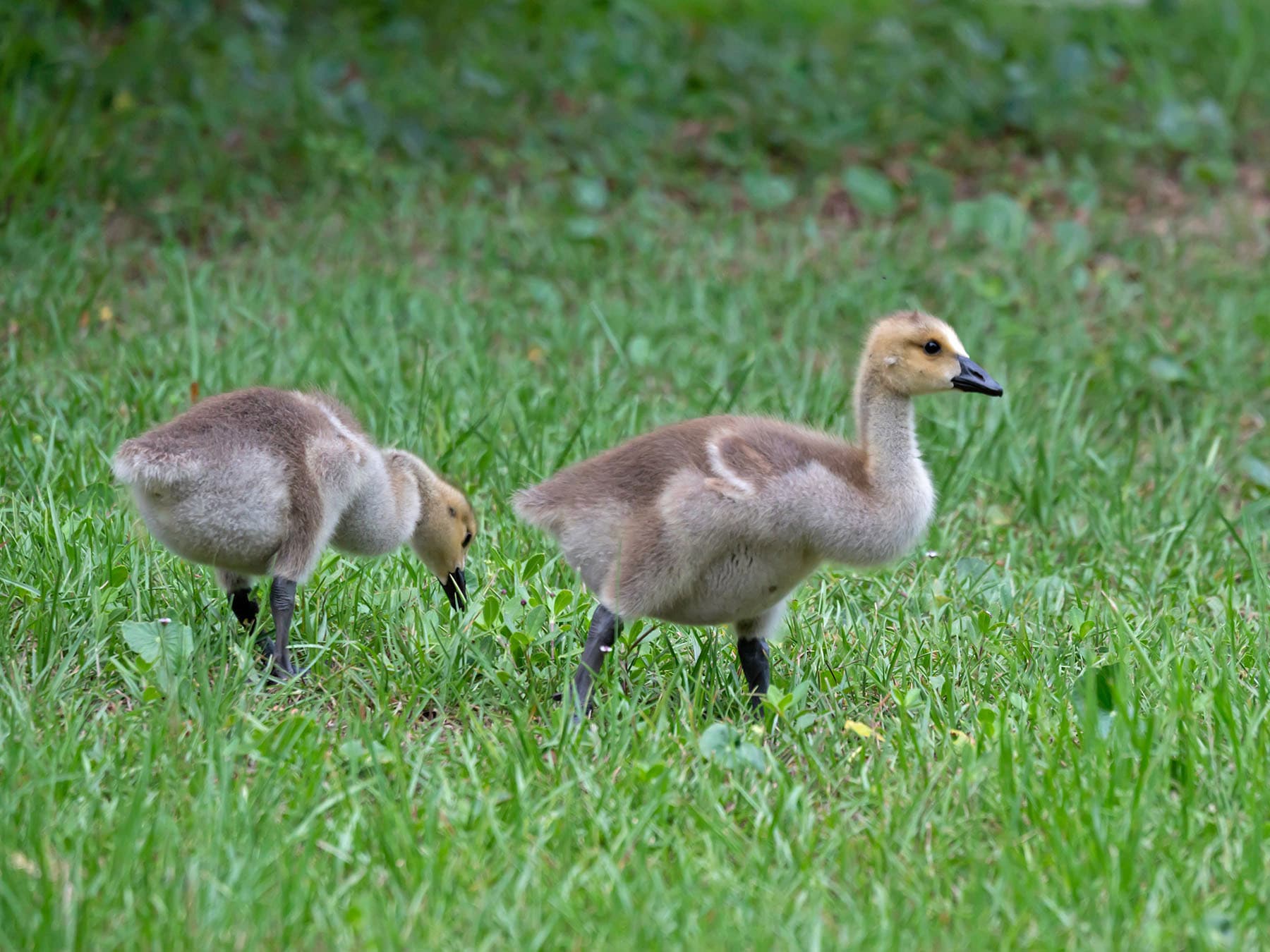
Many of these birds nest around ponds and parks in suburban areas and can be aggressive, especially when they have goslings.
FAQs
How many teeth does a Goose have?
Geese do not have any teeth at all, even though it looks like they have a mouth full of them! Over a hundred sharp, tooth-like lamellae can line their bills, however.
What are Goose teeth called?
The cutting edges of a Goose’s bill are called the tomia, and they are grooved to form dozens of sharp ridges known as lamellae. The pointed structures on the margins of a Goose’s tongue are called conical papillae.