Facts · Updated 8 Oct 2026
How Long Can Ducks Hold Their Breath (Can Ducks Drown)
By the Birdfact teamChecked by Nathan Cope
On this page14 sections
- Why ducks go underwater
- How long can a duck stay underwater?
- Dabbling and diving ducks
- Speed underwater
- Diving depth
- Why they can stay under so long
- Can ducks drown?
- Can ducks breathe underwater?
- Drowning during mating
- Ducks that swim underwater
- Ducks that rarely dive
- Ducklings underwater
- Ducklings and drowning
- When ducklings start to swim
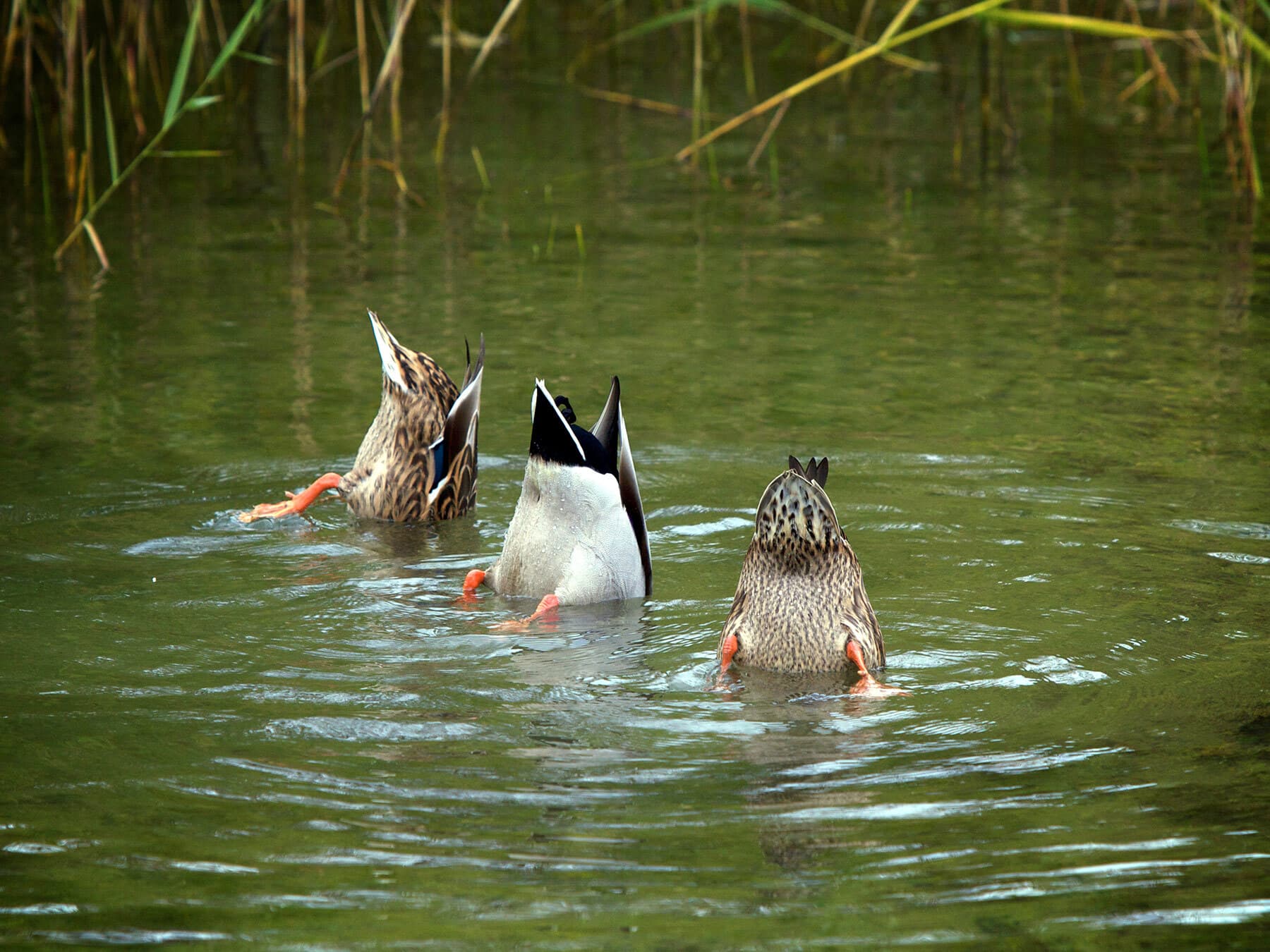
Ducks are part of the large waterbird family Anatidae and are divided into two broad categories; the dabbling ducks and the diving ducks.
As the name suggests, diving ducks are adept at diving underwater, which is how they usually forage for food. Contrastingly, dabbling ducks feed at the surface of the water or on dry land. So, how long can ducks hold their breath?
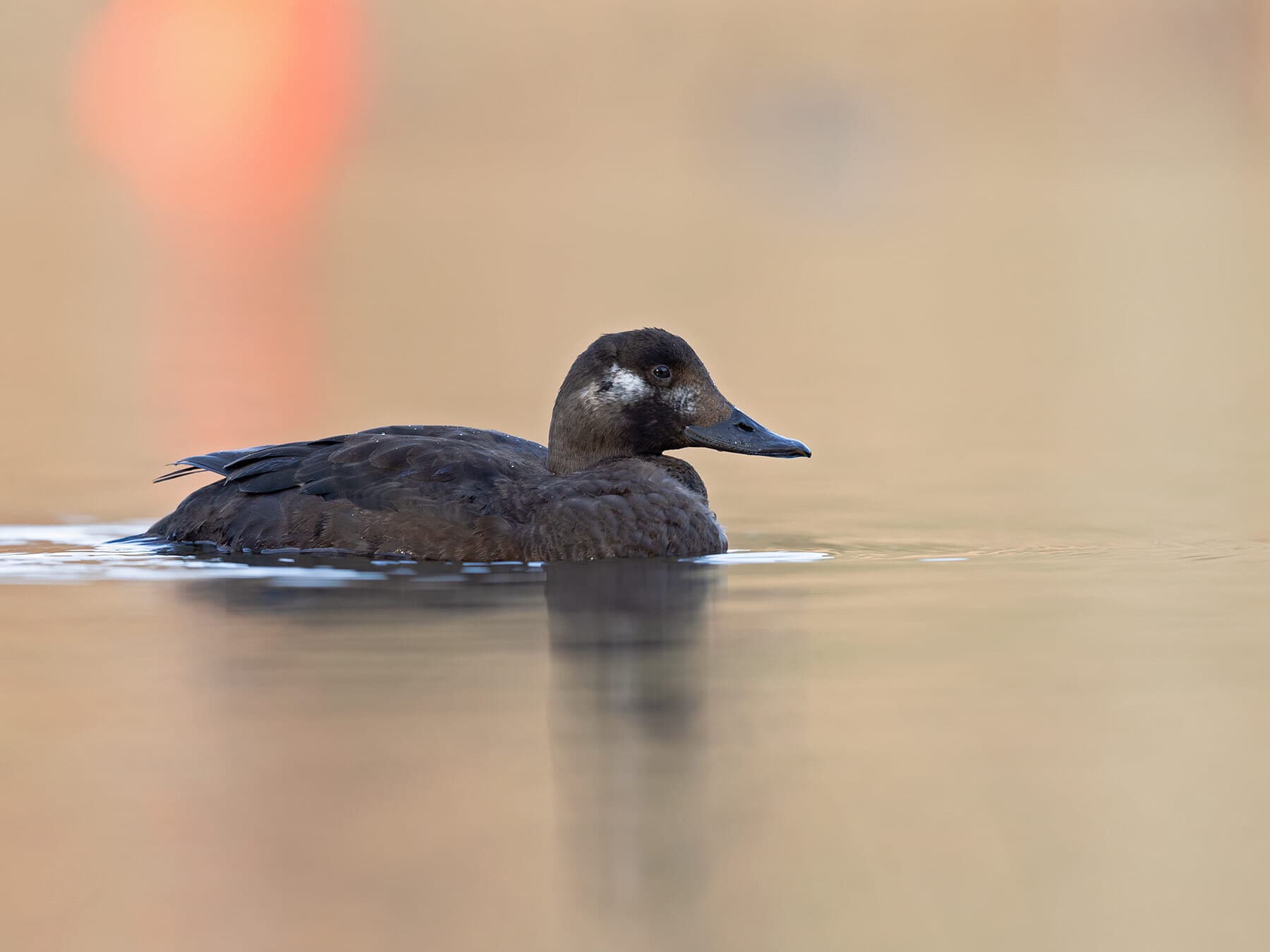
Dabbling ducks rarely dive underwater, but diving ducks are capable of some impressive dives, holding their breath for around 10 to 30 seconds. In one study, a White-Winged scoter spent an average of 58 seconds underwater across six separate dives, with an interval of around 12 seconds between. Diving ducks regularly surface several feet away from where they entered the water.
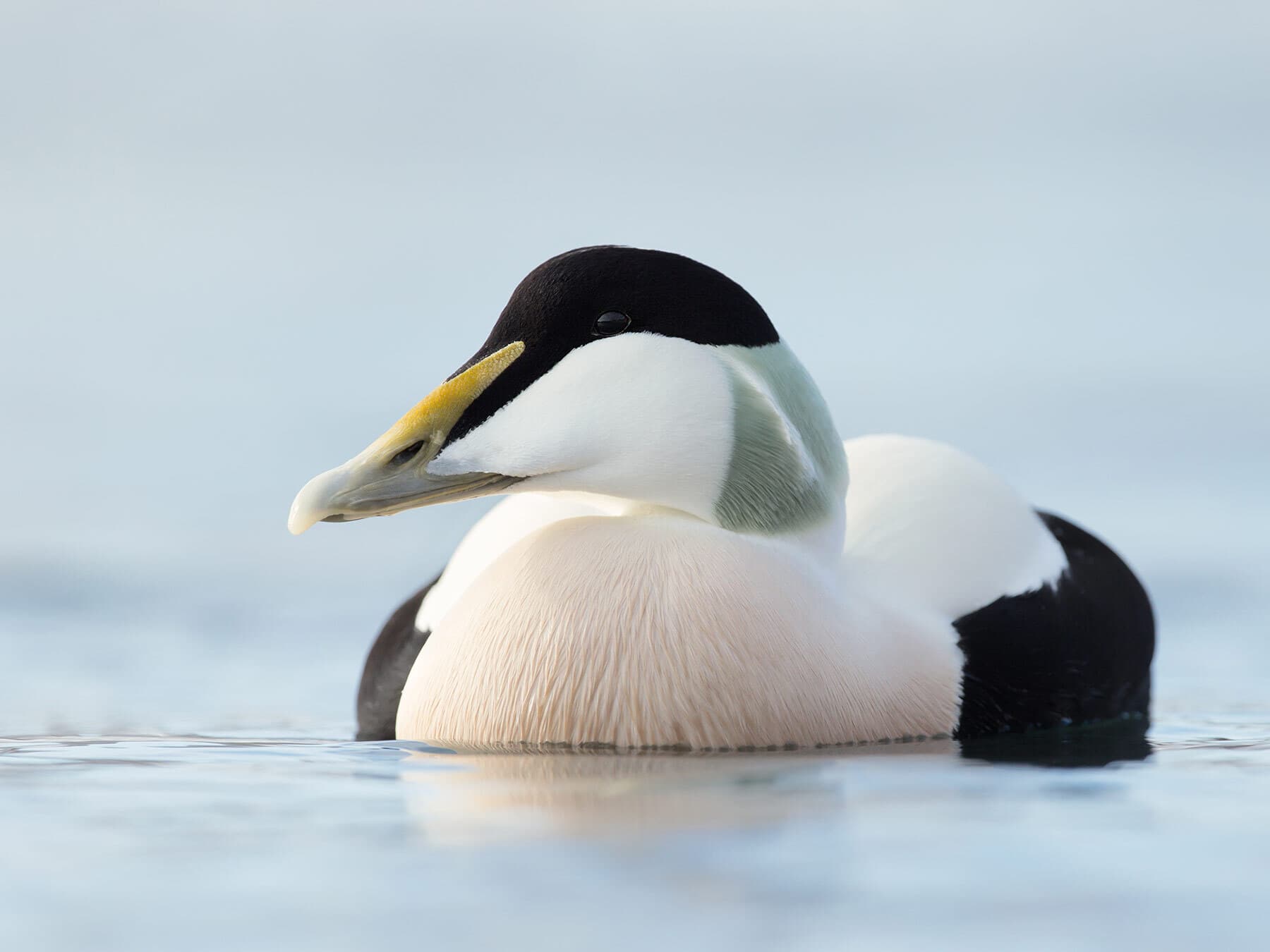
Eiders are probably capable of diving the furthest of all ducks, with some sources stating they can approach depths of some 65 feet! Diving ducks are equipped with shorter wings than dabbling ducks and are capable of thrusting themselves underwater, using their strong feet to propel themselves.
Why ducks go underwater
Diving ducks live primarily on the sea and find most of their food underwater rather than on or around the water. Ducks dive underwater to eat aquatic plants, pursue small fish and scoop up small invertebrates and insects.
Different species of ducks have completely different diets. eider ducks - a species of diving duck - eat almost solely mollusks, shellfish, crustaceans, sea worms, and small fish.
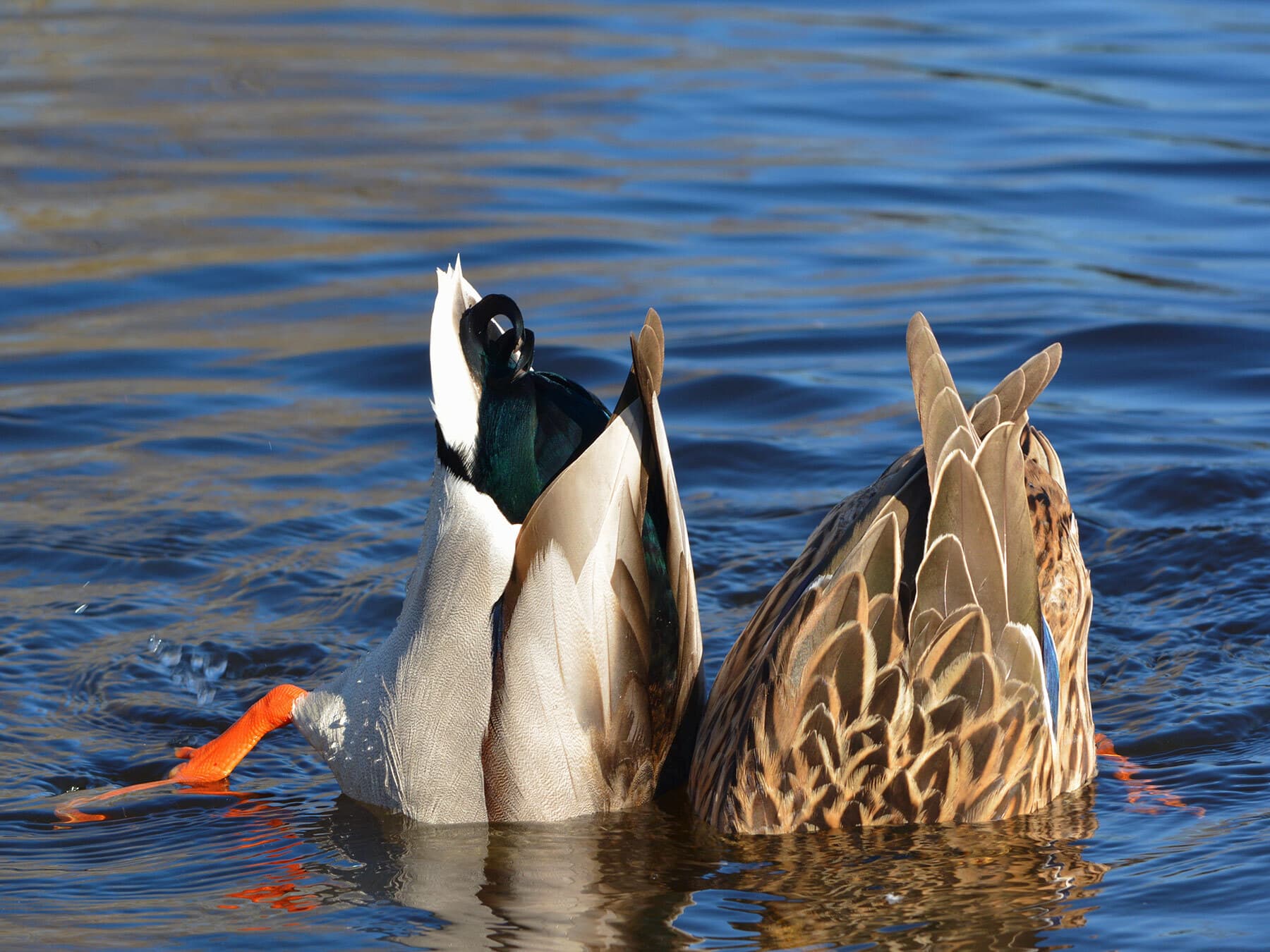
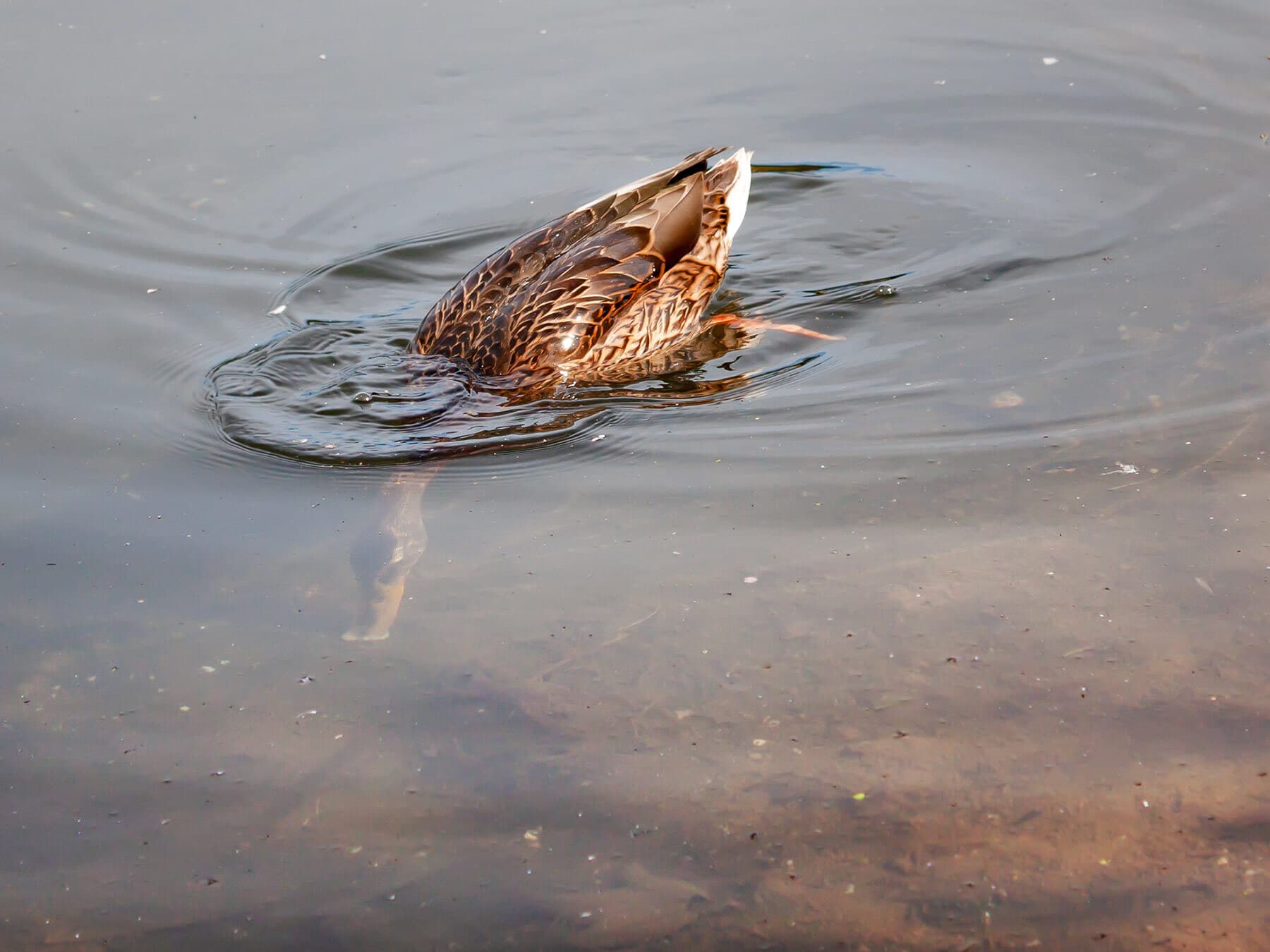
Mallards - a species of dabbling duck - are mainly herbivorous, feeding mostly on vegetation.
Since diving ducks have to collect food underwater, they’ve evolved a much greater capacity to dive than other ducks.
How long can a duck stay underwater?
Most ducks can dunk their head underwater and dive for a few seconds, but diving ducks are much more accomplished at staying underwater.
For example, scoters have been recorded diving for five to six sessions, each session lasts around 1-minute, and they only take a 10 to 12-second break in between. Similarly, eiders are powerful divers; the Common eider reportedly can dive to depths of 65ft (20 meters). Ducks can remerge around 20ft away from where they entered the water.
Most dives are shorter, lasting for around 10 to 30 seconds. That’s still considerable for a bird of this size.
Dabbling and diving ducks
Dabbling ducks are strong swimmers but aren’t known for their diving abilities. wigeons, teals, gadwalls, and shovellers, whereas diving ducks include sea ducks (eiders, mergansers, buffleheads, goldeneyes, scoters, and long-tailed ducks), stifftails and pochards, among others.
- Mallards: Mallards can dive to munch on insects and aquatic plants, but only for around 5 seconds at most. As dabbling ducks, Mallards forage their food on or around the surface of the water.
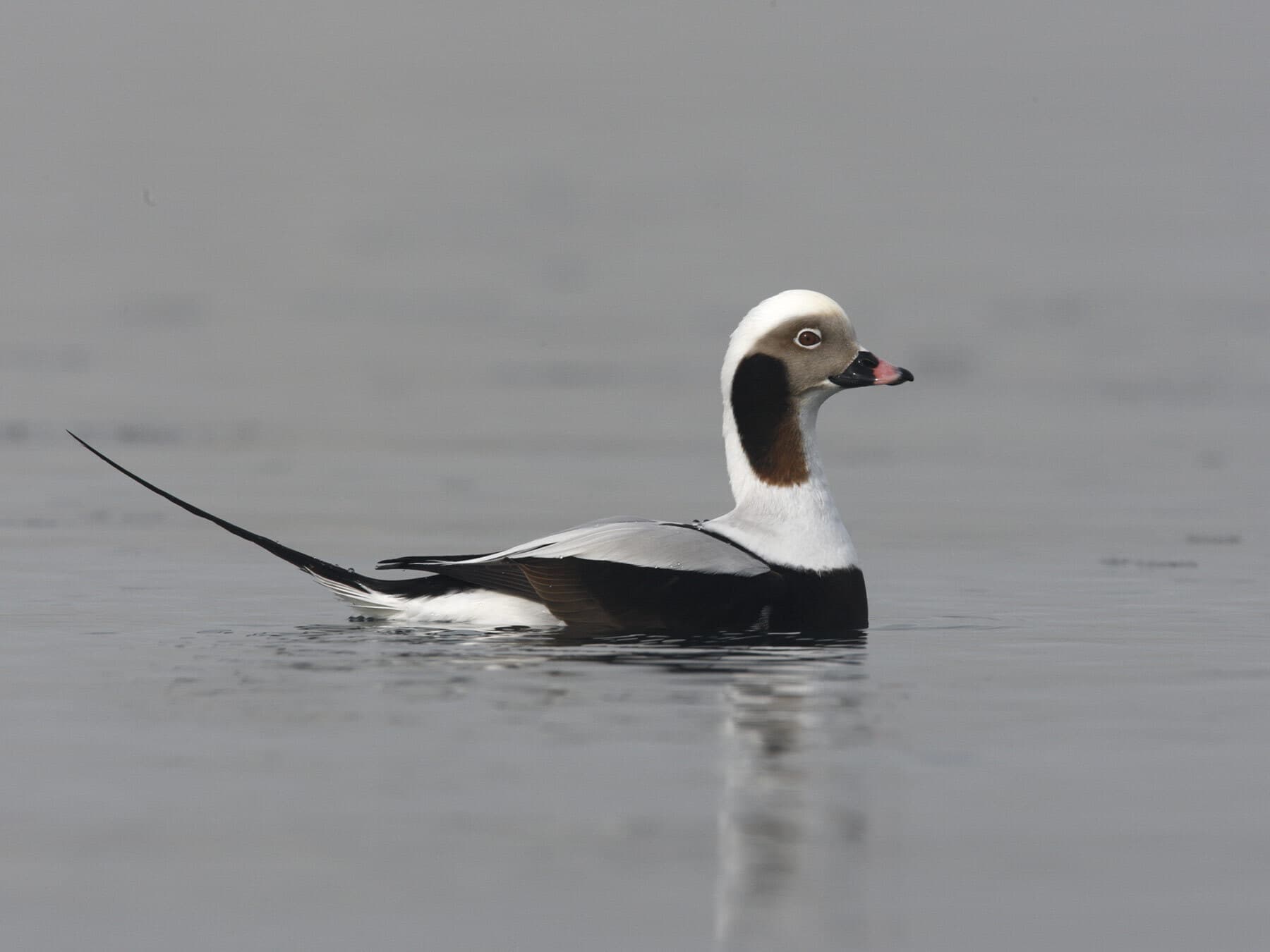
- Long-tailed duck: A diving seaduck, the Long-tailed duck, can dive to depths of around 40ft. Dives typically last for around 10 to 30 seconds.
- Eider: There are a few different species of Eiders, and they’re all capable divers. For example, the Common eider can reportedly dive to a depth of 65ft - the deepest of any duck.
- Scoters: Scoters have been recorded diving for up to 1-minute, traveling some 20ft under the water.
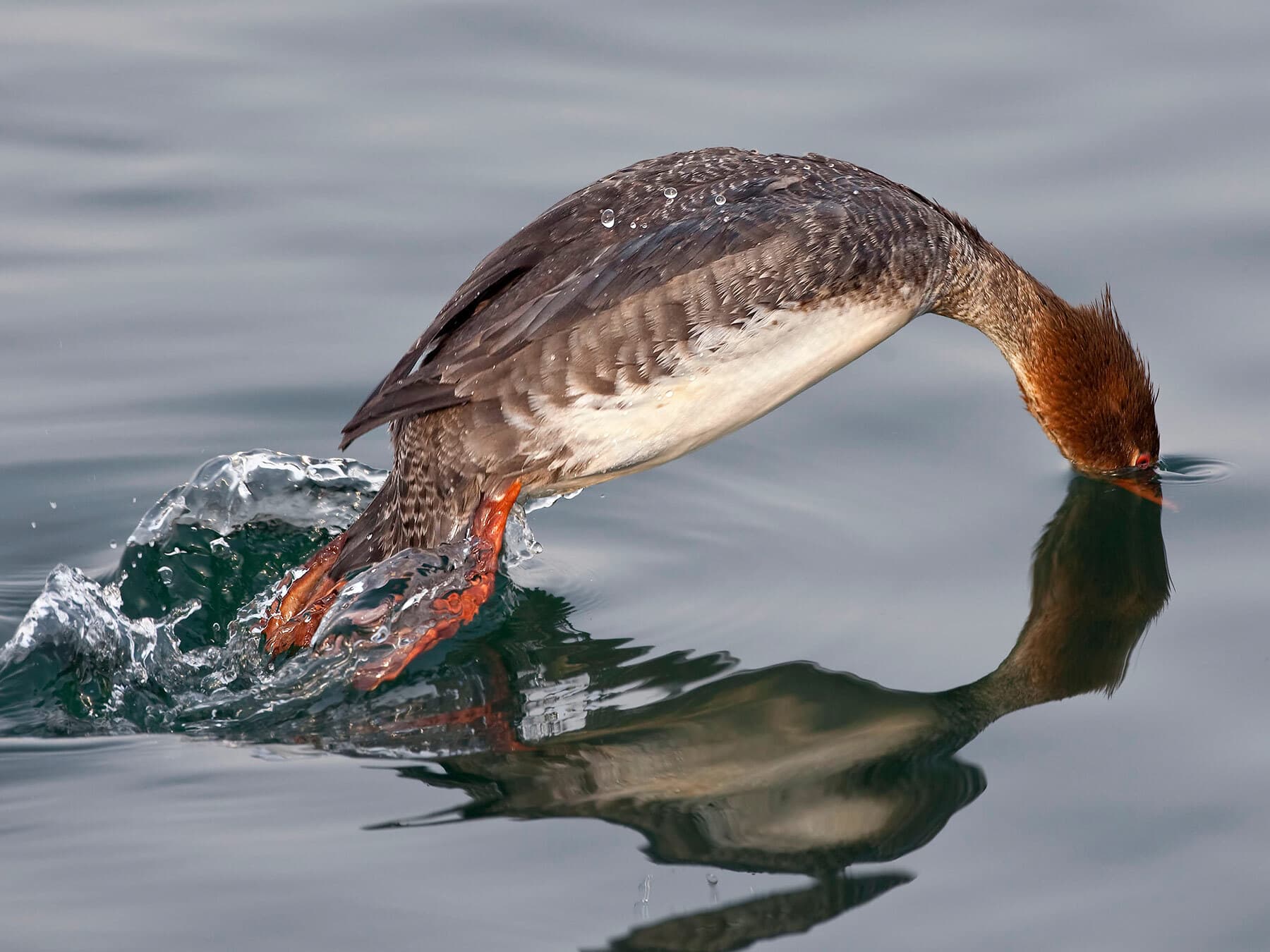
- Mergansers: Another type of seaduck, the Merganser, can dive for some 30-seconds in pursuit of fish. Mergansers have been recorded diving to depths of around 30 to 40ft.
- Wood ducks: Wood ducks are dabbling ducks that rarely dive. Instead, they forage aquatic and terrestrial plants from the water or on dry land.
Speed underwater
There’s no reliable data showing how fast ducks can swim underwater.
Ducks often resurface several feet away from where they entered the water. Long-tailed ducks have been observed resurfacing over 30 feet from where they dived, so they probably move pretty quickly!
Diving depth
Most diving ducks stick to a diving depth of around 6 to 10ft, but a few species go much deeper. For example, Long-tailed ducks and mergansers have been recorded diving to depths of over 40ft.
The deepest diving duck is the Common eider, which can dive to depths of around 60 to 65ft (20 to 25m).
Why they can stay under so long
Ducks are highly buoyant and well-adapted to life on the water. Their smooth, oily feathers help them move on the water, and they have strong, webbed feet that propel them. These adaptations enable ducks to move swiftly underwater and on the water.
Moreover, diving ducks have quite short, compact wings that they push against their body before diving. They then push themselves sharply downwards like a torpedo.
Once under the water, diving ducks can hold their breath longer than most birds. Their circulatory system is adept at functioning with low oxygen, and they have a high tolerance for asphyxia.
While diving ducks are capable divers, they pale compared to penguins - some species can hold their breaths for longer than 30-minutes!
Can ducks drown?
Ducks are birds, so they’re not truly aquatic and can’t breathe underwater. Instead, they make the most out of their final breath before they go underwater.
Ducks can certainly drown if they stay underwater for long enough.
Can ducks breathe underwater?
Ducks cannot breathe underwater. In fact, no species of bird, not even penguins, can breathe underwater. Instead, ducks use the oxygen they breathe on land very efficiently when they dive underwater, similar to a human professional free diver.
Drowning during mating
Ducks often mate on the water, which can lead to the accidental drowning of a female. female.
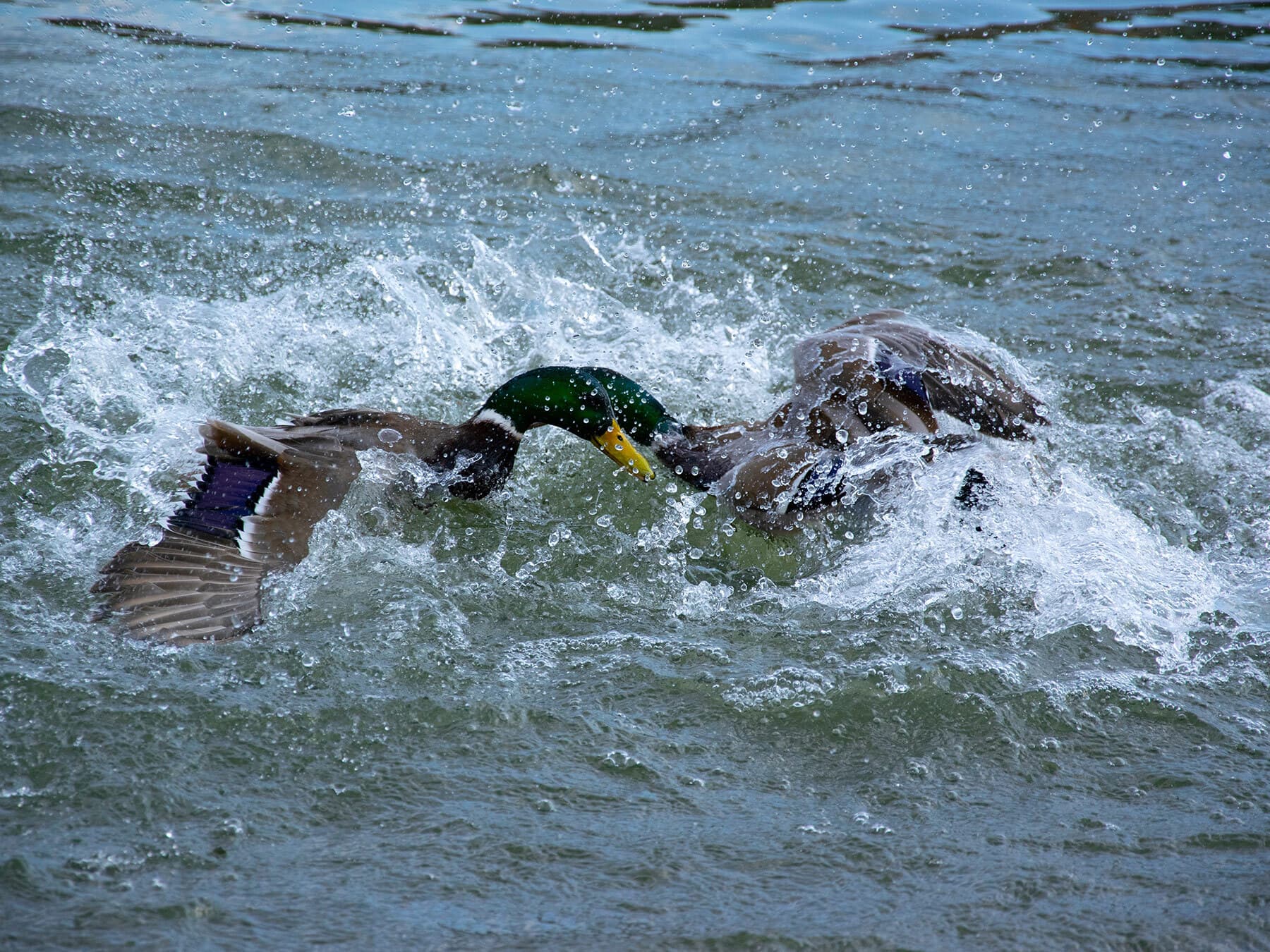
Male ducks can become very aggressive in the breeding season, violently pursuing females and forcing them to mate.
Ducks that swim underwater
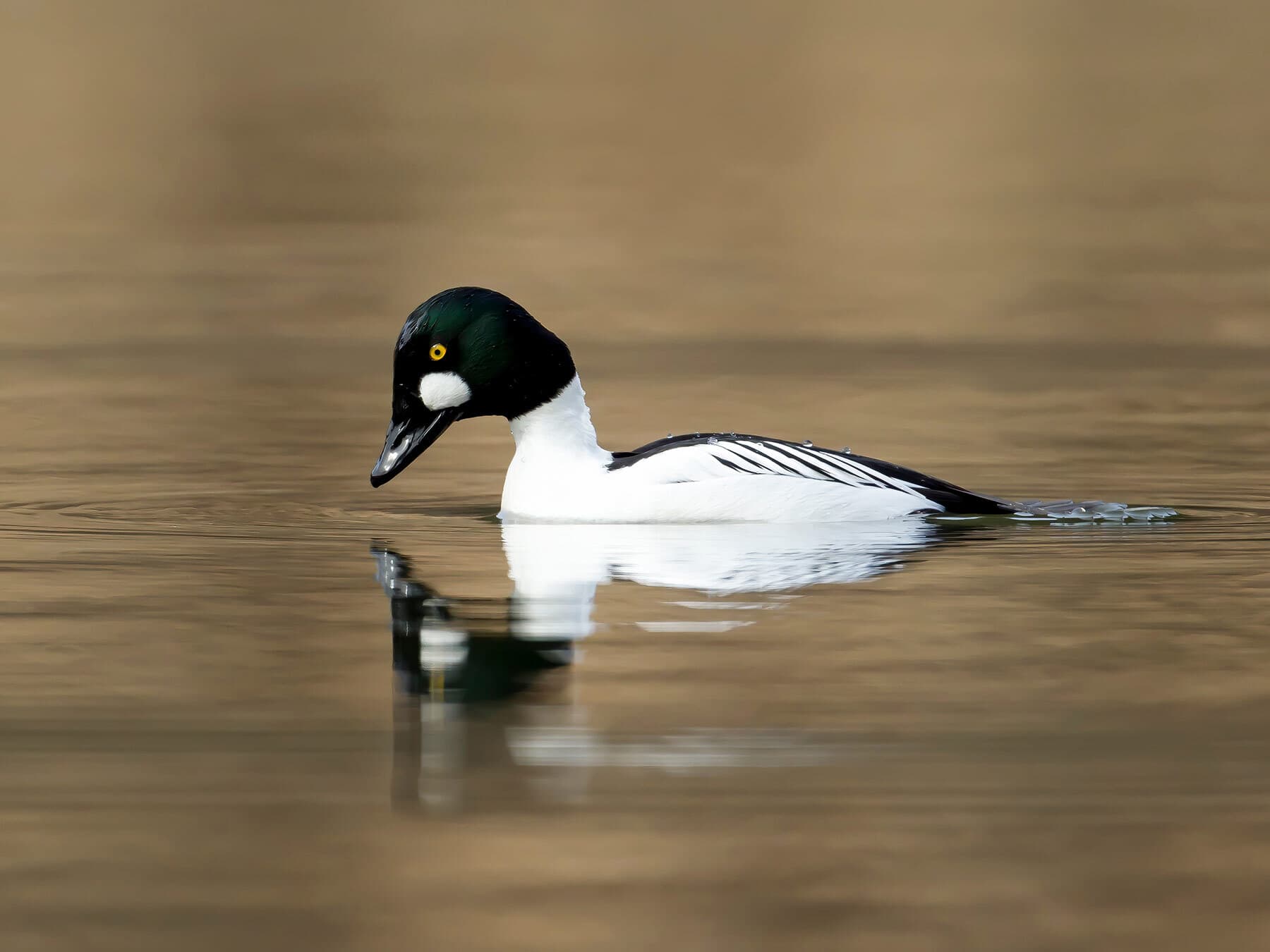
Most ducks can swim underwater for short distances of a foot or two, but diving ducks such as eiders, Long-tails, and mergansers take this to the next level and are capable of diving up to considerable depths.
Generally speaking, all diving ducks and seaducks are capable of swimming underwater, including:
- Eiders
- Pochards
- Scoters
- Goldeneyes
- Mergansers
- Buffleheads
- Scaups
Ducks that rarely dive
All ducks are capable of swimming for short distances underwater. However, dabbling ducks have less need to dive great distances compared to diving ducks and seaducks. Dabbing ducks include:
- Mallards
- Wood ducks
- Wigeons
- Teals
- Gadwalls
- Shovellers
Ducklings underwater
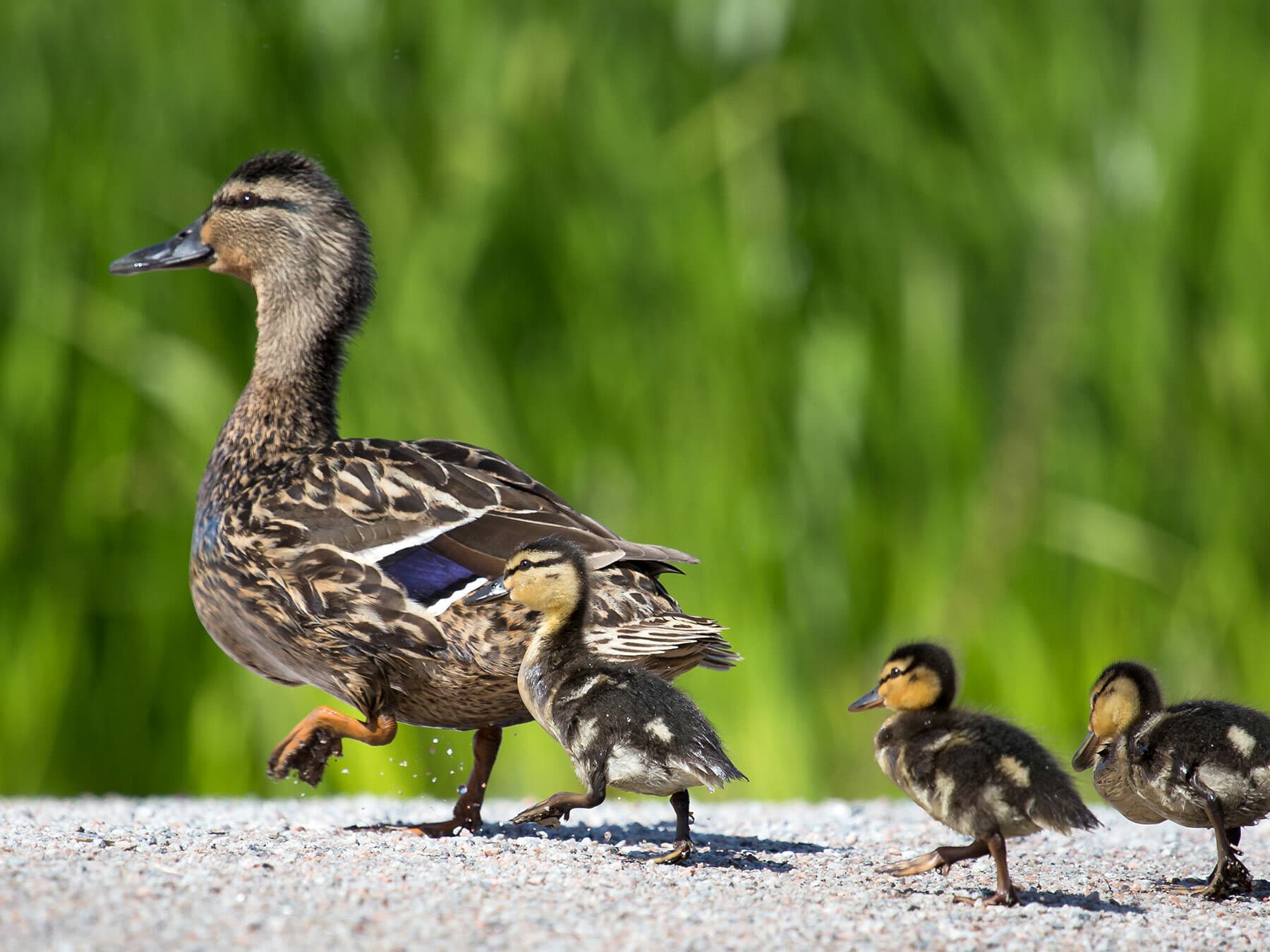
Ducklings can bob along in the water within just a day or two of hatching but can’t confidently swim for around two to four weeks at least.
During this time, ducklings are often observed dunking themselves underwater and diving short distances to catch small insects. Even dabbling duck ducklings are capable of short dives.
Ducklings and drowning
Ducklings can’t breathe underwater, so if they’re kept underwater for long enough, they’ll drown. After all, ducks are still birds and can’t breathe underwater.
When ducklings start to swim
Ducklings can swim within days of hatching but are typically introduced to the water after 5 to 7 days.
Once they’re in the water, swimming is instinctive, but it still takes another four weeks for ducklings to swim confidently and become independent from their mothers.