Facts · Updated 8 Oct 2026
Male vs Female Woodpigeons: How to Tell Them Apart
By the Birdfact teamChecked by Nathan Cope
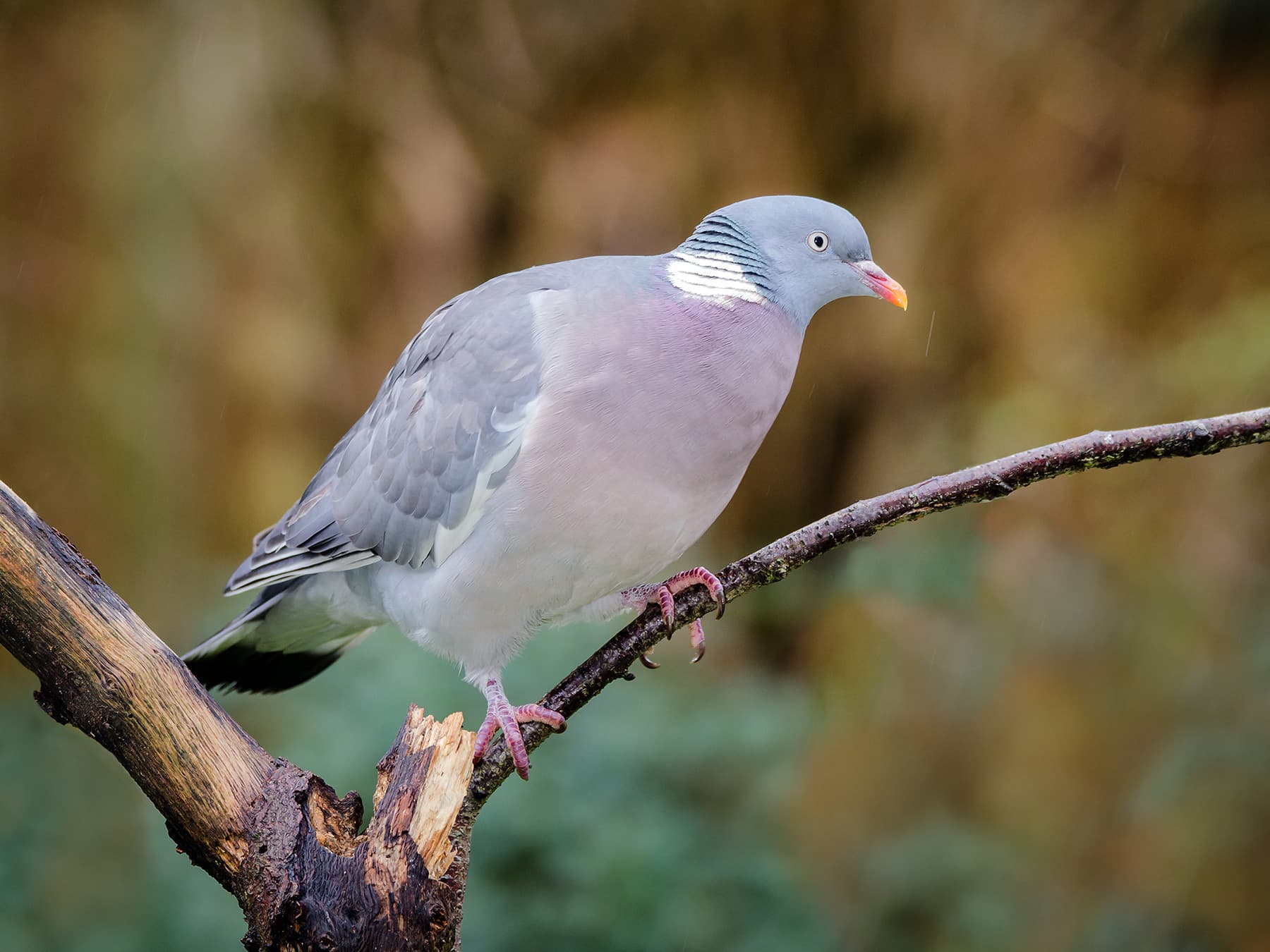
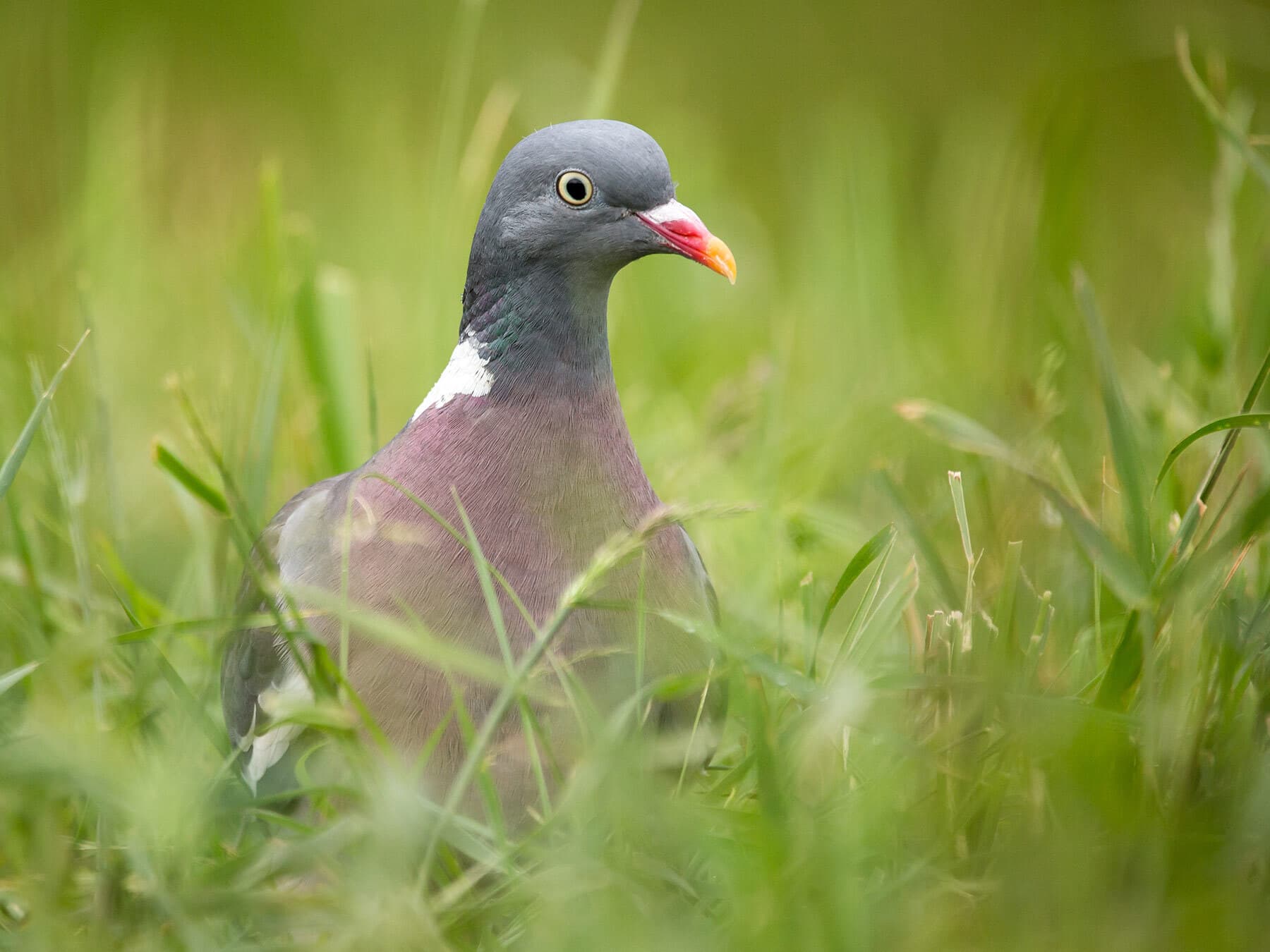
Not reliably: the sexes look alike, though a female’s white neck patches tend to be a little smaller
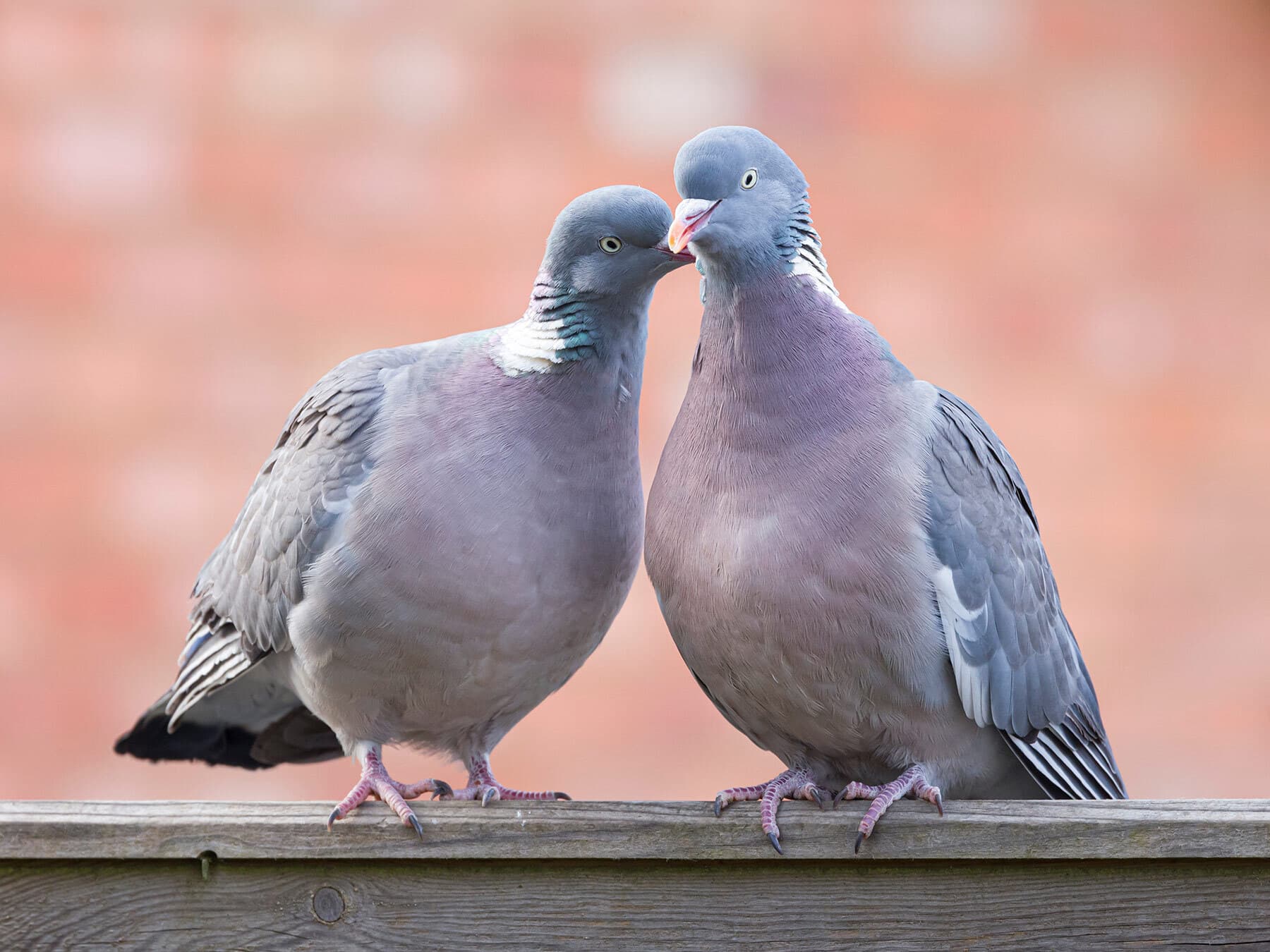
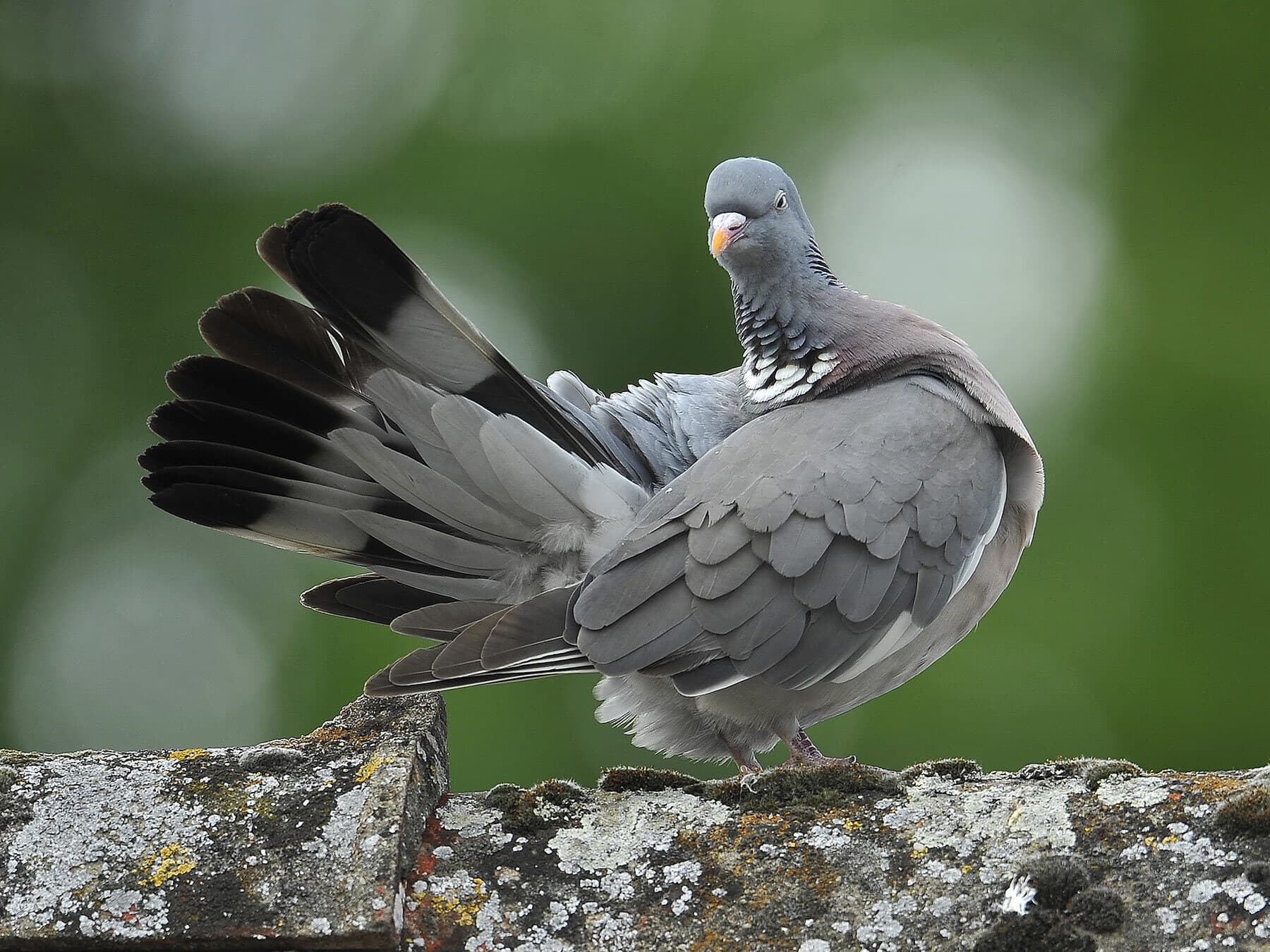
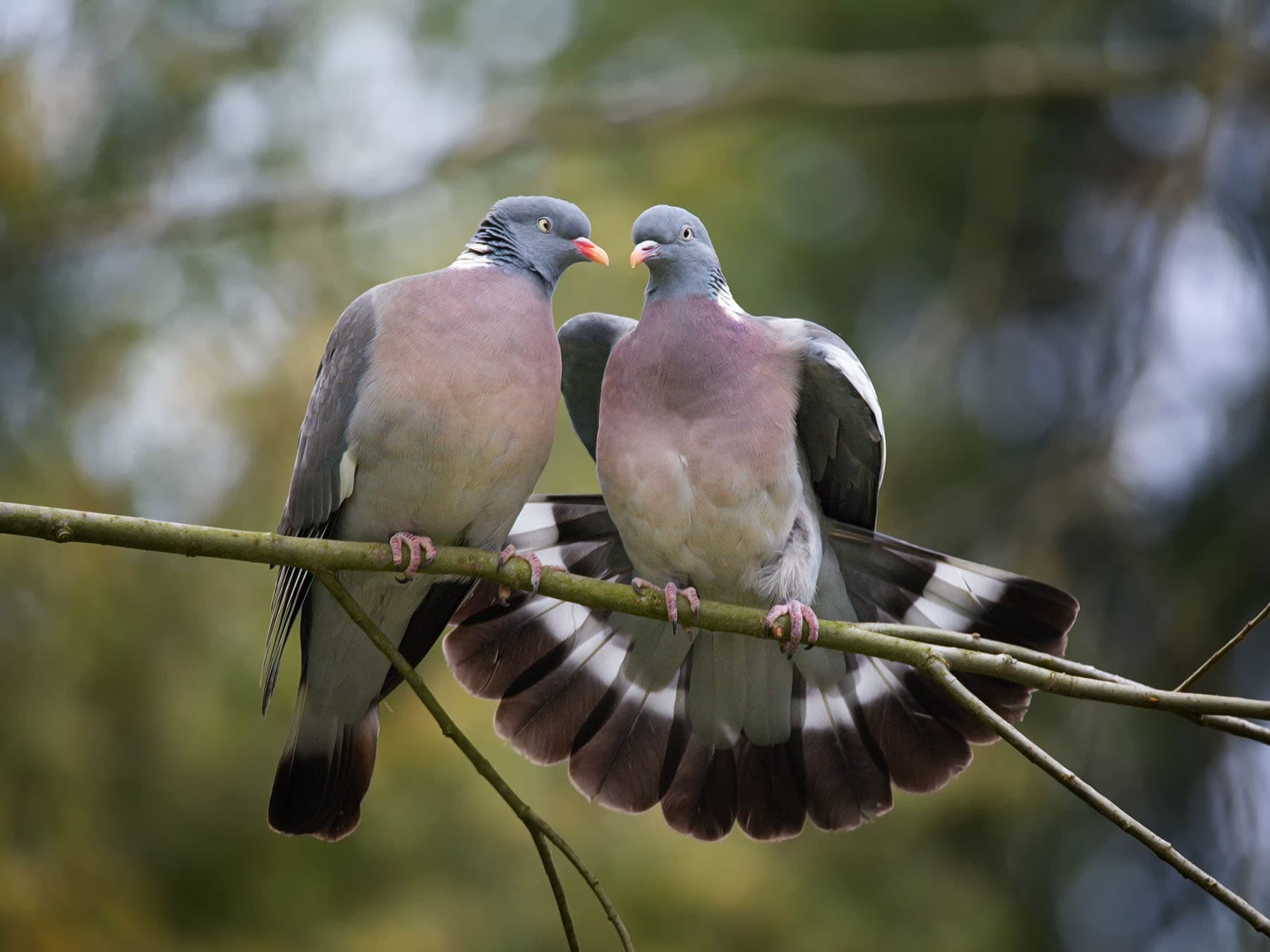
Her breast also tends to be less pink, and males are slightly heavier on average, but the differences overlap. In spring, behaviour is the best clue: the male bows to the female, neck puffed out and tail fanned.
On this page9 sections
Male or female? Clues, not proof
| Feature | Male | Female |
|---|---|---|
| Neck patchDecisive | Male: Tends to be a little larger | Female: Tends to be a little smaller |
| Breast | Male: Pinker on average | Female: Less pink on average |
| Weight | Male: About 529 g on average | Female: About 488 g on average |
| In spring | Male: Bows to the female and calls her to nest sites | Female: Puts her bill in his when the pair bill |
These are tendencies, and many birds cannot be sexed by eye. Young birds have no white neck patch.
Not sure what you’re looking at? Identify it from a photo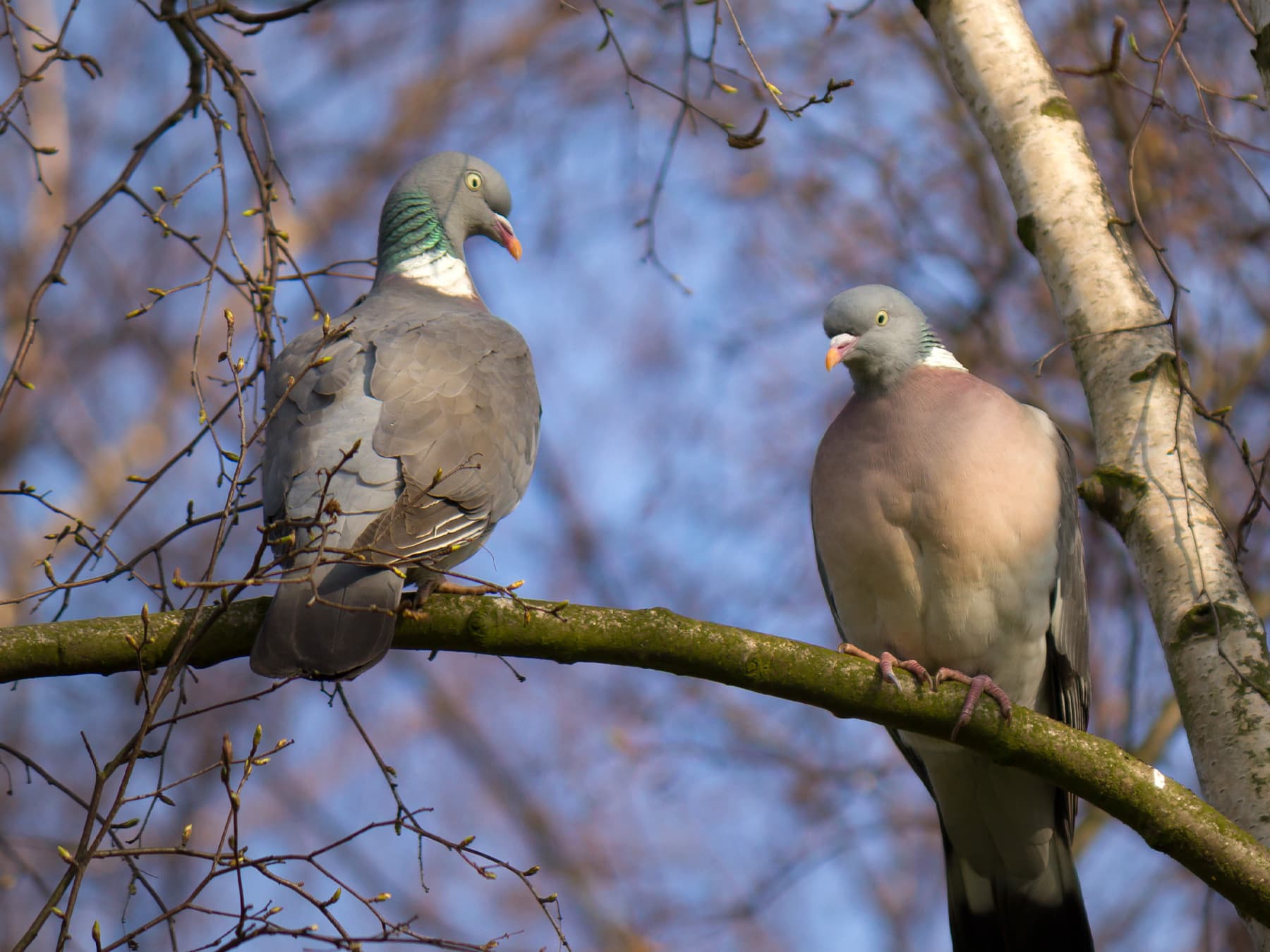
Male and female Woodpigeons look alike. Females tend to have smaller white neck patches and a less pink breast, and males are slightly heavier on average, but the differences overlap. In spring, behaviour is the best clue: the male bows, neck puffed out and tail fanned.
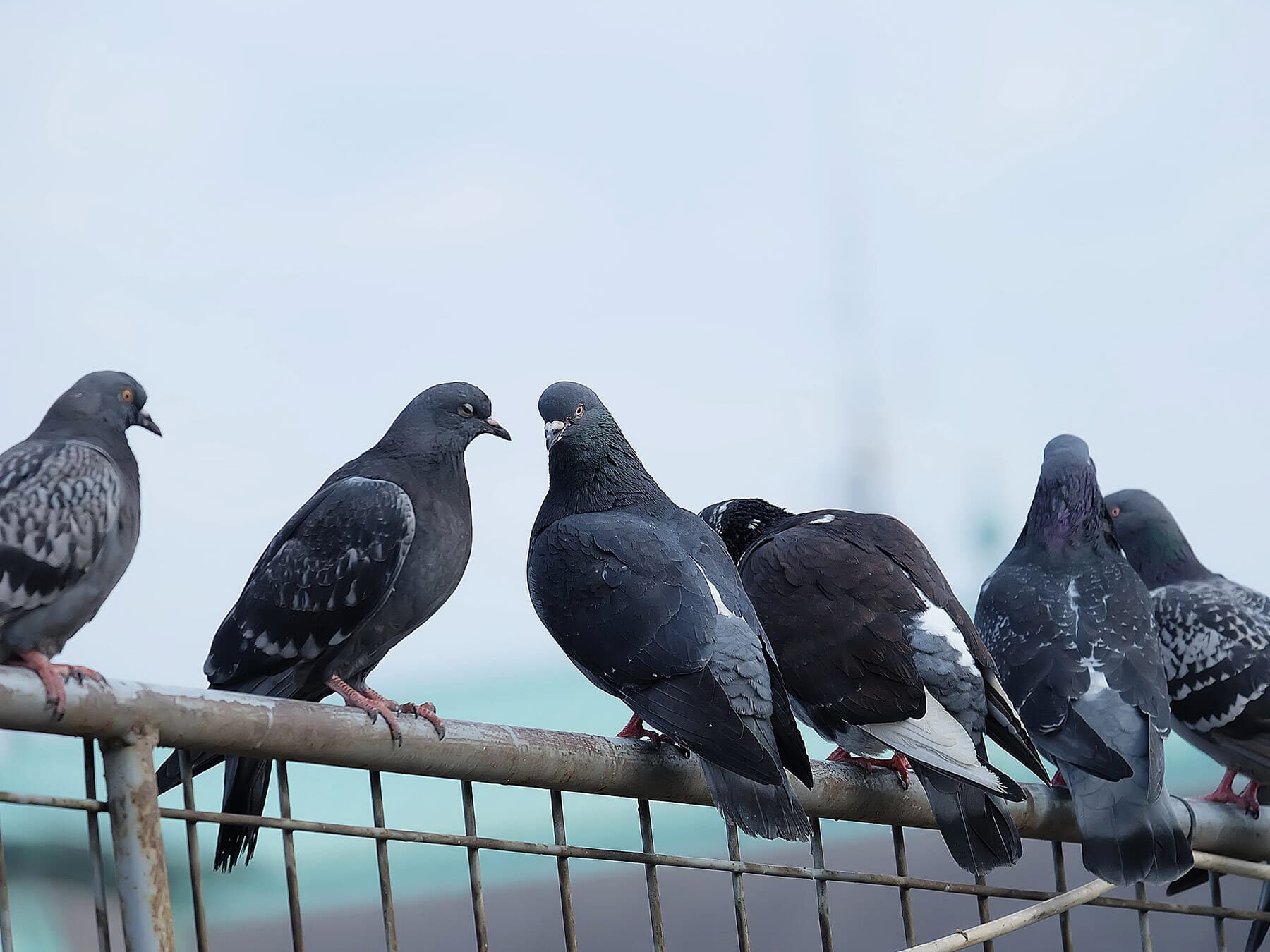
How to tell a male Woodpigeon from a female, and how far you can: plumage, size, behaviour in spring and young birds. This page is about the Woodpigeon, the big wild pigeon of British gardens and fields. For town pigeons, see the Rock Dove. For the bird itself, see Woodpigeon identification and facts.
Can you tell male and female Woodpigeons apart?
Not reliably by looks alone. The sexes are alike in plumage, and the small differences between them are only tendencies.1 Even Woodpigeons may go by behaviour: Stanley Cramp, who watched them in central London for eight years, thought a male recognises a female mainly by how she behaves.2 Behaviour in spring is your best clue too.
Plumage
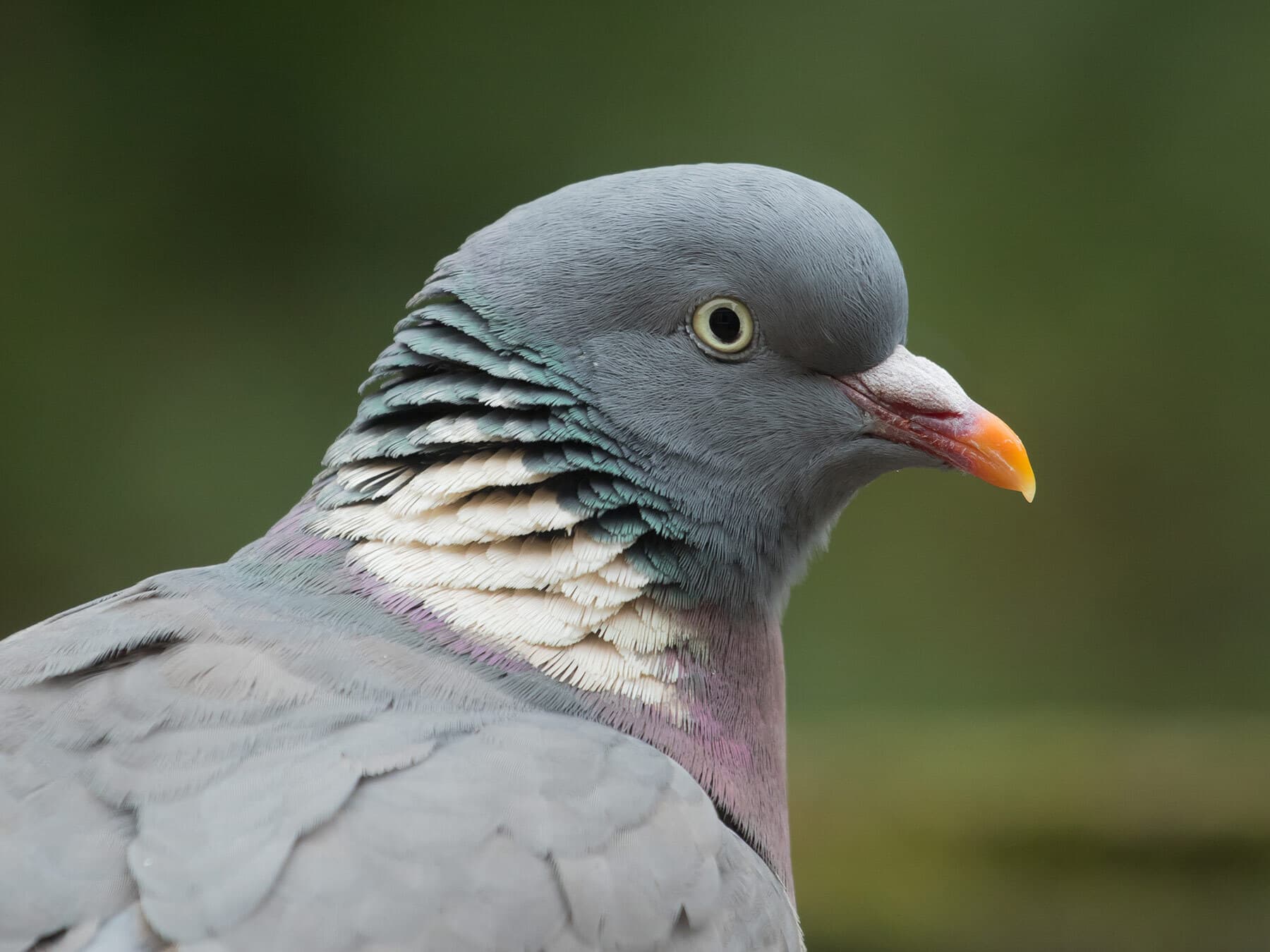
In a female the white neck patches tend to be a little smaller, and the breast less pink, than in a male. "Tends" is the word: the difference is slight. Side by side, the bird with the bigger neck patches and pinker breast is more likely to be the male, but it is a guess, not an identification.1
Size and weight
Males are a little bigger on average. BTO ringers' measurements put males at 529 g and females at 488 g, with wings of 259 mm against 250 mm. But the ranges overlap widely, so size alone will not sex most birds.3
Behaviour in spring
The male courts. He bows to a female with his head low, neck puffed out to show the white patches and green sheen, and tail raised and fanned, cooing softly.2 The bow is the male's first approach to a female.4 Bowing is mainly the male's courtship, though a beaten rival may bow to the winner, and Cramp saw females bow to their mates after fights.2
He also picks out possible nest sites to show her. Crouching on a fork or an old nest, he pecks downwards and gives a deep double coo, and she flies to join him. This "nest calling" is mainly the male's. When a pair bill, it is the female who puts her bill into the male's.
At the nest
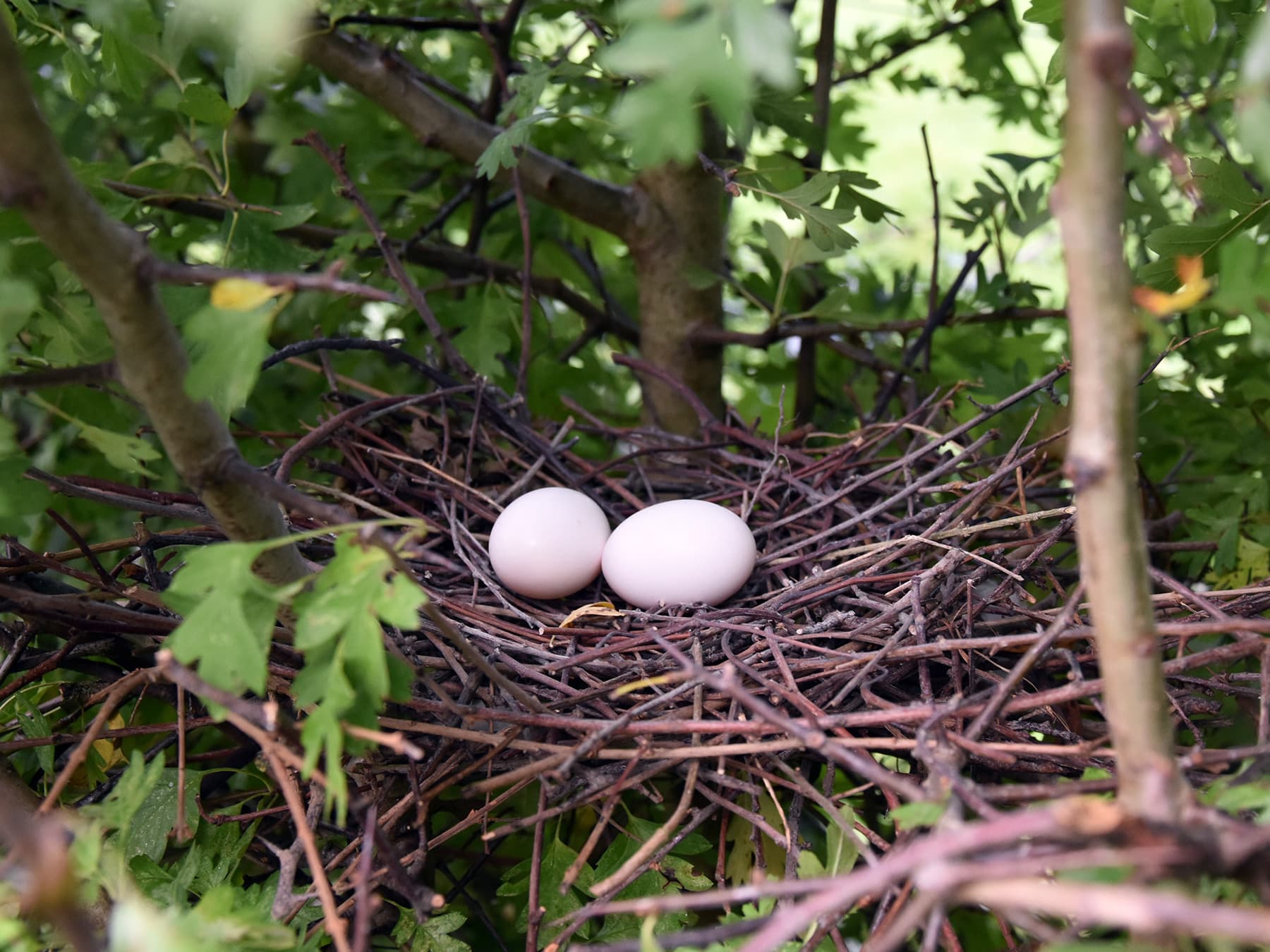
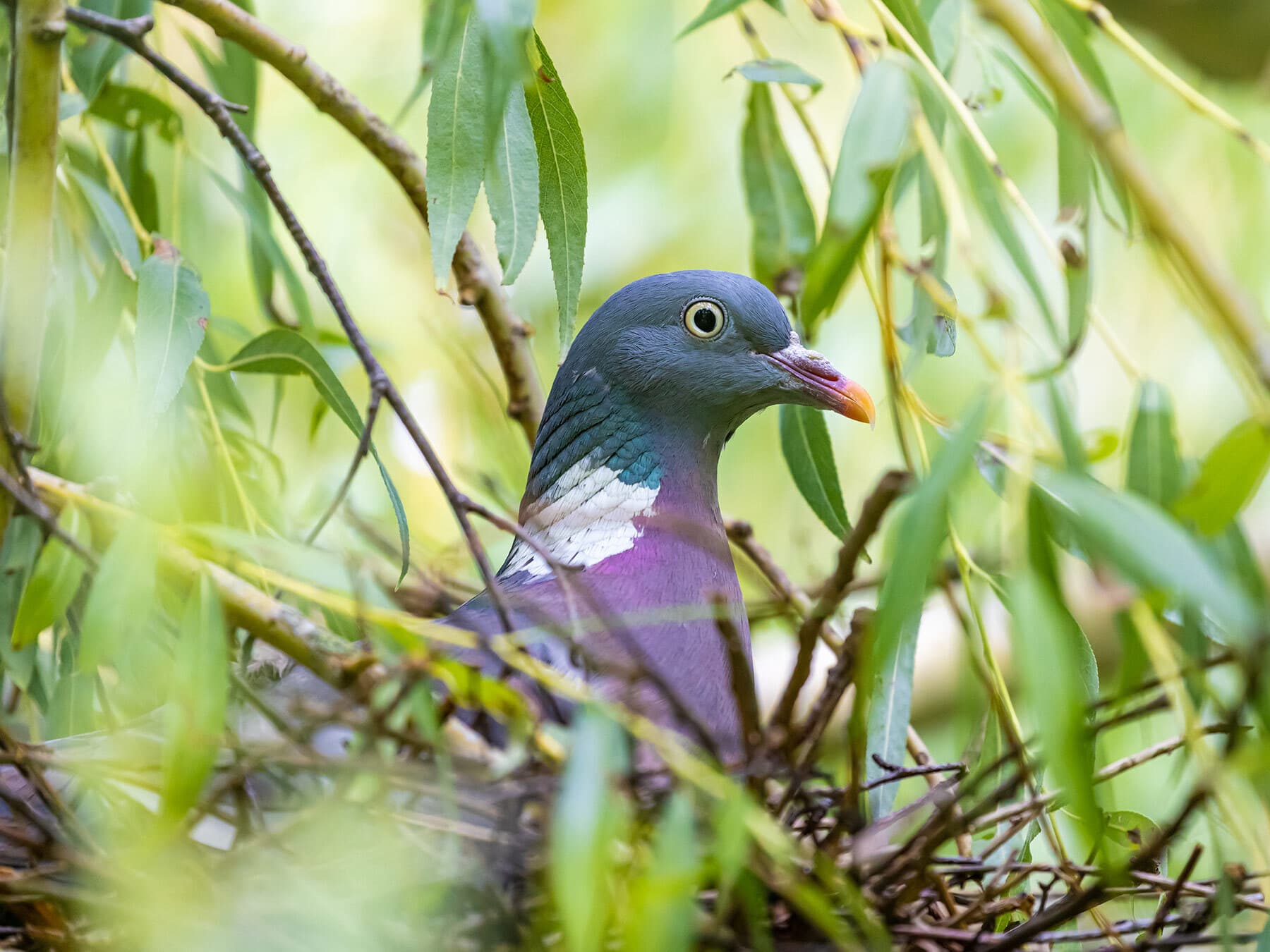
Both parents incubate the eggs, in shifts. In one study the male sat from about 10.00 to 17.00 and the female for the rest of the day and night.4 In that study, then, a bird sitting in the middle of the day was usually the male. Cramp also saw females sitting on old nests before any eggs were laid ("false-sitting").
Food
No difference: a study of 299 Woodpigeons in Ireland found no significant difference between what males and females ate.5
Young Woodpigeons
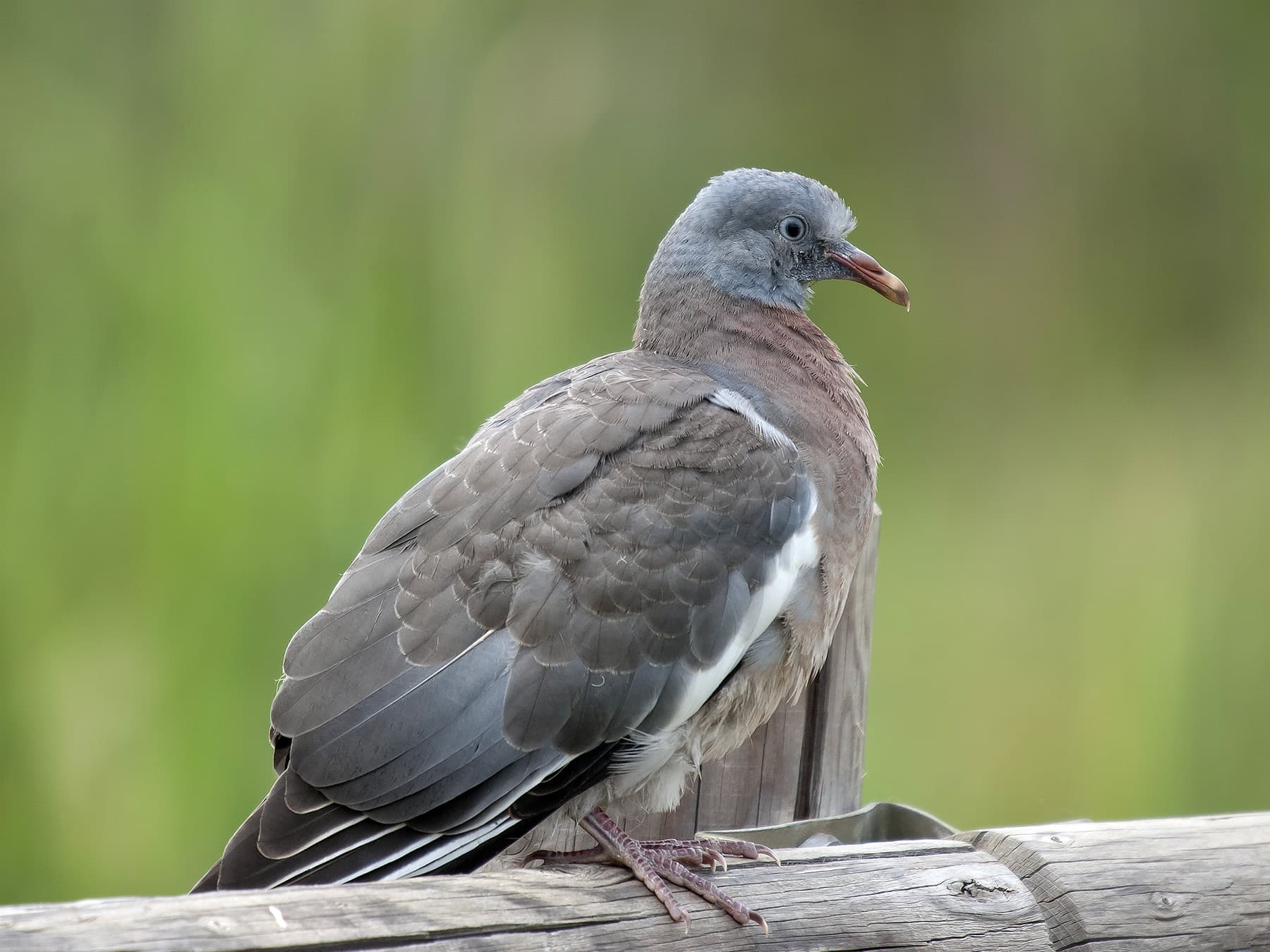
Young birds have no white neck patch and are duller than adults, with fawn or rusty feather edges. No source we read gives a way to tell young males from young females.
Other pigeons
Sources
- Baptista, L. F., Trail, P. W., Horblit, H. M., Boesman, P. F. D., Garcia, E., Perlman, Y. (2025). Common Wood-Pigeon (Columba palumbus), version 1.1. Birds of the World (J. del Hoyo, A. Elliott, J. Sargatal, D. A. Christie, E. de Juana and M. G. Smith, editors). Cornell Lab of Ornithology. doi:10.2173/bow.cowpig1.01.1
- Cramp, S. (1958). Territorial and other behaviour of the Woodpigeon. Bird Study 5(2): 55-66. doi:10.1080/00063655809475903
- BTO. Woodpigeon (Columba palumbus). BTO BirdFacts. Accessed 8 October 2026. Source
- Murton, R. K., Isaacson, A. J. (1962). The functional basis of some behaviour in the Woodpigeon Columba palumbus. Ibis 104: 503-521. doi:10.1111/j.1474-919x.1962.tb08683.x
- Ó hUallacháin, D., Dunne, J. (2013). Seasonal variation in the diet and food preference of the Woodpigeon Columba palumbus in Ireland. Bird Study 60: 417-422. doi:10.1080/00063657.2013.798259
- RSPB (2025). Doves vs Pigeons. What's the difference?. RSPB, Identifying birds. Accessed 8 October 2026. Source