Herons & Egrets in United Kingdom
7 species matching this filter.
The United Kingdom is home to seven species of herons and egrets, ranging from the familiar Grey Heron to scarcer visitors such as the Purple Heron and Black-crowned Night-heron. Wetlands, reedbeds, estuaries, and coastal marshes across the country provide vital habitat for these elegant waterbirds. In recent decades, species like the Little Egret and Great White Egret have become increasingly established, reflecting broader range expansions driven by climate change.


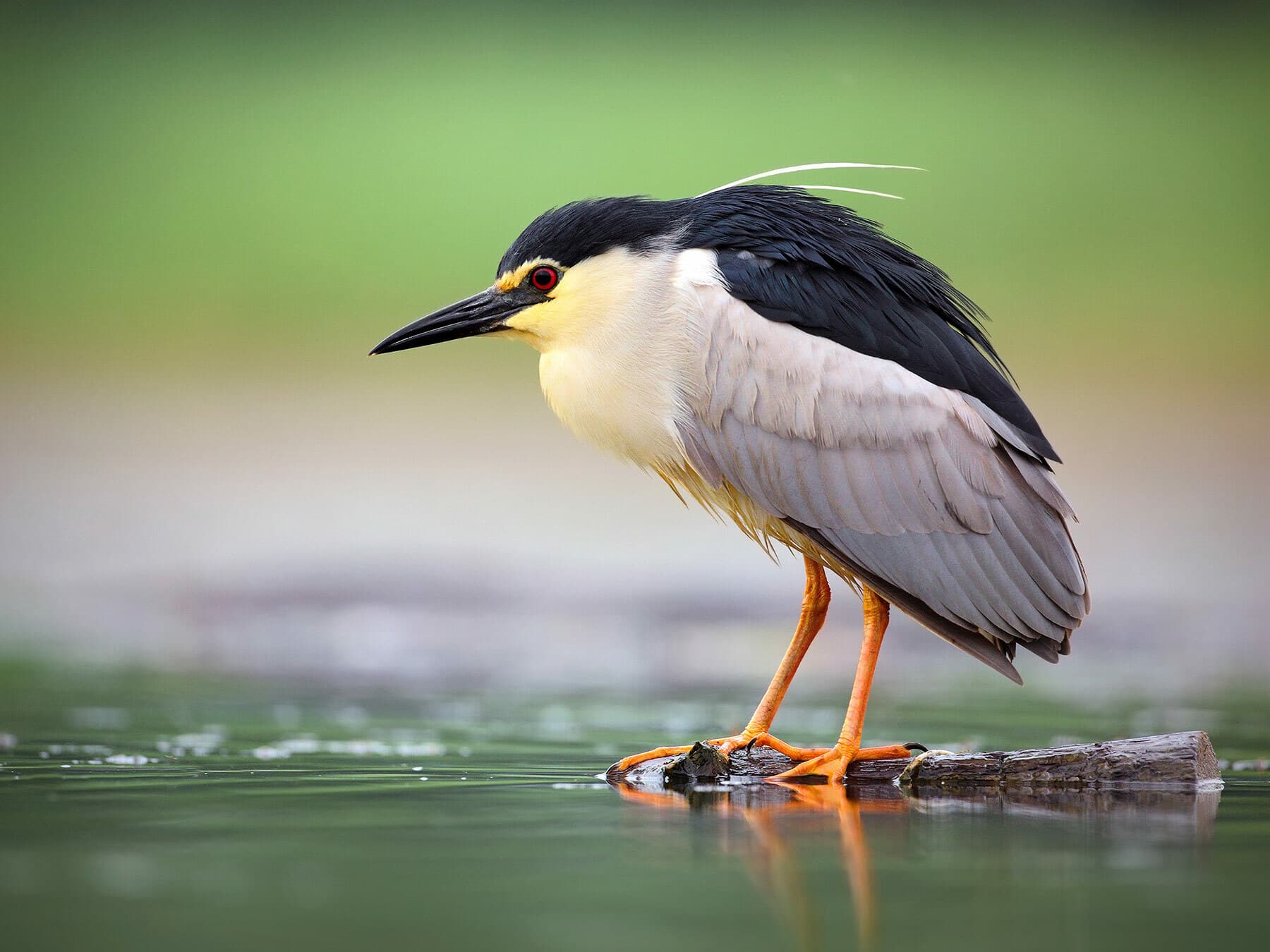
Black-crowned Night-heron
Nycticorax nycticoraxLC
An uncommon passage visitor to wetlands and reedbeds, mainly in spring and late summer. This stocky, nocturnal heron is most often seen at dusk at southern marshes.
Apr–Aug
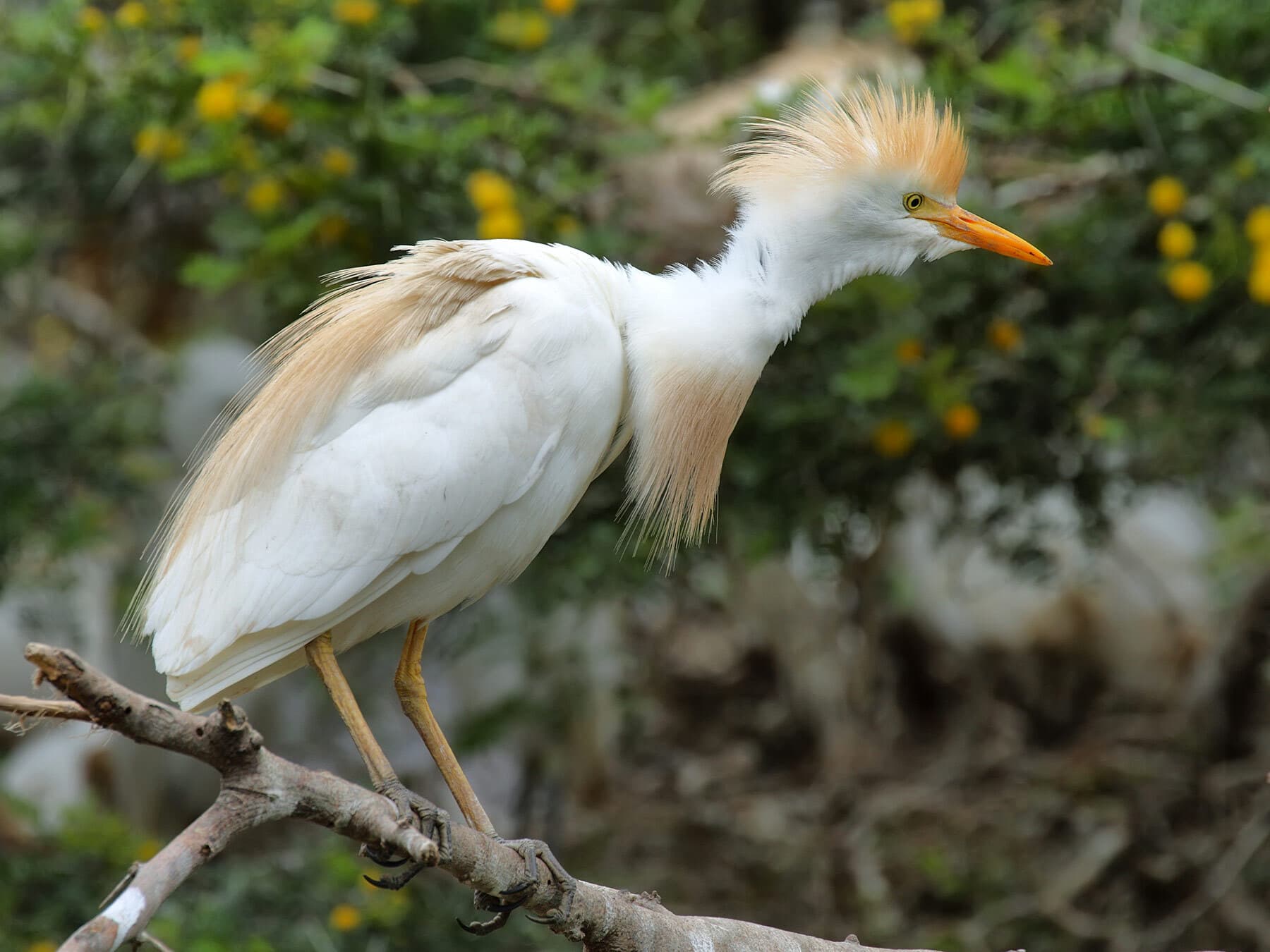
Cattle Egret
Bubulcus ibisLC
A recent colonist now breeding in small numbers, mainly in south-west England. Often found alongside livestock in damp pastures.
Year-round
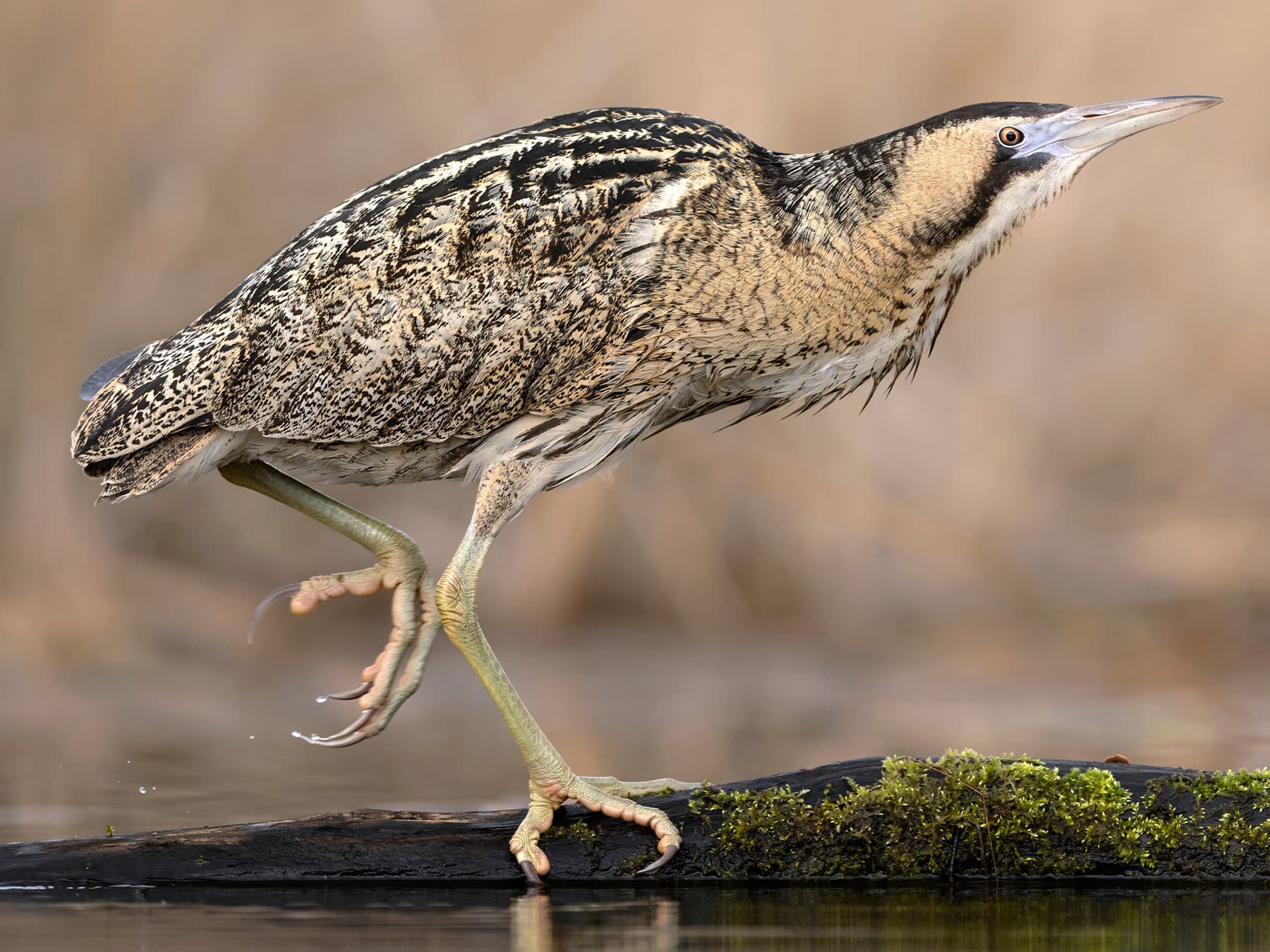
Eurasian Bittern
Botaurus stellarisLC
A secretive resident of extensive reedbeds, best known for the male's deep booming call in spring. Conservation efforts have helped numbers recover at key wetland sites.
Year-round
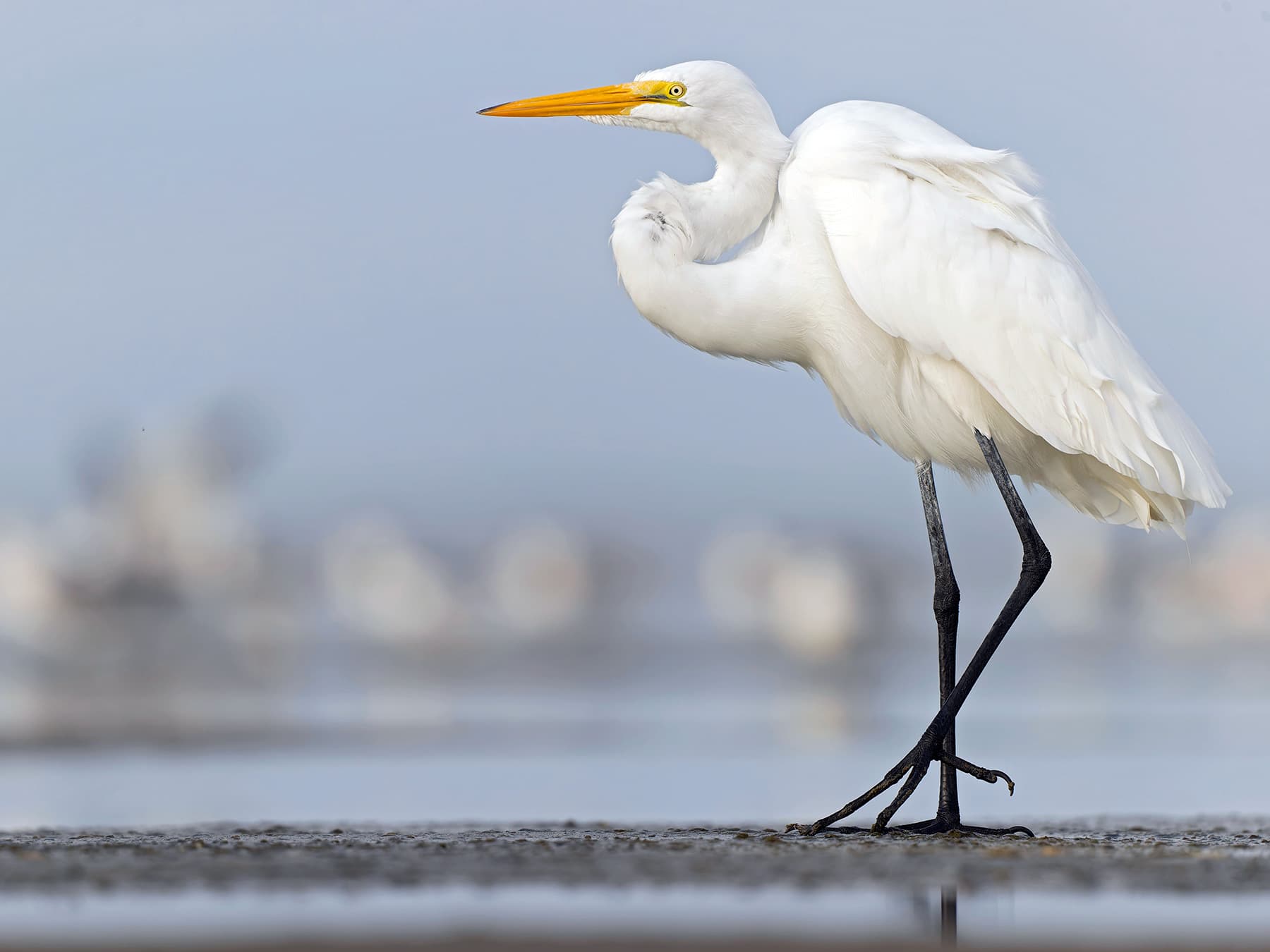
Great White Egret
Ardea albaLC
Once a rarity, now a common resident at wetlands across southern and central England, part of a dramatic recent range expansion.
Year-round
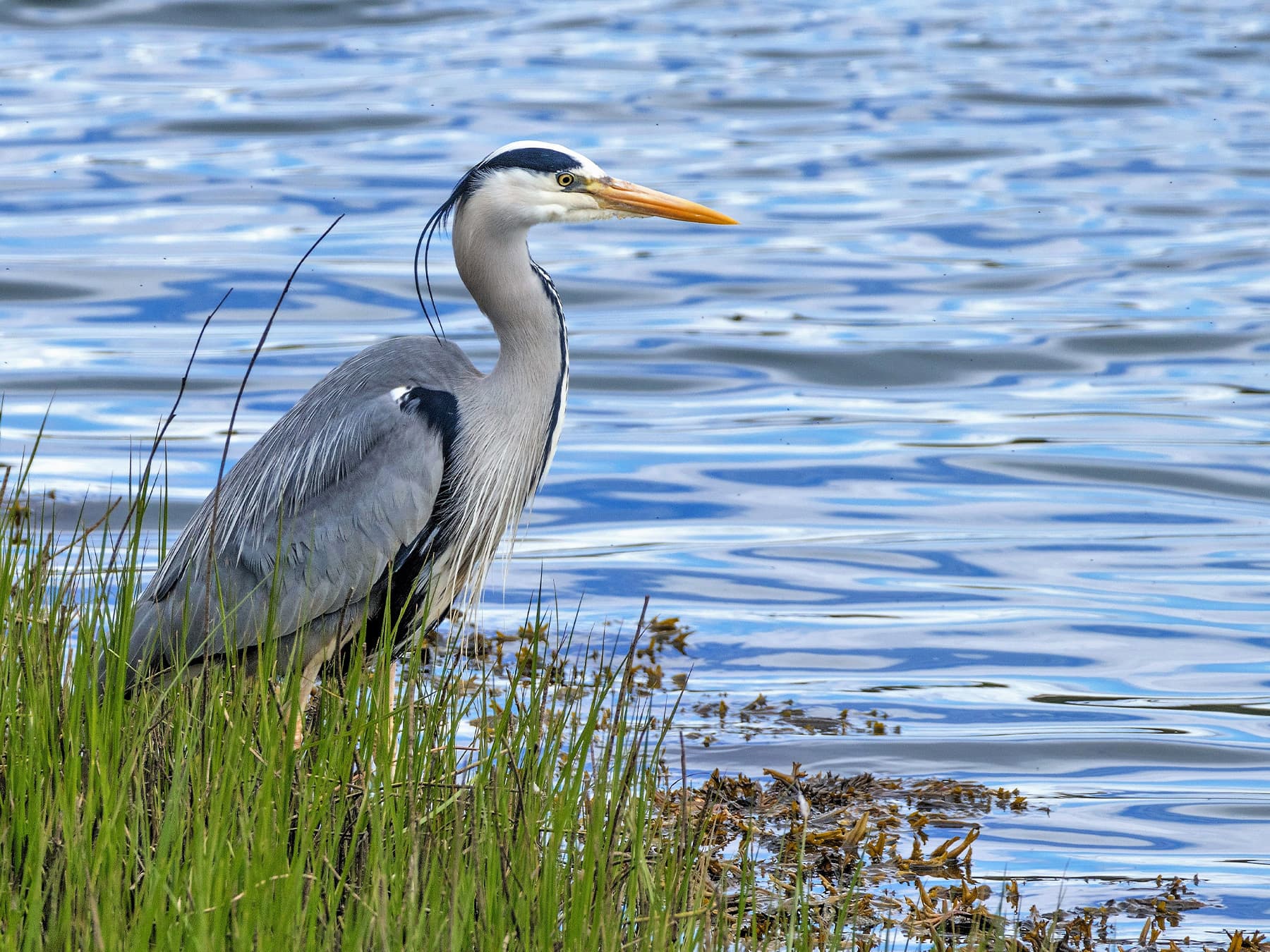
Grey Heron
Ardea cinereaLC
A familiar year-round resident, commonly seen standing motionless at rivers, lakes, and garden ponds throughout Britain.
Year-round
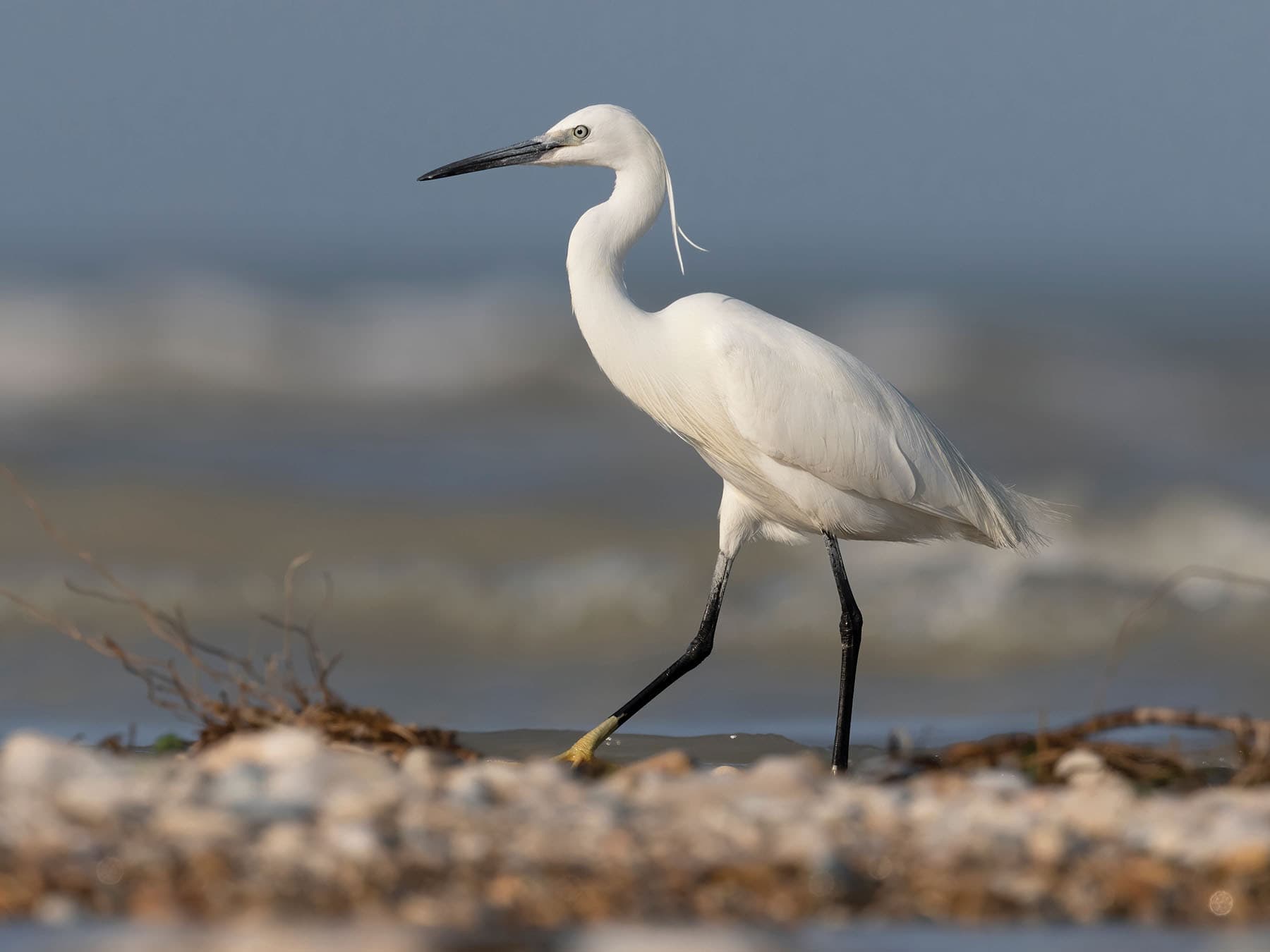
Little Egret
Egretta garzettaLC
A now-common resident that colonised naturally in the 1990s, frequenting estuaries, marshes, and coastal lagoons. Numbers continue to increase across England and Wales.
Year-round
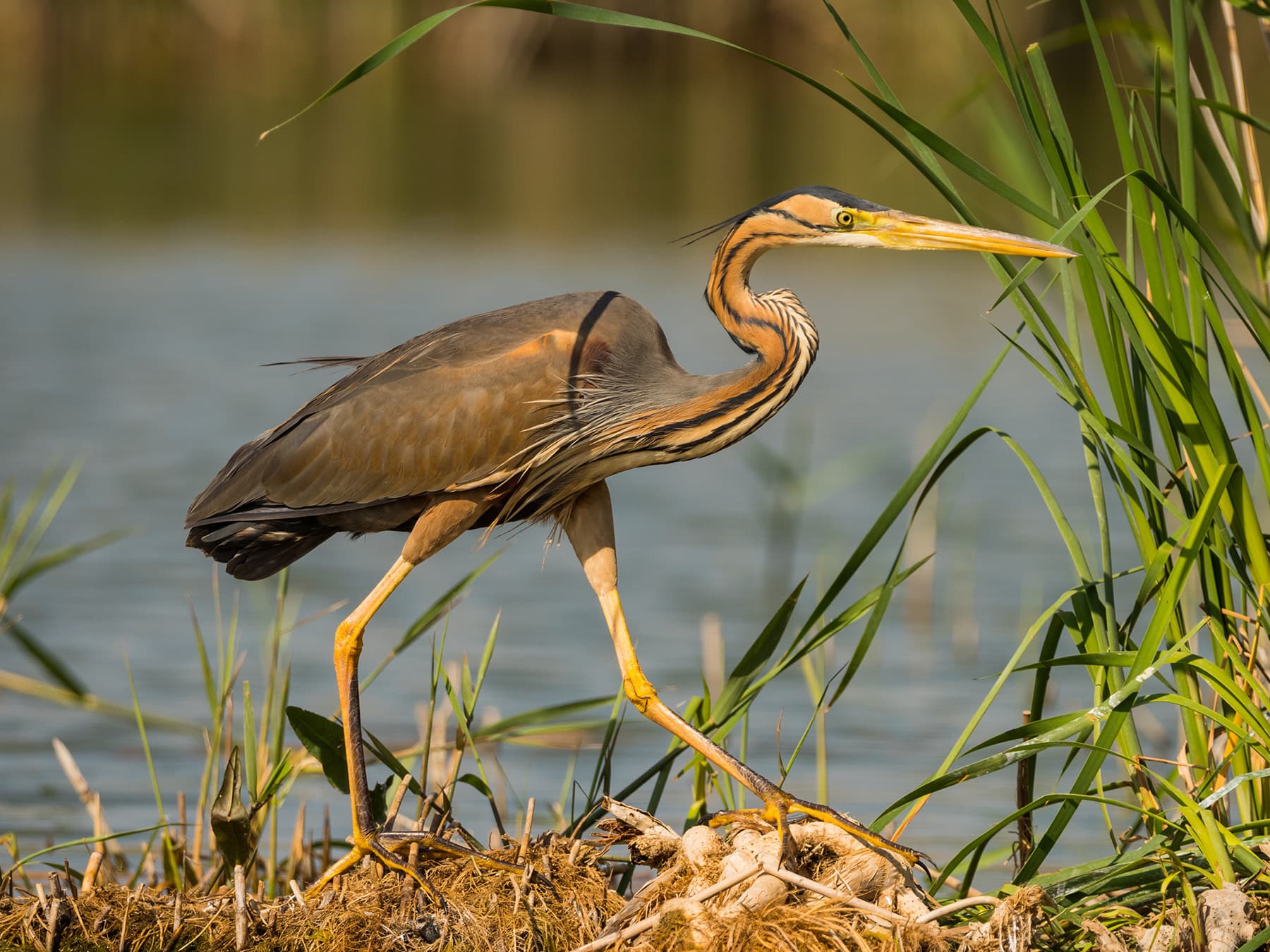
Purple Heron
Ardea purpureaLC
A rare spring and autumn visitor, mainly to southern English wetlands. Slimmer and darker than Grey Heron, it favours dense reedbeds.
Apr–Oct