Thrushes in Northumberland
6 species matching this filter.
Northumberland's diverse landscapes, from the rugged Cheviot Hills and sweeping moorlands to its sheltered river valleys and ancient woodlands, provide excellent habitat for six species of thrush. Resident favourites such as the Blackbird and Song Thrush can be found year-round in hedgerows and gardens, while winter visitors like the Fieldfare and Redwing flock to the county's berry-laden hawthorns. For a broader look at this much-loved bird family, see our Thrushes In The UK (Complete Guide with Pictures).


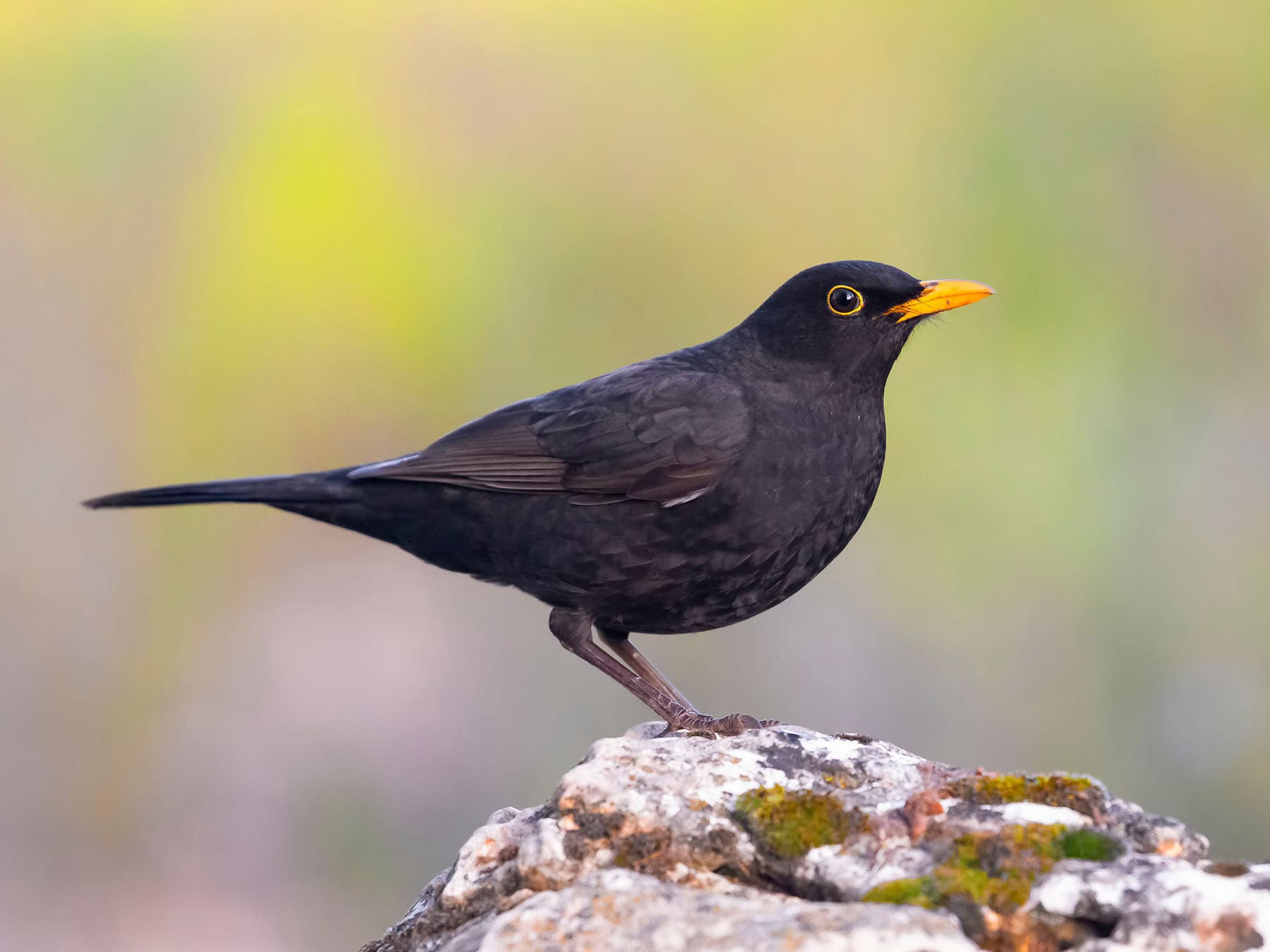
Blackbird
Turdus merulaLC
A common resident of gardens, hedgerows, and woodland. Numbers are boosted in autumn by Continental migrants arriving on the coast.
Year-round
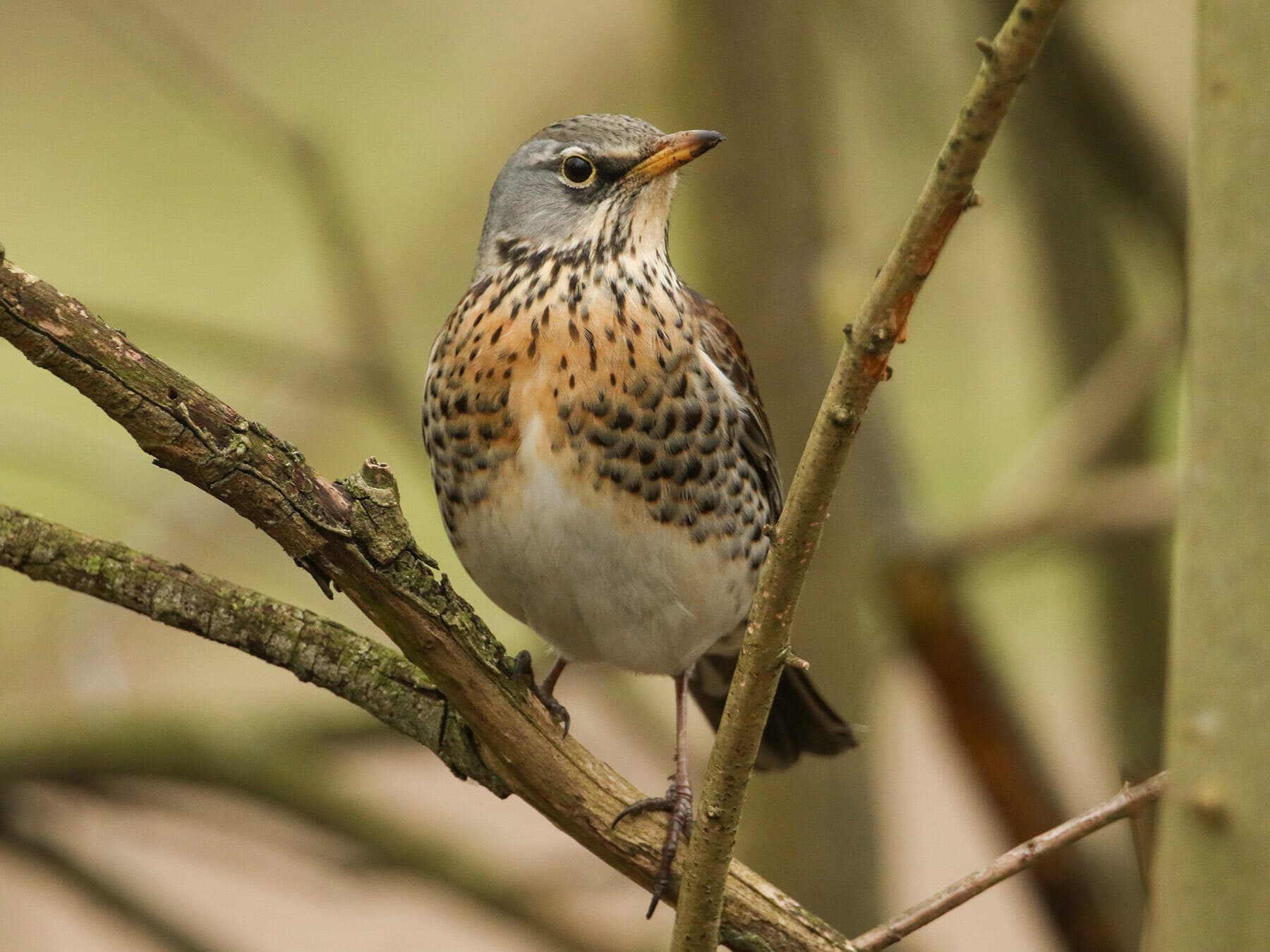
Fieldfare
Turdus pilarisLC
An uncommon winter visitor from Scandinavia, feeding in flocks on hedgerow berries across farmland and open countryside.
Oct–Apr
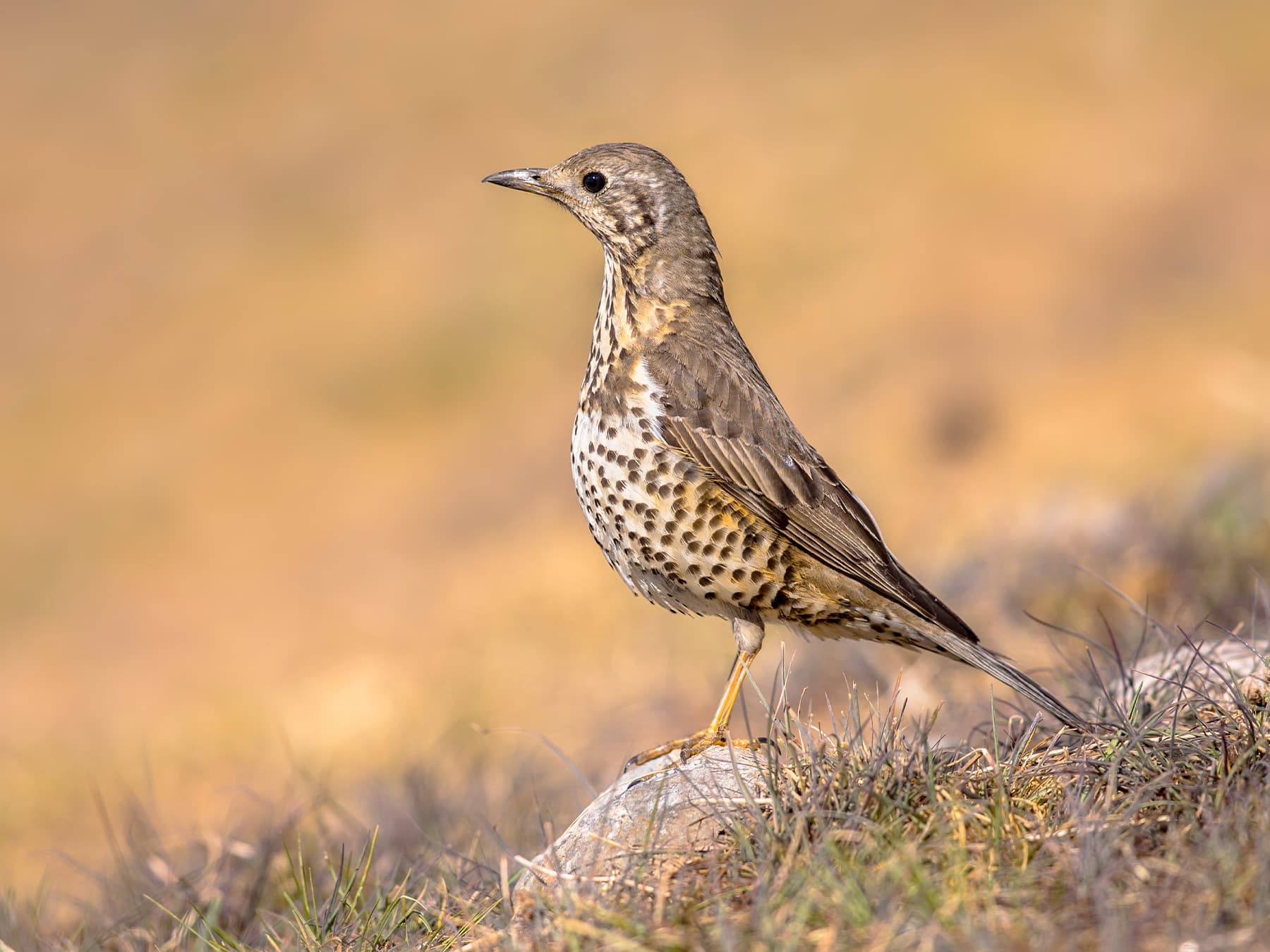
Mistle Thrush
Turdus viscivorusLC
An uncommon resident of parkland and open woodland, often singing boldly from treetops even in midwinter storms.
Year-round
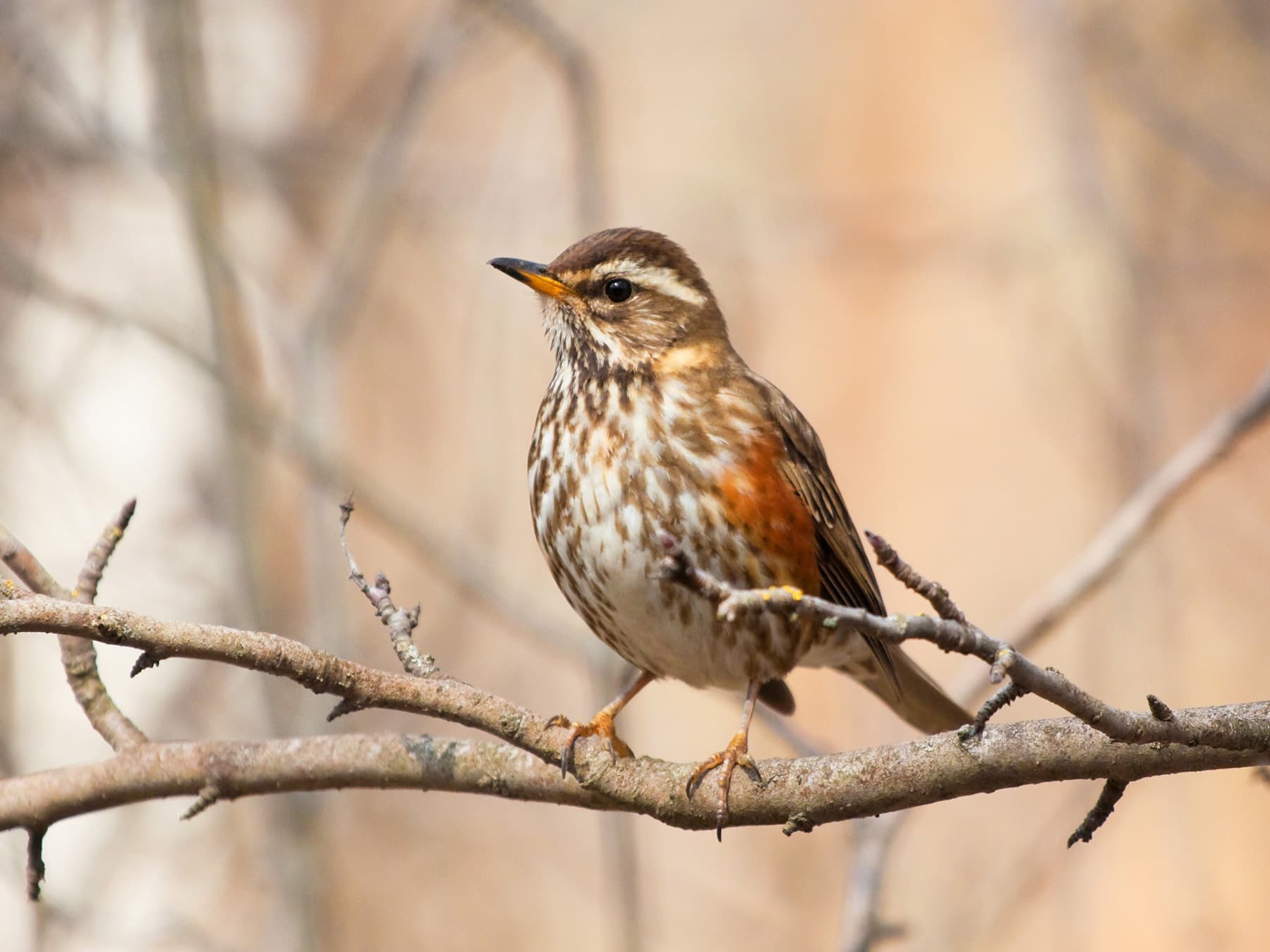
Redwing
Turdus iliacusNT
A winter visitor arriving from Scandinavia in autumn, foraging in hedgerows and berry-laden hawthorns across the county's fields and gardens.
Sep–Apr
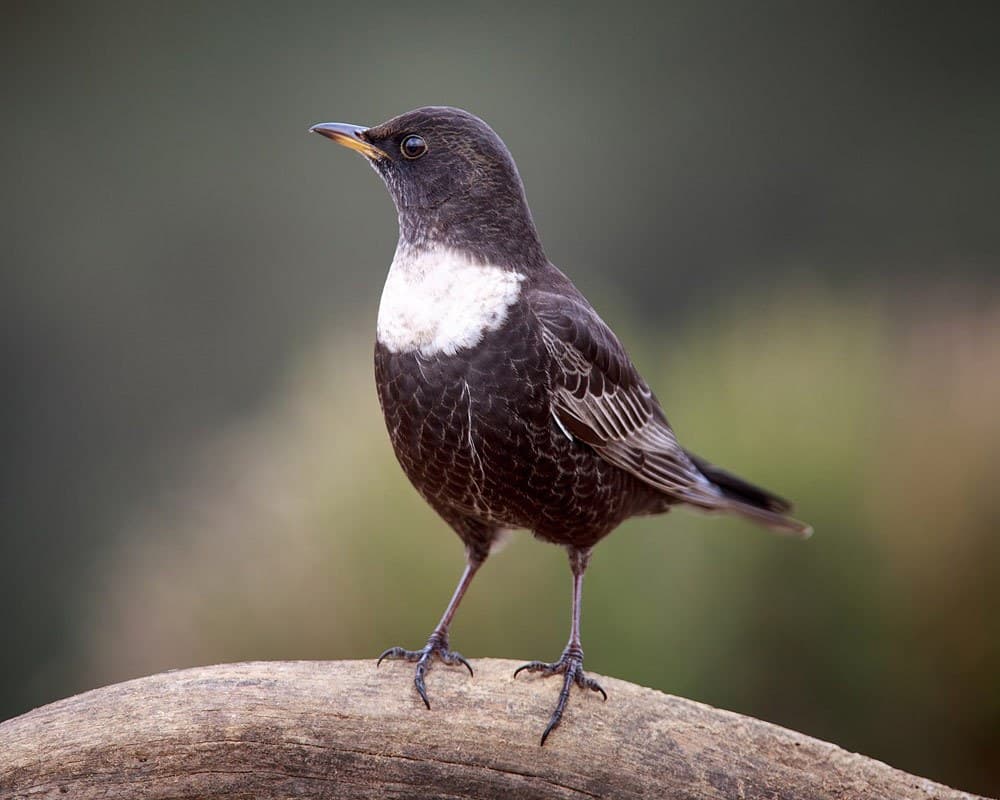
Ring Ouzel
Turdus torquatusLC
A rare passage migrant seen briefly in spring and autumn, favouring upland crags and moorland edges in the Cheviots.
Apr–Oct
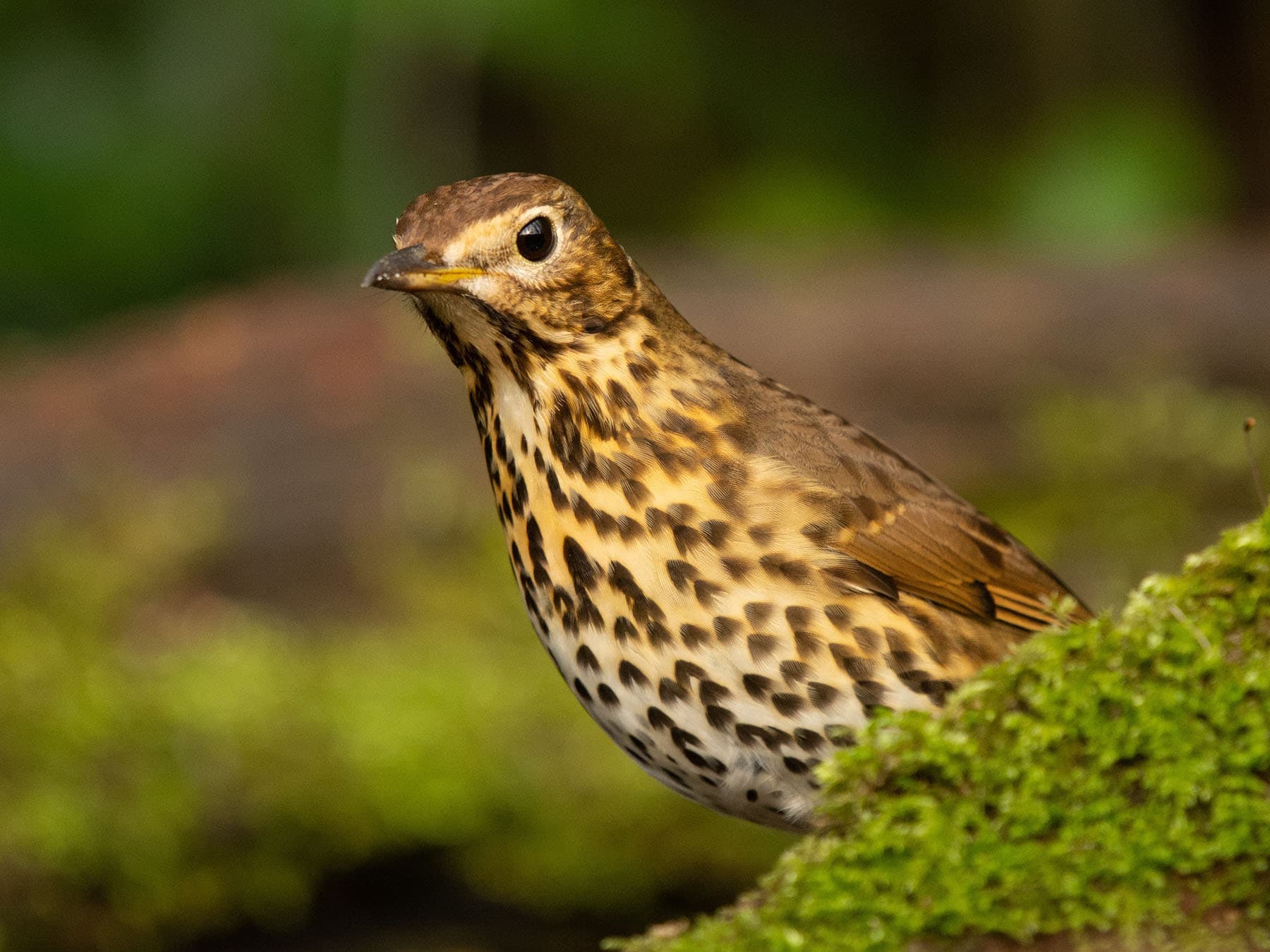
Song Thrush
Turdus philomelosLC
An uncommon but widespread resident of woodland and gardens. Its rich, repetitive song is a familiar spring sound.
Year-round