Plovers & Lapwings in Lancashire
6 species matching this filter.
Lancashire's diverse landscapes, from the vast mudflats of Morecambe Bay to the upland moors of the Forest of Bowland, provide vital habitats for six species of plovers and lapwings. The county is particularly important for Northern Lapwing, which breeds on farmland and moorland edges, while passage migrants such as Dotterel and Grey Plover add seasonal interest. Coastal estuaries attract wintering flocks of Golden Plover and Ringed Plover, making Lancashire a rewarding destination for wader enthusiasts year-round.


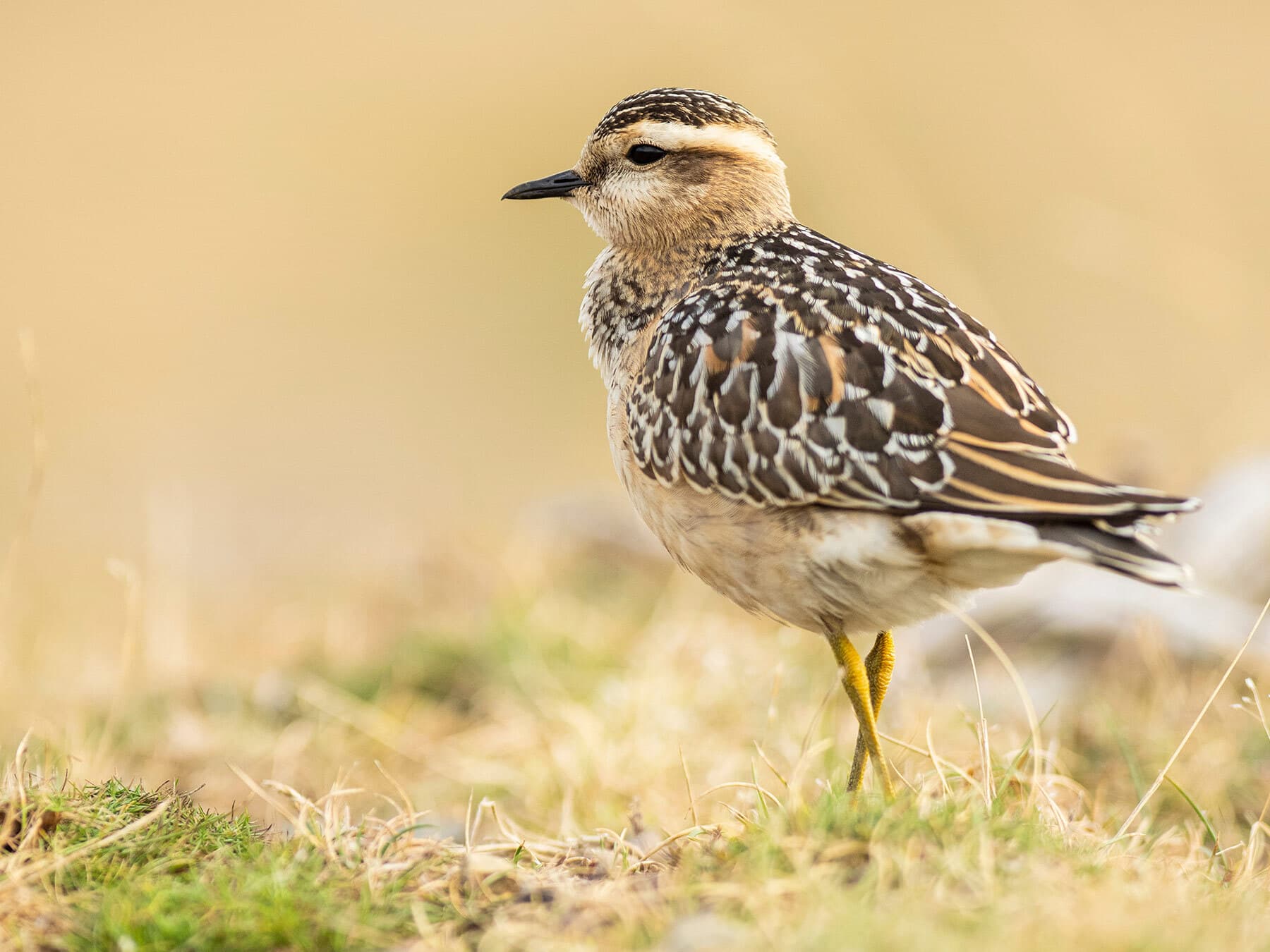
Dotterel
Eudromias morinellusLC
A rare and elusive passage migrant, occasionally stopping on Pendle Hill or Bowland Fells in May during spring migration.
May
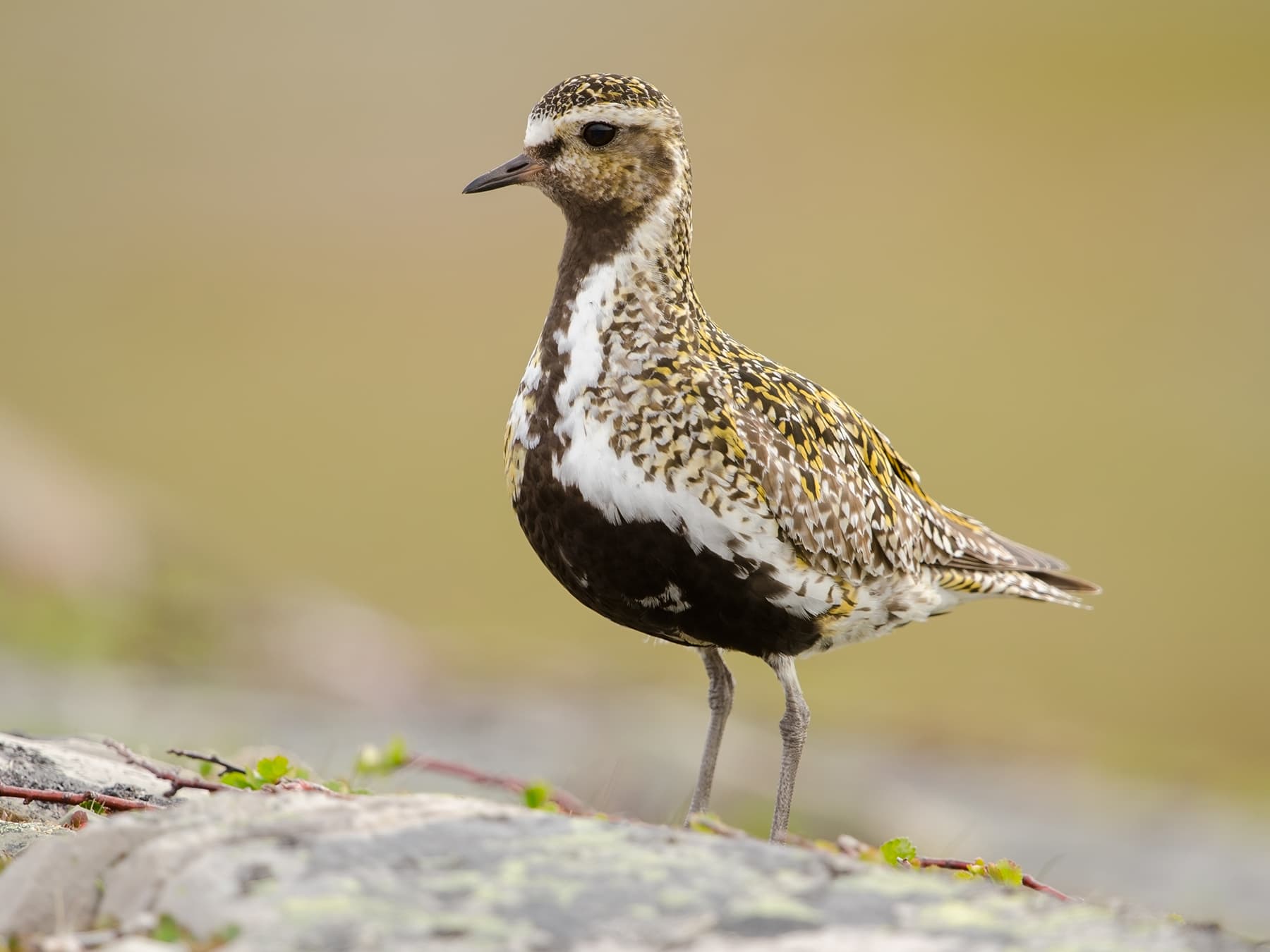
Golden Plover
Pluvialis apricariaLC
An uncommon resident breeding on Bowland's moorland tops. Large winter flocks gather on coastal fields and the Ribble marshes.
Jul–May
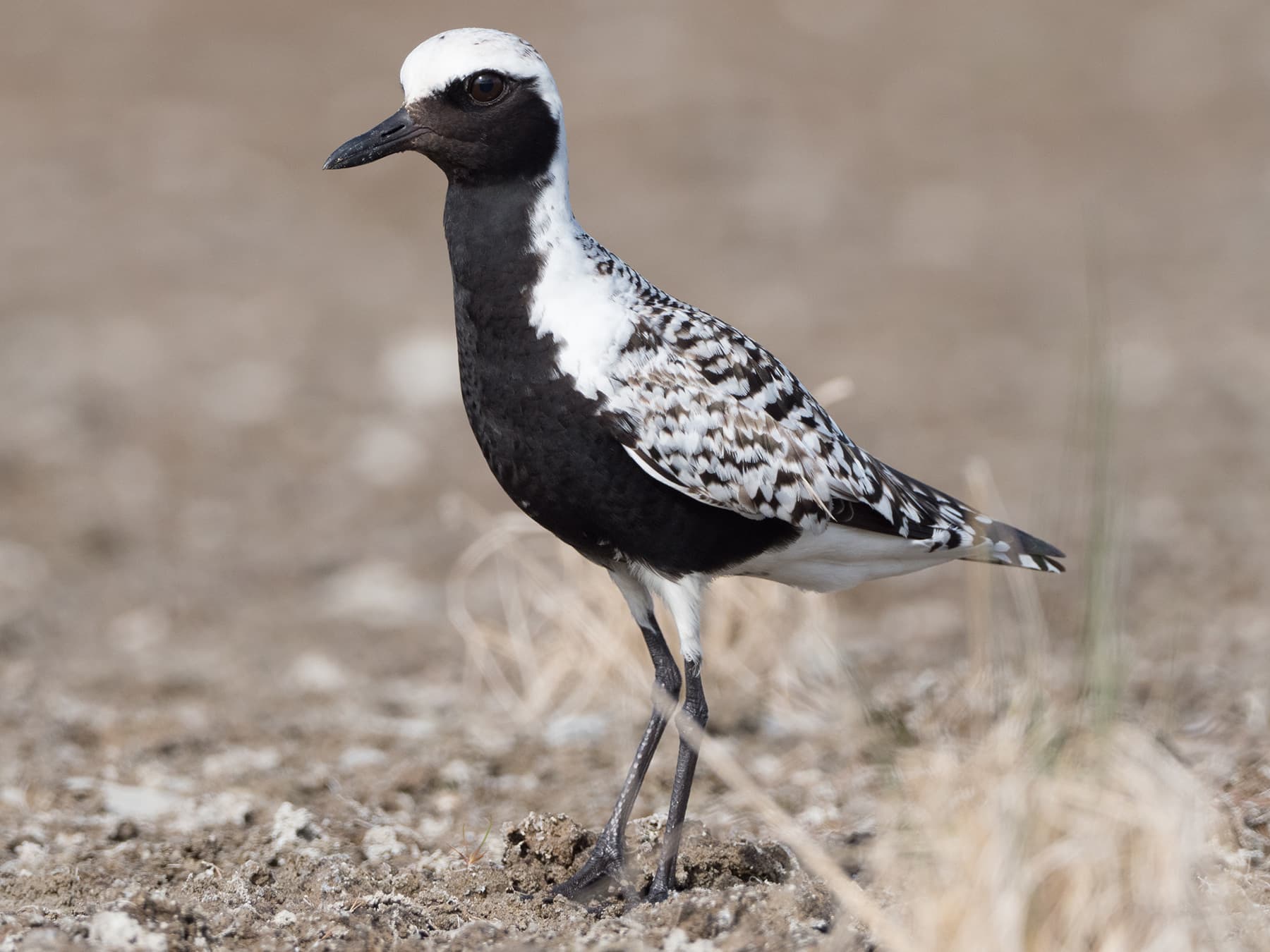
Grey Plover
Pluvialis squatarolaLC
A rare but regular visitor to Lancashire's estuaries, favouring the Ribble and Morecambe Bay mudflats outside the summer months.
Aug–May
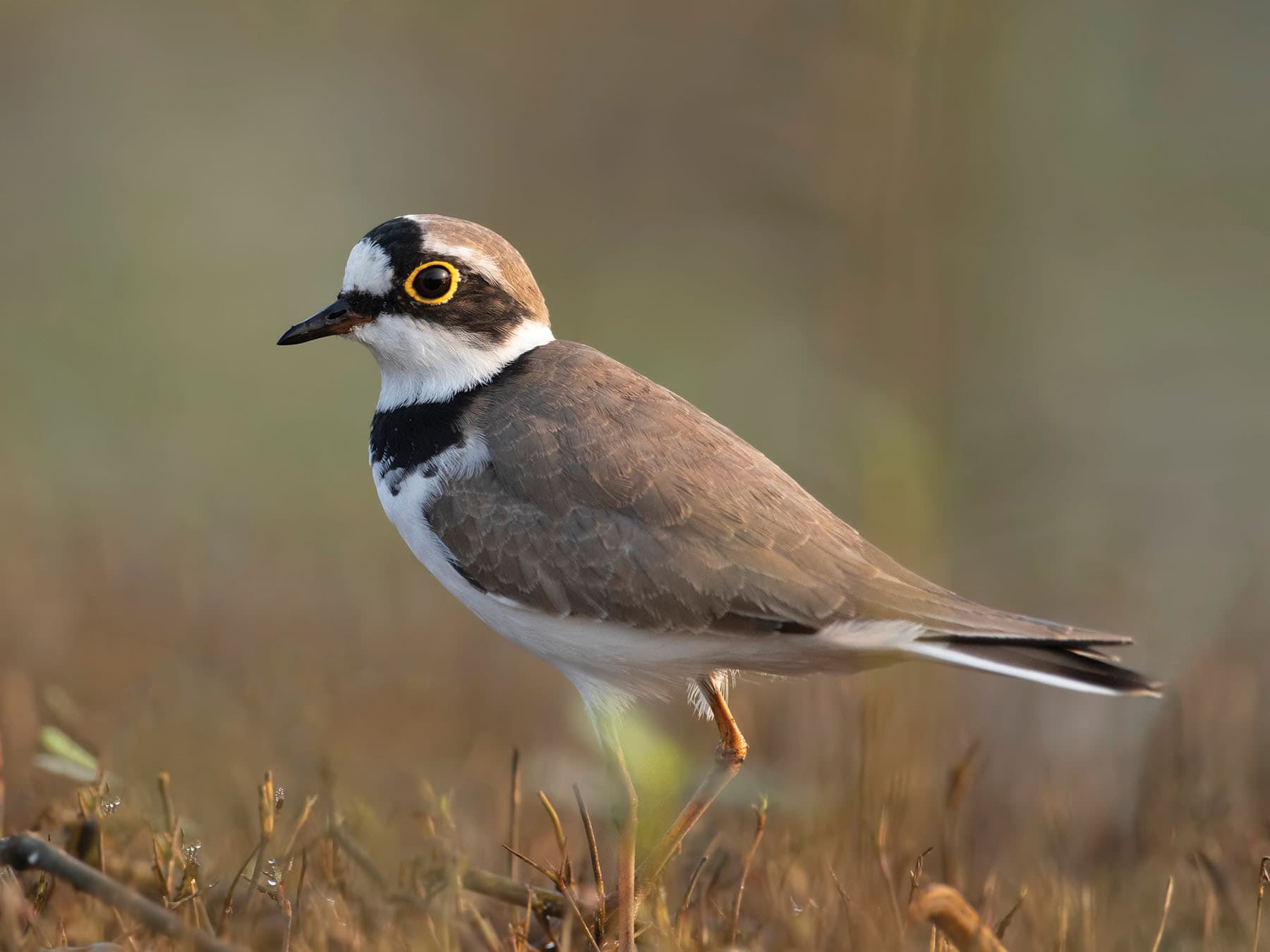
Little Ringed Plover
Charadrius dubiusLC
A rare summer breeder favouring gravel pits and reservoir margins. Arrives in March and departs by September.
Mar–Sep
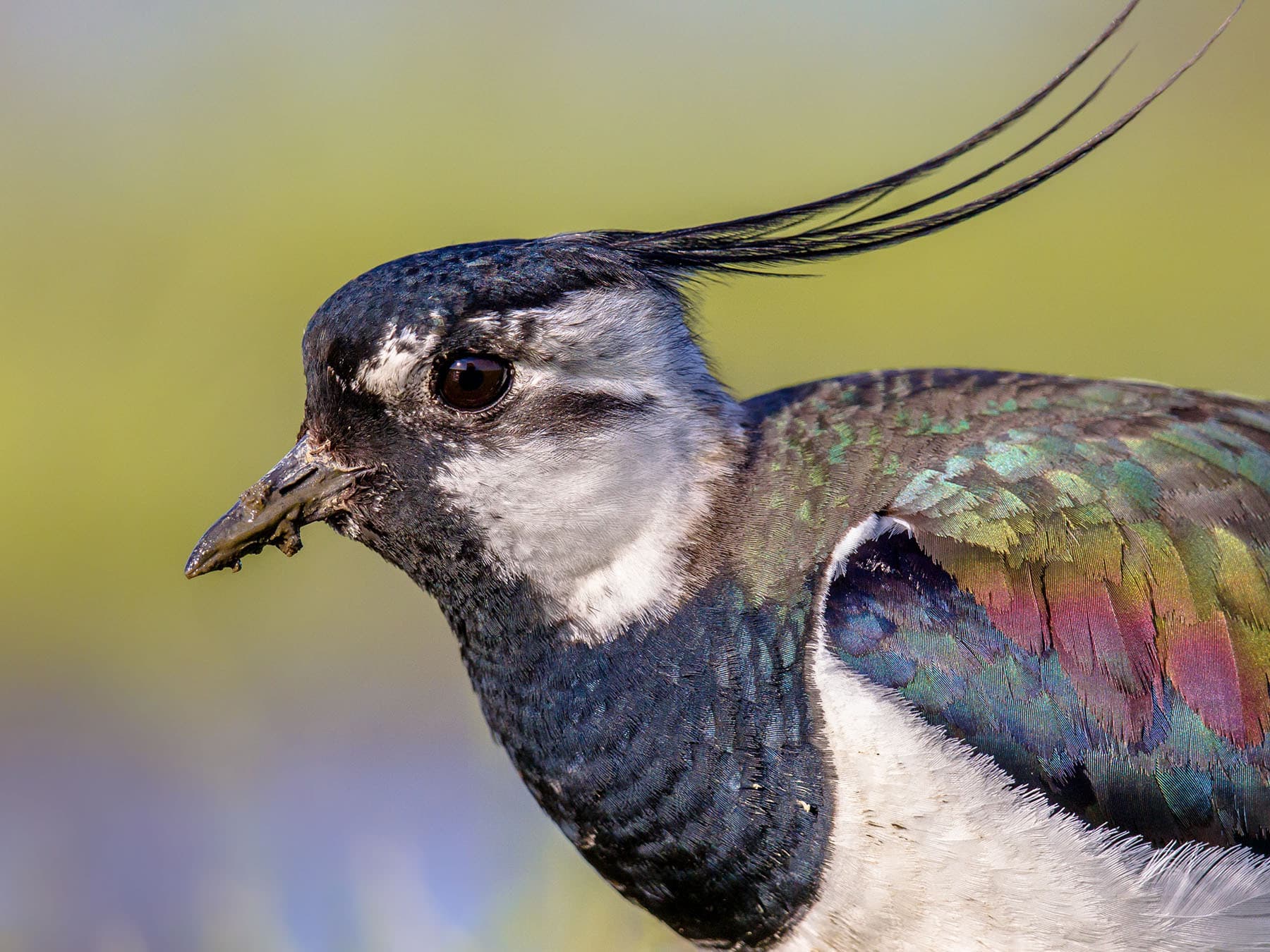
Northern Lapwing
Vanellus vanellusNT
A common year-round resident of farmland and wetlands, though breeding numbers have declined sharply across the county.
Year-round
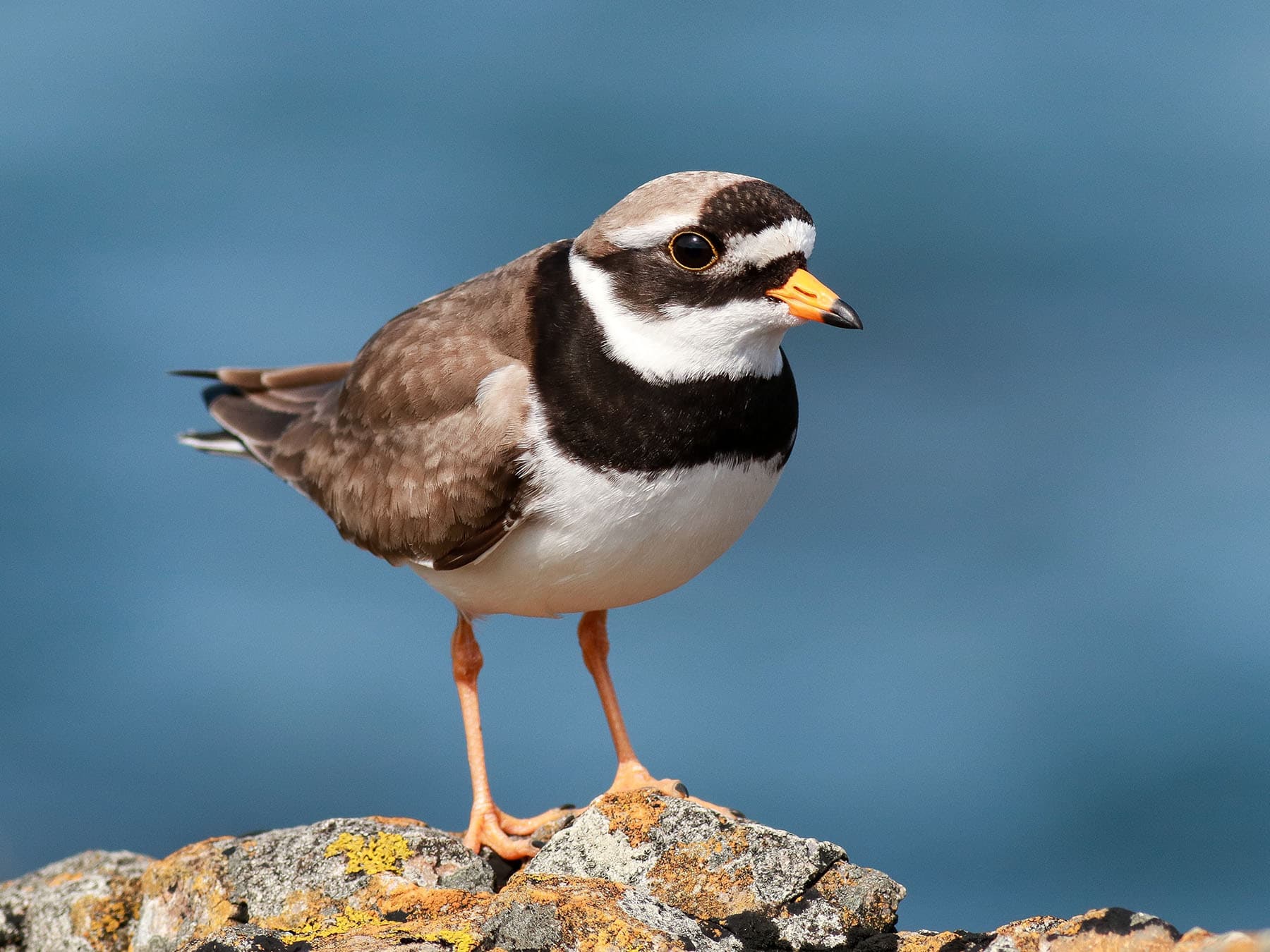
Ringed Plover
Charadrius hiaticulaLC
A rare year-round resident, nesting on shingle beaches along the Fylde coast and feeding on Lancashire's estuarine mudflats.
Year-round