Wagtails & Pipits in East Sussex
6 species matching this filter.
East Sussex provides a wonderful variety of habitats for wagtails and pipits, from the chalk cliffs and rocky shores of Beachy Head to the wet meadows of the Pevensey Levels and the heathlands of Ashdown Forest. Six species from this family have been recorded in the county, including the vibrant Yellow Wagtail, which favours lowland pastures during the breeding season, and the Rock Pipit, a specialist of the county's coastal margins. The elegant Grey Wagtail can be found along streams and rivers throughout the year, while scarcer visitors such as the Water Pipit add excitement during the winter months.


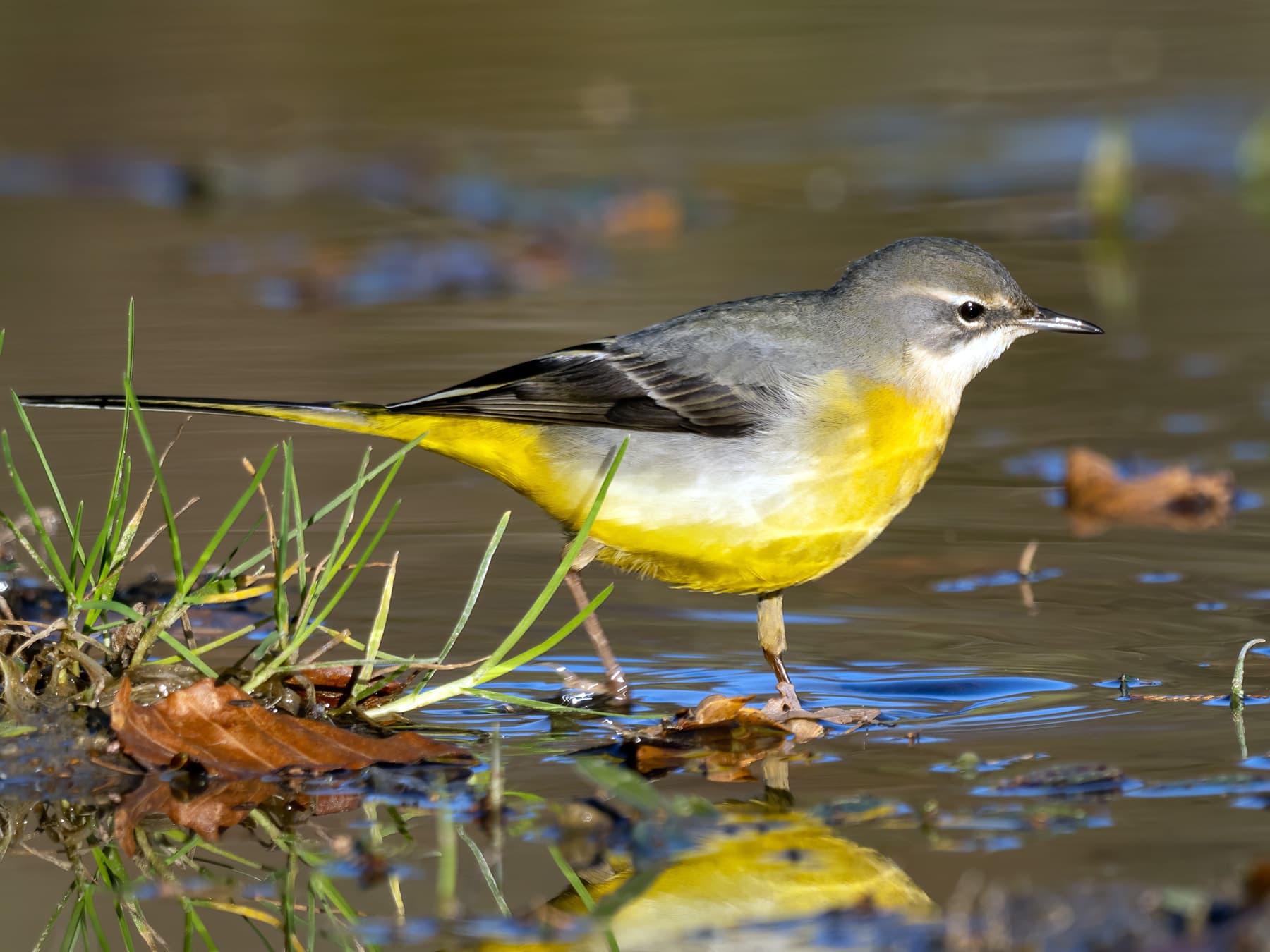
Grey Wagtail
Motacilla cinereaLC
An uncommon resident found along streams and rivers in the Weald. More widespread in winter when birds move to lowland watercourses and coast.
Year-round
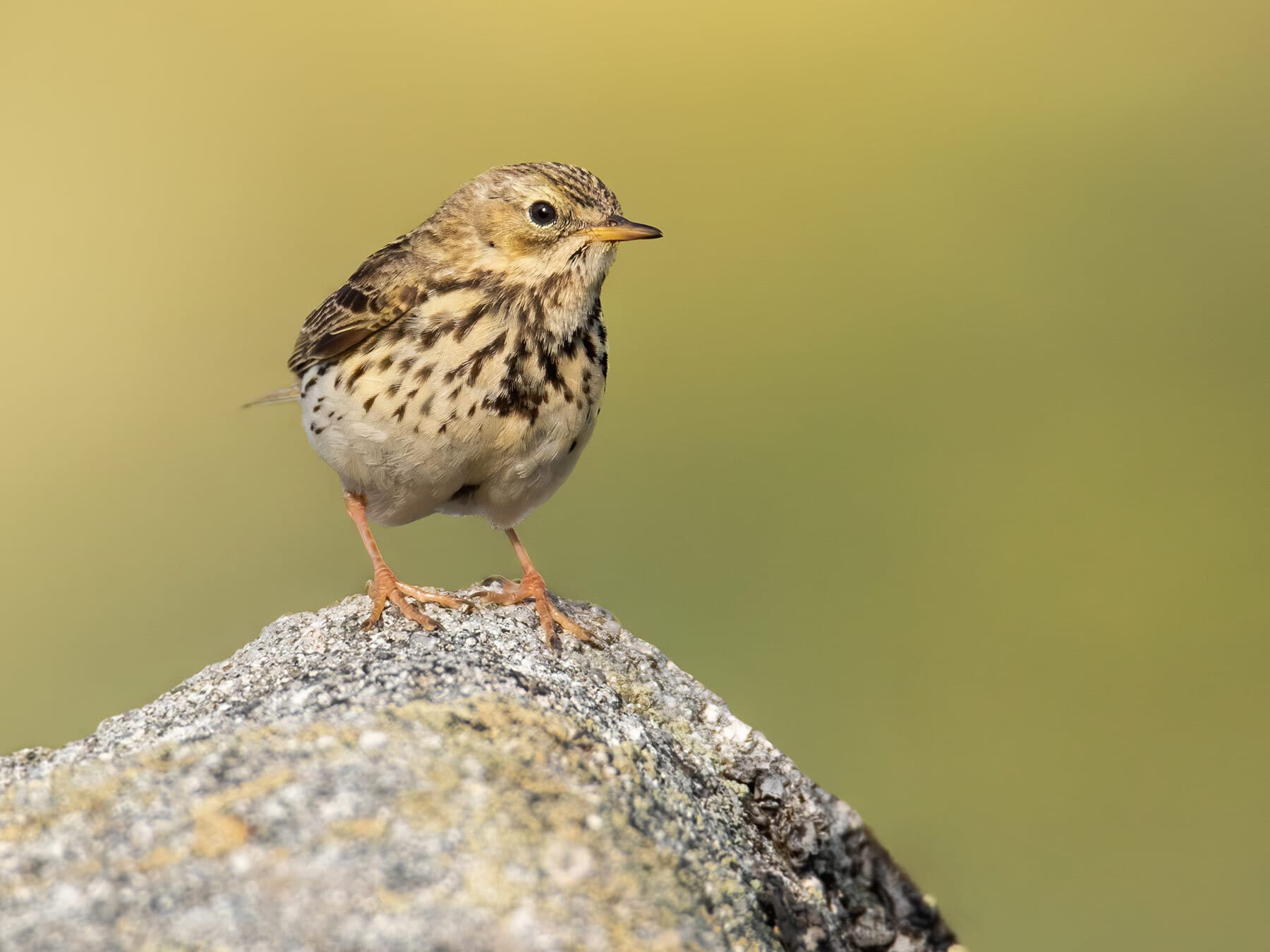
Meadow Pipit
Anthus pratensisLC
A common resident of downland grassland, heathland, and coastal margins. Numbers swell in autumn with passage birds moving through the county.
Year-round
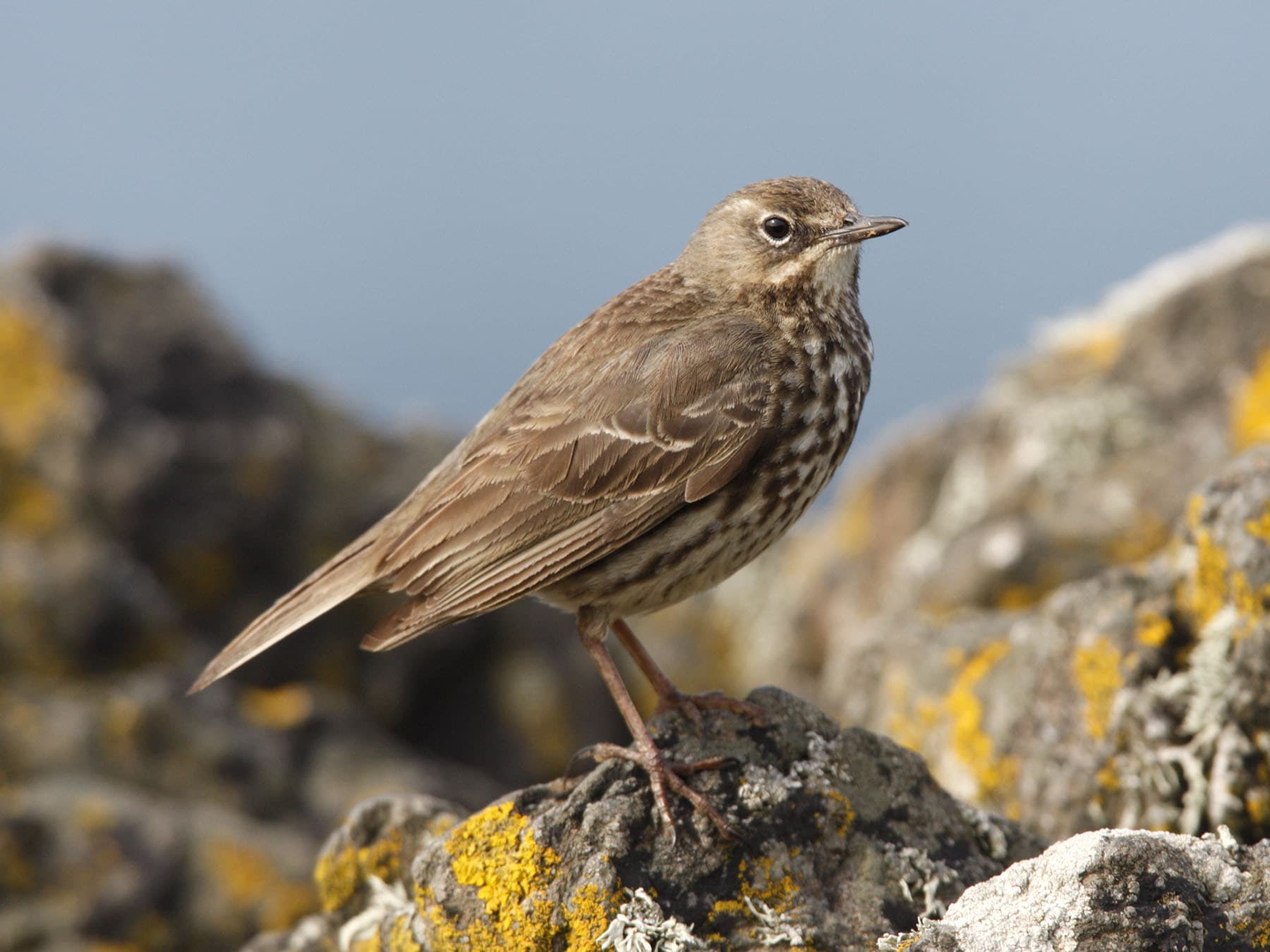
Rock Pipit
Anthus petrosusLC
An uncommon resident of rocky shorelines and chalk cliffs, often seen foraging along the base of the Seven Sisters and Beachy Head throughout the year.
Year-round
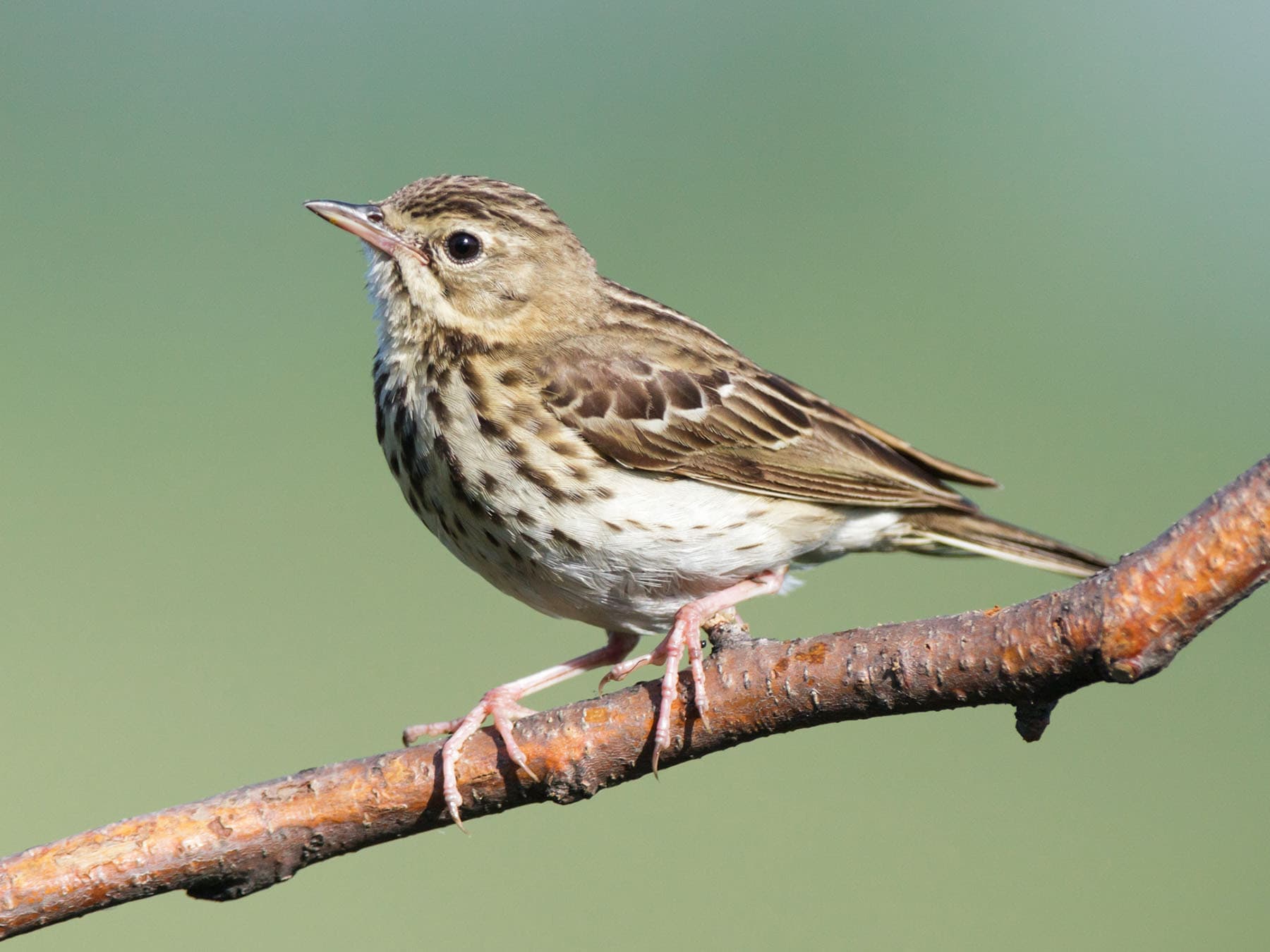
Tree Pipit
Anthus trivialisLC
A rare and declining summer breeder on heathland sites such as Ashdown Forest. Delivers its song in a distinctive parachuting display flight.
Apr–Oct
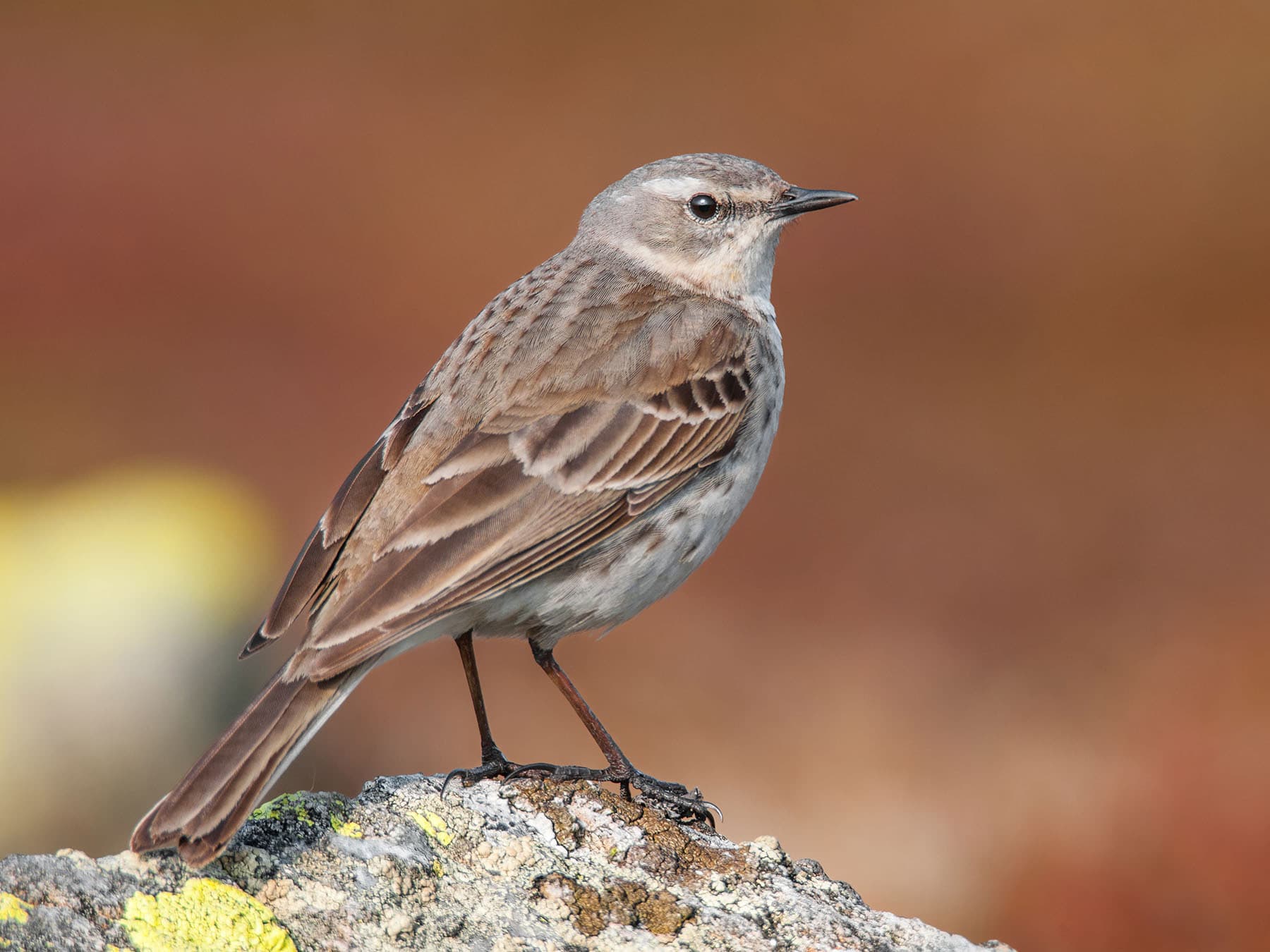
Water Pipit
Anthus spinolettaLC
A rare winter visitor from November to March, favouring watercress beds and marshy areas. The Cuckmere valley is a reliable site.
Nov–Mar
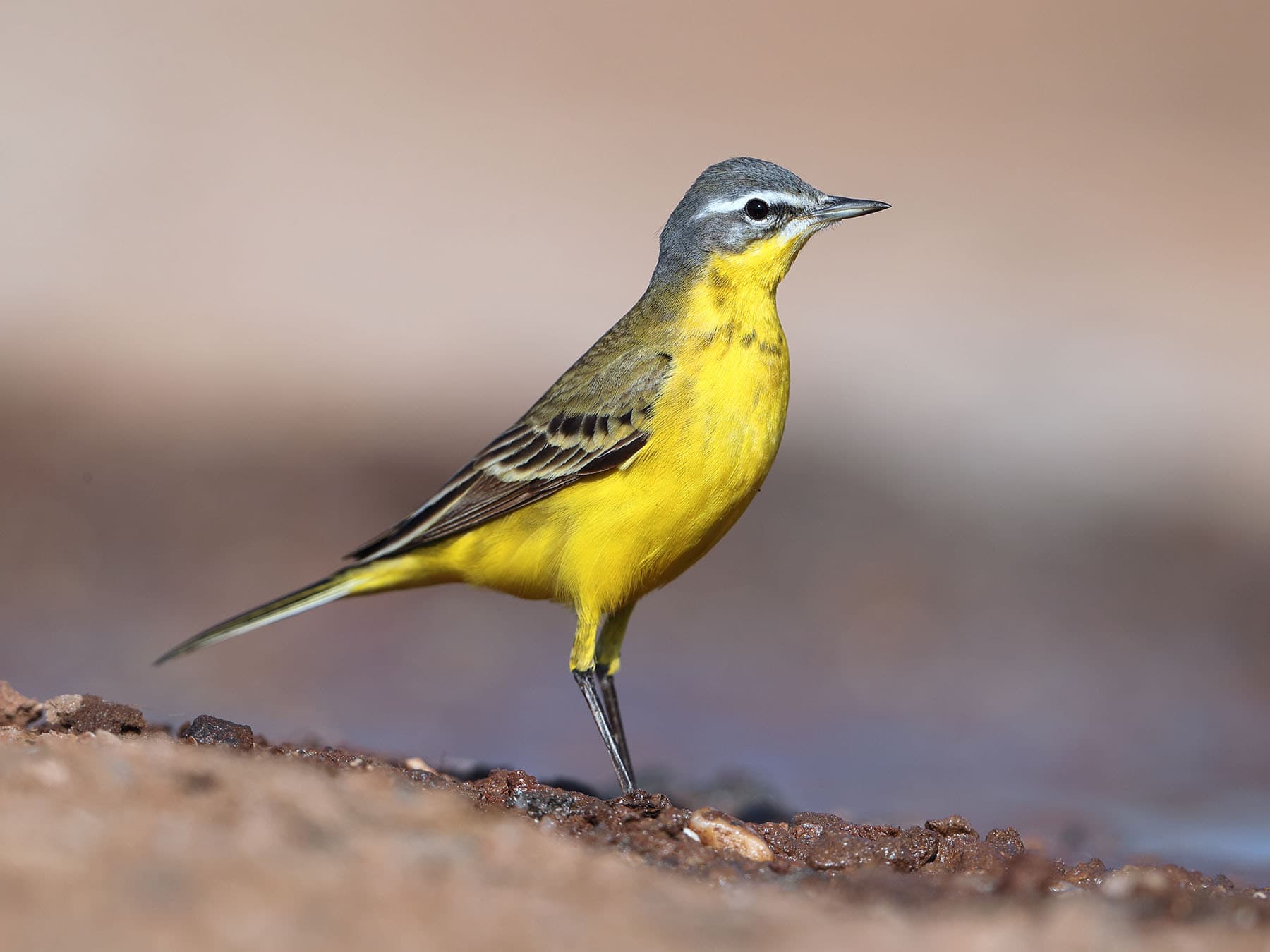
Yellow Wagtail
Motacilla flavaLC
An uncommon summer breeder arriving from April, favouring damp meadows and the Pevensey Levels. A declining species across southern England.
Apr–Oct