Articles
581 articles on birds, birdwatching, conservation, and ornithology.

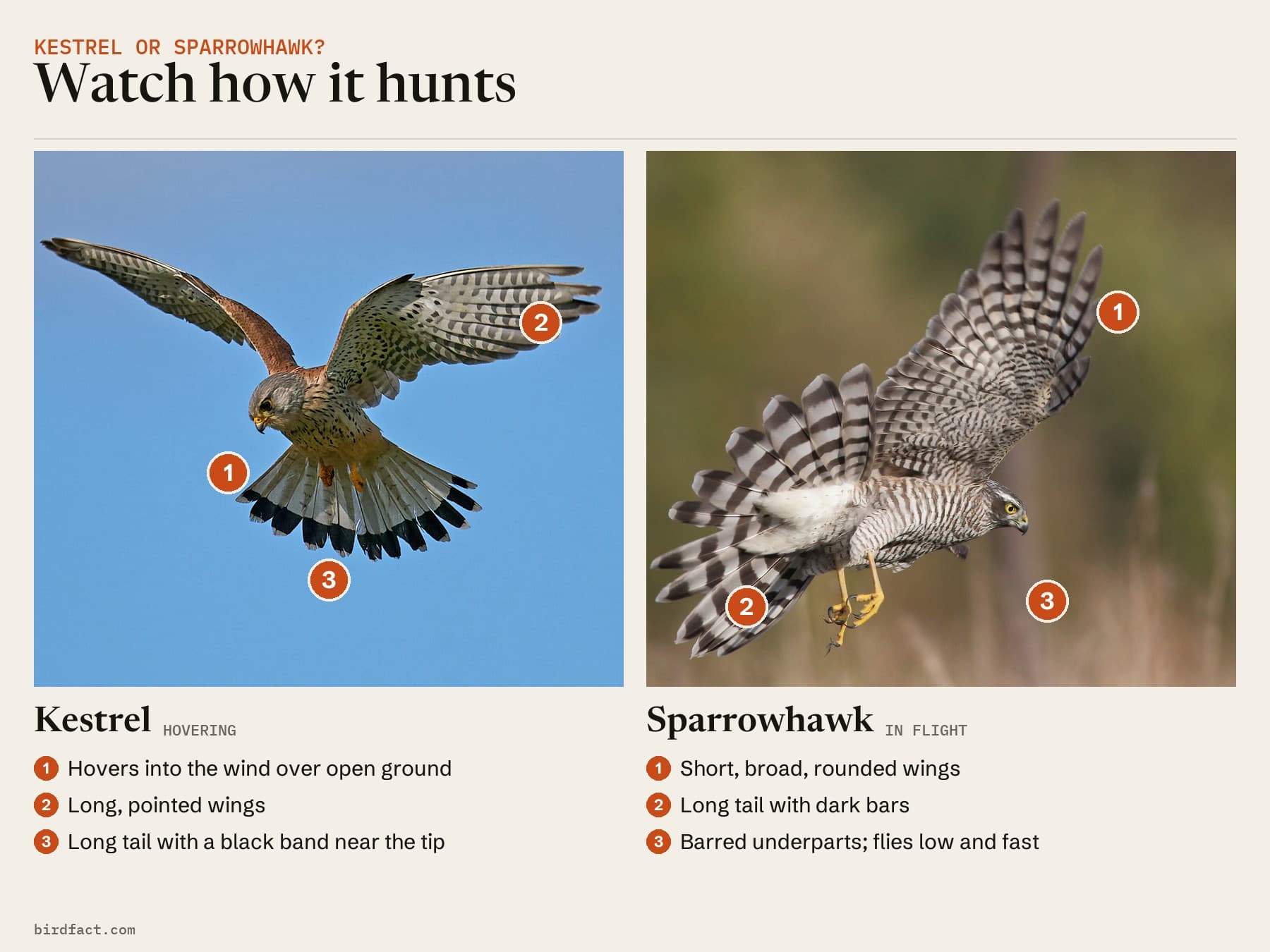
Common Kestrel or Eurasian Sparrowhawk (How to Tell the Difference)
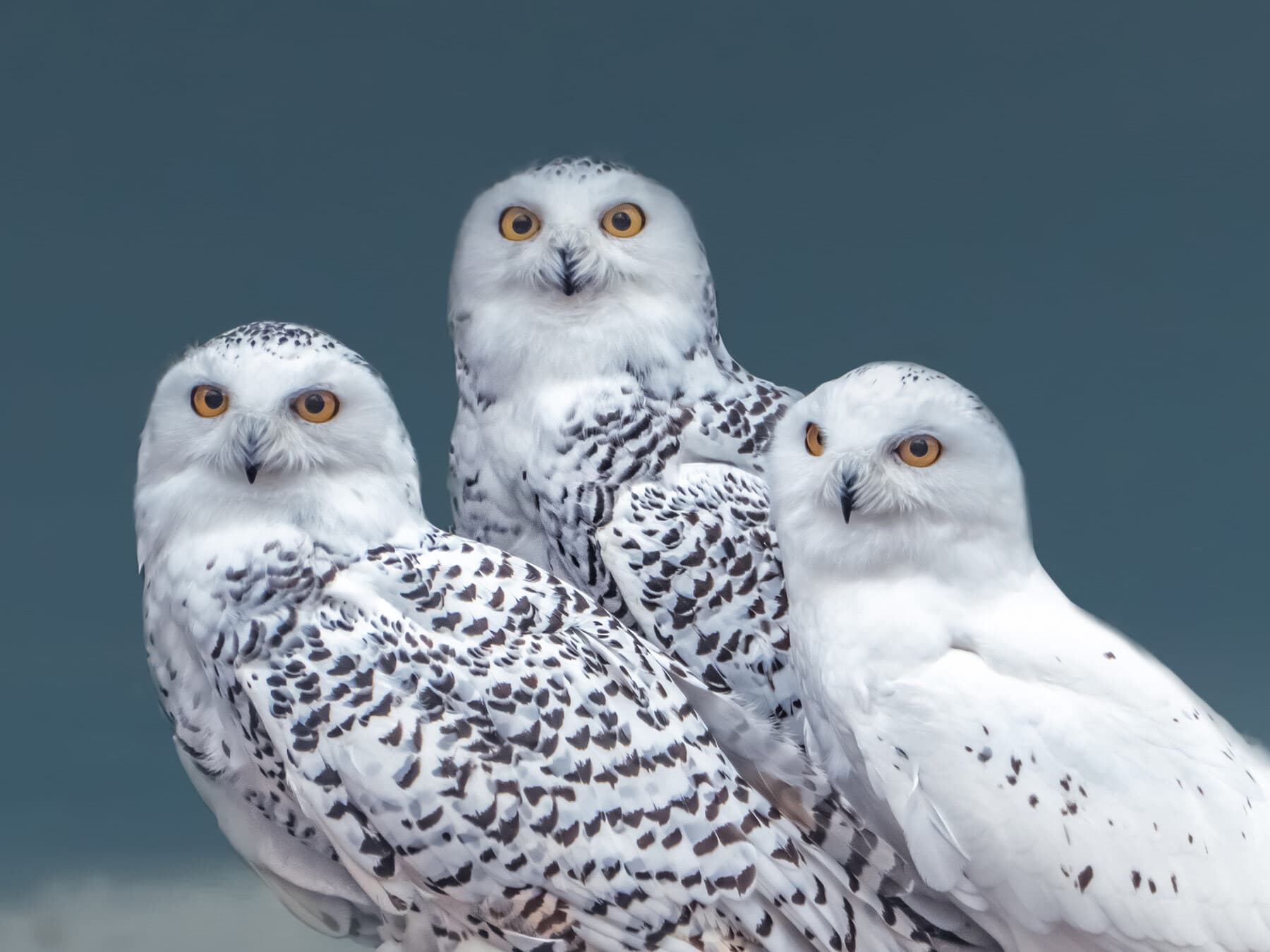
What is a Group of Owls Called? (Complete Guide)
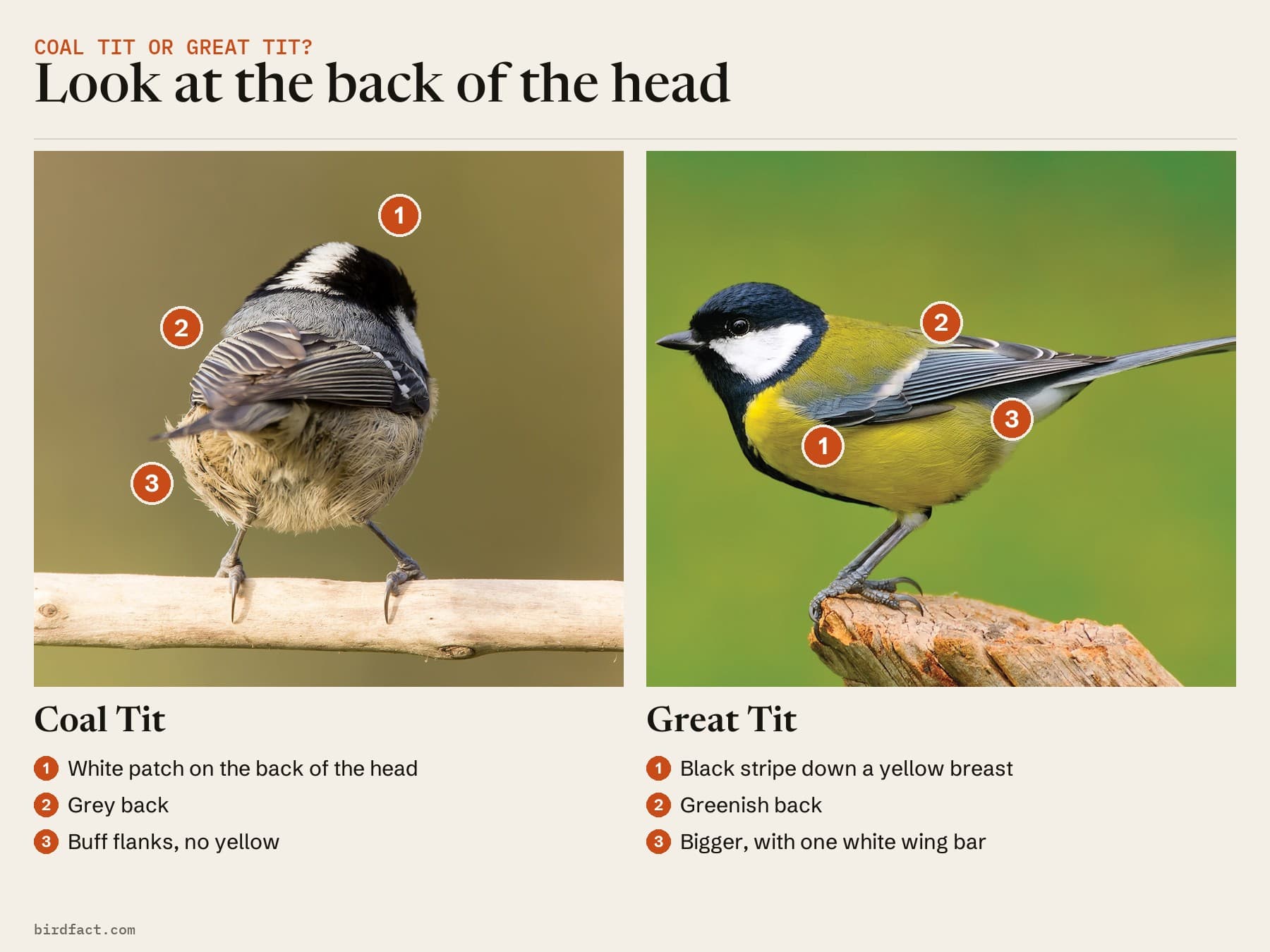
Coal Tit or Great Tit: How to Tell Them Apart

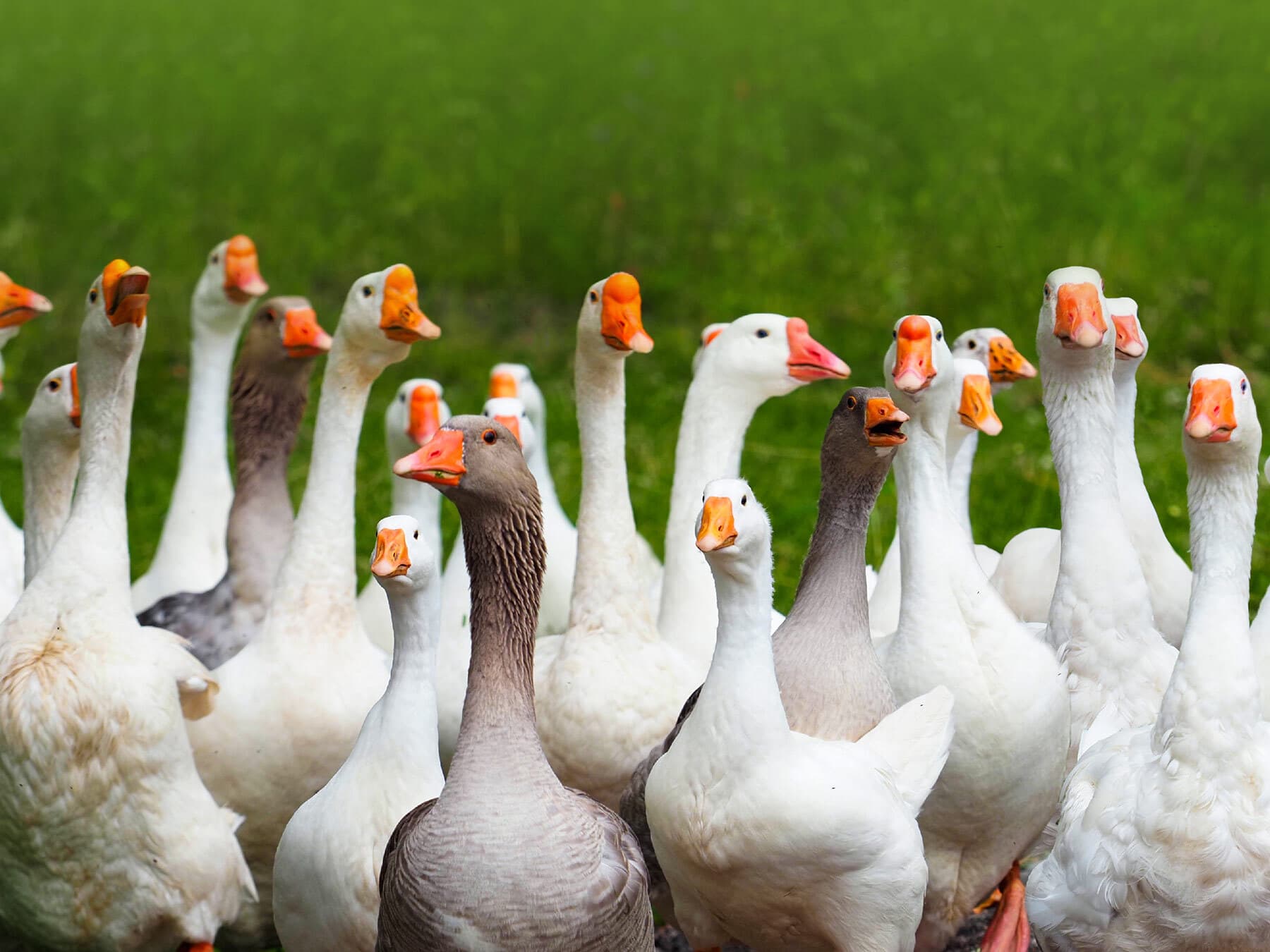
Collective Nouns for Geese: What's the Official Terms?
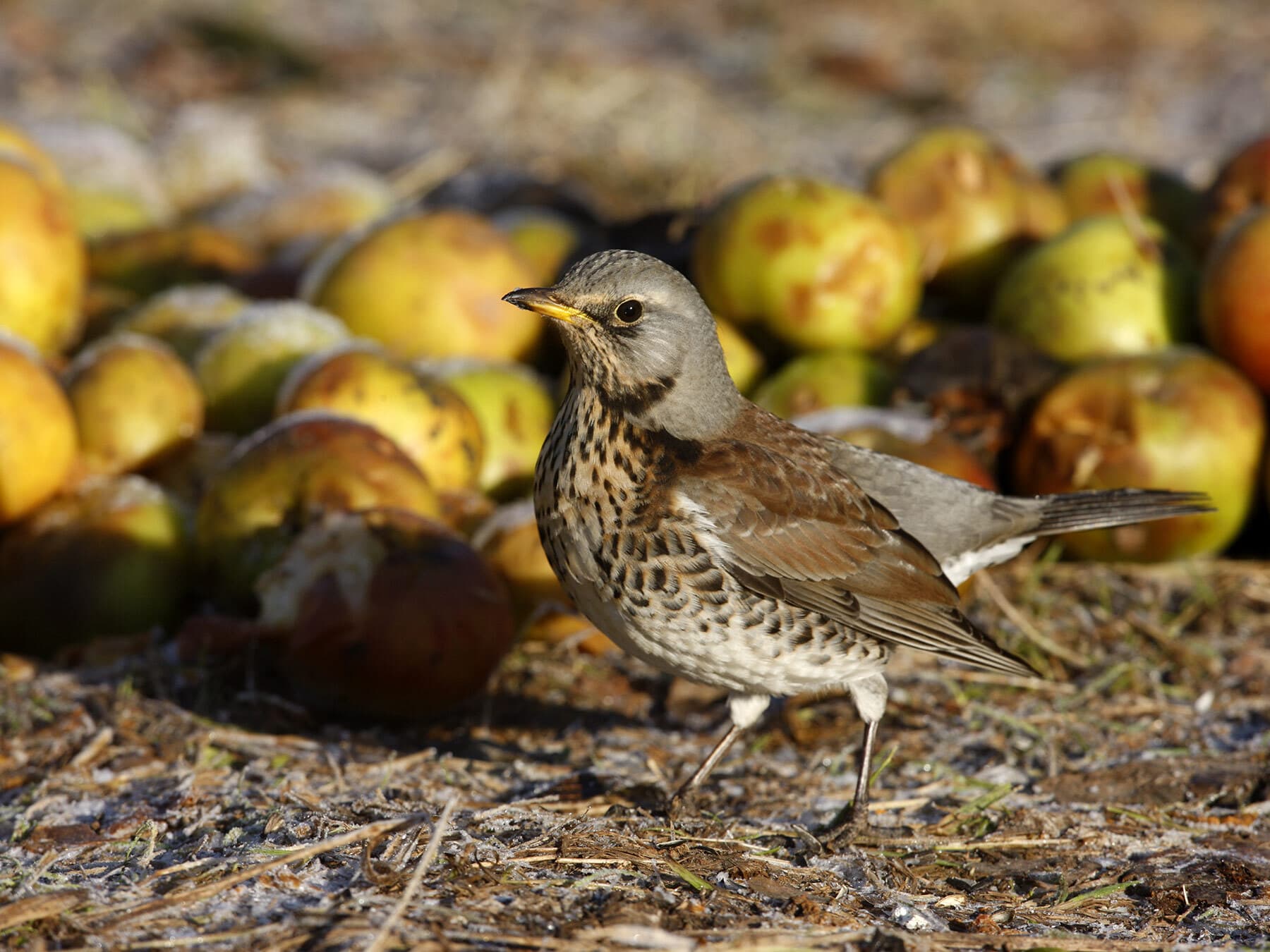
Do Birds Eat Apples? A Guide to Safe and Healthy Feeding
Birds' Fondness for Apples: Many bird species, including cardinals, sparrows, woodpeckers, blackbirds, robins and lorikeets enjoy eating apples. Apples offer a nutritious addition to their natural diet, providing essential carbohydrates, fiber, protein, vitamins, and minerals.Preparing Apples for Birds: To safely feed birds apples, it's recommended to use organic, pesticide-free apples and remove the seeds, which contain cyanide that can be harmful to birds. Cutting apples into wedges or creating a natural bowl filled with water can make it easier for birds, including hummingbirds, to feed.Benefits of Apples for Birds: Apples are beneficial for birds as they provide simple carbohydrates for energy, fiber for digestion, protein for muscle strength, vitamin A for eyesight, and vitamin C for stress management. Magnesium and potassium in apples also support brain function and heart health in birds.Feeding Apples to Birds: Apples can be left out in yards, either on the ground or in bird feeders, to attract various bird species. They are especially useful in winter when food is scarce. It's important to remove rotten apples and avoid leaving apple cores, as birds typically don't eat them, and they might attract unwanted wildlife.

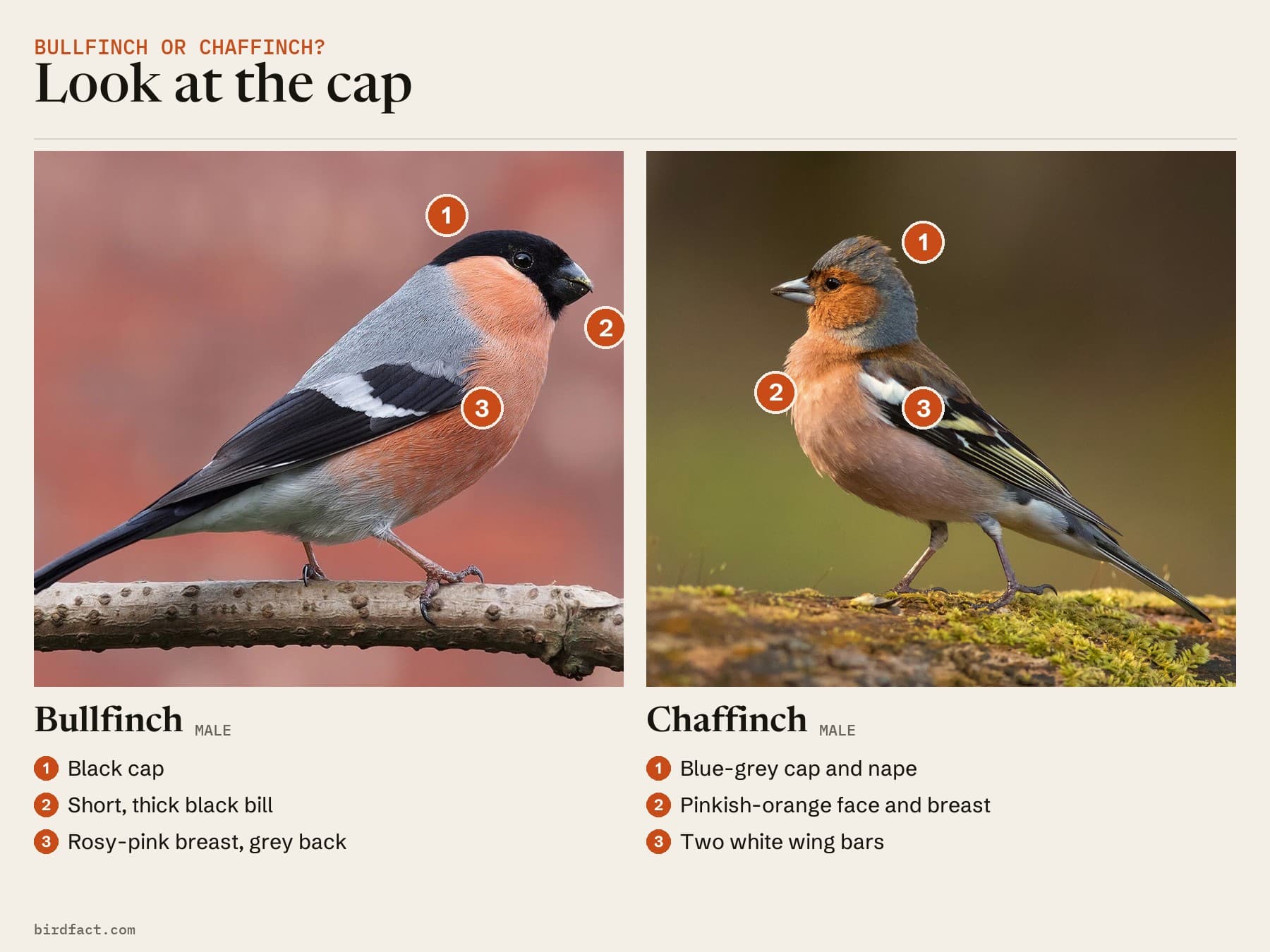
Bullfinch or Chaffinch: How to Easily Tell Them Apart

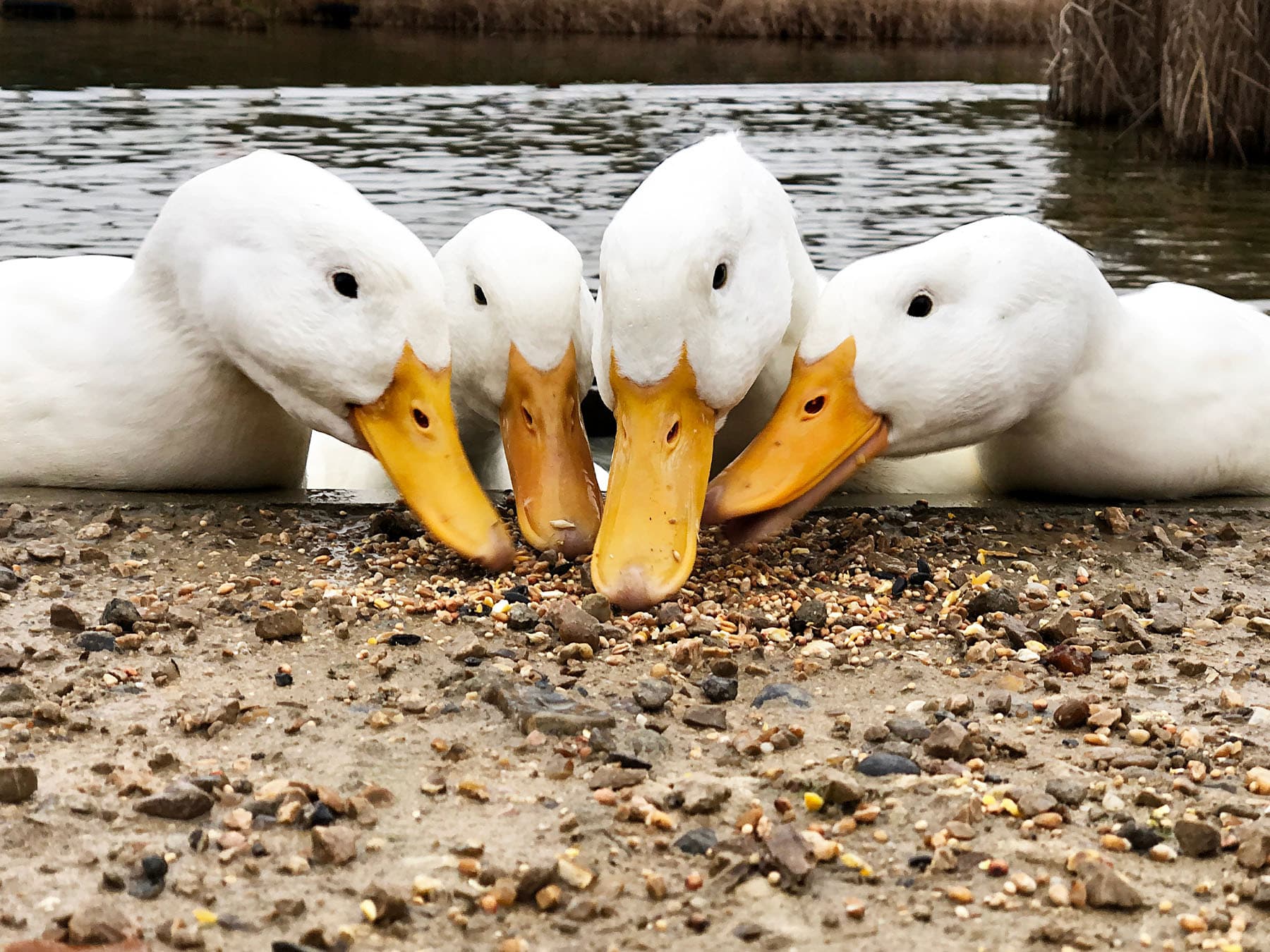
What is a Group of Ducks Called? Discover the Collective Nouns for Ducks
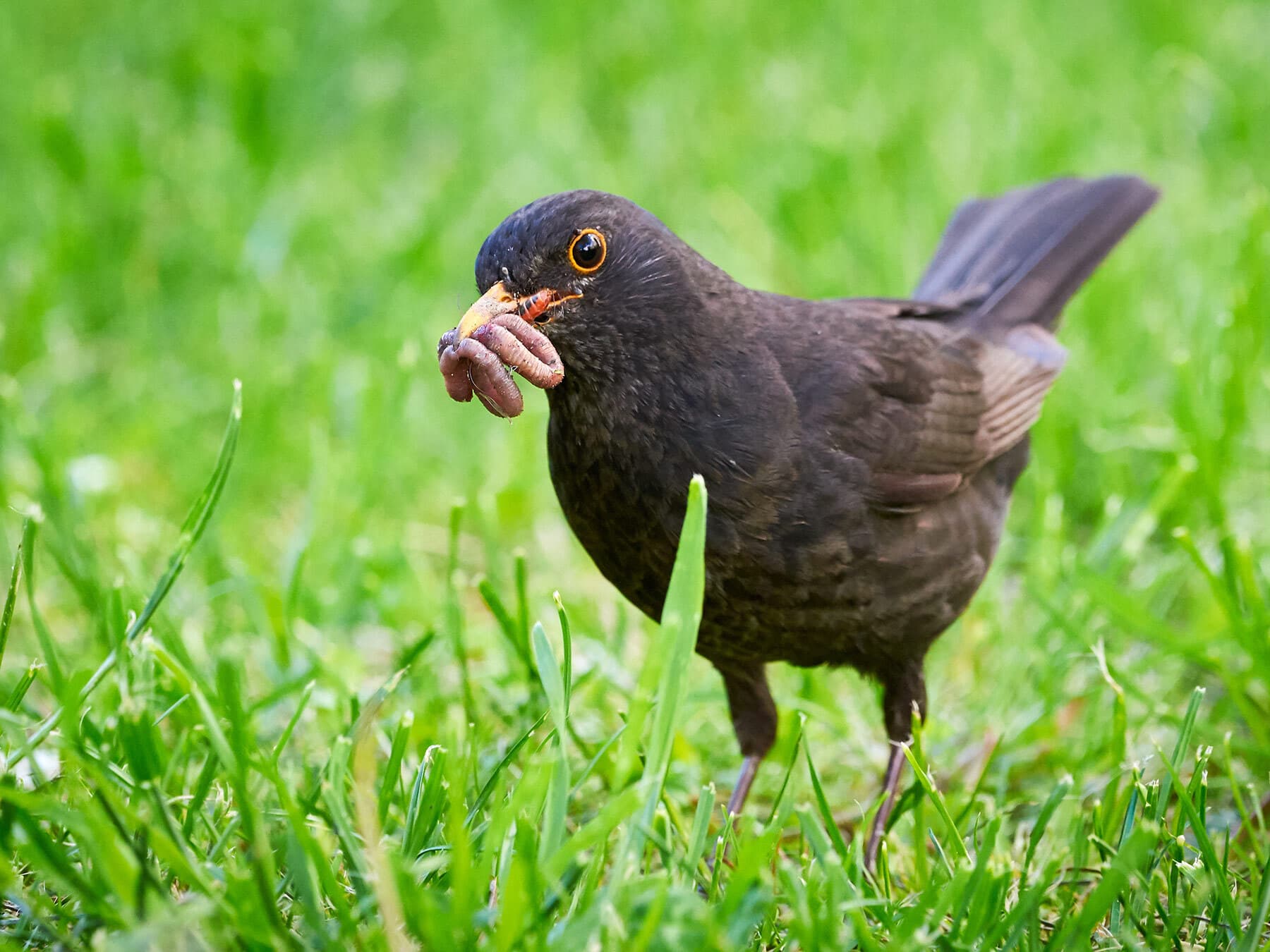
Are Birds Omnivores? (Which Birds, What Do They Eat?)
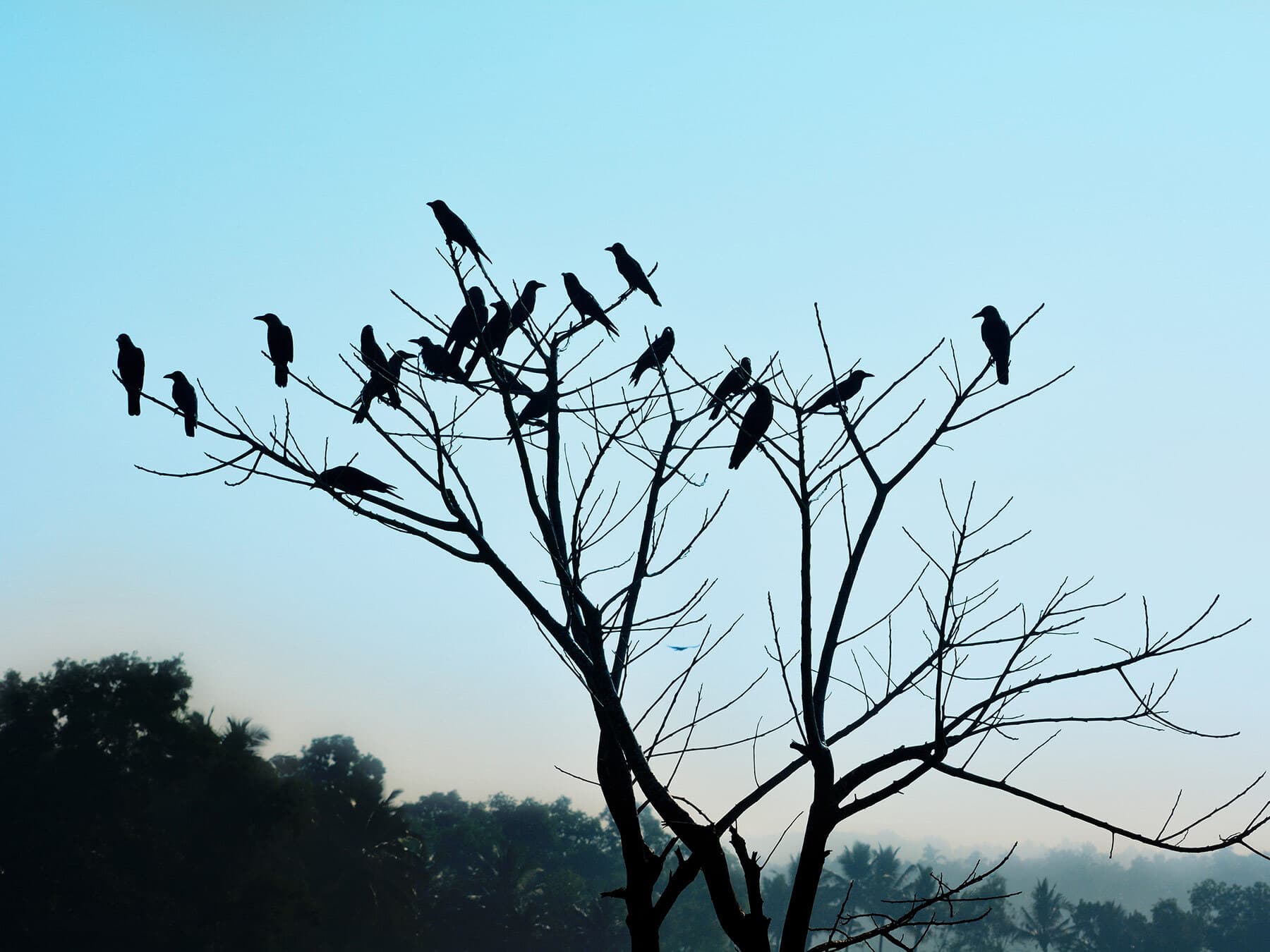
What is a Group of Crows Called? (And Why?)

Do Birds Fart? Breaking Down the Myth

The World of Baby Penguins: From Hatchling to Adult
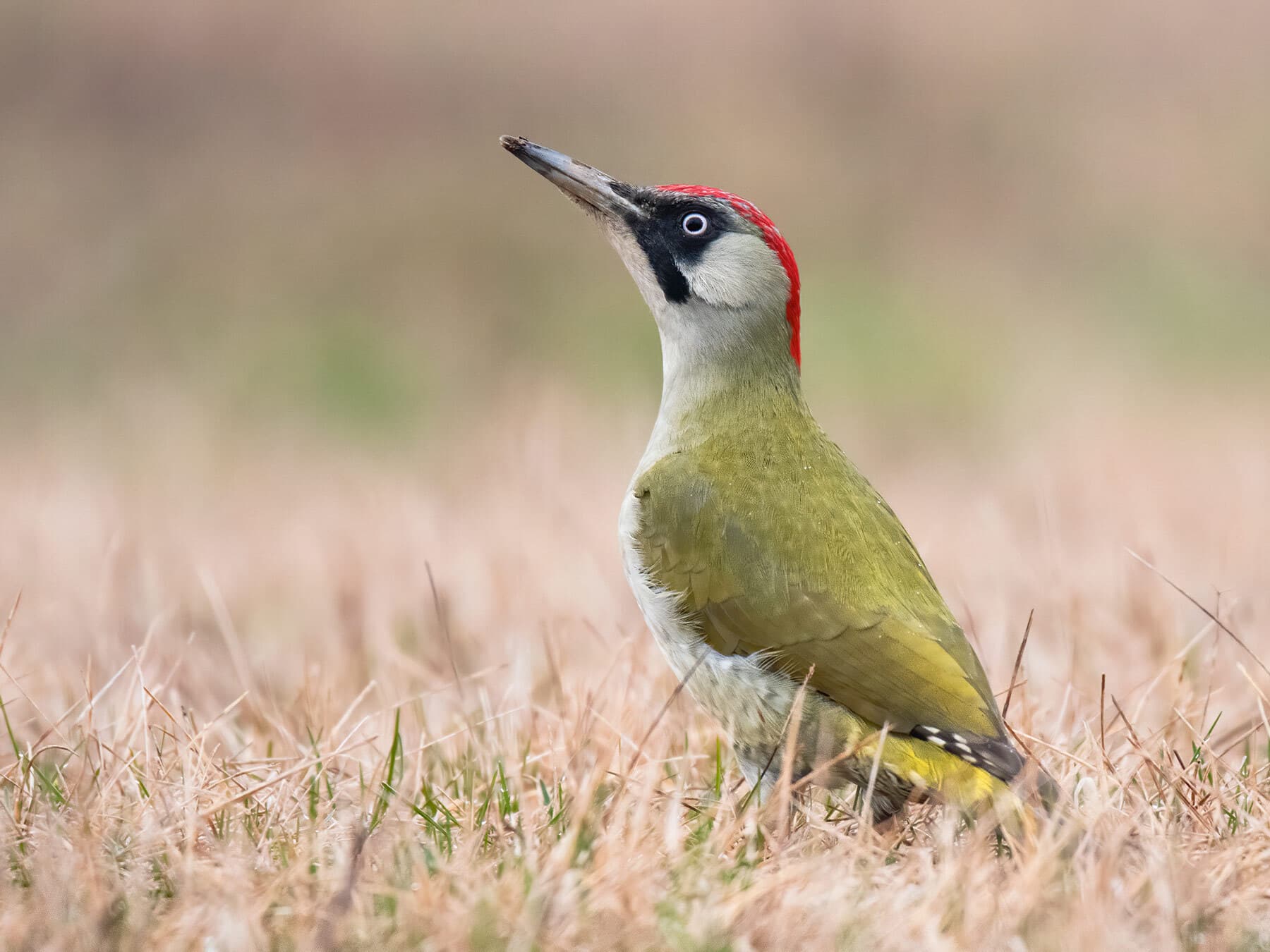
Do Birds Eat Ants? Foraging Behavior + FAQs Answered
Birds Eating Ants as Part of Their Diet: Various bird species, including woodpeckers, pigeons, pheasants, sparrows, starlings, hummingbirds, crows, and wild turkeys, regularly consume ants. While some, like the Great Horned Owl and Eastern Screech Owl, eat ants more opportunistically, ants are a key part of the diet for others, like the Burrowing Owl.Nutritional Value of Ants for Birds: Ants are a protein-rich food source for birds, providing essential nutrients like zinc, iron, and potassium. These nutrients are crucial for muscle strength, blood circulation, and regular heartbeats in birds.Hunting Techniques and Preferred Ant Species: Birds employ various methods to catch ants, with woodpeckers using their sticky tongues and others foraging on the ground. Commonly consumed ant species include black garden ants, carpenter ants, red ants, flying ants, and fire ants, with the choice depending on the bird's size and habitat.Impact of Ants on Birds and Nesting Considerations: While ants are generally not harmful to birds, some types, like Southern Fire Ants, can pose a threat to nestlings. Baby birds are usually not fed ants due to their hard bodies, and they are instead given softer invertebrates. To attract ant-eating birds, maintaining short grass and adding bird feeders to your garden can be effective.

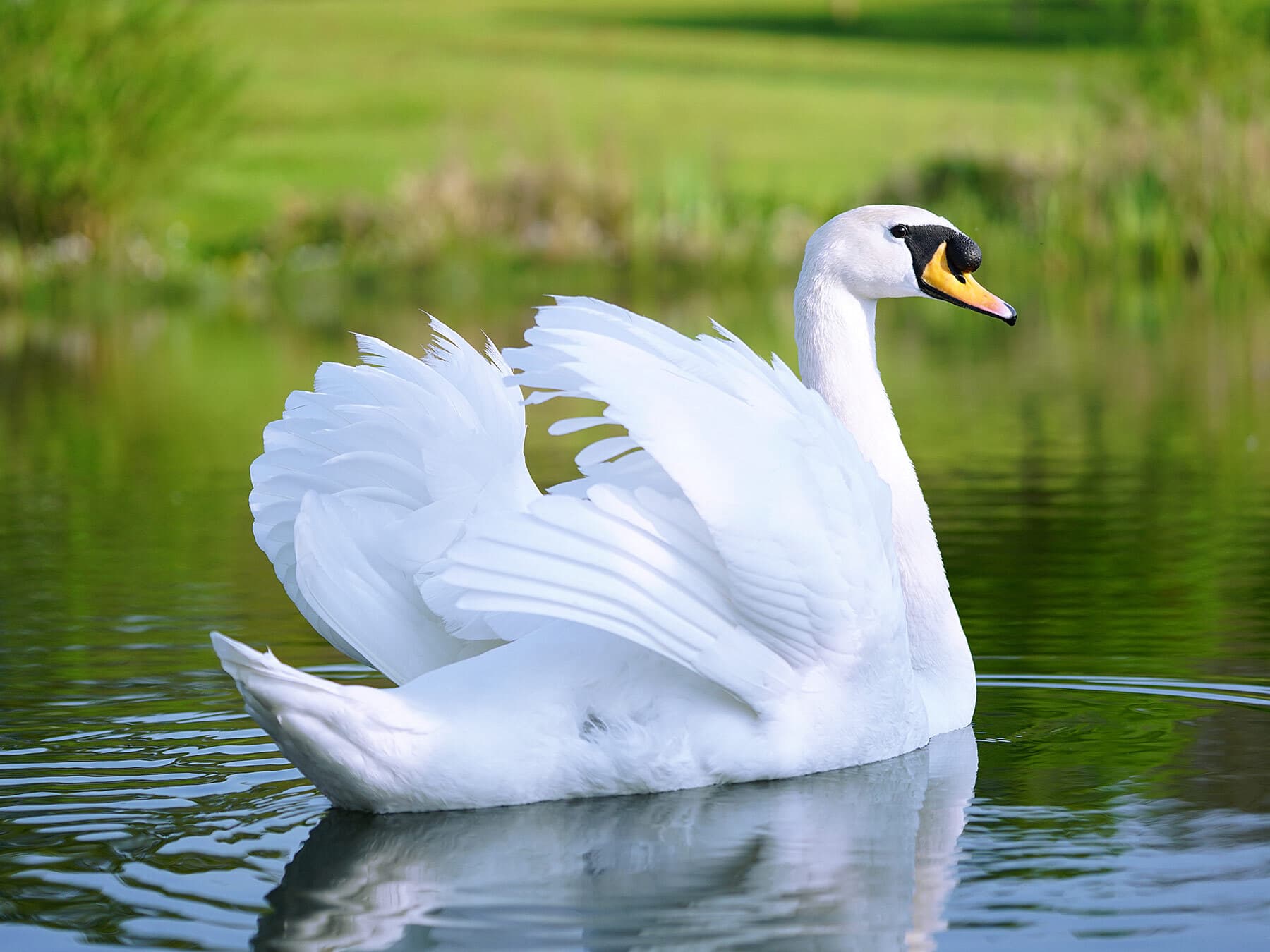
Can Swans Fly? Exploring Their Flight Abilities
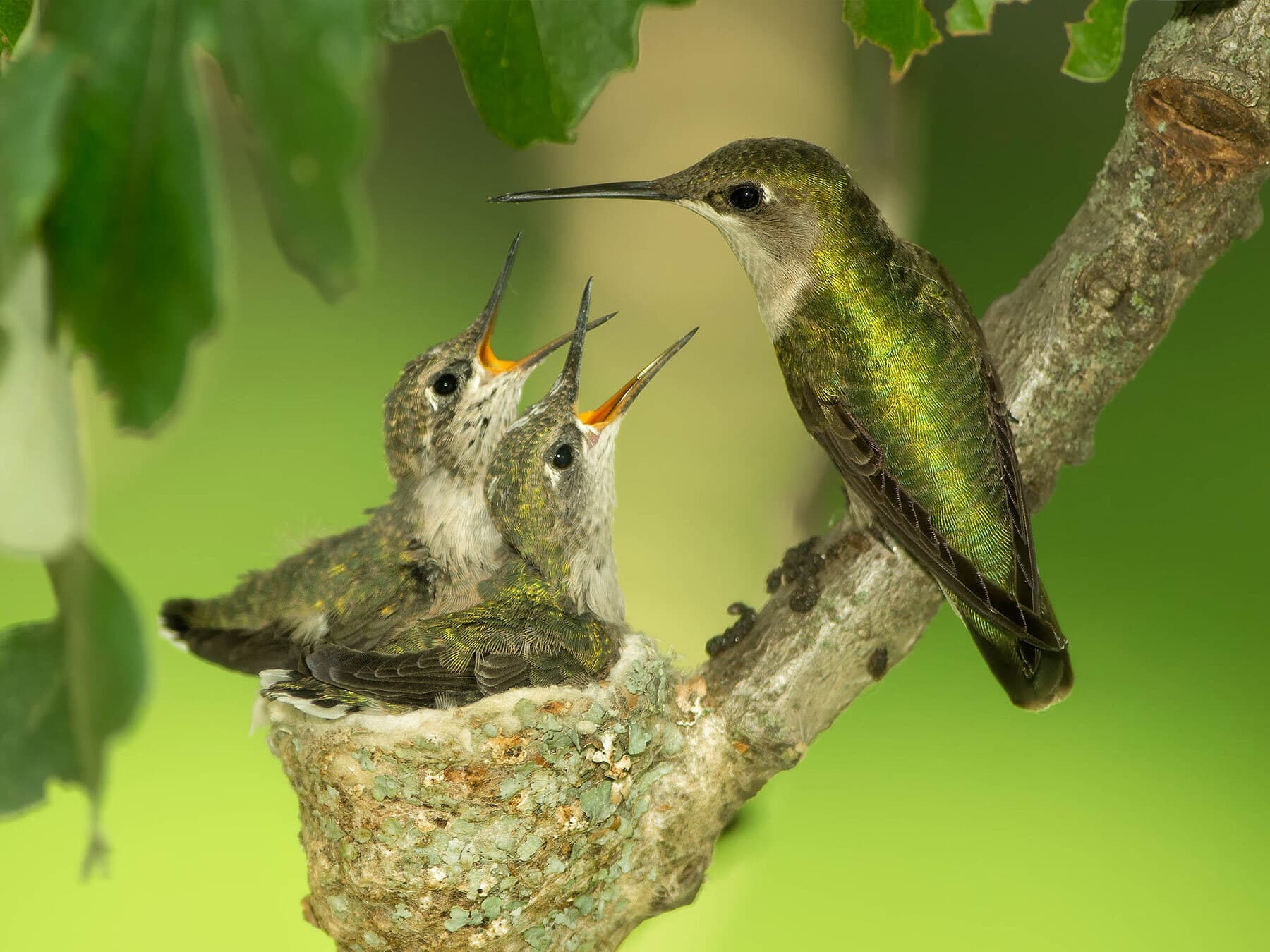
Baby Hummingbirds: From Nest to Flight

Do Birds Eat Spiders? Exploring the Role of Arachnids in Bird Diets
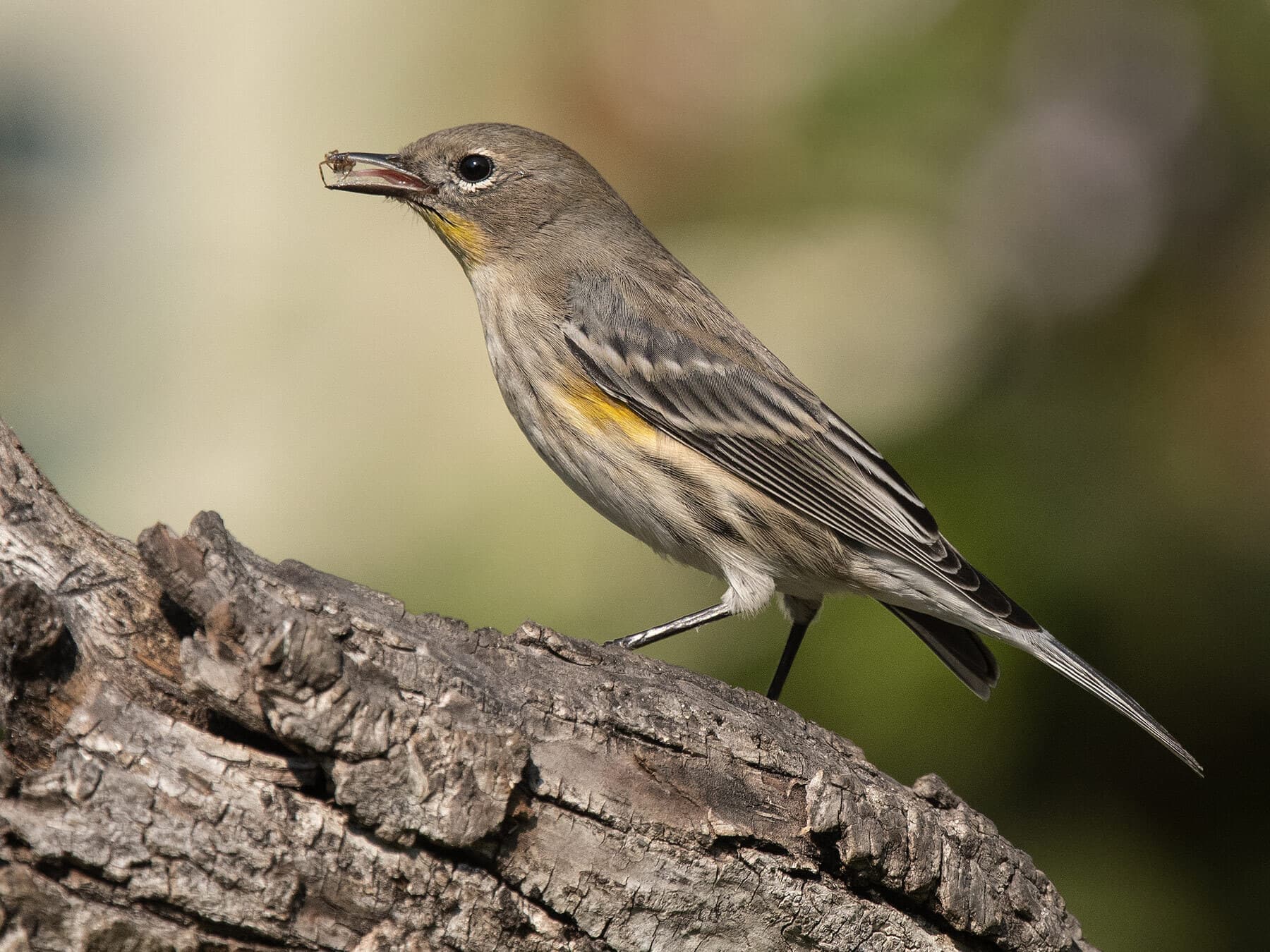
Birds, including insectivorous species like wrens, sparrows, and robins, as well as omnivores like crows, regularly eat spiders, which are a rich source of taurine beneficial for their young.Certain bird species such as Blue Tits and Great Tits provide spiders to their chicks, impacting the chicks' development and learning abilities positively.Birds employ various methods to catch spiders, including aerial swoops and web plucking, and even consume venomous spiders without harm due to their handling and digestion methods.Spiders serve multiple purposes for birds beyond nutrition, such as the use of spider silk in nest building by hummingbirds and other species for its strength and flexibility.

Understanding Bird Coughs: Why They Don't Sound Like Ours
Birds can "cough," but it's different from human coughing; they produce multiple 'kack' like sounds often mistaken for sneezing.Unlike humans with a single larynx, birds have a syrinx, or "lower larynx," situated at the end of their windpipes, causing their unique sound production.Birds might "cough" for various reasons, including mimicking sounds, respiratory infections, or due to allergies from strong scents.Continuous coughing or coughing accompanied by symptoms like unusual excrement colors or unusual breathing patterns may indicate health concerns, necessitating a vet visit.

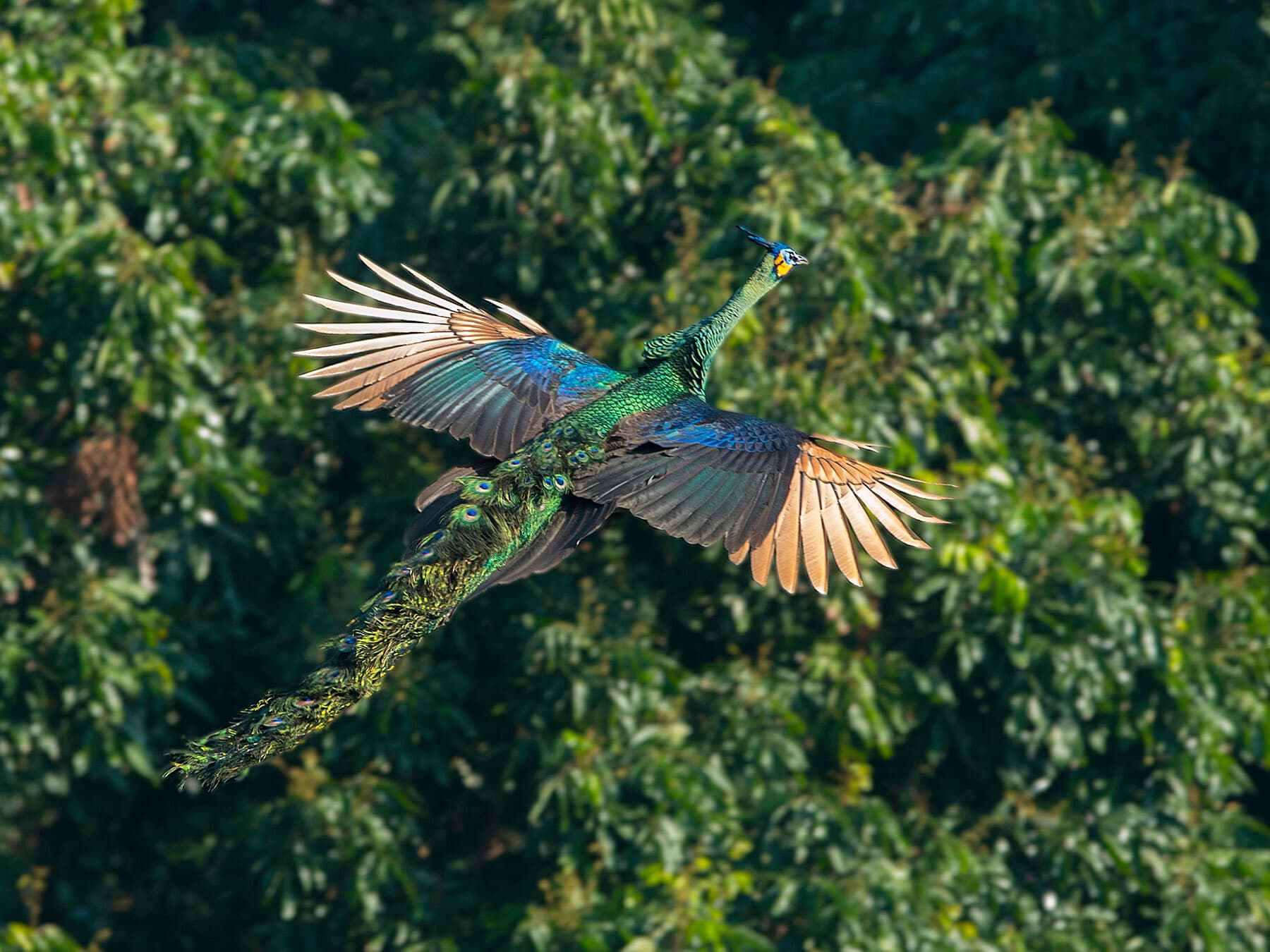
Can Peacocks Fly? Exploring Distance, Height & Speed

Do Owls Eat Snakes?
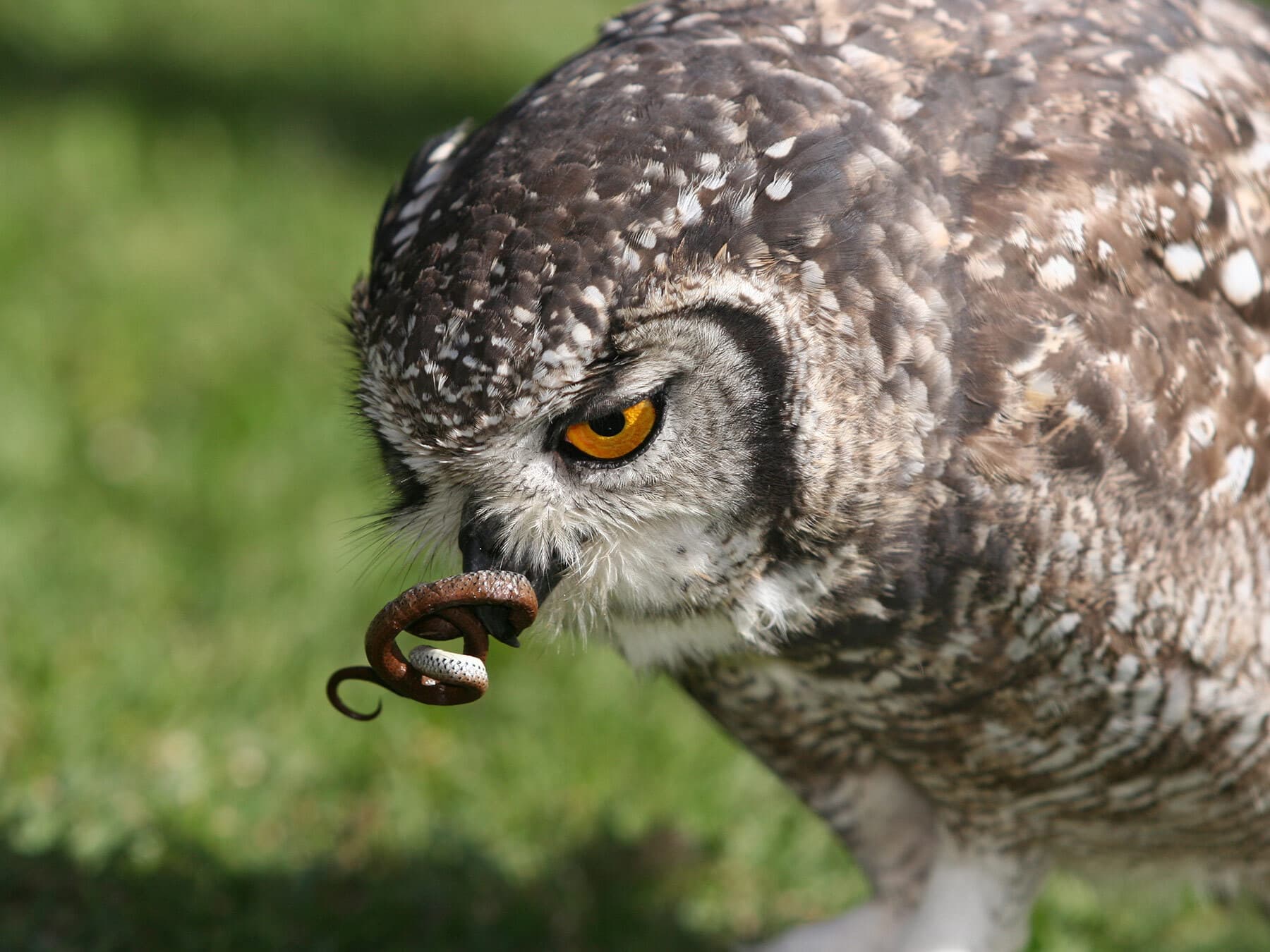
Diverse Diet Including Snakes: Owls, with over 225 species globally, have varied diets based on their size and habitat. Several species, particularly the Great Horned Owl, Eastern Screech Owl, Barred Owl, and Burrowing Owl, are known to consume snakes as part of their diet.Opportunistic Hunters: Owls don't specifically hunt for snakes but will eat them when the opportunity arises. Their diet primarily includes small to medium-sized prey, with snakes being a supplementary food source.Types of Snakes Eaten: The types of snakes owls eat depend on their habitat and the owl's size. Eastern Screech Owls, for example, prey on common garter, rat snakes, and eastern hognose snakes, while Burrowing Owls target smaller species like smooth green snakes.Hunting Methodology: Owls utilize their binocular vision for depth perception and accurate striking. They silently swoop down on their prey, using their powerful talons to grasp snakes off the ground. Once airborne, the snakes become defenseless, unable to strike back due to the lack of a supporting surface.

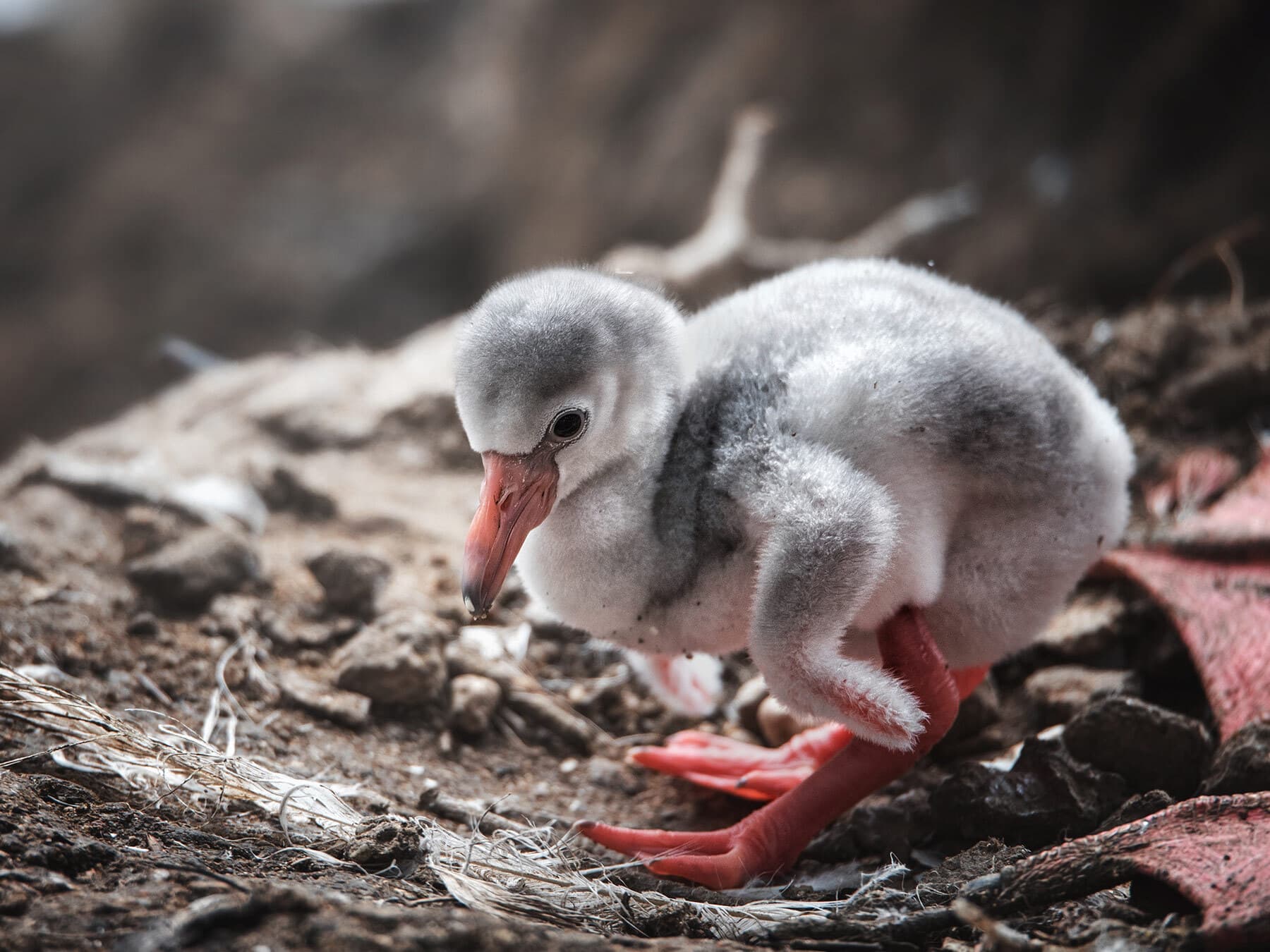
Baby Flamingos: Everything You Need To Know (with Pictures)
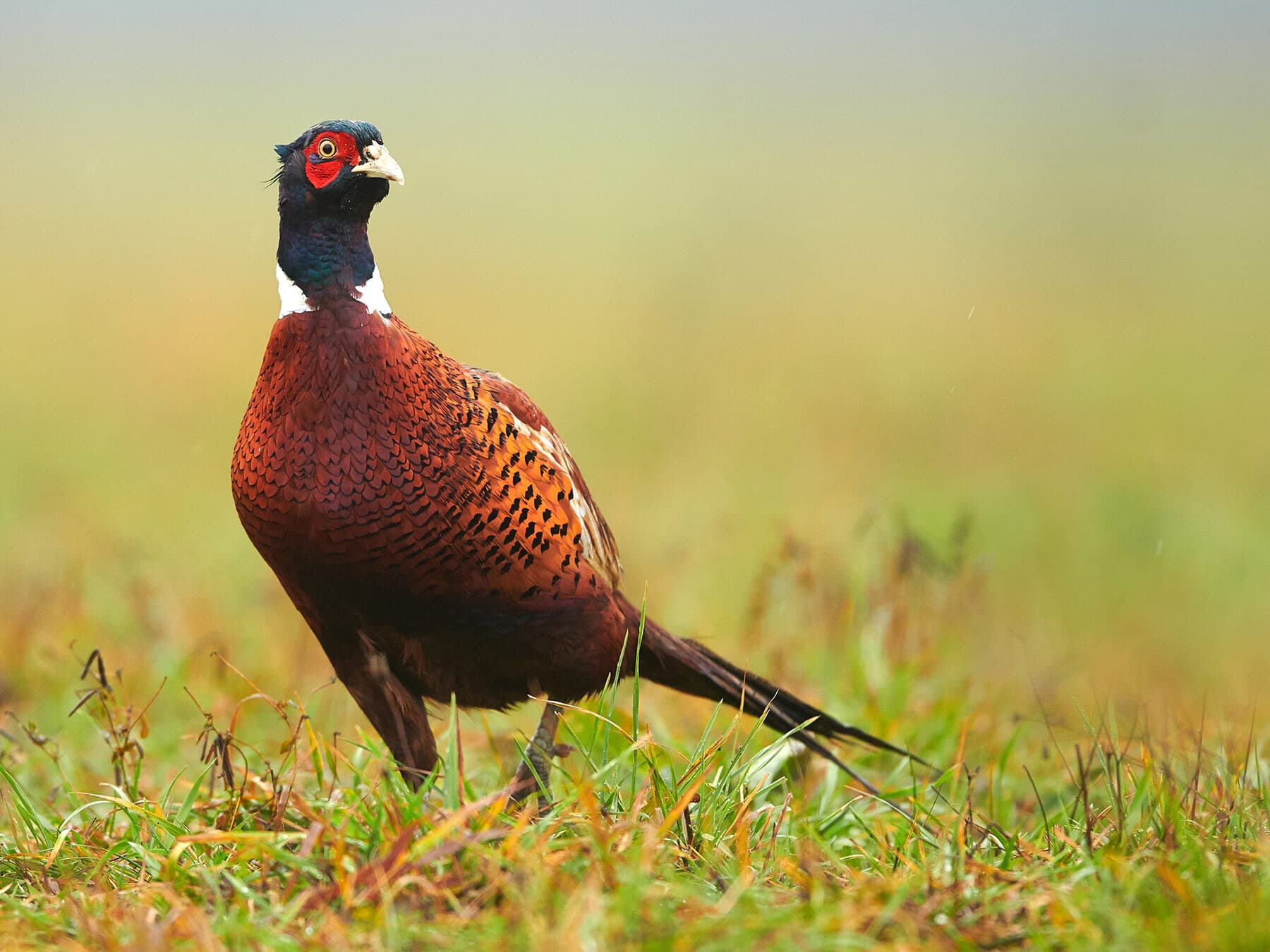
Can Pheasants Fly? Exploring Distance, Speed, Height

What is a Group of Eagles Called?

Bald Eagle or Golden Eagle: What Are the Differences?

Baby Pigeons: All You Need To Know (With Pictures)

Owl Legs: Anatomy, Adaptive Advantages + FAQs
Anatomy and Function: Owls have long, powerful legs with a unique anatomy comprising a femur, knee, tibia, fibula, ankle, foot, and four talons. These legs are typically covered in feathers for insulation, camouflage, and protection during hunting.Talons and Hunting Abilities: Their talons are highly effective for gripping prey, with one toe that can rotate like a thumb for a stronger hold. Owls use their legs and talons for silent hunting, gripping prey securely, and maintaining balance and stability while perching.Adaptation to Environment: Different owl species have leg features adapted to their habitat. Owls in savannas and prairies have longer legs for effective ground hunting, while those in colder regions have thickly feathered legs for insulation, and those in wetlands have bare or lightly feathered legs to prevent waterlogging.Silent Flight and Thermoregulation: The feathered legs aid in silent flight by minimizing noise and reducing turbulence. Some species use the soles of their feet for thermoregulation, radiating excess heat away from the body.