Articles

581 articles on birds, birdwatching, conservation, and ornithology.

Why Do Birds Open Their Beaks? Unraveling the Mystery
Why Do Birds Open Their Beaks? Unraveling the Mystery

Facts
Female Blackbirds: Identifying Features And Behaviours

Female Blackbirds: Identifying Features And Behaviours

Appearance Differences: Female blackbirds differ from males in colouration, having sooty-brown plumage with mottled patterns and dull yellow-brownish beaks, as opposed to the male's black plumage and bright orange eye rings and beaks.Wing Size Variation: Females typically have shorter wings compared to males, a common trait in many bird species influenced by sexual selection, where larger males are seen as better protectors and providers.Vocal Distinctions: Male blackbirds are known for their loud, melodious songs during breeding season, while female blackbirds, though generally quieter, do engage in subtle singing or humming, mainly in response to male courtship displays.Nesting and Territorial Behaviour: Female blackbirds are responsible for building nests, typically in bushes or trees, and exhibit territorial behaviour during the breeding season. Both male and female blackbirds participate in feeding the fledglings.

Identification
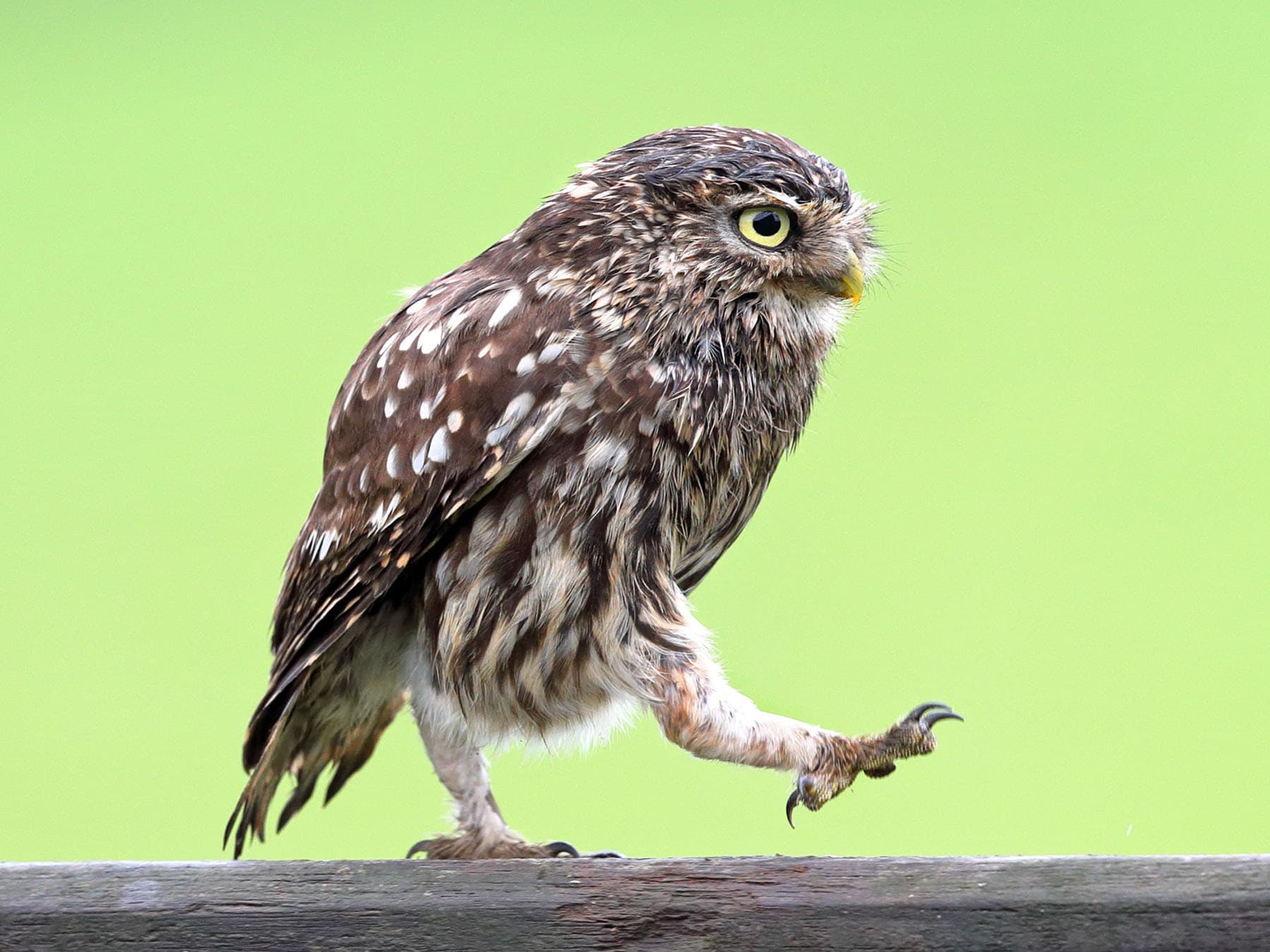
Do Owls Eat Rabbits?

Do Owls Eat Rabbits?

Facts
Exploring the World's Largest Birds: A Size Comparison
Exploring the World's Largest Birds: A Size Comparison

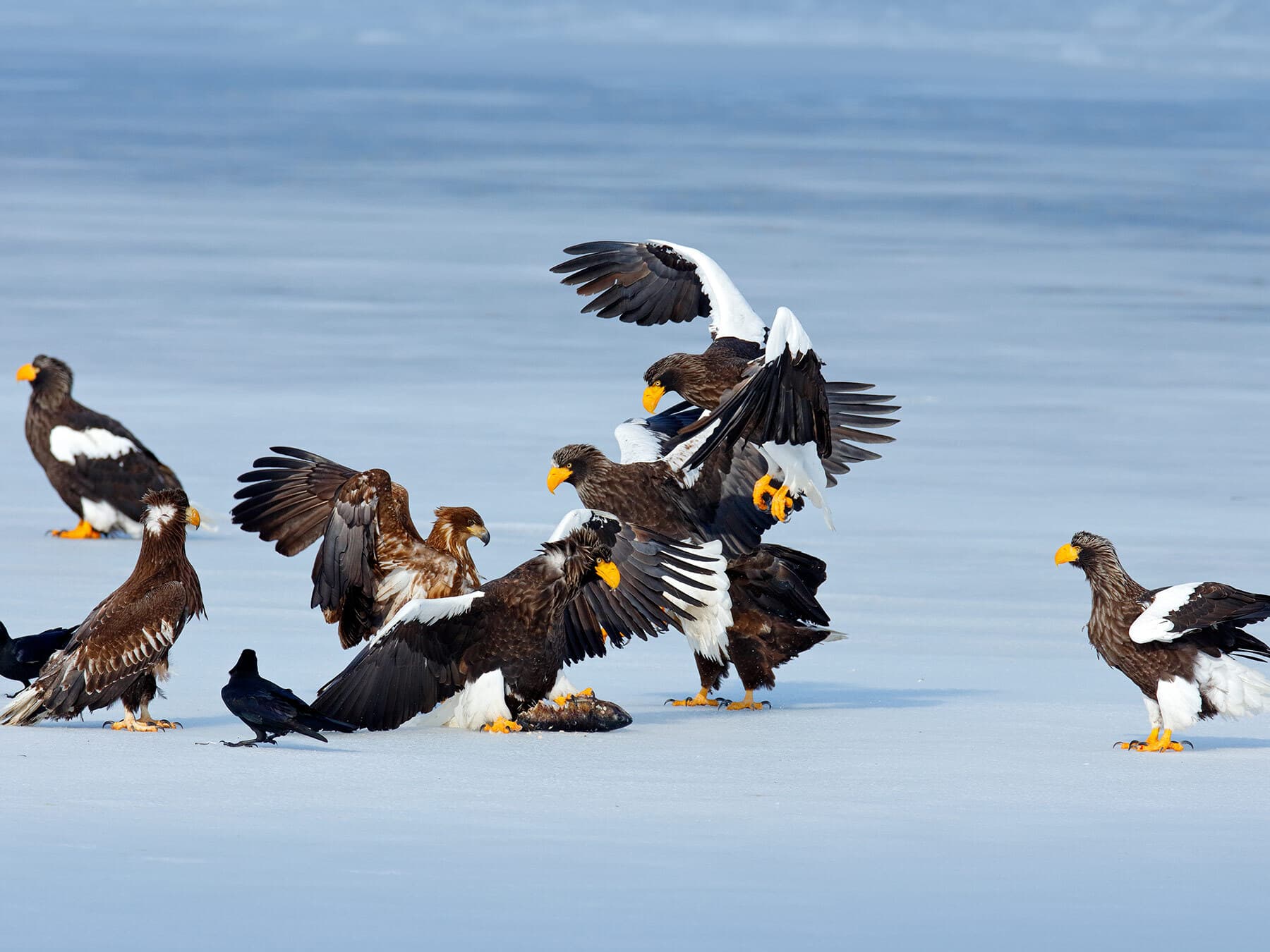
Largest Birds by Mass and Wingspan: The Common Ostrich (Struthio camelus) is the world's largest bird by mass, weighing over 156kg (344 lb), while the Wandering Albatross (Diomedea exulans) has the largest wingspan, reaching up to 3.65m (12 ft).Biggest Flying Birds: The Great Kori Bustard (Ardeotis tardi) is the heaviest flying bird, weighing up to 18kg, and the Wandering Albatross has the longest wingspan among flying birds.Largest Birds of Prey: The Andean Condor (Vultur gryphus) has the largest wingspan among birds of prey at 3.2 m (10 ft), followed by the Cinereous Vulture, which can weigh up to 14 kg (31 lb).Notable Largest Birds: The extinct Elephant Bird (Aepyornis) was the largest bird in history, standing over 3 m (9.8 ft) tall. The Gyrfalcon (Falco rusticolus) is the biggest falcon, and the Eurasian eagle-owl (Bubo bubo) and Blakiston's fish owl (Bubo blakistoni) tie as the largest owls. The Emperor Penguin (Aptenodytes forsteri) is the largest penguin, reaching heights of 1.35 m (4.4 ft) and weighing up to 46 kg (101 lb).

Facts
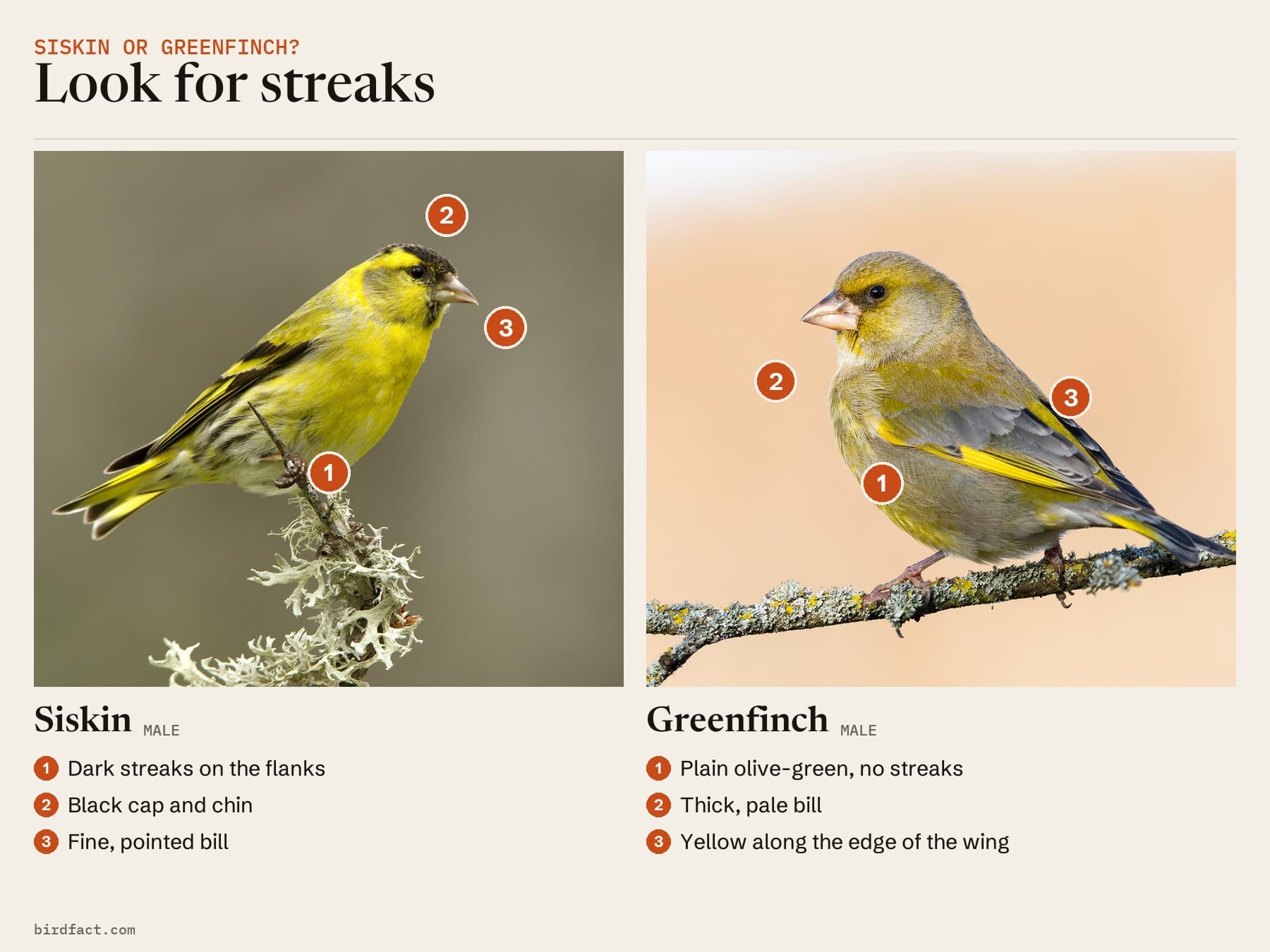
Siskin or Greenfinch: Tips to Spot the Difference

Siskin or Greenfinch: Tips to Spot the Difference

IdentificationBird comparisons
How Do Birds Mate: From Courtship to Nesting
How Do Birds Mate: From Courtship to Nesting

Basics of Bird Mating: Birds mate briefly, often in seconds, despite elaborate mating displays. The act of mating, typically known as a "cloacal kiss," involves the cloaca, a single opening serving reproductive and excretory functions, found in about 97% of bird species.Mating Process Explained: During mating, the male and female align their cloacas for sperm transfer. This usually involves the male mounting the female's back and brief contact between their cloacas. Only about 3% of birds, like ducks and ostriches, have a penis for copulation.Mating Rituals and Displays: Birds engage in complex mating rituals, including singing, dancing, and showing off plumage, to attract mates and ensure strong offspring. These displays are crucial for mate selection and species recognition.Variations and Exceptions in Bird Reproduction: Some birds have penises, which become erect through lymphatic fluid, aiding in underwater copulation. Factors like habitat (ground or water living) may influence the presence of a penis in birds. Additionally, birds lay eggs after mating, with fertilization happening internally. However, they do not get pregnant like mammals.

Facts
European Starling or Common Grackle: A Guide To Their Distinctive Features

European Starling or Common Grackle: A Guide To Their Distinctive Features

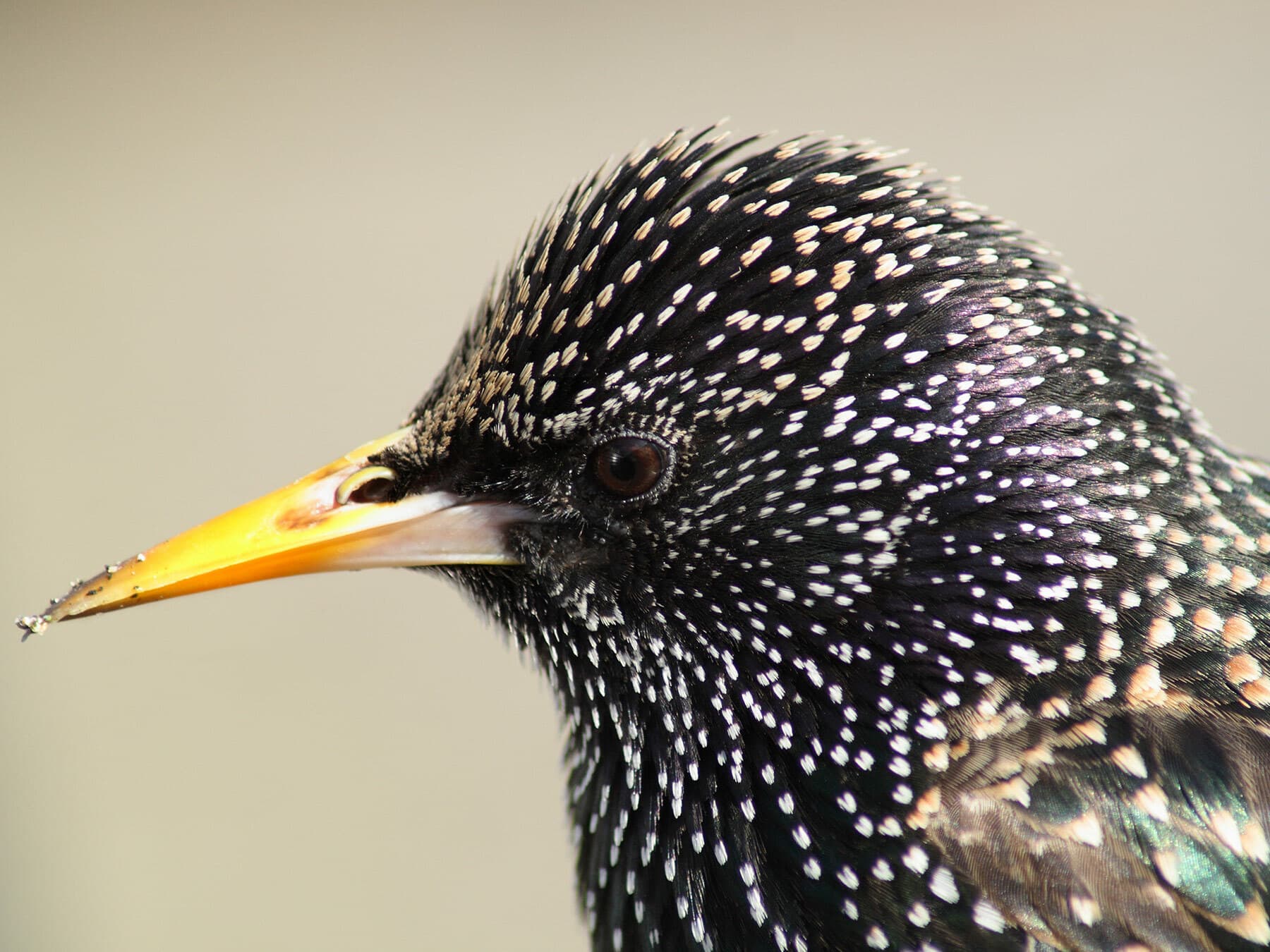
Physical Differences: The European Starling has dark eyes, pinkish legs, and a slender yellow bill, while the Common Grackle has yellow eyes, dark legs, and a dark bill. Grackles are larger with longer tails, sometimes as long as the bird itself, and starlings have shorter tails without patterns.Behavioral and Diet Variations: Grackles are native to the US, noisy, and feed on a variety of foods including crops. Starlings, not native to just the US, are generally quieter, eat insects and seeds, and travel in groups. Grackles have a more intense gaze due to their bright, golden eyes.Habitat and Plumage: Both species have iridescent plumage, but starlings resemble grackles more in winter with less vibrant, spotted plumage and black beaks. Grackles and starlings can occasionally flock together outside the nesting season.Species Distinction and Interesting Facts: Grackles belong to the Troupials and Allies family and display sexual dimorphism, with males being larger. They can recognize human faces and mimic sounds. Starlings, part of the Starling family, have spread rapidly in North America since their introduction in the 1890s and are known for their strong jaw muscles used for foraging.

IdentificationBird comparisons
Why Do Birds Migrate?

Why Do Birds Migrate?

Facts
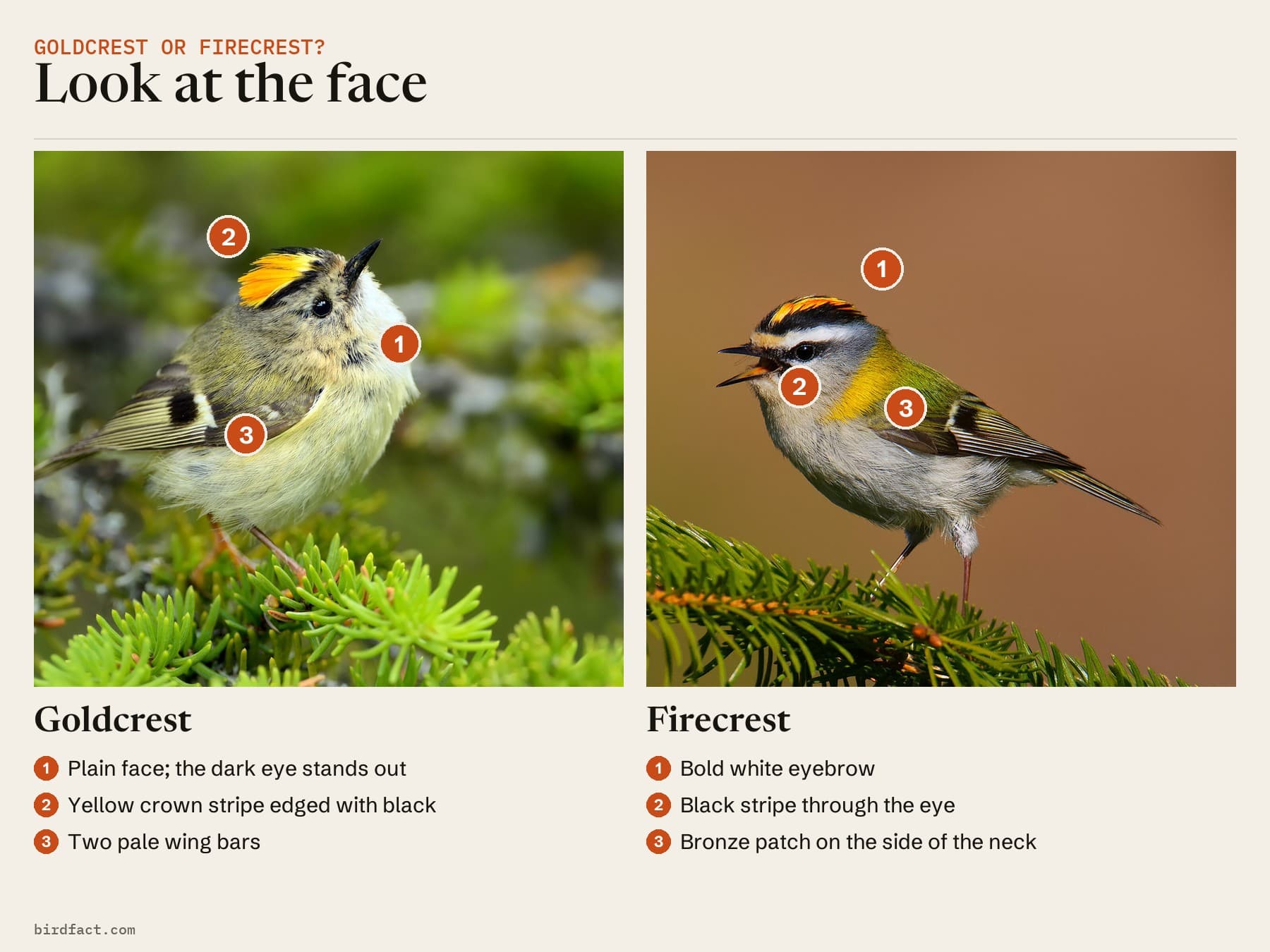
Goldcrest or Firecrest: Key Features Compared

Goldcrest or Firecrest: Key Features Compared

IdentificationBird comparisons
What Are Ducks’ Feet Called? A Guide to Understanding Webbed Feet
What Are Ducks’ Feet Called? A Guide to Understanding Webbed Feet

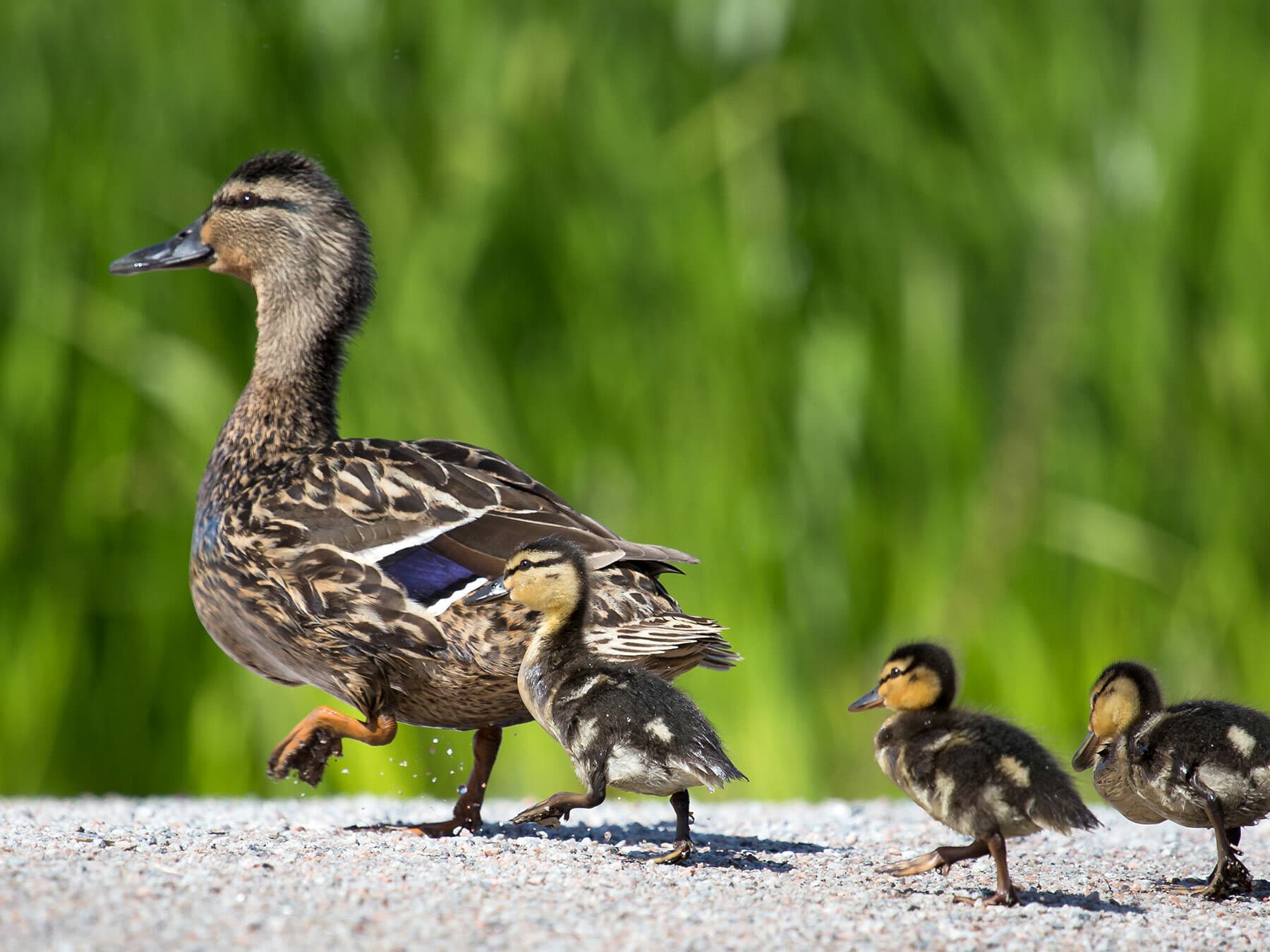
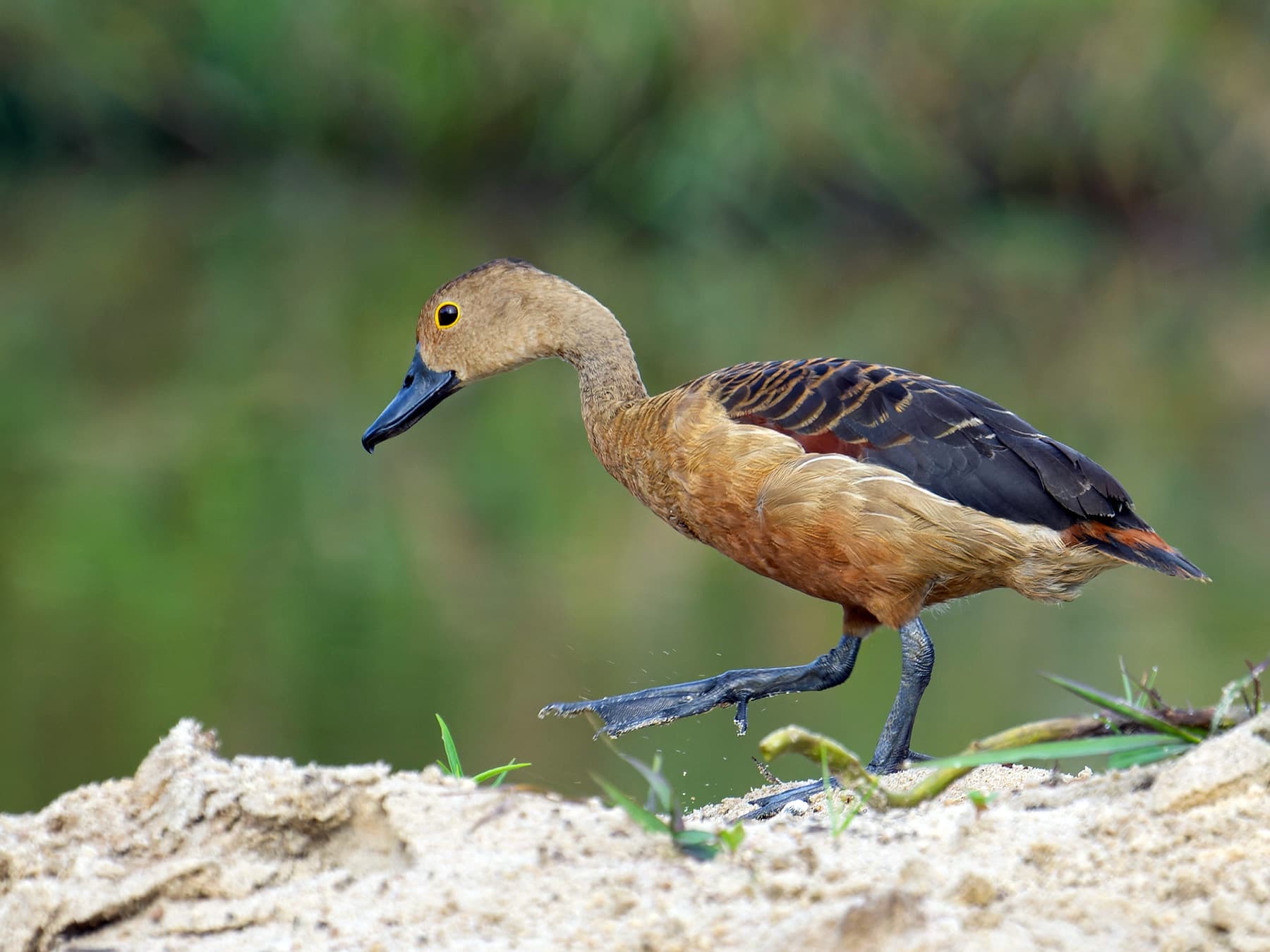
Palmate Feet Design: Ducks have palmate feet, a common type of webbed foot among aquatic birds, where the three front toes are connected by webbing, while the small, raised back toe is separate. This design is efficient for swimming and is found in ducks, gulls, terns, swans, and geese.Swimming and Steering Functionality: The webbed feet enable ducks to swim effectively, with the toes spreading apart to push through the water forcefully and then closing for the next stroke. These feet also act as a rudder for steering, essential for navigating in water.Adaptation to Habitat and Behavior: Dabbling ducks, like mallards, have centrally placed legs for easy walking on land, while diving ducks, like pochards, have legs set far back, aiding in swimming and diving but making land movement more challenging. Ducks also use their feet for taking off from and landing on water.Thermoregulation: Ducks possess a 'counter-current heat exchange system' in their legs to maintain body temperature, allowing them to withstand cold conditions and spend time in icy waters. This feature, along with the talons, color, and size of their feet, can also help in identifying different duck species.

Facts
Feeding Rhythms: What Time Of The Day Do Birds Eat?
Feeding Rhythms: What Time Of The Day Do Birds Eat?

Early Morning and Late Afternoon Peaks: Birds like cardinals, robins, blue jays, chickadees, juncos, and woodpeckers typically feed early in the morning to replenish energy lost overnight, with a second feeding peak occurring in the late afternoon to build up reserves for the night or for winter months.Midday Feeding Variations: Midday sees a decrease in bird activity at feeders, though juvenile and smaller birds may take advantage of this quieter time. Starlings often visit feeders during midday, quickly consuming available food.Nocturnal Feeding Habits: Owls, night herons, nighthawks, and nightjars are examples of nocturnal birds that feed primarily in the dark, using their acute hearing and night vision to hunt prey like mice, rats, and insects.Influence of Weather and Predators: Adverse weather conditions like storms can disrupt natural feeding rhythms, forcing birds to seek food during less ideal times. The presence of predators near feeding sites can also cause birds, especially smaller ones, to alter their feeding habits for safety.

FactsFeeding birds
Crow Puns: Our Collection of Funny Crow Puns

Crow Puns: Our Collection of Funny Crow Puns

Facts
Do Birds Eat Frogs?

Do Birds Eat Frogs?

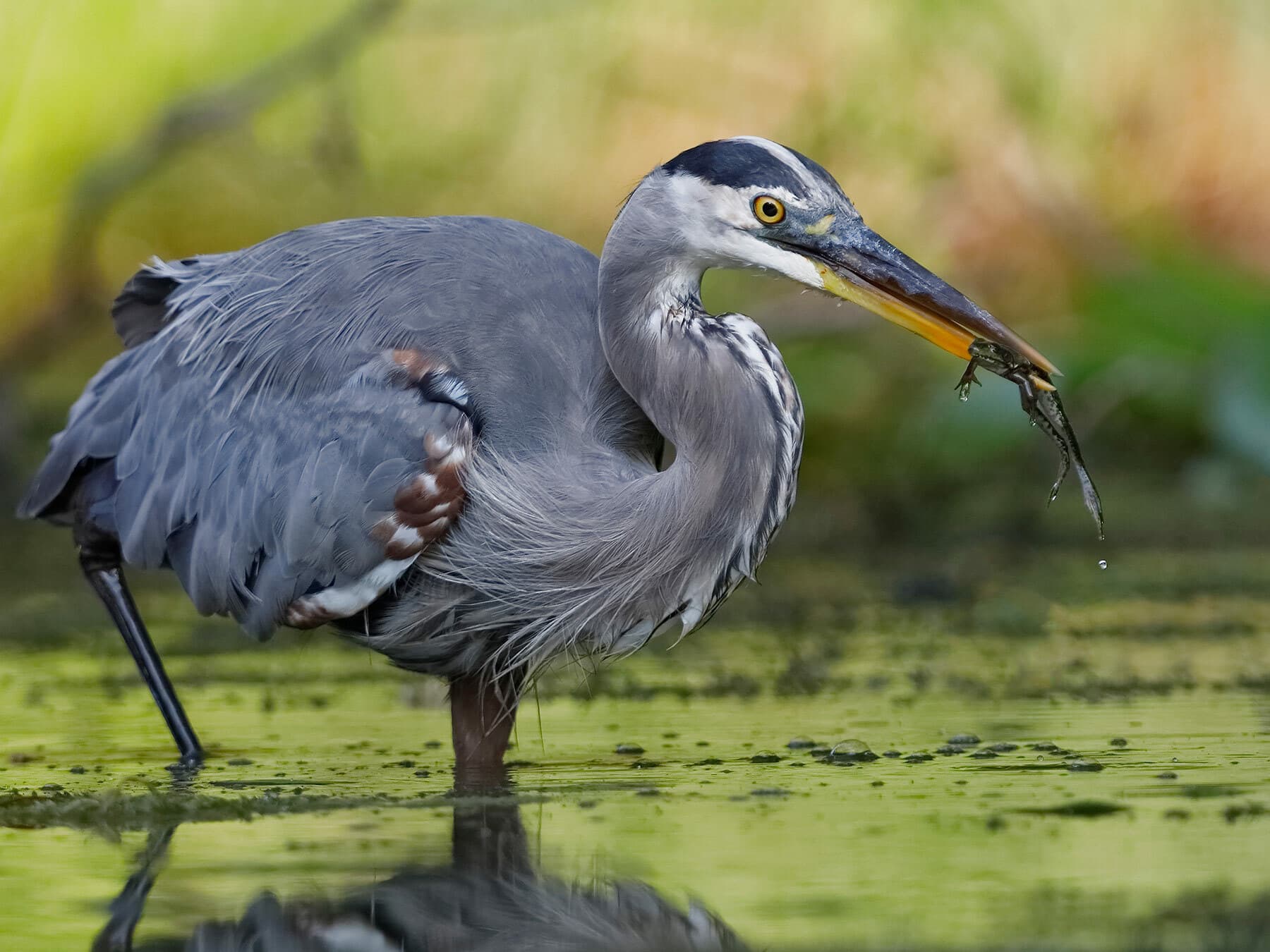
Diverse Bird Diets Include Frogs: Various bird species, particularly larger ones like herons, storks, egrets, kingfishers, and members of the gull family, prey on frogs. Even hawks, swans, geese, ducks, crows, ravens, and owls may consume frogs opportunistically.Habitat Influence on Frog Consumption: Birds living in or near freshwater environments are more likely to eat frogs. The size of the frog a bird can consume typically depends on the bird's size.Birds Eating Tadpoles and Froglets: Many bird species find baby frogs, tadpoles, and froglets to be easy prey due to their less evasive nature, making them vulnerable to predation.Avoidance of Poisonous Frogs: Birds generally avoid eating poisonous frogs, identifiable by their bright colours and markings, which signal toxicity. This avoidance behaviour is especially prevalent in regions like Central and South America, where many poisonous frogs are found.

Facts
20 Most Common Birds Found In London

20 Most Common Birds Found In London

Facts
Global Overview of Bird Diversity: How Many Bird Species Exist?
Global Overview of Bird Diversity: How Many Bird Species Exist?

Global Bird Species Diversity: The Clements Checklist of Birds of the World identifies approximately 10,906 bird species globally, distributed across various habitats and regions. The highest diversity is found in tropical regions of South America, Southeast Asia, and Africa.Continental Bird Diversity: North America is home to nearly 2,400 species, with the United States alone boasting 1,205 species. Europe has 964 species, with the UK contributing 679. Oceania, including Australia, hosts about 2,305 species, while South America leads with an impressive 3,869 species.Factors Influencing Diversity: Bird species diversity is influenced by factors like latitude, habitat variability, climate, and human impact. The greatest diversity is near the equator, where stable day lengths and plant production support a wide range of species.Conservation Challenges: Birds face threats from habitat loss, pollution, invasive species, and climate change. Conservation efforts focus on habitat preservation, managing hunting and poaching, and targeted strategies like captive breeding and reintroduction programs.

Facts
Birds with Blue Eggs: Identifying Key Birds That Lay Them

Birds with Blue Eggs: Identifying Key Birds That Lay Them

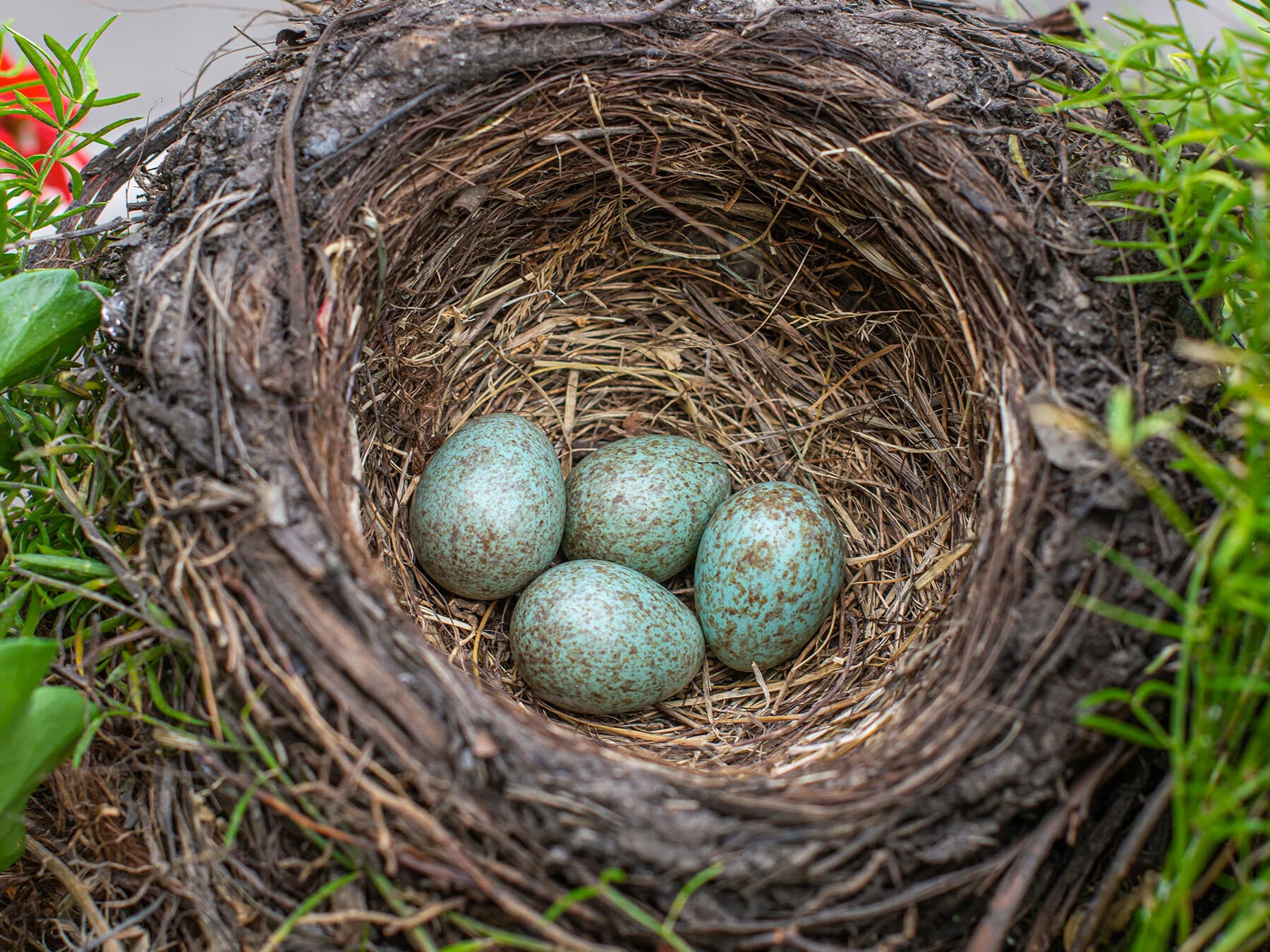
Common UK Birds with Blue Eggs: In the UK, Blackbirds, Dunnocks, Song Thrushes, Magpies, and Starlings are common species that lay blue eggs. Contrary to popular belief, Robins in the UK do not lay blue eggs; it's the American Robin that does.Variations in Blue Egg Characteristics: Each bird species has distinct egg characteristics; for example, Blackbird eggs are blue-green with red speckles, Song Thrushes have glossy light-blue eggs with black or purple spots, Dunnocks' eggs are small, glossy blue with reddish spotting, and Starlings' eggs range from white to pale blue or green.Reason for Blue Eggs in Birds: The blue hue in bird eggs, particularly prevalent in species like the American Robin and Song Thrush, is due to the pigment biliverdin, deposited during egg formation. This pigment not only provides the egg with its distinctive colour but is also believed to enhance the egg's structural integrity and may serve as a signal of the health and genetic quality of the mother bird to potential mates.

Identification
The Fastest Birds in the World: Speed in the Skies and on Land
The Fastest Birds in the World: Speed in the Skies and on Land

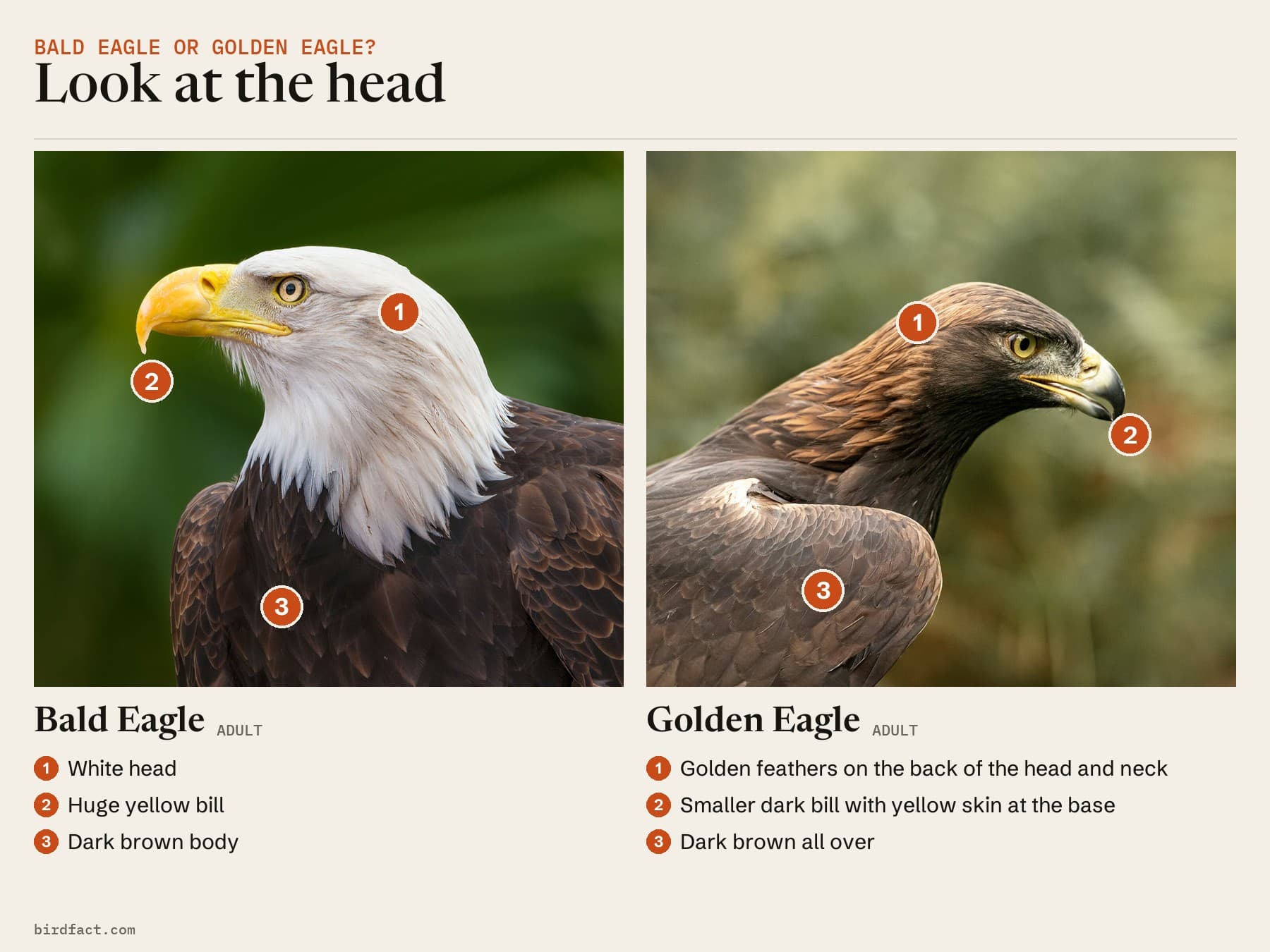
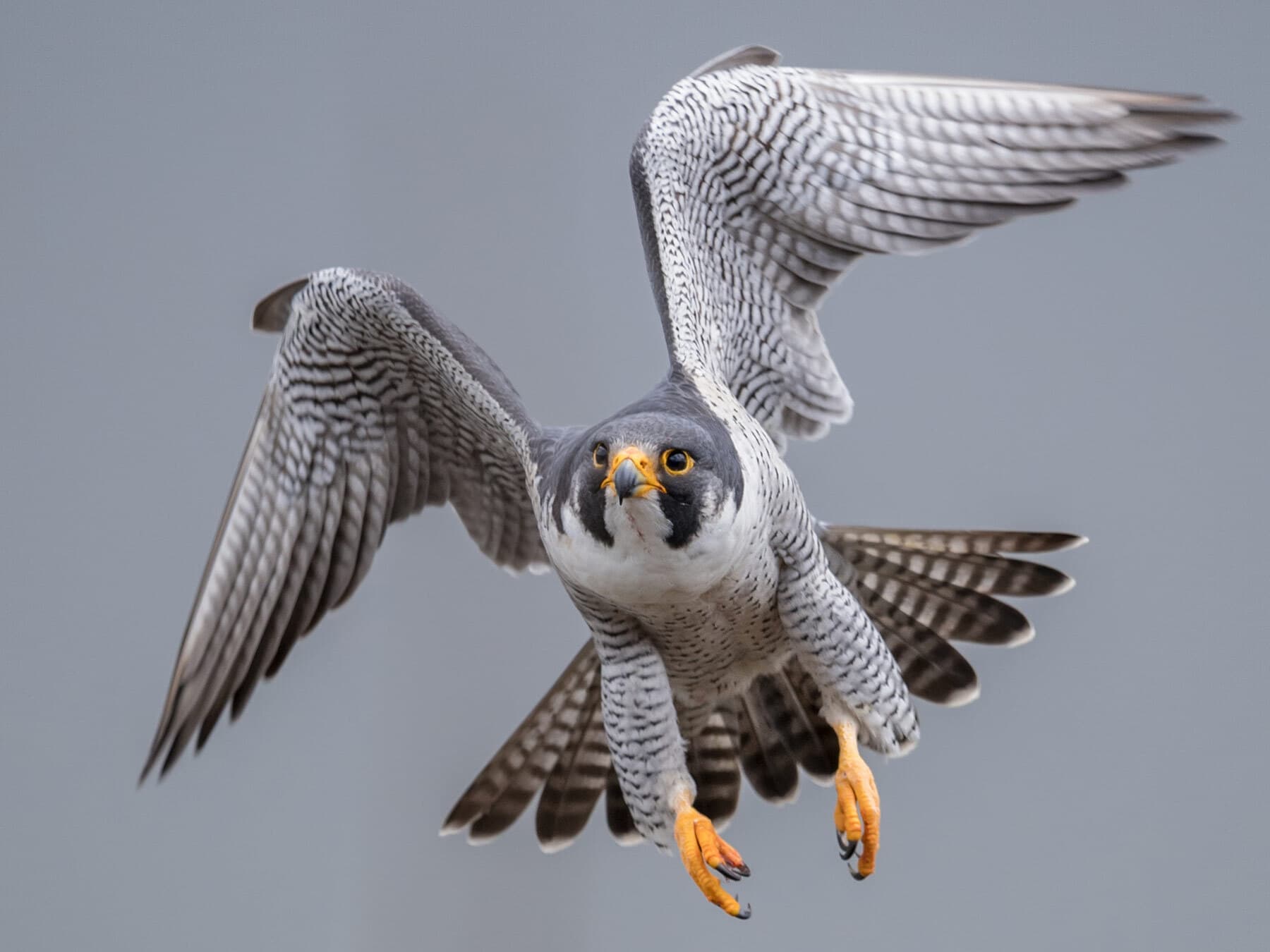
Fastest Bird Overall: The Peregrine Falcon holds the record as the fastest bird, reaching speeds up to 200 mph (389 km/h) during its high-speed dive, also making it the fastest animal in the world.Fastest Level Flight: The Common Swift is the fastest in level flight, capable of reaching speeds over 69 mph (110 km/h), with other swift species and related birds like falcons, ducks, and pigeons also notable for their high speed in level flight.Fastest Running Bird: The Ostrich is the fastest running bird, able to reach speeds over 43 mph, adapted for life in semi-deserts and savannahs, while the American Roadrunner can hit 26 mph.Other Fast Birds: Among other fast birds, the Golden Eagle is the quickest eagle, diving at over 150 mph, while the Great Horned Owl is one of the fastest owls. Shorebirds like the Dunlin and waterfowl like the Red-breasted Merganser are also incredibly fast, along with the Rock Pigeon known for its speed in homing races.

Facts
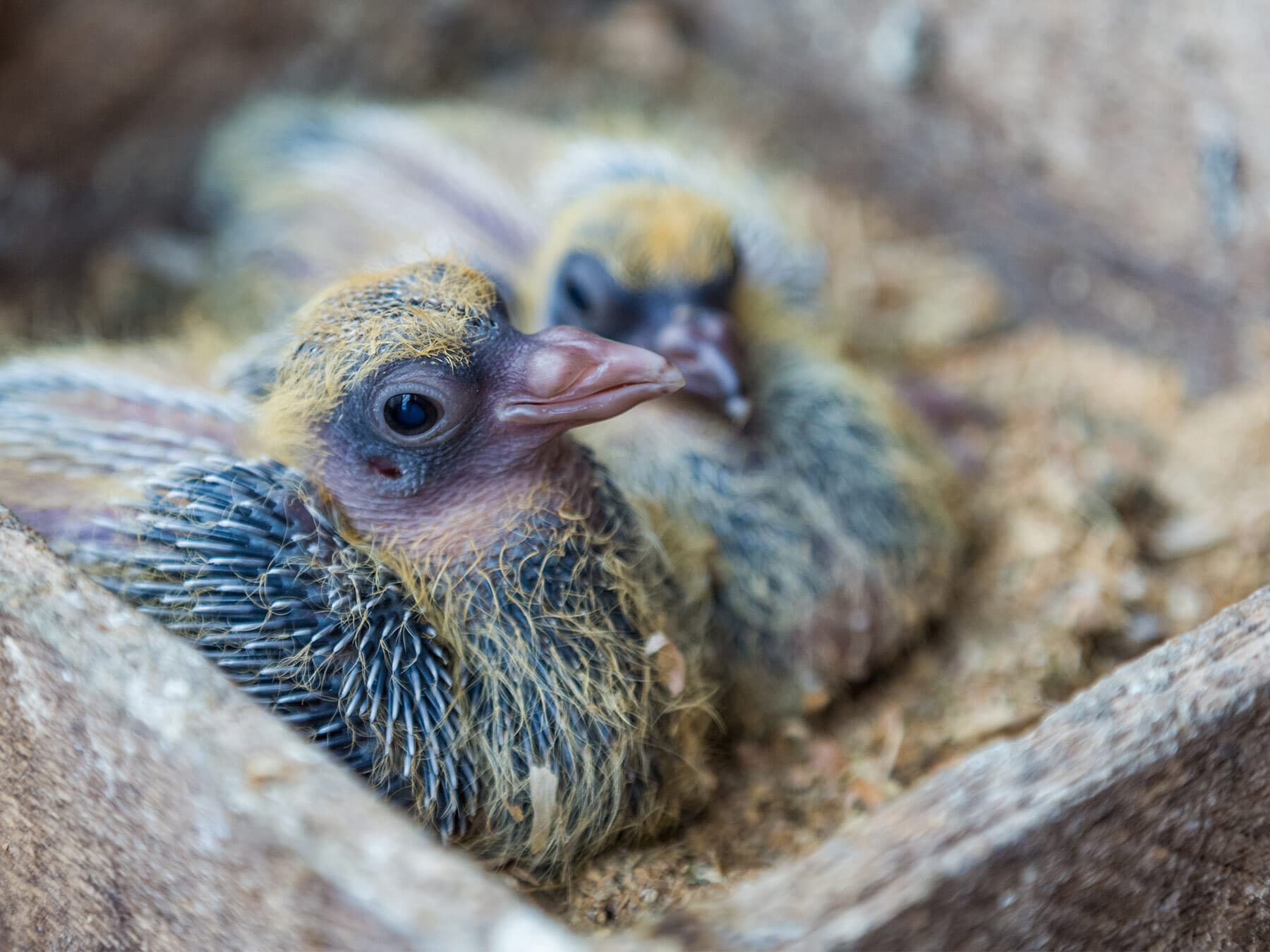
What Is A Baby Bird Called?

What Is A Baby Bird Called?

FactsBaby birds
What Do Ducks Eat? (Full Diet, Feeding, Habits + Behavior)
What Do Ducks Eat? (Full Diet, Feeding, Habits + Behavior)

Facts
The Life of Baby Robins: From Hatchlings to Fledglings

The Life of Baby Robins: From Hatchlings to Fledglings

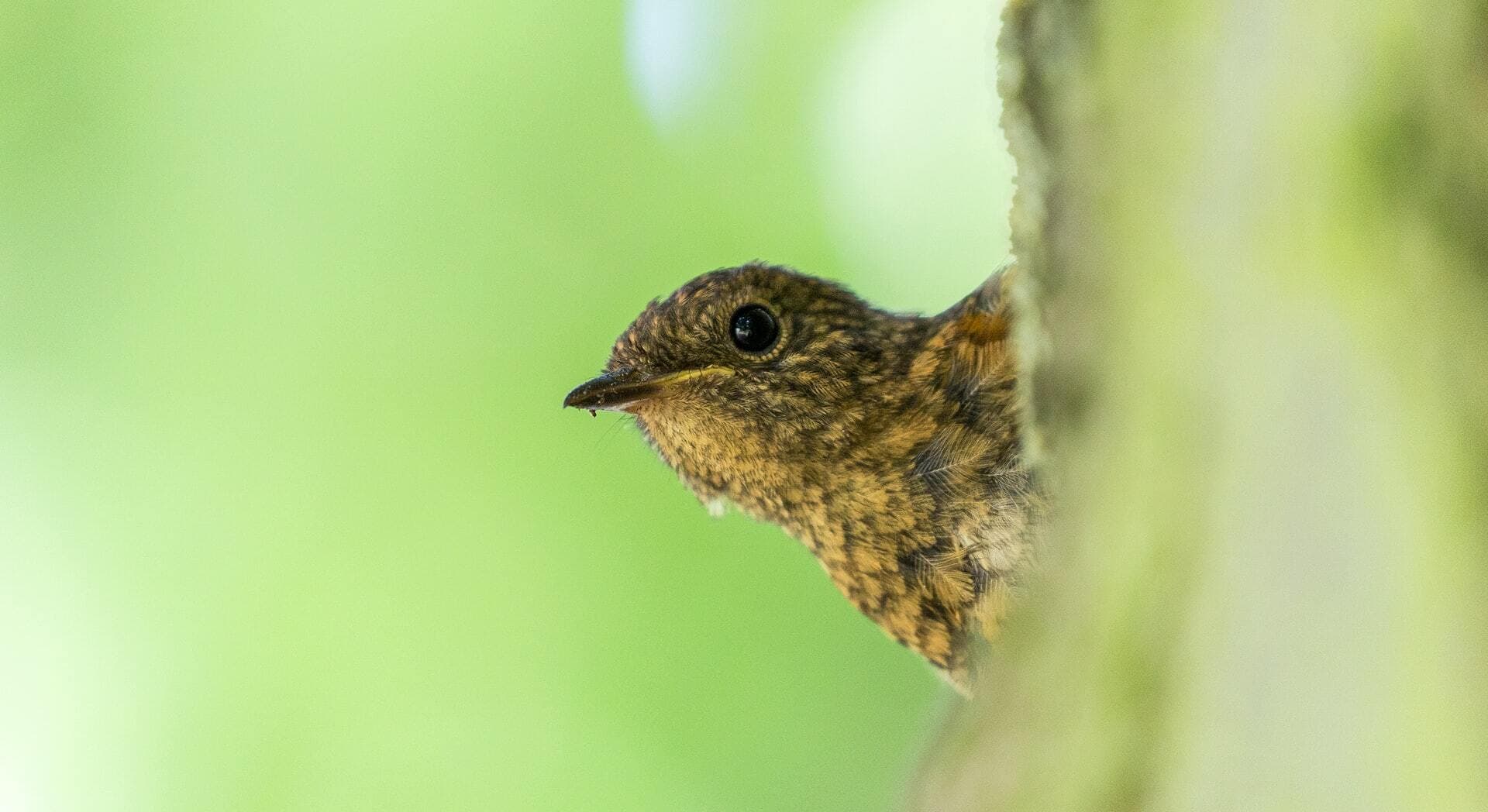
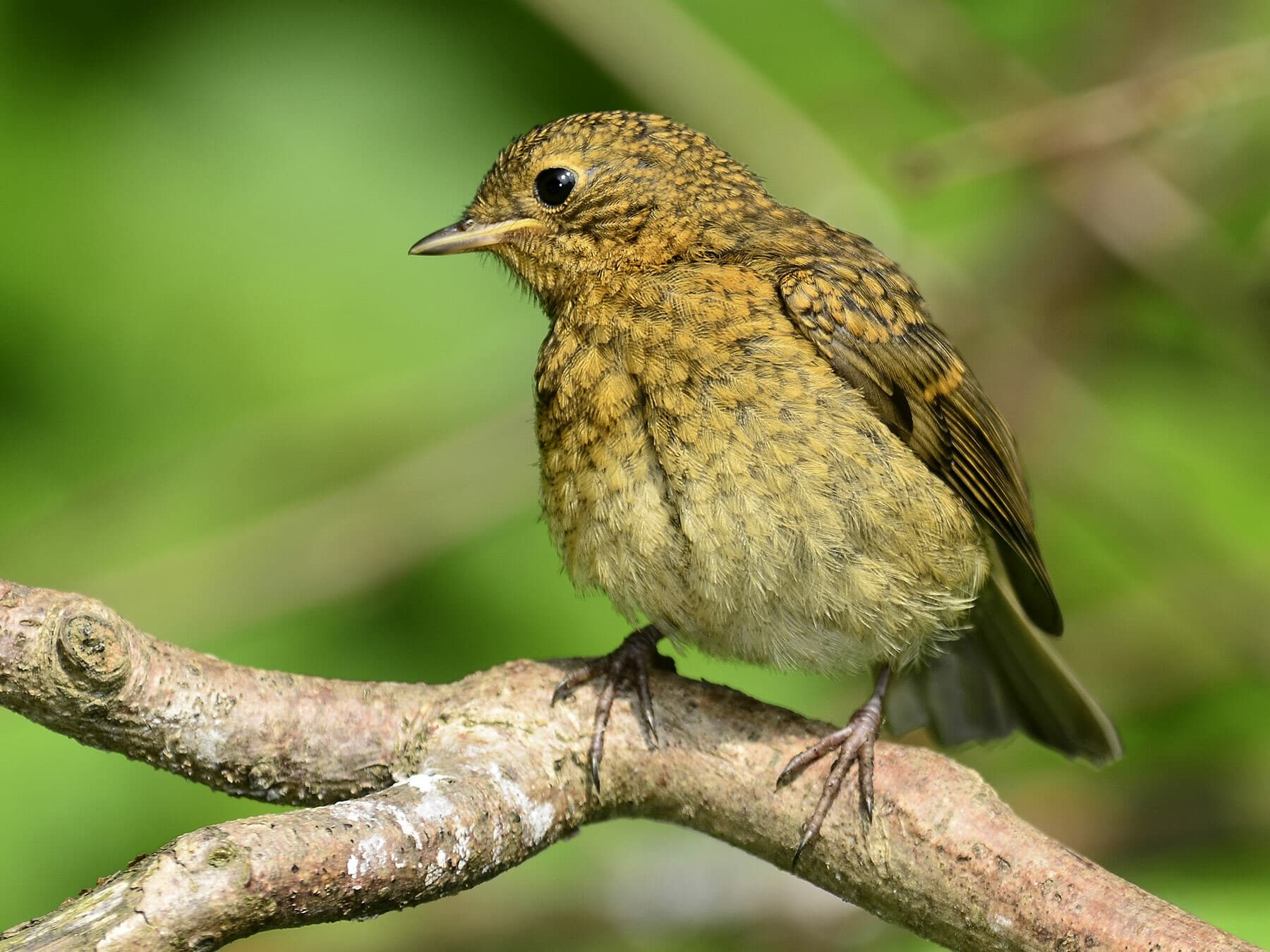
Appearance of Baby Robins: Juvenile robins lack the red breast of adults and have spotted brown bodies. They are born altricial (undeveloped), initially pink and featherless, with eyes closed for about five days, and feathers starting to show around three days.Breeding and Nesting: In the UK, the robin breeding season runs from April to mid-June. Robins lay 4-7 eggs per clutch, with up to three clutches a year, and eggs are incubated for about 14 days. Chicks fledge the nest 14-16 days after hatching.Development of Juvenile Robins: Juvenile robins get their red breasts in late summer, around 2-3 months old, after a partial moult. Their diet initially consists of regurgitated food from adults and gradually includes a mix of invertebrates, seeds, and fruit.Parental Care: Baby robins stay with their parents for up to three weeks post-fledging, with males predominantly caring for fledglings while females prepare for the next brood. Baby robins can fly a few days after leaving the nest.

Garden BirdsIdentification
What is a Group of Hawks Called?

What is a Group of Hawks Called?

Facts
Where Do Birds Go To Die? Unraveling the Mystery

Where Do Birds Go To Die? Unraveling the Mystery

Rarity of Finding Dead Birds: Despite the vast bird population, dead birds are rarely seen because they are quickly consumed by predators or scavengers. Ill or injured birds often retreat to secluded spaces, where they either recover or die hidden from view.Predator and Scavenger Intervention: Predators and scavengers, such as foxes, crows, and ants, rapidly locate and consume dead birds. This natural process contributes to the scarcity of bird carcasses in nature.Causes of Bird Mortality: Common causes of bird deaths include collisions with windows and vehicles, poisoning from various toxins, diseases like avian botulism and avian influenza, and predation by other animals like hawks, owls, and foxes.Behavior of Dying Birds: Dying birds often exhibit signs like avoiding flight, closing their eyes, adopting a hunched posture, and fluffing up their feathers. They seek hidden spots to either recover or die out of predators' sight. Birds can die with their eyes open or closed, and rigor mortis sets in within a few hours after death.

Facts
Buzzard or Red Kite: Identifying Britain's Soaring Raptors

Buzzard or Red Kite: Identifying Britain's Soaring Raptors

IdentificationBird comparisons
Which Birds Sing At Night? The Science Behind Nocturnal Singing

Which Birds Sing At Night? The Science Behind Nocturnal Singing

Bird Species Singing at Night: American Robins, Northern Mockingbirds, Eastern whip-poor-wills, and owls in North America; Common Nightingales, European robins, Nightjars, Tawny Owls, Reed Warblers, and Sedge Warblers in the UK.Nocturnal Birdsong Reasons: Birds sing at night for various reasons including urban light pollution, territory marking, mating, and during migration. Notable nocturnal singers include robins and Northern Mockingbirds in North America, and Common Nightingales and Tawny Owls in the UK.Influence of Light Pollution: Urban light pollution can confuse birds, leading to increased nocturnal singing. Bright lights from cities make it hard for birds to distinguish between night and day, altering their natural patterns and behaviors.Conservation Concerns: Urban sprawl and light pollution impact nocturnal birds, disturbing their natural day-night rhythms. Ethical birdwatching guidelines include minimal disturbance and avoiding direct light exposure to birds during observation.

Facts
PreviousPage 24 of 25Next