Facts · Updated 8 Oct 2026
How Do Birds Find Worms?
By the Birdfact teamChecked by Nathan Cope
On this page8 sections
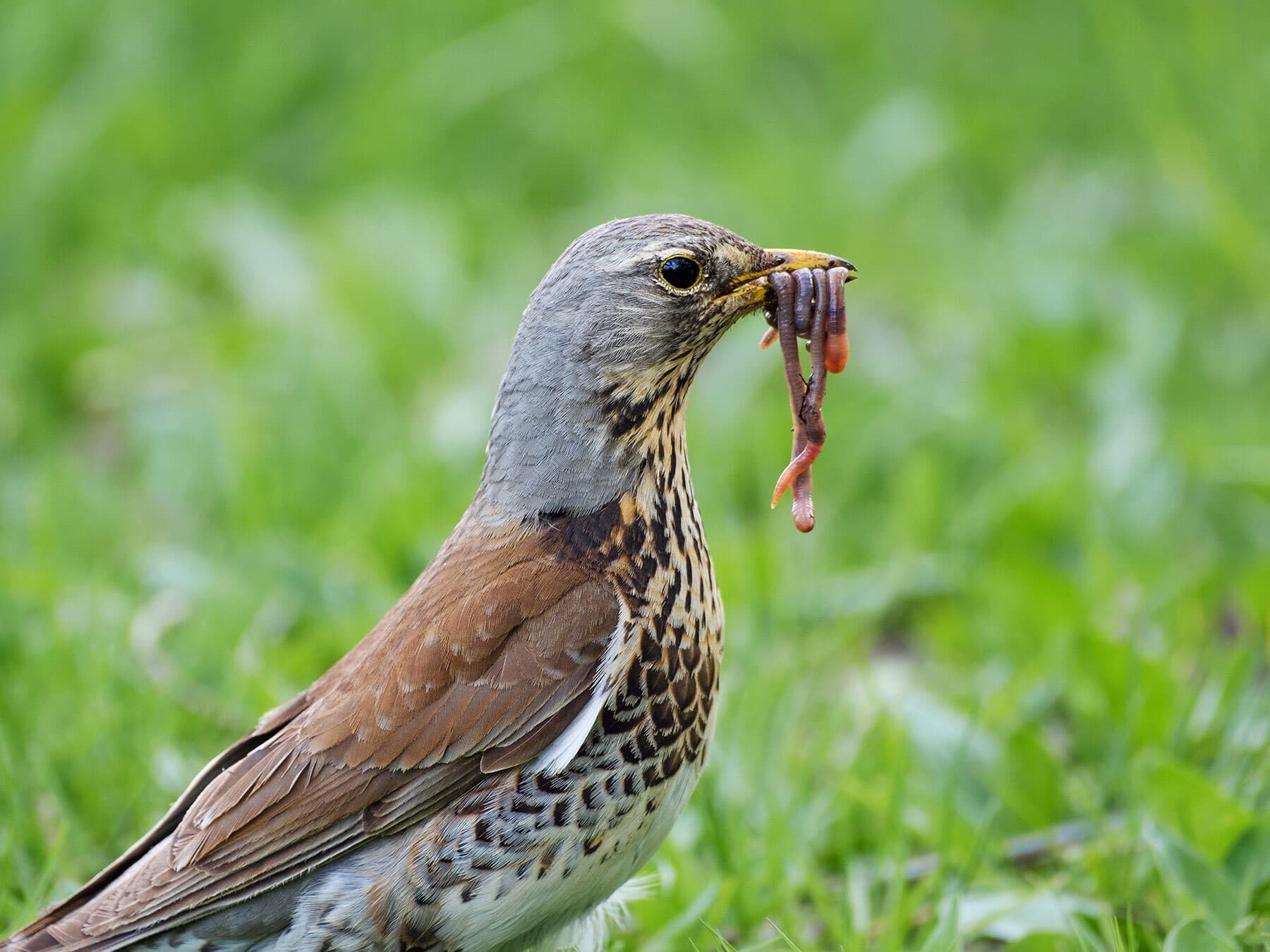
The proverb “the early bird catches the worm,” has its roots in the natural world, reflecting the fact that earthworms are more active under the soil surface at first light.
robins take advantage of this, rising early to probe deep into the soil with their long, sharp bills and successfully pull out worm after worm. Just how do birds find worms, and how many worms can a bird eat in a day?
If you want to learn more about birds that eat worms, keep reading.
Not all birds eat earthworms, but worms do form part of the diet of many omnivorous species. As worms live under the surface of the soil, birds cannot rely on vision alone to find them.
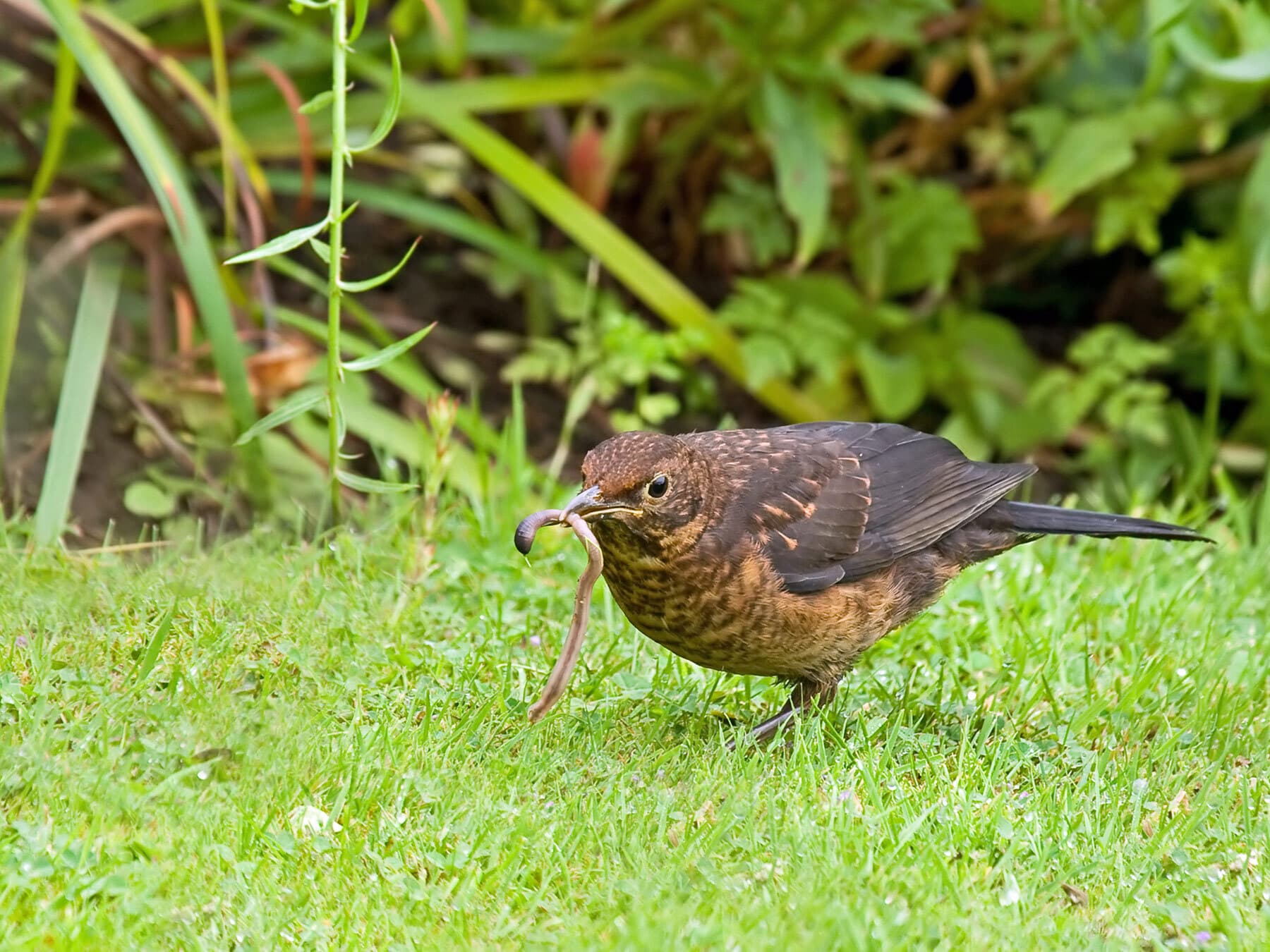
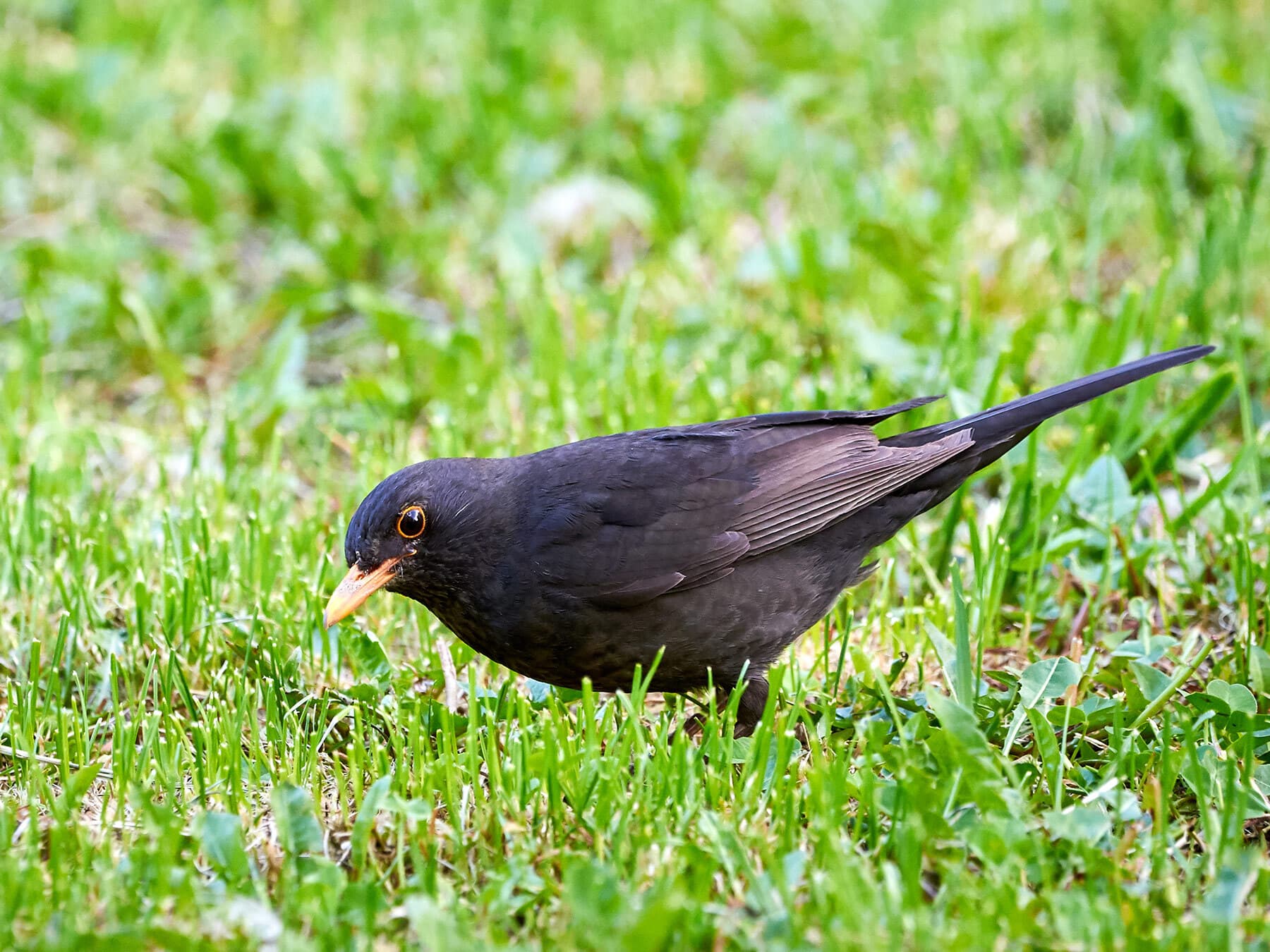
Blackbirds, thrushes and robins use their sharp bills to stab into a patch of grass, having pinpointed a location that is likely to have worms in the ground below. However, it’s not just backyard birds that eat earthworms. Chickens, turkeys, pheasants and geese will pick over any freshly disturbed earth patches in the hope that worms may be close to the surface.
Can birds hear worms?
Birds have a finely tuned sense of hearing, and can pick up on sounds that do not register within a human’s range of hearing.
By using their feet to sense vibrations as earthworms move through the soil beneath them, coupled with their acute hearing, backyard birds are well adapted to be able to sense whether a particular patch is going to be worth investigating and probing beneath the surface of.
Feet and vibrations
Birds may also be drawn to freshly turned over flower beds or areas of soil, knowing that disturbed earth stands a good chance of being a source of fresh worms.
They also look for worm casts on the surface of the earth, and can spot even the tiniest movements on the ground from a distance, which might indicate there are earthworms nearby.
A bird’s sense of hearing is highly developed and tuned into sounds that are inaudible to humans. This includes the sound of worms moving against the sides of the tunnels they make through the earth.
By listening carefully, often with the head slightly cocked, birds will detect the presence of any nearby worms, even those that are not visible above ground.
Smell
Most bird species do not have an especially strong sense of smell, and following a scent is not a key factor in foraging for any food sources for backyard birds. As birds rely on their sense of touch, hearing and sight to find worms just beneath the surface of the ground, the role played by scent is minimal.
Which birds eat worms?
There are more bird species that do not eat worms than do. Doves, goldfinches, hawks, owls, and eagles do not eat worms. But many common visitors to backyard lawns have a strong reputation for patiently scanning lawns, before dipping their bills into the ground and emerging with a wriggling earthworm in their beak.
Birds that eat worms in the US
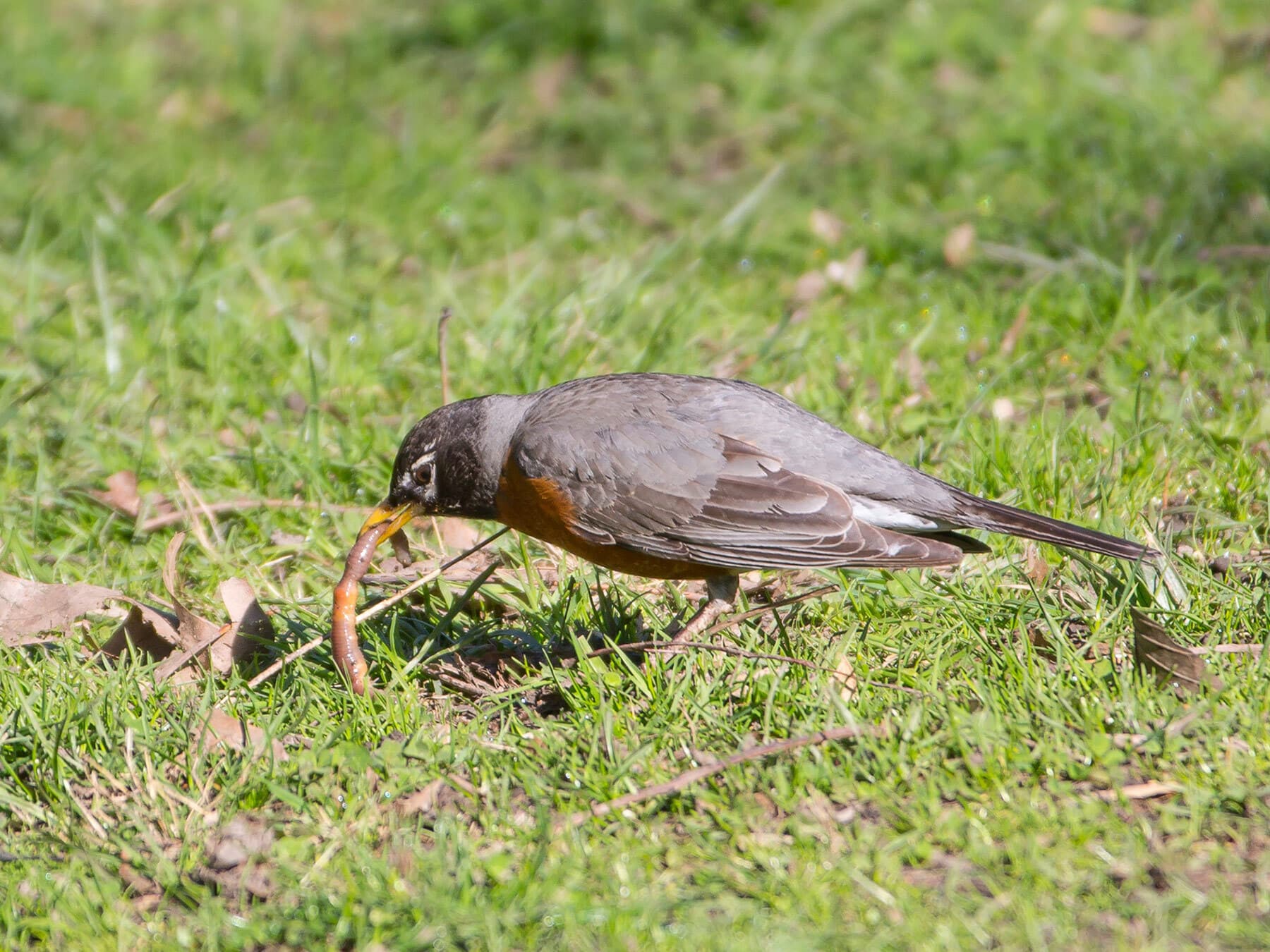
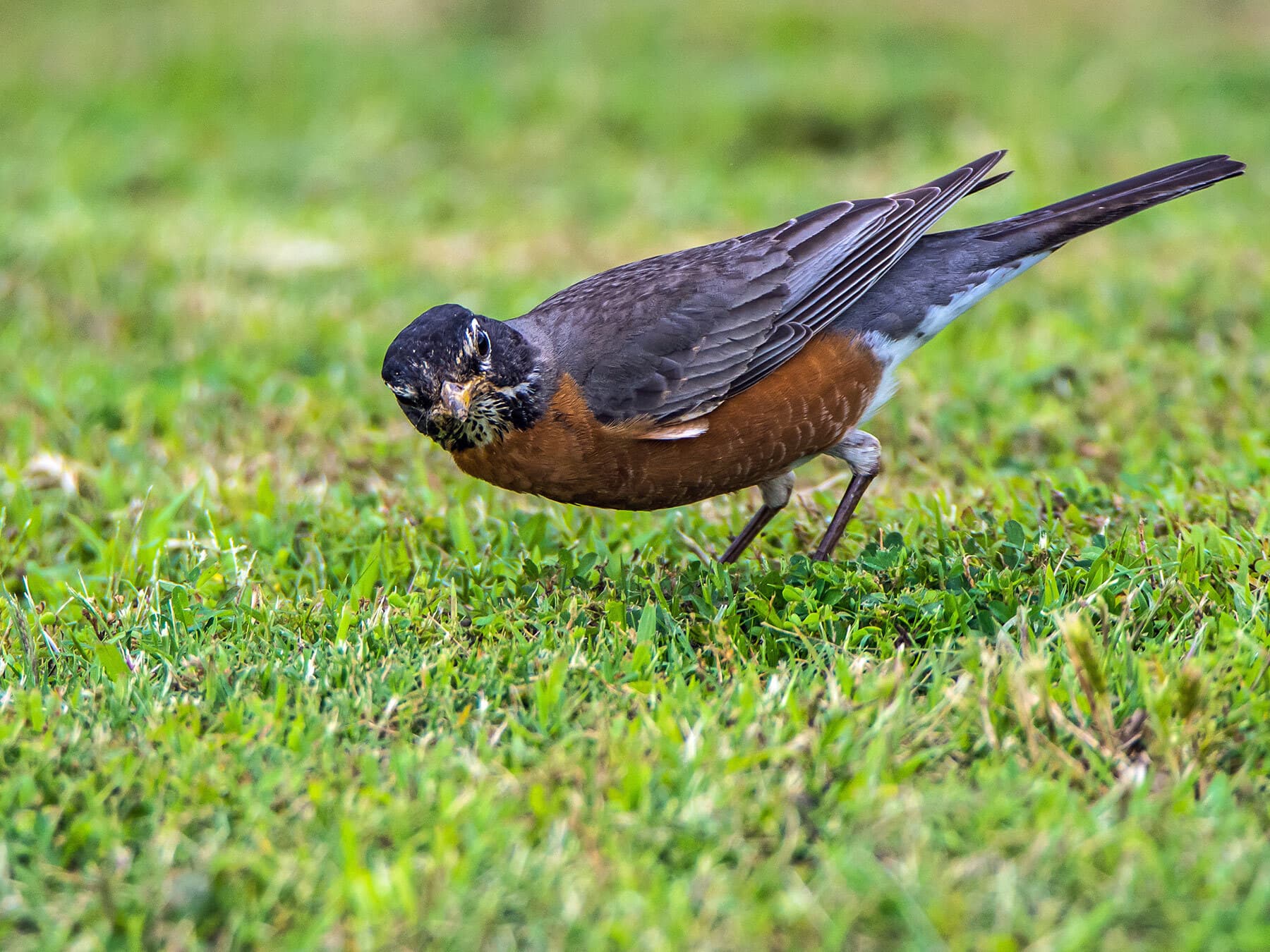
American robins are among the bird world’s top earthworm fans. Earthworms comprise around 40 percent of an American robin’s diet, with studies showing that they are capable of finding and eating 20 worms an hour. This is the equivalent to around 14 feet of worms in a single day.
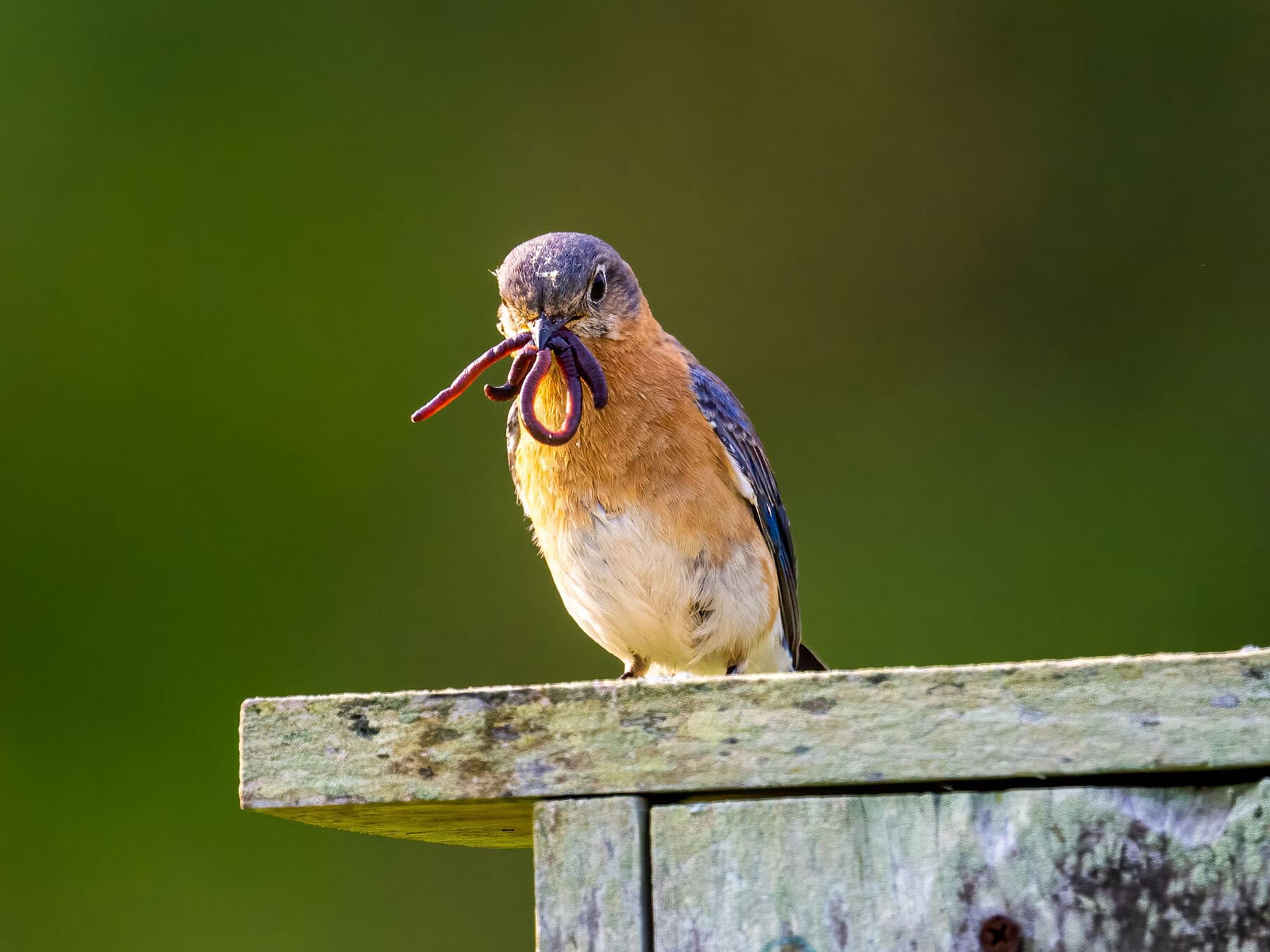
Earthworms form a significant part of the diet of mourning doves, bluebirds, robins and barn swallows.
Birds that eat worms in the UK
blackbirds are among the UK’s biggest lovers of earthworms. Even seagulls have been observed to fly behind machines plowing agricultural fields to pluck worms from the freshly turned soil.
Live worms
Birds will eat live worms, and hunt them based on sensing sound and motion. Worms that are already dead will be overlooked by a bird foraging for earthworms. Dead worms rapidly begin to decompose and may contain a number of toxic parasites, and the smell is off-putting to birds.
How many worms a day
American robins are one of the most prolific worm-eating birds, and eat around 20 worms an hour. This has been calculated as the same as around 14 feet of worms in a day.
Free-range chickens will find around 10 worms a day, while backyard chicken on a worm-based diet will be fed between 50 and 150 worms each day.
After rain
You may have noticed increased activity of hopeful, worm-seeking birds on lawns or flower beds immediately after a period of rain.
Original theories suggested this was to avoid being waterlogged in their underground tunnels. However, other research supports the idea that worms rely on moisture to move above ground, and moving across wet, slippery grass is easier than tunneling through soil below the earth’s surface.
Hearing the vibrations from rain on the earth’s surface may confuse worms into thinking they are being at risk from underground predators, such as moles. Coming up for air would give them a better chance of survival – until they are met with the waiting beak of a clued-up robin or blackbird!
Why worms matter
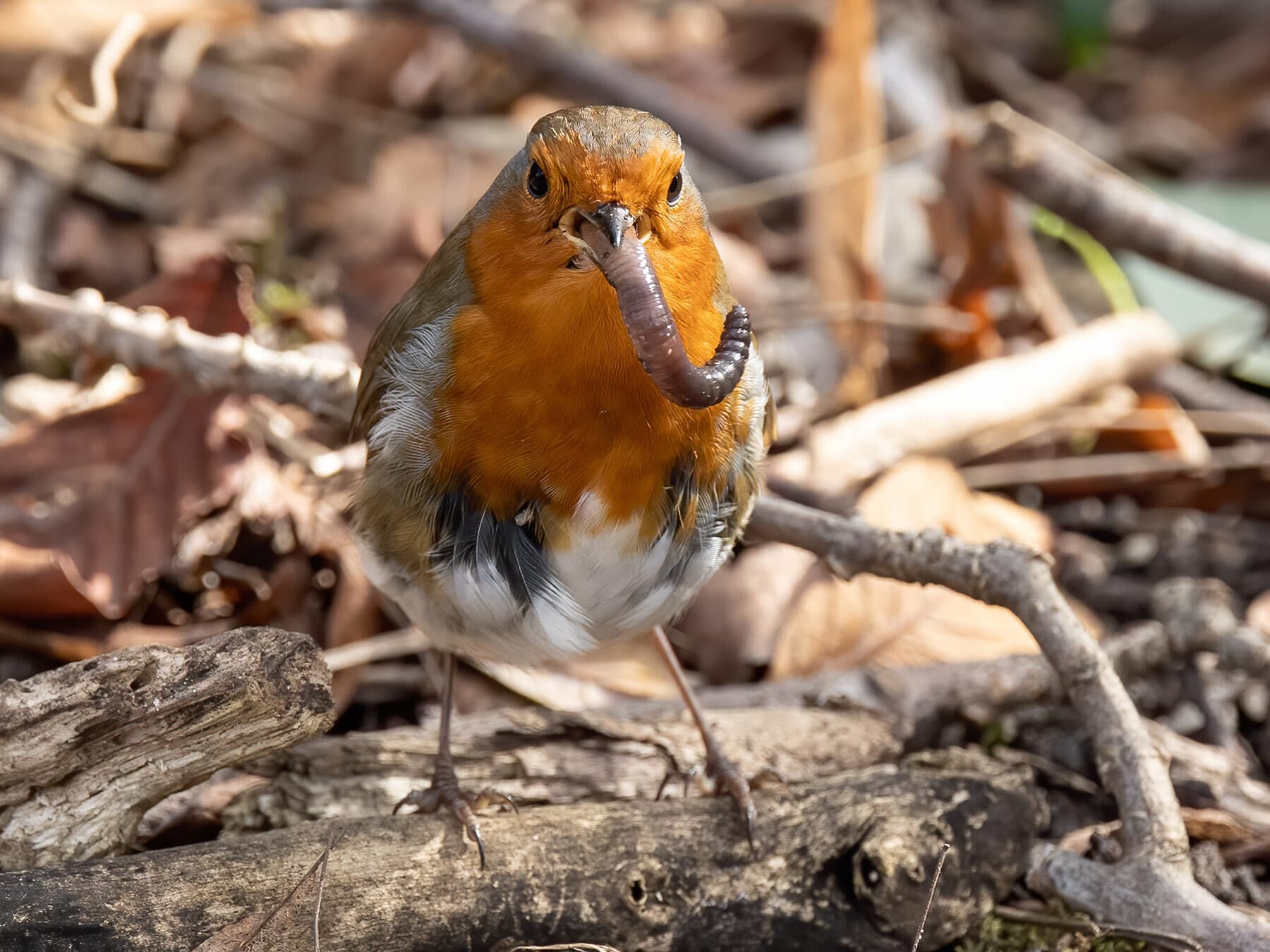
Earthworms are rich in protein, which is particularly important for hatchlings and birds feeding young. Protein content represents between 60 and 70 percent of a worm’s body weight. Earthworms also provide amino acids, essential fats, vitamins, and the minerals iron, zinc and riboflavin.